Max SBA vs. Private Debt: 2 Basketball Court Deals
Jump to:
Key Takeaways
Introduction
Today’s guest bought two businesses in the same niche within four months of each other.He financed the two deals in completely different ways.
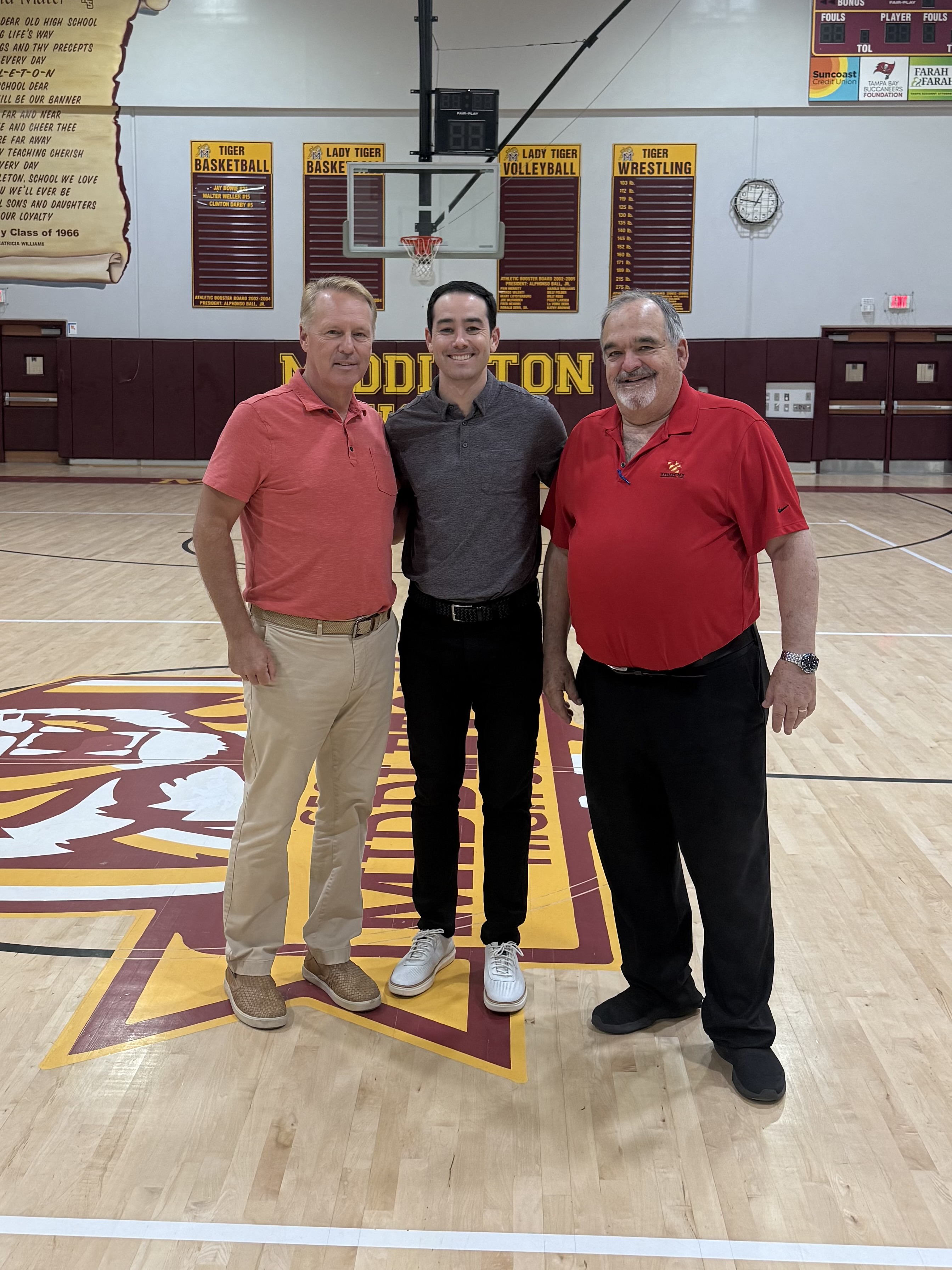
In March, Brendan Feinberg closed on an Atlanta company that installs and maintains hardwood basketball courts.
He used as much SBA debt as the bank would lend. (Getting there took a second bank, after the first bank’s credit committee turned the deal down twice.)
Then in July, Brendan bought the market leader in the same niche in Florida.
That one was funded with private debt from a family office and equity from about 15 friends and family.
So listen for this A/B test of capital stacks, and for why Brendan’s biggest lesson is — what else? — to maximize access to cash.
(At one point the Atlanta business had about $15,000 left in the bank. He has the screenshot — with a heart on it.)
Also listen for how Brendan got his seller to roll equity.
Under SBA rules, that means the seller personally guarantees the buyer’s loan — a nonstarter for most deals.
But Brendan’s way of framing the PG for the seller softened that perceived risk.
Consider borrowing this framing yourself if a seller roll could help your deal.
Here is Brendan Feinberg, owner of GameDay Floors and Trident Surfacing.
Show Notes
Listen Instead of Watch