Host: Today's guest knew that his target business didn't conform to the conventional wisdom. It was tiny, losing money, about to shutter, and how big could the market actually be? Peace Vans was a repair shop in downtown Seattle that specialized in Volkswagen vans. Well, Harley Sitner bought it anyway, and for just $100,000, which was still too much, he jokes. But there was value there. Solid mechanics, a desirable lease, some assets, customers flash forward 12 years from this
Guest: little hole in the wall.
Host: Harley has built Peace Fans into a beloved brand. An eight figure business. A true company. Now, there are many important themes in our conversation, but I'll call out these what it means to build a brand. The unlock the platform that it is when to go with your gut as Harley did, buying such a fragile little business. And finally, business Buyer Fit. Part of Harley's success and longevity with Peace Fans is thanks to its fit with his creative talent. This reminds us of the power of finding not just a good business in the abstract, but but the right business for you. Now it is a high bar. Realistically, most people won't be able to find a business that is also an outlet for their unique gifts. But don't forget to at least try, okay? Please enjoy this interview with Harley Sitner, owner of Peace Vans. And if you have a question as you listen to Harley's interview, we're excited to introduce a cool new feature, live Q&As with our guests so that you can come meet them virtually and ask your questions directly in a Zoom call. Harley's live Q A is Thursday, March 27th. Register for that at the link in today's Show Notes or in the YouTube notes if you're watching on YouTube or at acquiringminds co. Come to Harley's Live Q A on Thursday, March 27th. Register at the link in the Notes announcements today. Thursday, March 13th legal office hours this one on employee issues and non competes, a key theme of any business acquisition. Attorneys Bill Barlow and James David Williams return to cover all the employment, non compete and non solicit issues that commonly come up on deals. That's today three Thursday, March 13th at noon Eastern. Register at the link in today's Show Notes or on the Acquiring Minds homepage. Acquiring Minds co Also SM Bash is coming up quick first week in April, you know Bash as a conference uniting small business buyers, operators and investors. Speaking of, I'm told there will be quite a few investors in attendance this year. It is in Dallas April 2nd through 4th. Many acquiring minds guests will be there, both in attendance and on stage. I myself will be on stage alongside Moses Kagan. I'm very excited about that. Get your tickets now@smbash.com and finally, don't forget our new podcast, Meeting of the Minds, a weekly show focused on independent sponsors. As you know, the independent sponsor format of buying businesses is quite different than that of search. Larger businesses, more outside capital, higher expectations from investors. But for some searchers, it's where their business buying careers might take them. Case in point, last week's interview was with Alex defeifer and Ross Porter, who started as searchers, evolved into being independent sponsors and and evolved again into traditional private equity. They most recently raised a $220 million fund to buy businesses in the lower middle market. A fascinating story in its own right, but particularly for searchers as it shows the possibilities of choosing entrepreneurship through acquisition as a career. The podcast is called Meeting of the Minds. It's on YouTube, Spotify, Apple, every Wednesday. Please join us. Welcome to Acquiring Minds, a podcast about buying businesses. My name is Will Smith. Acquiring an existing business is an awesome opportunity for many entrepreneurs, and on this podcast I talk to the people who do it. What do the following Acquiring Minds guests all have in common? Doug Johns, Morley Desai, Tim Erickson, Chirag Shah, Shane Ursam. They all went through the Acquisition Lab, the accelerator in community for people serious about buying a business. But they represent just a sliver of the Lab's success stories. The number of deals across the Lab's cohorts now stands at over 120, with over $300 million in aggregate transaction value. The Acquisition Lab was founded by Walker Deibel, author of Buy, Then Build, the book that introduced so many of you to the very idea of buying a business. The Lab offers a month long, intensive, almost daily Q and A sessions with advisors, live deal reviews with Walker, Deal team introductions, and in an active community of serious searchers. Check out acquisitionlab.com link in the notes or email the Lab's co founder, Chelsea Wood. Chelsea buy, then build.com Harley Sitner welcome to Acquiring Minds.
[6:02] Guest: Great. Thank you, Will. I'm super excited to be here today.
Host: Harley, you're 12 years into the ownership of Peace Vans, a business that you essentially resurrected and have subsequently turned into a beloved brand. So this is a story not just of financial success, but one where passion and business happily overlap. There's a lot to say on that point. We'll get there, but start us off please, Harley, on how it was that you decided to go out and buy a business in the first place.
Guest: Sure. Thanks, Will. So the process of going out and buying a Business. It, it really, I mean, you could argue it goes all the way back to my childhood and the impressions I got from my family, you know, just seeing entrepreneurs around me. With that said, though, I was still kind of, you know, always shuttled into a more conservative corporate path, you know, or risk, you know, just low risk tolerance path. Even though I was actually had quite high risk tolerance. I mean, I actually like got suspended in high school for gambling under the stairs, which my kid loves hearing that story over and over.
Host: That's such a classic, you know, future entrepreneur story.
Guest: It is, it is, you know, rolling the dice under the stairs and then the principal and assistant principal just pounding on us and grabbing the money and you know, we're just like, what, what just happened? And then. But really, I mean the, you know, like it mostly started with a project. I worked at Microsoft for a bunch of years. I'm sure we'll talk more about my background and all that, but one of my, my general managers at the time was like, you need to go. You're responsible for small business marketing for Windows and you need to go talk to small business owners across the US and so I did that. I took a couple of weeks and traveled to the Midwest and you know, the Southeast. And I don't know, I really just, I was, I was just, my eyes were wide open to like just the opportunity and the lifestyle and the variance that these, these companies, you know, like, like occupied. And it was super exciting and energizing to me. So I kind of came back from that trip and started thinking about, well, I think it's time for me to leave corporate life. And I always found corporate life somewhat unsettling.
Host: Harley, just to interrupt, you happen to remember any particular business owner or business that you saw on that trip that stands out?
Guest: Yeah, there was an H Vac guy. You know, classic as, as, you know, as I've, you know, looked through all your content and I'm familiar with all the search industry now over the last like 10 years, how that's all exploded in like H vac and the trades and roll up and PE and it's a big deal. But at that point, like I met this guy and he must have had like 30 or 40 people working for him. You could just tell he was making a lot of money and you know, finance me a lot of my small business, you know, acquisition path was focused on financial. So I was just really intrigued with this guy and I think it was Lawrence, Kansas. I visited some university towns, pretty sure that one was Lawrence, Kansas and just was Amazed at this guy's attitude, his joy. He was just doing something very behind the scenes like residential H Vac and was moving into commercial. And so that was the one where I was just like, damn, like this, like this guy's got, you know, like this is like a highly profitable business. He's in charge of his own schedule. He had a really interesting corporate culture. He was nurturing, you know, with his values at front and center. So that was kind of the one where I came back and it was still a couple years before I like, was actually like able to exit Microsoft. But that one always stuck with me.
[9:49] Host: Well, it's funny, Harley, because there is a pattern among guests where many of them will have a moment where they're, where they realize that being a small business owner is actually this incredible path and that small business business owners do quite well. Because of course the, the picture of business success are the, are the biggest possible names, the Elon's and Zuckerbergs of the world. So that's, that's kind of, that's kind of what the layperson thinks of when they think business success. And it takes exposure sometimes to, you know, the H Vac, the local H Vac owner to realize, you know, all the, all the nooks and crannies where, where wealth is built in other ways.
Guest: So yeah, it was, that was eye opening. I was also kind of new to like, yeah, I'm a very creative person and I was a little worried about something so non creative in a lot of ways, like would this satisfy my expressive desires, you know, if I was like into H Vac and. Yeah. And you know, I started looking at a bunch of different potential companies.
Host: And what year is this that would have been?
Guest: I left Microsoft in 2007. So that would have been like 2004. 2004, I think, where, you know, that trip and. Because then yeah, I spent another year in Windows and then did another job at Microsoft and finally pulled the trigger and my first small business acquisition in
Host: 2000, which we're going to hear about. But just to, just for historical reference for people, 2004 was kind of, well, maybe not peak Microsoft, but close to peak Microsoft. It was, it was, you know, it was, it was pre web 2.0. So Silicon Valley was still basically dead and Microsoft was the. Google was certainly coming up, but in Amazon, I mean these were names that were still around, but Microsoft was still the top dog in tech at that point. So you were really working. Yeah, very much the creme de la creme. Yeah.
Guest: And I was Working with the creme de la creme people and on some super fascinating projects. Like, I loved my time at Microsoft. I worked on very strategic, high level project, you know, presented to, you know, Gates and Ballmer.
[12:05] Host: Really?
Guest: Yeah, yeah. You know, and got yelled at like everyone does.
Host: Oh, wow. How exciting. Yeah, I mean, was Bill Gates rocking?
Guest: Yeah, yeah, yeah. I used to, I, I was in Building 34 for a long time and I had a lot of business on the fifth floor which is where, you know, they sat and you know, you run into them in the bathroom sometimes. Oh, wow. Wow. Yeah.
Host: Running into Bill Gates at the urinal. What a thrill.
Guest: Yes.
Host: Okay, so back to your motivations. Okay, so, so you, you, you get a taste for small business on this, on this business trip. What else? Tell us more about how your motivations start shifting and taking shape.
Guest: Yeah, I mean I was in my 30s, you know, it was a, it was a really good opportunity, you know, like moment. Like we didn't have, my wife and I didn't have children. We were, you know, know, financially sound place. It felt like a great moment to start taking some more risks. And I was really, as much as I loved what I was doing at Microsoft and was seeing success there. You know, I joke about, you know, like those 3:00am Emails from Steve Ballmer. You know, it's just like I, you know, like, like something wasn't connecting with that as well as just one too many PowerPoints. As this just wasn't the nature as interesting, intellectually interesting as the work could be. Just the rigmarole around some of the work. I was just like, this just is not, you know, the right thing for me.
Host: I mean it sounds like you were kind of a classic case of chafing at the constraints of corporate life. Having a boss, not being very, not very, being very autonomous at the end of the day. Um, and, and right.
Guest: Yeah, oh, very much so. I mean, and even though I had some, you know, some, you know, there was, there's, there obviously wasn't remote work at that time at Microsoft, but I still had some liberties and you know, I was treated really well and they respected me and I was someone they wanted to keep and nurture and grow. But yeah, it really wasn't, it was, it just wasn't where I saw myself. And then the, the real. I don't talk about this a lot because I'm not really a financially motivated person, but the opportunity for true wealth generation is somewhat limited in those environments. And then the amount of like effort and the trade offs you have to make to really like move up that wealth generation ladder are quite high in those organizations. And I just didn't really have it. I felt like, I mean, I had it intellectually and work ethic wise, but it's more that emotional investment. Oh, this is how I'm going to spend the next 10, 15 years to try to generate wealth for myself and my family. It seemed like there was a more fun path to pursue.
Host: Yeah, but. And, and just you say of yourself that you're not that very. You're not very money motivated or wealth motivated. But in fact, and I'm also hearing that you are because you do want to have a career where you've generated some thing that could be called wealth.
[15:12] Guest: Yeah, there's no question. I mean, there's certain things I want. My wife always jokes like, well, you just wear the same clothes every day. I just bought my third pair of shoes, you know, like, I only own two pair of shoes prior to that. Yeah, I'm fairly simple. But you know, there's things I want, you know, I want to be able to retire. You know, I want to, you know, be able to travel. But I really, my needs are, you know, I'm more of a minimalist in that way.
Host: Yeah. Yeah.
Guest: So I'm not pursuing an IPO or you know, a PE buyout necessarily with. With piece fans.
Host: Okay. One other phrase you used in our pre call that, that grabbed me was wondering and wondering about how to be the quote, guy in the coffee shop. What did you mean?
Guest: Yeah, I mean, so obviously I was in, you know, we moved to Seattle in 2002 and prior to that we were in San Francisco where there was that cafe culture. So yeah, like at least 15 years inhabiting cafes. And I went to school in Ann Arbor, Michigan, where there was cafe culture too. So I just always loved working in cafes. And in Seattle, it was actually early 2000s, there was a coterie of people that worked in the cafe. And I was always just like, who are those people? What are they doing? And you know, like, that's so interesting. Like, I want that. I want to be that person in the cafe. And there are two, two motivations there. One was an ego thing. I always thought those people must be doing something super cool. And I was like, I wanted to be seen as super cool. But number two, it was this fantasy around controlling my time and my schedule. That was really one of the hardest things about, you know, the corporate world was just the constraints of even though, yeah, I could show up at 8 or 8:15 or 8:20 or 7:30. I still had to show up every day, and the expectations were kind of there. You're there till 4, 5, 6, and the traffic and the commute and just all that rigamarole. Like I, I, this idea of being the guy in the cafe and I could just go and hang out and kind of socialize and, you know, like, I just always, always fantasized about that.
Host: Well, well, being, being the guy with, on his laptop all day in the cafe is still a thing, but it's probably, if, if you had that experience today, it would probably be the guy in the coffee shop in Bali on his laptop.
Guest: Yes.
Host: Because now, now it's. Now you got to add the digital nomad layer to the fantasy, which I
Guest: kind of having spent two years traveling, you know, the world in my 20s, and I kind of am a little, I wish, I kind of wish I had, like, that had been a thing when I was sort of, you know, I could have combined my nomadic instincts with my remote work thing. So.
[18:03] Host: Yeah. So what was the straw? And tell us about your first business acquisition.
Guest: Yeah, so the straw was really, you know, I was working at Microsoft. It was such a fun job. I was traveling around the world. I was meeting with ministers of government. You know, we were, went to Botswana for a project and as we're in the, like the, the, the, the car from the airport to the hotel, the radio came on. Representatives from Microsoft are on Gaborone this week too. And I was like, whoa, whoa, that's us. You know, like, even though, like all that was happening and it was really like a super fun project at that time. Like, I had a brilliant manager, but she was also like a grinder. You know, she like, you know, the work expectation, it was just, it was super intense. And I was like, I'm, I'm getting pretty burned out here. And I started looking, I started just really researching small businesses. At that time, there weren't a lot of resources. There were some brokers, which I always joke, I made a joke for years about if, you know, my next career is going to be help reinvent the small business brokerage space, which a lot of people have done over this 10 years. But at that point it was like the Wall Street Journal had some website that I think is still active, Biz Buy Sell. And there are some brokers that, like, I knew much more than the brokers. It really was, it wasn't a great experience. But I started just hunting things down and like, looking at things and I had some criteria and so I looked at some really interesting companies. Initially.
Host: And Harley, just before we hear more about that. First of all, quick aside, the small business brokerage space hasn't actually changed that much.
Guest: I didn't want to insult the audience, but yeah, that is my instinct that it is still ripe for disruption.
Host: You know that one of the most common levers to pull in a target acquisition is technology updating the systems of a business that may still be running off a spreadsheet or even pen and paper. But tech is complicated with tons of solutions out there. So choosing the right cloud platform, CRM, telephony, compliance and cybersecurity, not to mention implementing all that, is a job in itself. Acquiring minds Guest Nick Akers knows this firsthand. As a former searcher who now owns Inzo Technologies, Nick has seen the tech challenges searchers face when acquiring businesses. His team at Inzo regularly works with searchers and their acquisitions, offering a complimentary IT audit of the target company. Nick takes a personal interest in all their searcher clients, drawing from his own experience in the search phase. Enzo dates back to 1989. So this is a company that has managed the tech for hundreds of small businesses over decades. And one last thing, no long term contracts with Enzo, a big differentiator. Check out inzotechnologies.com I N Z O or email Nick directly@nickzotechnologies.com and don't forget to tell them you're a searcher at Microsoft or being in tech. The obvious place to consider being an entrepreneur is in doing some tech startup. Buying a small business is, is still a pretty unusual option. So how did you leapfrog over, you know, door A to go into door?
[21:35] Guest: That's a great question. And because a lot of my peers, even to this date, when they leave Microsoft, Amazon, Google, wherever they are, Facebook wherever they are, they do move into the familiar space of tech. I was, I was just violently opposed to it. I have a degree in computer science. I have an mba, both from top institutions. I had all the skills in the background. I'd done, you know, I'd raised capital, I'd done startups. I just, I wanted, I really wanted something visceral and something I could touch. I, I was really hungry for that. I'd been going to Burning man for a bunch of years and had been somewhat involved in the maker culture and this idea of like building things and touching things and the physical world was really, really compelling to me and also customers. I really, I'm, I'm, I'm, I'm an ENFP in the Myers Briggs, you know, taxonomy and you know, the E in me, the extrovert in me, really just the idea of like I was at Microsoft, I was sure I drank the Kool Aid. Like your products are going to touch a billion people. Yeah, but I'm never going to hug any of them, you know. And like to me, I'd rather hug a hundred people than serve a billion people. And so that was kind of, so tech was really off the plate for me. Even like, you know, kind of hybrid things like technology consulting. Like, I just didn't want to do anything with tech. So I really wanted to try something different and build new skills and be in a different vibrational space, if you will. If I can delve into new age speak for a moment.
Host: Sure, Mr. Burning Man. Absolutely. Peace Fans.
Guest: I know it is kind of a. Yeah, I do, I do fit a lot of cliches.
Host: So Harley, the. One of the things that many of my guests may experience if they're coming from some high flying corporate role either in tech or in consulting or in private equity or something, is they have to, they have to reconcile a little bit the status change.
Guest: Oh yeah, okay.
Host: And, and, and one of the things is, is about one of kind of under that umbrella of status is, is impact. Working on big things or working on things that everybody knows or for a brand that everybody knows. And I've never heard. But, but what they often learn or what they, or they are, they already realize and that's part of the reason they decide to go down this path is that there's. That you can either touch a lot of people barely or you can touch fewer people but really impact them. And so that's kind of the you I can imagine, sort of a two by two matrix there somehow.
[24:25] Guest: Oh, very much so.
Host: In, in, in small businesses is, is an option for that where you're, you're touching fewer people but you're able to have much more of a relationship with them, a better impact on them, so you're, you're closer to them. Anyway. This is all kind of stating the obvious, but you just made a beautiful bumper sticker out of that concept. What is it? You could work for products that touch a billion people, but I'll never be able to hug any of them. That is just perfectly captures this, this concept.
Guest: Yeah. And that is, you know, on even my toughest days at Peace fans, that is the most redeeming or rejuvenating or re energizing component of the job. And we'll talk about this, I'm sure further on the conversation. Like there's a lot of hard days in a small business. And that connection to the customer is just the most refulfilling component of it. And it really is, you know, like, we hug so many of our customers. That was the hardest thing about COVID I think there's a. There's an interview somewhere with me. I. I know exactly. It was Brian. I'm not gonna say his last name, but it was a gentleman from Rhode Island. He's a professor. Professor at Brown. He was the first customer post Covid that we hugged. And I distinctly remember that, you know, it was, you know, like. Like, we were kind of, like, masks were coming off, people were vaccinated. And while Covid was great for our business, it was also, like, devastating emotionally, as it was for everyone. But I remember when Brian and his family flew out from Rhode island, picked up their camper van, and, like, we kind of looked at each other and, like, he was an old VW guy, and there's this deep connection there. And it's like we're both kind of mutually. Like, the instinct was to hug, and we both been. Like, everyone had been out of that mode for so long. And then we hugged, and I was like, okay, this feels really good again. That's great, Harlow.
Host: That's really great.
Guest: Yeah.
Host: So. So it's not just a metaphor about hugging, hugging.
Guest: It is literal. Yeah.
Host: Yeah. Okay, great. Let's hear about what. What were those criteria you were about to tell us about, those loose criteria for your first business acquisition?
Guest: Yeah, so the. The loose criteria for the first business acquisition. I really wanted something that enabled the lifestyle, you know, like, maybe I could be in the cafe. Maybe I could have some flexibility around the schedule. I was very industry agnostic. Like, very. And I was really proud about that. I looked at a small company that manufactured docks here in Seattle. Really interesting. And I applied some classic business criteria. I was looking for barriers to entry. I wasn't really focused on an EBITDA number or profitability number. I wanted barriers to entry. I wanted enabler of flexibility of. Of, like, schedule. And I wanted some. I. What. I could see some, you know, growth. You know, whether there was an untapped market or there are adjacent markets or there was something perhaps that could align with skills that I had. I wasn't naive enough to be like. Like, I can just go do anything, you know, like, is there something I can do, you know, like, unique to my skill set? So that was like, a loose set of criteria. And then obviously, there's kind of the financial. I didn't have A lot of money. So what could I qualify for? What could I actually purchase and what could I kind of support?
[27:55] Host: And why do you think that how much the business was generating, earning mattered to you so little? I just believe, usually criteria number one,
Guest: I believed in my skills that I'd be able to sort of build it. Yeah. If I understood the strategy and the market dynamics that I would be able to sort of grow it and build. And that's what I was looking for. I was looking for like, you know, the, the, the unpolished gem that I could then grab and polish and you know, grow and shine or.
Host: Wow. Boy did you find it and boy did that come true.
Guest: Yeah.
Host: Although not. Not until you.
Guest: Exactly not. It took a while and I learned some incredibly valuable lessons in that first round of sort of acquisition.
Host: Well, let's hear that story in brief. So what did you find this first acquisition brief?
Guest: So it was, it was a company called West Coast Nurseries and it was brokerage company. So it was one person and he was the middleman, he was a broker. Which I was fascinated with that business model. Very.
Host: Yeah.
Guest: Both high risk and low risk at the same time. And I really understood the business model. He had some very key accounts, one of them being Walmart. And then he had, you know, suppliers locked down. He had some key accounts locked down and his business was like highly flexible. He could do it from every, anywhere. There were significant, like intense moments around Easter, Valentine's Day, Christmas, you know, a few other holidays. But then there was a lot of downtime, which was really, really interesting to me. He had some suppliers in Hawaii which was compelling to me to you know, travel to the islands. And I thought, you know, like I could have conversations with buyers at Walmart, you know, with my corporate skills and my MBA and all of that. And I thought there was, he had vastly underinvested in technology and I thought there was a real. There was, despite what we were talking about earlier, my aversion to technology. I knew that my comfort with technology, my ability to deploy it in a sort of ossified small business would be a lever I could pull. So I looked at that and I was like, yeah, you know, this kind of fits all the criteria. I felt that the owner training would be excellent and we structured a deal with an earn out for him. So you know, I, I pulled the trigger on that.
[30:14] Host: And. But Harley, you said it's a one, it was a one man business. So you were essentially buying a book of business from this guy.
Guest: Very much so.
Host: And, and when you Talk about it being tech backward or no tech and, and deploying tech into, into the business, which is classic playbook, but really we're just talking about the extent to which this lone individual was using technology and how you would use it better or
Guest: use it more than us. But he was doing, I mean, you know, there's a lot of volume throwing through, flowing through his small business. Like he, you know, we were supplying every Easter Lily to every Walmart west of the Mississippi. You know, you're looking at like 65, 53 foot trailers of Easter lilies, you know, and managing the distribution and the logistics and you know, Walmart and their buying requirements and their technology interfaces and they're increasing increasingly pushing on suppliers to become more sophisticated with technology and dropping suppliers who couldn't meet it. And I knew like I would have no problem sort of implementing whatever technology requirements they threw at me and probably surpassing them along with the other sort of, you know, customers. So. Yeah, but it was.
Host: And with accounts like that, Harley, we're not going to spend too much on this story. But with an account like that, how do you see growth? Just more account. I mean that's a, it seems to be about the biggest account somebody like that could possibly land. So it seems like. Was there much meat on the bone in the industry left?
Guest: Yeah, there was. There's a lot of adjacent markets, you know, just other floral items. And then just having the Walmart account at that volume just, it just, you know, like blew away, you know, the both sides of the marketplace. You know, I was able to open doors at Walgreens, at Rite Aid, Home Depot. Other companies would take you incredibly seriously when you're like, I'm deliver, I'm the wall, I'm the Easter Lily guy for Walmart. Like that there's no, you know, at that point in time, oh, you go to Bentonville and you do blah, blah, blah. That was, that is the ultimate sort of, you know, calling card. So it was a real door opener having. And I think there was a sales book back in that time called Anchors of Diamond, something like that. It was this notion of like having like a real anchor client and Walmart was that for, for that business.
Host: Really fascinating.
Guest: So what happened, you know, and what I learned out of that was it wasn't, wasn't the business for me, it was successful. I mean, to your point, it was some of my growth ideas just weren't panning out and I was kind of, you know, I was about four or five years in and I had the lifestyle I wanted the Business had mostly plateaued. I wasn't working on it that much and I was like, you know, like, this isn't, this isn't the thing.
[33:08] Host: So you did it for four or five years. I didn't realize from a pre call that you how long your stint in that was.
Guest: Oh yeah, yeah. And even it might have been like 6 or 7 because I think the out years, it was very little. You know, we were just cherry picking the best accounts, the best deals, the things we could be operationally excellent in and just taking all that margin. And you know, I think there was just a lot of things were missing for me and this is kind of what I learned. You know, number one, like I was a lone wolf, which, you know, as we said earlier for the E, the extrovert in me that just did not work. As much as I wanted to be the guy in the cafe alone working like it. I kind of learned about myself like this is not, this is not me. You know, I really. For you. Yeah. I really need the team and I really need. And I really, you know, wanted to build culture too and my values and I wasn't able to, to do that. So I kind of had a bit of a, you know, come to Jesus around like, oh, like, you know, maybe this isn't the thing. And then, and then the whole idea of being industry agnostic was another learning for me too. I am a sales and marketing person. Despite having technology background and finance and you know, operations, like really my core skill set is sales and marketing and really, you know, the nursery wholesale business, it was a B2B play and there was no, you know, sales. You know, there were some sales, but they were like strategic sales. They weren't hug sales. In fact, if I tried to hug the buyer at Walmart, I would have gotten thrown out of there.
Host: Not that, not the vibes in Bentonville.
Guest: No, no, not at all.
Host: But financially though, as a business, it was working.
Guest: It was working. But we had plateaued. But it was working definitely. Like, you know, I mean, you know, I sort of understood the model, activated the model. But there are some dynamics at play too with, you know, retailer consolidation. There's some consolidation on the supply side, on the nursery side. You know, some of them were like, well, why are we using a broker? Maybe we can go direct. Yeah, I could see some things around the corner. Plus, you know, just I was like, yeah, this isn't really the business for me.
Host: Yeah, yeah. But it had turned out to be the business you bought was the business that it ended up being. And Kind of strictly objectively, it carried on the way it was supposed to. But. But yeah, these other, these other, these other factors meant that you were kind of.
Guest: Yeah, I think there's a lot of lessons in there for, you know, your listeners too about.
Host: Yeah.
Guest: You know, I mean, there, there's a moment in time where you're just kind of like, yeah, you know, like maybe this isn't. Even though this is kind of working. Like maybe there's, there's, there's, there's another swing at this, another small business.
Host: I wonder how somebody finally makes the decision. Was there, was there a straw in that, in that story where you really decided to move on? Because that must have been a pretty big decision. Yeah, business that was working. It was, it was supporting you and were you going to be able to sell it? Did you have a loan on it?
[36:12] Guest: Yeah, no, it was paid off. And I think at that point I realized it had plateaued. Um, it wasn't sort of satisfying a lot of needs I had. And it actually dovetailed with, you know, overlapped with my acquisition of Peace Fans.
Host: Okay.
Guest: And I was like, oh, here's the next thing. And I really need to turn my attention to this, you know.
Host: I see. So you kind of had a little bit of overlap in there where you went looking for your next thing while you kept flowers going.
Guest: Yeah, and I didn't really, I was looking for my next thing. But the Peace Fans thing, it wasn't as though I, you know, like turned that up in a search. It was more of. I discovered it as part of just organic living.
Host: Yeah. And we're just about to hear that. But anything to tell searchers about the flower brokerage business that you haven't already. It's always fun to use these, these interviews as an opportunity to educate the audience on the industry or the business that the guest bought into. Is flower brokerage still a thing? If you want to be a lone wolf, Is it still a fit for that type of personality?
Guest: Yeah, very much so. I do think it's, it's got to be a very personality driven. You know, like my personality did not fit that business. I wanted to be out front, spokesperson, marketing, and in hindsight there's no opportunity to that in a B2B business. And you know, that, that, those, those. But I do think the brokerage model, you know, there's a lot of risk associated with it, you know, disruption on both ends of the market. But if you can lock it down, I mean we were, we were like incredibly asset light, you know, we Had a couple servers. I didn't.
Host: And was it always just you or did you end up.
Guest: I had a partner in it. She was my cfo because, you know, there's a fair amount of money sluicing through it and there's a lot of complexity, you know, with the operations around meeting, you know, these, these supplier requirements. I mean, I mean, I could tell stories about the paperwork we had to do in the first few years with Walmart. I mean, like, you know, like, like, like room fulls of paperwork and triplicate with dot matrix printers and you know, it was crazy. So. But yeah, I think the brokerage models are, they're fascinating business models and still like them. Yeah. And you know, I mean, you have to be really on your toes and constantly innovating and outsmarting your competition and staying one step ahead of both sides of whatever you're brokering. But the asset light nature of them is really, can be super lucrative.
Host: One of the things that draws people maybe not to search as much as maybe independent sponsorship and private equity is deal, deal making. The act of doing a deal. And I always feel like brokerage is kind of doing lot. It's the business of doing deals.
Guest: Yeah. And for me, that was, you know, I was missing that again. The hug quotient, you know, like, like, you know, like no one want. I mean the flower growers were huggers. You know, some of those hippies in, in Hawaii growing their orchids, you know, they were. There's a lot of hogging going on there.
[39:11] Host: Okay. Oh, perfect segue then. Okay. How do you, how do you find Peace Fans? What is it? Let's hear the, your origin story with this business.
Guest: Yeah. So Peace Fans is, I mean, the origin. I, I just love it. I mean, it's the classic. I mean, I don't know your demographics of your audience, but you know, there's a famous super bowl commercial years ago, you know, Victor Kiam, you know, I think he owned the New England Patriots at the time and he, he had a razor company, Remington Razors, and he's like, I love the company so much. I went out and bought it. So Peace Fans. It was So I. In 2010, my, my daughter was born and I'd always had a, like a passion for, you know, the Volkswagen community. It always fetishized the camper vans and wanted one and never pulled the trigger. And you know, I went to all these Grateful Dead shows in the 90s and traveled Baja and just that whole thing. I always wanted one but never quite pulled the trigger. That for My daughter was born. I was like, I want her to, like, really have easy access to the outdoors and camping. And that's like, hang now saying I wanted an escape pod. You know, I was like, I think now's the time to buy a VW camper van. So I went out and sourced one. And, you know, they were just starting to become popular again in 2010.
Host: And Harley, give us a mental image for those of us who. Who have not been exposed to this particular subculture. What exactly is the camper van?
Guest: Yeah, so Volkswagen, you know, you know, they made a bunch of different versions of these vans starting In, I think 1952 or 3 is the first time they came to the U.S. little. Little, you know, buses. Little. Little micro buses. And then they outfitted them to camper vans, you know, from the 50s into the 60s, into the 70s and into the 80s. And so the 80s era ones were, you know, in theory, the most technically advanced, although by 2010 they were, you know, 30 years old. So these are little vans, seat four or five people. They have a pop top on them with a little bed that sleeps two people. Oftentimes they have little, like, kitchen galleys in them and for, like a sink, a stove, a fridge, the seats swivel around and you can go camping in them. And it's kind of, you know, like a little escape pod.
Host: So can you sleep in the. Yep, if you're one of the two people. It actually sleeps two people.
Guest: They will sleep four people. The lower bed folds into the lower seat, folds into a bed, and then the pop top has a ability to sleep two people.
Host: And they're pretty compact. This is not an rv.
Guest: Varying. They're the anti rv. They can be daily drivers. They can fit in garages, and they just have that whole ethos. I mean, you know, the VW camper. I mean, I imagine there's some in your audience that don't know what they are, but, like, it's probably one of the most iconic brands ever. That.
[42:01] Host: Well, you'd certainly know it if you saw it. It might not. You might not have the mental image, but you immediately recognize if you saw it. It's basically a symmetrical. Yeah, right front to back symmetrical.
Guest: And they were. Yeah, they were round in the 50s, 60s and 70s. Then they went square in the 80s and then now they just brought one back in 2024 and it's round again. There's the definition of subculture is Volkswagen camper van. That is one of the most iconic subcultures that exists.
Host: Oh, great. Okay, great. I'm feeling very out of touch here. This is a good education. Okay, Harley, so. So you decide it's time finally, for you to buy your own coveted camper van.
Guest: So I buy my own Volkswagen camper van, and, like, the very first day it breaks down, which is a very common experience. If you just Google breakdowns, VW camper van, you'll see, like, 8 million Google hits on that. And I kind of struggled to find a good shop. You know, like, I was in Seattle. A lot of my friends had these. You see them driving around frequently and. Yeah, I just. I just, you know, like. Because I'd call a shop, they wouldn't call me back. They didn't have a website. You know, they just. Nothing. Until I found one shop in South Seattle, and it was called Peace Vans. And I got my van there, and it was a. It was a terrible experience, you know, bad service. You know, I think I picked up my van the first time, and it broke down, like, two blocks away and, you know, pushed it back, and, you know, it was. It was. It was. It was terrible. And, you know, so I kind of like.
Host: But it was. It was a garage. It was a repair shop specifically for campers, very much.
Guest: Yeah, that was it. That's all they did.
Host: So. So the market is big enough where. Where you can have a shop even if they gave you terrible service.
Guest: Yep.
Host: Devoted just to this subculture, just to this one vehicle.
Guest: And in. In, you know, most west coast metro areas, there is several shops that specialize in these. A lot of times, they'll work on other Volkswagens as well, too. In Seattle, San Francisco, San Diego, Louisiana. There is volume to support dedicated, like, camper van shops.
Host: Okay.
Guest: And then, you know, we'll get into this more. But, you know, nowadays people bring their vehicles from all over the country to us. You know, we became kind of the. The best of the, you know, the best. And so we're not so dependent on a local market and.
Host: And just to jumping ahead a little bit. You're You. You service, but you also sell.
Guest: Yeah, we sell. We repair. Yeah, we do. We'll get into the. Yeah, we. We have six different lines of business now. At Peace Fans.
Host: Okay. Okay, great. So you take them. You take your own van to this shop and get horrible service. You have to literally turn your van back around and to have them fix it again.
Guest: Yep. And that went on for about two years.
Host: Okay.
Guest: And, you know, at that time, you know, the shop was getting bad reviews, and, you know, I could tell the owner just wasn't having a good Time and you know, like I just heard that the grapevine, he was going to close or he was maybe going to try to sell it. And I was like, huh, that could be actually really interesting. You know, it did not. It was like the revenue was teeny. Everything about it was teeny, tiny. But I was like, it really, I was like, I was really, really attracted to it for emotional reasons
[45:29] Host: because it was this right in the heart of this subculture that you yourself were.
Guest: Yeah. And, and I was just, I don't know, I just was like, I love the customers, I love the culture. And I was like, I could really see myself being in charge of this and growing this. And yeah, I started running numbers and writing business plans and talking to, you know, strategic advisors I have in my network and thinking it through and you know, I was just like, yeah, this, this is actually like could be a super interesting thing to have. I kind of thought it would be a side hustle, to be honest, or one of many small businesses I might own. I did not, being honest, I did not think this was going to turn into. I knew it had the potential, but I did not think at that moment it could turn into what I've turned it into.
Host: Well, we'll want to hear about that. And yeah, that is my first reflex. Putting aside your affinity for the, for the, for the concept, the culture, the brand, just the, the tam. The total addressable market of, of this seems very small. And effectively what you were buying was a repair shop. I mean, I assume it was kind of a repair shop with a single lift.
Guest: Yeah.
Host: And a, and, and a mechanic. And that's basically what the business was. The team at Aspen HR recently published a short white paper targeted at searchers Entitled A New CEO's Guide to Human Resources. It lays out the key items you should be thinking about as you transition into CEO and owner of the business you bought. The link to download it is in the show notes. Aspen is a professional employer organization or peo, run by a searcher for searchers. Search fund veteran Mark Sinatra runs the company which provides HR compliance, flawless payroll, Fortune 500 caliber benefits and HR due diligence support for your acquisition, all for a fraction of the cost. Go to aspenhr.com or contact Mark directly@markspenhr.com
Guest: It wasn't an easy purchase because negotiating with an unsophisticated owner is actually quite difficult and actually was quite time consuming. But yeah, what I bought was, was very, very little. But you know, I think the lesson here for your listeners is the passion, my gut I really followed my gut with this one. Something really resonated as true. And while you're right, the, the, the, you know, total addressable market, ostensibly as presented in the current instantiation of the business, was quite small. Intellectually, based on my strategic thinking skills and my knowledge, I knew there was a lot more to it. I didn't know what the rest of the chessboard looked like, but I knew there was opportunity here and there was enough to build on to create the revenue and EBITDA base to keep investing to go after that.
[48:36] Host: Yeah. And I guess there's, there's a Joy Equity, Joy EBITDA that we should. Joy quotient. I mean, you are going to be enjoying this work in this culture. So that's worth something, right? So, so whatever. The EBITDA doesn't reach the joy, the joy quotient gets you there.
Guest: And I talk about that all the time. I actually talk about that with my customers because a lot of times, especially on the classic Volkswagens, the, the desire, the, the, the investment they're about to make is a highly irrational economic decision. Like, like it makes the car breaks down so much.
Host: Yeah.
Guest: Or it's just, it's not going to be worth it. You're going to go on the restoration side. You're going to go drop 50, 60, 75 or more thousands of dollars into this vehicle and it will not be worth that when you pick up. Yeah, you are upside down in this. But, you know, it's like there's no possible way to measure that.
Host: Yeah.
Guest: You know, like, and, and it's, it's really, it's really kind of incredible, you know, to be able to. And when customers get that, they get that.
Host: Yeah. Harley, I want to get into the weeds a little bit, if you can, if you can recall how you structured the acquisition. So you, you've said that he was unsophisticated. You've. Which is common for my listeners will be well aware of that dynamic. You've said that he was also. You'd heard through the grapevine that he was on the, on the cusp of just shutting it down. So, so maybe on the latter point there, I think is where maybe a little bit there's more to teach. Everybody here listening knows that often the other side of the table is going to be pretty unsophisticated. But this idea of buying a business where the person might just shut it down, how do you possibly value that? It's making no money. So it's hard to come up with a financial valuation. You gotta I guess make it. Make enough. Offer him enough that he's. It's worth his time to go through the process instead of just, you know, shutting the door. On the other hand, in your own mind, you're like, well, if this guy's gonna just shut it down, it should be, you know, if I give him a dollar, it should be worth. He should take it because it's more than he'll otherwise get. So how do you. How did you handle that negotiation?
Guest: It came down to my emotional gut, and it was a tough one. You're right, because intellectually is like, yeah, go ahead and shut it down. You know, like, I'll just pick up the assets for a dollar. Or, you know, I mean, there's. There's, you know, like. Like, I can just recreate what you have. Right. But, you know, like, there's a lot of time required to do that. And, you know, like, I wanted to keep his core team. He had two mechanics that were decent and a service writer who was excellent. He had a really interesting lease that I wanted to take over. There were a few assets there that I was like, this is. This is worse. Kind of going through the process. Process and actually negotiating and putting some money together and. But, yeah, valuation was. I mean, I. I've done a lot of valuation, and like, this was. There was. There's. It was hard to really value a business that was actually, like, losing money. And the. His. His sense of the assets were inflated. But at the end of the day, I just came with some cash and was like, here, this is like, a very fair offer. You go get some legal counsel and review this.
[51:51] Host: So you basically offered them all cash? Yeah, lump sum. And can you tell us what that number was?
Guest: I think we ended up. I think half of it was in. I'd have to really remember. I think maybe it's like 100 grand in cash, and maybe, like, there's like 50 grand he could earn out over, like, a year or two, which none of that was ever realized because it was. Was just structured differently. So, yeah, it was about 100 grand in cash, which was kind of crazy, objectively.
Host: Like, crazy that you gave him so much, actually.
Guest: Yeah.
Host: Yeah.
Guest: I mean, my lawyer was like, what.
Host: What the.
Guest: You know, like, what, like, worth. This is not worth a hundred thousand dollars? I was like, I don't care. I really want it, I think, to revive it from, like, bankruptcy or, like, close. It's like, it's going to take six months and, you know, like. And there's going to be weird stuff legally and let's just, you know, I'm happy to write the check and make it a generous check so he quickly moves out of the picture and doesn't get in the way in the future.
Host: Yeah. Yes. You know, Harley, you're. I think your story is going to be, is going to be a hard one to learn from because, you know, it's kind of like gut versus rationality and, and, and, and we all, and it goes well beyond business. We all struggle, we all struggle with that tension between what our gut says and our rationality says in many decisions in, in life. And one of the things that we hear in this world is, is how careful you as business buyer need to be that you don't fall in love with a business that you're considering because it is easy to, you know, one comes across, you see all the potential. You imagine yourself being in that business, you fall in love with that vision and you either lose it and you're devastated or you, or, or your enthusiasm blinded you to some obvious red flags and now you've bought a terrible business, which is a nightmare.
Guest: Yep.
Host: So meanwhile we got your story where you overpaid for a failing business and it's worked out marvelously. So hard to know what to.
Guest: I mean, I think the, the risk of the size of check I wrote was so low.
Host: Well, that's excellent point. Yeah.
Guest: I mean the downside here was 100 grand could have been like a couple million. Like there's no way, you know, with, with there's zero. I would have, the rational side of me would have absolutely taken over, but at that level. And I saw the opportunity, you know, I viscerally experienced the opportunity and I was like, you know, for a hundred grand, like, this is like, you know, let's just, let's just roll with this, see what we can do with it. And you know, and it's kind of like. Yeah, just. And I think there is a lesson in there. It's like, you know, like sometimes. Yeah. I mean it was, it was right in front of me. It was a unique experience, hard to replicate, but I just went for it, you know, I mean, I, it was really, it was really was a gut decision. And that's hard to do with a couple million dollars, you know, but I've, you know, I think some of your audience are looking at smaller acquisitions and I, I'm not advocating like go 100% with your gut and. Absolutely. But I was able to, to basically do that in this situation.
[55:04] Host: Well, it's your point about the capital. You're Putting at risk is, is the, is the key point that the downside here was, was, was limited to $100,000. And, and oh, by the way, you also had had an existing income from the flower brokerage business, right?
Guest: Yeah. And at that point I was still young enough where, you know, I could have jumped back into the corporate world if I had to.
Host: Yeah.
Guest: You know, I joke now that I'm just not employable. I'm too old.
Host: Old. Yeah.
Guest: But at that point, you know, I did, I was, I was kind of, you know, you know, that was not what I wanted to do. I kind of.
Host: Okay, so that was May. March 2013.
Guest: March, March of 2013. And you know, we talked about this in the pre interview, like one of the key lessons I learned where we closed on March 28 and there was three days left in the quarter and the amount of like effort to like incorporate pay taxes, quarterlies of like $0.06, $0.08, $0.14 was astronomical. We should have closed on April 1.
Host: So small learning don't close close to the end of a quarter.
Guest: No, I, I still remember that being like, oh my God, like, like I, we didn't know how to do anything. The processes weren't there. You know, I didn't really have a team in place and the amount of effort to close and file for like pennies was, it was pretty funny.
Host: Well, 300 plus episodes in and I have not yet heard that particular tip, so. So noted. Thank you. Well, Harley, So that was 12 years ago. Obviously we're not. We, we have about 20 minutes left in our conversation. So we are going to cover 12 years in 20 minutes actually. But you're gonna have to guide me a little bit maybe. Let's jump to the end. Tell us what Peace Fans has become and then let's jump back and kind of what, maybe what were the big pivot points and learnings, the, the giant ones over this 12 year journey?
Guest: Absolutely.
Host: What does Peace Fans look like today?
Guest: So today Peace Fans is, it's awesome. I mean, I mean it's stressful. There's like, even like today, you know, I'm just like, oh my God, I can't believe that just happened. You know, like I signed a big contract and then a competitor called me from Europe being like, I've got better. And I was like, well, oh my God, I just signed this contract 24 hours ago. You know. You know, but right now Peace Fans is awesome. I mean, you know, just, I have an amazing team. You know, we, you know, the amount of hugs we give are extraordinary daily you know, we have six different lines of businesses. You know, some. Yeah, I think about my, the businesses, the business lines and like kind of think about growth, risk and margin. That's kind of how I evaluate them. Like, you know, what's the growth opportunity? Like, you know, low, mid, high. What's the risk profile of it? And then what's sort of the margin structure of that business and a bit of like BCG thinking. I think there's probably a BCG matrix around that that I kind of copied or modified to my own. And we've got a really good mix of businesses. We have some low growth, mid margin, but like low risk, you know, those are your cash cows, basically.
[58:02] Host: Harley, can you give us your six and then, and then.
Guest: Absolutely.
Host: How do they measure up against this matrix?
Guest: Yep. So the six businesses we have people, Peace Fans, Vintage, which is our classic Volkswagen repair and restoration shop. And that is, you know, the low growth. You know, there's just not that many of them. But you know, the margin is solid. You know, we, we understand the business, we operate it really efficiently and the risk is low. You know, we know what we're doing. You know, there's not a lot of like motion in the business. Then we have two businesses around modern vehicles. We have one that's the P Spans Modern, which is the high growth business that's building modern camper vans for Mercedes and Volkswagen. You know, really moving into the eight figures there on revenue for those businesses. So high growth, relatively high risk because it's kind of an active competitive landscape. Dealing with OEMs is kind of high risk and we're, you know, the margin structure is, you know, it's, it's decent. Then we have a business where we service those vehicles, you know, like modern camper vans. We don't work on RVs, but more like vans if you will. That's a pretty high growth business. We've only been in that about a year and a half. The margin structure is solid. It's not amazing because the part side of that you're really scaling on labor and that's not a great business model. And the risk profile is relatively low because our brand position is amazing and we can just cherry pick business, you know, all day long.
Host: Harley, let me stop you on the labor and parts thing. So, so in, in your service, you, any service shop makes money on labor and parts. And what you just said is it's, it's better to be positioned where you're selling a lot of parts that are, that you can mark up a lot. Yeah, than labor. But you're. And, and so just say more about that dynamic to educate us on how this works.
Guest: Yeah, I mean, you know, labor, labor does labor scales, you know. Yeah. You know, and other, other components, other parts of business models scale non linearly. You know, we're not going to get into the software kind of margin structure, but you know, like, like if you're solely focused on labor as the driver of your business, you just have to add more people and you're, you know, like maybe you can figure out some economies to scale there, but it is quite hard. And in the classic car business there is much more opportunity in parts because we can sort of, you know, we can control, we can manufacture our own parts and control the cost structure on those. Or for example, we can go over to Europe and buy every single one of these for the whole year. And then like, you know, we own kind of, we can mark it up a little more aggressively if you will because you know, we own them all. But on the modern service business, which are these little, you know, camper van RVs you see everywhere now, you know, the vendors there, you know, they're just, you know, there's not as much margin in those as in the classic cars.
[1:01:01] Host: Yeah, yeah. Okay. Okay.
Guest: Then we have a business called Peace Vans Electric where we convert classic air cooled, mostly Volkswagens into electric vehicles. Super high growth, super high risk, margin unknown. And so I, and I love businesses like that. I love adding like, you know, these are, these are the bets, the future bets. We don't really understand the margin structure but I really believe that the, the market is significant, market size is significant. And so we're just investing, you know, money and team into that, those projects. And we have a few very high profile projects with celebrities, brands that are really cool and will accrue total value to the brand. And I'll talk about the brand in a minute. And then we have, we have the modern businesses. We have rentals, Peace Vans rentals. So we actually rent camper vans both here in Seattle, Washington for Pacific Northwest trips. And also we have five vans in Southern Baja California that we rent. That business is low growth, healthy margin. And it's kind of the risk profile has changed over time. It used to be low risk, but the competition, competitive landscape has shifted a ton with some peer to peer marketplaces, just a proliferation of owner operators. So you know, that's become a much more competitive environment. And then we own an app called Seeker S E K R and that we could do a whole nother episode on Seeker. But it's really, it's about sort of finding campgrounds and campsites and connecting with other road trippers. And it's something that like I acquired, you know, the opportunity presented itself and I sort of picked up the assets of that and relaunched it.
Host: But it's sort of a social network for this community.
Guest: It is, it's like the, it's the digital infrastructure for your physical van life, if you will. And you know, I have a technology background and yeah, I kind of, it's kind of a full circle moment where I was like, you know, like this summer as I was working with the dev team, I was like, oh, huh, I'm back doing this again. But it was okay, you know, it was, you know, the subject matter was fascinating, so I didn't mind it so much. But ultimately, Will, at the end of the day, what we have at Peace Friends is a brand. And it's, it's, you know, that's kind of the seventh business that I think about. And you know, a lot of times I talk to the team. Really what we're building here at Peace Friends is a brand. And a brand gives you the opportunity to do all these other things. You know, the electric conversion business, we couldn't do that if we didn't have the brand. People aren't going to write me a hundred thousand dollar check on kind of unproven technology unless they really trust us and love us. So what we have at Peace Fans is a really potent brand. People love us, they trust us, they want to do the next thing that we do. And that was our Baja rentals. You know, that sells out very quickly because people are just looking for more, more Peace Fans experiences because we built this trust over time. So, you know, now I have this platform and it's just kind of a, you know, well, what are we going to do next? Yeah, and it's really a wonderful position to be in that, that's such a
[1:04:16] Host: good, you know, that's such a good articulation of the value of brand, Harley. I mean, no, there's no lack of books written about, about what the value of brand. But I, but I have, I'm not sure I've heard that that articulated where it, that brand as platform and it allows you to accelerate the launch of new products. I mean it's, it's totally obvious as you know, as I, as I repeat it back to you. But it's, it's a really good conceptualization of it. I love, I love that. Did you have that vision?
Guest: No.
Host: Did you set out to Build this incredibly strong brand. I knew.
Guest: I knew I could, and that's what I love doing. I didn't. It was really. I say it's about the second year of peace wins. I was like, oh, my God, people love this brand. I mean, people just love it. And I was like, oh, this is what we're building here. We have all these physical components to the business, but at the end of the day, really. And I kind of know from my background, like, brands are acquired at multiples of the brand. Multiplier can be a really strong multiplier when it's time to sell. So I do have that going back full circle to when I talk about I'm not really interested in money or wealth. You know, I kind of like the back of my mind, I'm like, yeah, the brand is like, super, super valuable. And I continue to invest in it, you know, A, because it's fun, but B, because I've recognized that it has tremendous value.
Host: You know, the value of a. Of a consumer brand, I think is. Is maybe this is obvious again, is far more valuable. There's something about the product that lends itself to a great brand. It'd be hard to build so much brand value into an H vac business, even if. Even if you. I mean, they're trying. I mean, they're basically. There are. There are definitely PE dollars going into building local H vac brands, but it's still never going to have the passion around it. The. So, so, so you got to also choose the right product or category if you're interested in building a brand. And basically it's got to be. It's got to be consumer, if nothing else. Yeah. And that.
[1:06:20] Guest: And that. And that's a kind of a learning, I think, for some of your. Your listeners perhaps, is like, how much of your, like, emotional being is. I'm sure. And I've listened to some of your episodes where you do dive into this, where how much of your emotional being needs to be aligned with this acquisition?
Host: Yeah.
Guest: And some of it has to do with, you know, how much your emotional being is aligned to skillset. So for me, being a sales and marketer, being a vocal external spokesperson, we didn't talk about. I had a kind of a failed business in the middle there, a skincare company where I helped some friends start a skincare company. I loved the idea. I really thought this was a brilliant idea. But it was a brand of skin care focused on women and focused on actually, like, basically like intimate grooming and. And I could not be a sales and marketing person for that. It was a. Had to be a woman led brand. You know, my partners had to be front and center. But like I couldn't apply my best skill set of sales and marketing because it was just highly inappropriate to be the brand spokesperson for that. So I think there's that notion of, you know, you know, if you really feel that you're, you have these core skills around sales, marketing, branding and you want to keep exercising those and compounding the value that you have in those, you really should be thinking about your acquisition being, providing an avenue for you to apply those. And that was something I learned with the nursery business. I couldn't do that. And my kind of my best, most awesome skills just sat on the sideline.
Host: Yeah. Yeah. Well and I also remember you saying in the pre call about, about H Vac, like when you first set out, you could see yourself doing an H Vac, buying an H VAC business. So you were open minded as we talked about.
Guest: Very much so.
Host: But upon reflection, you now realize that that, and you may have been successful doing that, but it would not have been the highest and best use of your personal talents. So I guess the takeaway for the audience is not, not necessarily go build a brand, but be aware of what your skills are and find a business that leverages your particular skills. In Harley Sitner's case, it happens to be brand. Yes, you create marketing creative.
Guest: Yep. 100 and you're right. I mean if that is not something you're passionate about and have skills around and have demonstrated success in or are curious around, then do not do it because you will, you will fail. You know, go look at the H Vac company, you know, but if you really feel like, like brand is your thing and you know, may, you know, like really think hard about something with a consumer element to it so you can really flex into that, as the kids say these days.
[1:09:04] Host: Well, speaking of the kids and, and neither of us being among them, you, the P. You and Peace fans, you know, you, you remind me of, and I'm sure you've heard these comparisons before, a little bit of, you know, Harley to Peace fans as Steve Jobs to Apple, as Ben and Jerry to Ben and Jerry's. It's kind of old now. Old school. I don't feel like, you know, kind of hippie. I feel like hippie culture is on, is on the downswing, but kind of old school California west coast hippie vibe and leader of business as frontman, bringing personal, his own personal passion and interest into it. And yeah, and the kind of the hippie thing. I don't know if that's something that hippies do because, you know, you could imagine a world in which it wasn't always hippie, but both Steve Jobs and you and Ben and Jerry's all have that kind of, that kind of similar vibe.
Guest: Yeah, very much so. And if you sort of plumb the Internet, I did a TedX talk maybe 10, 12 years ago on kind of on like founder led organizations and actually how you transition those. Like how do you transition a founder value led organization so the next generation can be successful? How do you codify that culture? But it is very, it's those, those businesses are, you know, there's risks with them because you know, like, like what happens when the founder goes away or you know, like, like you go to YouTube, search on Peace Fans. 90% of the content is me talking. And yes, you know, performs, you know, really well, although my dog performs better than me me. But you know, but there's, it's, it's in the short to midterm or you know, before I die, you know, it's a very successful lever I can pull. And so it's, you know, a founder led organization. They're rare, but when they work they can be highly successful because people want connection. Like people really, really want to feel connected to something. And an authentic brand can be a genuine experience.
Host: Yeah, yeah, no, absolutely. But, but what is the answer to the question, how, how does the succession question or if you, yeah, if you know, you've built this brand, so much of the brand is about your con, the connection that you've been able to create with, with your customers. Some big private, you know, Blackstone wants to, to come by you.
Guest: Yeah.
Host: How do they, what, what's the answer to that riddle?
Guest: Yeah, I mean it's really about codifying the culture and like really. And I've done a bunch of work on this, you know, how do you sort of articulate the culture and it comes from like I went to a lecture Gary Hirschberg Stonyfield Farms gave, you know, the yogurt company, you know, another like classic northeast hippie led company that and just how, you know, codify the culture and then inculcate the next generation of leaders into that. And I've started that process here. And are any of them as dynamic and effective? A spokesperson asked me no, but we'll at least preserve the culture. And there's ways to sort of slowly move the founder out of the picture and there, you know, there's playbooks for that. So hopefully I don't die suddenly.
[1:12:33] Host: Well, what is the longest term plan, if any? Are you doing this until retirement or might there be some other, you know, small business brokerage. Yeah. Startup in the offing for you?
Guest: I mean, you know, the thing with Peace Fans is, you know, I, I haven't, we haven't talked about this. Another sort of talking point meme sort of thing I talk about a lot with Peace Fences. I used to move from thing to thing to thing a lot, even at Microsoft or before that, like, I would, I would change jobs quite frequently. Yeah. Just wouldn't move on to the next shiny thing, the next challenge. And I found a business within Peace Fans where I can keep innovating. You know, I can keep adding new businesses and figuring out new businesses and launching them under the same brand. And so I think there's a lot of room to grow in that. I think there's multiple businesses we're currently looking at, to add to the portfolio. You know, it's, there's, there's a, there's a lot there. So I don't know, you know, I mean, I wouldn't mind, you know, the Baja rental program is kind of a back pocket, like build a hospitality business down there and spent six months there and six months up here in the pnw. So thinking about that. But, you know, I mean, I love what I do, you know, so until I stop loving what I do, I don't really see myself, you know, moving on.
Host: Harley, is there anything else that we didn't hit on that you wanted to, for the, for this audience of business buyers about your story? I, I'll, I'll, I'll tee up one thing. You have said that over the years, you've had former colleagues, friends who are still in corporate say to you, how, how, how'd you do it, Harley? What is there, is there some, something that you tell them other than the mechanics of how to do this, which the audience will be familiar with, but anything spiritual almost. Yeah.
Guest: And, and it's funny you say that, because when I first started this process, like we said initially, there was very little infrastructure around it.
Host: Yeah.
Guest: And I, and I thought of starting like a very boutique consulting business, like helping people leave tech, because I would get, you know, 20, 30, you know, the first two years, like, you did it. Congratulations. How's it going? How do, how do I do it? And there's a couple components is now, you know, there's books and, you know, all the services you promote and are connected to, you know, like, and there is, there's A financial component, there's a emotional component, there is a spiritual component to it. You know, there's a legal component to it. You know, there's all these components. And, you know, it's difficult, but it's. The journey is so worth it. Like, I don't regret a single day. I mean, I definitely, in my moments, you know, and I mentor a lot of small business owners and I talk a lot about every quarter you're going to have some sort of existential crisis. Maybe it's every six months still. Yeah, still.
[1:15:18] Host: Still at this late date.
Guest: You do, Absolutely. And it's really how you react to those is really kind of the key. Learning. There's no, you know, and it's been interesting to watch over the 12 years with peace fans how, you know, I used to freak out and now I'm just like, oh, yeah, pattern matching. Like, oh, yeah, that. That's this crisis. Like, I know how this is probably going to play out and I know I'm. I'm on my own timeline and don't let anyone else dictate your timelines. It's. Etc. But I think, you know, to going back to your question of the, the colleagues, like, it's just, it's such a fun path and if you feel pulled towards it, you know, go for it. And there is, you know, like, like surround yourself with the resources that are available and the networks that are available to give you the support to go do it, because it is, you know, there's definitely, like, challenges on the path. It's not all. You can ask my wife. You know, it's not all fun and games.
Host: Harley, I got to pick up what you just put down there about the, about the existential crises. So. So one of the catchphrases of this podcast is the fetal position moment that many business buyers will have. They buy the business, something goes wrong in their transition or shortly thereafter, and they're terrified. They've got a big SBA loan hanging over their heads that's personally guaranteed. They've gone all in on this. You know, it's all on the line. And they find themselves in a position that is who knows what, you know, key employee quit or there's mutiny or key customer fires them, whatever. And they're really terrifying moments. And, you know, it's 2:00am and they're on the porcelain floor in the fetal. Can't sleep.
Guest: Totally been there.
Host: Well, and, and not at all. To minimize, first of all, minimize the seriousness. Those, those may well be moments that deserve such consternation. Like that May be existential for the business, but it also, in many cases, what you'll hear from people who've gone through that is similar crises can happen today, three and five years into the business, and they just react differently 100%. So it's about building, like you called it, pattern matching or the thickening of the skin. Where that early crisis wasn't as much of a crisis as it seemed. The difference between then and now is actually their own as. As business owner, their own reaction to it. Now it rolls off a little bit more. Whereas the first time they encountered it, it scared the crap out of them.
Guest: Yep, 100%. I mean, it's. It's maturation. Yeah, yeah, that's really, you know, that's the maturing process.
Host: Yeah.
Guest: Yep.
Host: I don't think you shared with us what how big Peace Fans is by revenue. Can you share that public?
[1:18:03] Guest: Yeah, we do about 10 million, you know, 8 to 10 million. And, you know, we definitely, like, you know, we took a hit with the Mercedes project. You know, they discontinued the vehicle we built on, but we're building that back up, you know, with Volkswagen now. So, yeah, across all the businesses, cumulatively, you know, we're, you know, we hover around that low eight figure, you know, level.
Host: Anything else, Harley? Anything else we. That you want to share with the audience?
Guest: This has been great, Will. I've really enjoyed the opportunity to talk about Peace Fans and the journey. And you're right, it's a bit of an odd duck for you and your listeners, but I think there's a lot in there. I mean, I think, you know, the message of hope, you know, here's a small business and, you know, like, you know, we.
Host: We.
Guest: We kind of got there. You know, we haven't quite gotten there.
Host: The other thing about your story, Harley, is that the. Just the length of time you've been in the business, I mean, 12 years isn't that long. But many of my listeners will, first of all, they may not have. Many of them won't have bought a business yet. But. But even those who have three, five, seven years is kind of. Is kind of the. The tenure that people are looking at, or at least how long they've been in it. So. So seeing a story that's lasted longer and you've really built into something. Yeah. Probably larger than many of my guests expect, at least brand wise, is. Is also really fun to see. Harley, people want to reach out to you. Do you have a. Do you have a preferred way? They do that.
Guest: Yeah. I would love to hear from people. People are more than, you know, like the best is just, you know, I'm a, I'm an email machine. You know, I grew up at Microsoft. So harley like the motorcycleacefans.com following us on Instagram and while we have people that manage that, I monitor that account pretty actively and oftentimes reply to stuff there as well.
Host: Perfect. Harley Sidner, thanks so much for sharing your story with us. What a fun one.
Guest: Thank you, Will. Super fun. I really appreciate, appreciate the opportunity. I think, you know, what you're enabling and providing is amazing. So keep doing it.
Host: Appreciate it. Thanks, Harley.
Guest: I will.
Host: I hope you enjoyed that interview with Harley Sitner. If you want more Harley, if you have a question for him, come to the live Q and A that we're doing with him by Zoom on Thursday, March 27th. Harley will come just to answer your questions, direct questions from you, the listeners of his Acquiring Minds interview. Register for that at the link in today's show notes or in the YouTube notes. If you're watching on YouTube or at acquiring Minds Co. Come to Harley's live Q and a on Thursday, March 27. Register for that at the link in today's show notes, in the YouTube notes or at Acquiring Minds Co. See you there.




























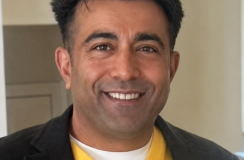


























%20-%20thumbnail.png)





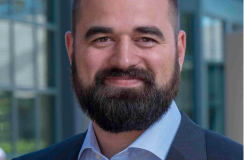
%20-%20thumbnail.png)


%20-%20thumbnail.png)

.png)




%20-%20thumbnail.png)