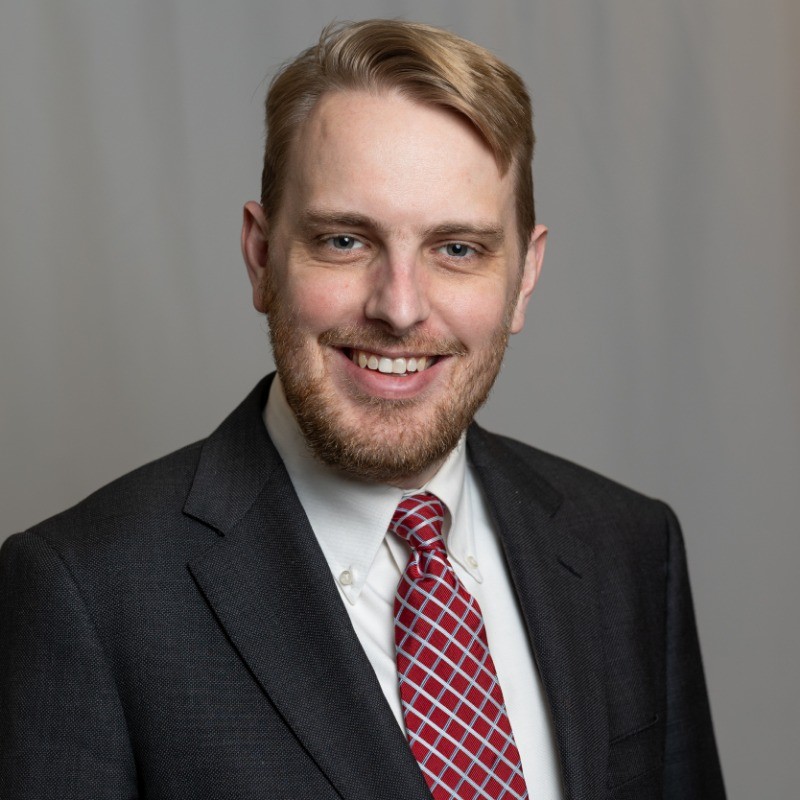
Host: Today's guest and his two partners are building a long term Holdco and they're doing it with a model we should pay attention to. They didn't start with much money. They didn't raise investor capital, they didn't look for the perfect business. Mark Zojibwami and his partners decided that they would pool their capital, about $50,000 each to come up with a deposit for a first business acquisition and one of them would quit his job to run it. Once that business was stable and the three partners had saved enough capital again for the deposit on a second acquisition, they would buy that one and one of the two remaining partners would quit his job and run it. Same thing for the third business, at which point the three partners each operate one of the three different businesses in the portfolio. Then, in similar fashion, they will extricate themselves one by one from each business's operations and as they install operators, freeing each partner to go buy another business. I'm not sure I've come across this model and there is something elegant to it. You could imagine a future where the trio not only owns a portfolio of businesses, but each of the partners will have such deep operational experience that maybe for acquisitions 6, 7 and 8 they don't need to operate them themselves, but know how to identify and hire great operators. You can also imagine their reputation growing quickly in their home market of Calgary as a group that buys businesses and the deal flow that will materialize from that. Indeed, they're already seeing it and to date they've only bought their first business, which is the subject of this interview with Mark Zojibwami, co owner of ABL Imaging. Enjoy announcements a webinar this Thursday, October 10th which business should you buy? When it comes to buying a business, it's not all about SDE and recurring revenue. A key question any searcher should ask herself is what experience and skills do I bring in? Which sort of business would best benefit from those assets? Also known as Business Buyer Fit, this session will be a deep dive on exactly this theme by co Founder and Managing Director of Acquisition Lab Chelsea Wood. Business Buyer Fit is a topic that the Lab takes seriously. Indeed, a large section of the onboarding intensive at the lab is helping buyers figure out their unique value proposition and the types of businesses that could benefit from that value. This webinar is also an office hours, so come with your questions. We're going to leave a good chunk of time at the end for Q and A. Which business should you buy? This Thursday, October 10th noon Eastern Register in today's show notes or on the Acquiring Minds homepage. Acquiringminds Co. Welcome to Acquiring Minds, a podcast about buying businesses. My name is Will Smith. Acquiring an existing business is an awesome opportunity for many entrepreneurs and on this podcast I talk to the people who do it. Running payroll, paying your bills, closing your books and producing financials. These are critical tasks every business owner must do or oversee. But spending time on them distracts you from the leadership in growth work you want to do. So let system 6 do it for you. Owned and led by a former Searcher, Chris Williams, System 6 is a leading outsourced finance team for hundreds of SMBs, including over 50 searcher acquired businesses. Chris, Tim and the System 6 team understand firsthand the challenges, the opportunities of jumping into a business as its new owner. So whether you own your business already or have one under LOI, talk to System 6 about how they can give you time back and improve your financial operations. Mention Acquiring Minds and they'll provide a free review of your books and financial ops, a $500 value. Check out system6.com link in the show notes or email helloystem6.com Mark Sojobwami welcome to acquiring Minds.
[4:38] Guest: Thank you. Happy to be here.
Host: Mark, you and a couple partners acquired a first business in 2021 that has gone well and you're now on the hunt for a second, apparently getting pretty close and your goal here is to build a long term hold code the three of you. So we're going to hear about the story of the first acquisition toward that vision and really kind of how the three of you are working toward this vision. Start us off please with some background on you. Mark.
Guest: Yeah, happy to do that. So I guess I'll go way back. So I was born in a small country in East Africa called Burundi, lived there for about three weeks, didn't live there for very long. Our family then moved to Belgium actually and lived in Belgium for two years. After that I we moved to Calgary. I was young. Calgary, Canada. I was young when we moved here, just three years old and, and yeah, my, you know, my parents are were entrepreneurs. It's funny, it's something that I just didn't realize until later in life that yeah, my parents are entrepreneurs as well too. And so it's just kind of something that was kind of always stuck in my mind. My, my dad had a an engineering consulting business. My mom owned a restaurant and funny enough, she even had her own cooking show back in Burundi as well too. And so these things are just kind of always kind of ingrained in My mind without kind of through osmosis, without knowing about it until I just realized it a lot later. But anyways, Mark, is, is you, are
[6:11] Host: your parents being entrepreneurs, is that because of their personalities or is this kind of a classic immigrant story where the easiest way or not the, the most direct way to put food on the table for people who are coming from outside a country is to spin up their own business sort of story?
Guest: You know, I think it was probably a combination of both. I think one was they both had a unique skill set that they knew could be utilized and really forward and, and I think I remember talking to my dad a few times when I was, when I was a teenager and he'd say, he talked about how he likes having freedom over his schedule. You know, he was, although he was busy with his business, you know, he showed up to all of my basketball games even when they're out of town. And I think he liked having that flexibility in his schedule and also the ability to, to not have to commute every day as well too. I think he enjoyed that kind of flexibility. And so I think part of it is personality. That's just kind of who they are. And then, and in some cases also necessity, you know, necessity is a mother of invention as well too like you mentioned. And so I think there is an aspect of that as well too.
Host: Yeah, yeah, fascinating.
Guest: Great, thank you.
Host: Carry on.
Guest: Yeah, and so yeah, so I kind of went through high school, university, I went into university, I did at a university in Calgary called Mount Royal University and in university actually tried to start two businesses. One of those businesses was a tech business called Studenthire. It was this online platform that connected post secondary students to people in the community who needed one time mod jobs done did that, great learning experience and everything. But the reality is that we didn't, we didn't. The business kind of failed in terms of what we had hoped it would become after that Marketplace business.
Host: Mark, those are ambitious cold start problem spinning up both sides of a marketplace. You chose a big hairy business model for that one.
Guest: Yeah, and we were naive. We were certain that we were going to take over the world and be the next Amazon as everybody is when they first start their startup, especially in university. But we were far from that to say the least. And so yeah, so that was a good learning experience. And then after that I actually started another business while still in university with my wife where we made these health conscious snack bars that helped mothers replenish the nutrients they lose while breastfeeding. And so we ran along with that Business did some pitch competitions, won some money and everything. And then similar story. It was a good experience, but we just didn't kind of get over that bump that most entrepreneurs eventually hope to get over. And so during that experience, I learned a couple things about myself. One of the things that I learned is that one, starting a business from scratch is mighty hard. You know, it's hard to find product market fit. It's hard to find something that just really gels within the market perfectly. And so that was one thing that I realized. And then the other thing I realized is that I just love business. Like both of those businesses were completely different businesses. And my passion was in necessarily the product of what I was selling, but it was just business itself. And so. And I can relate. Yeah. And so, and then I learned that I was an entrepreneur, that I wanted to be an entrepreneur. So I was kind of in this awkward place where I knew I wanted to be an entrepreneur, but I knew I didn't really want to start from something from scratch. And so I was kind of in this little bit of a limbo. And so after I graduated university, I actually just decided just to kind of spend some time in, went into tech sales, actually software sales, worked at a few companies. While I was working at these companies, I remember I went to a panel discussion actually at this business event. And in this panel discussion there's this fellow who, who was talking and he talked about the idea of buying businesses instead of starting them from scratch. And that just kind of piqued my interest. Started kind of digging more into that. I found out that some, somebody that I actually knew, one of my peers was actually doing this and they had actually successfully bought four or five businesses. Went deeper into that. And then I kind of quickly realized, you know what, this is kind of something that is intriguing to me and I think that this is where I want to be. These businesses already have product market fit despite having in some cases, despite having very poor operations and everything, they're still able to sell. And I figured, you know what, I think this is kind of the place that I want to be in. That's kind of what started that journey on that front there.
[10:50] Host: So it was a panel and so this wasn't you being exposed to ETA or search these terms that of course we use in our. Now that you're in the world, you use. But this was really more of kind of a local small business panel get together and you just hear about a guy who's his own path has been buying businesses. And you said that that's that was your kind of rabbit hole moment.
Guest: That's right. Yeah. And this was probably at a time before, you know, this entrepreneurship through acquisition, this is, this is catching a lot of momentum right now, right to today. But this was before the, I've heard any of these words were kind of buzzwords on LinkedIn and all these things. Right. And so, and this guy ended up doing really well. I think a few years ago he sold his book of business for $100 million to a public company. And so. Oh. So you know, gotta get him on the pod here.
Host: Mark.
Guest: Yeah, yeah, he's, he's, he, he'd be a great guy to pod.
Host: And, and what year, so what year are we talking?
Guest: And so this was happening. So I heard. I, I would have heard that panel discussion in 2018 or so. 2018, yeah.
Host: Okay. Okay. So you, you're, you're bought into the concept. What are next steps?
[12:04] Guest: Yeah, so I was bought into the concept. I started kind of doing some talking to people. One day I was just walking downtown, I came across one of my friends who was doing, who's working downtown as well too, in Calgary. And we met up and funny enough, we set up a time to meet up for coffee and we both had the exact same idea of wanting to acquire businesses. And so that was one of my first partners. And then we started talking about this. That partner, he's a lawyer. And so my background is in sales and business development. So we figured let's kind of round out our team and, and find somebody who's, who's got a little bit more finance and accounting background. And so we found our other partner whose background is in finance. And so the three of us, we actually originally started with five of us actually, and then two of guys ended up kind of moving on, doing other things with their careers. And so it was just the three of us. And so my. Yeah, the three of us, there was one partner who was a tax lawyer, the other partner was the finance background. And myself, my background is in sales and business development. And what we did is we just would meet regularly. We'd meet, you know, weekly to talk about ideas that we'd ha. We have almost kind of like a mastermind group.
Host: Acquisition ideas.
Guest: Exactly. Acquisition ideas. Yeah. So we were almost like a mastermind group, just talking about these things. We would go through deals together. We went through several deals together. You know, we looked at a register, a registry or I guess a dmv, a DMV office kind of that. That'd be the equivalent to in Canada. To. Yeah, so we looked at acquiring one of those. You know, we.
Host: Look. Wait, but I'm, I'm still not understanding because DMV here is a, is a public service. It's not a business. So, so what is it in Canada's case.
Guest: Yeah, so in Canada that is a business where, you know, you, you have one of those offices where you're able to get, you know, give out driver's license, you know, those run as private businesses here in Canada and stuff like that. So yeah.
Host: How counterintuitive you guys are. The more, you know, a little bit more socialist leaning than down here. And yet in this case, we've got it flipped. Our DMVs are. And in fact our DMVS are notoriously. They're. They're the picture of bureaucratic dysfunction. Dysfunction.
Guest: So anyway, yeah, it's funny that. Yeah, it's funny. And so, so yeah, so that's one of the things that was kind of. Yeah, that was kind of intriguing. And so, so we looked at one of those businesses. We looked at a, you know, rock climbing business. We looked at so many different things. And so we started gaining reps and stuff like that together, kind of going through these deals until we finally came across our. The one that we ended up acquiring.
Host: And Mark, you characterize this master. This as a mastermind, but you guys have already agreed that you will partner on whatever acquisition you do.
[15:00] Guest: Okay, that's right. Yeah.
Host: And the. In the third guy in this partnership, the, the with the finance chops, is this somebody you kind of found and recruited or was this a friend in your, in your friend network already?
Guest: Yeah, I knew him well. He, he married my sister and so he was my brother in law.
Host: That was easy. You have to throw a rock very far to find that one. That's right. And your second partner, the. Who you bumped into on the street and was also thinking about buying a business as well. What a coincidence. Just curious. Where did he get the concept?
Guest: You know, that's, that's a good. I, I think we had a similar peer, actually. That peer that I mentioned to you earlier who had acquired several businesses. He. We both heard about him. That's right. We both knew the same guy as well too.
Host: That guy is single handedly inspiring every Albertan entrepreneur to go out and buy businesses.
Guest: That's. That's right. Probably. Yeah. I wouldn't be surprised.
Host: Okay, so the three of you are doing this and what is the expectation of when you find a business that the three of you agree is. Should be the target? What is the Expectation in terms of capital, in terms of who's going to run it, etc. What's the structure of this first acquisition going to be?
Guest: Yeah, yeah. And so the, the, the structure of the. So, so the, the plan was we, we were going to build a portfolio of small businesses. We wanted to own several small business. And so the plan was we would buy one. One, one of us would quit our day jobs, go run that business, grow that business, use that business to lev. Leverage that first business to acquire the next one and then the next person who quit their job leveraged both, both of those business and then go buy the next one subsequently each quit our jobs, put a GM into each of these businesses eventually and then just kind of rinse and repeat that model until we grew the portfolio to a place that we felt that we wanted to grow it to essentially. And so that was that plan in terms of our expectations of what would happen in terms of capital. Capital. All these things. From my perspective, to be honest, I was quite naive. I was kind of building the plane as I was flying it, right. I probably fell into the trap of all these people saying like you could buy a business with no money down all of these things. Right. You know, in some cases that is true, but that is a very, very rare occurrence. And so that's not the norm. That is the, that's the exception. And so I think as we, it wasn't until we actually had a real deal on the table and went through the, through the, through the, through the process of actually talking to the banks, that's when things actually started to come real to me and see like, okay, this is how much money we need to put down. And that's kind of the reality hit of the size of businesses that we should be able to go after, after talking to some banks and realizing okay, maybe we shouldn't be chasing after a $10 million business because we're, you know, relatively still early on in our careers as well too. Right. When we made our first acquisition, I was 26 years old and so still, still building up some, still building up some reserves and some funds and stuff as well too. And so that, that, that I think that's kind of some of the things that kind of helped me determine the, the expectations of how much cash we're able to put down at the end of the day day.
[18:47] Host: August Felker is a two time successful searcher. First with a traditional search fund. The second time around he did a self funded search. Today August runs Oberle Risk Strategies, an insurance firm with A dedicated practice group for searchers and acquisition entrepreneurs like you. If you've got a business under Loi, Oberle will provide complimentary due diligence on that business's insurance and benefits program. A great no risk way to get to know August and team. They love helping searchers. They've worked with hundreds. Oberly is a specialty insurance brokerage for searchers by a former searcher. Check out oberly-risk.com O B E R L E- risk.com link in the show notes and therefore size of business as well. That's. You kind of bumped up against some constraints. And so then what did those constraints end up being? What did. After you kind of went through that education and realization process, what did you guys decide you could afford?
Guest: Yeah, I think we, we decided we could probably afford a business in the smaller end of the market. Probably one between, you know, in the range of, in terms of enterprise value, probably in the range of, you know, you know, 800,000 on the lower end to maybe like 1.5 million on the higher end or so. And so for, for that first acquisition, that's kind of the range that we kind of settled in of with the money that we had saved. That's probably the range we could probably comfortably sit in at this point right now.
Host: Okay. And so let's back out some numbers from that 800 to 1.5 million in revenue.
Guest: Let's call that or an enterprise value in value of the.
Host: An enterprise value.
Guest: Yeah. Thank you.
Host: Yeah, Enterprise value. Therefore, let's make it an even million. Sure. Easy math. Are you guys 33? 33, 33 partners.
Guest: That's right, yeah.
Host: Okay, so a million dollars in enterprise value, you're going to finance how much of that? Given that there's no SBA in Canada. What, what did you, what was your expectation of what would be financeable there?
Guest: Yeah, so we knew that there'd be a seller's note involved, involved in the component as well too. And so our thoughts were between. We could probably comfortably bring up in routine 15 to 20% of our own equity and then probably get as much of a seller's note as we possibly could.
[21:18] Host: And then the rest from a bank.
Guest: That's right. And the rest from. That's right, from the bank, yeah.
Host: Okay, so if you were going to bring 15% of equity to the table of a million dollar enterprise value business, that's 150 grand. So 50 from, from each of you, plus transaction costs, roughly.
Guest: Yeah, yeah.
Host: More.
Guest: More or less. That's right.
Host: Yeah.
Guest: Okay.
Host: Okay, great. And going back to this point of the kind of sequencing here, you, you, the three of you buy a first business and one of you goes into. Quits their job, goes into that business as operator, and then second business, second guy goes, third business, third guy goes, does. I just feel like the first person to quit their job and go in as operator is taking a little bit more professional risk with this project. I mean, they're the kind of the first ones to step off the ledge because they're not only putting in capital, as you all are, but they're also, you know, stepping off of their current career path and they're just going to deal with the difficulty of, like, a transition. And as everybody listening to this podcast knows, it's a, it's quite a roller coaster, typically. So how did you, how are you thinking about compensating operator number one, if at all? Was it just that they were going to get salary like any operator would, or was there something. Was there some extra juice in the deal for them, whoever was going to be the operator number one and acquisition number one?
Guest: Yeah, good question. So we, we paid them a real salary out of the business and, and a bonus, but based off of, based off of performance. And so the plan was that with his, with his salary and bonus, he should be able to come similar to kind of what he was already getting paid to, to, to. To begin with. With that being said, our first partner who quit his job, he was in finance. He, he was a little bit older than us, and so he was already in his career a little bit longer than we were and consequently had built up more assets, you know, had, you know, had a home and stuff. And so when it came to signing our personal guarantees, he had more on the line than myself and the other partner, just because he had more assets than we did. And so he felt more comfortable being the one stepping into the business because he said, hey, look, if I have the most at risk, I'd rather be the one driving the car here for the first business so that I have a little bit more control of what's going on. And so we always jokingly say, you know, the reason why he went in is because he hated his job the most out of, out of all three of us. But, but I think when we, we roll it back, I think there's those components that probably played a role in it. And also, and also, I think it was just a good fit just with his skill set, with the business stuff that he had done in the past. I think it was just a good Also just an, a good natural cultural fit as well too for him to step into that role.
[24:17] Host: Great. And then, and then for when acquisition number two happens between the two remaining guys, you and your. And the, the lawyer, the attorney partner who are both still in their jobs, who will go into business number two or will it depend. You'll basically depends on the target, depends on life circumstances, et cetera. It's already been decided.
Guest: Admittedly, I'm probably more keen to get into the next business. I'm, I'm kind of. And so to do at this stage. I think we're, we're probably looking for more businesses that are more suited to my, to my skill set right now. And so as we're looking for businesses, I think we've already made the decision that I'll probably step in just because I feel like I'm a little bit more keen and ready to kind of jump into that operational business owner role at this point of my career.
Host: So return now to the search. You're looking at stuff you're, you're interacting with broker, networking with brokers there in Calgary. Did I hear that right? That's right. And, and so you look at a lot of different types of listings and then you see the business that you now own. Tell us about it. What did you see? What did you like?
Guest: Yeah, so, so what we, yeah, so the business we found through a broker, you know, it's, I, I always say there's a little bit of an advant, I guess if you have a sales and business development background. I think it gives you a little bit of advantage in searching for businesses because it is a sales effort. You're proof inspecting, you're knocking doors, all these things. Right. And so the, the broker jokingly said to me, to us after we acquired that first business that, you know, I was just the loudest, I was the most annoying one. And so, and so when that business came up, I got the call. And so I guess the squeaky, squeaky wheel gets the, gets the grease. Right.
Host: Which by the way, for a salesperson that's the highest compliment.
Guest: Exactly.
Host: To be the most annoying guy.
Guest: That's right. That's right. Making sure you're always top of mind. And so that process. So yeah, so I remember I was networking with a lot of brokers. I was made sure that I was all top of mind for these brokers. And so this deal came along and we got the first call from this broker. He knew the size of deals he knew the size of dealing with that we would, I should say, Admittedly, this broker did a pretty good job at understanding who we were and the size of deal that we can actually execute on. And so when that deal came through, he knew that this was one that at the very least we could execute on and not leave him out to dry. Come close time. Sure. Once we found that, once we saw that business, he sent us the simulation, we went through it. It was intriguing enough for us. We met with the owner, had a first meeting with the owner. The owner seemed to like us, which was a plus. And, and we liked her as well too. And, and so, and so that, and, and that, and at that point we just kind of went through the process and submitted our loi and loi was accepted and then we went into due diligence from there.
[27:25] Host: So, so what is the business?
Guest: Yeah, so the business is called ABL Imaging and it's a large format print and sign shop. The business has been around for 40 plus years. It's been around since 1978. So it's been around for a very long time. And it kind of fit all the things we were looking for in a business.
Host: Such as.
Guest: Yeah, so those things were their longevity. So the business has been around for a long time. The owner was on holidays three months out of the year, which was, which was intriguing in the printing. I guess to give you a little bit of context in the print space, margins are typically quite low. But the thing that we really liked about ABL Imaging is that they had kind of set themselves up as a more of, kind of a premier player in the space. And so if you have something that's kind of weird or out of the ordinary, you typically went to ABL Imaging to do that. And so because of that their ABL Imaging is able to kind of play at a little, at a higher place in, in terms of margins. And so that's, that was something that we really liked as well too. And so the projects that they were working on were really cool, intriguing, unique projects as well too. And then, and then another great thing was that the staff, there's about nine employees that came into the business. The average tenure of the staff was about 10 years. And so there was a long history of people working at this business, which was a huge sign of confidence for us because if these people are willing to stay this business for this long, there must be something good that's happening there as well too. And so, yeah, so basically just to sum that up, the margins were good. It wasn't too owner dependent. They had a good reputation in the market. The Margin. Yeah, I mentioned the margins part already. Yeah. And so those were kind of the things that we, and also the longevity. Sorry, the longevity. They have passed the test of time as well.
Host: And in terms of this owner who took three months off out of the year off, what was it going to look like for one of the three of you or as it turned out to be the finance guy in your trio stepping in, was she the, was she the GM and he was going to replace her or was there actually something of a management layer already, a GM that was not her or what?
Guest: Yeah, so she was, she, she would be the GM in that situation. She was handling payroll, she was handling, she, she, she had a book of business, a book of clients that she would handle as well too. And so the, our, our, my partner who stepped into the business was very much stepping into a GM role.
[30:12] Host: And when you say large format printing and signs, we all know what signs are, but large format printing may be less familiar. Everybody, what exactly does that mean, please?
Guest: Yeah, for sure. So large format. So basically a lot of posters you'll probably see in your restaurant, wall decals as well too. So yeah, wall decals, posters, you'll probably see installation like signs in front of a, in front of a store. We, you know, we'll do backlit signs as well too. We, we can do car, car, car decals, window vinyls, all that kind of stuff will kind of fall within our stuff. And so we don't do like business cards or stuff, little things like that, but we'll do more of the, the bigger stuff there. And then we also do the installation as well too of those, of those things. And so not only will we print them, but we'll go out and instead install these things. And so to give you an example of, of one of our, some of our clients, our, our bigger clients are home builders. And home builders will typically, you know, when they build a new community, they'll have a sales center and in that sales center they'll have all these graphics about, you know, who we are, what it's like living in this community, all of these things, all these typically will print the majority of the things for these home builders to make their home sales centers look nice and appealing as well too.
Host: Mark, I gotta ask. It's a project based business obviously. So, so we, and I'd love to hear your thoughts on that. I suspect the answer is, is what it is. But also I just heard you say that in fact, where one of your own Target markets or one of ABL's target markets here is new home construction also notoriously cyclical. So, so those, if I'm, if I'm picking at weaknesses in the business, those are the two that jump out. How did you guys wrap your heads around that?
Guest: Yeah, that, that, that's a really good question. So the project based business. I'll answer, I'll answer the project side of things first. And so what we did is we, we looked at the historical of clients and how often they came back year after year. And so we were able to see, sure it is project based. However, we, we've got enough history to show that, you know, this home builder has spent X amount of money with this company over the last three to four years. And so that's one thing that helped us kind of come comfortable with. And then the other thing was that we, we took a bet on Calgary, the city that we live in. We took a bet that we believe that the city is going to keep growing and we believe that there's going to be an influx of population. And I think that was backed by a lot of things that we had that we had kind of, that we have kind of thought of in the past. I guess to give you some context. In Canada, I think in Canada, the real estate market in places like Vancouver and Toronto is so high people are paying unrealistic prices for homes. And so it's, it's taking a lot of people out of the market. And so a lot of people from these places are naturally moving to Calgary because that's where they can actually afford a place to live. And so we were taking a bet on that that over the next 15, 20 many years the home building was going to continue to grow in Calgary. And so we are comfortable with taking that bet on this business. And so with every, with every investment opportunity, there's some risk. That was the risk we were taking basically on this one.
[33:42] Host: Fantastic. Well, Calgary too is for those less familiar with Canadian geography, Calgary is kind of the energy center or capital of the country. Right?
Guest: That's right. Yeah, you got it.
Host: So, so that's kind of the big industry, one or one of the big industries in Calgary. And it's also kind of a western town. It's, it's, it's, it's Canada's kind of cow town, if you will.
Guest: Yeah. The home of the Calgary Stampede, right? It's, yeah, it's, yeah, big cowboy outdoor show and so. You got it. Exactly.
Host: Yeah, yeah, yeah. So the Texas of Canada. You probably don't want to associate that, but I'm sure I'm not the first person to say it that way. Yeah, yeah, great interesting about signs because signs correlate directly with health of small business. Small businesses opening need new signs. Existing small businesses need to refresh their signs. So I feel like it's probably very tightly correlated with, with the population growth of a market. Maybe I'm overstating it. Maybe basically every small business is tightly correlated with, with a growing, a growing population. But it feels like signs are, you know, maybe more tightly.
Guest: And you make an interesting point because one of the things I actually failed to mention earlier is that one of the things, because we bought our business in 2021. And so that was very much in the heat of COVID And so, and so one of the things that we, we looked at a lot of businesses who were just decimated during COVID You know, obviously ABL imaging took a little bit of a dip during COVID but we did, they did, they still did well because one people needed to have signs printed for, you know, direction or, you know, stay six feet away from each other. All of these things.
Host: Right.
Guest: So all these things. And so that, that was kind of a thing that helped us see, okay, this business, you know, no business is 100% recession proof, I'd say, but this business had some nice barriers that we were recession proof as well that, you know, at the end of the day, signs are going to be around for a long time and you know, that's something that's not going to be disappearing within a few, within a few years if there's, if there's a, you know, if like you said, if there's a new business going up, they need a sign. It's just the way it is. And so that was something that kind of gave us some comfort in that in the business we bought as well, too.
[36:06] Host: Great. And some numbers around the business.
Guest: Yeah. In terms of like enterprise value and everything.
Host: Enterprise value and revenue and ste. If you could share the big three.
Guest: Yeah. So I'll give you kind of general range and everything if that works for you. And so, you know, enterprise value, we're just kind of like shy of the a million dollars or so. So just kind of in that range that I mentioned earlier of kind of where we would, we thought it would be in terms of revenue, it was kind of in the high millions. The high one millions. If that makes sen. Like 1.5 to, to 1.9 in that range or so. And, and in terms of sd, I guess the way we, we did this one we did based off of Ebitda and so, you know, the EBITDA range would range anywhere between 15 to. Yeah, anywhere between 15 to 19% EBITDA or so.
Host: Okay, and now let's hear. So. So you decide to proceed and your third partner is ready to hop into this business. Let's hear a little bit about how you structure the. The deal. So no SBA loan in Canada. And so many of my guests are American, so we talk a lot about the SBA loan here. Always good to get the perspective of somebody who didn't use an SBA loan. So let's, let's hear that, please. Mark, how did it look to get this business financed? Yeah, this business acquisition financed.
Guest: And so one of the things we did is we actually worked with, I guess, a broker. And so the broker took our deal out to a bunch of different banks here in Canada. And this broker came back and said, hey, here are X, Y and Z banks and here are all their terms. And so for us, when we went through that for our first acquisition, it was an overwhelming process. And so having a broker to kind of help us through that process and help almost take care of the whole banking process was, was, was really nice and helped us able to focus on the due diligence of the business instead of having to go back and forth with the bank. And so that was one thing that helped us a lot. And if, if. I always suggest to people, if, if you, if you can make it happen, having a broker for that first deal, for the financing makes a big difference, I think, on that front. Now, in terms of.
Host: Call out your. Who you used.
Guest: Yeah, yeah, his name is Steve Brown and TGC Capital. And so he, he, he's a great guy, guy here in Calgary, really good guy. I highly recommend it. He, he was really able and he was a guy who worked in banking for many, many, many years. And so he knew the language, he knew what that needed to be seen and, and what needed to be said. And so it was, it was a, it was a really good match there.
Host: Great.
Guest: And so, yeah, so Steve Brown helped us with that process. Now, in terms of the way we structured the deal, the bank basically wanted to have ensured that there was 25% down and 25% down. They were able to. That was basically a combination of our own personal capital and a combination of the seller's note. And so initially the broker Suggested maybe having 10 to 15% seller's note, but what we ended up doing is we actually negotiated a lower purchase price with a lower seller's note at the end of the day. And so there was a smaller seller's note. So the seller's note, you know, initially the broker suggested 10% to 15%. We actually brought it down to about 5% seller's note. But that enabled us to take the purchase price down by $50,000 or so. And so that was reasonable enough for us to do that.
[39:48] Host: Going back to this theme, Mark, for my non American listeners or my American listeners as well, where this thing of the sba, and there's this very formulaic way we do this down here in the States. And we, we always have the impression that without the SBA doing business acquisitions, small business acquisitions would be more difficult, more expensive. What did the terms look like? Was it hard for your, for your broker, Steve Brown, to find deals like. Or did you. The fact that there's no SBA up in Canada, no big deal, like. Yeah, because, because the structure sure, sure sounds similar to what we would get down here with an SBA loan anyway.
Guest: Yeah. You know, it's funny, I often tell people that I was, I was shocked at how. I also thought that when it came to buying a business, the financing part would be the hardest part. It wasn't. I was surprised at how willing banks were to loan. And so when Steve Brown came back to us, he probably had five opportunities from different banks. Yeah, five opportunities from different banks. And so I think part of the reason was that this business was a 40 year old business. There's a lot of history with this business as well too. And you know, it was, it seemed hard to mess this one up, I guess at the end of the day. And so I think that long history made it made a big difference of, for, for, for the banks on this one.
Host: And the banks were coming back to you with what, what is that? What, what was the, what was the math? 15 from you, 5 from the seller and ultimately, so, so 80. 70 to 80%.
Guest: That's right, yeah. 78. 80% loan. That's right, yeah. Around there, about 75%. About. Yeah.
Host: And what, oh, amortized over how long?
Guest: The one we got was advertised over seven years.
Host: Seven years. Okay, so not as good as an SBA loans, 10 years, but not, not terribly dissimilar. Really.
Guest: Yeah, yeah. You know, I think right now most of the, I guess in Canada we have like the, our big five banks, the main national banks and everything. You know, right now they're kind of mainly playing in the five year amortization range. Today we have a bank called the bdc, which is the Business Development bank of Canada, which is a Bank that's mandated by the government which helps and their mandate is basically to enhance entrepreneurial activity in the country. And so they're not necessarily like a traditional bank where you can actually, you know, have a checking account with them, but basically with them they have more flexibility in their terms. Maybe, maybe they'll provide a more, a longer amortization period. They can give you some flexibility in terms of, you know, maybe only doing interest only payments for a period of time, things like that. Just because their mandate is to really push the entrepreneurial endeavors in the country. However, you know, they're more expensive. You're paying a higher interest rate for that money at the end of the day. And so if you want the, if you want the cheapest money for acquiring a business, you go to the main guys. You know our there, the bank we use was TD bank, you know, TD RBC bank. Things like banks like that, they'll, they'll give you the best interest rates. However they're going to be, the more, they'll be less, they'll be less risky, a lot less risk adverse in the deals that they look at essentially at the end of the day.
[43:15] Host: So, so their bar for getting a loan from them will be higher, they'll be more risk averse. And if you are able to get a loan from them, their amortization schedule is going to be tighter. It's five years.
Guest: That's right, yeah, yeah, a five. Maybe you'll get lucky to get to six or seven years, but most likely is five years at the time that we loaned our money there was a little bit more flexibility at that, at that range just because interest rates were super low during the pandemic and everything. And so we're, and so I think there's more flexibility on that range, but they've kind of tightened things up now again.
Host: Okay, well that, that is clearly a big difference. A five year AM versus a ten year am so, so in that sense we, the SBA loan is quite, still quite attractive by comparison. But you're probably my fourth guest in a year, Canadian guest in a year Mark, and all of whom seem to have really no trouble getting a small business acquisition loan from one of the big five there in Canada. Although I don't, I don't recall if all the amortization schedules were basically five years and all these loans. So I should be asking that. Great. Okay, well let's. Anything to say about the actual consummating the acquisition, doing the deal or can we move into how it's gone and what operations have been like, yeah, I
Guest: will say, you know, one of the things that's interesting is that when you, when you focus on. One of the things I learned is that when you are going through an acquisition, especially your first acquisition, I think you, you get so caught up as the end goal being closing the deal. But closing the deal is not the end goal. The end goal is running and executing a successful business. And so I think a lot of our efforts were spent on closing the deal. And I wish we would have actually spent more effort on planning what life would look like afterwards having, you know, maybe a marketing plan, all these things, thinking a little bit more proactively about that instead of just closing the deal. But it's just so hard to do because it's your first deal and it's so consuming and takes up so much of your energy. And then once you close the deal, you're like, oh, I've closed the deal, but there's so much more after that. Luckily things ended up, things have been going really well for us. But, but I think that's just an important note to, to mention as you're buying, as you're people are going through the acquisition.
[45:44] Host: A PEO run by a searcher for searchers. If you're running a company with less than 100 employees and providing health insurance to them, you may secure better benefit plans at a 15 to 30% discount through a professional employer organization or PEO. Aspen HR run by search fund veteran Mark Sinatra, understands the needs of search operators and provides HR compliance, flawless payroll, HR due diligence, support for your acquisition and Fortune 500 caliber benefits, all for a fraction of the cost. And tis the season to evaluate your employee benefit plan. Most new clients reach out to Aspen 90 days before year end or their renewal date. So before they get slammed, check out aspenhr.com or contact Mark directly at mark aspenhr.com what was the. Give us an example or two of oversight here or where you made an oversight and kind of you wish you'd planned something. You said marketing but can you give us a specific example?
Guest: Yeah, I think specifically would be because after, after we had the business, after we acquired the business, there was a transition period with the owner. Right? I wish we would have planned out that transition period with the owner a little bit more to be able to extract, not just, we obviously extracted as much information as possible from her in terms of, you know, the day to day, how to run the business, who are the clients and everything. But I wish we would have been able to actually had a little Bit more of a strategic planning session with her. It was like, hey, if you were 20 years younger, how would you grow this business into the next 20 years of owning that business? And it's really nice having that owner there at the beginning our transition period. And we'll probably get into this in just a second, but our transition period with the owner is that she stayed on full time for three months. I guess what we agreed upon on paper is that she stayed on full time for three months, part time for three months, and then we had her available for consulting services for 18 months after that. But you know, she stayed on maybe full time for 2 months, part time for a month and a half. And not, not because. Just because, you know, we were able to pick up the day to day pretty quickly and stuff. But I wish we would have been able to kind of been more proactive and deliberate in planning a strategic plan, moving forward with her and, and extracting some of her insight as to what we could do moving forward on that front.
[48:23] Host: Okay. Okay. So really kind of. Yeah. Because an owner is going to have probably the best insight into what, what the needle movers would be or the strategic direction of the business should be if they were basically not retiring and selling it to you, like so. Yeah, it's a great. That's a great question.
Guest: Yeah.
Host: What would you. 20 years younger, what would you. Where would you be taking this business?
Guest: Right.
Host: Okay. You buy the business. In goes partner number three. Your finance guy. What's his name? I should be.
Guest: Yeah, sorry. Cody. Cody, yeah.
Host: In goes Cody. How does it go? What do you guys find? What does Cody find?
Guest: You know, it was quite nice. The business was. We're very fortunate. The business was advertised as, you know, everything else advertised about the business business was, was pretty true for the most part. And so we find, we find that there's employees who know what they're doing and so, and so things continued to kind of smooth. We were fortunate that the, that the owner. The owner really worked well with us in transitioning to the business. Transitioning the business. You didn't sell the business during a dead period. There was still a lot of revenue coming in. It wasn't a slow time of year and so still a lot of revenue coming in. After we closed the deal, she actually helped us close a pretty big deal afterwards. And so that helped us quite a bit in terms of the revenue and our cash flow and working capital early on with the business. And so, and so it was, it was quite nice. And so our plan from day one was always to kind of do very minimal for the first six months to a year of the business. Just, you know, the reason we bought this business is because it's worked well for the last 40 years. And before we go in and change things dramatically, we just want to make sure we understand how every moving piece works before we do any changes. Admittedly, we actually went in and made a change to the accounting system probably a few weeks after owning the business, mainly because the accounting system was an archaic system that was built in the 1980s, and the one guy who knew how to service it was a guy who was 80 years old. And we figured, what happens if this guy disappears? And so, so we just updated the accounting system to QuickBooks Online.
Host: Right.
Guest: And so, so that. That was the only main change we made early on. But. But other than that, we kind of kept things pretty. Pretty much the same for the first year or so.
Host: For the first year or so. What month did you buy it?
Guest: September 2021.
Host: September 2021. Okay, so we're coming up on three years here. Yeah. Okay. And so after not making changes for the first year, other than putting in QuickBooks, you did. You have made changes because as I recall from our pre call, you. You push revenue like 30%.
[51:18] Guest: Yeah, that's true. And so we actually were able to grow EBITDA actually 30%.
Host: Yeah.
Guest: In the. In the first year. And I think there's a few things that push that helped with that one. There was. There was a. There's a good windfall of business coming in already from some of the work that had been done from the previous owner. So again, the previous owner left things off in a great situation for us. And so there's part of that. But also just updating from the archaic accounting system to QuickBooks suddenly gave us a lot more visibility into our margins. And so Cody, being the finance whiz that he is, was able to kind of see, okay, here are. Are the margins here. The. This is where. This is the minimum that we can kind of bid. Bid on for jobs and stuff like that. And so now that we have visibility, visibility into our margins, we're able to have more flexibility in how we price things as well, to. I wouldn't say flexibility. We have more insight on how to price things properly and make things better on that front. And so that first year was a very, very strong year, growing EBITDA 30% and. Yeah, it was.
Host: And so presumably it. We mean raising prices in certain. Certain categories.
Guest: Yeah, raising prices, but also on the other side of things not going below you know, certain deals that, that are where we just lose money on, we now see that and say, like, hey, you know what, it's just not worth our time if we're going to lose money on this, on this deal.
Host: Wow. And so that visibility thanks to QuickBooks, helped you push EBITDA to 30% higher.
Guest: Yeah, it played, it definitely played a role. And I think this is one of the, this is one of the great things about these small businesses that you, that have been around for a long time is that it doesn't take all that much to really move, to move the needle forward. Like, like I mentioned, these businesses already have product market fit and in some cases, some of these businesses are, are selling really well, are doing really great sales despite not having great operations, despite not having great systems in place, despite not having great software in place. And so just little things like that, you know, just things that are off the shelf. It didn't require us to come up with this, with this brand new innovative idea that's going to be written by the Harvard Business Review and they're going to build a case study over it. We just simply took something that was off the shelf, implemented it and it, and it was a real needle mover at the end of the day.
Host: Yeah, I'm just, I'm reviewing here what you said margins were before. Kind of 15 to 19%, call it 17%. So 30% better means those go to, what is that? Another five, five points of EBITDA. So you basically get from 17 to 22. Now it's a 22% EBITDA business, roughly.
[54:13] Guest: Yeah, yeah, yeah, that's right.
Host: Yeah. I think you said there was a third thing that got you your lift on, on ebitda. It was the pipeline that she left for you. It was the visibility and new pricing that, that enabled. And was there a third thing I
Guest: think I'm trying to recall? Yeah, I think those, those are the main ones that we kind of usually point back to. So. Yeah.
Host: Okay. Okay, great. And how did your, how did Cody find being an operator? This is, this is not only kind of just doing a first acquisition and seeing if you know somebody you can buy and successfully execute a transaction in a transition, but also kind of, this is the first test case of this larger vision that you guys have where you buy a business collectively and one of you goes in and starts operating. How did it, did it seem like it was working at least with this single data point?
Guest: Yeah, yeah, you know, I, I, I would say so. We're three years into it and I usually tell people the business is doing what we thought it would do and, and it's, and it's really good. I think part of the, the reason why that it worked out well is because one, there was a good transition period as well too, with, with the previous owner. It wasn't too long, it wasn't too short. We try to build comfort from day one to saying like, hey, nobody's getting fired. Right as well too. And so I think that was something that made, that was important to set in stone right from the get go just to kind of give people that piece. And also, Cody is, you know, Cody is a very mellow personality and so he's even keel. And so even during a pretty high emotion time after a transition, I think Cody's been able to really stay even keel throughout that whole process and provide a level of calmness and of peace in the organization as well too.
Host: Great, Mark. Well, congratulations to you guys, but this is old news. This was three years ago. So how has the plan evolved? I teased at the beginning that you're now looking at a second deal. How did you decide the time was right to go out and do deal number two?
Guest: Yeah, admittedly I think I mentioned earlier that I was a little bit naive. I thought after making our first deal, after a year it's like, okay, we're ready to go make our next deal and stuff like that. I think part of it was what made us ready is that we were at a point where we kind of could deploy more capital at it as well too, just through saving some of our own money as well to having more equity in the business of meaning having paid down more debt of the business and so being able to, to use that business a little bit more in terms of a personal guarantee.
[57:14] Host: Right.
Guest: Instead of using our own personal assets as well too. And, and, and yeah. And so, and to be honest, I think a lot of, I would guess a lot of ambitious entrepreneurs are similar that were impatient in terms of acquisition. Sure. It's been three years, almost three years. And in a perfect world, I would have loved to have an acquisition sooner, but in the grand scheme of things, three years isn't too, too long to make an exact acquisition. Right. And so I think it just kind of came to a good time myself personally. I just kind of got to a point where tech sales is a great career. You, you know, it's a, it's a good path. You, you can, you can make good money. You can, you, you can have some flexibility around your schedule and everything as well, too. But it just kind of got to a point where it's like, you know what? I'm. I'm kind of ready to, to actually go pedal to the metal on this. And so actually, so in February of this year, I actually, I actually personally went full time into searching for a new. A new acquisition. And so I went full time and searching for a new acquisition, but also doing some side work to help with, with the, with the print shop, just, you know, helping some, some of the sales efforts on that front. And so, yeah, so that's kind of been my effort over the last several months here, just going full time on that as well.
Host: Great. So you've, you've now stepped out. You've stepped out of your job, your. That's right, your day job, to be clear. Okay, so it was kind of a combination of you being ready to fully go in to change your professional trajectory and get into operating a small business. It was the fact that you guys wanted to build up your capital base after deploying capital into the first deal. So, so saving more personal funds for your second deal and also harvesting some of the, I assume harvesting some of the profits coming out of the print shop.
Guest: Right now, we've just kind of focused all on paying off the debt. And so, so most of those profits are just kind of going off to paint that debt off.
Host: So the capital that you've been building up has basically been all three of your just kind of personal savings. That's right, more personal savings to now to deploy into deal number two and then say more about the personal guarantee bit. So deal number one, that loan was personally guaranteed by the three of you. Loan number two for a business, for a second acquisition will not be.
Guest: Well, a portion of it will still be personal guaranteed. However, we now have this business that we've bought as an asset. And so instead of personal guaranteeing our homes, we can throw in that business as part of that personal guarantee. Sure. It's still a risky thing, but I don't know, for me, it makes me feel a little bit more comfortable to personal guarantee that rather than personal guaranteeing my home, I guess.
[1:00:04] Host: Great. And your third partner's name, the attorney?
Guest: Yeah, his name is Mike.
Host: Mike. And so do you think that when. So the. Hopefully sooner than later. Although, I mean, you're looking pretty closely at a deal right now, Mark, as you told me offline, you'll. You'll get in there and you'll become the, the second domino to fall. And then, Mike, what do you think the plan is? Either his personal plan or the three of you collective plan for getting him into a business.
Guest: Yeah, you know, that's kind of the plan we set out from the beginning. And so that's the hope as well too. With that being said, we're not naive. You know, life changes, something could happen, somebody goes into a different direction. And you know, if that, if that's the case, we want to be flexible with those kind of things. But as of now, that's the plan that, you know, we'll, we'll eventually all kind of quit our jobs in to step out of that as well too.
Host: But it could be another few years before Mike does that.
Guest: That's right, yeah.
Host: Okay. And so you're also not at the point yet where the piece of the plan is each of these businesses, you've acquired three, they're stable, each of you has run one of the three businesses. And so you start stepping out and hiring operators. Not there yet.
Guest: Not quite. Yeah, not quite there yet. On ABL event, we're hoping that we've got goals and plans in place to hopefully get there at abl, but that's the plan. Yeah.
Host: Can you share anything about, I think you can't share anything about the deal you're looking at, but about what kind of this full time search that you've engaged in, how it's, what it's been like, what you're looking for, how it might be different this time around.
Guest: Yeah, it's kind of interesting now that I've kind of gone full time on it, there's a, a lot of different things that I've been able to do. One is be more public about it on LinkedIn. You know, you don't want where I found you. Yeah, that's right. And so, yeah, the fact that I'm able to be more public, you know, before I was hesitant to be public about it just because always worried about, you know, what your employer might think. Right. As well. And so, so now being able to be more public about it, that's one thing. Another thing that I found a big difference between the first time, the first search and that and this search is you're able to. Being able to say that you've already made one acquisition goes a long ways for brokers and for people as well too. Just because a broker's biggest nightmare is that somebody's not going to be able to close a deal at the 11th hour. And so the fact that you've already proven that you can close a deal and you can get it across the finish line goes a long ways. And so interestingly enough, the second deal that we're looking at right now that you, that you, that you alluded to, the broker came to us first. He, we were his first call. And, and we're, and which puts us in a great situation because I've been in other situations where we, we've put in an offer on business and there's six offers on the table and it's the worst place to be when there's six offers on the table just because somebody ends up overpaying for the business. But now that we're in a situation where we can actually, you know, be the only ones at the table and yeah, it's just a lot more comforting. You're not always second guessing your situation. You feel like you can actually put in a real offer for the business. Instead of thinking of, I'm putting an offer to try to beat the next guy, I'm putting an offer for this business. And the metrics are about this business instead of the metrics being to beat the next guy who's on the table as well too. Which is, which is a great place to be.
[1:03:42] Host: Well, it's such an important point. It's, it's one of many reasons why the theme comes up again and again of the power of getting in the game. So many reasons to do that. Among them, the way the world perceives you once you're in the game and own your own business, own a small business or are part of the local fabric. And to your point, most importantly, have done a deal, have demonstrated that you can close on a business and operate it now for three years successfully. The way the business community and business brokers perceive you changes a lot. And their opinion of you and their idea of your certainty to close goes way, way up. So a great illustration of that point. Mark, Anything that I didn't. Well, actually, I want to ask this now to start closing us out. Mark, the grand vision here. I feel like maybe, as you said, you're impatient. You would have loved, you know, everything to happen all at once. It's taking a little bit of time. But other than that, is the vision as intact as when you kicked off this adventure?
Guest: I think so, yeah. You know, I think when we started, we talked about, you know, by 2030, being able to have, you know, 10 businesses under our belt. I don't know if, you know, we'll get, I think 10 business is probably not the right number to shoot for. Maybe an EBITDA number. An EBITDA number would be probably a better one to shoot for at this point, I think that's something that I've kind of changed over time. And so, you know, 20, 30, so that's six years, more like five and a half years from now. You know, if we could be in a situation where, you know, we can be, you know, at a, you know, three, five million dollars of EBITDA or so, and then over the next 10 years, so next 15 years or so after that. Yeah, so 15 years, you know, maybe we're at a 10 million EBITDA range or so. And, and, and I think that's, that's a good place to be. You know, like I said, we want to hold on to these businesses for the long term. We, we don't really care if these businesses are misfits, if they're all individual businesses in their own individual industry, because our plan is to hold on to these things. We're not looking to, to have a massive liquidity event at the end of the day. We just think cash flow, just having that cash flow coming in regularly is, is, is key for us at the end of the day.
[1:06:00] Host: Sure. Well, preaching to the choir on that one, Mark. And do you think that your acquisitions will remain focused on the Calgary market?
Guest: You know, to be honest, in a perfect world, I'd love to come buy more businesses in the U.S. i find that multiples are large, lot more reasonable in the US Than they are in some of the, some of the Canadian markets. With that being said, I think if we get to a scale where we're able to grow bigger, acquire larger businesses that have more GM, that have stronger GMs and yeah, that have GM strong GMs in place, I think we'd be open to looking at places beyond just Calgary. As of now. I think we, we need to start in Calgary. I think one of the things that, that I've learned that it's key. I know you've had, you've had a lot of guests on your show who talk about, you know, you got to buy big business to make it worth your, your while and stuff like that. I, I think the, the thing is you just got to get in the game as soon as possible. Like you mentioned, even if it's a small business and that and, and the, the eighth wonder of the world of compound interests. Right. As that goes, that, that gets you to those bigger businesses. Especially if, you know, if I was in my, you know, mid-20s when I bought that business, if I would have waited until I was in my late 30s or early 40s where I've built up a Lot more capital. I probably think I'd probably be farther behind there if I had bought a $1 million EBITDA business in my late 30s than I did buying a smaller business in my mid-20s. I think I'm still going to be farther ahead when I'm at 40 years old.
Host: Well, speaking of raw numbers and economics here, Mark your talk to us. How you feel about partnering in a three way partnership that was, I guess, initially a five way partnership. So obviously with every partnership there is the benefit that you lean on each other, that there's more brains, more brain power, aggregate brain power to solve problems, etc. Somebody picks, one guy's down, the other picks, picks them up and vice versa. That said, you're also, your slice of the pie is a third rather than the whole pie. I guess I don't want to give you a softball and be like, how do you feel about that? Because you'll say you feel great. But I do want to ask, how did you think of, let me ask it this way. Do you feel like three is a good number as opposed to doing this with just a single partner, like just going out a pair of people doing this, or taking the other extreme, looking back at what if you'd done this with five people, how do you feel about the number of partners in a partnership like this?
Guest: Yeah, I think no more than three. I think four or five gets really messy, in my opinion. I think I prefer an odd number, to be honest.
Host: Just because there's no 50, 50 scenarios.
[1:09:00] Guest: Yeah, there's no 50, 50 scenarios. Right. And so I, so I do prefer odd numbers, I guess, to, to your point of, you know, of going at it alone versus versus, versus. Yeah, going at it alone versus, say, another situation. I think with the finances that I, with the money that I had saved, I could have, you know, bought a much smaller business, but that very much would have been a job. I don't think there would be, I wouldn't be buying a business with a strong employee base and stuff like that as well too. I think there'd be a very different demographic of businesses we're looking at. And also I think one of my mentors has told me several times, he said, if you want to go fast, go alone, if you want to go far, go together. And so I want to go far. And so I think going together with, with, with our team enables us to go far. And, and you know, you know, I know enough about finance to be dangerous, but when it comes to, you know, doing a deep, deep, you know, analysis, I fall short of that front at that end there. And so having people to, to, to pick up that side of things, you know, gives me more comfort as well too, going into, going to an opportunity and so yeah, so that's, it's a little bit of a long winded answer there.
Host: No, that's great, great. Mark, anything? I didn't ask you any themes we didn't hit that you wanted the audience to hear?
Guest: No, I think you covered it all here today and so yeah, I really appreciate it. It was great.
Host: Mark, if people want to reach out to you, probably Canadians who are trying to figure out how to put a deal together in a non SBA environment. Although doesn't sound like that's actually that hard after now speaking to four Canadians in recent months. How can they reach out?
Guest: Yeah, so LinkedIn is great mark. M A R C My last name is a mouthful. I'm sure it'll be in the, in the, in the meeting notes there and so you can look me up on LinkedIn. I'm quite responsive on LinkedIn. You can also send me an email at Mark M A R Cxano CA Oxano's a U x a N O CA but yeah, I really like, I love this community and so I am responsive and so if you do reach out to me I'll do my best to try to respond back as well.
Host: Great Mark, well we appreciate that. And Oxano of course is the name of the Holtco.
Guest: That's right. You got him. Yeah.
Host: Great. Mark Zojabwami, thank you very much for coming on. Congratulations on first acquisition of a long term Holdco plan here being in the bag three years ago now and a second looking like it could happen sometime maybe this calendar year. We'll see, you'll let us know and it'd be fun to watch your progress.
[1:12:00] Guest: Wonderful, thanks for having me. Will appreciate it. Sam.










































%20-%20thumbnail.png)





%20-%20thumbnail.png)


%20-%20thumbnail.png)

.png)



%20-%20thumbnail.png)










%20-%20thumbnail.png)