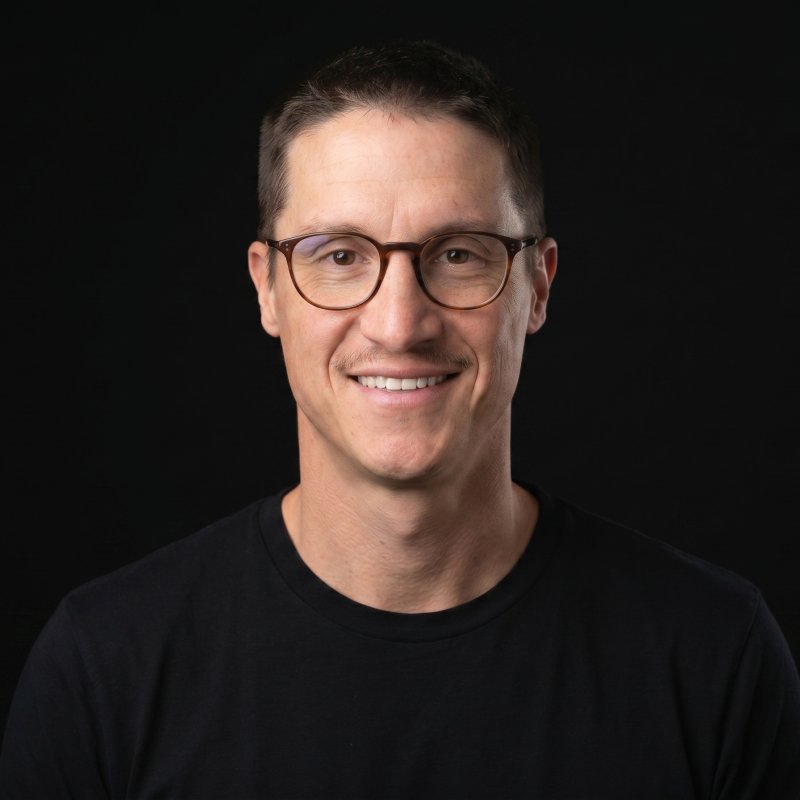
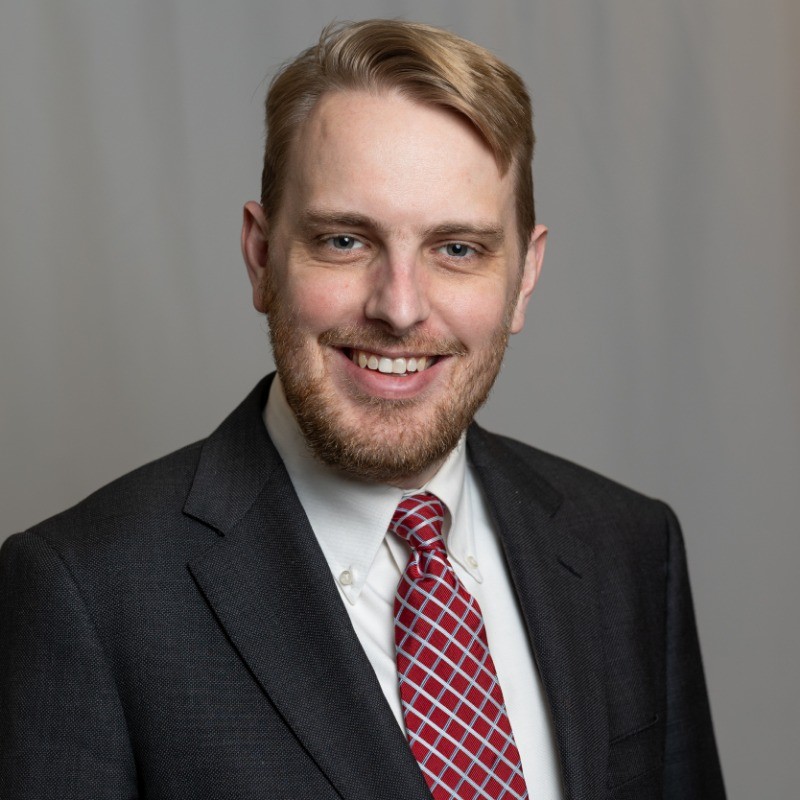
Host: Independent Sponsor. This is a phrase you're going to hear on acquiring minds more often. For one thing, our fund Minds Capital is investing in a lot of independent sponsored deals. For another, the line between self funded searcher and independent sponsor continues to blur. Or perhaps better said, searchers are evolving into independent sponsors, sometimes mid search, but more often as their deal experience deepens, leading them to bigger acquisitions and more ambitious goals. Wait, you're saying but what is an independent sponsor exactly? It's a question I get asked regularly, even by knowledgeable people. Well, today you'll learn and you'll learn the trajectory to become an independent sponsor. At least in one case. The ubiquitous Sam Rosati is today's guest. We spend a good deal of time on Sam's background. Partly that was self serving. Sam's an interesting guy and I wanted to get his whole story, but I also wanted to show you how someone who quit corporate in 2016 grew from hearing about ETA on a podcast to self funded searcher to self funded search investor to independent sponsor. And as an independent sponsor built alongside his partners, one of the largest commercial fencing contractors from Arizona to Florida. They did it in three years and just the other week partnered with a PE firm whose latest fund is $1.5 billion. Now, you won't hear many numbers in today's story, but suffice it to say that a PE fund of that size doesn't get out of bed for an eight figure deal. Hopefully by the end of this episode you'll be inspired. Of course, but more importantly, I want this conversation to help you think 10 years ahead in your own career. Where do you want to go on your entrepreneurship through acquisition journey? As Sam says, there are many flavors of eta, flavors that are only multiplying. Today's episode is a guided tour of one successful entrepreneur's path through a number of those flavors. Please enjoy. Here is Sam Rosati, Searcher, Sponsor, Investor and Zero to One Entrepreneur announcements a webinar today, Thursday, November 14th where searchers go Wrong Having witnessed the searches of hundreds of would be business buyers, Acquisition Lab co founder Chelsea Wood knows what separates those who succeed in closing a deal from those who do not. In this one hour session, Chelsea will share the key mistakes to avoid mistakes that she sees so many searchers unfortunately make. The webinar is also an office hours, so come with your questions. We're going to leave a chunk of time at the end for q&a. That is today Thursday, November 14th noon Eastern Link to register in today's show notes or on the acquiring minds homepage acquiringminds co. Then next Thursday, November 21, attorneys James David Williams and Bill Barlow, whose entire practice is devoted to business acquisition, return for legal office hours. This month's topic the Waterfall the Private Equity Waterfall. This is the shorthand for how proceeds are distributed in most private investment, from traditional private equity to real estate to search and it defines when and how everyone in a deal is paid or paid back. It is crucial to understand, so come get a primer on this core concept in business acquisition, the Waterfall and as office hours, all legal questions are fair game, not just those related to waterfalls. So any legal question that you might have about your search or your deal will be answered by James, David and Bill. That is next Thursday, November 21, noon Eastern. Link to register for that webinar Also in today's show notes or also on the Acquiring Minds homepage acquiringminds Co and finally Smith List has five great new opportunities posted. All of them some version of leading and operating a business. These roles are posted by the owners who are seeking entrepreneurial operators, the type of people who might buy their own business one day, but for now are eager to just get in the seat and lead one a few of these jobs. The owners are also looking for operators that could actually evolve into the buyer that they eventually sell the business to. So an opportunity to run and lead and build a business, then be first in line to acquire it. Very interesting roles here. Head to smithlist.com to check out these five new roles for entrepreneurial operators. And while you're there, sign up for the alert so that you're notified as we post yet more opportunities from the SMB and ETA ecosystem. Smithlist.com Smithlist.com. Welcome to Acquiring Minds, a podcast about buying businesses. My name is Will Smith. Acquiring an existing business is an awesome opportunity for many entrepreneurs and on this podcast I talk to the people who do it. Running payroll, paying your bills, closing your books and producing financials. These are critical tasks every business owner must do or oversee, but spending time on them distracts you from the leadership in growth work you want to do. So let system 6 do it for you. Owned and led by a former Searcher, Chris Williams, System 6 is a leading outsourced finance team for hundreds of SMBs, including over 50 searcher acquired businesses. Chris, Tim and the System 6 team understand firsthand the challenges the opportunities of of jumping into a business as its new owner. So whether you own your business already or have one under LOI, talk to System 6 about how they can give you time back and improve your financial operations Mention Acquiring Minds and they'll provide a free review of your books and financial ops. A $500 value. Check out system6.com, link in the show notes or email helloystem6.com Sam Rosati, welcome to Acquiring Minds.
[7:12] Guest: Well, good to see you as always, Sam.
Host: It's always hard to describe what you do. You're a former self funded searcher. You're a partner in SMB Law. You're a co founder of the conference SM Bash, a founder of SM Boot Camp. You put together the self funded search investor list, which was kind of just a spreadsheet you shared, but has become the de facto source of investor names in the ecosystem. You're a webinar host extraordinaire. We hosted a series together earlier this year that were very well received, but none of that is actually why we're here today. You're also an independent sponsor in a fencing business and you recently, quote, unquote, partnered with private equity, which of course translates to selling a big chunk of that, some percentage, we assume a big chunk of that business. So that and themes around that is what we're going to spend our time on. But I would like some more backstory on you, Sam, than I usually ask for. So let's do that. First, you are in Tampa and a Tampa native, right?
Guest: That's right. Been here 25 years, but grew up there. Yeah, exactly. I'm not
Host: 25. Correct. Okay, so you go to high school in Tampa and then go to college in what? Take us a little bit through the beginning of your career.
Guest: You're gonna make me age myself.
Host: You don't have to tell me the years.
Guest: Yeah, so I grew up in Tampa. That's been home for a long, long time. All my family's here except for my extended family up north. And I went away to college at the University of Florida. And this is usually when I joke and I say I picked the first degree on the list, accounting. But it was, it had a little bit more thought than that. You know, part of the story that never gets told, I should say, is I grew up in a house where my dad and mom were entrepreneurs and or my mom supported my dad in being an entrepreneur. And ultimately the career that I observed him having through kind of like the formative years of middle school, high school, is when he was a business broker. So I got to see the deal business, you know, from the kitchen table and what it meant to have a career in M and A, selling companies mostly, that was a big part of it. But look, I Went away to school, became a CPA, worked for PricewaterhouseCoopers for, sheesh, not even a year, because I was a terrible employee.
[10:00] Host: And you don't seem like an accountant, Sam. Whatever the stereotype of that is, you don't fit it.
Guest: I don't know where you were going with that, but I'll take it as a compliment. Yeah, look like I think it was. Everybody has to figure out through their 20s, mostly what it is they want to do when they grow up. I kind of feel fortunate, like a lot of us in the ETA community. And we'll talk about it. I still think of myself as being an entrepreneur through acquisition. And my career has progressed through what I think of as, like, distinct stages of ETA or distinct models of eta. I mean, we talk about this all the time, right? That ETA has got a thousand flavors. And it just took me a while to figure out that was my home. Right? So I went back to law school up in Charlottesville, Virginia, where it was great. I got to spend a lot of time with people who were way smarter than me, doing way bigger things than me, and it allowed me to level up a little bit. And I got a good job out of law school at a big law firm back home in Tampa, mostly doing M and A, mostly helping entrepreneurs sell their businesses. But I think, like, to the extent there's a journey in all of this and a story worth telling, it's probably in that I had a plan my whole. Whole life, whole whatever. As we're trying to figure out what we want to do with our careers, to be in the M and A business, the buying and selling of companies business, I just didn't know how to play it, from what angle I wanted to be in it. You know, I had sat there as an accountant. I saw my dad as doing a business, brokering. I was a lawyer. And none of those things sparked my interest a ton. And so as. As a lawyer, I knew for sure quickly at in Big Law, that wasn't for me, unfortunately. I had to quit and kind of breathe a little bit. And in that period of time, right, late 20s, I think, is when I just got dumb lucky and stumbled upon a podcast or two. I think it was, if you remember Patrick o'. Shaughnessy, I don't know if he still has a podcast, but, oh, sure.
[12:22] Host: Invest like the best with Rick and Royce.
Guest: That episode, I think it might have been. But I think about it. Rick and Royce, because of that podcast, that book, you know, the HBR Guide, was like the thing that got me believing I could actually do this crazy thing called eta. And then hearing Brent, Brent's story about, you know, building the old adventures that he had and Brent be sure, Brent be sure. And then, you know, the Chen Mark folks were like a guiding light for a lot of us that wanted to start doing this, you know, what, six, seven, eight years ago. So yeah, that was funny, Sam.
Host: All the folks that you mentioned are still guiding lights and, but now, and I know to making you uncomfortable, but now you have kind of graduated into that, that class. I mean you're, you're one of the beacons that people will come into this space and kind of want to be like, don't blush now. I want to go back to the kitchen table. So, you know, a lot of my guests will have come from small business families and so like small business of course being an enormous category. So they'll be comfortable with or know that they want to be small business entrepreneurs like your parents. But you took that one step further. You wanted to be maybe not in the family, not doing being a business broker sounds like, but in the transacting of businesses. So you must have not only liked the entrepreneurial energy in the household, but specifically what your dad was doing seemed intriguing.
Guest: Yeah, it was. So M and A was always intriguing for a bunch of reasons. Like I didn't, I, when I landed on accounting as a major, that it spoke to me. I got it like I was never a science person, I was never an art person. I was always a numbers person. And accounting in the way my brain worked, it was perfect alignment. But I hated being an accountant. And it wasn't until I kind of saw how doing transactions and needing to understand financials and how financials or how managers manage businesses, it came full circle and it was clear to me like deals were exciting. They were, you know, deals meaning M and A transactions, buying and selling companies. And, and yet it was as much of like a science as there is to it. You know, finance, accounting, numbers, it's an art too. At the end of the day, people and deals are the same thing. And, and I loved that. And then I saw that the people who worked on transactions were, you know, they did well for their family and it could be rewarding. So altogether it looked like an interesting career path. I just had to go on a, I don't know, 10 year sideshow journey to finally find the angle with which I would play in the M and A business.
[15:23] Host: Well, you made up for lost time, Sam.
Guest: So I guess
Host: the, the but interesting that ETA and just hearing about it In a lot of the same places that those, those Patrick o' Shaughnessy podcasts. Those episodes with Rick and Royce, with Brent B. Sure really traveled. I mean, I have. I've heard people reference those. Not as much as they reference Walker Dibel's book and Rick and Royce's book. Yeah, but those episodes were very influential, weren't they?
Guest: For sure.
Host: Interesting, though, that you needed to be exposed to this path, the ETA path, via that. And not like that. Some of your dad's clients. Did your dad not have clients who were doing this back in the 90s before it was called ETA?
Guest: Yeah, they did. It was called nothing. It was just going out and buying a company. But two things, maybe. One is. Is I had no reps as an operator. I was a. You know, I only had experience as a service provider, accountant, lawyer, business broker. Like that is the way I saw it. And I never thought of myself as an entrepreneur. I didn't. I couldn't operate a TV remote, let alone a company. So, like, the idea of being a sponsor or a SMB owner, it wasn't even something I thought about or dreamed about because it was impossible. You had to have more experience than that. So. But you know, that. That's why I think ETA is resonating, because it's a accelerated path to responsibility and opportunity. I just didn't have any idea it was possible.
Host: I think that's well put. And I think I had the same realization for a lot of people. They do too, which is, you know, it's not that you've never heard about somebody buying a business. It's just you just imagine that person being this incredibly sophisticated, already wealthy private equity type. You don't realize, at least before ETA became kind of almost mainstream, I don't know that it's mainstream. I'm up to my eyeballs in it. So I just assume everybody knows what it is, but they probably still. They don't. But became more widespread. Did it. Did it dawn on so many of us like, oh, actually there's a. There's a bottom rung of the ladder that can be grabbed onto and then. And then. And then the ladder, like as you're showing and further rungs also become clearer and how you can really take this into really big, interesting places. Anyway, the. The. I also feel like what I'm hearing. And we'll spend more time on this later, is that, you know, kind of see yourself. What attracted this. What attracted to you here, what attracted you here most in terms of what aligned with your kind of what you See, as your native talents is the deal side as opposed to operations. At least that's how you were kind of conceiving of things then. Do you still see that, that you see yourself that way, more of a deal guy than an operator?
[18:35] Guest: I do, yes. I, I think when I look back, it was clear the skill set was and is, is from a deal perspective of acquiring businesses, transactions. I think I, I have had to develop the other skills, which is people management, incredibly important financial management, meaning taking KPIs and a set of financials and making business decisions, operational decisions based on sets of numbers and information, all of those things. I, I didn't even understand what that meant when I was a lawyer because I hadn't ever had to do any of that. Right. It was go through a transaction close, wire, walk away onto the next one. So, and I think that's probably part of the bias and in our conversation here is just to understand, like I came to all this comfortable with transactions and blind to what it was like to manage people in a small business. Yeah, I had to learn that.
Host: Yeah.
Guest: I think maybe one, one thing I should mention too is when I was a lawyer in big law, you know, and I had the vision for being a big law partner and I quit. You know, that was kind of a scary time. I was about to have a child and had, you know, obviously had a wife at the time and we're still married, we have three kids now. But it's, it was scary to kind of get off that track and start fresh in something I had no idea about and I should credit. I had a friend still have that friend who was a lawyer also was in big law in a prior career. He's older than me by 20 years. And he kind of told me, you know, that it was okay to start fresh, to not have, you know, this holding on to a career you thought you were going to have and, you know, then being afraid to leave it holds you back. So he had left law. He bought a business and grew it and sold it to private equity and had made a better life for himself that way. And I got lucky to have him be willing to spend time with me because, you know, my parents gave me every opportunity ever in life. They invested in me in a way that I still can't fathom. And yet, you know, telling them I was going to give it all up to go buy a small company, that was hard to do. And to have somebody say, hey, you know, go do this, it's okay, you can make it work, that really helped So I thought that was worth mentioning.
[21:31] Host: Well, I'm hoping that Acquiring Minds is the that guy for many people listening.
Guest: Cool. I think it is. I don't know if you realize your reach, but it is pretty impressive.
Host: An SBA loan broker, as opposed to a direct lender, doesn't work for a particular bank. Instead, the broker pairs you with the right SBA lender for your deal based on industry terms, risk thresholds, then helps you navigate the process better than many lenders themselves do. Matthias Smith of Pioneer Capital Advisory is just such a broker. Matthias worked at two of the country's top 10 SBA lenders. So he's been on the inside of the SBA process and knows well the pitfalls and hurdles and how to avoid them. He struck out on his own to laser focus on the ETA and Search space. Our niche is his niche. You'll see Mathias at all the ETA conferences. He's closed over 30 search deals since starting Pioneer in May of 2022, including some acquiring Minds guests. To learn more and get in touch, go to PioneerCapitalAdvisory.com or click the link in the notes. I have to ask, how old were you when you made that decision? You had a baby on the way and you were married. How old were you?
Guest: I think I was 29.
Host: 29. 28.
Guest: 29.
Host: The other thing, tell me if I'm reading too much into your story that I wonder is you majored undergrad in accounting and decided that accounting wasn't for you. Then you went to law school and decided being a lawyer wasn't for you. Were you worried that you were somebody who doesn't follow through or, you know, it's starting to build a trend. It's like, why. You know. You know what I mean? Was there any of that? Because. Because an outsider, if they were. If they were being so judgy, might say something like that.
Guest: Well, thanks. When you say it like that, Will, it makes so much sense now. Look, I. I think that most entrepreneurs, whatever that means, sooner or later, feel that itch. And that was just my version of acknowledging the itch. Like, I. It wasn't. Maybe it wasn't anything about those jobs. They're great jobs for people who enjoy that lifestyle and don't crave the entrepreneurial adventure. Yeah, I mean, entrepreneurs, I like the adventure of it. And so, yes, I think it was crazy in hindsight. And that's what it takes sometimes, is to be blind to the risk.
[24:10] Host: Yeah. You said people in deals are the same thing. Did I hear that right?
Guest: Yeah. Yeah. I mean, deals are ultimately about people because. Oh God, this is a loaded question, man. I thought we were going to go a different direction. So at the end of the day, like all your counterparties in a transaction are people. And so the numbers can say what they want. The business case, the study of it can say whatever you want. Ultimately, it's all about people, you know, creating relationships with your sellers, relationships with the managers who are running the businesses, your employees, everybody, customers. And so like there's the science of deals, which is accounting and finance and lending and all that stuff, but at the end of the day it's just people. And yeah, I got to watch, you know, others managing deals through managing people. And that was super, super helpful for me.
Host: Great. Sam. Okay, so you hear, you learn about Brent B. Sure. You learn about Chenmark and Rick and Royce. You read their book the Year is what and you, when you quit, what year is it? 2000? 15ish. 16. No, the book wasn't published until I think 17.
Guest: No, I think I quit in 16.
Host: In 16. Okay.
Guest: I think so. Yeah.
Host: And so you quit to go buy business.
Guest: You right. To be even clearer, I quit not really knowing what I was going to do. I just was really burned out and knew that in order to make a good decision about the next step, which could probably look a lot different from prior career steps, I had to do it a clear head. I had an idea about what ETA was, but I, I wasn't sure.
Host: Okay. Okay. And so when, when you quit and got some room to breathe, is there anything to say about your final zeroing in on this as the path?
Guest: Yeah, I think sometimes it helps to keep it simple. Right. And I, I talk to a lot of people that want to buy a business and for the folks who are looking for a reason not to do it, there are a thousand reasons not to do it. But you know, there are some people in this community, like the Brents, the Rick and Royce that, you know, the Chemar crew that are able to articulate this as something I could understand. This is going, this is not startup land. And that was what was popular at the time.
Host: Yep.
Guest: This is not creating an idea from scratch and finding product market fit and growing from zero to something. It's go out there, find a business that you can, you can conclude is of good enough quality, that is big enough in terms of size and just go do a transaction and figure it out from there. And I knew how to do a transaction. I figured I could claw the money together and make it happen. The whether or not I could actually run it question that was in my mind the big leap that I took when I ventured down this path.
[27:27] Host: Well let's hear a very abbreviated version of the business. You you did buy the dumpster business. So tell us how you found it, what it was like get us into your operating of it and we'll then we'll take a breath.
Guest: Sure. Well it would be a total mistake to forget that I did that with my brother. So when I left Big Law and was trying to figure it out, see if I could do this thing, he actually he's not a deal person per se. He's kind of an operator and a much more successful and risk taking entrepreneur than I'll ever be. And he was running a small business at the time and I'm sure people can probably find their way to seeing which business it it is. So I won't say numbers but it was a really like it would size wise a perfect SBA able deal. When he was trying to acquire it and he didn't know what ETA was he just said he had worked for this entrepreneur and he thought his next phase of his career would be to buy that entrepreneur out of his company and take it over and run it. And that deal busted on him. And it busted on him. Just as I was realizing I went some one year, I forgot the year probably 2017 to the Chicago Booth conference. And I remember coming home and realizing this is for me number one. And number two, I don't have any clue how to run a small company so I might want to partner up with somebody who does. And that was it. And so I convinced my brother to go in on this ETA adventure together. And so we did. And we it took us a while be like it takes many searchers. We self funded geographically constrained because his spouse is here too and we didn't want to move anywhere. And so it took us for all the reasons it takes searchers too long. It took us a year and a half and it should have taken us six months because there are businesses we look back on now and laugh that we should have bought them. But we had no no clue what we were looking for or what to do. So we finally found Alpha Dumpsters, a roll off dumpster brokerage. So no trucks, no dumpsters. It's just a brokerage sources leads, takes the customer payment, turns around, calls the hauler who owns the trucks and the dumpsters they deliver. And then when customer calls us back for pickup we send the hauler out and then we pay our hauler later. So that was the business model. We sourced it through a broker. What I should say is when that deal became active for us, like it came into our inbox and we were looking at it, we were also looking at another business that had come back to us. We had. We had offered earlier. They declined our price, they circled back. And so we were running these two acquisitions in parallel, and we figured there's two of us. If for some crazy reason we were to get them both, well, we'll figure it out. But that'll never happen. Well, that happened. So we did two at the same time. And it worked great, I think. I mean, I feel like it was the best way to do it because I never had to go take like the key operator role in either of those businesses. I was able to do kind of what I feel comfortable with, which is kind of managing financials, customer management, kind of back end in a way, and sort of the front end, people management. When you think about being a small business owner, you think about managing a staff of people, and that's like the biggest challenge my brother, who's far better at that, was able to do. So. It was a wild ride. And then.
[31:36] Host: Sam, hold on. So you bought two businesses? I didn't. I don't follow.
Guest: Yeah, you bought two businesses.
Host: What was the other?
Guest: The other one was a Patio Products, which is a patio screen door manufacturing business. Oh, about the same size and 39 days apart.
Host: I never hear you talk about that. When I always hear about the dumpster business. Was there. Go ahead.
Guest: Yes. The dumpster business is the way we think about our first acquisition because the seller was retiring and we were responsible for driving the entire business. I think if I remember right, they gave us 60 days, and without the sellers, that business was worthless. So we feel like that was our company. In the other business, we had a general manager who ran the business for us, and we had another partner who was mainly responsible for keeping that business on the tracks. So in a way, like Alpha Dumpsters felt like it was ours.
Host: Yeah.
Guest: And Patio felt like it was. We were just active partners in a small business.
Host: Okay. Of course, the. The patio business sounds like more independent sponsoring. Sounds like it's. And it sounds like, frankly for a lot of people that more the dream just buy businesses and don't have to operate them. So this sort of. Sort of picture.
[33:05] Guest: Well, look, I think we'll get into it, but yeah. Where my brother and I did end up ultimately is that active management. And I don't want to speak for him. He might articulate it differently. So I'll speak just to myself. And that is taking the day to day operational leadership role is just not the job, not the career I wanted. And so that's why I pivoted long term after we sold Alpha to being an independent sponsor. The problem is I have to figure out all these things the, the hard way, which is to go, go do something, realize I don't like it, do something else. The whole time the independent sponsor model existed. This is not new. I just didn't ever think I could pull it off as a young person in my 20s.
Host: Let's just hear the end of the Patio and Alpha Dumpsters story. Alpha Dumpsters was a brokerage. When you sent dumpsters to client sites, they had not your brand on the side. You were truly a brokerage. It was the brands of the. Okay, and was it kind of like a lead gen website essentially or. Okay, yeah.
Guest: I mean it was a lead gen assortment of websites. So it was really a business based on SEO and Google pay per click ads and generating leads to our site and to our call center. And then we would take the order and turn around and get it fulfilled.
Host: Wow.
Guest: Yeah, it was, it was crazy. I didn't know anything about it before we started.
Host: Was it a good business?
Guest: Actually, I think it was a very mediocre business. It's because, well, a few reasons. Right. We didn't control fulfillment. So anytime a customer calls us, if you kind of the 101s of SMB ownership is make your customer happy. Well, when you don't own the truck, you don't employ the truck driver and you have no control over the fulfillment. It's really hard to make your customer happy. So that was a problem, right? That was hard. The economics were good, Right. We didn't have any capex responsibilities. We got prepaid and then paid our hauler partners afterwards. So this negative working capital dynamic. But it was a business that we struggled to make big. And that was kind of our whole point was to try and grow a business big. Right. I mean, I think that's what most of us are trying to do when we get into eta.
Host: Okay. And so you had that business in the patio business and you sold them both after how long?
Guest: Correct. Only year and a half in the business. Year in the business, it was short. We, we, we should say what happened is Covid hit and Covid created a really nice opportunity for us to sell and make money and call it a win. So that's what we did. We didn't make a lot of money. Trust me. Trust Me. But we were able to say, hey, look, we put a little money in our pockets, we got some experience, let's go figure out what we want to do next from that.
[36:13] Host: And you sold both businesses now, correct?
Guest: Correct.
Host: And neither was a home run. You made some money from buying and selling both businesses in about eight a year to 18 months. Eighteen months, correct. Is there anything to be learned there, by the way, Sam, on how you were so able to get into out of these small businesses? You know, sometimes, occasionally it'll come up with, with a guest where it's like, you know, if I buy a business and I don't like it, I just can, I can just sell it again. I don't see myself, you know, ball and chained to this business. Like it's, like it is sometimes presented. And I think it's an interesting question. And so is there anything to be learned from the fact that you guys were able to get out pretty quickly?
Guest: Well, I mean, I think something that'll be, and this is kind of the, maybe an a bias of mine. I don't like to overpay for companies. It sounds obvious, but early on, especially like I had a bias towards making sure I did not overpay. And I think that allows you some breathing room if you decide this isn't the experience you want and you want to change because it means you can go back to the market and sell and cover your cost basis.
Host: Yeah.
Guest: So I think that's something. And to be clear, neither of those businesses were doing worse. So I think that could be a situation that's hard to escape from. Is if, you know, you, your SDE gets cut in half. I mean, I think it's almost impossible to get out of that without having lost money.
Host: Of course, especially if you borrowed money, you're going to have the loan hanging over your head. Right, Right.
Guest: That's true. Maybe that's another piece of the puzzle that is worth mentioning, which is I, I am generally more risk averse than a lot of like, true entrepreneurs. So I'm not a huge fan personally of leveraging my acquisitions to the hilt because I'd rather be able to survive and see another day than to maximize my own personal ownership. That's typically a function of how much leverage you use.
Host: And can you put any numbers around that? So is it kind of like if you were to go out and do an SBA deal? I mean, it's, it's hard for you to say that, but are you more of a 70% type of guy sort of thing?
Guest: No. Well, I'm a 65 guy. Look, I think it's, it's like a feel to it. Right. If you're paying three times as three times earnings for a business, you can put 75% leverage on it and you've got a lot of cash flow still. But this was five years ago or whatever when we were doing this initially. It's really hard to find deals for three times right now. And so I see a bunch of people buying businesses these days with SBA loans that are paying four and a half times. And when you put 75% leverage on a four and a half times purchase price, you have way less cash flow left than if you paid three times.
[39:34] Host: Yeah.
Guest: So maybe that's maybe part of the math answer.
Host: Yeah.
Guest: The other thing is I always felt better about having partners and sharing the upside and having less downside than the other way around, which is a lot of people, they're doing this for independence, so they're trying to maximize their ownership and the only way to do that is to leverage to the hilt. And personally, that's not the way I approach it.
Host: I wonder if it's also because you have a longer term view in that this is your career, you'll be doing this for a long time. So if you're, if you have a long time horizon for just the activity of buying businesses, you don't need a single deal to be squeezed for the absolute most juice it could be.
Guest: Yeah, you're right. And maybe too the last piece, we're trying to beat this one up a little bit, but maybe it's a bit of a contrarian approach or contrarian take on, you know, the general advice out there, which is to use a ton of leverage and own as much as you can. And that is, I don't think I, or we saw ourselves as just owning one business. We were going to own a lot of things, a handful of opportunities and so never really needed to maximize just the one. Right.
Host: Yeah. So you exit both of those business, it's businesses, it's Covid. You've gotten a win. Not life changing money, but you've, you know, at least you've gone through a full life cycle and survived and then some. What year is it and what, what do you start thinking about next? And by the way, if you can sprinkle in to hear all the other things you, you had going on that I listed at the top. When did, when did Sam Rosati, as everywhere man evolve? Why launch a conference? Why become kind of, or how did you become kind of a beacon in the community.
Guest: Well, I take that as a compliment. Thank you, Will.
Host: Yeah. As you should.
Guest: So part of this was you make it sound linear, but it wasn't. It didn't feel linear the way you make it sound like the progression of things. So every day, Alpha Dumpsters was an hour drive from my house and I had a young kid, so I tried to, I left generally pretty early in the morning, came back earlier than I should have and it was a long drive.
Host: So.
Guest: So I, I think I took one call a day on average from a searcher. It was, I had at the time, a lot of people pay it forward to me when I was trying to buy a company. You know, people who would just pick up the phone and give advice. And so I figured it was time to pay it forward. And so I think what happened is during that, you know, time with Alpha where I was commuting, I just talked to a ton of searchers, ton of business owners, ton of people in our community and just got to know a lot of people and we got to share our war stories and commiserate and, you know, support each other. And so then, you know, it came time to figuring out what I wanted to do. I actually busted on a few deals like I tried to go buy a couple more companies and didn't get anything done until John Hubbard and I bought Express trailers, which is a well told story. And you know, I don't think anything new to be told there but you know, I appreciate the partnership I have with John because it was the first deal in sort of the new approach I took where I wasn't the key operator. That was the only thing I wasn't willing to trade on was I only wanted to support the growth and management of businesses but not be the one responsible for the day to day. And I think that was the start of whatever. Phase two of my own ETA adventure was that realization that I really like doing transactions. I like guiding businesses from afar or managing the key managers and, and not being the one in the business managing staff and customers. So yeah, John was where it started and we got Express done. And then a few months later, Chandler and another partner and I bought a business called Get Green and then Chandler Reed.
[44:07] Host: By the way, audience, all of these stories aren't acquiring minds. You can hear the full Chandler Reid story. And then the same with John Hubbard and John Hubbard has come back. So he's a two parter.
Guest: Yeah, to tell the story. And then I think it was right in that time frame, I could be off by a little bit. But if you remember, during COVID none of us could meet. Conferences didn't exist. Well, two friends, friends I, I think I met probably on those drives to and from Alpha Dumpsters, Brandon Lothridge and Matt Henson and I were just sort of shooting the bull and the idea that, well, Florida was relatively open and there's a lot of us that talk all the time and this thing called Twitter, SMB, Twitter now, X whatever, you know, that's cool, but you know, we miss getting to spend time together one on1. So SM Bash was purely scratching the itch of wanting to spend time with people in our community face to face. So it might have appeared like we had our stuff together, but we kind of just kind of winged that one. And it's turned into really high quality content and a place where people really want to come together to share how to, how to actually buy a decent business. But now I think increasingly people want to share ideas and execution tactics around how to run a business the right way. And so that, that was S.M. bash and I think I might be out of order a little bit. But not long later is when we acquired our fencing platform and the first business. So it was in that 2021 year that a lot was happening for sure.
[46:03] Host: A PEO run by a searcher for searchers if you're running a company with less than 100 employees and providing health insurance to them, you may secure better benefit plans at a 15 to 30% discount through a professional employer organization or PEO. Aspen HR, run by search fund veteran Mark Sinatra, understands the needs of search operators and provides HR compliance, flawless payroll, HR due diligence, support for your acquisition and Fortune 500 caliber benefits, all for a fraction of the cost. And tis the season to evaluate your employee benefit plan. Most new clients reach out to Aspen 90 days before year end or their renewal date. So before they get slammed, check out aspenhr.com or contact Mark directly at mark aspenhr.com what about the boot camp and the investor list? Just while we're talking side projects, give us the quick stories on those. The boot camp first, sure.
Guest: Gosh, I probably am revealing that this is not all as genius as it might look on the Internet, but the Bootcamp was again just a reaction to people calling and asking, you know, I this is when we could tell SMB was taking off because I was starting to get calls or texts from friends, high school, college, and they would ask something like, hey, I, I heard this, saw that and you know, I don't really like my job and you know, I Need to figure out what I'm going to be doing when I grow up. And the idea that I could go buy a company and own it and run it like that is really neat. Right? So that's all ETA is. So I had a lot of people asking me, some of them more serious than others, and so they would come to the office and kind of I offer them some help because along the way I had hired and you know, I don't want to say the word you hired. Worked with deal team folks who helped me do my own deals, like lawyers and SBA lenders or other lenders and Q of E and insurance folks. So I had my own little deal team. And so it was purely on the desire to, to teach a few people who had asked me how to do a deal desires to teach them what I was doing. So I invited them to my office and I actually had a few other people who I didn't know ask if they could join. And I ran like a little crash course in like the kitchen area of my office. The thought of this, in hindsight is, is fun to think about, but.
[49:09] Host: Well, there's an irony to it too, Sam, because this is, this is the origin story of a lot of zero to one businesses, you know, Mark Zuckerberg slapping together some website. You know, it's like somebody just kind of does a side project or does something for shits and giggles and then it blossoms into a business, like an actual business and sounds like both, both Bash and Boot Camp kind of have a similar story that way.
Guest: Yeah, I think they were incredibly organic and they reflect how, how the community was seeing just monumental interest. Right. And people were coming in. And to be clear, like ETA SMB is not for everybody. There are people that are better off staying in, in W2 positions and growing their career that way. I'll tell you this, not easy on the other side, it's risky. Sleepless nights, like the workload required. But what there were just support. There was support in the community that didn't exist. Like you could go to Twitter and go read some books and they would generally tell you what to do. Like Rick and Royce have a fantastic book. It's probably the reason I'm in this, in this community. But it doesn't actually tell you, you know, how to hire a deal team, you know how to execute a transaction, what to diligence. Like all those tactical things were missing. And I had had a lot of reps from career and from having bought a couple companies, so I just tried to put a curriculum together and it's evolved a lot. A lot, a lot. But at the end of the day, it's the same core curriculum with a deal team that generally includes the same people and functions. It's just been developed over three or four years now, and a couple hundred people who have come through.
[51:00] Host: Yep. And are these Boot Camp and Bash? These are standalone. I mean, are they profitable businesses?
Guest: They are, absolutely. I will tell you, not one of them makes enough for me to do it exclusively. But, you know, it's kind of a test for me. If a business can't make money, then is it serving enough? Is it. Is it useful enough for people to even exist? So I think if it wasn't making money, I probably wouldn't do it. And second is there was. There's been a long stretch of time here where most of the money that was made through these adventures, I would just plow right back into the community by investing in other searchers deals. That's been fun.
Host: Well, right, so you're also an investor in other deals, which I didn't mention in my intro. And you've done SMB Law. We got it. We got. SMB Law is a big one, very visible. So we have to hear that too. Give us. Give us three minutes on that one. And then I promise everybody we're going to get to the main story here of the fencing. The fencing platform.
Guest: So SMB Law, real quick, I'm setting boundaries. Will I need to be home in one hour? Because I'm playing. I play dad at 5:00 every night. So you will have.
Host: How long is your commute?
Guest: 10 minutes.
Host: Okay. Okay, we got time.
Guest: All right, so I think I have the order right, because I remember at the time SMB attorney was. What's the word? Like behind the. You can't.
Host: Pseudonymous, Non. Whatever.
Guest: Anonymous. There it is.
Host: Anonymous.
Guest: Yeah. So I remember when we were just about to do the first SM bash in Orlando. He was coming to life on the Internet and then I realized he was in Orlando. So I DM'd him and I said, hey, like you're in Orlando, just come hang out with us. Seems like you want to be involved. And he declined. I don't know if he'll remember that story, but it's a good one.
Host: This is Eric Pasafici, everybody.
Guest: Yes, Eric. So at some point, probably seven to nine months later, Kevin and Eric reached out and together, because they were the origin folks behind SMB Law, they were going to form a law firm, and they asked if I wanted to be involved and partner with Them because they rightfully believed they could do the lawyering. And what they didn't know that they could do is they could build a business in this community. Right. And so we thought that the three of us together had like the reputational traction and the lawyering capability and the business building capability to go do this. And I don't know if we understood the opportunity at the time, but it's, it's been a fun adventure. This one's been a little bit more public than others just because of Eric and Kevin and, and the brand name on Twitter. But yeah, that's the origin story of
[54:12] Host: the law group and that has really grown a ton. It has probably three. Three years old now. A little less probably. No, it's probably two years old. Two and a half years old.
Guest: Two and a half. Yep.
Host: Yeah. Yeah.
Guest: So that's been fun and. But that's been. If you think about it, I feel like a hypocrite to some extent because even though I say a career has been an eta, that was a startup. So is boot camp and so is Bash, so.
Host: Yep, exactly. So Sam, one thing, because this will tee us up to really understand what it is to be an independent sponsor and your, the development of your path. You said you have plowed money from the, some of the profits from these side projects into, back into the community in the form of investing in self funded search deals. But I gather that that's different than what you did with John Hubbard in Chandler, which also, I assume you have capital in those deals, but there's something more there. I think you use the word partner so distinguish between those two groups of investments you've made.
Guest: Yeah, I don't know if there's like a word other than to say I feel like I'm, I have a, a relationship or an involvement in their success, that I invest time and I, Yeah, I spend time with those businesses as opposed to like just writing a check and being a passive limited partner investor in other search deals, which I'm not sure that there's like a technical delineation and maybe it's as simple as they're here in Tampa as well. So, you know, I can walk down the hallway and see Chandler, I can drive down the street and see John and, and for that reason I tend to spend more time with those businesses.
Host: But it's not, it's not, for example, that you originated those, those deals. Like you found the, the, the.
Guest: Oh, okay.
Host: Deals.
Guest: Yeah, I did. That's a good point. I did originate those two. But you know, so what Right.
Host: Or the size of equity. The check that you wrote might be a differentiator or like are you this,
Guest: are you on the board? If they have boards, I am, but I think it's more about my, my relative ownership in those two is, is about the same, but it's more than the ownership percentage than I have in some of the passive investments. So maybe that's part of it.
Host: Okay. Okay. Well, I think it's where I'm going with all this is to try to understand, you know, the levels of involvement people can have in small business acquisition. So many of my stories are basically owner operators and I think this is the default in self funded search. You buy a business and you work in it for a while at least, but it's also the aspiration of many to not work in it forever. And here you've, you've done that very much not only in going from dumpsters to fencing, but also in some of these investments you've done. You're, you know, you're kind of involved with Express and John and kind of involved with Chandler and Get Green. Anyway, let's get to the fencing business. So this platform, what do you tell the story and then I'll ask the follow ups?
[57:35] Guest: Yeah, it's a good story, but it's not like there was at the beginning. It's not like we had preordained or had this vision that this would be, you know, large or successful. It started with I met a former CEO of a fencing hardware business in Tampa. He reached out. I had been a customer of his and we had lunch and I realized that we got to talking about fence and it seemed like, you know, I've never been one to build a thesis around an industry and say let's go hunt in an industry. But for once I thought, gosh, this seems like a business we could build where there's not a lot of competition from a perspective of other sponsors buying into it. So commercial fencing and commercial fence installation. So commercial as opposed to residential and installation as opposed to material sales or distribution. One, I had not heard a lot of activity in that space from private equity firms. So would that said to me is unless it's a low quality business, maybe we wouldn't face as much competition. And two, I, I had a potential partner sitting next to me that I was getting to know that, you know, really did have an inside scoop on the industry. And even though the business he was a part of for 20 years of his career, he is quite a bit older than me. He, even though that business was in the material side, the distribution side of the business. He was the one who was able to share a vision around what consolidating the installer base could look like. And so just so the story doesn't take too long, we met up a few times and, and just talked about what it would be like to go try to find a platform. And I don't want to say roll up, right? Cause roll up feels like smushing a bunch of deals together and figuring it out. Call it thoughtful buying and building. Right. A little slower pace. Be more picky and choosy around the branches we would acquire and the teams we would bring in to lead them. And so we went out on a hunt to do this. And remember that was kind of my job at the time was to find deals and see if I could organize an acquisition. Right. That's what we did with Express. Found an opportunity, you know, matched it with John and, and brought some capital together. And you know, that was an, that's a version of eta. The thing that made the fence platform different is it started a little bit bigger, not a lot, but a little bit bigger than the average SBA acquired acquisition. And the second thing is the business was really a partnership with two young guys in the company who were running the day to day. And so I didn't need to take an operational role in the company day to day. So this sounds very obvious. This is just a classic independent sponsor deal. And so that's where it began.
[1:01:06] Host: But to be clear, are you an independent sponsor in John Hubbard's deal? Yeah. No. Oh, you would say you are. Yeah.
Guest: I mean, I think so. Right? I mean if you define what an independent sponsor's role is, it's sourcing acquisitions, bringing together capital and operational leadership and with different levels of involvement, managing the oversight of the business.
Host: Well, let's, let's spend some time on this. How do you say more please, about how you see the definition of independent sponsor versus a self funded searcher? And then, yeah, I'll add to it if I feel so inclined.
Guest: You know, this is, this is the crux of what you and I, I think, believe is, could be helpful to the audience. Right. Which is that everybody thinks that there are these clean black and white lines between the different versions of eta. Self funded and traditional. And traditional and independent sponsor. The way I think about them is probably in three dimensions. One is in terms of who leads the business day to day, is the person who leads the business day to day who's in the business running, managing team, managing customers, Also the controlling owner or those roles bifurcated and the other is in sort of the monetary realm. Typically independent sponsor deals are just a little bit bigger. They tend to be too big to be acquired with an SBA loan. So typically they're done with conventional debt, which means a lot less debt as a percentage of purchase price, which means more investor equity. And it also means the sponsor or searcher economics are totally different. And so that's kind of the two ways I think about independent sponsor that model being different than search self funded.
[1:03:14] Host: That is, that's great, Sam. And to be clear, I'm with you that I don't want to suggest that there's some really nice and clean definition here, but there's kind of directional definitions. Yeah, and, and there are definitely people who self identify as independent sponsors and not as searchers at all. And, and vice versa.
Guest: Okay, so hold on. So that we actually offer something useful here. Yeah, you have, you are starting to get some reps at analyzing independent sponsors and their opportunities. How do you think about it?
Host: Yeah, I was so I agree with everything that you said. You said one, some of the stuff I would add is you said a little bit bigger the deals than what you can do with an sba. I would say they start a little bit bigger, but they can go a lot bigger. I mean so, so the kind of the, if you want to think about it, the floor of an independent sponsor deal is going to be a big self funded search deal, but the ceiling can be $50 million businesses, $80 million. Now those are, those huge numbers are a little unusual, but they happen. I'm seeing them agree the. I actually I used to think it was a kind of a bright red line between whether the sponsor operates or doesn't. But at Mines Capital for example, we're seeing people, sponsors who, who do become the operators. And, and there's this interesting, I don't know if it's a trend but we, we've seen it now multiple times where the deals that are being brought to minds are independent sponsored deals. But the person started as a self funded searcher, they thought they were going to do an SBA deal. They, they were looking for the 750 EBITDA sort of thing that we talk about in acquiring minds. But the deal they happen to find is just a much ended up being a much bigger deal. And so SBA wasn't going to work and the whole way of thinking about it shifted. So sort of mid search they kind of had to pivot or evolve or grow really from self Funded searcher to independent sponsor. But again you know, it's not like it's a. So and those folks still see themselves as being the operators because they always did that was always their vision that they would go in and operate.
Guest: Very interesting.
Host: Yeah it is, it is interesting. And then, but then the last thing. So I think those are the big differences. I guess the one point I would make is on the finance piece. Yeah. Like you said it's, it's not as off hardly ever SBA debt. It's conventional debt. More, less, less debt. So more equity to debt and it's. And what the searcher or sponsor retains what they own or what would be the word would probably be their carry is going to be a lot less than what self funded searchers are used to getting.
[1:06:14] Guest: Yeah, in a way.
Host: So self funded. Go ahead.
Guest: In a way traditional search is, is a better example. In traditional search the, the searcher actually gets paid in carried interest and, and so the economics of an independent sponsor look a lot like a traditional searcher's economics. Net Net. Yeah, exactly. It's super interesting.
Host: Exactly.
Guest: One point I just thought about and maybe it's because it's just my experience, not everybody's, but my experience being an independent sponsor is that independent sponsor platforms are designed to grow through M and A and organically. Whereas you don't often hear self funded searchers going in and saying I am consolidating a space through M and A. That generally is not a part of the plan.
Host: Yep. Yeah. Well and, and on that point I, I would say in your comparison of, of independent sponsor to traditional search, it's much more like traditional private equity where you, your investors are really are really expecting a return. If you take investors in a self funded search deal they're also expecting return but they're not going to be as demanding on you. So. So in an independent sponsor deal the clock starts ticking just like in a private equity acquisition and you are expected to grow as quickly as possible and you certainly expected to exit and deliver money with a great return back to your investors. So it's much more feel, it feels much more like you're doing kind of entrepreneurial private equity than self, self owned. Searching.
Guest: Love that. That's exactly right.
Host: Yeah. Okay, so you liked the idea of this fencing opportunity because it was going to allow you to, you know, be doing deals and, and leaning into your strengths so you, and you have a platform that you find you partner with the gentleman who you went to lunch with who had some experience or decades of experience in the Industry and then two managers within the. Within the platform. So it's the four of you.
Guest: Correct. To start, it was call it a majority recapitalization of what was a family owned fencing business in Tampa and called West Florida Fence, where there were three owners. One was a dad and then there were the son and the son's business partner who are in the business day to day. And so we came in and majority recapped the business as independent sponsors. The core day to day operational team stayed in place. And you know, we did that transaction part of it, but then we came into it and our strategic vision was to create a much larger commercial fencing business. And at the time we thought the Southeast and that, you know, we financed it conservatively. We thought about everything in a conservative manner, like not too aggressive. In the early days, you know, we didn't know if deals would come fast or slow. And you know, we can go there and what happened. But what proved to be maybe the. The key, I wouldn't call it fortuitous. The key, the key characteristic that allowed the platform to work as well as it did is the day to day team running the business grew the business tremendously in the first 18 months.
[1:09:59] Host: Organically.
Guest: Organically, Correct. So the, the vision they had for growing the business the old fashioned way proved to be accurate. And it did. It grew a ton in the first 18 months. And so when we finally got our footing right, it takes some time to figure out, you know, what did you buy? Who are the people that are highest and best in certain functions. And, you know, it just takes time to get into a rhythm with customers and vendors and, you know, your lender and investors and everything. It took us a while to do that first acquisition, but by the time we did, we were twice as big.
Host: Wow. And so was this a case of, I think you said father, two sons recap. So that means basically you guys buy the business and the business is recapitalized. Father retires, gets some money for his retirement. Sons also get some money that they either roll some are part of and maybe put some in their pockets. But they're now, of course, invested in the future.
Guest: Correct.
Host: And then if they grew, this was. How old did you say the business was?
Guest: The business had been around for 10 years.
Host: Oh, okay.
Guest: And it had actually been carved out of another company. Fence was just a small part of what the other company did. When that other company transacted, they spun the fence business off as sort of a side business. And then it grew to a point where my now, you know, partners Running the business actually were able to run it day to day and start growing it a few years ahead of us recapping the deal.
Host: But when you recapped it was. So when you recapped it, when you guys became involved, it was already on a growth trajectory.
Guest: It was, yeah, it definitely was. And to be clear, only a few years earlier, it wouldn't have been a big enough business to do an independent sponsor deal on. So it had recently grown. But you know, part of the, one of the things that makes the fence business, commercial fence business, interesting, there are things that make it hard, but one that makes it interesting is there's there's visibility into your revenue, right? It's a contracting business. So you can see the volume of bids that you've put out and the volume of contracts you have signed. So you have a good sense of the work coming down the pike. So to say you kind of have some visibility into how big you're going to be, assuming it continues on the pace it's on.
[1:12:34] Host: That's funny, Sam. I've never heard somebody say something positive about the relationship to revenue and sales in a contracting business, but that was pretty convincing. But let's dwell actually on the quality of revenue in this business and the industry overall. This is a project business, right? So we're all supposed to be running away. It's install work, right? So what did your experienced guy who brought, brought you in and kind of convinced you of the opportunity sell you on? What was the why did he think this was a good opportunity? Why? Yeah, so answer why, why was a good opportunity now and then also, just give us the 101 on commercial fencing, please.
Guest: Yeah, so commercial fence install is a contracting business and we call it like the permanent business or the construction side of the house is where we are in, in many cases, not in all, but in many cases we're bidding projects and then we contract the work and we go out and we stick fence in the ground. But a few things, one, a few things that make the quality of the revenue higher than you would otherwise think it is because it is in fact project based work for, for most of the revenue. And sometimes those projects can be large. To be clear, that's not a bit a bad thing, right? There are multi million dollar projects that we do. What, what makes contracting hard is if your customer base churns on you. And so what makes the revenue quality higher than we thought on both our business and the industry in general is if you can find branches brands that have a repeat customer base that's really valuable. So whether it's general contractors or property owners directly, who are our customers? If they continue to give us work month after month, year after year, and they're repeat customers, our customer acquisition cost comes down and we have more visibility into our revenue and workload. And I think we can really build a business around that. And so then the nature of the revenue is more about service relationship, reliability, trustworthiness, as opposed to the usual subcontracting business where you win just based on price and price alone. And then the second thing is again, I'd say like three things. To answer your question about revenue quality. We're not in the residential fence business. And sticking 50 or 100ft of fence in a backyard is not technically difficult. It doesn't require a lot of barriers to entry, right? You don't need a lot of stuff or expertise to do that. But if you're sticking thousands of feet around, for example, a federal prison, you have to meet a lot of, you have to clear a lot of hurdles in order to do that work, to win that opportunity, right? We're talking background checks. In a lot of cases, you need to be bonded and all sorts of requirements where, you know, if there were a hundred fence contractors In Florida, maybe 10 could actually qualify to do that work. And so your actual competitive landscape is a lot narrower than you think, or there are fewer competitors than you think. And I think maybe the last piece of the puzzle is everybody says fence, so they just think chain link around a facility. Well, there's a lot more things that we do, right? We have, we fabricate gates. And it's not a ton of dollars, but gates are high margin and they're a good business. So we fabricate and install gates. We do what's called access controls or gate automation. So we'll do some of that more technical electronic work that will move the gate with automation. And that's incredibly high quality revenue. There are service agreements in that world. And then the last thing we do is temporary fence, fence rental. So you can think about it like around a construction site, when a project is first starting, there's that temporary fence with windscreen so you can't see behind it. And for events. And so like, as it relates to our revenue, it's still a large portion, but it's not all of our revenue comes from just project based fence contracting.
[1:17:08] Host: Okay. And so the opportunity that this, that your partner saw was what was what, why, why consolidate this market? For example, rather than the market he had direct, direct experience in, which was distribution of fencing Materials, it sounded like, what did he see here?
Guest: So just like H Vac, which has been, you know, a popular one, there was an opportunity to consolidate the market. There are just tons and tons and tons of fencing contractors in the commercial side. So we saw an opportunity to consolidate that space in an area where there is not a lot of private equity yet. That is changing, obviously. And so we thought that we could go consolidate. That's a fancy word for buy other fencing contractors. We thought we could do that at good prices because there wasn't a ton of competition. Right. It's the reason why doing this in H Vac right now is hard is because it's really hard to get into an H Vac contractor, you know, residential service and change out for a fair price. Super popular. So we thought it was a space that wasn't well worn, so we could be a first mover. And then we thought if we focused on the Southeast at the time especially. But we've, we've seen that that's been a permanent change. There are demographic tailwinds in the Southeast that have caused sort of a long tailed cycle of construction that has been, you know, tailwinds behind us. And yet what we missed on a lot of things too, we missed on the fact that construction in fencing has more, call it repair and replacement than we thought. It's not just sticking fence in the ground on brand new construction sites. There is just a ton of R and R in this space too.
[1:19:10] Host: Which is a good thing.
Guest: Which is a good thing. A great thing. Correct?
Host: Yeah. Did you miss anything else?
Guest: Okay, no, that's the punchline, right? I mean, long story short, I think we chose a great area, a great industry to play in, a great geography. But we got fortunate too, Right. We partnered with really great operators who are aggressive on sales. And so, you know, one of the punchlines here is as much work as you think. If you think success is only about hard work, people tend to forget about the fortune they have when they kind of look their way into certain outcomes. Which, you know, picking a team is kind of one of those.
Host: How many additional acquisitions did you make? I'm just trying to watch on our clock and want to see how much detail we can give. How many, how many acquisitions did you do after the platform?
Guest: We subsequently made five acquisitions.
Host: Wow. And is there any of those that you want to kind of tell the story of or that we can learn from?
Guest: Yeah, look, I. We'd be here till for another three hours. But I think the point is. Well, there's a lot of Points. But, you know, if we were private equity backed at the time, we probably would have been more aggressive. We probably would have tried to deploy more money, grow faster, grow into more geographic areas, more product and service offerings. But we didn't, we didn't feel the need to. We felt if our team could grow organically and we could supplement that organic growth with Thoughtful M and A and Thoughtful M and A that made our business unique to the marketplace, that could be a great story. So things like we, we wanted to stay in the Southeast at the time, we wanted to stay in areas where there was long term demographic tailwinds. So where we bought our second business in a suburb of Orlando, it had all of those things that our, our seller there was fairly young. And we, we truly believe that we had a playbook for that seller to do. Two things. One is he was really, he was, he was tired from being an owner operator, right? Kind of the prototypical SMB size deal. And we truly thought that we could make his life better. If he joined us, we could take back office work off his plate. We feel like we have a bit of a playbook on sales. And so we thought if we could make his life better and help him grow his business, he would be all in. And both of those things happened. So when we acquired his business, his business doubled. And so you can now imagine, two years in, we have only bought in two businesses. But we are a lot different than we were when we started.
[1:22:11] Host: Okay, so you do five acquisitions, including the one you just made, mentioned the platform. So six total. I just want to make sure, you know, we have time for you to share your reflection, Sam, because they're really good. So I think we need to power through basically the. The to end of the story.
Guest: Okay.
Host: What can you say about how big you were while you were still under your own ownership, how big you got to.
Guest: To be clear, we bought that initial business in Florida, our platform, and then we bought five more. That second one was in Orlando. And then we took another year pause. You know, after that second one in Orlando, it doubled. Our core business grew. And so we were sitting there in a situation where we had grown a lot, we had paid down a lot of debt. And so we were. It's really, I feel so fortunate to have been in that situation because for some reason at that time we started seeing more opportunities to acquire fencing companies. And maybe it's because our time freed up and I started dedicating almost my entire time and attention to going and finding acquisition opportunities. And we jumped in and we got fortunate to buy a brand in Atlanta, Georgia, and we had been looking a long time, and they were already big. They're great people and great partners that still work with us. And that business got us into, like, the core city in the southeast of Atlanta in a big way with a big team, big operation. It got us into some service offerings we didn't have at the time. And we were able to do the. Call it the financial structuring, the financial engineering that took advantage of the fact that we were very low leverage at the time. And so that's, you know, without saying too much, that is very accretive to investors. So we went and acquired that business.
[1:24:20] Host: Wait, Sam, what does that mean, very accretive to investors? Because you didn't have a lot of debt. I don't follow.
Guest: It means you. You can acquire a big business without having to raise a ton of equity. Okay. Because we had saved up a lot of cash and we had. I see, you know, a balance sheet that could support some bank leverage to go buy a bigger business.
Host: So talking about your original investors in the platform, the fact that you could buy this business based without having to raise more money or more debt just from your balance sheet, I'll leave the
Guest: details off because, you know, at a certain point, out of respect for my partners, that's not fair. But. But it's the concept that if you can grow a business organically and bring the leverage way down, it puts you in a good position to then, you know, go do acquisitions in a way that can really benefit your partners.
Host: Great. Thank you.
Guest: So. And then I'll kind of go a little faster. We then did three more deals, two in Phoenix, and that has ended up being something that took us further away from home base, but a market that feels a lot like Florida. So it felt like it was a perfect fit to us, and that's proven to be the case.
Host: So two in Phoenix, one in Atlanta, one outside Orlando. Orlando, that's four. Your original platform in Tampa.
Guest: Second us a second one outside of Orlando and the second one outside of Orlando. Yep.
Host: And then you take this to market or PE comes knocking on your door. You're. You're now partner. You're now private equity partner. How does what has happened most recently occur?
Guest: Oh, man, you're pushing me on details. Here's what I'll tell you. We did not go advertise our ourselves for sale because we don't even look at it that way. Still, what we feel like what we've done is we've recapitalized the business to go build phase two of psg. So I, you know, I'm always taking phone calls and it just proved to be that our current partner, Bertram Capital, private equity firm out of San Francisco, was looking to be in our space. We are very like minded, so our visions of what we want to build, very similar. And it didn't take a lot of negotiating to agree on what it is we wanted to build. And so long story short, we just transacted.
[1:27:01] Host: What can you say about the, the partner and is there anything that you can say about them? Assets under management, Are they big private equity, are they small private equity? Private equity is a vast world. Can you anchor their, them to anything? Sure.
Guest: Well, first of all, and what's been great is to see this in real time is they're great partners. They're great. They want to be great partners and build great businesses. So that's first and foremost. I think that is always what we looked for and that's not always the case in private equity. I would say they're experienced as can be. They raised their fifth fund in earlier this year, so they've been around a while. And this particular fund was a billion five and I think they have three and a half billion under management. So when I say experienced and very well capitalized, that is for sure.
Host: Great. And by the end of your consolidation or when you partnered with them, you guys were the largest commercial fencing contractor in the Sun Belt. Is that fair?
Guest: That's fair.
Host: Okay, so big, big private equity buying the largest commercial fencing contractor in the sun. In the Sun Belt. So we can, we can infer what we can for what we want from that. Fascinating. Sam. And congratulations. Congratulations. Obviously, I mean this is a huge event in your life and a long, a long way from Alpha Dumpsters.
Guest: Yeah. But wouldn't have had one without the other.
Host: Okay. And so as, as we round out here, I just. We got to get philosophical for a second or learn what we can from this experience of yours, this most immediate experience, but your entire trajectory. Well, I'll just. Is there anything that you want to make sure searchers hear about your story before I start asking you questions?
Guest: Yeah, I thought about this. Right. I mean we, we tried to think about, to make sure this would be helpful. And you know, I go back to a few things, which is to say I took about the most indirect of a path to being an independent sponsor that you could take. And maybe that's the point. You don't need to take a direct path. I think the pivot I made from Being a self funded searcher to an independent sponsor, I actually think that it allows me to be a far better independent sponsor and a far better practitioner because I chose to be an operator than if I hadn't but maybe somebody else has those operational chops that I didn't have now. I also think if you're going to be, if you're going to build high quality and big businesses as an independent sponsor I do think you need to understand how to do transactions and so that that is hard frankly to learn. I think unless you've been in the deal business, you know, it's not often you see independent sponsors building a big business without doing deals. That being the case, you kind of looking back on what's worked and why partnerships I think work really well, which is to say you for example are really good at helping people tell stories but you will are a GP in a fund and you have partners who do things that you I'm guessing don't really know how to do all that well or you're learning but the combination together can be super powerful. Right? Well I think the same is applied and caused me a lot of fortune which is finding and partnering with people that do things really well that are not the things I know how to do has been fairly fruitful rewarding and self funded searchers can learn from that because what I see happening a lot is self funded searchers think they can go buy a business and eject from a career that maybe is not satisfying to them and maybe they're doing it hopefully for the right reasons but maybe not necessarily. They're doing it to maybe own as much of the equity as they possibly can in a small company. And what does that require? It requires a ton of debt and I think that dynamic is exactly what hinders companies from becoming big is small businesses with too much debt are under capitalized. The operator is overburdened because he or she doesn't have a partner and that cycle is hard for self funded searchers to work their way out of to grow their way out of. So maybe there are lessons to learn about doing a self funded search acquisition in a way that makes it look a little bit more like an independent
[1:32:09] Host: sponsor deal by using less debt. And if you don't have the personal balance sheet to be the equity by bringing on more partners but being willing to share and not needing that 80% to own 80% yourself but maybe owning 55, 60% yourself but giving the business the oxygen to grow.
Guest: Correct?
Host: Correct. Sam, this, this point about the experience you it took to do this for you. You and in our pre call as well pointed to your Alpha Dumpsters experience. Your operational experience is really key here, but that was actually a pretty short experience and it was actually not an operation. Now forgive me, but it doesn't seem like it was an operationally intense business because it was a lead gen business. So I imagine a lot of it was kind of working phones and behind the screen. And you've said about yourself a number of times that you're, you want to be a deal guy. You don't. Managing crews, managing people is not your strong suit. So it doesn't seem like, it seems like you did a little of that but not much and that maybe you could have kind of just gone into being an independent sponsor. So, so the question is, and we, we talked about this in the pre call, I think it's such a, such an interesting framework. So a lot of people in their careers will be like I want to, I want to eventually do this, I want to eventually be an independent sponsor. So I'm going to do a self funded search deal first. I'm going to get some operational experience first. I'm going to sell my first, I'm going to do all these things as, as steps to becoming an independent sponsor. And I remember reading something this was from the VC startup land and somebody wanted to be a venture capitalist and they were doing the same thing. They were like I'm going to do my first startup and then I'm going to be the CEO of another startup. I want to do all these things and so that'll position me well to be a VC 10 years from now. And the person giving the advice to this person was like if you want to be a vc, start being a vc. Like just don't do the circuitous thing. If you know where you want to go, just start doing that. And yeah, you won't, you won't get there immediately and yeah, you'll be bad at it at first. But if you, if you already know really where you want to go, just jump to that, clumsy as it might be, and start doing that thing. Yeah. So how do you react to that in this context? If somebody listening wants to is really turned on by what you did with the fencing business here, should they kind of start just trying to do that or should they do of their be a self funded searcher first and do the SBA loan and be an operator and do all these things. What do you think?
[1:34:50] Guest: Net net. If you know, you want to be an independent sponsor, which is to Say somebody who buys businesses with capital partners but fundamentally has operating team members running the day to day. So call it entrepreneurial private equity then. I agree. Just go work for somebody who's an independent sponsor and learn from them because without a doubt it's the most. I think the most likely chance of becoming a successful independent sponsor is to work with one and watch them and learn from one. 100%. I just didn't have the benefit of that. Now I had the benefit of having great deal experience. I knew how to do a transaction really well. I knew how to raise money but I had no idea how to run a day to day business. I had no idea how I responded to managing people and customers. I had no idea what a reporting dashboard was. I didn't know anything about running the day to day ops of a business. So I think in hindsight I'm glad I had that experience. I think it makes me a better independent sponsor. But it just took a lot longer than it could have.
[1:36:10] Host: Okay, couple quick questions now. Less about you and more about just this adventure in fencing. Any takeaways on the formula that made this so successful and I'll just tee one up and, and see how you respond. Well, you kind of, you've said it for us being in a market where there isn't private equity but feels like there should be now. You can't time that perfectly. Yeah, I mean your timing was ended up being perfect that this big private equity fund wanted to get into this market. But it is something that you hear people talk about H Vac. It's crowded. It's so crowded and so competitive. But there are these other home services or, or, or, or just kind of services businesses, trades businesses where it feels like it's inevitable the private equity will eventually get there but they're not there yet. Is that enough of, is that kind of enough of a thesis point or not? Is that, is that too much of a guess?
Guest: No, no. Remember private equity who you know for all that they sort of, they take a bad rap for. They are pretty thoughtful and so they're not always going to be wrong. Some industries where private equity doesn't play could just be tough businesses. Industries that aren't high quality. Right. So in order to be early and right is hard, you have to be both early before you know other smart people get in. And then you also have to right that it was a good industry to be in. So I think that was part of it. And you know that probably gave us the early head start to be in a space where There wasn't a lot of other, you know, capital financial sponsor types trying to buy in. I don't know, I, I think a huge part of our success is a lot of the commercial fencing businesses that we look at and speak with are owned by relatively older folks who are at a later stage in their career. And so their energy level, their aggression, their desire to grow and build and sort of create a lot of value. That's not the stage that they're in, they're in the harvesting phase. And so I think maybe the best thing that we did call it skill or luck is that our first business was with people who were young, hungry, aggressive, well managed, very smart, very skilled at the roles they play. And this team is the dream team. And I'm talking about the team that's running the business day to day. That was the secret sauce to start. And then everything that happened from there felt fortuitous. The ability to execute transactions, the opportunity to find other sellers who wanted to partner with a group like us. But a lot of the luck was in the team that we partnered with from the very beginning.
[1:39:23] Host: Maybe you guys got lucky, but that is a learning that people can, can, they can look for those characteristics now when they're out there looking at deals and platform companies. Sam, one last thing for you and then I'll let you go. Just. I think you had said on the pre call that you also appreciate the value of buying bigger. The, the, you know, always the question in self funded search land, how big to buy and so on. I won't belabor it. How do you feel about it now?
Guest: I, I have seen the power of buying bigger and it's a big power. But maybe a little bit more nuanced of a point is there is a difference between, let's just call it 1.5 million of EBITDA. There is a difference in a million and a half of EBITDA a business that is SBA able, a little too small to be an independent sponsor deal. But there is a difference between a business like that that is fully loaded with a team, financial back office, fully loaded sales office sellers who are uninvolved and not drawing a bunch of salary, you know, a team you can build around and a million and a half of EBITDA where it is run super lean. The seller wears 10 different hats in the business and as soon as that seller rejects, there's a lot of risk in the EBITDA declining. So in my opinion bigger is better because it's a proxy for the development of the people side of the organization. And that is maybe my biggest learning from the first phase of psg in that I'd rather buy something, all things being equal, a little smaller, so long as the team is stacked with people who are energetic, smart, well intentioned, and there won't need to be this curve of hiring in the future which by definition brings your earnings down. And especially if you have too much leverage on the business, you literally can't afford to triple your team if you are that highly leveraged. So that's my long winded answer on your question around bigger is better.
Host: Sam Rosati, thank you very much for doing this interview. A fascinating walk through your your career. Congratulations again on on PSG and in the latest developments.
[1:42:07] Guest: Thanks. Will.
Host: Where do you want to send people who might want to learn more about Sam Rosati or sign up for one of your many things?
Guest: No, I think, you know, there's enough out there. Everybody can go read the same books everybody's reading. I read. You know, the the piece of advice would be to your point, about getting in the game and sort of in the version of the game you want to play. Lots of people read about eta and it sounds glorious. Let's not forget that it's stressful and it's hard and it's long hours, but if you want to be in it, you just have to get in the game. So that's my only last bit of parting advice. And you know, we still teach boot camp, so here we go. Here's my plug smbootcamp.co there. Chandler would kill me if I didn't leave that.
Host: Great. Sam Rosati, thank you so much for doing this.







































%20-%20thumbnail.png)





%20-%20thumbnail.png)

%20-%20thumbnail.png)

.png)



%20-%20thumbnail.png)