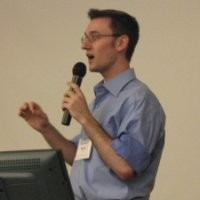
Host: After hearing Damon Clarson's interview a few months ago where Damon explains that he decided business ownership wasn't for him and that he'd be returning to a W2, Monte Marcum wrote me the following quote this episode hit me hard because after closing two months ago, all I want to do now is exit. Buying two franchise territories has been a complete disaster. After listening to Acquiring Minds for a long time, your audience should hear the hard times more. End quote. Today we are going to hear from Monte about said hard times. Happily, when Monte and I did the interview, he'd come off a calm week. His first such week in months. Felt like maybe, just maybe, he was starting to turn a corner. I want to highlight a couple things that I took from Monty's experience. First, buying small. Monty and I talk about it a lot. When you buy a smaller business, one with less sde, that means two things. First, that the business is fragile, dependent on each and every employee, each piece of equipment. The tolerances are tight. And second, that the business generates less cash by definition. And this is cash you will desperately want if a crisis hits. Monti knew all of this, but he calculated that the opportunity in the business he bought compensated for the risk of being on the small side. And he may well be right. But he did get hit, suddenly and painfully with the fragility and cashlessness of his business. Now, I don't want the takeaway from this episode to be Never buy small. Monty's reasons for doing so were strong. Instead, the takeaway is if you do consider buying small, do so eyes wide open. Really understand what it might entail, what the domino effects are. What happens if one of your crew is sick for a week or quits? Can the business even survive? What if one of your trucks breaks down? You should game out these scenarios before signing on the dotted line. And you probably need to be prepared to do the work yourself to jump in and perform the actual service the business provides. In Monty's case, that meant cleaning deep fryers. One more thing, something I failed to bring up in the interview. Consider how critical your service is to your customers. Monty's business cleans deep fryers for restaurants and other professional kitchens. If he doesn't deliver service to a restaurant, the kitchen backs up and the whole machinery of the restaurant can start breaking down. Panicked staff, un unhappy diners. Like I said, domino effects. Contrast that with the business of one of my earliest guests, Nick Haschka. Nick provides indoor plant services to companies in the Bay Area, so installing and maintaining the plants in offices. Now, if Nick's team can't get to a customer one day. It doesn't affect the customer's operations. The customer isn't calling Nick at four in the morning in a panic. This was something Nick saw and appreciated about his business. And it sure sounds nice after hearing Monte's stress. Now you could argue the other side of this, that Monty's business is a need to have, which means stickier, higher quality revenue. But the point remains. You must understand, especially if you're buying small, how mission critical you are and what the consequences are if the dominoes start falling. Okay, here we go. Monte Marcum, owner of two FILTA franchise territories in North Carolina. Welcome to Acquiring Minds, a podcast about buying businesses. My name is Will Smith. Acquiring an existing business is an awesome opportunity for many entrepreneurs and on this podcast I talk to the people who do it. August Felker is a two time successful searcher. First with a traditional search fund. The second time around he did a self funded search. Today August runs Oberle Risk Strategies, an insurance firm with a dedicated practice group for searchers and acquisition entrepreneurs like you. If you've got a business under Loi, Oberle will provide complimentary due diligence on that business's insurance and benefits program. A great no risk way to get to know August and team. They love helping searchers. They've worked with hundreds. Oberle is a specialty insurance brokerage for searchers by a former searcher. Check out oberle-risk.com O B E R L E- risk.com, link in the show notes. Monte Markham, welcome to Acquiring Minds.
[4:59] Guest: Thanks Will. It's great to be here. I feel like it's the dittos of every week now.
Host: Well Monty, you acquired an established franchise business. In fact, two of them. Two territories of the same franchise system but from different owners came up for sale at the same time. They were contiguous territories. So it seemed like a great opportunity and may yet turn out to be. But it has not gone according to plan to say the least. And we are going to hear today how this path is not for the faint of heart. But first, Mani, please start us off with some background. Who are you and how did you decide to buy business?
Guest: Oh my, that's a tough existential question. But you know, I guess first and foremost I am a Virginia Tech Hopi. I got a mechanical engineering degree from Virginia Tech and also got an MBA from Duke. So big fan of what is now the acc. Although we'll see what the money lines change from that. I got about 25 years of mostly corporate related experience. I started off with IBM and Research Triangle Park. I live in the Raleigh Durham area of North Carolina. Did Big Blue for about eight years and started to get a little itchy at doing something more, bigger, faster. So then I got the edge to try a little bit of a startup back in the summer of 2008. And some people might remember that that turned out to be a really bad year to do startup activities. And so after a couple of months that didn't work out and then I got a job into a niche consulting firm that I was with for almost close to 15 years and taking a couple years off that did predominantly facilities management outsourcing. So negotiating large outsourcing agreements with large enterprise providers with large enterprise clients around the world. I did take a break from that when my son was on the way at the time with my ex wife because of the travel and it was traveling about 75% and worked locally here for a few years with someone I knew from IBM. And then as that path decided to go in a direction I just wasn't happy with in supply chain and then the brute force of working with Asia. I got back into Consulting about 2013 and stayed with that until really this year. And looking at that back, I was a road warrior for a long time and realized I was missing a lot of time with my kids. They're 10 and 12 now. And so I missed a lot of formative years traveling a lot to make ends meet. And it was a job I was good at. It was a really good group of people that are still up and running. I'm connected with them. But once Covid hit, I looked at my diamond status on Delta and realized that I did earn it outright and that one day it was gonna go away. And when you go from doing over 100,000 miles a year to ground, stop. It changes some things. And most notably, I was home and home permanently in this kind of little office I have here, which my wife now tells me she's gonna decorate if I ever do any more of these. But it was a big change to be around your kids a lot more. I was dating someone seriously. And then we actually just got married back in October of 2022. But it was a moment where, hey, I had a really cool little condo in downtown Durham in an old renovated tobacco manufacturing warehouse and walked everywhere. And then I was on the road Covid hits. And like everyone else with a Covid story, things change. And then, you know, having the family time and it was like, hey, time to grow up and get A real house. So we did that and moved to the suburbs a little over two years ago. And then, as you know, things started progressing last year, you know, I saw that the road was going to start coming back. I mean, it's just the nature of being in niche management consultant. You got to be there with companies. And I started thinking, is this really what I want to do? I'm almost 50 now, and I started having those real deep questions of where do I want to get into this? And I actually have been listening to a lot of BiggerPockets and other podcasts last year, trying to do a little soul searching, and ironically, was on a BiggerPockets podcast right around Memorial Day last year that Cody Sanchez was on and had her spiel about buying businesses. And I was like, you know what? Thought about doing that. Back before my son was born, I had looked at a few little businesses, thought about it. I was a lot younger then, a lot less mature, less world experience. And then when I found out that we're going to have a baby, that took a pause for obvious reasons. So as that seed got planted, it ripened a lot faster this time. And it was actually June 1st that I met with my first broker to start exploring the ideas of, hey, you know, I'm going to go buy something. I don't know what it is, but I want to make a go for it. I, you know, I want to take a risk. I'm old enough now that I got some reserves in case something happens. You know, I got a good support system at home, stable, restructured, so we're going to go for it. And, you know, that was actually one year ago yesterday, so that's. It's almost that we're talking now that I had that first lunch meeting with a broker. So. Pause there.
[10:10] Host: Monty let. Yeah, the curious how if you were listening to Bigger Pockets, and for those in the audience who don't know, Bigger Pockets is is a series of. It's a media company that produces all sorts of content, including lots and lots of podcasts about real estate investing. So it's for the real estate investing path to independence and wealth. If you were listening to Bigger Pockets, why did. Why were you. And then heard Cody Sanchez, why were you attracted to buying a business rather than, I guess, what you thought you were going to do, which is investing in real estate cash flow?
Guest: You start looking at that, and it takes a long time to progress up to have real cash flow in terms of real estate. And so as I started looking at that, one of the paths that I thought about going down was, you know, my wife turned her old house into a short term rental. So we've been, she's been managing on that. We're really not allowed to and you know, that could have been a path. And part of my consulting was exposed to corporate real estate as well as the facilities management aspect of it operationally. But then you start to really look what is it going to take to actually start generating the income that you would need to ultimately displace a W2? And it takes a long time on real estate and I don't have that much time on my side, relatively speaking. And so I was like, hey, then buying the business trigger back up because of the economics of how things work with the multiples and the potential cash flows and all the tax benefits and all of those types of things. And it's something that I really wanted to do. I had lots of little enterprises when I was growing up as a kid. You know, it's something I knew I wanted to do really young. But I took a very risk averse career path for better or for worse going into corporate and consulting. So something is like, you know, I want to give it a go. I know I won't regret having done it, but I don't want to get to a point in my life and be like I really wish I did that. And it's really too late now. And so that kind of self reflection moment of a lot of kind of like just mindset thinking got into it. I was like, yeah, I'm going to go and do this, I'm going to commit to do it. And I've listen to a lot of the, you know, the Kool Aid or the other, you know, things that come up only 10% of the people that actually pursue it close on a deal. First deal is your hardest. I was like, I'm gonna get through it. And you know, because I'm, you know, generally speaking a pretty strong willed individual and I like to drive things. And so I was like, I'm gonna figure out how to get this done by the end of the year. That was my goal one year ago. And I got pretty close. I got pretty close.
[12:33] Host: So let's hear. So you meet with a broker on June 1st and then what do the next six months look like? Give us a picture of your search.
Guest: Well, first I find out that the business brokers don't work like commercial or more like real estate brokers, either residential or commercial where they get paid a commission out of the transaction. It doesn't work that Way really the broker is almost always on the sales side unless you want as a buyer paid for them. And I wasn't ready for that yet. So I spent a couple months doing just basic networking of kind of just getting educated on the process the financial legal accountants and started looking at just some basic deal flow off brokers and off biz by sell like most people. I found one really early on that I was interested in and kept in touch with them for a couple of months and actually got pretty serious where I had three lis on a small technical maintenance company. That is an area that I really understood from my consulting background that worked with a lot of life sciences. Unfortunately those three owners in a C Corp structure couldn't get aligned to really make a transaction happen along with some other material adverse events. And you know that those three lois never went anywhere other than a lot of conversation and time. But I was still looking at multiple things. I worked with a franchise consultant and looked at some more of what they were calling the less active because the term semi passive is a little passe. We did look at some different franchise models but you know to start up for one of those really wasn't as interesting for me just because of the capital requirements and the protracted time to cash flow and as time went on did some due diligence on a few firms. But then as the this laboratory services technical maintenance company was clearly not going to happen in the late October early November time frame. This franchise resale was presented to me from a franchise consultant that I've been working with and it checked all the buy boxes. It was the things that a lot of your listeners or guests, you know talk about. It is recurring maintenance revenue. It is a niche basically a niche janitorial business. To categorize it. It's all B2B. It's environmentally friendly, it has safety benefits, it has lots of good characteristics that you can really promote responsibly. Well because they're actually true. And so looking at all those things I was like huh, that sounds kind of cool. And then layering into that this whole notion of where people are looking at the franchise scaling aspect of it. Rolling up multiple franchises from what research I had done finding two contiguous, you know, next door neighbor franchise territories that are performing in a network where no one else is interested in them is very rare. Especially where it's in the location that I live in. Like I'm dead middle. I'm dead middle in my. In my span. And so huh, that that seems really interesting. A little smaller than what I was originally looking for and we can get into the, the risk of small. But it made enough sense that I papered it and you know, it took me from the time I found out about it until I had my LOI out to them about three weeks.
[15:45] Host: Monty, what were, what were some of your financial parameters? Like what was the target SDE?
Guest: You know, I wanted to target at least 400k to just have enough cushioning for debt service and you know, to, you know, get close to where I was at a W2. So that was, you know, I was looking in the 4 to 6 range as many of you already talk about. That's kind of the initial sweet spot. I think a lot of self funded and independent people in my position generally kind of look at those are really hard to find. You know the, the lab services one I had was dead on with that. It was 400 SDE, you know, fairly priced I thought, you know, given the asset class and the customers that they already had that were under contract and maintenance and recurring. So this one was a little smaller when I combine them together but it still hit those primary boxes that, you know, I have an engineering degree and an mba so there is this risk of analysis paralysis that I can get into. And I was like, I'm not going to do that. Like it checks all these things off well enough, it makes sense to go forward because it's in the location that I wanted. I didn't want to move anywhere. Co parenting with custody, relationship with my kids. So that's off the table. I'm later in stage of career compared to a lot of people. So the idea of moving is totally off. So it just made sense looking at all the things that I would want to get out of something that even though it was smaller, there's still upside
Host: probably and we're going to get into it because we haven't told people exactly what it is. But first, so interesting that you got the deal from this franchise consultant you were working with. One of the things that has been talked about by my guests who bought established franchise businesses as you did is that it can sometimes be if you, if you want to do, if it's an older established franchise, I think yours isn't, isn't maybe that old. But if it's an older established franchise A or B, there's looks like there could be a great roll up opportunity. It can be hard to break into the franchise. The, the existing owners sell to each other. So, so finding an established franchise business of a brand you might want to work with can be can be difficult. So I wonder if working with franchise consultants could be a workaround there. Do you think that, that that can be extrapolated from your experience with this consultant you worked with?
[18:14] Guest: Yeah, he was great. I mean, I still talk with him. He checks in with me. Super high integrity and honest and well connected across the region. Happily would recommend them to anyone because I do think, you know, from a buyer's perspective, it's a resource that there's some financial arrangement with the brand or whomever that doesn't affect the buyer to use. And so they're very upfront about that in transparency. It's a no cost obligation to work with them. There's a very structured process in going from a disc profile in terms of behaviors and interests and personality types all the way through. What do you like to do, what do you hate? In order to present brands. And as most franchise consultants, they generally work with the smaller mid tier brands. This particular brand wasn't one he had worked with before because it just had come up on his resale radar. And so he's very transparent with me. He's like, I've never worked with him. I don't know much, I'll find out as much information as I can. But you told me you wanted something that's already existing rather than a startup. Most of the consultants tend to work with startup or initial franchise territories because those brands are trying to build out rather than resales. And so it was a little bit outside of his wheelhouse. Indifferent, but, you know, still great to work with, you know, from my perspective.
Host: Yeah, and thank you for that clarification at the end there. The thing about franchise consultants is that the way they position themselves is that they're recruiting you to do a new territory or a new location of a franchise. So that's why I was interested that he brought you an actual resale opportunity. Listeners of Acquiring Minds know that for almost any business you acquire, its success comes down to the people and how you develop and manage them as their new leader. Thing is, in addition to management, there is also a lot of process and bureaucratic work when it comes to your new employees. Payroll, compliance, HR technology, hiring, to name but a few. These processes are crucial to get right, but at the same time distract from where you want to be putting your energy in leadership. So Aspen HR is an HR firm and PEO that takes this work off your plate and handles it with the care it demands. Aspen is owned and run by Mark Sinatra, himself a successful former searcher. So Aspen's own leadership understands the HR challenges that searchers have post acquisition. The firm is offering Acquiring Minds listeners a complimentary pre acquisition HR and PEO review for your target business. Check out aspenhr.com or contact Mark directly@markspenhr.com All right Monte, so tell us what Filta is directly.
[21:00] Guest: Filta is a services brand and the short story is we clean deep fryers. Cleaning deep fryers, Cleaning deep fryers. It's a niche that most people say I never even knew that existed. And I didn't know it existed either. Like many others, you know, the brand started in England back in the 90s actually. So as a franchise it's been around since I believe around 1997 or 98. So it's got, you know, 25 plus years. It is national across the U.S. i believe that the network has done something on the order of $100 million of total aggregated revenue. And like any other brand, they're looking to 5x that over the next five years. And essentially what it is is there's some specialized equipment that Filta has an intellectual property license to that is part of the royalty structure. So we have these machines that will go into commercial kitchens and first perform micro filtration, which the analogy is like dialysis for cooking oil. So these machines will take in hot 350 degree cooking oil out of deep fryers and filter them down to 2 microns to take out all the particulates and any other matter in the oil, which extends the life of cooking oil, which has several benefits to the kitchens. One is it extends the life of cooking oil which is becoming a relatively expensive commodity. It also filters it down at a level that even takes out things like gluten, where you know, again, going back to the dialysis analogy, a human red blood cell is 8 microns. Gluten is something 15 to 20 microns. And this equipment will cake it down to 2 microns. So all that's done under heat and pressure, again with proprietary technology. So that that's part of the service is while that filtration is happening, we use specialized commercial vacuum cleaners to suck out all the sludge and the really gross parts of the deep fryers. And then, you know, use some environmentally friendly organic biodegradable detergents basically or degreasers to wipe out the walls of the fryers to again, it takes out all the sludge start to build up and make food taste bad. So especially for kitchens that have a higher quality of their fried food that they want to keep at a standard, it really provides them A food quality benefit and other areas. The waste oil is an issue with a lot of kitchens. And part of our service is we take away the waste oil in our vans and in several of the areas that we work with. They don't even have the waste bends out back anymore. They've gotten rid of them because they attract rodents, they attract vermin, they stink, they look terrible. And so a lot of our customers as they got into this had gotten rid of those altogether. So a key part of our service is also extracting or taking away the waste oil and then helping them replace it. So when you see that, it's also interesting that, you know, we have special PPE, you know, 450 degree safety rated gloves and aprons and all these preventative measures to make sure it's done safely because you are working with hot oil. But the key tenet of the, of the service is basically managing, actively managing deep fryer oil. Again, something I would never have heard of, you know, going back to October of last year until it was presented to me and Monty.
[24:21] Host: For people who don't have back of the kitchen experience, as I did not, the value proposition is very strong. Why is this so appealing to a kitchen? Why doesn't. Because historically, doesn't just somebody on the kitchen staff just clean the deep fryer?
Guest: Yeah, yeah, it's the worst job in the kitchen. It is literally the job that people would, you know, the low hanging or the low person on the totem pole would have to do is go clean the fryers because they have to drop out the oil and sometimes they would fill it up in buckets and find a place to go and dump it and get out all the sludge. They don't have the equipment. They would do it every two weeks and stuff would build up. And when I talk about sludge, it's like, you know, the thick flour, like chicken tenders and all that just drains out to the bottom. So, you know, it's just, it's dirty work. It is dirty. And there's also a safety component. And one of the things that I think I'm pretty proud of is, and looking back is, you know, out of all of this, you know, close to 100 customers, we've lost one since the transition. And that one was reduction of their, a key budget reduction for a corporate account that was working in the school system. So much so that they also cut kitchen staff, which in the restaurant industry is unheard of to cut kitchen staff. And then unfortunately, two weeks after they cut our service, one of their older Cooks was draining their fryers and, and taking the hot oil down a step and got badly burned. Second degree burns on his arm because he didn't have the proper ppe. You know, you hate hearing about that. I mean, it's just like, ugh. But at the same time, the value proposition is we do it faster, safely, we do it more environmentally friendly and we are responsible in how we handle all the materials. And it's almost kind of fun when I've gone into the kitchen with some of the guys and like, hey, the first filter guys here, like they're excited because they know they don't have to do that. And so even from some of the accounts, you know, a great example is we recently started working with Whole Foods here and the team lead at the Whole Foods in their local store said, I don't even care about the cost savings. The fact that my people don't have to do this anymore is a win hands down. And oh, by the way, they are saving a lot of money by extending the life of their oil because they're going to through it so quickly. So it's a pretty clear value proposition that I thought stood for itself. And then from the acquisition standpoint, I joke a lot, but it's probably not so much as a joke is the competition is really self performance. There is no direct competitor that provides the same service. There are some technologies that will do fresh oil, fresh oil tanks in and waste oil out, but they also don't provide the competition cleaning surface as well, which, you know, really is important, especially as you get into some of these heavier use use in kitchens.
[27:13] Host: I always wonder, Monty, when I hear about something that just seems to make so much sense but isn't yet mainstream, especially if it's been around for a while. This business, this filter has been around for 25 years, as you said. Why do you think it isn't the standard for kitchens? And people are still kind of learning about it and Whole Foods, your local Whole Foods just is hiring you now.
Guest: Yeah, I think it's as you know, it's probably been a very small Runway up in terms of the brand growth that, you know, I think it's a. This is a long way of saying I don't have a great answer. But I think, you know, as the marketing gets out there, the word gets out, I don't think there's just as much of an awareness of it yet. But I do get the impression that it's changing, you know, especially as you start to see some of the factors that are going into you know, what we're providing. You know, every time I describe it to someone that's a chef or works in the kitchen, they're like, oh, my God, that's fantastic. I love that idea. So it's pretty rare that we get, you know, the Heisman in terms of not having an interest in it, but it is something. I just don't think the word has gotten out that far yet. But I do feel like it's getting ready to change.
Host: Yeah. Yeah. Really, really interesting. I mean, that's. I mean, when you first told me about it, I was like, well, that. And even without restaurant experience myself, like, I could. The value prop is. Is screaming. So that's, that's really neat. And let's get. Just get a little bit more of a picture of the business. So roughly what. What do you charge customers? So I guess it's monthly. You. You go up by what, twice a month? Once or once a week. And then what does that cost?
Guest: It, it varies. We. We actually correlate the service cost with the price of fresh oil just because that becomes part of the cost savings metric. But if you go into a kitchen, you know, you could say roughly, a standard kitchen could be, you know, 80 to $100 per service charge. You know, for like, two simple fryers. There's per visit. Per visit, Right. And sometimes we visit some once a week, sometimes twice a week. The biggest, the biggest one that we personally serve is one of the local hospitals here, where we're in there every day because they're cooking from 5am until 11pm and so they're burning it through so rapidly that we filter one day, change the next day, filter on Wednesdays, change on Thursdays, and it's just a cycle. And it's also one where they don't have a place to put their waste oil. So they really do rely on us to come in and make sure they're taken care of. So the frequency is really dependent on what the customer needs. And the majority of them are at least once a week. And we have probably about a third of our customer base doing two times a week. And that's actually what works out best for a lot of higher volumes, is we do the micro filtration once and then we do the fresh oil change out the second time that week. And in many cases, these kitchens have worked with us to design their menus around when we're changing out their oil. So if they're going to have a heavy fry. Yeah, super sticky. Right. So if they're going to have a heavy Fried chicken day. They often will want their oil changed out the next day. Or, you know, we had a University of North Carolina had a big event where they were bringing in everyone to do their football reseating. They're like, we want to change out everything because this is a premier event and we want to have everything perfect. So we go in there and even though the oil probably didn't need to be changed, they said, we want it changed out because we want it perfect. So in many cases, we'll respond to demands as much as we can. But a lot of it is we get on a regular schedule with a lot of these clients, and they definitely expect it. They do their just in time oil ordering in line with when we have our service times, even though we're not under contract. It's all a handshake in terms of the timing. But their oil comes the day before we're planning to service them. So it's, it's, it's a pretty sticky factor I've seen at least so far in the last four months.
[31:17] Host: And what does it look like? You've got this, this proprietary machine device in the back of a van, and it's one driver with his van. And the device in the van. Is that what it looks like? And so he's a driver and then. But he's also the guy actually doing, doing that, operating the machine. Yeah, the technician, yeah.
Guest: Okay. So the technicians work generally independently. You know, they also have waste oil tanks in the vans and then they have a ramp that has, you know, a hand truck cart with a vacuum cleaner that's designed to suck out this kind of, this kind of material.
Host: And just to get, just to give a picture of the potential of this business. You'd mentioned to me, the guy who's up here up my way in dc, the franchisee who's grown quite large, give us a picture of, of his business. So we can kind of imagine what the, what the potential is.
Guest: I mean, he's in the D.C. area, so he's serving, you know, the Verizon Center, FedEx Field, Georgetown, all of the universities in that area. You know, a lot of real high, big volume stands. You know, I think he's, he's probably got about a dozen technicians. I think he's got, I don't know, eight, eight or so box trucks. I can't even remember the volume of waste oil that he goes through in terms of his collection. But I mean, he's, you know, I don't know his exact numbers, but it's a pretty large Operation, relatively speaking, within the network. I went to go visit him on a field trip probably about two months ago, sometime in early April, just to get to see the operation, you know, see how he's put his things together and see how he's developed some of his own efficiencies in terms of scaling out. He's also been doing, I think, nine or ten years as well. So a lot of experience. But, you know, that's also kind of one of the good markers when you do get into a good network. People really willing to do that, like, hey, come see my shot. Yeah, he spent probably about two and a half, three hours with my wife and I just showing us around saying what he's been doing. And he's clearly far more advanced than where we are now. But at least it gives you a target, it gives you what it could look like into the future. And certainly I came back with some ideas and pictures of things that I want to start working on as soon as we get a few other things stabilized first.
[33:32] Host: Well, Monty, you're making this seem like a dream business and we, we know that that's not where this is headed. Before we start getting into where dream crashes with reality, can you tell us a little bit more about the, the actual two businesses you bought, any numbers around them? Just as many bullet points as you
Guest: can, you know, combined together is about a million dollars of, you know, total, you know, combined sales price is about a three and a half multiple, which is, you know, slightly higher than a lot of the multiples you hear before. But I also could justify the multiple because 98%, 99% of the revenue I did that math the other day is recurring. So we have B2B recurring services, revenue with large, well known names. You know, there's, you know, that, that says a lot like that that justifies having an extra multiple. You know, I also did an 80:20 on our revenue and it takes half of our clients to hit 80% of the revenue. So there's also a good distribution around the client base of revenue as well, which is again, a good risk mitigation. There is some concentration points for sure, but it does have at least a distribution. So it's a little bit higher multiple pool, but I thought, I thought it made sense. And then, you know, looking ahead strategically, you know, the roll up concept of the strategy is, you know, put these together and develop it further. That multiple should only be able to increase as you scale it out and have a much broader territory. Sure, that, that, you know, barely 1% penetrated. I believe in the, the whole territories that we have.
Host: Oh, you're 1% penetrated in your existing territories, leaving aside acquiring other territories.
Guest: Yeah, yeah.
Host: Fantastic. And when you said $1 million money, that was your purchase price or that was the, the aggregate sales across the two businesses.
Guest: Purchase price. Yeah.
Host: Okay. And, and what can you give us a sense of what sales is across one or both together or individually?
Guest: The businesses combined? It's, it's combined run rate on everything, say roughly around 800.
Host: Just kind of quickly on how this happened. The both owners just wanted to sell coincidentally. And both owners got put in touch with your franchise consultant and did they expect to be sold as a package or it was just all coincidence and it just worked out that way?
Guest: Yeah, mostly coincidence. They actually didn't know the franchise consultants. I think they had gone through Franchise Flippers or something else that was brand sponsored and it was also a biz by sell, I believe came to me through the franchise consultant through his resale channel. They obviously knew each other. One had been. One had had his territory for about 17 years, the other started his about six or seven years ago. So they, you know, they knew each other but they operated quite differently, which, you know, I came to find out in spades about how the different operations were done. But it was, I don't think there was anything on their part of like looking at it together. I mean I did make my Lois contingent on having them both for better or for worse at the time. But you know, to me I saw the synergy play being very important, especially given just what I been educated on with franchise and the territories. Like having the adjacency is really valuable, especially as you start building it up and then hopefully soon this year we'll start getting in some resiliency. But you know, it's when, when one little hiccup goes off that we can get into that's. It's still small. It's still small.
[37:09] Host: Well, right, right. And I guess because even collectively or as a package, it was still a little bit on the low end of you were looking for. So one of them by itself would not have definitely would have been outside your range. And was. Were they, was one significantly bigger than the other? Were they about the same size in terms of revenue and just Overall operation?
Guest: Yeah, 1, 1 was probably about 40 or 50% more than the other in terms of revenue.
Host: So you close, you said it's been about four months. So you close in February, January 18th.
Guest: So that's like close to my end of the year target.
Host: Yeah. Yes, congratulations on.
Guest: Yeah, and it was the second round of Lois on the company. So.
Host: Yeah, yeah, no setting is six months. I'm going to buy a business in six month. That was already a pretty aggressive timeline, and the fact that you got within 18 days of it is. Is. Deserves congratulations. So tell us, take us. Take us wherever you want to. Start us wherever you want to. What happens in the first couple of weeks? When does it become clear that this might be more challenging than you thought?
Guest: Well, the first two days were smooth.
Host: The first two days, first day,
Guest: the third day, is when pieces of equipment goes down. And, you know, these things are. These machines are working with hot oil, which, you know, can start to degrade internal plumbing and mechanicals and electrical issues, and so you start having leaks and issues. So I was out at the owner's garage working on it for the. For days three and four, you know, until we could get it back up and running and operational. And, you know, it became real clear to me when one of these things goes down without having any backup or resiliency, it's a big impact. Again, going back, a lot of these customers or clients that we have really expect us to be there and take care of them. And when one of the pieces of equipment goes up, we can't. And it hurts. I mean, it's just. It's a lot of stress because there's no easy solution, and people have to start jumping through hoops just to keep the basic things going. Yeah. So, you know, I had a couple of initial equipment issues. You know, things kind of stabilized, you know, throughout January. I was, okay, I can start to take a breath.
[39:26] Host: Monty. Monty. So when. How many machines did you buy? How many machines do you have operating?
Guest: 5.
Host: Okay, so one goes down, you're down 20% of your service capacity. Okay, continue.
Guest: And then when the second one goes down, you're down 40%.
Host: Yeah,
Guest: you know, probably, you know, getting into March is when you had one employee that just, you know, was, I could tell, was going to be a little bit more of a challenge. The others have been fantastic people, you know, but one of them, you know, I knew he had some challenges, and, you know, some of it was not his fault. He was in a car wreck last year that, you know, he got injured pretty badly on his hand, and so that was causing him pain and he was getting older, so, you know, trying to work through that was a little bit difficult. I did have someone that I wanted to elevate up to be an operations manager who was working a regular route. So just trying to hire to find Someone, you know, six weeks into it, it's really difficult to know exactly what you want to do to hire, but you know, you need to do it. So as we got into March, you know, trying to look for ways to hire people along with trying to get ahead of some of the maintenance issues on this stuff, because vans break down, some of the vans have close to 300,000 miles on them. But probably when I first reached out to you back in March, when I was in one of many fetal position moments, was when one of the relatively new van engines blew up and totally went out. Not only was that a huge financial unexpected cost, then I had accounts down, so lost revenue. People jumping through hoops and trying to just keep things going was just difficult on everyone, coupled with all the other stuff I was dealing with. And it just was hard. I mean, that's where we get into that. It was hard. It was like a different level of hard, that it's really hard to articulate how hard it is because so many things are outside of any control that you could even imagine. And just as we were doing our audio check, starting out, the number of times I've heard people say, wow, I've never seen that before. I've never heard that before. Like, how is that possible? And, you know, it's just, you know, I started to sign up. Difficult timing, difficult luck. You know. The other part that, you know, I'll go ahead and say it for you is the day we close is also the day that my father's cancer got pretty serious looking. And I had some visions of working and building it out and doing some of the mechanical things with him because he's real handy and he's, he's still with us now, but it's, it's, it's, it's really challenging for myself and the family because we're really close. And so, you know, I was on his hospital bed while he's getting ready to do chemotherapy when the van engine blew up and then had a sales call planned the hour later. And we still made the sales call and we actually won that account and we serviced them this morning. So, I mean, these good things happen. But it's been cross threaded and woven with just some really heavy stuff. When these things break down, we have employee turnover. Then in April, you know, one of, one of the guys, he's an Afghan vet and he got hit by an ied and he said, look, I got some sciatica and I just had a baby. My wife wants me to, you know, take a pause, but I'm giving you 12 weeks notice. And, you know, I was like, first panic, I was like, wait, did you say weeks? He's like, yeah, weeks. We'll hold you to it. And so he literally gave me 12 weeks notice. And he's like, I'm going to do whatever you need for 12 weeks. And then I'm taking a break and, you know, probably not coming back then. You know, in the last couple weeks, I've tried to make it so that he does want to come back. And he even told me last week, he's like, man, you're making this whole hard for me to stay away. I think I might come back after I take a month off. So, you know, sort of working through that. But, you know, it takes time to train up new people doing this. First and foremost, you got to have the safety training of how the equipment works and making sure that they can go in, they know the protocols and handling it safely. And then the other biggest challenge we have is just getting into places. So every single kitchen is different, access is different. Some is real simple of just walking right in. Others you have to go through corporate security, biohazard safety check. I mean, it's amazing the levels of, of challenge just to get into places and then for new people to learn a route to be able to get in these places takes a lot of time. So, you know, you don't just hire someone and have them ready to go in a week. You know, it usually takes a couple of weeks. Although, you know, we got one really good one we hired three weeks ago and, you know, within the first week he was ready to go on his own. And he's been, he's been doing great. He's even gotten unsolicited emails from clients saying what a great job he's doing.
[44:08] Host: Fantastic.
Guest: Yeah, it's easy to complain, but, you know, in the restaurant world industry, you don't give me your biggest compliment is no complaints because you're around people doing food services where people are real quick to complain.
Host: And are the people that you hire for the technician roles from food service or can they be from anywhere? What are their qualifications?
Guest: Need to look like they can be from anywhere. I mean, qualification is, you know, show up, do a good job, be safe, you know, be responsible. I mean, it's, you know, it is a blue collar, it's, and I equate it more to a niche janitorial job, but it's also helpful to have some, some technical skills or troubleshooting skills, for sure. Probably one of our longest serving technicians, I think has been doing this for seven years. So in this type of a space that's, you know, one doing it. Seven years. My ops manager has been doing about six years. You know, that's a long time, you know, for this type of work, in my view. And I think, you know, part of it is because they actually like the work, they like the people. There's a lot of independent autonomy that, you know, when you're in blue collar area that you don't get, you know, I'm not breathing down their shoulders and, you know, micromanaging whatsoever. You know, once people demonstrate that they're honest, ethical and can do a good job, you know, go let them do their jobs. And I've found that, you know, that's actually been one of the refreshing things compared to dealing with, you know, corporate consulting, where, you know, the politics are just. Can get atrocious. You know, it's like, it's been nice not having to deal with, you know, those kind of politics. So, you know, it's a job. You got to have some strength because the equipment can be heavy. You got to be able to, you know, lift some loads. Like £75.
[45:47] Host: Yeah, it's physically, isn't it, physically a little bit taxing?
Guest: Yeah. Yeah, it's.
Host: Yeah. Okay. So, Monty, I am hearing in the tone of your voice resiliency, the word that I, that I've heard you say and, and even kind of a good natured, you know, reflections on all of this. But in our previous two conversations, you know, I might have been literally catching you mid fetal position, but. But the tone was decidedly different. So square that circle for me.
Guest: So, yeah, I mean, I'll go back March and April, late, late February, March, April were probably the most stressful times I've ever had. I mean, it was, it was all of these hiccups going on with the business. I equate it to air traffic control. When a plane has an issue, all the flights the rest of the day are screwed up. So then people start complaining and you can't just fix it immediately, especially when a van blows up. I was down about a third of our service capacity for almost five weeks. So that was super. Just stress. And then trying to put it all together and get everything done. It was just a level of ridiculous stress that I look back and I was like, yeah, that really was awful. People were saying, you'll get through this, you'll get through this. And I had many, many times, especially back in the March time frame, April, like, what a mistake I made. And the other thing I mean, I alluded to it earlier, but the stuff with my father's hit me really hard. And when you have that much of your reserves just drained to the. There's nothing left. Like, there's just nothing left. And you're doing like many people, 12, 16 hours a day while trying to co parent kids. While realizing the reality of his situation, especially after his clinical trial got canceled, you know, the week before the van blew up, all that was hitting me and it was just, it was excessive. You know, I had many, many bawling moments with my wife of like, what did I do? And like, you know, like anything else. Would I have done this now knowing that I was going to have to be dealing with all these other things? Well, probably not. But, you know, back in November, December, everything was looking really good with, you know, it felt good.
[48:22] Host: And when you ask yourself that question now, would you do it over again, is it a different answer or do you still feel like, yeah, no, I would not do it over again, you
Guest: know, something I still would want to have done, but I probably would have deferred, like knowing where I am now in my personal life. I would have waited. Yeah, I would have waited because, you know, I'm going to spend the next two weeks with him. I'm not going to work on the business the next two weeks. You know, I'm going to do a little bit, but I'm not going to work on it. I'm not going to do a lot of strategic things. I'm just going to wait and just decided that that's fine. It doesn't have to be rolling it up to double, triple revenues in nine months and all these kind of great headlines. Just, I'm not going to do that because I want to take my time elsewhere, I think is more important. And so I guess, you know, the maturation time perhaps in the last two months, as we've, we've talked a couple of times, is, you know, the acceptance of what that reality looks like for us, you know, and just, you know, really learning to let go of some of the things that you can't control and, you know, do your best around them. And very fortunate. I call him St. John, our operations manager. I mean, he is the most, one of the most wonderful people I've ever kind of pleasure working with. I mean, he's just a gem of a human being and he's really been holding so much together and he's very empathetic because of challenges that he has alone that are very similar with our situation. And he's just doing such an amazing job. I just adore him and his work ethic and really other guys too. But him in particular has really helped through. But, you know, talking with some other people, as you introduced me to and has been helpful. But, you know, also getting out of the constant, constant equipment issues. Like, we finally got our first week, this first first week without an equipment issue, a major one, had a minor one. But, you know, every single week, almost every day I was dealing with an equipment issue. And it was, you know, it was so frustrating because, you know, you can't due diligence, you know, and I had some misunderstandings or, you know, we weren't clear about what the brand inspections were with respect to some of the equipment. You know, it started going off and, you know, you just can't control it. It's just, it was so, yeah, stressful. Doesn't even hold a candle to it. Like, it was just so hard and just crushing of like I got nothing left to give. And like all these people are constantly texting me things and calling with problems. You know, it's just like you almost got to like a PTSD to where like a text message alarm would go off on my phone. I'm like, now what? Like, that's not the reaction you want to have. Or when someone calls is like, you know, when one of the employees calls, it's like, what's the problem now? Like, it's, you know, and it's not the right mindset you want to be in. But when it's 4 o' clock in the morning or 2 o' clock in the morning and they're calling you, you know, that's not good news. It's never good news. You know, I even had one yesterday at 4 o' clock phone call because one of the locks at our warehouse got messed up from someone else. You know, it's just like, you know, it's tough to get past all those things. And you know, part of that I'll just go back and equate it is difficult timing, you know, some difficult luck. I don't think anyone has been, you know, underhanded or anything or like, you know, malicious in any way, shape or form. You know, maybe trying to put the two together at the same time. You know, some people recognize, like, well, you took up a lot. I was like, well, I like to do hard things, but I didn't think it was going to be that hard to put something that I thought was working similar together wrong. It was blazingly hard, blazingly hard to make Operational changes to it, much less improvements when stuff's just not working and you're in a constant reactive mode. And I hate that. Like, I hate being reactive. It's just 180% outside of my personality. I want to have a plan and a strategy and working towards it. And, you know, I was the dork in high school that, you know, or college that, you know, I was done big projects two days before because I wanted to be lazy the day before it was due instead of the guy procrastinating and pulling the elevator. I mean, that's just my personality. So having to react to things just, it was. It just. It hurt. And so now you got to go on a week where it hasn't hurt.
[52:47] Host: The nature of hard. This is something, this is a theme that's come up. I remember first with John Schuler, who bought an appliance repair business. And he came back on the podcast and it was his update episode probably back in February, and he was talking about, fine now, but okay. Yeah. And I think you may have reached out to John. It was a. And it was a hard year. And we talked about, you know, he talked about like, you know, I had heard small business was hard, but I didn't really understand what that meant. And it reminds me of like, what you're saying right now. It's like, hard to. Are difficult to articulate this. This type of hard. You're a guy who has been successful in his career and is hard working and clearly takes whatever it is you're applying yourself to seriously. Why is the nature of these challenges so different than any other challenges that you've experienced in your professional life so far? If you can, or if you can try to articulate. I'm basically pressing you to try to articulate it hard.
Guest: I think a lot of it is the extent that you have zero bloody control. There's no control over it. When some of these things happen is you got no control. And so this feeling of like, you're spiraling because things are breaking that shouldn't be breaking, but you have no control to get ahead of them, to prevent them from breaking. And then when they do break, then there's this downstream of consequences that is just painful. And, you know, then it's just like the basic worries of like, well, what if I lose the biggest revenue customer? Well, what if, you know, one of these, you know, critical guys just decides to leave? Like, I don't have a backup form. And, you know, it's. It's like, oh, what do we do? Like, you know, I can't just jump in and replace someone that, you know, I haven't even seen all the stops they go to yet. And, you know, it's just there's a little bit of that terror that's in there on top of. I just took this big risk. I got all these debt payments and all these other things that are lingering over, and I haven't made anything to wrong taking any salary or anything out of it just yet. Oh, by the way, my wife got laid off in March, and that was our health insurance plan. And so that was also a backup option in case something wasn't working out. Well, that eviscerated. So we're looking at like, okay, what do we really do now? This is a different kind of hard. Like, so I think it's the hard where, you know, when you're in the kind of corporate Y or more white collar, you know, the hard, frankly, is much more like politics and, you know, kind of annoying things like that. But like, the consequences aren't as dramatic, you know, the potential consequences of this.
[55:31] Host: Lower stakes.
Guest: Yeah. I mean, now you're dealing with like, you know, you're responsible for employees and their livelihoods with this equipment. And when the equipment goes down, you know, these are hourly people. Like, they don't have, you know, a lot of reserves, and they're kind of living on check to check. And you feel responsible for that, but you can't do anything. Like, you're this sense of like this almost helplessness of like, when all this stuff is breaking, I just can't. I can't fix it quickly. And, you know, when you're in an environment where you're able to fix things quickly, especially like, in my background, I was niche expertise management consultants, because I already knew the answer when clients would have issues. It's like, well, we've seen this before, and here's the three things you do with it. I'd recommend this one. It was almost like a rote motion, which was part of the reasons why I thought it'd be good for a different challenge. But it's this level of hard because the solutions are there, but the time and the impact and the ability to make those solutions happen isn't readily available. We don't have these unlimited resources. I don't have $100,000 that I can just go write a check and buy a new van and have it up and running the next day. That's not necessarily available, but that's what it might need to take. Well, then you got to go down the path and figure all that out. And that's what I'm looking at now is like, how am I going to finance a new truck? And how am I going to make it responsible within the cash flow and everything else? And, oh, by the way, we want to offer benefits to the employees, which is, you know, not common in this area, but I think it's the right thing to do. We've already started a 401k plan to where you can get some good feedback on that. But the heart is the reason why it's such a long answer, and it's so hard to articulate. It's because it's so hard. And it's the emotional reserves that when you get down to a point of just, like, I feel like I've been beat up so much, like, there's nothing left. Like, you can keep kicking, but there's nothing left to bleed out. So looking back, it was just miserable. And it took a lot of family intervention to help me start to elevate back up and see the big picture and talk to others and kind of go through it. And the number of times I heard people say, it'll get better, it'll get better. And it's like, no, it doesn't feel any better. And then when you get your first breath, which maybe is serendipitous today that, you know, I had a week without equipment issues to record on a Friday afternoon. Okay, it is getting a little bit better. Like, okay, we got a good tech started and nothing broke this week. And John would constantly remind me, he's like, today's a good day. I was like, what? He's like, nothing broke. Today's a new day. Like, so then, you know, this reframing of celebrating those wins that you would just completely look past in kind of like a, you know, again, a corporate life of, you know, what a good day looks like. You know, good days when, like, nothing breaks down and it just goes smoothly. Like, I haven't seen that since day two.
[58:33] Host: Yeah.
Guest: Yeah, I got two of them this week.
Host: Well, glad that we're talking today then. Monty, one of the other. One of the other things that you'd said to me was that nothing has ever made you feel so not yourself. Like, you don't feel like yourself, or when you were having the fetal position moments, you really didn't feel like yourself. What did you mean by that?
Guest: You know, I mean, I was basically at home. I was a train wreck. I mean, I'll admit it. I mean, it was. I. And I'm still Not that fun to be around right now. It's still a lot and working on it. I mean, I've been working a lot, you know, again, mindset shifting. But, you know, I wasn't having fun. I wasn't like, just doing, like, the joy things in life, you know, because, you know, the business was so hard, the transition was so hard, things were breaking. I mean, I'm frankly worried about my family for valid reason. And like, that's a drain when those reserves go down and you're just. You realize you're just pushing, but you're not going anywhere and you're not having a good time either. Like, it's like I kind of tend to think of myself as more positive and, you know, you know, happy, go lucky and like, fun. But I wasn't having any fun. I mean, it was just no fun at all. Like, I didn't have the capacity for, like, fun and joy, you know, and it was rough and it's like, this isn't how I want to be. Like, I didn't get into this to live this kind of a life. I got into it to live a little bit of a different life. I didn't expect to, like, you know, just walk to the mailbox and collect checks every day and that's it. But I did expect that I was going to be able to do some other things. I didn't get to exercise very regularly, and so that has a mental, physical wear down. I found that I was hardly eating and lost 15 pounds in three months. And four of them I probably could have used to lose after the holidays, but the others didn't. I put four of them back on in the last month because I started exercising again. But you get out of the things that are healthy lifestyle options of regular exercising and eating well and frequently. And, you know, you just. You kind of feel like this zombie state of like. And then, you know, again, turn. I turn the iPhone off intentionally. But it's like as soon as a call would come through, I mean, I could feel my stress level rise up because no phone call was good news.
[1:01:02] Host: Yeah.
Guest: And it's just like, that's not the way. That's. That's not who I am. Like, usually you would expect, like, hey, someone's reaching out to me. I want to take this phone call now. It's like, what now? And I mean, I was. I was. I could feel myself losing patience. You know, I just wasn't fun to be around. You know, we're really putting a good effort into, you know, shifting away from that but that's what I meant by not feeling myself. I was like, who. Who am I? Like, you know, I had some of those looks in the mirror of like, what are you doing? And you can't, you can't just hit the pause button.
Host: Another thing that we talked about a little bit, Monty, was, you know, what people in your network were telling you is like, it'll get better. And in fact, I have heard from some people that part of what does make it hard is that you're feeling for the first time a lot of these crises. And later, I think it was Reg Zeller later, you, you learn or you build a thicker skin. Not to say that, you know, if you're. You're feeling the pain now, that there's weakness, there's. But you just later realize that, that you can just roll with punches more easily because you felt that many more punches. And so I asked you if on the same point of like, oh, it'll get better, which sounds a little, you know, dismissive, like, maybe it won't get better, but is there some redeeming value to all of this hardship in that you're building a muscle so that when you're sitting atop your two filter territories next year, you are just better equipped to deal with these problems, like, you're building muscle, building skill? Your answer was no, but answer it
Guest: for me again, I think a little bit. And it just depends on what the issue is. Like, you know, when something big blows up, you know that that's never going to feel good. But, you know, if a van were to blow up and I had a backup, and I had a backup plan that I could easily snap into because I've already done the strategy to think it through, which is up in my head, I just haven't had time to do it. I feel a whole lot better. But, you know, it's not that you want to just keep taking it. And I think also, you know, I guess equate it back is it's not the taking the punches, it's having gone through the experience of understanding what the negative consequence of those events happening are. And so once that happens and you can see like the relative, the relative scale or spectrum of like, you know, this happens, is it going to be a huge negative impact or, you know, not that big of a deal, like, you know, that guy complains all the time, he's not going to fire you, versus, like, oh, if that were to happen now, I'm in real trouble. And that's. That. That's probably a better way. I would look at it is not the thicker skin, but it's the understanding of what's going to happen. You know, the if then, else if this happens, then this is what the impact or consequence or, you know, the loss or the, you know, whatever that outcome is going to look like until, you know, you're going to think the worst. And that's probably what makes it so hard is the anxiety of not knowing how bad is this going to get. And you know, so I look at it a little bit more that way. I mean, I'm sure like, you know, once you get beat up enough and then you don't need it, you can take it a little bit easier. But I think it's also, you know, that it's not going to be that bad. Whatever the, the negative impact is. I think that's probably how I would
[1:04:29] Host: look at it just a little bit on the, on the tactical. So what did you do when your van blew up and you didn't have, you know, $100,000 liquid to just stroke a check and buy a new one?
Guest: I said, oh shit.
Host: And then, and then what did you do?
Guest: And then John came over and we were looking at this monitor and we rebuilt the schedule. And then he started, he started just, okay, here's what we're gonna do. And he started just handling it like, he started taking over. We compressed the routes. We, you know, shifted a few things around between him and one other and he just, he just started plowing through it. And I was like, you know, I was like, I can't ask you to do this. He's like, this is what I do. That's his answer. And he just, he just kept it together. And you know, it was to a point where, you know, he'd worked a couple like 25 hour days and he's like, that's just what I'm, that's what we have to do. And it's like, I can't ask you to do anymore. You know, I got to, at one point I was like, no, you can't, you can't go out again right now. Like, go sleep. Like, I mean, that was really what held it together was St. John because, you know, he had enough experience to know where all the ins and outs were to be able to go in and do it like, you know, two months into it. I mean, I know how to do the job, but, you know, first I don't want to spend my time in the van going around cleaning the fryers. That's not what I wanted to get into this For. But second, like, I didn't know how to get into many of these places. And you know, then it becomes another risk event of like, well, how much do I want to tell people that I don't know how to get in there? And then have them think like a, you don't care about them as a customer or, you know, again, you start spiraling in this what if, what if, what if. And that's really what makes it hard is because you don't know. You don't know that one little innocuous thing that you might say or do that then has huge financial or otherwise ramifications happening. And that's the hard part. And so when the van blew up, it was out for three and a half weeks. And John double duty and then at the same time was also trying to train up new people that woefully did not work out back then. He carried a big, big load that I just, I can't express how much I appreciate him doing that. And he's still doing it now because
[1:06:48] Host: you seem like somebody who would express that directly to your employee. But if you haven't or you feel like you haven't done it adequately enough, make sure you play this for him.
Guest: I told him about it a couple hours ago.
Host: Good. Good mani. I want to close out with revisiting just the concept of buying small. So we, you know, when we were talking about the transaction, you, we talked a lot about that, what your SD range was. This was a little bit smaller, but there seemed to be all these appealing things to it, which, to this opportunity, which I totally agree with. But one of the things that is said about buying small, buying a business that doesn't have a lot of sd, is you're one crisis away from real crisis like collapse. And, and you, and you hit crisis after crisis after crisis. And if there had just been an extra hundred grand lying around, you might have been able to neutralize these problems by just throwing money at them. But there wasn't. There wasn't that extra oxygen. How do you think about buying small? Do you. Do you still think that, like it. It can be worth the risk and sometimes people just have to do it. Or would you say to people, don't do it, no matter what, don't do it. How would, how do you respond?
Guest: Yeah, my advice, especially for first timers and buying small is really understand what the operational things are like the business is doing and know that you're going to have to do some of that. Like you're going to have to learn it Just to work with employees or you're going to have to learn it because something's going to happen. I think that's one of the biggest risks of small is because you don't have a team, you don't have a management layer, you don't have, you know, equipment or resources to be able to have resiliency and backup. So if something does happen, you know, you pull out the spare like it's like driving without a spare tire and getting a flat. Now what do you do exactly? Well, I got that phone call at 4:30 in the morning and you know, it took six hours to get sorted out and you know, all these impacts. So that's probably one of the key things is, you know, buying small can be okay, but thinking that you're going to be able to work on the business when you buy small. From the very beginning, I was probably naive into that. When I bought it, John was already targeted to be the ops manager. I took him to Florida with the training. I was one hire away from having him as an ops manager. Instead, I had to hire three people to replace people that are leaving on top of the equipment breaking down set me back from getting another van sorted up. So I think that's just, that's what the risk is, is you're going to be into the weeds far more than you think you might want to. If you have any intention of not being in the weeds and working on the business, you're going to be in it. I mean, you're going to be in it. I was jumping on the van, slinging grease with everyone else. And you know, that's not how I wanted to spend my days because I'm not practicing as much as the guys doing it every day either. Not that I was doing it unsafely, but I'm not as efficient. And then you're like, why am I spending my time on this? I'm not doing anything strategic. So that's where you can get into some real, just frustration. It's like every day that I was on the van I was like, I'm really frustrated because this is not how I wanted to be spending the time. So I think that's what I would advise people to do is really spend some time with whatever the it is and envision yourself doing that. And then if you're one or two employees, half your staff leaves, you're doing it. So it's still a risk. And that's where that balance comes in is, you know, when you go big, you know, you got more financial concerns, you Got to take on more debt and investors and all that other challenge, you know, so I didn't do that. But then by going small, you know, you are one key person away from, you know, a real problem. Like, you know, everyone wants to get into an organization where everyone is replaceable. We're nowhere close to that. Like, yeah, no one's replaceable. So I treat them like gold. I mean, I treat them. I try to treat everyone as well as I can. So I. It's working so far.
[1:11:04] Host: Yeah, yeah, no, that, that's really clarifying, Monty. It's. I think that's really good. That's a really good kind of litmus test. It's like, if you're gonna buy small, you have to be willing to, to do the delivery of the service that the business offers its customers because you may in fact have to do it.
Guest: I would even go one step further. I said, you should expect to do it. And that's even, that's even a further mind shift. Like, I did not expect to have to do it. Like, I expected, knew how to do it, but I didn't expect that I was going to need to do it because someone called out sick and equipment broke down and key customer calls me on a Saturday afternoon driving back from visiting my parents saying, like, hey, our oil didn't get changed out. I was like, oh yeah, I forgot he was sick and missed it. And I didn't know he didn't go back because I was dealing with my family stuff. So Saturday night I'm in a dining hall by myself until one o' clock in the morning on my Saturday night doing the work. Like that was like. Yeah, that was also back in March. That was not fun.
[1:12:07] Host: Anything else, Monty, that we haven't touched on that you would, that you would want to share with everybody?
Guest: I think there is merit to the whole strategy and the roll up and all that. I think, you know, looking back my naivete or whatever you want to call it, or I don't know, it was the expecting the extent of things that can go wrong and then like the what are you gonna do about it? I don't know. There is a way to due diligence now, especially on the small stuff. But, you know, I was probably emotionally unprepared for some of this, especially given, you know, my family situation with having those reserves. So I will kind of on the closing side cite, you know, my wife is just the most wonderful person ever and like, she's been a rock for me. And actually looking back when she got laid off it was, it was a crisis. Then it turned into an asset because she started helping me with, with all of us and we got to spend time working together and that was really nice. And now she's, you know, looking to get back into, you know, W2 land next month, but making sure you also have a significant support system that understands what you're doing and is willing to put up with the garbage because you're going to be angry, frustrated, worn out, short tempered. Like all that negativity, it's expected to come up. Don't think that it's not going to. And I didn't expect it to come up at that level of magnitude. And that caught me off guard. And so I've been doing a lot of work to try and like reduce the stress and reduce all the. And it's still not there. I'm still frustrated pretty quickly because I don't have the reserves left. And so like building up, you know, you can't even build up a stockpile, so those kind of reserves, but you can build up a stockpile of your network and your team of people that can help you through that. And don't just leave it to one spouse, one person. Right. Because they're going to get burned out of you being burned out. So trying to spread the negativity wealth, or the challenge wealth, if you want to call it, you know, is just as important as spreading out the positive wealth, wealth. But I think having having that resiliency of people around you that are, you know, willing to help, especially on small, like, you know, I think it'd be different if you're going, you know, you're big and, you know, you just bought a. What was the last episode? I listened to the $3 million roofing business with a whole bunch of.
Host: Yeah.
Guest: People in there. Yeah, just listen to that. You know, when you got that much that you can hire out. He's still doing 17 hours a week for a few months, but. Or a day. But, you know, that's probably the biggest guidance to have is, you know, expecting some of these things happening and then making sure at least you have a support system or something to get through it. And I got a little bit blindsided.
Host: Yeah, well, and just to tack onto that, not just kind of expecting the worst or being prepared for the worst and looking around you to make sure you have a support system, maybe giving a heads up to these, these people in your orbit that, hey guys, this could be really, really hard. I listened to this podcast where there's all these horror and I might Be about to be one of them. So give me a long leash. I might be needing to lean on you here for the next few months. Kind of give them a heads up of what to expect.
[1:15:25] Guest: It's not even just a little heads up. I mean looking back, I should have had a real sit down and almost like a, I don't want to say formal plan of like I had no idea it was going to be that tough with all those issues culminating between cancer and breakdowns and people out and bull. But you know, I did do a lot of check ins and you know, I hope I did it well. She still likes me. So, you know, I think it's even more of a heads up. I think it's probably really having some thoughtful conversations, knowing what I know now and listening to some of these and talking with others. I didn't have any of my family do that. I mean they trusted me and so they went with it. But I wish I'd done that.
Host: That's a great piece of advice to end on Monte Markham if people want to get in touch. What's your preferred, preferred way to be contacted?
Guest: I don't do the Twitter. Probably not going to do the Twitter. So I'm on LinkedIn and you can put my email in the show notes. I'm one of those types, I like to talk with people but I like to do it when I could schedule the time so that I can be fully present and not distracted. So I prefer to see set up an email call and happy to take them and happy to tell others, you know, here's what I think on stuff. You know, I actually want to do more of these deals. I don't want to operate into the future. I think one of the questions you asked me, would you do it again? I was like, yeah, I'll do it but I don't want to operate it. I want to put the deal together, the team, but I do not want to be on the operational side. I'm too old at this point. Email for a phone call. Be happy to.
Host: Well, Monty, I know you said like, yeah, I, I don't want to just keep taking it but from where I'm sitting, you know, if you can pull through this and get some breathing room and get a little, a little extra capital coming in so you can work on the business and upgrade, I guess John, promote John into operations manager. You will have learned this business so intimately, so well and, and you know, you know, shepherded it through three and four crises and the fact that you like doing deals, you will be in a phenomenal position to then do territory three and four and five. So I. Yeah, I. I see, you know, getting through this really, really hard thing, but then I see a lot of potential in the future, and. And I love the business model, too, so.
Guest: Yeah, the model's great. Neat.
Host: All right, Sir Mani, thank you very much for coming on and sharing with us. Have a good weekend. You, too.
Guest: Bye.































%20-%20thumbnail.png)

%20-%20thumbnail.png)

%20-%20thumbnail.png)

.png)


%20-%20thumbnail.png)