Host: I love stories where the entrepreneur's venture came about by scratching their own itch. Today's guest, Chris Kerner, wanted to get into bitcoin mining. Well, turns out that's hard if you're just a hobbyist bitcoin miner. You don't just plug a mining computer into your home electrical outlet. You need a data center and one specifically built for mining. But getting access to one of those can be difficult. Well, Chris finally did get access to one, but by buying it outright and finding it on biz. Buy Sell, no less. Today, that hosting facility employs 11 people. This is a fun, scrappy venture. The best kind. Now, we recorded this interview before the FTX scandal erupted. So the crypto winter we referred to in the episode has only become colder and darker in the intervening weeks. But I checked in with Chris, and he says his hosting business, Mining Syndicate, is getting by. Sales have dropped about 20%, but they're benefiting from new business as competitors close their doors. Never boring in the world of crypto. Also, the last 20 minutes of this episode are devoted to a mostly unrelated but fascinating story. It's about Chris's business partnership with John McAfee. John McAfee made his millions as the founder of the eponymous antivirus software company, but later became known as something of a renegade. Guns, booze, crypto tax evasion, living in Belize, and ultimately dying by alleged suicide in a Spanish prison. Anyway, Google him if you don't know or check the show notes. There's plenty there. Well, today's story by Chris about his own dealings with McAfee prove that those headlines don't exaggerate. The guy was a wild man. Enjoy that. In the main event, Chris's path from bitcoin, curious to owner operator of a bitcoin mining business. Welcome to Acquiring Minds, a podcast about buying businesses. My name is Will Smith. Acquiring an existing business is an awesome opportunity for many entrepreneurs. And on this podcast, I talk to the people who do it. Wouldn't it be great to have experts at your back when buying a business? People to help you polish up your pitch and processes as you go to market as a searcher, then help you evaluate opportunities once you get some deal flow. Such experts exist buy side advisors, but they'll cost you to the tune of tens of thousands, even hundreds of thousands of dollars. But another option exists. The Acquisition Lab. The lab is a do it with you buy side advisory service, not do it for you. Founded by Walker Deibel, author of Buy Then Build, the Lab represents Walker's vision for what is most needed to make a searcher successful and available at an accessible price. It's cohort based and you will come out the other side of your cohort prepared to go to market as a savvy searcher with a tight message and process so brokers take you seriously. Pre approved for a loan and with an entire community at your disposal to help you along the journey to buying a business. To learn More, check out acquisitionlab.com, link in the show notes. Chris Karner, thank you for joining me today on Acquiring Mines.
[3:17] Guest: Thanks for having me.
Host: Chris. You acquired and now operate as a business a bitcoin mining facility. So we are going to hear a very interesting story. We're going to learn something about bitcoin mining and how all that works. You've grown this facility into a business that is 10 or 12 people. So this is even in this crypto winter that we now find ourselves in. This is very much an ongoing concern and one you've grown from a lot smaller than it was. I guess it was just the facility into a 1012 person business. So a super fun story. Let's get into it. Chris, start us off as always with your background.
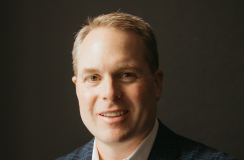
Guest: Sure. So my name is Chris Kerner. I live in the Dallas Fort Worth area, just north of Dallas in the suburbs. I live on a couple acres with a wife and four kids, ages 6 through 12. And I got my undergrad at the University of Alabama and my MBA from tcu. I have been addicted to starting businesses my whole life, since I was a kid. I don't shy away from that. I do have a couple college degrees, but I've never used them. I just love the starting and the growing phase of a business and then once it kind of plateaus, I get a little bored and I start looking around for the next thing. And so that's me.
Host: Well, actually Chris, on on that point, the obvious question is why are you interested in business acquisition, small business acquisition, when you're so addicted to the. I mean, let me put it another way. A lot of people on Acquiring Minds say, you know, I see myself more as a 1 to 10 person rather than a 0 to 1. But what I just heard you say is that you actually do see yourself as a zero to one person. So why the interest in small business acquisition?
Guest: Well, because I also love the idea of growing things, right. Especially a small business that is underutilized or underperforming. And you'll learn later on in this story that the small business that I bought, it was more of a zero to one story than A one to ten.
Host: Yeah.
Guest: But I love fixing and growing and turning things around and, yeah, seeing results.
Host: Okay. Okay. Well, I know from our pre call that you have had a lot of really interesting entrepreneurial ventures. We might get to them, one or two of them at the end. But let's focus on the bitcoin mining facility. Tell us, where does that story begin?
Guest: Sure. So I've been in crypto for six years now. I first bought Bitcoin in 2016. Speculatively, I sold it. When it doubled, I felt like a genius. Felt like Warren buffet. Bought at 600, sold at 1200. And obviously that was a bad decision. Luckily for me, I quickly learned how bad of a decision that was. I bought back in, and I vowed to never, ever sell my bitcoin again. And so I started learning about bitcoin after that point and learning the fundamentals of it and why I felt it would be the future. And so then in 2018, I started working in crypto a little bit. I had a token. We talked about that a little bit in our pre call. So I've always kind of been dabbling in crypto, wanting to work in crypto, but definitely a believer in at least owning bitcoin, ethereum, and a few other altcoins. Anyway, 2018, I wanted to get into mining. It was very profitable. The market already started crashing, but no one really knew it at the time. Right before I started getting involved, it was just not profitable anymore. And so I backed out. Flash forward a couple years. Summer of 2021, China banned mining. And China was. They had a large percentage of the world's mining hash rate. And so literally overnight, the profitability of mining jumped about 50%. They were forced by the government to unplug. And the way mining works is the more miners there are, the more hard it is for everyone, the more you have to share the bitcoin reward with. And conversely, the less miners there are, the fewer there are, the more profitable mining is. The other variable, of course, being the price of bitcoin. And so 2021 was this perfect storm where bitcoin was going crazy, China unplugged. And so mining was very, very profitable. To put it in perspective, you could mine bitcoin is trading, let's say $40,000. You could mine one for about $4,000. And so.
[7:58] Host: Wow.
Guest: Yeah, super attractive. And so 2021, I had an e commerce business with extra warehouse space and some extra power and having a history of ordering electronics from China. I ordered a couple miners for myself, just to learn and to test and to mine. So I plugged them in and I learned. Were you going to say something?
Host: Yeah, I was going to say, Chris, what is a miner? People assume no bitcoin knowledge of the audience.
Guest: Okay, perfect.
Host: And me.
Guest: Great question. A miner is a really expensive computer that is guessing numbers all day, every day in a process called proof of work. So here's an analogy for you. So let's say you go into a casino and you're the only one there. And they say, anyone that rolls snake eyes wins $1,000. Pop. And so on your third roll, you get it, you win $1,000. Well, then your friend walks in and the casino says, all right, now anyone who rolls snake eyes wins $1,000, but you have to share it with him. And so you both start rolling the die and one of you lands on it twice as fast. And so you save that much time, but you have to share the Reward. So then 1,000 people walk in, right? And you're rolling it very, very quickly. And so that's kind of how bitcoin works. And on the surface, it might seem silly, like these computers. You know, it's kind of a common misconception to say that miners are solving complex math equations. They're not. They're guessing numbers very, very quickly. Very, very quickly. And every 10 minutes, a block is discovered. That's how it's designed. That's how the founder of bitcoin, Satoshi Nakamoto, designed it.
[9:44] Host: A block is discovered, meaning the snake eyes are rolled. This number, some mining device in the giant network that is the bitcoin network, lands upon the next, whatever the next
Guest: number block reward is, what it's called a block, having at this point 6.5 bitcoins. Right?
Host: Okay.
Guest: And so every day, hundreds of millions of dollars worth of bitcoins are mined, right? And earlier this year, it was a billion dollars worth of bitcoin were mined because the price of bitcoin was higher. And so how that works is when China unplugged, now that same reward is being split with half as many people. So everyone makes twice as much. But it's brilliantly designed because as the price of bitcoin inevitably drops, only the most profitable miners stay plugged in. And so those miners paying a higher power cost, they're spending $23,000 to mine a $20,000 Bitcoin. And so they say this is, this is foolish. And they unplug. Therefore, it gets a little easier for everyone else. It's always self balancing, which is the, the brilliance of, of proof of work.
Host: It reminds me of Uber's algorithm, which is like, when there's a surge in demand, the price goes up and that brings more drivers out. And then as more drivers come out, it pushes the price down. If the price goes down too much, then drivers drop back off because it's not worth their while to. To pick up. To pick up customers. Exactly, Chris.
Guest: The.
Host: But it. And, And a minority, to be clear with people like, you know, you can be a bitcoin miner, somebody who participates in mining, but a miner is also this device. This basically, it's a custom, you know, cpu, a custom computer, basically a box, like a physical box that is custom designed to only do this computation that looks for whatever the next block. That's all it does. And one of these devices, you buy it from China and it costs. Well, the cost fluctuates. We're going to get into that. But it costs anywhere from what, what did you tell me? 4 to $15,000.
Guest: Yep. So last year at the peak of the market, they were 15,000. Today they are closer to five for the same machine.
Host: Okay, five to $15,000 for this computer, essentially. And, and so the cost to mine. So if I'm looking at the price of bitcoin and wondering if I should do mining is my sunk cost into this machine and then my ongoing power cost. And the ongoing power cost you just kind of threw out a number, might be $20,000 a month.
[12:12] Guest: Well, it would be based on like a kilowatt hour. So Most Americans pay 10 to 20 cents per kilowatt hour. That is your sunk cost, which shakes out to be for a Miner, call it $200 a month.
Host: Oh, $200 a month.
Guest: Yeah.
Host: Okay. And so, and one thing I didn't understand until our pre. Call was that I always thought that like, you know, you know, thousands and thousands of miners around the world are all, you know, computing, looking for the next kind of to hit those snake eyes. And I, yeah, I always thought that whatever, whatever miner rolled snake eyes, if you will, got the bitcoin.
Guest: But no, you're right. Oh yeah, you're kind of.
Host: I thought it was distributed, I thought it was distributed proportionally across the whole network.
Guest: So miners are. Most miners are in a shared pool where they share the reward. Right. And so, for instance, most of our customers are on. It's called brains pool. And so 2.5% of the world's miners are on this one pool that most of my customers are on. And so a block is discovered every 10 minutes. And so every, you know, let's see 2540. Sorry, every 40 blocks on average. Because that would be 2.5%. A slush pool miner, as in one of my customers miners, or a miner on the other side of the world that's sharing the same resource pool, will find that block and it will be shared proportionally of those miners in the pool.
Host: Okay.
Guest: And so there are some miners that are not on a pool and they're just gamblers and they don't share resources with anyone. And statistically speaking, it will take like 1000 years for them to find a block and they never will. But occasionally you see in the news that a single miner found a block and got 6.5 bitcoins all to themselves.
Host: Okay.
Guest: Yeah. It is share distributed proportionally, but within the mining pools. So it doesn't matter what miner finds it.
Host: Yeah, okay. But that's kind of a layer on top of bitcoin, these pools that have evolved over time. But the base layer bitcoin algorithm, the way it works is it just rewards whoever mined the block. It rewards 100% of the reward to
Guest: that miner, to that one miner.
Host: Pools have developed over time. Okay.
Guest: Yep.
Host: Okay. Okay, that's great. So you, you have this excess space, some resources for your, for your other venture, your e commerce venture, and you just to learn, you buy a couple miners and you plug them in. Is that where we left off?
Guest: Yep, exactly. Okay, so I plugged them in and there's a lot to learn. I mean, there's a steep learning curve. I was kind of ignorant to it. You need to have a 220 volt outlet. Kind of like your dryer. Right?
[15:02] Host: Yeah.
Guest: First of all, second of all, the average miner consumes as much power as an entire house. Okay. So if you plug this in your house, your bill's going to double. It's like running the dryer 24 7, except all the heat from the dryer is going out into the house. Like the door's open and it's as loud as like a jet engine. It's like 80 decibels. Right. And so it's not. It's very loud, very hot, very windy. And it's like a powerful fan blowing all the time. And so luckily I had a warehouse for this. I wasn't doing it at my house. But it's a lot to learn. I mean, you have to pay an electrician to come in, he has to put in a special outlet, then you have to get a special plug and then you have to have some programming knowledge. You have to hook it up to the Pool. You have to hook it up to the firmware, you have to update the firmware, you have to plug an ethernet cable in it. So you can't just. There's no, there's no WI fi. It has to be hardwired in. And so there's a lot to learn that I was learning.
Host: Okay, all right. But you do you plug it in, you buy just the one miner or did you buy a couple?
Guest: I bought two different models, two different brands, and just to kind of see how both of them worked. And I started mining and I was mining like literally printing digital money and it was just the coolest thing in the world. Just wow. Okay. And like dollars per day, but very just interesting.
Host: Yeah, yeah. And so what were the economics? You had spent what on these miners
Guest: and what were you generating at the time? The payback period on these miners were about 10 to 12 months. And so the problem with the payback period is it's never accurate because the difficulty rate, which is measured by how many miners you're competing with, is always changing. Right. Anytime a miner plugs in or unplugs in the world, it gets a little harder, a little easier. So forecasting out 10 months is impossible. In addition, the price of bitcoin, the second variable, is always changing. And so what is cool is that 10 months could turn into six months or it could turn into five years. And so it can go one way or the other. And so the economics at the time were about $23 a day, I believe, profit per miner. So it was a matter of months, like 6 to 12 months somewhere in there where I would get my money from the miner back. And that's after taking out power costs. So $23 in profit and like $6 in power costs per day. And then after it's paid off, it's just, it's pure profit for the life of the miner. And a miner lasts about six years, give or take.
Host: Okay, okay, really interesting. Okay. So you're totally intrigued. You're kind of hooked. You're falling further down the rabbit hole. You've got these two miners chugging away and then what?
Guest: So then I wanted to scale, right? Because anyone with a money printing machine who wouldn't want to scale.
Host: August Felker is a two time successful searcher. First with a traditional search fund. The second time around, he did a self funded search. Today, August runs Oberle Risk Strategies, an insurance firm with a dedicated practice group for searchers and acquisition entrepreneurs like you. If you've got a business under Loi Oberle Will provide complimentary due diligence on that business's insurance and benefits program. A great no risk way to get to know August and team. They love helping searchers. They've worked with hundreds. Oberle is a specialty insurance brokerage for searchers by a former searcher. Check out oberle-risk.com O B E R L E- risk.com, link in the show notes.
[18:44] Guest: And so I started looking into that. And so I started by looking for abandoned warehouses in dfw. Now, the problem with scaling miners is they take a ton of power. Like a ton. If, if, if you go like find your average industrial warehouse, it probably like 100,000 square foot warehouse, right? Huge, huge warehouse. It probably has enough power on site for like 10 miners. Okay. And then 10 miners in 100,000 square feet. That's, that's nothing. That's silly. Right?
Host: Right.
Guest: And, and so it's very expensive because you're going to have to get the power company to come out. You got to buy transformers. You got to. It's hundreds of thousands, if not millions of dollars to bring multiple megawatts to that building. And so you really need power more than you need space. Because in a home garage, you could fit 100 miners and you could even get the airflow to get the heat out of there. But you would need half a megawatt worth of power, which is a lot.
Host: And so what about the sound of 80 decibels times 40 miners or whatever?
Guest: Yeah, and so you wouldn't want to do that. Like you just.
Host: Yeah, there's sound issues as well. Go ahead.
Guest: Yeah, and so I was really just comparing the size of a, of an average American garage. You wouldn't want to do that in a garage. You couldn't sleep. And so I was running into all these roadblocks. And I was not the only one. Like, you didn't have to be a genius to want to get into mining. When China Unplugged, everyone wanted to get into mining, right?
Host: Yeah.
Guest: And so I'm, I'm calling the power company, I'm calling a power brokers. And they're all like, yeah, let me guess. You want to get into mining like you and your neighbor. You're kidding.
Host: Yeah, we're getting calls from everybody.
Guest: And especially in Texas. Like, Texas is the breadbasket of mining because power is abundant and it's cheap. We have more power than we use and it's very cheap. And so everyone's coming here. And thankfully I had just happened to live here. And so I started looking at Warehouses, finding old manufacturing facilities because those typically have a lot more power and old paper mills. But the problem is you find this place that's 30 grand a month, the lease, and it's 100,000 square feet and you just don't need any of that. And so it was really difficult to find a place. And so then you start looking into taking a smaller, cheap place and then spending all the money to bring the power in. The problem with that is it's a six to 12 month process. And a lot can happen in crypto in 6 to 12 months. The price of miners.
[21:19] Host: Chris? Yeah. This point about China unplugging and so the difficulty rate going down and that drawing. So that'll then draw in more to more miners doing the kind of always self regulating supply, demand, sort of sort of dynamic like that window. So that window will immediately start closing. And as you said, like everybody's scrambling to like plug in a mining machine because they, because China's unplugged and they recognize the opportunity. So how long are people expecting this advantage to last after China unplugs? Like maybe it just lasts a week or. No, it's like, no, it's going to last for like a number of months for that, for all of that kind of demand to be reabsorbed.
Guest: Great question. So no one knew, right? Everyone knew that it was going to go back up. Everyone knew that slowly over time, the difficulty rate goes back up. Now the difficulty rate only adjusts every two weeks. And so you can predict like there's software out there that can see. All right, right now it's looking like the difficulty rate will be 3% harder in two weeks and then the next day 4% and the next day 2%. Because it's seeing who's unplugging and plugging in. Right. So you can reasonably forecast that only two weeks out. But what no one knew was, you know, there was a chip shortage. And so people couldn't get their hands on miners, people couldn't get their hands on transformers due to Covid. People couldn't get their hands on power due to Covid. Like it was this really weird time of supply chain shortages and Covid and China and chip shortages. No one knew how long we'd be making hay and no one knew what the price of bitcoin would be doing. Right. Because half of it is dependent on bitcoin. If the Diplomaty rate keeps going up, but bitcoin keeps going up, proportionally, it stays just as profitable. Right. And so that was the big question.
Host: Yeah. Yeah, sure. Makes sense. Okay, so none of the facilities are making sense. You consider like some smaller older facility and retrofitting it or at least running the power out there, that doesn't seem like a good option. So then what?
Guest: So as luck would have it, so I'm, I'm on biz by sell every Sunday, right? It's my Sunday hobby and it's like my guilty pleasure. And I'm, I'm like most everyone else. I'm a tire kicker and I'm just looking and. Oh, only two times ebitda. Oh, three times. Oh, this was near my house. We all do it. We all do it. And so I just thought something came, came out of my head and I thought maybe there's a mining facility for sale. And so I did like a nationwide search and there were two and one was out of state, way expensive. And one was in Texas. Now on biz by sale, you can set your privacy, you know, only show the city, only show the county, only show the state. And so it only showed the state. So I just saw Texas and it was affordable. It was 750 grand, which is like less than what I would pay to bring in transformers and pay the power company. Now the building was not owned, it was leased and but the power was already there. It was 3 megawatts, which is enough for like 750 miners. So if you do the math, at the time every Miner was making 25 bucks profit a day. Multiply that by 750. That's a lot of money. Now granted you have to go buy millions of dollars worth of miners if you want to own them, but it looked really good. And so 750 grand for this business and it was listed by the owner, not with a broker and it was not a business. It was, I was buying a lease with mining infrastructure there and with 300 late model miners already mining, they were making like, I want to say like $8 a day. They were like three years old. It's called the S, the S9. And so it was cash flowing at the time, like 20 grand a month. Now everyone knew that was going to go down because the difficulty rate was only going to go up. And so I wasn't, I wasn't really looking at it from like an EBITDA perspective. I was looking at buying the infrastructure and then the miners that came with it. And the bitcoin that miners were mining was just like a cherry on top.
[25:32] Host: So but, and the seller probably was, they probably did come up with that 750 number based on EBITDA, because that's basically exactly three times. Exactly, yeah. If it's doing 200amonth, 220amonth, that's 240 a year times three is about 750.
Guest: Exactly. And there wasn't really a way to value a mining facility because there weren't really any on the market. And so I was on these obscure lists and looking at these obscure websites, learning that to buy a plug and play facility without miners, just power already on site, because that's really the value is power already there. You're saving a year and you're saving six to seven figures in costs. Right. I was seeing that they were going for like 500 grand a megawatt, so which would put this at like 1.5 million plus it had miners that were already mining. And like, a lot of times the places that you buy, like, they don't have racks, they don't have the Ethernet. Like, you still got to do a lot of work to get a mining. But this was. This was not plug and play. It was like, already plugged in and playing. Right. And so the price looked good. And so I started reaching out to the seller and he wasn't responding. And he was getting hundreds of inquiries. Hundreds.
Host: I was going to say, like, you can't be the only person, Chris, who's. Right, who's scrambling to find, you know, to do. I mean, you're telling me that all these people are calling all over the place, seeing what they can do about power, and especially in Texas. So, I mean, he's got the hottest listing going.
Guest: Exactly. And. But I just. I just kept at it and I was texting him and. And just everything. And I just annoyed him to death. And we finally got him on the call, and I learned that he bounced between West Texas. He was like, in oil and like Massachusetts kind of random, and he wasn't even on site. And then it was managed by, like, a consultant that lived nearby. And I learned that the facility was 30 minutes from my house in a city called Rockwall, which is like, you would never expect a mining facility in Rockwall. Like, it's known for its school district, its family values. Like, usually mining facilities are in the middle of West Texas or in some industrial park. And, like, I'm like, by the high school. It's really random. And so, yeah, once I learned it was half an hour from me, I was like, this is either, like, biggest scam I've ever found or the biggest deal I've ever found. And so I just, I kept at it. And I, we started talking and you can't finance anything like this. I didn't have 750 grand in the bank. And so we worked out a seller financing deal. I paid him a big chunk down and he seller financed the rest over five years. And I worked the loan repayments. I tied them to the price of bitcoin. So as bitcoin goes up, I pay him more. As bitcoin drops, I pay him back less.
[28:24] Host: Now Chris, why is he selling now when he's.
Guest: Yeah, great question. So he, he wanted to scale up mining in west Texas where power is even cheaper than in dfw. And he, he's, he has like a lot of industrial companies. He has space, he has more power out there. So he was wanting to consolidate his mining efforts to where it could be more closely under his watch. Also he thought, man, like it's kind of a headache that this is a five hour drive away. China just got out. Like this could be the peak of the market. Right. Kind of hedging his bet. Like if this is not the peak, then I'm going to take this money from selling it and do more mining closer to me. If it is the peak, then I can just cash out while the getting is good. Okay. Okay.
Host: Interesting.
Guest: Yeah.
Host: And so your, it was your persistence that led you to like, led him to talking to you? I mean, I mean he did, I guess. Why wasn't he responsive to you if he had put the listing on biz Buy Sell, he was looking to sell it. You are a viable buyer. Why do you think it took? So it was so hard to get his attention just because he was being inundated or what?
Guest: Yeah, well, first of all, it wasn't surprising to me because the response rate I get from sellers on Biz by sell is like 30%. Right. Like it. I don't know what it is, but I don't get very many responses from Biz Buy Sell. Even when I'm very aggressive at saying like, hey, I could pay cash or I have financing lined up anyway. So there's that just maybe the nature of Biz Buy Sell. Second, he was getting hundreds of inquiries and he had already hopped on a bunch of calls. And it's like, okay, I'm going to line up financing and just tire kickers. And so he's just, he's kind of at this point where he's like, eh, like if they want it bad enough, they'll find me. Right?
[30:08] Host: Yeah.
Guest: Also he's very busy. He has like four different companies that he's running and yeah, so cool.
Host: Really cool. Well, persistence pays. So you acquire it with this seller note tied to the price of bitcoin. So you've hedged and he. And can you tell us what you pay at the upfront piece, the down payment piece?
Guest: I paid 50 grand down and I talked him down to 700 grand. And so my note was 650. We closed on October 1, 2021. So very cleanly first day of the quarter and in September I was already laying the groundwork for some customers because I, the original model was. All right, let me back up. So yeah, when I was striving to scale up, the first and easiest thing I did was start reaching out to hosting facilities. So I didn't want to have my own. I just wanted to buy a bunch of miners and mine bitcoin. And so dozens of hosting facilities overseas and they wouldn't respond to me or they were full or they were too expensive. I could not find a place for my miners. And the reason is very simple is because there's a lot of big money in mining. There's a lot of people that have hundreds or thousands of miners. And so these hosting facilities fill up like that with someone with a lot more money than I have. Right. And so why are they going to mess with a guy with 10 miners or even 50 miners when they're full from having.
Host: So a hosting facility, to be clear, is a place where somebody who just, you know, buys a miner, buys 10 or buys 100 miners, plugs in the miner, all the things that you were looking for, plugs in the miner and runs it. And it's got all, it's basically like a data center for miners specifically. So this is an established practice, an established business within the bitcoin ecosystem.
Guest: Yeah, that's exactly what it's a data center for miners. And a lot of times it's a win win because they'll take their fee. Well, the fee is really, they're just marking up their electricity. That's how hosting centers make money. And it's usually a win win because even their marked up rate is usually cheaper than what you could get it for. So there's, there's, there's not a lot of reasons to not use a hosting facility. But they were just, I was, I was a small fry to them and so I, I couldn't use them. And so all of September I'm laying the ground. We're thinking, all right, in order to fill this entire hosting facility, I need millions of dollars worth of miners. Now that would be Very profitable. But the upfront cost is insurmountable. Now, there's a lot of people that raise money to buy miners, but I didn't want to go that route. And so I thought, I'm going to buy as many miners as I can. And then everything else, I'm going to be a hosting facility. And my power costs are 6 cents and I'll charge 12, which at the time was expensive. My competitors were charging 8 or 9. But there was so much demand and so little supply, I thought, why not charge what I can charge, right? And so anyway, I'll pay my bills as a hosting facility and then I'll mine bitcoin with everything else. And the numbers looked really good. And then over time, I can add more power, I can add more transformers and megawatts and scale up as we go. So I started doing that. I started doing a little marketing. I came up with a name mining syndicate. And this was before I'd even closed. So that way when I closed, I could kind of hit the ground running. But what I soon learned was people not only needed a place to host their miners, they needed a place to buy them. And so people kept asking, like, can do you have miners for sale? And I'm like, well, you know, I spent seven years importing electronics from Shenzhen, China, which is happens to be the miner capital of the world too. So I was like, yeah, I could do that. So I reached out to my network over there and I started importing miners. And then I soon learned, wow, I'm not a hosting business, I sell miners. Right, That's a lot more profitable. But I also needed a place to host them because my customers needed both.
[34:12] Host: So you are. The plan is to do your own mining, which was of course what drove your initial interest in this facility. So you're going to buy a bunch of miners and do your own mining and then you're going to become a hosting facility. And then you realize as you've started kind of marketing this service that people also need to buy the miners. And so you can also become a reseller of miners. And are you going to basically put your name on a new, like your own private white labeled brand of miners and assemble all the components or you're just going to be a distributor, like a US Distributor of miners that you source in China.
Guest: Yeah.
Host: And why can't those folks just, you know, like, I assume it's not that hard to buy a miner via like, you know, I can go to a website and buy a miner and have it shipped to the to the U.S. no. Why. Why do they need to come to you? Why is it hard for them to get their hands on a miner?
Guest: Sure. Well, for the same reason that I was able to sell so many iPhone parts that I imported from China. Like, what we're really selling is trust. Right.
Host: The.
Guest: The insurmountability of ordering something from China, Wiring thousands or tens of thousands of dollars to China is too much. And so I knew from my experience with LCD cycle that we had to put trust at the forefront. And so from day one, we did the opposite of what our competitors did. We said, come visit us. Here's like, come take a tour. Come shake our hand. Let's do a FaceTime call. Here's my background. And I was hopping on calls all day, every day. And once they overcome that trust barrier, it made perfect sense to order miners. Okay, so.
Host: So there is no place. There's no. Like, there aren't good e commerce options to buy from a US Supplier. Miners. If I want to buy a miner, I'm wiring money to China.
[36:03] Guest: Yes. Or you're buying from a reseller like me. Yeah. Okay.
Host: Okay, okay. And so all of this as this plan is kind of coming together. This is still September. Like, you actually haven't acquired the facility. This. This deal could still fall apart at any time.
Guest: Yeah, I actually sold my first batch of miners in September before we had closed. Just figuring, I'll put in my warehouse. I'll figure out what to do with them.
Host: Okay.
Guest: Just in case it doesn't close. But it looked like it was going to close, and it did. On time, actually, which never happens, but, yeah, no kidding.
Host: And you say you're marketing, you're starting to gin up business. How are you doing that in the kind of bitcoin circles in which you run, or are you running ads online or what?
Guest: Yeah, I'm doing some ads on Facebook. Facebook, marketplace. And the ad was basically just like, I have a hosting facility, and I was just marketing primarily to DFW folks, so they didn't have to trust me as much. They could come meet me. They didn't have to blindly send me money. And so honestly, I was just benefiting from immense tailwinds, like, it wasn't anything genius that there was just so much demand and that was not being met at the time.
Host: So there's enough demand to. To do bitcoin mining that in one market, one geographic market, just dfw, you can find enough customers to basically get this facility business going.
Guest: Yeah.
Host: Like, you're not talking to people all over the Country. These are just local people. There's that much. There's that many people in DFW alone interested in mining.
Guest: Initially it was dfw, but even as soon as October we started getting orders from people out of state. So I don't know if you could support it in dfw. I don't know that that's the case. But that got us going, right?
Host: Yeah. Yeah. Okay. Okay. So you do, you do acquire the facility. It does close in October on time, weirdly. And. And so. So this is now a year ago. So. So what happens in the first few months? How does it go?
Guest: It was, it was the craziest months of my life. Like by far. On a personal note, at the same time, my. So I have a 10 year old daughter, she has a lung disease. Right. And so things were getting really bad in that same month of October. And so I was taking calls from the Texas Children's Medical center in Houston. Four hours away from me at bedside, basically because she, her lungs were getting worse. She ended up getting a transplant in February. She's good now, she's in school, her life is normal. But I was also forced to move my whole family in December. And so in November we were packing and making arrangements and renting out our house and renting a house down there because in order to get a double lung transplant, you have to be within an hour of the hospital doing it. And so the hospital said she has to have a transplant, therefore you have to move to Houston. And so it was the worst timing ever, but we made it work. And so luckily I had like a network of people that have worked for me locally in the past for other companies and projects. And I just like assembled my dream team and we just got to work and it was insane. It was insane.
[39:19] Host: Well, you're now at about 12 employees. So tell us quickly about how you went from just you to the first small handful of employees and how you really got the business off the ground.
Guest: Yeah, so I started with customer support help and then I started with sales help, someone else to hop on sales calls. And then I converted one of our customers to more customer support. He was looking for a job in mining and he was also a customer of ours. And then I was building out the website and managing that myself. And then I took one of my E Commerce employees, he did operations help and then another E Commerce employee operations help. Because I mean we weren't like drop shipping. Like this was very hands on. We're plugging in miners. They're 32 pounds each. They're heavy, it's hot, it's loud, it's dirty work. Right. And so we had like a skeleton crew and we were just ordering miners every day from China and making it work.
Host: And so if we were to go into your facility now, what would we see? Just rows of loud, noisy, loud kind of heat generating boxes. Yeah, rows and rows of them.
Guest: Huge fans in the ceiling to, to get all the air out because it's, you have to have constant airflow in and out. They get really hot, and so you have to keep a little bit of negative air pressure. And so we've spent a lot of money building out the facility. It was kind of under built because it had old model miners. And the newer model miners that we've replaced them with are like twice as big and they consume twice as much power. And so we're not able to store as many miners as we originally thought, which has been a bummer. But we use three different partner facilities across the US for all of our overflow.
Host: Okay, okay, so. And so are you full now then?
Guest: Yes, we're full. We've been full since like December in Rockwall, where we are. Right. But we do have capacity at our partner facilities. So, yeah, today we use Rockwall. We call it like our test kitchen, our prep kitchen, so to speak. We'll get miners from China. We'll unbox them, inspect them, plug them in, get them mining to the right pool, get them configured, put them back in a box, put them on a pallet, and then ship them off to our partner facilities. So when they get them, there's almost no work for them to do. They can literally just plug it into the wall, connect it to their network, and they're good to go. So Rockwall is no longer like a place where we keep miners long term. We're just constantly cycling them in and out.
Host: Yeah, yeah. And so has the sales or the reseller business become the primary business?
[42:06] Guest: Yes, definitely. And so we have to host miners because 70% of our customers need a place to put them. 30% host them at home or off site. So if we didn't have a place to put them, if I never bought this facility, our sales would be 70% less if we only sold miners. Yeah, Right.
Host: But your facility is full now, so you're not even, you're not even offering availability to your new customers. You're having to go outside and with your partners.
Guest: Yeah, so our facility in Rockwell is full, but as far as our customers are concerned, we're not full. Right, Because I see they. Yeah. They, we tell them Rockwell's full, it's tapped out, It's. It's a prep kitchen. Your miner will not be here. We're going to. You're going to ship it to us, we're going to test it and then send it off to one of our partner facilities.
Host: I see. But the kind of what's fa, for all intents and purposes, they're. They're hosting with you.
Guest: Yes. Yeah.
Host: They sit hosting with you.
Guest: Okay. Yeah.
Host: Great. And so what, you know, a year later or more than a year later, after China turned off, you know, here we are in the crypto winter. Bitcoin stuck around 19, 20,000. What does the business of, you know, what are all these dynamics due to the business? Yeah. Tell us kind of like how that's going.
Guest: Yeah, so lots of headwinds right now. Let me list them out for you. So first of all, first of all, top line revenue drops significantly simply because the price of the products we're selling has dropped 70%. So we could sell just as many numbers of miners and our revenue is 60, 70% less. Right. Because the price of our products are less. Furthermore, the price of bitcoin is down. Mining is not as profitable. What used to pay off in a year pays off in three to four. Right. So now we're having to do a lot more education of saying, like, hey, like, as long as you don't sell your bitcoin, this is still a very profitable endeavor. If you believe bitcoin's here to stay. Right. You can still just keep your bitcoin, turn it around, and your payback period can still drop retroactively if you don't sell your bitcoin. So what was like on easy mode in Q1, Q4 is like, we're having to really try. Right. Which is good. Like it's. We've been building new systems and we built a whole suite of software and like, we've been getting organized and we're still, we're still growing, we're still getting new customers, but it is, it's much, much harder today than it was, but we know that it'll get a lot easier when it does turn around and we'll have better systems in place next
Host: time around and your business is sustainable. Like if bitcoin were to persist at 20,000 for, let's say, another couple of years, you guess Crypto winters. The last one was from what, 2017 through 2021. So it was a three or four year winter, if this one lasted that long. But bitcoin hung out at 19,000. Is the business profitable?
[45:02] Guest: So it depends on how you look at a crypto winter or a bear market. It was more like two years. If you look at it from like, are you comparing the peak to peak or bottom to peak? Right. And so we're, we're expecting. So if you're comparing peak to bottom, you know, we don't know where the bottom is till it's well behind us. But we know that it peaked almost a year ago, November 2021. And so I expect this to last 12 to 18 more months. But what was really smart of us looking back was we charged significantly more for hosting than our competitors did. Our competitors were basically breaking even on hosting and selling a miner at a good profit. And we kind of had the approach of like, let's have our cake and eat it too. Because there's so much demand. Like it's kind of foolish to break even on hosting when people will pay whatever they can to get their miner plugged in. Because this was the thing where it
Host: was $0.06 and you were like, well, let's just charge $0.09 because the demand was there.
Guest: Yeah, 12. 12, yeah. Which was honestly unheard of, like charging 12. But we knew that our space was so constrained that we would still sell out at 12. Right?
Host: Yeah.
Guest: And so what that did was now that we're in a crypto winter, those and we, you know, we're in contracts, we're in contracts with our partner facilities and our customers have contracts with us. And so now the hosting revenue has only gone up every single month because every month we've plugged in more and more miners. Right. So our miner sales, that's what I'm referring to, having dropped 70% if nothing else because the price of the miners have dropped. But every single month our hosting sales are growing. And it's also profitable. It's not just break even because of those contracts we signed. And so our payroll is getting covered by the hosting bills. And so basically every miner we sell is kind of like the gross profit is net profit because our overhead is being covered by the hosting. Now that won't last forever because these are one year contracts. And in January, February, they'll start expiring and we'll have to come down on price, I'm sure, or ship their miner somewhere else. So we'll burn that bridge when we get there. But for the time being we've still been good and we're still sustainable without any outside funding.
Host: Okay, okay. Phenomenal, Chris. And what are you fully investing? Is this taking 100% of your time or are you working on other stuff at the moment?
Guest: Yes. So this is my main thing. I'm here now, I'm here every day. But then I also have a project called co founders where I'm launching things with other people kind of on the side, but I'm not playing a main role in that anymore. So this can be my main, my main thing.
Host: Yeah, yeah. Well I had referred earlier to a bunch of your interesting stories so I think we will have time to have one or two of those. But even before we do that, you also have a little side hustle going with something called busy. Right. So tell us about Busy. This will be really interesting to the acquiring minds audience.
[48:07] Guest: Yeah. So the, the domain is usebusy biz y.com and the impetus for this was like I told you about Biz by sell. I'm always looking for businesses even if I'm not always a serious buyer. And it's super time consuming. Right. Like if you want to buy a mining facility, there's all kinds of different websites and they're all in different places and they use different brokers, different metrics available for all of them. And so I hired a developer to start aggregating any listing site I could find. Like from like a, a random broker in western North Carolina who, who doesn't use vizbuysell. He's only on his website to bizbysell. Right. And everything in between. So Busy is basically an aggregation of all of those in the same place to save searchers a few hours a week. And so it's still in beta, it's going well, we don't charge for it, it's free, it's a long term play. But it's fun, it's a fun side project.
Host: And the output is a CSV file. Right. So if I like tell me a little bit about the user experience.
Guest: So we have a website built that's not launched yet where it'll all be done from the website. They can filter, they can sort, they can get email updates. Right now it's a Google Sheet that updates once a week so we send out a weekly email and they can export that as a CSV or they can look at it within the Google Sheet and then we are going to be moving it to Airtable because it's a little more user friendly. Okay, great.
Host: And something like this doesn't exist in the market because there are a couple of kind of deal platforms that do claim to aggregate from a bunch of the big sites. But you still thought that you perceived a gap in, in the aggregator among the aggregator sites.
Guest: Here's what I think the gap is. I think that they don't aggregate enough. Right. They're not aggregating from the really obscure ones. And a lot of times those obscure ones have the best deals. Right. Like an H vac business with 700k EBITDA. Right. Also we have on our list like 130 different sites to aggregate and we've done about a quarter of those so far. And so I haven't seen anyone else doing that many. Furthermore, I want the ability to sort between like only show biz by sell or show no biz by sell or show all the for sale by owners. And so we're building a mechanism to filter out all the ones that are broker listed. Also we're building a mechanism to, to find off market listings and be like our own listing site. Right. Where it's the buyer can work directly with the seller. In addition, it's not even listed on the market. Right. Furthermore, we've got all kinds of things on the pipeline but I think there's still a lot to be desired there in that market.
Host: And you have found that there are businesses listed for sale on a broker's website that that broker has not put on Biz Buy Sell.
Guest: Yeah, because a lot of these old school brokers are like I've built my email list over the last 20 years and I send an email and I get it done and I don't need to pay biz by sell 250 bucks for a listing. Well, it's like, it's kind of like good is the enemy of great. Like I'm sure they do sell businesses with their list alone. But the more eyeballs you have, the higher you can sell, the more you can sell your business for. Right. Or the faster you could sell it and that's a better experience for the seller. And so I think a lot of brokers are super old school, super complacent. And so yeah, I don't think everything's being captured, I know everything is not being captured on Biz Buy Sell so.
[51:34] Host: Well, that's good to know. I mean obviously broker outreach and talking to brokers about deal flow and maybe getting access to a deal that they haven't yet brought to market and put on Biz Buy Sell is a classic kind of searcher best practice. But this is different. This is basically brokers who have publicly listed the business, they just haven't put it on Biz by Sell. It's just like on their website or out to their email list. And I didn't. So it's good to know that there are brokers out there who.
Guest: Who.
Host: Yeah. Who have.
Guest: Public.
Host: You know, it's out there for the world to see. They just haven't put it on. Put it on Biz Buy. So.
Guest: Yeah.
Host: Yeah. Okay, Chris, let's close out with. Let's. Let's hear your John McAfee story. John McAfee is kind of an infamous character, founder of McAfee software, any famous antivirus software, kind of a larger than life character. And you partnered on a business with them. And I want to tell the story. Have you tell the story, because it's interesting. But I also just want you to get credit, Chris, because you have. You just a really dynamic entrepreneur. You've got a lot of really fun, interesting stories. I mean, you bought a, you know, a bitcoin, Bitcoin mining facility, for crying out loud. And here you are a year later with 10 employees. So that alone kind of. It kind of shows the type of entrepreneur you are. But there's a lot more where that came from. So tell us this, this John McAfee story.
Guest: Sure. So back in late 2017 is really the kind of the peak of the last, last bull market in crypto. Everything was going crazy. And I was looking@coinmarketcap.com which is like, you know, the site for tracking all the prices. And I just kind of had a thesis that I developed, which was a crypto token that had a low market cap, but everyone was talking about it was primed to go up in value over the foreseeable future. And conversely, a crypto token that was a top 100 or a top 10 token, it had a high market cap, but there wasn't much buzz about it would go down. And so I thought, surely there's a way to measure those two things, Right? The market cap's already done for you. You can pull an API from CoinMarketCap. I just need to measure, like a hype score. That's what I called it. So I partnered with a friend who's a lot better at Google Sheets than I am, and we made like a whole suite of Google Sheets that pulled those two variables. A hype score that we measured from Reddit, Twitter, Facebook, Google searches, mentions, and then the market cap, which we pulled from CoinMarketCap. And we divided and that gave us a number. And so we were able to take like, say, the top 100 coins and sort them based on, like, most, least promising. So I did this for myself, and then I Started investing in it. And so I would take, like, the 10 most promising and put an equal number of money in each of them and then watch it over time. And it worked. And it. It was amazing. And I thought, you know, this is. This should be out there. I wasn't on social media much. I didn't have much of a Twitter presence. I was more of a consumer than a creator on Twitter. And so I thought, man, if I could just partner someone, that could save me a year's worth of time. And so John McAfee at the time was like, he was the guy. He had 800,000 followers. He was pretty well respected in crypto. And I started cold emailing him. I didn't know his email. He, you know, there's all kinds of tools to find email addresses. I could not find his. And so I started emailing, like johncafee.com or jm or, you know, I tried all of the variations, and I used a software that showed me if he were opening his emails or not. And frequently they would bounce back, bounce back, bounce back. And then one day showed. He opened it, and he opened it again. And my pitch was like, I developed this algorithm. I tested it. It works. I want to partner with you on it. I kept responding. I kept following up because he was opening but not responding. He finally responded. He said, chris, even if God himself appeared to me and told me that this works, I would not believe you, because you can't see the future. No one can see the future. And this would be more widely known if it worked. And so I said, john, let me get in front of you. Like, where do you live? I will fly there. I want to show you in person. I think you'll believe. It went back and forth three or four times. And finally he said, meet me at my house in Lexington, Kentucky, at 1:23pm on, I think it was February 28, 2018. So I started building this in the
[56:05] Host: fall when crypto was going 1:23pm not 1:24, 1:23. Yep. And is this just an indication of John McAfee's eccentricity, or is he just being difficult or, like, why 1:23pm yes, all of that.
Guest: His eccentricity, I think, is what it was. And so I responded and said, what's your address? And he said, I'll tell you the day of. So I'm like, okay. So I flew to Huntsville, Alabama. I used to live there, stayed with a friend. The morning of I started, I checked my email. No email. I knew it was about a two hour Drive. So I just started driving so I wasn't late. And he still hadn't told me the address. And so I pull over, email him, hey, John, I'm on the way. What's your address? He finally responded. He gave it to me. He lived in like a gated community. And I pulled in and his house was like, you could tell, it was like the problem childhouse of the neighborhood. They were all like Southern like brick style homes. And then his was like a Spanish style. Like it just looked out of place. And like, and driveway had like a yellow Hummer and like a 1998 beat up Nissan Altima and like a motorcycle. And like, it was just very eclectic. And so I pulled up at like 1:20, waited for three minutes. I knocked on the door, he opened the door. He had a gun on his hip. He had a bodyguard behind him with like an, like an AR15. And then he had his wife, Janice. And he looked at me like, he's just like, who are you? Like, he had no idea who I was.
[57:41] Host: You're like, john, I'm here for 123.
Guest: Yeah, I was like, I emailed you about that. And he was like, oh, right, okay, Janice, this is. What was your name? Chris. Chris thinks he can predict crypto. No one can predict crypto. But I told him I give him a shot. Chris, we're about to go to the liquor store. Just come in here and sit down and I'll be back in a little bit.
Host: I was like, hang out with my, my buddy here with the AR15.
Guest: So I go in and it's just like, you know that scene of Home Alone when they're, they're all getting ready to go on their trip the night before, and it's just people everywhere, back and forth, kids. And the pizza guy comes in. It was literally like that. And there was like a team of cleaners. And then there was a film crew. There were cameras, there was a boom mic. And the film crew had an Australian accent. And later I found out they were literally an Australian film crew that were there to film like the Australian 60 Minutes documentary just that day. So just coincidentally, just on John McAfee? Yes, on him. Yeah. And so I. It's this buzz of electricity and activity and I go in and then they leave. And he sits me down at like the breakfast nook in the kitchen and I took a picture at the time. And like, you couldn't even use the countertops because there was so much liquor on them. Right? Just liquor everywhere. And, and I'm liquor and Guns.
Host: Perfect mix.
Guest: Exactly. And here I am, like, I'm Mormon, right? Like, I've never tasted alcohol. Like, I'm so out of place, I don't even cuss, right? So I'm, like, not in my element. It was just very strange. And so he sits me down at this table, and I'm at this table with, like, three laptops and, like, four external hard drives, seemingly at the time, by myself. And I'm like, here's this guy that has guns and bodyguards, cameras, and no one knows his email address. And he just sits the stranger at a table with hard drives, probably full of crypto, right? Like, what are you thinking? And so I'm like, texting my wife. I'm like, here's my address. I'm safe. Like, I don't know what's going to happen. And so I'm just sitting there like a. Like a good little boy. And then I hear Chris.
Host: Chris at the time, John McAfee. So I know him just because of McAfee software, but he, at this. At this moment in time, is like a big crypto influencer. He's like the Michael Saylor of 2017, 18 sort of thing.
[1:00:03] Guest: Yes, exactly.
Host: Okay. Okay. 800,000 followers, and all just about kind of crypto.
Guest: I assume he went all in. Yeah. And so I was just sitting there, and I thought I was home alone, and then I hear, like, a cough around the corner, and I go to the bathroom, and it was like, his main body card. His name was Jimmy, and he had, like, a gun on his hip and a gun on the table and a MacBook. And he was just, like, typing away. He was like, hey, man, what's up? Who are you? Like, what are you doing? He's like, sit down. And he was cool. And we just got to talking, and he's like, give me your pitch. And so I gave it to him, and I couldn't wrap his mind around it. And then he did. He's like, oh, Mr. McAfee's gonna love this. Like, this is brilliant. He's gonna love this. I was like, okay, cool. Great. So we waited, and then they all got back. Bunch of liquor, film crew followed him, and he. He, like, forgot about me again. And then Jim's like, hey, you gotta listen to Chris. Like, I was nothing. I was nothing to him, and I was an inconvenience. And so we sat down at this long table, and he's like, all right, you have my full attention. And so I open the MacBook, and I start going into it, and then the the film crew was just like. They were just nearby, and then they kind of listen in. They're like, hey, do you mind if we film this? Can we get. And John's like, chris, do you care? I'm like, I don't care. I guess, you know, I didn't want to say no, but I wanted to say no. Sure. So they start filming it, and I give him my pitch and I show them the Google sheets and, like, how it works. And, like, a minute into it, he's like, chris, this is brilliant. Like, complete 180, complete character shift. Like, it's like, of course this works. Like, why wouldn't it work? It's like, no one knows crypto hype more than I do. Like, it's all hype. There's no fundamentals, there's no profits, there's nothing. There's no financials. Of course it works. You're measuring the hype. You're dividing against the market cap, what to short, what to buy. And I was like, yes. He's like, perfect. Brilliant, Kris, this is brilliant. What do I need to do? What do you. What do you need for me? I was like, can you tweet about me twice per week and I'll give you a quarter of the profits? And I don't remember if we negotiated. I don't remember if he set a quarter. I don't remember. That's what we settled on.
Host: And was that just off the cuff, or had you worked on what you were going to pitch?
Guest: Yeah, yeah. Because at the time, there were a lot of, like, paid groups that were charging, like, $500 a month for access to picks. Right, I see.
Host: So a paid group. So the business model is you pay to be in this group, and in this group, people are talking about, like, whatever. The next hot ico. Yep.
Guest: And so basically, I told him, we're going to spend a month building a free group. We're going to give them a little bit, then we're going to convert to a paid group, and I need you to tweet about me twice per week, and I'll. Let me write the tweets. You can edit it, but you don't need to worry about anything. I'll send you the tweets. You can tweet it out. And he said, let's do it. And so that's a great deal, man. Yeah. Yeah. And so he was totally cool after that, totally chill. And he said, hey, hang out. Janice is getting Mexican. So they brought back all this Mexican food, and we had burritos and Then he had, like, this big, like, formal interview in the. In the living room with all the lights off. And we were just, like, watching it from the side. And I spent, like, eight hours there, and then I just left. And I was like, what just happened? Like, what. What just happened? I was like, this is the biggest deal of my life. Like, everything's different from now on. And little did I know, like, crypto was crashing. Right? Like, you only know crypto's crashing once. It's way behind you, right? Because it's. It's always up and down, right? And so it went from, like, 20 grand to 17 grand. And so everyone's thinking, oh, man, it's a great time to buy because it's going to go back to 20, you know? Yep, yep. And so I didn't know that was happening at the time. And so I. I get home and I launched this Discord group. And I. That was a story in and of itself. I didn't hire anyone. I didn't have anyone. I didn't know what to expect. I'm. I wasn't used to using Discord. So I set up a group. I call it no BS crypto. I buy the domain name nobiuscrypto.com. and that was. The whole shtick was like, this is real. Like, this is not just, like, some guy, like, getting paid from an ico. Therefore, he's shilling that. Like, I'm using data, real data. I'll show you the data and you can see what's going to happen.
[1:04:18] Host: I launched this, but it is really just some guy.
Guest: Yeah, yeah.
Host: It's just you behind your laptop launching a Discord Group. And you're not even that adept in discord.
Guest: I'm not at all. Yeah, yeah. And so I launched this group called no BS Crypto. And I. I text John and I said, all right, here's the tweet, here's the link, and go ahead. He's like, all right. So he tweeted out, and thousands of people started flooding it. Like, thousands. It was just like, the timing, the person, everything was perfect. And they're like, all right, this is in minutes. Minutes. Like, it was like, I was just riding this euphoria high, and it's like, here they are. Like, this is amazing. And the way Discord works is when you create a new group, the default setting is that anyone that joins can be an admin. Right. Which I don't know if it's still like that. This was four years ago. Foolish. I didn't know that I could have Just checked a box and removed that permission. But I didn't know to. I should have done that research. And so people. You know, my username was blue. All the guests were white. And I was, like, trying to manage it. Like, I had different groups. Like, anyone with, like, Altcoin Picks or ICO Picks or Bitcoin Picks. And all of a sudden, I see all these blue admin usernames flooding in, and I'm like, how is that happening? Like, I didn't invite any admins, and I didn't know at the time about this setting. And so then they started flooding the channel with, like, just vile, vile, terrible things, like spammers and bots and just filth. And I was just like, what is happening? And it then, like, before I knew it, I was kicked out of the group. Like, I was blocked or banned or something. And I was like, this is over the span of, like, three minutes. And I was like, oh, my gosh, what just happened? Then I start looking into it, then I found out the setting, and I was like, wow. I just totally blew it. I blew it. And so I called John. I told him. I was like, I don't know what happened, but hackers took over and the channel's gone. And it's. He's like, what do you mean it's gone? It's like, it's. I don't have access.
[1:06:25] Host: So Chris somebody. So these people basically saw that they could make themselves admins. These nefarious types. They made themselves admins. They were spamming, whatever. And then they also just kicked you, the originator of the group, out.
Guest: Yeah.
Host: And just totally. Just basically totally hijacked it.
Guest: Yeah.
Host: Hijacked the whole thing. Okay.
Guest: And so I was like, john, I can delete the group. Like, I still. I can still delete it, but I have to delete it. Like, it's too far gone. He's like. So I was like, you have to delete the tweet. I'll send you a new link. Create a new group, same name, more, you know, tighten down settings. And he's like, chris, I don't delete tweets. Like, that goes against everything I believe in. Like, you know me. Like, I. It's out there. It's public. Like, this is crypto. It's all public. I don't delete tweets. I was like, john, like, you have to, because I can't. You can't edit the tweet. We know that very well. You couldn't edit the tweet to change the link. It was just the link was the problem. And so I finally convinced him. He deleted the tweet. He tweeted again along with a picture that said hackers took over the channel. Here's the new link. So we tried it again and people flooded in. Not as many, maybe about a third to half as many. And we were off to the races. We had a community. I got some moderators, some admins, some real admins. And I started releasing my picks and they were working and they loved it. And we grew and we grew and we grew to like 80,000 people in, in all the groups. We had telegram, Facebook, Twitter, Twitter page, like everything. And I don't remember why we hadn't built the pay group yet. We wanted to launch our own token. Not an ico, you have to sell a token for an ico, but a free airdrop. I thought with an ICO there's either a lot of regulation that I have to do beforehand or I don't do any regular, you know, I don't fill out any paperwork and I get sued. So let's just give away a token for free and then see if it can trade on the open market so we can fund our operations from that. So we did, we did an airdrop. It went super viral. I tweeted about the airdrop and it got like 15,000 retweets. Like it was just. Yeah, yeah, like it was. And you can still see it. Like you can go do it at Twitter advanced search and see it. Because that was part of the deal to get the free airdrop tokens was they had to retweet it, right?
Host: Yeah.
Guest: And so we were able to track that with software to make sure that they did. And so the airdrop went super viral and we got listed on a handful of exchanges and it was trading in at 30, 40 million dollar market cap. And it was just a wild ride. And we would slowly sell a little bit of tokens here and there to fund because I had like eight people working for me and fund operations. And then we ended up know the market kept crashing. This was like April, May, June, it get got worse and worse. And then we launched a paid group as kind of a last ditch effort and there was just no interest in the paid group. It went super poorly. And so at the end of the day it was taking more time than it was worth. And like I wasn't able to just keep doing this for free. Like I, I either needed to ditch it or to make money from it. And so I, I ended up one of the community Members that I met through this project. His name was Ryan. I gave him the project with half a bitcoin. And I was like, it's like I sold it to him. But I didn't sell it. I gave it to him and I said, good luck, run with it, best of luck. And he rebranded to something and then they ended up failing. They gave it a valiant effort, but they ended up failing.
[1:10:02] Host: And all the While is John McAfee upholding his twice weekly tweet agreement?
Guest: He was really. Yeah, he was.
Host: And. And what has happened to John McAfee since?
Guest: So he got. So he got sent to prison for not paying taxes. He had a ton of unpaid crypto taxes, crypto gains that he never reported, but it was very easily trackable, thanks to crypto. And so he got. I think he got caught in Spain. And he got. Yes, he got caught in Spain. They locked him up in prison in Spain. And then the day that the news broke that they were going to extradite him to the back to the U.S. he killed himself in prison. He hung himself.
Host: Wild.
Guest: Yep. So had.
Host: Do you feel like you developed, like a personal relationship with him or like a meaningful personal relationship? Did you ever talk to him again after that? You know, frenzied phone call about what was happening in the Discord Group?
Guest: I did, yeah. We would talk like every week. He was managing a few different other projects at the time, so I wasn't like sole focus or anywhere near to it, but he would call me with like, wacky business ideas. Like, I saved his voicemails. He had one where he's like, he wanted to distribute tokens to mimes and like car dealerships. And like, it was just like a rambling three minute voicemail that I just like, I'm never deleting this. And so we had it. I mean, he. We probably have a lot more in common than I'd like to admit because he's a serial entrepreneur, you know, wacky ideas. So just. Yeah, less morals, I guess.
Host: Yeah, yeah.
Guest: Wild.
Host: What. What a story, man. Well, Chris, thank you very much for sharing that. Thanks for sharing your story about the acquisition of your bitcoin mining facility. Be really interesting to hear how it goes for the rest of the. The year. Hopefully this crypt for you. The crypto winter doesn't last. Doesn't last very long, but we'll be sure to check in sometime next year and. And maybe have you back on to see how things are going.
[1:12:03] Guest: Okay, thank you. I would love that.
Host: Thanks a lot for coming on, sir.
Guest: All right. Will thank you.






























%20-%20thumbnail.png)


%20-%20thumbnail.png)

%20-%20thumbnail.png)

.png)


%20-%20thumbnail.png)