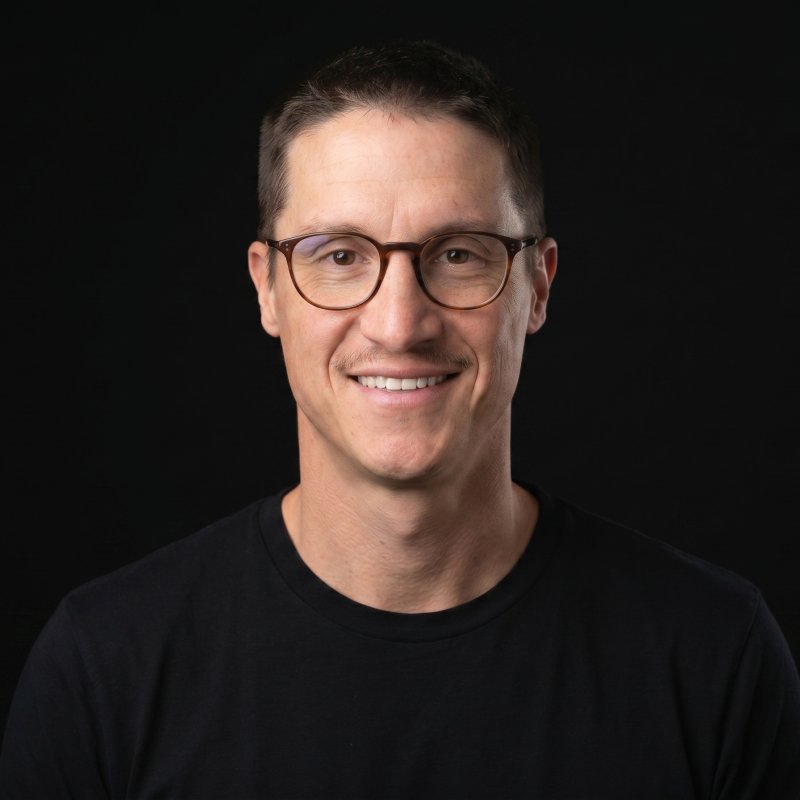
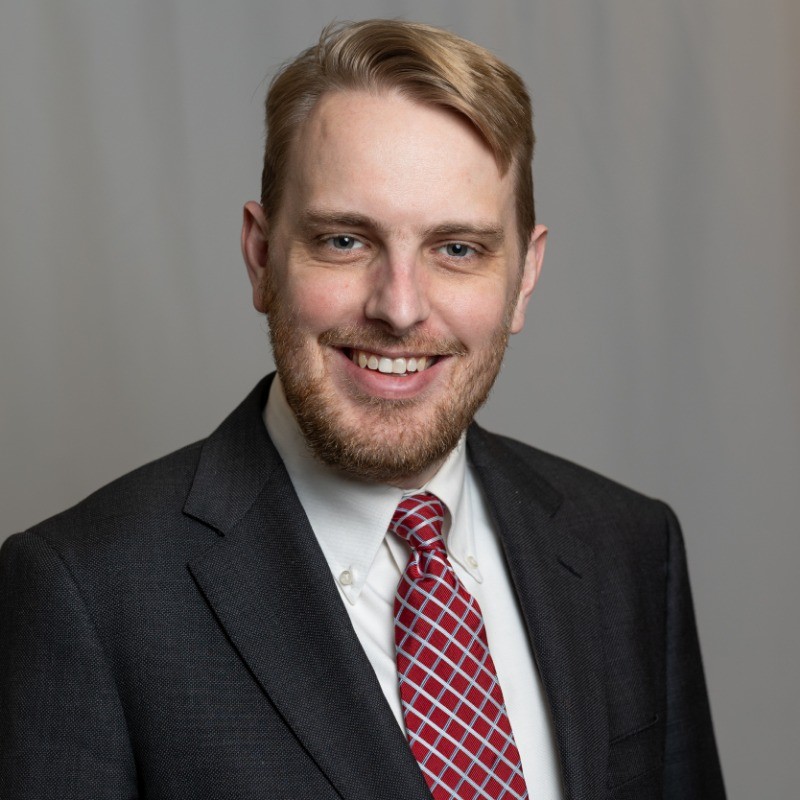
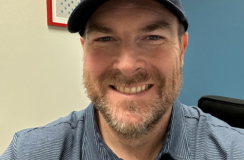
Host: You've heard me say it, you've heard my guests say it. Searching for a business to buy is hard, and it's one of those things where you can know this fact, but it takes living it to really internalize it. Today's guest, Jesse Sundquist has been searching for a business to buy full time for a year. So the kind of abstract awareness that searches hard, well, that's now very real for Jesse. But even though he doesn't yet have a deal under his belt, there has been progress, growth, tons of education over this past year. So Jesse took to Search Funder to reflect on what he's learned in the form of a short essay whose title, by the way, I used verbatim as the title for this episode. There was tons of reaction to the essay, including many sympathetic and appreciative comments from other frustrated searchers. So Jesse struck a chord and I had to have him on. For those of you struggling with your search, you're really going to relish this one. And if you do, please let Jesse know. Here he is, full time searcher Jesse Sundquist. Welcome to Acquiring Minds, a podcast about buying businesses. My name is Will Smith. Acquiring an existing business is an awesome opportunity for many entrepreneurs and on this podcast I talk to the people who do it. August Felker is a two time successful searcher, first with a traditional search fund. The second time around he did a self funded search. Today August runs Oberle Risk Strategies, an insurance firm with a dedicated practice group for searchers and acquisition entrepreneurs like you. If you've got a business under loi, Oberle will provide complimentary due diligence on that business's insurance and benefits program. A great no risk way to get to know August and team. They love helping searchers. They've worked with hundreds. Oberly is a specialty insurance brokerage for searchers by a former searcher. Check out oberle-risk.com O B E R L E- risk.com, link in the show notes. Jesse Sundquist, thank you for joining me today on Acquiring Minds.
Guest: Thanks for having me Will. It's a pleasure to be here.
Host: Jesse. You've been searching for a business to buy for about a year. You haven't found the one yet, which of course is frustrating. But you've learned a lot and not just about the mechanics of buying a business, but really the emotional journey that it is. And recently you posted a short essay on searchfunder.com sharing reflections on what you've learned in this last year and really kind of that that emotional piece and the post really resonated with the search funder community. 119 Comments I saw as of this morning, which is about, I think you posted a week or two ago. And that's a ton for a search funder post. So clearly there are a lot of people out there trying to buy business and then feeling demoralized and isolated when they encounter just how hard it actually can be. Especially when I readily admit podcasts like this one, like Acquiring Minds, are featuring all these wonderful success stories and that's actually one of the points you make, and we're going to get into that. So I thought the Acquiring Minds audience, particularly, particularly those actively searching, would really enjoy hearing these reflections from you directly. So what I would like to do is simply go through them. But first, some context. Jesse, tell us a little bit about yourself and how you arrived at doing acquisition entrepreneurship the first place.
[3:45] Guest: Yeah, great. So I come from accounting background. I actually am a CPA by training. I did that for about five years earlier on in my career, but quickly realized that while they're incredibly valuable skills to have, it's not something I wanted to make a career of. So I, I fully admit to embarking in my career without a clear plan or trajectory as to what I wanted to do. I just sort of, you know, I moved on to interesting roles following good leaders and just that's kind of how my, my career was shaped, which, you know, turned out decently well. But I think, you know, after about 15 years of working in, primarily in the corporate world for, in financial services and the last two years I worked for a B2B, a small B2B SAS company. After about 15 years of doing that, I just, it felt like, you know, no matter how many promotions you got, no matter how much influence you thought you had at a company, you were still so far away from making an impact. Right. And so I knew that I wanted more. I desired more. Right. I wanted, I wanted, you know. Yeah, I wanted to have more control over my future and the output of, you know, of what my journey was going to look like. And so I think that combined with, you know, my wife works full time as well and we, you know, we got married and started having a family a couple of years ago. And so two working parents with three small young kids is, is a lot. And so when you have, you know, two parents that are spending a lot of time away from your family in jobs that we're both kind of meh about, you know, we started to look at each other and say like, this doesn't feel right and doesn't really, you know, doesn't really seem to make sense. So as we're, we're, you know, starting to think about what's next, you know, the pandemic happened and I think that put a lot of things into perspective for a lot of people. And you know, for us I was, I was, you know, sort of kicking the tires on ETA entrepreneurship through acquisition and thinking about it for a little bit. But the pandemic really accelerated my desire to pursue this as a path. And after reading search Funder networking, kicking the tires for about eight months and not really making a whole lot of progress, I sort of made the decision that if I want a higher probability of success, in closing, I needed to quit my job and pursue it full time. Like I said, fortunately my wife works full time. She provides us with salary and benefits. So I'm not, you know, we are dipping into savings a little bit, but we have a little bit of a financial security blanket. And so I'm calling, calling myself a spouse funded searcher because admittedly I am right on the coattails of my wife. So.
[6:16] Host: Yeah, so last, I think spouse funded searcher.
Guest: Yeah, spouse funded searcher 100%. I'm going to coin that term. Yep. But yeah, so last September I quit my job at the software company and embarked on my, on my search full time.
Host: And Jesse, why buy a business rather than start one? Especially somebody who's been up close at a B2B SaaS business which is, you know, kind of a traditionally entrepreneurial environment.
Guest: Yeah, I think, you know, it's just, it's kind of how I'm wired. I'm not really a zero to one type guy. I think part of, you know, part of my upbringing as an auditor, earlier on in the career I became, I became good at looking at existing processes and optimizing them. Right. I'm not really, you know, blank, blank piece of paper here, go make a strategy type guy. I'm more of a, here's what we're doing. Like, does this really make sense? Can it be done better? And I, I sort of excel at that. And I think, you know, yeah, so I'm very much a buy versus build type person. But I did, you know, have a two month sort of like detour during my, during the past year where I thought really hard about just starting a business. Instead went all the way to the finish line, got my website set up, you know, had my tech stack all built out. Just couldn't pull the trigger, couldn't do it.
Host: Huh. Because you, you lost faith in the idea.
Guest: No, I think the idea is valid. It's just I, I wasn't excited about building by myself.
Host: So, so there's also kind of like part of the, part of what attracts you to buying a business is that there's a team there that you would become part of rather than very, very slowly building a team if you, if you were to start from scratch.
Guest: Yeah, yeah, definitely. I, I think what I, I would probably consider building with a partner, but haven't really, you know, pursued finding the right partner in order to, to do something from scratch either.
Host: Okay. And those eight months that you said you were kind of kicking the tires on the concept of search, were you, would you consider those an 8, 8 months of a part time search or was it really just kind of, really just kind of, you know, reading, finding an hour there, here and there, kind of looking at listings? I think flirting with the idea.
Guest: I was definitely flirting with the idea. I think at the time I thought like, oh yeah, like I'm, I'm doing my search. But you know, now that I have been doing a search full time, it's like, oh wow, I was, I didn't even know what I was talking about. Right. I actually remember early, early on I reached out and had a phone conversation with Steve Ressler. And Steve, I'm sure he doesn't remember the conversation. That was one of his many like walking conversations that he has. But like I don't think I knew the difference between a stock versus an asset sale. And I'm talking to Steve Ressler about my vision of buying a business and like it seems so naive at the time now. Um, but I, I thought I was serious then, but no, I, I think, you know, and this is part of what I said in my post, my, my learning has just accelerated, you know, a hundred x by pursuing it full time versus trying to do it, you know, in my, in my spare time at my job.
[9:10] Host: Yeah, well, well let's treat that as a segue then. Let's just do that one as kind of one. One of the first points in your reflections, what are some of the things that you notice going from part time to, to full time? Just kind of what you said, just the obvious that you, you learn at an incredibly accelerated rate. It's not twice as fast, it's 20 times as fast sort of thing?
Guest: Yeah, yeah, I think so. And I think like, you know, you're, when you have a full time job, you're always going to be sort of distracted. Right. Because your Full time job, your paycheck is, you know, always going to take priority. And so for me especially having young kids as well, it's like I, I didn't necessarily like have the bandwidth or the energy to sort of like do it a lot at night because after working full time and then putting the kids to bed and things like that, I was just so tired, you know, I wasn't going to be like modeling things out at 11 o' clock anymore. Right. Like I might have been earlier on in my career. And so I think, you know, taking away the distraction, quite frankly, I'm a full time job and be able to sort of like think through different business models, operating models. Do I want to have a, you know, a service based business versus a product based business and sort of, you know, items like that. I had just had more, more time and bandwidth and I think, you know, I actually got some feedback from a broker during one of the companies I made an offer on is you know, hey, like you're doing this full time and so like we, we view you as a more like viable buyer because you're not going to get cold feet and just you know, cling to the safety of your job and not move forward, you know, with the process.
Host: Oh well that's, it makes sense. But that's also a really good point to highlight because it's something that searchers themselves may want to highlight when reaching out to brokers that they are full time searching. I actually haven't heard, I don't know if that's, that is common knowledge that I've just missed, but I haven't heard it before.
Guest: Yeah, so actually, you know, it was, this was an opportunity where we were, you know, negotiating an loi. I had a great rapport with the broker and with the seller and this is one of the ones that got taken off the market after I made an offer. But I asked them before I submitted my LOI is like, do you have any concerns about me as a buyer before, you know, before I submit this so I can sort of try to address them. Right. And he said, look, you know, you're doing this full time, you don't have a job to quit. And so like that gives me a little bit of confidence that you can, that you're going to move forward with this. And he's like, and secondly, like you're a local buyer, like you're not having to move across the country to get this done. And so like once again that's another sort of like point for you as a potential buyer. Because you know, and I see people that have a job and are looking to move across the country. It's just, you know, I don't get a lot of confidence as a broker that like this deal is going to get done. Now don't get me wrong, I know of a lot of people that have searched while working full time and moved across, across the country for opportunities. So it's certainly possible to close that way. But at least in this example with this broker, you know, that gave him more confidence in me as a buyer that I was doing it full time and that I was local.
[12:01] Host: Wouldn't it be great to have experts at your back when buying a business? People to help you polish up your pitch and processes as you go to market as a searcher, then help you evaluate opportunities once you get some deal flow. Such experts exist buy side advisors. But they'll cost you to the tune of tens of thousands, even hundreds of thousands of dollars. But another option exists, the acquisition lab. The lab is a do it with you buy side advisory service, not do it for you. Founded by Walker Deibel, author of Buy then Build, the lab represents Walker's vision for what is most needed to make a searcher successful and available at an accessible price. It's cohort based and you will come out the other side of your cohort prepared to go to market as a savvy searcher with a tight message and process. So brokers take you seriously. Pre approved for a loan and with an entire community at your disposal to help you along the journey to buying a business. To learn More, check out acquisitionlab.com, link in the show notes. Yeah, yeah, yeah. And just a reminder to people listening. So it's not necessarily that you have to you know, memorize all of the list of things to say to the broker. Although you know, memorizing a few that you should say to the broker might be helpful but just there's a core, core thing to always remember when dealing with brokers is they're always assessing you in terms of their belief in your likelihood to close. Their know likelihood to close. Likelihood to close. Likelihood to close. I don't think the word was likelihood but I, I, there was, that was the mantra coming off of the Clint Fiore, the business broker that I interviewed a few months ago. So just whatever you can be doing in your, in your communications with a broker and then ultimately the seller to demonstrate to them that you are a very strong candidate to actually make this deal happen is really what they are looking for. The seller's looking for more than that, the seller's looking for, you know, a lot of qualitative or, or emotional aspects often as well. But the broker who, who really represents, but also represents the deal, that's what they're really trying to sniff out about you. Okay, so Jesse, what prompted you to spend a few hours articulating your experience after a first year? What really was it? And then wanting to share that with the community?
Guest: Yeah, I think when I first started this full time, a mentor of mine was like, look, you really have to give it a year to give it a fair chance of closing a deal. Like, you're going to go through periods where you get discouraged. You're going to be in a high at the beginning when you start, and then you go through a trough and you're going to get discouraged. But like, you need to see it through for a full year to really give yourself a fair chance. Because even if you find a deal you like, it may take three or four months to get done, and it also may fall apart after three months. Right. So it's like, give it at least a year. So, you know, I realized I was coming up to my one year anniversary and I wasn't close to getting a deal done. And I was like, oh, man, this, like, this sucks. Like, you know, I know some people search for two or three years. Like I'm one year in, and on the one hand I'm really disappointed, but on the other hand, it's like, I think I've learned a lot during this year too. Right. And I feel very different now as a person and as a searcher than I was when I started a year ago. I was like, I'm gonna sit down and like, think about what I've learned and really, like, write it down. So I, I did this for me more than anything else to sort of like, articulate and, you know, codify what, what I learned. And then it was like, you know what? I'm going to put on Search Funder too, because somebody else might find it useful, might resonate with somebody else.
[15:28] Host: Yeah, understatement. Great. So take us, take us through it, Jesse. Take us through the points.
Guest: Sure, yeah. And so, yeah, so there's really four, four main takeaways for me. And just for context, in case people haven't read the Post, but, you know, I'm doing a geographically focused search using brokers exclusively. Right. So my wife works in New York City. We're about an hour outside of New York City in New Jersey. We have, we just bought a house here. We have three small kids. And so I wasn't really going to do a nationwide search, picking up and, you know, uprooting our family to go somewhere else. So, you know, I'm doing a geographically focused search exclusively to brokers because I'm industry agnostic. I have a sort of generalist background, even though I lean more towards, you know, finance and accounting and operations. And I had a floor of around 500,000 SDEs was what I said my floor was when I started. And so that's how I went about my search when I started last September. And so my first sort of reflection point was it's just really, really difficult to get any deal done. I had heard feedback prior to starting that broker channels increases your likelihood of success because the brokers have successfully vetted people, vetted sellers that are ready to sell. I also heard feedback that, you know, the broker community can be difficult to work with. Right. There are some really good brokers out there and but I think the bar is generally lower, you know, in general for, for your average broker. And so I think, you know, just as I got into speaking with lots of brokers looking at opportunities, you know, even like the seller on the other side of the table, you know, having that. Right. Sort of like chemistry as a buyer seller, you know, just the amount of things that have to happen at the same time, all these stars that have to align to get a deal done, it's like, it's, it's mind boggling, right. And probably greater than I anticipated when I first started. And so if, you know, three or four things are right, but there's just that one thing like that doesn't make sense. Like then your deal could fall apart or not make sense. Right. And, and like your deal won't happen. So, you know, I knew it would be difficult going in, but I think it's just significantly more difficult than I had imagined. Which once again is, you know, it is what it is. It's not like, oh, I'm not going to do it because it's hard. Like, that's not my attitude by any means. But I think I'm just a little more like eyes wide open now about like anybody that can get a deal done is really impressive and I have a lot of respect for. And so I think, you know, I think, you know, on the flip side and not enough to the Acquire Minds podcast because I love the podcast. I listen to almost all the episodes. But yeah, like, we have a lot of success stories here about people that close transactions and it's like amazing to get that feedback and be able to sort of like learn from them. But I think what's kind of glossed over is just how difficult it is for them to close that transaction to begin with. Yeah. I think oftentimes it's just getting that first deal done. Once you get that first deal done, then I've heard, and I believe that every other one after that is a little bit easier. But man, that first one can be really hard.
[18:28] Host: Yeah.
Guest: Yeah, so that's my first point. I think the second one is, you know, your search criteria can change and they really should change. Right. I think it's a sign of progress. And you know, like I was just saying, I started out with, you know, I, I read the, the buy that build book with Wyck or Diebell and I had my like target criteria I had in like three bullet points and it's like industry agnostic. Three hours from my house, 500k SDEs, like put that filter in biz by sell and like, oh my gosh, look at these 200 targets. Like this is going to be a piece of cake. But I think, you know, the reality is you start to peel back the onion a little bit and you, you understand business models more. You're like, oh, like this business model is interesting, but there's something about it that doesn't really like that I don't really like. So maybe I'm not going to look at these types of industries anymore. I think the, what I found with the SD threshold was there's just not that many deals in New Jersey that are 750k SDs or more. Right. And you know, maybe, maybe there are areas that I'm not looking, I don't know. But like I just wasn't finding a whole lot of deal volume of, of the SD threshold. And then lastly, you know, I think I set my target at three hours away first. The first time you do a site visit three hour ways and you realize like, man, that's a really far drive. You know, you start to rethink about like, is this something I want to do with the blue collar workforce and needs to be managed and I need to be there in person, you know, five days a week. And for me the answer was like, no, I quit my job to have more flexibility and ownership over my schedule and you know, if I have to do a two to three hour drive one way to manage my team, then that's the opposite of flexibility. It's not why I quit in the first place. Right.
Host: Yeah.
Guest: So I changed my criteria to only an Hour. And you know that that helped with deal. Well, it didn't help. It actually hurt with deal volume. But I changed the threshold from 500k floor to 300k floor thinking. You know, I was influenced by a couple of guys in the SMB community. I know Nikashka is one of them. He's very much like, buy small and you can grow it. Buy small, get in the game and you can grow it. And I believe that that's kind of how I'm thinking about things now. That's why I've lowered my threshold to around 300K. And there's a lot more deal volume in that range, which has been helpful since I decreased the geographic threshold, decreased the SDE threshold. But also that has increased with the deal volume.
Host: Yeah, but they kind of cancel each other out. So you're probably left with like similar deal volume as before.
Guest: Yeah, yeah, yeah. But you have to, because I can't, I can't reduce both of them. Right. Otherwise then I go to like deal volume. Totally. But, but I think, you know, the big takeaway for me there is like if your search criteria are not changing, then, you know, are you like, are you really self aware that you're to know that you're, you're learning or are you just sort of like you're sticking to your principles and like you just have to cut it out for as long as it takes because you're not willing to sort of like change?
[21:20] Host: Yeah, yeah. Jesse, where did you come up with that original three hour distance number?
Guest: I don't think I had a great sort of like rationale for it.
Host: Yeah, yeah, no, I, and, and when, like, I'm just curious, like you, you backed off of that, but when you had that number still, what did you envision? How much time being at the location of the business, did you envision spending like twice a week, three times a week? Sort of.
Guest: Yeah. So, so I think it's like, hey, if I can buy a company with 750k to a million bucks of, of EBITDA, it's three hours away. There's a management team in place. I'll come in, you know, twice a week and, and I'll make it work because I'm going to buy a bigger company. Right. And that sort of like layer of management can sort of handle it. I don't know about you, but I'm not seeing a lot of SMBs with layers of management. Right. And so I think there may be some misinformation out there, but that is not common. But it is possible, but it's certainly not common.
Host: Yeah, yeah, but even if you had found that a three hour schlep back and forth, even just twice a week just didn't seem tenable.
Guest: Yeah, yeah. And you know, and this kind of goes to my third point about, you know, search being so, so personal. Right? Your, your criteria, your like what's important to you, what you're willing to compromise on. Like it really to the individual. Like, you know, for me a three hour drive each way twice a week was, you know, I wasn't excited about it and not something I wanted to do because I've been working from home for the last three and a half years. I've spoken with other searchers that are ex consultants and they're like, yeah, like I'm used to traveling four days a week. So for me, like that would be great. I'd be home more, only have to travel twice a week no matter how far it is, you know, so, so I think, you know, that point being the search is so personal and I think I, I wasted a lot of time in the beginning comparing myself and my criteria to others and it's, it's just a waste of time. Right? Like what makes sense for you may not make sense for somebody else. And, and that's okay. Right? Like the, the, you know, everybody's searching for, for different reasons. Everybody has a different sort of like why. And you know, the more you allow yourself to sort of like compare yourself to others or think about like why can't I search for something like that and sort of like get distracted, you know, the more time you waste and it's just, it's just not productive. Right. And it's not really good for your psyche either. Your emotional state as you go into the search. I had a little, little example in my, in my post about, you know, everybody's heard the story around the, you know, the guy that gets that million and a half EBITDA company from like three times and it's like, man, what a deal. I'm not seeing anything like that. But like he is 28, doesn't have a family and he moved across the country for it and it's like, oh well that's great, that's not in my life stage. And so it's like I'm happy for you and doesn't make sense for me.
[24:09] Host: Yeah, yeah, no, it's such a good point. And you know, as I listen to all of this you talk, I'm just kind of like sending it through the filter of being, you know, Somebody who hosts a podcast about search and like, you know, I always am trying to kind of like pull out the best practices and the key learnings from people, but it is important that I, and just kind of those of us talking about this space don't over index on particular points or overemphasize like best practices, because just what you said that people are in such different positions who get into this family, no family. 25 versus 45 versus 65. How much cash you have in the bank, what sort of what you want from your search, you know, and on and on and on. So it's. So, it's so personal. That's such a great and important point. And, and just the other thing, let's, let's drill into a little bit. Jesse, is, is just on. I don't know what we want to call this, the, the envy point or the, or the, you know, just seeing these wildly successful stories and when you're not wildly successful, how that makes you feel. I've certainly felt plenty of that in my life, even long before, you know, doing acquiring minds. And yeah, it's just that'll. That'll. That stuff will eat you alive when you, when you see other people that are having a lot more success than you and you're, you're. You feel like you're really trying. You're really, really hard at this and you're just not making, not making headway. So. Yeah, just want to applaud that point.
Guest: Yeah. Yeah. Thank you. I think it took me a while to sort of like, really own that and be like, yeah, like, that's okay for people to have different criteria and for people to close deals faster than you with, you know, larger, larger SDs at lower multiples. And like, that's okay. They got a deal done. Deals are really hard and like, I'm really excited for them. Yeah.
Host: Yeah. And, and also, you know, one of the many variables for how people vary from, in this space is where they're coming from. So, you know, if you're somebody who comes from private equity, for example, you're going to be, you know, you, you, you will have spent years seeing how deals get done. So somebody like that obviously has, has an advantage over somebody who's just, you know, read Walker's book and just decides to go out and buy a business. Jesse, I want to circle back to. On the search criteria changing or how it should be, how it should evolve. Two points. The buying small and which I'll, which we'll do. Second, the first point is, have you given that your deal flow is challenging as it is for many, but geographically confined and so on. Have you considered looking at online businesses?
Guest: Yes, I've considered them. I think, you know, there's a couple of different varieties of online businesses. Right. There's sort of businesses that are fully remote. There may be like a, like a service type business that's fully remote. And I would be very interested in something like that which is like location agnostic. You're doing a lot of the work through emails, on conference calls and you know, maybe every once in a while sort of like in person site visit. I'd be very interested in those. I think the second variety of online business that I think about is like any sort of true e commerce, like fulfilled by Amazon type 3PL. I would not be as excited about those. Personally. I think those deals can be really expensive and I have no expertise and I think there's a lot of really sharp people out there in this space. And so I think you just can have a lot more sophisticated buyers out there. Uh, and so I've, I've shied away from those sort of like direct to consumer e commerce or like filled by Amazon type businesses just feeling that E
[27:41] Host: commerce is like too competitive for somebody who kind of is brand new to the space.
Guest: Yeah, yeah, yeah.
Host: Okay. And then to the point about buying small. So you, you referenced Nick Haschka. He was a very early guest on Acquiring Minds and he made a splash a couple of years ago saying, you know, buy, you know, very loudly and proudly do buy small, as opposed to all the conventional wisdom which is buy as big as you. And it was really, I was, I loved that. And, and people refer to it a lot. The, and some of the, the benefits were, you know, one of the big ones is just getting in the game. You know, there's, there's, there's so much, you know, more opportunity that comes in your way when you've actually done a deal and when you're actually now a player in the industry. Yeah, but, and you did look at a deal that was really small. You actually, for a moment they're considered extremely small, maybe even smaller than Nick Hashka, you know, would be talking about. Take us through that.
Guest: Sure, yeah. So I looked at this. You know, one of the things that I'm really interested in when it comes to buying businesses is really like old companies, right. Companies that have a lot of history. You know, you have a second or third generation owner that's retiring, like they want to pass over their baby to somebody who's a, you Know, a capable pair of hands to continue their legacy. Right. And so I looked at a very small company, which is a special, the manufacturer of pumps, molten metal pumps. Right. Something I knew nothing about. Right. But it was, the company was, I want to say, 70 years old. Revenue and cash flow was a little bit erratic because the owner, yeah, the owner was in her 70s, doing everything a hundred percent passive, not doing any outbound outreach. Right. And so like if an order came in, she fulfilled it. If it didn't come in, she was happy to sort of like sit at home. And so I pursued it because it was listed by a broker friend of mine. And I was like, you know what? Like, maybe there is something here to buying really, really small. If I can sort of like put in just a couple of processes, optimize it so that it can only be five hours of my time, like that could be a nice little like cash cow that I sort of manage while I continue to search for a larger opportunity. And who knows, like, you know, there may be something else adjacent to this little pump company that I could like buy because I'm in the game. Additionally, it would be like an easy way, an easier way to get a deal done. And so I could go tell a broker like, hey, I own this company, I acquired it six months ago. And so they're like, oh, you've acquired a company. Okay, great. You know what you're talking about, like just instant credibility. They never ask you how, how large the acquisition was that you did. They just care like, have you done a deal yet or not? So yeah, I, I, I pursued it and I, I think what was the light bulb moment for me was going to the machine shop where these pumps were put together and just seeing the operations. And you know, it wasn't, it's not rocket science, right? But I, but I realized in order to get to that sort of like nirvana of five hours a week managing it, it was probably going to be like a full time pursuit for me for at least six months. And so when you look at the opportunity cost of going heads down in this for six months and then not really being able to sort of like continue to search effectively for the cash flows that were there, because part of that six months was understanding the landscape better, doing some outbound sales efforts, trying to grow it a little bit, make the revenues a little bit more predictable versus erratic. And if you look at the opportunity cost of pursuing that full time versus continuing to look for business, given the meager cash flows that it had for me, it wasn't the right equation. And so I just declined to pursue the opportunity anymore.
[31:20] Host: And but just to be clear, like that light bulb moment that occurred when you actually visited the site, what did you see there?
Guest: Yeah, so this one was interesting in that, you know, there was a third party machine shop that actually was assembling the pumps. All the parts were, you know, fabricated elsewhere, shipped to the machine shop. And then this machinist is sort of like put it together and send it out. So, you know, the owner was not doing any manufacturing herself. The really light bulb moment was they had a part that was shifted them from the casting company and it was off. And the machinist knew it was off because he's been putting together these pumps for years. And they had to dig up a blueprint from like the 50s, a paper blueprint from the 50s, roll it out on the table, put the part on top and say like, look, it's 2 millimeters off. And so they had to like photocopy it, cut it, send it to the casting place and they, you know, they owned up to never stake to fix it. But if that owner, who was a second or third generation owner, if she didn't have that blueprint from the 50s, like, there would have been this massive back and forth on, like, it's off. No, it's not. It's to my standards. No, the casting is fine. You know, and I was like, wow, there's a lot of institutional knowledge here that, you know, I wouldn't necessarily have. And it could have fallen through the tracks during a transition. And then, you know, everybody always says buying small is risky. I totally get it right. And I agree. But I think there could still be opportunities there. But for me, seeing it firsthand and hearing about a couple of these stories, I was kind of like, I don't know that this is where I want to spend my time right now.
Host: Yeah, yeah, that's great. Okay, carry on with your reflections, please.
Guest: Yeah, so I think, you know, back to the criteria changing. I think the other thing I'm considering a little bit more now is franchise resales. I think, you know, for whatever reason, when I first started my search, I was like, I'm not going to buy a franchise. Why would I give away, you know, 10 to 12% of my, you know, revenue as a royalty? Like, I want to have my own brand and develop my own brand, you know. And I literally remember responding to a broker probably like six months ago saying, oh, I'm sorry, like, I didn't realize this was franchise. I'm not interested in Pursuing franchises like end of stock. But now I've changed my tune. I would be very interested in, you know, acquiring a franchise should the right one come along. And I think part of that is because I've spoken with a couple of multi unit franchise owners and they have some really, you know, tremendous cash flowing businesses because they own so many locations. And I think there can also be some benefits of being within a franchise network, like a captive sort of like franchise network. And as owners are retiring, they're always looking to sell to somebody in network versus posting it on the open market. So I think there can be some really interesting opportunities there as well. And actually I am pursuing one franchise opportunity now as we speak. But that's just another example of something that, you know, my criteria has changed and I think, you know, for the better.
[34:03] Host: That's, that's a, that's a great one. Jesse, like to, to open your mind to franchises because that's something that so many of us I, and I include myself in that are kind of not open to and maybe should be. And in fact it's so timely that you're saying that because I have three interviews in the queue for people who have acquired franchises and they're all quite spectacular stories. Again, you know, kind of just, just showing that, just showing the good stuff here on Acquiring Minds. But these are really, these are really impressive stories. And, and at least in one case the individual was like, yeah, no, I don't, I don't want to buy, buy a franchise. And then you know, got down the path and kind of opened his mind and it's, and it was a, it was a great decision. And so anyway, and by the way, there's a lot of people who have written me kind of requesting this, requesting that I talk to people who have actually acquired franchise businesses. So, so this is, this is contemplating a lot more than is maybe talked about. At least, at least here on Acquiring Minds.
Guest: Yeah, I look forward to those episodes. I know one of your guests and I think he's gonna be great.
Host: Yeah, yeah, James Temple plug there. Great. Go ahead, Jesse.
Guest: Yeah, and then my last one was, you know, there are a lot of solo searchers out there, myself included, but this is not a solo pursuit. Right? Your network really is your lifeline and I think this, you know, this SMB community has been phenomenal. Right. I can't tell you the number of people that I've reached out to sometimes with an introduction, oftentimes without an introduction, and just said, hey, like I've got this deal, I'm Looking at can, you know, can I pick your brain on it or, you know, or anything, right? Like, you know, Twitter has been great, search funder has been great. But I remember like there's been a couple tweets that I've done that I said, hey, does anybody know anything about niche manufacturing? Right? And like people that people will reach out and say, yeah, like I know something about it. And like, lo and behold, you know, these people who don't post anything on Twitter, they're just sort of followers, lurkers. So they say, yeah, have you know, some tremendous experiences and are more than happy to share 30, 60, 90 minutes of their time or you know, had multiple phone calls with you to sort of like just educate you, right? And like that's been a big part of me, you know, 10x100x in my learning. It's just people have been so generous with their time because they want to see you succeed. And I've just been like blown away. Right. I think, you know, oftentimes coming from corporate America, it can be a little bit like a shark tank, dog eat dog, like why would I help you? Because I need to perform better than you if they're all going to be compared against each other during like year end ratings, you know, stuff like that. But like that has not been the case with the SMB community. People have been very collaborative, more than happy to share their time. And that's, that's quite frankly like the most encouraging aspect of it. And so I think, you know, while you are doing a solo search, like it really shouldn't be a solo pursuit. It's not good for you for it to be a solo pursuit. Like you need to be constantly going out there and learning from other people. And just sometimes it's sharing your experiences with other people too because we're all dealing with the same stuff, right? Like we're all dealing with crappy deal flow high multiples. This broker is asking for this. Like, you know, this person's being unrealistic about that. Like my banker wants this, you know. And so like the more you can sort of rally around each other and share your stories, you know, the better. And you know, it's, it's been a real boost to my spirits every time I have a conversation with, with another searcher. And I think probably one of the most helpful things is, you know, we had a New Jersey SMB meetup in the spring. I want to say something like that sometime and there was probably like shorty or so people that showed up. We had a pretty Good turnout. And since that event, there's been, you know, four or five of us that have been in this like little group chat that we, that we text every day about things that are going on. And one guy's a broker, four of us are searchers, three guys are under LOI right now. And so like being able to talk about what they're seeing in the lending process, you know, the, the pace of diligence request, how much is too much to ask for, how much is not enough. It's just been, it's been really, really helpful and it's good sort of like perspective. I think, you know, everybody's spouse or significant other or friends have a sort of like tolerance level for how much they can, they can hear about a pest control company or you know, something like that. But you know, I think having, having this other outlet of like minded people who are in the same boat as you are has just been, you know, it's, it's priceless. And so I think if you're not, if you're not out there every week, you know, engaging with, with others, whether it's, you know, people you already know and you're sharing your stories or whether it's, you know, meeting new people, I think you're really missing out and I think you'd really benefit from, you know, just getting out there and being more active with the other people that are searching.
[38:35] Host: Yeah, that's great, Jesse. And just to kind of recap if somebody's out there completely isolated, not connecting with anybody, what you kind of feel like you've done all the things, but just to recap what those are, you know, search funders are a great community. SMB, Twitter is a great community. See if there's local meetups. I mean even host your own meetup. Meetups are actually, they don't have to be a lot of work. You can put together a meetup yourself in your local community and then you kind of have from your meetup, it sounds like Jesse sprung this kind of informal mastermind now that you have with four or five other local folks. And so, you know, if you can actually develop a little, a small network of people who are, who are really in it along with you. Sounds like that can be good. Did I miss anything?
[39:16] Guest: No, no.
Host: Take calls. You know, feel free to reach out to people and ask for calls.
Guest: Yeah, no, 100%. I mean, I think like I, I've just met so many, you know, people that have had lots of conversations with and like, you know, people were so generous with me when I was first starting and didn't know anything that, you know, if anybody reaches out, said, hey, like, I'm. I'm on this part of my journey. Do you want to, like, catch up? Like, absolutely. Like, happy, happy to chat. Right. And I think I've. I've gotten so much from those calls, and I hope I can sort of, like, you know, provide value to somebody else out there to reach out and have a conversation as well.
Host: Cool. That's awesome. That's a great message, Jesse. So that. That was your last point in the essay, correct?
Guest: Yeah, the last point. I think, you know, I. That's my last sort of, like, lesson learned. I just wrap up the essay by saying, like, so where does this. Where does this leave me? You know, it's been a year. I'm not close to a deal, so. So what's next? I think the dream is still very much alive for me. You know, I. I definitely go through days or weeks where I'm just pretty down and saying, like, am I ever going to get a deal done? But, you know, you sort of, like, you talk to your friends for some perspective, right? And you pick your head up and you keep on keeping on. And, you know, I still have a goal of buying a business probably a little. Maybe a little bit late in 2022. We'll see. But, you know, within the next six to nine months, I'd like to close on a business. I think, you know, if I'm. If I'm at this point, you know, at the start of next summer, and I'm still not close to closing a business, I'll probably have to reassess because, you know, it would have been, you know, over a year and a half, and with nothing, nothing clear, I may need to sort of, like, reevaluate what's best for me and my family. But at least for now, like, the dream is not dead, I'm going to continue on. And I think I'm still going to use the broker channels. I'm not committing to a proprietary outreach yet. But what I am going to do is do. I'm going to try to do some more outreach to local advisors, so attorneys, wealth managers, potentially accountants. Although I've heard a lot of accountants will kill deals they don't fully understand valuations. I may steer clear of the accountants, but start to reach out to a few more advisors locally to see if they can sort of provide owners that may be thinking about transitioning but are not on the market yet and see if that can lead to some increased inflow.
Host: Well, we're rooting for you, Jesse. I am personally. I'm sure everyone listening to this is, and I think this is going to be a really reassuring episode for, for people who find themselves exactly where you are just to hear. So thank you very much for your transparency, your candor about your emotions and the whole journey and just let's, let's kind of try to distill all of this. You know, I feel like some of what you've experienced here you just gotta go through to kind of really, you know, internalize it because you yourself had done a lot of research. You'd read the books, you'd listen to the pods, you know, you knew a lot of these things, but it was only like once you really kind of experienced it yourself that you really, that it really kind of sink in. But the question would be, is like if somebody listening to this is in month one, you know, can they really just kind of accelerate through some of the pain, the emotional pain to get where you are in month 13 from, from your hard won wisdom. And I guess it, and I guess it's just, just really to hear, to hear the points which is like, you know, getting any deal done, that's my favorite, is a point you lead with. But to emphasize getting any deal done is really, really hard. A single deal, like anybody who completes gets across the finish line deserves a lot of kudos. Even that is, is really hard. Your search criteria can and should change. That was your second point. So just don't be too married to your criteria. Be a little, a little more flexible, a little more open minded. Franchising, for example, size. Yeah, everybody says bye, including on this podcast and you know, buy as big as you can. Finding that 750,000k SDE business is ideal, sure, but it just might not be realistic. So maybe expand your lens some right at the outset. Don't let all these awesome stories on acquiring minds get you down. You'll get there. Don't compare yourself too much to others. They all probably experience a lot of pain. And this is just very, very personal and very, there's a lot of randomness to it. You know, there's a lot of randomness to, to your success in finding the right business to buy and then just use, you know, just reach out to people. Don't do this alone. Jesse enumerated a lot of, a lot of ways that you can connect with other people doing this. You, you should do all those at the outset to, to get smarter quicker and to protect your own sanity and, and protect against loneliness.
[44:00] Guest: So yeah, I mean, I think the last thing that I would say is this is advice I've given to a lot of people that have reached out. It's just you gotta get started, right? Like spend a lot of time thinking about your search criteria, right? Because the more focused you are, the more greater likelihood you'll have a success. But you know, I wasted probably like six weeks at the beginning of my search like trying to think of the right name and have my website copy up and like think about my tech staff and which CRM I'm gonna use. Like do I need to form an LLC now or should I wait until later? Oh, let's go for the LLC now. Like just wasting time on a lot of things that are non essential to start your search. Like you're really going to learn a lot once you have that first broker call and they give you feedback on you as a buyer and you can have the opportunity to sort of like ask questions about the business model. And you don't need a website for that, you don't need an LLC for that. Like you don't need any of that. So you're gonna, you're gonna learn by doing. And so just pick up the phone and call a broker and ask about enlisting and get started. Right. And like that's how you're really accelerate your learning. So just, just get started.
[45:02] Host: Yeah, I will just add to that. I do, I do think it's good to at least have a really nice tight one pager about yourself and so that you don't act like a total or sound like a total noob or non serious when you get on the phone with a broker. Because remember they're, they're just trying to sniff around to see if you're the real deal and that you could actually close. So but you can put together a one or two pager on yourself and in a few hours and, but I would argue that that is very time very well spent and that you should do before you make that first call or, or ask for that first listing.
Guest: Yeah, so I think you have your criteria and you have a little bit of, you know, like a one pager about me to, to give them confidence. But like that's all you need, right? Like you don't need a business bank account, you don't need an llc. Like just right. You know, you can get started with, with very little. And I know I wasted at least six weeks trying to like think of the optimal name and I ended up with not Sophia Capital, which nobody's ever asked me about right? It doesn't matter.
Host: So with what capital?
Guest: I didn't Mount Sophia Capital.
Host: Mount Sophia Capital. Okay, well, since you spent so much time on it, Jesse, do you want to give us the origin of the name? It's just.
Guest: It's just a street I lived on as a kid. That's all.
Host: Yeah. Okay. Jesse, how can people reach out to you? Speaking of networking.
Guest: Yeah. So I'm on Twitter at J. Sundquist. You can do that. I'm also on LinkedIn. You can go to my website. Not Sophia Capital. Mt Sophia Capital. Or email me at Jesseount. Sophia Capital. Great.
Host: Jesse, thanks for making that post on Search funder. You've really benefited that community and I think you've benefited the acquiring minds community here today, sharing it all with me live. So thank you very much, sir. We're rooting for you to get that deal done. And when you do, you'll. You'll have you back in the hot seat.
Guest: Great. Thank you Bill. For it to be here,
Host: Sam.












































%20-%20thumbnail.png)





%20-%20thumbnail.png)


%20-%20thumbnail.png)

.png)


%20-%20thumbnail.png)