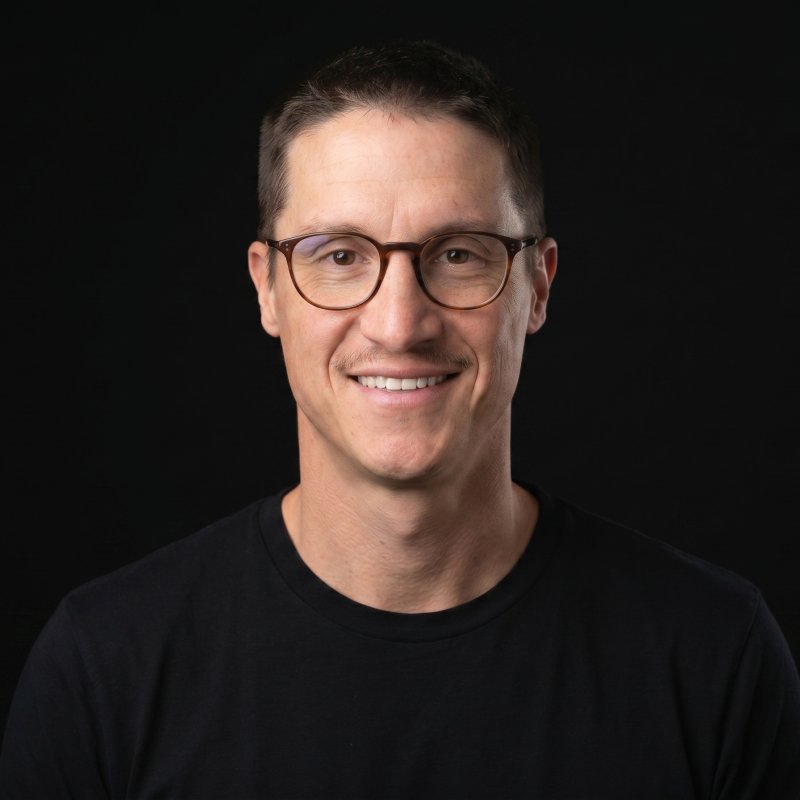
Host: Today's episode is a rebroadcast of a panel I moderated last weekend at SMBash, the conference for buyers and owners of small businesses. The idea for the panel was this. You hear from a lot of acquisition entrepreneurs that they raised money from investors to buy their businesses. But if you've never done that, recruiting strangers to wire you tens, even hundreds of thousands of dollars for your acquisition, well, that probably seems mysterious at best, completely unrealistic at worst.
Guest 2: But it's not.
Host: You'll hear one of the two panelists, Kevin Bieberhausen, talk about how he did purely cold outreach to gin up investor interest in his deal, and successfully he raised $800,000 for his acquisition over just a few weeks. You'll recognize the other panelist, Costub Dio, from my interview in April. Costub was more experienced in the ways of raising money, coming as he did from the world of private equity. And you'll hear how thoughtful he was about a few of the key questions when it came to pitching investors. So between the two of these entrepreneurs, you'll get a strong sense for what this process of raising money looks like, what it feels like doing it for the first time, and what best practices are. Hopefully it will leave you with a sense that you don't have to be some connected finance dude to raise money from investors to buy a business. Indeed, the trick is not finding investors. Turns out that's relatively easy. The real trick is finding the deal, the worthy business to buy. But you already knew that. Also, you'll hear Kostub and Kevin refer to an investor list. That list is linked in the notes. Finally, you'll hear some names mentioned. Sam, Tony, Lisa, Mike. All those folks linkedins are also in the notes. Okay, please enjoy this recorded session from SM Bash with Costub Dio, who bought a tree trimming business, and Kevin Bieberhausen who bought a textile wholesale and distribution business.
Host: Welcome to Acquiring Minds, a podcast about buying businesses. My name is Will Smith. Acquiring an existing business is an awesome opportunity for many entrepreneurs and on this podcast I I talk to the people who do it. I want to share an update on the Acquisition Lab. As you know, the Lab is a highly vetted cohort based accelerator and community for people serious about buying a business. After going through the Lab's month long intensive, you have ongoing access to almost daily Q and A sessions with advisors, regular live deal reviews with Walker Deibel, author of Buy, then build Potential Deal team introductions in a very active Slack group with other searchers on the path. Well, the update is that the lab recently passed, 60 businesses acquired and for well over $100 million in aggregate transaction value. Also, all members now enjoy lifetime access to the Lab because when you buy a business, it's often just the first of many and the Lab wants to support you in every deal, not just your first. Lastly, check out my recent interview with Shane Ursum, episode 105. Shane acquired a business with over a million dollars in EBITDA in just six months. And he attributes a lot of his deal success to what he learned in the lab. Check out acquisitionlab.com or email the lab's director, Chelsea Wood. Chelsea then build.com
[3:32] Host: hello everyone, my name is Will Smith. I host Acquiring Minds. And what we're going to do on this panel is have a conversation with a couple of business buyers, searchers who raise capital to make their acquisitions. So we heard from Tony this morning. We heard from the investor, the, the investor perspective, but we haven't really heard what it's like for searchers to find, work with investors, raise that money and then what it looks like, not only pre acquisition but post acquisition. So both of these gentlemen raised money for their acquisitions. Very different stories, each of them, every story and in this world is of course very unique and messy. So we're going to get two totally different perspectives and hopefully shed some light on what this looks and feels like to raise money from investors. So Kevin Beeblehausen and Costub Dio Costa was on stage yesterday. But Costub refresh our memory, who you are, what you bought and give us some bullet points on the role that the investors played in your deal and then we'll do you. Kevin sure.
Guest 4: As a Kostub Dio, I bought a tree trimming business called Bluma Tree Experts in Seattle in February of last year. I had a pretty classic self funded deal structure. So 80 ish percent SBA leverage from Live Oak, a little bit under 10% seller note from the seller. And then you know, I raise capital, I put in some of my own equity. So I have 12 investors in the deal who are in a pref just like self funded deals. And then I have a majority of the common and all major governance rights.
Guest 2: Great, we're going to take that apart a little bit.
Guest 5: Kevin Bieberhausen, I'm Kevin Beeblehausen.
Guest 6: In January I purchased Heritage Fabrics out
Guest 5: of Concord, which is just north of Charlotte, North Carolina. My deal structure was actually fairly similar. I mean I had about 70% debt from SBA on there and 20% seller note, 10% equity. I also have about 12 people on my cap table.
Guest 6: So you know, I'd be curious to actually know what your minimums were.
Guest 5: But like my minimums were 50,000. I probably should have raised it. That's something we can also talk about too. But yeah, great.
Guest 2: So let's hear a little bit about for people who've maybe never raised capital. And we're kind of flying through terms. A lot of the people in this room will already understand those, but let's move real slowly. So both of you just said about 10% of your deals was equity.
Guest 3: Coastal.
Guest 2: How does that work? How is that 10% made up?
Guest 4: The standard self funded deal structure on the equity side is of that equity amount.
Guest 7: Right.
Guest 4: 10% of the total purchase price roughly of that equity amount. The searcher usually puts in somewhere from 0 to 20% of the actual equity capital. The investors put in somewhere from 80 to 100% of the equity capital there. The investors money goes in as preferred equity, which means it's sitting behind the debt ahead of the common. The searcher, they usually, sometimes they get their actual capital as pref. Mine is not. So they're just sitting in the common. And so the way this works is that the investors prep has a return on it. So in my deal it's 10% annualized. So before I get a dollar out of the deal, the investors need to have returned a 10% annualized return on their capital, which we call like return on capital. They need a return of their capital, which is the initial pref amount and then there's a common equity split behind that, which is every incremental dollar. So that incremental amount, the common equity split, is where the searcher kind of gets their economics, which in most cases the searcher lands with 65 to 80% of the common equity behind the pref layer.
[7:00] Guest 8: Great.
Guest 2: Anything to add to that, Kevin?
Guest 6: That's probably better than I could say it. I mean, we could talk about the
Guest 5: initial structure or like how much we
Guest 6: ended up keeping or what the.
Guest 5: Whatever you guys want to, you know, know.
Guest 2: Great. Well, Kosip, that was an awesome explanation. I want to understand how did you all go about learning about this? Kosov, you have a PE background, so you came into this knowing how to do deals. So that might be your answer.
Guest 9: But.
Guest 2: But Kevin, I think you were a little bit less informed about how this works. I think raising money from investors for people recently into search is mysterious and intimidating.
Guest 3: How did you.
Guest 2: You can fly through these terms now, but what did it look like when you were first starting out to learn all this stuff?
Guest 6: Yeah, well, when I was first starting out, it was 2017, 2018, and the HBR guide had just come out, and somehow I found it.
Guest 10: I think.
Guest 6: I think it was on the Harvard
Guest 5: Business Review podcast where they were doing, like, a summary of the book, and
Guest 6: he's like, oh, I need to go read this book.
Guest 11: And.
Guest 6: And I remember falling in love with the story. And they're about buying a porta potty business.
Guest 5: Like, that's exactly what I want to do. That is the coolest thing.
Guest 10: So I ended up getting a deal
Guest 6: under contract in 2018. Long story short, it fell apart in financing. They, they.
Guest 5: They told me I needed a certain
Guest 6: equity amount, and then I didn't. And then they were like, actually, we need you to double it. And I put in every nickel, you know, into.
Guest 5: Into this deal.
Guest 6: So I didn't have any more money, so I had to walk away because
Guest 10: I didn't know how to raise equity.
Guest 6: I knocked on a couple of doors and, you know, didn't get anywhere.
Guest 5: And it's like, okay, I guess that's it.
Guest 6: So fast forward, you know, I gone to corporate and, you know, was there for five years or whatever, and then eventually I was like, I actually still
Guest 10: want to do this.
Guest 5: You know, I'm still passionate about this.
Guest 6: So I, you know, I started, you know, going on Twitter and networking and finding that there was a whole community that had sprung up between 2018 and 2022 that just.
Guest 5: That didn't exist before. And so there's a lot more information. And suddenly I realized, oh, just because
Guest 6: you're self funded doesn't mean you can't raise equity. I had that disconnect, you know, like,
[9:01] Guest 10: I thought self funded was like, oh,
Guest 6: it's just all of my money, which
Guest 5: was a nice surprise.
Guest 12: Great.
Guest 2: One of the first steps in this process of raising money is, of course, connecting with investors. And we were told by Tony earlier today that you should do that earlier in your process rather than later.
Guest 13: But.
Guest 2: But if you're coming into this cold and maybe you're not on Twitter, maybe you're just listening to podcasts or you're learning about this in some other way. How did y' all meet your investors?
Guest 4: So if you're coming into this cold and just listening to the podcast not in the room, you should get on Twitter. That's step one.
Guest 11: Twitter's easy.
Guest 4: Step two, Sam Rosati now has a
Guest 7: list that's pretty public of people who
Guest 4: are interested in investing in these types of deals. The key thing with that list is people have sort of given you a sense of what they're interested in. Right. So you're not trying to blanket email everybody, but start to find people that seem like they might share the type of deal interest that you've got interest in and, you know, like it. Start having those conversations, reach out to folks and say, listen, I'm in the search process. I don't have a deal yet. This is sort of what I'm looking to do. Or even better, if you've got, you know, when you're searching, you're always looking at five or six deals at a time.
Guest 7: Have one or two deals for you to just chat with them about.
Guest 4: Right. Like, the goal is to be able to work with an investor who thinks about the world the way you do. Right. You're going to be married to this person for, like, longer than you've probably been with your significant other. And so the more and more conversations you can have with them before you need them to commit to a deal, the better, because then you are aligned in like, hey, we think similarly. That means, you know, there's less likelihood for a miscommunication down the road.
Guest 5: Yeah. So that sounds really smart.
Guest 6: And it's probably what I should have done, but I didn't do that also because I didn't know any better. I mean, I was terrified to raise money. You know, I kind of. I came into this thinking again that, you know, it was all my own capital going into it, and then realized I could raise money. And then it was like, well, that's great. I still don't know how to do it and I'm afraid to do it. So I partnered with a group, an equity provider that, you know, gave me a commitment letter and everything. So I felt like, you know, I
Guest 5: felt like I was on top of
Guest 6: the world, you know, like I had been given a $5 million equity commitment letter and I was going to go be a master of the universe. Three days before my LOI was signed,
Guest 5: I got a call that said, actually, we're just really busy, so good luck to you.
Guest 10: So then I was faced with a
Guest 6: decision whether or not to fold on the deal or
Guest 5: just try and figure it out myself. So the first phone calls I made were to Sam Rosati, Kevin Henderson, and Eric Pasafici, and kind of told them what I was going through, and they
Guest 6: said, no, you can do it. You can raise the money.
Guest 10: So.
Guest 6: And right around that time is when
Guest 5: Sam publishes a list, you know, sort of the.
Guest 6: What he calls public domain investors.
Guest 5: And I wasn't surgical going through that list.
Guest 6: I emailed the people who Said they
Guest 5: only invest in H vac deals because I didn't care at that point. I just wanted my deal out there.
Guest 10: So, I mean, that's. It was just, it was a trial
Guest 6: by error and figuring out, you know, how to communicate with investors and what
[12:04] Guest 5: they were looking for.
Guest 6: And I've changed my pitch multiple times
Guest 5: just trying to, you know, test it and figure out what would actually stick.
Guest 4: In fairness, there's like ideal and then
Guest 7: there's like, you got to get your fucking deal done. Yeah, right.
Guest 6: Yeah, yeah.
Guest 10: Like, I didn't reach out to investors
Guest 6: until I didn't talk to an investor until after qe.
Guest 10: So by doing that, I gave myself
Guest 6: a really limited window to raise capital because, you know, Q of these, you're about halfway through maybe, but your 90 day period. So if you're 45 days in and
Guest 10: suddenly it's like, okay, yeah, we close
Guest 5: in six weeks and I don't have
Guest 6: a nickel yet, so I guess I got to start raising money. So then, you know, you grind and figure it out. I ended up raising 800 grand in
Guest 5: five weeks, you know, which was incredible for me because I had never done it before. I felt like that was a pretty major success.
Guest 2: Well, let's actually hear what the. In the ideal situation, what the proper chronology is, how you would sequence this. So we've heard today, now we've just repeated that you should be cultivating with relationships with investors early on. So that's kind of happening as you're going through your search. So that's going on in the background. But then like, let's sequence it. Costa, do you want to take that?
Guest 4: So you've got two sources of capital, obviously, debt and equity. So you should also parallel learning to the lenders.
Guest 7: Right? Meeting lenders.
Guest 4: So I'd say right pre Loi, you're flashing numbers to lenders.
Guest 7: You like to make sure you're getting
Guest 4: a leverage read that is in line
Guest 7: with what you think the deal is going to work at.
Guest 4: So that's. But let's stick to equity. As soon as I was under loi, I created a really simple investor deck, sort of laying out the deal, laying out what the terms are roughly going to look like, laying out why I like the business and that investor deck. I went to this list of investors I wanted to talk to and what I said to them is like, look, right now I don't need a number from you. What I need is like a general thumbs up. Thumbs, now are you interested? And a big ballpark, like, how much
Guest 7: equity, in theory would you want to invest.
Guest 4: So that was sort of step one. And the last page of that deck is these are the things I'm planning
Guest 7: to do for the next 60 days.
Guest 4: Like, I'm going to do a Q of E, I'm going to go inspect the assets, I'm going to whatever.
Guest 7: There's like a whole list of stuff you do.
Guest 4: And, and at the end of that, I'm going to come back to you with an updated memo that explains the results of that diligence. And that's when I'm going to ask
Guest 7: you to tell me a number. That's what we did.
Guest 6: I think in theory. I mean, a lot of investors talk about, you know, hey, communicate with us prior to your deal. And I, I don't know that I necessarily believe them because when you go and reach out and you're just trying
Guest 5: to have a coffee chat, essentially you're
Guest 6: like, okay, well talk to me when you get a deal. But then, you know, publicly it'll be,
Guest 10: oh, just reach out.
Guest 6: When you're early stage is like, no,
Guest 5: that doesn't really work.
Guest 6: So from. In my experience. But yeah, since I, I started raising, I don't know if I would call
Guest 5: it late in the process, but I certainly had a compressed timeline. My ask was much more aggressive at that point.
Guest 6: So I also built a sim, an investor sim, and went through that whole
Guest 5: process and sent it out.
[15:00] Guest 6: And then at the end of the pitch, I wasn't as nice and was
Guest 10: like, so how much can I put you down for?
Guest 6: Was basically the vibe. And I guess I can't knock it
Guest 5: because it worked, but, um, I don't
Guest 6: know that I recommend doing that.
Guest 4: The, the other benefit of getting to space it out is you can kind of tranch your investors a little bit. Where for me, coming from a private equity background, I could get a deal done the minute the deal closed. I don't know what I'm doing right. And so for me, I put a ton of value in being able to have a few investors that were small business owners themselves. And so what I wanted to do first was reach out to like a select few investors with that background, figure out what their number is before I
Guest 7: went to the wider list of folks
Guest 4: because I didn't like they wouldn't be enough to fill the whole round. But I didn't want to accidentally squeeze out or like downsize folks that could
Guest 7: offer that kind of value added investor experience.
Guest 4: So that was by giving yourself that
Guest 7: time, if you have the ability to give yourself that time, you can kind of be a Little bit more selective.
Guest 6: Yeah. And Kostip and I have very different backgrounds. In fact, I mean I come from operations and sales and comes from finance and pe. So I actually ended up using a bastardized version of the model he used. Unbeknownst to me at the time, I got it through another searcher and then I continued to bastardize it and just beat it into submission until it gave me spat out the numbers that would make the bank happy.
Guest 4: That's how I use the model too.
Guest 5: So anyway, yeah, so it's, it's varying
Guest 6: backgrounds, you can be successful.
Guest 2: And so this question of value added investors versus just purely writing checks. So let's talk about that a little bit, I guess. Obviously investors with experience and direct industry experience and maybe the deal you're looking at that speaks for itself, that would be a good thing. What other sorts of alignments or value similarities are you looking for when you talk to your investors? And to what degree can you just look for cash?
Guest 4: Again, this is in the scenario where you have the time to actually, you
Guest 7: know, figure this out and you don't
Guest 4: just need to get the deal done. One, I'm looking for a duration match, right? Like I needed my investors to understand that there's a scenario in which I don't sell this company forever and they
Guest 7: need to be okay with that.
Guest 4: Like they will get their cash back but it will be most likely through distributions, not through a big liquidity event which meant primarily going to high net
Guest 7: worth individuals, not institutional investors.
Guest 4: So you need a duration match, you need a governance match where kind of what Tony was saying earlier today, they need to understand that I'm going to
Guest 7: have majority of the governance control and they need to be okay with that, which is also a factor of trust.
Guest 4: And then the third is sort of like, yeah, the value at like what are they, are they. There's a lot of great small business owners who are investors, but are they actually excited about talking to me? Like are they excited about picking up the phone when I don't know what to do? Like you know, the first time I need to put an employee on a pip, is somebody going to pick up the phone? Like because of the investors I chose,
Guest 7: the answer was yes.
Guest 3: August Felker is a two time successful searcher. First with a traditional search fund. The second time around he did a self funded search. Today August runs Oberle Risk Strategies, an insurance firm with a dedicated practice group for searchers and acquisition entrepreneurs like you. If you've got a business under loi, Oberle will provide complimentary Due diligence on that business's insurance and benefits program. A great no risk way to get to know August and team. They love helping searchers. They've worked with hundreds. Oberly is a specialty insurance brokerage for searchers by a former searcher. Check out oberle-risk.com O B E R L E- risk.com link in the show
[18:36] Guest 2: notes when you were looking for at your investors, how are you selecting them? I mean maybe when it's a mad scramble, it's just like whoever.
Guest 6: So I mean at that point, you know, it's your.
Guest 10: Do you have a pulse?
Guest 5: Do you have a bank account?
Guest 6: Are you breathing?
Guest 5: Then I want to talk to you.
Guest 6: And did I talk to 300 plus people? It took a lot of work, but yeah, I felt very comfortable in the small business operations space we've heard a lot about.
Guest 10: Oh, it's very hard to operate companies
Guest 5: and all this kind of stuff.
Guest 10: It's my wheelhouse.
Guest 5: I grew up in small business even though I worked in large corporates do and, and ran divisions and all this kind of stuff.
Guest 6: So I'm comfortable now that I'm in, I'm in an ownership position. But you know, unlike Costa, like I
Guest 5: wasn't comfortable in the deal process or
Guest 6: the raise or anything like that because
Guest 5: I'd never done that before.
Guest 10: So I wasn't really, I didn't really
Guest 6: care about investor whether or not they, I mean, I have a bunch of lawyers on my cap table.
Guest 5: I have, you know, commercial insurance brokers
Guest 6: just got, I mean, so their industry experience didn't really matter to me. I really cared about like, like fit.
Guest 5: Like, is this person, is this somebody that I want to take a call from?
Guest 6: Is this somebody that I genuinely enjoy talking to? There are some investors as I got later in my raise where I had enough money and I was like, I'm
Guest 5: going to close, right?
Guest 6: That I didn't call back because we had it, we had an initial conversation
Guest 5: and was like, oh, I don't.
Guest 6: That's kind of a dick.
Guest 5: I don't really want to, I don't really want to work with this guy.
Guest 6: Which was like very much an exciting place to be that you can be
Guest 10: selective at that point in time. So if you can be selective, that's,
Guest 5: that's obviously the best way to go about it.
Guest 4: And if I could add one other. I did not want investors who I didn't feel confident understood the risk profile of what we're doing. Like, I've got friends in tech and you know, they've got the money to invest. I just didn't want to have to educate them on like this is a small business leveraged buyout that has a high risk of going to zero. And I don't want to have that conversation after the fact of why I lost their money. I don't want to lose any of my existing investors money. But I think they have an understanding
Guest 7: of what we've gotten ourselves into.
Guest 2: And so that also precludes like well, you just said friends but family as well, I assume.
Guest 4: Yeah, I don't have any family investors either.
Guest 2: And what about you, Kevin?
Guest 6: I don't have any money in my family or any rich friends. So everybody I raised from was a stranger.
[21:05] Guest 2: Would you generalize that advice or was it just how you felt costub that you didn't want people who don't understand the risk involved here to be involved?
Guest 4: I mean, look like people can make their own decisions, right? It's not my fault if somebody takes a risk they shouldn't take or if they don't fully understand the risk that they are taking. Like there is some element of buyer beware in the capital markets. But for me personally, I felt kind
Guest 7: of a moral responsibility.
Guest 2: The way you guys are making it sound is we're talking about being able to be selective. And so contrast this with like Silicon Valley where you hear the story of the startup entrepreneur knocking on every door on Sandhill Road and just getting tons of no's. It feels like if you have a deal, the pencils in this world, and I've heard it said explicitly like and Mike Bodkin said earlier today, like, the money is there, the capital is out there. Do you both feel that way? I mean, Kevin, you were left at the altar and then were able to put it all together really quickly.
Guest 5: So I guess so, yeah.
Guest 10: Look, I mean the capital is out there.
Guest 5: You just, you have to, you're smarter if you're selective about who you reach out to.
Guest 10: I spun my wheels.
Guest 5: I reached out to traditional search funds. I reached out to, I downloaded a
Guest 6: list of all the SBIC in North Carolina and contacted all of them. I, I went on search funder for
Guest 5: better or for worse and was looking for investors.
Guest 6: I got, I got laughed at multiple
Guest 5: times from my terms.
Guest 6: I got, you know, I got all,
Guest 5: I got everything, every kind of response
Guest 6: and I, and you know, I offered
Guest 5: pretty, pretty good terms for a self funded deal in the traditional, in the traditional sense.
Guest 6: But you know, you wouldn't know it based off of some of the conversations I had which were really defeating.
Guest 10: You know, it's like these are the worst terms I've ever seen and who would ever invest in this deal and
Guest 6: just makes you feel like you know about that big.
Guest 2: But you stayed true to those terms ultimately I did, yeah.
Guest 10: I didn't have to modify the terms. I was prepared to if I needed
Guest 6: to because I was determined to close this deal. I would have given up more equity
Guest 5: if I had to, but I didn't have to. So that's nice.
Guest 2: Great to have options. So you just talked about going through many, many investor calls and how some of those can made you feel pretty small based on terms. You also said that like you got better at those conversations as they went. What does a good conversation with an investor like what is a good performance on the buyer searchers part look like part A and then I'll ask part
Guest 4: B. I like it is a sales call right? At its core you are selling a deal to them. You are trying to win their capital. The problem is it's such a long term relationship that you don't want to have to sell them on it. You want to be able to explain the merits of the deal, explain the risks of the deal and make sure you're going to lock arms with them on this journey together. Like for example, in my deal I was very explicit like hey, we are EBITDA is going to go down for probably two years, right? And that way now that EBITDA has gone down, like I'm not getting calls from my investors being like what the fuck?
[24:04] Guest 14: Right?
Guest 4: And so to me that was an important part of the process and like for the right type of investor that candor and transparency is welcomed and like that's the right type of investor for me. Again this is like if you've got the privilege of like having time and selectiveness.
Guest 6: Yeah, I mean look, I didn't, I didn't even know about a J curve when I, when I did my model. So I'm, I, I, I certainly wasn't smart enough to model in that EBITDA will decrease.
Guest 10: But like guess what?
Guest 6: If you buy a business you're not going to be stagnant. You want to grow.
Guest 5: That's the whole point. And so you're going to spend more money.
Guest 6: And I didn't really make that connection
Guest 5: until I was in the seat and like dang, our cash balance is kind of low. Like well yeah, because you're reinvesting a lot more dollars than the previous owner
Guest 10: was into the company.
Guest 5: Probably something I should have considered and modeled in.
Guest 6: But I didn't, I didn't know any better.
Guest 10: So, but you, you asked about, you
Guest 5: know, what, what constitutes a successful investor call.
Guest 10: I mean, it's, it's alignment on, on
Guest 6: values, alignment on, you know, what they,
Guest 10: what they would expect out of you
Guest 5: as a, as a, as an operator.
Guest 6: I had one investor specifically request that
Guest 5: we send monthly financials. Okay. You know, that's not a problem for my company.
Guest 6: We do, we do reviewed financials.
Guest 5: It's very buttoned up.
Guest 6: And so, you know, that was something
Guest 5: that was easy to agree to.
Guest 10: And then also, you know, you mentioned
Guest 6: that I got better at it over
Guest 5: time, which is true about everything.
Guest 6: But, you know, I started kind of with this much broader pitch and eventually I figured out that what the investors
Guest 10: wanted, or at least the people that
Guest 6: I was, I was vibing with, they wanted to know when their capital was getting returned, how quickly can you get me my money back and what's my prep rate? You know, how much money am I
Guest 5: earning on my money?
Guest 10: Equity is sort of, it's blue sky,
Guest 5: you know, like you can, it's, it's,
Guest 6: it's worth really nothing to them until you do distributions.
Guest 5: And even then it's not like a
Guest 10: huge amount in our, in our space
Guest 6: because they might own a couple points of equity. So they want to earn money on their initial investments.
Guest 5: So they want to earn their 12 grand a year on, on $100,000 investment.
Guest 4: And I think for me, I was selecting for investors who thought about it the opposite, where they don't really, I mean, they want to know that the money's there, but they're not asking for the distributions to happen right away. They would rather that compound. And so I was selecting for folks who would like to own it for 30 years because that means we found something to do with that capital in
Guest 7: the business for a long period of time.
Guest 10: Yeah, I, I didn't know that was possible.
Guest 6: Like, I, I, I, when I, when
Guest 10: I looked at the, when I looked at the model, when I looked at
Guest 6: the, the, the landscape overall, it was
Guest 10: like, oh, you hold for five to
Guest 5: seven years and you sell okay.
Guest 10: So that's what I figured that I
Guest 5: was going to do.
Guest 10: And then, even though, even though as I was raising, I kept thinking like,
Guest 5: I don't really want to sell.
Guest 10: Like, once I get in, I don't want to think about flipping this in five to seven years. I just didn't know that other people did that. And so I didn't, I didn't know
[27:01] Guest 6: to look for investors that were, you know, committed long term.
Guest 10: We, oh, we don't need distribution like we were. I would talk about with Mike earlier
Guest 6: who, you know, they don't do distributions or they don't, they haven't. They kept everything in the company.
Guest 5: Like, I didn't know that was an option.
Guest 6: I thought, you know, we had to, we had to dividend the cash out.
Guest 4: What I actually told my prospective investors was I don't really know what we're
Guest 7: going to do with this.
Guest 4: What I said is it's going to go down one of three paths. Like, first off, I'm going to spend two years heads down in the business and then it's going to be one, we keep growing it organically, two, we start growing it inorganically or three, we start running it for cash and distribute.
Guest 2: And that third option, Kosub, if it goes that way, where you're just taking cash out of the business, does that include you continuing to work 40, 50 and 60 hours in the business? And where I'm going with that is, you know, a lot of us are attracted to this opportunity. Hard workers willing to take risk and so on. But we also envision a future of kind of being able to have freedom.
Guest 3: Right.
Guest 2: And taking on investors can feel a little bit like taking on bosses. How does that play in terms of the. If you take on investors, do you feel like, oh, all of a sudden I've just adopted a few bosses and I can't have this freedom? That is the whole reason I'm in this game in the first place.
Guest 4: For me, what I would love to be able to do, you know, I showed my investors a base case that gets to a mid-30s IRR, which I think is kind of standard self funded equity economics. I would love to get to a point where I can say, hey guys, I'm going to offer to buy out your equity such that you've earned a mid-30s IRR. You can choose not to sell to me. But now we're like locking arms for a different ride, which is a little bit more freedom centered on me and still cash flow generative, to be clear. And if they don't want to sign up for that, then I can buy them out on the terms we'd sort of. I pitched them on initially, but I do feel kind of a moral responsibility
Guest 7: to get to that end point.
Guest 6: I'm thinking about doing the exact same thing and it's something that I've actually
Guest 5: been thinking about this weekend.
Guest 6: Not that I, you know, I don't,
Guest 5: I don't have one investor here.
Guest 6: I don't, I don't want to Cash out all my investors. But I, I think providing that opportunity
Guest 5: actually is pretty powerful.
Guest 6: You know, they've, they're, there are people that have earned, you know, money on their money and, you know, you give
Guest 5: them the option to, to, you know,
Guest 6: get out of the deal completely with
Guest 5: a, with a great return. I, I think that'd be a great option.
Guest 2: Kevin, you had talked about how one of your investors going into the acquisition said, I'd like monthly financial reports. Let's pivot now to what? The relationship. Now that you're both in the seat post acquisition, what do those relationships look like? Let's start with how much are you each communicating with your investors?
Guest 4: I send a monthly update that has basic financials, it has kind of discussion of how the month went and, you
Guest 7: know, some high level KPIs.
Guest 5: I do the exact same.
Guest 6: So with that investor who requested monthly
Guest 5: financials, I give monthly financials to everybody. Not always on time, but we, we
Guest 6: do, we do try and close the
Guest 5: books by the 15th.
Guest 10: And so, yeah, it's a great opportunity
Guest 6: to get in front of your investor base. And especially if you have a lot
Guest 5: of investors like a large cap table like us.
Guest 10: Those people, I mean, I know this for a fact. You know, some of the guys on
[30:02] Guest 6: my cap table, they took a flyer on me, 50 grand, right.
Guest 5: Which is nothing to them, but was
Guest 6: a ton to me. And they run a $12 million family office, right. So there's more capital available.
Guest 10: So if we do a good job,
Guest 6: then we can go back to the well. And so having that investor relations kind of function in there and understanding that
Guest 5: it's your job to, it's your job
Guest 6: to kind of keep courting the people
Guest 10: that are on your cap table too,
Guest 5: and make sure that they're happy and make sure that everybody's still aligned. So I find the monthly update to be powerful.
Guest 4: And more crucially than that is if
Guest 7: you do a bad job, they should
Guest 4: see it coming from a mile away. So that if you do need to go back to your investors and say, hey, we need some more capital, make this work. They're not blindsided by it. They've seen, they've understood why, because you've given them the color over many months as to how you've ended up there, they have faith in you that the plan you have in mind is going to work. Like, I think as the owner of a business, you have an important responsibility to constantly reduce your cost of capital, whether it's on the debt side or the equity side. And, you know, transparency with your Lender transparency with your equity is how you do that.
Guest 2: Yeah, and we've heard that explicitly. I mean Tony this morning was talking about one of his, one of investments is going kind of going sideways and he's only hearing about it now and the guy's going, coming back to him for more money and he's like, no thanks, no thanks. And I've heard Lisa say many times in other lenders, like if something is starting to go badly, let me sooner than later. Like that is the, the law to live by. You both have said now that you had 12 investors, which is a lot, a crowded cap table. What is kind of the norm and what are the pros and cons of having a lot of people on there?
Guest 4: From what I've heard from other self funded searchers, it sounds like 8 to 12 is normal. Some that were a little bit more careful or maybe more like four to six. But I wasn't sure how many investors it would take.
Guest 7: 12 is probably a little too many.
Guest 4: But you know, I overshot in case I was undersubscribed.
Guest 10: How much did you end up raising?
Guest 4: Like around 400ish.
Guest 14: Okay.
Guest 5: Yeah.
Guest 6: So I, the reason I have 12 investors is because I raised 800 grand
Guest 5: and my minimum was 50.
Guest 10: And most people took that option, which is great.
Guest 6: And I, you know, it allowed more people to get into the deal. It allowed that, that large family office,
Guest 5: or my opinion, large family office to,
Guest 6: to write a small check and take a flyer on me, you know, so
Guest 10: 12, I had a couple, I had
Guest 5: a couple hundred thousand dollars investors and $250,000 investors, but the rest were, the rest were 50s.
Guest 2: Going back now to looking, being selective about investors and being strategic in who you choose. Either of you leaned on your investors for challenges that you've encountered in the business. Have they delivered value other than the cash in your 10 years as.
Guest 4: Yeah, definitely for me, I mean different investors have different skills, different skill sets. And I have gone to multiple of
Guest 7: them over the past 14 months with
Guest 4: very like tactical questions, more strategic questions. And it's like you've got this group of really well paid consultants that are, they're not working for free, they've got equity, but like they're sort of working for free with every incremental hour they give me.
[33:03] Guest 10: The way I set up my deal was if they invested the way the
Guest 6: math works out, if they invested $100,000
Guest 5: or more, they got a board seat.
Guest 10: And so that was kind of how
Guest 6: I managed my, my 12 investor cap table. And so the people who who gave, you know, 150 and 100 are now on the board. What's, what's nice about that is two of the, two of the investors on
Guest 5: there are, are sales guys.
Guest 6: And so, you know, I have a
Guest 5: large outside sales force that's distributed all
Guest 6: over the country and you know, and salespeople need incentives. And so it was one of those things that I wouldn't have thought about until they. We had a board meeting last month, our first one, and they offered up, you know, guys.
Guest 10: I told them I was having some
Guest 5: problems with the sales staff.
Guest 6: And not problems, but like trying to
Guest 10: figure out how to, how to push
Guest 6: them in a new direction, how to
Guest 5: work some of the smaller accounts.
Guest 6: And you know, then they were quick to offer advice and want to follow
Guest 5: up and all this kind of stuff because they live this, you know, they, they manage sales teams.
Guest 10: So that was like an unexpected kind
Guest 5: of gift from my, from my advisory board.
Guest 2: As you reflect back now and you're both in the seats of CEOs, anything that you would have done differently in your raise process? I mean, I think we've touched on a few things, but any kind of last thought you'd want to leave people with a pitfall to avoid.
Guest 6: It's very daunting out there. But trust me, if I can do this, if I can raise money after, you know, never being in finance or have no idea how to do it,
Guest 5: and needing to talk to people like Sam every couple of weeks and be
Guest 10: like, okay, so investors get term sheets. What do I need to do for that?
Guest 5: Subscription docs. I don't know what the hell that is.
Guest 10: You know, it's just all that kind of stuff that, you know, oh, I remember the best one was Sam.
Guest 5: How do I call capital? I don't know how to do that.
Guest 10: Just like things that you hear and you're like, oh, I've never, I've never done that before. I don't know what that means.
Guest 6: Means there's people around here are really
Guest 5: willing to pitch in and help to a person. I mean, I haven't met somebody in this space who doesn't want other people to succeed. So I think the lesson is believe
Guest 6: in yourself because you can do it. The money is out there and if
Guest 10: you have a good deal, the capital will come.
Guest 4: That's exactly what I was going to say. One, if you're going down this self funded path or traditional path, the wheel's been created. You don't need to recreate the wheel here. It's all the people in this room like you and I, you can just ask us, we'll show you what we did. It's pretty straightforward actually. And you said exactly the right thing. If you've got a good deal, the equity is there for the deal almost by definition.
Guest 7: Otherwise it's not a good deal.
Guest 2: And it also just feels like our world is still quite small and there are a few nodes and connectors, Sam being an obvious example. Tony, it feels kind of like a domino effect. So if you, if you knock down that first domino kind of the rest are easy to at least get introductions to. Is that a fair characterization of what it feels like?
[36:04] Guest 4: I think it's probably, I mean there's like you're saying there's some super connectors in our space like Sam and Steve Ressler and that helps a lot on the self funded search team. You know, like everybody in that world, but you know, you've probably got somebody in your world that is interested in this. Like I've got five of the investors on my cap table are from my career, my finance career, folks from that world that just getting the ball rolling helps a lot.
Guest 14: Right.
Guest 4: And like one of them was more than willing to write a much bigger check and that kind of gave me the confidence to lead into the rest of the fundraise, you know, with my front foot. And so I think just getting that
Guest 7: first one done is, it really feels good.
Guest 8: Yeah.
Guest 5: And to kind of go on the point of super connectors, I mean, let's just be honest. I mean there are a lot of
Guest 6: lazy people out there who have money to deploy and they look for certain people who are on a cap table and then they will just co invest and that's fine. You know, you, you can use those people too. They're not bad people. They're just, they're somewhat outsourcing their diligence to another provider. Right.
Guest 10: It happens all the time in Silicon Valley. It happens in this space too where
Guest 5: they, you know, oh, this person's on
Guest 10: the cap table, huh? They like this deal. Well, that must be a good deal then.
Guest 6: So yeah, I mean you can, you
Guest 5: can, you can spin your wheels on, on, on all that kind of stuff. But, but connecting with the, the super
Guest 6: connectors and is, is going to return dividends for you.
Guest 4: And in our space in particular, the super connectors are shockingly generous with their relationships.
Guest 5: Fantastic.
Guest 4: Which is really, really nice. Right. They're not holding deals for themselves or for just their people. Like they are really, really generous with that. And so we're lucky to operate in this space.
Guest 12: Great.
Guest 2: I think we have a few more minutes. Can we open up to Q and A?
Guest 8: Kevin, you said you talked to 350 potential investors. What did you use to manage all that? I mean, was it 349 no's until you got a yes?
Guest 10: You mean like what.
Guest 6: How did I manage the whole process?
Guest 10: Like, what tool did I use or what did.
Guest 5: I'm sorry, I may not understood the question.
Guest 8: Yeah, how did you keep everything straight?
Guest 10: And yeah, I wish I had a
Guest 5: wonderful answer for this. I mean I tried to stand.
Guest 10: So like, I think I had a
Guest 5: lot of ADD during the process.
Guest 6: And I. Sam asked. Make sure to ask Sam what his favorite CRM to use is.
Guest 5: He loves that question.
Guest 9: He.
Guest 5: He will talk to you for two hours about CRMs.
Guest 6: So I tried to use a CRM, but I'm 280 and it didn't work. I still need to do that.
Guest 5: But the answer was Excel. I just made a spreadsheet and you
Guest 6: know, whatever just went through it and kind of kept. I put a date on there the last contact and you know what, what they soft committed for or what the.
Guest 5: Oh, I, I'm sure I wrote some notes on there. It's like, wow, this guy was a jerk. Don't call this guy back.
Guest 10: Or like, you know, hey, this, this
Guest 5: person may be good for a future thing.
Guest 6: You know, I made, I made notes
Guest 5: to my future self on this, on this Excel spreadsheet. But the funnel is real.
Guest 10: You need, you need a big top of funnel.
Guest 6: Especially if you don't have, if you don't have former finance people that used to be on your team, you know, you're coming in cold like me.
[39:04] Guest 5: You got to have a large funnel and that the list is a great place to start.
Guest 10: I think there's, you know, 250, 300
Guest 5: people on that list.
Guest 10: And so I, and I went out
Guest 5: and added more, just scraping LinkedIn and like I said, doing Google searches of random PE firms and God knows what else that I sent emails to.
Guest 4: I had a spreadsheet with name NDA sent NDA receive. Exactly like teaser sent teaser receive. Interested? Not interested in amount of money. Yeah, one one shout out is Live Oak has a equity worksheet that helps you calculate the 20% PG threshold that is super useful for making sure you're actually keeping everybody under the right thresholds so they don't trip into PG world.
Guest 2: Just a plug for CRMs. Like remember CRMs come from managing sales relationships. And as Kost said earlier, like this is a sales process so important like using a CRM will help reinforce that in your own mind that you are selling, selling, selling. And you should manage all those points of contact. Next question.
Guest 14: Hi, I'm Cody, I'm a self funded searcher based in Southern California. I was curious to hear your guys kind of how you arrived at the ownership percentage that you negotiate on the common. Because first of all there's different kind of target IRRs you can be trying to ask to get from an investor. And then when you model it out, you could do some distributions kind of early on to kind of juice it, for example. So I'm just curious how you like practically actually get to 70% or 75% for example.
Guest 4: I think the percentage of equity you get as a searcher is an output of the quality of your deal and the amount of leverage you're putting into it. So if you are doing max SBA leverage, the investors for that type of risk profile need to be earning a mid-30s IRR in a reasonable base case, which means mid single digit revenue growth, not 20% annual revenue growth. So if you build that model, you can figure out what return that implies that the investors need and what equity that means you get as a searcher. And if that number is smaller than you wanted as a searcher, it means you don't have that great of a deal.
Guest 5: I think that's exactly right.
Guest 6: So the way that I approached it
Guest 5: was number one, I had to raise quickly so I wanted to offer aggressive terms.
Guest 6: Number two, I was buying in an
Guest 10: industry that most people were like really?
Guest 5: I bought, I bought a textile business. You know, we import, we design here in the US and we import product
Guest 6: from India and from Turkey and then
Guest 5: we wholesale distribute throughout the country, throughout the world.
Guest 6: And most people did not like that industry. So I needed to offer aggressive terms
Guest 5: and, and I did.
Guest 6: So you can back into it that way too. You can also pick an IRR that
Guest 5: you want to get to and sort
Guest 6: of back into it that way. That's, that's maybe the right way to do it.
Guest 5: I don't know.
Guest 6: I just looked at it as like I saw what sort of the standard
Guest 10: was like, oh, you need a two
Guest 5: times equity step up and you need a 10% pref rate. I'm like, okay, well let me sweeten the pot a little.
[42:01] Guest 6: Let me do a two and a
Guest 5: half times step up and let me do a 12% pref and maybe that'll attract the capital I need. So it wasn't rocket science or any, you know, any difficult process. It was just, you know, putting out There and seeing if anybody bit just
Guest 14: to comment, I actually ran a Twitter poll and I asked what do if you're an investor, what do you think is like a target IRR? And there was like 25, 30, 35% and there were votes kind of across the board, which I thought was kind of interesting.
Guest 4: Yeah, if you voted 25%, you know, reach out.
Guest 13: Yeah, exactly.
Guest 12: Did either of you have lead investors that, that you particularly negotiated terms with and then everybody else got the same terms or how many investors did you negotiate? When you talk about terms, pref rate, et cetera? How many of your investors did you negotiate with that? And then how many of them just got what that first person took, got what you originally offered? How did that process work?
Guest 4: I just set what it was and it was reasonable and everyone signed up to it. It also, I mean to be clear, I probably could have gotten better terms, but I was in under, I was operating with the idea of like, hey, these are people I want to work with for a long time. I would love to raise more money from them in the future. Like this isn't my only bite at the equity apple. And so I left some money on the table sort of from the jump and everyone signed up to the deal I offered.
Guest 6: I wanted a lead Investor.
Guest 5: I had $800,000 to raise and you know, a short order. And so I tried to get those $500,000 check investors and struck out.
Guest 6: So I didn't have a lead investor.
Guest 10: But, but investors did ask me like hey, if you, some early people would, would ask me, you know, if you
Guest 6: end up offering better terms, I want
Guest 5: to participate in the same terms that everybody else gets, which I think is a fair ask.
Guest 6: You know, if they commit early and
Guest 5: they get worse terms than somebody who commits late, that's pretty crappy.
Guest 6: So I offered that to everybody too.
Guest 5: Like everybody would participate in the same terms.
Guest 10: But that's, that's one of the reasons
Guest 6: that, you know, I've, I've, I've joined
Guest 10: a fund recently in order to be
Guest 6: that $500,000 check investor, that lead investor for, for searchers.
Guest 5: Right.
Guest 10: So I joined a bunch of guys
Guest 6: that, you know, we're about to go
Guest 5: raise $5 million and, and put that
Guest 6: money to work in these self funded
Guest 10: deals in order to basically take it. So a deal like my size, so
Guest 6: it was about 7,7 million ish enterprise value, I raised 800. This fund that I'm now in could take out 5 to 600,000.
Guest 5: So then you have a small friends
Guest 10: and family round which you could raise
Guest 5: in this room in an afternoon if you have a good deal.
Guest 15: Last question.
Guest 5: Now that you're in the seat, what keeps you up at night and what
Guest 15: keeps you excited about going to work every day?
Guest 5: I love going to work every day.
Guest 6: I. I really do.
Guest 10: I.
Guest 6: Man, I can't tell you how much
Guest 5: fun it is to go to work.
Guest 6: I told Sam, I think Thursday when
Guest 10: I got in that, like, this is
Guest 5: the first time in my life where I don't feel like I'm in a hurry to do something else. You know, I always ask myself, you
Guest 10: do I want to be doing this
[45:00] Guest 5: when I'm 50 at different points in my career? That was always my litness test.
Guest 6: And the answer was always, no, I. I don't.
Guest 10: This is fine for now, but I
Guest 6: don't want to keep doing this. This is the first time in my life where I'm like, yeah, I want
Guest 5: to be doing this in 20 years, 25 years, whatever.
Guest 10: So, yeah, I mean, it's. It's. It's fun to. It's. It's fun to build something. It's fun to put your own spin on things, your own stamp.
Guest 6: I mean, I bring my dogs into the office.
Guest 10: My wife comes into the office. She doesn't work full time in the
Guest 5: business, but she has an office there, and she works on her corporate job there.
Guest 10: So it's. It's sort of like we're still working from home like we did over Covid,
Guest 6: but, you know, now we work from
Guest 5: home with a bunch of other people. We spend a ton of time at the office just being honest.
Guest 10: But, yeah, I mean, what keeps me
Guest 6: up at night right now? Working capital.
Guest 5: We have a pretty.
Guest 10: We have a pretty working capital intensive business.
Guest 5: It's an inventory business, you know, so.
Guest 6: But when I.
Guest 5: When I took over in January, I had to wire $300,000 overseas for inventory for our spring collection. I did not have $300,000 in my bank account.
Guest 10: Now, fortunately, I did get a substantial
Guest 5: amount of working capital in the deal, but it also matures a little slow, right?
Guest 10: So, like, it's.
Guest 6: It trickles in when even. Even if, you know, somebody demands an
Guest 5: upfront payment, $300,000, I can pay them. I just can't pay them right now. So you have to, you know, negotiate for extended terms.
Guest 10: So that kind of stuff is being
Guest 6: mitigated as we add a line of credit.
Guest 5: Please don't ever buy a business without a line of credit. You heard it from me first, or maybe last. You'll never buy a business without a line of Credit.
Guest 6: Yeah.
Guest 5: So working capital is the thing that keeps me up.
Guest 4: It's also a lot harder to get the line of credit after you close. So get it at the time of closing anyways. For me, I mean, similar thought, I mean, I feel like for the first time I feel deeply calm, that I'm building towards a vision. I think the iterations through private equity, which I loved also as an intellectual endeavor, there wasn't a 10 year path that I could envision myself staying on. I now have kind of a vision of what life looks like 10 years from now. And so, I mean, look, right now it's tough, right? I'm not like it's a roller coaster day to day, a lot of just difficult days. But I'm actually building towards something for the first time.
Guest 7: It feels like.
Guest 4: And it feels like I'm building something for my employees. It feels like I'm building something for my clients. It feels like I'm building something for my city. So that's deeply gratifying. The keep me up at night is sort of like the next thing. There's always the next. There's always something to do.
Guest 7: There's always something going wrong.
Guest 4: Like right now I need to learn how to do sales and marketing. This is not a skill set I have at all. We need to do it, figure out how to drive demand growth. Because without that, I don't have a way to offer my team ways for them to grow. You know, like this is core to what we need to do. And like that keeps me up at night. And that's just gonna keep rotating to whatever's next. But that's like a small problem. I don't have like an existential crisis
[48:01] Guest 7: keeping me up at night. I know what I'm doing.
Guest 5: And it's your problem you get.
Guest 13: Right.
Guest 5: It's not somebody else's problem that you're paid to fix.
Guest 4: Right. Like it's like now it's just like
Guest 7: I need to suck it up and solve it.
Guest 3: Great.
Guest 2: I think that we'll call it there. Costa Dio and Kevin Bieberhausen, thank you guys very much for coming up here and sharing.
Guest 4: Thanks,
Guest 9: Sam.








































%20-%20thumbnail.png)





%20-%20thumbnail.png)

%20-%20thumbnail.png)

.png)



%20-%20thumbnail.png)