Host: We tend to think that here in the States we got it good with the sba, that this is a unique unlock for American entrepreneurs to go buy businesses and that our counterparts in other countries have it harder. But after today's interview, I'm starting to wonder. Andrew storter bought a 25 year old outdoor furniture manufacturer. Really neat business which we spend time on. But we also spend a lot of time on the fact that Andrew, a Canadian in Calgary, not only had no problem accessing financing from banks in Canada to do this deal, he got great terms. Andrew had to use very little of his own money to buy a business doing $700,000 in EBITDA. Now, as you'll hear, a big part of the advantageous terms he secured from the banks was based on the fact that the seller was willing to finance a big piece of the deal in the 35% range. So this may be a special case, but it's an illuminating case study for all the non Americans out there, and us Americans too, about getting a deal done without the sba. Please enjoy this interview with Andrew Storter, owner of All Things Cedar. Welcome to Acquiring Minds, a podcast about buying businesses. My name is Will Smith. Acquiring an existing business is an awesome opportunity for many entrepreneurs and on this podcast I talk to the people who do it. What do the following Acquiring Minds guests all have in common? Doug Johns, Morley Desai, Tim Erickson, Chirag Shah, Shane Ursam. They all went through the acquisition lap, the accelerator in community for people serious about buying a business, but they represent just a sliver of the Lab success stories. The number of deals across the lab's cohorts now stands at over 120, with over $300 million in aggregate transaction value. The Acquisition Lab was founded by Walker Deibel, author of Buy, Then Build, the book that introduced so many of you to the very idea of buying a business. The Lab offers a month long, intensive, almost daily Q and A sessions with advisors, live deal reviews with Walker, Deal team introductions, and an active community of serious searchers. Check out acquisitionlab.com, link in the notes or email the lab's co founder, Chelsea Wood. Chelseauythenbuild.com Andrew Storter welcome to Acquiring Minds.
Guest: Thanks Will. Great to be here today. Thanks Andrew.
Host: You bought a business without the benefit of the SBA and got really good terms demonstrating that buying a business can be done by a first timer with conventional bank debt and without having to bring a big slug of capital to the table. You also bought a really cool business. So let's get into it. Start us off please, Andrew, with some background on you.
[3:19] Guest: Yeah, thanks, Will. And again, really great to be here. Thanks for having me. So, first and foremost, I'm a husband and a proud father of four young children and great kids. I grew up in Alberta, which for those that don't necessarily know Canada, we're just north of the Montana border and that's kind of where I grew up. So I did my schooling there. Well, my career has primarily been in what we call kind of fast moving consumer goods or consumer packaged goods, cpg. So that's really where my career has focused on. So I started with the Kellogg's or Kellogg Company selling cereal. So I got my kind of opportunity to carry the bag there, moved quickly over and was recruited to go over to the Mars Food Company, which was really cool. I had the opportunity to kind of sell some big brands like M&MS. And Snickers and Twix. So I had the whole confectionery side done. Really enjoyed that. My wife and I had our first child and we decided to move back out to Western Canada. So we had to spend some time in Toronto with Mars, move back. And that was really my first foyer into the regulated product space. And I joined the Molson Coors beverage company. So in the US it's the Miller Coors Beverage Company and had a great run there and was able to work my way up through that organization to the C suite and had a really great run there and enjoyed my time. But then I got a bit of an itch and decided to scratch that by going into a startup and joined a cannabis startup company in 2018. And cannabis at the time in Canada was kind of just getting going as far as federal legalization goes. Obviously it's a bit different south of the border, but I decided to come in there as employee number 11 and take that business really from a standing start and scale that business and went through all the ups and downs in that, which I'm sure we can touch on a little bit later is an important part of the story. But I became president and chief operating officer of that entity, which we took public on the NASDAQ in 2019. And I left that business in January of 2023 and started my search and as of September of 23 acquired the company I'm at now, which is all things Cedar. So we'll, we'll leave it there.
Host: So Andrew, just to be clear, did we just hear that you were the president and CEO, did you say, of a NASDAQ traded company?
Guest: Correct.
Host: And you were there to. I mean you were part of the executive team that took it public.
Guest: Yeah, we, we, we started, we started quite small as your revenue and then we, we scale that business up and ended up, I think now it's close to 3,000 employees, almost about a billion dollars in revenue. And we ended up taking that company public on the nasdaq. So yeah, I got, got a chance to ring the bell and, and do all that fun stuff. And yeah, I was president and chief operating officer of that company, so kind of did the full gambit. I had cereal, chocolate, beer and cannabis. So all the food groups kind of covered in my career so far.
[6:22] Host: All the vicey food, all the vice candy and drugs. Huh? Yeah.
Guest: Beer. Can't forget beer.
Host: Yeah, right, yeah, right, that's great. Maybe just give us another minute on this ride because you were an early employee, very early employee at a company that's now public, that's now. What did you say? A billion dollars in revenue and 3,000 employees. So maybe, yeah, maybe give us a minute or two on that because that seems like important context for later.
Guest: Yeah, sure.
Host: Yeah.
Guest: It was, you know, cannabis at the time and I think it's, it's kind of lost a little bit of its luster, is just kind of figuring out what's going to happen in the U.S. but certainly in Canada, you know, 2018, this was kind of the early, early days of cannabis legalization. There was a lot of push, you know, a lot of money being raised and capital being deployed to scale this industry up. So yeah, I got into that quite early and we, we did, we did some great things, Will. I mean, had some amazing experiences, you know, starting from scratch and really scaling it. We did a lot of things wrong, as most startups do. We got a bit lucky and you know, we got actually one of the cool things about that experience, which wasn't at the time, but looking back, it was kind of neat. We were, you know, in that fold of the meme stock craze kind of when Covid hit and the company which is called SNDL was called Sundial Growers, it's called sndl. So it's, it's certainly traded on the NASDAQ now, but at the time, you know, there was obviously the AMC and the Gamestop meme stock, but right next to that was sndl. And part of that was we were a NASDAQ traded cannabis company. You had the Robinhood day trader Covid check dynamic happening and we were able to raise a tremendous amount of capital during that time. Sold into that, diluted a lot. But we were able to kind of really course correct the balance sheet and set the company up for success moving forward. So it'll certainly be a, you know, a survivor in the space. There's going to be a lot of carnage in cannabis for sure. But, you know, like any kind of regulated industry, it's probably going to be an oligopoly and pretty cool that the company that I was part of, the team that really started it, is going to be one of the survivors.
Host: That's wild. And so by kind of being the third meme stock, if I go, if I go searching for SNDL on Reddit, I'll see a lot of stuff from 2020. That was in 2020. 20, 20, 2021 timeframe. I'll see people there.
Guest: Yeah, you'll. You'll see the diamond hands, you'll see the. To the moon. You'll. I mean, this, this was, this was the. I mean, we had liquidity that was, you know, right there days trading higher than, you know, the big, you know, tech stocks. Magnificent seven. I mean, we were, it was, it was a crazy ride. And it's hard to explain it, but, yeah, if you take a look back at the history, you'll see one company in there called sndl. The only difference I think that we had between the two that were skyrocketing was we as management team and the board decided to sell into that craze. You know, what does that mean?
[9:16] Host: What do you mean, sell into it?
Guest: Well, I think you look at what AMC and Gamestop did is it caught everybody a bit by surprise. So you saw this kind of hockey stick share price go through the roof. And I think there was a lot of discussion around, what do you do with that? So everyone was getting rich from inside, but certainly the retail investors are the one holding the bag. I think for us, what we decided to do was if people were going to value the company at, I mean, I think it was like $15 billion, whatever our market cap, we were going to say, you know, if they're going to pay us 20 times what we think this company is actually worth at the time, we have to sell into that. So. So it was tough for the early shareholders because we diluted them, but it was absolutely the right decision because we totally course corrected the balance sheet and, and set the company up for future success. That was the big difference between what we did and what the other two companies did not do. They eventually did it, but it was later in the game.
Host: So the other Companies the executives sold privately to make a quick buck on their stock. Whereas you guys said, let's sell into this as a company, meaning issue more shares at this inflated price, bring in a lot of cash that sits on the balance sheet and makes for a healthier balance sheet in business.
Guest: Yeah, yeah, that's exactly right. I mean, I can't comment on what the executives did at the other companies, but I can tell you that, you know, the first few months there as this, as the share price rocketed, they really didn't, you know, do any type of offering, you know, for the retail investor to really add more shares to the float. We did.
Host: Did you have any personal outcome from the Meme stock frenzy?
Guest: Man, I'll tell you, it was, you know, when you go into this, you kind of have that view that's going to be, wow, you know, this is, this is the coolest thing ever. And, you know, when we rang that NASDAQ bell, you know, I was a multi, multi millionaire on paper. But no, did not have the exit. That was the expectation as a management team and as a board forward, you know, we, we locked up and, you know, we, we decided that, you know, even in the craze of, of this meme stock, we were not going to sell. So nobody sold shares. And I think that was the right decision for the retail investors who are really buying into the company and, and ultimately save the company. And I think if, if management of the board decided to sell into that, it would have been the wrong decision. So no, held, held and held and, and still a shareholder to this day. So certainly a, a fan of the company and I think it's got lots of opportunities, but there's going to be some headwinds to get through first.
Host: Awesome. Fascinating. What, what an experience. Okay, Andrew, so remind me the date when you leave sndl.
Guest: Yeah, left. Left. January. So just about a year ago. January 2023.
Host: Yeah. Okay. January 2023. Yeah. Why did you leave and why did you then? Why it? Was buying a business your next move?
[12:04] Guest: Yeah, I think the decision to leave was, I was at the table. I was certainly a contributor to where the company was, but I think like a lot of your audience and searchers, having that seat versus feeling empowered to kind of really drive the direction of an entity was lacking for me there. So I think that was a big driver for me. I, I thought that, you know, as I was going down this road of startup and like, you know, people talk about startup zero to one and how difficult that is, and we'll come Back to that with the decision to kind of acquire an existing business. But man, it was, it was. I'd like to say I had more hair back then, but I didn't. But, but I would tell you that it, it was, it was a grind. I mean, this, this was, this was different. The, the, the risk of not being able to make payroll versus sitting in a big Fortune 500 company and thinking about revenue or EBITDA is just a very different risk profile. And after five years running that hard, you know, I'd lost a little bit of fire in the belly and really kind of thinking it might be time to maybe try something different. But I had no idea at the time what I wanted to do, but it was, it was time for me to transition out.
Host: Okay, great. And so then you leave a year ago, 13 months ago, January 2023. And then. So connect the dots between your exit there and your entry into our world.
Guest: Yeah, you know, I was thinking about this before our call. And it was literally a year ago this weekend. We did a family. It's family day weekend in Canada, so we did a family day trip with the kids. It's a no screen weekend, so we have no screens and we go out to a cabin and we kind of just, you know, disconnect. Everybody look at each other. Yeah, exactly. Look at each other and try and survive. Yeah. And so we did that. And I remember I had digested the Harvard Business Review, which is obviously one of the bibles in the space. But for that weekend, I was planning to read Biden Build. So I had really got this kind of itch from the HBR Guide and then Buy Them Build kind of was the weekend read. And I remember, and I remember I was reflecting on this. I remember reading that late at night, everyone was sleeping and I just put the book down. I'm like, this is what I'm going to do. This is exactly what I need to do. I scratched the itch with zero to one. I'm better, I think, at optimizing and inspiring and building on an existing platform than I am taking something and building it from scratch. So I saw this path and I was just like, that is exactly what I need to do. I had no idea it existed, but I got to figure out a way to do it.
Host: Wow, that's great. So it sounds like Buy Then Build was actually a bit more inspirational than the HBR Guide because you'd already read your HBR guide, but it was by Then Build that pushed you over the edge.
Guest: You know, it's a great Question. I would tell you that I think if I referenced back, the amount of times I've referenced back to the HBR guide is probably tenfold versus by then build. So it's interesting and I know that's a different kind of traditional versus self funded kind of methodology but, but, but both were amazing. I think combined give you a really good perspective of the space and then it just kind of whets the appetite for you to go after it and kind of, you know, start finding, you know, podcasts and, and, and content like yours will where you just kind of get as much as you possibly can. But those two really kind of wet the appetite very well and they complement each other I think.
[15:35] Host: Yeah, yeah, I, I agree and that's well put. August Felker is a two time successful searcher. First with a traditional search fund. The second time around he did a self funded search. Today August runs Oberle Risk Strategies, an insurance firm with a dedicated practice group for searchers and acquisition entrepreneurs like you. If you've got a business under loi, Oberle will provide complimentary due diligence on that business's insurance and benefits program. A great no risk way to get to know August and team. They love helping searchers. They've worked with hundreds. Oberly is a specialty insurance brokerage for searchers by a former searcher. Check out oberle-risk.com O B E R L E- risk.com link in the show notes. So tell us. So you decide everybody's sleeping on no screen weekend upstairs and you have the, the epiphany that okay this, my path is now clear. What is your, what are your next steps? What does your search look like?
Guest: Yeah, you know and I this was an important piece of the story. I think it was, you know, I had decided, you know, given where I was in my career, mid career, you know, early 40s, that I had this experience. I thought I could really take the skill set and bring it over to an existing business and actually, you know, do something with it. So my initial thought was as I was going through this content was definitely going to be a self funded kind of path certainly. And I'm going to come back to that because that was a really interesting, I had a really interesting dynamic happen before all things Cedar, which really was the impetus which we'll touch on later. But it was your traditional. I started to really hit the ground making as much contacts as I possibly could with brokers, trying to get as much deal flow as possible. Really kind of put the structure down, built a website Kind of did my one pager around what my search criteria was. So I was, I was dabbling and you know, early on, Will, as I started to talk with some people in my network, I had a beat on a company within like the first two weeks. And I remember telling my wife, I said, is it this easy? I mean to buy a business? Is it, this is like, you know, how difficult is it for me? I sat down with the owner, we had a great meeting, we certainly connected. It had a lot of the criteria that I think we were looking for as searchers and self funded anyway. But there was some hair on it as all deals have and I kind of pushed into that a little bit but ended up not doing anything from an LOI standpoint. But that was kind of my first foy into it and started to gain a little bit of traction from there, a little bit of confidence and then kind of just fell off a cliff kind of by April May. And I remember, you know, as, as a self funded searcher, you know, you have a bit of Runway that you think about around okay, I've got a little bit of savings here. I think we can, we can manage. But you know, you kind of put those parameters on your time zone and you know, mine was, I kind of said to myself, I said by the end of 2023, I either need to have acquired a business or I'm going to need to figure out how to do something different. And the thought of going back into a Fortune 500 or corporate world was like, you know, that was, I had an allergic reaction to that thought of doing a startup again, didn't want to do it. So there was this path of consulting, you know, that was there. But I was, I was determined that I was going to find a business and I was going to acquire by the end of this year. So that was the path.
[19:16] Host: So it was, after a few months you kind of are starting to hit a discouraging moment where it's not looking like it's going to happen as easily as you thought, but when you consider the alternatives, kind of refocuses you on as hard as it is now, I'm going to slog through and make this happen.
Guest: That that's well put. And I think as an operator mid career, one of the things that became a little bit interesting as I was going through it was my skill set, you know, certainly was an advantage to a lot of these companies that I was looking at. And deal flow is not easy to get as I'm sure everyone on the call understands. So it's, it's, it's a challenge to get that. But as I started to look at these businesses, you know, there was certainly a need for some of my skill set. But I think the concept of, you know, me coming in at some level of a minority shareholder or, you know, coming in as operator and building out some type of leverage buyout or something like that later on in the game, that kind of popped up a little bit. But I really, you know, had to reflect on whether I wanted, you know, to take the whole, you know, the whole grape bird or have a piece of the watermelon, I guess. And that was a huge decision for me.
Host: So.
Guest: So to answer your question, yeah, absolutely, there was a bit of frustration. You kind of hit that plateau and you kind of have to decide whether or not you're really going to go all in. I mean, I was searching full time, but you know, I was also, this is the first time in my career where I had a summer off ever. And you know, we did some family stuff, so I was enjoying that. But I was, I was getting a little bit eager kind of in that early summertime where it was like, wow, if I don't get something here, what is the, what does the prospects look like, you know, as a family of six and as the sole breadwinner? Gotta, gotta try and make some decisions here.
Host: Yeah. Wow, that, that is a lot of pressure, Andrew. Yeah, sole breadwinner. So. And also, I assume you're Calgary based.
[21:04] Guest: Yeah, Calgary based, you bet.
Host: And not leaving with a, you know, four, four kids. You're entrenched in this community.
Guest: Geographically constrained search. No question, that was a big part of it. Yes.
Host: What's the population of Calgary? How big a metropolitan area is it?
Guest: Yeah, it's about, it's about one point. I think it's about 1.7 million now. Okay, so the province of Alberta's got, you know, almost 5 million. Calgary and Edmonton are kind of the two big cities, the metropolitan cities there that make up themselves, majority of that population.
Host: And so were you basically just going to look in Calgary or.
Guest: Yeah, I mean, yeah, and it's actually the first business I looked at was in a province next to Alberta called Saskatchewan, which is another prairie province. And that business was a manufacturing business as well, trailer manufacturing business that I was kind of, you know, kicking the tires on. And it was, it was about a five hour, you know, drive. A small, small town, Saskatchewan. So that was a big reason why I was just like, wow. I don't, I don't know if that's going to really make sense with four, four kids at home and, and having to make that commute. Owner operator. So yeah, absolutely, Calgary. But you know, as you go into that and you start talking with brokers as you know, somebody that's not brand new to the space, you don't want to shut it down too quickly. So I kind of said look, you know, it's Alberta for sure, it's Calgary but you know, I'll look at bc, I'll look at Saskatchewan, I'll look at kind of the, the adjoining provinces to see if there is, you know, something that makes sense moving the family. Though I think if that ever came to a decision criteria I probably would have said no. But the ability to commute, you know, with a couple hour drive was certainly in the, in the scope.
Host: Okay, so despite hitting this plateau or now that you've hit this plateau in the summer, then what?
Guest: So I get a call late May and I had made some connections in with you know, one of the larger kind of firms in, in the, in the country actually. And you know they have an arm that does small business acquisition or they're kind of a deal advisory kind of team. Don't like to be called brokers but for the sake of that got a call from a broker and he had said, you know, are you still looking? And I said absolutely. Well, I have a, I have a business you should take a look at but I don't want to tell you the name because I'm so embarrassed by the website that I think it's going to scare you off. So have a coffee with, with a gentleman that is got it to the finish line. He's had it under LoI, completed the due diligence, he wants to acquire the business but he's made a decision that he needs an operator to kind of really scale it with your type of skill set. So when he was talking to me about this, I thought directly of you, you guys should have a coffee and potentially you guys take this deal down together. So that was the phone call that I had met the individual. You know, he was kind of a, you know, I came out of the private equity world, was kind of doing more of the kind of self sponsored kind of role where he was, you know, going to, going to acquire some businesses but really wanted to be more passive in that, in that approach. So you know, we met. My skill set obviously was something that he was interested in. He wanted at the time for me to take a minority position in the company that he had all the way down the Finish line was putting his personal guarantee on, had the financing lined up, but he needed somebody like me to come in there to really drive the growth of the business. So we had a great conversation. I came home, thought about it over the weekend, went back, met him face to face and declined the offer. And I said, I appreciate it, I like the business a lot, but the thought of me coming in as a minority shareholder at this stage in my career and as part of what I, what I really want to do, just not going to work for me. So his credit, you know, he kind of said, well, if that's the case, why don't you take the front seat, I'll take the back seat. If we can get the broker aligned and get the seller aligned to this, this new direction, what do you think about that? That means you're going to go have to get the financing, you're going to have to get the personal guarantee, but I'll come in as an investor and we'll flip it around. Um, so I, you know, I, I, that was music to my ears. And seller agreed to it. The broker was all for it. And now I was in the position, kind of driving the bus and kind of saying, okay, now I've got this potential deal that pretty much was there, all due diligence, quality of earnings was done. Let's, let's go figure out whether or not this is, you know, gonna work. And I took it over from there and, and, and drove pretty fast. And that was end of May.
[25:37] Host: And, and by the way, so you had mentioned earlier eating the whole grape or having a piece of the watermelon. So no piece of the watermelon. You're the, you're a whole grape guy. Yeah. And, and when he presented it that way, you were receptive. He'd still be involved, though, but he'd be a minority, and he'd just essentially be one of your investors. So that from your perspective, maybe that not only kind of solved the problem, but it solved a secondary problem. You haven't told us if you were going to raise capital for this from, from investors, you know, voila. You also got your first Investor lined up.
Guest: 100%. Yeah, exactly. And that was a huge, huge piece. I'd been at the table with, you know, my previous company where we had acquired five companies in like a year and a half. So I, I had exposure to M and A, but, you know, it was exposure, it wasn't actually leading it. So, so having somebody like him, you know, there, I, I kind of initially thought, well, this, this could Be a really great of mentor relationship, you know, helps me I think at some level with the lenders to have somebody with his capability and background sitting on the cap table. This might just work out. And I hold majority position, which is exactly what I wanted.
Host: Great. But that's not what happened.
Guest: That is, that is not what happens. Enter the drama of the search. So early, early in this process, as we decided to go down this path, it became pretty apparent that this was not going to be a fit and you know, for, for many reasons. But I had come to the realization at the time that, you know, if I'm going to do this and I'm going to have somebody sitting there with me, you know, being part of this journey, you know, ultimately we need to be aligned and ultimately there needs to be some give and take and some learning and development and all that good stuff. And I just didn't feel that that was going to be, be probably what was going to happen. And so we kind of lost contact for a little while. I remember I was in, in, I was on, on a Disney cruise of of all places and got a WhatsApp from the broker and he says hey, we need to chat about the financials of, of the business. So I, I literally had a phone call on, on the cruise. Probably the worst choppy phone call and the most important phone call at the same time happening in my career. But we, we chatted and one, one of the requests that I had to the broker was can you put out a, you know, go forward forecast on the business because you guys are putting a trailing 12 months. Looks great, but tell me what the business is going to do year end. So they did that work.
[28:14] Host: Andrew. Yeah, sorry, excuse me. So, but when you decided to part ways with this person who was maybe going to be your investor slash partner, you were going to keep the business, you were going to be the one to buy the business at that point. So he walked away completely.
Guest: We hadn't made that decision yet. So there was, you know, I said, you know, when we were, when I was getting back from Disney World, it was going to be okay, you know, how do I do this? And ultimately I had the loi. And you know, this was the first loi that I had put together, the only loi that I ever of put out there and executed on. So I had a pretty good strike rate there, but I wasn't sure whether or not if I had the loi. It's nice and it's comfortable to potentially have somebody sitting on the cap table. That's Willing to. But did I want to have that individual on the cap table? That was a decision that had not been made yet. So as I was having discussions with the broker in between that decision time, they had said the financials had moved. And this was an important piece of the story because as those financials moved, it afforded me the ability to kind of retrade and negotiate on the existing loi. And that was really the start of a different path that I decided to take, which was not including that particular investor.
Host: Okay, so carry on.
Guest: So as we had that discussion on the cruise, the numbers had moved. Of course, they always moved. And one of the things that we were negotiating. I'll touch on the deal specifics as we get into it because I think it's an interesting kind of contrast, maybe some of the stuff that we see down in the US But I really felt there was a good opportunity with this potential move on the financials to really dig in and negotiate harder for a seller note to increase. And the broker was great and they're a huge part of the success of this deal closing. They felt that that was probably appropriate. There's going to have to be some give and take on this. But I felt that at that time, Will, if I was able to dig my heels in a little bit, you know, the seller had this deal at the finish line, so there's a bit of fatigue there. So I knew that, you know, I was a good fit. We had some early dynamics and relationships where there seemed to be a nice little connection there. I felt that if I could really dig in and get a higher seller note my optionality around how I would structure the deal from an investor standpoint would open up some doors and potentially I could take the grape down versus having to go get outside investment.
[30:56] Host: Okay, so. But the numbers must have moved materially. If you're in a position where you feel like you can retrade a little bit. Like it more than just like a little. No, you know, little dip. That is basically the up and down noise of a natural noise of a business.
Guest: Yeah, I think that's right. And I, I had a, an initial view going in that I think anything 10% or above, I would kind of look at material. Anything in that 10% probably was not. It was just going to be part of the, you know, the transaction will figure it out. So this, this was a little bit of a move above 10 and I felt it was a good opportunity to kind of push on that. So there was an agreement on the table which we'll get Into I think probably later on the structure. But there was an agreement on the table with the vendor take back and I felt that I still liked the business. There was a lot to like about it, but there needed to be some more give and take on that vendor take back. So as I pushed into that, the ability to kind of think about how I would put personal capital into this deal, still get it done with the structure that I was thinking about, I felt really confident that if we got that revised LOI over the line, there was a good chance that I could take this down and be 100% owner of the business.
Host: And to be clear for everybody, a vendor take back is Canadian for seller note, right?
Guest: Yeah, exactly. Yeah, it's exactly right. It's a seller note that you put in the deal and also structured in an earn out there, which we can touch on a little bit later on.
Host: Andrew, before we get more into the terms of the deal, can you tell us now what the business is and give us kind of the bullet points of it? Yeah.
Guest: So the company that I acquired is a company called All Things Cedar and All Things Cedar has been around for about 25 years and the company manufactures redwood cedar outdoor furniture. The business is based in Canada. It's about 45 minutes from the Montana border, which is really, really important because 80% of our business actually happens in the U.S. so we only have 20% of our business in Canada, 80% is in the U.S. so all things Theater is really an E comm business. It's a fascinating business where there really hasn't been a focus on brick and mortar and we sell on marketplaces like Amazon, Wayfair, Lowe's, Rona, Walmart as well as direct to consumer through our, through our own website. So, so that's the business I bought. And you know, it's, it's niche manufacturing. You know, it's, it's got some really kind of interesting moats around it and certainly hit some of the criteria for sure that I was looking for, you know, when, when searching and you know, this, this was, this was the one that I kind of said if I'm going to do this in 2023, I'm going to take a full run at this one and get it closed.
[33:53] Host: And can you give us a sense of number of employees, revenue, sde, kind of some more quantitative metrics around the business?
Guest: Yeah, so, so revenue was about $3 million, give or take. The business actually doubled, almost tripled actually in 21, 20 and 21 in Covid. And like a lot of businesses you know, this, this was a really accelerated by, by the COVID dynamic. So, so we were doing, you know, 2023 was normalizing back to where probably was pre pandemic level. So about $3 million in revenue and, and about 700,000 give or take in, in EBITDA. Really nice gross margins kind of in the range of 30 to 35%. And you know, obviously EBITDA margins kind of in that 20 to 25%. So some, some really healthy numbers there for, for a manufacturing business that, you know, certainly had some opportunities for growth
Host: and how many employees there was when
Guest: I acquired the business, there was 12 employees in total.
Host: You mentioned moats that you saw that you liked. Elaborate on that if you would.
Guest: Yeah, the, the business, you know, at a, at a macro level, I think will, when I was searching, I think I started to get into this outdoor furniture space and the TAM on that or the total addressable market was a factor. And I think in the U.S. let's call that about a $9 billion business. So it's sizable. What's interesting about that Tam is about 65% of that 9 billion in the US is actually outdoor wood furniture. So this is an interesting fairly large business or large industry that has certainly room for growth and over the next five years or so it's expected to be pretty healthy, slight growth. So I like that. I think at another macro level this concept of de globalization I think is real. And I think what I mean by that is I think the concept of manufacturing and selling products in North America or wherever you are in the world and keeping those products and manufacturing versus offshoring those or buying in, exporting or importing them, I think is a real interesting tailwind that we're seeing and we're certainly in that cycle right now. And I like that. I think there's a lot there from the branding standpoint as well as how you communicate customers and how you manage those, those relationships. So, so I like that. You know, also to various. I understood the business. You know, I, I come from kind of a CPG background. So for me to, you know, in Alberta, which is a very energy, oil and gas based industry, there's a lot of businesses that are oil field services, you know, stuff in the industry that it's, it's cool, it's great. There's obviously some very successful businesses in that, in that space. I just, I didn't understand them. You know, I come from a, you know, let's make a great product. Let's, let's sell that product. Let's figure out better ways to optimize it so that we can, you know, do better for our consumers or customers and make more money for the business. So, so I like that, you know, make something and sell it. That was, that was easy for me to understand. And I like, I like the fact that it was niche. You know, the manufacturing side of this was, was really interesting for me because I think in niche manufacturing, one of the hypotheses that I had and certainly when I was looking at some of this was traditionally when you're an owner in a manufacturing niche business like this, you want to manufacture. That's what you're good at. That's what you've been good at for years and years and years. That's your specialty. That's your capability. When it comes to sales and marketing. You actually want to stay as far away as that as possible. You want somebody else to do that. And when I looked at this business, that was exactly what I saw. I saw, you know, a really great manufacturing process that had been honed over 20 years. Good margins, of course, good connections and logistics. But when it came to how the brand was showing up on the marketplaces, I mean, it was all over the map. We had resellers, we had different pricing, no pricing strategy, different logos everywhere. So that was a really big kind of aha moment for me to kind of say, interesting, you know, this thing could be a lot more consistent and deliver on the brand promise. But it's going to need some heavy lifting there because it has not been the focus of the owner previously. A couple other ones. I think that really, really important is, I think, you know, exposure to the US Is a Canadian business. And you know, I talk to searchers quite a bit now and one of the things I tell them, Canada's got lots of opportunity for some great businesses, but having that exposure to the U.S. it's just, you know, it's 10 times plus bigger. Yeah, you need that. And this was a business that was 40 minutes from the Montana border. 80% of it was sitting there in the U.S. lots of opportunity to expand and grow. So I love that Redwood cedar. Interesting material. That's, that's a tough one to actually get access to. It's, it's native to the Pacific Northwest. So we procure all of our redwood cedar from British Columbia. Actually, a lot of the companies in the US in this space, you know, import from British Columbia. So we procure all that. We have supply relationships with a lot of the mills. We have a broker on the ground in B.C. that's been with us over 20 years. So the connectivity to these mills and the ability to kind of take, you know, cedar and be able to get that and manufacture that consistently. You know, not a lot of companies have that ability. And we certainly had those supply relationships and access to that wood, which is, you know, obviously really, really critical when you're manufacturing this kind of specialty wood product.
[39:51] Host: And Andrew, then it being cedar products, I don't know the first thing about wood. So forgive me, but is that, is that a premium wood? I mean, the gentleman, the seller named the entire business around the fact that these are cedar products. Recall audience. The name of the business is all things cedar. So what is the significance of this wood?
Guest: Cedars of a. Fascinating. And I didn't know much about it either before I took over the business and started researching on it. But what's really great about cedar is it's naturally resistant to insect and rot. So it just has natural preservatives in there that allows it to weather and doesn't break down like a lot of other wood. It's very low maintenance. So it's a perfect material for outdoor. It's native, like I said, to the Pacific Northwest. And I think it's got the sensory appeal to it. It's got a great, you know, it's got a great look, got a great texture, got a great feel, you know, the smell of cedar. You know, it's got a lot of those attributes that, you know, people love putting in the backyard, putting in their home. And then I think, you know, the other side of that, which is interesting about cedar, and contrary to kind of popular belief, you know, it's much more sustainable and environmentally friendly than kind of the man made alternatives that are out there right now. And you know, those are composite materials that are coming in from, you know, other parts of the world, certainly cheaper. But obviously, you know, there's, there's a big push right now for, you know, sustainable practices. And cedar, particularly the cedar that we procure and, and that gets manufactured, comes from sustainable sources. It has responsible forest management practices. So a lot of those things that, you know, that consumer is looking for for a company that's trying to do right by the environment, the carbon footprint. Cedar is a great wood for that. As long as you're getting it from the right. The right sources.
Host: Yeah, fascinating. Okay, great. And were there other moats I think I might have cut you off?
Guest: Yeah, there's, there's a few other. I think, you know, over the 25 year horizon on this business, there has been, you know, really $0 in efforts. They've had no sales and marketing ever in the business. And obviously my background was a good fit for this. And why that's important is the business has lived and thrived online, which is great given obviously where the consumer's shopping and how that's going to play out over the years. But brick and mortar is a key part of this business and we've never sold a single item in a brick and mortar retail store over the 25 years. So even though we're in big retailers like Lowe's, Walmart, we haven't really pushed that button to say, okay, we've been providing you a drop shipping service over the years but how about we think about becoming your supplier for your in store shoppers which you get touch and feel the product and all that stuff. So that's a huge opportunity. No SEO, no real kind of marketing on the back end of this. And what was interesting about when I started to dig into this, what was fascinating was organically this business over the years because you know, to the seller's credit, he created this website in 1999 and you know, it's, it's, it's there. I think by the time maybe this, this comes out, well, we'll have the new website launched. But I kind of want to keep the existing website totally because it's, it's, it's such a part of the history. It's quite antiquated. But I mean that that website's been around since 1999. Google trusts it. There's a tremendous amount of backlinks to this website. So when you search Cedar Furniture, when you search some of these keywords into Google, you know, the first maybe couple come up are sponsored but we're right there, we're top five or six and that's without any investment, you know, so, so there's certainly some interesting areas there to explore as we build it. And you know, I'm a huge believer that in an E Com business, an E Comm business can be much, much stronger if you have direct access to your consumer. About 20% of our business actually goes direct to consumer through our own website. So while Amazon, Lowe's, Wayfair, Walmart, while these are really important, we don't have as much concentration sitting with a marketplace that can really define your fate with some algorithm or something on the back end where all of a sudden you're right relevant than you're not. We actually can own that that customer relationship directly which had not been done in the years leading up to when I acquired it. But certainly there was a reoccurring revenue that was coming in year after year. Customers are searching out this type of product. We can build relationships with them. We just hadn't done it, so. So that was a huge. It still is probably one of the biggest opportunities in the business moving forward.
[44:40] Host: So 20% was not on the platforms. It was direct from the website. And your. And your goal is to increase that share of the pie from 20%?
Guest: Exactly. I'm a big believer. Like, I think if you're just, you know, traditionally, what you see on direct to consumer businesses on Shopify or whatever that is, they're usually smaller. And then the ones that really scale, scale through the platforms and the marketplaces. I think we can do both. But I love to get, you know, my goal is I'd love to get 50% of this business through direct to consumer and then have the balance sitting in a combination of marketplace as well as brick and mortar retail and really kind of, you know, manage. Manage the business that way. I really feel that this particular category, there's a lot to be said around, you know, that direct relationship and 20% of that business sitting there going that way already with this kind of antiquated website and no real customer relationship work that's been done, I think there's opportunity to grow there. So, yeah, I'd rather own that versus rent it. And I think when you rent it, you're sitting on these marketplaces and that's great business to be in, but super tough because you're kind of at the whim of those algorithms on the back end.
[45:51] Host: You know, it's funny, Andrew, about the seller, because on the one hand, you know, classic seller at the end of his career and has kind of let things sit for literally decades, including his 1999 website, which, by the way, I'm looking at right now. And it's just so beautiful. I love 1999 websites.
Guest: It is beautiful.
Host: But on the other hand, the guy in 1999 was super progressive. I mean, he basically had a D2C furniture business.
Guest: Totally.
Host: Which, by the way, you know, hard cat. First of all, that's. Well, that's 15 years or 13 years before D2C became the thing. And in an incredibly difficult category to be. To be doing D2C in. I mean, moving. Moving Adirondack chairs, you know, across North America ain't easy. So. So there was a time where he was. He was very, very progressive, I guess. I guess he was just resting for the remaining 20, for the last 20 years. Because that was such a big lift. No, but just any more color to that history as to how he could be so Progressive in 1999, 2000, 2001 and two, to do a D2C furniture site way back then, but then to kind of rest on his laurels.
Guest: It's, it's a, it's a great point. I would tell you that I have, I had a fabulous seller. Still do. And we have a, we have a, we have a phenomenal relationship with me weekly. And you know, he is one of those individuals that without him knowing, really permeated this kind of beginner's mindset in the culture of the business. And look, a lot of founders have this for sure and they have to at some level, right? Because you're constantly evolving, you're changing and this is why startups are so hard. But you know, you're right. Will like his, his foresight to kind of say two things really, I think that really made this business unique and different. Many things, but two that kind of stick out for me. And you nailed one of them. He made the decision to build a web. He built that website, you know, nighttime, by himself. You know, he was actually, you know, if you look at it, some of the verbiage on that website, he was trying to build SEO. You know, he understood that concept back in 99, early 2000s. So I mean, huge kudos to him for doing that. Super, super strategic in how he was thinking about that. The other thing he made a really critical decision on was he wanted us exposure early on. And I think what's great about this business and the proximity to the US is getting like, if a consumer right now buys, we can get it. And we have customers all the way in the east coast of the US to the Sunshine States. We can get it to them in like six to eight days. So it's the next day it ships out of our warehouse. And part of that was, you know, he built these really strong logistical connection relationships with A3PL and you know, over the years has just refined that. So even though we're a bit of, we're a drop shipper, you know, if I have a prime badge, which I do in some of my Amazon products, I can actually get the product to somebody in the state of New York faster than Amazon can by shipping it out Canada. Right. So, so there is absolutely some really critical capability building that the seller did. And full kudos to him. He's, he, you know, he certainly had beginner's mindset. And I like, I think A lot of sellers, we, we as the search community come in, you know we have these MBAs and you know we think we're, you know, we've got all this awesome experience but man, these, these sellers, they are quietly been executing for years and years and years and to your point they've been well ahead of the curve than most of us.
[49:37] Host: Well, it also that that history there or that background is, is a perfect demonstration of what you're buying. You know, buying something of value. This is decades of, of this guy chipping away at his business in, in a positive way. I mean building these relationships, refining the relationships with the three Pl, you know, building SEO, Google Juice just, just by existing. I mean it's really some of the, some of the stuff that, some of that great value that you get for buying rather than starting from scratch as we all know and just a little bit more about the business because I want to make sure we have time to return to the deal structure itself which is a big part of the story. And you know, we could spend a lot of time on the furniture manufacturing business. I, I love, I, I love furniture, especially wood furniture. I'm no expert but I, you know, I'd love to learn what the inside of a business like this looks like but we don't have time for all of that. But so if you're selling on Wayfair, Walmart, Amazon, this is, I don't know how to put the. It's not, it's not a premium product. It's a cons like kind of consumer middle of the road brand. Forgive me if I'm wrong.
Guest: No, it's a, it's a, it's a good point. I think if you were to take the all things cedar kind of brand identity from previous owner and one of his guiding kind of principles in building the company was he wanted to make great quality cedar outdoor furniture accessible to people regardless of where they shopped. So you know we have great margins on our business. But yeah, there are, there are others that play in this space that are, you know, a thousand percent more expensive than we are. You know we have what's interesting about the business and I think, you know I mentioned this in the pre call but there's probably close to 200 unique kind of different items over the years that we have templates on that we kind of manufacture, hand manufacture, all this probably you know, 75 to 100 too, too long as far as that tail goes. We have to, you have to streamline the portfolio but it's part of the story Right. All things cedar. You know, if, if you want a sauna, cedar bench, if you want a, you know, planter box, you want a porch swing like in cedar, we've got it. So I think that's, that's, that's an important part of it. So there's a, there's a good product portfolio there, there's some, some good capability around innovation that we can build upon. And then the other thing I didn't mention it's interesting about the business is we also have really interesting relationships with teak supplier in Indonesia. So another big part of this business is we have teak access that gets handmade, custom made, that comes across from Indonesia. And there's a, there's a market there for teak wood as well, which is a different type of fiber than cedar, but equally durable and certainly, you know, part of, of the story. And, and that's a, that's an interesting kind of part of our business. And the third arm is, as we're thinking about this business, which is one of the challenges with it slash opportunities, is it's quite seasonal. So over the years, the seller was trying to figure out ways to normalize what I call those shoulder seasons. So we, we got into some accent furniture, some indoor furniture as well, too, that we can kind of sell all year round. So primarily focused on that outdoor market in teak and in cedar. Primarily cedar. But we also have an arm that does some. Some indoor accent furniture that we acquire from. From overseas as well.
[53:17] Host: Great. And maybe just a couple minutes on the business of furniture manufacturing. You mentioned 12 employees. So these 200 SKUs. And you made it very clear that none of this is outsourced. The whole point is that you, you are the manufacturer. So these 12 employees are building 200 different products?
Guest: Yeah, literally. And I would tell you that it's, it's. You don't have to be a, you know, a cabin maker or, you know, a professional carpenter, you know, to work. We have a great, you know, team there that has been some good tenure there. But, you know, over the years, what's really great about this business is, is the previous owner templated this. So one of the things when I was walking in the, in the manufacturing building when I first was doing due diligence, I looked up on the wall and there's hundreds of these templates on the wall. And I said, what are those? He's like, well, that's. That's how we make our product. I said, well, what happens if there's a fire in the building? All the Templates are gone. That's, that's the history of the company right there. So one of the first things we did to your point was because there's such a selection here and I don't know where we go with it yet, but, you know, we're certainly creating a lot is, you know, we had to make duplicates of all these templates because they are built and there's, there's, you know, that IP is there where, you know, we can get some, somebody in there, we can train them for three months and as long as they're comfortable with, you know, bandsaw, you know, they're, they're making some really good cuts. But it's all templated and it's all good quality cuts based on the template that the owner has created over the years. It's really, really cool. So safe to say we got those templates created duplicates that got them off site because, I mean, that really is the business.
[55:03] Host: And is that not how other furniture manufacturers do it, these templates? I don't again, know anything about this.
Guest: Yeah, I think they do. I mean, I think there is. When you have the breadth of the portfolio that we have, and, you know, I think it becomes even more important to have that because, you know, over the years and like a lot of sellers, you know, my seller was, I want to have the widest selection possible of products. Even if I'm only selling five or six of these a year, somebody wants that and I'm going to make sure that we have it available for them. So I think it makes sense for, you know, a big portfolio. Like, we have to have something like this. If you're really concentrated and you're building, you know, saunas or, you know, cold plunged or whatever it is, you know, Adirondack chairs, you might just have a blueprint and your team can just execute that at scale. We don't. And maybe we get there with a little bit more concentration on what that portfolio should look like. But I think just given the scale of it, we need that template and probably a little bit more customized than I'd say some of the other companies that are in our space.
Host: And what about competition? For some reason, I have the sense that this would be highly competitive. I mean, I don't know why I have that sense, but whenever I'm on Wayfair shopping for a piece of furniture or of course, Amazon is just brutally competitive, especially if you're North America produced as opposed to competing with Chinese manufacturers who are using composite, not real cedar. But I don't know, maybe you differentiate by offering real cedar, so maybe that neutralizes that threat. But anyway, just talk to us a little bit about what the marketplace out there looks like for, for, for, for winning market share in the furniture, consumer furniture space.
Guest: I think you're right. I think it is competitive and I think Covid probably accelerated some competitiveness into that. I think naturally just the access to that redwood cedar, which is a really sought after fiber or material for people that really want to enhance their backyards. So, so it is sought after and, and where we are situated and of course where it comes from is an advantage in its own right. It makes it really difficult if you're importing all this wood from other parts of the world to make the economics work. So I think that's one thing. I think the second thing is as I looked at this and looked at the competitors, there was a couple things that were really common from what I saw from competitors and that was they were very, they were very focused on direct to consumer. So, so they, they had these great products, but they had built these companies and the ones in our space, which is really interesting in its own right. I mean these are 30 to 50, 60 year second generation kind of wood manufacturing companies and they are there including the US there's several of them in the US One owner or maybe second, third generation family now taking over, but they have not transacted. So they're making money and they're successful. They've been successful by going direct to consumer. They've been successful on really having a really clear focus on where they want to be. And they have a really kind of niche product that their kind of hero skew is based upon. And that's pretty consistent, very rare. Did I see when I looked at the competitor set, did you have a company that did those products but, but met you where you wanted to buy them? And I think this is a really interesting dynamic on how the consumer shops the marketplaces. They have a propensity to buy at Lowe's or they want to buy a Wayfair or Amazon if you're not there, sure they're doing their research, but there is a natural inclination to buy on a particular marketplace for whatever that reason is. And, and I think where all things cedar is different is we meet you there. If you want to buy from there, we're there with our products and we've figured out a way to actually get it to you in like seven to eight days flat, packed with great instructions. And if you want to buy from our website, you can do that too. And if you want to have a direct relationship with us, awesome too. But having both of those is not common and I think that's really the advantage for us. So I think we're really ahead of the game when it comes to accessible products that are on those marketplaces as well as, you know, the next phase of this, which is how do you build the brand, how do you be more consistent on the brand showing up? And when you look at those, they're like all things Cedar. That website that you had, that you just looked at, if you were to find these, they're exactly like that. They have been around for so long, they have not done anything to professionalize or build those brands.
[59:52] Host: Okay, great. Andrew. This is a fascinating business. I really love it. Let's, but we got to return now because we're, we're starting to bump up against our clock here, the deal. So. Because there's a lot here. So let's, let's return to that. Where exactly did we leave it? So you were, there had been a little bit of a decline in sales and so you were going to lean a little bit on the, the, the, the terms that had been in the loi. So tell us ultimately what the deal, how it shook out.
[1:00:28] Guest: Yeah, exactly. So the trailing 12 months was kind of coming in around that 700,000 in EBITDA and that was kind of holding true. The revenue number was coming down, you know, basically to pre pandemic levels. And so there was a little bit of a hit on margin, a little bit ahead of EBITDA there versus what they initially had proposed in the first loi. So I acquired the business for. I'm just gonna look at my notes here. It was about a four times multiple on the business. So we were doing trailing 12 months, close to about 700,000 there. So that was kind of the core structure. Real estate was included in the business. It was a share purchase deal, Will. And I wasn't necessarily going down the path of real estate, but because of where we are located in the proximity to Montana, it was strategic to keep that manufacturing footprint there. And you know, the seller was very adamant that he wanted to transact with the real estate as well, and wasn't necessarily my first choice, but we were able to work something out as part of that whole structure to include the real estate in there.
Host: So,
Guest: so we included the real estate and that was, you know, north of about a million dollars of real estate there as well too. And my push was to put a seller Note in about 35% that was the goal.
Host: Yeah.
Guest: And that's bold.
Host: Yeah.
Guest: So this was the retrade kind of pivot when I started to see some of the numbers move. You know, I was kind of one times EBITDA on the initial loi, which was the goal for the seller note. And as we started to move a little bit, I felt that I wanted to push harder there. So we agreed to do that and the seller and the broker, we worked through that. But there was a gap and the seller wanted to close that gap and make sure that there was even more aligned efforts over the next few years in the business. So what we decided to do was we had about a 500, $600,000 difference on valuation, and we put an earn out in that as well, too. So we had, you know, cash on close, we had the 35% seller note. And then what we did to balance the difference on the gap is we put in an earn out that really is four years in length, capped each year close to about $600,000. That makes up that difference. And that's an EBITDA threshold earnout. So if the EBITDA metrics of the business don't meet, you know, in and around that $700,000 range, you know, the earn out does not happen. So, so there's some protection on the, on the floor there as well as, you know, I think there's opportunity to kind of grow the business. And one of the things that I negotiated as part of that was I'm good with that, makes the multiple a little bit higher. But part of that agreement on the earn out was any new business that I'm able to bring in that's not existing today. So think of Home Depot or, you know, Target or ebay, you know, another marketplace, Etsy, any of these new businesses that I'm able to go acquire as a new owner do not count into that earn out as far as EBITDA goes. So there's some incentive there to maintain the existing business and make sure that it's stable. But there's also an incentive for me as new owner to go grow the business and reap that benefit as, as, as we scale it.
[1:03:55] Host: I have had many Canadians reach out and say that they'd like more stories of other Canadians. And one of the big attributes of a, of a Canadian search is that there's no sba. Indeed, one of the attributes of any non US search. So. So everybody will be, who's not an American will be, you know, sitting forward in their chairs here. So let's hear how that worked. What were you. How are you going to finance this?
Guest: Yeah, and, and I think, you know, as we look at Canada US I'm certainly not an expert on sba, but I think there is probably more similarities than there are differences. You know, in Canada, of course we have, we have five big banks and you got some, obviously some regional kind of credit players. But, you know, I think a lot of what we're seeing in the new SBA terms as far as capital injection and amortization and you know, the structures of some of these probably are moving more to where Canada is currently and where I was able to structure this deal. So as to answer your question, as I was thinking about kind of okay, if I can get this seller note to be that and I can get this earn out in. Do I really need to go get outside investors? And well, one of the things that I decided, you know, when it comes back to that no screen weekend decision, I said I'm going to buy a business in 2023. I said there's, there's some things that I can do to increase the probability of that. There's some things out of my control, but there's going to be some things that I can do that will enhance that. And one of the things I decided was to work with a local company here in Calgary and shout out to them. They're, they're become great friends of mine and called Village wealth. They're a big follower of your show as well too and certainly pass it over to searchers that come through their office. But Village wealth has an arm called AcquireWell and AcquireWell is really a, let's call it a lack of a better term, a financing kind of broker type of approach. So what I was able to do is partner with them to say, can we get this deal out? Can you help me raise capital for this transaction? So we put it out, they helped me kind of structure it. We put it out to I think eight or nine lenders, traditional banks, the big five in Canada, as well as kind of some four of the regional players. And I think will we had seven term sheets come back and, and Andrew,
[1:06:28] Host: when you say raise money, you mean just debt, not ra. You don't mean raise money from investors?
Guest: Well, we were going to start with going to see what the banks were going to put back on that term loan or term sheet and then whatever gap that we had there, I felt that, you know, there was enough connectivity with Village that we probably could have found the right investors to come in with me that wanted a piece of, so that was kind of plan B, but we wanted to throw the lure out and see if anyone would bite. And the goal was, because I negotiated pretty hard in the seller note, the thought was, would they recognize that seller note as capital injection from me? And, you know, traditionally, whether it's, you know, SMB or, sorry, SBA or, you know, getting debt in Canada, you know, traditionally, the lenders want to see some skin in the game, rightfully so. And that number.
Host: Right.
Guest: You know, I think it's now the SBA, it's 5, 10% is kind of the number. But, you know, that varied. I think 20% was some. One of the lenders that came through on that. So. So I expected that that was going to probably come to the table and, you know, I had some, some money saved aside to make sure that I could afford this. But if it got to a point where, you know, I had to put that all in, plus closing costs, plus figuring out what I was going to pay myself post transaction, you know, was this really going to paper or was it going to have to go get some, some capital? So we got the term sheets back and I would tell you that out of the nine, you know, five were really serious that they really wanted to underwrite this deal. They liked it. They liked my background. They felt that it was a good fit. Two out of the five were pretty open to, you know, not having any capital injection. They were, they were going to take the, the vendor take back that I was able to negotiate, and they were going to include that in as part of the capital injection that I put into the deal.
Host: Wow.
Guest: So that was interesting. And, you know, and one of the great things about that.
Host: Sorry, Andrew, but just to be clear so the audience, this is crystal cle clear. That means other than your deal costs, you're not having to. If, if this is the deal that you choose, the terms in the deal that you choose to go with, you're not bringing any capital to the deal. Proper.
Guest: Correct.
Host: Great. Just wanted to.
Guest: Yeah.
Host: You know, highlight that.
Guest: Yeah, no, it's, it's, it was, it was kind of interesting to me too, because, you know, that that was not what I had thought or not what I had researched. Certainly not what was coming through from all the content I was digesting about the space and eta. So when that kind of got presented by saying, hey, Andrew, I think, you know, you've done a really good job negotiating this deal. We like it. We actually think you don't need any outside investment. So if you want to take this deal down by yourself and own 100% of it. We'll count that vendor, take back that seller, note as equity that you're putting in this deal and including the real estate. Well, which is interesting as well too. So that was part of the whole package. Right. And so that was a great kind of, I guess, decision at that moment where once I kind of got that in the lens of an opportunity to kind of see if I could make that work. Coming back to this investor that was potentially there, not sure we were going to make that work. It became pretty obvious for me that if I didn't need to have him at the table or another investor at the table because the bank was going to count that towards capital injection from my end. Let's rock and roll. I don't need anybody to take this deal down. Let's do it. And that's what I did.
[1:10:13] Host: Two important follow up questions here, Andrew. First, just big picture. So you haven't told us the end of the story of the deal that you actually went with, but you said you went out to nine banks and five came back with pretty serious offers. So for Canadian listeners or for anybody who's trying to do anything that's on an SBA loan, you know, I don't know if the dynamics you experienced were Canada specific or this is something that can be extrapolated to any kind of country with a developed lending system. It doesn't seem like, it doesn't seem like the, that, that it was going to be very onerous on you one way or the other in terms of the equity you had to bring to the table to do a deal. I get, I'm trying to reconcile in my mind that we hear as Americans that the SBA is this great enabler of doing, of doing these deals and that, you know, searchers in other countries are envious of us. But it seems like you had no problem finding great financing options from your banks. They just didn't have the three letters next to them. Sba. So, yeah, reconcile that for me.
Guest: I think, I think that's, that's a great summation of my experience. And, and I think that cash flow lending in general from, from the banks in Canada, even though we don't have, you know, a setup like sba, you know, they're still looking at, you know, Canada's got this major, major opportunity around this succession transition that's happening just like what's happening south of the border. So if there is these deals that are papering and they, they figure there's a good operator that can come into them, you know, they're willing to work with you. Now I'm generalizing, you know, for sure, but that was my experience. And speaking with some other, you know, successful searchers in the space, that's been their experience. There's some differences for sure on amortization schedules. It's a bit longer with SBA. There's certainly some caps in that 5 million dollar kind of cap on SBA versus what we have in Canada. But, you know, there's, there's some other things we can do. Like the earn out, I mean, gives you some flexibility on the earn. Like that does not exist there. Right. So, so, so like you can get creative. You don't want a Beautiful Mind, this thing too much where you can confusing everybody, including the seller, but you can certainly get creative. And my experience with the banks was, you know, and certainly this experience where we were able to take it to multiple different lenders and compare term sheets was, boy, there is not a standard that they're going to hold you to. They want xyz, but if you're a capable, serious buyer and the business looks good and the plan that you kind of put forward, papers, there's many different options. I mean, we had, you know, one of the things that I was able to negotiate too was a principal holiday in the first year. You know, and that was important because, you know, we have, we have about a, you know, seven years is probably what you see on the AM schedule here in Canada. It's kind of traditional, you know. You know, I think SBA is 10 depending on what.
[1:13:31] Host: Yep.
Guest: What it is. Right. So. So it's a tighter kind of schedule there. But, you know, one of the first, I shouldn't say first, one of the most important things is that first year. And one thing that I made really important that I saw from one lender was they were willing to give a first year principal holiday. So just interest, get yourself organized, get your feet under you, figure this thing out, and then we'll start, you know, the, the full principal and interest payments, you know, in the second year. So I was a huge, that was a huge advantage for me as well too. We were able to negotiate that. So I was able to kind of take the best of each one of these offerings and they were all unique in their own right. And then pick a lender that I had a great relationship with. And I got lucky there too. And I was able to say, here's what's on the table. They knew the process. They knew that there were some other people at the table wanting to take this deal down. And we were able to kind of come up and say, here's, here's my wish list. And they came back and said, here's what we're willing to do. And you know, got a pretty good structure there.
Host: And so is your sense that, that there is this awareness among lenders, among banks in Canada that they need to be deploying capital to help with these successions so these businesses don't go out of business? I mean, maybe not explicitly that there's some kind of overarching plan or some government aligned plan, but, but, but there's some dynamic there where, there's, where they're interested in lending into these opportunities.
Guest: It's gaining momentum. I would say that there's, there's really two institutions in Canada that I know of that are actually, you know, teaching the curriculum of eta. Actually, University of Calgary is one of them. You know, my, my home city, another one out in eastern Canada. So I would tell you the awareness level in Canada versus the US is lower, no question. But I would tell you that the momentum of what some of these lenders are seeing from searchers like me come into the space, as well as the clients that they've been serving for multiple years, trying to figure out succession, they're kind of connecting the dots. And I think that's a real opportunity, I think over the next five to 10 years. And why some of these companies like Village wealth are really kind of coming up is they're trying to make that process a little bit more seamless because it is a bit clunky. But to answer your question, I think the lenders don't necessarily understand the size of that transition that's about to occur in the next 10 years. And you know, it's in Canada, it's $2 trillion, you know, in the next 10 years that needs to transact. 70% of that's probably going to be in the next five years. 90% of these business owners have no succession plan at all. 50% of them don't even know who to sell their business to. So, so I think that is gaining a lot of kind of pushing on the other side of the lenders. But I just don't think it has the same awareness level as some of the SBA lenders in the south. But it's going to get there and we're probably a bit early.
[1:16:31] Host: Yeah, yeah. Okay, Andrew. And then the other question I wanted to ask is, while basically not having to bring any of your own money to the deal proper, again, deal cost There are deal costs that also. So basically 100 financing. A little from over there, a little from over here. Yeah, that, that does mean therefore, though, a heavier payment every month. I mean, that's that. So, and, and yes, you got some, what was it called, a principal holiday. A principal holiday from the bank. So, so they wanted you to not have that be so burdensome in year one. But ultimately, you know, you're going to have as heavy a loan payment as kind of as you could. So that means that. So I guess the question is, you know, you were comfortable with that and it's still penciled and you know, what did your, what did your DC are your debt service coverage ratio look like? Like you were still feeling, like that there was room to breathe.
Guest: Yeah. And I think this is the balancing act, I think is if you're going to back end load something, the bank's still going to want theirs and you need to make sure that it's there. So that's the risk of this strategy. But I'm a big believer in leverage and not leveraging yourself to a point where you can't breathe. But this opportunity around how I structured it was, you know, we were going to have, you know, a seven year kind of amortization. We had a vendor take back or a seller note that was six. So there was already a discrepancy there. But, you know, we were able to work together, seller and myself to really, you know, almost a bit of a partial standby for, for those in, you know, in the sba, it's a partial standby where, you know there's going to be interest. But the principal on that vendor take back of that seller note doesn't really start to take effect on principle until kind of year six, seven and eight. So I've absolutely back end loaded this transaction for sure. That was intentional. That was purposeful with the expectation that if I just kind of clip the way that it's been doing, I can meet my DSC, which is, I think it's 1.25 pretty standard terms, similar to what you get in the sba. I can, I can do that. I think there's not a lot of room, you know, to go and if there's sideways things that happen, it's going to get pretty tight. But, but I think I can make it work if I can grow it. You know, that's a bit of the gravy on top where I can do that sustainably and really create extra room, particularly if I'm getting new business. That may not be part of that earn out. So, so it's a trade off for sure. And you know, to have capital into the deal up front. You know, there's some decisions being made on that too. So I don't take a salary from the business. I haven't, you know, I'm five months in. So that may have been a different decision if I would have had to put in all that capital up front, you know. And so there's a trade off there too. And you mentioned deal closing costs were a little bit higher because I ended up going with a, you know, a lending broker to kind of help me close that capital that I needed to get to. So, so I made decisions to, like I said, make sure that I could close and give myself the highest probability to do that. And I also back end loaded this so that, you know, I give myself a little bit of breathing room for the first few years to get myself situated with the expectation that, you know, I believe in myself and I believe in the business that it can grow and that's a risk. But if I, if it, if it works, it's going to be a pretty good irr,
[1:20:09] Host: no doubt. And how long do you expect to go without taking anything out of the business for yourself? You're so you're living off savings now, which again because you didn't have to put much money into the deal, you, you have some of that cash that you had allocated in your own mind for the deal now you can live off of. But how long are you expecting for that to, to go?
Guest: You know, maybe I should, maybe I
Host: should ask your wife.
Guest: Yeah, exactly. Yeah. So I think we're going to, this is a really seasonal business. So our, I'm going to be able to answer that question probably in, you know, July, August. We'll know actually by May whether or not, you know, we're hitting where we need to hit. And there might be a little bit of, of, of salary that I'll take or dividend, whatever that looks like. But I've also part of the negotiation with the seller that, you know, we needed to make sure our alignment was, is I capped myself to kind of say look, I'm not going to take, I have a set salary, you know, that is there, I have to live. It's not a big amount, it's 70% less than what I was making in my corporate job, but it's there. But until you're fully taken care of, until I fully pay you back, including interest, I'm not going to be taking more than that amount. And the Seller appreciated that. So I'm a bit capped on that front, and that's totally fine. You know, it's going to be some lean years for the family and I moving forward. I'm going to see where we're at kind of post spring, summer this year, and whether or not maybe we can draw a little bit to kind of make sure that we're not feeling too stressed about the financial situation, but we'll see how it goes. And then, you know, I think the other side of this is similar to, I think the SBA end with a good lender is if we're able to execute on the plan. You know, I think what's going to hopefully happen is the lender will kind of say, look, you've delivered on the expectations, you've delivered on your plan. We're going to take the seller out. So we'll basically take over that vendor take back, seller gets out, everyone's happy. We now take that debt on and whatever interest rate that we agree to on that one. But that frees you up a little bit on what you can and can't do as far as paying yourself, you know, over the next few years. So. So I think that's the goal, if we can do that. And then, you know, obviously similar to what we see in the SBA is, you know, there's personal guarantees, you know, and even though my capital injection was unique and different and some may say that, oh, my gosh, that doesn't happen and that would never happen for my search. Yeah, I, you know, definitely got fortunate, worked hard for it. But I also say, look, my risk is, is as equal. So if this thing doesn't work, I've got a personal guarantee on all my assets that the bank can take. And, and that's not different. So this is risky regardless.
[1:23:06] Host: Yeah. And, you know, a lot of, A lot of people who are listening to this are going to be single without a family and not have a lot at risk. So even if that personal guarantee, things go sideways, things go the wrong way for them. It's very different when you got four, five, six mouths to feed, four kids, yourself and a wife. So. So this is. No, this is where I say that buying a business is way riskier, actually, than starting a business from scratch because you, you got lots of obligations on your shoulders.
Guest: Yes, sir.
Host: The. Just on the, on the. No money down. I don't even like using that phrase, but let's call it. Let's call it 100 financing. Yeah, that sounds a little better. Yeah. Just to. Did were the were the guys and gals at Village wealth surprised that you that the banks came back with these terms that you were going to be able to assemble such a deal or is this the sort of thing that they see in their day to day, you know, was, is yours a big exception to the rule or not? Or not.
[1:24:12] Guest: From what you understand, it's not common. I think it's not common. And, but I think what was unique about the deal I had which kind of made it a little bit more common was, you know, I think we're in this zone now with interest rates where they are, that if you're not kind of pushing 20, 15 to 20 on that seller note, you know, it's, it's, it's, it, there's, there's going to be some, some disconnect there around, around interests. And I think that's traditionally what we're seeing from, from the lenders is if you're not in there. So, so I think my ability to kind of push above north 30 on that seller note when they saw that and you know, and I, I had some dialogue directly with these prospective lenders. I called them up as I was negotiating, said hey, if I'm able to do this, how do you, how do you think about that? And you know, the firm that I went with, you know, which is Canada's largest bank, rbc, they're awesome. They still are. They were just like, you know, we love the way you're, you're structuring this. We think you've got tremendous skin in the game. But what we like even more is the interests are aligned with this seller that's been around for 25 years. They're not just going to pick up and leave. Like we like that and we're willing to bet on that. And so I think it's not common. Well, but I think if you're able to negotiate, you know, a combination of this earn out or this vtb, the ability for the lender to count that as injection in the deal to de. Risk them a little bit, I think mutual interests align there pretty well.
Host: Yeah. Yeah. VTB again folks, being vendor takeback or as we call it down here, seller note. So no, it's, it's a great, it's a great point. I mean what he was saying is you might not have any skin in the game, but we love how much skin in the game the seller has. The seller's got tremendous skin in the game. Whereas down here with the, you know, the 10% seller note, I hear this debated back and forth. But one side of that debate will say that 10% is a little bit of a motivator for the seller, but if the seller is trying to retire and ride off into the sunset and it's just not that much of an anchor for them, whereas 35% really is, is a material and makes all the difference.
Guest: I think it's important because the lenders that we're looking at, which, which was pretty common was depending on, you know, BDCs, you know, another one which is kind of government run it. I can't compare it to sba, but the kind of like the, the, you know, the, the back end system that really supports businesses in this country and, and, and they, they do some lending as well too. And they were at the table and you know, it was interesting as you kind of got through the traditional kind of lenders and then you had BDC at the table and BDC was really good and they were very competitive and trying to take this deal. But what is common, what I found was, you know, the ability to kind of put your closing costs into it as well too, which is another interesting part of this. And that was more common. So, which is kind of interesting for me because if you put your closing costs in, it's kind of like you're getting your, you know, your equity injection back, you know, in a way, even though, you know that, that, that's going to have to be taken care of through the, through the amortization schedule. But, but that, that was actually more common, which was news to me as well too. So, so whether or not you're able to get, you know, the equity as part of the, the vendor take back, slash seller note, that's one avenue to explore for the Canadian searchers for sure. And I think that's not common, but it's definitely there if you can push that note up. I think the other side of that is deal costs and the ability for these banks to kind of say, look, we'll take care of that, still put in your 10%, but we'll take care of that. It, it almost was about the same amount of capital when you think about it. So, so I mean it's kind of, you know, it's almost like a wash.
[1:28:09] Host: So Andrew, to close us out for extreme clarity on your deal, give us the bullet points again, final deal that you went with in the bank.
Guest: Sure. So the, the multiple on the business with about 700,000 in EBITDA was four times. So that was the primary part of the business we acquired in that as well to the real estate. So that was just north of a million dollars. So let's call the transaction just north of about four and a half million dollars, give or take in around there. The structure of the deal was we were able to put together about a 35% seller note or vendor take back mortgage that has a six year amortization back end loaned it for sure. And to manage the gap that the seller and I saw in the business, what we decided to do was put in an earn out structure that was about $550,000 and capped over a certain amount that we can pay out each year for four years. And that's predicated on an EBITDA threshold of about $700,000 and only on existing businesses that we're able to maintain. So I'm able to drive new business, new customers, anything incremental over and above that that flows down to EBITDA is, is all mine to take and will not be counted towards that or not.
Host: And the bank that you ultimately went with for your lender was RBC bank, which will be a very familiar name to Canadians. And the deal they offered was they'd finance the entire difference. The, the rest of the price you had to pay for your own closing costs. Some of the other deals from the other banks you were considering that was flipped where they would have allowed you to roll your closing costs into the deal but you would have had to bring, call it 10% of the purchase price at close. You would have had to inject that capital yourself. And as you said, closing costs or 10% capital, about the same. So really financially that was kind of a wash. But, but an interesting nuance to consider for people.
[1:30:21] Guest: Yeah, you nailed it. Well, that was exactly the structure. And yeah, RBC Royal Bank Canada, largest bank in this country and I think it's like the eighth largest in the world. And you know, and again I think this is kind of a common theme I think from your guests that you've had on certain, the audience, I think the lender is one, but inside is who is the direct relationship that you're, that you're, that you're making with that lender. And as part of my journey I've been very fortunate. I've had great people and my particular banker, my relationship manager at RBC was phenomenal and we have a great relationship to this day. And he believes in me and certainly believes in the vision and that certainly helped build that credibility that they were willing to take a little bit more and count the seller note as part of that capital. Injection. And to your point, before the thought of the mutual alignment and having that seller be part of this with a pretty sizable stake. They loved that and they felt that that was a really great structure to make sure that everyone was kind of winning here.
Host: You want to give your banker a shout out?
Guest: Yeah. Joel Snodgrass from Royal bank of Canada out of Calgary here. He's amazing and we're pretty connected. I think one of the secret benefits I had is he's actually from Lethbridge, which is, we didn't mention was where my manufacturing facility is, which is about two hours kind of south of Calgary. So it's a, it's a, it's a bit of a commute. But you know, he, he kind of grew up in that area, so he's got a soft spot for Lethbridge, which certainly didn't hurt the deal as I was taking him through kind of the vision and the plan.
Host: This has just been great, Andrew, and thank you for distilling the, the deal one last time for us. I think we've exhausted the topics related to Canadian searchers and buyers and, and really anybody who's, who's not using sba. I mean now my question is since I'm American and the majority of my audience is American, I wonder if, if you know, people can go out looking for deals like you got not the 35 seller. Note that because that's going to be a big exception to the rule down here. But, but just non SBA financing solutions and, and what those even look like for, for searchers. Obviously when you get above a certain purchase price down here, it all becomes conventional debt anyway. But yeah, very intriguing prospect. Any, anything that we didn't hit on. Anything you want to say to your, your fellow countrymen that we didn't already hit on?
Guest: No, I think don't sleep on Canada for sure if you're searching and for the Canadian searchers, there are deals. I would just say the exposure to a market like the US is just going to be that much more important I think than it ever has been. As you think about these businesses, there's some amazing companies that are going to transact in this country. I think I mentioned, you know, there's, there's 2 trillion that's going to have to change hands here in this country over the next 10 years. So that's a big number. But having the exposure to a market like the US is just, is, is super critical and, and I think that's a big part of why I like this business. And so deals to be made in Canada. There's some great lenders out there. They're getting more involved and they're more aware of the space and there's certainly more of us kind of coming to the forefront in the ETA community and they're willing to listen to us. And I think Canada is early days, I think the US is much more progressed in awareness level of eta. But I think Canada will be there in the next kind of five to ten years, no doubt. And there's going to be some amazing companies that are going to change hands and certainly, hopefully this isn't the only one that I'm able to take on and grow, grow and expand and make a difference in.
[1:34:18] Host: Andrew, I'm just reminded about your point about having access to the US market. You know, it's, it feels to me like, you know, you, you'll see other E commerce listings that are like this. You know, this business is just D2C so it's not on Amazon at all. You know, big unlock available to the buyer who starts selling on Amazon as well. This whole platform and audience and market that, that the current, that the current business the seller hasn't even exploited. And so we could. There's echoes that. I'm not saying that that's a good or bad strategy or a good or bad business to go after, but all I'm saying, well, I'm trying to say is it feels like maybe an opportunity for a searcher is a Canadian business that hasn't gone after the US market. So you, you buy a business in Canada that's just serving Canada and the lever, lever number one to pull is to penetrate the US market rather than looking for businesses that already have a US presence. Any quick reaction to that?
Guest: Difficult, Difficult to do. I think that it sounds good and it sounds like absolutely that's the way to do it. I think particularly in these industries that have been around for a while, the route to market and some of the, some of the access to these marketplaces into some of the logistical kind of challenges like it, it is, it's challenging to do and vice versa for those US companies trying to come to Canada. You got to think of Canada as the state of California. That's really what our population is. Just think of Canada as another state like 40 million people, give or take. Right. So if California, you know, makes sense from a scale standpoint, then Canada is a good market. But Canada's 10 separate states. So it's, it's, is, it's, it's complex. So absolutely, if you can do it do it. But I think it, you know, it's a difficult challenge to probably start from a standing start and then move into the US because it's so competitive. Whereas if, you know, the company I had has built it over 20 years. We've got these relationships, we've got these connections, we've got this, like you call it, link juice on the back end that helps us kind of do what we need to do down there. That's certainly an advantage, you know, versus, I think, starting from scratch.
[1:36:29] Host: Excellent answer. Okay, sir. Andrew Storter, thank you very much for so much detail on your very exciting and cool deal. All Things Cedar. Check it out, Everybody. All things cedar.com. go see the 1999 website before it's too late and, and. And enjoy what the web looked like back in the previous century. Andrew, thanks a lot, man.
Guest: Well, thank you. I enjoyed it immensely. Appreciate it. Everything that you're doing for the community as well, making a big difference. Thank you.
Host: Thank you for that. Thanks, Andrew.

















































%20-%20thumbnail.png)





%20-%20thumbnail.png)


%20-%20thumbnail.png)

.png)




%20-%20thumbnail.png)


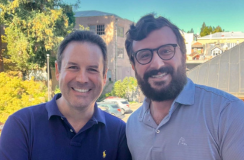









%20-%20thumbnail.png)