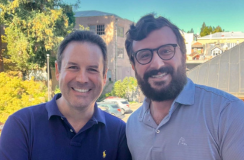
Host: Distressed businesses are not usually advisable acquisitions for the first time Business Buyer well, today's guest flouted that convention and was rewarded for it. Ben rizzo bought a fourth generation 90 year old elevator servicing business in Pittsburgh. The business was in the red, but when Ben took a close look at it, he jumped. We spent time on how he got comfortable doing that. His analysis It's a lesson in looking beyond the P and L and really reaching to understand the intrinsic value of a business. This interview is also a lesson in how to effect a successful turnaround. Ben shares in detail what was ailing the business and the cures he prescribed, how he quickly got the team on board for dramatic changes, how crucial the mutual trust between him and the seller was, how crucial recurring revenue was, and how just two years later he not only stabilized but doubled the business and found a buyer resulting in a life changing outcome. We also get into what Ben has done since, including diving in again as an owner operator of another business in Pittsburgh and potentially another in the months ahead. Which would make him something of an accidental holds co entrepreneur because he was not an aspiring Holdco guy and he speaks plainly about the pros and cons of that model. Lots and lots in this interview with Ben Rizzo, former owner of Hadfield Elevator. Welcome to Acquiring Minds, a podcast about buying businesses. My name is Will Smith. Acquiring an existing business is an awesome opportunity for many entrepreneurs and on this podcast I talk to the people who do it. What do the following Acquiring Minds guests all have in common? Doug Johns, Morley Desai, Tim Erickson, Chirag Shah, Shane Ursam. They all went through the Acquisition Lab, the accelerator in community for people serious about buying a business. But they represent just a sliver of the lab's success stories. The number of deals across the lab's cohorts now stands at over 120 with over $300 million in aggregate transaction value. The Acquisition Lab was founded by Walker Deibel, author of Buy Then Build, the book that introduced so many of you to the very idea of buying a business. The Lab offers a month long, intensive, almost daily Q and A sessions with advisors, live deal reviews with Walker, Deal team introductions and an active community of serious searchers. Check out acquisitionlab.com, link in the notes or email the lab's co founder, Chelsea Wood. Chelseandbuild.com Ben Rizzo welcome to Acquiring Minds.
[3:07] Guest: Thanks Phil. Great to be here.
Host: Ben, a number of interesting aspects to your story. You bought an elevator servicing business, which will be fun to learn about. It was a business in Distress. So you essentially acquired a turnaround as a first time business buyer and you succeeded in turning it around and exited a couple years later. So. And then the journey continues with another acquisition under your belt and then maybe another. So we're going to get into a lot of it, all of it. We got a lot of ground to cover. Let's hear some background from you first to get us going, Ben.
Guest: Absolutely. So I started off as a chemical engineer. I did oil and gas engineering for a few years. And the key experience that I had in that time was being out in the field, working with the men and women who were turning wrenches and understanding the difference of what was going on in the office versus what was actually going on in the field and different motivations and what people saw and we're trying to work towards there. Had a great experience in the middle of nowhere, Pennsylvania, Texas, Oklahoma, and a little bit offshore as well. Went back to business school, learned about the search model, was very interested in, you know, small business and that type of stuff. Ended up moving to Pittsburgh, which where my wife is from. Was very excited to, to live here. I had worked here previously for Shell and decided that I was going to try and find something to, to get into myself. And you know, Pittsburgh is where I wanted to be and where I am currently, thankfully. And it was trickle of deal flow because I was so geographically restricted. And so I knew I had to kind of broaden my horizons of I got to find something. So I looked at some growth equity type things, traditional search investments, and eventually found, as it was supposed to me, a company where something needed to happen. Through a friend of a friend of a lawyer, I was introduced to a business called Hatfield Elevator, which is elevator service, maintenance and repair here in Pittsburgh and also in Harrisburg. And they were on the brink of bankruptcy for in my mind, all the right reasons. It was mismanaged. Unfortunately, the guys.
Host: Ben, let me stop you because we're going to slow down your story here a little bit. Okay, so when you discovered search in your while in business school, what grabbed you?
Guest: You know, I always, always interested in entrepreneurship, but I never had any great ideas myself. And the opportunity to do entrepreneurship through acquisition and entrepreneurship together was an ability for me to jump into something. During business school I started a football helmet company. That was a cool idea. Yeah, that was a cool idea that one of my friends had and we had some traction there. But it was really frustrating being nominally the business guy running the company, working on a technical problem that, you know, the engineering team was working towards. But we Weren't, were making progress. So I really just wanted something that I could dig my teeth into. And so entrepreneurship through acquisition, you stuck out in my head is, hey, I just get into something and then you're going. And that's, that's, you know, when I moved back to Pittsburgh, that's what I set out to do. I didn't know exactly what it was going to look like. I said, I want to get into something and then be able to be entrepreneurial.
[6:25] Host: And were you plugged into the ETA classes or cohorts at your business school?
Guest: Yep. Yes, I took a couple, a couple of the classes, you know, learned about some of the success stories, went to some of the conferences and just saw people out there doing their thing in a similar way that you see at some of the entrepreneurship conferences. You know, people have an idea and they go do something. ETA was similarly, you find something and then you bring ideas to it and go do something with it.
Host: Mm, great. And then what shape was your shirts going to take? You've already told us that you wanted to be in Pittsburgh. So geographically constrained, regular listeners know that that probably means one type of search, but give us more.
Guest: Yeah, so it was, you know, self funded or wife funded or unfunded, any combination of the above all are true. And you know, I wanted to do the traditional search of go find a million dollar EBITDA business, buy it for four times. You know, that was the ideal thing that I was looking for. But I also realized very quickly because of the geographic constraint that I had to broaden my horizons to in any sense of timeliness, find something good or reasonable to get in and go with that. There were only so many of those in the area that I wanted to be. And so I branded myself to the marketplace as a generalist investor of I'm looking for an opportunity to get into. And so I ended up at some VC type pitches, some later stage startup type things that were going to switch over to more of a private equity model. Anything and everything just to find deal flow and just understand who in the market that I was looking at had access to deals. And the deal that I eventually bought, the, the, the, the, the tree that got me there was I met a guy whose dad does fractional CFO work, involved in a lot of different small companies. I met his dad, his dad said, oh, you're a guy looking to do something. He invited me to an investment pitch for a startup. I went, I had no interest in this startup. I forget, I forget, it was like audio processing or something. I'M sure they did very well. But I just networked the room and I met a wealth manager. I said, I'm guy looking to buy a business, if you know anyone. And I met the patent lawyer for this tech startup and I said, I'm a guy looking to buy a business. And he said, I don't do that, but let me introduce you to the guy at my firm who does. And a week or two later we went to lunch and I said, I'm a guy looking to buy a business. And the guy looked at me, said, huh, you know, there's a business that I work with where something needs to happen. Let me see if they want to talk to you. And that was downfield elevator.
[9:20] Host: I love this, Ben, because you were putting yourself out there. I don't know if you use the word searcher or any of the kind of language that we're used to, our inside baseball language, but it feels like you were more just like, I want to get in, I want to get in a business, I want to buy a business, get in. And I'm just looking, I'm just looking to do. Are you looking to do something? Is your phrase. But it's pretty open ended. Yeah, but, but it seems to have worked for you.
Guest: The closest thing, the other deal that I was looking at was a, you know, kind of call it a tech company that was a startup, but not, not big VC startup, you know, small startup that had raised some money that needed, needed a new, new lifeblood. And you know, they had some installations of their product and they thought it could go to the next level and the guys just didn't. The guy running it was ready to be done and there's something there. So those are the types of opportunities that I looked at. I was like, there's only so much in the area that I'm looking. I want to find something to do.
Host: Yeah, but it was always going to be some sort of, you become owner, some version of you becoming owner that
Guest: was, you know, I would talk to anyone about, oh, they want to bring me in to do this or whatever. But, you know, the goal was go. Like I said, the goal was traditional search fund model. Go find something, buy it, own it, run it. I just recognize that those levers may have had to look slightly different. And the lever I ended up pulling was I got to buy something, I got to go run it. It was not a traditional million dollar EBITDA search business.
Host: Yeah, yeah. And we're going to hear about that in just a sec. But the, you know, one of the. One of the elements of your story that you just shared was how it was basically a lawyer who introduced you to Hadfield.
Guest: Yeah.
Host: And you know, one of the things you'll hear in, in the tactics about search is network with your local accountants and lawyers.
Guest: Yes.
Host: And I always. I'm not sure I'm probably wrong here, but I'm not sure I've actually had a guest do that and have it be what, what ends up delivering the lead. And so I've developed a bit of a skepticism around the efficacy of that, but it sure seems like it worked in your case. Do anything more to say about that tactic?
Guest: I. I promote it aggressively. I invest in search broadly. I think, you know, I've done 17 or something search investments across the country in the UK I see deals get done, one in the location where the searcher is usually and then two with people in market. I think some of that is changing post Covid in that smaller investment banks are blasting deals to larger groups and private equity firms are looking at literally anything. But I will tell you of the, you know, the elevator business, the business I just bought and the business that I'm about to buy. All of them came through local intermediaries, a la accountants, lawyers, type people, and even, even, even two of them to not, not the elevator risk, but the other two connections to the representative of the business. Right. These are, you know, banked or brokered processes. But even getting into those processes came through. In one case an accountant, in one case a lawyer.
[12:42] Host: And this, this tactic that you are now a big proponent of, did you consciously kind of work the networks of accountants and lawyers or just in your broad network? You were talking to everybody going to everything in Pittsburgh. Yeah, you just, it happened to be that an accountant and a lawyer delivered
Guest: leads to, you know, the thesis generally is if a business that I wanted to transact with is going to sell, someone is going to be involved, some sort of an intermediary. So obviously hit up the business, brokers, the bankers, those groups. Um, but that was my. The thought is, hey, there's all sorts of these other intermediaries, lawyers, accountants, wealth managers that many of them I found do some deals. You know, it's, it's not, it's not rare to find an accounting firm that, you know, they sell some deals for their customers. You know, there's a couple of them here in Pittsburgh. And I think the other thing that I do caution people I'm giving them that advice is it depends on what market you're in. A city like Pittsburgh is pretty manageable, to be honest. Right. It doesn't take long to get to know, you know, the 15 to 20 firms in town that do middle market M and A in the type of thing that I'm in. Maybe it's more than that, but it doesn't take long to find out who's kind of moving and shaking around. If you're in New York or Dallas or San Francisco, there are probably thousands of them and the principals at those firms have less time to answer every searcher call they get. And so that goes both ways. Right. Of it's hard to meet them if you just randomly call them, but it's easier to stand out if you meet them in person. And I'm a big proponent of ACG and tmt. Those are association for Corporate Growth and Turnaround Management. Something those are groups where the intermediaries quite frankly gather and you can just show up. But you buy a ticket to lunch and you sit down and have the lunch with. It's usually retail bankers, commercial bankers, lawyers, accountants, all the people that are private equity type service providers. And most of them won't give you the time of day as a searcher because they do bigger deals or they don't work with that type of stuff. But that's, those are the types of firms that will have, oh, we've, we've got this million dollar EBITDA business that we don't know, no, don't know what to do about. We've got this opportunity where we don't want to run a full process, but you're in town, you're here, why don't you meet the owner? That type of stuff. And I think those are, those are really good, high quality interactions. Much more so than sending out an email blast to 10,000 people around the country because, you know, with a technology now other searchers are also doing that and private equity firms are too. Right. Like, like I mentioned you, any sort of a process deal right now you are likely competing against multiple private equity firms. So you have to stand out in some different way. Either buy something that they're unwilling to buy or give on some term that they're unwilling to give or you know, be someone that they're not. And searchers can do all those things. It just depends on what the right mix of those are in for an individual seller.
[16:01] Host: And one of the other great points that you made to me offline was about accountants and lawyers is that their, this, their surface area of connections to companies is much broader than, than a broker. I mean brokers Got the deals that they're working and then they've, of course they've got a pipeline but you know, accountants and lawyers presumably have dozens and hundreds of clients. So yeah, you know, only some small fraction of those might be for sale or contemplating sale. But it's still like the, you know, if you think of an accountant as a node in a network, like they have many more connections coming out of them than say broker.
Guest: Absolutely, absolutely. And their motivations are different. Right. Bankers and brokers are looking to sell businesses for the highest price. And so they look at a private equity firm and say you're probably going to pay the highest price and you'll probably buy multiple businesses from me. Lawyers and accountants look at things differently because it may be a client of theirs and they want to keep the business. And if that business gets sold to some private equity firm in New York, they're probably not going to keep the business. If you local guy buys the business, probably going to keep the business. I certainly try and do that with the intermediaries around here. Right. If you find me a deal, yeah, I'm going to keep your services.
Host: Most business buyers acquire their target company using an asset purchase. Which means that you've got a brand new legal entity that needs to be ready on day one to properly employ your new team. Payroll, HR documents, tax accounts, workers comp, benefit plans like medical and 401. You need to make sure all of that is transferred or set up on day one. Aspen HR understands this challenge and the delicate timing that searchers have to juggle. Led by a successful former searcher, Mark Sinatra, Aspen HR can assist searchers to ensure a seamless transition for the employees. If you are structuring an asset purchase, contact Aspen HR for a free consultation. They'll walk you through their proprietary checklist for asset purchases that assesses your readiness for HR payroll and benefits. Check out aspenhr.com or, or contact Mark directly@markspenhr.com Now let's carry on with the story. So you are introduced to Hatfield. Tell us about, tell us about this business.
[18:27] Guest: So elevator service maintenance and repair business covering both Pittsburgh and Harrisburg. A longtime family business that had run into financial troubles for a couple of reasons. One, the family was fourth generation. Family was great at fixing elevators, not great at running a business. And they kind of had the mindset of if we just do great work, everything else will be fine. And that worked for a while, but not forever. The other big cataclysmic issue that they had was they got involved in a very large development where the real estate developer very publicly kind of had some issues and a lot of people did not get paid. They ran into huge financial difficulties around that because, you know, it was one of the situations, hey, this is great. This is our biggest project ever. You know, we'll do whatever it takes to keep this person happy. You know, they went beyond where they should have, did not properly protect themselves as things were going wrong. And as a result of that, they were in, you know, seven figures of debt to the bank, the insurance company, the union, you know, they had just piled on everything to try and make this thing work. And so when the rug got pulled out from under them, they were in a terrible situation financially.
Host: And yet you first timer think that you can maybe quote, do something here?
Guest: Yeah. So what I saw in the business was one a great industry, right? Elevator service, maintenance, repair. Elevators aren't going anywhere. They have to be serviced. There's code restrictions. That, that was really exciting. The other aspect was the gold standard in search, contractual recurring revenue. Every month. Elevators have to be maintained, buildings pay, pay these companies to come in every month, make sure everything's fine, do some adjustments. So there was a base of monthly maintenance revenue, as they call it. And that was the thing that got me really excited was hey, there's something here at the core that even if everything else is, is terrible, those contracts are worth something. And that was the kind of insight that I was able to one, research and verify in the marketplace, talking to, you know, industry specific contacts, brokers, private equity firms, hey, how do you value these companies? Some of, some of these companies are valued on ebitda, some of them are valued on monthly maintenance revenue. So that in my head I could do the calculation, hey, this, I think this company is worth more than the debt load, even though the debt load is significant. And worst case scenario, if I get in there and I can't start making money, turn this thing around, I can sell the contracts and retain solvency. I would obviously have sold the business at that point. But then not being on the dotted line for all the things that I'm signing off from the family, that was how the deal got done was they had signed personally for all of those debts and they didn't know what to do. They were, you know, those groups were coming after them saying, hey, you got to pay us. And that was my deal is, okay, I'll sign on the dotted line, I will take all of those liabilities from you personally, I will sign for them and I'll take all the debts. And that was essentially the Deal. And I wrote them a small check with the thought in my mind of we can try and make this thing. And then I think that's why the family, you know, the family members who stayed, why they picked me was certainly they could have liquidated the business. They could have, you know, given up, sold the business, sold the contracts off to one of the major players who would have then liquidated the business, fired everyone. So I'm sure in the back their minds, they knew that was a possibility with me, but I was the option that gave them an opportunity to continue. Right.
[22:15] Host: And this is a fourth, as you
Guest: said, a fourth generation family business.
Host: So I assume there was kind of a sense of legacy and responsibility. The forbearers to keep, keep the brand alive.
Guest: Yeah. And the employees. Right. There was 20 to 30 employees when I took over that, you know, that were around. They would have all lost their jobs had they liquidated that business. And, and, and right, you and the principal, the family members would have lost the opportunity to continue. Right. It would have been, yeah, wipe out, wipe out these debts and wipe out the company, you know, versus, you know, I came in, convinced those creditors to give us some terms, renegotiated, brought some, a new line of credit in to take out the existing one and had the opportunity to keep going. And that's what we, we went to work on.
Host: Well, and so just to reiterate your own calculus, the, the arithmetic is the, you went out into the market and talked to people in the know what bank, bankers, private equity shops that are in the elevator servicing space.
Guest: All of the above. Yeah.
Host: And said, what are these, you know, contracts? What are, what are contracts worth? Because at root, that's this kind of asset that an elevator servicing business has. And so you got it, you got a, you got some, some data from the market and came up with your own kind of valuation of what the assets of this business were worth in terms of these contracts.
Guest: Yep.
Host: And then looked at the debt load and said, if it all goes to hell, the, the value of these contracts is still more than the debt load. So, you know, I can, I, I can still get out, get out of this financially if, if, if, if. Absolute worst case scenario.
Guest: Pretty much, yeah. And I, you know, I applied some margin of safety there. It wasn't huge, but I, you know, the contracts were not bulletproof, but they were pretty good. And you know, I talked to enough people that I knew there was private equity interest in the space. The major players, Otis, Titchen, Schindler, Konades of the world are Acquisitive. So like there's buyers for this company one way or another, there are buyers for the contracts of this company because they're, you know, they've been around a long time, they've got a lot of loyal customers. That was it.
[24:25] Host: Great. And, and so before we return to how you set about fixing things, tell us a little bit more about Bob, the current owner, the fourth generation owner. This relationship is important to the story.
Guest: Yeah, super important. So Bob Hadfield, the fourth generation owner, was in his mid-30s at the time and he had taken over for his family, running the business probably about five or 10 years before I showed up and had gone into growth mode. And he was the one who had really built the business up and was really excited about the big projects. And, and in my customer calls, trying to understand, hey, there was this big project that went wrong. Was this the company that I'm buying, was this unique to them? Was this something that happens frequently? And the answer was no and no. The other customers loved this company that I bought and a lot of very reputable people lost money in the bad situation. So like, okay, those things are, this is a really unique event. And the calls that I got about Bob were this guy's great. No matter when I call him, he answers his phone and he immediately comes and fixes my elevator, the back office.
Host: So he's a technician himself.
Guest: Yeah, he was. And that was the issue. Right. He was so focused on delivering great, great service to his customers, he wasn't paying attention to overall running the business. And that's how he got himself into trouble. And he recognized that. And, and you know, he wanted to go to work fixing it and, and did with me. But that was the key relationship for me because I certainly needed him. He needed me to get out of the situation, but I needed him to fix the elevators. We had obviously many, many techs, but he was the key guy of he's going to keep go grinding. And so I gave him very rich incentive employment agreement because he didn't get anything for the sale of you're a key employee, let's go to work. And really getting to know him of believing all of this story as a first time buyer having no experience in the elevator industry. Oh yeah, we can fix this. And that just looked like me hanging out with Bob and some late nights with drinks of who are you? Who am I? Is this going to work? And I appreciate one of the things that he did from, from that first meeting was he said, look, I'm going to be honest with you about everything. It's not pretty, but it's better than you'd probably hear secondhand. And I know that if I try and gloss over something or don't tell you the truth about something, that you're never going to trust me. Because he had been through a lot, and it was a very messy situation. And to give him credit, he said that's how it's got to be, and that's how it was to this day. Here's the situation. Here's what happened. Here's what I know, here's what I don't know, here's what I think.
[27:11] Host: And was there anything, do you think, in his mind, that. Yes, they're. They're interested, the family, in seeing the family name continue on in Pittsburgh as an ongoing concern, but they're still losing ownership.
Guest: Yeah.
Host: And so was there any. Do you think that there was any emotional tension there for him?
Guest: Absolutely.
Host: Letting go of the business. He's got his name on it.
Guest: I think that was part of the reason. Right. That he wanted the chance to keep going with me rather than selling to somebody who's going to take apart the business. But certainly then when we decided to sell the business later and we'll get to that, that was an emotional decision of. Well, as well, of, hey, this is, you know, it's not just Ben anymore. It's somebody else that's not here. And, you know, he. He was excited. They were going to keep the name and keep building the business. And. But it's. It's a big letting go once taking that step of, hey, this is. This is the first step in the transition of a new. New life for this business. And it doesn't. Doesn't involve me being the owner.
Host: Yeah. Returning to the key person risk. So it sounds like you really. You really address it in two ways. First of all, you had. So. So Bob is the kind of the best technician on the team or the head technician on the team. So there are others, but he's really the leader of the bunch. And he's your liaison between the texts, I guess, and your relative ignorance of how all this stuff works. You got the. You kind of dealt with the. The mechanical piece of keeping him in with this. This generous incentive package, compensation package. And then you dealt with the kind of trust piece of just getting to know him. You guys got to know each other, broke bread, drank beers and.
Guest: Yeah.
Host: And so you felt. You felt like pretty good going in that you weren't going to lose your key person and his name's on the business. So you his name, you know, that there's this deep, as we keep returning to this deep seated incentive on his part to, to see things be successful in your hands.
Guest: Yeah. And again. Right. Even if he, you know, we signed on the dotted line on our transaction, then he said, see you, Ben jokes on you, I would have said, okay and tried to make it work. And if I couldn't, I still had the contracts. Right. The contracts were in the name of the business, not the name of the individual. And then I, you know, we had a guy, Rick in Harrisburg who was running that office, got to know him as well. That office was less tumultuous because it hadn't been involved in the projects. And so they were, they were excited as well to have some new support and growing the business as well.
Host: Well, Ben, you certainly are making a good case for why a first timer can have, you might, you know, have the chutzpah to go out to buy a business in distress. You know, it does it certainly. It sure seems like there's ingredients here of, of a lasting business. So now turn us to how you actually imagine solving what, you know, these enormous problems.
[30:04] Guest: Yeah, well, so one was getting rid of the bad customers, right. That was a big issue of, hey, they were involved with people who said a lot of great things but never paid them. Those people are gone. And then the other thing was, right, they got them into, into that those issues by having horrible bidding processes of just thinking any revenue is good revenue. You know, if there's money coming in, there's enough for payroll. You know, who cares about profit margins? Well, I do. And you know, Bob learned to very quickly. And so understanding, just doing a relatively basic analysis. What are our costs per hour to deploy a guy with a truck and insurance and all that stuff versus what are we making on these various maintenance contracts or big, bigger modernization, construction type jobs. You know, instilling discipline of, hey, you can't just bid something low to get the work. That doesn't usually make sense. Sometimes it can make sense if you've already got a crew there, you know, it's additional revenue. You, you're not chasing revenue, you're chasing profits. So instilling that and then, you know, understanding, okay, once you have good processes to put your guys set up, set themselves up for success. Are you dealing with customers that are going to pay you? The real estate world is filled with people who take the money, take the money and then won't give you the money. It's just, that's the aspect of the real estate World of they are levered to their eyeballs. Usually on these buildings they have tenants that are paying them and their game is to hold onto money as long as possible. And elevators are a huge expense. I get that right baseline of do the elevators work or not? They break, okay, we have to fix it. It's just an expense. And so we are a pain to deal with from the real estate owner's point of view of they're just throwing money at this thing to keep it alive and working. Usually especially in older buildings, just cost center, just like a huge cost center. And it's very expensive. Right. Like that's one of the aspects of. It was an attractive business for me of elevators are expensive to fix. They have to be fixed. There's code around them. Makes it good business for us, makes it a, you know, an annoyance for building owners.
Host: Yeah, well, but Ben, this piece about, you know, in the world of real estate, there's, there's chain reactions of people not paying and everybody on terms and there's a lot of leverage, you know, floating around. What did you elaborate on that? How did that impact your playbook?
Guest: Yeah, well, so, so one, it was reviewing our contracts to making sure our terms were correct. So the first thing relatively quickly I did was I got a real estate lawyer to draft a two page terms and conditions sheet that we attached to all new contracts going out the door of, yeah, here's what we're going to do, here's what you're going to do for us. And you know, that was like, here's the price, here's what we cover, here are the terms and conditions. Just be prepared. I signed a number confession and judgment pieces where there were, there were customers that owed us a lot of money. They kept calling us, okay, man, you want us to keep showing up, sign on the dotted line this, you know, paver that if you don't pay us, we're gonna lean your building. That was the language that those guys knew to speak. And when they saw that we were organized, some of them backed away and some of them said, yep, we're going to pay you and yes, we'll sign that. And generally they did because they knew I was going to lean their building if they didn't pay me. And that was, you know, worst case scenario for them. So understanding kind of the, the engagements that we had with our different customer bases of who was an A customer both in terms of did a lot of work with us and treated us well and paid us, but versus who pretended like they were a great customer. Because they gave us all this work but then never actually paid us. Excuse me. And we're always a pain. You need, you honestly, you needed some of both. I mean, you'd love to have all these great customers, but you want, you learn to deal with the customers that are more stingy by, you know, treating them appropriately and having reasonable business relationships with them. Like, I get it right, they, they don't want to spend money, they're on things that they don't want to, and they're going to hold their money and they're going to go by what the terms are. So you give them the terms and, you know, you learn to play by them.
[34:32] Host: And did the business at all suffer from you tightening up the collections and tightening up expectations? And basically, to put it kind of very bluntly, you were delivering less service for the same price or actually higher price than they were used to, because Bob had basically been over delivering. So when you deliver less service for a higher price, maybe they, maybe they start shopping you or, you know, looking elsewhere. Did you experience any of that?
Guest: We absolutely lost some customers, but those customers were generally ones that I was happy with because I knew that even if we were being more stingy, we were way better than the alternatives. Right. What we wanted to be was pay us a reasonable price and you'll get really good service. That was the other thing that I forgot to mention was as I looked at the elevator industry, the, the reference calls that I did to building owners and managers, everyone hated their elevator company. Absolutely hated, because it's a, it's a cost center and it's a big cost center. And because you're under contract with this elevator company, it's not like you can just call somebody else. You know, you, you'll get the, the legal book thrown at you very quickly if you try and break contract, because then, you know, nobody wants the liability of we have that elevator under contract and you brought somebody else in to work on it. Like, I don't know if it's safe. What if, God forbid, what something happens? So learning that everyone hated their elevator company, it was a game of can I be the least hated elevator company? I was like, oh, yeah, we can do that. And right.
[36:04] Host: So.
Guest: But we wanted to be. The goal was kind of where we found a good opportunity in the market was to be high quality service, because that's what wasn't done. And we obviously had to be paid for that. And we were, you know, being an independent, we were usually pretty price competitive, but we found a lot of customers that wanted to pay for good service. Industrial customers were a huge growth area for us because if you've got a, you know, going back to the kind of macro search dynamics that you look for, okay, random residential building, the elevator is a high cost for them. You're a manufacturing plant. The elevator in a manufacturing plant is not a high cost for them. And it is a very high value thing for them if it goes wrong. We did a, we, we, you know, built up a huge business in industrial manufacturing type businesses where they just wanted us to show up quickly. They didn't care what it cost. I had a Fortune 50 company call my cell phone one day, said, hey, are you, you with elevator company? I'm like, yeah, like, oh, this other gigantic company across the street said, you actually show up. We can't get anybody to show up. What does it take to get you over here? And we went through, you know, many days of talking about things. They didn't ask about price, they didn't care. They just wanted us to like, how can we get you quickly approved through our huge vendor program, like, get you in here to take care of this thing that is costing us huge downtime in this production plant. And so that was, that was the other shift in the customer base that we had a lot of residential commercial buildings that were reasonable customers. But understanding who really wanted to pay for good service and a premium for that was another aspect of growth for us.
Host: Well, Ben, one, one follow up on that. You know, when I will hear a lot in, in our world about, you know, it's straightforward to make a business like this successful because so often your competitors aren't picking up the phone sort of thing. Bad service everywhere just deliver good service. And I'm a little skeptical of how kind of pat that explanation is, because I just, I just assume I, you know, I give the benefit of the doubt to any service provider and if they're, if they're, they're delivering bad service, particularly if it appears to be endemic across the industry, that it's, there's an economic reason for it that maybe, you know, these other, your, your competitors, the other elevator service companies weren't delivering good service because it's just not economically viable for them to do so. Yeah, and so it's, it's, so it's, it's not so it's not like there's this, it's not always like I'm skeptical that there's just like, oh, there's this giant opening. Just do a better job than the competitors. Well, maybe the competitors aren't Doing a good job for some good underlying economic reason, that's going to be intrinsic to your business as well.
Guest: Yeah, and I, I think part of it is in a tight labor market. It's hard to get, I guess, I guess elevator guys are very expensive regardless, regardless of the labor market. And the other aspect is that, you know, they're running around devoting their time to multiple things. So where the big companies kind of make their money is they spread one guy over a bunch of things and that's where you, the service levels drop because you can add, add units to a route where, where we found and I guess the good, the good customers for the big companies that get good service have a devoted guy. So if you've got a big skyscraper, there's probably an elevator guy there full time. And so you're paying a lot for that, but you're getting good service because the guy's there, hopefully. I've heard many stories where the guy is not actually there, but you're paying for a guy there. I think where we found success was this specific market segment of pretty big customers that wanted good service but weren't big enough to have a full time technician. And so they, you know, in the bigger company's mind where they're playing the game of hey, we're going to take one elevator guy and give him a bunch of units to service on a route way more than they're actually going to hit in a month. And we did some of that too. Of how much, right? How much can we load up a guy and provide reasonable service? There's the other segment of hey, we're going to take a lot of your time, but it's not going to be the full time job for any individual. It's going to be, hey, we need repairs and we need somebody here now, get somebody there quickly. And I think that's where there's maybe a, this market has the niche of pretty big customers with high willingness to pay where it makes sense for us to provide good service to them. Random commercial building or residential building, who's screaming about good service. You know, we had the same incentives as the big companies because we wanted to spread our guys, you know, to as many sites as possible such that we could provide enough service. But the economics were the same of the more, the more work we gave to the individual guy, the better our, our economics were. And I think that's where the trade offs are.
[41:13] Host: Okay, Ben? Well, actually one thing we haven't asked, which I need to before, to my next big question about how you dealt with this burdensome debt is give us more about the business. You said it's 20 to 30 employees, of course, fourth generation. We talked about how that it's a legacy multigenerational business. But in healthier times, what does revenue and margin look like?
Guest: So revenue was, you know, upper seven figures of revenue. And I actually don't know what industry standard margins were because I don't think I ever achieved them. You know, when I bought it, it was not profitable. They were losing money. But I think, you know, like a good service business shooting for 20 to 30% margins with pretty reasonable.
[42:00] Host: Okay, because you're talking about how expensive your services are, but I guess your own costs and hiring people, you're also, you're also paying a premium to your services.
Guest: Exactly. Our services are expensive partially because, you know, the industry is very unionized. The guys are skilled technicians. Like, you want someone who knows what they're doing, servicing your elevator. They have taken a lot of that value. So our costs are also very high
Host: and so upper seven figures. So it's, you know, sizable business. The. You said it was not profitable. Now it was not profitable because of the. These onerous debts or it wouldn't have been profitable even without those debts. Ah, I.
Guest: It wasn't profitable. But it's hard to know exactly what kind of the combination of things, why that it was losing money. But they were, you know, they had lost money for, you know, a while and they were kind of running on shoestrings. They had never achieved industry standard margins as far as I could see, partially because, you know, they were in growth mode of taking on whatever they could. And then there was the aspect of they had this huge project that blew up on them and it was so big, it was hard to parse out exactly how much of that blame should be put on that versus, oh, the ever. Everything else is just not being run well either.
Host: But you saw, looking at the industry in the, you know, if you squinted, there was the. There was the possibility here of a business that did call it 8, $9 million, 20 to 30% margins.
Guest: Yep.
Host: So. So that's what's my math there about, you know, 1.6, 1.8 million in EBITDA maybe at some point.
Guest: That's was kind of my calculus. As if in a good world, this looks like a good search business of a couple million ebitda, you know, a nice size where I can get my head around it. You know, if I can. If I can make it become that, it will be very valuable to all These people that are out buying these things, it's big enough. Yeah, but it was just not quite that yet.
Host: Okay, now let's turn to. We've talked about how you optimized money coming in these, all these debts and the money going out. How did you address all of that,
Guest: make the business profitable and be able to service debts? So I think, you know, having. Cutting down costs immediately. Right. We, they had, before I showed up, they had gone through some layoffs of just. Right. Sizing the amount of manpower to service the existing business and then getting rid of customers that weren't paying. We started being able to be a cash flow positive business within about three months of me showing up. And it took some finagling to get some terms on. Well, I guess separate from debt service, you know, getting in there and getting the guys, you know, used to not just doing everything, getting them used to turning in their timesheets so we could allocate costs to different customers and do the analysis of who a good customer, you know, making sure that they were billing their time correctly so that then we could bill their time correctly. That was a huge missed opportunity for you that they were currently doing of just writing down hours and not billing them out to customers. So some, some things are covered during a maintenance visit, some things are not. How much you can bill for is part of the, the kind of strategy and the game you play with your customers of you've got a contract, there are things that are outside your contract that we're going to bill you for. What does that look like? Because they're always going to say everything's covered and we're going to say nothing's covered. Not give and take.
[45:45] Host: And was the, was the business meeting its debt obligations before you got in there?
Guest: There were, it was not term debt. It was just, you know, they owed money to the insurance company, the bank and the union. And there were not exact, you know, we, I essentially came in and negotiated payment plans. You know, we got, I brought, I brought, I signed personally for a new line of credit. You know, I didn't do an SBA loan because there were no earnings. I signed personally for a line of credit that you was able to take out the other line of credit and give us a little bit of working capital. And then I negotiated payment plans with the union and the insurance company.
Host: And so but those new payment plans means that there's talk about a J curve. That means that there's new costs when Ben gets in there. Because I guess before they had these giant debt, these big Debts that they owed, but they just weren't paying them down. But now that they start paying them down, there's, you know, there's three new expense lines, one, one debt service to each of these three entities that you owe debt to. So. But that was covered by the, the, the. The income and revenue optimizations you were making.
Guest: Yeah, I put in everything I could from, you know, the, the new working capital line to give us some buffer. And then, you know, we started. Started making money pretty quickly. Not a lot, but some. It was funny because, you know, I bought this business at the end of 2019. I got in there and things were okay. And then suddenly Covid hits and the world turns upside down. And that brought a new set of opportunities and challenges because we had a lot of real estate that suddenly didn't want to pay their bills because they weren't getting paid. And we had everything that everyone can imagine going through Covid with the real estate services business, Good and bad. It all happened. But that's when really the industrial client base said, oh, we gotta go. And that was where we saw a lot of success there pretty quickly.
Host: Well, I do want to give a minute or two to Covid directly. Let's put a pin in that. Just the. I wonder if there's a framework to think about debt here because you, you didn't take an SBA loan, as you. As we know. So, so just to. For the audience recall, the terms were basically the assign you the kind of personally assuming all this debt a little bit. You know, you stroked a small check and that was it.
[48:12] Guest: I wrote another check of my personal savings into the business. So I did put some working capital into the business.
Host: Can you share how much you were all in for your own cash?
Guest: Six figures plus.
Host: Okay, low six figures or high six figures?
Guest: It grew.
Host: Okay, okay.
Guest: Everything. You know, essentially I wasn't taking earnings out of the business while I owned it. I was reinvesting everything into working capital. So certainly, you know, as throughout the ownership of the business, you know, it was, you know, probably even high, high six figures in seven and high six
Host: figures and seven meaning cash you put into the business and your own not paying yourself.
Guest: Yeah, return of earnings. Right. Like the business was profitable, but I wasn't taking that money out. I was.
Host: Yeah.
Guest: Plowing that money back into working capital because we, you know, there was no working capital when I bought the business.
Host: Okay, okay, good point. Clarification. But this, this thing about the loan. So you don't have an SBA loan, but you do assume all these Debts. So in some ways, you know, I don't know if I'm probably doing an apples to oranges comparison here, but it's kind of like, you know, you got this company, you know, with all this loan on top of it, and most of my listeners will get a business with all this loan on top of it, but it's an SBA loan. In your case, it was just loans too. So I wonder if there's anything to any, I don't know, any way, anything to say about that or, or the loan maybe. Here's the question. The loans that the business owed that you were personally assuming, do you feel, do you have a sense of those? Were those bigger or smaller than 90% of the enterprise value of the business, which is kind of to correlate it to an SBA loan, Right?
Guest: You know, I guess it depends. It was essentially the value of our business per the transaction was the assumed debts in my calculus of what I thought I could salvage the business for. Yeah. Best case scenario, it was probably in the 70% range, but there was maybe some haircut on what that value was and it may have been 100%. Yeah. And then, you know, I guess the difference in the mechanics of payment was, you know, I, I fronted as much cash as I could personally, plus my new line of credit to give us wiggle room on as us get getting going and then just kept, kept money in the business and you know, I like, I, you know, I, I was in a fortunate position that I had money to invest and have that backstop of, oh, we didn't have enough money to make some deserts. Okay, I'm going to write that extra check into the business and you know, sign personally for the line of credit to get the wiggle room. And I think that's, you got to be prepared with what your dry powder looks like in these situations. Just with any search business of you going in and you know, working capital is great, but how liquid is are the receivables that you're coming with the business for? You know, you buy a business payroll still do. If the receivables may have not come in yet, you may have gotten a million dollars of working capital, but that might be all receivables that you're don't have cash to pay pay real payables for.
[51:22] Host: And for the listener, Ben sue, say might not have, might not have dry powder. Do you think that you, if you didn't have your own kind of your own balance sheet to lean on, do you feel like you could have raised A little money. Once you were in there as the new owner operator from to. To have given yourself some. This working capital.
Guest: Yeah.
Host: Given the business, the working capital. Yeah.
Guest: I think given the dynamics of the market, this was a really attractive target because of. Right. Like I said, it had some reasonable size. It had, the contracts were substantial and so there was some real value there. You know, I was fortunate, like I said, to put the, the extra working capital in myself, which ended up being significant. But given the kind of the market of what the business was going to be worth. Yeah. You know, I think you could find some type of a search investor. It wasn't going to be a traditional search raise, but you could find some investor that would have signed up for that as well. Absolutely.
Host: So much more to go. Ben. This, this is great though. I mean this is just such a, what a story. Okay, so you've, you've hit on a few minutes ago how you know, you, you got in there and you were like, you know, tighten up bidding, tighten up, you know, the hours, all the kind of recording and the hours that are charged under the contract versus not and, and how a lot of this was communicating to the existing team, you know, that we're going to do things differently. And so in a turnaround, you know, the start among many start differences is differences between a turnaround and not is you need to change things quickly. Whereas in a, in a, you know, for, for many searchers it's don't change anything for six months, don't touch anything, just be a student of the business, blah, blah, blah. So you're, but you came in there and you needed, you needed to manage change real quick. What, what did you learn from that? And, and maybe tie this into your kind of chemistry that you have with kind of a blue collar workforce that you, that you going all the way back to your first jobs. So tie all of that together. Did, did you get. Were people. Was the team receptive to the new sheriff or. And the new rules or what?
Guest: Yeah, I, I would say the team was excited that there was something that had happened.
Host: Yeah.
Guest: That I was here that the business was to continue. And you know, they didn't know that I, you know, had some personable funds behind me but nothing else of like I was, you know, it wasn't like there was a private equity firm with deep pocket. Suddenly it was, you know, I was going to put everything I had in it but you know, I was maxed out pretty quickly and they were excited to know that there was going to be some more support for them. Because like I said, the customers main complaint was, you know, the back office is kind of a mess stemming from, you know, the owner being all over the place. So we had a great crew in the back office that suddenly had me, like you said, as the sheriff, to say, no, Bob, this is how it's going to happen and let the people in the back office do their thing and be organized, which they were very quickly and they were throughout. And, and the team, I think, responded to that as well. Of, hey, there's some structure here. There's some nominal rules and support for us to follow the rules rather than being constantly overruled by the guy who says, no, the customer is always right. The customer is always right. Which is, you know, I appreciate and respect that mindset, but it not to the point that it's going to drive you out of business. There's got to be some, some balance there. And, and so the team in that aspect was very happy to have me around that. I was there every day trying to figure out, okay, what, what are the problems? How are we going to make this work? You know, who's a pain in the ass? How can I help you deal with them? You know, who are we going to together say that we're done with? Who are we going to go. Go make it work with? And I think that aspect of it was exciting to them. I don't know how terrified they were. Right. Because again, it was just me of what they thought was going to happen. Certainly some of them thought that the company was going to go under, but enough of them stuck with it and made it work that we ended up being very successful.
[55:30] Host: Great. Bringing order to chaos. A welcome. A welcome order, I guess.
Guest: Yeah. And just trying to be transparent of, hey, guys, like, these are our baselines of why we need to do different things such that we stay in business, such that we get paid for the work that you do so that we can pay you for the work that you do. That that message was pretty clear. And, and that, you know, I think is pretty universal in these small businesses of the individual workers generally want stability and support and some incentive and if you can give them that, you know, you'll find generally a, a good worker will stick around and be pretty happy because that's, you know, a good environment for them. If you're going to give them, you know, no incentives and unclear assignments and, and you move them around all the place like that's just not an environment that's going to attract anyone.
Host: Well, I, I guess also change management Is easier when it's clear the company's on the brink and like, if we don't change something now. Right. Nobody's gonna have a job or, you know.
Guest: Yeah. And I think that was, it was different in the oil field because I was asking people to do things differently. So I had to really, I had to explain, like, this is why we want you to do this and how we can make better decisions, blah, blah, blah, in, in a turnaround. Yeah, it's. This business is on the brink of bankruptcy. We have to do this different, differently if we want to survive.
Host: Yeah.
Guest: And everyone, I mean everyone knew that things were not going well. So it was pretty, you know, it was not a shock to them. You know, I don't know who knew how close things were to what, but it was very obvious of oh yeah, like we, we want to do things differently. That is, everyone is on board for things being different.
[57:13] Host: Well, when thinking about motivations, I always love the framework of carrot and stick. And stick is people losing their job because the business goes out of. Goes out of business. Carrot is incentives incentivizing people. You know, having them run towards something rather than run away from something. And you've mentioned that word now a number of times, but I don't think we've given it its due. What. How did you reorient or, or institute new incentives? Because, because I know this is now part of your, you know, for the
Guest: elevator business, it was pretty straightforward. It was much more stick because it was, it was like we got to make this thing work of like I want this business to survive and, and have this be a good place to work and treating people well. And you know, eventually we got into some financial incentives. But the large majority of that story is around we want you to. We like finding good people and you've got a good community and a good thing going here. Let's keep it, keep it alive in a. In the things that I'm doing now with a solid small business that things are good. It's much so more so how do you attract and retain talent and that becomes incentive programs where what are you can. What can you control? What are the metrics that we're giving you that we're going to judge you on and go do a good job and, and finding good crews that way. And I see that in best in class small businesses.
Host: Let's start getting toward the end of. Of your adventure with Hadfield. Give us, give us a minute on. On Covid. What happened during COVID You've sorry said some of It.
Guest: But yeah, so, you know, like I said, we kind of got in there and had stabilized the business. I remember we had that first quarter. I was like, we have money is coming in. It's gonna be okay.
Host: And then how long did that take from your ownership?
Guest: It was about a quarter of that. That first quarter of, you know, maxing out the new credit line, me personally putting in everything I could of like, what, the first couple weeks especially of like, oh, my God, what did I buy and what did I get myself into? And then, you know, cash started coming in from the receivables and, you know, new billing procedures took place. And we got rid of some just customers that were bleeding us dry. And then, you know, Covid hit and like, okay, what is, what is going on? And it really bifurcated.
Host: Ben, sorry, let me interrupt you just before you get to Covid. I just want to understand how effectively this did or didn't happen. How long did it. It only took you a single quarter to stabilize the business?
Guest: Yeah.
Host: Wow, Good show.
Guest: Maybe in retrospect, it wasn't that good. But I mean, again, that first quarter of putting every money we could into the business to stabilize things helped. And maybe, you know, we could have maybe dragged that on longer, getting rid of bad customers. Right. You know, the business was already right sized when I took over, so we didn't have to really fire anyone, institute new building practices. And, you know, we knew there was money coming in every month from these maintenance contracts. So that, that, that, that was the great thing that I did not have to deal with in terms of this being a turnaround. Revenue was coming in. Yeah, and I saw that. And you can see that in the cat. Revenue is coming in. The costs were out of control. The big blow up had already happened with a bad customer. That was over. That was all written off. There were no. The ongoing cost of that were the debt that we kind of refinanced. And so that was the aspect of the turnaround that was able to happen relatively quickly was the revenue was coming in. Stop doing stupid things that are burning money and make sure we're billing for everything that we can. Those were changes that you can make relatively quickly and it doesn't take that long to see the results from.
[1:00:56] Host: So take us then. So you've, you've stabilized in. In a quarter. Pretty, pretty dramatic then. But then, of course, our friend Covet hit. So what happens during COVID Yeah, so
Guest: first of all, it was a question of is this going to be. How terrible is this going to be for the business because we had customers left and right saying, don't come. Some of them said, don't come. We're not going to pay you for your.
Host: Don't come. Service our elevator.
Guest: Exactly. Don't come. Service elevator. But most people said, like, oh, you still gotta come. And they understood that, even if that was a little bit touchy, well, we're not gonna pay you because no one's paying rent. And then we had some customers, right? Like, fortunately, that wasn't too bad. And we were able to, you know, just not incur the costs of going somewhere if we were able to work something out. And then we had some customers that said, this is great. There's no one in the building. This is the best time to work on the elevator. And that took a while to get there. But we certainly dealt with the restrictions of everybody wanted to have everyone six feet away. Can't do that in an elevator shaft. Okay. So some places we couldn't work. Some customers were completely closed. The doors were just locked. No communication for a while. But then the segment of our business that did start going well was the industrial client base. They were still working. We made it work with COVID in terms of whatever restrictions they had around us, and they needed to keep things running. And so that was the segment of growth that first started to go through Covid. After a couple of months, things stabilized a little bit, but we had a lot of guys off work for. For a couple months and giving them the support that we could. But eventually the industrial client base started getting involved. And the state government, we won a couple big state government contracts. And student housing was an area of development as well, that I think there was just some bottlenecks that broke through pretty quickly. And so we ended up growing by the end of COVID which is the, you know, the kind of the end of when we decided to sell the business. We were growing aggressively. And that kind of leads into the reason that I decided to sell the businesses. I had seen the guy before me grow too big and go bankrupt. And so as we had all this pent up demand coming out of COVID we started growing rapidly. And me not being a lifelong elevator guy, normal gc, we started, you know, having big negotiations with big sophisticated customers where the team was excited about doing the work. And I was going to run out of the ability to really fund the business. And I knew that the margin for error was large. You know, my margin was slow because the op. There could be a lot of things that could go wrong on these big projects that's where people lose, you know, the fixed price contract. And that's where had gotten screwed before. And I didn't want the same thing to happen to me. And fortunately the guys, Bob and Rick understood that. They said, hey, we've done well. They were happy to have what ended up being a private equity platform come in that was able to support them on far beyond anything that I was able to give to them in terms of go get any work you want and we're here to support it. And so that, that was kind of the calculus of COVID sucked. And then, you know, we were got support from all the various, you know, programs kept kept eventually, you know, we're able to keep most of the people working. Bottleneck of business breaks and there's a big backlog that comes to you. How much can we handle? Where does this team want to go? This business is going to go beyond me. I'll take my check and be happy and go on to the next thing.
[1:04:51] Host: And how much had you grown it?
Guest: We had doubled the size of the business and you know, we were on a run rate to double the size of the business in two years.
Host: Doubling the side of the, of the business. So it was upper seven figures. To remind the audience in revenue, I let's call that 8 million. That's my number. You're neither confirming nor denying. And so you know, you get to, you get to whatever call it 15, 16, 17 million or you're on track to get there pretty quickly.
Guest: Yeah, we were, we were run rating towards, you know, kind of the middle of that range. And I was like, oh, this is great.
Host: You know, we, and, and by the way stabilized and you're actually now a real profitable.
Guest: Growing profitably again. It stabilized but working capital is sucking everything. It's not like I'm, you know, the business is doing well. It's not like I'm printing money for myself at that point. So I have everything that I have tied up in this business. I'm like, we can have a life changing outcome. Let's take.
Host: Yeah, yeah. And on this point about, you know, the opportunity to do big construction jobs. So one thing I haven't asked is because I kind of saw Hadfield as a elevator servicing business, but it's also got this big construction component. I mean that was the big, the big issue that it got into that started the story. Yeah, how, how. Give us a minute on elevator businesses and how is it, is it what the split is like on construction and maintenance?
[1:06:17] Guest: Yeah.
Host: So yeah, talk to that, talk to
Guest: us about that service, maintenance and repair was about half the business. And then modernization construction was the other half. Small independents kind of stay away from new construction. That's where the big OEMs go in really low to get the installation with a big service contract on the back end where they make their money. That's how the industry develops the dynamics that it does of, you know, we'll give it, give you the equipment at a very low price and then we're going to make it up on service which results in everyone hating their elevator company because they're just taking advantage of them on the service and how we can be lower cost because we don't have to make up the money from giving them the new construction package range.
Host: Right, Last leader of new construction.
Guest: Exactly. And we typically don't. You wouldn't compete on new construction. Occasionally where we would compete is, hey, you've got a 50 year old building with a 50 year old elevator. We're going to rip out the elevator and put a new one in. It's not as cookie cutter as new construction. So that's called modernization. And those end up being big dollar jobs. And so that's where we were being very competitive coming out of COVID is, you know, real estate. People that were putting money into real estate, there was a lot of that. And so those numbers ended up going up and up and up. But that's where you get into, you know, we're part of, you know, tens or hundreds of million dollar construction jobs and we've got, you know, a great elevator contract to do, you know, big rehab. But you're starting to talk about liquidated damages of thousands of dollars a day. If something goes wrong in people that are, you know, you're waiting all the other trades, it gets a lot more complicated and a lot more pressure. You can make a lot of money doing that, but you can also lose a lot of money doing that. And I certainly had the team that was excited about doing the work and doing a good job with the work. I wasn't overly particularly confident going into negotiating with the billion dollar GC that, you know, we needed our money and we needed it now. When they said no, you did this wrong. This here's throw the book at you. We dealt with generally good, you know, good counterparties, but that was the, for me, the big eye opener of hey, this I see where Bob got himself in trouble. I don't want to do that. I'm going to take the win.
Host: And Ben, could you have made a strategic decision to not go after not only not new construction. What was the other one you called?
Guest: Modernization.
Host: Modernization. Just leave all of those on the table. And like, I'm thinking of like pool service. You can either start building new pools or you can just say, I'm never going to build a pool. I'm only going to be in the pool servicing business. Could you have only been in the elevator servicing business?
[1:09:05] Guest: You need, you need to do the modernizations to be a relevant player because in your portfolio of maintenance there's going to. That's going to spit off some major projects each year. And if you don't do that, some someone else is going to take the maintenance. So you need the capabilities in house to be a kind of full service player to have any sort of business growth. And so that was, you know, that's how you. And that's another way to grow your business. As you take new modernizations, you get the maintenance contracts associated for years. And so that it was a key part of the business that you can't, you could not be a pure maintenance player and be relevant.
Host: And to close us out on. Actually, I should ask one other question. Anything, anything to share with the audience about working with a union shop or working with a union and in a union shop.
Guest: It was, I was very concerned about it, you know, going in. It generally not something that's done. What I got comfortable with was again, the entire industry for the large part was unionized. So the union was much more concerned with the larger players, the Otis Tis and Schindler Kon of the world, more so than the small players. And in fact, they were supportive of the small players because we in some senses kept the large companies honest in terms of providing service and providing, you know, not overworking the guys. And that was the key dynamic that got me comfortable with the. The union labor force was that the union itself was generally supportive of my business existing in the face of the bigger problems that they had to deal with elsewhere. We generally had an okay relationship with the union. It wasn't perfect, but, you know, they were supportive and we were a reasonable player for them. Other industries do not have that dynamic. And I would be very wary of getting into a union situation where the union's only concern is my business. I do not want that situation so
Host: good to be in an industry where the union's attention is going to be on some, some really big players. Yeah. And you're going to get less of their attention. And you can even serve as a kind of a counterweight to some of the bad practices of the big boys.
Guest: Exactly. Absolutely. And that that was the dynamic of they wanted us to exist, they wanted us to do well because that kept pressure on the much bigger people in the industry.
Host: How did Bob react? You already touched on it, but give us more about how he reacted when you decided to sell to private equity.
Guest: He was nervous, but he understood, you know, he was able to, he was going to make some money as well, which he had not before. And, you know, for me, it was important to find a private equity firm and platform that was going to be supportive of the team that I was going to leave behind. And certainly found that in Berkshire Partners in Three Phase, their thesis was finding these independent companies and building up a larger independent. And it's very hard to do, but I know they've been working on it for a couple years now and put together a good group of companies and supporting management and leaving them in place as much as possible where appropriate. Bob and Rick are still very involved in the offices in Pittsburgh and Harrisburg, and Three Phase has been a great partner to them of go, you want to grow more, we're here for you. They have more expertise than I could have ever offered. You know, of course, it's never all butterflies and rainbows selling to a private equity platform, but that was the key dynamic that has largely played out as true, was I found a platform that wanted the offices that we had to remain standalone and be supportive of them and be supportive of the teams in
[1:12:50] Host: place to close us out. On the Hadfield part of your story, would you recommend Ben, that to listeners if they come across an elevator service business? Is this an industry that a searcher should get excited about? I know that's a simplistic question, but absolutely.
Guest: I think the picture takeaway the industry is really interesting. I think obviously the dynamic that I found was, hey, this is a messy business in a really good industry. And I think that can be very true and of a lot of different things and look a lot of a lot of different ways that buying a business that was as messy as Hadfield, you've either got to have your personal dry powder or find someone who does to have the stability to some degree and being willing to sign on the dotted line and do the calculus of how much is what's there really worth versus what am I signing for? But knowing that, hey, there are buyers of this business if things don't go well, or if things do go well, I think that calculus is important. And certainly I found that in the elevator industry, you know, unique niche business ends up being a big industry because it is so expensive and with a lot of great dynamics for the search search world.
Host: Okay, Ben, what do you do after this? After this exit, you know, and the whole kind of had from sure. Searching networking in Pittsburgh to your exit is probably less than three years total.
Guest: Yeah, yeah, yeah. I was, you know, like I said, I was very fortunate to find something and have it work out so well relatively quickly. I, I searched for under and got a deal done in under a year. Owned the business for two years almost exactly. And then I was like, oh, this is, this turnaround thing is great.
Host: I'm a turnaround artist now.
Guest: Exactly. Watch out world. And the second one went horribly. No, it's, it's. I was. Got involved in another business that I'm still involved in and it was a VC backed technology business where they were ready for some new blood. And so I came in and invested and things have not gone as well as Hadfield. Certainly still trying to get to a good outcome there because we have a great technology but different dynamics, different set of distress. This is one where the revenue was not there and we were trying to build it up in a. And it's been a much, much harder slog than a turnaround where there's revenue there because you can control costs, it's harder to control revenue. And in conjunction with that I've started searching again and gone back to traditional. Hey, let's find something normal small business type that is profitable and well run and am now in a disaster restoration business here in Pittsburgh that I just bought, bought earlier this year and you know, very much bread and butter search, search, you know, profitable business, good industry, get an SBA loan, get a seller note and you know, have the equity myself now to write the check. And I'm enjoying this so far.
[1:15:56] Host: So. And you're sitting in that, that business right now, disaster restoration business. As we, as we went back and forth to set up our interview and have our pre calls, that deal was coming together since we talked before the holiday. It has come together.
Guest: Yep.
Host: And, and, but it's a healthy business. It's not a turnaround.
Guest: Yeah.
Host: So what, you know, when I, when I think about your, your experience with Hadfield and then your experience with this techish company, that was a turnaround that didn't go well. You know, that techie company doesn't feel like, you know, there's probably a lot about that business that's, that was different than, you know, kind of a blue collar traditional business. Right. So, so I'm not sure that you, that you should conclude that you don't know what to do in a turnaround. So, so, so why go for a healthy business and not another? Like the learning coming out of trying to do the tech business. Turnaround might have been, oh, turnarounds only work where there's good revenue. So I should go do a turnaround in a traditional business, but, but not necessarily that I'll never do a turnaround again.
Guest: And my conclusion was not that I would never do a turnaround. And I think there are still aspects of the technology business that will, you know, can be successful and there is good technology there for the right player that we're working on. It's just what I found. You know, I went back to the hey, I'm in Pittsburgh, I want to stay in Pittsburgh. What can I find? And I was very fortunate to find, hey, this is a great, great industry. Disaster restoration insurance pays for reconstruction after fire or smoke or water damage. Those types of things. Good business got to know the seller really well. Again, it was a local advisor that I knew. I was like, hey, this similarly has some of those best in class dynamics that I had talked about of. They're really organized on a bidding front. That's how you make money in this business. And insurance restoration is you got to document everything you want to get paid for. And then they do a good job with incentives of hey, this is how much you're given for a job. You know, here's, here's your incentive to beat that. And like we talked about, you know, I've looked at another business here locally that's another services business, different industry, but has those dynamics as well that I'm trying to buy and hopefully will have done actually maybe by the time this is released. But you know, very detail oriented on bidding. Another good services business where demand I'm very confident is going to stick around and they do a great job giving incentives to every level of employee of here's what we can do. If you exceed it, you make more money. Pretty straightforward.
[1:18:44] Host: So this kind of two pronged, these two levers, you know, bidding, really meticulous, accurate bidding processes on the one hand and good incentives up and down the organization on the other are kind of the Ben Rizzo, you know, pillars here of, of these types of businesses making them successful.
Guest: I think, I think they set up together nicely because you can't give good incentives if you don't have a good cost structure. You, you, you know, you don't understand what your own drivers of profitability are. And by, if you do understand what your drivers of profitability are then it's pretty easy to on the other end tell people to go do more of them. In situations where, you know, the person doing the work can control some of that, which in services business they usually can control, how fast can we do something? Can we do a good job? Can we avoid having to come back to, you know, do it again? Those types of things are in, you know, individual laborers control of how hard are they working on, you know, is it worth the extra 10 minutes to get it done now or do we want to come back tomorrow? Those types of things that are in their control, you know, they should make more money to make the decision. You want them to make more money when they're making the decisions that make you money and doing the work that makes you more money too.
Host: Ben, back to or the kind of concept of a turnaround distressed business or even maybe not fully distressed. As bad as Hadfield was, but less, lesser, of lesser quality. You know, one of the, the dynamics in our world is that, you know, it's, it's a growing world, more and more attention on eta, more and more searchers out there. So you know, more and more competition for good businesses. And so there's bound to be some. First of all, we already know there's no such thing as a perfect business anyway. So the searcher goes through that awakening over the course of their search where they lower their standards just in their own kind of in the micro world of their own search. But at a macro level, as there's more competition for deals, perhaps the quality expectations need to be relaxed further. And you might, your story might be an interesting model for that. Do you have anything to respond to all that?
Guest: I would say to some degree, yes. I think two big dynamics. One, the creep of private equity down market is a huge competitive shake to the search world. You know, everything that I bid on now I'm bidding against private equity. And I think years ago that would have not been the case. It's just easier to be connected to more private equity firms and more private equity firms look at more deals and there are more platforms that they'll go down to a million or half a million million dollar EBITDA business sometimes in the right situation, so that exists so that that drives multiples up is a search. You got to figure out what to do. The other aspect is you've got baby boomers that are gonna, that own a ton of these businesses that are going to have to retire at some point. Many of them. So sure some of them are going to say, hey, I Had my best year ever. I'm going to hire an investment maker and I'm going to run this great process. Those are great opportunities, but many of them are in the middle of an okay year and have some sort of personal issue, you know, a death in the family or personal health issue or a divorce. Any of those things that are suddenly a forcing factor of, oh, I got to buy this, I got to sell this business, or something needs to happen. I think that's the dynamic of, you know, broad mechanics around what I did in terms of a turnaround where it was a business where something needed to happen, it happened to work for me, that I got comfortable with the amount of debt load and what I thought the value was there, and I had some personal money that I could put in to give us a little bit of buffer and renegotiated with all the different levers of I can make that work. I think there are going to be tons of businesses where something needs to happen. It's going to look different in every case, but the businesses are going to need to transact to survive in many cases, because you've got an owner who falls ill, who's ready to move to Florida, who's something, some sort of a forcing factor as the baby boomers age are going to get more drastic. And I think that's where being positioned in the networks of accountants, lawyers, advisors in the know, who can suddenly say, hey, oh, you know, I'm drafting this legal document for your divorce, or, you know, there, or, you know, you hear kids like, you know, your family member passed away and they've got this business. What are we going to do with it? Oh, I know someone who might be able to come in in this situation, very messy situations in different dynamics. But there are going to be a lot of businesses that are tied up in these because baby boomers, many of them are just holding on to businesses. The business is good, hold on to it. Why, you know, why sell? I don't know what I do. I like. I like what I'm doing. That's great. You gotta time the transaction perfectly or be at risk of the situation where there's a forced sale. And I think that's where searchers. It's hard to go out with the strategy of, oh, I'm gonna find a turnaround because you don't know what that looks like, you don't know what that is in what industry. But broadening your horizons as you're talking to advisors in the community of what you're looking to get into, making sure that it doesn't have to be a perfect million dollar EBITDA business where it's a sale, the things that you can deal with can give you an opportunity. Again, when it's an owner operator, you're going to go in and run the business. I think that aspect of what I did should be interesting to a lot of people because it is, you can replicate it by broadening your search criteria and you're not forced into anything.
[1:24:41] Host: Great note, Ben. And, and just to, just to reinforce, I mean we hit it on a lot of times, but really how, you know, fundamentally you, when you looked at this business, you were able to come up with kind of a, an intrinsic value to it. And, and, and there was more than the liabilities against the business. And so, you know, so before we advocate people going and buying businesses that are not in perfect shape like you, you, you did a really tight, you had a really kind of tight mathematical model underlying your decision with, with a
Guest: lot of data on, you know, yes, it was a turnaround. It was a business that was, you know, nominally losing money. It had very valuable assets and the purchase price, which it could have been a levered SBA loan or whatever it is, the purchase price I was fairly certain was less than the value of those assets and I was going to be able to continue to increase the value of those assets by increasing the quality of the contracts. In just the paper, continuing to increase prices going out. That was the key calculation that was very unique and is not true in most turnaround situations where, oh, business is down. That's, that's really scary. Now again, I guess the other aspect of turnarounds in general is purchase price can look like a lot of different things. You know, when, when you've got a messy situation, the expectation that you pay three times ebitda, four times EBITDA goes out the window. When it's a forced sale and there's very few options, it can be a seller now, right? You could walk into a situation that's messy, take a big seller note, that's an earn out and if it goes poorly a year later, you haven't really lost anything. You've gotten a year of experience and you're back searching. That could be interesting. So I think that's the other aspect of putting a lot of things at risk, a personal guarantee, personal assets, into a messy situation. Do so with a lot of caution. But in situations where your personal downside is minimal and the upside is, hey, things go well, you know, understand that the probability of that might not be High. But that could be a very interesting situation. Certainly the second turnaround that I attempted and still working on, you know, I knew what my, you know, I made an investment, I put my time in and you know, we're still trying to get to a good outcome and I think we have a good technology. But I knew kind of where am I? I didn't write a personal guarantee for anything. And I knew if it, if it went really, really well, I'd make a ton of money. Okay, that was, that calculus was interesting to me. It's still interesting to me in the right situation.
[1:27:26] Host: Ben, you touched on the business that you're now in and that you are looking also at a second opportunity that you would buy. So if that comes to fruition, you'll now be the owner of two small businesses.
Guest: I will be. I'm hoping so.
Host: And so that starts to smell like a Holtco.
Guest: Yeah.
Host: Is this something you set out to do?
Guest: Absolutely not. When I started looking again, you know, I started networking around Pittsburgh and said, you know, I want to go back to a traditional search model where I find something small business that I can go to every day. And I just happened to find two where there were really good small businesses, there were services businesses. Nothing that I had ever done, but kind of some similar technician driven businesses that were, you know, well organized in bidding, gave good incentives. I'm going to try and buy these both. I don't know if I'm going to get either of them, but you know, I think hopefully I'll get one of them and maybe I'll get both. And I think I can pull it off at various times during the process, you know, they each went to private equity firms at different, you know, for different reasons and then came back. And so, you know, I thought, okay, this worked out. I was going to get one. And then I very late and the pro, this process got the call from the other one, said, hey, you're back in, but do you want to be back in? I said, well, not, you know, under the right circumstances, yes. And yeah, it's, it's a different. Both businesses were set up for it. Both businesses have, you know, full time general management, so to speak. And so it's not something where I'm going to suddenly try and replace a full time owner operator immediately, nor am I going to try and run two businesses myself. Those are the dynamics that led me to say, okay, one, I do want to try and buy both of these and two, I think I have the kind of the capacity to do it. I've got good teams in both that are running the businesses that I can support and continue to have these things be successful.
Host: And. So what will your role be? I mean just kind of light, light touch management or.
Guest: I don't know.
Host: Yeah, I mean I, I. Let me, let me rephrase. Actually let me rephrase Ben. Right. Because you haven't even bought the second one so you don't know. But I guess how much capacity do you have here? Could you, could you really do really say like I like this Holdco thing. I'm gonna go buy five more.
[1:30:02] Guest: I have no plans to buy more after these two until I see the third one. I'm like, oh, that's a great one. So we'll see. Yeah, I think I'm still getting into obviously the first one and hopefully we'll get into the second one pretty soon. Of what are the opportunities for this business? How good is the team? I've been really pleased with the team so far. They've been great here at the restoration business of yeah, you know, I can be supportive and help them but you know, they don't need me every day. And we'll see what, what the situation is with the other one as well. But yeah, I'm not looking to, if I add more then I probably have to add, you know, do I have to hire someone to work for me? I think a lot of the hold code people have done some, some version of that. But like I said, this was not a planned strategy for me. It was just a. There are two really good small businesses available for prices that I want to pay in the market where I want to be. I can pull this off and we'll see where it goes.
Host: With Hadfield, you did have to put in more capital. I mean it wasn't just that smallish check at the moment of close, but you cloud your own money into it and then the earnings back into it. So there was, there was some capital there. But getting the, you know, you sold after only two years into a market that was eager for such businesses, I'm assuming you had basically a life changing outcome. Absolutely. Yes. Okay. Yeah. And you, and you parlayed some six figure number into some seven figure number. I'll assume. Do you feel like now you can parlay that seven figure number into an eight figure and nine figure? Like, like how you're basically stepped, you're doing step changes here in your, in your personal net worth. How do you think about it?
Guest: Yeah. So you know, I'm funding both of these acquisitions myself or at least Attempting to and I think that you know, everyone knows the search model of you know, if you build it and keep, keep it going, you'll do really well. And I think hopefully that will be the case with these. I don't know the, the ability to get to you know, nine figures is a whole different ball game because what's my personal capacity to help these businesses grow? What are the management team's interests in growing beyond you know, doing anything I'm not planning to do buy in builds, you know, I, I don't that that's not the playbook that I've ever run. So you know, maybe someday I might do some add ons but that's not the imminent strategy and that's certainly one of the cat trade offs that I've realized is thinking about oh I'm going to buy two things that are kind of different. All right. I'm going to be split more. What's the ability to really drive growth in either of them when I'm not going to be the one that's full time there driving growth. And so I think that's you know the allure of the Holdco is great of you know, own these businesses, you know, don't run any of them. But that, that comes with the trade off of you're tied to the team that is really invested in running them. And at the small business level like sure, sure. Independent sponsors, private equity firms, you're plowing a lot more money and hiring a really professional management team that wants to do a buy and build versus for the search hold co type thing it's really dependent on you know what how much more money you want to plow in and what you want your role to be and who you want to hire and that type of stuff. And I'm still figuring all that out. But I think it's you know, two good small businesses that if they continue on the trajectory they're on and I can support them and not screw that up, I'll be very happy.
[1:33:38] Host: But, but there is an interesting distinction there. I think that where you know, in your first story with Hadfield there was, you were as in the weeds as you could possibly been and it was a growth, it was a growth story. I mean you're turning around and like an insolvent business getting it solvent and then growing it further.
Guest: Yeah.
Host: And what that can do for your own balance sheet and in your case only two years.
Guest: Yep.
Host: It's probably you're pro unless you really go into these businesses with that same sort of growth orientation. You're probably not going to see as much of a multiplier on the money you have invested.
Guest: I don't have plans to flip either of these businesses. I can't say I'll never sell sell, but you know, as I do, my basic model of, you know, I make money by holding them and, and having the money returned to me over time. It's unlike Hadfield where it's, you know, put in, yet it ended up being into the seven figures of, you know, how much personal money that I had in there once you take everything out and then I made money when we sold. This is a model where, you know, these businesses should be cash flowing. Sure, I'll reinvest as, as needed to support them and grow, but it's a, you know, make money on distributions over years rather than build up to some, some individual outcome. Yeah, I think that, that, that's it remains to be seen.
Host: Well, can you give us a sense of what those distributions might be? In other words, what the revenue and SDE or EBITDA of these two businesses are?
Guest: They're both great search businesses in the 2 to 3 million of EBITDA range. And so that's if I can pull it off, there's some capex involved. It would be a great start to a good holdco, I guess.
Host: Yeah, I mean so you know, 2, 2, 2 to 3 million EBITDA each. So, and you ask, you're going to do an SBA loan for each?
Guest: Yes. Yeah, that's the other thing. Right. The SBA loan rules have changed. So different NAICS code. You can do multiple SBA loans.
Host: Ah, okay. Well, if you, if you get the second business and then you have two that are combined, call it $5 million of cash of earnings a year and you pay down those SBA loans in 10 years, you will have two, you know, you'll have a, a pair of businesses that are generating $5 million a year profitably that you'll own outright. How do you prefer people reach out to you if, if they want to ask a question?
[1:36:05] Guest: My website's easy hartwoodpoint.com and there's a form there you can fill in. Yeah, yeah, we can throw that in the show notes. It's, there's a contact me form there.
Host: What a story. Ben Rizzo, congratulations on Hadfield and on your most recent acquisition. Good luck on getting that third one. Thanks a lot for the transparency and for the time.
Guest: Appreciate it. Well, great to be with you.





















































%20-%20thumbnail.png)






%20-%20thumbnail.png)



%20-%20thumbnail.png)

.png)




%20-%20thumbnail.png)