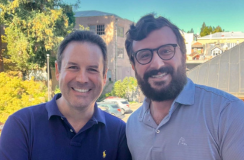
Host: Chris Jones speech on day one at his newly acquired business didn't go well. It was an inauspicious start to a months long, harrowing slog, unhelpful sellers, a quiet quitting GM who eventually quit, quit and quit to start a competing business, and scariest of all, collapsing sales. It's enough to make you go fetal and I think these terrifying transitions deserve a moniker. Fetal transition. But just over a year later and Kris has righted the ship. Sales have returned, the people at the business are on board for his leadership, and Kris feels like he sees not just mere survival in his future, but growth. He's actually contemplating buying another business. This is the story of how he pushed through. Please enjoy my conversation with Chris Jones, owner of a $6 million foundation repair business in North Carolina. Welcome to Acquiring Minds, a podcast about buying businesses. My name is Will Smith. Acquiring an existing business is an awesome opportunity for many entrepreneurs and on this podcast I talk to the people who do it. I want to share an update on the Acquisition Lab. As you know, the Lab is a highly vetted cohort based accelerator and community for people serious about buying a business. After going through the Lab's month long intensive, you have ongoing access to almost daily Q and A sessions with advisors, regular live deal reviews with Walker Deibel, author of Buy, Then Build Potential Deal team introductions, and a very active Slack group with other searchers on the path. Well, the update is that the Lab recently passed 60 businesses acquired and for well over $100 million in aggregate transaction value. Also, all members now enjoy lifetime access to the Lab because when you buy a business, it's often just the first of many and the Lab wants to support you in every deal, not just your first. Lastly, check out my recent interview with Shane Ursum, episode 105. Shane acquired a business with over $1 million in EBITDA in just six months and he attributes a lot of his deal success to what he learned in the lab. Check out acquisitionlab.com or email the lab's director, Chelsea Wood. Chelseythenbuild.com Chris Jones welcome to Acquiring Minds.
Guest: Yeah, thank you Will. Really happy to be here. I listen to you pretty frequently these days going to and from work and so you know it's an honor to be here.
Host: Awesome. Well I love to get listeners into the seat Chris, so it's great to have you here. You bought a foundation repair business in North Carolina. It was a tumultuous, difficult transition, but you are feeling like maybe the worst is behind you. As as I gathered from our Pre call. And in fact, you're even flirting with the idea of another acquisition. So we are going to hear all of that and learn something about the foundation repair business, which is one that I, and I bet many listeners have wondered about. Let's start with some background on you, please, Chris.
[3:25] Guest: Sure.
Host: Yeah.
Guest: So I did acquire this business just over a year ago now. Prior to purchasing the company, most of my career was spent in mortgage credit finance. So I started out after getting my master's in finance. I was working at a private bank in Miami. And then I really just started to feel more and more that entrepreneurial desire that had been in the back of my head for a while. I'd read Startup Owner's Manual, and I'd read, of course, all the ETA books, Harvard Business Review and Buy the Build and all of that. And I eventually realized, like a lot of listeners on your show, that. Or guests on your show, that, you know, I didn't need to necessarily have a great idea or have a startup because I didn't have any great ideas. But I knew that I wanted to have a business of my own someday. And so I really. It dawned on me that I could. I could buy a business. And, you know, I'd been saving money all along. And I guess I also just had some lucky timing, too, in my life when I bought my first house, it was 2011, and then bought my second, sold that, and needed a bigger house because my wife got pregnant. So I bought that house in late 2012. And so the real estate market at the time was very depressed. And so that actually ended up helping me out quite a bit to equity gains or a large way that I was able to eventually fund my business purchase when I moved from Miami to Charlotte. But I started to just digest everything I could about ETA and small business Acquisition. And I'd also come to the realization at that time that I really would prefer not to live in Miami. Miami is a very vibrant and fun place, and there's a lot going on, but I have a young family, and I just felt like I had been to Charlotte for work a number of times with my old employer, and it just seemed like a great place to be. And I kind of just decided that this seems like something that I'd like to try out. So when Covid hit in 2020, I was working from home. My wife was a teacher at the time, and she was working from home. And we were basically just. And my kids were at home. And we're like, well, we could do what we're doing right now from really anywhere, we don't have to be where we are. And we had talked about trying to live somewhere else for a little while, and so we just decided to give it a try. So we rented a house in Charlotte sight unseen, with a mutual, like a. A friend of our neighbors who went over and checked it out for us and showed us basically on facetime what everything looked like. And we were like, okay, well, that seems like a nice spot. We could probably give that a try for a year. So we rented this house and got a moving truck and packed up our stuff and moved to Charlotte. And under the kind of the.
[6:51] Host: Did you sell the house in Miami?
Guest: We did not. We actually kept the house in Miami for. For another year because that was kind of our fallback plan was if we didn't like it and if it didn't work out and it wasn't a better, better life for us, we would just call the moving truck back and load it back up and go back home.
Host: So do you get serious about your search when you get to Charlotte? Was the idea that you would kind of start this new life, including a professional life, in the form of buying a business upon arrival in Charlotte?
Guest: Yeah, I mean, that's exactly right. The idea was kind of get to where we want to be geographically. And then after that point, you know, I was planning to really put 100% of my efforts into finding a business. And it was going to be, you know, very geographically focused in the greater Charlotte area. So, yeah, that's. That's exactly what we did. I had. I had started out looking for businesses in Charlotte while I was still in Florida a little bit. So I actually got introduced to a number of brokers in the Charlotte community. And funny enough, I think it was the first or second phone call I ever had with a seller was actually the sellers of the company that I ultimately ended up purchasing back in the end of 2019. So they had put the business on the market at the end of 2019. And I really wasn't prepared to. To even send an LOI or do anything at that point. But I was just trying to kind of get some reps in terms of meeting with sellers and looking at deals. So I was talking to brokers in the Charlotte area, and they introduced me to this business. And I had a call with the sellers, and I didn't put in an offer or anything, but they ended up pulling the business off. They had an offer that that was, I guess, moving forward, and then they ended up pulling everything off the market because Covid Hit. I mean, this is probably December of 2019, when I had the phone call with them initially. So before closing would have taken place, they. They took the business off the market and just decided to run it for a little bit longer until things normalized a bit.
[9:06] Host: Well, give us a quick picture of what your search looked like once you started it in earnest from Charlotte.
Guest: So, yeah, I mean, the way that I describe it to people is I was not really doing a search fund. I was not doing anything like that. I was just kind of a guy looking to buy a business. So I was working from home and my wife would go to work, my kids would go to school, and it was very quiet in there. And I was used to working a fair amount of hours with my former employer. So I just basically squeezed it in whenever I could. I mean, I would work during the day. I would be. Whenever I had some time, I would, I would talk to brokers, I would, you know, review sims. I would work late at night to, you know, review the sims when they came back in, you know, so that I wasn't losing too much productivity at work. But, you know, I think you've had other guests that have made similar comments, like, I probably wasn't as good of an employee at that point as I, as I could have been, because I was definitely trying to do something else. I just, you know, I just, I. I knew that. Well, I was like, well, here we are, I'm here now. Time to dedicate as much as I can. But at the same time, I wasn't, I wasn't going to quit my job and try and raise a search fund and all of that because I had to, you know, I had my family obligations that, that I needed to attend to. So I was just trying to do broker outreach and trying to review as many deals as I could. And I was really just focusing on the Charlotte area. And so every broker I talked to, I said everything in my price range that's in this geography I want to look at. I was very industry agnostic and saw a lot of.
Host: And what was your price range?
Guest: I was looking for anything in kind of the 2 to 2 to $4 million range.
Host: And you connect with the local brokers. And I assume you're also looking at biz by sell, Right. How do you happen across the. Or I guess I should say, how does the, the business that you'd already made contact with back in 2019 circle back around to your land on your desk?
Guest: So the, I mean, the, the brokers that had brought it forth originally they, the, the sellers came back to them when they were ready to, to relist it. And I was working pretty closely with that particular brokerage because they, they see a lot of, you know, they were one of the bigger brokerages in this area and they, they specialize in kind of north and South Carolina. And so I was, I was. Had a. Basically a buyer's representative over there at that brokerage that was, he was, I was, I guess, on their short list at that point where anything that came up, they would call me right away and, you know, present it to me. And that came after just showing them that I was serious for a significant amount of time. Going to lunches with them and just demonstrating that, you know, this is 100% what I expect to do ultimately. So took a little while to get to that point, but eventually got on their short list.
[12:15] Host: That's great to hear because of course, getting brokers to take you seriously is kind of one of the first hurdles that a searcher has to get across. Getting to the point where you're actually on their short list is maybe. Is maybe even more progress than your average searcher hopes to make. So that's. It's great that you were able to do that. So how often were they calling you with a new deal and how often were those deals like something that you wanted to look at once you were on the shirt?
Guest: I mean, I was probably in total, from all the different brokers I was talking to, I was probably looking at one or two deals a week. And some of them were immediate nos. And so I didn't really look at anything much that given week. But then other ones would come along and they would seem like they would fit some of the boxes, but not all of the boxes. And so I'd spend some time with it, but then politely decline, but, you know, yeah, they were, I mean, whenever they had something that, that fit, they were. They were really good about it. So I have, you know, the. I have good things to say about the broker that I worked with.
Host: Listeners of Acquiring Minds know that for almost any business you acquire, its success comes down to the people and how you develop and manage them as their new leader. Thing is, in addition to management, there is also a lot of process and bureaucratic work when it comes to your new employees. Payroll, compliance, HR technology, hiring, to name but a few. These processes are crucial to get right, but at the same time distract from where you want to be putting your energy in leadership. So Aspen HR is an HR firm and PEO that takes this work off your Plate and handles it with the care it demands. Aspen is owned and run by Mark Sinatra, himself a successful former searcher. So Aspen's own leadership understands the HR challenges that searchers have. Post acquisition, the firm is offering Acquiring Minds listeners a complimentary pre acquisition HR and PEO review. For your target business, check out aspenhr.com or contact Mark directly@markspenhr.com well, if you were industry agnostic and you said your price range was 2 to 4 million, did you say yes?
Guest: Yeah, that's right.
Host: That's a lot of businesses, I mean that's a lot of businesses are going to fall in that price range. You know, above 4 million you start to get into pretty sizable business that might attract the attention of pe and below that size it's going to be a, you know, it's going to be, I mean there's going to be a lot of businesses that sell for less than 2 million to be sure. But still you cast a pretty wide net, which of course, if it's a geographically constrained search, you're going to need to do anyway.
[15:07] Guest: Right? Yeah, we had just packed up and moved here so my wife especially and you know me, and nobody was interested at that point in turning around relocating again anytime soon. So you know, moving sucks so didn't want to do that again if we didn't have to. And so that was, I was pretty firm on that requirement. But yeah, I looked at, I looked at everything from, you know, trucking companies to fast food restaurants to the companies that produce plastic to put over crops and on the top of, top of dumpster trucks, just all sorts of crazy stuff. So, but a lot of home services
Host: and so yeah, well that's a, that's a common one. So. So the business that you did buy is, is brought back on the market to these brokers that you now have a relationship with. They call you, they tell you about it. You, you, you recall it from back in 2019. Tell us how all of that unfolds.
Guest: So yes, they reached out to me and they said, oh, I know that you did talk to these people, you know, a couple of years ago, wanted to let you know that it is back on the market and the people that had originally made an offer not, you know, are not going to be making an offer this time. That was around January of 2022. So I said, yeah, I'm interested, definitely. Let's see. So I started down the path with them and did due diligence at that point. I had a couple SBA lenders that I was pretty familiar with. And I had an attorney and I had a CPA lined up because I was trying to do my part to be ready when the right business came along. And so I went and I did got further into due diligence with them than most of the other companies. I did issue an loi. My understanding is that there was two other potential buyers, two or three other potential buyers at the time. And I was informed eventually that my offer was not accepted. That basically I had lost out to another, another buyer. So I was disappointed about that. And I went and I talked to my wife. I was like, oh, I thought that this really might have worked out. I was pretty excited about this one. And she was like, well, whatever happens, happens. That's the way these things go. There'll be something else. And so I just kept looking at other businesses. I met with a couple of other sellers in the next three months or so. And then I got a call back from the broker that. And they were telling me that they didn't think that the deal was going to go through, but they weren't sure yet. They wanted to give me a heads up and see if I was still interested just in case it didn't go through. So I guess they were, they were just trying to keep me warm. And yeah, I mean, about two, three weeks after that got a call from them and said that the deal did not go through with the original buyer. So, you know, I didn't get a ton of color around what happened. My understanding is that he, he had kind of wanted to make it more of a hands off, passive type of investment from, from what I know, he was a Harvard grad and a fighter pilot and had a consulting business and had all these other things. I was like, yeah, I probably would have taken his offer too, no problem. But yeah, it fell through. I guess he realized that it was going to be. There was going to be more to it than more active management than he thought. And I, you know, I was, that didn't, I didn't shy away from that because I expected to quit my job and do this all day, every day as my new career. So I said, fine, you know, yeah, I'm still interested.
[18:55] Host: So speaking of active management. Yeah. We're about to hear just how active this management was. And is, Is there anything that you want to say? Because I want to, I want to spend some time once you're actually in the seat. Chris, is there anything that you want to call our attention to about the transaction itself and the negotiation?
Guest: You know, the transaction was, was okay. There was a couple things that, that came up along the way where, you know, I had been basically working off of QuickBooks numbers the entire time and doing all my due diligence and modeling cash flow off of the QuickBooks numbers. And then pretty late in the process, I got a link to some other file that was in the, that got put in the data room. And it had this whole suite of management reporting. And the management reporting had different numbers for sales and production and all of that than what was in QuickBooks. And so I was like, what's all this? How do I make sense of this? So we spent a fair amount of time and we went through that and eventually I was able to get comfortable with the differences between how they internally reported numbers versus how they were doing it for accounting purposes. But that was just kind of, it wasn't really presented to me from the beginning. It was kind of just something that was, you know, eventually made its way to the data room and I had to ask about it. And then we, we dug into it a bit
Host: and was that a harbinger of, of things to come? Was that kind of emblematic of how the business was run? That things were not always what they seemed, or was that an innocent oversight?
Guest: I mean, I, I mean, it, I'll. I'll say it was just something that was probably an innocent oversight. I mean, it was probably a little bit of an element of, you know, if. Just wait for him to ask and then, you know, then we'll give information once he asks about it. But wasn't nothing, nothing terrible came out of that, So I was able to kind of get around that. One of the other things that kept popping up is when we'd be reviewing the QuickBooks P&L numbers, their numbers would kind of change from one time I looked at it to the next. Like February's P and L number would be this week and then slightly different next week. And I was like, well, I thought the books were closed. And there was always, well, this invoice came in or that invoice came in, or we ended up finishing this job that wasn't accounted for. So little things like that. I mean, I. Again, you know, it was just kind of a. At the time I was like, well, I think I can, I can get over this. It's, you know, it's a small business. I understand that they don't have the most sophisticated accounting practices, so. But, you know, little things like that where having invoices being processed way after the fact was, you know, a little bit of a of a red flag at the time.
[22:12] Host: Okay, Chris, So as you're going through the transaction, there are what we might call yellow flags or small red flags that are appearing, but it's easy to kind of explain that away to oneself by saying, well, this is the nature of small business. Let's fast forward now to you actually getting into. Into the business. Tell us about the first month.
Guest: So the first. I mean, even the first day, I mean, I assume that's chaotic for everybody, but, you know, even just leading up to that first day, like the week before, was very chaotic. Before closing, you know, I was like, I was moving houses. My son had to have an emergency surgery. I was trying to close on a HELOC on my house, and it finally closed in time because I was trying to avoid having to have any equity available so that for the SBA loan.
Host: So that was a little
Guest: insight that had been passed along to me by my lender that, well, if you have a. You'll still have to have a personal guarantee, but if you take up any excess equity with, with this heloc, you will then not have to have a lien on your house. I was like, oh, that sounds really nice. Let me, let me do that.
Host: I had not heard that.
Guest: Yeah, so that was, that was great. But I was trying to get all of those things taken care of. And then the day of the sale, I basically came towards the office, and the sellers were saying, oh, well, you know, we're going to, were going to make the announcement at the end of the day, and right after we make the announcement, you can come over. So I got towards the office a little bit early. There's a fast food restaurant right across the street from our office. And so I figured, oh, I'll just sit here and wait for the word. And I felt like I was sitting there forever. It went way past the time when I was expected to be told to come over and introduce myself. And so eventually I got the call to come over and introduce myself. And it was just. It was a lot of kind of blank stares from people. It was a lot of people that were. That had a hard time with it and were just confused. And, you know, my understanding, I found out later is that, you know, they had pretty recently made an announcement to people that were not selling this company, you know, because they had. They had basically, you know, started a new. A new chapter in their life and had moved from being close to the office to being about an hour. A little over an hour away from the office. So they, they weren't really in the office very often. So I guess there was some speculation that they might be selling the company. And then, you know, they told everybody, no, we're not selling the company. And then turn around a month or so later and yeah, we are selling the company. And here's the guy, he's right here. He's sitting at Bojangles across the street.
[25:22] Host: So. Oh, man.
Guest: Yeah.
Host: So you could feel. You could feel the tension in the room, in the, the confusion and the kind of lack of receptivity to your. To you and your message.
Guest: Yeah, I think that they were just confused with, with everything in general. I tried to kind of keep my, my speech short and then touch on the typical things you'd want to touch on of. I'm not planning to change anything. I just want to build on all the great things that this company is all about and help grow and. And you know, I'm going to be here all day every day. And all of those things that I had hoped would kind of put people at ease. And, you know, I think maybe it did to some extent, but I think they were just. They were just taken aback by. Because nobody kind of saw it coming. So that was. That was the first day. The next couple weeks were. We had kind of rushed the closing because there was supposed to be a management retreat that I was going to go on to Charleston or somewhere. And so we had. Trying to rush the closing and just get it done because we wanted to go on this retreat and I was going to go strategize with the leaders of the company and the sellers and all of that. And then, you know, as soon as we closed, I realized like, this. This just isn't possible. Like, I can't. I can't go out of town for several days now. I felt like the first. Probably two weeks post closing, I was just basically sitting in. In my office here, switching accounts for the most part. I mean, there's. There was a lot of legwork to be done with everything from fleet fuel cards to three or four different phone, Internet and service providers for alarm systems, for everything. Everything just took a really long time to switch these accounts over. So I felt like I was at it for literally about two weeks just sitting in the office. And this is time that I wasn't spending with the guys that were doing that do the production or going out in the field or just even forming relationships. I was basically just holed up in my office on the phone for, for two weeks. So, you know, that was kind of a lesson learned in the future. You Know, if I was to do it again, I would probably want to actually consummate the closing and get all of that stuff ironed out before making the announcement so that it wasn't just kind of, you know, hey, I'm here and I'll be in the office on the phone if you need me. So it would have been really nice to have that, that pressure off. So, but.
[28:07] Host: Well, that's a great tip because this transitioning of accounts is something that comes up a lot. But as you paint a picture of it that, you know, you had this rocky first day speech and then rather than kind of trying to claw your way back out of that with rapport building and glad handing and going around and kind of getting to know people, you're just some new guy holed up in the office, right?
Guest: Yeah. Their company had been around since 2006 also, so they had all these long established accounts. And I had just set up a new LLC a month before with that had no credit history, brand new ein, all of that. So some of these cases where you're trying to get a pretty significant line of credit with the, you know, the fuel company or with the material suppliers and all those things, like to be a new business with no credit and be a new owner. That was tougher than I thought it would be for sure.
Host: Okay, carry on. So you, you push your way through these two weeks and, but are not really getting to know the team and decide you can't go to this retreat. By the way, before you answer that, Chris, I didn't, I didn't ask you for a kind of size of business. How, how big is it in dollar numbers and people numbers and anything you can share.
Guest: So we've got about 35 employees and revenue wise, we're, we're probably on track to be about $6 million company this year for revenue.
Host: Thank you for that. So what happens after these first, these first rocky two weeks?
Guest: Well, I mean, we had kind of, we had made plans to get together and have the seller come in and spend time here in the office and cross train me. And I think there were a couple times that the seller came in, but it really kind of more turned into them going around and talking to the guys and, and you know, doing more social things rather than sitting down and training my, training me on anything in particular. And so I just, it kind of, after a couple of those sessions became clear to me that really I wasn't getting a whole lot out of that. So I just figured, you know, there's no real reason to Keep doing this. You know, it's clear that the seller wanted to kind of get on with their new endeavors and just probably be better off just figuring it out on my own. So there really wasn't much of a transition period, so to speak.
[30:51] Host: And Chris, talk a little bit about the fact that you were, I mean, there was going to be a learning curve here. You're buying a foundation repair business, which is kind of like broadly in the construction and trades industry, and you, as you described at the outset, you know, coming from a very white collar environment behind a computer screen to a very different environment and we're going to have to learn at least something about the business of foundation repair. So you were anticipating a learning curve. Talk us through how you were thinking about that and then, and then what it was actually like once you got in the seat.
Guest: Yeah, so, I mean, I definitely was anticipating a learning curve. I mean, coming from my, the background that I had working in finance and spreadsheets most of the day, I knew that I was not going to get a company that was exactly like what I had been doing in the past. So I was well aware there was going to be a learning curve no matter what. I knew coming into this one that there was going to be a little bit more of a learning curve just because the fact that it is construction. I don't have a background in construction. One of the stipulations with the deal was that I had to get my general contractor's license. So that was, you know, I went out and I did some research into it and it didn't seem like anything that was too crazy. It just seemed like a lot of reading of books and studying and then taking a couple tests. And so I figured out, well, I'm decent at taking tests, I'll probably be okay. But I, you know, I didn't have time for the first couple months to really even get into studying and doing all that just because I was at the business all the time and there was just, even on the weekends I was, you know, doing work and I didn't have a lot of opportunity to study. But that, yeah, the, the learning curve and the, the having the background that wasn't in construction was probably my biggest concern going into it. And my, I was really concerned about how I was going to be received by the people in the company coming in without that background. The prior owner, you know, owners. It was a husband and wife team and the husband had started the company from the ground up and he was really kind of revered by the guys around here. Like they, they still tell stories about him and the time he did this crazy thing or, you know, did this, you know, this at a house and fix some problem by hitting it with a hammer really hard or you know, stuff like that. Like there he's kind of like, he was, he was really looked up to by the, by the guys around here. And I knew that that was very different from where than my background. And I'm just kind of also naturally a semi introverted person. You know, I'm not. I have always felt more comfortable kind of doing the, doing the analytical work than doing than know, out there on construction site and screwing around with the guys and cracking jokes and all of that. So I knew that was going to be, I knew that it was going to be a transition. But, you know, I felt like this is a challenge. I, I can do this. I felt pretty confident and I felt like as long as I come in and I treat people fairly and with respect, eventually that they'll hopefully recognize that. And if they don't, then, you know, that's, that's unfortunate, but that really is the way that it worked out. The funny thing is that the guys that are actually doing the construction work have been very, very welcoming and accepting of me and teach me things all the time. I go out and I'll go to jobs with them and they know that I don't necessarily have a lot of the knowledge that they do. And so they'll, they'll show me things and explain themselves and why they're doing the things that they're doing. So I really do appreciate that They've actually been really great. The problems that I had with employees was much more so on the office and the, and the management side, which was the total opposite of what I had expected. I thought it would be the construction, construction guys that would not accept me. So.
[35:10] Host: Yeah, yeah, well, pick your poison. But I, but no, that's great. I'm glad to hear, I'm really glad to hear that, that. I love hearing that about, you know, cruise tradespeople being, well, welcoming and being receptive to an eager new buyer learning because I just feel like it's, you know, you're putting yourself in a vulnerable position going out there. You're the boss, you're this finance guy who came in and bought the business. But you know, you're willing to kind of be like, hey, you guys are the experts and I'm here to learn, teach me. I just, I think it's a really good and healthy dynamic, but good segue there. Chris. So tell us, tell us what problems you had with, with the people who are at home base, the people in the office.
Guest: So, yeah, I mean those started pretty soon thereafter. I mean there was a lot of, since the sellers hadn't been on site a lot, there was kind of almost like no adult supervision really. So there was a lot of people kind of going out to long two hour lunches and having a bunch of beers at lunch and coming back and then, you know, coming back from that lunch and then just kind of screwing around the shop and doing whatever they could to pass the time until it was time to go home and not actually really contributing a lot. There was that and then there was also, you know, the, the, the person who was the general manager when I came in. I had been assured that he was rock solid and this guy's been with the company for a long time and, and he can do everything. You know, you don't even really need to be, you don't even really need to go into the office. And you know, I, I was kind of initially hoping that he was going to be the qualifier for the business just because he had, his whole career had been spent in construction. And so I was kind of banking on him getting his general contractor's license and being the qualifier. So I started to get him to enroll in the classes and I paid for all the books and the classes and encouraged him to go out and get that license for us, which we needed. And he went out and he did it. And basically as soon as he passed the state test, which isn't even the, all the tests you have to take, he just, he passed the one test. He came into me the next day and he, he gave me an envelope with a couple hundred dollars in it that was the cost of all the classes and resignation letter saying that he was quitting. So I thought, oh, okay, well, there goes, there goes that. And then also, you know, I don't have a, I don't have a general manager right now. So I came to find out later that I think it was eight days after I purchased the business. He had set up his own LLC and was basically planning from the very, very beginning to go out on his own. And I found out from just talking to people around that I guess there had been some conversation with the sellers and with him a few years back, which was kind of informal conversation over dinner or something along those lines where they had had kind of informally suggested to him that if they were to ever sell the business that they would sell it to him. So I I think he felt he
[38:36] Host: was totally blindsided and felt betrayed, even.
Guest: I think he was. Yeah, I think he was blindsided and felt betrayed. Exactly right. And, you know, he told me when he was. When he was giving his resignation, he's like, you know, I have nothing against you. You're just a guy that bought a business, but this is. This is different than what I signed up for. So.
Host: Yeah.
Guest: And I said, you know, man, that's tough.
Host: All right.
Guest: I was like, well, you know, it's a. It's a free country. Obviously, I wish you luck and go out and, you know, do what you want to do. Like, I don't. Don't try and hire the people away from here, but if you want to go out and start your own company, that's. That's fine with me. So, you know. Yeah. Now he has a competing company in the area.
[39:17] Host: Wow. And the. Just going back a little bit to his role within the businesses. Gm, your seller, general manager, your sellers have told you that he's rock solid and a rock star. And you, who doesn't know the business of foundation repair, you're perfectly willing to be in the business all day, every day to learn it. But were you envisioning really leaning on this person to. To keep the trains running on time as you moved up that learning curve? I mean, to what extent were you panicked when he gave notice? I guess is a more concise way of asking. So were you fine? Like, was. It sucked, but you could. You figured you could manage?
Guest: Yeah, I was definitely during due diligence, I was definitely counting on him a lot. I was planning to lean on him a lot as the. As one of the people that had the most, you know, product and technical knowledge, and also somebody that kept the trains running on time and had a good rapport with all the guys and just oversaw. I mean, he didn't. He wasn't really involved with P and L or sales, but he was. He was very heavy on kind of the operations and the management and the production side of the house, managing the guys going out in the field. So, yeah, I was. During due diligence, I was definitely thinking, oh, well, this is, you know, this is one of the things that gets. Gives me comfort is that there's this person in place. He's a young guy, he's been there for a couple years, but, you know, not too long and not too short. You know, hopefully I can get in there and, you know, we can form a good relationship. And, you know, I told him, I was like, you know, I. I plan to grow this company. And I would definitely like to see you make a lot more money than you're, than you're making now, which he wasn't making bad money at the time. I mean, and he had, you know, free, you know, free King Ranch F250 truck with a gas card and a paid cell phone and all of these things and, you know, good salary, got a percentage of production. But it just, you know, we just never, we just never really clicked. And, and I mean, I, I just don't think it was ever. There was nothing that could have been different that could have made it work. I don't think. I think he was just very. He had a very good relationship with the sellers and I think he was blindsided and hurt and didn't want to be associated with the business anymore.
Host: So
Guest: that led, that led to him, you know, he was acting out like he was one of the ones that was going out and, you know, having a bunch of beers at lunch and coming back at 2 o' clock and it was like, well, what do you, where have you been? Like, where have you been for the last couple hours? And then, and you know, any excuse there was to go visit a job to get out of the office and not be here in the office. He'd be like, oh, I'll go out there, I'll. He would volunteer for every possible opportunity to not be here. So I mean, I was sitting there and I was like, well, geez, like, this is not, this is not working very well at all. Like, this guy's not actually helping me at all. So by the time that he came around to tendering his resignation, it was half concern and half relief, I'd say, because I knew that that was not a sustainable way to do things.
[42:36] Host: Yeah, he was either going to quit or you were going to have to have an uncomfortable conversation with him.
Guest: Well, yeah, and I did have uncomfortable conversations with him. But the thing was, like, coming in here as somebody without industry experience and new and all of that, like, I was really concerned about, well, what's going to happen to everybody here and their morale if. If I fire this guy that's been their leader for the last couple of years because he, you know, is, is not doing his job like he was. He did have a great rapport with all the guys. I mean, that was most of what he did was sitting around and BSing with the guys at the end of the day and hanging out. So yeah, I was thinking if I fire this guy, like, who knows what everyone's reaction is?
Host: Going to be totally so unpredictable and, and, and daunting. On the other hand, you know, maybe they saw that he was taking long lunches and not working very hard and coming back with beer on his breath, and there, there was resentment on their part, even though they were joshing around with him at the end of the day. So.
Guest: Yeah, but they've been joshing around with him after they'd been, after they'd been working for, you know, 10, 12 hours doing, doing serious hard, dirty work.
Host: Yeah.
Guest: So, yeah, so, yeah, I do think they. That definitely was picked up on by some of the guys, and some of the guys did make comments to me about that, but I still just had this feeling that, you know, he was, he was very important and that there might be some sort of mutiny if. If he wasn't here. But, you know, it turns out that wasn't the case. Like that. Really. It was, it was. Okay.
Host: Well, that's great, Chris. I mean, that's great that there wasn't a mutiny. I'm reminded of one of my recent interviews, the one that was anonymous with the person who, who's. Who's really in it right now. And I mean, really, it's not clear if she's going to make it through, but one of the many disastrous things that happens is, yeah, some of the leadership leaves and that. What, yeah. What does that do to morale? Because everybody, you know, if somebody, if somebody is a leader in the business and then leave and other people admire that person, do they follow that? I mean, especially if the person is going off to, you know, start a competing entity, do they. You know, why not just go with him? I like that guy. So I'll. Thank you very much. You know, goodbye, new owner. I'm gonna just go work for this guy who I already know and respect. So, yeah, you just worry about this terrible domino effect taking hold. Well, Chris, you. So you, you lose your gm that even though, as we now hear, like, maybe that was for the best and, and it maybe even gave you some relief even in the moment, but still on paper, not a good thing. Your sellers are not helpful at all in the transition. So all these kind of pillars you thought you were going to have to lean on and help you get your arms around this business, have crashed down, disappeared, gone away. How you feeling? Have you had a fetal position moment at this point yet?
[45:38] Guest: Yeah, I was not feeling great for the first couple months. I would say the first four to six months, I didn't have the fetal position on the bathroom floor. I think I had a Position where I was sitting at the picnic table outside and I was like, I just had this wave of nausea coming over me. I'm like, oh my God, what have I done? Did I make a terrible mistake? Is everything that I've been working towards just amounted to this and this was the wrong thing to do, but, you know, so I definitely felt like that for a while. I mean, I was. I was pretty. Pretty highly stressed for a couple months. I mean, I was at the point where, you know, I wasn't very much fun to be around at home. And I wasn't really enjoying. Even on the weekends when I was trying to hang out with my family and do things to distract me. Like, I just. I couldn't get these things off of my mind. So, you know, that was a little bit tough. And obviously that stressed my wife out pretty considerably too, because just her seeing me like this and she was saying, oh, what can I do to help? I was like, well, I, I appreciate it, but there's nothing you can do to help. I just have to figure it out. So. But you know, we. That, that, that was tough.
Host: What about the, the. The family piece and just the fact that you guys have made this other parallel big decision to move up to North Carolina, so you've made a number of kind of big decisions in tandem. Does it feel like the whole thing is in jeopardy now that, I mean, you know, not only maybe do you have moments where you're like, man, I wish I hadn't bought this business. Man, I wish we were back in Florida in that house we owned five states away.
Guest: I've definitely had that thought a couple times. Not recently, but at the, you know, a year ago. I definitely had that thought a couple times. Like, well, geez, I've got. I had a really nice. I had a nice position at a great company. I was, you know, basically the number two person in our group. I got to. I had a ton of leeway and a ton of freedom that everybody trusted me. I got a nice bonus at the end of the year. Every year I had a. You know, we lived in a great neighborhood and that my kids. School was two minutes away. And it was, it was really. It was a nice existence. Like there was nothing at all wrong with it. I just for. I definitely had that thought. Like, maybe, maybe that would have been better to just keep doing that. But you know, that was just. That was just temporary. I have, I'm not having those thoughts any longer. And I haven't had those thoughts for a while now. I realize that we're we're on the right track, so. But yeah, at the time it was, it was nerve wracking.
[48:08] Host: I want to get to how you got things onto the right track, but indulge me and can we just dwell in this ugly part for a minute? Like the moment, but really just for the benefit of people who might be experiencing this or have to experience this at some point, you're, you know, the, the picnic table moment, the nausea moment. What do you do? Is it the, is it like, how did you manage that? Is it the, the Churchill quote, like when you're going through hell, keep going sort of thing, or was there, was there anything, anything you'd advise somebody in that position?
Guest: Yeah, I think it was just keep going at that point. I mean, there really wasn't any alternative. I mean, as you know, when you buy a business, it's not liquid, you sign a personal guarantee, you're doing all of these things, you've quit your job. There really is no alternative. Like you've sailed to the shore and burned the ships and you got to figure out how to make it work. So that's.
Host: You burn the ships. That's right. Yeah.
Guest: That's where I was. And there was no other option. I just had to kind of keep going and trust that if I kept doing what I was doing day in and day out and tried to be smart about what people brought on to the company, like what new people were brought on and how to shuffle around existing people, that we could make it work. And that was really it. I mean, it was just kind of blind, blind faith at that point and just having faith in myself and that, you know, there was no other alternative. I couldn't do anything else, so.
Host: Yeah, exactly. It kind of makes things simple when there's no options, right? Yeah. Not easier, but maybe simple. Okay, Chris, well, tell us more about the sellers. You know, are you having interactions with them as this transition? You know, for example, the thing about the. They had apparently been implied to the GM that maybe he'd have a shot at buying the business. Did you circle back with the sellers and ask them about this? Are you having interactions with the sellers or have they just disappeared?
Guest: I mean, they were. I was coming to them for things that I had to go to them for. Not really for advice, but really more on accounts that I had questions on or how does this or that work around the office, but not really. I really wasn't going to them for too much advice at that point. You know, one of the other things that came up is that we had a. The way that the broker that I worked with was, is that they had a kind of an impartial attorney draft all of the closing documents. So the seller paid half of the attorney's fees, and I paid half of the attorney's fees. And then I had a separate attorney on my side reviewing everything. But the APA and everything had kind of a. They had a WIP schedule, and the WIP schedule had language, but it didn't have dollars tied to the language. So there was all these jobs that were in process when I bought the business. And I think that the seller had their interpretation in their mind and they thought it was clear. And I had my interpretation in my mind and I thought it was clear. And then we close. And it turns out that we're on very different sides of the aisle in terms of what we thought was owed to whom for wip.
[51:44] Host: And Chris, define wip. Define WIP for people.
Guest: Yeah. So the work in progress, and in this particular case, I'm talking about the jobs that we have going on. So we have. Our average job is 10 to $15,000, and we have dozen or so jobs going on at any given point in various stages of completion. And the way that we track it is that you sign it. The crew that's working on the job just puts in an estimate of how much they think it is completed on a percentage basis. So this job's 20% done or that job's 80% done. And so there was a sheet that had all these jobs that were in process with different percentages. And I thought that it was clear in the documentation. And I guess the seller thought it was clear in the documentation, but we had different interpretations. And so post closing, I was like, okay, well, so what about this post closing True up? And the seller was like, yeah, what about the post closing True up? You owe us money. And I was like, well, no, no, no, you owe me money. So there was some back and forth on that for a while, and we had to get the attorneys re involved and things like that. But, you know, at the time, like the. There. There was some talk between the seller and the prior general manager of like, well, you know, he owes us money and he's not even paying it type of thing. And I was like, no, no, that's. That's not correct. That's not what's going on here at all.
Host: Two questions. Chris, do you think it was an honest disagreement between you and them or less than honest? And a second question. What was the delta between what they thought you Owed them and what you thought they owed you.
Guest: So on the honesty part, I mean, I would like to think that it was an honest misinterpretation. When I kind of laid it out very simplistically, it was like, well, you'd be getting paid 104% of this job. So under your math, so that. How can you get paid 104% of a job? That doesn't make any sense. And so, I don't know. I'd like to think it was just an honest. The verbiage in the agreement. You know, this is my first time getting through an asset purchase agreement, and I did have an attorney, and he's a great attorney, but, like, I don't know, somehow we. My recommendation to anybody would just be try and put exact dollars in the agreement rather than language as to how to handle whip or jobs in progress. So, I don't know. I think it was probably an honest mistake, but it was definitely. It was definitely something that was a point of contention, and it was something that, you know, the. Some of the employees were exposed to that they really shouldn't have been, because that just kind of laid some seeds of doubt as far as, like, well, this guy is coming in now here, and now he owes. He owes money to them, and he doesn't want to pay it. And, you know, does this guy even know what the hell he's doing type of thing?
[54:45] Host: Yeah. Yeah.
Guest: So. So we. We ended up settling that up, and it was fine. I did not owe any money in the end. So then the. The Delta. To answer your question about the Delta, the Delta was quite wide. Quite wide. So, like, you know, I don't want to say the exact numbers, but it was like somewhere between you owe me a pretty good amount of money and you owe me like, twice that. Pretty good amount of money type of thing.
Host: Yeah, yeah.
Guest: So just something that really. It shouldn't have even been an issue, but I feel like since we were kind of. We. We had been really trying to. Trying to close at the end of June 30, at the end of the first half, to make it a clean closing. So we had been working really hard and pushing and pushing to close on June 30, just so it was really clean for the books and. And everything, and we missed that. We ended up closing on July 12th. But I think because we were rushing a little bit to try and get everything done, you know, there was some things that probably could have been a little bit more well defined in there.
Host: Okay. So that. That was another Challenge, Chris. So I guess the question would be, what has happened or what did you do to improve the situation such that some of these challenges, happily, many of these challenges are pretty solidly in the rearview mirror at this point. And from what I gather, you're feeling pretty good about the business these days.
Guest: I. I am, I am. I. It got, it got kind of worse before it got better.
Host: Do tell.
Guest: The, the. The general manager left in, in early October of 2022, and right when he left, our, our sales just fell off a cliff that month. So that was. I was like, oh, terrifying. Yeah, it was terrifying. I was. Because we're, I mean, we're, we're mostly a project based company. So we're. It's kind of like, you know, you, you hear, oh, you should find a company with recurring revenue. And I was like, well, you know, there's all these project based companies out there in construction, foundation repair, structure repair, that's not going anywhere. People are always going to need this type of work. So what I didn't realize is that there is, you know, there's a little bit more seasonality to it than I had originally anticipated going in. Partially that had to do with how revenue is recognized before, you know, coming out of COVID and the housing boom that came with it. They had a pretty significant backlog of work when we were doing due diligence. And revenue is recognized when the job was started, not when the job was sold. So what that meant was you had your big backlog and it just existed as a liability and it wasn't recognized as revenue until they started the job. So when you have a big backlog, you can keep starting jobs in the winter, even if you're not really selling as much. So that kind of, because of that, I kind of missed some of the seasonality to it. And that had been the case since 2020. So I was looking over the last couple years of financials and that had been kind of the case. So in October, sales really kind of took a big drop. And the employee challenges that I was having too, of course I was being paranoid and I was thinking, someone's stealing business, there's gotta be something nefarious going on here. The wife of the prior general manager who left was doing our permits for us, so she actually had access to our system a little bit after the fact, after he left. So I put a stop to that. But I was really thinking that something is going on here. And there was people in the office too, um, especially one person that was, you know, that was really Loyal to the general manager. And he had actually helped her negotiate a big pay raise right before he left. So she got, she got her big pay raise, but she was still just very unhappy working here after he left. And, you know, nothing was going to save that. So ultimately we, we parted ways, but I was really concerned that there was business just leaking out to him or to someone else. And so, yeah, the winter from like October, November, December, it's part of, it's just seasonality. And then the holidays, you know, people don't want you coming to their house and banging around under the, under the structure while they have their friends and family in town or they're out on vacation or whatever it may be. And there's just less, you know, there's less, less issues and moisture issues that come up that, that is kind of what generates a lot of phone calls. So yeah, that time of the year got slower and so they got to the point where we were selling jobs and we were starting them pretty soon right after. And if guys didn't have anything to do that day, I would pay them their hourly rate to work in the warehouse and help clean up the warehouse and get everything organized because I really was very fearful of, you know, letting anyone go that was a great, a great person. And so I was, I was trying to keep everyone busy and gainfully employed. And so we did that for a couple, for like month and a half or so, two months. And yeah, it burned, I mean, it burned a lot of cash doing that.
[1:00:22] Host: And
Guest: you know, that was, that was not, that was, that was probably the, the most stressful time, I would say, because like, I, I can deal with people leaving and I can deal with anything, any challenges like that. If someone doesn't want to be here and doesn't like me, that's fine. They don't have to be here. But the guys that did want to be here and, and bought into the vision, I had this, you know, I had this responsibility to keep them employed and keep them busy and taking care, allowed to support their families and not, you know, otherwise they'll leave. So that was, that was, that was what was more stressful, I'd say, than anything else. So.
Host: Well, you're also sitting there wondering if there, if there's some problem with the absolute foundation, haha. Of the business that all of a sudden, all of a sudden there's no sales. I mean, right. You know, the money, the money spigot has to be on for anything else downstream of that to work.
Guest: Yeah, exactly. You know, I think that they're There had been some changes to marketing too. Right before I took over. Some of the, the, the. The TV commercials were turned off. One of the. They had a, they had a really strong sales guy who. He was. He had kind of come back and asked for more money and he was allowed to leave and he was replaced by somebody that was. His background was in, in driving concrete trucks. Like never sold anything and didn't even particularly like dealing with people.
Host: So.
Guest: So I was down to basically one sales guy at the time and the marketing had been kind of reduced for. For a while. So it was, it was a lot of digging out of that hole to. And I think that we really felt the effects of it that November and December.
Host: So. And so then what happened in January? Did sales just sort of miraculously start coming back? And it was basically the seasonality worked itself through.
Guest: Yeah, I mean I'd say part of it was the seasonality. Part of it was that we made some changes. I brought on a new marketing company that was really helping us with some of our organic rankings. Some of the stuff that I thought that we should be on. The first result on Google, since we've been around so long, we were on the third page of Google. That's the type of stuff that when you're doing due diligence, you're like, oh, low hanging fruit. I can fix that and that'll be easy and that'll drive a lot more traffic. But those things do take a little bit of time, right? You can't just fix SEO overnight. It takes a couple months. So I'd brought in a new company and their results were starting to pay off. There was a guy here who was the sales manager and I changed his position to be the director of operations. So he took over the more the production side and he became the one that was keeping the trains running on time. And he had a, he had a good background in, in construction. So that was, that was definitely helpful. The one sales guy that was not, you know, was admittedly like he'll even say that he doesn't like doing sales. So I was like, well then maybe that's not the right position for you. So we took him out of that and brought in somebody who had some experience doing the work, but also really wanted to do the sales and started training him at that time. So all of those things kind of working. And then, yeah, there was, there was some seasonality to it too, but all those things kind of working together. When we got to January, it just, just everything kind of started working and we started getting, you know, good amount of business coming back and, and it was, it was a great feeling.
[1:04:02] Host: Well, here we are in August, Chris. So are you, do you have a plan for this coming December, November, December, when. I mean, are you having to kind of like, you know, account for the fact that, are you expecting that the business will drop off again like seasonally as it did last year, and plan for that?
Guest: I'm planning for, for something. I'm, I'm, I guess I'm cautiously optimistic about it. I'm hoping that it's not going to be like last year. I really don't think it will be because of all the things that we've done to make improvements. I mean, we recently released a new website that's much more current and user friendly and able to get lead forms. Recently hired a business development manager who's going to be going out and working with these, who would be our referral partners like structural engineers, home inspectors, realtors, those types of folks that, that could refer us business. Just. I'm really spending a fair amount of my time working with the marketing company trying to make sure that everything that they're doing makes sense, make sure we're hitting, doing the right ad strategies. So I guess. But I'm also trying to conserve cash and build up a buffer for the winter just in case. I'm not, not taking any money out of the business or anything like that right now. Everything is reinvested and we're either using it for, for growth or saving it for a rainy day at this point. So I do expect that things might get a little bit quieter. But I think that, I think that, you know, part of it is just if you build the backlog of jobs going into the winter, then you have plenty of work to get you through the winter. So that's, and I think that that was kind of one of the things that was my issue. You know, when I, when I came in in July, the business had been really up for sale and already gone through one due diligence period and they were very close to closing with this prior buyer. And I think that, you know, they, they thought it was a done deal. So when that fell apart and we had to restart over with me and spend another three, four months, it was, you know, they weren't going to, I mean, understandably, like you're, you're trying to get as much out of the business as you can. Like you're not going to be investing in marketing and investing in things like you would if you were going to keep it for, for years to come. So especially if you really just thought you were getting through everything. So I, I, I think there was just a little deferred, deferred maintenance there and had I closed in earlier in the year, I think it would have been less noticeable. But the fact that there was another buyer and it fell apart and then, and we had to restart over, I think that, that, that was definitely a negative.
[1:06:57] Host: Well Chris, anything else on the basically being in this low.
Guest: No, I mean now, now things are, things are, things are going well. I mean the first half of 2023 was actually our sales were better than the either of the previous two years. So we just had.
Host: Congratulations.
Guest: Thank you. Yeah, we just had a mid year team event where we went to topgolf and went and played some, you know, laser tag games and things like that. And like I gave my speech and I was just telling everybody that you know, it's been tough, it's been a lot of work but I really have enjoyed getting to truly meet them and know these folks and you know that they're, they're doing a hell of a job. And yeah, we're definitely moving in the right direction. I mean there's, I mean there's other competitors out there, but I feel like we're, we're a great size. We're, we're, you know, we go up against franchises. There's a, there's kind of one big private equity backed company the, in the immediate area. But you know, I think that we really should be winning against all these people and there's no reason that we can't just, you know, that we, that we shouldn't be significantly bigger than we are right now, so.
Host: Well, that's, that, that's a remarkable trajectory, Chris, and such a hopeful one. And you know, it kind of has all the elements of a rocky transition, fetal position or nausea moments where it. Yeah, I mean that's really scary what you described, especially the sales just kind of falling through the floor and then coming back and feeling like you're now you're excited about not only like is the worst kind of over, but you're also actually excited about the future. I love that the you. I think so. And one last thing on this and then I, I'm watching the time, Chris, and we're basically already at time. Do you have a few more minutes?
[1:09:03] Guest: Yep.
Host: Sure. Because I want, I have one more question on just kind of your role and the business itself and then, and then I just want to make sure we educate me and the audience some on the foundation repair business because it is one that you hear about in the world of search. The. You had mentioned, I believe to me in our pre call that maybe another acquisition is something that you'd entertain. Are you feeling confident? Did I get that right?
Guest: Yeah, you did. I would definitely entertain it at this point. You know, there's only. There's only so much work. There's only so much production that you can get done with a given amount of people. Right. Like a crew can only do so much work, so you can keep adding on crews. It's very hard to find good crawl space people, by the way. Like, it's extremely hard to find because it's not just construction. It's. It's really kind of niche specialty construction where you have to be under a house for eight hours a day and finding guys that are. That are good and want to do that work and have clean backgrounds and are someone you'd want to send to a customer's house. It's. It's really difficult. I mean, so recruiting is a challenge, certainly. So. And then, you know, geography is also a challenge. A bit of a challenge for us too. We cover all of north and South Carolina, so I got my general contractor's license in both states. So we do all of both states. So there's a fair amount of driving and gas and hotel rooms and things like that, Especially if you're going to the coast or. Or if you're going out, you know, going out west into the mountains. So I would like to. I would like to try and acquire, hopefully in the not too distant future, another. Another company in the space just to give us a. A little bit more of a geographic reach without having to travel quite so much. I mean, something around, you know, Charleston, Wilmington area would be fantastic. Or Raleigh's. Our. Raleigh's our second biggest market after Charlotte. When I bought the company, the. The sellers did have a small office in Raleigh. But I went and looked at it and it was. It was very, very rough and it had not been used in years. They had tried to open a branch there and it didn't go well because of, I guess, some personnel issues out there. And so they just basically closed it up. And I remember I went and look, I went out there with my family for the day and we went into the office and I got a key and I went in and we just looked around and my daughter, who was six at the time, looked at me. She's like, daddy, don't buy this company. This is not nice. I mean, there was holes in the ceiling where water had come through and just all an old couch. And it was just. There was like duct tape holding together the, the roll up door. It was just, you know, not literally
Host: held together with duct tape.
Guest: Literally. Yeah. So I, you know, I informed the seller that I was not interested in assuming the lease on that office when we. More so just because I didn't want to be responsible for whatever, whatever was to come of that. But you know, there's definitely something to having a, having an office in another location. So I'd like to do that. That's one, that's one thing and that's probably the most logical step. The other thing would be, you know, there's, I could try and find complementary businesses that are here locally. So I've been kicking those ideas around a lot lately now that I've kind of reached the year mark and trying to figure out what, what's the next step. But I do definitely want to do something.
[1:12:34] Host: And do you feel that you, if you looked under the hood at another foundation repair business, that given your, you know, 12, 18 months in this business and buying this business and diligencing this business could really like, look at it, look at an acquisition candidate, acquisition target and quickly kind of know it's a good business and where the holes are. I mean, you know, it's a world of difference from your first time around.
Guest: Definitely, definitely. Much better. Yeah. World of difference. Like I had, I honestly had no, no clue what questions to even ask the first time. I mean, you ask kind of these general questions and whatever comes to mind. And you know, you do diligence and you have a, have a question about something and you ask it and you get an answer. But like now I would, it would be a completely different experience. That's part of the reason why I feel like it's something I want to do again is because I, I feel like now I would be able to figure out pretty quickly if it was, you know, what was going on with the business at least to, you know, at least a much higher level of certainty than I had the first go around.
Host: Great. Chris. Well, before I let you go, can we have a bit of a class on the foundation repair business? So you just said a couple minutes ago that it's kind of niche construction. So it's, you know, it's a construction business, but very specific type of construction. Instead of skills, it is a project business. So no recurring revenue. Big job numbers though. I think you said 10 to $15,000 is the average job consumer. I mean, these are Houses. These are not buildings generally, correct me if I'm wrong. So we do a little commercial.
Guest: Yeah, there's a little bit of commercial, but I mean it's probably 90% residential.
Host: Okay, residential. Uh, what, what else would you tell people about this industry?
Guest: It is so, you know, when I, when I got into it or when I first started, like I, I thought that it was interesting because it's not going away anytime soon. It's low tech. I mean you don't really need, you need some, you need machinery, you need, you know, excavator, you need a bunch of tools, you need materials. But it's not something that Amazon can come in and beat you to. It's always going to be local. There's always going to be a need for it. Here in the Carolinas the soil is very clay heavy and then when you get to the coast it's very sand heavy. So things move a lot. They expand and contract during the seasons with the rain and the heat and the cold. So foundations crack, wood gets rotten under the house, water comes in and you need drains and pumps and dehumidifiers and all of that. So it's definitely not going anywhere. And there's a company here that's kind of our biggest competitor in the area and they had been bought by a private equity company that was doing a private equity backed roll up and then another, they got another investment just recently from kkr. And so I was thinking during due diligence I was like, well geez, if these guys can do that, I don't have to do it on the same scale. I could be perfectly happy being much smaller and just doing something kind of in the same vein. So that was inspirational.
[1:16:02] Host: So you saw that private equity interest in the space as validating of the space?
Guest: I did, yeah. And I've actually, I. It's more than I thought it was going to be too. I mean when I came in I thought that, you know, being so project based, we have a little bit of recurring revenue from maintenance agreements and things like that, but it's really not anything too substantial. I had thought that, you know, that's maybe there's some interest, but I was really shocked. I mean, in the first couple months I got like 10 or 12 phone calls from private equity companies that were interested in talking to me or taking me out to lunch or doing all of this. I was like, well, you know, thank you. I just bought the business a couple months ago, so I'm really not looking to partner with anybody at this point. But I'll keep you.
Host: You say to him, hey, you should have called me when I was about to puke at the picnic table. You caught me at the wrong moment.
Guest: Right, exactly. So. But, you know, I, I mean, but it's. It's reassuring and it's. It's for sure that, you know, that, that they would express interest and, and so that's. That's a good sign. I feel like that means, you know, in the right kind of industry. But, yeah, I mean, it is. It's construction. It's hard, dirty work. And, and, yeah, but it's not going anywhere.
Host: And Chris, what about elaborate a little bit? You've already said labor. Hard to find people who know how to do this. So how long does it take to train somebody up in this work?
Guest: So most of the people that we hire are rookies and don't have too much experience. The guys that we have that are the crew leaders have. Most of them have been with the company for a couple of years. So really, really fortunate that the crew leaders have all stuck around, with the exception of one or two that we're doing, you know, that weren't really up to par. And that was a mutual decision. But the guys that are here right now and that we've elevated, the crew leader are. Have all been here for at least, you know, a year and a half plus years. One or one Guy's been here 10 or 12 years. So that was really. That was great because that, you know, these are the guys that really have the knowledge. The hard part is finding. I mean, the hard part is, I guess it'd be hard to find another crew leader because if you need to, if you want to expand, you know, like I said, you can only do so much revenue with a fixed amount of people here. There's just no. The human body can only do so much work in a. In a week. So that. That's kind of, you know, tough to find someone to bring in as a crew leader and even to find the support people, the rookies that are helping them out. It's. It's like. It's shocking. Like, I used to do recruiting for business analysts and things like that in my old job, and you go through this lengthy interview process, and it was very professional. And here you set up an interview, and over 50% of the time, people don't even show up for the interview. And they tell you they're going to come. And then when they do come, a good chunk of those people you don't like. And then out of the people you like, a Good chunk of those end up having undesirable backgrounds and so you can't hire them. So you're left. I think I've sent out 80 or 90 outreach efforts on Indeed and we got one new hire from it.
[1:19:20] Host: Wow. But to be clear, they don't actually have to be that skilled initially.
Guest: No, no.
Host: You're going to skill them up.
Guest: Yeah, we definitely train them. Really the hardest thing is finding someone that's motivated and is going to work hard. And we give them an opportunity to rotate around with the different crew leaders. And what I tell them is I can give you an opportunity to come in and I can give you an opportunity to go out with the crew leaders, but it's up to you to impress them and, and have one of them pick you up at the end of the day. Cause if nobody picks you up after you've rotated around with them, then you're going to be sweeping the warehouse until Friday and then you're going home. So that's, that's the way it works. So I mean it's, it's also kind of a, you know, a youngish person's job because it's very physically taxing on your body. So people that are even, you know, guys that are in their late 30s, anything beyond that, they, you know, their, their body hurts. So. Yeah, one of the things that was really interesting about this coming into this company, it's like I'm. I mean, I don't consider myself that old. I'm 38, so I guess I'm mid career. Ish. But I'm one of the older people in this company. There's some people that have, that have, that are in various positions, but like the director of operations is younger than me. The business development's younger than me. Pretty much all the production guys are younger than me. A lot of the office customer service folks are younger than me. So like I've gone from this position where, you know, in my old corporate life, like there was all these guys that had been with the company and were in their 50s and had, you know, climbed the corporate ladder and they were managing directors. And now here I find myself to be one of the older people in the company, which I find interesting.
[1:21:03] Host: Yeah, that is, that is an interesting dynamic, although probably a helpful one in those first couple months when you were trying to earn as much respect as quickly as you could. At least you, at least you were older than most of them.
Guest: Yeah, not, not by much, but yeah, yeah, yeah.
Host: And the, so these are big. How are margins in, in the foundation repair business. You're kind of your standard. A little bit over 20 if you're doing well, a little bit under 20 if you're not super efficient.
Guest: Yeah, I'd say. I'd say around 20. Might be a. It might be. Yeah, it's a little bit lower. I mean, one of the things with, you know, I think, I think you've had other guests talk about this too, but, you know, with interest rates going up a lot, like my interest rate in my SBA loan has gone up so much since I acquired the business. I had been working with another lender, like a big mega bank, to try and do an SBA loan, and it was just way too much paperwork and it was never going to get done on time. But they had a fixed rate, and now I'm like, oh, man, maybe I should have stuck with them and got the fixed rate, because it was one of the only SBA lenders that offered a fixed rate. And my lender was great. I went with Live Oak, just for the record, and they were fantastic. The guy that I worked with there was really, really good and was able to get everything to work out. But having a floating interest rate right now kind of sucks. So there's an extra several thousand dollars every month that, you know, of course I modeled it, that it would go up, but, like, I didn't. It still kind of hurts when you're like, oh, you know, I'm spending an extra seven grand a month on interest that I wasn't a couple months ago. But, yeah, margins. I mean, margins are. Yeah, like you said, they're, you know, in the. The teens to 20ish, I'd say.
Host: And one more question. Just on the business, the getting leads, getting sales. So if. If you guys are finding yourself going all the way out to the coasts, I mean, and all the way down to South Carolina, I mean, it sounds like. And wherever. Places that sometimes your guys have to spend the night and basically spend the night in a hotel room to serve. Serve as a customer. That tells me that there's just. That there's just a lot more demand than there is supply. If you have to, you know, if people are willing to call you from hours away to come, service their home. So is that to say that there's. Yeah. What does it look like to get leads? You know, are you. And to make the phone ring? Is it. And is it all an online game? Is it basically all like you referred to SEO earlier? Just give us a picture of marketing.
Guest: Yeah. So right now, I mean, most everything that we're doing is online. It's pay per click and SEO. And you know, we hired, I hired somebody to do our social media. So we have a little bit of a more professional Instagram and Facebook than ever was in the past. But yeah, really, that's what we're doing now. The company previously had done TV commercials. I got pretty close to doing TV commercials and I backed out at the last minute just because I don't know, like, I don't, I don't consume very much TV at all. Like, I, if I watch a half an hour of Hulu with my wife before going to sleep, like that's, that's about the maximum amount of TV we get in a day. So I was like, I don't know, I don't know if I want to spend this kind of money, you know, that you can be eight, ten plus thousand dollars a month to, to run TV ads. So yeah, I, I think we will get to that and maybe we'll get to doing billboards and doing other things to just drive brand awareness. But it's been mostly online and mostly just focusing on, you know, trying to do good, good customer service really. I mean, getting, trying to get good reviews on Google, sharing those on social media, sharing those on our website, getting, I mean, referral sources. We get more, more business from, you know, realtors and home inspectors and things like that than, than really anything else. Probably that's probably about evenly tied with, with Google. So.
[1:24:58] Host: Well, and it sounds like word of mouth, you doubled down on that. You, you hired this BD person to cultivate those relationships. The referral, the referral network. Well, it seems like the kind of business this may be naive or wrong, that brand awareness might be less important, I. E. Marketing on television or billboards. Because how often does somebody really need, you know, structural work or foundation repair done? Not very. And, and so it's kind of like something that somebody would Google and just kind of like look at the top two or three and whoever got the best Google reviews, they put on a couple calls, best price, who calls them back sort of thing, as opposed to seeing a billboard, you know, and remembering a name.
Guest: Right.
Host: Actually, but on that, on and on that point, I guess we should define it a little better.
Guest: What we do is, well, the way we describe is everything from the subfloor down. So these are typically not. These are problems that have usually been going on for a long time that people have, okay, maybe have probably known about and they've just been putting it off or you know, part of the reason that Realtors are a good referral source is because during the real estate transaction, there's a home inspection and then the home inspector will call out certain things. And you know, then, then they say, oh, you should consult a licensed contractor that specializes in, you know, this type of foundation repair. And so that's, we get a lot of calls around that.
Host: Gotcha.
Guest: But yeah, it's, I mean, it's replacing wood under the house that's rotting or has termite damage. It's adding, you know, building piers to support, to support the home, drains to divert water away to keep the foundation dry. We do encapsulations with, you know, dehumidifiers where they're sealing off the crawl space. So it's, it's all of that. I mean, it's stuff that you could definitely, you can put it off for a while, but it's one of those things you really shouldn't put off for too much longer than, than, than recommended because, you know, it does, you know, it's only going to get worse. Like if you have rotting wood under your house, like, eventually your floors will start sagging. A lot of things that we get is we get calls from customers saying, oh, why does my door stick? Or why can't this window doesn't open? Or I see little hairline cracks around the frame of the window in the house or there's a soft spot in my floor. Those types of things are kind of the leading indicators usually that get somebody to call us and then we send a consultant out there and do a free inspection and then let them know what they're looking at. So, but yeah, that was, I mean, that was my notion of like someone who just Googles it and looks at the first two or three. Like, that's exactly what I thought too, when I was coming into buying the business. I was like, brand recognition is probably not that important. It's just a matter of ranking well on Google when they Google you, and then providing good customer service. And you can probably get a decent market share if you just execute really well on those two things.
[1:27:50] Host: Well, Chris, anything I failed to ask you or that we didn't touch on, I feel like we've covered a lot. But what did I miss?
Guest: No, I mean, I think that's, I think that's the, the whole story for the most part. It's been, it's been a, definitely an interesting ride here for the last year. And you know, my, my wife has asked me many times during the last year, like, oh, so do you, do you regret it? And I've always said, no, I don't regret it. And that's mostly been true. I don't regret it. It's been hard at certain points, but I really feel like there's certain days when everything's clicking and everything's going well and nothing could be better because it's your business. At the end of the day, you're not in someone else's business where you're spending your time and your energy and your effort to get them, you know, success, like, it really, It's. It's such a great feeling because, like, when. Whenever. When the days when things work, it really feels really good. And then, you know, you get, obviously, the flip side of that, but that's just. That's how it goes. But I think, you know, over the last six months, I've really been having a lot more good days than bad days, and I feel like I made the right decision.
Host: So I'm so pleased, Chris, and that. That sense of ownership is what entrepreneurship is in large part about. And do you feel like this business is yours now after what you went through?
Guest: I do, yeah. I mean, there's still certain things around. I mean, the office still looks pretty much the same as when I came in, and there's certain things that I do want to, when I get to, you know, try and personalize it and make it a little bit different. But, yeah, I really. I really do feel that way now. I feel like it's. I mean, it's. I'm in a place now where I've got a good relationship with everybody that's here. I feel like the people that are here want to be here. I've got the right people in the right seats. And, you know, that's what I tell people is like, that's how I view. I view my job is making sure that we have the right people in the right seats and that there's enough leads coming in the door to keep our salespeople busy, which will in turn keep our production crews busy. So, like, those are. I think I'd look at it as those are my two primary functions.
[1:30:01] Host: So that's a great distillation if people want to get in touch with you, Chris. What. What.
Guest: What's the best way they can. I'm on. I'm on LinkedIn. They can. They can reach out to me on LinkedIn or my. They're. They're welcome to send me an email and my emails. Christopher Jones, the number seven at Gmail. So happy to. Happy to chat.
Host: Chris, thanks so much for coming on and sharing this roller coaster of a story. Congratulations for you know getting through those, those rough patches and, and feeling you know being where you are now and, and things are looking pretty rosy. Knock on wood. No, it's the roller coaster never completely ceases in small business. But let's enjoy the, the feeling of potential while we have it.
Guest: Yeah, I, I am definitely enjoying it and yeah thank you very much for having me on. Well I like I said I've been, I've been listening to you. I have a 30 minute drive in the morning and in the afternoon and I, I listen to you every time a new episode comes out. So it's a, it's an honor to be on the show and you know you've had some illustrious guests so hope this episode's okay.
Host: Among them now 1 1Chris Jones. So good deal. Thank you for saying that Chris. I appreciate it.
Guest: Thanks a.






















































%20-%20thumbnail.png)





%20-%20thumbnail.png)



%20-%20thumbnail.png)

.png)




%20-%20thumbnail.png)