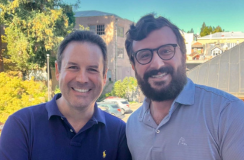
Host: Today's story captures a key theme in the world of buying businesses, weaknesses in a target business may be more opportunity than red flag. The plumbing business that J.D. beck bought had low margins, underperforming the industry, rough around the edges employees SDE that ranged between just 75,000 and 150,000. No dispatch process to speak of and no technology. But all of this meant that JD's entry multiple would be low 2.5x and if he could fix the issues, big upside was likely. Also, these weaknesses were a signal of perhaps the most important characteristic of all in a business you might durability that despite its many issues, the business carried forward. It's a paradox that weaknesses can actually point to underlying strength, but it's a valuable lesson from JD's story. And by the way, JD's vision has become reality. He didn't make any changes for the first six months as new owner, patiently standing by to learn, learn, learn. But the following 12 months saw him triple revenue and grow earnings even more than that. Please enjoy this interview with JD Beck, owner of Mountain Valley Plumbing and H Vac. We've got a webinar next week hosted by the guest with the most listened to episode in the entire Acquiring Minds catalog. Matthew Saskin, episode 142, bought a $5 million towing business and while going through his deal, found and hired an operator to run the day to day of his new business. It's a difficult model, but needless to say, very powerful if you can get it right. Matthew's going to do a deep dive on how he's been successful doing it. He's owned the towing business for over a year and a half now his operator is there running things and Matthew has kept his day job the entire time. How to Buy a Business and Hire an Operator at Once is the name of the webinar. It's next Thursday, June 27th at noon Eastern. Link to register at the top of the show notes where it says Register for the webinar and if you can't make it next Thursday, register anyway so that you receive a link to the recording after the fact. The webinar is next Thursday, June 27th noon Eastern. Register at the top of the show Notes Also a searcher in our ecosystem, a veteran with a top tier MBA bought a niche remediation company in the Midwest a few years ago. He's moving to a different part of the country and is now looking to sell the business and to sell it directly, not through a broker. While he could likely sell it to a strategic he knows the search community. He is of the search community and he believes that this is a great steady business for a searcher. Some highlights Decades of excellent margins and cash flow 75% of sales last year came from repeat customers. Modest competition and a strong reputation mean they win over 60% of jobs bid Long tenured non union team with extensive industry experience, minimal customer concentration, clear path to additional growth, modest capital requirements and the business has been successfully led by two consecutive owners who both lacked industry experience. If you're interested in learning more about this business and potentially acquiring it yourself, working directly with the searcher owner and not through a broker, there's a link in the show notes. Get remediation company SIM that'll take you to a form where you can request the NDA. This is a bit of an experiment. I've never advertised a business for sale on acquiring mines. I'm not endorsing the business, I haven't diligenced it myself. But given the owner's background and his connections in our community, it's a good one to try with. Lisa Forrest, head of the search fund vertical at Live Oak bank, was the lender when the owner bought the deal a few years ago. So Lisa and her team already know this business, which could help you in underwriting if you buy it and go with Lisa for your loan. Of course, like any SBA loan, this would go through underwriting and be subject to market conditions and buyer qualifications. So if you're interested in a solid decades old business in a midwestern city, click the link in the show notes. Get remediation company SIM okay, on to today's episode. Welcome to Acquiring Minds, a podcast about buying businesses. My name is Will Smith. Acquiring an existing business is an awesome opportunity for many entrepreneurs, and on this podcast I talk to the people who do it. An SBA loan broker, as opposed to a direct lender, doesn't work for a particular bank. Instead, the broker pairs you with the right SBA lender for your deal based on industry terms risk thresholds, then helps you navigate the process better than many lenders themselves do. Matthias Smith of Pioneer Capital Advisory is just such a broker. Matthias worked at two of the country's top 10 SBA lenders, so he's been on the inside of the SBA process and knows well the pitfalls and hurdles and how to avoid them. He struck out on his own to laser focus on the ETA in search space. Our niche is his niche. You'll see Mathias at all the ETA conferences. He's closed over 30 search deals since starting Pioneer in May of 2022, including some acquiring Minds guests. To learn more and get in touch, go to PioneerCapitalAdvisory.com or click the link in the notes. JD Beck, welcome to Acquiring Minds.
[6:34] Guest: Thanks for having me.
Host: Will JD you left corporate to buy a small plumbing business in Colorado. It's been a roller coaster, but wholly worth it, you told me in the pre call. Let's get into it. Start us off with some background on you, please. J.D.
Guest: well, I'm from Alabama originally, grew up in Birmingham, went to school at the University of Alabama. I got a degree in electrical engineering and then I never used it. I went in the army after college. I was an engineer officer. Doesn't mean I was doing engineering. That took me to Missouri for a little bit, then Fort Carson, Colorado. Had a good four years, but didn't really want to do 20 of that, so got out and then of all things, had a career in commercial elevators, which one of your former guests was talking about. I think his name was Ben Rizzo.
Host: That's right.
Guest: Super interesting podcast to listen to because it was my life for about eight years. That career took me to San Francisco for about two, Phoenix for about two as well, and then back to Denver. Just love this state. And came back to Denver for a company called TK Elevators. My last stint there did about five years managing their construction operation. We did about 30 to 50 million dollars a year in revenue, just, just depending on what was going on. About five years in, started looking for the next thing, as we all do, right? And had a couple good job opportunities both inside of TK and with some other companies as well. There was a job offer that I guess was kind of like, like the, the Fulcrum, if you will come. Like the focus point. It was to go manage a small business for a former boss of mine back in California. And great people, great company, liked everybody there. But I brought it back to my wife. My wife was like, I really just don't want to leave Colorado. And I felt the same. And the idea of buying a business was always out there. I had read the, the book by Harvard Business Review, Buying a Small Business. I'd read that a couple of years prior and seemed to always pick it up every few years or two short books you read a couple times. And I said, why not? Let's go ahead and do it. So at that point my, my search started in earnest. That was around August of 21.
Host: JD let me hop in here before we get into your search. So just curious, why did you originally pick up the HBR Guide to Buying a Small Business. It's not, it's not just a book that, that, that most people pick up and read. So there must have been some germ of an idea to buy a business.
[9:16] Guest: Yeah, it's, it's, it seemed like a really good path to generational wealth for a guy like me. I'm not super creative. I'm not the guy that's going to have the next great business idea. I'm not starting Google or anything super interesting. I am not interesting at all. And the idea,
Host: you don't have to
Guest: listen anymore to the boring guy. No, it struck me as a way to like use the skills that I had learned. Right. So I got an MBA while I was in the army. I like, I spent time in the army as an officer. So like you're managing these groups of people from day zero. And then my corporate career was the same thing. Right. It was just shockingly similar to the army. It was managing groups of men building things. You know, whether, I mean in San Francisco was focused on bigger projects, but then in Phoenix it was 100%. Like there were four to six crews of two guys building elevators all over the state. Right. And then Colorado was the same thing. Right. We were 30 to 50 men just depending on how big of a year it was, building elevators and escalators all over the state of Colorado. So there's not a lot of excitement in the elevator industry. There's, you know, kind of the same thing in the army. I had a really boring experience in the army. Boring. I mean, like nobody ever shot at me in anger. It was very much so. Like I was an engineer. We, you know, we build infrastructure for the army. Right. And so the idea of like running a startup or something, it crossed my mind, but not something that, I mean, I'm sure I'd do finite if I ever wanted to do it. But I don't know, something about somebody kind of hand you this, this business that's already existing and they've done like the really hard work of taking it from zero to one. And then I feel like that it's then my job to take it from 1 to 10 or from 10 to 100, you know. So I don't know, it just, it struck me as a way to really use my existing skills to, you know,
Host: lever up effectively and the levering up piece, because a lot of people may have the same resume as you did, the same experiences and, and then skills, but there's still an entrepreneurial bent in you that led you to want to Buy a business that's still doing anything entrepreneurial is still pretty unusual. So. So what was it that made you entrepreneurial? Were you an entrepreneurial kid, or is it just the idea you wanted. You wanted to build generational wealth, which in a W2, wasn't going to get you there?
Guest: My mom, 100%. My mom, like, she owned her own accounting practice for years with, you know, varying amounts of success. But she instilled it in me from a very young age that, like, she was big on, like, what's that book called? Like, the E. Myth Revisited, I think was a really popular book in the 90s. She really instilled that in me that there's a very big difference between working for a company and then working for yourself. Right. Like, kind of. Like the way that I kind of leveled it down was that when you work for a company, they pay you the least amount of money they possibly can. When you work for yourself, you pay yourself the most amount of money you possibly can. Now, the difference is the most amount of money you can pay yourself sometimes is, you know, it might be less than what the man could pay you. But still, you know, she definitely instilled that me from a very young age is that, like, this is the path to really doing something interesting with your career.
[12:45] Host: Okay, so. So in some sense, maybe it wasn't inevitable, but it wasn't a surprise that you ultimately struck out on your own now.
Guest: Not a surprise. Yeah.
Host: Okay. You said you listened to Ben Rizzo's interview with great interest. That was a very popular episode. Did you think about buying an elevator business? I mean, I guess contextualize the elevator business for searchers out there who may or may not have heard Ben's interview.
Guest: Well, I mean, ever since the day I was a young boy, I just dreamt of growing up to become an elevator man. I mean, it was always a goal.
Host: Hey, I think it sounds really cool to own an elevator business.
Guest: Well, so did I think about buying an elevator business? Yes, it crossed my mind. They're. They're typically very large companies. So, like, the company that Ben found one, he was able to get into it with some very creative financing terms that I don't think are typically available. And then. And then two, I was a bit geographically constrained in my search. Very much so. Search focus on Front Range of Colorado. And there's. I mean, there's one, maybe two elevator companies that would be worth it. But the industry is very much so dominated by four majors and then a couple other companies out of Aza, Mitsubishi and Fujitech. As well. So it's kind of like the auto industry. And then like so much of my experience on the construction side where really like you're taking a manufactured kit or a product and you're managing the installation of it, very different from like the service side that Ben walked. And they're almost two separate things. So. In fact, Ben even talks about in his podcast that after about a year or two, the guys at the company, they wanted to go after more modernization projects that were, you know, bigger tickets, much, much larger tickets, but they were a lot more risk. That was the world that I dealt with on the construction side where everything had liquidated damages. These were million plus, sometimes up to 10, 20 million dollar contracts. That's just not something that JD Beck's gonna jump into with a small business loan. It's, it's just, it's such a. It would be a very interesting thing to get into. If the opportunity were ever presented to me, I'd be very interested in doing it. But I don't see how one guy, except for Ben, who was able to stumble upon probably the deal of a century, I don't see how one guy just goes out there and chases the company. Although it's funny you mentioned that like I did come across a residential elevator company in my search. But again, I don't know. At that point I was ready to do something different too.
[15:20] Host: But JD it sounds like there's a, there's a stark difference between the construction guys who are the majors and the complexity of those projects and the risk of those projects is something that a searcher is probably a lone searcher is not going to want to tackle. But then there's this service piece and those were where the mom and pops live. Are our service, strictly service elevator service companies, good opportunities. And that's pretty fragmented. I think, as I recall Ben saying, that piece is still pretty fragmented.
Guest: So I think the majors still have a very dominant presence even in the service side. And they're always going to have a bit of an advantage as well because they manufactured the equipment, right? So like you're in the situation where the manufacturer of the equipment is offering to warranty it and then to service it for the life of the equipment and, and then to modernize it whenever it gets tired. Like that's, that's, that's a pretty compelling case to a, like a building owner. Even if the companies are absolute disasters to deal with sometimes and they're disasters to deal with for a reason, it's not because they're bad at what they do. It's, it's, they're very much so as a reason behind why they operate that way. There's space for a mom and pop company for sure and they do very well on the service side and they can play ball and the modernization side as well. But if you could find a mom and pop service company, you would have to focus on like bigger cities. So I mean like in my experience there were a few in San Francisco, there's a few in Los Angeles. I don't know much about the east coast and never did anything out there. But Pittsburgh is where Ben was if I remember correctly. And like that is, that's, I mean that's probably prime, prime mark or something like this where it's a city that's big enough to have like a, a, like a company that's, I forget we used to call them like but like a non major company. Right? Like that would be, it would be a very interesting space to work in. I think. There's actually a lot of private equity groups that are starting to do roll ups of these companies much like you see in like the, like the plumbing and H Vac space. So it's there.
Host: That's who bought Ben. Ben sold to us to pe.
Guest: Yeah, yeah. I think it's, it's a great opportunity but man, it's just a whole nother level of cash flow challenges and just like add, just add one to two digits to every SBA deal and then I think that's what you're looking at. And then you have a unionized workforce which actually it was a really good. You know, I've got great things to say about the union. I think they did a pretty good job as, as far as unions go. It's a pretty good one to deal with at least in like the locals I was working with. So. Okay, I don't know man. You find a small elevator company you want to buy up, give me a call. But I'd be happy, happy to talk to you about it.
[18:05] Host: Okay. All right. You hear that audience call JD on elevator. Due diligence. August Felker is a two time successful searcher. First with a traditional search fund. The second time around, he did a self funded search. Today August runs Oberle Risk Strategies, an insurance firm with a dedicated practice group for searchers and acquisition entrepreneurs like you. If you've got a business under loi, Oberle will provide complimentary due diligence on that business's insurance and benefits program. A great no risk way to get to know August and team. They love Helping searchers. They've worked with hundreds. Oberly is a specialty insurance brokerage for searchers. By a former searcher. Check out oberle-risk.com O B E R L E risk.com link in the show notes.
Guest: So let's return to your story.
Host: JD so you start, you, you and your wife, you get this opportunity in California. Your wife says I don't want to leave Colorado. You realize you also don't want to leave Colorado. You're going to stay in Colorado. So now is the moment to think about a pretty hard pivot in your career to go, go off and become an entrepreneur to do this buy business thing. Start a start pick us up from there.
Guest: Well, yeah, so I started the search where everybody starts it seems like got on biz buy sell, which it seems to be the entry point for everybody. I started looking around. Yeah, right. So my last name is Beck. Started looking around, found this company. They're like oh they, they work on farm equipment or whatever. Turns out we shared the same last. I guess I probably shouldn't say the company name but like we shared the same last name and they worked on equipment. Way out east in Colorado through that I met a broker, kind of got exposed to the whole broker world and then just started chasing companies. Right. So I remember writing my first LOI and like really getting nervous like sending this thing over to the broker to try to buy this business. Well, you know, I'm not sure what was going on. I don't know, maybe I wasn't like the greatest buyer at the time, which, which probably is true. You're a first time buyer trying to do the SBA thing. So it's, it's going to be of an uphill battle. And then this is 2021. So there seemed to been like a lot of activity at the time. I don't know if it's, if it's necessarily still at that same level or not. I haven't really had to do too much of this since then, but there was a lot of competition. I was not expecting that. Like whenever the broker came back to me and said oh we, we. I forget exactly what he said, but he said like there were two or three other offers for this one business. And I thought there is no way there are three other people that want to buy this company in Fort Morgan that does whatever it does right this, there's no way. He's got to be pulling my leg trying to get more money out of me. Well, sure enough there probably were. So, so I got outbid on that company or the, the, the seller did something, I'm not 100% sure. So kind of kept on looking and it wound up being the same story a few times where you'd write an offer for a company and for whatever reason they didn't pick you. So I don't know what it was. I'm not sure if I was getting outbid, if I wasn't a very attractive buyer, whatever the case may be. But I probably did two or three Lois and just couldn't seal the deal. Finally did get a company under loi. It was a mechanical construction contractor here in Colorado, believe it or not. They'd actually done some work on some of my elevator projects as well. But it was all seller finance, which at the time I thought was great. There's no real risk here. Had got to deal with a bank. This sounds awesome. Well, companies that are 100% seller finance, there's a reason for it. And I, I kind of started to figure that out about two, three, four weeks in the due diligence and wound up backing out of the deal about, probably about it. It took me longer than it should have, but to me about 10, 12 weeks. And I eventually did back out of the deal because I kind of decided that it wasn't worth what they were asking for. It's worth about half. And then actually I found another broker who offered to do a, a broker's statement of value. Right. It's not, not a full, a full appraisal but, but was willing to actually like sit down and for like $2,000 he wrote up this nice report and about like what he thought the business was worth, that, that $2000 was worth more than my MBA. I mean that, that was, I learned so much from that one failed deal. Like it was phenomenal. So I mean. Yeah, failed deals.
[22:31] Host: Well, tell us more JD what do you mean? So from this document you had, well, you had a third party appraisal, this business you wanted to buy. Yes. And, and what was so valuable in this document? This is not something I'm, I've heard.
Guest: Well, I mean so much of like, so much of like getting an mba, like you go to these classes, right? And it's all very abstract. You know, they're textbooks, they're accounting textbooks, they're finance textbooks. I took some classes on entrepreneurship. You learn things, it's great. You do some case studies, it's wonderful. But when it's your money, it's, it's a seller's financials, it's their tax returns, it's it's real stuff. It's numbers in a bank account at this point, you know, And I don't know if I just paid better attention to it or what it was, but like, you just start going through and learning all these ins and outs of this business. Like the real this is almost two years ago now, so I'm a little bit fuzzy on the details. Like, the one thing that still sticks out to me was at the time I came to realize that I would have to put almost the purchase price into this business as just working capital just to keep, you know, the trains running on time. I mean, it was a construction business, right? So you had to buy the equipment and then you had to put it in and you had to wait 45 days to get paid. And maybe you did get paid, maybe you don't. That's kind of how construction works. And that realization alone, I was like, I could take my, you know, my quarter million dollars of, of working capital that I'm gonna have to borrow from somebody. I could borrow that and put it in the S and p, probably make 7%. You know, why would I do that? And this business is only going to net like 10%. Like, like you start doing those kinds of calculations and like, you don't really do those in business school, at least I didn't. I mean, maybe other people do, you know. So, yeah, I would say that broker walked me through all of those thoughts. His name's Jim Deshay. Shout out to Jim Deshay. He's a great guy. He's here in Colorado. He did that for me. And it was one of the, the best experiences. The. I think it was like 25, $2,000, something like that. Best money I've ever spent. I mean, seriously, it was outstanding and,
[24:37] Host: and JD and just to be clear, it was out a few. This is really. I haven't heard this. Like I said, so this is great. To be clear, it was so valuable because it was just an. The education of the exercise or because it prevented you from doing a deal that would have been bad or, or both.
Guest: I actually talked to the owner recently, so he wound up not selling and the business has gone well. I don't think it would have been a super bad deal. I think it would have been okay. But the education of basically having a professional guide you through diligence, like even a business broker guiding you through due diligence. And he was not like the seller's broker, right? Totally independent, third party. This guy that does this day in, day out all the time guided me through Due diligence. I don't know, it taught me a whole lot. I mean, I was working through, working with a lawyer as well. It was kind of like a practice round of due diligence. That's the only way to really describe it. And I learned a lot. I'd recommend if people have a deal that dies just going through the due diligence exercise, I mean, yeah, you're going to lose some money, you know, but unlike the size of your deal, you might lose a lot of money, but don't lose hope. Like, it's, it's actually like the education you're getting from dead deals is shockingly good.
Host: But, but the2020, $500 that you spent with him was, was just kind of a. Obviously that's not a full due diligence. No, that's not full due diligence. That's not quality of earnings, all of that, which, which is much pricier. So it was just kind of a, an abbreviated kind of due diligence or, or, or did you just call it like a valuation? You just said, here, here's the data room, here's all the information about this business. You know, give me what you think the valuation is and then he comes back or with a report.
Guest: That's exactly what he did. Yes. I gave him all the stuff that was provided to me. He produced his own independent, like, opinion of the business value and we went from there.
Host: Okay, well, don't mean to beat this to death, but as you said, it was, it was more valuable than your mba. So worth exploring.
Guest: Shockingly valuable. Yeah, I mean, it's like the world's greatest case study, you know?
Host: Yeah. Yeah. Great. All right, carry on, J.D. so that, so you don't do that.
Guest: Yeah, well, yes, a dead deal. So up to this point I was still working full time for TK Elevator.
[27:04] Host: So you're doing, you're doing, you're working full time. How much time are you giving to your search? Is it part time search? I guess, but how much?
Guest: I'd say it was 20 hours a week, you know, working a 40 hour week on top of that. So I mean, I was staying busy. I mean, the beauty of my job with TK was that I was able, like it was like a outside supervisor type of role. Right. So I'm not going to an office every day. I would go into the office to like, you know, for meetings and stuff like that. But like I definitely started to end in my day at the house. Right. So I would, I'd be done by like 4:30 or 5. And I'd spend the next couple hours every single night working on this. And then typically a good bit of work on Saturdays as well. Okay, Definitely something I'd recommend. Right. People that just quit their jobs and have no money coming in while they're doing the search like that, that puts a lot of pressure on you. Maybe you make a bad decision. I mean, I still had a family to support and stuff like that. So at this point, this was November of 21, I still thought this deal was going to go through. So I told, I told my boss what I was planning to do at this point, and then the deal dies. You know, it's a natural course. You're like, wow, this is. Sorry, Greg, can I, can I keep working for a little bit longer? And like, to that company's great credit, to my boss's great credit, they let me keep working. And I said, listen, I'll give you like six or eight weeks notice before I quit, you know. And so they were super on board with it. It worked out very well. So kept on going, had a couple other deals that. Right. Lois. On thought for sure this was going to happen and then it didn't happen. So I don't know if I smelled bad or what it was, but I, I could not get a deal to save my life at that point. And so come around February of 22, I just said, you know what? Screw it, I'm going to write one loi a week. Every business has a value. I'm going to put that value on paper. And I've gotten really good at writing, Lois. It was point. So I decided I'm going to write one loi a week. And I did that for like four to six weeks. You know, like, you'd find a business, the list price would be X. I thought it was worth 2/3 of X. So I'd send an offer over. And of course it didn't really go through, right. But I was doing a site visit pretty much every single week. I'd get back from the site visit, I'd sit down, decide what I thought it was worth, write an LOI and see what happened.
Host: That guy jd, Your decision to do this was just to, to increase your shots on goal because, you know, numbers game and eventually, you know, you're, you're, you're missing. So if you could just increase your volume, you know, you'll accelerate the time to actually hitting something. I assume it's that, but at the same time, it sounds like you're kind of lowballing. So lowballing would reduce your chances that any individual of one of these deals would work out. So it just. What was your. What was the logic and being like, I'm going to go one a week, you know, rain or shine?
Guest: Well, it's definitely trying to get at bats. That's. I mean, that's definitely like, like shots on goal, hockey, term baseball, whatever. Right? Yeah, definitely, definitely trying to get at bats here. Just, just getting in the reps, I think was part of it more than anything else. Like, you see these businesses, you start hearing, and we all kind of know how brokers are, we start hearing like the same stories out of brokers and stuff like that. And so, yeah, there was definitely like just, you know, trying to get at bats here, but also too, like, I mean, you say lowballing, anybody out there that's like, gets like a list of businesses from brokers. They. They kind of know some of these things are overvalued, you know. Sure. I think I saw a statistic once too that said that like something like half or even more of the businesses that get listed with brokers never sell. Yeah. So I'm not sure the exact number, but it's somewhere in that range. Right. You know, so. So, yeah, I mean, the idea of lowballing, like, in my opinion, I was writing offers for what I thought was a fair value of the business, you know, I mean, call it lowball and call it what you will. Right. But I was definitely not walking and say, hey, give it to me for free and give me all the AR and I'll do something with it and good luck. No, that was not the case. These were real deals. This was, you know, 2 to 3x, like 2 to 3x SDE. This was, you know, this was what I thought was fair, you know. Okay. Yeah.
[31:19] Host: So lowballing then. I would not call it lowballing.
Guest: Yeah, no, this definitely not Craigslist. I've done that to a few businesses, but this was not that, you know, so that got me into a company. They were a residential electrical contractor here in northern Colorado. Great guys, run by two brothers. I think they recently sold, but I still keep their name quiet. Great company, great guys, Great part of town would have been just phenomenal, right? And we had a handshake deal. Like, I went and met with them at, at their warehouse on like a Tuesday night in the dark, the whole thing, trying to, you know, keep it quiet from their employees. And we had a handshake deal. You know, it was said, hey, everything looks good. But, like, they wouldn't Sign the loi. And, and like, having gotten burned on a lot of these deals, thinking I had this thing in the bag, I like, well, I guess I'm going to keep looking, you know. And I told the broker, hey, I'm going to keep looking, you know, and see what I can find. And like, the broker was, you know, trying to get them to sign and they were trying to do something to like, move all the assets into a trust. I don't know, they was doing something weird, you know, just to. For tax purposes. Not anything unsavory, but tax stuff. These were two accountants that become electricians, you know, or I think one was an accountant or something. I'm not sure. Regardless, I kept looking. So on a lark, I said, hey, look, there's this plumbing company up in Estes Park, Colorado. Sure, I'll, I'll take the drive up there on a Friday. It's, it's a beautiful drive, but I couldn't imagine this working out. It's a good bit smaller than what I'm looking at, but yeah, why not? So I drove up there and how
[33:02] Host: far is Estes park from Denver or from wherever you're from?
Guest: Where I was living at the time, it was about 90 minutes. So a little too far away for what I would have liked. A little bit too small was mostly plumbing. No H vac was definitely, you know, I mean, like, everything was close, but. But not quite there.
Host: Okay.
Guest: You know, for what I was looking for. And, and before we get into.
Host: Learn more about this business, I just, I want to make sure we also hear you talk about franchising, which you almost did. You got interested in doing a franchise and then decided against it. Is that, is this the moment to tell us about that?
Guest: Sure, I can talk about franchises. So, yeah, I did. Yeah. Around that same time, like January, February of 22, started looking at franchises as well. If you're trying to write one loi a week and kind of cheat a little bit and throw a franchise or two in there, you know, and so definitely there's something there with franchise, I did not wind up doing it. And kind of my ultimate decision was I was going to pay roughly the same amount of money or take on roughly the same amount of debt to have no revenue. And that bothered me. Like, I don't have a sales background. I didn't at the time. And the idea of just spending 3, 4, $500,000, whatever was going to be, to then have this, this manual of operations and no revenue and some support it, I don't think is Necessarily wrong, but it concerned me a little bit. And so I was definitely leaning more towards if I could find a business that I would like to buy, I'd rather do that. But if I couldn't, I wanted to get in the game regardless. And it was kind of like the last resort.
Host: Okay. And to be clear, we're talking about doing De novo or a new territory or a new location.
Guest: Brand new. Brand new territory franchise. I looked at some cleaning franchises, which actually were really interesting. They have a very unique model of master franchising, where you kind of like, get like, some people in and like, you sub franchise a small territory to them. So you would have owned, like, all of Denver or something like that. And like, you would sell some small territory and like, these guys be like their own cleaning business owners, and they'd pick up whatever you could sell in that area. There was a plumbing and H Vac franchise that I really liked. I actually went to their Discovery Day. It's the same group that does pop a lock. They have a. Or they had two years ago, this, this. This, like, plumbing and H Vac franchise they were working on. I don't know if it's still out there. It's. It seems to maybe kind of died off. But I went to their franchise Discovery Day down in Louisiana. It was great, you know, great people. I think it's a really good idea what they've got worked out. There were a couple other franchises I looked at too.
Host: Well, if you. If you were open to franchising, although you ultimately decided it was kind of your last resort, but if you were open to it, then you certainly would have been open to buying an existing franchise resale. So like, ETA crossed with franchising. Did you see any of those businesses, existing franchises that were ongoing concerns that
[36:02] Guest: you could buy anything that was through brokers. They were out there, they were for sale. There was always some kind of distress element to it, like it wasn't producing enough revenue or something like that. I'm sure if you could, like, get to the franchise group, you could probably find a really good deal, especially if you were not geographically constrained. Actually, they were probably a really great deal in that, but that would be the way you'd have to go. You'd have to go to the franchise group, get in with them, convince them that you're a good buyer, and then they'd have to find a guy that was trying to sell.
Host: Yep. Which, by the way, audience, is exactly what Michael Horowitz, who. Who did the. The Wingstop, bought a bunch of wing
Guest: Stops at a. Oh, interesting.
Host: At a slug. And then proceeded to buy more and do some de novo development. But that's exactly what he did.
Guest: He.
Host: He basically did a lot of development, business development, outreach to franchisors, and eventually got in with some. Some marquee franchisors, and they brought him a deal. So I digress. Go ahead, J.D. okay, so thank you for the telling us about your thoughts on franchising. Now back to the plumbing business in Estes Park.
Guest: So I make the beautiful drive up to Estes park, which, if you're not familiar with Colorado, this is the gateway to Rocky Mountain National Park. So pretty much every national park, they always have some town, like, right outside the gate. You go to Bryce or you go to Moab or wherever, there's always some little town right on the gate, you know, where it has, like, some reasonable accommodation, some restaurants, that kind of stuff. So that is Estes park for Rocky Mountain National Park. I drive up the canyon, go up there. I'm thinking that's a total waste of time. Me with the broker. We walk in, it's, you know, kind of a. Kind of a rundown building up in Esses Park. There's, like, an auto place behind with a bunch of defunct cars. There's, you know, it's. It's messy, for sure. But I walk in and.
Host: Sounds like a small business.
Guest: Yeah, it's. Oh, man. So I walk in there and, like, stuff just started clicking in a weirdly good way. Right. So one, the first thing that was very different about it was the owner had told all of his employees this was the plan. He had been trying to sell it for three years. I don't think he'd been trying very hard because he started in 2019. Actually, he started with Jim Deshay is the broker that I mentioned earlier. And so he. He had started in 2019, and then Covid happened. And so I think he just kind of like. Like, thought the world was ending, got really worried about COVID and just kind of like, circled the wagons, Right. And turns out it wound up being one of his best years. Like, probably most small businesses, like, Q1, that year was terrible. And then everything after that was great.
Host: Home services? Yeah. Yeah.
Guest: Well, yeah, Maybe not everybody, but home services, for sure, you know?
Host: Yeah.
Guest: And then. So all the employees knew about this. And in fact, several employees had tried to buy the company. Tried. I can't tell quite how serious. But a few of the employees had tried to buy the company. They were unsuccessful. For. I think they just. Honestly, I think they just didn't really know how to do it. And I think they didn't really try super hard, you know, which, which like there's no shade on them. Right? Then there was real estate that could be a part of the transaction. He was very upfront about that. And then like the owner was a very elderly man and he was clearly not super involved. He was still involved in the business, but he was not like the lynchpin to the business, which something I was really looking for in anybody that's still searching like try to find an owner that's almost bad at what he does. Like I would not say Gary was bad at what he was doing, but like he was not like this guy that was like super involved in the business and like he was gone for large stretches. He was a bit older, he was in his 70s, he wasn't in the greatest of health. And so it was clear that like he was, you know, going to the doctor throughout the day or, or coming in late or whatever the case may be. And the business was running well enough without him. You know, he was like, it's still very much so needed an owner but, but it got along fine with, without like this, this rock star, a player of an owner, you know. J.D.
[40:06] Host: let me, let me jump in with, that's a great tip and let me jump in with another way of couching that tip that I've heard. Go on to the reviews, the Google reviews of the business if this, we're talking home services businesses and search the reviews for the owner's name that's a owner. If the owner's name comes up, it means, you know, he or she is too much of a technician too in the business too and the business is too reliant. You want like you just said, you want that, that that owner's name to be referenced as little as possible to, to kind of see, to see hard evidence that they're not very in the business and that the thing that the business is carrying on without their, you know, being super, super active. So great point. Continue please.
Guest: The company was run like it was 1985. That's the only way to really describe it. Right. So this is a pen and paper business, this is fax machines. Like the whole idea of like service contracts or membership plans, anything like that was non existent. But they had a gun safe full of like 300 keys to people's homes in Estes park, which if somebody gives you the key to your home, I'd say that's even better than a monthly membership or a filter change plan. Or something like that.
Host: I love that. That is when I saw that I was like, recurring revenue credit card plan. Well, how about the key to their house in your possession?
Guest: And then I go back to. All the employees knew this was going on. There was no surprise whatsoever. And I've been on both sides of this. The third business I bought, which I guess we'll get to later, none of the employees knew. And so it was, you know, it's a very different. It's a different vibe, I guess, to borrow a term. Right. So, like, we were going through and touring this business at like, 2pm on a Friday. This was not some, like, middle of the night, meet the owners and this clandestine meeting. Like, I shook this kid Johnny's hand. He's like, oh, hey, man. Yeah, cool. If you buy this business, that'd be great, you know?
[42:13] Host: And Jamie, even. Even though there were employees at the business who. Who'd taken a run at the business and had wanted to buy it themselves.
Guest: Yeah, I think. I think. I mean, so, like, they would have been full. I think if it had gone on longer, they probably would have found some way to, like, seller finance the business 100%, maybe. I don't know. I'm not sure if Gary would have done it either, but. Yeah, no, I mean, like, I think I. I'm not convinced how hard they tried to buy it, you know?
Host: Yeah.
Guest: Like, I know one guy that's still with me. He said, oh, he talked to somebody about it, and he, like, considered it, but didn't really pursue it super hard. Right. I mean, that was one. The woman, that was the secretary, she had tried, like. Like, she'd actually applied for an SBA loan, but it was through Chase. Right. So either she didn't really know the banks that are really good at this. And then, like, she hasn't got, like, the greatest credit or something. I'm not really sure. But, you know, like, they didn't.
Host: They weren't very serious yet.
Guest: Yeah, they weren't super serious about it, you know, where someone like me, like, I take the loan to, like, six lenders to look at it, right? They went to one, they got told no and moved on, you know?
Host: Yep.
Guest: So. So that. And then, like, we're, like, meeting people and talking to them and, like. So one of the challenges with plumbing businesses is licensure, right? So if you're in my shoes and you're trying to buy a plumbing company, I'm not a plumber, so I have to have somebody on staff with certain license to be able to get License from the state. Right. Well, that guy was already in place. You know, like if you start looking at some of these other businesses, I always have to figure out some super sketchy way to, you know, get, get the license or whatever. So a lot of things just kind of made sense. Nothing worked perfect even. You know, I mean, I would say if you find the perfect deal, it's probably not the greatest deal, you know. And then like one thing that the seller said that like, was really important to me. He said that like, well, hey, if you don't buy it or if it doesn't get sold, I'm gonna close the doors in a couple of months, you know. So I mean that, I mean that kind of tells me one like you're looking for a motivated seller, you're looking for a guy with a reasonable expectation of price. And, and like you're looking for a business that is not super reliant on the owner and that has a whole bunch of repeat customers. You know, boxes checked all the way around, you know, it was a little bit smaller than what I wanted. I can tell you about the numbers, please. I guess now's a good enough time. Yes, at the time they were doing about 1.2 million in revenue. So in 21 they did 1.2 million in revenue. I don't think the seller was super keyed into his financials. I don't know, I don't know him that well. We don't really talk anymore. But he like, so he got a PPP loan in 21 and I think he just saw the bank account and the bank account looked good. He was ready to retire. And that was good enough for financials. Everything else was for tax purposes, you know. So in 21 they did about $75,000 in SDE, which, which is not a lot, right? I mean for people that are new to this, that's, that's super small. Years prior, if you took the trailing three year average, it was like 135,000 in SDE. So this is a still smaller small. Super small. And so back to the franchise thing, it kind of felt like middle ground to me. It's kind of where I landed with this one. Right. So franchise, you got no revenue. Whereas if you go out and you do like the true search fund thing, pay you know, four or five times EBITDA or whatever your multiple is, that's some multi million dollar deal. This was right in the middle, right? Like we had gone from zero to one. We had proven that the company works. I had an owner that worked out of the office. He was not a field technician. It was, you know, meeting the criteria, but barely.
[46:08] Host: But J.D. so we talk about buying big, buying small, and I'm sure I want to hear your thoughts on that directly. But, but just one. So buying big, buying small. One of the big things is, you know, buying larger is a less fragile business and you know, more cash coming off it to reinvest in the business, etc. The audience will have heard people say that us talk about this many times and buying small, therefore more fragile, less cash to reinvest, and so on. But there, see, I would, I would guess there'd be a floor on just how, how small you'd go or which would mean covering your own living expenses. So if, if the true SDE of this business, you estimated at 75,000 and let's say your loan, your SBA loan, if that's how you choose to go, is going to eat up half of that, which is a, a rough way to think about it. That's 40 grand you're going to be able to pay yourself without having any leftover for working capital, incidentals, rainy day cushion, etc, so, so you must have been thinking that you were going to live off savings for a while or what, because 40 grand ain't enough to live on in Denver. And like I said, that's not leaving any room for anything else.
Guest: No. So I think they just had like a poorly managed 20. 21 was kind of what I told myself. I thought that, hey, you know, 135 is, is the number. And there also were some other metrics too that I looked at. Right. So like at the time, their average ticket, which I don't measure average ticket the same way, so it might not be comparing apples to apples, but it's close, right? Their average ticket was like $300. 330 I think it was, which if you know anything about plumbing H Vac companies, that's abysmally low. And so I didn't know that much about plumbing H Vac comes at the time, but I definitely knew, hey, 330 bucks, I can walk in here and raise my prices 10% and we're good, there shouldn't be any problems. And then I had like, I was living very, very, very frugally looking back at it. So we were living in a 900 square foot house, my wife and I, two kids, two dogs.
[48:15] Host: Wow.
Guest: We were in Denver, something we had bought, you know, a few years ago. So it was it. We were living very affordably. Looking back at it, and I I kind of penciled out the numbers and I thought, okay, I can basically replace the money I've been living on because through elevators I was a very aggressive saver and saved all my bonuses and anything on top of that that I possibly could. And I could basically roughly replace my take home pay with this business, you know, because this is a bit more tax advantage and stuff like that too. So the math, math. And I was ready to go. And honestly, honestly, I'll tell anybody that searching still like half of the battle is just getting in and not screwing up. That's kind of where I landed on this thing was man, I have just got to get in there. If I can just get in the game, I could do something with this. And I wrote an loi JD but
Host: just to before we leave, the math, the math that mathed. So with the 75 STE, you know, and okay, that was a down year. You basically predicted you could raise prices 10% which would all fall to the bottom line. Although you're going to have J curve, so you're going to have new money that you need to infuse the business with. So it's not really going to fall to the bottom line. But you thought that was going to cover your living expenses. 75,000 SD minus your loan payment and everything was you were able to support two dogs, two kids, a wife.
Guest: The number I'm working with was 135sd. 75 was there last year. I was assuming we had one bad year. I was taking the trailing three years average and saying that this would work for me.
Host: Got.
Guest: Yes.
Host: Okay. So I'm focused on the 75. I should be focused on the 135. Okay. And then, and then just think about the health of the business or the, the quality of the business. 135. Now looking at the correct number of over 1.2 million is margins of just 10%. Yeah, it's bad. 11%.
Guest: Yeah.
Host: You saw that I guess probably as opportunity, not as a reason to walk away. You saw that, that is, that that is actually a positive even.
Guest: Yes.
Host: Okay.
Guest: 100. Yeah. 100. Yeah. I mean I actually almost think it's kind of to its credit. Right. Because it means that like it stayed alive with, with like the level of involvement that the owner had.
Host: So can you tell us what you paid for this? 135 roughly SD business?
Guest: I paid, I paid 800. And that included the real estate. So the business itself, the business assets were 350 and then the real estate was 450.
[51:05] Host: So if the real Estate was more than half of the value of the entire package. Then did you get a 25 year amortization on the SBA loan?
Guest: That is an astute observation, Will. Yes, I did. Which, which actually made this all that much more of an attractive deal to me. So my debt service, especially at the time, like, because rates were so low, was trivial. I mean, it was nothing. I think I was paying like three or four grand a month. It was, it was absurdly low.
Host: And that factors into your risk assessment of this overall venture. So you're so three or four. That's a low. Low, That's a low loan payment. You just feel like you can, you can absorb it. Like even if things don't go well, that's low enough. They're not going to come for your house sort of thing.
Guest: Yes. Yeah, well, and then you've got real estate to secure the loan. I picked up a bunch of vehicles, a bunch of assets. I actually felt like whenever I closed the deal that my balance sheet actually went up about 100 grand because there were so many hard assets in the deal. Right. I mean, at the time, used vehicles were very expensive and in a sense different, you know, but like I got all these vehicles, at least at this super great price. I got this real estate at like a pretty, a pretty fair price, I would say. And then like there were tools, there were some other stuff. If you wanted to put like a number on the customer list, you could. But honestly, I felt like the day I closed between like the cash infusion from the bank, a line of credit that was available that I didn't draw on, and all the hard assets, I actually felt like I was more than solvent, which is another thing I would recommend. Right. Like for your first business. It's all about risk, I would say. It's actually not about buying something that's like super attractive on like the EBITDA side. It's about risk. Right. Because the last thing you want to do is walk into your first business and then bankrupt yourself six months in, which does seem to happen to some people, you know, and a business like this, I mean, positive on the balance sheet or at least that's, that's how I felt. I might have been a little bit off, but it's close. You know, super low debt service, 25 year amortization of the loan, what's not to like? The only thing I didn't like was the commute.
Host: Yeah. And, and it also sounds like. So if the business was valued at 350 and you're working off an SDE that's 135. So you were paying less than 3x.
Guest: Yeah, I think it's like 2.5, something like that.
Host: Yeah. Yeah.
Guest: Which. Which again, for these smaller businesses, that's what makes them so attractive, is that that multiple is your risk. It's. It's. It's a. It's a good metric for risk. Right. The higher that multiple gets, the more risky this is. Like, I was listening to Nick Patrick's podcast a few weeks ago, and I think he paid something like 1x. I mean, it was something super low, you know, and, hey, it worked out great for that guy.
Host: Right?
Guest: Find a way to get a low multiple, man, and go from there.
Host: Nick Patrick, to remind the audience is. Is. Was a guest probably 2 or so months ago, his episode aired. And also in Estes park, the events business in Estes Park. And yeah, got a great deal and exited. Not. And I think in 19 months, he. He made almost a million dollars for himself, I think was the number.
[54:16] Guest: Super small world. He was customer number four, I believe, for me. Well, the guy that owned the building, he was in, but still, I, like, texted him, like, day one. I was like, hey, we gotta go to Backflow.
Host: Oh, that's great. That's so great. And I'll also just point out, JD that your seller didn't maybe do the best job of negotiating when he tells you that if you don't buy it, he's just gonna shut it down. So any dollar he gets from you is more than he'll otherwise get. So that. That's a pretty strong negotiating position to start from for you.
Guest: Yeah, Gary's a good guy. No, no hard feelings to Gary, but, yeah, he was ready to be done, man. I mean, I think he was 70, 72, something like that. He's got this plumbing company he's dealing with up in Estes Park. He didn't live up there. He was living 45 minutes away and driving up there all the time. I get it, you know?
Host: Yeah, yeah, yeah. I do, too. And. Okay. And how many employees did it have?
Guest: Seven was the starting number. Yeah, seven original employees.
Host: Okay, well, have we said everything that you want to say about buying small, buying super small in this case, J.D. or was there anything that you wanted to add?
Guest: Can't recommend it enough.
Host: Everybody should do it and point again just to. Just to crystallize getting in the game. And basically, low risk in the sense that the financial. Your financial obligations are so much lower, it'll probably. It'll probably sell for a lower multiple. So Kind of financially less risky. Of course, it's also probably a more fragile business. So while it has worked out well for you, let's, you know, let, let's, let's not assume that every tiny business or business with low SDE is, is one that you can do great things with. Sometimes they are going to be bad quality businesses, so. Right.
Guest: Very well put, Will. Yeah. I mean, you are kind of effectively buying yourself a job. It's definitely not following the playbook out of like the Harvard Business Review books or anything else that's out there. But that's not to say it's not something that's not worth doing. You know, it's, I mean, it's worked out very well for me, but just realize you've got to like, show up with your big boy pants on and plan to grow this thing. But yeah, a lot of these things, you know, they've been lifestyle businesses for the owners. They, like the owners have not pushed them super hard. And if you walk in with, with some grit and some ambition, you really might could double or triple these business. I mean, I think Nick doubled his revenue.
Host: Right.
Guest: So, yeah, a very similarly sized business at a very similar area. So no reason that you can't do it. But do just realize that if it's super Owner Reliant or there's, you know, a myriad of other reasons not to do it, then maybe stay away.
[57:05] Host: Colorful stories to come, J.D. i hope.
Guest: Sure. Let's share.
Host: Okay. All right. Let's just get into the, the, a little bit of the, the nitty gritty first post acquisition. So you get in there, this ticket price and your, your, your almost quadrupling of it is a big part of how you added value. How you have added value and did so quickly talk to us about that.
Guest: Yeah, I mean, so the common advice is to not really do anything for the first six months. And I followed that 100%. I let the company largely run the way it had been run like previous. We just kind of stepped in and didn't want to say much, even like kind of quietly went to my office, listen to what everybody was doing, wrote along with a couple of the key technicians, met some customers, that kind of thing. We had some really good work in the pipeline that Gary had like just handed me. Again, thank you so much, Gary. Some of this stuff like there was a, a very large ticket job that was already bid. They'd been going back and forth for years. Well, it closed like month three and we got 50 down and then we were so slow at the Time, not, not slow on work, but like just slow to execute that. I got to like keep this 50,000 or it was, it was some absurd amount of money that got to just keep in the checking account. Right. So a great working capital infusion in like month three was awesome. So we just, we just kind of went with the way it had been going. But there were definitely some things that from, from jump street I could see that needed to change. One, like there was no dispatching or scheduling system whatsoever. You know, it was all pen and paper, fax machines run out of Estes park. Like the way we used to dispatch anybody that's in the industry. So I will share this for the benefit of those that are in the industry, for how interesting it can be. So I'm a pretty fastidious guy. I like things to be organized and scheduled and planned. That was not what was going on in this company. So the way they used to like schedule things. Like the girl at the front, she'd take your phone call whenever you called in to have your toilet fixed or whatever. There was no schedule. Like there was just like three paper sorters with seven slots, one for each day of the week, Monday through Sunday out three weeks, right. And there wasn't like a, a calendar or anything like that. She just kind of looked at them and said, I think Tuesday looks empty. How about we schedule you for Tuesday? And so she would write your. So she would then write down the. The details of your job, make you a carbon paper job ticket. Like literally it was, you know, like the old school yellow carbon paper behind it. And it was all Estes Park. So like there weren't even zip codes or cities in the address. It was like 453 Riverside. And then she. And then, and then like the phone numbers were often four digit phone numbers because like everybody's landline in Estes park is 970586. And then your four digits, right? So wow. So this was like. This was like. I don't know.
[1:00:13] Host: I mean, I think it's old school. If you'll go to some place that's maybe underpopulated or less populated and you see the seven digit phone number, right? Like they haven't yet added the area codes. This is going back to like. Yeah, that's amazing.
Guest: Yeah. No email addresses, nothing like that, you know. And then. So she would take your carbon paper one, she'd stick it in the, the slot for Tuesday, right? Then Tuesday rolls around. The first guy into the shop grabs all the Tuesday tickets out, walks into my office There's a whole bunch of like, chip clips on, like the wall, right? Like, there's eight chip clips. I still have them. And they would just stick them all up there. There was no time of day, no nothing. It was just, we're going to get to you when we get to you, you know, and then there'd be a whole bunch of tickets from the day prior that we just didn't get to or whatever. Because why, who needs to schedule things? And, and then like, the guys would just come in and they grabbed one ticket at a time. They grabbed whichever ticket they felt like getting. There was no, like, this ticket's more priority. This. I mean, there was a little bit of that, but not much, you know, and then they would hop in their trucks and drive out to the job, figure out what they needed to get for the job, drive back to the shop where all the inventory was, pick up whatever. And like, they carried like a pretty minimal amount of like, copper fittings and stuff on their trucks, but it was, it was pretty minimal compared to where we are now, you know. And they would drive back out, do the job, drive back to the shop, fill out the job ticket. They'd say, I spent two hours at this job and then so. And so was with me for an hour. I used five three quarter copper 90s and six unions or whatever the. In an expansion tank or whatever they felt like putting down on there, and they'd stick it in the thing. Tuesdays and Thursdays, the girl up front would take everything out of the, the bin and like mail out invoices. Like we mailed invoices to people. And then the good people of Estes park paid us whenever they felt like it, put a check in the mail and maybe we got paid, maybe we didn't. That was the state of this company.
Host: Wow. It's easy to laugh at, but there's so much meat on the bone here for you to just sink your teeth into.
Guest: So much.
Host: Right.
Guest: And so the working capital was a disaster. We were like, if you bought a new furnace from us, we were six weeks out. We did one furnace a week, and that's all we could handle, which I don't know if you know about the business. So now actually, a few weeks ago, we sold a furnace Friday at noon and had it put in Friday before 5. So I mean, we're, you know, we've. We've just gone so much further. And then just, you know, like the cash conversion cycle off that of like, we get paid then, we get paid then versus waiting six weeks to do these furnaces. And then you'd buy this inventory, and it would sit in the back of your shop waiting for the job for six weeks, you know, and so then you pay for it. It was just. It was a working capital nightmare. It was a revenue per technician nightmare. But we had the trust of the people of Ss Park. We had a great market to work in. And so you got something to start with, right? I guess you wanted to hear about, like, colorful technician stories, right? So my favorite. My favorite one. So I had a key technician who. Whose name will remain nameless. But let's. Let's just say there were some substance abuse problems up in Estes Park. I don't know what it is about that town, but there's a lot of people who have some substance abuse problems, you know, and. And a few of my employees were one of them. And one of these guys came in the day after Labor Day and vomited in a customer, saying. Because he was so. So still drunk or hungover, I don't know, and calls me to tell me about it like it's no big deal. He's like, hey, Jake. He didn't seem to think it was a big deal, right? He's like, hey, jd, I threw up at so and so sick, and I'm like, go home. And I mean, like, I had people who would. Who would call in sick for, quote, unquote, food poisoning one day a week, you know, I mean, it was. It was just. That was the culture up there, you know?
[1:04:26] Host: Well, that's the question, J.D. so. So you have, you know, we're talking about kind of the. The ingredients of the business here, the raw ingredients, which seem like that you could do a lot with it. But what about the people, the talent and that what you're paying. The picture you're painting now sounds like maybe not so strong.
Guest: Well, I guess I'll go back to, like, one of, like, the key values of this company is that they were able to run revenue and make money in this market with what they had, right? So given what you had, might not have been the greatest. It might not have been, like, the most professionally run operation. It still made money, you know, and there's a lot to improve there, to your point. A lot of meat on the bone, as you say. But, yeah, you know, so one of the first challenges I realized was hiring people, right? There's. There's not a whole lot of expert technicians up in Estes Park, Not a whole lot of expert office people in that area as well. It's a town. We had, like, I think there's 6,000 homes in the whole thing, and half of them are only occupied half of the year, you know, so it's not a huge market. But.
Host: And being a kind of national park entry town, I assume it's also not part of really a larger city. I mean, it's kind of an island.
Guest: So, yeah, very.
Host: 6,000 homes is your whole market sort of thing.
Guest: But I came to realize a couple of things, that most, if not all of my technicians, and frankly, all the better ones were living down the mountain. They were living. So about 45 minutes down the canyon is there's two towns. You can go northeast out of there and you go to Loveland, or you can go southeast and you go to Longmont. I know if you're familiar with Colorado geography here, but. So those are real towns. And most of my technicians were living in those towns and then commuting up the hill. So that kind of probably three months in, I throw up like an Indeed ad or something like that to see if I could get people interested. And you'd get. Absolutely nobody would apply for these jobs. If you listed your addresses, essays, park. I did a little experiment. I listed my address as Loveland, and I had a flood of applicants. I mean, like, scores. Dozens, tons of them, right? I'm like, all right, so we've got to probably move this thing down the hill, which means we have to expand. So Loveland is 45 minutes down the canyon, and there's 60,000 people in each zip code. And it's a normal suburb, right? It's a normal sized town. So after my, you know, first six months of not really doing much, the only thing we really did differently for the first six months, I got a little bit more aggressive bidding jobs. You know, I think. I think in the past, they just weren't really, like, if there was somebody that asked for a furnace change out or whatever, you know, there was no real huge push to. To go out there and bid the job super quick or get, you know, proposed. I mean, it was there. They were bidding jobs. I don't want to say they weren't bidding jobs, but they weren't bidding jobs with a huge sense of urgency, you know, and then. And then we got very fortunate with that one really big ticket. So with that said, I mean, I was able to take a company that was doing 1.2 million a year. We did like a million dollars in revenue in my first six months. So just. Just showing up and I did raise our hourly rate a Little bit. I did increase our markup on parts and material a little bit. And then just being a bit more aggressive going after jobs. You know, I started bidding jobs that were down in Loveland just. Just to kind of see what was out there and had some success early on and, you know, got a couple of jobs in the books, you know, and it started going great. So about six months in, I kind of sat down and took an assessment of the business and looked at things that were holding us back. Right. And so I guess if I had to think about it, one was, was people, if you're going to grow this company, you have to have access to talent. Two is access to customers. You know, I mean, like the town of Essence Parks a great place. I love the good people up there, but it's only 6,000 homes, right? Yep. And then some like office organization and pricing were the other things that. The whole idea of billing somebody time material still to this day, I mean, like, there's an art to doing that. You can do it. I don't want to talk bad about any company that does that, but I don't personally like that for residential customers. I do want to give the people a price up front and then kind of like, like the standard industry move of like, here's your three options or whatever that always, you know, set a lot better with me. Right. Because the customer is not getting a surprise bill. And then you're not arguing over, wow, why is this $125 an hour? I mean, you guys. Yeah, you get those kind of conversations, right? This just one. One price. We all agree on it. We move forward. So to be clear, to be clear,
[1:09:21] Host: the two pricing models are flat fee up front. You. You give the. The customer three options for a flat fee to get the job done. No surprises. Understood. At the outset of the job, at the beginning of the job that they agreed to, that's what you prefer. Versus time and materials, where they only know what it's going to cost after the job is done, when the necessary materials have been added up and the time has been added up. And then they see a price and. And there's surprise to it. And they also see the hourly. The hourly number which they might get in their head about. Right. And that's. That's option number two. And it sounds like that's the kind of. The more popular, the kind of quote, best practice way to do it in the industry, but not what you prefer.
Guest: I don't know. I mean, I think that I'm not quite sure what the preferred Method is, I mean, it, it. I'd say in the residential world, the flat fee seems to be much more popular, but there's, there's plenty of companies that still do, still do time material, you know, I mean.
Host: Oh, that's the old school way to do it. Okay.
Guest: Yeah, I would call that, I would call that much more of an old school way of doing things. And then commercial customers definitely prefer the time material. Like they want to see a labor and material breakout. But commercial customers also, they're just different and like they're not bothered by a billing rate of whatever it needs to be. Right. Like back in elevators we used to build, I think service is in like the four or five hundred dollars an hour range. I mean, it's, you know, like, like that number is crazy, right? Like plumbing and H vac, you're going to be 200 isH is probably a pretty decent market rate right now, depending on where you are. But whenever you're flat rating it, you know, there's a lot more thought that has to go into your pricing and like you have to build out a price book and all this stuff. But I don't know, it just sits better to me when you can walk in it. It feels much more professional to me when I can walk into a customer's house and say, hey, we should do X, Y and Z to your home. You know, here's the price for each one of these things. Now if you really want to go up from there, we can add the following. Or if you want to save a little bit of money, we can talk about saving it this way, you know.
Host: Yeah, I just.
Guest: For a residential customer, I think it just makes a lot more sense to give them. Yeah, like you talked about price one time and it's done. They sign and you go do the work. You know, it's just much better. Okay, so the things that I saw kind of holding us back. Right. Like I said, you know, it was access to customers, it was access to talent and like some, some kind of like more of a office efficiency, I guess, is the way you would put that. Like just. And that's more on like the customer service side of things or anything else. So what do we do? Well, I go lease a space down in Loveland and we kind of slowly start moving our operations there. I get in, there's all these groups on like the, there's all these groups, like the home service industry where they'll help you with your pricing. Like, like, like Nextar is one of them.
[1:12:13] Host: Right.
Guest: The hug with pricing and Business opportunities and all that kind of stuff. I signed up with a company called the New Flat Rate. And I mean, if you're a. So if you're a plumbing and H vac company and you're starting to make this transition, they are phenomenal. Like they're really going to help you out. I think they're, they're a really great way. If you have no background whatsoever and then you are trying to jump feet first into this, it's a little bit weird, it's a little bit goofy, but like, once you kind of learn how it works, it works out very well. We did that, got the Loveland shop and then I rolled out Service Titan as well, which is more of a standard dispatching software for the industry. So now we've actually got like a way to schedule crews. I did all this training with these guys on these Flat Rate models. We started moving things down to Loveland and what happens? Everybody quits, you know, and it was, it was because it was such a change. It's a, it's a radically different company. I mean, I can't say I blame any of the guys that did wind up leaving for leaving. It's, you know, everything changed and it was totally different.
Host: So it's interesting that you, you know, you were really cautious in your first six months. You know, a devotee of no change for six months. And then, and then you were eager to make changes and did so. And, and so it's almost like, unfortunately you weren't rewarded for those six months. You may as well have just started making changes because the end result was the same. Now, you didn't know that looking forward, but looking back, it's kind of. Kind of that way.
Guest: Yeah.
Host: How do you reflect on. On, no, no change, no change, no change, no change. Lots of change. And then losing people. Would you do it differently?
Guest: No, I wouldn't. No, I would have taken the six months. And the reason is. You just don't know what you don't know.
Host: Yeah.
Guest: I might have even taken a year, honestly, looking back.
Host: Really?
Guest: I think, Yeah, I think like, there's so many. Granted that that's probably one of the struggles to buying a smaller business. Like you're just. The systems aren't really there.
Host: Right.
Guest: And I came from a corporate America background where we have these wonderful reports and you could easily see the status of your business. And you got, you know, financial statements by the 15th every month. You know, that doesn't. Well, that exists in the small business world. But like, you have to do it, you know, or Somebody like you have to pay for it or something. Right? Like, these things don't just magically happen. And I think I probably would have liked to have understood the business from a financial perspective better and maybe focused on like our cash conversion cycle or some other low hanging fruit at first. But at the same time, like, there were some, you know, there were some people that were not in good roles for themselves who need to leave the business for the business to grow. Right. And so that's part of that. Everybody quitting. So those seven original employees, only two stuck around.
[1:15:01] Host: Did the vomiter stay?
Guest: No. No, they did not. Yeah. Okay, so they. So two stuck around. And actually they're two of my best employees to this day. They're both still here. One of the guys that left, left and then came back once. He kind of like we went through like the wandering in the desert of figuring out this new business model without him. And then once it kind of got squared away, like he remained friends with one of the two guys that stuck around. And once he got squared away, I think he kind of saw how good it can be and he wound up coming back. And he's a. He's with me now. He's a great employee as well. I'm sitting here watching him move through the dispatch board right now. You know, J.
Host: Let me. Indulge me an observation here, which I feel like is a pattern that I've now been bringing up on recent episodes because. Because I'm seeing it, which is kind of what you just described, where typically in a blue collar business, local blue collar business, where the new owner, you in this case, start making changes, good changes. The word travels in the community of the technicians. So in your case, it was a former employee. So he's pretty close to the business. He's got buddies still in the business, but. But maybe, maybe word travels anyway or even outside that little nucleus and you start getting people who want to work for you because you're developing a reputation among technicians in your local market that the new owner is doing good things. This is a healthy, growing, exciting place to work. Am I, am I overstating it or do you feel like there's some of that phenomenon at play?
Guest: 100%, it's true. Once you start getting a good reputation out there, you can start attracting good talent, but it also kind of cuts the other way too. So if you have the wrong reputation, you'll attract the wrong talent. Just, you know, keep that in mind. But like, the culture that you have attracts people. And if you set the culture for what you want it to be, you'll attract people you want. They're out there. You know, when we were, you know, the old mountain valley, we attracted a few technicians who, I'm, I'm glad I didn't hire them. Let's, let's just leave it at that.
Host: All right. And jd, I don't, forgive me if I missed it, but your average ticket going from 330 to 1200. Did you address that or is basically all the kind of like all these things that we've been talking about, all these factors contributed to that?
Guest: Yeah. So I guess let's kind of talk about the things I've done since, since January of 22. Right. So I brought in a, I brought in this technician as a general manager type who actually went to Estes park on a lark as well. Like, he had no intention of taking the job. He already had another job lined up, he told me. And he came up there and he met me and he kind of realized like, what I was about, which was, you know, growing a pretty big company. And I think he saw some potential there and decided he wanted to be a part of a company from the ground up. He's with me for a year now and he's been a big part of this change. Right. So I, I set the, the standard here, set the flat rate model, the whole thing. We started bringing in some new technicians. And so Q1 of 22 was pretty rough. Right. Like we were trying to find people. We were desperately hiring some people. We, we made some bad hires. Made some great ones too. But honestly, I feel like you make about one to two bad hires for every one to two good hires, right?
[1:18:25] Host: Yeah, it's painful. That's expensive.
Guest: Super painful. Right. Like, I had this guy who like threatened me physically. I think he had some like, gang affiliation, like, you name it, man. I've seen a dude like, I've run through some guys that just. It was bad. It was really bad.
Host: Well, jd, hold on a second.
Guest: Sure.
Host: I mean, you say it with a smile, you say it kind of nonchalant, but these are the horror stories that really scare people about small business. Are you, are you saying it kind of, you know, breezily? Because it's in the past and you know, it's, it's, it's funny to laugh about now. I mean, or are you just thicker skinned or what? Because that's, that might, that one story might scare off a lot of people listening to this.
Guest: Yeah, it's not for the weak or the faint of heart. So. Yeah, you get thick skin, that's for sure. And, like, you get really good at, like. Like sussing out the guys that are problems and getting rid of them quickly, you know? I mean, a lot of times, like, whenever you, like, like, sitting there in the interview with a technician, he's the greatest technician ever, you're the greatest boss ever. And then you guys start working together, and it's a different story, you know? So I went from that guy that has some, like, I'm pretty sure some kind of, like, weak Mexican gang affiliation who, like, you know, told me he was going to beat the F out of me. Like, whenever I fired him after he stole. I think he stole a grand or two on the company credit card, like, tried to steal some vehicles. It was, you know, all the things you would expect, right?
Host: All the things you would expect. This is what you're telling the audience to expect, J.D. uh.
Guest: Oh, you're gonna hire some people, right? Like, it's. It's gonna be. It's gonna be a thing, right? Just. Just be prepared for it and learn from my mistakes and get rid of them more quickly, you know? So.
Host: So your mistake. Wait, hold on a second there. Your mistake was you. You actually didn't take a. Because I'm getting the impression of a boss. You who's. Can handle it. I mean, you're. You again. You seem like you're kind of, like, not that scared off by these situations, but in fact, you felt like you were a little soft, maybe. Soft or too patient with. With some of these characters and let them stick around too long.
Guest: Oh, yeah, 100%. Especially then I've gotten better about it. Like. Like, that guy stuck around for way too long. I mean, he was probably with me for two or three months. He should have been gone, like, maybe a month in, frankly. But, I mean, you're so desperate for people because, like, you've decided to, like, rebuild this company from the ground up. The customers haven't gone anywhere. They're still there. They still want what they want. You've got to find labor to staff it at this point. So, I mean, it's, you know, that can be a struggle to find. But, I mean, I will say, like, we had another guy come in who, like, he interviewed great, he had done well, had a good resume, total method. Total method, right. Like, but, hey, I was able to get rid of him very quickly. He only lasted a week at the company. Whenever we realized, like, there's some telltale signs of that, you know, and, like, whenever I saw those, I was like, oh, yeah, Buddy, you need to go right now. You know, so, I mean, you get better at picking this stuff up. But, I don't know. I mean, it's, it's, it's. Maybe some of your guests have it from day zero. I did not
[1:21:50] Host: have, what from day zero?
Guest: The ability to, like, find the right people, fire the wrong guys through. You know, I listen to some of your guests, and they seem to be able to do it much better than me. But, like, it took me, you know, 612 months to get to the point where I, you know, would fire the people that need to be fired quickly. Even to this day. Like, I definitely keep people around way longer than I probably should. You know, I don't know. I mean, I've got thoughts on that. I actually think it makes a lot of sense to, like, give people. If you've got a talented technician who has done something dumb, you know, for whatever reason, like, there's not much sense in firing talent if, if, if the dumb thing. I mean, drugs are a different story, right? But, like, if the guy can't fill out service tickets or, you know, some kind of administrative thing, right? Like, okay, you got a talented plumber here who needs some help, but you would do better to help him, write him up, try to improve whatever it is you're missing out on. Because talented plumbers are hard to find. They're not everywhere, right? So I don't know. I mean, like, people say, like, fire fast, hire slow, and fire fast is. Is something. I. I kind of think the other way. I mean, depends on what it is, right? Like, if it's. If it's a CSR or somebody in a management role, that's a different story. But if it's a technician and they're talented, they're good at the technician stuff, but they struggle maybe on the sales side or whatever it is, I would rather develop them at. At the risk of maybe they don't ever catch on versus Because.
Host: Because their skills. Because their skills are so precious, so hard to find.
Guest: Yeah, I can teach you how to sell. I can teach you stuff like that. But finding a guy with 10 years of plumbing experience, it takes 10 years to find that, you know, like, to get that experience. Right? So let's see if we can't teach him everything else or, or find a spot in the organization where he fits better. Great.
Host: J.D. well, listen, we're. We're bumping up on time, and I want to have some time for kind of zooming out, kind of big picture themes here, but there are just a few More things to the plot. Namely you did a couple more acquisitions. Give, give us just a couple minutes on each of those and then tell us what the enterprise looks like today in terms of numbers.
[1:24:03] Guest: Yeah, sure. So we, so part of that move to Loveland, I, I purchased a small one man plumbing outfit in Severance, Colorado, which, which is a little bit east of I25. It's a little bit further out on the plains and not, not too far. It's still very much so Front Range, Colorado did that to kind of give us like a jump start, right? It worked out very well. That was a totally seller finance deal for about $90,000. Making the last payment on that here June 1st.
Host: So one man business, JD. So is that.
Guest: Yes.
Host: What they'd call in tech land, like an aqua hire. I mean what does it mean to buy?
Guest: It was a name and a phone number. Name and a phone number.
Host: Okay, but. And the guy comes with you?
Guest: The guy did not. So it was, it was a, it was a name and a phone number and a Google business profile now. And I don't know, I mean I probably could have gotten it for a little bit less money. I wouldn't call it the greatest deal ever, but it, but it gave us a start in that Front Range area, right. So it was enough lead flow to kind of like jumpstart the business down there. And to this day it's actually probably one of my better lead sources. Probably number three or four works out very well, you know. And then so trucked along through the summer of 23 and the like. One of the brokers that I had done work with, Ross Haynes out of Trans World here in Colorado, great broker as well. He reached out, he said, hey, I've got this, I got this plumbing company for sale. It just has your name on it, right. I'm like, okay, sure, I'll buy it. What's so interesting about this? Well, they won't tell you the company's name till you sign their NDA, right? So I signed the NDA. Sure as God's got sandals. What's the name of the company? JD's Plumbing. And so I'm like, well, I guess I have to do this, right? So we went back and forth on this one for a little bit. John Dukes was the owner. Dude, like great guy. And like comparing that company to Mountain Valley, very different, right? So JD's plumbing, like they were already on the street.
Host: To be clear for the audience, Mountain Valley is the name of the first business.
Guest: Yeah, sorry. Mountain Valley is the original company I purchased that is the umbrella name now, you know, check it out here, I guess, right? So there's our. Yeah, yeah, like for the people listening, I got a company shirt on, right? So.
Host: So JD, JD's Plumbing versus Mountain Valley JD's Plumbing.
Guest: Just a, just a very well run company. I have to give it to John. He did a great job with this. They were doing about a million ish in revenue and, and operating with some very healthy margins. And he was doing almost 30% net. It was very healthy business, right? Plumbing companies can run at those kind of margins. It can be a very, very good thing because it's all labor, right? Like it's, you know, it's, it's all labor. There's very minimal parts unless you're doing a whole bunch of water heaters or something. So we had a great plumbing side of the business. The forest air side was good. And wrote an offer. We went back and forth on it and bought him as well through an SBA loan. Not quite as juicy of a details. The multiple is a bit higher. There's no real estate in this one, but it was business number three. One thing I've noticed, if you go to buy your second or third business, everybody all of a sudden wants to sell to you, right? So you're a proven operator. You can show that you've been successful at this. The bank, by the time I had everything to them, kind of where I was like before I bought the business, I was like, well, listen, you know, hey, if the bank will finance it, then we'll do it, right? So by the time I sent everything off to the bank, they took all of two hours to come back and say yes. Whenever they told me yes, I was like, are you sure? Are you guys okay with this? Like, let's move. So they said yes, we did the deal.
[1:27:52] Host: Do you think a large part of that JD was because of their confidence in you as a now proven operator?
Guest: It must be. I mean, that's the only thing I can really think about it, right? So at that point I had shown a year of operating the business. I had shown growing it significantly, at least. Top line revenue, bottom line, you know, hey, there's a cost of growth for sure, you know, but top line revenue had gone up significantly. And so showing that to the bank and then, and then the deal was a very good deal, you know. And yeah, it was, I mean, like, so comparing that to the first one and the most recent one, so much easier, you know, I mean, I've already got the license in place. I've Already got proven track record running the business. It was kind of, I wouldn't call it a slam dunk. There was a little bit of competition on the loi side, but. But it was about as close to a slam dunk as you can get in this world. So got that. And then have been consolidating like the back office operations of all these businesses ever since. I. I'd say that's about 90% complete to this day. So Mountain Valley, by the numbers, I guess, like where I started and where we are now, started off with a company doing $1.2 million in revenue. I'm very confident we'll do about five and a half this year. So that's what like a 5x growth and this is year two. There's some acquisition revenue in there.
Host: So congratulations JD's.
Guest: Thank you very much. The JD's acquisition was about a million in revenue. A million three, something like that. Roughly the same size, oddly enough, but a much better performing company. So there's about a million.
Host: Wait, JD. So carve out, carve out the JD's acquisition. Carve out the one man, the. My Google page and phone number. Both acquisitions.
Guest: Yep.
Host: What did you do with revenue just at Mountain Valley at your original acquisition? All the stuff that you detailed, all the things that you did. Did what to revenue triple 3.7.
Guest: So from 1.3 to. So like the last year of full financials they have is 1.2. Excuse me, that was 21's financials. In 23 we did 3.7. So that's a trip.
[1:30:03] Host: Yeah, yeah, almost exactly.
Guest: Tripled it. The average ticket went from $300 to $1,200. That's a lot of driving replacements. That's a big part of that, you know, like trying to replace equipment a little bit more aggressively than we had in the past. So something that's 15 years old, rather than trying to repair it, we'll just recommend a replacement given the technicians the ability to sell stuff. So I mean I, I put a tablet in their hands, it has a price book and it's. They can sell whatever they can sell out of there, you know. And then oddly, like, part of me thinks like with how much our tickets have gone up, customers should be kind of hating us a little bit. Like we're like we're price gouging or something. Right. That is not the case. So like when I bought Mountain Valley, it had a 4.4 Google rating. I've got a 4.9 Google rating right now. So I mean it's, it's like, like the customers clearly like it. That was something I was very concerned about. Like, the customer is going to be happy with all these changes. The customers like it, man. Like we've. And like there's a speed to execution too that is just dramatically improved. And then like the pay I can give the technicians has gone up dramatically as well. So I mean, like, to give you an example, so whenever I first bought Mountain Valley, we were six weeks out to put in a furnace, right? Which put in a furnace is a half day to a day job. We were six weeks out for that and we did about one a week at most. And that was a stretch which anybody in the industry is probably laughing or choking or something when I say that right now.
Host: Right?
Guest: So, and then like all the technicians were paid hourly, strictly hourly. There were no sales incentives, nothing like that. And they were making probably on average about $25 an hour. So what would that be? Maybe 1,000 bucks a week. Right? Fast forward to today, like I told you. So we are now at the situation where we have like, there's, there's furnaces on consignment inventory in our shops. And so if you sell a furnace anywhere in Colorado, we're going to send a guy up to you right away and do it that day, right? So as a case in point, we sold a furnace. This was, you know, a few weeks ago on a Friday at noon, which should be like, hey, we're checking out and going home and getting ready to vomiting customer sinks on Monday. So we sold this for. And this is actually the guy that, that left and came back, right? So he was part of the exodus of people. He comes back in the spring or the summer of 23. He sells a furnace Friday at 11, 12 o', clock, something like that. The warehouse stuff wasn't quite set yet. It's still not a work in progress. But hey, so I hop in my truck, I drive, I pick up the furnace, I drive up there to meet him. This lady, she had no heat Friday morning, Friday afternoon, she's got heat. He's now paid him a commission standard. So he used to do one furnace a week. He was the guy, like the one furnace a week guy. He now did a furnace in an afternoon. It was a six, $7,000 furnace, something like that, right? So we now had a $7,000 day versus a $7,000 week at best. And margins were higher on it. Customer gets it much faster. And then the technician, they get paid a. A piece of that. And so that guy effectively made in that Friday Afternoon. He made in that Friday afternoon what he would have made in a week prior. So the technicians are making more money, the company's making more money, the customers seem happier, we've got a bigger service area and we've 5x revenue. So I mean, I guess I would say all this to say if you're looking at a small company, there can be a lot of growth opportunities there.
[1:33:43] Host: Well, like I said, jd, congratulations. That's phenomenal success.
Guest: Thank you.
Host: Well, yeah, that's, that's really inspiring. Let's turn now to a couple things that you said to me in the pre call, which I thought were really interesting that are kind of meta observations about your experience thus far. One thing was just about. And you, I think you kind of just touched on it. What. But you said to me, you know, in home services, you need to get used to charging prices that might make you feel uncomfortable. Was that what, was that what this is that. Were you worried about consumers feeling like you're gouging them?
Guest: Oh yeah. Oh yeah.
Host: You just need to get comfortable that these. To make a, to have a healthy business, you need to charge a certain price, which makes you feel uncomfortable. Say more.
Guest: Yeah, I mean I came from a commercial construction background and that is a, you know, that's a low margin endeavor and a lot of what we try, it's, it's, it's very much so competitive on price. You don't want to compete on price in a residential service. You want to compete on being the best. I mean, obviously price is still a thing. I wouldn't say totally just abandon the idea of price. But like, I think, I think two or three years ago I would not have been proud about telling you that my average trip to a customer's house was twelve hundred dollars. And like now I'm like, that's great, you know, and, and it's great. I mean it would be bad if it was 1200 bucks and we had a two star rating on Google because everybody hated us and we did a terrible job. Right? But like, yeah, what I tell my guys is, hey, I want your average ticket to be 1200 bucks, but I want you to give that customer $2,400 of value. Right? And, and like the plumbing is kind of a commodity. I don't care what anybody says, plumbers will disagree with me all day long. They want to fight me over this. But like plumbing is a commodity. Either it leaks or it doesn't. Either it's the code or it's not right. Either it's right or it's wrong. What's not a commodity is the way you dress when you walk into a customer's house. The way that the phone gets answered by the office, the way that you present this price, the way that like the customer experience is not the commodity. Right. And so you can, I think you can find value for these customers and offering them a world class customer experience and you can charge accordingly for that. That was something that I very much so had to get used to. And even to this day makes me a little bit uncomfortable just, just because I had it, you know, drilled into my head for an eight year elevator career that it's all about price. It's, you know, but, but like even then, like in the elevator world, they don't even think that like, like they'll like, they do this stuff with change orders where they try to get the elevator in for as cheap as possible and so they get the job and then they're making it up on the back end by charging for things you thought you bought but you did, right? We don't do that here. In my world, like we're going to give you one up from price. We're going to talk about price one time. It's going to be a very healthy price where my technicians can make six figures because that's what it takes to live in Colorado. So I get happy technicians who show up well dressed and the customer gets a great experience. I mean, I think you've got to get your tickets up, you've got to get your revenue up if you're in the world that I was in. But you've got to do that by bringing value to the customer. And it's not with technicians in T shirts that look sketchy. It's with technicians who can look you in the eye and talk to you about this and tell you exactly what's going to happen with an office that's organized and well put together. So I don't know, it's, it's like going to a good restaurant. That's what I want my company and
[1:37:13] Host: that's what, that's what I'm hearing is that it's also a decision on your part to position yourself in the market as a premium offer. Not super, super expensive, but you know, at the higher end probably of pricing, but also higher end of quality of service. I would agree with that and that that's a strategic decision. I guess there's probably a world where you could, you could argue that you want to be lower end and do higher volume and maybe the quality isn't as good. Like, like you know that, that, that's the spectrum in all things and all services. Luxury and high margin and high price versus the other end of the spectrum. And where you've chosen to play is at one end of that. Do you think that home services can work at kind of the other end of the spectrum where you charge less but do higher volume and less quality work?
Guest: Or it's just.
Host: That's, that's right. Maybe that's where you came from and you don't want to go back.
Guest: There's. So like, like as a home service company, you compete for two things. You compete for customers, obviously, and you compete for technicians. And they're very much so linked, right. And so if you're going to be a premium offering and you pay technicians better, then effectively what you're doing is rather than being cheap for the customer, you're kind of being cheap for the technician, right? So like you're giving the technician more money. Like you're like you're offering value to that technician and then you're trying to get paid for it by the customer. Right. And so I kind of feel like that, that companies in the residential home services space, I'm sure there's always going to be a demand for the Chuck in a truck, as we call them, right? Like the guy that's, you know, very cheap by the hour, gives you a tail light warranty, as we call it, right. But like, maybe he's just known and like he's got a certain set of customers and they're very happy with him. I think that market's very limited. I think it's very capped. I think the market for people that like what I tell the guys is be the guy they want to date their daughter, right? Like there's always going to be this really big market for people. I think that's where most residential people are like, I mean, they might complain about price a little bit, but then they leave you a five star review and they're happy with the service. Like, I think you're just going to find that's a bigger pool to swim it. I found that even in Estes Park, I was convinced like that, that this would not work well in Estes Park. And I couldn't have been more wrong. I mean, yeah, we lost customers, don't get me wrong, plenty of customers. We lost customers for about two months. And ever since then it like the customers that want that level of value, they keep coming. You know, actually I'm kind of rambling here, but like the one Thing that also sticks out to me. I feel like the volume of complaints has remained the same. Like, we still get the calls about whatever, you know, the guy tracked mud in the house or whatever happened. I feel like those calls come at the exact same rate now that we're four times the price than whenever we were the super cheap offering. I don't know what tell you. I mean, yeah, I don't know. Do a better job and charge for it. You know, people will pay for it.
[1:40:18] Host: Yeah. Great. And anything more to say? J.D. just about the home service, home services business overall, and that you might tell searchers who are contemplating buying a home services business. We've touched on it a lot, but is there anything that we didn't hit that you would want to communicate?
Guest: There's a lot of people in the industry who have a, like a wide variety of backgrounds. I do think that you're better served with a bit of a technical background walking into this. So, like, if you've been, I don't know what's a, like an insurance salesman or something like that may be careful buying a home services company that, that requires licensure, like a plumbing or an electrical company or something like that. But if you've got, I mean, if you're the kind of guy that can work on a car, work on his house, I think, I think you're. I don't think that you need to have 20 years of plumbing experience to pick this stuff up. I think that, I think you're like, as long as you're mechanically inclined, I think it's. I think it's a great business to get into. And I think that while it's super competitive, I think, I think there's a lot of depth here for, for people that are looking for companies to buy. Like, they're great businesses, a little bit seasonal on the H Vac side, but plumbing's not. There's some risk there. That kind of sucks. But.
Host: And Jenny, about the point of it being really competitive, you know, one of the things that I've heard from my guests who are in home services is that it was booming Covid. And then in the year or so following Covid, and now it's gotten, it's really. What's the phrase that I heard somebody say? It's. It's a bloodbath, that home services are a bloodbath now, that demand has gone down a lot and that it's a really competitive space. And so home services companies are having a really hard time. How do you respond to that?
[1:42:05] Guest: I mean, I've seen a bit of a tightening, but not much. Like, we've been picking up so much market share that, like, it's not something that we really know. It's like. So we had a record month in January by. By quite a bit, but then we didn't do anything for February and March. So I don't know. I mean, it's. I haven't gotten the bloodbath feeling yet. And I will say that it is a bit seasonal, especially H vac. H vac is super seasonal. And like, what I found is that there's a. There's like a set of customers. Like, they know they're gonna need a replacement in the next year, and so they'll wait till they know it's slow and they'll get six bids like we did. I bid a job in Denver for a boiler, and the guy, like, I think he must have gotten six quotes. Like, he kept coming back. Like, we offer a price match guarantee. I say we don't compete on price. I throw a price match guarantee out there. Just honestly, a lot of it is to get the customer to send us quotes, and then we can kind of figure what we can do, right? But this guy would send me these quotes, and they were abysmal. Like, there were some people that went dumpster diving for sure and got that job, you know, but at the same time, not six weeks later, when it's actually cold, if you can get on these jobs very quickly, you've got to work and you've got to work at a premium. So I think a lot of it is, yeah, it's competitive, but if you can jump in very quickly and do work, you know, do quality work quickly and on demand, you'll stay alive.
Host: Great. The shifted employee mindset to owner mindset. This was really interesting. What was that about?
Guest: It's a different world when you work for somebody versus when you work for yourself or, like, you own a business, you know, which, which I would say those are two different things. Working for yourself and owning a business, that's a different animal. I'm trying to own a business, right? And yeah, back, back to the elevator world, even back to my military time. Like, we were very price sensitive. We were, you know, trying to be the best value for money possible, not. Not the best value possible. Like, like, like the cheapest thing we could be, you know, and looking back at it, like, I don't know that I did the company a whole lot of favors by, you know, trying to be more efficient with customers. Maybe, maybe we should have Been out there trying to get change orders harder or something like that. Looking at, as an owner now where you look a lot more to that revenue side, because that's cash in your checking account, it shifts your mindset a little bit. Like, you're definitely out there trying to get revenue and trying to get it from every single opportunity that you can. I mean, because cash is the lifeblood of your business. You got to have revenue. You don't have anything. And I don't know, that was.
[1:45:00] Host: And so, jd the difference there is that as an employee, you were trying to squeeze whatever economic value you could out of every customer engagement, whereas as. As owner, you're really focused on driving sales. So. Yeah, so that's where you put your energy, rather than trying to squeeze sort of thing is that.
Guest: I would argue it's actually the other way around. I was trying. So right now I try to get as much value out of every single customer interaction as humanly possible. And that. And that value needs to be reflected in the amount of revenue that we get off the job. Really, the amount of gross margin we get off that job. Right. Back when I was working for a company, my goal was to be. Was to not send the customer a change order. Frankly, like, that was very much so the way I thought about it, and very much so. The way this was drilled into my head and just, you know, the company I worked for, that was the way it was. Like, some things we had to, like, charge for, obviously, but the goal was to find a way to not charge the customer extra money because that's how you would lose customers, quote, unquote. It's just such a. And then, like, the way you deal with employees too, right? So, I mean, like, when you worked for a large corporation, like, it's. It's a very different standard in what you're looking for. Like. Like there was a unionized workforce, which is a whole different animal as well, you know. And versus what I look for now in employees and, you know, moving through employee discipline much faster now versus Versus then. Yeah, honestly, I have much higher expectations of my employees now than I did back in elevators. And I don't know if that's a good thing or not, but I don't know. It's. And actually too, the other thing that really, really has changed. So back in elevators, we used to get like a little metric of networking capital for every single job. Right? And that's just a number on your computer screen when you work in elevators. Now when it's your company, it's a number in a checking account on a very different computer screen. But man, it's a very different metric. And I don't know, I mean, it was, everything is much more real now that, now that I own the company and everything. I don't know, it's, it's, you just feel it in a very different way because it's your money on the line. It's, you know, it's, it's your bankruptcy or not on the line, you know, Whereas whenever it's a corporation, like, okay, if that checks a week late, who really cares, you know, it's, it's like I look back on some of the stuff that we used to do back in elevators. I'm like, I would never do that now, like payment terms or stuff like that. And it's, it's just, I don't know, it's, it's, it's a very different experience. And I would caution anybody that's planning to make this move that, you know, I'm two years into this thing and I already have a very different mindset. I can only imagine where it's going to be in 10 years.
Host: Well, take us home, J.D. with kind of big picture. How do you feel about how it's gone or the decision that you made here to take your career in this direction? Obviously it's gone well. So keeping that in mind, it's probably going to be positive. But, but just how would you put it?
[1:48:14] Guest: I only had one moment where I kind of said screw it. In the first two years, I remember driving home one night, it was like seven or eight o' clock at night because that's, that's how this goes sometimes. And I called my wife and I'm like, babe, if you're done with this, I'm done with it. And Mrs. Beck, to her great credit, she said, no, I think you're enjoying it. I think you're having fun. You get a bad day and that's the only time I've ever thought about quitting. It's been the best decision I've ever made, both financially. I mean, we've, it's making good money. I'm living a, a lifestyle that I'm very happy with. I'm not flying around on private jets or anything. But not yet, I guess. I don't know. But, but you know, I mean we've, we've got a live in nanny. I'm able to afford to homeschool my kids. I don't even have the time to do that. Which has been just like the best, honestly. Buying a Business was the second best decision ever made. Homeschooling my kids was the best. And it's, it's just been, it's been super rewarding. And it's been so rewarding in a way that I don't think a corporate job ever will be. It's, it's, it takes a lot out of you. I mean, I've, you know, I've made some decisions to sacrifice personal health and things along those lines for the good of the business.
Host: What do you mean you're, you're not going to the gym as much sort of thing?
Guest: Not. Yeah, not as much as I would have liked to. I mean I was definitely a three to four workouts a week and three to four times training Brazilian Jiu Jitsu a week before I bought this business. Once I kind of hit that six month mark, I kind of had to make the decision that hey, the business needs my time. I'll get in fitness wherever possible. And so I took about a year, year and a half, it was about a year and two months off from Brazilian Jiu Jitsu and got workouts in wherever I could on top of that. But I just recently got back into that and even then it's diminished 100%. It's not as good as it used to be. Just, just like the time and the mental capacity to get into the gym or get onto the mats to work on stuff is, you know, it's, it's, it's challenging and it's one of the things I'm kind of hoping with that, like in the next few months I've got a few just logistics changes in the shop and stuff like that that I'm hoping will free up some more time. But yeah, I definitely had to make some, like some health sacrifices for sure, you know.
Host: Yeah. But to be clear, jd, three or four times a week doing bjj, three to four times a week on top of that in the gym. So, so six to eight times a week in the gym. So that was, you were doing a lot. So you. Cutting is probably cutting down to where most people are maybe. I feel like they're doing pretty good.
Guest: Yeah, yeah. I've got the military background. We like to work out. So you know, hey, that's, that's the way it is. Right? Yeah, but, but I mean, you know, I've actually, I was getting a little frustrated the other day and I was like. Because I had to put some money back into the business. Q1 it can just be kind of a challenging time and I had to put some Money back in. I was. I was kind of mad at the cash that I had on hand, and I realized, dude, it took me seven years to only get to two thirds of the amount of cash I have on hand. And I picked that up in six months of, like, running this business. So the financial rewards are there. The. The sense of adventure is very much so there as well. I. This has been. I mean, like, even with all the challenges I list off here and all the ones I didn't even tell you about, this has been the most fun I've ever had, without a doubt. Like, it's an adventure, man. It's. I mean, it's something that. How many people do this? Like, it's what, like a. Like a fraction of a percent of the population even consider doing something exactly this. And it's. It is a wildly fun adventure. I get to go to Estes Park. I met. I'm up there once or twice a week now, and it's absolutely beautiful. I get to work. I mean, granted, you know, you start off, maybe all your employees weren't the greatest, but by the time you're two years into this thing, it's. I work with people that I really enjoy working with. I get to solve problems that I find very interesting, and I'm. The money is. Is very much so happening, and I intend for it to only get better.
[1:52:30] Host: Well, let's leave it there, J.D. a very strong. A very strong point to end on, but I'm so pleased to hear such a ringing endorsement of the path that you chose and, of course, that it is going so well. But not that it's been easy. It's not like you, you know, had. I guess some of my guests might, you know, can go easier, it can go harder. It doesn't sound like yours was on the easy side of the spectrum at all. So. So this is a great story, even despite you really having to slog it out for the first year or two. Fair.
Guest: Fair. Yes.
Host: Great. J.D. if people have questions for you, how do you like them to reach out? Email? LinkedIn, Twitter. I know you're on Twitter.
Guest: Let's do X. Formerly Twitter. Right. So I am Dirty Hands Ops, which, you know, terrible handle now, but it sounded cool at the time. And I guess we can put that in the show notes or whatever, or you can email me jd@mountain valley plumbing.com. but we abbreviate Mountain, so we'll put that in the.
Host: In the show notes as well. Yes. J.D. thanks for. For this tour of. Of the last two or so years of your life. Congratulations again. Think people will be really inspired by your story.
Guest: Thank you, Will. I look forward to seeing it. Appreciate it.





















































%20-%20thumbnail.png)





%20-%20thumbnail.png)


%20-%20thumbnail.png)

.png)




%20-%20thumbnail.png)