Host: Regular listeners of Acquiring Minds know that hiring an operator for a business you bought is easier said than done. Operating itself is hard. You hear that from my guests all the time. So finding someone capable to do it on your behalf who is aligned with you and as motivated as you is harder still. But today's guest, Landon Mance, is doing it with a $1.7 million tree business he bought earlier this year. Landon's approach is a template for how you might find an operator, bring them into your deal as a partner, and work alongside them through the transition and beyond. To his credit, Landon shares all the financials and relevant terms of his deal. Thank you, Landon. See if you agree that this is a powerful example for buying a business more as an investment than as an owner operator. But notice I'm definitely not using the word passive. Please enjoy my conversation with Landon Mance, owner of Nevada Tree. Welcome to Acquiring Minds, a podcast about buying businesses. My name is Will Smith. Acquiring an existing business is an awesome opportunity for many entrepreneurs and on this podcast I talk to the people who do it. You already know that business owners are making amazing use of virtual assistants, often based in the Philippines. And while virtual assistants are helpful, virtual professionals are transformative. Moore Staffing is a boutique agency that hires a players in the Philippines not for simple tasks but for deep competency work. Think operators, supply chain managers, controllers. Moor staffing de risks your engagement with a 12 month guarantee to you and they provide coaching for six months to their talent. When an engagement begins, that means your hire is coached in the background, no additional cost to you so that your working relationship flourishes and is as successful as it can be. Global staffing is increasingly the norm and building the muscle within your business to take advantage of it will be crucial in the years ahead. Speak with more staffing about the pool of capable, affordable managers they can connect you with. Check out Morenow Co. That's Morenow Co. Landon Mance welcome to Acquiring Minds.
Guest: Thanks for having me Will. Appreciate it Man.
Host: Landon, you bought a tree business in Nevada. You hired an operator to put in from day one and you're keeping your day job, which is as a financial advisor in your own practice. So Acquiring Minds listeners love learning about hiring operators, how that looks, how that can work. So we will spend time on that. But of course there's much more to your story, so let's get into it. Landon, how about some background on you, please?
[3:09] Guest: Yeah, yep, absolutely. You know Will, I've been listening to your show for a while. I've listened to most of your episodes and One thing that I have realized is that, you know, nobody ever asks about Will. You know, I want to know, I want to know a little bit more about Will and, you know, what some of your aspirations are. So I'm going to serve it back to you here after I answer it. And you can, you know, you can respectfully decline to do that or you can engage. I'll let you make that decision. All right. All right. Yeah. My background. So I'm a, I'm a, I'm a dad. I've got three and a half year old twins, married to my beautiful wife for eight and a half years. We've been together for about 13 years. I also have a stepson that I've been helping raise for about 13 years and he will be 21 in one month from tomorrow. So at one point we, I was raising a 19 year old and two 19 month olds. So grew up in North County, San Diego. I went to school, actually went to several different schools. But I finished my degree at Cal State Long beach. And as I was kind of finishing up my degree, I started as a financial advisor, as an independent financial advisor. So I had no clients, no revenue, no salary, you know, nothing. You're just starting from scratch. And I did that for about a year. And I had met a guy at a poker table in Las Vegas a couple years prior and he was an entrepreneur out of Southern Utah. And never having stepped foot in St. George, Utah, I picked up and moved from Long beach to St. George and got a little bit of equity in the companies that he had founded. We had a, we had multiple different companies. We had an online classified website, we had a diesel technology that blended natural gas and diesel fuel for big rigs and had some pretty cool things going on. We had a contract with Swift Transportation to outfit their entire fleet of about 13,000 trucks. It was about a $250 million contract with them. And so this technology was pretty, it was pretty incredible and things didn't quite pan out. I met Tia, my wife, actually two weeks after I moved to Southern Utah. And then In December of 2011, I moved down to Las Vegas. I got back into doing what I really wanted to do, which was, you know, financial planning. Started working for JP Morgan, that was in 2012. Worked for them for a couple years and then branched off in September of 2015 and started my own independent practice, Fast forward to call it 2019, 2020. I partnered with my now business partner in that business, Austin. He's in Phoenix, I'm in Vegas. We've got some Staff out there. We've got some staff out here. And a couple years ago, I just kind of came to this point where, you know, I've tended to live way below my means. So I've had discretionary monies to invest, you know, every year. And I just put it all into the markets because that's what I knew. And call it, yeah, 20, 20, 19ish. I said, you know, I've got a, you know, a pretty good size portfolio for somebody my age. At the time, I was probably, you know, 35. And just because I'd been putting a lot of money into the market for, you know, call it a decade and just wanted to venture out into, call it the alternative space and started getting really drawn to the idea of buying a business as an investment. And so that is when my search started. That was probably in 2020, was extremely informal. I'd look at biz by sell here and there. I was only interested in broker deals. No proprietary outreach at all. Had no interest in doing that. And so I started building some relationships with a couple brokers. One of the brokers here in Las Vegas happens to be the number one business broker in the country, I believe, for volume. Trent Lee, the guy sells just a ridiculous amount of businesses every year. I think it's 80 or 100 plus or something like that. I mean, it's. It's insane. We kind of run in the same circles, so we have a lot of mutual friends. And so I would get his listings. I looked at couple businesses. I was really focused on the accounting space because there was a lot of crossover between accounting and what. What I do in my day job, if you will, so really interested in accounting. So simultaneously in 2019, 2020, Austin and myself, we also made kind of a change in focus in our practice, and we started serving business owners exclusively when it came to our new clients. So I was starting to get introduced to a lot more private business owners, you know, in that three to $20 million revenue space. That's where we. We tend to play. And so all of our new clients that we brought on for, like, you know, three or four years have pretty much all been private business owners. So we got to be, you know, working with them. And our model is pretty different. You know, we work alongside our business owner clients on the business and do growth planning, succession planning, executive compensation. We do strategic planning. So all this stuff that's really focused on building a better, you know, more transferable business. So all the stars just kind of started, you know, aligning in this kind of SMB space. 2019, 2020. And then late2022, Nevada Tree Service came on the market as a listed business by Trent. It was, it was.
[10:05] Host: Let me, let me jump in real quick before we get too far ahead, when first of all, I want to ask about this St. George, Utah entrepreneur because you kind of had a brush with business criminal history. Can you, can you name who that was? He's got a Wikipedia page, let's just put it that way.
Guest: Yeah, he sure does. Yeah, his name's Trevor Milton. And I, I lived with him. I worked for him. I, you know, played, you know, we did, we, we did it all. Yeah, he, A couple years ago, he took a company public called Nikola and became a multi, multi billionaire over the course of 60 to 90 days. Their market cap was larger than Ford at one point, even though they never sold anything. Then subsequently he was removed as CEO, removed as chairman of the board. Some allegations came out about, you know, sexual abuse from several women. And then he was indicted and subsequently convicted of three counts of fraud. I believe it was two counts of securities fraud and one count of wire fraud. He was supposed to be sentenced way earlier this year. It's been moved several times, I believe now he's, he's slated to be sentenced in November and he will be going to prison for, I don't know, somewhere between 10 and 20 years, I believe. So the Theranos lady, what's her name again? Elizabeth Holmes. Elizabeth Holmes. She was convicted, I believe, on identical charges. Three counts of fraud, and she got 11 years. So I'm assuming, you know, he'll get somewhere between 10 and 20 years in federal prison. But he's already been convicted of, of the three counts, so.
[12:12] Host: And this is somebody who was really in the news, or at least maybe not the mainstream news, but certainly business press. I mean, if you go public, become a billionaire many times over, and then it all collapses because it turns out you've been engaging in fraud. Frankly, I'm surprised that his name isn't better known, but certainly to some people, it will be known. Right?
Guest: Yeah.
Host: Looking back, Landon, to do the dots connect, did you have an inkling that this guy who's, you know, you were couch surfing in his place initially, that he could grow into this kind of larger than life business criminal character?
Guest: Yeah. You know, I'll just say this, you know, Will, it didn't shock anybody, okay, that knew him. That knew him well, you know, all my former colleagues and friends, you know, nobody really has a relationship with them anymore for the most part, but it did not shock. It didn't shock anybody at all.
Host: Wild.
Guest: Yeah, it was wild.
Host: Okay, well, that was a bit of a digression. Thank you for indulging me.
Guest: Yeah.
Host: Now I want to bring us back forward a little bit. When you, when you became interested, you were looking at your kind of your nest egg as, as a financial advisor, you know, you're eating your own dog food. So you have built up quite a nest egg for yourself by investing in the market and being prudent by your mid, late 30s. And because of that, you. You get a little bit interested. You get interested in maybe some alternative stuff. And I guess buying a business falls into that category. I guess. Certainly it does. Although I don't. I don't like the subject of my podcast to be associated with crypto and whatever. Whatever other kind of connotation alternative has. But anyway, I take, I take your point. It's not your. It's not an index fund, certainly. And you. I noticed that you said, buy a business as an investment. You may have just given me the headline for this episode, but how did you think about that rather than getting into it and operating it yourself? Like, what was your, what was your thinking there when you already had a business? Maybe that's the answer, but please elaborate.
Guest: Yep. So with young twins and already operating a current business, I knew that my bandwidth would be extremely limited. And so having somebody else operate the business was essentially the only way that that was going to actually manifest, because I knew that. I knew that I couldn't run the business. I knew that I didn't want to run the business, so it just wasn't really an option.
[15:01] Host: Yeah.
Guest: And I think we'll get into this in more detail, obviously, as we talk about my partner and my general manager, but it was also kind of a. I'm going to do this and figure it out. So there was an element of that, and I was, I was good with that. You know, I. I tend to be kind of this, like, weird hybrid person between being, you know, risk averse on. On some things, but, you know, risk focused, you know, in other things.
Host: We call that risk on.
Guest: Yeah. Risk on. Yeah, I mean, I, I grew up as a. I grew up as a big, extreme sports guy. Skateboarding, snowboarding, dirt biking. That was all the stuff that I loved. So I've. I've always been a risk taker. You know, I was pulling lemons off the tree at, you know, 8 years old and selling bags of them to the neighbors and, you know, mowing people, mowing people's lawns. For a couple bucks here and there when I was, you know, a small, small kid. And so I've always kind of had that, you know, that bug. But when it, when it came to business and especially buying a business, I just felt comfortable and confident enough that if I had an operator to partner with, fantastic. If I didn't, I would just basically figure it out, you know. And I think working with a lot of small business owners over the years also gave me a lot of confidence that I, you know, that I could, you know, acquire a business that has absolutely nothing to do with, with my day job. You know, I've got no, there's no transferable skills, you know, to the tree biz other than just, you know, common knowledge around running a small business. You know, I know we knew absolutely nothing, zero about the tree industry at all before we bought a business in it, but yeah, I just, I felt like I was going to make it happen one way or another and I was going to figure it out, not really knowing exactly what that meant because if I did end up buying the business without an operator now, especially looking back over the last four months, I, I don't, I don't know if I would have been able to do it honestly.
Host: I want to share an update on the Acquisition Lab. As you know, the Lab is a highly vetted cohort based accelerator and community for people serious about buying a business. After going through the Lab's month long intensive, you have ongoing access to almost daily Q and A sessions with advisors, regular live deal reviews with Walker Deibel, author of Buy Then Build, Potential Deal, team introductions and a very active Slack group with other searchers on the path. Well, the update is that the Lab recently passed 60 businesses acquired and for well over $100 million in aggregate transaction value. Also, all members now enjoy lifetime access to the Lab because when you buy a business, it's often just the first of many. And the Lab wants to support you in every deal, not just your first. Lastly, check out my recent interview with Shane Ursum, episode 105. Shane acquired a business with over $1 million in EBITDA in just six months. And he attributes a lot of his deal success to what he learned in the lab. Check out acquisitionlab.com or email the lab's director, Chelsea Wood. Chelseieveenbuild.com Just a minute more on your relationships with these small business owners, giving you confidence that hey, I can do this. Elaborate on that. Was it just because like you, you know, there wasn't necessarily a, a special ingredient you saw. So it was like, you know, I. They could do it, I can do it sort of thing, or was there something else?
[19:10] Guest: Yeah, I mean, that's. Yeah, that's. That's fair. I would say yes to that. And then I would just add that I think as most. Most people that have actually acquired a business or that have started a business from scratch and are running a business that has, you know, that's got multiple employees and multiple, you know, moving parts to it. You know, the biggest hindrance in, in my opinion, to. To growing a company or to achieving the goals is that people just do not know how to delegate responsibilities to other folks. And so they get to this point where they're doing two, three, five, even some $10 million a year in revenue, and they are wearing the majority of the hats. You know, they are acting as the CEO, the head of sales, you know, the cmo, whatever other hats they're wearing, you know, and they. They just. They have that attitude of nobody can do it as well as I can. And I've tried. I've hired people to do this and that, and. And they failed. And one of the things that we challenge our clients on all the time is like, well, did they fail or did you fail? Because ultimately you are responsible for the success or the failure of your business as, you know, the sole owner. You know, we work primarily with sole owner, private business owners, and that's something I've never had a problem with, you know, is kind of setting the direction and then just being able to give the reins to people and let them roll with it. You know, I am. I'm a. I'm probably a little bit of an overly trusting person. I. I trust everybody and anybody, you know, until I. Till I have a reason not to, whether it's someone I just, you know, met. Met, you know, on the street, or someone I've known for forever. And so I just kind of had that confidence that one way or another, I would. I would figure it out. I mean, I. I had a game plan going into it, but I also was not naive to the fact that if my game plan did not pan out as it did, that I did have, you know, a plan B.
[21:41] Host: So what was the plan B?
Guest: Yeah, so the plan B was essentially, you know, if I. If I did not end up acquiring a business with a partner who was going to be the operator, that I would operate the business myself. Because we've made some changes in our wealth biz, and I. I'm kind of pulling back a little bit from more Client facing work. And so I, I did have some capacity, so maybe, you know, 10 or 15 hours a week that I would be able to allocate to running the tree biz. So that was my plan B, that I would step in from day one as the operator if it called for that. And that was actually a real, it was a possibility at one point during the acquisition process, and I'm happy to pull on that thread if you want to. But that was my plan B. My plan B was for me to step in and to run things day to day until I learned the business a little bit and then ultimately found somebody to plug in as the operator.
Host: And Plan B meant 15 hours a week. So plan A was far less than that. Plan A was the operator. And that you wouldn't have to give the business more than just a small handful of hours a week.
Guest: Right.
Host: Because, because as I, as I, I'll, you know, foreshadow here. As it's turned out, it's been a combination of plan A and plan B. You got your operator, but you're also, you're also putting in the 10 to 15 hours. So absolutely, we'll get there too. Okay. I want to just return to your search a little bit. The accounting practices. So one of the things that to consider when buying a business is, you know, the industry that you choose or the type of business that you choose, should it be something where, you know, you have experience or you have kind of adjacent experience or, or like you, if you have an existing business is buying a new business, should it be adjacent to that? So there might be some cross selling opportunities. I've thought about that. I have a podcast in an audience. Is there some sort of business that plugs in nicely to that? Just so it's kind of a version of, of kind of business buyer fit, as we call it. And it sure does seem like buying an accounting practice for somebody who's a, who's a financial advisor financial planner would be a really elegant complimentary play, but doesn't sound like you pursued that very far. Why not?
[24:20] Guest: I looked at probably three or four accounting practices over the course of roughly two years and they were heavily owner dependent. You know, essentially owner operator type practices. And that was not appealing to me at all. So I kind of steered clear of those. But I mean, honestly, Will, over the course of, call it two and a half years, from beginning of my search to closing on Nevada Tree, I only looked at a total. Like seriously looked at a total of probably seven businesses, including Nevada Tree. Yeah.
Host: Okay.
Guest: Yep. So yeah, it was just the accounting practices that I looked at were. I would argue they weren't. They weren't really businesses. They were just a solopreneur doing their own thing with maybe one or two staff, and the business was a hundred percent dependent on them.
Host: Okay, so you, Trent Lee, this prolific broker in. Based in Vegas that, you know, kind of socially brings you Nevada Tree. What does Nevada Tree look like? Why do you like it?
Guest: So Nevada Tree came on the market, I believe, in December, and then it was snatched up within, I mean, two weeks. Two weeks, I believe it came off the market. So it was under loi. The deal fell through. It came back onto the market in late January or early February. And when it came back across, I. I mean, there's no. There's no getting around this. You know, what was attractive, you know, about Nevada Tree is that the. The numbers that it was portraying, you know, through the. Through the teaser, through the profile, you know, it was touting about 600,000 of SDE, you know, off of. Call it roughly, you know, just over a million dollars of revenue. And so that was extremely attractive. And the fact that it had been around for a long time, and what's kind of interesting about that is that the couple that we bought it from had been operating the business since 2000. But I didn't actually realize until just a couple of months ago that Nevada Tree Service has actually been around for 63 years, I believe. So the owners that we bought it from had either taken it over or bought it from a previous owner.
[27:12] Host: Yep.
Guest: So, yeah, it's been around for. For over 60 years. So that again, at the time, though, I didn't even know that. I thought it had just been around for 23 years, but it had incredible reviews. So if you Google Tree Service Las Vegas, we have more positive reviews than any other tree service in Las Vegas by a fair amount. I think we've got about 500 reviews, and the next closest competitor is maybe 350 or 400, I believe. So there was just a lot of things that were really attractive about. About this business. So that's what kind of led me to it. And I think it's important for me to kind of mention that in my early search days, I subscribed to the notion of, you know, find something that you're passionate about, you know, because you hear these, you know, these sayings, you know, find something you're passionate about and it will never feel like a day of work, you know, and those kinds of things. And I subscribed to that Kind of initially. And I think that's why I kind of was, was gravitating towards an accounting practice because I, I, I knew it, I, I know, you know, tax and accounting pretty well better than probably majority of the population just due to the nature of what I do for a living. I knew there were synergies there. So, you know, I was passionate about, about finding an accounting practice because there's overlap and blah, blah, blah. And I quickly realized that, you know, I'm not passionate about accounting. You know, I'm not passionate about tree service. What I'm passionate about and gets me excited is finding a solid, sound, you know, foundationally sound small business. And I did find that in Nevada tree service.
Host: So this was kind of an evolution where you thought for a while the accounting practices, maybe others that you had to like the service or the topic, the industry, the subject matter of the business. And then you realized. Well, no, I, because the passion that I'm going to bring is kind of meta passion just about business itself, a solid business that I can grow, which I think. And so, and so once you had that realization, you kind of loosened your, your criteria a bit, which is great. And I think it, I think it aligns with a lot of people are gonna, that's gonna resonate with a lot of people that it's less about the exact subject matter of the business and more just the passion for kind of business itself. Growing an enterprise and all that that entails. It's certainly how I feel. So that's, that's awesome that you had that, that revelation.
Guest: Yeah.
[30:01] Host: So 600 SDE on one, just over. What did you say? 1.1 ish. 1.2 million 50% margins. Now that is, you know, in, in kind of a home services, I guess I don't, I guess it's not a home services business but a, a yard services business. Those numbers, it seems extremely appealing. But it's also like when margins are too good, it presents kind of its own a different kind of red flag like to your thing about the accounting business is like the whole business like is just in, in this couple, like this, this couple's head or something or it's being underinvested in, in some way. What did you find when you looked under the hood?
Guest: Yeah, so the answer to that is is yes, absolutely, and not really. So the numbers actually did pan out to be, I mean, pretty dang accurate. But the reason behind that is because they ran the business as thinly as one could ever run a business. They owned the piece of Property that they used as their yard. So they didn't pay rent. They worked from, from home. So they had no administrative office. They had no debt on the business at all. You know, all the vehicles and the equipment that they bought over the years, they paid with cash because, like myself, you know, they lived pretty, you know, pretty frugally. The wife worked in the business essentially full time, maybe not 40 hours a week, but, you know, pretty dang close. And they didn't pay her, you know, a salary. Yeah. So the husband, he, you know, they did pay him, you know, they did pay him a, you know, a salary. Was it reasonable? Probably not. So, so there were some other considerations, but if you look at it strictly from, you know, from the sde, from what they were reporting on, you know, the sim, I mean, for the most part, it did, it did line up. I mean, it's, it was an ex. An extremely profitable small business.
Host: Yeah, I think you'd said to me too, that whatever mechanical work needed to be done in the equipment was done by the husband himself. I mean, there was just, there was just examples everywhere of, of them kind of cost cutting or cost preserving, I should say.
Guest: Yep, yep, absolutely. Yeah, they, they did have a mechanic that did the, the, you know, more, I guess, complex work, you know, if you will. But he was very mechanically inclined, so when little stuff popped up here and there, he could, you know, band aid fix stuff, you know, all day long.
[33:20] Host: Yeah.
Guest: Which we, we cannot do.
Host: Yeah. So, yeah, this isn't a. I shouldn't have said that. It's one red flag that evolves into a different type of red flag. Because it's not necessarily a bad thing that they were running the business this way. As long as you can negotiate a fair acquisition price, a fair multiple based on what your SDE will be, not what their SDE is. So you find yourself in a negotiation where you have to explain to them, hey, the wife is, you know, wife, I guess. Not the wife. She's a part owner. Hey, part owner, you're in the business 30 or 35 hours a week. We're going to need to hire somebody for that. Hey, husband, part owner. You know, whatever mechanical work you're doing, we can't do that. So we're going to have to pay outside for that. We're going to have to have an administrative office. We're going to have to have a yard that's, you know, more rent than you guys are paying, which is zero. So. So this 600 grand of cash flow or profit is not going to be Our reality, when we step into the business, it's going to be more like 300. I'm pulling that out of the sky. I have no idea what it is. And so, you know, I'm, we're prepared to pay a multiple of 300. This is what basic, basically a version of ad backs. These are kind of add backs essentially. How did that negotiation all go? Did they get that? I assume you had one, if not more conversations like that.
Guest: Yeah, so it was a, it was a meet in the middle of what you just described and what they were proposing that they felt like the business was worth. So there was some give and take, you know, in the, in the negotiations. Here's, here's maybe a bit of an unpopular opinion. I think there's a lot of searchers that, that go out there, you know, because I, I'm in contact with a bunch of people in the space now. You know, I, I love, I love the space. You know, I love talking about it. I like talking to people who are searching. I like talking to people who have acquired and everywhere in between. And I think that people get really hung up on ensuring that, you know, they're getting like the best deal on this, on this small business that they're setting out to buy. I'll be more specific. If you are buying a, you know, you're buying a small business and let's say that the, the sellers are putting it out there as $500,000 of SDE and through your, you know, equality of earnings or some version of that, you know, you determine that it's, you know, it's not 500, it's, it's 425 or it's 450. And so you, you come back to the, to, to the table to negotiate and you know, they won't take, you know, a hundred thousand dollars less than what you guys have kind of already arrived at. I think that that is a big mistake for people that are buying small businesses. If you are going to buy a fundamentally sound small business and you have a lot of confidence in your ability to, to operate that business successfully and to grow that business successfully. Fifty thousand, a hundred thousand, even 200,000 in the small business world space, it's not going to have that big of an impact on what you're trying to do. If your plan is to grow this business at some point, percentage or multiple, and, and you know, whatever your game plan is to sell it for, you know, x amount of dollars down the road. My point is in the big picture, does 50,000 or 100,000 or even, you know, 200,000. Like, is that enough to where that should deter you from buying a really good small business that you find in. My answer would be no, it shouldn't. You know, you want to find a deal that, you know, the sellers feel really good about and that you feel really good about, because ultimately that's going to give you the highest probability to get to close on an acquisition, in my opinion.
[37:46] Host: Yep, that's well put, Landon. I feel like I've heard Walker Deibel talk about that a lot. Author of BuyVan Build. I've heard other people say it. You know, in this space, the multiples are already really low. So another way of thinking about it that I. That kind of crystallized, I crystallized in an episode recently, I'll say it again now, is kind of. You were talking in absolute numbers. 50,0002-001002-00000, if you map that to multiples. So let's say you're negotiating back and forth with a seller between 3.2, you want to pay 3.2, they want 3.5, and so you're off by 0.3. Right. Which might be, you know, a sum like what you just talked about. But another way of thinking about that is mapping that to what the time is. Because remember, these numbers are represent years. So 3x is 3 years of SDE. The difference between 3.2 and 3.5 is 0.3 of a year. So basically a third of a year, four months. So you can haggle back and forth for four months. You should have just bought the thing in four months of that. Four months of that. SDE would have come to you in another four months anyway. So when you think about it that way, you know, in small business ownership, three months, six months is going to go by like that. So if you like a business, you know, more valuable that you get your hands on it than that, you try to, you know, haggle over three or what's going to amount to three or six months of your life.
[39:22] Guest: Yep. A hundred percent. Great. You know, don't, don't lose. Don't lose a small business acquisition that you feel really good about. That's a fundamentally sound small business. You know, don't, don't lose something like that over, you know, something that, you know, drawn out over many, many, many, many years is just really insignificant.
Host: So you, you decide to, to move forward. So tell us about the deal that you put together, the terms. This might be the right time to introduce Luke. I hand it back over to you. Landed Pick up the plot.
Guest: Sure. So it started in November of 2022 on a pickleball court. Luke and I were playing pickleball. And you know, I had been in my, on my journey for, you know, roughly two years. And I said, dude, why don't we buy a business together? And I'll be kind of the finance and the strategy guy and you know, I'll kind of help you learn about small business and, you know, kind of walk alongside you, but you will be the operator, you know, of, you know, the leader of the business. And he just said, yeah, let's, let's do it. And I was like, seriously? He's like, yeah, let's, let's do it. And he'd been looking for an out for a while. He was a mid level manager for a financial institution here in Las Vegas. You know, they're a thousand plus employee company. And he was, he was done, he was, he was, he was over it. And he, you know, he had had some entrepreneurial endeavors. You know, he started like a, like a lawn mowing company when he was in his late teens or something like that. And they just went around and mowed a punch, mowed a bunch of people's lawns. And so he had the entrepreneurial bug as well. He just hadn't, you know, scratched that, that itch yet. And I just happened to get him at a time where he was like, he was, he was ready, ready to do it. And subsequently in our negotiations, we were able to come very close to maintaining his pay. You know, he was making a little bit more than he was, he was making more in his corporate job than he's making now. But it, it, it's comparable. And so that was obviously important because he's, you know, he's got four, four pretty young kids. And so, you know, he needed to stay within very close proximity to what he was making. So we were able to, to hash that out. And so that was in November. And we ended up, we ended up buying the second business that we looked at together. We looked at one other business seriously. It was a guided kayak tour business based out of Las Vegas. It's actually a, it's actually a pretty, pretty good, you know, little business. But for one reason or another, we decided to pass on it and then literally ended up buying the next business that we looked at because Nevada Tree Service came back on the market, like I said, late January, early February.
[42:49] Host: Landon, let me jump in real quick. So you guys were pickleball buddies and you've already said that you're a very trusting person. How well did you know this Luke?
Guest: So Luke also lives two houses down for me, and we go to church together. And so I've been getting to know him over the course of a year, year and a half at that point. So I knew him pretty well. We weren't like, you know, we weren't like best buds or anything like that, but we knew each other well. We were, we were good friends. And I knew what kind of, you know, I knew the caliber of what kind of guy he was. And in my assessment of people, he's was the highest caliber of a guy that I. I'd probably ever known in my life. And I still think the same of him today. In fact, I probably think. I probably think higher of him today than I did even back then. But I knew what kind of person that he was, you know, what kind of husband he was, what kind of father he was, you know, what kind of leader he was, you know, at church. And so all of, you know, essentially all of our primary values in life are. Are intertwined and have a lot of overlap. So in that regard, I knew him very well, but I certainly didn't know him as well as I know some other people in my life.
Host: Yeah, Landon. So let's talk about the structure of the deal that you put together. So let's get into some numbers here and again, bringing in how Luke is compensated or equity that he has, what he brought to the table. I was so thankful in our pre call when you talked about being a big believer in transparency and that you get frustrated when my guests aren't fully transparent. So you're going to make a point to do it. So here we go. Thank you for that.
Guest: Yeah, yeah, absolutely. So Luke and I, you know, we met with. Met with the sellers and then we met with them a second time and over a zoom call negotiated the price on that Zoom call and agreed upon a sale price. I think they had it listed for 1 8. And we negotiated back and forth and settled on 1.65 million. And Luke was involved in talks, you know, from day one for Nevada Tree Service. And originally what we were going to do is we were going to be co guarantors on the loan. Luke was still working his 9 to 5 at this time. And a couple weeks in, after they accepted our. Our offer, you know, we did submit a former loi because we wanted some stuff to be in writing. And after they accepted, we started to move forward. You know, obviously one of the first things you got to do is line up financing and, you know, he just kind of said, you know, I just don't think that I'm comfortable, you know, pledging my house as collateral for a loan. And so I don't think that I want to do that. And I was fine with that. I totally respected and understood that decision. You know, some people just, that notion is just really hard for some people to wrap their arms around. And understandably so, especially when you're about to quit a long 10 year corporate job for something much less predictable. So I was always planning on being the sole guarantor for the loan, so I was fine with that. But that also meant he forewent some additional equity. And so ultimately what we ended up settling on was, you know, I put roughly about, I think it's going to, came out to about a half a million. So between the equity that we injected and the working capital, which I injected $100,000 of working capital from day one out of my own pocket, I did not finance the working capital. He put in. He put in 50, so I put in roughly about 500. And the way that we came to the equity split was we looked at the total project cost. So the total project cost for acquiring Nevada Tree was like exactly 1.8 million, 1.65 for the acquisition price, $50,000 in bank and closing fees, and then $100,000 of working capital. So, so 1.8 was the project cost. And he, we ended up giving him 5% and then I have 95%. So if you did the straight math of 50,000 divided by 1.8 million, I think it came out to 2.8% or just under 3%. We bumped him up to 5. I wanted him have something a little bit more meaningful than that because again, he's taking a big risk as well. But I ended up being the sole guarantor for the SBA loan, which was 1.2, 1.2 million. I think it was actually like 1.19 or something. But sake of conversation, we'll call the SBA loan 1.2. You know, not an ideal time, of course, to obtain an SBA loan because our rate is, you know, it's either 10 or 11% right now. And so our payment on that is about 16,500 bucks a month for the SBA loan. And he, you know, the plan that, the tentative plan was always for him to be the operator from day one. But again, the way that I was moving forward with that acquisition was just assuming that I was going to be the operator, you know, just because, you know, there was a chance, you know, that he made a decision that this was not going to be the right thing for him, you know, and again, yeah, I would have been bummed and a little frustrated, but I would have totally respected his decision because again, he's, you know, he's got four kids and you know, all that comes with that. So I was prepared. Again, that was my, it was my plan B. But it was also a very realistic, you know, potential plan B. And so I was good with that. But luckily, you know, it all, it all worked out for him. It all worked out, you know, for me. And he has been the general manager of the business and operating the business from, from day one.
[49:49] Host: Great. That was fantastic. Landon, thank you for that. Some follow ups. So, yeah, so what you were as you were getting close to close and, but you were telling yourself, I love Luke, I hope Luke does this, but you know, at any point he might get cold feet, might back out, whatever, and then what you were going to lose if he did that was of course, him as operator, which was really the big thing because it meant you were going to be the operator and you were mentally preparing for that just in case. And then his capital contribution, which was, which was 50 to your 500. So a lot, you know, that wasn't the end of the world because you could probably, if you could find 500, you could probably find another 50 and replace his capital. So, so that's great. The 500,000 landed. So you did have quite a nest egg. And I don't want to make you feel self conscious here, but, you know, a lot of people listening to this, most are probably not going to have 500 liquid or 550 liquid or whatever. So you had, you had been prudent. You had the nest egg. That's really what, as we said at the top, that's really kind of what got you thinking about what you could do with this nest egg. And so this was, this was it. Did that clean you out? Was that like your every last penny or. Because that's a big number to put in.
[51:05] Guest: Yeah, no, no, it definitely didn't. I mean, it was, it was significant and just, just for context, you know, for listeners, you know, I, I, I'm, it's not like I've been making, you know, 500 grand a year or a million bucks a year. I mean, nothing even close to that, you know. You know, you know, I'm making, you know, I'm making a couple hundred thousand dollars a year, but nowhere even near, you know, half a million dollars. So it's not like I'm making a ton of money. I just, you know, every year I'm, you know, I might put away, you know, 50, 75, you know, a hundred thousand dollars, you know, something like that per year. And again, that's, that's a really significant amount compared to what I'm, I'm making. Like I said, you know, I've got a mortgage for, you know, I think my mortgage is, you know, I don't even know, 1200 or $1500, you know, a month. And I don't spend money. My wife, My wife gives me a hard time because the only T shirts that I wear are ones that I get generally, like, for free from going to, like, a workshop or. I do a lot of investing in small business. So, you know, you invest in a small business, they send you a water bottle and a T shirt, and that's pretty much all I wear. And so I just don't really spend a lot of money. And so, you know, if you're saving, you know, fifty or a hundred thousand dollars a year and you're investing that well over the course of 10 years, that turns into something pretty, pretty significant, especially with the run up that we had in the market. So it was a significant amount, but it absolutely did not clean me out. I mean, you know, I've got a family, too, and I need to make sure that I always keep a healthy, you know, reserve of liquid money in which. Which I, I did. So.
Host: And the SBA loan, a 1.2 million on. You said the whole project cost was 1.8, but I think you also said that point one of that $100,000 was the working capital, which you did not finance.
Guest: Correct.
Host: So the SBA loan was 1.2 of, you know, of. Well, I guess, I guess you would take it of the whole project cost to kind of figure out what the. So it was 66. Let's call it. It was 2/3, 66%, which is a lot less than what many of my guests will do. They'll finance using SBA. 80%, sometimes 75. 70, but down at 66 is pretty conservative in terms of, like, a smaller SBA loan than many of my guests. So. Yeah, please elaborate. What, what was your thinking there?
Guest: Yep. I mean, my, my thinking there was really trying to manage that debt payment every month. You know, obviously I, I had the funds to be able to make a significant equity injection. And that's, that's great. But my thought process behind that was. And of course, I, I kind of, I, I modeled all this out, you know, this isn't, wasn't some sophisticated, you know, 12 tab, you know, Excel model. But you know, I did model all of this out to account for exactly what I thought my debt payments were going to be. And I knew that I wanted those debt payments to be somewhere between 16 and $20,000 a month at the maximum. And so, and in order to do that, you know, I, you gotta, there's different level levers that you can pull. But in order to do that, the lever that I decided to pull was to make a significant equity injection. And so that's how I arrived at that number. But I think the math that you were just trying to back into was so yes, the project cost was 1.8, but the acquisition cost was 1.7. Right. 1, 65 for the business and then $50,000 in bank closing costs. So the acquisition cost was 1.7. You know, we finance 1.2 and certainly the banks I think are, will be much more prone to lending to that type of deal. Right. Because the cash flow is really good in the business and bringing a significant equity injection. You know, I think that's kind of a no brainer. I think that's probably a little aggressive. But most banks that lend to small business, to small business acquirers are going to be pretty dang comfortable with that deal. And what's actually really interesting about, about that comment is that originally I was going to finance through Live Oak and they actually rejected me. They rejected the deal and so I ended up going with a different lender, which was a shocker to me because it had already been, I'm using air quotes here, but pre qualified through Live Oak. So there was something, there was something about it and I think I know what it was, but there was something about it that they didn't like. And the terms that they offered me were, I mean really terms that nobody would accept. And so I, I, I rejected them and then ended up going with a different bank. But essentially I think what scared them off, Will, was that I didn't have any experience at all in, in the, in the industry. And obviously when you're sending guys up in 30, 50, 70 foot trees with chainsaws that, you know, there's, there's a significant risk there. And I just think that they, they just weren't comfortable with it, maybe just because of my background or whatever, but I ended up rejecting their offer and going with a different bank.
[57:13] Host: Well, I think most people want to understand this, but just as a quick explanation of the way banks think about it, Banks are basically looking at, there's kind of one number that ties it all together, the debt on the business with the cash flow of the business. Debt service coverage ratio, dcr, it's a mouthful, but it's basically the ratio of the debt payment to, to the monthly profit to the projected monthly profit. And the higher that ratio is, meaning the closer your debt payment is to the, the money you got available to pay it, the less comfortable they get. Very logical. So the more buffer you can create between the debt payment you'll owe them and the profit coming out of the business, the more comfortable they get. And one, one lever you could pull to do that is the primary lever is more equity in the business. Because, because more equity in the business basically means a smaller loan that you're, you're borrowing less money. And therefore your monthly payment to the lender, your bank is also going to be less, creating a more roomy ratio, a more roomy relationship between your, your debt payment and the cash flow you have to pay it. There's a little tutorial there landed. We've gotten a little bit away from it, but I can't let you not explained to us the, the offer that you make, a verbal offer and only your second time meeting the sellers and over Zoom and kind of bang it out right there, tell that story in a little bit more detail. And then also kind of why you chose to do that. Was that some, was that kind of a negotiating tactic or what? That's pretty unusual. I haven't heard, heard it go down that way before.
Guest: Yeah. So when we went into that second meeting, Luke and I had spent significant time, hours and hours and hours together. What we would do is we would have a meeting of the minds. Not every night, but several nights a week after we put the kids down. So we would get together at about 8:30 or 9:00 clock at night for about an hour and just talk through stuff. And so we, we, we spent a significant amount of time, you know, going through it and we just, we figured like our, our gut was going to tell us that 116 or 165 was going to be where we were going to land. And again that felt like a great deal for them and it felt like a great deal for us. So we were on that second Zoom call and we said, so we did, we made an offer lower than that. I think our first offer was, I want to say it was 15 or 155 and they, they literally push, you know, muted themselves on zoom and they actually walked, you know, physically walked out of the room. I'm not sure if they thought we were gonna, you know, read their lips or something. I don't know. But, you know, they physically walked out of the room. Then they came back and they said, they said, well, we, we just, you know, we're not, we're not gonna, we're not comfortable going that low and this and that. Hemmed and hawed and had their reasoning behind that. And they countered us at 165. And we, we already knew that we were gonna. That we were comfortable at that number. So rather than recounter that offer, we just kind of muted ourselves and just said, you know, we talked about it for a couple minutes and just said, hey, you know, I'm like, are you good? Yeah, yeah, Yep, I'm good. We talked about it. It's like, you good? I'm like, yeah, yeah, I'm good. Took ourselves off mute and said, all right, 1, 6, 5. We've got a deal. Let's do this.
[1:01:07] Host: Virtual handshake.
Guest: A virtual handshake. Yep.
Host: And Landon, why did you guys choose to do a verbal offer via Zoom vs submitting an L O? I. I know you ultimately did do that for the formality of it, but why didn't you do that initially? Which is the conventional way. Send. Send Trent the broker. Your loi.
Guest: I am a big face to face conversation type of person. And they were, they were too, you know, so that meshed well. And I just, again, my intuition just told me that if we can get them, you know, to agree to a meeting to where we had one stated outcome and that was to come to a. Come to an agreeable deal, and they agreed to that. That. I, I knew that we could get it done in that conversation, and obviously we did. But again, my expectations and my agenda for that meeting were very clear to them. I want to have a face to face meeting. We're prepared to make an offer and, you know, if there's some negotiating back and forth, great, let's do it. But let's, let's set this meeting with the mutual desired outcome of coming to an agreement so we can buy the business from you. Yeah.
Host: And was Trent in the meeting?
Guest: He was, Landon.
Host: We are. There are still a lot more to get to and we're. We've gone for a while, so I'm going to bang through some stuff here. So one, I want to circle back to Luke as your operator. He's at. When you buy the business, he's at 5% ownership. Is he going to stay there forever?
Guest: So we Talked about that actually yesterday, Luke and I, so we have engaged with a coach and this coach, and actually I'm gonna, I'm gonna plug it because we need more people in the cohort. But I'm working with a guy named Chris White, and his program is called the mba, the Micro Business Academy. And it's for smaller. Excuse me. It's. His program is geared towards smaller, you know, Main street businesses. And it's, it's similar to eos, so the Entrepreneur Operating System. So it's a strategic kind of planning and strategic framework that you, you know, that you adopt as a small business owner. And so we're going through the onboarding stage. And one of the onboarding stages is you've got to set, you know, your short and long term goals, identify your values, you know, set your kind of strategic, you know, objectives, and bring them down to the quarterly, you know, measurables. And one of the things that we said is our, is our, our long term goal, which is, you know, the term bhag is used a lot. Big, hairy, audacious goal. And part of our, our, our BHAG is is this, this goal that, that we have for Luke and you know, our goal is in the next five years is that we want Luke to have 20 to 30% equity in the company. And that will be obtained through a couple of different avenues. One will be some performance based, you know, metrics to where he just obtains equity based on some performance metrics. And then the rest will be him just having the opportunity to buy in, you know, buy equity, just like he did at, at. At on the onset and just like I did at the onset as well. So we want him to have a much more meaningful equity stake in the company in the next five years.
[1:05:13] Host: And Landon, was that something that you agreed to in advance? Because to be completely mercenary about this, it's, you know, you don't. Unless you did agree to it and sign an agreement between the two of you, it seems like you don't have to do that and that. Yeah, I guess, I guess it's kind of like being purely selfish. From your perspective, what is the justification for doing that?
Guest: Yep, so we did agree to that before the acquisition. That was always, that was always the game plan. You know, if you are going to acquire a business and you are, you know, really trying to do this whole, you know, you know, passive, you know, absentee, you know, type deal, which, you know, that's a conversation for another day, whether that actually exists or not. But it really, like, if you're going to plug somebody into the business that you own or that you own the vast majority of. There has to be a lot of alignment in what you are trying to achieve together as partners. Because I don't look at Luke as my operate, you know, my operator. I look, Luke is my partner who happens to operate the business.
[1:06:39] Host: Yeah.
Guest: And so him and I have to be totally aligned with what we are trying to achieve in the business. You know, from a goals perspective, but also from a financial perspective. And if anybody here doesn't know who Ryan Tansom is, you know, you should look into listening to his podcasts. But Ryan Tansom touts that, you know, you know, from a, from a business owner, you know, there's a couple of things that you really need to consider and one is, you know, what, what's the enterprise value that you are working towards, you know, for your potential sale or transition and then what, what monies do you need to take out along that, that journey? So you're solving for your annual income and then you're also solving for the future enterprise value that you are, that you are working towards so that, that can be your kind of North Star, you know, if you will. And so we, we were looking at it through that lens as well as we acquired Nevada Tree Service. And my belief is that, you know, if I am going to really be pretty inactive in, in running that business day to day, that you know, I have to have somebody that's operating the business that is going to be, you know, that's going to have an incentive, you know, package that. It's not ordinary, it's not par, it's not industry standard. I want it to be, I want it to be significant, I want it to be meaningful, I want it to be exciting. And in order for those boxes all to be checked, you know, I've got to be comfortable, you know, giving up some of that upside down the road. And I, and I, I am and I was and that was my intent, you know, that was always my intent from day one.
Host: Well, and also Landon, like the 20 or up to 30% that he might be able to earn over time. First of all, it's staggered so he has to earn it. And so it's only given to him if the business is growing and you're hitting the metrics that kind of justify that. But also that 20 to 30% in a self funded search deal, that's often the equity that your investors will have if you've raised money and you were in the position where you didn't need To. So instead of kind of having it be in investors hands, it's one day and only if those metrics are hit, it will be in, in Luke's hands. But of course, but you're. I think it can be distilled to the very first thing you said. You see him as your partner, not a hired gun, not, not your employee.
[1:09:31] Guest: It's great, right?
Host: And Landon, the, the, the uncomfortable divorce question, did you guys work out in some sort of agreement? What happens if he wants to quit? He doesn't like it anymore. He's not performing. What does that look like? Did you work that out?
Guest: Yep. So, I mean, the short answer is yes.
Host: Yeah. Okay.
Guest: You know, in, in advising a lot of small business owners, you know, one of the things that inevitably has come up over the years is our clients go out and acquire other companies or they start a business, you know, with a partner. We have facilitated partner buyouts from, you know, this one that we facilitated with these three brothers, and they were going to grow the company together for the next decade. And six months later, you know, the leader want, you know, oldest brother wanted out. And so we've, we've seen these things go haywire. And so we were extremely conscious and intentional with addressing all of those things and documenting them in writing and signing off on those before we made the acquisition. So we had extensive conversations around what a potential business divorce, you know, would look like if that was to happen. And the best time to have those conversations is when it's all rainbows and butterflies. And that's when you need to have those conversations. Because if things are starting to go south and you try to have that conversation, too late. Good luck.
Host: Everyone's already emotional.
Guest: Yep, exactly.
Host: So how has it gone? Let's hear, let's hear how. We've spent a lot of time about the vision, about the plan. Now you're in it. How has it gone? What's it look like?
Guest: Yeah, it has gone. Overall, it's gone exceptionally well. So they operated the business. They operated the business for 23 years. And in August, so. Or was it July? Either it was either July or August. So we've been operating the business since June 1st. So it was either July or August. And I believe we had the highest grossing revenue month, you know, in the company's history, I believe, which it wasn't significantly above, but I think we did, you know, 120 or 125, and I think their best month ever was 115 or 118 or 120 or something. So we've Had a couple really good months. We did the largest job in the company's history last week. So these last few weeks have been extremely involved. And I, I, I try not to ever use the word, you know, the s word, you know, stressful, because I, I, I just, I don't, I don't believe in using that word. It's just a, it's a mental thing for me. But the last few weeks were, were pretty dang stressful or s word. Yeah. S word. Yeah. But Luke is an exceptional operator and manager of people. Without question, all of our employees have a tremendous amount of respect for him as an individual and for him as their, as their boss. He's really, really good with people. He's really good with, you know, logistics. The, the logistics behind this job that we just did last week were insane. You know, we had a 90 ton crane that was at this guy's property for four days. We had, you know, we had to put the crane on his neighbor's property. We had 10 different dumpsters that we needed to coordinate coming in and out. We had bees in multiple different trees that actually ended up attacking our guys not once, but twice. I mean, this job was, I mean, it was wild. And he freaking nailed it. Nailed it. You know, the guy wrote us a check that the homeowner of this property, as we wrapped up the final day there, we got the crane off the property. You know, we cleaned up, we ground all the stumps, and we did a walk through with him, or Luke did a walkthrough with him, and the guy wrote us a check on the spot for 46, $46,500, you know, for the largest job in the company's history. And, you know, we're three months in, and originally the previous owner was going to be really involved in this job because it was super complex. And unfortunately, our relationship with the previous sellers is it has disintegrated to essentially, to essentially nothing. So we did not have them involved at all in that job. And Luke freaking nailed it. So it's going really well now. It has not been all rainbows and butterflies by any stretch. Yeah, we've had some strong revenue months, some very strong revenue months, but we've also spent tens of thousands of dollars on fixing vehicles and equipment. Now, that was certainly not built into my model. It was built into my model that we would have unexpected repair costs, but nothing to the extent that we have experience. I mean, we've literally spent, I think, 20 to $30,000 in vehicle repairs and equipment, and that's what we budgeted for, like, the entire year, so. And we've exceeded that budget in. In 90 days, so.
[1:15:41] Host: And Landon, is. Is. Isn't doing. When you acquire a business with a lot of capital expenditures or a lot of, you know, equipment, the. Is it there part of due diligence kind of going around and assessing the condition and age and future life of this equipment? Did you guys not do that, or you did do it? It was still underestimated or what?
Guest: Yeah, I mean, just because I talk a lot, and I don't want to ramble on. I know we're getting pressed for time, so the short answer is just. It's the latter. We just. We failed. We failed at doing proper due diligence on the vehicles and the equipment. We should have been much more extensive in what we did there. And we just. Yeah, we did not do a great job there at all.
Host: So for the takeaway for the audience would be, definitely do this simply. If you're buying a business with a lot of equipment, diligence the age and condition of that equipment. Great.
Guest: Yep.
Host: And you glossed over this soured relationship with your seller comfortable giving us any of that story?
Guest: Yeah. I mean, of course, there are two sides to every story, and then generally, the truth tends to fall somewhere in between, so. I'm aware of that. They probably have their own version of the story, but they gave their word on certain things, and they went back on their word. They went back on their word on several different things. And unfortunately, it just has led to where our relationship stands today, which is we essentially don't have a relationship with them anymore at all. Luckily, you know, we don't. We don't need their advice or their suggestions anymore. And that's not because we've got it all figured out by any stretch, but because I have experience running a small business, the business side of things that is. That's dialed in. I think we're. We're feeling really good there. One of my strongest, you know, kind of traits is. Is managing cash and managing the cash flow and the expenses of the business. So. So we've. We've dialed it in, you know, there pretty well. It was pretty cool to look at our, you know, to look at the bank account the other day, and, you know, knowing that we started out with $100,000 to the penny, and although it's gonna. It's gonna change dramatically, you know, we had $200,000 in the bank yesterday.
[1:18:35] Host: Nice. Nice.
Guest: So that was pretty cool to see that. Yeah. They just gave their word on some things and they went back on it. And unfortunately that, that's just not something that's gonna lend to a, you know, a productive long term relationship. And we had all these plans to go out to this great dinner and celebrate together and, you know, just that never happened because we just got really busy running the business and blah, blah, blah. And so that will definitely never happen now. So it's, it's unfortunate for sure, because we, we thought very highly of them as people and that's, that's changed.
Host: And Landon, is there anything that you have any takeaway, any learning that for the audience? Like, you know, the thing that jumps out at me is if they gave you their word to do something or whatever it was, it wasn't actually, that wasn't actually captured in the contract. So maybe capture some of these assurances on paper. Is. Is that the takeaway or what?
Guest: Yeah. So the short answer is yes, absolutely. I mean, anything, even down to the smallest details around what you agree on needs to be specific and in writing. I'll give you an example. We were told that, you know, all of the small, you know, tools, so, you know, rakes and chainsaw blades and all these smaller kind of quote unquote, insignificant, you know, pieces of equipment like that, all of that would be, you know, kind of included, you know, everything that they had would be going over to us. And they kept a lot of stuff in like this shed, you know, this big kind of working shed where he had vehicles, these old vehicles he worked on and motorcycles and all this stuff. And so we were just under the impression that like all of that stuff in there, you know, was going to us and it didn't because those were, you know, communicated as. Oh, well, no, no, those are other tools that I use to work on my other equipment. Well, yeah, I might use those to work on the tree stuff, but, oh, those are really my tools and those aren't. Those aren't going with you, you know, and so some of those things just were uncovered kind of late in diligence or even post kind of acquisition. And so again, we just took their word on some things that, that should have been documented in writing very specifically jotted down and then signed off and agreed upon. And, and we, we just didn't do that on some things. And so in our, our perception of that is that, you know, they went back on their words because, you know, maybe just the communication wasn't there, but there were also a couple things much more specific to where they said yes, that will be included in the acquisition price. And then, you know, post acquisition, they basically just reneged on. On. On what they said. And, you know, we had to go back and forth and do some negotiating and ended up settling on some stuff that we should have never. Yeah, nobody's happy with. Exactly.
[1:21:53] Host: Yeah. Okay. Well, thanks for the additional color there, Landon. The learning the tree business. So you suspected that maybe live oak reason for giving you not very appealing terms was because the, you know, the safety issues involved in a tree business. You guys don't have any experience at a tree business. You just completed your. This really complex project, the largest in the company's history, being captained by Luke, who has no experience in the tree business. So how has that piece of this gone coming in to operate a small business where you don't have any experience in a small business where, you know, yeah, safety is a huge issue and where, you know, lo and behold, and you've got the biggest. The biggest, most complex job in the company's history to deal with.
Guest: Yeah. So one of the. One of the big pros of having, you know, a partner going into an acquisition is that by me focusing on the administrative stuff, so payroll, insurance, bank accounts, credit cards, all the things, you know, that you need to get done by me focusing on all that kind of stuff. It allowed Luke to spend significant time in the first month going out and working with our employees. So the first week, he literally went and bought a hard hat and gloves and whatever other, you know, equipment that he needed, and he went out with the crew from 6am to 4pm every single day. And unfortunately for him, it was one of the hottest weeks of the year that week. So it was. It was brutal. But. But, you know, he went out and spent five full days with the crew, and then the next week, he went out and spent five full days with our sales guy, our estimator. And then the following week, he did kind of a hybrid of both. And then he spent some time with our admin, and so he got to spend significant time in the business while I was kind of doing things more kind of working on, you know, the business in the early stages. And so that. That really accelerated his learning curve. And then the rest has been, you know, just kind of drinking from a fire hose. You know, he has been. Luke's been putting in significant hours. You know, he's probably working 60, 70 hours a week on certain weeks, especially the last couple weeks leading up to this big job. And we've had a bunch of equipment breakdown. And like I said, the last few weeks have been just insane. But this week things chilled out significantly. And so he's been, he's been, you know, going home at a much more decent time. But yeah, I mean, I, I just had all the faith and trust in the world in him that, you know, he was gonna, there was gonna be a lot of like, just kind of learning as you go and figuring it out. And I had all the faith in the world that he would be able to do that. And, and he certainly has.
[1:25:30] Host: And as you reflect back on your own willingness, if, if Luke didn't pan out to go and be the operator of this business yourself, do you think that that would have actually been possible?
Guest: You should ask that question to Phil. So I'm talking with Phil next week. Phil acquired a tree business and still works full time in his job. And you should have seen the, the text message I sent him the other day. I was like, dude, that is freaking nuts. Like, I can't wait to hear how you've, you've managed that. Because he's got a relatively, a relatively similar size business, you know, he's got, I think he's got somewhere between, you know, six and 10 or 12 employees and multiple trucks. And he's doing that while working a full time job. So I have no clue how he is doing that. But. I, I couldn't have done it. I couldn't have done it. Especially like these last 3ish weeks with equipment breaking down and, and the logistics of getting all the equipment repaired and then all the prep work that went into this big job and then having to be on site for the job a lot, I, I definitely could have done, I couldn't have done that job. But just even thinking back to the last, you know, now almost four months of operating the business, I don't think I could have, I could have done it on my own. It would have been a massive stretch.
[1:27:07] Host: I mean, if you just add up the man hours, if he's working some weeks, 70 hours, but let's call it 60 to be conservative. And then the hour you're putting in, hours. I was going to ask you how many hours you're putting in. How many hours have you been putting in on average?
Guest: I would say for the tree biz, I've been putting in on average maybe 10, 10 hours a week. So there's. In the early days, I was putting in probably closer to 20, 25 even. But like this week I've probably put in three hours, you know, this week. Oh yeah. So I'd say on average, you know, that's Progress. Probably, probably 10, 10 to 15 hours per week average for the last. Call it, you know, four months.
Host: So his 60 hours plus your 15 hours, let's call it plus. You're. I assume you're still working in your financial advisor role, however many hours that is. You know, you're. You're quickly well above 80. There's just not. And then you've got a family, so there's just. Clearly there's. Even if you have the energy, you just don't have the hours in the day to do that.
Guest: Yep.
Host: So, Landon, as you, as you get further and further away from the acquisition and, you know, the transition is kind of more and more settling out and you said just three hours so far this week, do you.
Guest: What.
Host: What do you project you'll be working in the business? Call it three, six months from now.
Guest: Three to six months from now. I would imagine I'm working probably three to five hours a week, maybe even less.
Host: Fantastic. Well, that would be. That would be kind of the. Waving a flag of victory. I mean, there. That. That's really kind of the goal. Now, the other question I haven't asked, which is really relevant here, is what your plan is. So is it buy and hold forever or is it grow it for five years and maybe sell it or whatever?
Guest: So our plan is to grow the business pretty significantly. Aggressive, I'll say. I'll. I'll say aggressively. Grow the business aggressively for the next. Call it five to eight years and to get the posit. Get the business in a position to where it is a highly attractive and sellable business by the time we get there. So that doesn't mean necessarily that we will sell in five to eight years, but what it means is that we are looking at it through the lens of as we aggressively grow this business and hopefully we do it the right way, which consists of growing revenue, you know, aggressively, obviously growing the bottom line alongside that, instilling, you know, a management team outside of Luke so that there's some other folks that, that are responsible for running the business other than Luke. And at that time, if we achieve some of the growth goals that we are setting out to achieve for the, for Nevada Tree Service, we will be highly attractive to a financial buyer, will be highly attractive to a searcher that's searching on the kind of the higher end of that search range. Because, you know, if we, we grow the business to, you know, you know, five to $8 million a year in revenue in the next five to eight years, you know, and we, we maintain, you know, at least a 20%, bottom line, you know, net margin. So let's just say we grow the business to $7 million. We've got a 20% maintained, you know, net margin, which would mean. What does that math come out to? 10% would be 700,000. So we call it about. About a million and a half of, you know, of, of profit at that point, maybe we get a four or five multiple on, on a million five. And so we're, we're, we're just large enough to be on the radar of a financial buyer, but still, you know, in that, in that Searcher type range, again, probably on the higher end. But that's the plan. The plan is to grow the business five to eight years. Get it to a point where, you know, it's a, it's a really solid, you know, Main street business with, with a layer of management. So the business at that point would be, you know, when we look at owner dependency, you know, it's going to have. The owner dependency will be very close to zero. Like. Yep, will be. There'll be no owner dependency on me at all. And though there, there still will be that element of owner dependency on, on Luke, because he'll, you know, he'll. At that point, he'll probably be, you know, he's the true CEO of the company at that point, and he's got some other executives that are sitting to his right and to his left. So there still will be that owner, that element of owner dependency for Luke, but by that time it will be. There'll be zero in regards to me. So that's kind of the, that's the game plan for Nevada Tree Service and Landon.
[1:32:31] Host: There's no future in which you want to start getting into the business?
Guest: Nope.
Host: Okay, so this is, this is pure investment for you. And the money that comes out of the business to the extent that there are dividends either now or will be in year one and year two. Are you going to. What's the plan? To either take those for yourself, pay yourself, or versus reinvest? Because you already have income from your financial advising. So you're in this really interesting position where you don't, you personally don't actually need to take any money out.
[1:33:05] Guest: Yeah, I haven't taken any money out of the business. We haven't made any distributions or anything, and we won't be making any anytime soon because we're. We're going to stockpile cash and we're going to reinvest essentially everything into the business. Now when I say everything, I mean the vast majority of the profit will be reinvested into the business. But we are, I am in the process of designing an incentive, profit sharing incentive plan for every single employee in the company. So from the grounds guys to Luke as the GM and everybody in between, everybody will get an opportunity to share in some of the profits of the business above a benchmark that, that I set. So that's why I say mostly everything will be reinvested, you know, into the business. And I guess essentially, if you look at it through, through that lens, pretty much all of the profit will be reinvested into the business, just kind of one way or another, because it's either going directly to the employees or it's going into the growth of the organization.
Host: What a breakdown. Landon, this has been great. So transparent. Thank you again for that. Anything that we didn't get to, that you wanted to be make that you wanted to make, sure you said, oh,
Guest: the only thing that we didn't get to was serving that ball back over to Will Smith and saying, getting that
Host: we're out of time. You're not, Landon. You're not the first to ask. I get this question offline a lot. Hey, man, what's your deal? So I, I feel like I owe the audience, you know, just kind of a 10 minutes on. On me, as self conscious as that makes me, but. So I'll have to. I don't know how I'll do that. I'm not going to do. I'm not going to tack it onto this interview because this is about you, Landon. But I. I will stop running from this question and I'll. I'll put something out there sometime, so.
Guest: Okay. All right.
Host: Well, good enough.
Guest: Yeah. Yep, good enough. I can, I can work with that. And I'll just close in that. You know, I think I listen to a lot of podcasts, just like a lot of your listeners probably do, because we love, you know, the world of SMB and ETA and all the other initials that we subscribe to. But I will say, Will, that I think you are one of the best, if not the best interviewers that, that I've ever heard. You have a really unique ability to ask these great questions, but then circle back to them and tie them into the conversation. And you, you keep things flowing really well. So just keep it up, man. You know, you do an excellent job. Really, really love the show and just super excited to be able to be on the other side of the, of the mic for this go around. So thanks for having me.
Host: Wow, Landon, that was really, really kind of you so really meaningful praise. I really appreciate you saying that. How should people reach out to you? You said you like to communicate in the mix, in the ecosystem. So what's your favorite method of communication?
[1:36:13] Guest: Yeah, so I'm active on LinkedIn. You know Landon Mance. You can email me. Probably the easiest way would be landon@backboneplanning.com. that's our wealth management practice, Backbone Planning Partners. I'm on Twitter but not very active. I think I'm going to, I'm going to jump off of Twitter. I've only been on there for a month or two. I'm just kind of seeing. It's probably not for me, but. Oh, I'm also really active on the buy then build Facebook Group. So I post on there a lot. I posted a lot of stuff on there about my, about my journey pre and post acquisition. So I'm on there. You can find me on there. But yeah, I'm easy to track.
Host: And to be clear, the buy then build Facebook group is same as the acquisition lab ownership. But it's not. You don't have to be part of the lab. It's kind of the public facing. Anybody can join Facebook group that they got going.
Guest: Yep.
Host: Which is pretty active. I guess. I, I haven't checked it out for a very long time. It's pretty good.
Guest: Oh yeah, yeah, it's, it's super active. I want to say there's three, four or five thousand people on there and you know, there's some, some folks like myself that are kind of like, you know, the top contributors and there's some really, really valuable content that you'll get on that group.
Host: Great. And Landon, plug your, Plug your financial advisory practice a little louder because I feel like you've been so generous with your time and your story here and this audience is probably a good target market for you.
Guest: Yeah, thanks Will appreciate that, man. Yeah. Backbone Planning Partners, we are a registered investment advisory that focuses on serving private business owners and their families. Most financial advisory practice out there are focused on one thing and that's gathering assets because that's how they get paid on managing money. Our model is very different. We have a flat fee type model to where you can engage with us on an annual basis. And I don't care if you've got $10,000 to invest or you've got 10 million. We can work with a small business owner in a mutually beneficial type engagement, just like you'd pay your attorney or your cpa. And again, we focus a lot on working on the business alongside our business owner clients, help them to just build better businesses, help them to, you know, accumulate wealth outside of their business balance sheet. And of course, we do all their, you know, personal, you know, financial planning as well.
Host: Fantastic. Landon Mance, thank you very much, sir. This has been fantastic. Thank you.
Guest: My pleasure, Will. Thank you, man. SAM.
























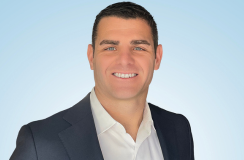




















%20-%20thumbnail.png)





%20-%20thumbnail.png)


%20-%20thumbnail.png)

.png)



%20-%20thumbnail.png)