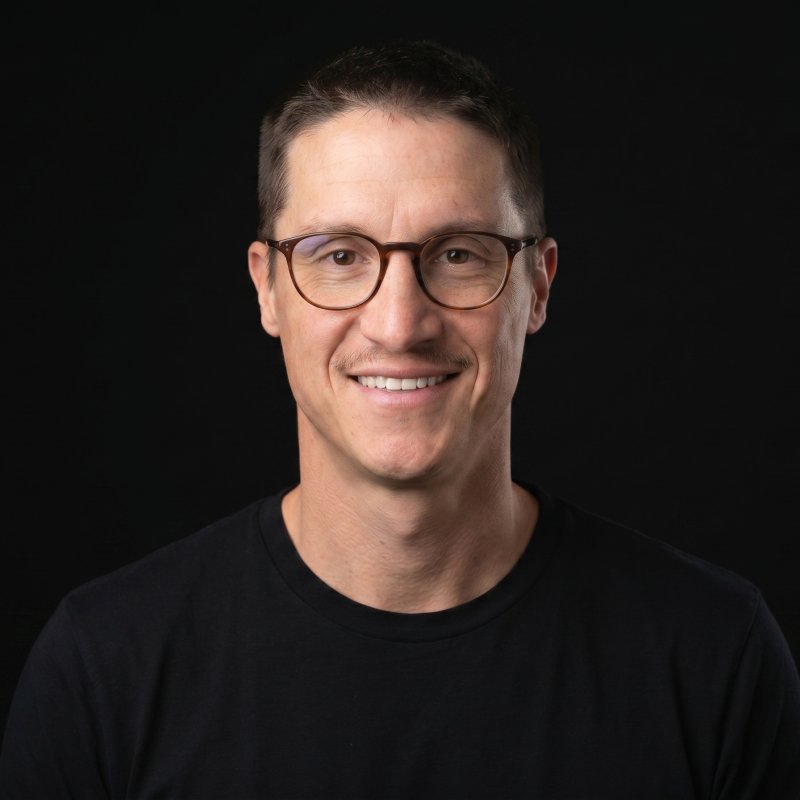
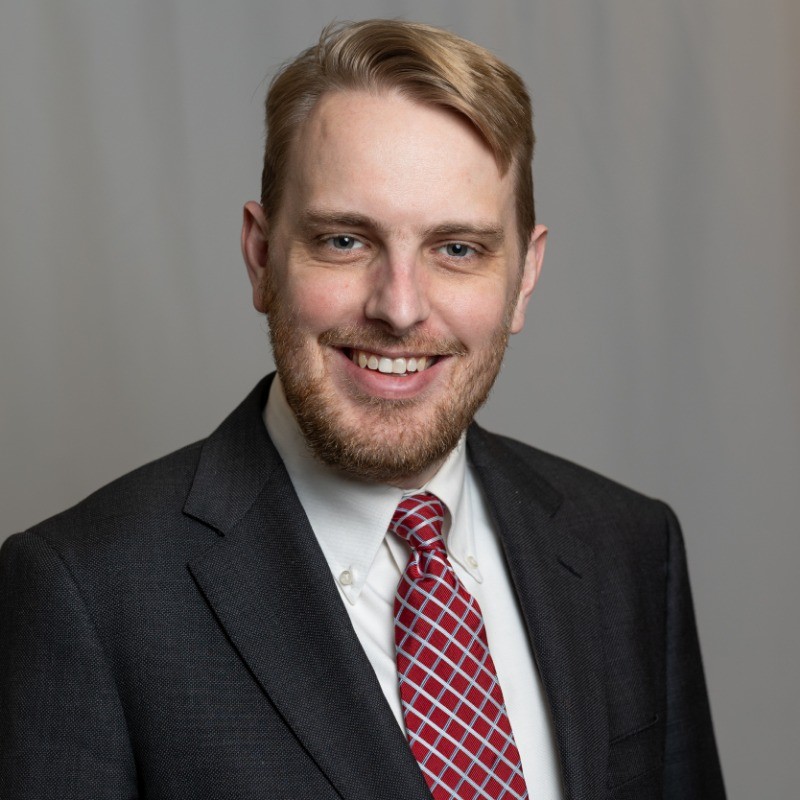
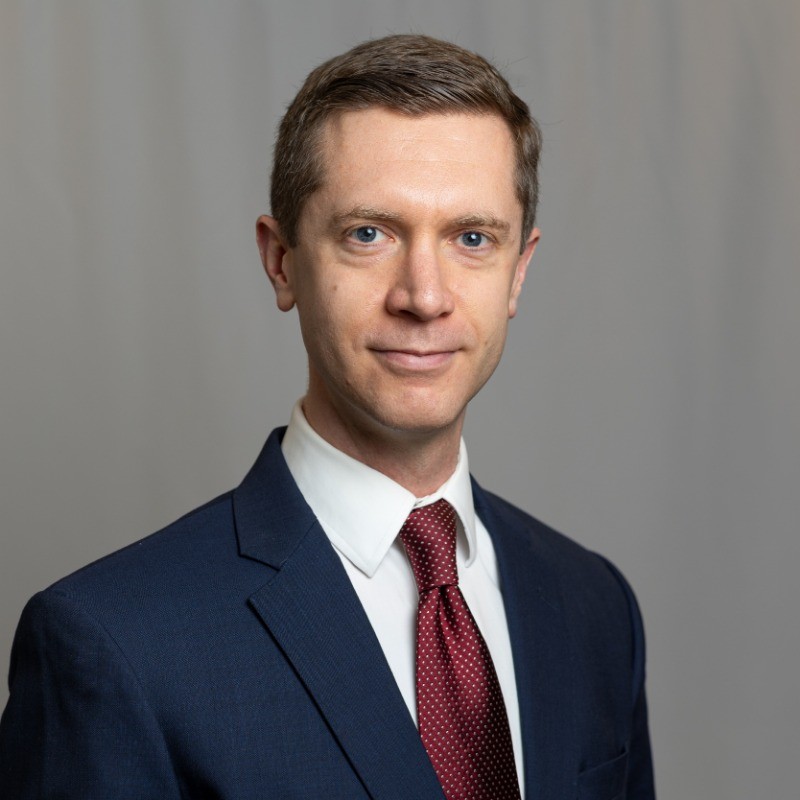
Host: Sometimes people in our world of search will reflect. You know, it's not like this search thing is new. People have been buying small businesses forever. Well, today's guest, Matt Huggins, reminds me of that. Because Matt, whose Holdco is projected to gross $20 million this year, did not get his MBA. He wasn't on search funder. He didn't read the HBR guide to buying a small business. Instead, the outdoorsman was elk hunting with a friend and they asked themselves what could they do professionally that would give them the freedom to spend more time in the mountains hunting. Buying a small business was the answer they arrived at, and they did it. Flash forward 15 years and that first acquisition, which went terribly by the way, has been parlayed into a Holdco of multiple businesses. Some acquired others. Matt and his team started from scratch. But listen for how Matt has done that. You'll hear that this wasn't a grand Holdco plan. It wasn't all mapped out. Often Matt was simply responding to market demand or an opportunity that found him. By meeting that demand or saying yes to an opportunity, reluctantly sometimes. Matt built multiple businesses over years. Here is his story. Matt Huggins, Owner of the PE. Welcome to Acquiring Minds, a podcast about buying businesses. My name is Will Smith. Acquiring an existing business is an awesome opportunity for many entrepreneurs and on this podcast I talk to the people who do it. Listeners of Acquiring Minds know that for almost any business you acquire, its success comes down to the people and how you develop and manage them as their new leader. Thing is, in addition to management, there is also a lot of process and bureaucratic work when it comes to your new employees. Payroll, compliance, HR technology, hiring to name but a few. These processes are crucial to get right, but at the same time distract from where you want to be putting your energy in leadership. So Aspen HR is an HR firm and PEO that takes this work off your plate and handles it with the care it demands. Aspen is owned and run by Mark Sinatra, himself a successful former searcher, so Aspen's own leadership understands the HR challenges that searchers have. Post acquisition. The firm is offering Acquiring Minds listeners a complimentary pre acquisition HR and PEO review for your target business. Check out aspenhr.com or contact Mark directly@markspenhr.com Matt Huggins welcome to Acquiring Minds.
Guest: Thank you. Glad to be here.
Host: Matt. Back at the beginning of your career you were on track to earn a PhD in neuroscience from Stanford. That sentence just kept getting more impressive. You didn't pursue that path though, and instead got into small business. Today you own A Holdco with a projected $20 million in annual revenue and growing. We are going to connect those dots in this interview. Before I ask you for your background Matt, give people a picture of how the story ends. So what does peak group companies look like today?
[3:39] Guest: Yeah, I'm glad for the last bit of clarification. I don't know where it ends, honestly I. But I can tell you where we are now and that's we're like you said, a Holdco. I've got two brothers who are partners in the parent company and we own a set of companies that are mostly focused in the water business. Water infrastructure, water equipment, operations related to, you know, municipal water systems, industrial treatment, all kinds of water related stuff. So we've got, we operate in, I think, I think we're up to six states now and we have 50 something employees. 55, 56. Somewhere in that range. We have two semi unrelated businesses that came to us via buying out our father and then building, starting to build a small manufacturing business connected to what he does. So like you said, we're projecting $20 million in revenue. It's a pretty diverse set of work that we do in a couple of pretty concentrated types of customers.
Host: So Great, that's great Matt, thank you for that. So let's get some background on you going back to your, your days as a potential professional academic. Let's start there. What, what, why did you step off that track?
Guest: Yeah, it's a good question. I mean I got on that track somewhat accidentally. You know, I graduated from undergraduate, I went into undergraduate not knowing what I wanted to do. I chased the pre med track for a while and then I shifted over to some engineering and ended up kind of getting into a groove in the chemistry department, doing some research and enjoying that work. And when I graduated with a bachelor's degree, I had no idea what I wanted to do, hadn't thought about what work looks like. And I like school, I'm in a groove. Let's continue with that. I could be see myself being a chemistry professor for example. But as I thought about grad school, you know, I realized I knew very little about how my brain worked or anyone else's brain. And I thought that'd be an interesting thing to study. And so I applied to a neuroscience PhD program at Stanford and they let me in. And my intent going in there was to get a really valuable degree and turn that into a tenure track doing lab research. But being there, I met a ton of cool people, had a great time. The science was everything that I expected it to be. But I was meeting with these professors and watching career trajectories, you know, from the very beginning of them, imagining myself on one. And it just. There were a lot of things about that world that didn't appeal to me. I did a rotation with a, a PhD or a professor who, who, who did everything right, had a really great career, was respected, had. And he was at the tail end of that. And when I talked to him about his research and where it started, the things he studied and where it ended and how he had put 40 something years into it, you know, the needle hadn't moved very far. He had spent a ton of time and a ton of money and a ton of energy, and he was rightly proud of the progress he made. But at the same time, it wasn't, it was, it was incremental and that really was eye opening for me. And then I also realized.
[7:40] Host: And that by, Matt, by incremental you mean an academic or professional scientist wants to discover and kind of add to the corpus of scientific knowledge.
Guest: Yeah.
Host: And after 40 years of straining, he just kind of added just kind of a teensy bit. Nothing that really moved the needle. That's what you mean?
Guest: That's what I mean. Yeah. We knew more things as a scientific community about how these particular cellular neuroscience neuronal processes were working, but I don't know, it's hard. We didn't figure out how the brain worked in 40 years. Right.
Host: Yep.
Guest: So anyway, and so I also realized that when you leave grad school with a PhD, you end up in a postdoc program somewhere. Who knows where it's, wherever there's hiring. And then after that you end up chasing a job somewhere or going out to the job market and whatever departments have openings that year are the ones that are available to you. So, you know, the outdoors are important to me. My family is important to me. I have some hobbies that I've always been pretty keen on. And the idea of getting a tenure track position at the University of Kansas was also, you know, not to disparage the University of Kansas, but it's not where I wanted to live. And the control of that was something that you just don't have in academics, where you end up. Yeah, great.
[9:06] Host: Makes sense. Makes sense. So. So if you're not going to go down that track, what you look around and what turns you on at that point.
Guest: Right. That's the question. And I, I knew I was. I knew enough about living in California now to know I didn't want to live there permanently. Either. I grew up in the mountains. I grew up in Utah and wanted to get back to the mountains. My dad had a small business. It's a distribution company that's focused on process electric heating equipment. And that's what he did as I grew up. So I watched small business from that perspective. And while he wasn't hiring or really interested in growing his company, he gave me, he said, sure, let's try this. You can pop back here to Utah and we can see if we can gain some traction. And so that's because it was available, because it was where I wanted to go, and it seemed like it could develop into something. That's what I ended up shifting to. So end up back in Salt Lake City. And I didn't know anything about business. I didn't know I was supposed to sell and grow this business. He had been doing it for decades and hadn't grown it, didn't want to grow it. It provided the living he wanted. And I struggled to figure it out, really. You know, I. I tried outside sales, you know, going knocking on doors, cold calling. You know, this was in the early 2000s, so email was a thing, but it wasn't, you know, the, the, the digital marketing was not a thing. You know, I, from scratch, kind of built our first websites using HTML and CSS and stuff I don't really know how to do, but that's the state we were in. And it just, like I said, never gained traction. But while I was doing that, I kind of stumbled into a poker game with some old high school friends, and they were telling, you know, I'm not a poker player. I've never put a dime in a slot machine. I really dislike casinos, but it was fun to play poker with my friends. And some of them were talking about Internet poker being a thing, and I thought, oh, that might be a way for me to learn how to be better and so I could perform better in these just weird social poker games we were having around Salt Lake. And that became really interesting once I got into it. I started reading about it and getting into online forums and
Host: you and everybody else. Matt. This was during online poker's heyday.
Guest: That's right. I was playing on Poker Stars and Full Tilt and Ultimate Bet and all these that people have heard about from usually not a very good perspective in hindsight, but played a lot, and I ended up playing millions of hands. I developed a style where I was playing 20 games at a time and I had small edges and I could just play hour after hour and make a really good Hourly living doing that. I did that for about five years and it resulted in enough income for my wife and I. We had our first daughter, our first child, our daughter and we. I wanted to move to Montana to go fishing and thought that jived real well with my poker career and so we moved to Montana and at that point you started to see the writing on the wall with the poker. Online poker industry wasn't going to stay the same. The skill level was, was really coming up in. People were learning how to play it. They had a lot of software tools to do it. And so my style of playing a huge number of hands with small edges just making good, sound fundamental decisions but not really exploiting people started to not work as well. And there was a law passed I believe is in 2006, maybe it was a little later than that. The timing isn't fresh on my mind, but I saw the writing on the wall and started to look around for, for the next phase and start to look at small businesses.
[13:20] Host: Matt, before we get off poker, how much does being a professional poker player, professional online poker player playing 20 hands at a time, millions of hands for five years, how much does one earn doing that? Give us, give us some dollars here just so we know. Are you barely getting by or you, you know, are you, you know, a millionaire?
Guest: Not a millionaire, but you know we would, I would work it out in, in dollars per hour on average. I would track expected dollars per hour hour looking back at hand histories and then, and then realized and you know, it started out in the hundreds of dollars an hour, you know, like a maybe what a low end attorney might make, you know, four to five, six hundred dollars an hour. And over time, like I said, as it got harder to put money into it and as it got the quality of play increased the number of people who were professionals and were earning money out of these as that percentage increase, it really declined quickly over those years. So I'd say by the time I left or decided to quit, I was probably not making much over a hundred dollars an hour, but had started many times that.
Host: You already know that business owners are making amazing use of virtual assistants, often based in the Philippines. And while virtual assistants are helpful, virtual professionals are transformative. More Staffing is a boutique agency that hires a players in the Philippines not for simple tasks but for deep competency work. Think operators, supply chain managers, controllers Moor staffing de risks your engagement with a 12 month guarantee to you. And they provide coaching for six months to their talent. When an engagement begins, that means your hire is coached in the background, no additional cost to you, so that your working relationship flourishes and is as successful as it can be. Global staffing is increasingly the norm, and building the muscle within your business to take advantage of it will be crucial in the years ahead. Speak with more staffing about the pool of capable, affordable managers they can connect you with. Check out Morenow Co. That's Morenow Co. Okay, well, so you moved to Montana, drawn by the fly fishing. Your wife's amenable to that. And you have a child and you start to look around at small businesses as an opportunity. Why was that just your kind of default position? Because you'd already worked a little bit with your father and you'd seen him grow, growing up, have a small business. Why? Why small? Back to small business.
[16:12] Guest: Yeah, that's a good question. It just seemed natural to me. It's what I looked at. I never applied for a job in Montana. I did apply for a job when things weren't really developing with my dad's business, kind of in that when I was figuring out poker, I thought, well, maybe, maybe I could get a job. And so I applied for one job, and it was a place called Myriad Genetics in Salt Lake. They're adjacent to the University of Utah. And I sent in my resume and they called me in for an interview. And I met some people who were really happy with the work they did. It was a really great environment. I really thought, well, maybe I could get into this. You know, I was. The research I had done was electrophysiology, and they had the state of the art in that equipment. And they had this program where you work for us for four days and then you get to do your own science on Fridays. And anyway, I was kind of getting excited about it and interested in it, but then when they made a job offer and I saw the, you know, just, just how little earning potential there was relative to what I, you know, wanted to earn really was deflating. And that was the last time I thought about getting a job. So I think to answer your question about why I looked at business is I just valued my time and my hobbies and I had also economic, I guess, aspirations. And, and getting a job didn't. Didn't really wasn't conducive to either one of those.
Host: Great. Makes. Makes sense. So. So when you start looking around at small business in Montana, do you imagine yourself buying a business? Is that something that's even on your radar? The. The possibility of doing that, or are you thinking you're going to start something?
[18:05] Guest: It was to buy a business right from the beginning was the idea. You know, I, I tinkered with some friends, talked about ideas we could start businesses, but I was never really convinced that I had the background or that that was the right path for me. I, I actually met a friend pretty early on when I was in Bozeman and he had a similar mindset and had bought a couple rental properties. And he and I would elk hunt together and things and talk about, you know, how can we buy a business that will be passive enough that we can just do this all the time, right. And so that was the kind of framework was let's, let's go buy a business that doesn't, that's got flexibility that, you know, provides more economic opportunity than a job and see if we can make it, you know, kind of a lifestyle or semi passive type business. And so he and I together looked at several businesses. The first one, we even made an offer on this business. It was a cigar kind of a route business. It had these vending little humidors that would sit on the counter at convenience stores and fishing lodges and places like that. And you would, the owner would stock them with these proprietary cigar blends that he would bring in and, and then you would just do a route and take an inventory and, and charge the, you know, the gas station or whatever. That seemed like a pretty, pretty approachable, pretty low key opportunity. And we weren't able to make a deal with him. But we did make an offer on that and saw, you know, that was the style of business that we were really mostly looking for. We were introduced. I met a broker, business broker, someone who was very early and you know, he was barely a business broker. And I met him through my accountant and just let him know what we were doing and looking for. And randomly or out of the blue, kind of some months later, he called and said, hey, I've got this listing that I just became aware of. It's a, it's a, it's a utility company. It's near Big Sky, Montana in a ski resort town, which is, was about an hour from my house. And that ended up being the first, you know, business that we bought. I got with my partner at that time, or the guy that I just described, Kevin was his name. And we looked at it and didn't buy it the right way, but we bought it. And that kind of got us started on this path.
Host: So tell us about this business, a utility company in a ski town. Give us some numbers and then fill in what this, what the business, the Services it actually provides.
[21:05] Guest: Yeah, yeah. These are really unusual businesses. Actually, I didn't know it at the time that they were as unusual as they are, but. So the listing included a commercial building. It included some heavy equipment, you know, a backhoe and a grader and stuff like that. It included a. I forget the terminology for it, but it was a cable company. Essentially. It was. It's really one. Services to one condominium complex. There's 215 condos, I think is the number 216 in this development. And the developer had set it up as he built out the condos for him to own the water and wastewater and cable utilities to all the. The residents, all the. All the condos. And so in the condo docks, he said, you have to buy cable for me and you have to buy water for me and you have to buy sewer. You know, this is a separate business, not just part of being in the way. And so the developer was selling off these. He had finished developing the development and was selling that. So we provided cable service. We provided, yeah, water and wastewater. And the thing that's unusual about these businesses is that they're kind of capped on the upside and kind of protected on the downside. There is a. It's a. It's a regulated entity. It's. It's a. It's a monopoly. Obviously, when you're sure your water pipes come from one. One company, you. You don't have choice. You can't just put in a new pipe. Right. And buy water from someone else. And so in order to protect residents and owners, customers, there's a public service Commission in Montana, and they are there to do two things. To make sure that the utility companies that provide these types of services are. Are healthy and providing the right level of service and to make sure that the customers aren't being overcharged. That the. By nature of being a monopoly, that the. That the utility companies don't just crank up the pricing and.
Host: And.
Guest: And gouge. Gouge the users. So we have these regulated utilities, and that was the water and sewer system. Cable is not regulated. Interestingly, you can put a satellite dish on your house or you can, you know, otherwise get that kind of content. So we had regulated unregulated and then these, you know, just kind of traditional assets and real estate and equipment. Just for numbers. I think the total we paid for the. This. I think the listing price was $1.6 million. And I think that, you know, there wasn't a whole lot of negotiation beyond that. It was. I'd have to go dig up the details but, but we ended up right in that neighborhood.
[24:06] Host: And what is, what, what are sales and profits look like for a business? That that's that the, the entire business is just servicing 200 and 200 plus condo units.
Guest: Right. I have to go back. I don't remember the cable company very well. Kind of to set maybe the beginning to answer that question. When we looked at this, we ended up dividing the business into buying these assets into multiple entities. And we set up one to hold just the regulated assets. Because the way you have to run books for these types of companies and report. I remember that business better. It's the one we continue to operate, the regulated utility. The cable company got compartmentalized. We ended up in a lawsuit with the HOA owners association and it pretty rapidly disappeared as a business. And then the real estate, we ended up handling it just like commercial real estate. We rented to a property manager, we sold off the equipment. So I don't remember all the economics of those things, but the economics of the regulated utility. You know, the way that the. It's based on rates that are approved by the Public Service Commission and the formula to determine those rates is basically what is the cost of the infrastructure? What does it cost to deliver services? What is a reasonable rate of return on that? The equity invested. And per the state, they believe that, you know, 8 to 10% is a reasonable rate of return on equity invested. And you show them what it costs to operate the utility and how much money you have invested and then they. There's a more or less a formula. It's a little, it's not nearly as functional as that made it sound. There's a lot of politics involved and there it's a retroactive situation where you go ask them for rates based on last year's expenses, operating expenses. They set your rates and they don't guarantee you that you're going to get the return that they've. That's been incorporated into the calculation. They just. You now have an opportunity to realize that return. And if things happen in that next year, infrastructure breaks or whatever happens, the you don't get to go back and true up your return. You then just have to go file another case and ask for the rates to be adjusted again. And for a small utility like this, you know, our revenue at the very outset was about $200,000 a year. And that was what's termed the revenue requirement that was calculated through this, this process.
[27:11] Host: So Matt, so the, this, this business, what did you like about it? Because what I'm hearing Is so, so it's nice to have a regulated business where the government wants to see you continue to provide services. So it's kind of like, yeah, there's, there's kind of a backstop in the government who doesn't want to, you know, see you fail. So you're not going to go to zero. In theory. In theory, yeah. But then there's the cap, the ceiling on the potential. So it's kind of this banded, this kind of this banded return or opportunity, which is maybe fine, maybe that's what you wanted. You were looking for a lifestyle so you could go elk hunting. But then it sounds like the cable piece was outside of that and that didn't go well. And then you've got commercial real estate. So I guess I would say it seems like a pretty complicated deal for your first and very small now, I don't know what your expectations were if you just wanted a lifestyle business so you could hunt all day, maybe, you know, you weren't hungry to go out there and buy the, you know, buy as much business as you could. So maybe respond to that. Why did you like this business? I feel like, you know, cigar vending routes seems a lot more appealing than this.
Guest: Yeah, I agree. I don't know. We were naive. We thought that this would be passive, that this would be basically an annuity. The pipes are connected to houses, the systems operate on their own. They don't need a lot of input. And you send people a bill and they pay it and, and you go fishing and it felt like that's. Or we naively thought that that's what we were buying. And we hired an engineer to help us look at the, you know, the condition and performance of the, the assets, the systems in the ground that deliver water and handle the wastewater. And you know, we had some accountants and advisors that we thought would help us handle the rate case side of things. The Public Service Commission process I just talked about, and we thought we had a team put together that we could just buy this and then forget about it and just collect the checks. That wasn't the case. It was hard and like you said, it was complicated. We ended up in lawsuits. I think we had one of the longest, if not the longest rate case in the history of Montana in front of the Public Service Commission. I've not checked that in detail, but our, we had an attorney who his whole career was prosecuting these rate cases. And, and that was what he claimed was that this was the longest one, you know, in his 30 something year career and probably ever so it was not at all passive. It was definitely complicated, and we just weren't smart enough to see it going in that that's how it was going to be.
[30:11] Host: Yeah, well, let's linger on it for a second, Matt, because. Because a lot of people listening to this will have yet to have bought their first business. And so you've gone on to now buy multiple others. And you know, you look back at this as your young, naive self, but, but a lot of people will have yet to pass through that themselves. So. So I want to hear kind of what it was like. So you had like, like emotionally. So it ends up being this mess. You, you'd come off of five years of self employment. You know, on online poker, you've got a young family. Like, are you freaking out or is it okay? What is the adjustment to life as a small business owner feeling like? Because it's quite a departure from sitting behind your, you know, your computer screen playing 20 Hands of Poker.
Guest: Yeah, I guess so. Especially when you frame it that way. You know, my memory of it and, you know, it's been 15 years now, so my memory of it is that it was really alarming and we had plenty of concerns about where this was going to go, but it just. Stuff needed to be done and we did it. You know, we, we financed this through. We found a local banker, we went to several bankers, we talked to banks about, you know, we were vaguely familiar with the sba and we were able to find a local, a small bank with a bank president that would talk to us and that under. Was willing to understand the PSC aspect of it and the ability to change the rates when, when things don't go well. And, and, and we just got a conventional, relatively conventional commercial loan, but it did require a personal guarantee. So we had that pressure and there was really no turning back. It was just, you know, what do we need to do next? We, you know, emotionally, you ask. I, I don't, I don't direct access to that. I don't remember. I, I do know it was stressful and that it was time consuming, and it was not at all what we signed up for.
Host: Okay, all right. Did you, did you go out and hunt and did you have any of that extra time that you had been hoping for or. No. Was that all consumed by, you know, lawsuits and HOA negotiations?
Guest: Yeah, yeah, we were, we were juggling it all. You know, we're kind of jumping ahead on part of that story, but we ended up having to rebuild a whole large portion of our wastewater treatment system. Early on we were out of compliance with the environmental regulations. Relatively soon after we took ownership and that led to a down a path that ended up in us doing a construction project. And because we were unable to find the right, the type of people, the support we needed, we ended up doing it ourselves. And I have a distinct memory, you know, I called one of my friends or my, my partner Kevin. I'd shot an elk. I was in the backcountry and he was at that construction project. We were working on it together and I would leave and say, okay, I'm going to go hunt the afternoon. And I would, you know, backpack in somewhere and hunt and then run back out, you know, a couple days later. And then, you know, he would go off and do something. And so we were juggling all of those things and I, I, you know, had to pull him off the job to help me haul meat out of the backcountry at one point and you know, another just brief story, some of my wife and I have really good couple, really good friends and we met them when our kids were at daycare. And I think that the first connection was when I stumbled into daycare to pick my daughter up out of there, you know, in camouflage and you know, face paint and smelling like four days in the backcountry. And so I was picking her up from daycare and running her home and then, you know, dealing with these lawsuits in the evening. And so yes, juggling it all.
[34:33] Host: Well, I, I've heard a lot of stories. A lot of my guests talk about juggling at all, but never juggling. Going four, four days into the, the backcountry to, to go hunting and wearing camo and face paint. That's, that's pretty intense. But I guess that was your passion and that's actually kind of the life that was a big part of, a big part of your whole story in fact. Because I know from our pre call is that being an outdoorsman is a huge thing for you. I mean it's, it's, it's really. You've in fact as successful as you've been in this holdco in this business these last 20 years or 15, it's really all been to enable an outdoorsman's lifestyle fair.
Guest: I would add to that family lifestyle. You know, my, the daughter I was just describing, she's freshman, just finished her freshman year in college and you know, our son is, is about halfway through high school. And it's also been able, you know, to enable flexibility and time and, and time with kids and and all that early on, the, the outdoors activities, you know, I had an obsession with rock climbing for years and, you know, just a sequence of. Of obsessions of that have that, that tone. And my kids became one of those obsessions as well. And so that was a big deal through the middle years, obviously. Yeah.
[36:03] Host: Okay, well, let's, let's move along here. So you were telling us about the construction project, and is this the one where you start a business because you can't find local service providers who do it well enough? Let's go move through here a little bit.
Guest: Yeah, yeah, I think that's important because that's really the jumping off point is we found ourselves owning this thing, this company, this utility, and everything was going wrong. We were in court, were in violation. And we thought we could, you know, prior to the transaction, we thought we would just hire people to do. To solve these problems for us. Right. There are engineers and construction companies and utility services and people who would just help us. We could hire them. And it turned out that, that, that wasn't the case. There are people you could hire, but they wouldn't. They were unable or unwilling to do what we needed or wanted done. And so it was. We just figured it out ourselves. We went to the environmental regulation folk and got certified as public water system operators and public wastewater system operators. You need to have a credential to serve, to operate a water system that serves the public. Right. We couldn't find anyone with one of those that would work with us in a reasonable way. So we went and got our own credentials. The financial folks that said they could help us prosecute a rate case at the Public Service Commission, when push came to shove, they didn't know how to do it. There are rules about the way you calculate these rates. And someone in this accounting firm had heard about this and claimed, yeah, I can do that. And turns out they couldn't. So we had to do that ourselves. And it was just a sequence of things like that. As I mentioned, we ended up hiring a friend engineer. He designed a wastewater treatment plant replacement because we, the core of our wastewater treatment plant failed. It kind of been covered up in the transaction. The previous owner had made it look like it was in better condition than it was. And shortly after we got a hold of it, that became evident. So we had to go get more money and we had to learn how to do a construction project. So anyway, long story short, we were. We learned a lot of things really fast. And we recognized that there were other people who were in similar situations. You Know, every HOA that's in the county, not connected to a city has a water system or a wastewater system. And the ski resorts have water and wastewater systems. And there's lots of these weird little community or public utility systems that are being poorly served. And so we met a few people who were connected to that and set up a company to do, you know, provide services to those. Those folks. Another important point here is the. The design of the wastewater treatment plant upgrade involved equipment that was proprietary, right? You have to buy the same stuff or you need to buy it from a dealer who's granted a territory. And that dealer handled that transaction in a way that we really didn't like. It wasn't really focused on delivering value to us. It was focused on extracting value is what it felt like. And it really rubbed us wrong. And as we set up this business to provide services to these other utilities, we thought, well, we could probably provide equipment to them as well. And so we went searching for manufacturers and for competitors to this proprietary technology that we had purchased. And in that process, word kind of got around. You know, it's not a very big industry in Montana. And some of the engineers, you know, talk. And the owner of the business that we had bought equipment from that we were kind of setting up to compete with, became aware that we were, you know, doing what we were doing in terms of field services as well as talking to these manufacturers. He called me up one day and said, you know, rather than set up to compete, I'm pretty ready to retire. Why don't, why don't you come in here and we can talk about you buying. Buying my business, which was not something we had been thinking about, but as he said, it was something we were clearly interested in. And so that ended up being our second acquisition. Went in and then talked to Steve and worked out a deal.
[40:49] Host: So let me, let me pause you there. So at this point, we've got a. The initial acquisition, which was wastewater and cable, a cable system serving this one condo community all together. Then you divide those into two businesses. You've got a water waste water system servicing business, which you've started now because the own. The servicers that you tried to engage to help you were crappy. So you said, that's right. You looked at the market and said, we. We can do well, you, I mean, you basically had to solve your own problem. And then you said, let's make this a service that we offered others. So that's, that's now a third business. When you started from scratch, then you have a similarly bad experience in trying to acquire equipment related to the water treatment and decide we're going to. We're going to start this business to. Word gets out and the dealer who gave you the bad service said, hey, just buy me. I want to retire anyway. So now you've got an acquisition, one you've started from three acquisitions when you started from scratch and all of this in the span of what, how long after not buying the cigar vending business is this?
[42:03] Guest: Right? So 2008 was when we closed on the utility system, the private utility, and 2010 is when we closed the deal to buy the equipment manufacturer. So it took two years that we've just covered. Yeah.
Host: So. So zero to holdco in two years. Now I know, I'm joking because it probably doesn't feel like a very powerful impressive holds company yet, but technically, but technically there you are with a handful
Guest: of businesses and honestly, none of this was premeditated. It was opportunistic. You know, things would fall into our lap and we would say, how do we, you know, what makes sense here? You know, Steve called and said, what do you want to do? Are you interested in buying me out? And I thought, you know, what's the worst that could happen? My initial thought wasn't this was what I was waiting for. This is my break. We're going to get this guy's business. It was, yeah, I'll put on my best hoodie and go see what he has to say. Right. Try to act professional. And you know, the terms he laid out, it just, you know, we were like, yeah, maybe, maybe not. But anyway, it was just a sequence of kind of accent accidents and these just decisions that would present and we would make what we thought was the best and it resulted in more complexity. Over and over is kind of how this happened, you know.
Host: And Matt, that's a great point and kind of a theme I wanted to get to eventually. So let's just get to it now. Yeah, a lot of, A lot of people listening will have grand plans and there's certainly nothing wrong with that. I don't. That's not where I'm going here. But it is striking to see somebody else's career who ended up in a really great position and you're not. You, like, as you said, your story isn't ending. You're only halfway through or whatever. You're very much in the middle of it. So you still got a long way to go. But sort of by accident and, or, or, you know, not by accident, but not without some grand plan or map that you were following.
Guest: So it's.
Host: I. I don't know if there's anything, if you want to respond to that or if there's anything more to say about it. Maybe it just is what it is. But it's just interesting to contrast how you've built a holds company in a successful career in buying businesses, growing small businesses, versus people who do it with a lot more intention.
Guest: Yeah. You know, I've only recently stumbled into this whole community, you know, your podcast, the Twitter folks that, that are well known in this community. And that's the striking difference. You know, I, I'm. I'm excited to have access to that and see how these people have done it. And it's prompted a lot of ideas for me in terms of the next chapters and people we could work with, et cetera, but it is unrecognizable to the person I was then. It's not very little in common. You know, another example of this is, you know, we took ownership of the equipment sales company. It had a territory of just some counties in central Montana and a couple lines. It had really two manufacturer relationships. And our intent when we bought it was unclear. We just like, okay, this kind of works. Let's see what happens. We had a friend who had just jumped out to North Dakota to do some construction work. The Bakken oil field in western North Dakota that people might have heard of had boomed, and infrastructure was going in like crazy. And so we thought, might as well try this. Yeah. Jumped in my pickup truck, got my 20 degree below zero sleeping bag to, to sleep in the back of it because there were no hotels. There was nowhere to stay out there. It was just the wild west. And went for a drive and started talking to people about, you know, what are you doing with your employees? Where are you going to house them? And they started building man camps. But then they needed to serve water, you know, drinking water, and they needed to treat the wastewater. And anyway, so just another opportunistic thing. You know, we just jumped out there and people were just happy to hire anyone who would show up to do the work that led us to have to hire our first employees. Right. And in hindsight, it was our first employee we hired because we thought he wouldn't be too demanding on us as bosses. He wouldn't have too high of an expectation of what the company would want from him. He said we.
[46:35] Host: And he really, really going for a players there, Matt.
Guest: Oh, man, it. And it ended predictably. Right? It was fine for a minute. He filled a Hole. And then he. We quickly outgrew him. Outgrew him. And he was a nice guy and ended up having to let him go in a really awkward conversation. And anyway, just as an example of the accident is we were so reluctant to do things like that and wanted to do it in the least demanding way on us. Right. It was, it was a very. I don't know, it's just a different mindset than where I'm at now.
Host: Yeah. Well, you know, two just, I think things to tease out from this. The first is there's a concept in the world of tech where a Mark and Dries and the famous venture capitalist. I promise this is going somewhere. The famous. The famous venture capitalist Mark Andreessen. As an investor, you've got a potential venture to invest in. Would you prefer an incredible market or would you prefer an incredible entrepreneur? And he answers, incredible market because an incredible market where the demand is just so strong pulls out of the team of the entrepreneur. You know, pull. It pulls it out of them. It pulls their talent out, it pulls their, their hunger out. And it's just I've. That's always stuck with me. And it feels like a little bit what you guys were experiencing in Montana and North Dakota, where the service provide. Well, North Dakota is just exploding with man camp. So that's just a supply demand situation. Sounds like a little bit. In Montana, they're just the service, the service providers, they're just. I don't, I don't, I don't want to stereotype it. Maybe it's just a little sleepy or a smaller population, not as demanding. And so it was just, there was just. There was just a lot of, you know, you're. The market is pulling out of you.
[48:28] Guest: Yeah.
Host: More than you actually intended to give it. Because it just needs. It needs this from you. There's a hunger there. The market is kind of like hunger hungry for you. So that, that's kind of interesting. The other observation, Matt, is we should give you credit for. You take initiative. Like when opportunity strikes, you do go after it. So. So, you know, despite the fact that this is, quote, accidental, like not everybody chooses to start up a service business because the current market is so, you know, so disappointing in its offerings. Not everybody chooses to like, you know, throw their 20 below sleeping bag in the back of a pickup truck and drive to North Dakota to see what's what, you know. So you guys are interested in opportunity and take the initiative to strike when it's there. That. That differentiates you from others in the market. So it's not all by accident that you're sitting here today.
Guest: Sure, fair enough. But it did, it did feel that way. And they weren't all wholehearted jump ins. It's like, well, you know, we got to do one thing or the other here. Let's, let's do this one because it seems a little bit better. Okay.
Host: All right. Okay. So you're doing, you're, you're part of the, you're so, so sorry. What was the business that resulted from the North Dakota what's going on in North Dakota? Oil.
Guest: Yeah. We expanded the equipment we were selling. We went to these man camp operators or constructors and developers and we said basically we'll do anything you want with related relation to these things. We sold equipment, we helped design equipment systems, we installed it and then people wanted. Then there was no one to operate it. And so we started to hire operators and we set up a shop there and, and built a, I guess our first branch, remote branch in Williston, North Dakota to operate these systems. But really the answer, yeah, they needed a whole bunch of things done and we knew we could figure it out. It's not that we were experts or we had done it a hundred times or we had a business model that said this makes sense. It was, yeah, we can figure it out. And here's what that's going to cost to make it worth our while. And so it enabled us to really learn on the fly how to do this, this thing. Yeah. So.
Host: Okay, well, so bring us up, bring us up a little bit to where things kind of settle out a good kind of to take the pulse of where your hold cooperation is at.
[51:03] Guest: At a certain point, yeah, we started to grow. The North Dakota market started to fade. You know, the price of oil dropped and the infrastructure caught up to the population that was needed to support the oil field. At the same time, development around back home near Bozeman and Big sky was. Was taking off. My partner at that time that I've mentioned a few times, you know, at that point he, you know, we had enough employees that I wanted to start providing things like benefits. Right. And that was just a bridge too far for him. It was too corporate. As soon as I said we're going to provide a 401k, he said, yeah, I'm out. I need to. That's way too, way too corporate for me. In fact, you know, my memory of it is he sat me down, he sat me down one day and said, you know, I'm at the point in a man's life where he Needs, you know, an adventure in a hot Spanish speaking country. And so that got us started down a pretty short path to me buying him out and becoming the sole owner of this group of companies. And so continued to grow those fast forward a couple years, ended up wanting to bring my brothers into this business. I have two brothers. One of them had been working in the business for a long time in the field doing operations and. And our other brother had been working for my dad came along to that same business I started with a little bit and. But at a time when it worked a little bit better, our dad was near retirement around 2020, the beginning of that we completely restructured and actually set up a holdco. They'd all just been independent companies prior to this. And so we set up a parent, brought my brothers in as minority partners. We bought our dad out and combined this all into this, this current structure.
Host: And so now give us again a the kind of the, the cross section of the holds co. What are the holdings, what are all the operating companies, please.
Guest: Yeah, so the, the, the, the utility stuff we talked about is not in the hold co. I still own that, still operate that but it's outside the holdco. It's got that. The partner I just mentioned buying out of our operating or our sales and service businesses, he's still involved over there. So that hap. That's separate. Within our holding company we have an equipment sales company. It's called Advanced Pump and Equipment. Just last week it closed on the acquisition of one of our biggest competitors. Over the last 10 years we've just brought it in. It was called Russell Industries. We're going to continue to operate them separately but they're really one company. And it provides equipment design services as well as. And then distribution for really kind of technical engineered systems primarily. And for a lot of the years we operated our field services under that company just for simplicity. But a couple, you know, a year and a half ago, at the beginning of 22, we spun off everything we do in the field into a separate entity. It's called Peak Water Services. It not only does contract operations, this is just perpetual contract certified operations to small utility owners, whether those are cities or what have you. But we also do some design build work. We can, you know, we're building wastewater plants with the intent to then become the operator. You know, we don't, we're not a construction company for the sake of constructing things but for clients that are people who we already work for who are building a new facility and that can turn into a long term Operating contract, we'll build them a treatment plant. For example, that company has five locations, five shops, Wyoming, Idaho, two in Montana, one in Williston, North Dakota that I mentioned. And we're working to set one up in, in northern Utah. So that's peak water services. Then we have, we started another company we haven't talked about yet. But there's a niche type of construction, rehabilitating manholes and lift stations and structures that are used in water and sewer utilities. You can imagine a city street every three or 400ft has a manhole that gives a human access to a sewer line. Right. And the concrete that those manholes that allow the access, it, it breaks down over time, it gets leaky and the sewer gases corrode it. And if you have to stop traffic and tear up the asphalt and dig up this, you know, excavate out the old structure and put a new one in, it's incredibly disruptive and expensive. And so what we, what this company does, advanced lining, is we go into those manholes and we prepare the inside surface, tear down the corroded concrete, and then we rebuild it back from the inside and basically fortify these manhole structures. We use the same process to line potable water tanks or sewer tank, you know, sewer treatment plant structures. So that is one of the businesses. We started that from scratch in 2019, I want to say. And it's because we were trying to hire subcontractors who did that work as part of our core business. And they were serving us poorly. We couldn't get their attention. They would show up not on time, we would have warranty issues. And we thought there it is again,
[56:50] Host: the same, the same pattern.
Guest: Yeah, yeah. So that business is coming along, it's grown, it needs a lot of equipment. It's pretty capital intensive. But we've grown to two full crews. You know, each crew is the core of a crew, is, is a quarter million dollar truck and then some other ancillary stuff. And each one of those trucks can roughly deliver a little over a million dollars worth of, of work in a year. And so, you know, we've been growing that slowly and, and hope to continue to add crews and, and expand that over the years. So those are the three kind. We have this, like I said, the electrical process, electrical equipment, things that heat, we heat things for molding or for other industrial processes. We don't heat spaces or people. It's not H Vac, it's, it's process heat. And we, we sell specialty equipment into that. We do some of that over the Internet, some of it direct sales. So that's one business. It's called Gordo Sales. And one of our manufacturers that we were a distributor for went out of business and we had customers who wanted that equipment. And so we went to that manufacturer as they were shutting down during the COVID years, and we bought the tooling and intellectual property from them. Just a very small asset purchase, and set up a very small niche manufacturing business. And that's the last one. And in, in the, in the current hold call.
[58:25] Host: Well, thank you for that. That inventory of the businesses. Matt. My, my head is spinning. So what I want to, what I want to ask is you went after opportunities as they presented themselves through the let's call it 2010s. And then I think you said what, 2019-2020ish. You formalized into a holds company. And, and there's clearly this theme of Waterworks. So. So, but not exclusively that at all. So have you defined a like, direction or a market thesis that you're going to like any kind of more intentionality around where you're going? And if the answer is no, I don't, I don't want to. I don't want to bias the qu. Like, if you don't have intention, it seems to be that's fine. Like, obviously I don't need to tell you that it seems to be working well to just have opportunities present themselves and then you go after them. But I feel like it's some level of maturity of a business. Oftentimes there's just like you kind of reflect and you're like, well, what, you know, maybe we could do even better if we really defined where we want to go in the next 10, 20 years. Have you, are you doing that or is it all kind of still spontaneous, for lack of a better word?
Guest: No, I'd say we were doing that. We're doing that. Have been doing that over the last couple years. We're getting more intentional, I think, you know, over time and consistently, you know, this latest acquisition I mentioned, things like that are, are where we're headed. The water industry is nice, has a lot of nice attributes. It's got multiple uncorrelated or low correlation customers. Like we can, if we sell engineered pumps, we can sell those to municipalities who need them, regardless of the economic conditions, who need more of them. When economic stimulus comes from the federal government, it's a, it's a interesting dynamic of when they buy things, we sell the same stuff to developers. So when land development is booming and subdivisions are going into cities and people are jumping outside of cities and setting up whole new communities in the county on virgin land. We can sell to those folks. We sell the same pumps, same type of treatment equipment to mines and to food processors. And so we can be experts in this one area of equipment and we can access all of these different, I guess, diverse economies. I really like that aspect of it. That's one of the things about the water industry that we really like. Another thing we like about it is the skills required to operate for all of those operate this equipment and work on it are the same. And so we can build an operating company that has that kind of diversity and resilience and, and tap into re. Recurring revenue. You know, these are long term contracts. We've got customers that have been, you know, 10 years under contract to and it renews and we update our pricing. But we know their system and it's required that they have an operator who has these certifications and it's a, that's a really nice business. So in my mind there's an infrastructure failure is old infrastructure is a trend that a lot of us have read about. You know, a lot of people talk about roads and water pipes, but it applies to everything in these, in these water and sewer systems. And so that's, I guess a thesis is that it's a nice, stable, diverse industry that we serve and that it's going to be a growing need and it's hard to get into in that you need the certifications. It's specialty stuff. It's really difficult work. Every system is different. It's a unique industry that we've learned how to do a lot of things in that other people don't want to do or they're afraid of or there isn't enough of a narrow thing for someone to learn how to do it. But just by virtue of how we got here, we learned it along the way and now we're well positioned, I think to, to continue to expand our footprint and expand the depth of services into the markets we're in. So I'm not sure that's a thesis statement, but.
[1:02:46] Host: Yeah, yeah. And you're no longer in all of these various, these various business lines. In businesses that you have, you're not the utility provider, you're, you're servicing the utility provider. So you're the, the, the, the cap on pricing no longer applies. Like I assume you're not looking to get, go back there. Right. Just to be clear. Yeah, okay.
[1:03:14] Guest: That was our initial thought was we might do more of Those things. But we were cured of that early on and recognized that, yeah, this is a much better business model to serve the same, same clients or same systems.
Host: Matt, have you, I think you said SBA at the beginning. Oh, no, you said a commercial. It was a commercial loan through the, through building this whole operation out that you now sit atop. Have you taken outside capital again? Do you have investors?
Guest: Nope. Well, no, we're interested in that though. I don't know investors. I don't know how to raise capital. I've talked to a few people here and there. It's something that if I had capital, I see opportunities that we might be able to take advantage of sooner or quicker. But, but we haven't needed to, you know, some of the things. We haven't talked about it along the way, but we've acquired one man operations a few times. And these are people who built, you know, just little lifestyle businesses where they would sell and service a very narrow, very narrow niche of equipment and they would get to retirement and there's nothing to sell. You know, they're the business. And so. But they have a reputation and they have an installation base and they have a relationship with a manufacturer that is, has brand recognition. And so I've been able to find a few of those folks and get to know them and essentially acquire their businesses as they go into retirement without needing any capital. The, the general structure that I like to use there is we'll give you a percentage of the proceeds for the work that you, you know, this type of work in this territory where you've been and you can, you know, we'll do that for the next five years, but we're not gonna, you know, you don't have a business that can be purchased per se. So we've grown that way, not needing capital, but just making these kinds of deals so phenomenal.
Host: We've been great way to grow. And let me ask actually about that because. Yeah, I've heard you mention it now a number of times. Equipment sales and then, and then maybe servicing on the back end, dealership. So I don't. This is such a. I'm sure this is like I'm asking, I'm sounding naive and how I'm asking about a very broad kind of category. But dealerships, like the business model of a dealership. I, I see, sometimes I see searchers interested in those businesses like a trailer dealer or a dealer for a particular, for a single type of brand, like a John Deere. Not John Deere, but something like that. Can you. But I, I know so little about that. Are those, are those good businesses? What would you say to searchers out there contemplating that type of, that type of business? Dealership businesses?
[1:06:04] Guest: I think they're good businesses. I don't have a ton of context. I haven't looked at the number of businesses you have or these searchers have, but there's a number of people doing roll ups, private equity roll ups in this space. If we just take pump distribution as one example, when you need to pump water or wastewater or something from here to there, you can't just go buy a pump off the shelf. It's got to be designed, it's got to be selected, impellers trimmed, controls configured. It's a, it's a process. And there's manufacturers that have been doing this for 100 years and everyone knows their name. You know, some of them that we work with are Gorman Rupp and you know, you know, I'm trying to think if there's any that might have broad knowledge, but you know, Grundfos is one of the biggest in the world, or maybe the biggest in the world. These are just. And so, but people in this industry know those names, right? And so when you get connected to a manufacturer and they grant you exclusive territory rights to one of these lines, it's not John Deere, but it's got some of the same flavor, right? There's an installation base. There's hundreds of these pumps in the ground. And when one breaks, they call the dealer. They call the guy whose name is on the website, right?
Host: Yeah.
Guest: And so it's nice that way. They need parts. There are big ticket items, you know, you can sell a single pump for into the six figures. Often most of them are in, you know, over $10,000 and many over a hundred. So, and even some into the seven figures, they're really, it's, it's an interesting type of equipment. And so I think they're good businesses, but there's also a lot of competition and you know, people who, you know, right time, right place at the right time, salesmanship that needs to happen. You know, sometimes equipment will fail that's been obsoleted or no longer available. And so whoever's in the guy's office who's responsible for fixing it, you know, most recently is who gets the call. So there's a, there's a continual sales aspect to it, but there's also this just continual feed of equipment. You know, I did talk to someone who's doing one of these roll ups, someone who I've become somewhat of A friends with, I would say, and he made a comment that these businesses just don't, don't go out of business. You know, they may not light the world on fire, but they just are steady and they, they're, they're stable, nice businesses. So they're boring. No one's heard of them, but they're, but they're good stuff.
Host: Yeah. Yeah, well, boring, boring, stable, enduringly profitable businesses. You're talking to the right, right audience right now. Matt, I wanted to ask, going again, back to the big picture here. So with your most recent acquisition, you are likely to hit $12 million run rate this year. What do you, do you have other revenue goals or predicted, you know, predicted milestones that you'll reach in the next five and 10 years? I mean is this, is this something that grows to $100 million or at least like, like it, like kind of like you could, you could totally see getting there, whether or not you want to.
[1:09:29] Guest: It would be very difficult in our territory and the, our ability to expand into other territories is going to be critical for how big we're going to get right now. We need to digest what we've recently done in terms of growth. You know, we, I, I think, you know, over the next 12 months we'll probably have $20 million in revenue. Last year, for the full year we were, you know, 12 and a half million. So that's a big increase. We, you know, acquired this other company with, with a new location and we were already thin to begin with. You know, you, you commented earlier that, you know, the, as I described our holdco, that it's, it's kind of messy, kind of chaotic, it's very different spread out stuff. And so we've got to get tighter and more efficient before we take the next level, but take another step up, I suppose. But if we, you know, we do have aspirations, you know, our field services company, I would like to see it do, you know, let's call it $10 million a year in contractual revenue. We'll do, you know, that much this year maybe with that company. But it's a lot of, it's project based and it feeds into these contracts that are smaller and I want to build that to have a base contract revenue in that neighborhood and I think we can do that. We need to move into a couple areas we may need to. I've met a lot of people in this business. I've gone and visited a really nice operations company in Florida. The owner of that company was willing to share some information and talk about whether we could work together and man, his business is one that I would love to emulate. There's another one in Montreal that is global and does these operations, a similar operations business. And I learned some things from them, talked about ways we might team up. So in order to get to the level, you're talking about tens of millions or even more, it would need to be in partnership probably with one of these guys. But I don't need that. You know, we can, we can make incremental progress. We can, you know, take on a state at a time, we can get deeper and we can find local partners. I met a really, a really great guy recently who runs a similar business, a very small one in, in Idaho. And I could totally see figuring out ways to work with him and just grow organically around the edges like that, find like minded people and there's definitely a need for this work. There's a declining base of certified operators in the country. They're, you know, the old ones are retiring and the young ones aren't filling in. And I think that's going to present a bunch of opportunity, what shape that takes for us. I'm open to a lot of things, as you probably have gathered. I, when an opportunity gets presented, I'm pretty open to it. And, and, and I imagine that'll continue to happen and as we get bigger and meet more people that the opportunities won't slow down. At least that's my hope.
[1:12:30] Host: Yeah. Yeah. Well, Matt, if you are open or interested in talking to capital partners, people who, who, who would, you know, take equity and, and infuse you with a, a good chunk of capital to go off and do something, they're going to want to know your specific ideas for how you will deploy their capital.
Guest: Right.
Host: So if you had somebody with, you know, big check writing capabilities saying I'd like to work with you, Matt, how, how are, what are we going to do with this money? What would, what would your playbook be? Because buying, you know, one off dealers who are retiring and you don't even, it doesn't even require a capital outlay on your part, ain't going to get you there.
Guest: No, no, I mean the two, two main things right now, you know, so if you just said, hey, I'll give you a check, the two places where we could deploy capital is to build out our lining business faster, you know, buy more of these trucks and set up new locations. Right now we operate on one location in northern Utah and, but there's demand. We're running from North Dakota to Washington to Colorado into Nevada. There's that business could grow with capital. We would need to add management structure to it. We've got some great people there, really awesome team, but they're not set up to scale like that. And so we could deploy capital there potentially with the right partner. The other thing is to. Is to acquire an operating business dad territory. So there are these operations companies that, that we know and are aware of in adjacent territories and I suspect some of those could be approached and purchased. I don't know that, but I think so. Great.
Host: Matt, we're getting toward the end here. You had said you've discovered this world of SMB, Twitter and this podcast and people who are really interested in building something like what you've built. They are building them, they're talking about it a lot and that it was exciting to discover and prompted some ideas in you. What being exposed to this, this community, if you will, of. Of people kind of doing what you're doing, trying to do what you've done. What. What has it. How has it opened your mind? How has it shifted your thinking? What ideas has it prompted?
Guest: Yeah, so, yeah, we just talked about the access to investors and for most of these years, that would. Was something I never would have. You know, I knew people found investors and did things, but it was just not something that was tangible. Now it feels tan like possible, like I could meet the right people and we could do something. So that's one. Another small one is we recently met and hired a fractional cfo. I've got a really great team of people and one person in particular who has been with me on this whole journey and we've just figured things out and she, her name is Jen. She has handled a ton of operational stuff. We moved from QuickBooks. We grew through QuickBooks for a lot of years and we switched over to a cloud ERP system a couple years ago and she drove that and developing reporting systems. But it's all been homegrown. We never knew or had context for how other people did it. What's best practice? You know, we can read books and try to implo, you know, implement those, but I didn't know what a fractional CFO was. Read about it in some random Internet source. I don't know whether know whether that was Twitter or one of these podcasts, but we hired, you know, scalable cfo. A guy named Josh is working with us there. And it's just. It's so much. It's almost. It's hard to pinpoint the value of it. The work he does is valuable. But there's also this, this confidence that comes from having someone with that perspective looking over the shoulder saying, yeah, you're doing it okay, this is fine, this is best practice or this, you're not doing it wrong. And that's been something that I think has slowed us down over the, maybe limited us in some ways. And I've gained access to the idea of it and then we've implemented it and I just hired our first employee from Sri Lanka. We have never done any digital marketing and we barely do it now. But we have someone now a full time employee who lives in, you know, lives in Southeast Asia and, and I think that's going to allow us to do some things, you know, gain some exposure, you know, things like that. And I, you know, there's others like that. But I think you get the sense or get the, the gist of what I'm after.
[1:17:13] Host: You know, it's funny Matt, because what it feels like is that here you are somebody who's, who bought a business to start a small business and then you built it into a Holdco. And yet it sounds like there are a lot of characteristics to your business that are a little under, professionalized by your own kind of, by your own description and opportunities. You haven't been taking advantage of digital marketing. And so what's interesting is that those are the very things that searchers listening to this are looking to bring to companies that they buy. The, you know, bring the professionalization, bring the digital marketing and, and you, and yet you can do that within your own business even though you were, you were somebody who, who was a searcher and bought a business at a time. Granted that was 15 years ago, but yeah, we just, we just usually hear about people buying a business than doing this. And it's cool that being exposed to the search community is showing you how you can do that within your, within your own business. At Holtco.
[1:18:15] Guest: Right. We think about that a fair bit, that we've been successful despite our lack of professionalization or you know, we've been able to get this far without doing it right. And if we could actually figure out how to do it well and efficiently, that there's a tremendous opportunity there. So it's really the same thinking as a searcher. It's just, you know, looking at ourselves rather than the old curmudgeon that the searcher's buying from. It's looking at ourselves saying look how, how naive we used to be and how much better we can be.
Host: Precisely. And Matt, just to, to close Us out here, you, you know, the incept, the inception of this, of this career path that you found yourself on was hunting with your pal and, and saying, how can we, how can we buy a business, a passive business to be able to fill our days doing this? What does your day to day look like now?
Guest: I don't do as much of that, but I get out plenty. You know, I've ridden my mountain bike or been on a trail run every day this week. I expect to go float a river with my kids and fly fish on Father's Day coming up. You know, I work long days, long weeks, but I use all the time as best I can. And it's either outside doing something like that or, or focused on these, you know, these businesses and, and, and trying to help the people in them. You know, we didn't touch on that at all, but the people in these businesses is something that has been a big impact, had a big impact on me personally and is a really cool thing that, that these small businesses can do. It's up to us, you know, when we want to build the business to, to fit the people in it and to deliver value to them, our employees, we get to do that. And that's, that's, that's a huge factor for me personally and it's informed a lot of these decisions that I've made. Where it's been, you know, what should we do it? It's often informed by, you know, what's best for what I think will be best for the people who've, who've been along for the ride and, and who, who make it all happen. And so, yeah, I guess it's unfortunate we didn't touch on that. I didn't think of it till now, but that's something that I would emphasize for people who are getting into this, is that small businesses are, it's really about the people and, and if it doesn't speak to you to, to contribute to them and to understand them and to try to try to build something for them, I think that would be a big handicap.
Host: Well, let's, let's give this a second. Matt. I'm really glad you brought it up because this is actually a recurring theme, but only one that really has kind of emerged more recently. But now maybe I'm just really looking out for it now that many people buy business not for reasons of necessarily impacting the employees, the whole other set of reasons. It's not that they don't want to help their employees, but it's just not top of the list. It's not what they're focused on. And then they get into the business and they find out not only kind of the power they have to do that, but how rewarding it is. And in fact, it can be the most rewarding. Not just, you know, the financial benefits of business ownership, not just the freedom benefits of financial ownership, but the ability to impact so many people's lives so intimately, so directly. I just keep hearing that. So I'm really glad to have you call that out. Do you. Do you want to say any more to it or have you said your piece? Well, let me ask you this. You also didn't go into this way back in your, you know, elk hunting days to, to do that. How long did it take you to realize that that ownership of small business would allow you to impact people really directly, your employees, and, and that you really embraced that and came to value it. When did that evolution, that maturation happen?
[1:22:05] Guest: Yeah, it was definitely a discovery. It wasn't something I expected or designed. It's just that as we hired employees and they had situations come up, it was just my instinct and interest to do everything we could to help them through difficult situations. Right. And it was rewarding. It feels. It feels good. It does. Good. And, and it happens for a lot of people. It happens more often than you think, especially you get to dozens of people. Someone's always going through something and.
Host: Yeah.
Guest: And a company can choose whether they want to help there or not. And, and, and it. Yeah. I think maybe it's just a quirk of me and my partners and the way it was, but that. That became, you know, something that was critical and I think has contributed, and it continues to be meaningful to me and hopefully to the people in the companies. You know, we don't always speak to everybody. There's always someone disgruntled about something, unfortunately, and that kind of hurts sometimes. But for the most part, we're able to contribute, and it's a big deal, I think.
Host: Can you give me an example?
Guest: Well, one of our businesses has quite a few people who have had legal problems in the past. You know, maybe they've done some time in. In prison or jail, and we've been able to. To give them a second opportunity. We have one individual who's been with us a long time. He has a. He's a role player. He's told us what he wanted to do. He continues to do that. And he had, you know, it's his story to tell. I don't want to go into details, but he had some really, really difficult situations with his so his family and, and yeah, we've been able to to help there.
Host: Matt, if people want to reach out, what's the your preferred way that they do that?
[1:24:03] Guest: I guess probably Twitter for this audience. It's just Matt underscore Huggins is my handle there and I think I have my DMS open and you know, I'm not active on Twitter, but, but I do monitor it and I'd love to expand that community and meet some people there. So.
Host: Good deal. Matt Huggins, congratulations on a building a holdco over over 15 years, somewhat accidentally but opportunistically. Really, really interesting story and, and, and I guess I'd say an encouraging one because it shows how you can kind of start small and messy and not with no sense of grandiosity but, but end up there if you kind of, if you, if you seize opportunities and kind of, and kind of, you know, keep your eyes and ears open for those opportunities. So I, I find it really pretty inspirational. So thank you, sir.
Guest: Yep. Thank you, Sam.


























%20-%20thumbnail.png)

%20-%20thumbnail.png)
%20-%20thumbnail.png)

.png)


%20-%20thumbnail.png)