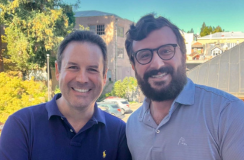
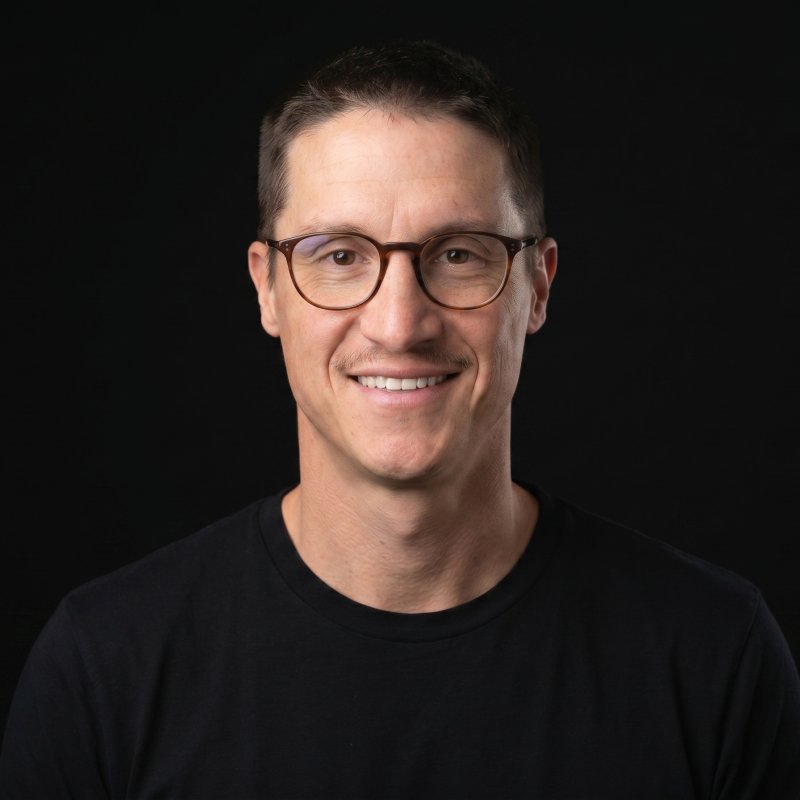
Host: Welcome to Acquiring Minds, a podcast about buying businesses. My name is Will Smith. Acquiring an existing business is an awesome opportunity for many entrepreneurs. And on this podcast I talk to the people who do it. Mike garden is making 100 grand per month and all that with just a small remote team. Pretty good, right? He did this by finding underutilized websites, acquiring them and then building them up. But aside from the money, listen for these other themes in Mike's story. He acquired a business he knew a lot about already. For example, he had experience doing at a large scale what he then did for himself at a smaller scale. Also, he was patient and even methodical in executing a multi year plan to escape corporate America and join the ranks of entrepreneurs. He applied knowledge from one domain that he knew finance and trading to another website acquisition. Lots to learn from Mike and this life that he has very intentionally crafted for himself. Here he is, Mike Garden. Mike Garden, thank you for joining me today on Acquiring Minds.
Guest: Thank you. Pleasure to be here.
Host: You own Career Cloud, which is a website that helps job seekers along their path. And Career Cloud is actually one of a handful of websites that you own for a holding company and an acquiring company called Rejoin Media. So you're really doing what is the goal and the dream of a lot of people, which is to acquire a website or websites and have them be quite profitable and afford a great lifestyle. So I think the audience is really going to be interested in your story and how you've managed to do this. There's so much interest in acquiring websites and digital businesses these days. But before we launch into the nitty gritty here and what you're doing now, why don't you give us a quick three minutes on your professional history that led you to want to acquire a digital business in the first place.
Guest: Sure, yeah. So I have a varied background and it all kind of comes together in a story, so I'll try to give you the quick version. But I started my career really as a prop futures trader. So what that means is I was in the financial markets and I was actually making buy and sell decisions on derivative products called futures. So you can think of like corn futures and natural gas futures and all this kind of stuff. And really there is where I kind of learned a lot about the world of investing and risk and also really discovered kind of optionality and how you can hold portfolios of different securities and even use optionality in your career decisions and what you do in your life. So fast forward to, I guess the second career that I had, which was really I wound up in content marketing, online media, in this world of SEO. So I helped to build a company out in seattle called soda. Soda.com and soda was really a mini conglomerate of Internet based sites. So reviews.com, many of your audience may have used that site at some point. We were basically an online review service. Then there was a couple others that were basically on the same model. We would, you know, do SEO to rank content and then use had partner advertising, partner relationships and, and the like.
[3:49] Host: So what year are we now? Because in the SEO world it moves so quickly. This is relevant.
Guest: Great question. So that was like 2014 to 2016 and in 2016 we sold that company to a private equity firm. So after that did a little bit of corporate consulting at a large Fortune 500 company, just helping them build new products and services for their customers. And then I just am not a guy that's going to last a real long time in the corporate world. So I ended up kind of going back to my roots, forming what is Rejoin Media and essentially doing the same thing that we did with reviews.com and soda, except for myself and I have a business partner. So we just go out and we look at different online businesses, acquire them and sort of put them through our growth model. What we learned coming out of the SEO world. And our plan is to really hold these companies as a portfolio. If we get the chance, we'll sell a couple of them here or there or maybe exit the business altogether. But our plan right now is long term hold. We've created and just really create a good lifestyle business where a small team can operate and we can just do really well and not have a whole lot of headaches from running a major team.
Host: Sure. So your intention is to keep it modest in size at least team wise?
Guest: Yeah, yeah, absolutely. I think I've learned a lot of lessons around. We raised venture capital. I've been part of that whole world before and I don't really want to do that anymore because I think it just, it adds these layers of complexity on and you end up not being fully in control. I've got young kids, my wife's really busy. You know, this is like the prime years for them and I want to be there and I want to just have a, like a. I'm really maximizing for freedom is what I'm trying to do in my life right now.
Host: So and so how in terms of freedom would you say how much are you working every week for example?
[6:01] Guest: Yeah, I think I work full time on our business and on our sites. But I enjoy it too. So I would say it's definitely not more than 40 hours a week because if my kids have something going on midday on a Tuesday, I can jaunt off and do that. And I did that a whole bunch this past week. But that's still kind of a full time operating gig. But it's not anywhere near crazy levels.
Host: Okay. Okay, great. Well, let's back up a little bit to when you were looking for the acquisition. You decided that you didn't want to go the corporate route and you had seen this really, this successful model of website acquisition or website growing optimization with SEO and you've seen it at a really high level, I guess a really successful example of that sold out to private equity. And you thought that you, you could just do this yourself. The same model, what were the, I mean, did you consider acquiring other businesses or other types of businesses like e Commerce or SaaS or even offline businesses? Or were you basically making the decision to just do this model and therefore it was going to be a content affiliate? There was never any question in your mind that that was the business model you'd pursue or the businesses to acquire that you'd pursue?
Guest: Yeah, so that's what we know and we had our expertise in. And so I think it's really important that if you're thinking about acquiring a site, it's like, well, how do you lever that right? You can buy a site and hopefully it can run itself and hopefully you pay a great price, that it makes it all sort of worthwhile and you don't have to do anything. But I think that's probably unlikely in most scenarios. And so that's where our expertise was. There's a lot of sites that are out there that, you know, can fit that mold. And so we were just really looking for something that we could, you know, just do what we know and grow. And then the future plan could be lots of different things like once you, once you have enough revenue, once you have enough, you know, a big enough foundation that opens up all of these doorways to creativity. We're looking at different types of E commerce businesses now because I want to diversify and I want to get away from, you know, straight kind of affiliate model. That's just because of the mix. Again, I'm a financial guy. I'm trying thinking in terms of how do I build this blended portfolio that reduces risk across the board so I don't have future headaches. So I do think it's really important, you know, to, to buy something that you can kind of know and you have an idea of how you could grow it. And so that is where we started.
Host: Okay, okay. And so tell us about your first search. Was Career Cloud the first search or was it a later one? And you've had some because you mentioned offline that you've had some that weren't successful. So give us a sense of the actual sites themselves that you acquired.
[9:09] Guest: Sure. So yeah, we weren't looking for a career site per se and my business partner, whose also name is Mike, you know, he actually found it. But we were just looking for basically websites that had really what matters in SEO, right. Is like good content, good backlink profiles and then a decent brand that you think, you know, can sort of catch on and as you promote things. So that's what we were just kind of. And then that's what we were looking for. And then something that was maybe underutilized or under monetized. And so when we were searching, we get some private deal flow just from being in the industry. And we also utilize sites like Flippa and Empire Flippers and I believe we found it on Flippa actually.
Host: Really?
Guest: Yeah. And I think I would say the majority of stuff we look at on Flippa is not up to. Up to par for us. But I think that one was. And this was again, I think like in you know, 2017 or something like that timeframe.
Host: I imagine it's gotten a lot more competitive since.
Guest: Yeah, yeah, for sure. Yeah. I think, you know, Flippa was pretty nascent at the time. So, you know, I think the we look at basically we look at topic and career is broad enough and you know, it has a lot of good stuff that we can talk about. I'm interested in it. I kind of like to talk about it as work life now. And I don't really use the word career that much because. And really focus on like the integration of these of like your personal and your work life. But I think it's a great broad topic that has these niches that are really important. You know, how do you hire people, how do you get hired, all of that kind of stuff. And so topically, you know, really good. We had. They had. The site had a lot of good backlinks from the previous owner who had been in the media a little bit. He was basically trying to build like a job search platform with it previously and so had had a great backlinks. And you know, you look around at. We look at competition, who else is in the field and do we think we can rank and we have kind of you know, I guess processes around really looking at that. And we pulled the trigger and got the podcast as well. That was like part of it. It had a podcast going.
Host: So was the. In terms of SEO also, of course, age is important. So was it a pretty old property or domain?
Guest: I want to say it was like about two and a half years old at the time. Oh, so it wasn't super old, it wasn't super long. But again, I think like you're talking about sort of the early days and it had a little buzz around it from like 20, 15, 16 time period. So I think he just kind of had a little bit of timing that was really good with it as well. And then I believe the previous owner just, I don't know that he figured out how to sort of monetize it from what he was trying to do with it on the job search engine front.
[12:18] Host: So he had sort of a business model he was pursuing. Couldn't figure that out.
Guest: I believe so, yeah, I believe that was the case.
Host: Okay. And the opportunity that you saw was to basically not, not do his business model, but to do an affiliate business model. So you, you had looked at the career space, the work life space, and seeing that there were affiliate deals out there or things that you could promote from an affiliate perspective to monetize the site, and this was just not where he was looking. So you came at it with a completely different framework.
Guest: Yep, exactly.
Host: And so what did the deal look like? Can you tell us any of the numbers or terms?
Guest: Yeah, so the only real big terms are, are you getting what you want in terms of assets, IP and the like. So, you know, we acquired the site, all the, all of the content, the domain name, the podcast. I don't know if anything was trademarked. I can't even remember in terms of, you know, some of that stuff. And then it's, you know, it's, it's price. So we acquired that site for kind of mid five figures at the time and we just sort of sat on it and said, okay, like this is going to be a long term plan. We'll figure out how to do this, how to really grow it at some point in the future. But we just looked at it as an asset we could hold and eventually start working on it.
Host: Okay, so you didn't immediately just say, okay, we acquired the site. Now let's kick off our playbook here
Guest: that we learned@reviews.com I think there may have been a couple of pages that were getting traffic that we could monetize on a very small Level. And I think we did that right away just so it was kicking off a little bit income, but it wasn't really meaningful.
Host: Okay, okay. So then. So how did you. How did it then become meaningful ultimately?
Guest: Yeah. So really I was doing corporate consulting kind of at that time, and when I started kind of engineering my pathway out of that and really thinking about how I was going to transition, my plan was to really start kind of formalizing around our company and rejoin Media. We acquired a couple other smaller sites, some things that we're not even working on yet. So we put that capital to work, and then we basically said, all right, for me to go full time, like, I need one big client that can generate some kind of operating capital that we can feed back into what we call the owned asset side of our business, which is the sites that we acquire. And took a long time, took about a year to figure out that right relationship. Once we got that figured out, I kind of went full time and started really doing what we kind of call content ops. So good, solid keyword research, developing content, and then doing outreach and marketing of that content. So this would have been in the. I believe it was maybe May 2019 timeframe when I really started trying to, like, hit the gas.
[15:31] Host: Oh, okay. So you. You acquired. You held the site for a number of years. Yeah, three or four years before you really invested in it. Now, if you. And you did that because you basically needed to continue to support yourself and support the entity through your consulting work.
Guest: Yeah. And we were trying to. You know, I'm a. Kids have made me really patient, so I have, like, a long working on that time horizon. And I. And I do a lot of work to like, set up how I want to do things. And just again, my prior experiences, I kind of knew what I didn't want. And so I wanted to really just make sure that, like, the road, the, you know, the train tracks were set for the transition to happen. And the goal was to get to the point where I could work full time on stuff we own.
Host: Sure.
Guest: And I'm not working with clients, and I'm not, you know, we're not working with entities that are taking things from me. I've kind of really, again, optimized for my freedom.
Host: Sure.
Guest: And my ownership. And so I took a long time to really think about how I was going to lay those foundations. And then once they were in place and I executed that plan, it was like, all right, this is what I set up for. So now I'm able to work full time on these things.
Host: So, and so laying that foundation, making that plan and supporting yourself in the meantime for those, let's call them three years, you. You had, you were a consultant. That's how you were supporting yourself.
Guest: Yeah, I had a full time job as a innovation consultant for a large company. Fortune 500 company. Yep. And I was helping them, basically advising them on how to build new product offerings for their, for the customers.
Host: Okay, okay. And then. But when you went whole hog with Career Cloud, it doesn't sound like CareerCloud was yet making much money still. So there was still, there was still a big gamble there because you, you severed your, your income before Career Cloud had even approached replacing that income. So even though you had laid this plan, there was still a moment of risk, a moment where you stepped off the ledge, as it were. Fair. Am I understanding the chronology?
Guest: It's a great. Yeah, I kind of skipped over that, but it's a great point. So yes, there was still a moment of risk, but not really because the work that I had done, I knew that I needed to replace my income and I did that through one large consulting relationship. So this is a different consulting relationship. I left that Fortune 500 company where I was an external consultant and I got one client that needed big time SEO content marketing consulting and I was able to sort of build a team around that to support them that I could also use and leverage on our owned asset side.
[18:25] Host: So this team that you built for the. Your client, you also then kind of inherited or we're going to work with them again at U.
Guest: Join the same operations. Right. Like I was doing the same thing I was doing for the client at a larger scale we needed to do. And, and it was the infrastructure for what we needed to do for our owned asset side.
Host: Okay, okay. And just skipping forward a little bit just to give people. Maybe I should edit this into the. The intro of the podcast, but give us a sense of how well Career Cloud is doing now. Numbers, if you could.
Guest: Yeah. So Career Cloud, I mean the whole portfolio, but Career Cloud is the vast majority of it is, is over $100,000 a month in top line revenue. And that's all from advertising partnerships essentially.
Host: So just to be clear here with the audience, this is an asset that you acquired for mid five figures and is now, I realize, not by itself, but it's the vast majority, the largest contributor to 100 grand a month in monthly revenue. So that's quite a. Yep. Success story.
Guest: Yeah, absolutely.
Host: And how, and how big is your team?
Guest: Five remote. Five.
Host: Yeah, Five remote. Are they all Full time.
Guest: Three are. Yeah. And then one is part time. And then there's so.
Host: Okay, that's awesome. That's great. Okay, so I want to just talk a little bit, get into the weeds a little bit. I wouldn't typically do this, but because I think there's so many people interested in this very business model, I think people will be enough people will be interested in this. So you know the SEO game and the affiliate game, it seems really difficult to me because I've been a publisher. I'm on the receiving end, for example, of a lot of emails asking for a link. So you know the name for. People don't know the name of the game in SEO is having other websites linked to your website. So there's a practice now that's evolved and just gotten really crowded and noisy and spammy over the last few years where you email website owners and say, hey, link to my great piece of content. So if you own a website, you're receiving these emails from people. Point is, it's very competitive and the tactics that people uncover in SEO are then learned by the entire community and they're quickly competed away. So that's always what I find daunting about the affiliate world is it's hyper competitive because it is such an appealing style of business, lifestyle business, usually. And because the barriers to entry are relatively low, it's basically a laptop and word press and you're off to the races. So just give me a sense of. And then actually, I hear you say that you're interested in diversifying away from affiliate income. Maybe that's just because you want to grow and you see other channels, revenue channels for growth. But maybe that also means that, like, you're feeling the heat of the competition in affiliate. So just kind of talk me through how I, as somebody out there who Maybe I have 20,000 or $50,000 to spend and I'm looking at buying an affiliate site. What would you say to that person? Very long winded question.
[21:34] Guest: Yeah, there's actually a lot to unpack in what you said. So there, there's no doubt it's very challenging. It's. It's vastly different than it was in, let's say, 2014, which was vastly different than it was in 2008.
Host: Exactly. It's. It's changing all the time so quickly.
Guest: Yeah, yeah. So I want to pick a, pick apart a couple of things that you, that you mentioned. So, you know, the marketing side, right? The links, right? Absolutely. It's very crowded. It's very difficult. There's so Many people that are out there pitching, I've built teams, help build teams where we send, you know, 30,000 emails a month. Right. Like it's, it's for, for some very large sites. Like it's, that used to work and it doesn't really anymore because people like yourself understand the value of a link now. Right. So where things have kind of pivoted and certainly from Google's perspective as well, it's really quality of link over quantity of link. And so if you're able to figure out how to get a link from money.com or pick your big news site that's going to have and hold more value than getting, getting 10, 15, 20, 30, 100 links from small blogs. Yeah. And so the difficulty can become a competitive advantage for people that know what to do. So we do things, we do things in public, in pr, using pr. I don't really care about the interview necessarily or whatever word of mouth I'm going to get because I don't necessarily, I'm not selling like my own product. But the value of the link is such that it makes it worth it. So we do different things like that. We utilize social media, we try to strike up conversations with authors and writers to be a resource, figure out what they're trying to do, what the author is interested in and what can we spin up from a content perspective that can help them. So we do all sorts of things like that. And I think the majority of people aren't willing to do that or don't have the capital to do that. And so that can become a competitive advantage for us. And then the other side is your content's gotta be good. So, you know, you can't just go to text broker and think you're gonna spend like 3 cents a word and have content that's gonna rank. You can have all the links in the world, but if your content's horrible, you're not gonna make it. Yeah, yeah, yeah.
[24:05] Host: So it sounds like, I mean, as you said, it's a traditional PR strategy in some sense and only those who have the financing to do that money to do that can afford that. So what would you tell somebody who wouldn't have the resources to do a PR strategy and they really just have less money to spend or they have only their own time to write the content themselves or to maybe outsource the content, Would you? Do you think the affiliate game still holds opportunities for these people, individual buyers?
Guest: Yeah, definitely. But I think it's like on a case by case basis, right. You have to be In a niche that's supported by good enough partnerships, like high paying advertising partnerships, you have to think that, okay, I have an actual chance to compete, you know, what does the competition look like? And then I think it comes down to really your, I would say like your point of view and your angle within your content. And so I think like, you know, one of the strategies that's just underutilized is like figuring out what reporters at high domain authority websites are looking for. Like they have think about their job, right? Like they have to turn over content constantly so they have this huge appetite and just like it's really for things like if they can find kind of proprietary data, right. Or studies that a unique website has a unique angle on, they eat that stuff up. And so you end up having to spend some of your content budget in figuring out what that might be and what they care about to drive links to that page and then to funnel them into the page. That sort of link juice is, you know, the term of art, if you will, into the pages that actually matter for your. To drive your revenue. Yeah, yeah.
Host: So are you then like investing in content and developing content that is based on surveys or somehow like gathering data around some trend in the job space?
Guest: Yep, I've got kind of a data wrangler, if you will, on staff. We invest in content, like study based content. We use PR services to push that out. And then, you know, the job that I don't find as fun but kind of have to do it is I'm sort of the resource for a lot of the interviews. And so I was telling you off camera that I'm not super pumped about doing media and I'm more of an introvert, but I'm getting better at it and it's kind of a skill that I have to do. But I've been on local news in New York City and Tampa, Florida and Bakersfield, California and all these places because local news stations really want to hear an expert voice on something. I enjoy talking about this topic. And so I end up investing a good amount of time in doing those interviews. And again, it's all for the links. It's a link strategy. Yeah, yeah.
[27:26] Host: And so would you attribute that to your success in taking something. So let me just. Yeah, the five figure acquisition and then taking it to over 100 grand a month. Is that because you changed the business model? So as we talked about, the previous owner was pursuing a business model that didn't go anywhere. You saw the opportunity to basically turn it into an affiliate monetization model. Was just flipping that switch. Did that get you a long way to the 100k mrr, or was there a lot more to it than that? Including all these PRF efforts you're talking about?
Guest: Yeah, I mean, there's a lot more to it because when you think if you were to really dive in and see how the money is made, the site didn't have the content that matters in terms of ranking for keywords that are going to convert to product offers. So we had to do all of that work. We had to figure out what those are. We had to do the content. So work with writers and fortunately, I know a lot of good ones because I have a number of years of experience in this domain, if you will, but work with writers in terms of sketching out what that needs to look like and writing it and getting it out there and starting to promote it. And then, you know, it's kind of a waiting game too, you know, I mean, we, we did, we did some pieces of content just as feelers. Like we wanted to try to see what was going to pop. And, you know, six months go by, you don't see anything, and then all of a sudden you see a little bit of pop. And so you start to do more in, you know, in that, in that topic area, you know.
Host: And by pop you mean starting to get good rank? Well, in search results.
Guest: Yeah. Starting to see rankings increase, starting to see some traffic, that type of thing. Yeah.
Host: Well, you know, one of the questions I always ask everybody is why buy instead of build? Which of course an acquisition game is the big calculation. And could you have built this site from scratch? Because it sounds like you waited a number of years or whatever, three years to really invest in it and you could have started a site from scratch and aged that domain yourself. What are your thoughts on that? Buying versus building?
Guest: Yeah. So I don't think we could have built this from scratch, nor would I probably have tried.
Host: And why is that?
Guest: I think there's a lot more moving pieces. When you start from scratch, you're thinking about, like, maybe overthinking, well, what should the domain name be? Right. Like, I don't think cloud's a great domain name, but it's certainly good enough. Yeah, yeah. And then you're thinking about, like, branding stuff and who's going to do what. And it's like we were able to just sort of buy X number of years of build in this site already. Right. And then we, we realized that it was underutilized in terms of what we wanted to do. And so it's hard to put a price on. I think, you know, I'll be honest too, and maybe it's a little cynical. Like the digital world has been here for so long, right? The Internet's been here for so long. I mean, on a scale it's been like a blip, but 20, 30, 40 years, you know, and things have been done before, right? So if you're not coming to market with like a brand new product, everything's been sort of tried and it's like, why reinvent the wheel from scratch? Just to put your, let's say, 2 to 5% improvement on when you can own something that has tangible assets. Right. There's a domain name, there's a history, there's content. I would have to pay for all of that stuff. And it was probably going to be more than $50,000, especially on the link side. So that's like where the calculus comes in is really thinking about how much does content cost, how much does marketing cost and can you build that for cheaper than just acquiring something today? Yeah, yeah.
[31:35] Host: That's fascinating. And so it sounds like you're really investing a lot of your attention in continuing to grow Career Cloud. I mean, it's clearly done well for you so far, so why not? But my question is, are you looking at other acquisitions? Are you looking at listings on Microacquire and FE International and Empire Flippers all the time. Because now you have the, I mean, you have such a great success to point to and then I also want to get into some of the failures, but you have such a great success to point to. If I were you, I'd be hungry to do five more $50,000 acquisitions that I can crank up to 100 k. Mrr.
Guest: Yeah, we're looking all the time. It's always a question of where do you deploy capital to the highest return or highest expected return. And I think amongst our portfolio we found that, you know, Career Cloud's working. So we're been investing, you know, more and more time and energy in that and I like, I just like the topic. I think I have a lot to bring to the table. So I'm passionate about it and I get to be creative with it and that, that doesn't really have a price on it for me in terms of my attention. There are other, so there are other sites in our portfolio that we've tried similar path with Career Cloud and not found traction yet. And that doesn't mean that we won't come back to the table and really invest capital there to Figure it out better. But the highest use of our capital is career cloud right now. And then again we're going to allocate a portion of that to diversification because I again, just my finance background and just thought that you got to have some humility that just because you think it's a great idea doesn't mean it's going to work out. And so I'm a big believer in trying to do two or three things at the same time because the reality is you just don't know what's going to take off and what's not. And so I'm always trying to be prepared for that. I think about it a little bit like playing Super Mario, where he's jumping on the blocks. You got to jump to the next one before it kind of falls away.
[33:53] Host: What are some of the other sites in your portfolio other than Career Club?
Guest: So we have a site called testing.org, which is really geared towards standardized testing, helping people find the best test prep software. So that might be in the ACT, SAT, LSATs, MCATs, those types of things.
Host: Okay.
Guest: Have a fitness site that I'm not going to name just because we haven't really done anything with it. And we have another kind of solar type site that, like green energy type site that we haven't done a whole lot with either. Okay.
Host: Okay. And those, those sites that you haven't done a whole lot with you. Are you saying you haven't just invested in them and given them much attention or you tried, for example, producing a number of articles and those just kind of didn't go anywhere and so you're not giving them as much attention anymore. Right.
Guest: So we've done kind of like the initial sort of content test. Like what, what are the topic areas we think we should be able to rank for or you know, theoretically and just throwing content out there to see if we could get some initial traction. Haven't really with testing. We've kind of gone a couple more steps in developing a larger content plan and doing some marketing things. And that's just been, it's, it's, it's on a good trajectory, but it's very, very slow. So I think that one is, you know, holds a lot of promise, but it's just been a little bit slower. And so right now we're again, we're still, everything still kind of comes back to career cloud. Career cloud will top out at some point and then the calculus will be different in terms of where we really deploy incremental dollars. But right now it's that I saw
Host: that it's growing at 20% a month.
Guest: Yeah. Been on a tear. Yep.
Host: Amazing. So would you recommend to a buyer that they take a similar portfolio strategy to you? I mean, I'm interested that this is your perspective on things. Because of your financial background, you take a portfolio strategy, but also not only like just diversifying your assets, but even your content strategy. It's like, okay, we buy three content sites and we're going to put out 20 articles on each site and whichever one performs the best, we're going to double down on that. And I feel like people who are newer at this than you probably just buy a single site and so all their eggs are in one basket and they put out as many articles as they can on this single site. Maybe they're financially constrained and they can't buy. They couldn't buy three sites if they wanted to. But would you recommend kind of a portfolio approach? Because just like with a product itself that you're introducing into the market, you never know for your content, for your articles which are going to be successful and it's just like really hard to know.
[36:42] Guest: Yeah, I mean, I think there's a couple of ways you can do a portfolio strategy. You can buy three sites at one time, or you can buy one, work on it, see some traction, or figure out that it doesn't work, get to the next one quickly. You can do that. I think the end goal, if you want a good lifestyle out of this type of strategy, the end goal should be portfolio. Because I just think it's difficult given how the changes that happen with Google and all those types of things to say like, okay, one particular site is going to crush it forever, basically. So that's again, maybe I'm a little conservative, I don't know, but I think that's the way to do it. But your portfolio has to center around some skill set or insight that you have that you can lever to all of those.
Host: Right.
Guest: It's really hard to run a portfolio if all of your different pieces need different types of attention or different types of activities in terms of growing them, unless you have the infrastructure set up from a team perspective.
Host: And so what is yours? Content operations.
Guest: What's my particular? I mean, it's all phases of SEO, but certainly much more on like the content ops side, really doing good content, figuring out what are the pages that matter, that type of thing. I've done a bunch of stuff around link building and I've seen it from an early days perspective. But as we talked earlier, that Those types of approaches are really difficult right now. And so we've had to adapt and we've had to try to figure out new things. And again, PR is one of those strategies.
Host: Yeah, great. And the podcast itself, I assume, is kind of part of that strategy.
Guest: Oh, yeah, yeah, totally. I mean, it gets natural links. It's a diversified form of content on the site, and so I think that just helps. We regularly see colleges link to the podcast as a resource and their kind of career departments and stuff like that, when we've done no outreach for that. So it's. It from the SEO standpoint, it's a good natural link builder. And now I, you know, I really want to figure out how to grow that podcast from a revenue diversification standpoint too.
[39:17] Host: So, so, so, so in other words, monetize.
Guest: Sorry, go ahead. Yeah, yeah, Monetizing it through, you know, traditional advertising or other podcast type relationships. And that's where some of the creativity comes in. Right. Like you build a good enough structure underneath you, and now I get to go and learn something new. And that has a lot of appeal to me. I don't really think of myself as an SEO guy. I want to be constantly learning different things, and so I get to do that because we took the long approach, we put the time in, and now it's sort of paying off. So that, to me, that's been my goal all along, maximizing for freedom, whether that's what I specifically work on or just having time with my family. But I'm proud that we've been able to execute that way.
Host: Yeah, yeah, no, it's a great lifestyle that you have and a great foundation that you've laid to continue having fun in your career. Mike, how can people reach out to you? Let's just plug Career Cloud. We've been mentioning it the whole time, so obviously that would be one place to go and not support you, but. But consume your content and what the podcast is also called Career Cloud.
Guest: Yeah, it's called Career Cloud Radio. So you can find Career Cloud Radio on Spotify and itunes and all those places. I know we have our email address up on the site, so if you have any particular questions or feedback from the podcast, I would love to hear it. I think that's actually a tough thing in the podcast world that I've learned is just getting audience feedback is kind of. Kind of tough. So I would love to hear that you can follow me on LinkedIn. Michael Garden on LinkedIn. I kind of have been really toying around with that platform in terms of What I like to talk about related to work life, home life, home, office, remote work and all those types of things. So yeah, if anybody wants to give me a follow there, I also have my personal website which is just michaelgarden.com, i occasionally blog there and have some things up there in terms of like projects that I'm working on and stuff like that.
Host: Great. And Michael's last name, Garden, is actually spelled with an O, so it's pronounced Garden, like garden, but it's G O, A R, D O N. But we'll have that linked in the show notes anyway, for people. By the way, how's the LinkedIn going?
Guest: Pretty good. It's funny, I get the most love out of stuff I post around, like being kind of a dad, entrepreneur. So I talk a lot about like my kids run in my office all the time and I kind of say I have an open door policy with my kids and they use my putting mat. And so I've been talking a lot about just the struggles and challenges around that, like having two busy income earning parents and juggling kids and all that. And I get the most love off of stuff like that. So I think I'm going to probably start talking about that even more and just spreading whatever wisdom maybe I have at the moment.
[42:25] Host: I feel like I've seen a number of people, content people or influencer type people, who started talking about something technical, talking about their business, and over time I've noticed their content shifted to more sort of inspirational or personal life advice, just sort of stuff. And that just tells me that that's what they saw was actually performing more than the really technical, actually meatier stuff that they were producing. But people really reacted to the personal stuff and the life advice more. So it sounds like you're experiencing the same thing.
Guest: Yeah, and I enjoy it. It's more fun to talk about. I don't really like talking about the technicals of SEO, but talking about what I do to try to drive balance through my life. I think that resonates with people. It's so great. I want to help as many people as I can with that.
Host: Well, you set out to create a great lifestyle and have a lot of freedom and you've done that. So you have a lot of credibility on kind of living life. Really. Not to sound too grandiose, but it's a really cool story and that you've executed on this. Well, thank you for the time, Mike. We'll just leave it there and I'll link everything that we just talked about in the show notes. So until next time.
Guest: All right, thanks so much for having me.
Host: Thanks,
Guest: Sam.





















































%20-%20thumbnail.png)





%20-%20thumbnail.png)


%20-%20thumbnail.png)

.png)




%20-%20thumbnail.png)