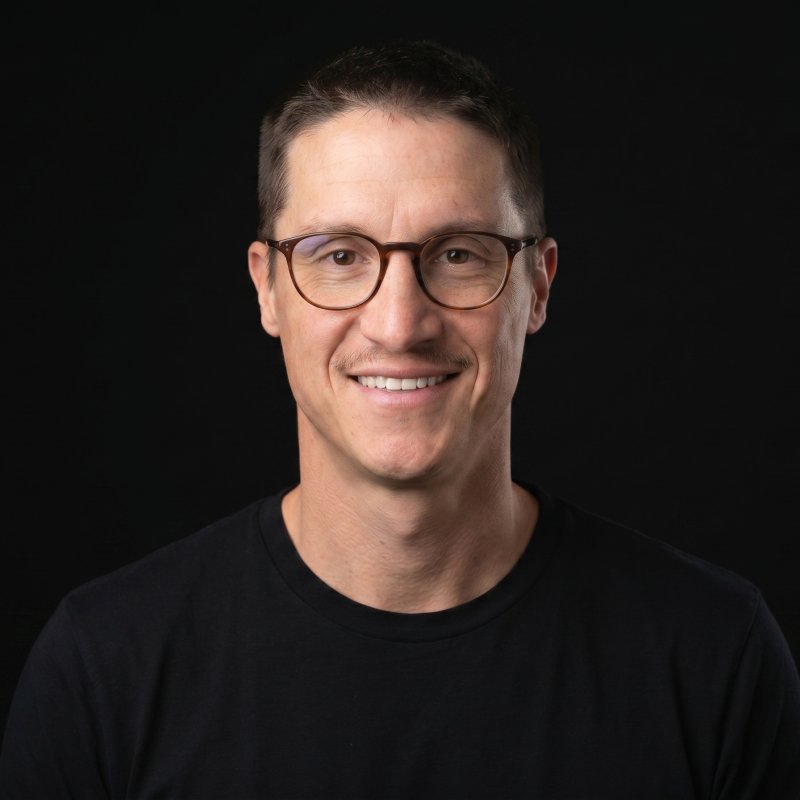
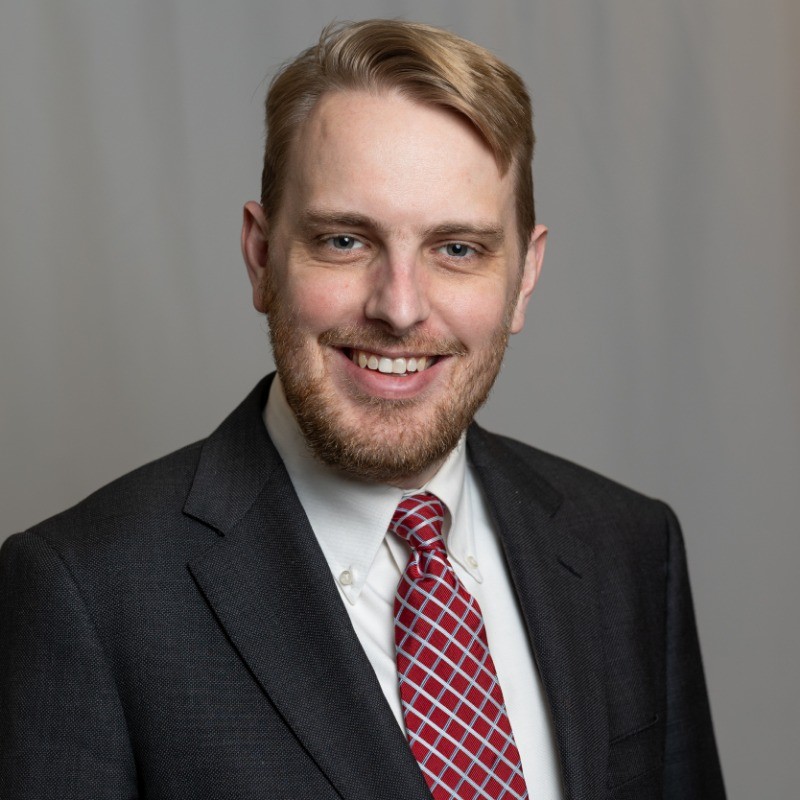
Host: Quote this morning I'll be driving to work to start my first day owning a food manufacturing company. My part time self funded search took nearly four years to get me here. For everyone out there slogging through the search process and feeling like it may not work out, do not give up. End quote. This was a post on Search Funder a few months ago and the author is today's guest Will Guno first got the bug to buy a business in 2014 while at business school, but he didn't race out after graduation and dive in headfirst to his search. Instead, he decided on the type of business he wanted to own, manufacturing or distribution, and went out to get work experience that would position him to run such a business successfully. He spent nine years getting that experience, but the patience and the commitment to his vision of ultimately buying a business has paid off. Will bought a 125-year-old bakery ingredients manufacturer in Chicago, a business that seems squarely in his wheelhouse. A couple things to call your attention to. First, Will used a buy side broker. Expensive, but worth it. Listen for how that might look in your own search. Second, Will bought the business after revenue had dropped significantly. Such a big drop would scare off most buyers, but listen for how it ended up being a good thing. Yet another lesson in looking beyond superficial details about a business or its trajectory. To more deeply understand what such details mean, here is Will Guno, owner of Bear Stewart. Welcome to Acquiring Minds, a podcast about buying businesses. My name is Will Smith. Acquiring an existing business is an awesome opportunity for many entrepreneurs, and on this podcast I talk to the people who do it. An SBA loan broker, as opposed to a direct lender, doesn't work for a particular bank. Instead, the broker pairs you with the right SBA lender for your deal based on industry terms risk thresholds, then helps you navigate the process better than many lenders themselves do. Matthias Smith of Pioneer Capital Advisory is just such a broker. Matthias worked at two of the country's top 10 SBA lenders, so he's been on the inside of the SBA process and knows well the pitfalls and hurdles and how to avoid them. He struck out on his own to laser focus on the ETA and search space. Our niche is his niche. You'll see Mathias at all the ETA conferences. He's closed over 30 search deals since starting Pioneer in May of 2022, including some acquiring Minds guests. To learn more and get in touch, go to PioneerCapitalAdvisory.com or click the link in the notes. Will Ganill welcome to Acquiring Minds, Will,
[3:19] Guest: thanks for having me.
Host: Will, I want to congratulate you on buying a business. This was a long term plan of yours, really. The realization of a goal, 10 years in the making. You did it and we're excited to hear the story. Start us off, Will, with some background on you, please.
Guest: Sure. Okay, so first off, I'm sitting in Chicago, originally from New Jersey. I got turned on to ETA through business school program 10 years ago at Chicago Booth. I started my career before going to business school in finance. And I quickly realized after three years of that, that it wasn't the career path for me and I wanted to change direction. So I went to business school and found what I was passionate about.
Host: And so 10 years ago, 2014, ETA entrepreneurship through acquisition wouldn't have been as mature then. What was your exposure to it at business school?
Guest: Sure. So I think I missed the formal Booth programming by about a year. I was in the Booth Entrepreneurship through Acquisition club. We had 20 members that would meet irregularly, informally, a couple speakers here and there. But in terms of having a fully built out program, it wasn't there. Despite that, it was still incredibly compelling to hear about.
Host: What did you tell us what you liked so much about it? It's probably what turns us all on, but I always like to hear the guests put it in their own words. Did it grab you?
Guest: It was one of these love at first sights or first hearing things where, you know, you go to, you know, you go to college or university and you know, you come out and you're looking for jobs, you know all about the big companies and you know, it, it feels almost like you, you get on the conveyor belt a little bit, you get siloed and in a small business, you wear so many hats, you can take such a high leadership role at a relatively earlier stage in your career. You can have a lot more autonomy, especially if you're the owner. And I just, for whatever reason, hadn't really thought about it or been exposed to it until then. And when I learned about it, I said, wow, this is exactly what I'm getting an MBA for. This wide ranging business skill set. This seems like the perfect way to apply it and the perfect way to build the life that I'd want to build for me and my family. Fantastic.
Host: Now you didn't graduate from business school and immediately go do it. So despite your, how compelled you were by it, what did you choose to do in the interim or instead?
[6:07] Guest: Yeah, so I was trying to be realistic, saying, okay, I've got, you know, a handful of Years of financial services experience. I am drawn more towards acquiring something in the space that's not financial services related. What do I know about operating a business? And how would I, with a straight face, go lead an organization with a bunch of people who rely on me, maybe take capital from people who are counting on me to return on their investment without experience? I looked for a job where I could get that experience, specifically in the fields that I was looking to acquire in, which would be manufacturing or distribution.
Host: So the, the plan is starting to take shape. You're going to buy a business at some point and you know, even which, which industries turn you on manufacturing or distribution. And so you target your job search in those. Where do you land?
Guest: Yeah, so I landed at an amazing company called Cargill. It's the largest family owned company by revenue I think in the world, definitely in the United States. And what turned me on about that was just the wide range of businesses that they owned and that I could operate in, in addition to starting out in their strategy and business development group where I could get M and A experience and also strategic thinking experience. So it was basically, you know, what I considered an extension of, you know, the, the MBA learning type, the program that I was already in at Booth, but I could get paid to do it and work with amazing people on amazing problems.
Host: And for those who don't know Cargill, what give us an example of what it does produces.
Guest: Sure. So Cargill revenue is around $150 billion and almost, you know, depending on your diet. You're probably, you probably ate something already today that Cargill touched in some form or fashion. So some of the bigger businesses are the grain business. So they're one of the main grain houses. They're also one of the largest meat processors, one of the largest food ingredient makers. So they don't have brands per se in the US but they're, you know, making ingredients that go into pretty much anything that you're eating that is processed.
Host: So they're not a CPG company, they're a B2B company, providing the biggest customers
Guest: are CPG companies like Nestle and Unilever and you know, name, name it CPG company. That, that would be the biggest customers of Cargill.
Host: Great. And by the way, why did you like manufacturing and or distribution as where you were going to spend your career by business?
[9:04] Guest: Yeah, so I think, you know, figuring out what you like is a function of figuring out what you don't like. And I had a great job in finance, but, you know, a lot of responsibility at a Young age at a really great firm. But I, I couldn't grab on to, you know, in my, my brain maybe the, know, the lack of tangibility of, of what I was doing all day. So, you know, moving fixed income products around and, and, you know, buying and selling and, and helping people buy and sell. Those didn't seem as tangible to me as, you know, something physical that I could see, touch, feel, eat. You know, in the case of a
Host: food business, you're in Cargill, does it give you the education that you want? Are you. Do you end up learning the things that you want? Give us, give us a minute on your experience there and how there.
Guest: Sure. So I ended up staying at Cargill for close to 10 years. And in terms of the education, experience. Yes, that and more. I mean, I was initially thinking, okay, this will be a handful of years, you know, roll out and, and look for a business. And it turned into more than that because the people I was working with were great. The businesses were incredibly interesting. So I got to work on things from, you know, dry bulk shipping. So those massive, you know, five 50,000 ton ships move, you know, trading those around the world to cocoa bean processing to, you know, metal forming and cutting businesses, to, you know, seafood protein to, you name it. So there, you know, it's a massive company with a lot of things for people to do and a lot of experiences to gather. So I felt like I was, you know, continuing to learn things I would have, if I, if I stayed today just because of the breadth of the portfolio of their businesses.
Host: And so what was it that finally prompted you to start to seriously consider kicking off your search?
Guest: Yeah, so I felt like I had, you know, personally gotten enough, you know, experience, built up my skill set to be dangerous. So that was one thing I felt that probably, you know, around five, five to seven years in, but then I, I say, okay, well, one of the reasons I want to buy a business is because I want it to work for the, the life that I'm trying to build for my family. It's not just, you know, the financial return or whatnot. It's, you know, where do we want to live? What type of, you know, business does it need to be to, you know, be around my kids and spend more time with my wife? And so until I knew where we wanted to live, it was hard for me to do a geographically focused search with Cargill. I was based in Minneapolis. We had a lot of ties back in Chicago, where I moved after college and met my wife. And really what pushed us to, you Know me to really go, you know, hard on the search was Covid figuring out, hey, we've got a lot more family in, you know, nearby Chicago. Let's move back there, given what's going on in the world during COVID So we made that decision in, you know, 2020 and I had been poking around with, you know, talking to brokers and whatnot in Minneapolis. But when we decided, okay, we're gonna build our life for the long term in, in Chicago, Cargill was gracious enough to let me move and be a remote employee. But that's when I decided, okay, now let's get really into the broker network in Chicago. Let, let's see how we can make it work on a more accelerated timeline.
[12:54] Host: And so tell us what, what shape your search took.
Guest: Sure. So it, you know, a lot of self education over the years, listening to the podcasts, listening to, you know, Buy Then or reading Buy then Build and you know, all, all the usual search material. I, you know, I, I felt like reading search funder and whatnot. You know, there's, there's good learnings from other people. So, you know, standing on other people's shoulders, what works, what doesn't work. I started out thinking, okay, well, I've got a full time job. I'm not trying to leave my job to do this full time because I'm the only income earner in our house right now and we've got, you know, at that time, two children. So how do I do this in a way that's most efficient? So what does that mean? Well, look, looking for already activated sellers, specifically through brokers. So trying to ingratiate myself with the Chicago network of brokers, of which there are, you know, well over a hundred.
Host: And so it was a broker outreach while staying at Cargill. So a part time search, effectively it
Guest: was a part time search. I mean search is. I felt like I was doing two full time jobs. Right. Because it's, you know, doing that network and outreach and following up on, you know, publicly posted listings or things that I would, you know, get sent based on, you know, my, the relationship I had with the broker, trying to fit all that in while doing my, my usual, call it 8 to 5 job and you know, hours after work or whenever. It's a lot.
Host: Yeah. And did you find what I hear so many guests say when they do a kind of broker outreach to their local market that it very quickly, 8020, that while 100 is a lot of brokers, in fact it's a small handful, even in a big city like Chicago that are really doing a lot of business.
[15:04] Guest: Oh for sure. I mean you learn pretty quickly what types of businesses certain brokers specialize in and what fits what you're looking for. You learn that there's a lot of onesie twosie brokers who can make a great living selling one or two businesses a year and that just the numbers game having a relationship with those type of brokers and hoping that their next business or two fits what you're looking for is pretty low odds. So what I found was there's a handful of more regional broker groups that would have pretty solid compelling listings and that's who I gravitated more towards.
Host: A PEO run by a searcher for searchers. If you're running a company with less than 100 employees in providing health insurance, you could secure better benefit plans at a 15 to 30% discount through a professional employer organization or PEO. Aspen HR run by search fund veteran Mark Sinatra, understands the needs of search operators and could be a great solution for you to receive HR compliance and diligence support, a powerful HR tech platform and Fortune 500 caliber benefits, all for a fraction of the cost. Check out aspenhr.com or contact Mark directly at Mark aspen hr.com Tell us more about the search and how it progressed.
Guest: Sure. So 2020 is, you know, ticking down, you know, seller meetings and whatnot. Sent out some indications of interest. Sent out an LOI didn't progress. 2021 rolls around and similar. I feel like my deal flow isn't so stellar that I know I'm going to land something soon. So fall of 2021 I say to myself okay, well how can I turbocharge this in a way that it's not going to take me 10 years to find a business? So at that point I engaged a buy side firm to do a proprietary, semi proprietary search on my behalf in addition to the broker outreach I continued to do.
Host: Tell us more about this. What did the agreement look like? What were they doing for you? What did it cost?
Guest: Fairly standard monthly retainer for the search because you know these buy side firms want to get paid on, you know, successful outcomes is is where they make their money but that's not guaranteed. So they need to charge a monthly retainer to do their outreach work and pay their people to do that. So I paid a monthly retainer. I upfront set the criteria of what we were looking for. So I set it to say I'm looking in these zip codes in these industries with this revenue range and that initial list returned 10,000 different potential companies. Because I'm in Chicago, a pretty big metro area, a lot of companies, but when we got into it, we found, okay, well these 10,000 companies, there's way fewer that are actually businesses that I'd want to buy and own as a, you know, someone who wants to buy and scale and operate a business. A lot of these manufacturing business specifically were things like, you know, what I call job shops. So they get custom orders from companies to bend metal or cut metal in a certain way or weld it. That was thousands of businesses. So you look at the list of 10,000 and what's actionable, it's one to 2,000 maybe. And then, you know, who's an activated seller, like that's way, way lower than that. So the numbers game, even in a massive metro like Chicago is really tough and stacked against you. So your question was how was my agreement structured? So I paid a retainer for the months that they did outreach on my behalf and then there was a success fee at the end. I, you know, I did a flat success fee because I didn't want the, you know, if, if real estate was rolled in or you know, some other consideration. I didn't want the success fee that I had to pay to, you know, have any impact on the deal that I was going to do. So I knew upfront what I was going to pay if I successfully acquired a business that the buy side broker brought me.
[20:03] Host: And can you share what the retainer was or what the overall, what the end result was?
Guest: Price, I mean, on price? I, I, I'd rather not considering it's, it's, you can look up publicly what I, who I used, I can say, you know, my success fee was in the six figures. Right. So it's not cheap. And then my retainer was in the, the thousands of dollars also. So this is not a, you know, a free service by any means. But you know, I would say in my case, considering I was successful, at the end of the day, completely worth
Host: it right now, in the thousands per month. So more than a thousand, less than 10,000, probably a month, but, but considerable.
Guest: Yes.
Host: So all in to this buy side broker though, also it was six figures.
Guest: Yes.
Host: One of my guests from probably two years ago now, Jason Andrews, used a buy side broker in Kansas City to buy business and similarly said that it was quite expensive and that he'd do it all day long. He'd do it over again all day long because ultimately he wanted a good business for a good price and, and they brought him a good Business for a good price worked out great for him and it was, it was very worth it. As much as, you know, your six figure ultimate fee to these folks was. Do you kind of have the same takeaway?
[21:31] Guest: Yeah, I think so. I, I think, you know, when, when we get into my actual trajectory of, you know, how long it took to, to land a business and there were some, some times in there where I thought, you know, maybe this, you know, paying all that retainer money wasn't worth it because it took two years after I was initially introduced to the firm that I bought to close and it wasn't a guaranteed thing that it was going to happen. You know, looking back, would I have bought this business without engaging the buy side firm? No. So was it worth it? Definitely. But yeah, there's also an element of luck still. There's, it's, there's no certainty in any of this. Right. Just because I engage the firm to search on my behalf doesn't mean they guarantee that they're going to bring me something that is worth buying or that I can buy.
Host: Right. And just putting ourselves in their shoes. You've already said this, but to, to put a fine point on it, this of course is why they're expensive and there's a flat fee or a monthly fee because, because they are going to be doing a lot of work for you and you know, actually consummating a deal. Stars have to align and so I'm sure they recognize that. I'm sure they have a lot of clients where they, who don't ultimately buy something. And so they give in hours to those clients and can't just be expecting to get paid a success. Before we get in more into the search, will these job shops that you disqualified, you had said that a certain size of business by revenue was one of your filters. So presumably these 8,000, call it. You said the universe of companies that came back on your list, your initial list was 10,000, but then you sliced off 8 or 9,000 of those. Presumably they were big enough, they were legit businesses. They weren't, you know, a guy in his shop because you had this revenue floor. So why did you not like job shops? Because I've had some guests on who, who bought them and now I'm, I'm talking to folks who have been successful with the job shops they acquired. So obviously there are counter examples. But, but why did you, why is it such a, a no for you?
Guest: Yeah, no, I think, you know, to the point, can they be great businesses for people alone? Yes. Can people Roll them up. I, I know people who are doing that to, you know, scale them in, in other ways. But for me, I was looking for companies with products that could scale and not, you know, more of, you know, project custom jobs. So I think it's, you know, type of revenue I was looking for was different. And I, I, you know, it goes back to what interests me too. It's not just the business model and the type of revenue. It's, you know, I like saying, okay, there's my product in the market that, you know, I had a hand in and it wouldn't have happened if me or my company wasn't making it.
[24:38] Host: Thank you. Okay, so you, your broker outreach, you've engaged the buy side broker. You're paying them a hefty monthly fee, but time continues to march on and you're, and what? Tell us, tell us as these months tick by and this, that that fee is starting to weigh heavy. What's the search looking like?
Guest: Sure. So I engaged the buyside firm in November or we started in November of 21, the agreement. And then seven months later I sit down with my, you know, broker rep and he's basically like, I think you should stop, you know, searching. We've, we've gone through the list and you know, if things come, come back around and you know, our drip campaigns are, you know, successful in a few months we'll, you know, pick it back up. But right now, you know, we've picked things over. So yeah, save your money. So at this point I'm like, this is getting into the early part of summer of 22 and just feeling a little dejected, depressed. How long is this going to take? Yeah, it was, it was incredibly discouraging and I had a few conversations with, you know, people who are interested in search at the time and I just knew how negative I was coming across as. But I was, I was in the wasteland of, you know, okay, 10,000 companies in Chicago that, you know, fit my criteria of it was 2 to 20 million in revenue in distribution, manufacturing. And there isn't one that, you know, I'm, you know, moving forward with like, what the heck? Like, how is this going to work? So yeah, those were tough, tough months there, you know, and basically almost a tough year after that. I continued my, my own broker outreach and you know, going after listed deals. And I would say one of the things that was helpful about engaging the buy side firm even after my engagement ended was, you know, I was at the top of their list for, for new, you know, businesses that they were bringing to market and they had a, they have a great stable of, of businesses that they've got in the pipeline. So that was helpful because I had been paying them for all those months and you know, I got even more preferential treatments, you know, beyond just building a relationship. So because they knew I was an activated buyer and felt very comfortable putting me in front of, of sellers early. Yeah, yeah.
[27:22] Host: And you pay them a lot of money. But it sounds like they really did, they did right by you. I mean for a service provider to go to their client and say stop paying us, you know, we can't in good conscience let you to keep, keep, let you keep paying us because the service we're providing for you, we've done what we can. You know, it's, it's a standup, seems like a standup thing to do.
Guest: They're best in class. You know, I'll say you want to
Host: plug their name here, Will.
Guest: Yeah. Calder Capital based in Grand Rapids, Michigan. They, you know, they built a great service on both the buy side and the sell side. And you know, it's, it's a flywheel. Right. The more buy side engagements they get, the bigger their Rolodex is of businesses. So you know, thinking about do you want to build a proprietary outreach engine from scratch by yourself or do you want to pay up and you know, already get a huge head start? Because they've built it already and they've got all the, you know, the contacts and they've got the marketing campaigns going and whatnot. So yeah, it's interesting consideration even if you aren't thinking along the same lines as me, which is, hey, I've got a full time job. I need someone to help me with this.
Host: I wonder why more people that more of my guests don't use buy side brokers, buy side firms. I mean, well, the answer is because they're expensive and it costs a lot of money up front. Searchers are generally want to put every dollar toward their actual deal. There's going to be deal costs that are also hefty as we all know. There's going to be broken deal costs going to spend money on a deal that goes nowhere, that dies. So you got to really be preserve your capital. So I answered my own question there. But they seem, they do seem like you had a good experience. As I said, Jason Andrews had a really good experience.
Guest: So yeah, it's different. Also Will, when you're, you know, still working full time job, you, your, your Runway is kind of infinite. When yes, you know, it, it if you're, you know, burn the bridges and it's, you know, you're all in on your search, hiring a buy side firm just shortens your Runway.
Host: Exactly. No, great, great point. And both you and Jason were gainfully employed. So, you know, you had, you had a longer Runway and you had money coming in. Okay, Will, so what happens next? When, when do we get to hear about this business that you ended up buying?
Guest: Sure. So I, I first was introduced to this business by Calder in March of 2022. The name of the business is Bear Stewart. It's a bakery ingredient manufacturer based in Chicago. And I again, just like when I heard about ETA or when I met my wife, I was like, this is it. I immediately wrote an loi, which I thought was at a compelling value and sent it over within three days of being introduced to this company. And it was a more like, okay, hold, hold up here. On, on their side, you know, they had been for sale a number of years before in 2017 and they, they pulled back from the market and, and they were thinking about, you know, re engaging the market. So still had a banker, investment banker engaged. And they sent me the SIM from 2017 and some updated financials for me to, you know, make my offer based on. But at the time there was some turmoil with their customer base, specifically their, their largest customer that they were heavily concentrated on. So they, you know, didn't really want to be engaging at that moment in a sale process. Back in 2017, back in 2022, when I first met them in 2017, you know, they, I think there was, there's a couple partners that own the business together, and I think there's some differing opinions about should they sell or shouldn't they sell.
[31:40] Host: Gotcha. Okay. Sorry. And then in 2022, when you first engaged with them, they needed to pump the brakes because there was a, an issue with one of their largest customers. And we're going to return to that. I just want to. One thing I want before we leave your search here, Will to have you share with the audience is your approach to Lois. So you, as I recall from our previous conversations, are of the mind. Are on one end of the spectrum with respect to allies spectrum being send out lots of other eyes kind of a see what sticks approach versus other end of the spectrum where you sit, which is take the LOI seriously. Submit them only on businesses that you actually would. I mean, most people aren't going to submit an LOI on a business they're totally not interested in, but really be kind of further down your own funnel in terms of being interested in a business before you submit an LOI and put a lot of thought and detail into the loi. So I'm sorry, taking words out of your mouth. You should be telling us this. Go ahead.
Guest: You're way smoother than I am. So you keep talking. Yeah, you nailed it. So I figured it was more like a marriage proposal than, you know, a, you know, let's go meet coffee type thing. You're, you're putting, you know, in the letter. I will pay you millions of dollars to buy your business. I think that's a, you know, a pretty big, big deal. So over my four years of searching, I, I didn't send out more than 10. Lois. And they run businesses that I was serious about acquiring. And I thought my seriousness, you know, reflected in the, the willingness of the seller to engage with me. So, you know, these were not like I was sending out an LOI and then never, you know, going on a site visit or meeting the person or whatever this was. You know, I've, I've already gotten comfortable with, you know, wanting to own a business like this and with the, you know, what I see in the sim and what I know about the seller. And I wanted to put my best foot forward to stand out in that way. Because if these attractive businesses are getting, you know, half a dozen, a dozen 20. Lois. Then how do you stand out if you're not in earnest, you know, sincere person?
[34:05] Host: And you, you've just articulated the, one of the big, maybe the biggest argument for approaching Lois the way that you did with each one quite seriously, versus the spray and pray. I don't think anyone goes that far where they just spray out. Lois. But the more higher volume, the high volume approach to Lois and that is when the seller or the seller's broker receives Lois, they can really tell how serious the offer is or how much thought has been put into the loi. And in a competitive market like we increasingly find ourselves in, and particularly for an attractive business, obviously the more serious the loi, the more you're going to stand out as a, as a potential buyer and the more the broker, the seller are going to smile upon your offer. So that's a really good reason to spend time on an loi. The flip side, I guess the counter argument to that is, you know, kind of the numbers game argument. You know, it's, you just gotta finally finding a business that you can buy is just, is just going to take a lot of at bats and so you got to increase your number of at bats and therefore more Lois. And, you know, we could go back and forth on that debate. Ultimately, it probably also comes down to personal style, I think, of, of Searcher. And you're a considered guy, Will, so I'm not surprised that you ended up on the end of the spectrum where
Guest: you, where you did. Yeah, I, I think, you know, different strokes for different folks. Right. It's, it's not, I'm not saying my approach was the best it took, you know, how, how long did it take me to, to buy a business? Right. So there's, there's different approaches that work better for people and, and in different situations, too. So it, it all, you know, there's so many different factors that go into it. I will say if you're more considered on the front end and you have an accepted loi, then you're way more willing to spend the money in a lot quicker fashion to diligence the business.
[36:06] Host: Yeah, well, and that is something I definitely notice about your search or you as a person, Will. Don't misunderstand. Your will's like taking his time with things as a fear to act, because when you find something, you move quickly and decisively. So as you just explained with this, this business, I mean, it was love at first sight, and you were all over it, even though it took five years to find it. So in some ways you're, you know, that kind of reminds me of Warren Buffett. The ability to be patient. The willingness to be patient and wait for the fat pitch. And when you see that fat pitch, you swing like crazy.
Guest: Waiting for 37 years for someone to compare me to Warren Buffett. So thank you.
Host: Well, there you go.
Guest: Oh, man. Well, I would say there are downsides for my deliberate approach. Right. So after all these years of engaging the same brokers, you know, you people were like, okay, is this guy actually serious about buying a business?
Host: Yes.
Guest: And, you know, I, I was. You know, how do you prove it after, you know, you've talked to the same guy about his, you know, third deal over the last few years where, you know, it doesn't move forward or he's shown you a bunch of things and he's say it looks interesting. Okay, tell me a bit more. Okay, that, that doesn't fit. So, yeah, there's some brokers where, you know, and they can have edges, too. And I've, I had a couple situations where, you know, it was a little less than friendly.
Host: Say more.
Guest: There's a couple specific times. I think the most, you know, the best story to tell is around a broker who you know, I engaged early on in the process and then he was a little wary about continuing to engage me over, over the years and he showed me a business, you know, before he put it on the market and I, there's something fishy going on with the financials where the, the seller was savvy and really deflated their earnings in you know, call it four to five years ago to pump them up in the last three years knowing that the banks would only look at the last three years. They did that through manipulating inventory value is what it appeared to me looking at the financials. And I, I mentioned this to the broker and he did not take it well. And he you know, basically said I bet you $10,000 that I'll sell this business before you ever buy one. So yeah, I was like, well I don't know if they ever sold the business. Maybe I should have taken a bet.
Host: Well, when these brokers are being edgy, nasty and basically telling you to your face that you're a tire kicker and indeed you're spending money on a buy side broker and your search is ticking on does it, does do you feel self doubt at any time? Huh? Maybe I am a tire kicker. Maybe I'm not going to do this thing.
[39:21] Guest: I knew I was going to do it. I knew, you know, certain things about yourself. I knew I was going to get it done. But what gave me the doubt was you know, how long is it going to take? And my wife would you know, be like stop telling me about these, I don't want to hear about any more new businesses that you've come across. Like tell me when it happens. And there it's, you know, I, I've, I've you know, glorified a little bit doing the, you know, working full time when, when looking for a business but it was hard because it's hard to do something really well when you're not fully committed. So I, if I knew eventually that I'm going to be buying a business, you know, you know, how does that, you know, how does that translate to how I'm doing in, in my day to day job that people are paying me to do and trusting me to do well. So there is some self doubt around, you know, how, how am I juggling all these things and how can I keep everybody happy? And you still get, you know, the, the end result that I'm looking for. So and you know you're in a corporate and one of the goals in working at a corporation is to you know, continue to get new great experiences and move up the corporate ladder. And if, if you're not putting all your time and energy in that, then you're kind of, you know, you kind of, you know, treading water a little bit. Not that I wasn't know, getting new great opportunities, but what if I was, you know, all in. I'm not buying a business. I'm going to be, you know, work at this company for the rest of my career. What would have been different?
Host: Frustrating. But I'm sure many listeners can, can relate.
Guest: I was in search search purgatory for a couple years and it wasn't fun.
Host: Yeah, but you did coin a good phrase for, for, for that experience. Will, let's get back to the business. You said baking ingredients. Give us the bullet points on the business again and pick us back up in the story that it, that it came back on your radar on the market.
Guest: Sure. So I had mentioned that the business was represented by a banker. And I'd stayed in touch with the banker from that kind of March 2022 date onward. Check in every few months. And he'd check in with me saying, you know, they're going to come to market next quarter. And that was, you know, you know, a year and a half of that. So they didn't for a while. So I was assuming it wasn't going to happen. But anyway, the, the business highlights to take the first part of your question is the company's been around in name since 1899. The majority owner had bought the business in the 60s. They manufacture. We manufacture sweet bakery ingredients. So we make mixes, like cake mixes. We make batters, like muffin batters and brownie batters. We make frozen preformed cookies. We make fillings and icings and glazes that grocery stores will use in the back of the house and put out on the shelf or wholesale bakers will incorporate into their products or restaurants will use in their desserts or muffin breakfasts or whatnot.
[43:01] Host: Well, it sounds very similar to how you described Cargill if, if you know, 1000th the size, but basically a B2B business where you're not selling these food products to the end consumer, but to their ingredients that go into products that the end consumer buys, but your customer is making a food product with them. So it's a B2B business, correct?
Guest: Yeah, it, it's a pretty good analog to the businesses that I was operating in Cargill. So I felt very comfortable with it. And that's kind of, you know, the love at first sight was this is perfect. I get to buy, you know, raw agricultural commodities, flour, sugar, cocoa and make value added products. I know how to do this.
Host: Can you give us a sense of the size numbers around a business?
Guest: Yeah, hopefully give enough to give people an idea without, you know, giving away trade secrets. So in terms of revenue, it's you know, the very low end of eight figures. In terms of EBITDA margin, it's call it in the, the tweens. So it was in terms of the size range I was looking for, you know, pretty perfect to on like the slightly higher end of what I wanted.
Host: And so you what, you submit your LOI in three days. It's a will go no special carefully crafted demonstrating how serious you are as a buyer. And what they say, yes, no, no.
Guest: So I wrote an loi, but I also wrote a personal letter to the, the majority owner saying, hey, this is why I want to buy your business and explained a lot of the things we just talked about and explained how I would be as an owner and you know, put a lot of, a lot of love and care into that. And this was spring of 22 and they say, okay, well there's, you know, why don't we meet up and you can see the plants and, and all that. But there's some stuff going on with the customer base so probably need to put, you know, any sale discussion on hold. And by the way, when we do sell, we're going to do a process so you know, go out and you know, a couple months later meet for breakfast one day with the, the majority owner who's by the way in his mid-80s. And then a few weeks after that do a site visit and get a feel for, for their locations. And that was summer of 22. You know, I stay in touch with, with the banker like I mentioned and you know, late 22, they say okay, well you know, the dust is settled. I think we're going to go to market in 1Q23. We'll send you financials. Don't get financials until like April of 2023 for, for full year 22. And they say okay, well we're going to, you know, look for IOIs in I think maybe May or June. Submit an IOI, you know, move on. Okay, we're going to get Lois end of August of 23. Okay, submit an LOI. They tell me I'm one of the two final LOIs they're considering and then negotiate on that for a few weeks and signed the LOI on October 8, 2023. And then I closed the business January 31 of 24. So we're talking almost two years from my first engagement with the company.
[46:59] Host: Wow. Okay. Some follow ups. There is the buy side advisor, Calder, Are they helping you with this process? I mean, deal sourcing is kind of the, the big thing we think about them helping with, but once you're in, in the process and competing and submitting iois and Lois, are they also, are they also helping you with that piece?
Guest: Yeah, it was more like a phone, a friend type relationship with my broker. So Shane, my, my, my man over there who's excellent. Um, it wasn't like, hey, can you help me? You know, can you help me do this valuation or whatnot. It was, you know, here's the problem that I'm running into. What do you think? And always had some sage advice for me. So what I negotiated up front with them was more of a, you know, the prospecting, knowing that I had already done M and A work myself to be able to get through the deal process.
Host: And just for the, for the listener, do you think that they would offer actual deal navigation as a service as well if somebody needed that? Yeah, okay.
[48:08] Guest: Yeah, definitely. No. I just was looking for the most economical way to do it for what I needed. So I said, you know, I don't need the full, full white glove service after we source a deal. But I think I got it from there. But, you know, that's what they wanted to provide up front because that's what they know how to do.
Host: Yeah. And what's Shane's last name? Just plug him if you thought he did a great job.
Guest: Yeah. Shane Kissack.
Host: Shane Kissack. Okay. And one of the things will, from the, from our earlier conversations too that you said was, and this is really key, maybe all of the, like so much of the value in, in working with them was here. They legitimized you and got you into this process. And as a loan searcher, you probably wouldn't have been let in because they were. Because the seller, this business is large enough that they're working with a banker and they're not, you know, entertaining. Just, you know, acquisition entrepreneurs as part of the process. Say more about that.
Guest: Yeah. So this is crucial. I, you know, coming as Will Ganow, you know, trying to do my first deal, buyer to a legit banker, you know, why would they deal with me? They don't know anything about the SBA 7 program. They deal with mostly private equity funds and then some strategics that they can bring into the process. So I don't know for sure. But I would venture to guess that I was the only individual buyer in the process that they eventually ran to, to sell Bear Stewart. I don't think I would have gotten meetings with the seller in the first place because you know, it is a, it's a real legit business and you know, real customer base and you know, they, they felt, okay, we should be attracting, you know, big deep pocketed buyers to this deal. Like I said, with the customer retention issue, the financial profile of the business changed. So the interest from financial buyers like private equity funds also changed during the years. So I got into the process and then I was well positioned and very interested compared to, you know, private equity funds who would have said, okay, well this doesn't look great. The, you know, the revenue is declining, you know, the, now the financial footprint of the business is maybe too small for us. But I'm, I'm sitting there as you know, maybe the only individual buyer in the process saying, you know, this is great, bring it on. I can see the diamond in the rough in the revenue profile that you know, actually it's, if you take away this one super concentrated customer, it's pretty stable business.
[51:08] Host: Well, I'm going to want to hear more about that here in a second. That kind of, that interesting strategic development of this opportunity. How losing a customer, a big customer, was actually a positive for you in a few ways. First though, so do you think, Will, that you won the business because these other parties were basically not interested or they were or not as interested and therefore submitting obviously, probably, obviously less, less appealing offers, I guess. Rephrase. Why did you win? How did you win, do you think?
Guest: I think I was willing to offer a fair price, but also I came to the table as someone that's way more flexible than maybe a strategic buyer who would just look for the customer list and then not need the employees or a financial buyer who was, you know, maybe doing a roll up or something else that you know, would have affected the way the business operated so I could give the buyer more of the intangibles that they were seeking that, you know, they 100% wanted everybody to stay employed at the business. That was, you know, non negotiable. And that's not. I needed everybody to stay employed. Right. So I think just the type of buyer I was and how that fit with what the seller wanted helped compared to you know, maybe some of the other people in the process. And then financially it, you know, I think it just weeded out some, some priorities. Interested parties when the businesses financial Footprint was larger and we will get into that, but I think there was probably less competition over time, given that and given I had already, you know, spent two years getting to know the seller, you know, so they could feel comfortable having an individual buyer in the process.
Host: And you were just such a, professionally, you were just such a good fit. I mean, you know, 10 years at Cargill kind of doing a lot of the same work that you'd be, you'd be doing as owner of this business. Right. Or am I, am I overstating the how that experience would map into your leadership of this business?
Guest: I don't think that I'm God's gift to food manufacturing, but I did Learn enough in 10 years to be dangerous and to know what levers to pull. I didn't come in with an incredibly steep learning curve in food manufacturing, though. I still have a ton to learn, especially about the sweet bakery space where, you know, I was involved as a supplier, but not necessarily as a manufacturer like, like I am now. So I could come in with a game plan on, on what to do and who in the industry to call and, and whatnot. But I didn't come in with, okay, here are 10 new customers that are going to, you know, double our revenue tomorrow. That didn't happen, but I, I don't know how many buyers could have come in with that.
[54:08] Host: Well, now will tell us more about this loss of a key customer. The business goes to market, loses a key customer, the financial footprint, as you said, gets smaller, which is a bit of a euphemism for EBITDA collapses.
Guest: Yeah.
Host: And all of the implications of that, some of which are actually quite positive from your perspective. So give us the whole kind of the way you thought through that strategically.
Guest: Yeah. So if you look at the long term revenue history of the business in, you know, call it around 2010 or so, it really started picking up and peaked in about the 2017 time. But all of that major increase was from one big customer or, you know, indirectly supplying this one customer. One big customer went through some corporate reorganization a handful of years ago and relooked at their supplier base and drastically changed the amount of product they're buying from Bear Stewart. And when this customer was representing, you know, a, a level of concentration that was so meaningful compared to everybody else, it was really painful for, for the business. So there was a number of good years in the, you know, the 2000 and tens. But then by the time I came to see the business, it was at the tail end of that. There's still, you know, decent business with this customer. But whereas we were, you know, in quite a few different regions, we're now just at out of one distribution center, so still some business. But it changed, you know, drastically changed the affordability. For me, I would not have been able to buy the business a handful of years ago when it was so concentrated. I don't even if I could, you know, it's hard to, hard to have wanted to with that level of customer concentration unless you know that it's sticky.
Host: Well, and I think that that is one of the really interesting points here is that by losing the giant customer before you buy the business, it sure doesn't look good to buy a business whose EBITDA has just dropped dramatically. But you're buying the business with the customer concentration problem now solved. You no longer have to worry about that. So in some ways, the fragility of the business has been, has been shaken out before you. It's. Before it's your problem. And as you said, the business is, as a consequence of having less EBITDA now becomes much more within your reach. So, so it's almost like it becomes, it's, it's a stronger. From your perspective, it's a stronger acquisition.
[57:01] Guest: Yeah, it's a stronger acquisition for me, for the, the people I'm competing against to buy the business. It, you know, it doesn't look the same as it looks to me because if you're a private equity fund and you say, oh, these guys have a great relationship with xyz, it would look great in our portfolio where, you know, our other, you know, sister companies don't have that relationship and we can cross sell. Right. So then that goes away. You know, the business is earning less money but still profitable. But it's, you know, maybe not worth the time of some of these private equity funds. And then from a strategic perspective. Well, maybe also not worth the time. But then is it a fit to sell to a strategic when, you know, the owner has very strong feelings about keeping the business intact for its employee base.
Host: And this xyz, this customer you haven't named yet. So I assume you cannot name if you can't name. But it's a, it's a household name. It's a brand. We all know it's a brand new.
Guest: Yeah, it's a national grocery store chain.
Host: Grocery store chain.
Guest: Great.
Host: And then the other thing, just the one final kind of bow on this nice package is you buy a business where there's capacity, there's still all of that capacity at the business. So say more about that.
Guest: Yeah. So from a, a volume standpoint, I could, I know that I could at least double what I'm doing today because the business has shown it in the past. So when bankers say, are you going to need a lot of capital investment in the future to grow? No. Right. It's already been invested and it's there. So that's, yeah, that's another kicker.
Host: And so, but the loss of this big customer and now this excess capacity, does that mean that people were let go? I assume the, the infrastructure and the, in the machinery or what have you was kept. The capex was kept. But did people have to be let go?
Guest: Some, but not as many as, as you would have thought because they were running a lot of overtime, a lot of, you know, working on Saturdays, that kind of stuff to keep up before. So yes, they're, you know, I've got 30 employees. There were maybe 40 employees before. I don't know exactly off the top of my head, but it wasn't like, you know, it decimated a ton of jobs. Yes, there were jobs lost because there wasn't as much work. But what I think was more impactful was the people that are still there, they have, you know, their hourly employees getting fewer hours. So, you know, one of my goals is to make sure that these guys are getting as many hours as they want and can handle because, you know, that's how they earn a living.
Host: Well, as I said, will it. It sure feels like a fat pitch for a guy who'd been, been working hard to, to find one, but also being patient. How does it, how did it feel getting into the business in, in February of this year? You closed on January 31st. This was a, as I said at the top, this was a goal 10 years in the making. What's the emotional content of, of, of finally getting there look like?
[1:00:28] Guest: Well, it was, you know, I, I told Cargill in November, I, I wanted to give him a nice heads up because they were so good to me for so many years. It wasn't sure, it wasn't a sure thing that I was going to close. Right. This is only a few weeks after I signed the LOI and I gave them, you know, I think I'm going to close by the end of December. So can my last day be kind of early mid December? So I left my job in, in December and I, I can't even tell you how much more work it was to get it closed than what I was expecting it to be. And it wasn't for the, you know, the reasons that you think like, you go on, you can go any Internet resource. And there's plenty of people who have said, okay, here are all the things you need to close an SBA 7A loan. Okay, got that. I had my life insurance all, you know, set up in front of time. You know, I'm prepared. What I didn't expect was I did an asset deal. All the crazy hoops I had to jump through with the city of Chicago and you know, not as much the state of Illinois, but trying to get all my licenses and whatnot to actually be able to operate the business on day one. So I'm going running around like crazy in the month of January because we didn't close at the end of December. We're targeting closing January 31st and the way this company generates financials and the look back period the SBA needs, if we didn't close January 31st and we were going to be in trouble for a little while, maybe not close for another couple months. So I needed to get my City of Chicago food manufacturing license. Took me six trips to city hall to get a handful of other things. FDA license, USDA license. Those were significantly easier to get than City of Chicago environmental air permit. Like it was, you know, depending on what jurisdiction you're, you're operating in, it can be, you know, significantly harder or easier to, to get the licensing done. So you ask. I think your question was more like, did I, you know, you know, bake a cake and celebrate like I was sprinting. And it wasn't even clear the day before we closed whether we were going to close on the 31st. Given these licensing issues, is there any takeaway?
Host: There will be. I mean, it sounds like you were really trying to be all over your checklists and yet still you got bitten. Or is it just one of these where estimate how long it'll take and then multiply it times three, just in case sort of thing.
[1:03:11] Guest: Yeah, it's just whenever you have to deal with, you know, things that are outside your control, don't take, make any assumptions or take anything for granted. I think I, you know, I was like, okay, I'm submitting this online form to get my business license six weeks ahead of when I need to close. That should be enough time. Two weeks later, when I hadn't heard anything, they're like, oh, yeah, it takes six weeks for it to go to zoning and then another six weeks for it to go to the business review. And like, I'm like, what? Like it doesn't say anything about that on the website. City of Chicago website. So, yeah, knowing what I know now about some of these things, I would have been, I was proactive in the places I knew about, but I was also so busy doing the, working with the lawyers and the Q of E and all that. So there's just a lot of balls to keep in the air. Would I be more successful in my second acquisition? Knowing what I know now? Definitely will.
Host: I want to also just ask what it feels like to be owner and owner after a guy who is in corporate for 10 years. I want to tie in something that your grandfather told you that when he reflected back on his career, that was a successful career, but he had a regret. Do you recall? And can you tie that into where I'm going here?
Guest: Yeah, I, I, well, just answer your first question. I am, you know, I went through those years of search purgatory, and I am just so grateful and thankful that it ended up the way that it did. You know, there's no, nothing written in stone, right. You said this is a fat pitch for me, but I still have to hit it. So there's, you know, there's nothing guaranteed here. And it's, you know, there's challenges every day, but I just feel like it's way more in my control and in my wheelhouse to know how to react compared to, you know, trying to get lucky, finding, finding the right business. So I'm so happy and thankful to be an owner and on the side. And every day I am excited to wake up nice and early and drive down to the plants and get to work. And every day compound the improvements that we're making. Getting to the second part of your question. So my grandfather, who both my grandfathers were big role models. My grandfather on my father's side, he passed away in December, and which is, you know, pretty interesting timing given.
Host: Yeah.
Guest: Given where my search, when my search was wrapping up. But he had, you know, besides the Booth experience, you know, getting exposed to eta, he was all, you know, the other big push. So he spent his career in the steel industry. He, you know, paid for himself to go to college working on the steel line in, in Bethlehem Steel in Pennsylvania. And he spent the rest of his career, you know, 50 years or so working in steel. Most, you know, the last job working for a family held steel manufacturing business where he was the president. And his, you know, regret, if you call it was, man, I, you know, helped make these people so much money. I, I would have loved to do that for our family instead of their family. I got compensated well and had a Good experience, but it's just, there's no replicating being an owner.
[1:06:40] Host: Well, that sounds like it was pretty impactful for you to hear. It's really kind of an influence on the path you've chosen.
Guest: No, definitely, definitely. And you know, it was, you know, until he passed. He was a, you know, awesome person to bounce things off of and talk about the search with and talk about different businesses and you know, even as, you know, in the months before he passed, you know, call him on my way down to meetings with the seller as we were negotiating things and it was, yeah, I miss him now. And the one thing that I have from his estate is his desk. So I brought that to Chicago from Pennsylvania and, and I'm sitting at that in my office now, which is, you know, pretty special for me.
Host: Oh, that's awesome. What a, what a great piece of family history to, to carry with you. Where in Chicago is Bear Stewart?
Guest: Yeah, for Chicago. And Spare Stewart is, you know, in a couple neighborhoods you'd want to live in. So our main factory is in Wicker park, which is a bit northwest of downtown. And then, yeah, our smaller location is in Bucktown, which is about a mile north of our worker park location.
Host: Those are great neighborhoods. Those are kind of the short on the short list of the, of the cool Chicago neighborhoods.
Guest: Yeah, there's a lot of good restaurants to eat at, that's for sure. In terms of pulling up 18 wheelers in front of your plant while people are riding their, their bikes down the street and walking their dogs. You know, I don't, I don't know if the neighbors love us. I get, you know, I got an email last week from a neighbor saying, you know, our, our cooling unit on top of the building is making way too much noise while they're trying to sleep. What can we do about it? So there's, there's positives and negatives for being in such a great neighborhood.
Host: Yeah. Well, Will, before I let you go, I want to ask you one more question about manufacturing as an industry to buy into. I've had a handful of guests who have bought manufacturing businesses, many of them though more fabrication businesses than taking raw materials. Like I think you said you are at Bear Stewart and processing them into some then second order product. You've given me the impression that there is, you know, I mean you've got 10 years of specialization here and you said modestly that, you know, you're, it's not like you're God's gift to baked ingredient ingredients manufacturing so that you still feel like There's a lot to learn. So is this a business that any searcher could have acquired or does it. Is this specialized enough that it really, you feel like something like this would really need somebody who already has experience, or at least quite close adjacent experience to be successful with?
[1:09:45] Guest: Yeah, I think it would be. I think there's a learning curve for acquiring any business. I think you set yourself up for more success if you have some basis in what's going on before you get there. It's been invaluable for me to have industry relationships, invaluable for me to know what's important in the business and what really drives profitability. I remember someone asked me, I don't know, a couple years ago in the middle of my search, you know, tell me something about the food industry that I wouldn't know, you know, as, you know, a potential acquirer in the, in the industry. And my answer was, you know, just how important food safety is and having an idea for how to run a plant in a food safe way. It's obvious, right? You need to make safe food and there's laws around it, but, you know, there's a whole lot under the surface on, on what you need to be doing and a lot of different programs you need to be running. So that, that's just one example of where it helps to have exposure and experience. So what could someone. Could I have been successful 10 years ago before my Cargill experience, buying this business and running it? I don't know it. I would have been way more stressed than I am right now. And I'm already, you know, pretty stressed trying to run this thing. So it's like, you know, what do you want to get yourself into? And it just increases your, your risk profile if you're coming in fresh.
Host: Okay. Wilgano. Well, thank you for sharing this story with us. A neat business, but I dare say a neater story. Ten years, as we keep saying, 10 years in the making. In fact, I found you because you posted an enthusiastic announcement, if you will, or just encouraging message on search funder on the day, I believe the day that you were driving to your new business for the first time, encouraging everyone. Hey, you know, this has been some years that I've been at this, but I got here and I'm driving to, to work at my new business as we speak. So, so don't be discouraged and, and push through as I have. So I. It was such a, an uplifting message and one that people in search need to hear because it can be so disillusioning at times and, and take such a long time and be expensive and all the rest of it. So how can people contact you will if they have questions or need encouragement because they're seven years into their search?
[1:12:36] Guest: Yeah I think that the best way is to connect with me over LinkedIn and then we can, we can take the conversation from there and yeah just to echo what you said and what I had said it is tough and if it was easy everybody would be doing it because it, you know the fruits at the end of it are so worthwhile so if your heart's in it stick with it and there's no shame in it taking a while or being more frustrating than what you expected it to be. You have to expect it to be frustrating at the outset or else you probably won't survive it.
Host: Well Gano thank you very much for coming on. It's been a pleasure.
Guest: Well thanks always great talking to you. Thanks for the time time.





































%20-%20thumbnail.png)





%20-%20thumbnail.png)

%20-%20thumbnail.png)

.png)


%20-%20thumbnail.png)