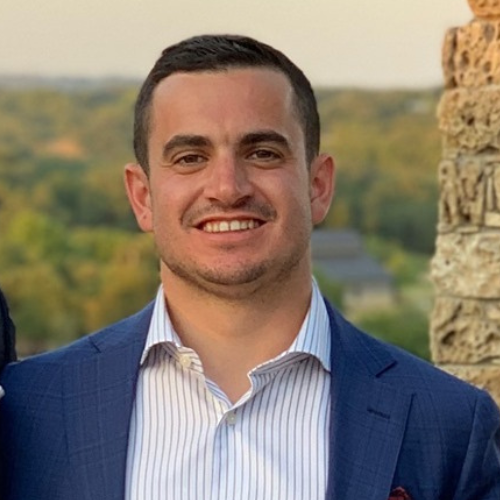
Host: If you're drawn to E commerce businesses as I am, this episode is a must. Alex Michael acquired Wallaroo, an FBA business a few months ago. Pretty much a single SKU business that sells a wallet product via Amazon. Last year it did about 650,000 in sales, 180,000 SDE and is a leader in its category. This interview is a fantastic primer on how a business like this works. We get into a full cost breakdown, supply chain management and risks platform risk which of course is high with FBA businesses, how to get eyeballs on your product within the very crowded Amazon marketplace and of course how to grow. Also, I loved the part where Alex discusses how he won the deal. There are lots of buyers out there for E commerce businesses and well funded buyers. So how did Alex, a first time acquisition entrepreneur with a day job, convince the owners to sell to him? You're going to learn a ton about FBA businesses in this conversation with Alex Michael. Welcome to Acquiring Minds, a podcast about buying businesses. My name is Will Smith. Acquiring an existing business is an awesome opportunity for many entrepreneurs and on this podcast I talk to the people who do it. What size of business should you buy? What can you afford? How much STE or EBITDA does the business you acquire need to generate to pay off your loan, pay you the income you need and reinvest in the business? Of course, the answer varies from person to person, so you need to answer this question for yourself. Chelsea Wood runs the Acquisition Lab and did a great interview on Acquiring Minds just a few weeks ago. The lab is a Do it with youh Buy side advisory service founded by one Walker Deibel, author of Buy Then Build. Chelsea's running a live session on this question. What size of business should you buy? She's worked with over 250 searchers who've gone through the lab and this question comes up constantly. So at the live session she'll explain how to arrive at the answer. Acquiring Minds is co hosting it so I'll be there as well playing MC and taking notes. It's Wednesday of this week. Wednesday, June 22nd at 10am Pacific 1pm Eastern. Register in the show notes Alex Michael, thank you for joining me today on Acquiring Minds.
Guest: Yeah, thanks for having me Will. It's good to be here.
Host: Alex, you acquired an E commerce brand called Wallaroo. Wallaroo is an FBA business so I'm excited to not only hear your story but also learn something about an fba. About FBA businesses Amazon Businesses FBA businesses are very common on the online Business marketplaces. So it'll be great to dig into how they work. But start us off with some background on you, Alex. What were you doing before you went down this path of buying a business?
[3:00] Guest: Yeah, absolutely. So I spent time in a few different industries before acquiring Walrus, so spent some time in oil and gas, did some investment analysis, spent a little bit of time in energy trading consulting, and then moved into the live event ticketing business for a little while. From there I moved into tech sales, which is where I was for the past, I guess, four or five years before acquiring Wallaroo. So all of that probably was spanning across an eight year period or so.
Host: Okay, and so what was. Where did this, this kernel of an idea come along to buy a business?
Guest: Yeah, you know, entrepreneurship for me was always sort of a foregone conclusion. I started a little company with some fraternity brothers in college and it was sort of a matter of when, not if for me. But it wasn't quite clear how that was going to play out. And so I was sort of just trying to be patient and trying to let the chips fall where they may and let something come up organically. And came across Walker Deibel's book by then, Build, which I'm sure some of the folks listening have probably heard of before.
Host: All of the folks listening.
Guest: All the folks listening. And so anybody who's read it knows it's an awesome book. And so that got me fired up about this whole world of acquisition entrepreneurship and, you know, this concept of de risking by buying instead of building and how it's a lot more accessible than one would ever think. So came across that and was just, you know, launched into this whole stratosphere of business buying. And it's super exciting.
Host: Okay, so then you discover and read the book. You're turned on by the concept, as so many of us are. So fill in the gaps between, you know, completing the book and deciding to actually move forward. Did you. Was it immediate or were there months or years in between? I guess you said it was during the pandemic, so months only.
Guest: Yeah, definitely months in between. Yeah, it was definitely a long journey. I mean, first it was just understanding the nature of the beast in terms of, you know, what all it would entail and whether this was a path I wanted to go down and, you know, how feasible it really was. I mean, you read something and it sounds neatly packaged and accessible, but obviously the real world's a little different. So I kind of let it marinate for a bit and then I started diving more into because I Was a little bit. 2. I was a little bit ambivalent on, you know, do I want to go sort of the physical business route versus E commerce and Amazon and all these different things. So it was just a lot of reading and letting things marinate and percolate, and, you know, it definitely wasn't a linear path. So I let it sort of sit for a while and then eventually got to the point where. Because I also had to. At the time, I just didn't have enough money. I didn't have the capital. So I explored some different routes to, you know, gather some money or figure out how much time until I actually could put an offer in on my business and how much business I could possibly buy. So it was just a really sort of iterative, circuitous process of figuring out how this could possibly happen. So I didn't put my first offer on a business until, Gosh, probably late 21. I'm sorry, maybe. Maybe mid 21. Yeah, early to mid 2021, I would say.
[6:00] Host: Okay, so.
Guest: And I probably read the book, like, mid-2020. Yeah.
Host: Okay. And can you. Do you remember what your budget was or all these financial questions that you had to answer for yourself? How you. What the final outcome was? Like, how much capital you. You had to put toward this project?
Guest: Yeah, for sure. I mean, when I started out, I honestly, you know, I probably had 20, 30, $40,000 of liquidity at most, which. Which wasn't enough at the time. And so I was really. At the beginning, I was actually really impatient. And so I tried, you know, I got together with a friend of mine, said, hey, do you want to do this together? Cause I knew he had access to more capital. And so we kind of went that route and sort of got pre qualified for an SBA loan together. And we explored that. And then we'd actually offer a couple businesses together that didn't work out. And over that time, I was continuing to work in my job and stack up more and more money and eventually got to the point where I had enough liquidity to buy a business. That was enough to. And we can dive into the numbers a bit more if you want, but that was enough to sort of support me do it on my own. And, you know, so it wasn't really a target. Like, I had to get to this point. It was more just, okay, I have this much money now. How much business can I get? Okay, I have this much money now. So it was just kind of a.
Host: And what. But what was that number where you kind of felt like you could do it independently. Was it 50 grand? Was it 70 grand?
Guest: So the down payment on my business was 70 grand. I think in terms of having enough liquidity, I think the number was more like 100 to 120, you know, because obviously if you're, you know, if you're getting a loan, like the business doesn't want all your, all your liquidity to just be thrown into a down payment. Right. Same thing as a house or anything else. So I think the number was, was somewhere between 100 and 120. Where I was like, okay, I think now I should have enough to where, you know, my bank's going to feel comfortable lending me, lending me some money.
Host: Great. And okay, so that's kind of how your financial picture started developing. What about the choice of the style or the industry of business? This question of online versus versus, you know, sweaty, boring business? That question, yeah.
Guest: I mean, sweaty and boring was appealing. Obviously the multiples on sweaty and boring is, are a lot more attractive. And I certainly dug into that. I think, you know, I'm, I'm 30, I'm single. And so for me it was like, all right, if I make this sort of decision to anchor myself to a physical location, like, that's for better or for worse, you're getting locked in. Whereas obviously, E commerce, not only does it provide a little bit more lifestyle flexibility, which is attractive to most people, but just the fact that, you know, with the pandemic, I mean, online commerce isn't going anywhere. And if you find the right business, which I luckily did, there's just so much automation built into it and so much that you can leverage between software and supply chain and all these different things that E commerce just seemed really attractive. I had some very light e commerce experience in the past, so I figured that I could also parlay that into like, hey, I, I've done this before, wink, wink, sort of, kind of.
[9:03] Host: And the E commerce was also, I mean, for all the reasons that you were drawn to it, a lot of people are drawn to it. So. So yes, it has those benefits, but that also means that there's that much more competition. There's a lot of Alex Michaels out there who have, you know, 50 to 100 grand to buy a small E commerce business that was just, I guess, a factor you were willing to over and did ultimately overcome.
Guest: Yeah, no, it's a really good call out. And I think, I mean, yes, but. But you know, there were certainly periods where, I mean, because I, I think I told you I put in offers on probably three or four Businesses total. And there was certainly a point where I was like, okay, as an SBA buyer, as you know, one of like you said, 30 of me on any given deal, like, I don't know if I'm ever going to get one of these, right. So I kept monitoring it and I kept saying like, this is something I want to do, but I didn't know how feasible it was just because of that level of competition. And you know, it's just like buying a house, right? If somebody throws cash at you, you know they're going to have a leg up just because the deal gets done quicker. So yeah, it was a trade off.
Host: So yeah, let's dig into that a little bit, Alex. So you, you put in this three or four. First of all, tell me where you're looking, where you're searching for these e commerce businesses to put offers on. And then, and then what you're saying is you put in three or four offers and from what you were hearing back from the broker or whatever, you were just losing to cash buyers. They were hyper competitive processes. So two part question. First, tell me where you're looking.
Guest: Yeah, so I was looking. I kind of identified sort of the top, top three or four online business brokerages out there. So the big names that folks have heard of, you know, the Empire Flippers and the FE International, et cetera. But I really settled on Quiet Light as the one I wanted to work through. I'm sure you know that that's, you hear that a lot. And I mean, those guys are really reputable, right? They vet their businesses very deeply and thoroughly. You know, all the brokers there have done this before. You've got guys who have been on Shark Tank, you've got Walker who literally wrote the book on this, you know, guys like Ryan Conde. So once I stumbled upon Quiet Light, I knew I wanted to buy one of their businesses because they just do it right, in my opinion. So, you know, that was both good and bad. It was good because I, I had a lot of trust in them. It was bad because to your point, there's a whole bunch of competition and a much more limited supply of businesses because they're very, you know, sort of selective. So that was how I looked.
Host: Okay, so you were monitoring Quiet Light, basically. And so these, and so the second part of this question was you would see a business come up on Quiet Light, you would put in an offer and what would happen those ones that you were missing out on?
Guest: Yeah, it's a good question. I mean, I tried to. So going back to the first question a little bit. I tried to kind of establish relationships with some brokers and say hey, you know, think of me when you have one of these deals and here's why I'd be a good buyer and they appreciated that. But honestly, to your point, there's so much demand that like, I don't know that that really made much of a difference, you know, so I tried to use that as a, as a lever. But yeah, so I put an offer in on one of these deals, you know, try to be, obviously try to be as good of a buyer as possible, try to be very communicative, try to be very straightforward and you know, would offer over asking price because I knew it would go over asking price. Would put in an offer quickly and you know, inevitably in the next week or so the broker would come back and say hey listen, like you know, they liked you, they thought it might be a good fit but they just, you know, they got a cash offer, they got more money or they, you know, found somebody who was a better fit or whatever. And so that happened, like I said, probably two or three times at which point I was like all right, well I don't know if this is ever going to happen, you know.
[12:31] Host: But you did keep at it because in fact Wallaroo was a similar situation. Quiet, light listing E commerce business. So tell us how this one did in fact happen. August Felker is a two time successful searcher. First with a traditional search fund. The second time around he did a self funded search. Today August runs Oberle Risk Strategies and an insurance firm with a dedicated practice group for searchers and acquisition entrepreneurs like you. If you've got a business under loi, Oberle will provide complimentary due diligence on that business's insurance and benefits program. A great no risk way to get to know August and team. They love helping searchers. They've worked with hundreds. Oberle is a specialty insurance brokerage for searchers. By a former searcher. Check out oberly-risk.com O B E R L E- risk.com link in the show notes.
Guest: Yeah, I had, you know, I kind of put this on the back burner for a while. I was, you know, looking into some different entrepreneurial ventures and was focused on my day job and saw this listing pop up on my email and I was like huh, that one looks interesting. You know it's same as before. I was like all right, well you know I'll have the call with them and I'll probably put an offer in if it's a good business and I probably won't get it, you know, so I got lucky. I happened to have the first call with the. The sellers that they had at all, the first, the first potential buyer call that they had. And we just really hit it off. I mean, it was a couple of guys who had started the business in college. They're close to my age, really, really smart guys, super, super nice, super thoughtful, and we just clicked, you know, And I think that's one of the big takeaways, having gone through this process is that like, that goes a long way, you know, more so than you're buying a house or anything else, because this is their baby, right? And they don't want to just, you know, sell it and be done with it and not have any sort of trust as to where the business is going. So anyway, yeah, so I put, I put the offer in. Kind of figured like, hey, that call went really well. I enjoyed it. But I'm probably not going to get this business because it's an awesome business and they're going to get 15 offers on it. And, you know, I think I offered 40, 50k above asking, but put the offer in. Thought nothing of it. And then a couple weeks later, I woke up to an email that said, congratulations, you know, business is yours. And I was like, oh, shit, okay, this is real.
Host: Wow. And when you said. And when you said that you got lucky that you were their first call, that was just luck. It wasn't because you were like, let me respond to this listing as quickly as possible. You just sort of responded to it promptly in the course of your day. But you didn't scramble breathlessly to be the first one. It just. It was a happy accident.
[15:19] Guest: Yeah, yeah, happy accident. I had a little bit of both. I happened to look at the listing when it came up and I was like, you know, there's no point in waiting. I knew I wanted to talk to him, so I went ahead and fired an email off to the broker who was super responsive. Cool and. Yeah, a little bit of both, I guess.
Host: Cool. Okay, so first of all, now we haven't actually explained what Walaroo is. What is the product or portfolio of products of the Walaroo brand?
Guest: Yeah, definitely. So primary product is a leather phone wallet. A leather wallet that attaches the back of your phone for the folks who are watching on video. You can kind of see it here. And it's just this little guy that you attach to the back of your phone and makes life a lot easier when you don't have to carry a wallet or for women having to carry a purse or anything. So that's the main product. There are a couple others. One is the same thing with a ring on it and then there's a standalone wallet as well. So those are the three products right now. But the one I just showed you does, you know, 97% of the revenue.
Host: And for the people who weren't watching, it's kind of, it's kind of a sleeve almost that kind of creates a really slim pocket on the back of your phone for you to put in your cards and your bills or what have you. Great. Okay, so, and, oh, and I just wanted a little bit on the SBA process. So you were pre approved for an SBA loan, I assume? Right, right. So you've done that with your partner, but then you guys decided to do it independently. And so then did you have to get re. Re preapproved?
Guest: Yeah, I did. And it's, it's a pretty quick process. So for the folks who know the guys over E Commerce Lending, they do a really good job. And so I went through them and basically said, you know, here's my updated personal financial statement. I said, okay, here's about as much business as we think you can get. And obviously that's, you know, not a commitment or anything. It's just an estimation. So.
Host: Okay. And E Commerce Lending, that's Steven Spear.
Guest: It is, yeah.
Host: Okay.
Guest: Yeah, they're fantastic. Yep.
Host: Great. Okay, what, and what did you acquire the business for? So, so what was it listed at? And then what was the 40 or 50,000 over that you offered?
Guest: Yeah, I think it was listed at 630,000 or maybe 632 or something like that. I offered 675, so I wanted to make sure to, you know, make it reasonably above, but, but not, you know, not anything crazy. So, and that's, that's before inventory. So 675, just the purchase price of the business and then inventory ended up being 56k or something.
Host: Okay, and you were expecting to put 10% down. What was the structure of the, of the, of the loan that you were expecting to, to put together?
Guest: Yeah, so, so E Commerce Lending had also pre qualified the business and estimated 10% down as well. So that's my expectation was 10% down on the, on the, the, the price of the business. And then the, the, you know, inventory sort of rolled into that. So expected, you know, 75k or whatever down interest rate is I think 6%, you know, give or take. So it floats with the prime rate but it's a pretty incredible interest rate and then it's over 10 years. So it's, I mean, SBA terms are incredible, for sure.
[18:19] Host: Yeah, yeah. We're so lucky as Americans. And the. Was there going to be a 10% or 15% seller note?
Guest: No. Seller note? No. The way that we actually structured it, I said a second ago that we wrapped the inventory in, but that I realize now, I remember now, that the inventory was actually a seller note. So there was a seller note component, but it was only the inventory part of it. So I don't, I don't know exactly why we did it that way. I think that was just the bank decided that that's what they were comfortable with and the sellers were luckily super cool and they just said, yeah, whatever, that's fine with us.
Host: Okay. Okay. Well, before we really dig into what the business is and how FBA works, just a question on psychology. So, you know, I love the question in business acquisition of like, why one as a acquisition entrepreneur, one should always be skeptical or wary, like, why am I, you know, lucky enough to be the one to get this business? You know, if there are much better resourced entities or individuals or funds out there who do this, you know, all day long, they're just buying business. Particularly in E commerce where you have this phenomenon of the aggregators who are just, you know, just out there with tons of capital buying up, buying up everything and out competing people like you constantly. Did it make, when you got that email that was like, hey, you're the winner. Did it make you wary? Like maybe, maybe this is a lemon or anything about it, anything like that?
Guest: It's a good question. It didn't. I definitely was like, oh, wow, this just got really real. But I wasn't wary of it being a lemon, I think. So one of the big takeaways I had is like, when you buy a business like you're, you're, you're buying the sellers as people in a sense that like every part of them is bleeding into the business. Right. And I mean, you can't, there's only so much you can know about people in a couple of 30 minute calls and like a video interview. But, you know, we have pretty good instincts as humans, I think. And I had a strong instinct that these guys were, I don't know, that they were doing things the right way, that it was a solid business. I mean, you know, it's a leap, but I didn't have that feeling of being wary. I think, you know, to your point about the aggregators, One of the things that I said on the call with them, I was like, look guys, I'm the opposite of that. Like I'm not going to be an aggregator. This isn't going to be one of 30 brands in my portfolio. It's not going to be something that I just lump in that, you know, it just becomes a cog. This is going to be my, my baby just like it was yours. And I'm going to take care of it and I'm going to give it the time and attention it deserves. And the reason they were selling it is because it wasn't getting the time and attention it deserved because they couldn't give that. And so I think where I got lucky was just, hey, I'm going to provide that time and attention. It is going to be mine. So I think that's why it was just kind of, that's why the luck was there, I guess.
Host: That's so great to hear that. I mean even at, on an E Commerce deal like this, that, that, that that message can work. You hear it a lot in, in like larger businesses or offline businesses where there's a small business owner who you know, built the business. It's a 30 year old business, they built it from scratch. It's a larger business. Maybe they got a million, two, three million dollars in ebitda. And so private equity is knocking on their door all the time. And so you is like, you know, somebody trying to buy that business off in a traditional search funder. It's like how can I possibly compete with private equity and that. It's, it's the exact same, it's the exact same message. It's like I am not a financial buyer. I mean I am, I care about, of course I do care about the financial. But this is, this is going to be, I'm going to be a steward of your legacy. I'm going to grow this thing and, and that really can be the differentiator that, that wins the day. As it, as it did in your case it sounds like. Okay, and so you get that email and so how did you diligence. Did you do any. Yeah, talk to me about the diligence. I'm sure you did, Tom.
[21:56] Guest: I did, yeah. I hired, I hired Centrica. They're you know, sort of the market leader when it comes to E Commerce due diligence. You know, I knew this was a world that I didn't know all that well. And so this was another lesson from this is, you know, don't skimp on things like lawyers and accountants and due diligence. So with that, it wasn't like I was going to try to nickel and dime the diligence process. It's like, hey, these guys know what they're doing. They know what to look for. And so I kind of hired them without giving it too much thought because they'd been highly recommended. And yeah, they did an awesome job. But, I mean, you know, unsurprisingly, nothing turned up. I mean, they gave me a couple things to look out for, but otherwise everything was as advertised. And it was a, you know, sort of a clean bill of health, so to speak.
Host: Okay, so you pull the trigger. You acquired the business. Now tell us, tell us kind of the. Some of the economics of the business. So how much does the. Does a Wallaroo wallet sell for on Amazon? And tell me kind of about the cost. So the gross margin. Yeah, what it sells for cost, gross margin, if you would. We'll start there.
Guest: Sure. Yeah, absolutely. So it sells for 1395. That hero product I showed you, the main one sells for $13.95. If I'm buying it from the supplier via Ocean Freight, it's $1.71 landed cost.
Host: And landed cost means landed cost, meaning,
Guest: you know, production, shipping duties, tariffs, everything. So that's, you know, to, to my doorstep per unit. It's. It's a $71 via via ocean freight.
Host: 171 for the entire thing in your hands. Coming from China, I assume?
Guest: Correct. Yep.
Host: And. And then you sell it, you said, for 13.95.
Guest: Correct.
Host: Okay, fascinating. Go ahead.
Guest: Yeah, yeah. So I, I mentioned the Ocean Freight thing because I, I learned not too long ago that I can purchase Via Air freight for another 25 cents, and that tightens up supply chain a ton, which was a kind of a savior for me because at risk of going on a tangent, you know, I'd accelerated some of the ad spend, and so we were doing a lot more in sales. And so the burn rate of inventory was going faster. And I was like, oh, I need to place an inventory order. You know, with the supply chain like it is with ports getting clogged up, Ocean Freight is a, is a, is a big variable. Right. You don't know if it's going to be two months. You don't know if it's going to be three months. You don't know if it's going to be five months. Right. There's so many variables at play. And so I found out via. Via Air Freight, which is like two or three weeks, it's $0.25 more expensive, which is almost a no brainer just because it's such a tighter supply chain and quicker turnaround time. So anyway, 196 is the real landed cost for me at this point.
[24:36] Host: So you're flying everything in now, you've shipped it, you've shifted it all over to air freight?
Guest: Yeah, I have and I, I don't. I may do some orders via Ocean freight once things chill out a little bit, but right now it's just, you know, because I'm growing the business because I'm expanding into different channels, etc, like I don't want to get in an inventory crunch. And so it's worth 25 cents per unit to me to make sure that that doesn't happen. So we'll see what happens in the future.
Host: But yeah, absolutely. You know, one thing that we didn't touch on as you're going through this attempt to acquire the business is so you closed in February 2022, so three months ago.
Guest: Yep.
Host: And so that meant that you were looking in the months prior to that, Right. When the supply chain was those short, those backups were most acute and they were, you know, they were the headline story for a couple months there. I mean, did that give you pause? I mean, you know, buying an E commerce business where you're importing something from China. Right. When you know it's, it's hitting the fan and that's the exact part of the economy that's kind of like slowing down the world. Pretty scary. Did it? Did it? How'd you feel about that piece?
Guest: Yeah, it's a great question. Well, I mean it definitely made me nervous. It definitely gave me some pause. But what made me, what sort of assuaged my fears a little bit was so that the sellers, these two guys would send me the wallaroo weekly update as we were going through due diligence. And the weekly update was not just like, hey, here's what sales were, but it was a different nugget of information about a different part of the business. Right. And so a lot of weeks it would be about, hey, here's what's up with the supply chain. Here are the problems we're facing, here's how it's affecting us, here's what we're doing to address those problems. And not only did it help me understand what was going on, and so it wasn't this like amorphous thing that I didn't understand, but you know, it exposed me to what was going on and also exposed me to like, look, we're okay. We can weather this storm. Like this is the worst of what's going to happen, most likely. And like, we, you know, have systems in place and tactics to deal with it. So that made me feel a lot better. They were just super straightforward, super forthcoming, and really intelligent about how they dealt with all that.
Host: That's awesome. And it just sounds like it affected the business, but it didn't cripple the business, these supply chain issues.
Guest: No, exactly. Yeah. That's a really good way to put it. I think every online seller experienced some challenges over that time, but, yeah, it didn't cripple them.
[27:04] Host: Okay, okay, okay. Getting back to it. And so, Alex, define an FBA business. This will be. A lot of people will already know, but. But define it, you know, in a little bit more detail for people.
Guest: Sure, yeah. So FBA is fulfillment by Amazon. And really all that means is that Amazon, you know, if somebody places an order for your product on Amazon, Amazon is handling the fulfillment and delivery of that item. Right. So Amazon's got all these, you know, you've read about all these different warehouses that they've bought up across the world. And so, you know, somebody places an order, Amazon has some of your inventory which you've shipped to them. And you know, they have various limits and regulations on what you can ship them, but you know, they have some amount of your inventory. And then an inventory is, or, I'm sorry, an order is placed through their system and it's fulfilled all through Amazon. So, you know, you obviously pay, you know, you pay quite a bit to Amazon for that service. But the fact that they're handling fulfillment and ensuring that those prime orders are getting there on time is just, you know, it's worth its weight in gold, I guess.
Host: It's. Yeah, it's totally, it's really quite amazing. So when you, when you. That landed cost that you talked about, in fact, it's landed at one of Amazon's distribution centers. That's where you ship it to.
Guest: No, so the landed cost is to my door. So basically part of the workflow is that. So I'll place an inventory order, right? Let's say 15,000 units from China. They're produced, sent to me. They get on my doorstep. Right now they're sitting in my garage. So there's a ton of boxes sitting in my garage, which is kind of funny. And then Amazon will have, you know, they have the inventory levels of your product listed. And when it gets to a certain point. So for me, it's like, hey, if I have about 50 days of supply left. I want to go ahead and kind of restock, you know, and so because my product sells really well, the inventory limits are pretty high at Amazon. And so, okay, 50 days of supply left. I'm going to go ahead and ship them a box to kind of re up. Right. So basically you're just. The workflow is making sure that Amazon has enough in their warehouses to, you know, be able to fulfill your orders without running out.
Host: Okay. And the shipment cost to Amazon, I assume is not, doesn't add to your margin?
Guest: Yeah, it's, it's, it's completely negligible.
Host: Okay, and then how much do you pay Amazon? How is the pricing structure for Amazon? What are you paying them per unit sold?
Guest: So it's gone up a little bit recently. It's about $5.13, I believe, per unit. So. And that includes, you know, that's the cost of the fulfillment itself plus. Plus just the entire program. Right. Just like being able to sell on Amazon through fba. So that's outside of ads. That's everything that's going to Amazon.
Host: So you said 513. Yeah. And is that based, Is that, how do they come up with that sum? Is it just a calculation based on the weight based on the cost of the good itself and just a lot of factors, or is it something cleaner? Like it's just like 20% or something?
Guest: I think it's the former. I think it's. And I'm still sort of learning this, but my understanding is that it's. Yeah, it's, it's weight, it's the cost of storage, it's, it's sell through. So like I have some products that are a little bit newer and the cost for those are higher, I think just because of scale. Because. Yeah, because they sit right. So. Exactly. So I think it's a percentage plus those other variables like you said.
[30:21] Host: Okay, so then you're, if we include the Amazon cost, then your gross margin, you're at about 50% now. So you're at whatever 6 and some change for a $14 product. Okay, and then so tell me what you told me on our pre call about how you actually, this flywheel concept and actually how you have to kind of gin up in some early sales in a product. How does that, how do, how do I bring eyeballs to my product as an FBA seller?
Guest: Yeah, good question. So the flywheel effect on Amazon, basically you can think about it like a tax that you have to pay to Amazon via advertising in order to help your organic ranking. And so there's, you know, there's sort of two, there's two ways that your product shows up on Amazon. There's the paid side, which you're paying for advertising, and you see that little thing that says sponsored underneath it, and that's a paid delivery. And then there is the organic ranking. So if you search for something and it just shows up and it doesn't say sponsored, that's your organic rank. Both of those things are going to determine, you know, number one, how much you're spending on advertising and number two, how well you rank organically. Those are going to determine, you know, the order in which people see your product when they search for a given search term. And so the concept of the flywheel effect is there's this sort of like virtuous cycle where the more you spend on ads, the more your organic rank increases, assuming that you're getting good reviews, you're delivering what you say, you don't have a high return rate, Amazon's happy with you. So the more you choose the ads, the more you get the organic side of the house going. And then it just continues like that flywheel effect, right? Like the wind starts blowing and then it's a virtuous cycle. And so at the beginning, when you launch a product on Amazon, and this is coming from somebody who hasn't launched it, right, I just bought the business. But having learned from the guys, essentially, you know, you're, you're overspending at the beginning because you're competing against, you know, a category that already exists, presumably. And then once you start to get that effect, that's when the flywheel starts going.
Host: And then you, presumably you have to continue to spend on ads even when your flywheel is going. But you hope that you're just getting more bang for your buck as you, as you spend, you're getting, you're just more sell through for that Same whatever tech, $10,000 a month you're spending.
Guest: Bingo. Yeah. So you're definitely still spending a ton on ads, especially in competitive categories like this. So there's two metrics that are really, really important and it goes back to our margin conversation, right? The first is acos, which is your advertising cost of sale. And that's just going to be basically the amount that you spend on advertising divided by the total amount of attributed sales that you're getting. And so when I say attributed, I mean sales that are happening directly as a function of ads, right? Like they bought from one of the sponsored postings. So that's an important metric. But a more important metric is, you could call it tacos, is total advertising cost of sale. And that takes into account the whole flywheel thing, because the total is the dollars you've spent on ads divided by all your sales, and that includes organic sales as well. And so that's really what tells you. Like, that's the actual functional metric. Right. Because that tells you how much you're spending on ads as a function of your total revenue.
[33:22] Host: So give us a sense of how much you're spending on. On ads. Well, actually, before you answer that, we have to have a sense of where your revenue is. So when you acquire the business, revenue was at what? Remind me, did you. Did you tell us already?
Guest: It's. I want to say. No, I don't think I did. It was 6:50. I want to say about 650k annually.
Host: Okay. 650,000 annually. Okay.
Guest: Yep.
Host: And so divided by $14, do you happen to know how many. How many units that was. Let me just do some math here. Divided by 14.
Guest: 30. It's about something like that.
Host: Yeah. Between 40 and 50,000. Okay. So that. And then divided by 30 is, you know, you're selling well over a thousand of these a month.
Guest: Yeah, yeah, yeah.
Host: Wow. So that's 30 a day. So that. So your cash register is just going cha, ching, cha, ching, cha ching all day long sort of thing.
Guest: Yeah, it's cool to see there's like the little Amazon seller app, and you get to see sales in real time. And it's kind of cool to look at it at midnight. Like, oh, wow, I just sold 10 units since I looked at this earlier. I mean, it can be needlessly addicting, but it is kind of cool.
Host: Yeah. If those of us who like to see a little, you know, a, like, on Twitter think that's exciting. Imagine if it's actually like the cash register ringing from a sale on Amazon.
Guest: 100%. It's like dopamine straight into your bloodstream. Yeah, totally, totally.
Host: Okay, so give us a sense of how much you pay Amazon for pay per click ads at the level that you're at now.
Guest: So the level I'm at now, I'm trying to. I'm trying to ramp up the spend quite a bit while maintaining that target. Like, total average cost of sale. So I'm spending about $500 a day right now, so about 15k a month. And then my target total average cost of sale is between 20 and 23%. So ideally, for every dollar I spend, I'm getting 5 back.
Host: Oh, for every dollar you spend, you're getting 5 back now. Why wouldn't you? Why wouldn't you? I mean that is so much margin. Well, I guess because you got all the other costs associated with your business.
Guest: Right?
Host: Yeah. Okay, so, so how much? So, so when, when you hear or whatever the ding or you see a sale in real time, a $14 sale, how many, how many of those dollars are actually going into your pocket? Assuming you didn't want to reinvest them?
Guest: Yeah, it's, it's between 28 and 33%.
Host: Okay.
Guest: Usually. So I'm not, I don't know what that is in dollars. I think it's like 4ish dollars.
Host: Okay, cool.
Guest: Something like that. So, I mean it's a really healthy margin for sure. Even at this price point. You know, like you said, the reason I try to stay at that 20% total average cost of sale is because Amazon's a 37% partner in this whole endeavor. Right. And that's before ads, just FBA is, you know, and then you've got ad spend and then you've got, you know, thankfully the cost of the goods isn't very high. But.
[36:18] Host: Yeah, yeah, yeah. Actually Alex, that's a, that's a great point to dig into a little bit. I mean one of the things that I often hear about E commerce is like one of the best practices is to choose high cost items. Um, and your item would not be a $14 item is not high cost. Um, so, but it's, but actually it sounds like you're, you're making it work. The, the sellers were making it work and you continue to make it work. So any thoughts there or did I basically just say what there is to say on that?
Guest: I think you nailed it. I mean the guys built an incredible business. I think it's still a good call out though. Right. Because there's, it's, it becomes a volume business when you're, when it's a low cost item. Right. Like this remains a volume business. And so I either need to, you know, find these additional sales channels and grow them or grow the product line. You know, so there, there is an upper bound of how well a low ticket item can do for sure.
Host: And, and what about the, with a product that is going to be lower cost and just the nature of this product, I think it's easily replicable. I mean you're, as you said at the top, you're only paying a buck 39 or a buck 71 or whatever it was. So the barriers to entry are very low for development of the product itself. Talk to me about how you feel about that. I mean, are there a lot of wallaroo, like products on Amazon that you're just, you know, duking it out with every day?
Guest: Yeah, you know, there are quite a few. It's competitive category. There are more and more popping up every day. I mean, I think one of the things that drew me to the business is that they had that, that big first mover advantage in terms of, you know, they had built up such a big, such a nice collection of reviews and like sort of quote unquote goodwill on Amazon. Like, you know how it goes on Amazon. You, you search for something and you're probably going to pick the thing with the most reviews and the highest stars. Like that's just how it goes. Yeah, and so the fact that they had built that up in that category, like it's, it's hard to, it's hard to catch up to that. And you know, everything that I'm competing against for the most part is, is a much lower cost, lower quality item, believe it or not. And so like I'm more expensive than everything I'm competing against for the most part, you know, so there's like really crappy little like silicone ones that they sell them in three or five packs because they break after, you know, two to four weeks. So there's those and those are, you know, five, six dollars for, for three of them. And then there's like, there's another leather one, but that still a nine dollar price point, the quality still isn't quite as good. And so, yeah, even though it's a low ticket item, I'm still competing on quality and still winning largely because the guys did such a good job, you know, earning that goodwill.
[39:00] Host: Yeah, yeah, the premium version of a low ticket item.
Guest: Yeah, exactly.
Host: So going back to Amazon again and just selling on Amazon and fba and so obviously we've touched on many of the benefits. If there are more, tell me. But basically it's just like you're outsourcing your entire fulfillment. It's pretty amazing. But there are a lot of cons as we hear about a lot you. So let's go into those a little bit. The, there's platform risk as they call it. So as you said, Amazon is, you know, you've got this relationship with Amazon where they're taking a huge chunk of your cost is just going directly to them, both in the fulfillment and now in the kind of pay to play, getting the flywheel going and the exposure you pay to Amazon's proprietary administration network. So that, but then also just, just, you know, they're, they any tweak, any change, any, I mean you just, you know, they say jump, you say how high? Is that just the nature of the beast and you deal with it or do you, or is there more to say there? Do you have other thoughts on, on platform risk?
Guest: Yeah, it's a good call out. I mean it's both, it's, it's, it is the nature of the beast. You know, because of, you know, there's a reason they can command the percentage that they do that they get to be almost 40% partner in your business. I mean, you know, that's, that's where E commerce happens is Amazon. And so part of it is the nature of the beast. And you know, the good news is that our incentives are sort of aligned. I mean Amazon does a really good job of ensuring that, you know, through their algorithm and all these different things that they are serving up the best, the best product. Right. The most highly regarded product to their customers because they want, their customer, they want conversions to happen. Right. So the good news is that incentives are aligned. But to your point, there's still definitely platform risk. So I'm trying to, you know, I mentioned this a little bit earlier, but I'm trying to, I'm trying to definitely diversify a little bit. So I'm trying to build out the direct to consumer presence because there really wasn't one and still isn't, but I'm working on it. And then you know, getting under some other marketplaces like Walmart, et cetera. So, you know, platform risk is real and it's, it's definitely something I want to hedge as much as possible.
Host: Yeah. And actually I want to dig into that a little bit more. But one, one other question first. The, the other thing about fba, I believe is that you don't own the relationship with a custom. There's no direct interaction. You don't have the email addresses. Am I right about that?
Guest: Yeah, that's exactly right. I mean we get some demographics data from Amazon, like very high level sort of categorical stuff. But yeah, no email addresses. There is direct interaction in the sense that, you know, if they have an issue with their order, it's, there's an email that's exchanged. But a lot of the, the details are sort of obfuscated except for first name and state, you know, so.
Host: Yeah, yeah. Okay. And so one of the things that you'll see on FBA businesses that are listed for sale is, you know, this is just on, this product is just on Amazon right now. It's an FBA only business. You know, flip on Shopify, or I think that's what you meant by D2C is basically have your own.com, your own store where you, where you sell directly to the consumer, not via the Amazon channel. And so these FBA listings will say, you know, just turn on, turn on your Shopify store and sort of, you know, double your, double your channels in theory. But of course this is way, I mean, makes sense and it's not totally crazy, but way easier said than done. But it sounds like in fact that is kind of the path that you're tentatively going down. So talk to me about how you think about that.
[42:24] Guest: Yeah, I mean it's, you know, it's hard. It's definitely not flipping a switch. I'm in the process of, I'm in the early stages of it. So I redid the website. I'm finally happy with where the website is. I'm working with a.
Host: So they did have a standalone website. They had their own website.
Guest: They had it, they had their own website. You know, it was pretty, it was pretty out of date. It definitely was just sort of, you know, it would get an order every three, four days and you know, but
Host: it was wired, it was wired up. It got it okay.
Guest: Yeah, it was wired up. Yeah, it was wired up. All the products were listed which definitely made things easier. So yeah, I just gave it a facelift is all I did, you know, changed some of the graphics up and changed the language, etc. And then I'm working with a third party firm to, to start driving traffic, you know, so starting to spend on Facebook ads and starting to hopefully, you know, have that be a more reliable revenue stream. But I think it's going to take time. I mean, I just, I just flipped on the Facebook ads like last week, you know, so it's, it's an experiment in progress and we'll see how it goes.
Host: And so is that basically the playbook you, you have your own.com probably running, running Shopify or something like it, and figuring out fulfillment yourself, handling fulfillment yourself. Or maybe you use a3PL, a third party logistics company that, that is not Amazon but fulfilling like Amazon would do for you in an FBA scenario. And then driving traffic with, if it's a consumer product, probably Facebook or Instagram and, or Instagram, that's basically, I'm simplifying. But those are basically the steps.
Guest: Yeah, those are the early steps and I think you Know, as. As there starts to be more momentum, you know, hopefully exploring some other, some other channels to drive traffic, whether it's, you know, influencer stuff or TikTok or whatever. Right. There's all these sort of ancillary channels that are popping up. But yeah, right now it's definitely just starting with some paid acquisition through Facebook and Instagram and see how it goes and then kind of iterate from there.
Host: Cool. And let's return to the numbers. So you had said it was about 650 in revenue when you acquired it or last year. So that was 2021 numbers. What are, what was the SDE?
Guest: SDE was 182.
Host: 182. Okay, great. And so what are you projecting for 2022 as the new owner?
Guest: Whatever. Whatever 40% above 650 is. So we can do the math on that. I know we're growing. Yeah, we're growing about 40% year over year. I think that number is in the 900s, but I can check it.
Host: And that's just from kind of leaning into Amazon ads, like spending more on ads.
[45:00] Guest: It's. It's spending more on ads. And honestly, it's just organic growth. You know, part of this flywheel effect is that, I mean, as the, as the, the product amasses more reviews, it gains more category share and the category itself is just growing. It's a good category. Right. I mean, people were increasingly carrying less and we need, you know, a credit card and a driver's license and maybe a $20 bill. Right. So the category itself is growing. And so, I mean, a lot of, A lot of this growth is like, would have happened whether I was just sitting here watching it or, you know, whatever. So.
Host: Yeah, anyway, so Alex, that big. I mean, that's amazing. Congratulations to, you know, back ass into 40% growth. Yeah, no, but obviously you're doing, you're doing a lot into the business that I'm sure you'll see benefits from that you can claim too. But why. Why would the. These, the pair of sellers want to sell something where there's that kind of growth trajectory without even doing really changing much?
Guest: Yeah, it's a good question. So I mean, obviously that's like the first thing you ask when you're having the conversation with them and you take the answer with as much of a grain of salt as you can. I mean, so I asked him and the answer was it was two guys, like I said, and one lived in. They went to college together and then one moved to D.C. and the other one moved to Seattle. And they were basically saying, look, we were just letting this thing kind of run on autopilot, and there's so much that could be done to take it to the next level, and we just weren't doing it. They both had day jobs. One of them's an engineer. One of them works actually at a really awesome Amazon agency, interestingly enough. And so they were like, we had this thing. We built it from nothing. We can cash out and have 350 grand each or whatever, and, you know, somebody else can take it to the next level. So I heard that, and I was like, all right, I guess that's a good enough answer. And then I actually was up in D.C. not long ago, and so I got to meet one of the founders in person, and, you know, we're having dinner. I was like, all right, so why'd you stop?
Host: You took him. You took him to dinner?
Guest: Took him to dinner. And I was like, all right, give me the real answer.
Host: Plied him with alcohol and said, give
Guest: me the real answer. I tried. And. And he was like. He gave me the same answer. He was like, man, we were just looking at this thing. And like, we were like, man, we should, like, really, you know, we should send Amazon Canada some inventory. Like, that's a market. We haven't really gotten into it, which wouldn't happen. Wouldn't happen. And the business was just kind of limping along, and they were like, man, let's just get rid of this thing. Like, you know, I think they just had had enough of it and were proud of what they did and wanted to just, you know, move on.
Host: Yeah. Yeah. Well, they're probably saying to them, I mean, you want to sell your business when it's strong. And so these. This growth in strength that they were seeing in their own business probably told them that it was a good time to sell. And not to mention that everybody's talking about how E Commerce has just exploded during the pandemic. So there, you know, it was. It was good timing for them, even though there was growth still to come. What was the. How old was the business like, when it had. They launched it? How much. How much history did it have?
[48:01] Guest: 2016 was when they launched. So between five and six years had been around.
Host: Okay. And do you have any sense of, like, what. Obviously, E Commerce years and, you know, plumbing business years are very different. So.
Guest: Yeah.
Host: So. So. So what's, you know, what is good age on an E Commerce business? I feel like 20, 15, 16 is pretty. Pretty good age on an E Commerce business. How do you, what do you think it is?
Guest: No, you're dead on. I think, you know, it's almost like looking at dog ears. Right? Like for an E commerce business, five or six years is pretty good. And I mean, I think if you're looking at buying a business through an SBA loan or any kind of a loan, like that question becomes really important because the SBA won't even consider loaning. I think for any businesses that are like less than three years old, I want to say something like that. So yeah, I mean five or six years is really healthy. You know, so much changes so quickly in E commerce that like if you have a 15 year old E commerce business, like the amount of things that have changed from a paradigm perspective on like how E commerce happens in that window would be pretty astronomical. So anyway, long winded answer. But yeah, I think like that five years is probably a pretty healthy sweet spot to get an idea of whether a business is going to be sustainable or not.
Host: Yeah. Yep. Yeah. I see so many FBA businesses for sale that are like just launched in 2020 and, and while they might, you know, they might look like great business and be just exploding in growth, it's just like, it's just a red line. I wouldn't, two year old business, I just couldn't, couldn't, couldn't touch. So, so your 40% growth this year, to your point about how, you know, E commerce things, paradigms shifting all the time, any, any sense of. Well, I, I won't ask what, projecting growth because it's just, it's just too difficult. But what you want to do with the business, like what, what, what are your plans?
Guest: Yeah, I want to, I want to see what I can do with these new channels. I want to really take this, I want to take it to the point where, you know, honestly, in a year I want Shopify itself to be doing what Amazon's doing right now, today. So that would be.
Host: So you, you want to do the thing that these FBA for sale listings say like basically double your channel.
Guest: Yeah, I do. But to your point, it's like, it's definitely not flipping a switch and I can already tell like there's going to be a lot of tinkering involved. You know, Amazon, Amazon prides themselves on like when you spend on ads on Amazon, the conversion rates are crazy. They're like between 10 and 15% which, you know, E Commerce Shopify is like. Yeah, exactly. E Commerce Shopify is like 1 2%. You're doing pretty well. So it's Just a whole different world. So I think that's going to take a lot of experimentation. So that's, that's the goal right now. So I want to focus on that. I want to, you know, flip the switch on. It is actually kind of flipping the switch on things like Walmart and things like Amazon Canada. It's a little bit lower lift. So I want to build those out and just keep sort of diversifying channels to where, you know, I mean, I think this category is going to keep growing. It's not going anywhere. I think, I think this could become a, you know, 2, 3, 4, 5 million dollar business, especially if I maybe look at expanding the product line down the road. So who knows? I don't, you know, it. Who knows?
[51:15] Host: Well, and, and to your kind of attitude, you're very like open to what the possibilities are. Is that because you still have a day job? What's your, what's your situation, Alex?
Guest: It's a great question. I actually put in my notice for my day job yesterday. So Monday.
Host: Okay.
Guest: Yesterday, yeah. So good timing. Yeah.
Host: So this, this podcast interview is your, is your celebration lunch for your new chapter of your life? Is that what this is?
Guest: Exactly, yeah. Oh, bingo. Yeah. Thanks for being a part. Yeah. So I was, was working in tech or am working in tech sales until Thursday. But you know, I saw what the business is doing, it's growing and I think I can if I have the attention and the bandwidth and the energy to focus solely on it. Like, you know, the time horizons on all these different things building out, Shopify, doing all these different things, they just shrink so astronomically because instead of it being, you know, the hours of 6 to 10pm when you're tired and you know, have such limited bandwidth versus like I get up in the morning, I'm like, cool, what am I going to do today? Right. I'm going to work on Walleroo. And so I think the upside was just astronomical. And also I just want to have control over my schedule. So there's that too.
Host: Yep, there's that. There's that too. But so are you going to then do full Walaroo full time or that's your expectation? Okay. Okay. So so you, you, you gave notice to give Walaroo your full time?
Guest: Yep.
Host: Awesome. And so if Walaroo was doing 182sd last year and it's grown by 40%, so let's say it's doing whatever it's on track to do 220 or 230 if my math is right this year. So that I assume that replaced your salary and then some.
Guest: Almost, yeah. I mean the loan eats up a big part of that. So the loan is 70amonth, which is like, want to say like 90k a year. So subtract 90k from any SDE number. So let's say it's 230, right? Let's take 90 off of that. So not quite what I was doing, but, but pretty darn close. And you know, anybody can live on, on that money, right? So that's like totally. Yeah, it's, it was a no brainer, to be honest with you.
Host: Where, where are you based, Alex?
Guest: Austin, Texas.
Host: You're in Austin? Okay, great.
Guest: Yeah.
Host: I think that we've hit everything that I wanted to. Is there anything that you consider important in your story that people should know that we haven't touched on?
Guest: I think, I think the biggest take home point here, you'll kind of hear this from other people who have bought businesses. I think the biggest take home point is like being a good buyer and giving yourself the best chance of getting your offer accepted is like, it's about being empathetic. This is the least surprising thing ever. But it's about being empathetic and like asking the sellers what's important to them and figuring out how you can deliver on what's important to them. Right. I mean, I think you hear stories of, and I heard stories from these guys about some of the other people that put offers in were just, you know, whether it was being entitled or not, asking questions or just, just generally being, you know, not good buyers. Like it's like anything right? At the end of the day, it's about relationships. I mean, it's about money. But it's also about, you know, this is you're buying a business from humans and you're a human. And so I think if you're, if you're looking at doing this, if you're thinking about buying a business, go into it with that mindset and you know, whether or not you're an aggregator, whether or not you have a whole bunch of money, whether or not you're a cash buyer, those things can obviously go out the window if you just treat people like humans.
[54:44] Host: Yeah, no, I'm so glad you said that. And let me just, let me just ask a follow up. So on that first call, this, this, you know, you got that lucky call number one and you, you said you really clicked with the two sellers. What does that call look like? Did you kind of let them talk and kind of ask them to hear their Story first or were you? Yeah, like, give me, give me just a very mini coaching session on how I should approach a call like that.
Guest: Yeah, definitely. So the, so quietly, one of the really good things Quiet Light does is they do a seller interview that's recorded. And so a lot of questions, like baseline, it's like 45 minutes. So really, like they get pretty in depth in terms of asking the sellers a lot of questions. So if you go into that first call with the sellers and you're asking questions that have already been answered, you know, they're already going to be pretty put off. Right. So this goes, this should go without saying, but go through the materials that have been presented to you because you can get to much more interesting stuff rather than like, you know, hey, where are you guys sourcing your product? Like, dude, that's in the prospectus, right? So that would be point number one. But the structure of the call is basically just, you know, broker kind of sets the stage. You know, says, hey, Alex, or whoever the buyer is, you know, talk about yourself for a minute. And then from there you're basically interviewing them. So you're asking them questions and then if they want to ask you anything, obviously they can. I'm sure it depends on the seller, but yeah, you're asking them questions and so you can, you can go about that a lot of different ways, right? You could, you could grill them and you could say, cool. So like, why are you selling it? Like, why are you really selling it? You know, and you know, why should I buy your business? And you can, you know, be really rude about it or you can say, you know, as you pass your baby on to somebody else, what's important to you and what's, you know, what do you want, you know, the person to, to make sure that they do, to carry the torch forward. And so, yeah, I think there's two ways that awesome. You can go about it and there's one way that's a lot better than the other.
Host: And, and so you, you ask them in so many words, like, what are they looking for in their ideal buyer?
Guest: Yeah, exactly, exactly. And, and you, you know, it's also, you know, unsurprisingly, takes a level of self awareness. Like if I was to say, you know, hey, I'm not an aggregator, like, I don't have all those resources, some sellers, I might have gotten unlucky and they might have been like, oh, that's what we're looking for, right? We just want a ton of cash from an aggregator and that's fine. Right. So you've got to, you know, be explicit, be honest about what you are and aren't going to bring to the table and hopefully it works out.
[57:10] Host: Alex, first spell wallaroo for us and tell us what. Let's send some traffic to your non Amazon, to your DTC website.
Guest: Thank you.
Host: Yeah. What's the URL?
Guest: It's walleroowallets.com. it's w a l l a r o o wallets.com. great. So Walleroo is a real animal, by the way.
Host: Fun fact, what is a wallaroo? Sounds Australian.
Guest: It is. It's like a cross between a wallaby and a kangaroo. And it's like a real thing, which is super cool. Yeah, isn't that?
Host: Well, that, that, that's, that's. That's the logo or that's the little emblem that's stitched on the side. Yep.
Guest: Yeah, it's like. It's a Walleroo and it's putting cards in their little pouch.
Host: Oh, it's a marsupial. That makes sense. Perfect.
Guest: Yeah, exactly. Nice. Cool.
Host: And Alex, how can people get in touch with you if they want to ask you questions or connect for any reason?
Guest: Yeah, definitely. LinkedIn's a good one. I'm on there way too much. I don't really do much social media, But I do LinkedIn, so my name is Alex Michael M I C H A E L. And yeah, love to chat. This stuff's fun to talk about and obviously you ask really good questions, so it's definitely fun to talk to you about it.
Host: Cool. Well, I'll put your LinkedIn, your LinkedIn link in the show notes so people can connect there. That's actually how we, we connected. So it does work to connect with this man on LinkedIn. Alex, this was awesome. Thank you. For the tutorial on FBA and sharing your story with us. It's been, it's been great.
Guest: Thanks so much for having me, Will. It's been a blast.
Host: And congratulations, by the way, on, on the acquisition, on 40% growth this year. That's. That's great momentum. All right, well, we'll catch up with you in a year.
Guest: All right, thanks, Will. See ya.














































%20-%20thumbnail.png)





%20-%20thumbnail.png)

%20-%20thumbnail.png)

.png)



%20-%20thumbnail.png)










%20-%20thumbnail.png)