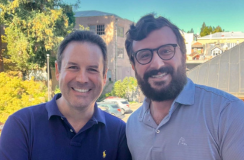
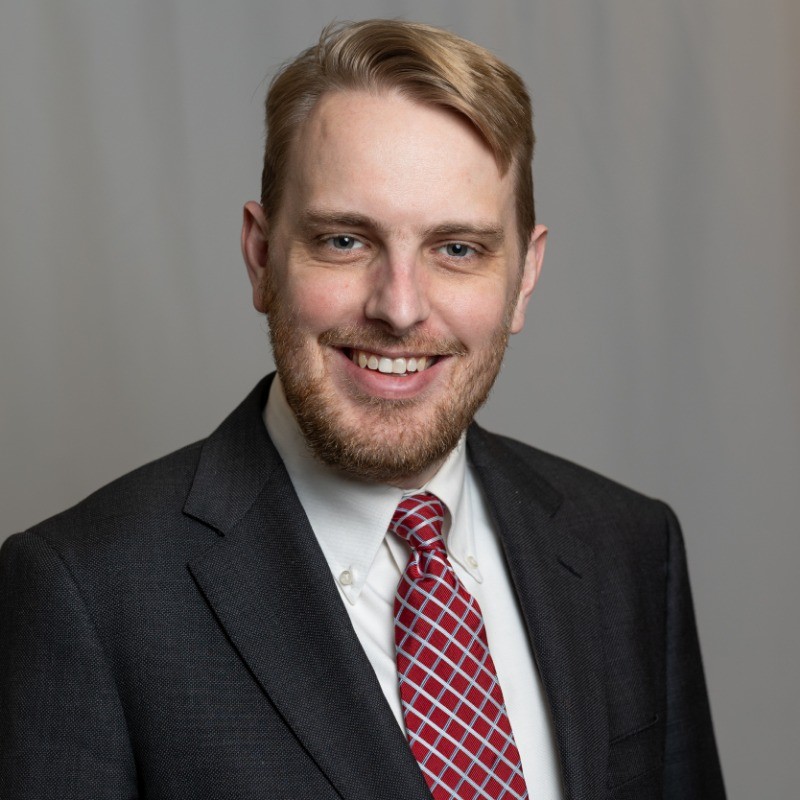
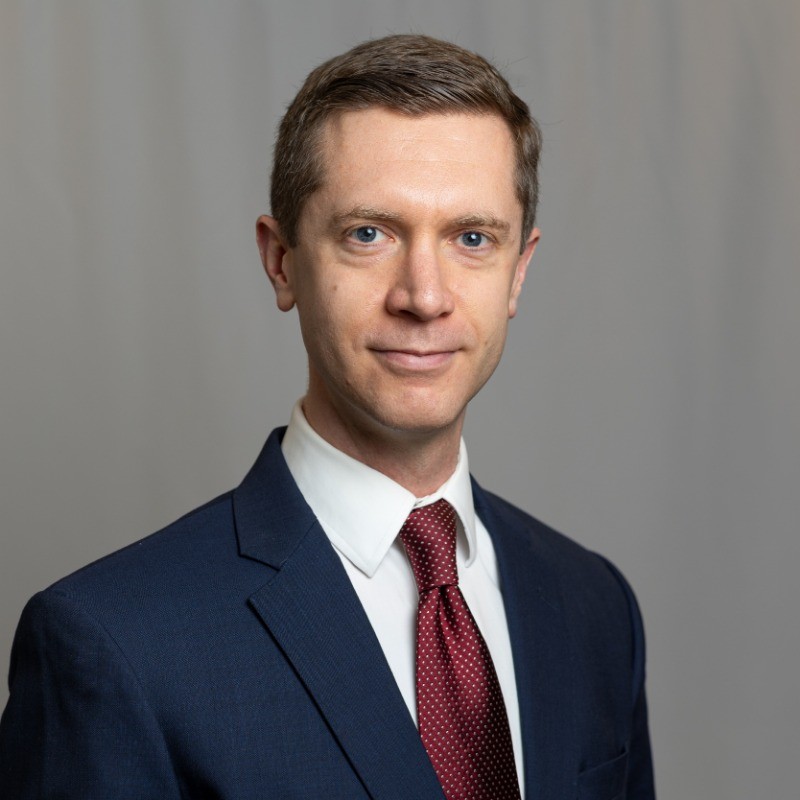
Host: Back in 2019, today's guest looked at buying a business that installed and serviced backup generators. He didn't get that particular business, but it opened his eyes. Over the next five years, he learned more and more about the generator business, the fragmentation, the lack of specialized players, the tailwinds. And he got to know two other searchers who bought generator businesses. And he invested in one of those deals. So by 2023, Nick Haschka had become convinced that there was a big opportunity here and that seizing it should be his next chapter. Indeed, maybe his career making chapter this interview will show you how an entrepreneur develops a thesis and once committed, goes after it hard. You'll hear how Nick hired an operating partner in Dylan Ferguson, who who is also with us. In the interview. You'll hear how he raised money, how much and how it was structured. And you'll hear the progress Nick and Dylan have made so far. Teaser a Lot the first acquisition was this past January. Five months, a second acquisition and a lot of organic growth later and they've already quadrupled the business. A fascinating look behind the curtain of two entrepreneurs with an aggressive plan to build a dominant regional platform in five years. Here's Nick Haschka and Dylan Ferguson of OnPoint Generators. Announcements don't forget this week's webinars on this Thursday, July 18, three top search investors will share their perspectives on self funded search Nicholas James of Mind's Capital, my partner Tony Cappert of Workbench Capital and Adam Borse, whom you'll recognize from his Acquiring Minds interview back in February. If you're looking to raise money from investors for your self funded acquisition or are considering investing in this asset class yourself, come hear three super sharp investors discuss their views on self funded deals and searchers in the market overall. That's this Thursday, July 18th noon Eastern Link in the show notes of this episode or on the acquiring minds homepage, acquiringminds co. Then the next day, this Friday, July 19th, attorneys James David Williams and Bill Barlow, whose entire practice is devoted to small business acquisition, return for a legal office hours. They'll walk us through some of the common sticking points they see in deals and how to overcome those sticking points. And there will be ample time to answer any and all legal questions related to buying a business, not just those on negotiation. So come get any legal question you have about your deal or your search answered by James, David and Bill that's this Friday, July 19, noon Eastern Link in the show notes of this episode or on the Acquiring Minds homepage. Acquiringminds Co and Finally, next week, Thursday, July 25, Connor Gross will teach the merits of buying an existing franchise business and more important, how to evaluate a franchise network or brand from an ETA perspective. Connors owned or operated franchise units in multiple systems and he's grown his own portfolio through multiple successful acquisitions, so he knows the power of acquisitions in a franchise context specifically. That's next Thursday, July 25, noon Eastern. Link in the show notes of this episode or on the Acquiring Minds homepage. Acquiringminds co okay, onto today's episode. Welcome to Acquiring Minds, a podcast about buying businesses. My name is Will Smith. Acquiring an existing business is an awesome opportunity for many entrepreneurs and on this podcast I talk to the people who do it. A PEO run by a searcher for Searchers if you're running a company with less than 100 employees in providing health insurance, you could secure better benefit plans at a 15 to 30% discount through through a professional employer organization or PEO. Aspen HR, run by search fund veteran Mark Sinatra, understands the needs of search operators and could be a great solution for you to receive HR compliance and diligence support, a powerful HR tech platform and Fortune 500 caliber benefits, all for a fraction of the cost. Check out aspenhr.com or contact Mark directly@markspenhr.com Nick Kashka Dylan Ferguson welcome to Acquiring Minds.
[5:21] Guest 2: Hello.
Guest 3: Thanks for having us.
Host: You two have set out to do a regional roll up of generator dealers and servicers in California. You've got the first acquisition done, so we'll hear about that one as well as the whole thesis here. What has you guys so excited about? Generators? Nick, let's start with you. You've been on the podcast a few times including episode number six, so I'm going to direct people there to get your full backstory. But do give us the abbreviated version of your background and what led you here.
[6:00] Guest 2: Yep.
Guest 3: So, grew up in Minnesota, went to school at mit, followed the trodden path of corporate management consulting startups. Corporate kind of did a meandering path there. Got into small business in 2016 after a failed startup attempt and never looked back. Bought a plant service company, got into buying add ons and then eventually got into doing some investing and then a few years ago decided it was time to do another try to do another platform after we exited our landscaping company. And that has what has led us here to building on point generators.
Host: And to be clear, when you say exiting the landscaping business, that's not the plant services business. So plant services you acquired did some bolt ons there then kind of we
Guest 3: carved out and, and divested from the commercial landscaping division of our, of our. What was mostly a plantscaping business. And that was. I had, you know, spent time trying to build that outdoor division and it worked okay. But it was not. Wasn't what I, it wasn't the business I had hoped it would be, and it was a very crowded market. And so we just made the decision to sell that part of the business and, and sold that to a private equity backed commercial landscaping company. And that left me free to find something new.
Host: And your partner in that venture continues to be the operator, president, CEO of the plant services business. The Right Gardener, it's called.
Guest 3: Yep. Anu and I, we set off together. We were at the startup that failed together and we were available together. And, and so we've done this whole ride pretty much hand in hand, every step of the way. And he's. And we're involved in everything that each other does.
Host: Cool. Thanks, Nick. Dylan, tell us a little bit about yourself.
Guest 2: Well, went to school, mechanical engineering, ran out of school, jumped into the corporate world with ExxonMobil. Kind of came up in their systems, learned how some of these bigger organizations operates, Mechanical engineering slowly kind of migrated towards operations and management and things like that. Continued my career. I always thought I'd continue to climb that kind of corporate America ladder and stick with that. And it wasn't only until a few years ago I even really found out about, you know, ETA and the SMB community and really dove in, you know, with both feats on Twitter, reading all the books like most people do. And about a year and a half ago, my wife and I, maybe even a little bit more, kind of made the conscious decision that we were going to maybe take a shot at this thing. And right around that same time, just, you know, through mutual contacts on, on Twitter, somebody reposted one of Nick's tweets and ended up following them and reaching out. And the tweet was about his thesis on this, this generator company. And so I decided to reach out to him and I said, hey, you know, I might be a good candidate to come in on this thing with you. And one thing led to another, and like most millennials, you know, what started on the Internet evolved into what's now a partnership, I guess.
[9:14] Host: And Dylan, just in terms of your own kind of motivations, trajectory, since you were somebody who saw yourself going through a corporate career basically for the duration, what was it that derailed you? Yes, you hear about eta, but why do you think it resonates so much if if you were comfortable in corporate,
Guest 2: basically, probably anyone who came up like I did, you know, once they get to a certain level in their career, they start to realize that, hey, you know, I could probably go out and do this on my own, you know what I mean? Like, what's stopping me from going out and trying? And it was really just a lack of understanding, you know, coming up in that corporate world, you know, I didn't even know this, this whole community existed. And, you know, Twitter really opened up my eyes to what was out there and what was available. And that was really what led to us jumping in and giving this thing a shot.
Host: Great. And what are your respective titles? What does it look like?
Guest 2: I guess my title is coo. Nick and I, you know, we'd been talking for nine months to a year before we landed this, this first company. And so we were pretty clear on what our roles would be. My role at the company is, is everything, operations, so day to day people implementing processes and procedures that, you know, would directly affect operations. And Nick basically handles everything else and the growth side of things.
Host: Great. Okay, Nick, what was the contents of this tweet?
Guest 3: So I had done this before and I did it with saddled with debt and financially, personally guaranteed, completely strung out. And I was like, I'm not doing that again. And I didn't do it that way with landscaping either. I realized that, you know, I wanted to, I want, I didn't want to do it alone. Like, I've never wanted to do this alone. And I knew the moment that Anu and I divided our responsibilities, I was going to feel pretty alone in the seat. And I wanted to find somebody up here and recruit somebody who would be a good complement to my skill set. Um, and do it in, in a true, like, partnership arrangement. Um, and you know, I talked to a lot of people. I. And I used Twitter as a, as one of the recruiting vehicles and, and just seemed like working with Dylan was going to be like, really the perfect fit of what I was looking for in a, in a partner to wrestle this thing to ground. And, and so, yeah, here we are working together.
Guest 2: And to.
Host: To be clear, this tweet was just a recruiting tweet, or you were also laying out your vision, your thesis for generators.
[12:02] Guest 3: I actually don't remember. I think I had posted as like, I'm looking for an operator of sorts, but it can be for the right person. The right person is going to be a person who is more than an operator. They're a, a partner in the venture. And so that's really what I set out to find was another operating partner who would be mostly focused on this, you know, at least for a while, focused 100% on this. This person would be my successor, my chosen successor as CEO, should that ever. You know, I want somebody who, want, who wants to grow into my job.
Host: Well, I want to take a self serving digression here for a minute because to tie this into Smith List, which is the job board that we recently launched for Nick, people like you, to find Dylan, people like you and to make these pairings happen. And so it's, it's basically a job board for operators and GMs and presidents, but really, really kind of more entrepreneurially minded GMs and operators. In my own thesis with Smith List, there's a subtlety there that, because it's not just any gm, it's a gm, an entrepreneurial gm. I've started kind of calling it now that word entrepreneurial gets thrown around. Every job has, you know, we want, you know, every job description says we want somebody entrepreneurial. No, but really this needs to be that. So Dylan, for you, if you were entered, if you were entertaining, buying your own business, what about working with Nick instead? Scratched? Whatever entrepreneur, purely entrepreneurial itch you had.
Guest 2: Yeah. You know, for anybody out there considering this, I mean, finding a partner is difficult, but I think buying a business by yourself is even more difficult than that. Know, coming from somebody from, you know, the corporate world, like I said, you know, I thought I had what it took to buy a business on my own, but there was just so much I didn't know, you know what I mean? And I had read the books and the podcast and all these different things, you know what I mean? My skill set is in operations and coming into this as a partner with Nick and being able just to focus on the operations and not have to worry about all the things that Nick does, you know, I think has allowed us to grow a lot quicker than most people would and be a lot more successful than most people would. So if you can find a partner that you can trust and that you work well with and that, you know, complementary skill sets, I think it's the way to go. I think it's, it's really the way to go.
Host: And Dylan, is this also one of these where it's just a matter of breaking, breaking out what your skills are versus Nick's? So you said like your skills are really in operations. Does that mean that the idea, like of the financial piece of doing a deal, the searching and actually closing A deal was something that was, didn't appeal to you or am I maybe stretching there?
[15:03] Guest 2: No, that, that's exactly right. You know, it was one of those things that I knew I was going to have to do if I was going to go down that road. But it was not something that I was interested in. Probably not something that I'm even that great at. You know, I can get by like most people, but like I said, just being able to focus on what I'm good at and let Nick handle everything else has been, you know, real saving grace for me.
Host: Well, thank you for that digression, guys. Okay, now let's go circle back to the thesis. Nick, what is, what, what is the thesis, please?
Guest 3: Yeah, so our thesis is that basically we're betting against the incumbent utilities ability to solve the fundamental issues surfacing in the electric infrastructure systems. And that's for a variety of reasons. You've got climate change, you've got end of life issues, you've got electrification, you've got migration and movement patterns of where, where load and where, where people are going and where pockets of electrical demand are going. Everything is straining this system in a way that it's never been strained before. And what's that? How that's manifesting is eight continuous years of worse reliability performance on the electric grid nationwide. And it's been particularly acute in California over the last two to three years. And the result of that is people have no choice if they want consistent, reliable power, which they want more than ever before because they are constantly switching over from liquid fuels to electrified appliances, devices, etc. If they want to continue to live their electrified lives or go more electrified, they are more and more dependent than ever before. And backup power is the only way to solve that problem, in our opinion. And what that's going to create is this step change in demand for a service that has been around for a long time. I mean there's generator companies all over and there's lots of little mom and pop generator companies, but the almost all of them are extremely busy and, and like could be way busier if they had the ability to recruit, systematize, drive productivity, drive performance. And many of them aren't set up that way because they grew up in a different time. And so our thesis was, could we build a fundamentally more scalable, higher performing platform than anybody's ever built before and start starting here in California by assembling a set of incumbents and standing on the shoulders of the very good businesses that came before us, the, that were just built in A different time and modernizing them and growing them and putting them together into an integrated whole with the full range of installation and kind of full lifecycle services around the generator or really more broadly the backup power system, not just the generator.
[18:06] Host: August Felker is a two time successful searcher, first with a traditional search fund. The second time around he did a self funded search. Today August runs Oberle Risk Strategies, an insurance firm with a dedicated practice group for searchers and acquisition entrepreneurs like you. If you've got a business under LOI Oberle will provide complimentary due diligence on that business's insurance and benefits program. A great no risk way to get to know August and team. They love helping searchers. They've worked with hundreds of. Oberle is a specialty insurance brokerage for searchers by a former searcher. Check out oberly-risk.com O B E R L E- risk.com link in the show notes. Tell us more about what a quote generator company is and does give us a picture.
Guest 3: So I split it into four quadrants. You got commercial and industrial which are business consultant Nick. That's right. You can take them out of consulting but you can't take the consultant out of them.
Host: Can't take the two by two out of the consultant.
Guest 3: That's right. I even presented the two by two to the team this morning. So there's the commercial industrial side and there's the residential side. The commercial industrial side is driven by basically business necessity and regulation. Those are really the two fundamental planks. On the regulation side you got, you know, mandates for every telco tower has got to have a backup generator. Every skilled nursing facility has got to have a backup generator. All broadcast media, radio towers, TV towers. So there's all this basically class of, of critical infrastructure that is deemed a necessity and it, you know, rightfully is a necessity to have backup power in place. That drives a whole business around. Installation, service and maintenance. The full life cycle of a generator increasingly batteries as well to provide an uninterruptible power supply or short term, short term needs. The residential side is mostly weather driven. It can also be a little bit health driven. You've got people with you know, sensitive equipment or, or basically needs for continuous always on power living in places where the power can go out for six days in the winter or in, I mean here in the winter or in the summer. And you've got increasingly those folks dependent on backup power companies. And so yeah we full life cycle of service, you can call us and we can put together a project for you, design the project, permit the project, come and install the generator and then we'll come back on, on a maintenance cycle that is appropriate for your, the system you have and the needs that you have in terms of how, how critical. And so really that's it. You got the, the install side and the service side and then you've kind of got the two segments, the business side and the residential side.
[21:02] Host: Feels like that's how so many of these small businesses break down. Yep. Installation, service, commercial, residential. And what, what part of the business, what percentage of the business is residential in terms of revenue or generally? I guess it depends on the business,
Guest 3: but yeah, yeah, it varies a lot.
Host: So.
Guest 3: And I think it varies a lot by region. So the first business we acquired is Conti's generator and it was a mostly residential focus because it's more of a residential community. There's not a lot of heavy industry. You know, if you go into the heavy industrial pockets like most of the generator business is going to be, is going to be heavy industrial if you're in Texas or you're in the Midwest or the south or the Southeast. But you know, the, the residential side was pretty much invented by Generac. They were the ones to commercialize and mass market the residential backup generator. And they've had these moments of, of glory in terms of filling a really, really important market need around major, major weather events when people get power knocked out for, for weeks at a time. Hurricane Sandy, Hurricane Irma Harvey and California. It was actually these last two years, these last two winters have been, have been monumental in terms of driving demand for on the residential side. Whereas the commercial side it's more driven by the facilities need as well as the regulation around specific facilities and what their backup requirements are.
Host: And so your thesis doesn't have you picking commercial industrial versus residential. You're going after both because typically I feel like there's one, it's one or the other when, when there's a, a thesis at play. But not in your case.
Guest 3: No, I think we're, we're trying to do both and residential is a good on ramp and a good training ground and for the technicians it provides a good career path to grow their skills. And, and I mean generally the business and industrial you can, as the generator goes bigger, the complexity goes up, the criticality goes up, the stakes go up. And so it creates actually a really nice kind of built in pathway for your, for your technicians to grow their skills. They can start on the residential side and, and, and, and gain skills and, and as they gain skills, earn more and do more critical work.
Host: The. And just to give people a picture, for the residential side, what does one of these cost and then what does it cost to service and what's the life cycle like? Is it basically kind of like your H VAC unit sort of thing?
Guest 3: Yeah, you want to hit it, Dylan?
Guest 2: You know, we, we benefit a lot from the area that we're located in being being the Bay Area. And we cater to high end luxury homes where we're located here. So, you know, on the very low end, you know, your typical Generac unit or your typical COLA units, whatever it may be, you might be looking at $20,000 for a full installation. And that can go up to, you know, a few hundred thousand dollars. You know, we'll see even on the residential side here, here in the Bay Area. So from very, very small to a unit the size of a, you know, of a chest up to, you know, a couple hundred kilowatts in size for some, you know, monumental kind of building slash home. But it's quite the range. And you know, with that comes, you know, project Scope and all these different things that we have to deal with.
[24:28] Host: And the generator, what it looks like is basically a box, a big box attached to the ground.
Guest 2: Yeah, yeah, exactly. You know, a lot of people are familiar with the generics that you see sold at Costco or Home Depot. Yeah, we don't do a lot of that. Like I said, typically our units are the larger liquid cooled units. So they're going to be, you know, the size of a small car, typically, something like that. And so with that, like I said, comes a lot of Project Scope. You know, we're talking about, you know, a lot of underground utilities, you know, how we're going to mount these things, where we're going to put them. You know, working with PG&E, the local utility and things like that, they're quite in depth projects.
Host: So this is, I hear permitting and I hear complexity of projects. So there's a little, a little bit of a kind of construction, EGC aspect of this.
Guest 2: Yeah, absolutely, absolutely. It's quite a bit to manage, you know. And so one of the first things that we did actually when we acquired Conte's generator was we split our team up into installation and into service side of the business. Prior to that, it would kind of handle by the team. But, you know, within the first three months, I think we doubled the size of our team from, you know, a handful of people to we're at 13 or 14 people now in that One location. And we've got a team dedicated just to the installation process. And then we've got another team dedicated to servicing all these different units that we have. And like I said, you know, with the installations and working on these projects, you know, we're working on putting a project manager in place. We've got three guys who all they do is, is install these units and right now we're averaging about two units a week.
Host: Great. I have more questions about the thesis, but before we get too far away from some follow ups I have for you, Nick, let me get those out. Two things. First of all, I hear the word, I heard the word criticality a second ago. And I'm reminded of something from episode number six, our, our very first interview, Nick, that really stayed with me. Although I don't ask it now as kind of one of my criteria I should. One of the things that you liked about the plant business was how un critical the service was. So if you didn't deliver on getting, you know, your, some office's plants watered one day, it wasn't going to be the end of the world. And this really appealed to you understandably.
Guest 3: Totally.
Host: Now you've chosen something that is mission critical where, you know, I mean there people, I mean you're not only in the business of keeping things up. You, you are the backup plan. You guys are the backup plan for when, when it hits the fan. So it's almost like the, the criticality behind the criticality. So what's up with jumping from one end of the spectrum to the other?
[27:18] Guest 3: You know, it's a. Yeah, it's an astute point. I mean a couple of things about that. This is an incredibly serious responsibility we are taking. We are the backup systems for data centers, for hospitals, for surgery centers for, to give you a flavor for that. You know, if the, if the light ain't green at the surgery center, there's no surgeries. Today it is, which means no revenue.
Guest 2: Right.
Guest 3: We got to get our butts over there and make it happen. This is a much more serious, well resourced, well thought through venture than my first one for sure. The first one was just me basically and anew, I guess fully bootstrapped, levered to the nines. This is not that we knew that this was gonna, this was like a serious venture and a serious opportunity and we needed to go and make sure that it was approached in that way. And that's, and that's what we've done. So I'm not doing this just for like a fun lifestyle business like this is a, this is a serious venture. This is the, for me, hopefully will be like kind of the ride of a career.
Host: Well, that's interesting that you characterize what I'm hearing, the first venture as a nice lifestyle business because I also heard you say just a minute ago that you don't want to be strung out with the pg, you know, in the sba. So there was an aspect of that adventure, I guess, the leverage that was also quite stressful. Even though it was a quote, lifestyle business and maybe didn't have the same potential to unlock as this one did. It sounds like it was stressful in a different way for sure.
Guest 3: It's always more stressful when you're dealing with your own money. And you know, we've resourced this in such a way. We've encountered all the same problems you expect to have, but we've resourced it in such a way that we don't have to feel stressed out about it and we don't have to like, no problem we've faced is, is existential and there's not personal BK on the line, losing your house, losing your in laws house, all that. So it feels a lot more rational and it feels a lot more straightforward. And it allowed us, has allowed us and will continue to allow us to focus on doing the things we know to be the right things for the business for the long term, even if even amid, you know, some, some near term pain. And the pain somehow doesn't feel that painful because it's not like it lacks the kind of personal emotional tie into, you know, your personal piggy bank and everything you've ever worked for cumulatively from the moment you began your career till today. We don't have that at stake here. And it's allowed us, I think, to go faster and do more and be a bit, swing, swing a little bit harder.
[30:08] Host: And Nick, you said this, this is kind of maybe going to be career making or, you know, one of the big things that you do in your career over the next however many years it is. Were you looking for that or did you see this opportunity in generators that was so compelling you had to run at it, or were you itching to do something and this was the best thing from among a menu of options?
Guest 3: Probably more of the latter. I wanted to do something again. You know, after we sold off the landscaping company, my job became fairly uninteresting. I spent some time dabbling in a bunch of different things, but really it was all in, in the interest of finding the, the next thing that was Worth it, you know, worth the sacrifice because make no mistake, like there's been real sacrifice associated with, with doing this. Not a lot of sleep has been had in the last call it nine months. And I've been away from family more than I had been for the prior six years. And so there have been some real sacrifices associated with taking the sleep. But I wanted to do one that I felt would be worth it. Both because I liked it and I would and I'm proud of it and, and because of the opportunity as well.
Host: Not to keep calling you out, Nick, but that also reminds me of one of your other criteria from one of our early conversations where you said you never wanted to wake up in a hotel room away from your family. So I guess you had to loosen that one up a little bit too older now.
Guest 3: It's easier for sure. You know, you go through, you go through phases.
Host: Sure.
Guest 3: Yeah. And the circumstances change, constraints change and so I haven't woke up and woken up in a hotel yet. I know Dylan has.
Guest 2: Just a few nights. Yeah.
Guest 3: But I'm sure I will probably this week, maybe next week.
Host: Okay. And then just on the kind of financial opportunity. I know there's more to this than just that. No, Nick, but you, you had the have with anew, the right gardener. It's doing well, it's kicking off cash. But you also have cub investment so you're. You're an investor in the ecosystem. I've seen deals come across from you and I. And I know some of the folks whose deals you're in. Is that not something that could have become your full time thing?
Guest 3: Oh, it definitely could have. I mean I see a fair amount of stuff right now. It's all forward to other people who I know are interested and. Sorry, I'm too busy to do anything other than this right now. So. It could have. I just, I wanted to. I'm. I think at my heart I'm a builder and I'm happier, you know, building and. Versus investing and doing more studying and passive work. It's. It's fun to do at times but ultimately I think we're. Because of our experience and the opportunities were focused on. I feel like it's a. It's probably a better use of our experience and skills to focus on the operating side.
[33:09] Host: Well, thank you for indulging me, Nick. You're the, the evolution because it's just interesting to, to have tracked and see what you're doing now versus what you were doing before. So back to the thesis. A couple more follow ups. I just mentioned Nick that you're in some deals of people mutual connections and that also there's a couple deals in particular that you've seen in your investing that gave you further strength in your argument for. For. For the generator, this generator play. What did you see? Just to a couple more data points about this opportunity.
Guest 3: Yeah so we've got two friends LPs, investors in the ecosystem who we've either invested alongside or followed from the beginning. David Fisher in northwest Indiana had a nice run with a generator company. He's exited recently but is still kind of working in the space. We didn't invest in him because we had just finished another investment at the time when he was raising his his capital or doing his first deal. And then we are investors in Washington Generators in Seattle which is now Washington Generators and Oregon Generators and that's been a great ride as well and gives us a front row seat and and actually we've got a great relationship with Corey and help each other and he's been incredibly helpful to us. Both Corey and Dave have just been a great sounding board and resource and you know Dylan can speak to this too. He's actually headed up to Seattle this afternoon to go kick the tires at Wash Gen for a few days so.
Host: Oh, funny.
Guest 2: Yeah.
Host: And Corey is in your. Is in this. You're in Corey and Corey's in this, correct? Right.
Guest 3: Yes.
Host: Were you going to add to that? Don't.
Guest 2: No, no, I just. Yeah. It's funny that right after this meeting I'll be heading up there to go check out their operation and see what I can learn from them and hopefully share something. Something we learned as well.
Host: Well at the risk of making the audience think that I'm just interviewing you guys to plug Smith. Listen, Corey, Corey, as you said Nick just now, he's going from Washington Generators to Oregon Generators standing up a branch in Portland, Oregon and he's looking for somebody to come run and build that and he in the listing for that opportunity is. Is now on Smith list as of a few days ago. So check that out people.
Guest 2: Right.
Host: Lastly the regional aspect of this roll up. So you're in California basically this doesn't work everywhere you told me from the pre call but California seems ripe for it. We. We just heard that in I guess the Pacific Northwest is ripe for it. Dave Fisher in Indiana did well apparently so that's some variety. Talk to us more about the regionalism of this play
[36:08] Guest 3: really. Wherever the power goes out and that's going to be affected by weather patterns, it's going to be affected by the local utility situation. The extent to which electrification is a big deal, the extent to which on the business side, the extent to which regulation does drive some in terms of the regulation driving necessity. But I mean really, I think this business can, this business will be everywhere. It's just a function of where it gets big first. It got actually much bigger on the east coast around 10 years ago. So the business is much more evolved and there's been more consolidation in M and a type of activity on the east coast than there has been out west. Our issues here with the grid and with the backup power necessity has really amplified over the last two, three years. So it comes in, I think, fits and spurts especially. The residential side is pretty much storm event slash, major outage driven, whereas the business side is, is not so much. It's more driven by the install base and the, the nature of the facilities.
Host: So where there are a lot of data centers being built, there will be a lot of demand for backup, backup electricity.
Guest 3: Yeah, precisely. Yeah.
Host: And you guys had said that your current residential focus is pretty. I don't, I don't know if I should call it up market because maybe there is no down market. Maybe there is no down market market for generators. Is this something that eventually comes down to the masses or that only big, big wealthy houses are going to have on the residential side?
Guest 2: I think there's an option for it to come down market at least some, you know what I mean, that there is a baseline for, for a generator installation. You know what I mean? If, you know, at the bare minimum, you know, we're talking tens of thousands of dollars for, for a generator. But as power outages and thesis play out, you know, that's going to become more and more dire for a lot of people and people are going to start finding ways to have generators or some sort of backup power install at their house. You know, we've seen batteries explode in popularity recently as well, backup batteries. So people are going to find a way to have power at the residences one way or another. And we just want to be prepared to provide that to them in whichever way we can.
Host: And what happens here we're going to hear actually a direct story from your experience. What happens here is that there will be a storm event, a weather event where power goes out in a geography and then that drives a tremendous amount of demand. That's kind of the, the pattern which
Guest 3: pretty large, pretty much.
Host: Okay, okay, well, we're going to hear about yours in just, just a sec
Guest 3: here,
Host: but why don't you Tell us first about this first acquisition. What can you tell us about the business that you bought, how you found it, et cetera?
[39:06] Guest 3: Yep. So I had started pursuing the generator business and was starting to look for targets and it was a listed business and I couldn't get the seller to respond. I'd gone, I couldn't get to the seller. The broker was doing his job of staying in between. And yeah, I got blown off a handful of times, but just kept at it. Every couple of weeks would lob in another call and email. And eventually I think I got Frank on the phone and we started talking and he was winding down as broker or maybe he had even taken it off the market at one point. And, and then I think once he was no longer listed I kept trying and, and, and actually I had a handful of conversations going on in the generator business. So we were kind of working multiple deals at once and that's where the, the thesis came about. And then went and raised money against the Thesis and simultaneously was negotia and got Frank interested in selling to us and was able to put a, put in place a lot of the core infrastructure needed to acquire a generator company because in California you need a electrical contractor's license and fortunately had some of the prerequisites already in place and went basically we marched ahead on faith that we would find something eventually and really like did all that pre work which made us a much more credible buyer and it made the deal much more viable. And so the business was Conte's Generator in Monterey, California, been around for 40 plus years. Seller was a staple in the community. Kind of everybody knows Frank and if you need a generator, Frank's the guy you call not a real crowded market and was doing a mix of residential and commercial. But Frank kept a really tight reign on the business and he wore a lot of hats and you know, even through the course of our due diligence and talking to other people and, and actually some after the fact too, I talked to other people who assessed this business as way too seller dependent to ever acquire. And we sort of did as well, but we did it anyway because we were hell bent on making this thing work and we knew that, you know, no amount of short term pain was going to interrupt the, the long term conviction that we had.
Host: And so just to be clear there, Nick, you, you were looking at listings, you saw a generator business. I didn't follow if it was this one or another one that you liked. And I guess had already had conversations with Corey and Dave in Indiana. And so and so then it was really like where this kind of a broader thesis crystallized and like, oh wait, let me not buy just a single generator business. Let me make this, let me do a platform here. Let me do a roll up.
[42:06] Guest 3: Yeah. And we had almost acquired another one of our competitors who's still around and actually has changed hands since about four in 2019. And so we had due diligence this business and we invested. And then after that one fell apart, we ended up investing with Corey, we almost invested with Dave, but instead just became friends and, and kind of kept our pulse on that. And then we've been really cultivating opportunities in this space really since 20, since that first one didn't work out in 2019. And knew that eventually we're going to want to do something here. We just. It needs to be the right thing, it needs to be the right strategy, it needs to be the right team. And then eventually once we sold the landscaping company, there was like, that was the, the, I guess the impetus for, for us to feel emboldened to like make this, like figure out how to make this thing work. Because we know there's something here. But it's going to require us fully like driving at it pretty hard and putting full attention into the structure and the arrangement and all of that.
Host: You know, it's interesting Nick, that, that your first opportunity that you looked at in, in generators was fully five years ago. And I would think that in for. For a lot of kind of markets ripe for a roll up. If you wait a half decade, you miss the window and it doesn't feel like you have here. Is, is there anything to glean from that fact?
Guest 3: It's a good question. We weren't thinking about it like that then, I guess. Okay, I think we were early. I think we were just really early then.
Host: Yeah, I mean I just as an example, like I. Since I've been doing acquiring minds, H Vac has been hot, right. So everybody, and we all know that H Vac multiples are crazy and everybody wants the H Vac business or whatever. Well, I come to find out that that wasn't the case when my partner in Mind's capital, Nicholas James, bought his first H Vac business. And I think 2017 you, I mean the multiples were really low. These were very undesirable business, which was news to me. So it's like, oh, I get it now. So these industries do become hot kind of, you know, PE discovers them or searchers discover them or sponsor whomever discovers them. And then there's A crowd effect, and everybody goes after them. And that can happen. That phenomenon can happen in the span of three and five years, which I guess is what has happened with H Vac. So that, that's kind of. I don't know. I don't know if that's what I was thinking of. When, when we talk about the general could happen here.
Guest 3: We're not depending on it, but it could happen.
Host: Can you share what it looks like to raise money for something like this? Like what the structure is? I mean, that's, you know, just at least clarify a little bit the vagueness of that to help educate people of like, you know, what. Yeah. What is that? Or did you raise $5 million? 50 million, you know, just what does it look like?
Guest 3: So we raised preferred equity. Total cap on the raise was seven million. We brought in about six and a half. It allowed us to go all equity into the first two deals, or almost all equity. A little bit of seller debt as well. Didn't have to raise senior debt. And the second one is the part you're raising the equity in particular for the second one because the capital is available, the debt capital is available for the first one, but it's really hard to get leverage on the second one. And we knew that the, it would be likely that the first business we would buy would not be like Institute, was not be there yet in terms of like institutional quality to go get commercial debt. And so you're stuck in sba and then what can happen is you can get stuck in seasoning requirements where you couldn't go get more debt, which means how do you finance the second acquisition? And so what we did is we went out and did a preferred equity round. It's a unique instrument and it's an instrument I've spent honestly kind of like five years plus thinking about how to structure in, in terms of what would be a good arrangement, that is a fair allocation of risk and upside between sponsors and equity investors. And what we came up with was a waterfall structure, not dissimilar to how a lot of real estate invest. Like cash flow oriented real estate investments work, where the sponsor is kind of getting escalating carry with actual performance delivered. So not return on paper, but actual return of cash. And so each time we return multiples on cash, our carry goes up.
[46:36] Host: Okay, a couple of follow ups there. So I want to understand better about the deal one, deal two thing that you said. So you said for deal one, you could probably get debt for that pretty easily, namely the sba.
Guest 3: Yep, yep.
Host: So you could go. So to do your first deal, you'd go out, you'd raise, you'd find, finance it with an SBA loan and then have some equity. But then deal two would be hard to finance with further SBA debt because why? Because you just wouldn't have enough.
Guest 3: You would if you want to do it fast. Especially because they're going to, they're not going to give you more money until you can show performance for two years. And if you know about the J curve, it's not going to be two years, it's going to be four before you're actually in a position where you can say on a backward looking basis like here's what I did over the last two years and here are the earnings and look, I'm paying back my debt and I can, I can do this. So it, it takes a long time before you can go back to the well and especially we anticipated this business is going to be tough. This transition is going to be tough. I am not likely to have the perform like if I just fast forward two years and I look back, there's going to be a lot of pain and, and that pain is going to be reflected in the financials and a bank won't believe that I am through it yet until they've seen two full psych, you know, say two full years of actual performance translated into numeric, you know, into the P and L into the balance sheet. I could say that I'm there, but that doesn't mean they're not going to believe me even if I'm, even if I'm correct.
[48:12] Host: And wait, so to be clear, if I buy business number one and then I want to buy business number two in two years or less. Of all my guests who have done that, they must have had really, really, really great performance in their first two years to go do that. Generally I've never quite understand.
Guest 3: Yeah, but it is not, it's not an easy loan to get an expansion loan for. Especially if you, if you've done, if you put the investments in and you know your earnings are, are dragging like let's say you, you think you bought 800k of SDE or earnings and chances are in that year one, you did not do 800k, you did zero.
Host: So going back to buy business number two using more SBA debt, your lender is going to say your first acquisition is going in the wrong direction. Right. Prove to me that you can do this. Yeah, okay, interesting. Well then I'll, I guess I'll have to be much more on the lookout for people who've done one, two or three acquisitions using SBA debt in a much shorter amount of time. This is, this is news to me. Okay. All right. So you calculate that you're not going to the acquisition first acquisition is going to have J curve. It's going to be, it's going to be bad. At least on paper you're prepared for that. So you'll be comfortable when you're in it, but your lender won't be. So you're not going to be able to get debt to finance acquisition number two. Therefore you need cash equity. And so that dictated that kind of started to dictate how much you wanted to raise from investors for this project.
Guest 3: Yeah, so we overraised, we basically raised enough to do two full acquisitions and get to a scale that would be institutionally financeable, which is, call it one and a half million of ebitda.
Host: So you raised six and a half million dollars and which allowed you to buy two businesses basically in cash with a little bit of seller note in both. That gets you to. What did you say just now? One plus.
Guest 3: And yeah, I mean, you probably need to be at least one and a half. And really it's, you know, for us it's. How much can you get out of that? Right. Because we, we did one raise. It's not a super flexible instrument to be able to be taking more equity. We pretty much need to live within our means from here on out. But we raise enough equity to get to a point where we're like at some pretty significant, a Fairly significant scale,
Host: 1, 1 and a half million dollars of EBITDA. So that allows you to not have to raise equity anymore. Give it, give away any more ownership. Now that's a big enough business with enough EBITDA that you can raise debt. Non sba, institutional. I think you said conventional debt. Yeah, but the conventional debt at $1.5 million of EBITDA, aren't you still in the J curve for both of these businesses? So even though your EBITDA number is big, it's probably pulled back from where it was before you got in there.
[51:11] Guest 3: Yeah, but the underwriting is going to be on add ons, which makes it a little bit easier.
Host: Okay.
Guest 3: And if you've got some experience in the business at that point, that makes it a bit easier. Um, you can kind of show them a track record of acquisition success. Um, so there's, there's just a lot more there to underwrite against for going into number three and four, etc. And you're still, you know, ideally you're going to have a pretty strong balance sheet at that point as well. Like you're for funding the third and the fourth one. You're not, it's, you're not going to be 90% levered. You might be 90% levered on the incremental deal, but the enterprise as a whole, it's not very much. You're not adding very much leverage to it.
Host: And then you're. Your point about carry. So this is maybe a term that can trip people up if they're not used to it because searchers tend to think in terms of ownership or equity. But Carrie, define carry for us, Nick, in this context.
Guest 3: Yeah. So in our, in our construct it's, it's the profit split because this is a cash flow oriented venture. So we're looking to generate free cash flow from operations. And so we, we basically escalate. You could call it carry, but it's really the, your, your entitlement to what? Split of the, of the distributed profits we have. In our structure we have the right but not the obligation to distribute profits. It's a C corp. So we don't have to handle like pass through taxation or anything like that. And we're also qualified for small business stock treatment, which is another discussion entirely. But basically as we, as we, as we distribute profit, so investors get all fully entitled to all distributable profits until they get their money back. So if I want to get, as a sponsor, if I want to get money out of the company, the only way for me to do that is to give the investors all of their money back first. Then once they get all their money back plus the preferred rate of return, then we start earning entitlement to profit split. So it first goes to 40% and then once they've returned a few more turns on their money, then it goes to 60 and then at the highest end, the 80. So the investors are entitled, if we knock it out of the park and we give all the investors five times their money back plus their preferred return, then incrementally on top of that they're entitled to 20% in perpetuity and 80% comes to, goes to the sponsor. And so we've basically just escalated the hurdles. So and, and it creates a really good alignment between us and the investors to do two things. One, get as much mileage out of that equity as we can. Like go as big as far as we can to put ourselves into the position to be on that 5x plus side of the waterfall, which is really in everybody's best interest.
[54:10] Host: And to be clear, when you say waterfall, the waterfall refers to that structure of investors get all their money back, then they get a percentage the preferred return on that money, and only then is the split or the carry. Do you then have a right to any profits? That's your carry.
Guest 2: Yep.
Guest 3: And then how much we. And then how much we have a right to is actually a function of how much I have returned to the investors cumulatively.
Guest 2: Right.
Guest 3: So as we return cash, I earn a right to a better split, which gives me a strong incentive to figure out how to either generate more cash next year to split that or, you know, do it. What do I do with the cash that I have, right? Do I try to make it bigger or do I distribute it and, and earn? And so that's of the calculation that we're forced to make as a capital allocator of if I don't have anything good to do with the money, then maybe just return it and, and start earning a, a higher percentage of the pie. But if I've got something good to do with the money, I should go do that because I'll get a higher percentage of the pie later.
Host: And when we say carry, how does carry map onto actual ownership? Or maybe does it not matter?
Guest 3: It's. It's kind of two separate classes of stock. So there's preferred and there's common, and the preferred is there in perpetuity, and the preferred kind of governs how that split works. And the common is just the, is really just the sponsor equity.
Host: Okay, but fundamentally, the question about your arrangement is not to ask, well, how much of the business do you own? It's really what the carry is going to be at these various escalating levels.
Guest 3: Yeah, it's. I mean, it's pro. It's how. What profits are you, or what percentage of the profit split are you entitled to? And that's a, that's a bit of a. It's a moving target, depending on where you are.
Host: Thank you for that, Nick. So give us a little bit of what it's been like to be in the business. So now let's, let's put away all this intellectual stuff and give us some stories about being operators in a generator business. Is it, is it easier or harder than you thought it would be?
Guest 3: Let's start there telling you go.
Guest 2: It's challenging. You know what I mean? You know, right off the bat, for anyone who's considering this, you know, if you're coming from a position at a Large company and you're in management or you're a leader or something like that. Being a leader is very different than being an employer, I can tell you that right now. You know, I thought I had it all figured out. But my decisions now, or the decisions that Nick and I make now carry a lot more weight, you know, both personally and with the employees than they ever did at a large corporation. You know, when you're at a large corporation, it's easy just to say, these are the rules, these are the regulations, here's how it's going to go, and you can move on with life. Whereas here at on points, you know, every decision that we make is, is really personal. It's been a wild ride. You know, I know we want to talk about the storm that, that came up.
[57:10] Host: Yeah.
Guest 2: Three to four weeks into this thing, you know, Nick and I are just barely, you know, managing to kind of get by. This was an asset purchase. So we had to kind of redo all of our systems, you know, basically from scratch. And this business typically was getting maybe 10, 15 calls a day inquiries and we had the California Atmospheric River, I think they called it, come early July of this year and knocked out power to all 1500 of our customers. And we went from, you know, about 10 calls a day to 200 calls a day or something along those lines. Like it was, it was a wild ride, you know what I mean? So it was all hands on deck.
Host: Wow.
Guest 2: And we were just, you know, we were in there, Nick And I, both 14 hour days, just trying to get by, you know what I mean, keep our customers happy, keep the power on where we could. And we learned a ton about the business in that, in that one week that we, we had lost power there.
Guest 3: So, yeah, everything was broken at this point. Yeah, literally everything. Accounting, yeah, back office was entirely like just broken. Everything was broken except the phone number.
Host: That worked. It was coming in.
Guest 3: We had migrated to VoIP, what, 48 hours into the storm.
Guest 2: Yeah.
Guest 3: A planned migration to dial pad from a hardline AT T number
Guest 2: so that
Guest 3: we had a new phone system we didn't really even know how to use. It did give us eyes on more calls because in the, on the copper line, no visibility into what calls are coming in. Who's calling? You got to be really diligent. We did, but we didn't have a system for writing the calls down and managing and making sure everybody got called back. And when you get 300 calls and you're used to getting 10, like, good luck with that. No matter how good Your system is.
Host: Forgive me, but what is everybody calling about? Isn't the generator that's already on their property supposed to be giving them power? So.
Guest 2: Yeah, yeah, right. Great question. So we're not the only game in town. You know, we're primarily a Kohler Cummins dealer. There is another Generac player in town. But typically what you'll see is, you know, over time, customers will stop paying for an annual service or you'll get tailgaters coming in and installing generators to a subpar standard. And people won't know that the generators aren't even working until the storms come. And then all of a sudden their power goes out and backup power doesn't come on. And so during these storms, we're doing our best to help out all these different customers and whatnot, but we learned a lot about where we need to put priority and that needs to be on some of our critical customers. As Nick explained, we've got a large customer, commercial or industrial and commercial base. So, you know, our guys are putting priority on the hospitals, they're putting priority on the police stations and the fire stations and all these different communication towers. And at the same time, we're doing our best to try and get all these other people back up and running as well. You know, I'll back up there a little bit. You know, when we came into this business, the seller was wearing all these different hats. Nick had mentioned that, you know, a lot of people had passed up on this business because of. Of how difficult that transition was going to be. And, you know, we've probably underestimated just how many hats the seller was wearing and his role in the day to day because, you know, he was our primary electrician. He was our primary technician going out there and repairing these machines. He was doing all of our sales. And then at the same time, he was doing all the things that owners do, you know, managing people and payroll and all these different things. And so when we came into this business, you know, our transition plan, you know, probably wasn't where it needed to be. And on day one, he basically handed us the keys and said, you know, good luck. It just show now. And so right off the bat, you know, we were trying to hire, you know, we needed to get an electrician in the door right away. We were trying to backfill some of these roles. And yeah, when that storm hit three weeks into this thing, man, I tell you, we were. We were struggling to kind of, you know, keep people up and running and get people where they needed to be. But it Comes with the territory. Right? Transition.
[1:01:15] Host: How many people are at the business? How many employees did you inherit?
Guest 2: We inherited six employees. Both six employees.
Host: All technicians?
Guest 2: No, we had one office staff. We had, I guess, three technicians and a gentleman who worked in kind of our warehouse. Mostly great people. We ended up letting one gentleman go. But other than that, I mean, the team was fantastic. A lot of credit due to the seller. He had built a really sturdy team here. But at that point we just, we hadn't had any time yet to. To hire, to backfill some of these roles. And so we were just kind of stuck with what we had.
Host: And so you had 300 calls coming in and three technicians to service. 300 calls?
Guest 3: Yeah.
Guest 2: least. Yeah, yeah.
Guest 3: And he was getting a lot of calls directly too. I mean, he, we. We don't even. Can't even begin to understand like, to what extent he helped us out. I know he was helping us and he was probably 24, 7 as well, but he was out there triaging and he almost kind of had his own book of service work that he was doing as well that we didn't even have that much visibility into. And so it was. Yeah, it was challenging times.
Host: You know, another thing to say or call out about the generators businesses is that they're basically electrician businesses, or I should say electrical plus plus businesses. But your technicians are electricians first plus skills on top of that. No, Nick, you're shaking your head. I mean, for example, Corey, when I talked to Corey Washington Generators, he kind of talks about his business as an electrical service business.
Guest 2: It's.
Guest 3: It's kind of both.
Guest 2: It's kind of both, you know, hiring for generated technicians. It's quite a unique industry. You know, you really either got to be a great electrician with mechanical aptitude, or you got to be a phenomenal mechanic with the ability to pick up on the electrical side of things. So we've had a lot of success actually hiring mechanics from, say, BMW and Mercedes, mechanics who are used to working on, you know, a lot of electrical systems. They're familiar with troubleshooting and diagnostics. We've had a lot of success hiring people from that background at the same time. Yeah, electricians do make. Make greater technicians, but you really got to be able to have the ability to learn both sides of the business if you're going to make a. Make a good generator technician.
[1:03:39] Host: Well, through that atmospheric river adventure, what did you. What was the takeaway or the. Of the learning anything? I mean, I felt like you probably got, you know, six months of education about your industry and you know, 72 hours.
Guest 2: Yeah, you nailed it there. I mean Nick's been doing a phenomenal job. And maybe you can talk a little bit, Nick, about some of the software you've developed for the company there. We always knew where we needed to take this business and what systems and processes we needed to implement the. That event just maybe expedited some of the changes that we had made there. Like Nick said, we had just transitioned from, you know, our old copper phone line to, to Internet based phone that gave us visibility into all the calls that were coming in. So Nick's done a lot of work on the back end developing the software that we're using to run this company and really just everything on the IT side and at the same time that's helped me to implement the systems that I need to implement to make sure people know, you know, what they're supposed to be doing, where they're supposed to be going all the way. All these different things that you come in and you do as an operator.
Guest 3: Yeah.
Host: Did you want to add to that?
Guest 3: Sorry, yeah. We spent, I mean, when we're still deep in it, just building the data architecture of the company and then mapping the old whatever information we have and can cobble together into the new data architecture of the company. That, and then building a scalable, both the scalable architecture as well as like the system and the user interfaces to that system that allow you to run and keep track of everything at a much higher volume so that we're not inhibited by the memory of any individual team member or you know, everything needs to live in a database at some point and there needs to be a system and a process for capturing that information, organizing that information, relating that information to the other information that you have. So it's been, it's been an evolution. But yeah, we made the decision to let's go figure out that data architecture first and start building those information systems first. And what we've built ourselves our own system to, to run that, our own software and we realized that I think that was going to be the fastest path to get us what we need versus trying to implement an out of the box system where we literally have no data to populate it with because we had a lot to work with.
[1:06:01] Host: What is it Nick? Is it, you know, Airtable and Zapier and Salesforce or what is it we're on?
Guest 3: Appsheet. It's a low code environment by Google.
Host: Oh sure, you and I talked about that years ago.
Guest 3: For years.
Guest 2: Yeah.
Guest 3: And so yeah, We've been building everything in appsheet and who knows, someday we might land on something else. We're actually taking steps to professionalize some of the database side into Google Cloud, SQL. And so.
Host: But you have built this kind of very custom CRM slash service, CRM plus service titan.
Guest 3: Yeah.
Host: Thing in appsheet yourself. So sometimes what working on the business is for you. Nick is doing this custom low code, no code stuff.
Guest 3: Yep, exactly.
Host: Okay.
Guest 3: Yeah.
Guest 2: You know, as an operator, to be able to tell Nick, you know, one evening after work, hey, you know, by the way, the, the install backlog, you know, could use a little tweak here. And then the next morning it's, it's updated and it's, it's exactly how we want it, you know, as an operation. I mean it just, it creates so much efficiency for us to change and tweak everything exactly how we want it to suit our business, business perfectly. You know what I mean? So I can't understate how much, you know, the work that Nick has done has helped this business grow.
Host: Totally. Although I gotta ask because, because as a, as a one time developer myself, I know how fun it can be to code. Coding is kind of fun. And Nick, I feel like if you find a guy, just get your, get your appsheet guy on upwork and you can just give him all of that and just whenever there's, you know, whenever Dylan has an idea for some tweak he needs at 9pm at night, you just send it across upwork and this, it'll be waiting for you in the morning. And Nick Hashka didn't have to do it.
Guest 3: No, we, we will probably get there at some point. Right now what the work we're doing is so formative and so foundational to the invention of the process, as it should be that you need somebody with as much of a mind on how the business works or how the business should work as you do on the ability to execute simple code. Like, Dylan asked me for a feature, I don't know, a couple days ago and I started coding it and then I realized, ooh, this is going to create a whole load of problems. And then I think it went late into the night and it would have been an easy feature to build. It's just that that's not what should have been built. And then what we landed on was something what I think is way better and puts us on a much better trajectory. And that only happens because I know the details. Yeah.
Host: And so put another way, some of this coding work is really strategic actually, because it's foundational to what you're doing,
Guest 3: how the process should work, how the data should be stored, how it should be structured, how it moves from one table to the next. There's a lot of strategy going on just in the process of trying to build the business in the software and make it so that there's only one correct way to do the process and it all works together.
[1:09:08] Host: Great, guys. Well, we got a hard stop here in just a few minutes, so. And still got a couple things to get to. So let's return to kind of numbers, money numbers. So the first business contis. Did you tell us what revenue and SDE were when you bought it? And if not, could you.
Guest 3: Yeah, a couple million shy 3. And, and top line. Honestly, the bottom line was somewhat irrelevant in that it was, it was. We were just going to run it so differently. So, you know, STE advertised, you know, mid, mid six digits and. But we, to run it at that, a lot of. A lot had to change, which is why we went from, you know, kind of 6, 7 people to 13, 14.
Guest 2: Yeah.
Guest 3: In the first three months we had to really amplify the volume even just to get the basically to proform other the earnings mid six figures.
Host: So call it half a million bucks. It was reported. STE was that.
Guest 3: Yeah, a little bit more than that, but yeah, less than a million. Yeah.
Host: Well, Nick, you, you, you know, some listeners might remember you as the buy small guy. So even when you're doing an ambitious roll up for your platform acquisition, you buy something that's pretty, pretty small.
Guest 3: No, yeah, no, that's. You got to start small because you will learn so much more. You can get into every crevice and figure out where those, where the opportunities are. And, and I think we are building and we've made like pretty big strides at building a foundation that can be really, really big, but doing it on a kind of a small, on a small stage first.
Host: Okay. And so. And employees, you said, Dylan, you said there were six employees, three tech. No, what was it? Five technicians, one office, one warehouse.
Guest 2: Yeah, give or, give or take about six employees, maybe four technicians. We had a lady in the, in the office and a gentleman in the warehouse when we started.
Host: And today you have how many?
Guest 2: We have about 13 employees at this location. We're at about six technicians. We've got an install team of three people. We've got a gentleman in the warehouse, an office staff. We just hired our first salesman who's been going out there and you know, making our sales and we have a general manager in place. Wow.
Guest 3: And we've got some offshore support as well.
Guest 2: Offshore as well.
Host: So you more than doubled headcount.
Guest 2: Yep.
Host: In six months. You bought it in January, did you say? Or was it December?
Guest 3: January.
Host: January. So six months?
Guest 3: Five. Yep.
Host: Sorry. Yeah.
Guest 3: Five months. Yeah.
Host: Wow. Okay. What does the revenue look like?
Guest 3: We're run rating around 5 now, a little over 5. And then I think we're. We're pretty much tracking to. Trying to track to seven for. For this year.
[1:12:06] Host: Now, how do I interpret that? Is that because of how on an ongoing basis, how. How much demand is up, or is that all that additional huge bump in revenue all concentrated around the atmospheric river? And so if I took that revenue away, you'd be where the previous owner was. How does it look?
Guest 2: Yeah, I can answer that. You know, Nick always likes to say this. This business always wanted to be bigger, and it was always just held back by. By the seller for his own personal reasons. You know, he had a fantastic business here. Again, a lot of credit goes to him. He built a great business. But, you know, he liked getting out there and he liked doing the work himself. He didn't like to see anybody else kind of, you know, get out there. You know, his expectations were incredibly high, so he just. He limited the business to a size that he was comfortable with, but it always wanted to be bigger. You know, a lot of people like to say, you know, we don't do any advertising and the phone doesn't stop ringing. And that was absolutely the case for us. You know, we had, you know, a ton of Runway ahead of us in order to expand this business. And we're only limited by, you know, how many people we could throw at it. So we. We took advantage of that and we got out there and we hired some fantastic people that have been out there helping us build this business up to, you know, where we think it could be.
Host: And are you to. To do all this hiring? Is that all from the earnings of the business? Are you bringing in some of the fund money to infusing the business with more of the fund money to afford some of the stuff?
Guest 2: No. Yeah.
Host: Great.
Guest 2: Yeah.
Guest 3: Living within our means now.
Host: Very exciting. So you feeling good? I mean, it seems like it's going well.
Guest 2: It's starting to feel good. We'll put it that way. We're getting there. We're getting to a point where, you know, we're sleeping well at night for sure.
Host: And just as we started, just before I hit record, you told me some. Some big news. What was that.
Guest 3: Yeah. So over the weekend we just closed on another acquisition that basically doubles us again. So 12 more staff. Business. It's about two hours from here. Headquartered, great assets, great team. Much more concentrated on the B2B side and it's called Power Gen. And, and we've got a seller who wants to keep working with us which is going to be immensely helpful. He is comfortable continuing on in his day to day role. And so I actually haven't. We closed the business on Friday. I haven't been there yet. We haven't told the team it's in Tracy.
Host: So where's Tracy? California.
Guest 3: East Central Valley. Yeah, it's basically just kind of on your way to Stockton if you're going over to Stockton. And so yeah, we'll be doing the meetings tomorrow with the team and, and we're going to run it in place for a little bit and just really get our arms around exactly how they do everything. It was a stock purchase so we didn't have to break everything on the first day, which is a tremendous luxury. And he carried a big.
[1:15:08] Host: What do you mean you didn't have to break everything? And why did you have to break everything when the asset purchased?
Guest 3: So position number one, keep the entity in place. There's one box check that has to change on the W9. But other than that, um, we had to do a switch over in insurance which was really easy because we have an existing policy in place and it was just basically we put our policy over the top of the new wholly owned subsidiary but all. Everything basically transfers automatically. We inspected all the contracts. There just wasn't a lot. There's almost nothing to change. And so the fact that the ownership change didn't really impact anything or anybody. And so, so it was. We executed agreement and sent the money and that was kind of the full extent of the transition day. Whereas with this one it was like, oh, we need accounting to work, we need payroll to work, we need insurance, we need this, we need that and every. I mean the laundry list of everything that comprises a corporate infrastructure is brand new. Oh, the vendor, you know, the. Each of the vendors wants a new vendor credit agreement and that's going to take days to process, which means you can't order anything until you have that done. And just bottleneck after bottleneck after bottleneck is, is your first, you know, several weeks of an asset purchase. Whereas this one, there's just none of that.
Host: And then an atmospheric river hits.
Guest 3: And then an atmospheric river hits while everything's still broken.
Host: Yeah, no, but that, but that's a good reminder. It's not something that we, we just kind of take or I take it for granted. I don't, I don't spend a lot of time talking to my guests about it. But it's a good reminder that all of that red tape, if you will, is really a heavy tax during the transition. It's kind of, it feels like, it feels like urgent but not important stuff. You got to get it done. But it's, it's not really. It's just to get stuff, get it out of the way so you can carry on. Okay, but. But what. And what of. Of course, the reason not to do a stock purchase is that there is. You're carrying all the risk of the existing entity. How did you get comfortable in this case?
Guest 3: Yeah, I mean, honestly, in an asset purchase, you are still carrying a fair bit of risk, even if you are technically not. Ultimately, you know, this is America and anybody can sue anybody for anything at any time. And if they think that your, you know, predecessor wronged them and they want to sue you over it, they will. And so you. And while they don't have a great case, ultimately what it comes down to is what's a jury, What's a jury going to think?
Host: Slash what, what are the legal bills versus Just settling.
Guest 3: And the legal. Yeah. So. And then, you know, environmental liabilities, sales tax liabilities. There are actually a fair bit of liabilities that transfer to the successor regardless of the structure of the arrangement. And so for us, it was just like the transition is so much less risky that it was just worth it. And practically speaking, and pragmatically like it would be, it would have been a, this would have been a really hard deal.
[1:18:18] Host: We weren't.
Guest 3: Right. We wouldn't have been ready to do. Yeah, the steel. If we had had to transfer all the assets on the first day, it would have been a much bigger lift. Whereas now we can go learn another business inside and out, understand how they operate and we'll gain more from that and not be stressed out by it by being able to operate it in place as a wholly owned subsidiary. And so we'll do that for a little bit until we're ready. And then we'll, we'll, you know, set a date for an integration and then we'll march to the integration date but not be forced to do it. Not be forced to do it on a business that we literally know nothing about wouldn't, you know, even know where to begin in terms of how to operate it. So
Host: are you a, Are you A, A stock purchase guy. Now, like I. What I heard you just say about asset purchases felt very general. Like maybe in maybe generally you feel like it's really overstated and you'd probably be pretty comfortable with stock purchases going forward and might have, it might even advise that to the listener.
Guest 3: Now that I've done it both ways and I've done a lot of asset purchases and man, I've been doing it the hard way.
Host: But, you know, I guess it's one of those, Nick, where it's, it's kind of like it, it, it's all good until it's not. So you know, it, it feels, the stock purchase feels easier, is easier in every way until one of these liabilities bites you in the butt and then you're like, oh, that's why asset purchases are better. So maybe you're in that zone right now.
Guest 3: Fair enough. And I, but, and I do think, I don't know that you'll ever really know how it would have unfolded if you had gone the other way. And that also presumes that like you have a choice. There's not always a choice. Yeah. And there are certain deals, you know, given certain back patterns, it may, it's never going to be totally clear cut. And sometimes it will be clear cut. And if you have, if you want to do the deal like we actually couldn't have done contis in the stock purchase. He wouldn't have sold it that way. So it was not a, it wasn't, it was straight up not an option.
Host: Okay. Okay, guys, well, let's close out here with just talking about what, where, you know, snapshot of where things are. So I'll put words in your mouth. The thesis is looking pretty good. Five months in. No.
Guest 2: Great.
Guest 3: Yes, great.
Host: So, so you're tired. You're. It's been, it hasn't been easy. But in terms of the, the thesis, the, the observation about the tailwinds here and the potential here, that is on track. If not, you're not, even, if you're not even more bullish, perhaps.
Guest 3: Yeah.
Guest 2: Yeah, absolutely.
[1:21:01] Host: Cool. And, and then goals. How do you think about KPIs in terms of the overall project? Like, are you trying to get to X revenue in Y year or Z number of acquisitions or, or does it all really just come back down to like capital allocation decisions, Nick, based on your waterfall and carry that you put together and it's more kind of driven by capital allocation decision. By capital allocation decision. And there's, and, and, and it's, it's kind of that. So you're kind of deciding on an ongoing basis how to think about. How are you thinking about like, you know, your five year plan?
Guest 3: Honestly, I don't know that we think too much about it. I mean, there was a model that was shared with investors and I do look at it and compare how we're doing to how we said we were going to do. But at the same time, you know, I've also shared with them like I've got two speeds. I can go zero or I can go 100. And right now I'm going 100 and it's going to be 100 until it's not. And so we're.
Host: What did the model say, Nick, what did the model say? Just out of curiosity, just give us some benchmark what this might look like in five years.
Guest 3: I think five years, boy, I want to say like 50, 60 million over five year to five to year five.
Host: 50, 60 million in five.
Guest 3: Top line of top line and should convert a. Call it 18% EBITDA margin.
Host: 18 EBITDA margin. Okay, so 10. And actually I'm recalling now from the pre call, Nick, that you said that getting to $10 million in EBITDA is kind of a threshold for being a business that will generate interest from institutional buyers.
Guest 3: Absolutely.
Host: So is that, is that the finish line? Not, you know, you'll, you'll make the decision, but is that sort of like when you can't. When you seriously evaluate should we sell, should we keep going?
Guest 3: Yeah, I'd say we're not selling for five years at least, and we want to build a business that we wouldn't want to sell five years from now and that tons of other people will want to buy. The goal is to build it so that it is. It does. Yeah. I mean really, that's. You want to build the business that they want that you don't want to sell.
Host: Well, it's the old. It's a built to sell. If the audience has read Built to Sell, it's like build a bit. Always be building a business to sell it so that it's desirable to. To a buyer. And then, oh, gee, you might find that when you've built such a business, you don't want to sell it because it's such a great business.
Guest 2: Exactly. Y.
Host: If people want to reach out, what do you like email? LinkedIn.
Guest 2: We met on Twitter. I'd say reach out on Twitter. You know Twitter? Yeah. Seems fitting.
Host: Okay, okay, well then you're, you're there on Twitter. Dylan Nixon, old Twitter. SMB Twitter guy. But you're there too.
Guest 2: I'm there too. I'm going to try and get more active. That's one of my resolutions here. So I want to get more active. I thought I'd be posting a lot more about my day to day life of operations but it's just been busy so far. But I'm going to try.
[1:24:01] Host: Well, that's the way it should be, Dylan. That's the way it should. Don't let social media distract you from the more important things of building a 50. A $50 million business.
Guest 3: I'll try to keep Dylan off Twitter.
Host: Yeah, yeah. You can also just consume. I got there. There's no shame in just consuming, just being a lurker, Dylan. There really isn't. That's kind of where I play on. On Twitter at least. Anyway guys, fascinating and congratulations on such strong early progress. People are really going to be intrigued by what you're building. So thanks for, for sharing. Thanks for your time. Thanks for the transparency and look forward to watching your progress.
Guest 3: Thank you.
Guest 2: Thank you. Page.

























%20-%20thumbnail.png)

%20-%20thumbnail.png)

%20-%20thumbnail.png)

.png)


%20-%20thumbnail.png)