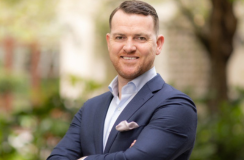
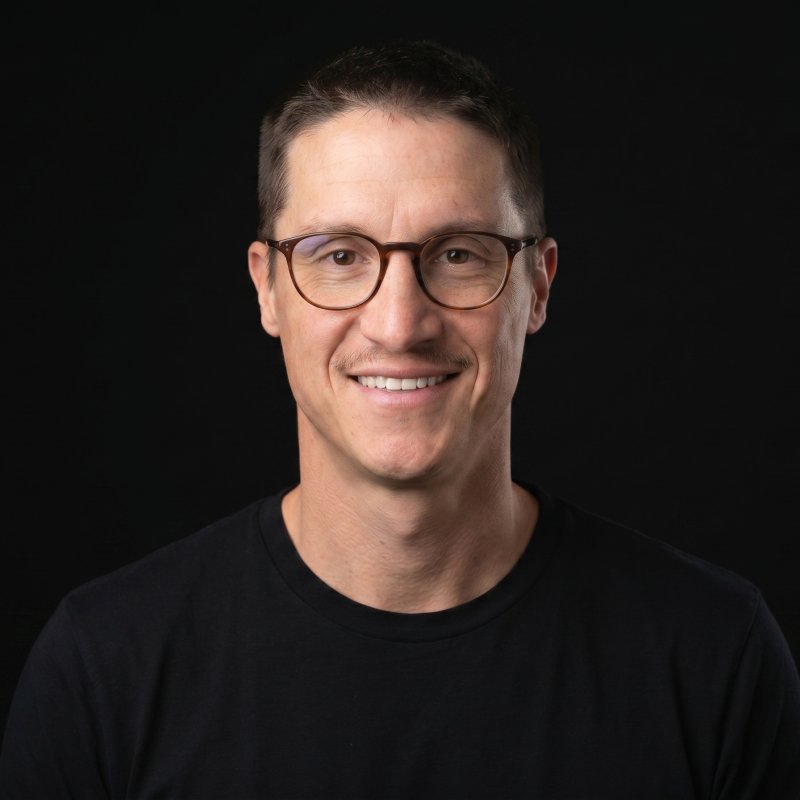
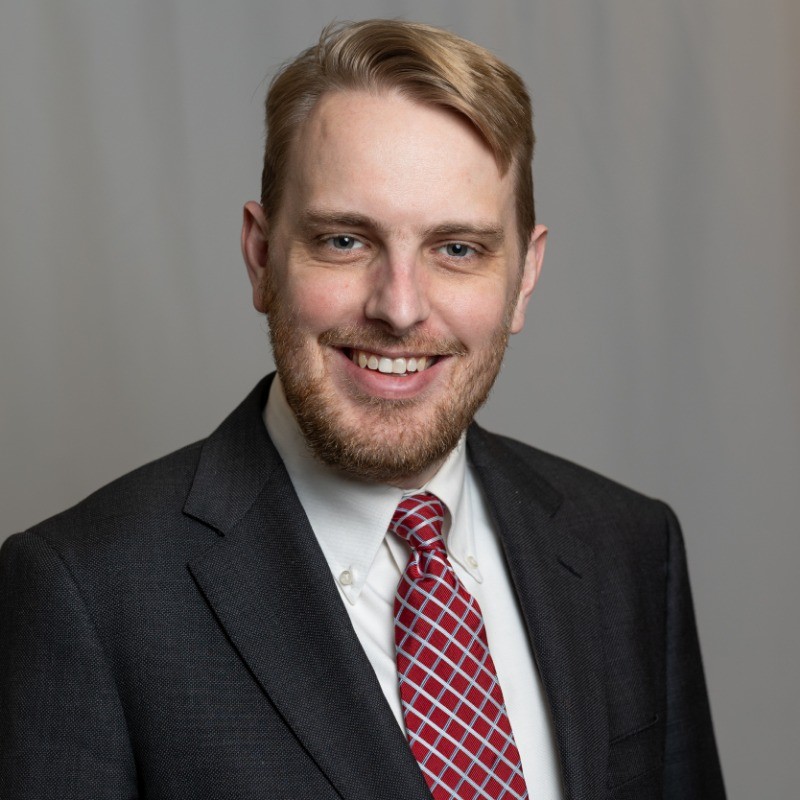
Host: Welcome to Acquiring Minds, a podcast about buying businesses. My name is Will Smith. Acquiring an existing business is an awesome opportunity for many entrepreneurs. And on this podcast I talk to the people who do it. My conversation today is with Philippe Virginia van der Heydonk. Philippe acquired a trade publication in the pets industry. It's called Pets International and it targets professionals in the pets world. It publishes six magazines, physical magazines every year and pre Covid it was running two events per year. It is a 30ish year old business, so it's actually older than Philippe himself. It's a media business fundamentally and I love media businesses, I've built media businesses and I actually want to acquire media businesses. So congratulations Philippe on an awesome acquisition. Without further ado, here he is, Philippe van der Heydonk. Philippe, thank you for joining me today on Acquiring Minds. You have acquired very recently a trade publication in the pets industry. So it's a B2B media company that has, that puts on a couple events a year. It publishes a magazine multiple times a year. There's a website, so pretty much a traditional trade publication for the pet industry, pet owners and the like. So this is kind of near and dear to my heart. I like media, I've done trade publications myself. So by way of introduction, before we get into Pets International specifically, why don't you give us a little bit of background on yourself. What led you to want to buy? Not this particular business, but just in general, what led you down the acquisition path?
Guest: Yep. So I think early on I knew that I wanted to own and run my own business. I think when I was in college I kind of got sucked into reading TechCrunch all the time and following these like high valuation startups. So I thought that was kind of the path that I was going to go. But I didn't really have an idea so I didn't really know what to do because I was always more into the B2B side of things and not really the B2C side. So I thought let's just get some sales skills, let's learn how to sell and then at some point when I'm ready or when I have the right idea, I'll find a co founder who can actually build a product, I can sell it and then we'll just set up for success. Right. So out of college I joined Salesforce for a little bit, go to another software company after that and. But I quickly noticed that selling is not really like they like full time selling is not really my thing. So I moved to the marketing side, became the marketing Guy at different startups here in Amsterdam and at some point then moved over on the agency side, started an agency together with a partner to kind of basically do the same thing, but then for multiple companies at the same time also, again, kind of made me a recurring theme. I noticed that that wasn't something I wanted to do for the rest of my life either. And I've had been thinking or hearing about people buying companies and using that as kind of their path towards running a business. So slowly through my journey with the agency and then trying different side projects that failed, I ended up buying a company just because I felt that was more something that would fit what I like to do.
[3:36] Host: So you had attempted a couple of side projects or side hustle little businesses that didn't really work out.
Guest: Yep. So the agency was doing fine. But because I didn't want to do it for the rest of my life, I started experimenting with different things. But all of those things, some were like medium successes for a short run. And then I just kind of gave up on it. So nothing really took off from there, basically.
Host: Okay, okay. And just circling back to something you said at the start. So you were always attracted to B2B. I find that interesting. I feel like people are usually. We're all consumers naturally, so people are first go to B2C. It's rare to hear somebody be attracted to B2B, like from day one.
Guest: Yep. I think I generally don't like, hype things or like kind of what's trendy. Like, like even the way I dress usually is like very like standards. I don't know, like it's. I just don't like classic trend. Classic, exactly. That was the word I was looking for. So I don't really like trendy stuff. And B2C things, us are pretty trendy. Not always, of course, but I know I just had a natural inclination towards kind of the stability that B2B brings and I guess the less trend sensitiveness that comes with it.
Host: Okay, okay, great. So you knew you kind of wanted to be an entrepreneur and you started these side businesses or these side hustle projects and they didn't really go anywhere. And you were hearing about acquisition. So tell us then. So you make a decision, I guess, to set out on the path of acquisition. How did you flip the switch to be like, okay, I'm going to buy a business and then tell us about that thought process and then tell us what the search process looked like.
Guest: Yep. So I guess the idea to buy a business really started maybe even with reading Walker deibel's book on acquisition entrepreneurship. I think probably four years ago or something, or maybe three years. And at that point it kind of always stuck in the back of my mind. So I would look at different listing websites every now and then. Even got on a couple of calls over the past few years, even though I wasn't really serious about it. And then in 2020 for me was really a year where I realized I don't really don't want to do this agency business for the rest of my life. And the side projects that I was running then, I mean, with everything that was happening with COVID kind of marketing related services. So as you can imagine, those were not the type of things that people wanted to invest in with all the uncertainty in the world. So those things just did not do well. And then towards the end of the year I was like, okay, I've hustled and grinded it out throughout this whole year and even before that, and I'm just not getting anywhere. So maybe I just need to try something completely different. And then I think in November I just said, okay, fuck it. Every fuck it. I'm just going to go literally all in. I'm going to work myself out of the agency, just let that or hand that back to my partner who can then run it by himself. I'm going to stop at all these side projects. I'm going to literally full time go into the search.
[6:55] Host: Let me just. We don't have to get into each side project. But were you with these side projects, were you trying to create something entirely new or were they, you know, products or services that already existed in the marketplace and you were just introducing, you know, your, your version of them?
Guest: Yeah, it was nothing new. It was kind of like one was, for example, a marketing service where I would help mainly staffing and recruitment agencies do video content. So we would get on a call together, I would help them record the videos, my team would then edit it and et cetera. So I also started very briefly alongside that a case study, video business, because it was kind of the same process and everything. So those are I guess, two examples, but definitely not something new, just my own spin or kind of my own specific focus on a different industry to kind of try to make it happen, basically.
Host: Okay, okay, all right. So you are frustrated by these side projects and by being in an agency, running an agency and you decide to search. So your, by the way, just for the audience. The book that you reference, Walker Deibel's book, is called Buy, Then Build. And it's kind of it's emerged as kind of the part of the acquisition canon. It's really just walks you through it. It's great. I've read it as well. One of the things he talks about in there, you start the acquisition down the acquisition path, is to really be a serious buyer, to be taken seriously by people that you approach. And part of that is defining your criteria very clearly, like what size business you're looking for, what you can afford, what your financing is going to be like. So what were kind of those parameters for you broadly and. And what were your target criteria in an acquisition? In an acquisition, Yep.
[9:02] Guest: I think I just followed Walker's process, like step by step in terms of what I was looking for. I think having run an agency remotely for the past four years, I definitely wanted something where I didn't have to go to an office somewhere in a specific location to deal with a team there. So I think being remote was something very important to me. Obviously it had to be in the right seller, discretionary earnings range. Otherwise, I mean, you cannot afford the business. So it needs to make sense. And then I kind of stuck at the beginning, especially to what I knew. I knew software businesses because that's what I've kind of worked with my whole professional career, and then service businesses because I've run service businesses. So that's kind of what I naturally gravitated towards when I was doing the search.
Host: Okay, okay, now, but would you consider Pets International, what you acquired to fit under those. That umbrella? Or would you. Or is that slightly different?
Guest: No, no, that's not extremely different, but it's definitely different. I never imagined buying a media company. Like it was not something that I had on my mind. I think I just came across the opportunity on a Dutch listing website here locally, and it just felt like a good fit for my profile. And I think that's also referring back to Walker Dibel's book. Kind of what he says of make a profile of the type of business that you want and look at where you can add value to the business. And I think with this business in particular, it has is basically the business older than I am. Like it's 30, 33 years old or something. Like behind me you see, like this is the first magazine they had. I think the publication was October 1989, like two months before I was born. So it was just having that kind of strong brand and proof that it has existed for so long. I mean, it's likely going to exist for a lot longer after this. But it has originally always been that, like Events and magazines, print magazines. So it's for me kind of the challenge of how do we take this to online and how do we bring this into the future? I think with my background of marketing and online marketing and even content, I think that's where I saw the good fit. And that's why in hindsight I think I should have probably also looked at media businesses. But I just didn't really think of that as an option. But if you kind of correlate it to what are you actually good at and what can you bring to the table, I think things might make sense that you might not think of. Right. When you start search.
Host: Sure. So it sounds like this is a case of so often in acquisition entrepreneurship where the seller has a business that has real history and revenue and it's a very strong foundation but isn't very tech forward. So it sounds like the owner here hadn't. There was a website and I assume there's a mailing list. But, but she hadn't done, she hadn't really embraced the web. Am I. Tell us, tell, tell us more about that. Like what, what, what did you see was missing from the digital aspect potential of this business that you could bring to the table?
[12:26] Guest: Yeah, I think she. It's not that they didn't do anything at all to bring the company more on the online front. I think they did some good steps already. They have kind of have all the foundational pieces in place, but I think it's just taking more advantage of that and just expanding on that is like making more use of the email list, making maybe developing some different products on the online front to offer to clients type of things. I think although there has been a good, I guess step by step progress on that front in the past couple of years. I just think someone with fresh eyes, with the right background like me can just come in and accelerate that process a lot faster.
Host: Sure, sure. And I suspect it's kind of like you're digitally native. I mean the way you think is kind of like online first. And this seller was probably, certainly if she launched in 1989 was not. So it was probably never as natural as like a physical magazine to her.
Guest: No, exactly. I think the magazines have just been such a strong part of the business that if that is always the core of the business, it's not that I guess she had no clue of what to do. It's just if you're more digitally native then I guess things go a little bit faster and you just see different things. And I think just generally with Any business, if you've been in it for 30 years, I mean, you kind of get into a flow and a system of how you do things and that's kind of it. And this. Yeah, that's just the way it goes, I think.
Host: So tell us about the owner, how big the business was. Was it just her or does she have staff? And then also tell us about the specific assets. So we keep referring to these, to these events and public and the magazine, but give us specifics on all of that.
Guest: Yep. So I think at some point it was her and then her husband and probably five employees that kind of like the height, I think. But then they started digitizing things a lot more. So sometimes like before they would have people just kind of do stuff manually for the magazine, for example, and now they started. So a combination of making stuff more digital, like making the processes a lot more digital and outsourcing certain things so that you don't have to have a full time, for example, a full time designer on staff. You just have someone for whenever you need it. Those type of things allowed them to scale down the staff. So it was at the end just her and her husband that were full time employees, basically. The rest were freelancers, like a core team of freelancers that we still work with today, but they're not on the payroll. And so the main products that we have right now are obviously the magazine, which comes out six times a year. We have two events, one in Europe and one in Asia. And those are kind of the key products, let's say. And then on the online front, we have some advertising options there too, with a newsletter and on the website, with our news section, etc. But those two things, I guess would be the main drivers of the business,
[15:47] Host: the magazine and the event. And in terms of like revenue split, because at least in my experience with trade publication, like sometimes, or I should say often really the event or events is really where all the revenue comes from. And the publication might sell some advertising, but it's actually a considerably small, smaller amount of the revenue. And it's really all about driving sponsors and ticket sales to the, to the annual or biannual event. Is that the same here or is it, is it more evenly split here?
Guest: It's probably not necessarily the reverse, but I think probably around 30% of revenue would be the event and the rest would be either, I think around maybe 10% or 15 or something like that will be online. And then all the, like, what is that, 55 to 60% would be at the magazine.
Host: Oh, okay, okay. Cool. Well, that's probably a little bit better because the businesses that I'm referring to, there was just so much pressure all year long to make sure the event was a success because so much of the revenue came from that. So you essentially acquired an owner operated business. Now you said she outsourced a lot. I assume she was outsourcing the event production or was she the project manager for the events as well?
Guest: She was a project manager for the events, but the like with the events. It's important to keep in mind that it was two events per year, one in Asia, one in Europe and they were pretty small scale. Like for example, in Asia we had a partner, a local partner there. So the organization on our friend wasn't that much or we were not that much involved with it here. Locally in Europe we have partners that we work with to help us with that. But it's an event with let's say 250 people for two days or three days and that's it. So it's, it's not like a massive trade show with thousands of people coming by. It's pretty small scale, aimed at executives. So it's, I guess, less of an organizational hassle than these bigger trade shows that you would have with other companies.
Host: Sure. Well, speaking of that, we all know that the pets industry is just enormous and in the last generation has just. It's just people always point to it as like the industry that's just exploded. At least in the US I assume around the world. So how did you get comfortable? She sounds like, I assume she's a relatively smaller player. Pets International is a relatively smaller player and there probably is some massive annual trade show, if not more than one. Correct? I'm speculating here.
[18:23] Guest: No, no, for sure.
Host: So how did you get comfortable that you could continue to be relevant or compete against these giant leaders and competitors in the space?
Guest: Yeah, I think the format of our event is just 200 executives in a room. It's kind of mainly about networking and it's the trade show. Like there are some kind of booths there, but that kind of doesn't matter. People really want to come to meet with different owners from different places around the world just to learn different things. And from the feedback that I've seen about the event is just something that everyone's kind of dying to go to. It always sells out. And it's a very different format than all the other trade shows because those are actually trade shows with a lot of boots and things like that. And this is more like a networking event almost so from that perspective, I think it's just a very different concept where I felt very comfortable that this would be relevant for the foreseeable future.
Host: Cool. And do you see opportunity in doing more events or different events or growing the existing events or something? I mean, we're talking so much about digital, but what about the potential for the events piece of the business?
Guest: I think there's definitely some potential there. I think instinctively or at the beginning especially, I wasn't necessarily sold on, I want to make this an events first business because that's just not where my interests lie, let's say. So that's why I guess I naturally gravitate towards the other side of the business more as a first step now. But I definitely think somewhere, whether that's within the next year or the year after that, I will definitely get someone on board to see how we can explore the event side of the business further because I definitely think there's a lot more opportunity there as well.
Host: Okay. Okay. And the owner, you had mentioned to me previously that she had had interest from buyers before, but never they weren't the right fit. She felt you were. Why?
Guest: I think because she saw the same thing that I saw with this business, that it just needs someone to take it further on the online front. And if you have a marketing background and if you are more digitally native, then it just makes a lot of sense to work on this business because you have the right skillset to bring it forward. And I think that's what she saw in me as a buyer as well, because we kind of shared the same ideas of where the business needs to go and what is required for that. So I think it was kind of a natural fit that way.
[21:05] Host: Okay. It's interesting because you didn't have media experience strictly, but what's happened, of course, in the last 15 years is that digital marketing and media have really blended because content marketing is a kind of marketing and media is kind of content. I mean, the line is very blurry there. So to the extent that somebody has content marketing experience, in some sense, they do have media experience. Had you done content marketing?
Guest: Yep. That was always part of our strategy. I never really did the writing as much, but I was. Yeah, that was definitely like a core piece of the strategy that we would advise and work with for the clients in our agency.
Host: Yeah, sure. Okay, cool. Now, did you have any interest in the topic in pets or the pet industry?
Guest: Yeah, I mean, I like pets. I've always had pets. Growing up, I think. Who doesn't like pets? I guess Other than that, I mean, I've never done anything in the pet industry, but I think it's just such a happy, easygoing industry that everyone who, if you, unless you really hate pets, I think you can just kind of find your way.
Host: Unless you hate animals. My wife's sister is actually in the industry in Chile. She. She operates a chain of pet. She owns and operates a chain pet. A pet store.
Guest: So, yeah, I think every time I like, speak, speak to someone new in the industry and they're like, they hear that I' originally from the industry, they're always like, okay, just prepare yourself for now. A lifelong journey into the pet industry. You're probably not going to get out anymore, so just enjoy it.
Host: Well, that's cool. That's a great thing to hear people say. I doubt people who buy plumbing businesses hear the same thing.
Guest: Probably not, no.
Host: Well, let's get into the deal itself, as much as you can talk about. So again, if you can kind of give us a sense of how big this business was financially and margins and then the deal itself, like the multiple and whatever you can share, I'm sure would be really interesting to the audience.
Guest: Yep. So with respect to the owner, I don't want to kind of dive into too specific of details. So the business is, let's say low seven figures in revenue margins, say between 20 and 35%, somewhere around that. So, yeah, I acquired the business for low seven figures as well and kind of structured it in a way that. Which was actually good with COVID I structured it in a way where I paid, let's say, 60% of the deal up front, and then with different milestones, the rest will be paid over time, basically.
[24:05] Host: Great. And so did she. So that the remaining 40%, was that a seller note? Was she basically seller financing? And this 60% of equity that you provided, did you take a loan to provide some of that? Was that like a government loan?
Guest: No. Over here in the Netherlands, it's a little bit less easy to get loans for acquiring businesses than it is in the US unfortunately. So I tried it. Different banks, government, I mean, forget about it. So eventually I had to kind of knock on doors of like family friends of family acquaintances, stuff like that, to kind of find the right partners to do this with. But yeah, other than that, like, financing here is a little bit tricky. For sure.
Host: Yeah. You in the acquisition space in the us the small business acquisition space, of course, you hear about the SBA loan constantly. And I always wonder if other countries or something like that. It seems like such a Phenomenal thing to take advantage of here in the US And I don't know if we're unique that way or it sounds like at least we are compared to the Netherlands, that it's not something like that. Cool. So you said you acquired it for low seven figures as well. Can you share what multiple of profit? What multiple of EBITDA that was.
Guest: Yeah, it was around 30%, like a 33x multiple or somewhere around that.
Host: Okay. Okay, great.
Guest: Cool.
Host: Okay, so you talked a little bit about that. You talked to some people in the industry, I guess, pre acquisition. But can you go into the due diligence a little bit more?
Guest: Yep. So the deal actually went super fast. So I spoke to the previous owner for the first time in I think right before Christmas or just after Christmas and before New year's, and on March 1, we closed the deal. So the process was actually like I got on a call with her, we kind of hit it off, and then there was a broker involved as well on her side. But then it kind of quickly came to okay, what, what I was prepared to offer for it, what they wanted, like kind of a back and forth for maybe three or four weeks or something like that. And then it was kind of off to the races to just get the diligence done as fast as possible. So at that point I didn't because I was started really looking for businesses, let's say at the end of November, and had like a short list. Okay, these are the five lawyers I'm going to reach out to, and these are the four accountants that I'm going to reach out to. And then all of a sudden it's like, oh, yeah, we need to close this deal as fast as possible. And then calling everyone, trying to find people who are available right away, because that's pretty rare. So it's kind of a stressful time finding someone fast. And eventually did. And then I had a team of accountants, two lawyers kind of involved and they did their thing. And yeah, I think in about six weeks or something everything was kind of finalized. And then we just had to wait a couple more weeks to really fully close the deal with the notary on March 1.
[27:38] Host: And these accountants and lawyers. So do you feel that you didn't sequence it correctly? Do you feel like you should have reached out to them before you even had a deal, or did you just have to do it this way where they would really only be interested in talking to you if there was actually a deal in your hands?
Guest: No, I think I had spoken to maybe one or two Lawyers or accountants before I really started going into this deal. But I think finalizing your choice of, okay, this is the account that I'm going to work with, and this is a lawyer that I'm going to work with definitely for next acquisition is definitely something I'm going to do because it just saves you a lot of time and kind of headache for finding someone at the last minute.
Host: Yeah, sure. Okay. And then going back to just the due diligence. So did you like talk to sponsors? Did you, did you try to talk to people, existing clients of hers or. No, no, go ahead.
Guest: No, I didn't speak to any clients. I think she was very, it was very clear that she was very open about everything. So she had provided us with a lot of material to go over all the contracts that she had. Everything basically she had lined up. And then whenever there was a question, she was very transparent in her answers. So I quickly got the feeling that everything that she was saying was accurate. And I didn't really feel the need to speak to any clients because also there was not really any client risk. Like there was not one or two clients that represented most of the revenue. So I was like, okay, it doesn't really matter to speak to anyone or not because it's not going to make a material difference. So from that perspective, I just, I think she was very well prepared with everything that, with all the materials that you provided us, that it was kind of smooth because it was kind of clear there were no hidden things. Everything was just very transparent. So that made the process a lot easier.
Host: And on the financials of the business, you had said that the margins are range 20 to 30%. So she, that, that is after she pays herself. And so she was paying herself a fair industry salary. So oftentimes obviously in deals like this, you'll see that the owner is underpaying themselves to over report their profit.
[30:02] Guest: Right.
Host: Okay.
Guest: No, that's also something like. I know when I looked at the books and I showed it to the accountant, he was very clear, like, okay, everything adds up. It's very fair. Like they're not trying to hide anything or try to play around with the books to make it seem better than it actually is. So that also gave me kind of reassurance to not only go through it pretty fast, but also just wanted to go through with it at all. Right. Because you're making a big decision. So that was important for me that she, or I guess that was lucky for me that she was being fair that way and being very transparent because I Can imagine you can also come across different scenarios.
Host: Well, certainly the frustration that people feel when they're trying to acquire businesses is exactly that. Like they don't feel that the seller is being completely 100% transparent or honest, or that the business wasn't run super tight, that the numbers aren't super tight, that it's not organized. I mean, it sounds like you really acquired a quality business, which is of course what we all want. And it's actually much rarer than one might think.
Guest: Yep. No, I looked at some other businesses as well where if I would just look at not even like the full financial data, but just whatever the broker gives you. And sometimes you can already spot some things where you're like, okay, that doesn't really make sense or people exaggerate some growth rates or something like that, but by only showing you certain things. So yeah, it's very. You have to be kind of lucky to see to find a good deal where not only the business is good, but also so the owner has the right mindset and transparency that they really want to help you through the process. And I think maybe also because this business has been running for 30 years, she's been involved for that long, it's different than if you want to sell like maybe an e commerce store that's been up in the market for nine months and you want to flip it. I guess the mentality of the seller might be different at that point.
Host: Yeah, yeah, for sure. And so the 30 year history, how many years of history did you need to see? Did you do just the standard like last three years or did she give you even more than that?
Guest: Three years? No, last three years.
Host: And you looked at a lot of, lot of deals. Did any of the other deals that you look at come close to this one in terms of how far along you went and how badly you wanted the business and how quality the business was.
Guest: There was one software company that I felt would go a long way as well. It was kind of like we started speaking at the same time that I spoke with the owner of the business that I ended up acquiring. And he was the owner of the software business was a little bit kind of slower in this process. He was just kind of getting started in his journey of selling it. So I think it was a good business and it might have ended up up being the business that I would have acquired as well. But it's just kind of a timing question where if he would have been faster, he would have been, or I would have met him earlier, maybe things would have Turned out differently. But yeah, I think that was the only other deal that I looked at where I really had some feeling of, okay, this might be something.
[33:22] Host: Well, it sounds like because she'd been approached before and not with by buyers that she didn't ultimately want to sell to, she maybe had gone through some of the process before, so she was super organized maybe already.
Guest: Exactly, exactly. And she had a broker to like, she was also actively selling at that point. So she had everything prepped. Like all the financials were prepped. All the kind of supporting documents that you would want to look at during the diligence, she already had prepped. So that made things a lot, a lot easier.
Host: Yeah. Cool. Okay. So one of the characteristics of this business is that it is owner operated. So while it seems like it had that it's a great business, you clearly are going to be the guy to hold everything together on day one. That seems like some risk and a challenge. So kind of talk us through your thought process there. Both kind of getting your arms around the business and then what you foresee in the future.
Guest: Yep. I think for most of the businesses that I looked at, there were people involved doing the operations or most of the operations. And with this business it was. I mean, there are people involved doing the operations as well, but the owner was clearly leading the way. So I think that's maybe also something I kind of saw as a challenge of. If I'm going to be the one stepping into the business and taking it from what it was and leading it into the future and taking more on the online front, I might as well also just do all the other things that she's doing right now. It's not really a big deal because I can step in. If I will step in to do those things, all the other things will follow naturally. So I think for me was a natural challenge of, okay, I want to take this strong company that has been built on magazines and in kind of the offline world and take it on the online front and at the same time find a way to make it less owner dependent and work myself out of the business in the process. So I get kind of two challenges in one business, basically.
Host: So here we are on May 19. You acquired it on March 1. So you've spent the last two and a half months really up to your eyeballs in this business learning everything about it. Now how do you see hiring somebody to being able to step out and hiring somebody to run the business? Do you think it's you'll be able to find that person Relatively easily. How does it align with what your expectations were before you got into the business?
Guest: Yeah, I think realistically finding the one person who's just going to magically take over and run with everything, I think that's probably. I mean, there are people like that, but those people will probably want to do the same thing and own their own business and run their own thing. So I think I will have to find a way of how. What's the logical split between the different responsibilities and what can I. Maybe two or three people I can hire to run different parts of the business that can each focus on their side, grow that part of the business, and then as a whole, the business would come out a lot better even than it is right now.
[36:35] Host: Although you're still going to need a president or, you know, the final person who oversees all those people. Do you foresee that always being you, or do you think you would eventually need to find that person and also hire that out?
Guest: I think it right now, I don't know what that will look like. It will definitely possible that it will be some. Somebody. El My aspirations are definitely to have multiple businesses at some point. So at that point I wouldn't be able to do it for this. Around the whole thing for this business anymore. So I think naturally we'll get to that point. But I guess right now is not something that I'm actively thinking about just being so had like deep into the business that I'm just kind of taking a step by step and then maybe a year or two years from now, we'll see how things kind of evolve.
Host: Of course, sure. So how have these two and a half months been? Did you uncover anything in the business, now that you're the owner that surprised you or was bad news? Were there unforeseen challenges like, how you feeling?
Guest: I'm feeling good there actually. No kind of hidden bodies or anything like that. Like, everything was, I know, lined up with my expectations. Everything is going well. Obviously it is a lot of work work. But I think this, with any acquisition, just the first whatever number of months, really getting into it, understanding everything, especially if you're new to the industry and new, like new to the media business, new to the pet industry, those are kind of two things you need to combine. And that will always take a little bit of time to get the hang of. But I think slowly but steadily we're just getting there. And I'm slowly also finding more time or breathing room to focus on the big picture and looking at, okay, what are the things we can tackle Next. And what, what can we focus on to improve the business? That as I had it in mind, basically.
Host: And so your. Do you feel that your rough hypothesis around your skills and how you'd be able to apply your skills to this business is now proven? I mean, it's still probably early, but do you feel like the opportunities that you saw to apply your skillset were accurate?
Guest: Yep, I think what I had in mind or what I envisioned seems to line up whether my skill set actually proves to be the right one to make it successful. As yet to be determined. But at least from what I'm seeing now and what I'm doing right now, it seems that everything is the way that I thought it was going to be.
[39:09] Host: Okay, cool. Well, that's good to be feeling that way. So can you give us two or three examples of what you'll do? Like what are your big picture items to take the business forward?
Guest: Yep. One thing that I'm doing is working on a redesign of the website to really kind of make it ready for that online transition. That's, I think, one of the bigger parts then on the email front, kind of playing around there with a different email template set up kind of those same, I guess, fundamental things to really give customers a good idea of, okay, this is what you're offering, this is what it looks like. And then from there kind of building different online advertising products basically to offer to our clients so that they don't. So that not only that they're just restrained to the print version of the magazine, but to just have a whole scope of ways to promote themselves to their target audience, basically.
Host: Okay, so you're going to introduce new products, new online products?
Guest: Yep, that's something that I'm thinking about, kind of what to do first. But I think, yeah, I, I'm not thinking about it super intensely right now yet. Just want to get those first building blocks out like a new, like a small redesign of the website and those things to then really focus on what do these new products actually looks like. Sure.
Host: Okay, great. Now, do you think you had mentioned that you want to acquire other businesses? I mean, this acquisition, entrepreneurship, you see, could be a path for you. Do you think that when you got into this business, when you decided to acquire this business, was that the larger vision for yourself or only once you made this acquisition and got some confidence, did you determine that, hey, this is something that I could see doing as a career?
Guest: No, I think as soon as I heard about buying companies for a living was actually a thing I envisioned running multiple or at least owning multiple businesses and being involved with them in some way. I guess maybe from my history with running an agency and working on different clients, I've always liked kind of these working on different challenges at the same time and looking at different businesses at the same time. So I think from that perspective I always had in mind if I started buying a company, that is kind of a path that I will continue on and eventually own multiple businesses.
Host: And do you think this is probably early for you to answer, but do you think that your second acquisition, you'd want it to be a similar company like a B2B media company or. Not necessarily. It could be, could be anything.
[42:12] Guest: I think it might make sense. But yeah, I don't know from what I've learned from the first process is that you kind of don't know what you end up with. So I think it would make sense to get another media business to add onto the portfolio. But I mean, yeah, you never know.
Host: You know, one of the things that I find interesting about this space is that that acquiring a business is kind of positioned as something that's less risky than starting your own. But in some ways I feel that it's actually quite a bit more risky because you're taking on often for you're taking on a loan, which is different than offering somebody equity because you actually have to pay a loan back. And so now you have this financial burden and you run this business and you've got clients and a history and a brand and a legacy to take care of. How do you feel? Do you feel that what you did was risky or do you feel like it was a pretty secure option compared to just starting something from scratch?
Guest: Well, I think the starting from scratch, I don't know if that's necessarily super risky. I mean, you're losing time mainly maybe. But I think for me, I just noticed that starting from zero to one is just not my thing. I think I'm just more of a one to whatever to type of person. And I've never felt like this is super risky, like, oh my God, what is going to happen? Of course, I think there have been moments where you think about, okay, I have to pay back these loans. And then you kind of start picturing the worst case scenario in like the middle of the night. But that really doesn't happen often, I think at all. So as long as you feel comfortable with the business that you're buying, I think it should be okay. But if you're buying a business, I think you definitely should be comfortable with the responsibilities you're taking on, like, debt because, I mean, yeah, at the end of the day, you don't know really what business you are buying. So you really need to be comfortable enough with the idea of, okay, I have to rely on this business to pay back all my responsibilities. And as long as you're okay with that, I think it's fine. But. But yeah, for me, it's not really risky, I guess.
Host: Okay. Okay. Well. And just to paint a picture of where you are now, you acquire, and I'll spell it out, then you correct me if I'm wrong, but you did the classic thing that's kind of outlined in Buy then Build the Buy then Build book. You acquired a business. The business was paying the owner a salary, so you immediately walked into a salary, and then there was this 20 to 30% margin that was a cushion. So out of some of that 20, 30%, of course, you're having to pay debt service, which she was not. But presumably you have even considerably more cushion than that with which you can then grow the business and try your experiments and build the new products and find the new contractors, redesign the website, redesign the emails. Is that about right? So you walk into a business salary on day one, ability to pay debt service right out of the business, and then a little bit of. Or I don't know if it's a little bit, but even then, more resources to realize your vision.
[45:37] Guest: Yep. No, that's definitely true. I think also as kind of the debt becomes smaller and smaller as we hit different milestones, I think just more and more breathing room will. Will give so that I have more resources to either invest or just kind of save for the next acquisition. But yeah, that's definitely a good picture.
Host: Cool. Cool. Well, is there anything that I didn't ask Philippe that you think the audience would benefit from about your story?
Guest: No, I think if there's one thing that I. Because I speak, I've spoken to a lot of people who are kind of on the same path of looking for companies to buy. And everyone or most of the people that I've spoken to have this idea in mind of I want this specific type of business. Like, I want an E Commerce business, or I want whatever type of business, and especially what my story, at least for me, illustrates. And it's not really about the specific type of business, but more like the skillset that you bring into it. And I think if people who are looking are a little bit more flexible or maybe creative around thinking where they could actually bring value. And. And admittedly, I didn't do that myself, I just looked at software service. Those were the two things that I was good at. But looking back and not even having like, not having bought any of those two types of businesses, it's just kind of clear that going forward, I think that's definitely something to take in mind of what can you bring value to even if that's outside of your regular comfort zone, let's say.
Host: Well, it kind of touches on what we were talking about earlier where it's really quite hard to find a quality business. You know, you hear all these stats about all these people retiring and there's, you know, hundreds of thousands of businesses coming up for sale, but actually a very small minority of those businesses are businesses that you'd want to own. So finding finding a good quality business is tricky. And so if you're really narrow in the type of business that, that you want, it's going to become that much harder. So if you can be a little bit more open minded to the possibilities, you're more likely to find a deal that works for you quicker, for sure.
Guest: I think at some point I was looking at a sewage cleaning business because I mean, it sounds like an amazing idea, it's super profitable, but it's not the most glamorous business, which I kind of like as well. But then I just imagine going to the office every day and I don't know, walking into a sewage environment every single day. I was like, okay, yeah, I don't have anything against it, but maybe not for me. So I think just really finding something that fits your specific interest and skill set is just a process to find it, I guess. And there's no like, there's a reason why people always say give it like a year or two years to actually find something because it is hard to find something that really matches your criteria. I think for me I was lucky in being able to find it that fast or as fast as I did. But you just really need to be prepared to go into it for at least six, 10, 12, maybe even two years. I've spoken to people who've been looking for three years and not finding anything that really fits their very specific criteria. But yeah, you just have to be patient, I guess.
[49:03] Host: Well, you have, you have different tiers and you know, you have people who are doing the search fund route where they're looking to spend quite a bit more and buy a much larger company. So in that case the risk is a lot higher. And I imagine those people are quite specific in their criteria. When you're making a Smaller acquisition, probably at this size, I think that gives you a little bit more flexibility or at least should.
Guest: Well, I don't know if I think the bigger the business, probably the less risky it is, especially if it has a good track record. I think I've looked at especially with these software businesses because with software it's often they either kind of stay small or they grow really big and they have investments. So finding that in between spot where it was generating enough profit was kind of difficult. But I think especially there if it's small, like let's say if it is maybe under 300,000 in revenue or maybe under 4 or 500 even, you kind of don't know what's going to happen. Often these businesses haven't been around for that long. So I think for me that's probably the risky thing where I don't necessarily wouldn't feel super comfortable having like 60% or 40% debt on the business because you just don't know what's going to happen two months from now.
Host: Yeah, no, that's true. The bigger the business, the more likely it is to have real staying power. I mean, first of all, it's got the financial assets to fall back on. But also, so size of business usually indicates age as well. Maybe not in some crazy software examples where business becomes huge overnight. But in traditional businesses, the bigger it is likely, the longer it's been around.
Guest: Of course, I guess also if you start out with buying companies, it's unreasonable to expect that you would buy a 5 million or 10 million revenue business. Unless you come from a super wealthy family, there's probably no way that that's going to happen. So you then kind of need to find that middle ground of what is possible. Like how far can you stretch your budget and how can you actually structure the deal. Like in my case, I was able to negotiate a 40% seller financing deal mainly because of COVID because I wasn't going to pay for the events upfront because they were not happening. So I was like, I'm only paying for it afterwards when they're actually happening. So that's the only way I would have been able to buy this business is because of COVID basically. And that's just, I guess, luck and timing that everything coincided. But you just need to be patient and lucky, I guess.
[51:48] Host: So she probably would not have been open to the seller financing piece outside of a Covid context.
Guest: I don't know. But probably not. I mean, if you can get the money up front, why would you wait?
Host: Yeah, yeah. And what Was the name of the site that you found this on the Dutch. I assume it's kind of a Dutch version of biz Bicep.
Guest: So yeah. Yep, exactly. It's called Brooks. No. So, yeah, I don't know. I also got lucky there because for all the time that I was looking at that website, didn't really come across anything that looked really good. So I was lucky there as well to just be able to find it on that website.
Host: And we should be clear with the audience this, even though you found it on a Dutch website. She's Dutch, you're Dutch. This is actually an English language product property.
Guest: Yep, I'm Belgian, not Dutch, but that's exactly. The business is completely in English. Like it's international. So we have clients literally across the world. So yeah, it kind of doesn't matter where I am or where the owner of the business would be. Just international.
Host: And is that, do you think that that's an opportunity for searchers if they're looking for kind of remote businesses to look on country like Brooks nl, for example? I mean, would an American maybe find some gems there or is it really just targeted for a Dutch audience?
Guest: It's pretty like, because everything is in Dutch, so you would have to like use Google Translate or something to then find. I think this is probably. I mean, there were some software companies as well, so those usually don't matter where you are either. But yeah, I think it would be a little bit tough for international people to come and then kind of use Google Translate to make the deal happen.
Host: Yeah, yeah, sure. Okay. Okay. Well, Philippe, I want to. I want to be aware of your time and leave it there. But thank you very much for doing this and being transparent about the process. You're thinking how it's going. This is a really appealing deal to me. I would love to acquire a media business and it's not one that you hear talked about as much as some of the other businesses in the acquisition space, like E Commerce or a sweaty offline business. So it's really cool. So thanks again.
[54:06] Guest: You're welcome. It's my pleasure to share this with you and maybe let's catch up again in six months or 12 months to see how it has gone.
Host: Absolutely, we will. Thanks, Felipe.










































%20-%20thumbnail.png)




%20-%20thumbnail.png)

%20-%20thumbnail.png)

.png)


%20-%20thumbnail.png)