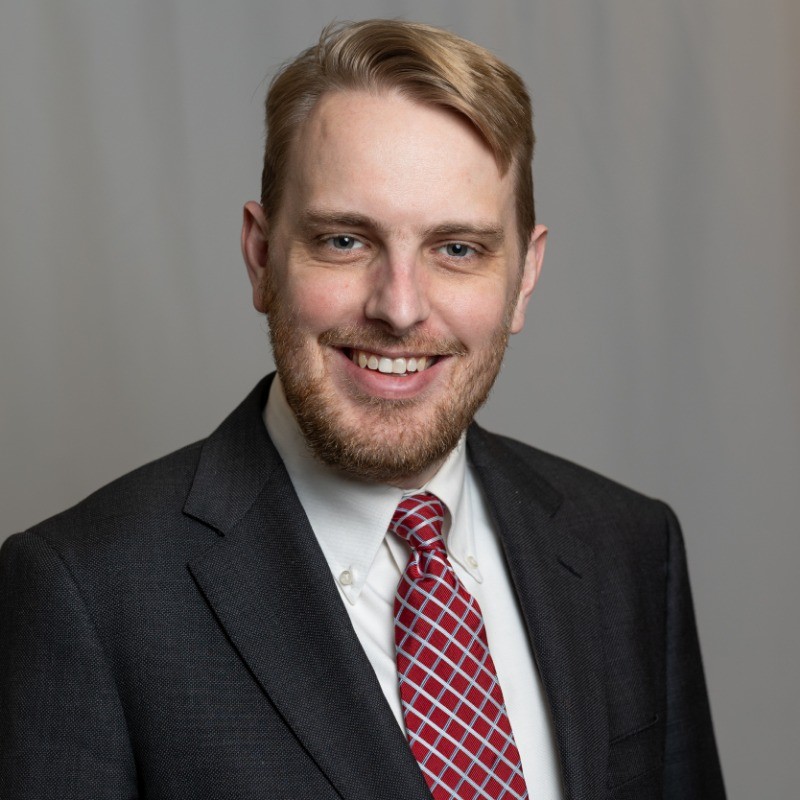
Host: You may have heard of the surface area of luck. It's the idea that you can increase good fortune by doing two things. One, pursuing your passion with action and then two less obvious, communicating that passion to as many relevant people as possible. Today's guest, Shane Ursam is a perfect example. Shane's passion was his intention to acquire a business and become an entrepreneur, and he took tons of action in the pursuit of that passion. Then he followed it up by communicating with the relevant people, namely business brokers in Texas. The geography where he wanted to buy. Only six months after launching his search, Shane was the owner of a business that did $1.7 million of EBITDA in 2021. Such an exciting outcome and in a short amount of time. I encourage you to pay close attention when Shane and I go deep on his process of broker outreach. It's a tutorial on how to efficiently and methodically increase your own surface area of luck. Here is Shane Ursum, owner of North Texas Trailers. Welcome to Acquiring Minds, a podcast about buying businesses. My name is Will Smith. Acquiring an existing business is an awesome opportunity for many entrepreneurs and on this podcast I talk to the people who do it. Wouldn't it be great to have experts at your back when buying a business? People to help you polish up your pitch and processes as you go to market as a searcher, then help you evaluate opportunities once you get some deal flow. Such experts exist buy side advisors, but they'll cost you to the tune of tens of thousands, even hundreds of thousands of dollars. But another option exists, the Acquisition Lab. The lab is a do it with you buy side advisory service, not do it for you. Founded by Walker Deibel, author of Buy Then Build, the Lab represents Walker's vision for what is most needed to make a searcher successful and available at an accessible price. It's cohort based and you will come out the other side of your cohort prepared to go to market as a savvy searcher with a tight message and process so brokers take you seriously. Pre approved for a loan and with an entire community at your disposal to help you along the journey to buying a business. To learn more, check out acquisitionlab.com link in the show notes Shane Ursam, thank you for joining me today on Acquiring Minds.
Guest: Thank you for having me. Really happy to be here. Listen to a lot of your episodes and I think you're doing a great thing for the space.
Host: Appreciate that sir. Shane, you were serious in your search. You were organized and committed and full time and you found a business to buy a Good business to buy in six months time. So a great acquisition in six months. It's really what searchers set out to do but few accomplish it. So we are going to hear how you did. So start us off Shane, with your background, start us wherever you think is relevant to this, this story.
[3:13] Guest: Okay, yeah, happy to do so. Yeah, I would say I bought a great business but I'm certainly partial but yeah, I grew up in an entrepreneurial family. My father owns, still owns after 26 years, a successful home care franchise where I grew up in the Southwest. And he's actually kind of entering into that stage where a lot of searchers are looking for is, you know, are planning on retiring in the near future and kind of trying to set up his, his exit process but nonetheless grew up with my dad as a father figure and as a, you know, real mentor, real hero of mine. And a lot of that was more about how much he prioritized my sister and I, our family. The flexibility that came with him being a business owner and that really kind of gave me inspiration that this is the lifestyle that I want to have at some point. My father is very humble in what his desires and material goals were. I would say I'm a little bit more money motivated than he ever was, but I saw that the success that he had with the franchise and most importantly the flexibility they gave them was really what inspired me. So going into college I studied entrepreneurial management and marketing. I knew exactly what I wanted to do at some point in my life. I never had a great startup idea. I never really thought that a startup was kind of my direction. I guess having seen my father have success with the franchise model, I kind of always just assumed that that would probably be the direction I would go. But after college I knew I had to get, you know, get out in the working world, cut my chubs and you know, learn the skills and leadership necessary to hopefully one day own my own business. And so that's what I did. And I was attracted to jobs that you know, provided me to be in management at a young age. Ultimately ended up with a company, was there for 11 years in the sending leadership roles and managed team as large as 750 people, P&L over 120 million. Really had a lot of success with that. That company was a great career but ultimately towards the end there was really pretty unhappy and really started to think about, you know, I'm already into my mid-30s. I, I, if I don't make this business ownership thing happen, when is that going to happen? And of course, you know, the longer you work at a company, the higher you go, the harder it is to leave. You know, the quote, unquote, golden handcuffs were very much real, but it was always in the back of my head. And so fast forward to September of 21. Like I said, I was already kind of thinking about moving on, but they made that choice for me, and I was ultimately laid off due to a restructuring. And, you know, that ultimately ended up being the best decision that ever happened and the best thing that ever happened to me.
[6:26] Host: During these years, as a W2 young manager and growing at this company, were you talking with your father about your entrepreneurial aspirations? Is this an ongoing conversation that you guys have, or is it more just like you watching him and kind of quietly seeking to emulate him at some point?
Guest: Yeah, that's a good question. You know, at first, it was just. I was very focused on just doing as well in that position as I could, and especially, you know, right after school the first, probably four or five years. And I was very motivated to get promoted. You know, the accolades, the promotions, the additional compensation, those were all what kind of kept me driving forward. But I remember very specifically when my father and I went on vacation together with my sister, we had a lot of long conversations about, you know, is this truly what I want to be doing? Is this. Am I happy doing what I'm doing? And when you're forced to really be that introspective and really kind of think about what the heart wants, I realized it wasn't. But again, I was. I was doing well. It was hard to leave. We were comfortable. And so, you know, I would say that it was always gnawing at the back of me, back of my head, but it wasn't something that I spent a lot of time thinking about, because I think the more I thought about it, the more I realized I was unhappy in what I was doing, or not truly fulfilled, I should say. But, you know, all of the pressures of the world of, you know, mortgage and the lifestyle and everything else just made it, you know, hard to think about taking that leap.
Host: Sure. And so you have a family, your own family.
Guest: I'm married. No kids. Hopefully God blesses us with children in the near future, but I am married.
Host: Okay. Okay. So you said you were laid off from the. From the business where you'd worked for over a decade in 2021. What month was that? Did you say?
Guest: September. September 1st of 21.
Host: Okay, September 1st, 2021. So just about a year ago. And so it's the best thing that ever happens to you because it has now set you on this path. How did you. I mean, tell us about the. The actual decision to not re. Enter the workforce or not go get another W2 and in fact, become an entrepreneur.
Guest: Yeah. So my dad had actually sent me the Harvard Business book, Buying a Small Business, which I'm sure your listeners are very familiar with back in 2018. And I had actually started to read that and was really kind of blown away by some of the success stories that are shown in that book. Really thought, this seems like a better path. Ironically, the same vacation that I was reading the book on, I ended up getting a call that promoted me and brought me from the east coast back to Texas, which is where I ultimately wanted to be. And so I. I just stopped reading the book right at that point because I was. Had gotten this promotion that had long been sought after, was getting relocated back to the area that I wanted to live. Live in. So I was happy and I was focused on. On that next role. So once I was ultimately laid off, you know, after a week or so of letting the sting kind of, you know, come off, I started to think about what is it that. That I want to do? And, you know, I polished up my resume. You know, just the natural things that you would do, and you've just been laid off. And, and so, you know, but I had, I had that book and I was like, you know what? I'm just going to open this thing back up. I'm going to reread it from the beginning. And that propelled me to spend more time on Search Funder and was just, you know, every day getting on Search Funder, watching interviews, watching, you know, speakers, reading different resources that that website makes available. And then I started a network with different searchers as well. And that was what really kind of, the more I read about it, the more I saw, the more I was like, this is. This is the right path for me. Mm.
[10:40] Host: Mm. So what, a month or two later you decide that you're going to do this thing?
Guest: Well, so kind of at the same time I'm researching the world of search, I'm also talking to a number of different franchise brokers. You know, that had always kind of been what I thought the direction that, that business ownership would or what it would look like for me. So, so I spoke to probably 12 different franchises, networks, you know, a lot of really good ones, but ultimately they all wanted me to start a territory from scratch with X amount of dollars as an investment and, you know, no real Confirmed. Got, you know, time frame as to when I'm going to be able to start paying myself a paycheck. And no matter how great the upside was for some of these new territories and new franchise opportunities, I just kept coming back to the idea that, why do that when I can buy a business that already has cash flow? If I buy the right business, I can pay myself a salary, hopefully close to what I was making prior, or at least something. And I've already got all the infrastructure built in. I've already got all the employees, I've got product market fit. That just made too much sense to me. And so I kind of stopped my conversations with the franchisees. And I would say, you know, if you have a resale, I'm open to that. But here's the size of business that I'm looking for. And those types of franchise resales are few and far between. And so they'd all kind of say, well, that's not really realistic. And I said, well, I know they're out there. They might be few and far between, but this is what I'm looking for, and I'm not going to settle for something smaller. And that's when I really kind of pushed aside the franchise opportunity, unless they came back to me with an attractive resale. And I decided that the search was the way I was going to go.
[12:32] Host: And why is it unrealistic? Why did they set your expectations low that a resale opportunity might come along?
Guest: Just due to the size and financials that I was looking for? You know, initially I kind of defined my search criteria as an earnings range between 400 and 750,000. And there are certainly a lot of franchisees, especially franchisees that have multiple territories in different franchise networks that do that. But those are not typically what resales come up within the network, is my understanding a lot of them are sub 100,000, sub 200,000 opportunities. And I just knew that wasn't what I was.
Host: Mm, okay. So you consider doing a franchise, which is what your father had done, and by the way, a point on your. On him. It wasn't, I guess, just that one conversation when you were on vacation, you and him and your sister. He'd also been kind of planting seeds for years. If he gave you the Harvard Business Review book back in 2018.
Guest: Yeah, he did. And, you know, certainly there was many, many times we've talked about what does succession of his business look like and do my sister and I fit into that? Where do we fit into that? And we have both toyed quite A lot with just kind of naturally rolling the business over to my sister and I. And it'd be a great business to run and to have, but for a number of different reasons, it just didn't seemed to be the right fit at the time. And of course, you know, people might ask, well, why didn't you offer to buy your father's business? And ultimately I was very happy. We live in Dallas, my wife and I like where we live, was not interested in moving home and ultimately just thought that my dad could have more success kind of getting the exit that he's looking for by, by pursuing that path. And his franchise also happens to be kind of at a crossroads where the franchisor has been acquired by a VC backed company. And so there's some uncertainty there as far as exactly what the new model is going to look like and how do some of these legacy franchisees fit into that. So that just that kind of gave me pause.
[15:03] Host: Mm. Okay. Well, having explored a number of different options, you arrive at buying an independent small business as the path forward. So now we're in late 2021 and what is your first step? August Felker is a two time successful searcher, first with a traditional search fund. The second time around he did a self funded search. Today August runs Oberle Risk Strategies, an insurance firm with a dedicated practice group for searchers and acquisition entrepreneurs like you. If you've got a business under loi, Oberly will provide complimentary due diligence on that business's insurance and benefits program. A great no risk way to get to know August and team. They love helping searchers. They've worked with hundreds. Oberly is a specialty insurance brokerage for searchers by a former searcher. Check out oberle-risk.com O B E R L E- risk.com link in the show notes.
Guest: Just taking advantage of the free resources online search funder got the Buy the Build book, read that and just you know, was listening to podcasts, reading articles and was given advice to network with searchers and and try to talk to at least 20 or as many as I could to really determine am I committed to this path, is this what I want to do? And I thought that was great advice. So began reaching out to Texas based searchers and on search funder and was given the advice by one of the searchers that I talked to that the best thing that they had done for their search was to join the acquisition lab which I know is one of your sponsors. And so I'm not paid to say any of the things I say about acquisition lab, but I can 100% confirm what that searcher had said. That was the best thing that happened for my search and was really what helped kind of propel me from learning about search to actually conducting a search. And so I joined the acquisition Lab in November of 21, was part of Cohort 15. And you know, again, I'm full time searching. Most of the folks in the lab are not full time at the time that they join the lab. But I was, you know, I was like, hey, I gotta get, I know that my, my severance is gonna run out at some point and I gotta get income. You know, I gotta, I gotta propel this search forward as fast as I can. And so I was very hungry to learn as much as I could to, to really soak up the information and education that's provided through the acquisition Lab and as fast as I could and to get to that point where I was ready to launch my search. So the four weeks intensive, as they call it, really helped, you know, helped me kind of finalize what the educate, you know, get me a lot more educated about how to properly conduct a search. And would have been ready to launch right at the end of November, beginning of December, the holidays. We had a Christmas vacation plan with family. I didn't quite do a full blown launch. I really kind of did the last few steps of finishing up my website, clarifying my target statement. And I began where a lot of people began, is just cruising best biz by sell and ultimately found a couple opportunities during the month of December that were interesting and had a number of my first seller conversations but didn't officially launch. Meaning a full blown broker outreach until January 1st.
[18:45] Host: Yeah. And elaborate a little bit on what you mean by launch. You just said full blown broker outreach. But elaborate a little bit more on what pieces you had in place and then what that first step or two looked like when you launched.
Guest: Yeah. So number one, I chose that I wanted to focus on broker outreach. And I had determined that I wanted to do it a very geographic search. As I mentioned, we live in Dallas and I was confident that if I searched within the Dallas Fort Worth, North Texas area, that there would be enough opportunity that I could find a business that would match what I was looking for. I don't think that's probably the case in most metropolitan areas other than a handful across the country. And certainly a lot of searchers would tell you that you got to widen your geographic area to have more success. We love where we live, love our house Just didn't want to move. My wife has a great job, she loves what she does too. And so for us it was let's find something where we don't have to relocate. But again was focusing on broker outreach. And so when I say I officially launched, I built basically an automated email campaign to about 400 plus brokers and officially sent that out beginning of January. And that was, you know, really the beginning of my, my brover outreach. What officially I say kind of launched the, the outreach search part.
Host: And that, that list of 400, did you get that from the IBBA website or somewhere?
Guest: Yeah, I looked on Ibba Innorexo Biz by Sell. I just tried to gather as many broker emails Texas based brokers as I could. Not just Dallas Fort Worth because I very much thought that even if somebody's based at Houston, San Antonio, Austin, East Texas, somewhere else, they may have access to or know of other business owners in North Texas. And that was kind of what I found throughout my search was that, well, I was specifically trying to network with Texas based brokers. There are a lot of brokerages across the country that work, you know, they, they cover the entire US and so I would find listings on either Biz by Sell or other brokerage websites but were listed by some brokerage out of New York or Kansas City or California and they just happened to be listing this Dallas based business. And so anytime I would do that I would just kind of add that name to my list, add that name to my, my contact list and ensure that I was following up with them. But initially it was just Texas based brokers.
[21:35] Host: Well that's a great point to make sure that when people, when you're building your, your broker outreach list that yeah, you may want to include people in there, brokers in there who are not based in Texas but who for whatever reason had a Texas listing and might, might in the future have more. That's great. Shane, Circling I just, before we get too far away from it, I want to circle back to something you said a couple minutes ago. And I've heard this many times before but I've never asked the follow up. You heard the advice to reach out to a lot of searchers to make sure that this was in fact the path you wanted to go down. What do you think that piece of advice is about? Is it about the realities of operating a small business and how it's not maybe not as glamorous as somebody from the outside thinks it is? I mean, what, what I mean, yeah. What did you need? I guess Maybe just answer it for yourself. What did you learn from these, from networking researchers, from all these, these conversations you had that what concerns did you have about what the search might be and what, what allayed those concerns after those conversations?
Guest: That great question. So I think the point is to try to network with folks that have success and try to gleam from them what led to that success, but also try to find folks that didn't have success or are still in the process of searching. You recently had a guest on that has been searching for over a year and is not where they want to be in their search. Trying to network and understand from those folks because it is a long, long, tough journey for a lot of folks. You know, I think the average time is between 18 and 24 months. And you have to be prepared to be doing a lot of work on your own without income, most likely to survive those 18 to 24 months before you successfully acquire. Thank God. For me, it happened much faster than that. And I think that some of the things that I did were part of the reason that it did happen faster. And I was confident going into my search that I could beat those odds of 18 to 24 months. But in speaking with other searchers, you really want to know from both successful and people who have maybe abandoned a search or have maybe even acquired but had a unsuccessful outcome within their acquisition, because there's a lot of risk involved, there's a lot of time and energy and money that go into conducting and executing a search. And it's a lonely, tough path. And so, you know, this person who gave me advice wanted to make sure I was mentally prepared for that and committed to it, because you can't half commit to a search, or if you do, if you half commit to it, you're not going to be as successful or certainly as successful as quick as you probably want to be.
[24:34] Host: And certainly I think what you're talking about there is psychological emotional commitment, but also time commitment. So it's a theme that's come up in recent episodes. And Jordan Carter's whole kind of the angle of his episode was devoted to the fact of full time versus part time and the dramatic difference that that makes. And it's not just twice as effective going from, say, 20 hours a week to 40 hours a week. It's much more than that because there's an accelerant that occurs when you're putting all your time in and can take every call whenever any broker wants to talk. And you just iterate so much faster, more than twice as fast. But you didn't have to learn that the hard way. You decided from the outset that you would go in full time. So you've done your broker outreach or you've started your broker outreach, you've quote unquote launched the search. And so tell us what starts happening in those first few weeks.
Guest: Yeah, so listen, there's a lot of searchers out there with some very, very excellent tech stacks and different, you know, CRM programs and automated email campaigns that you can build. I am not very technically savvy when it comes to that, but I was able to use Mixmax to build just a two email campaign. Probably could have or should have done, done more than that, but what I did was I sent out two emails to a list of over 400 plus brokers. I also used somebody on oh work to build a list of kind of intermediaries, CPAs, lawyers, folks that would have clients that are business owners to try to do kind of a, a third party proprietary outreach. And so I kind of sent them the same two email campaign as well, thinking, you know, if I just get one opportunity that's off market from this, this outreach, then it's, that's worth it.
Host: Sure.
Guest: That ultimately didn't end up proving to be true. I did make a handful of great contacts with financial planners, CPAs, things like that. But ultimately, you know what, where I got the most success and most engagement was in the broker side. So you know, obviously any brokers that would respond via email or time with me, you know, would call them, would email respond to their emails, would time to speak with them and kind of explain who I was, what I was looking for really just trying to get across the fact that I was a motivated and qualified buyer and it give them the confidence that I'm not somebody who's kicking tires. If I find the right business, I have the ability to close, I'm motivated to close and I will close. And so again just was engaging every day with people via email. But as soon as my email campaign finished, I loaded every one of my contacts into HubSpot and I just created basically a follow up campaign for myself and began cold calling anyone who hadn't responded to my email, just again trying to let them know who I was, what I was looking for. Obviously there was a lot of dead conversations that happened, but there was a lot of successful ones as well. And having, you know, the two pronged attack of email and phone call I think definitely led to more engagement because many brokers that I spoke with would say, oh, I think I saw an email from you, but they had, they never responded or they never booked time. But again, that persistence, that follow up, you know, this is, I think, what led to building better relationships and better engagement with some of the brokers. And so, you know, because of the fact that I was cold calling, the broker that ended up listing the business that I bought was not somebody who responded to my email, but he was somebody that was able to get on the phone. And that's when I first learned about this business.
[28:27] Host: Wow, okay, well, we're gonna, we're gonna get there. But on this broker outreach, you know, the other. So few people pick up the phone now, I imagine, at least searchers. So you probably, even if you hadn't sent those two emails prior to doing the cold calling, you probably would have really differentiated yourself by calling. I suspect. I don't know that for sure. But who picks up the phone anymore other than, you know, SaaS, salespeople trying to sell you technology?
Guest: Right, well, well, one of the takeaways that I found was that when you're looking on IBBA or one of these, you know, kind of websites with a number of different brokers is that there are a lot of broker teams similar to real estate teams, where, yeah, you know, there's the managing partner or kind of the president, director, and they may have a team of 2, 3, 4, maybe 10 brokers on their team, but they're the name that's listed on that IBBA website. So when I would email that person and cold call that person, I wasn't going to get through to them. Or if I did, they'd say, you know, I'm not really, I'm leading a team here. I'm running a business. I'm not necessarily out networking with sellers other than maybe a handful of very large clients. But let me get you to somebody on my team. And so that's, you know, where I was able to go beyond the email list and find out. All right, well, Will Smith is, you know, has his own brokerage and he's not, maybe not the person that I should be networking with, but he's got a broker on his team that is the person I should be talking with. And so making those connections, being able to kind of keep track of those notes and understand. All right, well, I have this person here, but it's really a team of people underneath that person that I should be speaking with also helped kind of just educate me through that process.
[30:13] Host: Yeah, yeah, sure. I mean, it is a sales, it is a sales effort. I mean, that's what that's what salespeople do when they're kind of trying to triangulate to see who the right person to talk to is to, you know, in their case, sell them something. Your case was different motivation, but same mechanics. And Shane, just give us a sense. So you have this list of 400. Give us a sense of how many cold calls you were doing a day. What do you, what can you do? 10 or 20?
Guest: At least 20, sometimes 30, just depending on the conversations, depending on, you know, if I already booked time with, with another broker with a seller, but I would say on average probably 20 to 30. And if I didn't get ahold of them, I would, you know, make a note to follow up with them in two weeks. If I did get a hold of them, depending on the conversation, you know, either a two week follow up or a month long follow up. The other thing that I would do that I think was important is before calling them, I would go to that broker's website and or their listings on Biz by sell and I would try to see what active listings that they had and I would try to find a listing that they had that might be somewhat interesting to me because brokers in my experience are much more willing to talk to you if you're speaking to them directly about a listing that they have. Just trying to say, hey, I'm Shane and I want to buy a business. And so if I could at least, you know, get them talking about that listing to try to learn more information. Even if I knew there was about a 95% chance that it wasn't the right listing for me. There are some diamonds in the rough that aren't listed, you know, with all of their best attributes up front. And so, you know, I was always trying to kind of stretch myself to say, don't think this is a business that I want to buy, but let me at least learn about it because it'll help me build a relationship with the broker and it also just give me a wider experience of looking at a number of different businesses that all have different attributes to them. So because I was looking, you know, I was industry agnostic, I kind of settled on B2B service businesses, which I know a lot of searchers do. That was what my background was in corporate America, so it made sense for me to look into that. But I was really open to pretty much all industries other than I knew I didn't want to buy a food or restaurant business. I know I didn't really want to do an online business. It just wasn't my expertise or what I felt comfortable really almost anything in between, I was at least going to be willing to look at it.
Host: This is great. Shane, you had said that you were basically always trying to communicate to the brokers via email and then when you got them on the, when and if you got them on the phone, that you were somebody they should take seriously, that you weren't a tire kicker, that you had the real intention and capability to close. How did you communicate that?
[33:18] Guest: Yeah, I would, you know, I had an SBA pre qualification letter that I would send as part of my email campaign. I would, you know, would ask sometimes deeper questions about where the funding was going to come from. I would give them direct answers if it required it, you know, where, where the money was coming from and what, where I had that money tied up, whether it was in my 401k or investments or savings. I'd also explain that depending on the size of the business that I felt confident that I could get additional investors. But that was my goal was to acquire something with 100% equity. And I would reiterate the fact that I was full time searching, that this was a full time job to me and that I was very motivated to replace my income. And so I wanted to close quickly and I was not just going to be doing a bunch of different financial models and learning about these businesses. I wanted to, if I liked the business, I wanted to get in front of the seller quickly and I wanted as much documentation, financials or other information that they would provide as quickly as I could so that I could give them very quick feedback as to whether I wanted to move forward or not.
Host: Excellent. And did you find, how did you, what did you call yourself? Did you call yourself a searcher or did you call yourself something else?
Guest: I'm sure I probably use the word searcher. I would sometimes get questions whether I was a search fund and the answer to that was very easily, no, I'm not, I'm not paying for this search myself. I'm not bringing outside investors unless needed and unless the business that I find requires it that I am an independent person looking to buy a business and this is the direction that I want to go. And I've always wanted to be a business owner and why start a business when you can buy one?
Host: Great. Okay, so you're a flurry of activity but very systematic and you're developing all these, making contact, developing relationships with all these brokers and you were just about to tell us. So the, the business that you have acquired, which we're going to learn all about. How did that from all of this activity, how did that make its way to you?
Guest: Yeah. So again one of the brokers that I had sent an email to was on my list of follow ups and I don't remember specifically if I got him on the phone the first time or if I left a message in one of my follow ups was able to get them on the phone but nonetheless ultimately ended up with them on the phone and just explained who I was and what I was looking for. They asked a few clarifying questions and he ultimately said hey, I just got this listing. It's a trailer dealership. Is it something that interests you? I said well tell me more. And so he basically said, you know our SIM is not up to date and I'll get into the reasons why but I have 20, 21 financials. He gave me kind of a rough overview and I said you know that sounds great. I just think it's too big for me. I don't think that that business is going to be able to something that I can afford. And he reiterated, well due to some specifics about the business we have realistic expectations and the owner's motivated and he's flexible. So are you interested? And of course I said well yes. I felt as long as I was being upfront and communicating directly that listen, I don't want to waste your time, I don't want to waste the owner's time. This may not be within my wheelhouse or I may not have the ability to afford this business. As long as they were still willing to talk to me and work with me I thought why not? I'll just keep moving the ball forward and keep learning more about it. So.
[37:28] Host: Absolutely. And Shane, I think you said your, your range had been 400 to 750 in cash flow and SDE it it started at that.
Guest: I, by the time I officially started talking to brokers I had moved that up to 600,000 to a million. I had been pre qualified by a, an SBA lender that the acquisition lab uses at two and a half million with my, with my own funds with plenty of close closing liquidity and so I kind of use that as my baseline is that's what I thought my kind of top end size was going to be and I thought that yeah it would have to be, you know, a pretty favorable multiple but I could find a business between 600,000 and a million up to that size.
Host: Mm. So between 600 and a million, let's call that 800 in the middle there. And then 800 times a 3x multiple gets you right to your two and a half million number for the pre approval and the so. So you, so you, your range before had just kind of been what felt like you, you wanted, and then you basically used what the pre approval turned out to be, which was maybe bigger than you and bigger than you expected to say, okay, that's my budget. Is that it now? Is that actually how most searchers do it, where they basically talk to the, the bank or a lender and a lender tells them what they can afford?
[39:03] Guest: Maybe, maybe not.
Host: Yeah.
Guest: What it was for me was that before I really kind of knew what SDE and EBITDA were really met and really learned how the kind of debt coverage that was going to be required or the amount of, you know, if I was going to be have a leverage buyout with say a 90% or 80% SBA loan, how much that eats into the, the quote, unquote earnings of the business. It's not true cash flow to me, the owner. When you're seeing what's represented in EBITDAR earnings, there's obviously a lot of other costs that go into that, most particularly paying down your SBA loan. So initially I thought, hey, 400,000, that's a really good living. That, that's a lot of money.
Host: Yeah.
Guest: Kind of not realizing that, you know, that's not. After all is said and done and paid for, that only leaves a little bit, a little bit left for me. Assuming the business stays the same. What if the business dips? And so I really just, you know, wanted to give myself more of a cushion so that I could pay myself at least something and still have wiggle room to comfortably pay down my debt and comfortably put necessary investments into the business to help grow it.
Host: And can you tell us what salary you were trying to replace?
Guest: Yeah, I would say 200,000 was what I was looking to pay myself.
Host: Great, Great. Okay, so this business is. Sounds interesting. It seems too big, but you communicate that transparently to the broker and he said, he encourages you to keep going, you know, seller sellers, motivated sellers, you know, open to negotiation, presumably. What was that first number or set of numbers that you saw that made you say this is too big? Was. I mean, what was the. Yeah. How big a business are we talking?
Guest: Yeah, so the business benefited from tremendous tailwinds due to the supply chain issues that occurred as a result of COVID And it was kind of a confluence of a multitude of different factors with all the stimulus money that got put into the economy. As we saw with a lot of different consumer goods, demand went through the roof at the same time, supply chain was choked off and all the, you know, parts became much harder to get, the raw materials became much harder to get. So therefore inventory became very hard to get. And our manufacturers went from a, say, four to six week lead time to a four month lead time. And so you had this, you know, just basic economic pressure of demand's going through the roof. Supplies really struggled. And so this business was able to raise their margins. The overall cost of a trailer went up significantly. So just naturally the revenue went up because obviously, you know, as a, as a trailer dealership, we're passing those, you know, the costs on to our consumers, as is every other competitor of ours, but also just to be able to keep inventory on the lot. The previous owners were able to raise margins pretty significantly. And so the business ended up doing more than double about 125% of prior year's earnings in 2021. So the business was averaging around 900,000 or so in EBITDA 18 through 20 and did more than 1.7 in 2021.
[42:53] Host: Wow. And so the number that they were looking for, I mean, did they, did that, was there a sale price for the business or did they just give you that EBITDA number and you were like, that's probably too rich for me, no matter what your number is.
Guest: Well, so as I'm sure a lot of, I'm sure a lot of searches have encountered really depends on the brokerage, whether there's a listed price. Some broke. To me, I think it was about 50, 50. And so this broker did not have a listed price. And so, you know, anytime there's not a listed price, it's open for negotiation. Right. And every broker that I've spoken to handles that very differently. Some of them will be extremely opaque and say best offer wins, you figure it out. Some of them will give you a little bit more insight as to what helps get a deal done. Maybe what the seller's looking for. And this broker was, was more on that side. And so he would never come right out and say it, give me a specific number to offer. But he kind of gave me a range of what the, the owners were looking for. And you know, reiterated that there was motivation and there was, they were willing to be flexible. And so those two things, along with my transparency, that I would need them to be flexible in order to put together the right deal package, allowed them to continue to work with me. But yeah, seeing that that SDE number. I was like, no, I mean, by really almost any multiple that's quickly going to get outside of my range.
Host: Right. Of course you could make the argument, which I'm sure you did, that that was an aberration. 2021 is everybody, you know, that just the world was topsy turvy. A lot of businesses just did so much better than they'd done historically that year or so much worse in your case, better. And I, I've seen a lot of people talk about valu valuing businesses from 2020, 2019 and 2018 and leaving out 2021 altogether because it's so, it's such an exception. So, and so even if you left out 2021, you still got a great business. I mean, it's still doing $900,000 historically in EBITDA, which is the top of your range. You said you were looking from 600 to a million. So right up there at the top of your range. Just, just beautiful. Shane. So, okay, so I don't want to take too long. We haven't even gotten you in the seat yet, but kind of tell us how the actual acquisition and negotiation unfolded.
[45:16] Guest: Well, to touch on that a little bit further, you know, the, the sellers and the owners were very, and I give a lot of credit to the broker for properly educating the seller in that you can't just take 2021's number, add 5x to it and expect that that's what you're, what you're going to sell for. There was too much uncertainty because of all of those Covid tailwinds that the seller, myself, the broker, really, we didn't have any idea how many, how long any of those tailwinds were going to last and how much that was going to impact 2022, let alone 23 and 24 and so on. And so the broker, the. You probably almost never see this with any brokerage, but the seller was adamant that when we do a projection for 2022, we're actually going to show between 5 and 10% revenue shrinkage because we were pretty confident that some of these tailwinds were not going to last all the way through 2022. And so, you know, I think that was very honorable and brave of the seller, the broker, to do that and to be upfront about that because again, most businesses that have been around for, you know, this business started in 2007. You don't just more than double your earnings in one year without a whole lot of external influences. Right. Or in very rare circumstances. And so you Know, luckily we were negotiating on the same plane that 2021 was excellent, but we really don't know how, whether that can be counted on or whether we're going to come back a little bit or how far we're going to come back and kind of revert back to the mean of 18 through 20. So. So my negotiation, so met with the seller. You know, one of the things I would really encourage any. This is basic knowledge, I think. But one of the things that I think really helped was when I met the sellers in person, you know, ask a lot of great questions about their business, ask about the origin story, be complimentary, flatter them if to. To an extent that people want to talk about their baby, they want to talk about their business, and especially if it's doing as well as this business was. And so I think just coming in very humbly, building a good rapport very quickly. You know, we met at the office and we went and had a beer afterwards, and just being able to kind of break bread away from the business and build a little bit more of a personal relationship pretty quickly, very much helped with, you know, getting the deal. But also throughout the negotiation, throughout the transition, we. I have the utmost respect for the sellers. We built a great relationship. There's still an ongoing relationship. They still own the property, so still paying rent to the sellers. And, you know, there. That will be an ongoing relationship for a while, as well as some seller notes. So kind of getting into my negotiation, you know, the seller or the seller's broker was very. He was very much a part of that. He brought in two different lenders that he had a lot of confidence in, even though I had already networked and met with a couple of different lenders on my own. And he wanted me to speak to them because he really wanted them to do a hard look at my finances and put together a deal structure that they knew confidently was going to get SBA approved. He did not want to sign an LOI with me if the bankers could not provide reasonable confidence, or I should say very high level of confidence that they could actually close this business with our deal structure. And so I put together an loi. They ultimately did not accept the orig. The first LOI came back to me with a number of different red lines. He had some different points on deal structure. And we actually went to lunch, me and the seller's broker and one of the bankers, and probably sat there for two hours talking about different deal structures that would. That the bank would be happy with, that the seller would be happy with and that we thought we could close with. And so we ultimately landed on a change from an asset purchase to a stock purchase because of the tax benefits to the seller. That was something that was the seller was motivated by. I was willing at that point to take the risk, take on the risk that comes with the stock purchase, because I thought the upside of this business was worth it. And that also helped create a structure that was more accessible to me or that we could make work for both parties.
[49:51] Host: Shane so you meet with the seller twice. You do the first getting to know you and then going to the office and it turns out to be a beer. When did you meet for that first meeting?
Guest: We actually had a conference call at the end of January, and then the next week met person.
Host: But where was that in the, in the process of, oh, getting the listing, talking to the broker.
Guest: So I spoke first, spoke with the broker at the end of January, that week, set up a conference call, you know, so I've officially launched January 1st. Within the first month, I'm speaking to the broker and ultimately have my first call with the owner within the month of January. Again, a week later, we meet in person. Less than a week later, I have my way in their hands. And for the next three weeks was when we kind of went through that loi negotiation phase.
Host: So from the broker, you have a conference call with the seller, and then the seller, that conference call goes, well, and he says, why don't you come out, let's meet in person, come see the business.
Guest: Yep, interesting.
Host: Okay, great. Okay. And then the second meeting, after you've submitted your loi that they've redlined and you all get together to hammer out a deal. That must have been a high anxiety moment for you. I mean, that was a fateful couple of hours in your life.
[51:12] Guest: It was, you know, I had already been given some strong indications that the sellers liked me, that they wanted to make a deal work with me, that the broker was confident enough in me, but he needed to hear it from the, from the lenders. He really needed that, that, that assurity from the lenders that we would actually be able to close. Because meanwhile, so at the end of January, this, this deal is not on the market. The reason being is that the sellers that originally worked with a different brokerage that didn't handle the listing very well, they ended up kicking it to this other affiliate brokerage, which is where the broker that I spoke with ends up taking the ball and running with it. Basically, as soon as he gets the listing is, I think, within the same week is when we had our conversation. So it just happened to be, you know, I don't want to say luck but the, the right timing that I was speaking to him because he had just gotten this listing, it's fresh. They hadn't updated their sim. The sim was two years old. They hadn't put it up this by cell quite yet. But meanwhile, from the time that we have our first conversation to the time we ultimately are under roi, the listing goes up on this by sell. There's getting multiple allotted interested buyers. There was even some other Lois that were submitted. And so you know, luckily the again made the right impressions on the seller that they were motivated to work with me so that we could go through that longer process of actually getting the loi agreed to
Host: and yeah, so you're sitting around the table with these folks negotiating with your seller and his broker and a lender. You said it was the four of
Guest: you, not the seller, just the seller's broker, but the lender, the seller's broker
Host: and I. Ah, okay, okay. Knowing also that you know, you're, yes, you're, you're, you were ahead of the curve on this business but that in fact, you know, the broker is doing his job, he's going to put it back on biz. Buy, sell, other Lois are going to come in. You know, being a searcher who's done your homework, that $900,000 looking back now, you know, putting aside 2021, but a business that's regularly generating $900,000 in cash flow is going to be very desirable to a lot of people. So you don't want this one to slip through your fingers and just, just a little bit more color on what you had said. This kind of history. You said Shane, it had been there was a two year old sim so they had tried to sell the business two years prior. What a little bit more color there.
Guest: Yeah. So they had, I'm not going to name the brokerage but they had gone, gone through a very well known large brokerage and ultimately I, you know, decided that they were ready to start trying to sell the business. I think at that point they, they didn't really expect the process to happen very quickly but they at least wanted to get it out to market, see what kind of offers, you know, at that time they could have got from what I was told from the sellers, the broker just didn't do their job. They just didn't work very hard. They didn't really market it and it kind of just sat there. This was I think in 2019. So keep in mind now, you know, March of 2020 is when Covid officially hits and a lot of things are up in the air for the business. You know, they ended up shutting down for six weeks completely. Still paid our employees through that time. So there was a lot of uncertainty around what was going to happen. And certainly I don't think anyone could have predicted that the business ultimately would have done significantly better as a result of the pandemic, you know, in those first early months. And so that obviously took their, their time and attention was to navigate the business through the, through the pandemic.
[54:54] Host: So they were frustrated, presumably by this brokerage that really didn't do much for them. On the other hand, it was a blessing in disguise because they got, they got to enjoy all of the additional profits that came in through 2021. Shane, we haven't even said what the business does. I should have asked you that about 40 minutes ago. Tell us what the. I mean, we've touched on it. Trailer dealership, but, but, but give us, give us more.
Guest: Yeah, so it's, it's North Texas trailers. We're a trailer dealership, the P Trailer dealership in the Dallas Fort Worth area. We have three locations in Fort Worth, Lewisville and McKinney, which are Fort Worth, obviously large part of the Metroplex. Lewisville and McKinney are kind of northern suburbs of the. The Dallas Fort Worth area. We sell new trailers, we do service and repair work on trailers, and we sell trailer parts. So basically anything that a traditional car dealership does, we do. But exclusively for trailers. And specifically cargo and utility trailers are kind of our bread and butter. We also do flatbeds, equipment haulers, car haulers, dump trailers, basically anything you can tow with a pickup.
Host: But even though it's just a pickup, you're mostly selling to other business people, not consumers.
Guest: Yes, for the most part. And you know, it's like when you buy a new car or you all of a sudden have a new job, you start to notice things that are in your surroundings that you never noticed before. I've been on Dallas highways for a number of years and had no idea that there were that many trailers on the road. Now it's all I see. And Dallas Fort Worth is the number one area in the country for trailers. And there's a lot of very large manufacturers within, within the area within a two hour drive of Dallas Fort Worth, particularly out in Waco and in East Texas. So it is a hotbed for the, the trailer business.
[57:01] Host: And, and so is that competitive advantage I mean, is that part of the reason why your business has been successful because it happens to be in the Mecca?
Guest: Well, there's also a lot of competition, probably more competitors in Dallas Fort Worth than there are in probably any anywhere else and, you know, in the country. But, you know, we get a lot of the economic type kind of tailwinds. And one of the things that really helped make me comfortable with this business is, was that I was going to school at the time, but I lived in Dallas Fort Worth during The recession of 2008, 2009, and Dallas Fort Worth was certainly had, like all areas of the country was impacted, but had a lot more isolation than I think, other parts of the country. And so, you know, if you look at our, I don't know off the top of my head, but if you just look at our, our residential populace and how much it's grown over the last 20 years and kind of what the future projections are, more and more people are going to continue to move to Texas. They're going to continue to move to North Texas. The Metroplex is going to continue to expand outwards. And while we're not directly related to the construction business, we support a lot of kind of customers that are around the construction business. And so I felt very confident that this is an area that will continue to have those economic tailwinds support it. And, you know, the future is bright. So even though there's. It's a hotbed of competition, there's still a lot of positive trends that will help propel our business.
Host: And when you say dealership, so, you know, I don't know that I've ever seen a trailer dealership, but like you said, I probably have and didn't notice, and now I'll look for them and see them everywhere. But does a trailer dealership, I mean, do you have a lot with trailers out on the lot for shoppers to come look at? I mean, does it look like a car dealership except, know, presumably a smaller footprint and trailers instead of cars out front?
Guest: It. It does. I would say that it's definitely not as professional as, you know, not glass walls and, you know, fancy cars in the showroom. But. But yeah, it's very much like that. You know, one of the things that also made me very confident about this business is that there's a. A handful of very large national dealer brands, big techs, most notably, there's is the biggest one in the industry. There's a number of builders. And so I looked at all of our competition in the Dallas Fort Worth area at least just kind of googling. And you know I, there's a handful of like I said, a very large national manufacturers and they, they come with all of the size and infrastructure that you would assume that some a company of that size does. But when you get a little bit below our size of business, you start to get into that used car lot basically. But except the trailer lot. It's a guy with a shed and a little tiny lot and he's got a handful of trailers and there's no website, there's a phone number. They're not doing service, they're not doing parts, they don't have rentals like we do. So they're just, there's a lot of competitors out there that are just your mom and pop little trailer yards that I don't really feel like we compete with. And so that gave me a lot of confidence that we were well positioned within the market. We're not one of the big national players, but we are with three locations. With the number of trailers that we're moving and having service parts and rentals, we're offering a lot more to our consumers than kind of your lower end trailer yard if you will. Sure.
[1:00:34] Host: And so what's the size of the business in terms of people and employees?
Guest: There are 19 employees including myself. We run pretty lean in me. So I'm looking to kind of add to and expand our headcount and take a little bit of non selling activities off of my sales folks plates and just better support them so we can be a little bit more strategic about how we engage with our consumers and building out our sales pipeline.
Host: And so is sales a lot of kind of what, what the business does? I mean you service of course you got people doing the service of trailers. So for that, that service revenue. But is actually selling trailers like the kind of the core offering of the business?
Guest: It is our, it's the largest part of our revenue. It's about two thirds of our revenue. And but it's only, it's not, it's just like a car dealership. It's not the most profitable part of the business. And so the way I kind of look at it is we sell new trailers so that when those, those trailer, those customers, when something breaks on their trailer, they bring it back to us to service it because really service it parts is you know, the more profitable part of the business and an area that I think we can continue to, to expand on, to do, to get better at. But yeah, sales is, is the, the number one revenue driver for sure.
Host: And the. How much does your average or median trailer cost? I just. I know it's. There's. I'm sure there's a wide variety, but give us just a ballpark here.
Guest: Yeah. So trailer costs, on average, have gone up about 40% since the pandemic. So what used to cost $3,000 is now $5,000. And so that. That new median price is much higher than it would have been three years ago. But I would say, on average, average is going to be 8 to 9,000. We sell trailers as little as 2,500 and as much as 50,000.
Host: Wow. Okay. But 8 or 9,000 and the. In 2022. So how is it shaping up compared to your projections and compared to 2021, that whole conversation? We're almost at the end of the year here. What. What. What happened?
Guest: Yeah. So I'm very pleased to say that the business is doing great. We are essentially exactly flat year to date on sales. So we have not grown, but we did not have the. The 5 to 10% reduction that. That. That we thought we might. Our service revenue has grown 15% and our sales revenue has dropped about 6%. So overall, service is making up for the drop in sales. I think as we close out the year, we're at this new crossroads economically, where all of our manufacturers have caught up, the supply chains have been opened up, but at the same time, demand is starting to come down. And so we're kind of the inverse of where we were two years ago, where we have more inventory and our manufacturers have more inventory with a little less demand. So I foresee, you know, some challenges and a bumpy road ahead on the new sales side. But that's where our service revenue growth really gives me encouragement and, you know, continue to help prop up the business until we can get back to maybe more of a little bit of a normalized sales pipeline.
[1:04:10] Host: Excellent, Shane. And just going back to when you evaluated this business, I was so focused on that big $900,000 or $1.7 million in 2021, that earnings number. But what else about the business did you like and what value did you envision adding? What was your vision for your ownership of this business?
Guest: I'm sure you've had a lot of guests say this, but number one, I had a lot of trust with the sellers. I felt very confident in the business they had built what everything that they showed me, that they told me aired out to be true. There was no snakes under rocks that I had to uncover. And so I felt very confident that in the business that they had built in the priorities that they had built it upon. I really like that we are diversified. We have three locations. So it's. We're not just dependent on one location and the traffic of one area. We're covering three important parts of the Dallas Fort Worth Metroplex. We have a lot of employee loyalty. Our average employee has been here probably eight years. And so that gives me a ton of confidence knowing that we have a strong team culture. We have a lot of loyalty with our team members and they do excellent. I'm so impressed with all of them through this transition. It really has been about as good of a transition as I could have hoped for. That's not to say that there aren't issues and that employees don't come with their own challenges from time to time. So those were a lot of the things that gave me confidence and made me attractive, this business.
Host: So it sounds like you were attracted to it because it felt like a very high quality business in a market that had nice tailwinds. But you're not. You didn't have some hugely aggressive growth strategy yet. I mean, with a solid business, with an industry with tailwinds, presumably there will be growth opportunities. But you weren't like, I'm going to grow through acquisition or I'm going to do X, Y and Z right when I get in there or I'm going to, you know, redo the website or all of that. It was more like you're going, taking, taking control of a great business and you'll. And that was kind of like check that box and the rest you'll see.
[1:06:27] Guest: Yeah. So two, two other things. There's literally very little customer concentration, if any. 2021, the largest customer represented 1% of revenue. So we are very well diversified with a large customer base. That was very, very attractive, which obviously, you know, that's. That can be a concern with a lot of small businesses. And one other thing that I kind of failed to mention was that the owner had built out an E Commerce storefront prior to, prior to 2021. He had worked through the, through the end of 2021 and beginning of 2022 to get this E Commerce storefront up and running where we sell part online. And obviously with the growth of E Commerce, I saw that as a natural, huge growth opportunity. Four months into owning this business, I still feel as though that is a great growth opportunity. I haven't dedicated the time or energy or money yet to really making it what it needs to be to be successful just because there's a lot of other foundational work that I want to establish within the parts of our business that are already revenue generating before I really kind of pour the money and time and energy into the E commerce that I know needs to be put into it in order for it to be successful.
Host: Wow. Yeah. But what an enticing prospect to just have there waiting for you when you can turn your attention and resources to it. That'll be great. Shane, I still have a bunch of questions for you, so I want to move here. I want to go back to your just acquisition for a sec. You had said something that I glossed over, but I wanted to give it a little attention. The stock sale versus asset sale. You elaborate on that a little bit more. What you what the risks are traditionally and why so many, so many acquisition entrepreneurs prefer and do asset sales and why sellers often prefer a stock sale. And in this case, the seller really pushed you on that and you were willing to do that unlike so many acquisition entrepreneurs. So please have at it. On. On the question of stock versus asset sale.
Guest: Yeah, absolutely. Well, I'm not a tax authority, but as I understand it, and I don't know what the specifics are, but there are significant tax advantages for a seller by executing a stock purchase because the majority of the purchase is tax and is capital gains, which obviously comes at a lower tax rate versus the way that the asset allocation works when you execute an asset purchase. And so that was obviously very attractive to the seller. Traditionally in an asset versus stock sale because the seller is gaining the tax advantages, traditionally you can have a little bit of a lower purchase price and the net to the seller is going to be the same or similar. And the risk and the reason that they're so, so very, you know, not very oftenly done, is that you inherit all of the previous liabilities of the business for the entire time it's been around when you execute a stock purchase, you're buying membership interest into that, that entity that, that, that company where we're an LLC. And so I bought 100% of the membership interest in North Texas trailers. But with that, anything that happened prior to closing, I'm now responsible for any type of liability. Now we have, as every purchase agreement has, there's duplication and there's, you know, limits and things like that that, that help guide that. But you do expose yourself to that. Now obviously in an asset purchase, if something catastrophic happens prior to closing, it can affect your brand name legally because you created a new entity and you bought the assets of that entity and brought it into Your new one. Legally, you're not on the hook for prior liabilities with the stock purchase. You are. So that's the number one downside, and it's a very real downside. I'll share that. A day before we close on the business, there was a lawsuit served. I, I'm confident that we're in the right on. It's, you know, kind of the basic flip trip and fall, and that's what we have insurance for. And, you know, I, We, I believe, did a lot of the things right, but this occurred in 2020, you know, June 2nd of 2022, when was. When the lawsuit. Lawsuit was served, and we closed on June 3rd. So I'm now responsible for that. I wasn't working here in 2020.
[1:11:12] Host: That's such a perfect example of why this, this is dicey. I mean, literally, a day before close, and now you've inherited this lawsuit. But. Go ahead.
Guest: But, but again, going back to that initial LOI negotiation, I wanted to avoid a stock purchase because it was what I was taught was for all these, you know, additional liability reasons. But once the seller had kind of made up their mind that this is what they wanted, again, I thought it was too good of a business not to. Not to buy just for the sake of executing an asset purchase versus a stock purchase.
Host: Great. Okay. And can you tell us what the acquisition price ended up being and kind of the structure of the deal?
Guest: It was $4 million, 80% SBA loan, 10% seller note, an additional 5% seller note on full standby, and 5% buyer's equity. The 5% full standby note allows the SBA to view that money as part of the buyer's equity injection to get to that minimum 10% or 10% buyer equity injection, which the SBA requires. And so, yeah, that was our. Or structure.
[1:12:34] Host: And explain to folks what full standby means exactly.
Guest: It means that the seller is agreeing that that seller note will not be paid at all until the SBA loan is paid in full. And so that's. That's what we've agreed to in writing. What we've agreed to via handshake may be something different, but what we've agreed to in writing and as far as the bank is concerned, is that the seller note will not depend on, touched or paid until the SBA loan is paid in full.
Host: Okay. And the. So you did not have to go to. For. To go with outside investors.
Guest: I did not. Well, I did in the end. My father helped me out with. With some money that we agreed I would pay back within 18 months and I'm happy to share. Paid it back within four months. But the reason for that was that I was looking at doing a Robs transaction, which I was equipped to do, had the finances in order to do it to fulfill this structure. But after a lot of advice from financial individuals, CPAs and lawyers, ultimately avoided the Robs structure. Basically, kind of the overarching guidance I was given is that if it's the only way you could purchase a business, then it's, then it's worth it. But if you can avoid it, do so. Because there's just a lot of rigidity that comes with that structure. A lot less flexibility that you have down the road. You have, you know, you have to be a C corp. There's just a lot of other things that come along with, with executing a Rob's transaction. And so I was prepared to liquidate my 401k and pay the taxes and, and penalties to do so, but ultimately was able to get some help from my father to make that happen without having to kind of pay, you know, taxes and penalties.
Host: Penalties.
Guest: Yeah. It's not really worth it.
Host: Great. Thank you for sharing that, Shane. That's. That's phenomenal. Fast forwarding back now to you being in the seat. So just give us a little bit. On day one, you said the transition has been as really as smooth as you could have hoped for. But you know, paint a picture for us when you, when you come in and the announcement is made.
Guest: Yeah. So interesting. First day we, we did a. We had all the employees, which doesn't very. Doesn't happen very rarely, very often because we have three locations and they're all about 30 minutes apart. We had all the locations come to one central location on a Saturday morning and the owners, this was the first time any of the employees knew that the business was for sale. And here I walk in and they're like, hey, this is Shane. And he's bought the business A little bit more of a intro and background into me. But it gave me an opportunity to address all of the employees and kind of just talk about who I was, what the goals were, ensure, you know, really reiterate that nothing, no big changes were going to happen. And kind of what I worked with was that I'm. You can expect change in the future. There's not going to be any major changes for 90 days. I'm going to work with all of you and really try to observe all of you in your work habits as much as I can to understand what your needs are. What roadblocks you have, what are some things that I can help make, make easier within this business. But I'm not, you know, I'm not missing any major changes for the first 90 days. And then we had to do a physical count of all of our parts inventory and all of our trailer inventory and actually do a full blown hand count which we have over about $200,000 worth of trailer parts inventory. Some things as little as 5 cent bolts and some things as much as, you know, a couple thousand dollar axles. But we had hand count, every single one of them to provide a true up of, of our working capital. What was, what was estimated that was going to be transferred at the time of sale versus what was actually transferred at the time of sale. And so that was a pretty tedious task to do on day one with all of the employees. And we actually closed to the public to make that happen. But it was necessary as part of our transition.
[1:16:56] Host: Shane, you mentioned that you were at some point in your previous job managing 750 people or had 750 people under you. So that's, that's a lot of management experience presumably. How do you find, do you find that that has helped inform being the CEO of a small business or are they such different animals that not so much talk. Talk to me about kind of your experience as a manager and, and talk to people out there who might not have the same experience that you did of 750 people under you and, and what they can expect as manager of a small business. As CEO of a small business.
Guest: Yeah, good question. So you know, the company I worked at had over 250,000 employees. So it was a very, very large organization. With that comes a lot of nuanced corporate structure which we obviously do not have in a 19 person organization. So the environment and the structure in which I lead and manage, it's very different. But absolutely the experience has 100% helped. I think anytime that you have leadership and management experience where you've dealt with conflict, you've dealt with unhappy employees, maybe unhappy customers, you dealt with, you've had to make decisions, stand by and live with those decisions in a corporate environment. Unfortunately we made decisions as a company that oftentimes I didn't agree with, but that I had to execute upon and deliver when it was terminating or laying off employees or making some sort of other changes within the business. But you learn how to talk through that. You learn how to relate that as best you can to employees. And so there will continue to be employees that have conflict with each other, maybe have conflict with me, have conflict with the customer. A lot of those types of situations I've seen before and you know, I've obviously made mistakes in managing those situations in the past and I'm hoping to, you know, learn from those decisions and make better ones moving forward. But the big difference in what I'm doing today versus what I did in the past is really more about making bigger decisions that affect all parts of the business and also being responsible for all parts of the business. You know, I was an operations leader and we did a lot hand in hand with sales, we did a lot hand in hand with finance and hr. But now all of that falls on me, all umbrellas fall on me and my team. And so just having the flexibility to work within all different parts of the business and understanding that I might be making a sales related decision at 10:00am and then I'm having to make an HR related decision at 10:30 and a finance related decision within the next few minutes and it all just kind of combines into one role as the leader of the business.
[1:20:03] Host: And is it what you expected, being the leader of the business? Do you like this new feel?
Guest: I love it. I don't know how I didn't do this sooner but that being said, everything happens for a reason. I was able to do my search because of the situation that I was in but I absolutely love it. Like I said, it doesn't mean that there's not hardships and struggles that come with it and navigating difficult situations of having stress related to being the ultimate decision maker and being responsible for these other employees livelihoods. But it's a great feeling. It comes with a lot of flexibility. I have a great team around me and I think that's really key to any successful business, no matter the size, is having a great team around you. But yeah, I'm loving it so far.
Host: That's great. Shane, last question for you. So you found a business that does between $901.900,001.7 million in earnings in STE a year. Really a bigger business than most searchers are able to acquire or can even find, much as they'd love to. And you did it in six months. You got into a lot of detail on your process, your broker outreach. Thank you for that. That was really educational. Would you, would you say that it was thanks to that broker outreach that you were so successful in your search and it happened so quickly or it was luck or it was. It's just a classic story of like Increase, you know, increase your chances to be lucky and then more luck will come your way sort of thing. I'm just trying to, trying to understand if there's a lesson to be extracted from your very positive search experience.
[1:22:02] Guest: I think number one for me it was the fact that I was full time that I felt the responsibility to make up our income that was going to be lost with me having lost my job. And so that just that you can't fake that motivation, you can't probably have that motivation if you're still earning an income and you're still tied to your job doesn't mean I don't think you can be successful as a searcher. I think there's a lot of people that find the ways to do that and manage their time successfully. But I don't know that you could fake that. I don't want to say desperation, but that motivation and that willingness to put in the work to make it happen. I think you burned the boats.
Host: It was a classic burn the boat situation, 100%.
Guest: And you know, I, like I said I got this seller or this seller's broker on the phone because I was cold calling. That worked for me. It's not a guarantee it's going to work for everyone but I certainly don't think it can hurt. I think you had Doug Jones on recently. He talked about by the fifth, sixth, seventh time he's spoken to these brokers, he's now finally built a rapport that doesn't happen without that persistence or you know, he finally was able to kind of get knocked down the door. And other searchers the same thing. You have to make multiple contacts with these buyers. They're not just from these sellers. These brokers or business owners are not just going to take you seriously right from the get go for one or two emails. You got to continue to follow up. And so I attribute a lot of that to the success and right place, right time, it just kind of worked the way it did.
Host: Yeah, yeah, that's great. Well, as I said, your process was great to hear your process. I think there's a lot of value in it, clearly. Shane, how can people reach you? What's the best way if they want to get in touch?
[1:24:03] Guest: Yeah, you can reach me on LinkedIn. Unfortunately there's a lot of people trying to sell me stuff on LinkedIn and reach out via that way. But you can reach me at Shanerm EHR S A M. You also reach me via email at Shane NTX trailers.com
Host: and ntxtrailers.com obviously is also the URL everyone should check out to see North Texas trailers.
Guest: Yes, absolutely. And if I can, will just one last plug for the Acquisition Lab. It really helps build my success. Not only that, once I was through with my cohort, just having advisors, having the other cohorts, the other members of the lab to reach out to at all hours through our slack and through our different advisor hours, there were so many different points from negotiating that loi to day before closing, getting a getting a lawsuit served that I was able to reach out to both our advisors and the people within the lab and gain advice and gain guidance and it really helped propel me along my search.
Host: And just to be clear, everyone, yes, the Acquisition Lab is a sponsor of Acquiring Minds, but Shane and I found each other separately. I think I saw Shane's announcement on Search Funder and that's why we're talking. Not because a sponsor put them in the seat here, but absolutely it dovetails beautifully. I too went through the Acquisition Lab and found it enormously valuable. So I'm happy to have you say all that. Thank you very much for coming on Shane. Thank you very much for being so transparent, particularly about the numbers and look forward to having you back and hearing that how things have gone with North Texas trailers.
Guest: Excellent. Thanks for having me. Will appreciate it.
Host: Sa.




































%20-%20thumbnail.png)





%20-%20thumbnail.png)

%20-%20thumbnail.png)

.png)


%20-%20thumbnail.png)









%20-%20thumbnail.png)