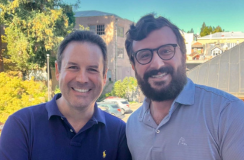
Host: After a professional life filled with success, John Icalowicz decided to try entrepreneurship by acquiring a business. He and a partner found what appeared to be a great opportunity. An automotive hail repair business with 2 million in earnings and selling for only a 2x multiple. They jumped at it. Well, the next two years would see John pounded by crisis after crisis, culminating in the decision to shutter the business. But not before John tried to save it by cutting another six figure check that represented a significant portion of his remaining net worth. And yes, John had a pg a personal guarantee, the dreaded condition of an SBA loan that says the bank will come after your personal assets if you fail to pay it off. There is so much to learn from this interview with John, including his biggest lessons from the diligence process. What he wishes he'd done differently. It's gold. But maybe my biggest takeaway from this interview is how to process a big business failure. This trial forced John to confront his pride, his sense of self worth, and while excruciating, he emerged stronger, wiser and eager to help others avoid or survive a similar fate. I honestly found myself more inspired by John's journey than by other stories where things just go well. See if you feel the same. Here is John Icalowicz, former owner of Hailco. Welcome to Acquiring Minds, a podcast about buying businesses. My name is Will Smith. Acquiring an existing business is an awesome opportunity for many entrepreneurs and on this podcast I talk to the people who do it. I want to share an update on the Acquisition Lab. As you know, the Lab is a highly vetted cohort based accelerator and community for people serious about buying a business. After going through the Lab's month long intensive, you have ongoing access to almost daily Q and A sessions with advisors, regular live deal reviews with Walker Deibel, author of Buy, Then Build, Potential Deal, team introductions and a very active Slack group with other searchers on the path. Well, the update is that the Lab recently passed 60 businesses acquired and for well over $100 million in aggregate transaction value. Also, all members now enjoy lifetime access to the Lab because when you buy a business it's often just the first of many and and the Lab wants to support you in every deal, not just your first. Lastly, check out my recent interview with Shane Ursum, episode 105. Shane acquired a business with over $1 million in EBITDA in just six months and he attributes a lot of his deal success to what he learned in the Lab. Check out acquisitionlab.com or email the lab's director, Chelsea Wood Chelseaieve John Icalowicz thank you for coming on Acquiring Minds.
[3:14] Guest: Thanks Will. Really appreciate it.
Host: John, thank you. Especially because your story of acquisition is a difficult one. You ultimately wound down the business that you bought. Stories like yours are hard to come by, and not because they don't exist, but because they take a lot of vulnerability to tell, especially publicly. But let me tell you that they are very appreciated by the audience. In my experience from stories like this that I have aired, so much of the standard content on this podcast and elsewhere focuses on the positive stories, the happy outcomes. But there is, as you well know, tons of risk in buying a small business. So there are of course plenty of instances where things don't work out and often more to be learned from those instances than the happy ones. So John, with that said, let's get right into your story. How about a little background on you to start us off? Please.
Guest: Great. For sure. So will John Ikalowich I have been in business for over 20 years. The preponderance of my career was in commercial banking. And while I was a commercial banker, my last stint in banking I organized a series of vertically integrated CEO roundtable groups and had the opportunity to sit with a number of CEOs during the formation of those groups. And through that experience I really caught the bug to go out and do what my clients did, which was to be an entrepreneur and to run a business. And concurrent with that in my banking career, I financed a couple search funders for the acquisition of their businesses. And that opened up a light bulb in terms of, you know, I should go do this myself. So I it was very self aware of the limitations of my type of personality and figured that I had always been in a sales role and needed someone needed to kind of employ more of a team approach to purchase a business. And I found a business partner through my network that had a complimentary skill set, strong operations background, and had scaled and built up divisions of large corporations. And on paper it seemed like a great fit. So we, after some initial courtship and getting to know each other, we spent time with personality tests and went through that process to make sure that we could work well together. And after a couple months we decided let's try to find a business in earnest. So I embarked on that journey and was just kind of using my network to find proprietary deal flow and reaching out to intermediaries that were representing business owners. And we looked at about 18 different companies and finally found one in the automotive hail repair space. And the market was still pretty frothy at that point and we hadn't seen deals north of seven figures of EBITDA that were trading under four times. So when we found this opportunity was attractive in terms of the value and the ability to self finance the deal with our money, a modica mo investor money and then an SBA loan and we were able to acquire a meaningful part of the business.
[6:43] Host: Let me stop you right there and just dive into a little bit of this pre acquisition piece with your partner. How? Well, I understand that you did the personality test to kind of deepen your your to understand how complimentary or not you guys would be, but just kind of how well would you characterize that you knew him?
Guest: Well, we had. It was a quick courtship in terms of deciding to become partners. We had known each other for a couple months and had mutual acquaintances and you know, we're able to kind of do validation on each other in terms of our backgrounds to figure out if we'd be a good fit to work together or not.
Host: Okay, so you didn't know each other too well and validating the other from that person's network. And then some of these psychology tests filled in the gaps. And when you said knowing your personality that you wanted to do this with a partner, can you elaborate on that?
Guest: I was a quintessential connector, relationship builder, salesperson. Looking at the I'm a big fan of EOS or traction entrepreneurial operating system. And in the org chart for EOS at the ownership level, usually most people are visionaries and you know, people that are more on the horizon looking at what's next, focusing on sales or business development, have some deficiencies when it comes to operational execution. So I intentionally looked for someone that had more of the integrator. You know, get stuff done, you know, keep to standard operating procedures and systemization because I knew that that wasn't a strong set of my personality.
Host: Great.
Guest: Okay.
Host: Okay. So then you said the nature of your search was proprietary and reaching out to intermediaries. I assume you were leaning on your existing network. You probably already knew intermediaries and brokers in your geography and by the way, tell us where this is all happening.
Guest: Yeah. So I am based out of Denver, Colorado and had spent a number of years in the business community. So I had a pretty strong network, you know, which definitely was an advantage. As I talk with people that are searching, you know, a lot of times people pick a city and then start to do a search. I had the benefit of having a pretty robust network to get deal flow.
[9:19] Host: Great now. And so take us back to this, this particular target you liked because it had a favorable multiple. What were some of the numbers behind it?
Guest: Again, so just around 2 of EBITDA and we were buying it for under four turns, which, you know, usually at that time when we were searching, you couldn't really find anything with those metrics that were, you know, south of six turns. So, you know, it was something that, you know, we didn't want to, quote, unquote, buy a job or have a huge, you know, waterfall in the deal. So the opportunity to find something with know metrics was appealing on paper. But, you know, we knew that, you know, there, there was not recurring revenue. There was some risk due to the fact that we were buying a weather related business and you know, we had plans in place to mitigate, you know, some of those issues. But as I kind of dive into the story, we'll, you know, it'll become clear of, you know, what happened along the way that kind of disrupted some of the initial underwriting points that my business partner and I had looked at, as well as, you know, our investor pool, which were seasoned, you know, entrepreneurs and you know, people that had bought and sold businesses. And you know, it was something that we had analyzed the risk. But, you know, as I dive into the story, we'll kind of talk about what happened more.
Host: Great. And when you say you wanted to avoid too much waterfall in the deal, can you tell people what you mean by that?
Guest: Sure. I mean, if, you know, if you have to rely more on investor capital versus your own capital, there is a way for a searcher or the acquirer to be made whole, provided that upon exit that certain metrics are hit that would skew in the favor of the operator of the business to achieve certain outcomes. But, you know, when we were looking at opportunities, our preference was to find something where, you know, our own investment paired with leverage would give us a substantial portion of the equity in the company right from the get go versus relying upon a private equity firm to back you. And then, you know, the outcome could give a disproportionate share of results to the operator. But we just didn't want to get into that scenario.
Host: And did you, private equity investors or not, did you intend to grow and then exit the business or hold indefinitely or you were open to both options? Depending on how the whole story unfolded.
[12:07] Guest: The plan at the acquisition was to grow the footprint of the business, open multiple offices, and then, you know, look for some type of sale to whether it be a private equity firm or a strategic.
Host: Mm, okay, great. So. Okay, John, so tell us, tell us you found this business, it's called, it was called Hail Co. Hailco, like as in hail from that falls from the sky. Hail Co.
Guest: Correct. Yep.
Host: And give us a little bit more about the business. You've told us financial numbers, but size of employees, age, management layer, et cetera. Give us a shape of Haleco.
Guest: Yeah. So the company was about 5 years old when we had purchased it and it had a took what was a very transient storm chasing type of business where you know, hail would come into an area and then a bunch of technicians that, you know, paintless debt repair technicians would come into a market and they would set up shop. And you know, you see this in areas like Texas and Oklahoma where when a storm rolls through, you know, a bunch of people come throughout the country and the unique nature of this business was they set up know a series of salespeople that could go out and address on a local basis, you know, the need for people that, you know that, that incurred hail damage. So the, the company would be very akin to a door knocking company where we would go out, send salespeople out into, you know, shopping centers or public areas and talk to people that had hail damage. So it was very much kind of guerrilla marketing and very much reliant on a intensive sales discipline to manage people, get them out in the field and to ultimately bring in the revenue customer by customer.
Host: Wow. So let me just dive into this a little bit. So you've kind of already said so, but just for people from the coasts or who might not be familiar with the kind of Colorado and north and south of that region, hailstorms are a thing. It means cars get damaged with some regularity. It means roofs get damaged with some regularity. Anybody who's lived in Denver knows that the roofing industry is a, is a very big and competitive one there because there's always hailstorms that are cause causing roof damage. And so what a typical, what might typically happen or who you might be competitors with are kind of more transient hail repair, you know, mom and pops or independent guys hanging a shingle from their pickup truck who go around town when they're after there's a hailstorm trying to get business. You guys were a fixed presence, a branded presence in town. But so that was one competitive differentiator. And but the way that you got business was probably similar to the, to your competitors where so as you said, you, you deployed your sales team into the parking lots of shopping centers looking for cars that had hail damage and then kind of trying to talk the driver into, to Taking, taking their car down to Hailco.
[15:45] Guest: That is correct. And one distinction would be, is that the business model relied upon weighting the potential customers deductible and then offering them a free rental car. And it was an arbitrage model where we would get a certain amount from the insurance adjuster for the damage on the car and then we would use part of those proceeds to subsidize the deductible and then to offer a free rental car. And usually if you called Safeco or one of the insurance carriers and you went to one of their auto body shop network providers, that opportunity does not exist in what's called the direct repair provider or DRP model where you'd go through your insurance. So our job was to kind of educate the consumer that there would be another option to procure a rental car if you didn't have that coverage, plus a deductible waiver.
Host: And you as somebody who has, who worked in sales and a classic kind of relationship builder, this kind of guerrilla sales, guerrilla marketing, you know, hand to hand combat in the parking lots of shopping centers. Did this excite you? Did this, how did, how did you see this? As a seasoned salesperson?
Guest: It, it's like the ultimate test getting out there and you know, especially when, you know, when I get into a little bit more of the story, when things started going sideways, I had to get out with our teams and go sell. You know, it was kind of all hands on deck. I, I brought my teenage sons, you know, out with me and I wanted them to see how hard it is to make a living. And I think part of that is if you're running a small business, no job can be beneath you. And there has to be a sense of that's not my area, everything's your area, everything's a responsibility, both the good and the bad. And especially when we were kind of re pivoting the business, it became important to, you know, lead by example and you know, get out with the team. So, you know, that was, it was quite an experience.
[18:09] Host: Yeah, I bet. August Felker is a two time successful searcher. First with a traditional search fund. The second time around, he did a self funded search. Today August runs Oberle Risk Strategies, an insurance firm with a dedicated practice group for searchers and acquisition entrepreneurs like you. If you've got a business under loi, Oberle will provide complimentary due diligence on that business's insurance and benefits program. A great no risk way to get to know August and team. They love helping searchers. They've worked with hundreds. Oberle is a specialty insurance brokerage for searchers. By a former searcher. Check out oberle-risk.com O B E R L E risk.com link in the show notes. And were you relying at all on Google Ads? I mean, is this something where you get online leads?
Guest: Yeah. So systematic kind of SEO, Facebook marketing, click funnels. We employed a lot of different methods. We had affiliate programs with different dealerships. And then primarily, you know what I also stood up in the business along with some key people that I brought from my banking career is we set up a B2B division and we were trying to pivot the business to get accounts like the state of Colorado and large fleets of vehicles so that if something happened we would either go to for, for the remediation of their hail damage. So, you know, the business had a core kind of B2C focus, but from my background, which was primarily in B2B sales, I wanted something where, you know, I could use some of those skill sets. And you know, we, we put a lot of effort into growing kind of the corporate account side as well.
Host: Okay, and how many, how large was the business in terms of people?
Guest: It would flex up and down, but in the, the off season it would, it would range about 30 to 40 people and it could get upwards of, you know, upwards of 70 people in the height of hail season.
Host: Okay, and what, was there anything else to say that, that you, you liked about it other than the, the greatest multiple in ebitda?
Guest: I think there was an element of, you know, just hearing some of the stories of the salespeople that had come from disadvantaged backgrounds. And you know, a lot of people, this was the first time that they made six figures and you know, had a compass in their life. And that was very appealing in, you know, in terms of being able to work with people that, you know, maybe didn't have the white collar or more privileged opportunities that I had in my life. And you know, this was a way that, you know, you could fulfill the American dream. And you know, that is something that I did even to this day appreciate out of this business is that, you know, certain people took those opportunities and it created a great foundation to go on and become entrepreneurs or to enter into different types of sales. But this, this was such a great sales boot camp and you know, I really wanted to kind of serve people and, and invest into people that were trying to grow and better themselves. You know, that was very appealing. You know, upon underwriting the business.
[21:58] Host: Well, as we will find out, that's also one of the areas where it turned out to be not be. Not to be particularly challenged. Okay, so is, do you want to talk about the transaction at all? Is there anything unusual or relevant there? Do you want to kind of just jump right into today one? Yeah.
Guest: So I think what we'll do is I'd like to kind of tell the story of what happened because of the, you know, that'll give context to the listener base. And then from there, let's circle back to the transaction. And I'd like to cover some of the underwriting points or reflections that I had when I'm kind of going through the tail of the tape of what I would have done differently.
Host: Great.
Guest: So let's just jump in. So we acquired the business in August of 2018, and the specific date was important because the hill season in Colorado would typically go from, you know, May juneish up until September. So it's a very concentrated period where you're going to get most of the revenue. So in effect, we bought at the end of hail season and knew that we needed to, you know, run the business, kind of tighten the belt and get into, you know, the next selling season the following May. So when we structured the deal, we set up an earn out with the. With the prior owner that was. That was tied to a seller note where they had to deliver a certain amount of sales so that we would have the cash reserves to, you know, get into the next hail season. And we, you know, they were actually able to make that earn out. But in the process of, you know, going through the earn out, we had kind of two sales general managers at that point. And when we got into January, so at the, you know, the height of the. The offseason of the business, you know, one of the sales managers went and started their own company. So this was a little bit of a surprise to us. And we had a run on our, you know, on half the. The employee base of the company, you know, if they were going to stay with us or move on to the other company. And it split pretty much 50, 50. So during that process, we just kind of rolled with the punches at that point and said, you know, what, you know, we can't kind of unring that bell. But, you know, we do have to kind of staff up. So, you know, we put a lot of effort into recruiting and getting, you know, the core people that stayed, you know, more responsibility and, you know, more, you know, leadership roles in the organization. And, you know, but it was a slog. You know, we ended up eeking through, you know, my. My partner and I took very little pay during that period. And you, you know, it was kind of that first dose of that entrepreneurial journey where, you know, if you don't have the cash flow, you don't have a paycheck. So that was like the first dose of reality that, you know, things don't always go the way it looks in a spreadsheet. So we just had to kind of tighten the belts and do what we needed to do. And we got through those months and, you know, we're gradually getting the support of the team. And in May, we had a massive hailstorm. So May of 2019, and the company was off to the races. And my partner and I said, you know what, let's just put all this behind, you know, behind us, and let's just go. And we're in hail season. We finally got there and, you know, June was a record month for the company with, with that hailstorm. So, you know, we had, you know, brought in over 300 cars and the average ticket on those was about, you know, $5,000 a car. And, you know, it was amazing. So. And, you know, we had good energy in the salesforce. And then we had a follow up hailstorm on July 5th, and I will never forget that date. But that hailstorm happened to hit our production facility with over 250 cars in the lot, which caused a major disruption of the business as we had 50 cars that were completely finished that we had to redo. We had to shut down the operations, take inventory of, you know, what happened in the incremental damage. And at that point, I made a phone call to our insurance agent and he said, yep, you don't have any coverage for that. And at that point we were truly in the emergency room and, you know, didn't have time to process things. So we just said, all right, we're just going to have to, you know, repair these cars for free and eat the rental car costs and just see if we can kind of climb our way out of that. But with the, you know, incremental operational issues we faced from, you know, having, you know, our whole, you know, inventory of cars damaged, it sent kind of our production times from 20, you know, 20 days of, you know, to return a car to a client to 60 days. And that effectively kind of eviscerated all the profit in the company. And, you know, at that point, we were faced with a tough decision. Do we just wind down the business or do we try to make a go of this and kind of fight and get into the next year. So at that point, speaking very candidly, you know, my, my business and part, you know, my business partner and I, you know, it was a tough period. You know, we have a great relationship today, but he would agree that, you know, we, we went through a lot of stress and, you know, it was just an amazingly difficult period just going through that process of trying to figure out what to do and, you know, what would be the path forward.
[28:10] Host: And so just to be clear, so on the, the story, so you've got all of these cars on the lot that had 300 of them that are exposed and have been repaired, or maybe not. Maybe they haven't yet been repaired. But the point is that when this, this July 5th hailstorm comes, there's going to be additional damage or new damage that you're going to be responsible for for 300 cars. So you're going to have to foot the bill for all of that labor and because of your model. Well, regard, maybe. Regardless, I mean, the point is the, the responsibility for every day that you have a customer's car, you're paying $30 in their rental car fees.
Guest: Wow. Correct. So, you know, it was a, you know, an operational cycle time issue where every day that we did not return that car created a, a dent into profitability at the tune of $30 a day. So it was primordial to turn the cars quickly. And, you know, prior to the storm, it was something, it was one of the key operational metrics that we were managing to in terms of cycle time. So, you know, this was a catastrophic blow. And at that point, you know, my business partner and I had the candid conversation, do we just shut down the business? And, you know, we had done an SBA loan and, you know, I had, you know, a cushion at that point, you know, financially and knew that it was going to get taken if, you know, one way or the other, if we didn't kind of plow forward with the business. And at that point, it just didn't sit well with me to say, you know what, I'm just going to shut it down. Know, I think part of being an entrepreneur is having that, you know, that, that cage fighter mentality where you just got to roll up your sleeves and, you know, have the grit to deal with what curveballs are going to get thrown at you. And shutting it down ultimately was not an option. And, you know, as painful as the experience was, that's something I look back at and was absolutely the right move to, you know, put your money where your mouth is and you know, I wrote close to a half a million dollar check, you know, to try to save the business. And, you know, that was really to get us into the next year. And all the while we knew that we wanted to diversify away from a business to consumer model and we pivoted into a B2B model. And, you know, we got in front of over 100 different fleet directors, including the state of Colorado, different municipalities, different construction companies, and, you know, all with the guise of developing a robust B2B pipeline so that, you know, in the iterative hail seasons, we wouldn't have to fight out in the parking lots for every dollar of revenue, but we could have these fleet or wholesale accounts to kind of augment, you know, the B2C business model. So, you know, so we went through that process and we had that little thing called Covid, you know, mixed in, you know, in, you know, that same period. So this was like a Lesson in Management 101, you know, of dealing with crisis after crisis because, you know, we, you know, we had to deal with the hailstorm then we had to deal with, you know, getting the morale, the staff back together. You know, certain people quit, you know, during that process and, you know, we have to fight to get the culture back and, you know, regain the, the reins on the company to be able to fight to live another day. And that second off season was very trying. But, you know, you know, one thing that I look back on was that we got the, the key people in the right positions, in the right seats. You know, we promoted people from within, people stepped up, and we rebuilt the sales organization, we got the fleet accounts that we needed. And as we got into the next sales season, there was an intense amount of optimism that we had pulled all the levers that we could to move this business forward. So at that point we were fairly optimistic. Where it was like we'd gotten through Covid, we had rebuilt the sales team, we'd got the fleet accounts, and my partner and I, we kind of use the term we're going to get, we're going to pull off the miracle on ice that after all these tribulations and trials, you know, we got into the next year and, you know, God has a sense of humor. You're relying upon acts of God for your business. And we got goose egged with hail. So after all the preparation, we were forced to send crews up to Wyoming, you know, which was a 60,000 person addressable market in Cheyenne versus a couple million person market like in a Denver. And you know, there just wasn't the, the volume to, you know, make the revenue numbers work. And at that point.
[33:31] Host: I'm sorry, John, you, you said, you said in the second hail season there was. What did you, what word did you say there wasn't?
Guest: We had no hail. We had no hail in Denver.
Host: Wow. And so the second season, so the season you're going into with such optimism, then you get a completely dry season. You have to. And you're at a couple million, a couple million population of Denver to just get any business at all. You have to dispatch some of your crew up to Cheyenne. That. Yep, closest urban market. But of course Cheyenne is a very small city comparison compared to Denver. So that is just a stopgap. Doesn't really solve anything. Go ahead.
Guest: Yeah, so we, we had Salespeople living in VRBOs that we rented for everyone and you know, this was their livelihood too. And you know, it was a big effort just to get the revenue in. And we were, you know, at that point we had an office in Fort Collins, which was about 45 minutes from Cheyenne. And we were shuttling cars back and forth between Cheyenne and Fort Collins just trying to make it through. And the hope was that we would get a storm in Denver and then be able to kind of get back and you know, get into our, you know, our peak production again. And at that point, you know, candidly, you know, my business partner and I, we had deal fatigue and you know, we were just like, we just have to kind of shut this down. So, you know, at that point it was almost a relief, speaking candidly, because we had fought through, you know, trial after trial and you know, at the end it was just kind of like, all right, we just have to get on with our lives. And I had an SBA run with the full guarantee. So, you know, at that point it was, you know, filing for bankruptcy and going through that process and you know, so I experienced the full gamut of a wind down where it wasn't just kind of a non recourse loan and you just move on with your life. This permutated a lot of personal sacrifice to my family and going through that whole process. But when it had been so difficult for so many years, it was just like, all right, I just have to check the box, get through this so I can kind of move on with my life.
Host: And John, going back to the first time you considered when, after that horrible, the hailstorm that did come and smashed your 300 cars and you guys could consider at that time shutting down the business and you decide against it, you Mentioned having a lot of stress. That's the moment of tension with your partner. But also you said to yourself, no, I don't want to shut down now. I, I have a cushion. You said, I assume that means basically your kind of your net worth, whatever was in your savings account that you would have had to, you would have lost that to the bank. But in fact, you deployed a lot of that into the business anyway to try to keep it going. Do I have that right?
[36:39] Guest: That is correct. So, you know, I was a former banker and, you know, it was something. The conversation we had with our clients when things started going wrong, you looked for the entrepreneur to make the injection to put the money in. And it was something from a character perspective that, you know, I, I had to do it and I didn't ask my investors for that money. This was kind of on me, you know, having, you know, a recourse loan at that point. And, you know, it just was the right thing to do to put the money in. And, you know, as difficult as it was, we didn't know that we weren't going to have hail the next year. We didn't know that we were going to have Covid and go through, you know, the beginning of the lockdown. And we didn't know a lot of those, you know, those variables that came up. But, you know, it, it definitely was the right move to try to save the business and get into the, you know, the next selling period. So, you know, that's something that I, I would redo over and over again.
Host: And, and when you say that, you, you mean from kind of a, A personal ethics perspective or strategic or both?
Guest: Yeah, an ethics perspective. And, you know, I think as an entrepreneur, you have to have that mentality that you have to throw everything, you know, everything on the kitchen sink and try to make a business work. And that's something that, as I talk with people that were very successful in private equity or investment banking that, you know, want to employ, you know, an entrepreneurship through acquisition or search fund model and go into, you know, the, the process of buying a business. You know, I share parts of the story to kind of say, you know what, you've been really successful in everything that you've done, but, you know, it's still a W2, it's still a job.
Host: Yeah.
Guest: But when you're running a company, like, you have to be prepared to do everything in your power to make it work. And that predicates a lot of sacrifice. You know, the last thing I wanted to do was to write close to Half a million dollar check, you know, into a failing business to try to save it. But, you know, that's the, the attitude and the mentality that you need as an entrepreneur.
[39:09] Host: And that half a million dollar check, I assume, was a significant portion of your own net worth.
Guest: Very significant.
Host: Wow. And okay. And so, so just reminding everyone of the timeline. That check after the first catastrophe with the hailstorm on the 300 cars, that was about a year into the business. And then it was.
Guest: Yeah, a little over a year into the business. That is correct.
Host: And then it was a year later. Now we're talking where the, where you're now you make the decision to, to in fact, wind down the business.
Guest: Yes. And at that point, you know, probably the, the best phrase to summarize it would be deck chairs on the Titanic, because you could have done all the strategy, you know, got the sales pipeline figured out, but if you didn't get the weather, you didn't get hail, then there's really nothing that you could do at that point.
Host: Yeah, so,
Guest: so at that point I, I kind of pivoted and like, when I did the personality test, you know, I'm in like the 99 percentile of optimism. So I, you know, I, I, I, I had to kind of like look at my mentality of going through this experience and figure out, you know, what are the, what are the lessons that I learned and, and how ultimately was I going to not have a victim mentality for having to wind down a company that, oh, all these bad things happen to me. And I spent a lot of time, I, I have a deep spirituality. And candidly, that's the only thing that got me through the, the challenge of, you know, those difficult and very dark times. And just to give a flavor for this when, you know, I was kind of at my lowest point, um, I remember I had insomnia. One night I went to sleep in the bedroom in our basement at our house. And I just remember shaking uncontrollably of saying, what did I do? Like, I don't know how to get out of this situation. And I think at that point, God gave me the grace to kind of see, you know what? I'm not just having you go through this, know for some kind of cruel and wicked sense of, sense of humor. You know, I actually have a plan and I have a reason why I'm sending you through this darkness. And it was that sense of like, I can't control what happens. I can't control that. We had a hail storm hit our facility. I can't control that we have to deal with. COVID and, you know, we are relying upon salespeople that were going out to generate revenue, and we couldn't do that. I can't control what happened with the weather, but the only thing I can control is my attitude and figure out, well, what, you know, what needs to change in my life. You know, how can I become a better person through going through these experiences? And that gave me a lot of peace that, you know, a lot of this trial, a lot of the tribulations were ordered towards helping me to be a better person and more importantly, to be able to serve others with these experiences. So, you know, as I look to kind of my current state where I'd wound down the business, some of the most meaningful things I do is supporting entrepreneurs that are in dark times. And, you know, it's easy to call someone that's had a bunch of successes and has never had something go wrong, but the harder one is to talk with people that have gone through, you know, trips and, you know, the experience share can be that much richer because you've been in the balance. You've had to face some tough decisions. And I still see this as a mission to serve entrepreneurs that, you know, are going through hard times and say, you know what? We can find a way through this. So, you know, that's, you know, that's kind of a crucial part of the story where I have no regret, no pity for what I went through, but simply, this was something that God gave me as a gift to be able to share and to serve other people. And, you know, if I didn't have that faith, candidly, I think it would be really hard and, you know, to get through it. And I could see how entrepreneurs have, you know, self harmed themselves or did things when they faced the trials because you could go into the drain of hopelessness. And, you know, I was very cognizant that I didn't want to go down that path, but I wanted to have a story of redemption through these difficult circumstances to serve others.
[44:10] Host: John, that, I mean, what a. What a powerful and uplifting way to experience something like that. And what I'm hearing you say is that you parlayed, for lack of a better word, parlayed this pain into kind of benefit and goodness that you're paying for now to help other entrepreneurs. But you also said to help you become a better person. You know, God was kind of putting you through this trial to help you become a better person. Was there any specific part of, like, your personality or the Way you. Yeah. Or the way you did things or behaved that you felt needed to shift in light of this. Maybe you used to be impatient and got, were being, taking it out on your family and learned that you needed to not do that or you know, something like that, something on the ground where if I interacted with you before this event and after this event, I would feel a difference.
[45:09] Guest: Well, probably my wife's commentary on that is the most honest that I could share. And you know, I, I had always done well professionally and never really had setbacks up until I became an entrepreneur. And achieving success in business was easy. Making money was easy. You know, I had, you know, the means to go, you know, actually do this, to buy a company and had done well. And I think when you're in that mode of operating, you can kind of believe your own line of arrogance. And you know, ultimately this was a story of humility of, you know, what can you still have a self worth and a self meaning even when you go through trials. So probably the biggest thing was just having a sense of empathy for others when they experience trials and tribulations. It was hard for me to see the let, you know, the world through that lens before because I was privileged. I'd done very well and really had unabated success in anything that I did. So ultimately it was just an opportunity to gain more of the virtue of humility, of, you know, what, you know, my self identity can't be either wrapped up in my own successes or my failures, but my identity has to be merited in, you know, how I serve my family, how I serve my teammates, my friends, those in the community. And you know, a lot of, you know, what I want to do as I'm meeting with people in the business world is really to hear their story and figure out how I can serve them. So it really was a call to service.
Host: Beautiful. John, now can you tell us how this was affecting your family in these darkest moments?
Guest: Yeah, I mean, it was extremely stressful because we didn't know where we were going to live, we didn't know what was going to happen. And to my credit, you know, my wife Ann was like just the most amazing person and said, you know, what if this is for your own spiritual good going through this, we're going to deal, we're going to figure this out and you know, even if we have to live in a one bedroom apartment, it's going to be fine. You know, the truth was, is that, you know, we were very lucky and it was almost miraculous on the other End where, you know, we were able to get into another house. We weren't, you know, we didn't have to live in an apartment. You know, I've been able to kind of reset professionally and, you know, find a. A career and a passion, you know, for, you know, employment. Now on the other end of it, that's been beyond expectations. You know, I've had the opportunity to invest into, you know, some other ventures and still, you know, work in kind of that entrepreneurial genre. And, you know, it's been a beautiful experience on the other end of it, but I knew at that point I just needed to write the blank check and say, you know, what? Like, I don't know what's going to happen, but it's going to be fine. And, you know, my wife and I rallied, you know, around that. And, you know, it's just been good on the. On the back end of it, where I've been able to spend more time with my kids and invest in the relationships with them because it was just very hard to be present when you have that monkey of, you know what? I've got this weight of running this business and it's not doing well. And at that point, when we made the decision, shut it down, probably one of the big drivers was, you know what? I have to be more present to my family and to be there for them, which was, candidly, very difficult when, you know, as. As an entrepreneur and as a man and a provider, you're trying to, you know, like, make everything work and, you know, sometimes it's hard to get that balance.
[49:33] Host: Yeah. John, let's turn to the mechanics of winding down a business that you have a personal guarantee on. What is that? What does that look like? I mean, what are the. What are the kind of progression of events there?
Guest: Like, you get a good lawyer? No. I mean, yeah.
Host: Did you. Do you just declare personal bankruptcy?
Guest: Yeah, like, we had to. We definitely consulted people. And, you know, so I really leaned upon kind of, you know, a professional network of people to get the right advisors. And, you know, similar to, like, when you're buying a business and you have a deal team that's going to go into the deal. If you're going into a crisis like that, I think it's really important to get the right advisors. And, you know, I. I went through that process earlier just as a contingency. You know, I said I was an optimist. But when you become a business owner, you also have to have a sense of realism. And I spent the time along the way to map out the plan that if we had to go into the, the situation of a wind down that we would, you know, have the ducks in a row and kind of know what we would need to do. And that was probably one of the biggest. Aha. Is that if someone's dealing with an issue, it's very easy to say, hey, I don't want to face the unpaltry, you know, reality of having the midi declare bankruptcy, so I'm not going to deal with it. But it was very helpful from a stress management perspective to have kind of got my ducks in a row, albeit as a contingency plan, so that when it happened, I had the clarity of knowing, all right, this is what we need to do. And it made it ultimately less stressful.
[51:38] Host: And can you just paint a picture? We don't need to spend too much time on it, but can you paint a picture for what it, what it looks like, what, like what happens?
Guest: Well, probably the, the, the trigger is you call the bank and say, you know, what we, you know, this is where we're at. And we were, you know, it was not a surprise to the bank because we'd been communicating, you know, all along the way, you know, and during the summer when we were up in Cheyenne, we made it very clear to them that if we didn't get a hailstorm, this is going to be a wind down. But ultimately, when we got to the point where we knew the end of September that there was not going to be any more hail, that's where we just said, you know what? This is what we're doing. And at that point, you're just trying to make what I call imperfect decisions as you, you know, determining, you know, what gets paid, what doesn't get paid. And you just try to apply a lens to do the most humane thing in a very difficult situation. And, you know, but ultimately that's, it's, it's a real tough spot to be in, you know, as, you know, someone's going to get caught holding the bag where it's, it's just an unenviable position to wind down a business and to be able to make those calls.
Host: Yeah, and, and they, at some point there's a conversation, they, and they say, what are your assets? Give them to us.
Guest: Well, you go through a, you know, a plan of what code of the bankruptcy you would go through, and you know, it's a process and that's going to look different for each person. But, you know, what I would stress is, you know, Wikipedia is not the source to do that, you know, you have to find the right advisors to, you know, look at someone's personal situation, figure out, you know, what would be a good plan. And, you know, thankfully, you know, I did have very good representation. And, you know, getting the right people to support you, you know, is just. Is huge.
Host: And what about delivering this news to the employees in your team? What is that like? That.
[54:00] Guest: That was a. That was a tough conversation. As we had said, we had. We had promoted people when the business had gone through the difficult times, and we had some really loyal people that, you know, were supporting us and helping us to kind of, you know, turn the ship and, you know, get the business back into, you know, period of success again. And I remember we were at a coffee shop, and they knew it was coming. I mean, they knew that there was a tail and there wasn't a dry eye at the table. You know, there was just that sense of, like, you know, we gave it all that we could, and, you know, we fought through this, but we just didn't get the weather. So I think it was, you know, kind of that mutual sense between, you know, my business partner and our kind of key people that, you know, we had left it all on the table. We had fought, we had sacrificed, and, you know, at the end of the day, it just wasn't meant to be. And, you know, I'm still in contact with, you know, those key people, and they've been great friendships, and it's been great to see them go on and succeed in other things. And, you know, I'm happy to have shared part of that journey with them. But, you know, getting the loyalty and, you know, their support through, you know, what was a difficult chapter, you know, that kind of creates kind of friendships for life because you shared in kind of this difficult crucible together.
Host: Well, it creates friendships in life. If they thought that your leadership through this hard time was. Was worthy, you know, there are lots of business failures where it's because the leader, you know, led drove the thing into a ditch. And so I think it's a testament to your leadership, to that time that folks are still in touch with you people still happy to be your friend and connected. John, you. Is that. Is that kind of where we want to leave the story? Because we. I know. I think we want to circle back and kind of postmortem the. The acquisition, the diligence and. And some things you do differently in retrospect.
Guest: Yeah, I think that's. This is something that I always share when I'm working with people that are Looking to buy a business today is some of the underwriting lessons that I learned. So, so probably like, you know, the, the obvious one would be don't buy our weather dependent business, you know, for the aforementioned struggles that we've talked about today in the podcast. But, you know, but ultimately that's going to affect such a, you know, small percentage of people that are, you know, searching to buy something. So I, I did, you know, go through some introspection on like some things that I would have done differently that, you know, maybe would have eliminated, you know, you know, just buying the business to begin with. And you know, if I look back at the transaction, you know, one of the things that, you know, I noticed was we really did not get any facetime with the key lieutenants in the business and we didn't really therefore get a sense of what the culture of the company was like. And as we got involved in the business, let's put it this way, that there was a values disconnected between, you know, how I had operated in my life and you know, just some of the value patterns that we're seeing in some of the employees. And that created a little bit of a dissonance, you know, as we took over because, you know, ultimately it led to people self selecting out of the company and we had to, you know, fill them with people that would be more aligned a value perspective. But, you know, why buy something if you're just going to have to turn over all the people? So, you know, if a founder is exiting a business, what you're left with is the human capital that remains. And you know, can you get along with them? You know, are these people that you would even open up an equity pool in terms of state bonuses? And you know, in the situation that we were in, we did not get any line of sight into the key personnel. And had we had that opportunity, I think we would have potentially pulled the plug of saying, you know what, there's not the right alignment here. And you know, this is going to be an uphill battle because, you know, ultimately we're going to have to turn over, you know, people in key leadership positions.
[59:01] Host: And John, two follow ups to that. First, I know you're being euphemistic about the values dissonance, but is it, is there any, can you be any more specific? Question A, question B. If you had had the opportunity to meet some of these folks, do you think a single meeting would have done it? I mean, how, how do you capture the, the essence of a, of a company culture or, or at least the Kind of the, the character of key personnel in a single lunch meeting. Even if you had been given that access.
Guest: Yeah, I think it would require a little bit more time with them. And in order to do that, like this business had very low barriers to entry. And as I mentioned, when we bought the company, within a couple months, you know, a sister company splintered out of our acquisition and there's, you know, as I said, very little to stop someone from going and just doing it themselves. So especially in a deal like this where there are low barriers to entry, you know, once we had kind of agreed upon a path to purchase from management, the subsequent conversation would be,
[1:00:21] Host: you
Guest: know, we need a read in of your key people and we are going to go into this transaction with an allotment of a profits interest or an equity grant structure where we will give them the opportunity that you had, Mr. Founder, to, you know, realize the American dream to sell a business and say that we want to come alongside of your key people, give them a part of the ownership and we can build, you know, the 2.0, generation 2.0 of this company together. You know, that's the only thing that I would have gotten to and with that, that would have given you the permission to do off sites, to spend time with them just to make sure that it reciprocally was the right fit. Now I don't think the founder would have given us that opportunity because if the deal ended up not going through, he didn't want people to know that he was looking to transact on the business. But you know, in this type of scenario it would have been a non negotiable for me that, you know, if we didn't get, you know, some type of interaction, you know, with the key leadership, that it would be a non negotiable and you know, a walk away point.
Host: The cultural mismatch or values mismatch that was there. Can you, can you give us a little bit more color?
Guest: Yeah, it was a rough and tumble, you know, type of culture. I had an employee missing for several days and one of our sales manager went to jails and hospitals and you know, after a couple days we finally found them with a cracked open skull because, you know, people decided to do psychedelics together and they let someone walk out and operate a vehicle. And yeah, I remember going to the hospital and saying, you know what? God gave you a second chance at your life, like you legitimately should be dead now. And I said, this isn't about work at this point, you know, this is about, you know, how do you Want to live your life and you know, what do you want to do moving forward? And you know, that was one of the toughest, you know, kind of conversations of my life because you realize that when people like engaged in self destructive behaviors that had real ramifications, you know, in their lives. And at that point, you know, you, you just want what's good for them. And it was very painful for me to see people get into that loop of some, you know, self destructive behaviors. And you know, you're trying to say, look, there's a way out, but that's going to require some personal discipline and accountability to not do the things that you're doing and to elevate above, you know, some of these demons that you're chasing and you know, to kind of change your life. And you know, that was kind of the hard thing about the culture is that, you know, you had certain people that did elevate and change and you know, they, you know, they had some freedom through, you know, getting the sales skills and making money. But you know, we saw a bunch of self sabotaging as well. And you know, witness kind of the accounts of that and you know, that still is kind of a, you know, a painful chapter that, you know, people have free will and sometimes they, you know, they engage in, you know, self destruction.
[1:04:21] Host: Yeah. Okay, so access to key personnel would be something that you would demand in the future or wish you had demanded or whatever, any, anything else.
Guest: Yeah, I think the, let's call it the age demographic of a founder. I had, you know, I bought a business or you know, we had transacted with someone that was around my age and as I talked with different searchers subsequently and just different people in private equity that do a lot of acquisitions. I think it's a judicious thing to look at a founder that has run a business for many years but doesn't have kind of a familial point of exit because there's, you know, there's for one, a longer track record of the company going through ups and downs. So you know, this was something that it was around for just around five years. And you know, during those five years there was always hail, but we didn't, you know, have the eye on the financials of like, well, was there a year where there wasn't hail? What do you do with that? And so just having more of a longevity in the track record of a 15, 20 year history where you can look at the ups and downs. How did a business do in disparate economic cycles and then that sense of, you know, what if I'm turning the business over to the next generation of buyers? That there'd be a sense of supporting the subsequent entrepreneurs coming in to buy it. And I think it's just a better construct when it's someone that's trying to retire from a business for those two reasons, that there's more of a maturity. They've made their money and it's a conscious decision that they don't want to sell to a strategic, have the business stripped down, and they're trying to find the right suitor that will perpetuate the legacy of the business. And in those situations, I think there's more of a likelihood that you're going to get access to the key employees to make sure it's the right fit. I made commercial insurance today, and one of the first deals that I did when I pivoted from being an entrepreneur into insurance was, you know, a good friend of mine that bought a business and, you know, we ended up doing the insurance for his transaction. But, you know, one of the things that I really kind of pressed him on was, you know, this, this very issue, you know, who are the people that are exiting? Have you gotten time with key management? And since it was kind of a controlled transition, the lieutenants in that business did not have the means to, you know, to buy the business. There was a lot of exposure to the management. So when he flipped the switch and bought the company, he knew what he was getting into. And by and large, he was able to retain a good amount of the employee base and even, you know, areas where there was tension, it wasn't a surprise. And he was able to kind of figure out, you know, contingencies and knew what he needed to do. So I contrasted that with my experience where I didn't get that. And, you know, sometimes in a, you know, with a younger entrepreneur, I don't think you're always going to get those. Those opportunities because you're not. When you're in your 30s or 40s, you're not dealing with that idea of legacy. But if you're in your 60s or 70s and you're selling to an individual buyer versus a strategic, you know, there can be more of a conversation of, you know, I want to transition this business to individuals, not a competitor. And I really want to be invested in making sure that this goes smoothly so that my people are. Are accounted for.
[1:08:40] Host: That's such an interesting point, John. I don't think anybody has made any of my guests have made, you know, so certainly it's the more common pattern that a searcher is acquiring from a retiring owner. And we always talk about the retiring owners, but I think we do that just because we. Because the pool of businesses that come for sale, the vast majority of them are that pattern, the owner's retiring, silver tsunami, etc. But we. I don't think it's ever been articulated like that. That also often makes for a better seller and perhaps like a more healthy transition, maybe more healthy culture, more healthy business than a younger buyer. Pretty interesting.
[1:09:23] Guest: Yeah. Because in the psychology of our seller, you said, you know, what, if I don't sell this, I'm just going to continue business as usual. Right. So therefore, we did not get to look, you know, peek behind the curtain and get to know the company better. But if it's a planned transition, then you're in a healthier spot where you can really get to know what you're buying with a greater degree of transparency and certitude. Great.
Host: Any others?
Guest: Yeah. So I think one of the things that when, you know, I had an executive coach during the process of buying the company that had known me very well. He'd worked with me for several years and had known me for probably, I don't know, five years prior to the acquisition of the business. And at one point during the transaction, we got to a point where, you know, the deal was about to fall apart. And he strongly encouraged me at that point of saying, you know what? There's something not right here, John. You know, even if you have $60,000 of due diligence costs, you know, the railroad tracks are coming down and I think you need to stop the car. And, you know, I had this sense of, you know what? I've been in sales, and sales is a psychological endeavor, especially B2B sales. And, you know, I kind of took it upon myself to say, all right, I'm going to get all the parties back to the table between, you know, the bank and the seller and my business partner and myself, and, you know, I'm going to play the hero and make this deal happen. And at that point, it was just like trying to get a sale done, you know, versus saying, you know, what. What degree of introspection should I be having now? And is this a sign that, you know, there's going to be a friction along the way? We shouldn't do this deal. And it was that overconfidence that made me just kind of steamroll through the process. And I wasn't listening to, you know, my advisors, to my coaches and, oh, I'M going to get this done, you know, you know, I, I don't, I don't want to fail at acquiring a business. And you know, as my coach Jan said it, I, I just ran right through those railroad tracks and, you know, onto the incoming, you know, train that came. And you know, at that point, if there would have been a, a little bit of a degree of introspection of saying, you know, what, what's going on here? You know, is this a sign of things to come and you know, should I just kind of pump the brakes? Because in reality I didn't need to do anything. I had a successful career, but I felt this like, intangible that, well, I've been trying to look for a business for a year and I just need to close. And ultimately I should have had a little bit more patience and self awareness to say, you know, hey, if, if, if you're getting kind of the eevee jeebies and a deal's not lining up for different reasons, you know, maybe it's best to just pull the plug.
[1:12:59] Host: But John, I gotta, I gotta push on that one a little bit.
Guest: Yep.
Host: Because it's all about having the insight to choose when it's a good reason to. When, you know, when it's a deal breaker and when it's not a particular reason because there's actually more, there's kind of more. Of a chorus on the other side saying, you know, every deal is messy, every small business transaction is messy. Every deal dies three times before it lives. You know, so, so we all go into a deal expecting to get positively beaten up. And, and honestly, like, if somebody gets through a deal and it felt easy, that's almost more of a red flag in this world. It's like, whoa, did I just really overpay? Or was this, you know, was the seller so eager to get out of this business that they just really wanted to get this deal done? Like a little, a little bit or even a lot of, bit of tension in a deal is almost like an expectation of health in a transaction. So how do you so, so square that circle for me?
Guest: Yeah, so I agree with you. Every deal is going to die a few times. But that being said, there were, you know, a couple instances of things that we had brushed over and just tried to solve for that ended up being kind of bigger issues and were leading indicators of, you know, what could be some more systematic problems. And, you know, I'm not saying this is a universal. I'm just saying that every entrepreneur needs to follow their gut and not have a bias either way because there could be people that are over, you know, pessimistic and they are, you know, looking at an obstacle and it's primarily driven on fear or scarcity and they don't have the confidence to kind of, you know, overcome something. Or there's people like me that are over optimistic and where a healthy degree of pessimism would be handy. And you know, ultimately, you know, that's why you have a coach and that's why you have someone that knows you. And as we had gone through, you know, some of these deal points, you know, he had some sage advice of, you know what, you should be careful about that. And I just was like, okay, I'm going to go into problem solving mode and just fix this or that without the reflection on whether, you know, these were issues that should be fixed at all or walk away points. And you know, this is one of the hardest things for people to figure out. But I would say if you're over optimistic, employ a degree of skepticism and try to talk yourself out of what you're doing. And if you come at things from a degree of pessimism, then it's a matter of kind of culling the fear so that you're not letting your own scarcity or insecurity prevent you from moving forward. But it's more of the self awareness of like what bent you come from. And that'll help to kind of triage through, you know, when, when a deal dies or there's some warning signs that come. But you know, you can't just, you can't just act. You have to kind of take the time, really reflect upon what's coming in front of you and figure out if, if this is something you want to deal with, you know, And I had another, in my insurance business, I work a lot with people that are buying businesses because of my background. And you know, there was a deal that we ended up not doing because there was a big sales and use tax issue at the business. And I challenged the entrepreneur who, you know, has become kind of a very good friend of mine, and I said, you know, what, with what you're seeing here in this transaction, what else have you kind of seen that would lead you to believe that this could be like the tip of the iceberg? And is this an isolated issue or is this kind of a systematic pattern that if they were to lose on something like, you know, taxes, right, should you be really buying this business? And ultimately that entrepreneur pulled the plug on the opportunity, you know, after that conversation and it turned out that there was, you know, several other things which made him feel uncomfortable from a character perspective. But, you know, had I not gone through that experience, I would not have been able to share, you know, that, hey, you know, when issues came up, I was just trying to triage them and not really reflecting upon what was going on. And, you know, did they point to kind of bigger, more, you know, systemic issues?
[1:18:30] Host: Well, I think that's a great, A great framework, John. It's. You see an issue in the deal and the business that you're looking to buy, and maybe a good framework is. Okay, is. First of all, do I think this is isolated or do I think this is systemic? Is this. Do I think this is a proxy? This one thing I've uncovered is a proxy for similar stuff like this up and down throughout the business. And if so, if I do think it's a proxy, if I do think it's representative and this, whatever this thing is this systemic issue that this little thing I found is representative of, can I deal? Would I be able to deal with that? You know, one, A good example of this is how aggressive expenses through the businesses, through a business might have been from the owner and, and how gray, because there's always some, you know, we all have some tolerance for some of the, you know, some family expenses or personal expenses kind of being run through a business. But, you know, some business owners can really push that to the point of, you know, being unethical or even illegal. And if you encounter that, you can say, you know, I've seen conversations like this on Twitter. Well, you know, okay, so he shouldn't have expensed that through the business. But we'll. We'll treat it as, you know, we'll add it back and it's fine. And then others being. Saying no, because if they're dishonest in one corner of the business, it's a signal that there could be minor dishonesty laced throughout the business. And you don't want a business where there's kind of dishonest like, you know, kind of like an undercurrent of dishonesty throughout. Just an example.
Guest: Yeah, that would be a very good illustrative point that you made right there that, you know, patterns can point to something deeper.
Host: Yeah, yeah. But I guess what we're. What we're talking about here, John, is really what makes this so hard, other than the operations itself, which of course is really where the rubber meets the road. But what makes every deal so hard is figuring out the issues that are deal breakers. And those that are not, I mean that's really what so much of the, of all of doing a deal kind of distills to. Okay. In reflecting back any. Were there any other things or were those the big ones? Tell me, tell me when you're, when you, when you don't have anymore.
[1:21:08] Guest: Yeah, we, we covered kind of the main points. So those are great.
Host: Those have been great. John. Okay. Is there anything else, is there any kind of anything that's happened subsequently that you want to tack on to the story or the postmortem or have you said everything that you, that you wanted to share with this audience of business buyers?
Guest: Yeah. So just two things in closing here. I think for anyone going through this, I can't encourage enough looking at different CEO peer groups to have the support while you're going through that process of, you know, becoming an entrepreneur, you're stepping into this. It's really important to have your tribe. And when I had the business, you know, you know, hit the ropes, one of my good friends from entrepreneurs organization, you know, had gone through a wind down at his company a couple years before and I really, you know, leaned upon him in terms of like, hey, this is going down, you know, and not everyone gets this and I need some support, you know, I need some help, you know, getting through this. So leaning upon those people that have, you know, went through difficulties, you know, it's just huge because you know, your spouse can't bear the burden of it, your family can't, your employees can't. Other entrepreneurs are so pivotal, you know, because they're going to be able to help you see your way out. And it's really important to have that tribe and you know, with regard to entrepreneurs organization, it's something I'm still involved with and they have a know off site every year and at the last off site that we had, they brought in an entrepreneur who had gone blind during college. And he went through a lot of the victim mentality of, you know, facing you know, a, a life changing illness or medical condition. And you know, he had to kind of walk his way out of self pity and you know, he said, you know what? Once I kind of said that this is not happening to me but this is a gift that I was given and I would not, you know, I'm going to be more successful in my life because of this adversity and this is going to give me grit and this is going to give me resiliency. And he was like, I would not have been as successful as I was had I not gone blind. And, you know, that was where, you know, my eyes had opened and said, you know, what running, you know, or widening down the business. Ultimately it is a chapter of my life. But, you know, I think I had that sense of like, I'm going to be way more successful for having gotten through, you know, one chapter of crucible than had I, you know, just had success along the way and didn't face the adversity that I faced. And that gave me a lot of peace. But that really points back to, you know, why you need to kind of be in the room with entrepreneurs and hear speakers that are geared towards entrepreneurs because you don't always see it clearly. Sometimes you need a blind man to lead you to the light. Great.
[1:24:45] Host: And so E.O. is your organization. But so I guess I was going to say, do you want to plug any in particular. But you already have. And was there a second thing?
Guest: No, I mean, that's basically it. I think. It's, you know, find your, find your tribe and, you know, take advantage of subject matter experts that, you know, are, are appealing to the, the demographic of entrepreneurs because you can get nuggets like that where, you know, organizations like EO or Vistage are very intentional about getting content that's germane to the entrepreneur. And, you know, some of the best ones are, you know, speakers like that that have gone through adversity and, you know, can help people to, you know, find a path forward.
Host: Well, John, I think that we've reached the end then. I just want to thank you again. I want to stress that the message that you received in your darkest hours, that this was going to be something that you could then help other people with, I think you're doing in this very conversation. Thousands of people are going to hear this. And, and while they might not be in adversity in the moment they hear this, they will take it, I'm sure, carry it with them. Because I know that there's a lot of appetite for stories of people who buy businesses and it doesn't work out. And everybody who considers this path and the personal guarantee and the enormous life change that it represents and maybe becoming a leader for the first time, it's just. There's just so much risk and uncertainty. There's. And it's to hear from somebody who where it didn't work out well, but they learned so much from it and are stronger for it. You've. You've grown and as you said, I think you're even thankful for the experience I think will be both encouraging to people but also just really really valuable to just hear the other side because acquiring minds is usually happy stuff but as I as I said at the outset it's not always thus so thank you John thank you very much this has been a very valuable conversation oh and what's the best way for people to reach out? How do you prefer LinkedIn? Email feel free to share the URL
[1:27:08] Guest: my LinkedIn page and also my cell phone so just I'm old school so just pick up the phone and give me a call or send me a text and love to have you sure about that love to have a dialogue I mean I'm this story and my journey happened for a reason so anyone in the audience base that just wants to chat I'd love to hear how I can help and mainly how I can serve as you know you're wrestling with that immense challenge of going out and buying a business thank you very much John thanks Will really appreciate it thank you
Host: Sam.


















































%20-%20thumbnail.png)






%20-%20thumbnail.png)



%20-%20thumbnail.png)

.png)



%20-%20thumbnail.png)