Host: Today's is an update episode with a popular guest from 2024, Tato Corcoran. We reran Taito's first episode during Christmas week, which sparked interest in learning what has happened in the two years since that first interview. Tayto bought a very small manufacturer of sinks for bathroom vanities with just $400,000 in revenue and and three employees. As Tato put it in our first interview, looking back on it, the seller didn't have a business, he had a job that paid him. If you haven't heard that first interview, check it out to hear what the first year and a half transitioning such a small business is really like. You'll find the link to that in the show notes well, things are better. As of January 2026, revenue in 2025 reached $1.6 million, which is a quadrupling of the baseline and blew away Taito's own goals. Excitement about the business's future is a key theme in our conversation today. Of course, plenty of challenges remain. They're just different challenges now. Tado just had her first baby in October and she invokes a parenting truism to describe business ownership. It doesn't get easier. The challenges just change. Welcome back to Tato Corcoran, owner of Brandt Molded Marble About Flags when evaluating businesses to buy, Green flags are good signs. Yellow flags mean be cautious here, tread carefully. Red flags mean stop well. Today, Thursday, February 19th, Max Lummis and his team at LCS return for due diligence office hours on the topic of red flags that kill or fundamentally reshape acquisition deals. Max and team will discuss revenue quality issues, unsupported EBITDA adjustments, expense timing issues, and other major due diligence discoveries that you should treat as critical risks should you find them in your own deal. LCS is a forensic accounting firm that does the quality of earnings for dozens of search acquisitions every year. So come learn about red Flags from a team trained to find them. That is today, Thursday, February 19th noon Eastern. Register at the link right at the top of this episode's show notes or on the Acquiring Minds homepage. Acquiring Minds co. Welcome to Acquiring Minds, a podcast about buying businesses. My name is Will Smith. Acquiring an existing business is an awesome opportunity for many entrepreneurs and on this podcast I talk to the people who do it. You know Enzo Technologies as one of the leading IT managed service providers serving the search community. Led by Nick Akers, an Acquiring Minds guest who bought the 35 year old business. The team at Enzo regularly works with searchers and their acquisitions and One feature of acquired businesses that Enzo is seeing over and over is the need to implement cybersecurity promptly during the transition. So many acquired small businesses either have glaring vulnerabilities, lack security best practices, or both. That step one to de risk the deal you just closed should be addressing these issues. INSO is your full service IT MSP for post close stability. They assess your target surface, the biggest risks in plain English and give you a day one through 30 plan to cut exposure, prevent downtime and even find cost takeouts like bloated telecom bills. Check out enzotechnologies.com I N Z O or email Nick directly at nick@enzotechnologies.com Tato Corcoran welcome back to Acquiring Minds.
[4:37] Guest: Thank you so much. I'm so, so excited to be back. I really appreciate it.
Host: You were a guest in early 2024 Tato. It was a very popular episode. So much so that we actually re ran it Christmas week a few weeks ago during our break. So a lot of people relisten to it, a lot of new people listen to it and there was interest in learning what has happened to Taito since. In the about two years since. So that's what we're here to learn. Let's begin, Tato, by quickly catching people up on the business you bought. Tell us about it, please.
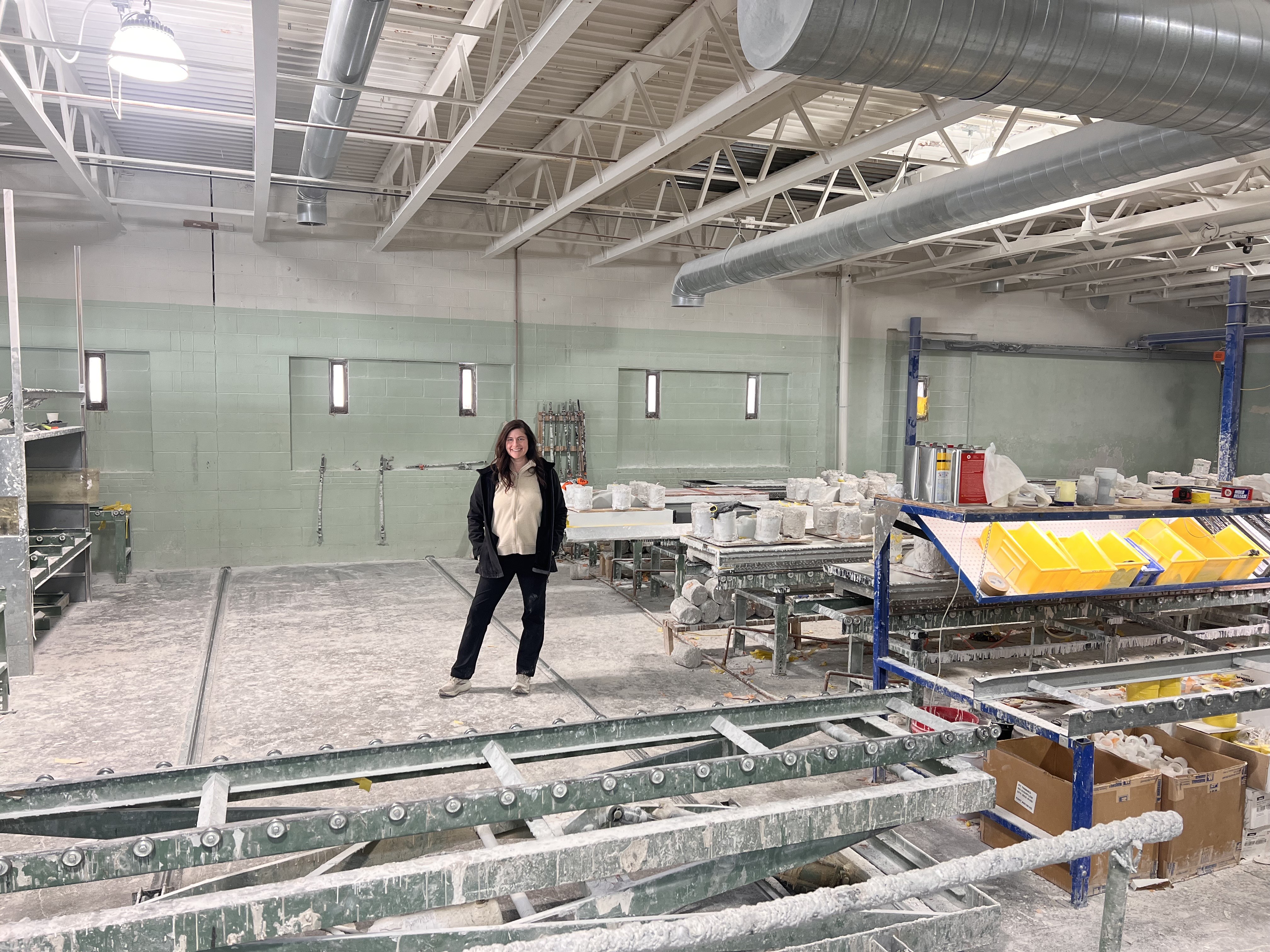
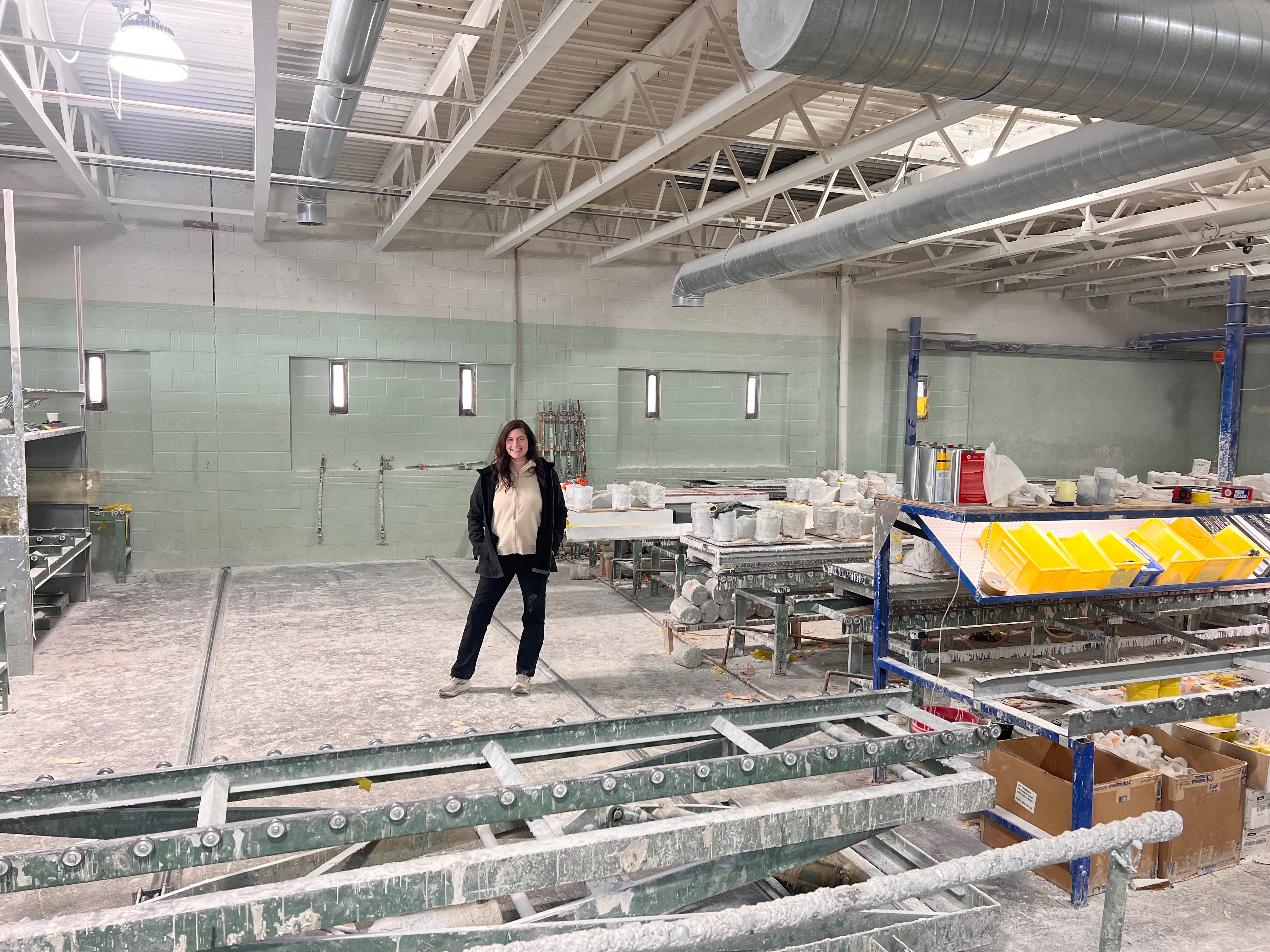
Guest: Yeah. Awesome. So in a nutshell, we actually manufacture stone countertops and showers. So unlike a granite or a real marble that naturally occurs from the earth, you pull it out of the earth and cut it down. We actually make stone in a manufacturing facility. We do that mostly for new construction. Lots of remodel also. But it's a very like construction adjacent business if you will.
Host: But manufacturing, correct?
Guest: Yes.
Host: So the market is construction ebbs and flows with construction, but your day to day is. Is owning and running a manufacturing business.
Guest: Yep.
Host: Great. And so you bought it in what?
Guest: June of 22?
Host: June of 22. Okay. And give us some numbers as you recall them around the business when you first bought it.
[6:00] Guest: Yes. So little tricky because the owner had owner operated. Classic boomer situation. Right. 30 plus years. And he had spent about the last decade winding it down. But then Covid hit and as everybody knows, I mean Covid did wonders for the construction industry. And so he was winding down to like 3 to 500 top line and then kind of spiked back up to maybe better part of like 700 again, not wanting to at all. And you know, for, for no reasons other than Covid. So I would say I bought around like the 700,000 top line, Mark. But again, I think that. That, you know, consider the context. Yeah, but that was about the size of the business. There were three employees. Yeah. Lots of weird book cooking, et cetera. So hard to say about. About bottom line, but.
Host: Well, I. I recall our kind of the. The normalized annual revenue being more like 400. So that 700 was totally.
Guest: It was a spike. It was totally a covet spike. Exactly.
Host: Okay. So. So let's call it a 400, 000 revenue revenue business. So. And then three employees. So this was a very, very small business.
Guest: Very.
Host: You come from tech. 10 years or something. Ish. At. At Salesforce. Bay Area born and raised. You moved to Milwaukee where your sister has settled down and decide to buy a business. And. But you don't know anything about manufacturing. So the. The famous quote, which I won't repeat here, you don't know s about. No, you don't know F about S, I think is what it is. Yes. No, no, you don't know s about F. I'm not sure it matters the order of the words there. So it was a very small business in manufacturing, which you didn't know, and it was extremely difficult. And so part of the popularity of your first appearance here was hearing the unvarnished recounting of all of that and just how hard it was.
Guest: So many fetal position moments.
Host: Many fetal position moments. Daily crying on the. In the kitchen when you got home. These were. These were all markers of your episode.
Guest: Okay.
Host: But the good news was you closed 2023, so a year and a half into the business at right around a million. Just. It just said a million dollars in sales. So you felt like you'd kind of gotten your feet under you and even were starting to see. Actually not starting. I mean, that's real growth. Yeah. So pick us up from there. What's. Give us the bullet points of what the business looks like now two years later.
Guest: Yeah, definitely. Like I had told you, I wanted to come prepared with some actual numbers because I'm sure that that will interest people. So to your point, 2023, we were definitely still writing all the greatness of COVID especially new construction. Right. There's. It's a long cycle. You know, we get a purchase order prior to them even digging a hole into the ground. And so because of how long that cycle was and how low interest rates were for so long, we actually rode that for quite. So that was definitely part of the 2023 numbers. Right. But I also, you know, was. Was really focused on obviously being able to get our name out there and kind of see who else we could sell to. So we ended 2023 top line of 985. So not quite a million, but still, I was super proud of that. And what I was more proud of was we actually dropped $80,000 to the bottom line. So if viewers recall how badly I was bleeding for that sustained period of time initially, the fact that I was able to close that year having made not just a little money, but enough for me to feel like, okay, wow, you know, I did that and I can keep doing this, was huge. And then with that money, I was able to make my first, like, real investment into growth. Right. There was actually a shop that closed down in St. Louis, so we purchased all the assets of that shop, drove them up to Milwaukee, and we're able to physically reconfigure our shop, introduce that new equipment to drill down into, okay, how much can we actually produce under our roof? So that was kind of key point of 23, in addition to getting some who are now long term employees, which was a huge, huge kind of turning point. 24. We closed top line at 1.16 million. So that was like, I think about 20% growth, which is like exactly what I was hoping for. So I was pretty excited about that. We netted 225 that year. So again, you know, very excited about that. Right. Feeling like, okay, I made, you know, a good chunk of money and I, I closed that year knowing, wow, look what we did. And I don't believe we've even scratched the surface of what we can actually achieve with good people and kind of this ability to produce more out of our facility. And then 2025 was like record shattering in all kinds of ways. My goals, I actually haven't refreshed my goals. I always have them taped here to my laptop. My goal was 1.3 in sales for end of 25. Top line. We actually did 1 6. So I'm super proud of that.
[11:21] Host: Yeah, congratulations. Thanks.
Guest: Netted about 300 grand. So super excited about that. And 2025 was amazing in, in lots of ways outside of, you know, numerical values. But regardless, those are kind of the, the quick hits in terms of numbers and growth.
Host: And, and so coming off the heels of 2025, I just. You crushed your own goal. You must be feeling good. What, what is your kind of the emotional state of tato these days?
Guest: Yeah. So let's see. Succinctly, super, super proud of 25. It was. I knew that we could be and would be really busy for a Lot of different reasons that we can definitely talk about. Had no idea we would. I also figured out how to have a baby in October. So that was.
[12:15] Host: Wow.
Guest: Amidst, like, all the chaos. Like, I've never endured such a chaotic couple of months. It's been wild. But so I would say emotions are obviously really positive. You know, I. I know this mom who had twins last year as well, and she said something that totally resonated with me. She was like, as you get through the months, like, it doesn't get easier. The challenges just change. And so I would say that that's really similar. Like, we are light years ahead of where we started, and that's amazing. But the challenges just change, right? Like, by no means do I want people walking away from listening to this podcast thinking, like, oh, she just turned it around and now she gets mani pedis every day and, you know, spends a month in Bermuda. That's so great. Not at all. Right. I'm very optimistic, excited, have things I want to, you know, really drill into and get. Get better with, but also super proud of, you know, where we've come.
Host: Well, congratulations on the baby as well. And wow, having. Doing two of those things at once where. I think we will also talk about that in a minute because one of one of the themes of the episode, the first interview, was being a woman in manufacturing. So.
Guest: Yeah, definitely.
Host: Yeah, sure. The challenges never cease. They come, they evolve. You, you know, you get through some, and then you just have new and different challenges tomorrow. But I still do think that you can characterize kind of like, you know, feeling good or feeling bad.
Guest: Yeah, yeah. Fair.
Host: And you were feeling terrible at. For a long spell of your transition. Right?
Guest: Yeah.
Host: Are you. I mean, with what frequency are you crying in the kitchen?
Guest: Well, it depends on if you ask me or my husband. I would tell you somewhat infrequently. I'm sure he would tell you more. No, I think there are definitely some key themes that I don't believe ever dissipate as a small business owner. For example, staffing is just like, perpetually challenge. Right. If I had to choose one thing that's really never become less challenging, it would be that at this current moment, I really need two more super solid people. Now, on the flip side, I need two super solid people because our first day back of the year, because we take Christmas, New year's off was January 5th. By January 6th, I had outsold our capacity. So, like, that's amazing. Right? I'm really excited about that. It doesn't change the fact that I need Two really solid net new heads. So, like, that's stressful, but I need them because we're selling so well. So that's what I mean by, like, the challenges change. Right. Like, that's. That's an exciting reason why I need new people versus, you know, when everybody heard me last, I just, like, literally didn't have people at all.
Host: Yeah.
Guest: So that's cool. Um, so that's. That's a key thing that, that persists. Um, but what I'm, I would. I. Honestly, if you're trying to force a primary adjective out of me, it would be. I'm really excited and proud, but really excited. I am so excited about what we did last year. And I Even still, even despite the chaos, I was like, okay, I know that we can do more and better with the people that we have in the space that we have, even though we did more and better last year from the year before. Right. And so that, that totally changes, you know, kind of like the funness of everything else. And even on bad, terrible days, I reflect and I think, wow, I went from something that is worth nothing. Right. Because I acquired it for nothing, to something that is definitely worth something. And that is. That's the whole gig, right?
[15:53] Host: Yeah. And one other kind of part of your background is that you were a. You are a real estate person. So you're actually. Your first entrepreneurial love is building a real estate portfolio.
Guest: Correct.
Host: And one of the things you liked about this deal, which we didn't mention, is that real estate came with it. And so you saw a huge hedge in this tiny, fragile business that even if the business totally collapsed under your ownership, you had this, this real estate that you thought could be income generating. When we, when we caught up offline last week, you said that real estate remains your first love. That still. So it's not like SMB ownership has superseded real estate as your kind of what your. Your. Your clearest path to wealth.
Guest: Right.
Host: To wealth and financial independence. So how do you think about those two now?
Guest: Yeah. So couple things at play. First and foremost, I actually met my now husband, who was my boyfriend in the previous podcast. So it's always funny listening to that. I met my now husband trying to hustle an off market real estate deal to him, and we ended up out on a date. The rest is history. So we both came together. Like, I had my own portfolio, he had his own portfolio. We've met, we merged, and now we've grown considerably since then. So in part that's kind of like the uniqueness of the relationship that I'm in, it's hers, love, my love. And it's the thing that we're both really good at. And he's a builder by trade and you know, I run a manufacturing business of builders. So everything that we're involved in is very symbiotic and very much lends to this hyper growth of a real estate portfolio. So I would say that's maybe a little bit unique kind of to me. I also think that at least for me, and it kind of goes back to being a woman in manufacturing. Right. I don't know if I can see myself owning and running this business forever for several different reasons. But what I know is forever is the purchase of buildings that will continue to live on. I think the time, I believe inevitably the time will come when I will have multiple children need to be a little bit more focused on raising them as they get older. And so this is kind of that like alternative path, if that makes sense.
[18:18] Host: Okay. And so those are the reasons why you could see stepping out or selling.
Guest: Yeah, I would say like, no doubt the overwhelming, like larger reason is just that, you know, that is his skill set, that's his business and the thing, you know, that we kind of mutually do together. But yes, I could see that potentially being a reason why I would sell it in the future. That, and you know, I'm a business person. Right. If somebody made me an offer that made sense, you know, I'm obviously going to seriously consider it. That's kind of the whole point of growing something that's worth something.
Host: Although the real estate types generally have a long term hold perspective. They're accumulating a portfolio that they, that they kind of intend to hold.
Guest: Yes, definitely.
Host: But, and, and, and there's a philosophy there around business ownership as well that you don't, that you don't sell. I guess, I guess what I'm trying to tease out is that there's something about the quality of your life or the way you spend your time, something that you dislike, frankly about being a business owner too, that is steering you to, to envisioning a life beyond owning this business.
Guest: Definitely. I think in part, possibly it's a personality thing. Right. Like I'm a really hands on leader. I believe in, in being there for my people. And so it's a hands on business for me. Could I, you know, navigate a way for it to be a little less hands on? Possibly. Yep. And so maybe that's something that's in my future too. I'm not sure. But I also, you know, We've, we've thrown around the thought of, you know, if an offer made sense, could we take that and go buy a 30 unit apartment building that can cash flow potentially just as much as it's a business? I don't know. Right. The landscape is always changing. So, you know, I think that a lot of small, but I have come to find, I don't know if others would disagree with me, that a lot of small business owners very actively do not own other real estate because they feel like landlording is like a whole other job, which is an interesting point of view to me. But nevertheless. And so I don't know if maybe I'm just kind of the opposite. Right. You know, I'm using this business for cash right now and we're doing a good job of, of doing that. And so in the future could I cash it out to go buy a couple really big buildings? Maybe. Build a couple really big buildings perhaps? Maybe.
Host: Okay, well, and so I think one thing that I heard there was that as your style of leadership and ownership is kind of means that this is pretty all consuming for you.
[21:01] Guest: It definitely can be on a lot of days for sure.
Host: And so maybe there's a future where there's a general manager who runs it for you. Maybe, maybe. But it feels more likely that, you know, you're kind of all or nothing in this project and if, and if you're going to divert your attention away from this, it's kind of going to be all the way away from it sort of thing. Okay, what do the following Acquiring minds guests all have in common? Doug Johns, Morley Desai, Tim Erickson, Chirag Shah, Shane Ursum. They all went through the Acquisition Lab, the accelerator in community for people serious about buying a business. But they represent just a sliver of the Lab's success stories. The number of deals across the Lab's cohorts now stands at over 120, with over $300 million in aggregate transaction value. The Acquisition Lab was founded by Walker Deibel, author of Buy Then Build, the book that introduced so many of you to the very idea of buying a business. The Lab offers a month long, intensive, almost daily Q and A sessions with advisors, live deal reviews with Walker, deal team introductions and an active community of serious searchers. Check out acquisitionlab.com, link in the notes or email the Lab's co founder, Chelsea Wood Chelseie. Then build.com okay, well, let's talk more about your leadership style. Tato for background. So for some more background, people who didn't hear the episode you just mentioned, the staffing, that was this real unlock you discovered. You were having a very hard time getting people to. To show up. People were ghosting you. You just couldn't get anybody interested. And you had this insight one late one night of reaching out to the Latino community.
Guest: Yes.
Host: And hiring directly from. So you went to Facebook groups and started putting ads in there and it was a total unlock and got all of this inbound. And when we left, you pretty much your whole team were Spanish speakers, Right?
Guest: Still are.
Host: Still are. Okay.
Guest: Yep.
Host: So that remains, I guess say more about your kind of evolution as a leader, because that has been one of your challenges, actually.
Guest: Definitely, yes. So the day that I. Well, the night I guess that I posted that job at ad that as viewers will remember the next day, I had a gentleman at my door who wanted to work. I got him on payroll. He started the following Monday. And truly since that point, the rest has been history. We now have four gentlemen who have been with me pretty much since that time. So the term, long term employee is all being relative. Right. They've been with me two to three years because that's really as long as I've been around. But that has been probably my. The single best, most fun aspect of what I do every day. The fact that these four gentlemen and they all came in different ways at different times, but have found such positivity in a job that otherwise sucks so bad for so many reasons and have really stuck by me and genuinely enjoy showing up to work every day has been great. If you recall, I had no leadership experience whatsoever, had never managed anybody in the corporate world.
[24:32] Host: What was your job prior to this?
Guest: I was an assistant to a couple of folks who reported into Mark Benioff.
Host: So an executive assistant to very high level people at Salesforce to kind of the top level executives, just below the CEO.
Guest: Yeah. So I mean that, that demands certain leadership qualities for sure. Right. In order to. To get and keep that job. But I had no skills around, you know, if an employee shows up, complains about something, says, well, that's not fair. You know, how do you handle that situation? Especially if they're right, you know, like that's not fair. Just little daily interactions like that. I was, I was just totally ill equipped. Introduce also the aspect of general labor. Right. You need absolutely no skill whatsoever to work at our company. You don't even need to speak English. So meeting people on that level was such a learning curve, to say the very least. But give us more.
Host: Tato. What's hard, what was Hard. Give us a feel for the nature of these interactions and why it was hard.
Guest: So it's funny, I've, like, come so far. Now I have to take myself back to that time. The things that are important to general unskilled laborers. Well, let me back up further. Every employee who works for me, with the exception of my one white employee, who I, who I see kind of as a business partner. Noah, if you recall from the past, from the past episode, every person who works for me walked here. Like they actually walked on their feet
Host: because they don't have a car.
Guest: They walked, they walked to America. They walked through South America, to America. So when you saw on Fox, like throngs and throngs of thousands of people walking from places like Columbia, that's what my employees did. So they show up at this job with this, you know, life perspective that you will never, ever be able to understand. And so that's already something that, that puts such a moat right between me and them. In addition to a language barrier, they have no skills, no education. I actually just lost a kid who I loved, so I'm really bummed he left. He had like a second grade education. Like he was borderline illiterate. They're all living paycheck to paycheck, right? Zero money, savings. And any money they do make, they figure out how little they can live on so that the rest gets set home. And so these people can only see what's in front of them. Right. They're literally just making it day by day, paycheck by paycheck. And it's really easy to view workplace challenges or anything about the workplace with the sort of privileged American corporate point of view that just innately I have and the rest of us would have. For example, you know, I got a lot of advice. Well, have weekly one on ones with people. I'm like, okay, yes. I think what you mean is sit down with each of my employees, occasionally get to know them personally and have them understand me as a person and vice versa. Right. You can't be like, oh, you know, hey, Zeus, it's your one on one today. Be like, what the are you talking about? You know what I mean?
[27:58] Host: So
Guest: you just have to kind of. And, and I, I feel like maybe I'm, I'm sounding like I'm marginalizing them or diminishing them or, or making them sound stupid. Not at all. It's just we couldn't come from more different universes, right? Yep, yep. So it's almost like you have to boil everything down and sort of like, start from the beginning. Like, okay, this employee just freaked out about something I don't think is important at all. I'll give you an example. We have overcome this now, but we had a ton of discrepancy about if somebody went and installed countertops and it took 15, they ended up getting 15 minutes of overtime. And the. The person who was not out installing. Right. They were just at the shop manufacturing left on time. Right. They would literally compare their paychecks. And because this employee made $7 more. Right. For the 15 minutes of overtime, there was, like, they were in my office the next day. Like, this is completely unfair. We need to figure out how we're, you know, how, like, I can go install next time. So I go to. And I'm like, it's $7. Like, here, I'll give you the $7. You know, but that's really important to them.
Host: Right.
Guest: And so little challenges like that, I'm like, okay, this kid is telling me it's not fair. Technically, he's right. You know, it's not fair. I don't know what to say. Like, I actually have no idea what to say, you know? Yeah, that. That sounds like such a small thing, but it can be. It can be really hard. You're constantly wanting to make sure that things are fair, that employees don't feel favoritism, etc.
Host: Yeah.
Guest: You also sometimes have to meet people where they're at. For example, I have a kid who's literally never even been he. A minute late since the day he started working for me three years ago. If anything, he's five to 10 minutes early. Not too long ago, I. He got pissed off about something. I don't know what. He decided to leave in the middle of the shift. Okay, well, that's super challenging. Right? What do I do about that? This kid is perfect. He obviously had a bad day. The policy is that if you walk out of your shift, you don't get your job back. So I'm just gonna wipe away three amazing years with this kid who, you know, decided so just things like that. I constantly felt like I was being watched by employees to see what kind of decisions I was going to make and then be judged for it. And that I just found that to be a really challenging thing.
[30:28] Host: How would you grade yourself?
Guest: You know, I've gotten a lot of help, so if this is ultimately where you want to steer that conversation, I'm happy to.
Host: Well, we're getting there.
Guest: Yeah.
Host: But no, but I'm really. I. I want to set it up because this this is something that so many listeners will likely experience and we take for granted. We don't understand that, you know, it's kind of the, the water you swim in thing. Like, we don't understand the professional environment that where we, we think everybody else has is in fact, not universal. And so when we bring those assumptions in, it can be disorienting to everybody.
Guest: I think in hindsight, looking back, um, there's a reason that my longer term employees have stayed. And I, I believe it's because I earned their respect in a lot of different ways, namely by showing up physically, working hard alongside them, and also doing everything that I could to instill fairness. Um, I think that when obviously has gone a really long way with them, the source of the challenge was not that I was doing a bad job, it was that I was perceiving that I was doing a horrible job because I was so insecure. Like, I am a really secure and confident person, but specifically when it comes to managing my people or people in general, I just have this extreme insecurity. You know, I don't know if it's a lack of experience or just because I really want people to agree with my decisions, you know, unfortunately, want to be liked. Yeah. Yeah, really. I guess, for lack of a better term, which is kind of a tough characteristic when you know it. My goal shouldn't to be. To be liked. Right. My goal should be to be fair and successful, I think, but easier said than done. So again, I think my grade would be better than I would give myself just because, you know, that's the reason people have stayed. But man, every day I was just like, my employees think I'm a doormat. Seriously, like, that's. I ultimately think you are way less so now. Way, way, way less so now. Back then, 100%, I definitely came home crying meltdowns because I was like, I'm a doormat. Like, I see it, you know, I'm at least aware of it. And I don't know, it's. I don't know how to unravel how far, you know, we've gone in this
Host: incorrect direction and, and doormat. Because you could, you could tell that they were taking advantage or pushing too hard and didn of your authority, essentially.
[33:03] Guest: Yep, absolutely. And largely those people have been weeded out. I mean, it's certainly not like, you know, I haven't kept around anybody who was, who was really guilty of doing that. But yeah, I mean, it was embarrassing. I'm like, oh my gosh. Like, I see this happening, you know, it's so hard though, right? Because you feel like you really need these people to show up the next day and do X, Y, Z thing for you. Otherwise, like, you can't get that order out. Or, you know, there's constantly like some rational reason in your head why you're accepting this behavior. That is not okay, you know, small business Lane, you're only as good as your employees who show up. That's just a fact. But it, it took a lot of painful days for me to realize even if I had to rid my shop of half the people who are working here, I will be better off in the long run. I have got to figure out how to turn myself around or, you know, it just wasn't sustainable.
Host: And so you have started to turn that around and with some really creative approaches to doing that. Tell us about the Starbucks manager first.
Guest: Yeah, yeah, Starbucks guy. So I, I had had one too many mornings of employees walking into my office saying, hey, by the way, I have to leave at 3 today. Shift ends at 3:30. Like, no notice, no reason, right? And I'm just like, I just can't do this anymore, you know, or people being like, I need tomorrow enough tomorrow off, but I'll be here the next day. I came home and I was just like, so frustrated with myself. Like, I definitely started crying to my husband, God bless him. And I'm like, I need some help, you know, and I don't want to call any of my friends who are in tech managing, you know, their little white collar teams, because they have no idea what I'm going through. You know, maybe I'll reach out to some other business owner who, you know, I can think of, and I'm just kind of like talking it through. And I just realized in that moment, for absolutely no reason whatsoever, that the guy who manages my local Starbucks is there every morning. As a sidebar, I'm a super millennial in that I go to Starbucks every single morning. I'm that asshole on Christmas morning. Seriously, like, pulls through the drive thru and it's like, thanks so much for working, you know, so I can get my triple espresso. And he just like, his face flashed in my head and I'm like, oh my God, the guy is there every day. Like, imagine the copious amount of bullshit that guy deals with in a day. Yeah, between his baristas. But then also like, Starbucks customers, right? Like, I can't think of a worse customer. I'm like, I'm going to go talk to that guy and my husband who I'm Sure. Just wanted the conversation and was like, that's such a good idea. You should definitely do that.
Host: Yeah, it's a great idea.
Guest: Pawning the problem off to some other male who was not him. So. So I did exactly that. I was there at 6am the next morning, and I don't see him, and I'm like. So I go up to the front and I say, the ladies. I'm like, hey, you know the guy who's, like, kind of short? He's there every day. I'm pretty sure he's the manager. Is he here by chance? They're like, do you mean Alex? I'm like, yes, Alex. They're like, yeah, he's in the back. Do you want us to tell you to tell him that you're here? I'm like, oh, that would be so awesome if you could do that. They're like, is he expecting you? I'm like, oh, definitely not. So they go get him. He comes out and he's like, can I help you? And I'm like, you definitely can help me. I'm like, do you recognize me? And he goes, yeah, actually, I do recognize you. You're here most mornings. I'm like, yes, I am. I'm like, this is so random, but I own a. I own a general labor business about 15 minutes from here up in the Falls, and I have absolutely no leadership experience whatsoever. And I'm really struggling, and I don't know why, because I don't know anything about you. Didn't know your name until 47 seconds ago, but you seem like you know what you're doing, and I think that you can help me. He's like. He laughed, and he's like, wow, that is. That is so random. But, I mean, I'm happy to help. What. What can I do? And I'm like, well, like, can I come at some time and day that's convenient for you and just sit down and, like, I talk to you, you know, I like, I actually have, like, specific, specific circumstances I can bring to you that. That I need help with. He goes, yeah, Thursday at noon. You want to do that? I'm like, done. Like, I will be here Thursday at noon. I show up, notebook and pen in hand. I had a little thank you card with $50 bill in it. Slid it across the table, and I'm like, alex, I am not here for attaboys. I need some serious help here, okay? And I was there for like an hour and a half. It was so fantastic. And so now he is a mentor of mine. And we've had a number of these sit downs. They're, you know, informal and they're occasional. They're just kind of like on demand. But I come with my problems and my quandaries. And he has like, fundamentally changed my ability to organize the way I go about leadership at work, if that makes sense.
[38:01] Host: And, and so can you distill two or three of what things you've learned from him?
Guest: So in that first moment, I gave him specific examples like employees essentially making their own schedules and, and a couple of other things. I brought to him the whole like, well, this isn't fair thing. And so he was like, okay, basically, it sounds like you don't actually have any rules. And I'm like, well, you know, that's not a poor assessment. He's like, you need, no matter how formal or, or informal, not informal, but distilled down, it, it needs to be. He's like, we need some written, you know, rules and regulations. He had a perfect. He. He is perfect because A, he's completely objective, right? He doesn't know anything about my business or my people. And so he's just giving me the unfiltered version of what he thinks. And two, he comes from an ultra corporate, ultra organized structure, right? So he's a leader of many different Starbucks locations. And he is given the rulebook, given the playbook, he can't change the rules. He didn't make up the rules. He's funneled, you know, direction and people, et cetera. So not to say his job is easy, right? He still needs to gain the trust of the baristas who work under him,
[39:22] Host: but
Guest: things like that are very obvious to him because that's just the structure of his job. And so he was able to be like, you know, you don't need a Starbucks Handbook that's 17,000 pages, but you need something. And so he was, we were able to, to write out. It's, it's super basic. It's like a two page employee handbook, if you will. It's a little bit longer now because I've iterated on it and done some OSHA stuff and what have you. But it started as just a couple pages. So he even helped me come up with some, I call them like team values. Not, I hate the whole company value thing. I don't, I don't know why, but I have some team values. They're basically like four characteristics of our team that I think are, are important to judge ourselves against as we show up to work every day. And then some actual rules. Around like, you know, being late, missing work. G. You know, notice if you need a day off, et cetera. Like, these things are so basic. I'm listing them out and I'm sure people, like I said this on the last time I was on. I'm sure people are like, wow, like this chick does not know what she's doing because it's so basic, but it's so lost a lot of the time. Right. So he helped me come up with the material. Implementing it was a whole source of other, like insecurity and challenge that he also helped me through over many discussions. Because you have to figure out how to show up one day and be like, okay, guys, you know, I'm acknowledging that in a big way. It's been the wild, wild west here. We need some structure. And I get that you're not used to me saying no or pushing back on you, but like, that's, that's what we have to start doing. That, that was like basically the, the conversation at the team meeting. But what I ultimately found was that your best employees crave roles like that. And when I realized that distinction, I felt so much less insecure and so much more confident moving forward with what I was doing,
Host: that good employees actually like the structure and want and also see the toxicity of people, of the people who break the rules being 100% correct.
Guest: Yes. They practically like snatched the paper out of my hand to sign ins and hand it back. Um, and so that made me, that made me feel good. So that, that was a key turning moment for me, feeling like I was grabbing my authority back.
Host: And, and there was a moment, you kind of had a, a team meeting where you a hundred percent had, had prepared something to say.
[42:01] Guest: Yes, that first team moment. And Alex helped prepare me for it. In a couple of meetings leading up to it, some mentorship sessions, um, I literally said the words like, we need structure around here. I, you know, I guessed it a little bit as like, we're growing, we have more people. Right. We need, we need some, some written down rules and regulations for the benefit of everybody. This should help you and should help me. So there's ways that you can message. But yeah, I was like, you know, here's the new employee handbook. Take a look. See, we went through it sentence by sentence. You all are going to have to sign this and you're going to have to hand it back. If you have questions about it, you know, come talk to me. But otherwise, this is how we're rolling now.
Host: And, and you thought that the message that you were trying to communicate, was received that there was kind of a new tato in town.
Guest: Yes, 100%. And yeah, I have a, I have a kid who works for me from Cuba and he made some joke in Spanish which I completely understood as, you know, like me taking my dictatorship back. And so there was like a chuckle that eased the, you know, eased the room. But yes, that was 100%. That was a fundamental moment for sure because I think I, because again too like half the employees in that room are still with me. Like, I know that they're all, like they were all rooting for me. Right. I know that they, I know that they welcomed that so sincerely because they've just seen the evolution of, of me running the place kind of like before their eyes, if they will. And they definitely understood how that was going to benefit them.
Host: There's probably something not, not just, not just their selfish interest, although I, I don't doubt that. But also just some sort of human interest in seeing you recapture your mojo. I think, I think we root for that, healthy people root for that and they don't like to see it being chipped away at in other people.
Guest: And in a broader sense, as much as I've sort of set my people up in this conversation to sound wildly unprofessional, which is a largely accurate description, my long term employees, I think they have a ton of pride in seeing a dirty nothing place become professionalized over the years. Yeah, to a certain extent, if that makes sense. There's a lot of, absolutely a lot of pride in that. And that was sort of a key moment of professionalization.
Host: Looking to secure an SBA loan to buy a business Meet Pioneer Capital Advisory your go to partner for sophisticated buyers who want deals closed quickly and on the best possible terms. The Pioneer team has closed more than 100 SBA loans averaging timelines well below industry standards. Founder and owner Matthias Smith and COO Valerie Stash bring over two decades of SBA lending experience. Matthias and Valerie have built a team that meticulously works your deal from underwriting to close. You'll have a full bench working on your behalf, sales associates who streamline onboarding M and A financial analysts who craft investor grade lender decks and an operations team that manages every step of the closing process with institutional level rigor. Pioneer is not a single person but your true deal team. Visit pioneercap.com or click the link in the notes
[45:37] Guest: and you know what's really interesting is that employee who I mentioned who was the first to answer the job ad in the compra evento Facebook group. My. My professor, my professionalization of the rules, regulations, and more importantly, the things that I value in our team ultimately weeded him out of the organization, which is something I could never have predicted. If you had told me that when I first recorded, I would have been like, you're full of crap. Like, there's no way. But for lots of different reasons, his. His attitude soured, and I was able to recognize I. I did exactly what, you know, my Starbucks mentor in. Has instilled in me so strongly. Have something to fall back on. Right. So you're not the bad guy. An employee does something that's against rules and regulations, and you say, well, here's. Here's where it says that you can't do that. And that's what you just did. Right. And. Yeah. So to be able to have that, to make what was one of the hardest decisions that I've had to make in the last almost four years was like, I couldn't imagine anything more exciting
Host: in our first conversation. You were very excited about him. You, you, you. He was, you know, you kind of talked about loving your current employees, and he was kind of top of the top of the heap there.
Guest: Yeah.
Host: So it didn't work out. He eventually soured.
Guest: Yeah. Yeah, that and, you know what. Have you read. What's the Jocko Willink book?
Host: Yeah. Extreme Ownership or.
Guest: Thank you. Thank you. Have you read that? Have you read that? No, I am. Oh, okay. So extreme ownership is like. That is my motto. Like, I am all about extreme ownership in every single thing that I do. That was an extreme ownership moment for me. I totally put him on a pedestal. There's way too much than I should have. And also, he. There is a difference between an employee who is an amazing, excellent employee, borderline perfect, an employee who's a leader. I made him a leader. He was not a leader. He was just a really good employee. And I understand now what a fundamental difference there is. And so he was put on a pedestal in a leadership position he never should have been in. And that unfortunately, it took a turn so far left that we just. We couldn't come back and, you know, again. Right. Like swimming in the gray. As a small business owner, you can't react to employees coming to your office and saying, I hate this guy. If you don't get rid of him, I'm gone. Right. Can't do that. But you can pay attention to a common theme of employees having the vulnerability to express to you. We have a really big problem with. With this particular employee. And it's not just me, it's my colleagues. Right. So that was, that was the case with him, unfortunately. He, if I, he was just, he became a bad apple. I, I, he had to leave the barrel or, or the rest were gonna sour.
[48:32] Host: Okay, Tato, just a little bit more on the leadership stuff before we turn to our last segment and close it out. But really, what, is there anything other than what you've just told us you learned that you would kind of tell a first time small business owner who doesn't have leadership experience? Tell your younger, two, three year younger self. Is it basically just, you know, have an employee handbook written or, or is there something maybe subtler, deeper about leadership that you've learned?
Guest: Yeah, you know, I think that I, I've given this advice as recently as last week, actually, to a searcher. Right. My whole journey and evolution of getting to the place that I am now can be distilled down to all these many moments where I've just sought out someone else who's doing the thing that I either want to do or don't understand how to do. And so I think that to me, the kind of broader answer to leadership questions or any questions is find the person who's doing it right. You know, you say, oh, what would your advice be to another small business owner? Well, like I said, I just gave this advice literally last week to somebody who asked for my time on the phone. Find the person who's doing the thing right. That can be anything. And there's never a moment, in my opinion, where you know so much that you don't need to seek that out from somebody else. Just recently, super short story, you know, long story made short, I found this guy who I needed to replace carpet at one of our rental properties. Turns out we have a bunch of the same customers on the new construction side. Got to talking. He's classic boomer, longtime owner, blah, blah, blah. Had an honest, an awesome conversation. And, you know, I always tell these guys, I'm like, oh, my God, I have so much I could learn from you. Like, I just love talking to you. This is awesome. He's like, what are you doing next Monday riding the van with me for a day? You know, like, you're never too evolved that you can't get in the van with Jim and learn something that you didn't know before. You know, go against anything your parents ever told you. Get in the white van with the bald boomer. It's amazing what you'll learn, you know, And I just think that you could Extrapolate that example to anything and everything that somebody listening to this podcast is asking themselves or feeling like, I have no idea how I'm going to figure this out. This, this thing out, right? There's, there's always somebody who will help you figure it out because they're doing it. You know, Starbucks guy was like, I can't believe we're even having this conversation. Like, I know this like the back of my hand. Like, I can't believe this is a problem for you. You know, there's people like that who are like, this is a problem for you because it's so easy for them.
[51:22] Host: Excellent, excellent advice, Tato. Profit first is a book that that many listeners will recognize, if not have read. Tell us about it and why it was so instrumental in your journey.
Guest: Yeah, so when I finally proved to myself that I had bought a business that made a thing that I could go out and sell, right, it not all top line is good, you know, or just because you're bringing in money doesn't mean that you're keeping it, I guess is a better way to say that. So I proved to myself that I could make the money and then I needed to go through the hard exercise of figuring out how to really keep it. And that was really just an exercise in figuring out how much does it actually cost me to run this place, how much can I actually sell on the backs of the people that I have and how much can we actually do with the physical space that we have, you know, the, the actual manufacturing capacity. And that was a multi month or year plus long figuring outing. And I really needed to learn how to take money out of my business because that's the whole point, right? The whole point is to make money and take it out and do something with it, right? Without feeling insecure. It goes back to that insecurity, right, of well, what if I need that money next month, right? And that's just like a really unhealthy place to be financially and mentally. This very much speaks to my complete nutter. Lack of any type of financial background, didn't go to business school, never took an accounting class, basically was as ill prepared as possible. And I had to, I really had to unravel that or I was never going to use my business to grow our real estate portfolio was really like what I was trying to solve for. And so the whole find somebody who knows right, from being on this podcast. I have met tons of amazing individuals and for that I'm forever indebted to you. And one of them had Bought an accounting practice actually. And we just got connected kind of loosely at first. And then I found out he was a profit first professional. And I'm like, this is so perfect. Like, I have the book, I've read it multiple times, listened to it on audiobook multiple times. Um, but actually like implementing it, I'm like, I'd rather just like pay somebody to do it. So long story not so short. I guess I ended up paying him to implement profit first for me. And that's meant to be a year plus long exercise because you're supposed to have four quarters under your belt with advisory. And I did that. I like, gave it, you know, the length of time that it required. And it has been a complete game changer. Complete game changer. It's the single thing that I point to when people tell me like, oh, I'm having XYZ financial trouble. I'm like, you know, have you read this book?
[54:22] Host: And so like, what has changed about your operations or your financial picture? What's different?
Guest: So essentially it forces you to start with the end in mind, right? And it's funny actually having done this now I use that term start with the end in mind for a lot of other things that I do day to day or other goals that I have. But it essentially forces you to figure out what your margin is, more or less. It says if you bring in for round numbers a hundred thousand dollars a month, you need to immediately take out a certain percentage of that and pay it to yourself before you do anything else. Which is completely the opposite of what traditional accounting would tell you. You start with like super training wheels. Like, I started with 1% owner's pay. 1% of my top line went into a tax account to pay my tax bill. Because that's another thing that can easily creep up on you if you're not, you know, kind of preparing yourself for it. And then 1% toward just like profit that can kind of sit there and then be distributed out at a later point in time. And then 97%, right? That's the remaining percentages. Besides the 3%, 97% of that goes into an operating account out of which you operate your business. And so when you realize that you, you're starting to pay yourself a little bit right above and beyond your normal salary, but you're starting to pull a little bit of money out. You're like, okay, this feels good, I can do this. And then ideally, that operating expense account is building month over month because you actually can pull more money out of your business. So that's where it becomes relevant to do this exercise every quarter of figuring out, okay, net of anything else, what are, how much did I actually drop to the bottom line and then how can I segment them into things like a distribution to myself, preparing for tax time, etc. And ideally that amount grows. Like ideally you get to like I'm at 5, 5 and 5. So 5% owners pay 5% profit, 5% tax and then that's, and then 85% opex. So yeah, so per my profit first numbers, 85% of anything I bring in is required to run my business. I actually think that I do a little bit better than that, but I like to still be conservative. But the fact that I've now moved to a place where 15% of my top line is automatically coming to me is just a place of much more financial empowerment that I was in before. Now I will at the end of each year do a bigger separate distribution to myself when my OPEX account, like I had mentioned, has inevitably built up even above and beyond the, the 15 that I'm taking out. But it just makes me feel good to have we do some like bigger longer term projects and stuff that I like to be well capitalized for. So I'm still a little bit conservative. But again it just, it helps you put training wheels on pulling money out of your business. And it's amazing how many people don't pull money out of their businesses even though they show up and work their ass off every day at these businesses. So it's a great tool.
[57:30] Host: So it's sort of like instead of I run my business as well as I can and then I pay all my expenses and then I look what's left over and I decide whether or not I can take some out this year as a distribution or this quarter. You say, no, I am going to take out X percentage before anything else and then, and then pay the expenses and, and that shift has downstream effects that, that changes how you think about money coming out of the business, distributions coming out. It's a little hard to understand the concept, which is why I wanted you to talk about it. I'm, I've been exposed to it and I still don't fully grasp. I think it's a subtle one and I don't fully grasp it, to be honest. But starting with the end in mind is, is helpful.
Guest: Yeah, that's kind of like the broader theme. Right. And you know, everybody thinks, oh well, that's kind of dumb. Like obviously I operate as efficiently as I can, you know.
Host: Right.
Guest: But like, if you don't actually have any structure around how you're doing that, then you just think that you do. You know what I mean? Um, and so just really, it forces you to get really naked with yourself and understand if you actually have the business, like, as healthy of a business as you think that you do. So good luck taking that to your cpa. By the way, everybody who's like, that's absolutely genius. I'm going to do that. My CPA was like, you realize this is stupid, right? And I'm like, I don't care. You know, it's like, it's. I mean, it's just like completely opposite of traditional accounting, you know, And. And also the. If you truly do it correctly, you need a variety of different bank accounts. Because I physically move the money every two weeks. That is what you do, as per the prescription of the book. And so that's the other thing, too, is then they have to reconcile. Reconcile a bunch of different accounts, which is not difficult because the only thing in those accounts is, is that those couple of transactions moving. So it's not that big of a deal. But literally, my accountant was like, I love you, but this is dumb. And I'm like, well, I love you, but this is what we're doing, so.
Host: And I'm so glad there's some leadership. There we go, Tato.
Guest: Hey, there we go. Exactly.
Host: All right, Tato, so let's do some quick questions to wrap. So you're in manufacturing. You didn't have any experience, as was covered in depth in episode number one, and we've heard a little bit more about today. Would you suggest manufacturing to searchers who don't have other experience? Or was it just like, yes, you've survived and you're starting to, or you are thriving now, but really, it's not a good idea?
[1:00:03] Guest: No. 100%, yes. I say this about myself in the first episode, and it's true. Like, I don't have any relevant skills or background to anything I was going to take to any business that I was going to go by. Right. And I. I would like to think that there's a lot of people who could probably resonate with that. And so if you don't have, like, a specific skill, you're going to go buy a business based on, then you kind of, I don't want to say, have to pick. That's what I did. I'm not saying you need to be as lackadaisical, but I think that you have to face the fact that you are going to Go learn something new. To put it lightly.
Host: Yeah, well, but actually for one of the reasons, one of the reasons manufacturing isn't popular with searchers is precisely this, that oftentimes in manufacturing there is, it's just the learning curve is too steep, there's too much knowledge you need. But there's a very wide variety of manufacturing businesses from the simple to the complex. And yours is pretty simple. So yours. It was learnable.
Guest: Yeah, I don't know if simple is the right word because it's pretty niche but like learnable for sure. I, I think that very few things in life actually aren't learnable personally.
Host: And then on the point of manufacturing again, tayto. So this is a business that's in, tied to residential construction. Notoriously cyclical. We're seeing, we heard that your employee base are Spanish speaking immigrants. Obviously that's in the news these days. So hearing a lot about that from small business owners who, who employ such people. Although manufacturing is trying to be brought back to the US So kind of prospects for the market position of your business. We've heard so much about how you as leader have evolved, how you're an operator have evolved and you know, kind of you got your hands around the kind of micro world of your business. But macro, what do you think the prospects are factoring all these things in for your business's future?
Guest: My personal opinion, I'm super bullish on anything construction related, trades related. So my husband is a skilled trades person. He installs tile as well as builds our rental portfolio. It's insatiable. The amount of work that he could go out as a skilled trades person. The remodel kind of prospects. Insatiable might be a little bit unique to our market for sure. Right. We're in the Midwest where everything is relatively affordable. New construction, like they can't dig holes fast enough. I hear people saying, oh, new construction is slowing down. Perhaps as a macro trend that that's true. But at least in our area, I now very aggressively go after like bigger multifamily projects. That's what I've learned is like really where we're making our money. I mean I, I don't have any concern about oh, am I going to sell enough? Because if I sold them all, I'd never even be able to service them all. There's, there's so much demand. So I feel very positive about the prospects of kind of what our business like who our business sells to. The question about my employees is that is like a whole other podcast episode. Yeah, yeah, for sure. Yeah, but I. Here's what I would say. I have put myself, whether I meant to or not, in a very unique position with my employee base. And I've found that one of the greatest joys of showing up to work every day, outside of having turned a business around or the pride that I have that, you know, I. I have made this thing into something that makes me good money, is that I have the chance every single day to change the lives of the people who work for me. And I do believe if you talk to business owners and have been at it long enough, that this is something that is important to them.
[1:04:09] Host: Absolutely.
Guest: Whether they acknowledge it or not or talk about it or not, that's, like, arguably my number one mission. One of my best employees came to me and was like, okay, I'm serious this time. Like, I really like, no joking around. I want to learn English. Will you help me? He now has a private tutor. I pay for everything. Every Monday, Friday. Is that expensive? For me, yes. Am I insane that I'm not asking him to pay me back for it? Maybe. But is it going to fundamentally change his life as from here on out? Absolutely. And, like, if I have the power to do that, I think it would be ignorant not to. And I have a lot of stories I could point toward that. I'm not at all trying to put myself on a pedestal, but just, I'm just, like, faced with, you know, that option more days than not. And while that can be stressful at times sometimes and expensive, I have started to really see it as a privilege. And so, yeah, I don't know if that necessarily answers the question of, like, you know, oh, what's going on with, you know, like, you see everything on the news, right? Like, deportation. Are you still going to have employees? Blah, blah, blah. I don't know. But what I can tell you is that my employees show up to a super shitty workplace every single day because, you know, when they came in a year ago with a raging infected tooth, I paid to pull it out. I paid for the new one, you know, and they recognize that I have the opportunity to shape their lives for the better. And I think that ultimately that is something that is going to lead to at least part of my success and their success as individuals in the long run.
Host: So, Tato, we had touched on the. You're having a baby just a few months ago. So baby's now three months old. Three, four months old.
Guest: Just shy. Just shy of three. Yeah.
Host: October 20th, three months.
[1:06:00] Guest: And it's January 19th. Oh, tomorrow.
Host: Tomorrow.
Guest: Good thing you asked. I probably would have just glazed right over that. God.
Host: So you went through that last year in episode one, we talked a lot about being a woman in this world. So how now that you're that many more years into it and you're now a mom doing this, what do you have to say to the would be women manufacturing buyers out there?
Guest: The common person, common searcher starts off not knowing what it is that they want to get into, right? But then that's like even more layered when it comes to women searching. There's this extra level of complexity around the fact that in my opinion, it pretty much doesn't matter which doors you go beat down. They're not gonna be full of women behind them, I guess unless you go like acquire dance studio or something. That's like very like female niche, you know. But any pretty much anything that's discussed on this podcast is gonna be male dominated. And I actually said this on the first episode and I really, like, I couldn't mean it more like I'm not a feminist. I am absolutely not. I look at my husband every single day and I'm like, I need you. Don't ever leave me or I will die. You know? And so I try really hard not to beat the band of like, ah, well, listen to what this guy said to me. Because I have countless stories of the ways that I have been spoken to in the last nearly four years. But there's just such a complexity around and a vulnerability around choosing to go into a space where you're always going to be the only woman now, especially if you don't know anything about that space. No wonder female searchers aren't showing up being like, I'm going to buy a manufacturing company. You know, like, you're just, you're so lacking of credibility. And then you show up and God forbid you're younger too, you know, you're like a younger woman. And they're like, oh, you have the wrong address, you know, so we, we do new construction, right? And every time I go out for a field measure, any tradesperson who's there is like, ooh, miss, I have a question about the faucet color that you picked. Because they think I'm the homeowner, right? Why else would I be there? I was at a field measure not too long ago for a shower for a gentleman. And he goes, you mentioned somebody named Noah in our conversation. And I said, oh yeah, Noah's like my right hand guy. Yeah, what about him? And he goes, it would make me feel a lot more Comfortable if you could have him come back and field measure the shower. Just if you don't mind. You know, I mean that it just happens every day. Whether I actually think he was a really nice guy. Like, I, I, I don't think people mean to be so discrediting of you right off the bat, but it does happen and it happens every day, all the time. And you know, it's hard to be like, well, you gotta be prepared for that. You know, it's just an extra learning curve. And so I think it's in part a reason why you just don't see women in search or not in big numbers anyways.
[1:09:13] Host: Because so many of the businesses are going to be like manufacturing in the way you describe.
Guest: You have to. Yeah, I mean, you have to show up with such a thick skin and you basically have to like regenerate your soul every day. You know, to a certain extent people are just always, always gonna look at you, you know, with a side eye, no matter what. Now have I made that a really advantageous thing in the long run? Unquestionably. So, yes. I stand out. Good and bad is really like the only way to put it. I truly believe that so much of the business that I have succeeded in winning is at least in part due to the fact that I make an immediate impression if I show up and I'm at least relatively well spoken and kind of sound like I know what I'm talking about because my voice is not lost amongst all the other, you know, 50ish age men, you know, putting in a bid for the same project. Right, yeah, so that's just one of a lot of different ways. There's also like accreditations and stuff you can get by your local municipalities or states where, you know, a lot of projects have to give dollars to diversity businesses, of which, you know, I am one. So if you can figure out how to, you know, muster that strength to keep going and really try to make a name for yourself in whatever industry that you're in, no matter how small or local or not, you can definitely use it to your advantage and have great success. But, but it's not a barrier that you would immediately recognize because you're a man. You know, nobody's questioning you walking onto a job site or into a meeting. I actually one anecdote and then, and then that's it because like I said, I really could go on all day, but I was signing a quarter of a million dollar contract and the guy literally like hands me the papers and he goes, shoot. I meant to Ask, did you want your husband here?
Host: Mm.
Guest: I'm like, well, how useful would your wife be here? You know, because that's the same thing. And he was kind of like, I said that to him, you know, and he's like. Like, I don't get it. And I'm like, my husband, like, has nothing to do with my business. But, you know, I guess we could call him, like, he's a cool guy. So, you know, it. You just have to accept that it's, like, sort of a way of life, and if you figure out how to wear it with a badge of honor, then, you know, so everything I've just told you, imagine that showing up 40 weeks pregnant to a job site. You know, people are like, what are you doing, Tato?
Host: Anything that we didn't get to, you wanted to hit?
Guest: Oh, gosh. I mean, I think that, you know, the journey for all of us is. Is so long, and, you know, there's. There's so many speed bumps throughout the way, but it's easy to listen to all of these episodes and only hear people's success and think that you're, like, so alone because you're struggling or, you know, business ownership is not what you thought it was going to be or what have you, but it's so not true. Like, every person listening to this podcast is listening for a reason. Right? And there's so many people who are like you. And, you know, I just hope that people leverage the community the way that I have, because it's been really impactful in my journey up to this point.
[1:12:44] Host: I'd love to hear it. Tato Corcoran, thank you so much for both episodes, both interviews, great ones, inspiring to people and. And in your. And you're just sharing everything with us. The good, bad, and ugly is so appreciated and takes courage. So thank you.
Guest: Yeah. By the way, I'm going to get back to every single person who has reached out to me. I'm very grateful, but just give me time. I do it, like, during newborn feedings. That's, like, the time that I do it. And I. So day by day, a few people. A few people.
Host: In response to the rerun that we reran your episode a few weeks ago, you've gotten a ton of inbound, and you're feeling guilty about not responding to all those people.
Guest: Okay.
Host: Okay. She's going to get back to everybody. That's really generous of you. Thank you, Tatum. Hope you enjoyed that interview. Don't forget to subscribe to the Acquiring Minds newsletter. We send an email for every episode with an introduction to the interview, a link to the video version on YouTube, and soon, key takeaways, numbers and more essentials from the interview. For those of you who don't have time to listen or watch it, subscribe at acquiringminds Co. You'll also find all our webinars there on the website, both those we have coming up and recordings of past webinars. At this point, There are over 30 monthly webinar recordings, a wealth of information on all the technical nitty gritty of buying a business, acquiring minds copy.


%20-%20header.avif)






























































%20-%20thumbnail.avif)





%20-%20thumbnail.avif)



%20-%20thumbnail.avif)

.avif)




%20-%20thumbnail.avif)