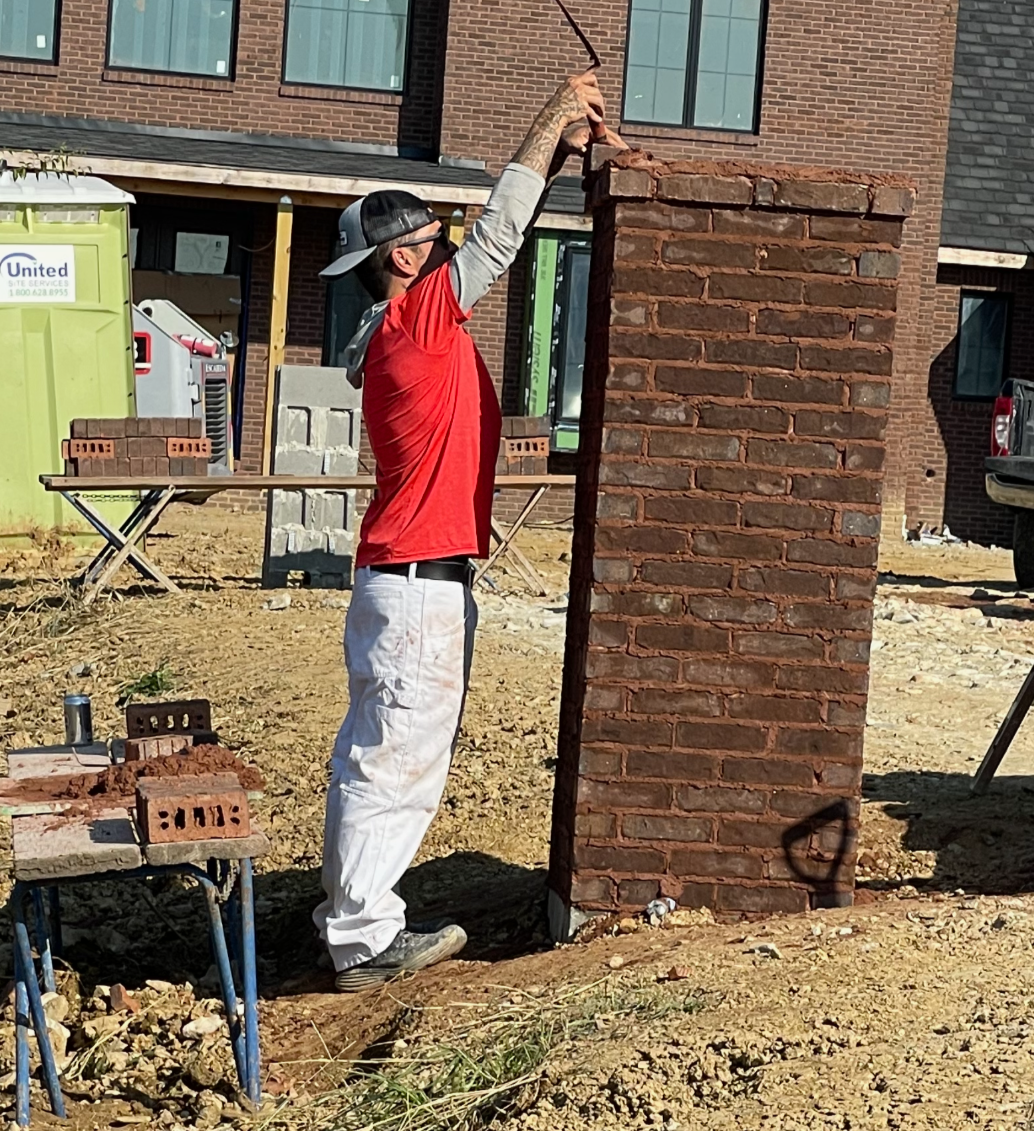
Host: Today's guest was Not Looking to buy a business Justin Escoheda had come up through the trades, initially working for a union masonry company as a bricklayer himself, then eventually building his own company doing niche masonry work. About five years into that project, he's approached by another business owner, Al, in his local Pittsburgh market. Al owns a roofing company but wants to retire and quickly. He says to Justin, why don't you buy me? The offer was too good to pass up $600,000 of SDE for a purchase price of $846,000. That transaction happened. The acquisition worked and Justin's eyes were opened to the potential of this model of growth. Flash forward and Today he owns 11 going on 12 companies with with 250 employees, not counting dozens of 1099s that come and go. At 43 years old, Justin has built a true holdco in the trades in his native Pittsburgh. I estimate that it easily clears 50 million of revenue annually. He owns it all. No investors and no intention of slowing down. So this is the story of a guy who found his own path to entrepreneurial acquisitions. No books, no mba, and no podcasts, and it is an inspiring reminder of just how much possibility lives here. Please enjoy this interview with Justin Escoheda of Escoheda Holdings. A number of Acquiring Minds guests have reported being shocked by the amount of time gobbled up by the paperwork, phone calls, overall logistics of transferring accounts from the previous owner's name to theirs. And unfortunately, all that work has to happen right at the beginning of their transition. Well, today, Thursday, Chelsea Wood of Acquisition Lab will host a webinar on Getting Tactical about what transition planning actually looks like. In the first days after closing, you'll hear firsthand stories from Lab members about things like opening new bank and payment processor accounts, transferring merchant services and phone systems, moving registrations, utilities and insurance into your name navigating access to systems, passwords, vendors and subscriptions, setting up payroll and employee benefits. These will be real lessons learned from actual Lab members about what surprised them, what went smoothly, what didn't, and what they would plan differently next time. The goal is to help you avoid unnecessary friction during one of the most sensitive phases of ownership. That is today, Thursday, March 12, noon Eastern. Link to register is right at the top of this episode's show notes or on the Acquiring Minds homepage. Acquiring Minds Code Foreign. Welcome to Acquiring Minds, a podcast about buying businesses. My name is Will Smith. Acquiring an existing business is an awesome opportunity for many entrepreneurs, and on this podcast I talk to the people who do it. You know Enzo Technologies as one of the leading IT managed service providers serving the search community. Led by Nick akers, an Acquiring Minds guest who bought the 35 year old business. The team at Inzo regularly works with searchers and their acquisitions. And one feature of acquired businesses that Enzo is seeing over and over is the need to implement cybersecurity promptly during the transition. So many acquired small businesses either have glaring vulnerabilities, lack security best practices or both. That step one to de risk the deal you just closed should be addressing these issues. INSO is your full service IT MSP for post close stability. They assess your target, surface the biggest risks in plain English and give you a day one through 30 plan to cut exposure, prevent downtime and even find cost takeouts like bloated telecom bills. Check out enzotechnologies.com I N Z O or email Nick directly at nicknzotechnologies.com Justin Escoheda welcome to Acquiring Minds.
[5:00] Guest: Thank you. Thank you for having me.
Host: Justin, you are the owner of multiple companies in construction, in the trades, most of which you bought, you came up through the trades. So you have a different background than many of the people wanting to buy a business these days. So your perspective here is going to be valuable and your story inspirational. Let's start with some quick deep background on you, Justin. You're a Pittsburgh guy since childhood.
Guest: Yeah. Yes sir. Born and.
Host: Born and raised and then went up all the way through to college and in Pittsburgh the whole time I went
Guest: to Penn State but you know that's in the. About two hours west or east of Pittsburgh, but yeah. Yep.
Host: And now back in Pittsburgh.
Guest: Back in Pittsburgh. Yes sir.
Host: Okay. Okay. So building this empire in Pittsburgh and give us just top line bullet point numbers on, on the empire, on what you've built, employees, revenue, bottom line if you can number of companies.
[6:10] Guest: I'll start off by number of companies. All things. If all things follow suit and the things work out in my favor, it'll be 12 this year. As of right now 11 that we're, that we're managing. I will give you our margins overall 7 to 13%. My CFO and CPA after our pre call it kind of said don't, don't say what our top line is. I will say it's under 100 million though you know we're not.
Host: Can you say that it's over 50 million ish.
Guest: Yeah.
Host: Okay. Okay.
Guest: I don't. But, but the re. And the reason I think it's important to show that is is, is we're not this huge conglomerate. You know what I mean? It's, it's, um, especially when, when you start talking to some of these financial people that deal with these, these large companies and, and it honestly blows my mind how, how much revenue some companies have. It's, it's, it's insane.
Host: Yeah, well, fair enough. But you are an entrepreneur, so you're, you're a guy who's built this, this audience. My audiences are similar entrepreneurs who want to have built something like you. So while you might not be a billion dollar construction business to be a guy who basically started acquiring business that. The first acquisition.
Guest: Yes, yes.
Host: And you still got a lot more years to run. It's a pretty, it's pretty impressive already what you've built and who knows where you'll get in the next 10 or 20 years and number of employees across these 11 businesses that you now have.
Guest: Yeah, right now we're in the 25250 mark. However, it's, you know, and anybody in construction can tell you that there is a gray line between, between W2 employees and 1099s that solely work for you every single day. Right. So 1099s, take it well over 350ish. Okay.
Host: Okay, so those 250 are W2s. And then there's a whole bunch more people who come and go.
Guest: Right, Right.
Host: Great. All right, Justin. So just want to set the table for everybody who, who they're, who they're hearing from.
Guest: Right.
Host: Back to the story. So you actually started in real estate. Take us back there. And what that looked like.
Guest: I started, I started my, my personal investing in real estate. I've always been in construction, you know, since, since I've been an adult. But my personal, my personal investing portfolio started as a buy and hold real estate investor, essentially a landlord, you know, and I, and I, I put a lot of time and effort into that. I got into, you know, sing. Not too many single families, but lots of duplexes, triplexes, quads, a lot of semi commercial storefronts with apartments above it. I also invested in two. Two mobile home parks. Manufacture or. Or the politically correct term, manufactured housing communities. And then also storage unit, two storage unit facilities.
[9:24] Host: And so that was all on the side while you were working construction?
Guest: Yep.
Host: And what were you doing in construction?
Guest: I worked for a union masonry company.
Host: And so were you a mason?
Guest: Yeah. Yes.
Host: Okay, so you were a tradesman and on the side you were building out this real estate portfolio, right?
Guest: Yes.
Host: Okay.
Guest: Yeah.
Host: Okay. And what caused you to Pivot from doing real estate on the side to founding your own masonry business.
Guest: Anybody familiar with the trades knows that every tradesman tries to get additional work outside of their normal 9 to 5 job. Which side work? And you know, over time, around 2012, 2013, it really started to, you know, my demand for side work outweighed my demand for my personal job and my real estate portfolio. And the thing about it was too, you know, I always knew, I always had a rationale idea of, of how fragile my, my bottom line is for some of these, you know, investment properties. Right. Like. What do you mean? What? Well, you know, for instance, if I have to replace a boiler, there, there goes my, my net profit for probably six, seven months on that, on that property, depending on if it's a multi unit, single unit, whatever. Right. So, and then I was, you know, just, just doing weekend jobs. I was clearing more than I was making it several, several months of, of investment properties. Right. So, hey, it was an easy decision. I really started to focus my time and then it's not like one day I just decided to sell all my real estate. Right. But it, but you know, it took a few years, but I did, I sort it all in focus, streamlined all my, all my time and energy and money into my masonry business, the first one that I started.
Host: And when did you quit your, your employer?
Guest: I quit my employer. You know, my, my previous employer was cool enough to let me do for a couple years, like six months on, six months off. Right. But eventually it got to the point where, you know, doing the math, I was losing money going to work. So obviously when that happens, I, you have to, you have to make the jump.
Host: So you're actually, this part of the story is you are exactly what the foreman and owners are scared of. That you'll do side work and that side work will build up into a business and then you go and compete with them.
Guest: Yeah, that's what I'm afraid of for sure now. I'm afraid of it. Yeah, you're spot on. Correct. Yep.
[12:05] Host: Okay. Okay. All right. Okay. So your side work kept growing and growing and growing to the point where it didn't make sense to continue to work for somebody else. And it didn't make sense to invest any more time or tie up your capital in this little real estate portfolio. Or maybe not so little. How many doors did you get to? How do you quantify that?
Guest: I, I, I was right around 40 to 45.
Host: Oh, it was good, good portfolio there. Okay.
Guest: It was, it was a lot of work. I, I could you know, I managed them all myself. It was a lot of work.
Host: So this all comes together, you, you liquidate that portfolio, you go into business for yourself where that just seems like the best use of your time.
Guest: Yeah.
Host: And that's 2014?
Guest: 15?
Host: Yes, 2014. 15. Oh, okay. And so now you are in the business. You have a masonry business. How does that go?
Guest: You know, it grew, it grew pretty rapidly. I was kind of in a niche area of masonry. It was the restoration portion of it where I think a lot of people kind of overlooked and didn't really want to spend the time on it. But at the same time too, it was absolutely needed. Right. So I grew really. I grew to a pretty sizable residential competitor at first. And then I, then I entered the commercial market. And you know, that's, that's where we stayed and that's where we still are.
Host: And how big did that business get before you did your first acquisition?
Guest: That was around 6 million a year.
Host: And what year was that?
Guest: 18.
Host: Okay. So you start a masonry business in 2014, but you already have a lot of clients, so you kind of hit the ground running. It's, it's kind of, you didn't kind of start it from a standstill or from scratch. But anyway, it formally starts in 2014 and you build it up through 2018 to 6 million in this masonry niche. Masonry. What is that? Like, what do you call it? Pointing?
Guest: Brick.
Host: Pointing.
Guest: A lot of brick pointing. Caulking, cleaning. Yeah, yeah, yeah, yeah.
Host: Cool. Okay. And then what happens in 2018?
Guest: 2018 was a. So we do, we do, we would do a lot of work with, with kind of adjacent trade companies, a lot of roofing companies, a lot of, you know, home remodeling companies. You know, remodelers might need us to brick in a window for a kitchen they're doing or, or a roofer might have a bad chimney that, that he needs done as part of his job. So it's subcontract us. So I had a lot of those, I had a lot of those arrangements. And one, one guy's name was Al. And we worked with him for a number of years and he got in contact not even with me in 2018. It was my brother in law who I work with and he said, hey, you guys wanna, you guys wanna buy me out? You know, and he was an older guy, small, small company. And, and you know, we started talking to him and really started making sense as we were talking to him. And yeah, we, we bought the company and, and still running today. It's still, still a very, very profitable company.
[15:11] Host: What do the following Acquiring Minds guests all have in common? Doug Johns, Morley Desai, Tim Erickson, Chirag Shah, Shane Ursam. They all went through the acquisition lap the accelerator in community for people serious about buying a business. But they represent just a sliver of the lab success stories. The number of deals across the lab's cohorts now stands at over 120, with over $300 million in aggregate transaction value. The acquisition lab was founded by Walker Deibel, author of Buy Then Build, the book that introduced so many of you to the very idea of buying a business. The lab offers a month long, intensive, almost daily Q and A sessions with advisors, live deal reviews with Walker Deal team introductions and an active community of serious searchers. Check out acquisitionlab.com, link in the notes or email the lab's co founder, Chelsea Wood. Chelseauythenbuild.com what made sense about it, what
Guest: made sense about it is like, hey, now, now I can do the roof and I can do the masonry on the job, right? I, I can do, I could do a bigger portion of this job. And plus too, I like that company because it was a repair company. They repaired slate, terracotta, copper. You know, it wasn't just like this, this big shingle re roof company. It was, it was more, more, you know, historic. It was more meticulous. A lot of box gutter work. You know, stuff that doesn't. Is. Why do you like that?
Host: Why is that so good?
Guest: I, I just like it. It's a, it's, it's niche and it's, and it's, you know, not a lot of people do it. And you know, the historical side of things, restoring especially historical properties is a, you know, it's just something I like.
Host: So you just personally liked it? Not.
Guest: I personally liked it, yes. I personally liked it, yeah, absolutely. And, and yeah, he, like I said, we, we, we negotiated for about 15 minutes on the phone and it wasn't even a negotiation. He, he had a broker and the broker was from New York. I remember this. He was a, he was just such an, I remember and I was, it was my first experience with a, a business broker. I was like, man, you know, at certain points of it, I was like, man, this guy, you know, I just don't even want to deal with him. And, and, and finally Al and I spoke behind the broker's back and, and he was like, you know, he's listening for. I think it was a $1.2 million. He's like, do you want to know what I'll take, I'll take for the company? I was like, yeah, you know, and he says, $846,000. I was like, all right, let's do it. You know, so, and, and tell us
Host: about the business so we can know if that 846 is good, bad, or
Guest: what they were doing. They were doing 3 million a year, top line, and then they were bottom lining 600. But he was telling me there was another 200 in cash out there, which, which I come to find out, you know, years later, that he wasn't 100 lying, but he wasn't 100 truthful either. And, and everybody you talk to says that too, by the way. You know, we do so much in cash. We do so much of this in cash. I just don't buy it as easily these days as, as I did back then.
[18:31] Host: You know, we'll, we'll return to that because that's, that's an interesting one. In our world, generally, you don't give any credit for anything that's not reported on, you know, on the, on the tax return.
Guest: No, but I did.
Host: But you did.
Guest: I did on that one. Yeah.
Host: Well, well, this deal is a screaming deal. Even if There wasn't that 200 of gray money, even at 600,000 as reported net income, you bought it for, what was it, 846? Yes, $846,000 for $600,000 of net income. So that's whatever, a 1.3 multiple. Why was he giving away the company?
Guest: So he had some, he had some family issues that was, made him want to. Well, plus he was about 70 years old, too, and he had a house down in Florida. He wanted to spend his time down there. And he just, he told me he wanted his employees to, you know, keep their jobs and, and he wanted the name to live on. And I promised him I would, and I, and I did, and I've kept that promise up till then. So the only major, like, big expense that we had to add on to what they were doing since then is, you know, we got an SBA loan for that. So obviously on the profit loss statement, you're going to put the interest on there every month. And then, and then I had a, I had a, a new manager come in to, to fill Al's old spot because he didn't have any management in place. It was him running the day to day, you know, every single job. So, you know, I, I had to pay, I had to pay a good bid for that, you know, and, and
Host: Just to circle back to his motivations here. So I understand that, you know, he's eager to just step out, but still he left 400, 000 according to what his broker value the business at. You could. If you just assume this business would actually sell for 3x, that would mean he left a million bucks on the table. That's a lot of cash to walk away from because you would have gone higher.
Guest: Yeah, sure, sure. Absolutely.
Host: He was just, that, he was just that hot to just move on. That's really. And he'd made a ton of money over the years.
Guest: He. I remember him telling me that there was two other. That there was two other gentlemen interested in the business. One was a banker and one was a. I forget what he was. It was some, something, some kind of, some kind of law. I think it was a lawyer maybe, something like that. But it was something totally outside of construction. Right. Now I'm not saying that you need to be a good roofer to run this company, but he found it to be important that I understood the construction process. Very important or he, he thought it was super important that, that someone who took over his business understood, you know, the construction business. Because it is, it's, it's, it's a tough business. I don't care if it's residential or commercial. It is, it's rough.
[21:28] Host: Yeah. Yeah. So in some ways he was paying for your, the trust that he could get that you'd be able. The continuity that he thought you offered. You were a known entity, you were a local guy, and most especially you knew construction. And he trusted the business in your hands.
Guest: Right, right.
Host: He was willing to pay for that or take less money for that.
Guest: Yeah. And it was, I mean, to be perfectly honest, you, I didn't even ask him either. He just, he just came out and told me. And that is yet to happen Again. Again?
Host: Yeah. Well, in 400 plus episodes, I'm not sure I've ever heard a seller negotiate so hard against themselves without even, without even being into the negotiation.
Guest: You know what he had, he made up his mind. You know, he, yeah.
Host: Boy, that broker must have been poed
Guest: he was, he, he was. Yeah, probably. Okay. Yeah, he was definitely, he was definitely. Probably POD for sure.
Host: Okay. All right. And so tell us a little bit about, you know, on the other side of this acquisition, what it opens your eyes to.
Guest: Yeah, yeah, I, I, I quickly realized. Well, you know what? I didn't quickly, because I, we, we closed I think in December and so I had almost a whole quarter of, of freezing cold you know, not. Not the greatest conditions for. For, you know, exterior work. Yeah, but. But it was. It was. It was. You know, I quickly found out that, you know, this company made money, you know, not as much as my masonry company wasn't as big, but at the same time, too. It was, it was. It opened my eyes to the fact that I. That I wrote a check buying a good business that had a long standing history. And. And it was giving me a good return. And I. And I really. I thought to myself, like, this is. This is something I should be attaching myself to this process. And. And that's what I've done.
Host: And one of the things that we talk a lot about on this podcast is the transition of a business from seller to buyer, Buyers being the audience here and how rocky that can be, how delicate it can be. How did it. Was it pretty seamless in your case? It was a successful, smooth transition.
Guest: That one was. Yeah. And you know what? They all were. And I have a. I don't want to say a speech, but, you know, my retaining rate of employees is. Is. Is very high because, you know what? I. I always make it a point to come and talk to the employees at least a couple days before the acquisition because, you know, you can't make a seller tell his employees that he's selling. Right. Right. Any sooner than he. Than he does. So, so I try to get in there as quickly as possible and, And. And talk to them to, you know, essentially, you know, make sure that they're not freaking out about it. Like, and what my intentions are. Hey, my intentions are to spend a ton of money on this company that I love so much that I'm spending, you know, my money on it, not somebody else's, not some investor's money. I'm spending my money on it, and we want it to run the exact same way that you guys have been doing it, you know, because if it's. If it was, I wouldn't pay for it. If it was something that needed to be, you know, fixed up and, you know, processes, new processes put in place, I just. I'll just make the company myself.
[24:46] Host: And we're skipping ahead a little bit. But you're talking to this key point in acquisition, buying a business. It's always, how much do you change or not and when. And it sounds like not only do you not change at the outset, but you generally don't want to change much, period. Say more about that and why that's your philosophy. Because. And just to. To lead you a little bit here, the Every business can be improved, right?
Guest: Sure. Absolutely. Yep.
Host: So, so why, why set things up to say to kind of almost paint yourself in a corner, hey, nothing's change. Why not give yourself a little bit of, of latitude to make changes which you know, that can improve, improve the business.
Guest: Right, right. And, and, and we do make some changes, but they're, but they're obviously minor and they're always going to be beneficial. And typically the changes we make are things that can be easily improved from synchrony of some of our other companies. For instance, like hey, you know our general contracting company, right. Like when we bought them, it's like now all your masonry is going to be done from here, all your roofing is going to be done from here. And the best part about that is like tell us what your number is so we can make sure we hit it and we can be underneath that for you. So you make money and they make money or it's like, you know, some healthcare. You know, we had a. Because you know, my companies are all under a holdings company. A lot of these com. A lot of these sellers didn't offer health care. Well, I have to, by law I have to offer them all health care now too. So like there are certain things that have to change, you know.
Host: Well, that all sounds like back office stuff and kind of behind the scenes and benefits, which is awesome and great to hear, but the kind of the workflow of the business or the management or the people, the stuff that the employees actually interact or affects their day to day sounds like that stuff you
Guest: really don't touch pretty much stays the same. Like I said, I mean we, we really, we really take a look at these companies ahead of time. You know, hey, our guys, you know, do I see one, do I see their trucks hanging out somewhere locally for an hour at a, at a pizza shop? You know, I mean it just, that's, I mean that's not a huge indicator. But we talk to them a lot and it's like, you know, their process has always seemed pretty well and you know, there are things that definitely need tweaked once you get into a business after a month or two or three or whatever. But I mean that things get tweaked from the old owner too. Things that weren't working, you know.
[27:23] Host: Yeah. So in other words, you diligence these companies to try to really buy a high quality company that wouldn't need a lot of change. You're not trying to buy.
Guest: Perfect. Yes. Yeah.
Host: Okay.
Guest: Absolutely. Absolutely. And you know, we make mistakes and things don't always. Actually, things don't run smoothly most of the time in any, in any business. But you know, as long as the, as long as the negatives don't. Don't outweigh the wins, it's doing all right.
Host: Okay. Okay. Back to acquisition number one. So it works great. It, and it shows you the power and how fast you can move. How much revenue. Well, I should say how much bottom line, you can add. You are somebody who believes revenue is a vanity metric, which it is. And it's obviously all about the earnings that come of the business. So you could buy a lot of earnings for cheap now, and so that wet your appetite for more. But reflecting back, if this were, I mean, you just got such a killer, killer deal for your first one, I want. I wonder if you would have continued so aggressively down the path of buying more businesses if that first one hadn't been such a, a sweetheart or if
Guest: it, or if the first couple years weren't so great either.
Host: Exactly.
Guest: Yeah. I don't know. I can't, I can't answer that, to tell you truth. I. Yeah, I mean, it's just like, you know, what, what do a lot of gambling addicts say? Like their first one was always a big win? I don't.
Host: Yeah, exactly. Exactly. Which happened to me, by the way. Not that I became an addict, but I do remember my first time in a casino. Did really, really well. And I was like, wow, let's do more of this. This is easy. Okay, so second acquisition. Let's, let's quickly hear how that came to pass.
Guest: Second, Second acquisition was a, another roofing company and almost, almost the exact same scope and services offered as the first one. Right. And, and it was a, it was total opposite side of Pittsburgh. Right. Total opposite side of town. And, and something. And something I should add about some of these small roofing comp. Smaller roofing companies are. They're a little, they're a little bit community based, especially when they're been operating 30, 40, 50 years. They're a little bit community based, like very prevalent in this side of town, but they won't cross the bridge. Right. So. So I looked at this. You know, I found this other one that was for sale and you know, we ended up doing a seller finance deal on this. So I paid it over the course of three payments over the course of two years. And yeah, that worked out well. It wasn't as profitable, but I did get far more assets with this one that made up for it. But it's still operating today. Not as profitable. The guys were a little bit aged in the workforce there. Nonetheless, it brought the leads. It really brought a lot of leads. And we were able to continue the name to. Over these last few years.
[30:29] Host: When you say it brought the leads, what do you mean? That. It was just.
Guest: You got to remember something too. When I, when I say bring the leads, A lot of the times, you know, if a customer, if a customer calls, let's just say a roofing company, right? They say, hey, I think I have a leak. You know, I'm. Water's coming in my house. I, I don't know if it's my chimney. I don't know if it's my flashing. I don't know if it's, if it's the shingles, right. All I know is it's coming in through my house, it's destroying my drywall, it's destroying the paint, it's destroying the floor, the subfloor, everything, right? So now this, this, this customer has just from this leak, four different companies. They need to call over four different trades, right? We're able to hold all those trades in, in house now, you know, by sending it to the different companies. And now this lady only has to deal with one trade. So now that roofing company can bid the roof, the brick, the paint, the drywall, the flooring, you know, so. But subcontracting all my other companies with it.
Host: Right? Okay. So in other words, the. So first of all, you're doing this holding strategy where. This holding company strategy where all the businesses, as you said earlier, are kind of adjacent to each other. So one job, one, you know, residential customer who needs some service can become work for three and four and five of your businesses. One lead in.
Guest: Right.
Host: Can kind of multiply into three business for three or four of your companies, right?
Guest: Absolutely. Yep.
Host: And, and, and this, this synergy system, right? Synergy, always a word that gets made fun of, seems to be working in your case. But we often, there are a lot of people who have these kind of grand designs. One other classic one you'll hear in this world is people who want to buy a property management business and then buy all the service providers and vendors that the property manager mint business farms the work out to. The, the, the H vac, the boiler repair, the pointing, etc. The brick pointing, et cetera. But it just never seems to quite pan out. But it seems like it is working in your case. So say more about making these synergies actually really work.
Guest: They don't always work out, but for the most part they do. And there's a lot of fighting. There's a lot of bumps in the road. And even today, you know, sometimes it still doesn't work out. You know, a lead will go off. For instance, it's like if, if one company doesn't give another company enough time, you know, in advance to, to complete a certain part of the project, you know, that, that president of that company, you know, that's all most of the time, I mean, 95% of his focus is on making his company do well, right. And the rest of the time is like thinking about the holdings in general. So if, if, if one of our companies can't get to it, screw him, he'll find somebody else to do it. You know, I don't want to say I don't and I have to agree with them too. But at the same time, like, I don't want to sacrifice the integrity of that job. Waiting on, waiting for three weeks for, for, for one of my companies to get there. Right. Especially if it's something like, you know, a couple days to a week fix. But you know, that, that, that's, that stuff doesn't always, always work out perfectly. For instance, you know, my, in the commercial space, the public work, you know, if one of my companies gets awarded a prime job on a, on a, on a, on a public, on a public scale, right? So, you know, now we are subcontracting all those different parts to that job. And I always want two things I always want on those things is the masonry and the roofing. Always right. And I remember there's a big roof a couple of years ago on a high rise. It was, you know, I think we paid like our subcontract for $400,000 to do it. And I know one of my companies could have done it for 200. I still remember $225,000 and we would have made 60 on it. And it was all because lack of communication and some warranty issues and everything. And it's just, man, that one sticks out in my head, but still. So it doesn't always work out perfectly. I don't want to come on here and say like, oh, I've made this, this impenetrable pure system. Because it is not, and it is daily work and it is daily communication and slip through the cracks. Even, even though how good a job my guys do all the time, we still have things slip through the cracks and there's still things that we just can't get to. You know, it's, it's, it's not perfect at all.
[34:57] Host: And, and in terms of the way that the synergies work, is it mostly about sourcing jobs? A job comes into one of your companies and then, and then it's passed around and hopefully becomes jobs of those other ones as well? Or is there more like, is there back end integration in brand, Is it all under the same brand talk?
Guest: No. No, it's not under the same brand. Nope. No, it's not. And I don't. And I don't. And I've been told to do that a lot of the time, many times by, by, by a lot of people that I should be branding this all, all these companies into one thing. But I think that it's, it's devaluing. What I'm trying to do here is buying good companies with these long standing history of, of, of, you know, all this good work that they've done over decades. Right. It's like, why, you know, I just saw a guy, I just saw a guy and he's really smart and he built a really good business and he just sold it to private equity and he, and, and he just bought another company that, that service company and he's changing the name. He, I saw him, I saw him on, on, on a Facebook ad that he made. He's changing the name. He's like, we bought this and after 30, 30 years of service, we're buying it and it's now going to be this company. I just don't understand it. Like, he's this, this guy has 30 years of, of clientele and reputation and like, why do you want to change that to a new name that no one even knows? But I could be wrong too. Maybe he's a Matt. He, he's a, he's a good marketer. So I could be wrong. Maybe, maybe his plan's right, but I, that's, that's just not the way I do it.
[36:23] Host: Yeah. Yeah. Well, this is a philosophical debate that happens a lot to change the name or not especially. And it's most relevant in a case like yours where somebody's building a holding company and it's all adjacent businesses and isn't there, you know, if you just renamed everything Escahada Construction, right, would there be some, you know, with some benefit to that over having all these disparate brands that aren't getting the same punch? But anyway, I'm not taking.
Guest: Let me, let me tell you this, let me tell you this. There, there's a, there's a business by that I drive by every day and I try And I actually tried to buy them and we couldn't come to an agreement. And I'm not going to say what it is, but. But they have a sign that say, that says right by the road, this giant sign that says their name. And it says over 100 years of service.
Host: Yeah.
Guest: And I look at that 100 years of service with such awe, even myself, you know what I mean? And it's like what does everybody else think to. This company has been running for 100 years and serving the public for 100 years of doing this. You know, like that you, you can't. I mean you can buy that, but you can't. You know, you time. Time is the only thing that, that, that grants that. So.
Host: Yeah. You like old buildings and you like old businesses. Me too.
Guest: Me too.
Host: It's good stuff. Okay, well, we're getting a picture here. So by 20. So that second acquisition was. When did you say that was?
Guest: About a year later.
Host: A year later. So we're in 2000. 19ish. Covid's about to hit. Does that stop things for a while?
Guest: No, we didn't stop at all. No. No one stopped. We didn't stop at all.
Host: Okay. All right, why don't actually at this point, you just run through all 11 companies. Two roofing, one masonry, one of the other.
Guest: There is.
Host: Yeah, the.
Guest: Right, there is two. And there's two additional roofing companies as well. So there's a total of four. They, they operate and, and perform different services. Two of the companies are mass shingle re roof just get as many square and, and they're awesome. They're great at it, you know. And the other two are the more on the repair side of commercial repair and then more of historic repair with the other ones. So tile, slate, shingle. And like I said, the commercial repair company, they a lot of flat roofs, you know, tpo, torch down type things. And then we have, we have obviously my masonry company that I started that's still, still operating. We bought a competitor north of us in the masonry restoration field. That, that was a long standing company that was, you know, he was great companies still great. They're, they're, they're, they're north. So boy, anything north of a certain point in Pennsylvania is like, man, December is just shut it down. Because you can get a blizzard any, any time. And, and it pains me. That was something I had to learn with that one because it's like I like to work all through winter. I force it, you know, and my guys down here in Pittsburgh force it. They're they're, they're hungry. They'll. They'll tent, tent everything in heaters, you know, whatever, but you just can't do it up there. It's just like, you know, they, they operate all the way up to Erie too. They have a location in Erie and it's like Erie, it's like an igloo up there. Sometimes, you know, you're not doing anything. So then we have a, a property management company that houses and, and, and, and manages our, our real estate which isn't much, but it, you know, it makes a few bucks a year and, and then we have a.
[40:19] Host: You bought that business?
Guest: No, we started that one. Yeah, we started that one actually. Insurance business. Insurance brokerage. And then we have a insurance brokerage design, design and remodeling company. And then we have a larger home remodeling general contractor company. That's probably the biggest company.
Host: What percentage of your overall business is that?
Guest: Probably close to 40%.
Host: Oh, wow.
Guest: Yeah, it's a big one. It's, it's, it's. I dedicate a lot of time to it and the guy that runs the company is just a. Yeah, all the guys that run our companies are stellar and their staff obviously couldn't do it without them. Like they are the, they are the business.
Host: And you acquired the home remodeling business.
Guest: I did, yeah.
Host: The team at Pioneer Capital Advisory has started offering peripassu debt for SBA business buyers. That means they can help unlock up to $3 million of conventional debt on top of the $5 million limit of SBA 7A loans so Pioneer can structure larger, more complex acquisitions. Listen to our story with Anika John. For one of their clients who did just that, buying a $10 million business as a first time self funded searcher. The Pioneer team has closed more than 100 SBA loans averaging timelines well below industry standards. Founder and owner Matthias Smith and COO Valerie Stash bring over two decades of SBA lending experience. Matthias and Valerie have a full bench of analysts and associates who, who work your deals with them. A true deal team. Not just a single point of contact. Visit pioneercap.com or click the link in the notes. Let's now understand like your model here, like your, your playbook to the extent that you, you have them. We've talked a little bit about how you don't, you know, you, you don't change the brand. You look for quality and something that you don't have to change much, period. That it's just a high quality business anyway. That it somehow has some synergy, some complement to your existing portfolio. Right. Or would you, or would you buy something completely random?
[42:44] Guest: One of, one of our rules, One of our rules is, has to be, it has to fit our criteria as a standalone. You know, we, what are those criteria? Well, you know, what's, what's the name? Obviously the profitability, the, the historicals, you know, the how, how, how honest of a story does the, do the financials tell too? Right. You know, I've seen things where people try to hub. Hide their subcontractor costs or I've seen things where obviously they, they, you know, they put their personal costs into the business and hide it, you know, to evade taxes. And, and then it's always like, you know, they come clean to me about it after they show me their tax returns. Right. And not that I work for the IRS or anything, but you know, I still have to tell them. It's like I can't, I can't put a value on that. You know, I have to, I'm, I'm valuing what, what your tax returns say.
Host: Uh huh. Okay. And then going back to. So, so your financial criteria, what are they? Are you looking. Is there a certain size that it needs to be larger than certain earnings that it needs to generate above? Nothing like that.
Guest: No, no, no, I'm interested, I mean I, I'm just interested in, in good businesses. Right. If, if like, like for instance, if I have a, like I, I have, you know, one of the roofing companies does about $2 million a year. It's a $300,000 bottom line. Every year. Every year like clockwork. Right. And you know why? It's because I'm not jam and change on them. That is, that is their efficiency level. I have, I have deemed that their efficiency level. Right. That's what the old owner did and that's what we do now. You know what? I'm happy to keep it that way for the rest of my career.
Host: And, and so what do you mean you're not going to lean on it to grow? You feel like it's reached a sort of natural plateau, which, and you're cool with that?
Guest: Yeah, absolutely. And you know what? If I could, if I could identify those natural. That's a great, that's a great term, natural plateau. If I could identify that in all of them, I definitely would. But, but you know, some of them grow faster organically too after we buy them. Just from, just from the influx of, of services that we can include too now.
[45:04] Host: And how do you know when You've reached the natural plateau. And because you're obviously a guy who likes to grow broadly, you're building out this empire. So I'm, so why would you not have the same philosophy about each individual business? How do you get that feel that it's like I'm not going to make
Guest: this thing grow further because, because I've seen the effect of forcing things on companies that wasn't part of their natural area of service, their natural specialty. And I've seen the result in that. And I've also seen the, you know, trying to grow too much. I've seen the result of that too. And that's just me. I just could have been doing it wrong. And I figure, you know what, this is the way I know how to, that it'll work for the long term. So I'm just going to stick with that. There's other people that might be super good at growing companies profitably. I don't know.
Host: Yeah. And, but your other companies that let's say do grow are you basically just the way you decide whether or not to grow a particular business that you have to kind of lean into growth is if the market is telling you, if it basically the demand is there.
Guest: Demand for you. Absolutely.
Host: And for your three hundred thousand dollar earnings business, there just isn't a lot more demand. I mean the market, you feel like the market is telling you that that's its ceiling and that's fine.
Guest: Yeah. And it's not even like we put a target or, or a, or a, you know, a ceiling on it. It's just like, it just, it's amazing. It just always kind of works out that way, you know, and, and when you look at, you know, construction financial over, over the course of, of 12 months, you know, it shouldn't, it should be somewhat predictable for the most part. If you look at year after year after year after year, you know what I mean? So I, I just, you know, that's, that's, that's the way we, we believe that's the best way to go about things. Right. And you know what it, pushing a lot of growth and pushing a lot of new services on, on the managers, man, that stresses them out too. That's outside of their realm of expertise too. So you're also creating, you know, new learning curves for them and, and, and hurdles for them to jump over. So.
Host: Great. Let's return now to some of your criteria. So you don't, you'll, you'll take a, you don't really have a size threshold that you need to meet. We've talked about how you like age. Does it need to be a business of a certain age or. Not necessarily. Just needs to show robust.
Guest: Yeah, I'm a little, I'm a little weary on some of the newer companies that are looking to sell right now. You know, like kind of the companies that, that popped up during COVID You know, a lot of, a lot of residential construction companies popped up during COVID because there was a, there was a mass demand for, for those services. And, and I've been approached by some guys that, that are, that are looking to sell after, you know, two, three years. Not saying that you can't sell a business after that long. I just don't think that in the construction industry that's long enough to produce any kind of goodwill to put a value on, for that matter.
[48:11] Host: Speaking of valuation, do you have a sense of what does that look like? How do you value a company? How do you make the offer? How do you structure things? Get into the details a little bit there?
Guest: Well, it all depends. Obviously every deal is different. And first and foremost I always talk to, to the owner right up front, like, what is it that you want? Is this, is this guy in a cash crunch? Is this guy looking for a tax play? Is he just looking to retire? Is he in a rush? Right? So, so every, every deal can definitely be different. And I've had a lot of deals that, that just didn't work out. Right. My, my biggest thing is, you know, if there is there any kind of debt service that I'm going to be using, whether that be seller notes or, you know, conventional financing, whatever it is, number one thing is, are we cash flowing, Are we cash flow positive? Right? Because after debt service. Yes, yes, after debt service, because that's something new. So that's the thing too. Like these guys are running these companies for so long, they're like, look, I know it's making money. Yes, it is making money. But the way we, and I always, and I always think it's important for a seller to understand this too. You have to understand where your buyer is getting its money from, right? Because there's a cost to getting that money at times. And if that cost outweighs what the company produces every month and net earnings, then, then it's not going to work. Right? And in two things too. It's like they have to be weary that if they're seller finance because they have to go and take their company back and that's a whole ton of work. Right? And lawyers get involved in everything. Else, yada, yada, yada. And if it's bank financing, well, the bank's going to, you know, file on them and then you're, then your name and your history and everything is going down the, going down the tubes. You don't want to see that. And all your employees lose their jobs and it's just a mess.
Host: And so when you buy a business, you need to make sure that the earnings that it generates covers debt service. But do you like to see more margin there to reinvest in the business or hire a replacement for the owner who's stepping out or anything else? Because in our world, most of the listeners here, the kind of back of the envelope that we talk about, at least for an SBA style acquisition, is that the SBA debt is gonna, the new debt service on this business is gonna burden it, burden the earnings by half or a third to half. They're just, there goes. So if I'm looking at a business that's doing 900,000 of earnings and I'm gonna put an SBA loan on it, then I assume, you know, 350 to $500,000 of those earnings are going to debt service. And you try to be conservative or whatever, but you still got 400 left over. And that's important again for this audience because they're going to pay themselves usually out of that. But then the third tranche you want is, is cash flow to reinvest in the business. Is that, how do you think about that all what I just said?
[51:07] Guest: No, I, I completely agree. It's like, am I gonna, am I, am I putting a manager in place here too? Is, that's, that's another cost, you know, because a lot of the times they, they're, they're, they're running most, most times I would see owners are running these companies by themselves, regardless of size. You know, they have a, they have a pretty. I've only, I've only had two, where I had absentee owners and they had legitimate management in place. So that's, that's, that's something that, and not just from a financial side too. That, from a, from a procedural side, you know, like how, how well is he going to do his, you know, transition period with you? How is he going to be around for six months, three months? And, and how are, and how are the guys going to, you know, the employee is going to take to you too? That's, that's something also to be considered. And because you're going to have some loss there, you know, you're, you're going to have some unknown loss for sure in any business, especially in the first six, nine months that you're just not going to see. So like I said, like you said, as high margins as you can because there is going to be a lot of, there's a lot of frailty in the first, first year and, but do
Host: you expect to have distributions come out of these acquisitions from the get go that they actually generate cash for you up at the owner or hold co level or. No, you just want to make sure they're self sustaining but you don't need to see them generating cash for your pocket. At least not in the early days.
Guest: For the first few, the first few, yes, I wanted to, I wanted to see money for myself, right. And make sure there, you know, there was a high, high cash balance in, in the bank account. Right. But you know, not, not the last four or five. I, I, I don't take any money from them. You know, I, I just, you know, it's, it's, it's nothing for me.
Host: And so how are you thinking about that? Are you thinking that eventually you'll take money out of them or how are you.
Guest: Yeah, no, no, I, I, I, no, if, if I, you know, I try to live by the motto of spend less than I earn. So it starts with my personal life, right? And if, if, if I'm spending erratically and, and, and doing all these other things, you know, it's, it's, I'm going to be taking more from the businesses. That's the only, you know, everything I have is invested in this holdings, you know, I don't have, I don't have investments outside. 100% of my money is inside this, right. So I have to be weary of it and it starts on how I live. And right now the money that I take out from a few companies is enough for me to live on. And I try not to exhaust those amounts because otherwise I'm going to be taking disbursements from the companies regardless. If they're owner's disbursements, they're not showing up in the income statement. They're still taking cash nonetheless.
[54:04] Host: And so you keep the cash in those businesses because you don't need it and that, but it just sits on the balance sheet there. It's reinvested or it's case by case. It just depends.
Guest: Case by case. And sometimes if we need money to, you know, we'll take a shared service agreement out for, for certain things like for instance, you know, if there's a company that we need to buy and we need to come up for a down payment or something. You know, we can, we can take liquidity from each one, so it's not such a blow into one. Right. And like I mentioned before, we have a few, few things that our holdings level that every company contributes to. Like we have an attorney that works for us 40 hours a week. Right. And she only works for us. She's our employee. She's great, she's, she's super diligent. But, but you know, her salary is paid out of that shared service every month from every single company. Right. So there's, there's things like that and we, we just went, we. Honestly, my, I don't know if it's just like something that makes me feel warm and fuzzy, but like I'd rather have high cash balances and, and you know, a lot of people, you know, would, would tell me like, you need to put that money to work and this and that. But I'll tell you what, I've seen the swings. I've seen swings that are unexpected. You know, hundreds of thousands of dollar swings and multiple companies and, and, and you know, you want to have, you want to have your reserves there and try not to tap into your line.
Host: Well, maybe this gets to how you're able to survive and thrive in the construction, in the construction category, which as I said earlier, is notorious for swings, for cyclicality, for working capital challenges. Your, your answer to that is have big, you know, have healthy cash reserves. Is that, am I?
Guest: Yeah.
Host: Connecting things that are connected.
Guest: That's what I believe. I mean, I, you know, it may not be a perfect, perfect philosophy, but it seems to work for us, at least up until this point.
Host: Right. Okay, talk to us about managers. So each of these businesses is basically running itself, right? You're not, you're not really involved in the day to day in any of them.
Guest: Not much. No. No. Okay. I, I, I, I spend, you know, I have a busy, I have a busy workload with my CFO all week. You know, we meet with every company once, if not twice a week, but definitely once. We go over certain, certain criteria every single week. And then, you know, that takes up most of the week and then I have, you know, random meetings all week too. But, but yeah, we look at certain things every single week. I look at my bank balances three times a week, Monday, Wednesday, Friday, just, just as another control, you know, another set of eyes. Just, you know, because a lot, a lot of, a lot of transactions are being done and you know, you just can't have one person looking at everything, even, even one controller per company. Like each controller needs another, another set of eyes checking their work too, you know, because that's when fraud happens. Not that I would, not that, not that I ever would think any of my presidents or controllers would be fraudulent. But like that's also what was said by every single person who probably got ripped off in business, right?
[57:23] Host: And these presidents, the people who are capable enough to run these businesses, how do you find them? Talk to us a little bit about that. Because building a holding company or buying multiple businesses to make that work, to make that scale at all, of course you have to find leaders who can run these businesses because you can't be all places at once. So how have you cracked that nutrition?
Guest: It's pretty easy for me because it's, it's. I am, if there's one thing that I think I am good at is, is identifying work ethic in people, right? And, and, and you ever meet those people in your life where, where you just, you, they are like the most solid people you've ever met. Their work ethic is their, their problem solving ability. They're just like, they're just like your top notch, like just, just rock solid people, right? And I have a list of those people in my mind and it's not a very long list, but those are the guys that I chose. And you know What? They weren't 100%. You know, I always try to stress this too with people that you don't particularly need to know how to do all these services to run the business, right? A good, like I say it all the time, a good plumber doesn't automatically equate to a good guy running a plumbing business, right? Those are two totally different trades, right? Running a business and actually doing the work. Two totally different crafts, right? So it's like even if you have a guy that, that is, that is super knowledgeable and you know, business minded and, and is going to work until, till things are done without question, right? Regardless if he knows the trade or the business at all, he's going to figure it out, right? And, and that's what you want. You want someone to figure it out. Not just clocking out at 4:30 Monday through Friday and not being able to get a hold of them like you want those people that, that. It's, it's, it's a lifestyle. Every single guy, every single president that started working and managed my companies, it has been a lifestyle change. It hasn't been a job change. It's Been a lifestyle change. That's. What do you mean? That's their words, not mine. Because that, that's, it's engulfed their entire life. You know, they, they, they. It's theirs. It's, it's just like it's theirs. Like if they were the ones buying it, they have that mentality, they have that, that thought process, right? And you know, they're all, every single one of them have not taken raises at times, they have not taken bonuses. And that's not from me, that's from them. That's from their words, like, I'll take it whenever I see fit to take it, you know? And I mean, they're, they're all pretty well off, but at the same time, too, like, you know, when you, when you take the whole money thing out of it, it's like, it's just that mindset that and that, and that's rare. And it's very rare. And I'm, and I'm absolutely blessed to have those guys, you know, and to tell you the truth, they're, they're, they're sub managers or some. A lot of times like that too, which is, which is, you know, great.
[1:00:12] Host: Well, Justin, to make these acquisitions work, you oftentimes, if the seller is stepping out, you need to line up the timing that you're going to have one of these superstars be willing and available to step in. So that introduces this whole big other variable. What does that look like?
Guest: Well, it's actually funny you bring that up because in two of the cases, I brought in two of my very old friends that I've worked with for years. I invested with. We had apartment buildings. I've known them since high school. They're just monsters of work ethic. And they're both in construction, and right now they both run four companies between the two of them. And they got brought on prior, like I convinced them to come on prior to closing, right? Like a month, month before their first business closing. And I remember them coming on and, and the thing about closing is, like, it's not closed. The business isn't closed until it's closed, right? There's all this stuff from the bank and, and the attorneys and the, and the this and that. And it's like you don't, like, you don't know if it's going to close until like you're going to the, to, to the office to sign the final asset purchase. You know what I mean? And, and I remember on both those occasions when they first came over, I was like, there was, there were Some chances where, you know, they, they we might not have closed. And I was like, oh man, I just convinced my buddy to, to quit his career, his very profitable career to come here on, on my dream. Right. And, and I might not have anything for him here now. Right. So it's, it's, it's stressful and yeah, there's, there's no perfect time. No perfect.
Host: So if, if a business came along today that you wanted to buy and decided to buy it, but the owner was going to step out, there was going to be a leadership vacuum you need to fill. You basically have just people in your head that you've come across in your career that you know, they, they may be whatever they may be within the organization already, that makes it easy or they may be gainfully employed elsewhere. And you basically just go down that list calling them, trying to persuade them to come.
Guest: The list only consists of two people right now. So that makes it. It's a short list which. Or hard. It's a very short list now. And yeah, like if I had to make something happen, I'd really have to put on my salesman shoes. And, and it's not like I'm being like a snake oil salesman either. It's, it's, it's very honest. Like, hey, this is what it's going to be like. And I've had some pre. Talks with these two individuals too. Right. Like it's been years of talking and just touching base and this and that, whatever and, and, but brings me to my next point. The type of businesses we are trying to buy now are really ones with management in place already. I mean, that's the picture perfect, you know.
[1:03:11] Host: So that is one of your, that's one of your criteria.
Guest: Well, it's not, it's not a total criteria, but we would fit favor it to be, you know, because just the, the simple fact is there's just not as many businesses out there that we're see that, we're seeing that have that, that valuable management in place that it's actually going to work because the owner is totally absent. We don't see as many as the ones as, as, you know, the ones we've been buying with. The owner makes every decision in every part of the company.
Host: Yeah. Yeah. Do you think you're a good salesman? How much do you think sales is part of what you do?
Guest: I don't think, I don't think I'm a good salesman. I do think I'm good at being honest about my expectations. You know, I think it's And I think I'm good at being honest up front about what I want and asking what they want and, and if it's something that they want that I can't do, I, I just end it there so we don't waste each other's time. But what I have found out is, is, is people will come back after some amount of time and, and want to renegotiate. This year twice. It's happened already and it's just February,
Host: so incentivizing these leaders. What does the comp structure look like? I mean, was it tied to profit?
Guest: It is not. No, it is not.
Host: Is it tied to any performance metrics? Nope, it's a flat, it's a, basically a flat salary.
Guest: Flat salary. The bonus structure, you know, what's the
Host: bonus structure tied to?
Guest: Oh, it's, it's, it's, it's a flat bonus. Yeah, I, I, I, I, I've had, I'm gonna give it anyways. Even on any losing year, I'm gonna give it.
Host: Huh. I hope they're not listening.
Guest: They know it, it's already happened, so they know it, you know. Yeah.
Host: Okay. And so what purpose does it serve if you're going to give it no matter what?
Guest: Obviously if it's a, if it's a multi year loss, then something's, you know, probably got to give. Right. But okay, you know, I've, I had so, so like here's a prime example. I, you know, a company that one of our roofing companies had a loss in 2024, first time. And he, he just totally restructured things in 2025 and had a banner year. A banner year. Right. So there's ebbs and flows to this and I have to be realistic to that too.
Host: You know, your discovery, buying that business, buying that first roofing business, open your eyes and now you've already built something really special and you know, doesn't seem like it's slowing down. Why don't you think other small business owners, construction trades businesses owners are doing what you're doing? I'm sure there are, but in general you're an exception to the typical owner. What, what do you think differentiates you from everybody else?
[1:06:06] Guest: Well, I had to multiply myself. I have to, I have to hand the reins over and a lot of people don't want to do that. You know, and to be perfectly honest with you, when, when you're seeing, you know, there's been times where I've seen depleting bank accounts, losing, losing quarters, you know, that's not an Easy thing to accept. I'm not patting myself on the back because I don't always take it the best, but at the same time, too, you know, that, that comes with it. You know, if you're, if you're handing your, if you're handing your company over to somebody to run it for you, you know, and you can realize that they're there and accept the fact that they're not just like another hired gun. They're, they're, they're there to, to step in as the owner, you know, like the CEO. So, yeah, that, that's, that's a hard thing for people to do is a very difficult thing for people to do, you know.
Host: So you think that is what differentiates you, that you're, you're able to let go of the reins, let go a little bit in a way that most, most founder owners are not?
Guest: Absolutely. Absolutely. Absolutely. I think that's, I mean, if you're, if you're good at running really one business, then how are you going to be that good at running 10 businesses? You, you have to multiply yourself somehow, right? And that's identifying the people that can, that can do that for you. And that's, that's not that. Number one, it's not easy to identify those people. Number two, it's not easy to get them to come over. And number three, it's not easy to actually physically give it to them. So it's, it's hard. It's, it's absolutely hard. And here's the thing. If, if they start, if they start, you know, losing, are you going to come in there and micromanage them and. Right. And totally destroy your system that you, that you built? And that's, and I'm saying that as me, like, oh, man, I want to go in there so bad and, and, and do some of this stuff and this and that, but it just, it just, it destroys the system I built. I'm here for the long run, right? Like, if I have a few losing years, it is what it is, right? You know, if we're not going out of business and we're not going bankrupt on the companies that have debt service, then, then like, let's just, let's, let's all work together and, and try to figure out where we can cut costs and increase margins.
Host: Do you think you're a superpower? You know, to use that kind of annoying term? Do you think your superpower is kind of what you just described? Finding great people to run these businesses and then disciplining yourself to only Kind of manage them at a distance. Is that, is that what makes.
Guest: Yeah, yeah, I would, I would say that, yes. But.
Host: Or is it acquisitions, maybe sourcing deals, finding businesses?
Guest: What.
Host: Or is it the fact that you know this world so well, you've been in it for so long. What, what do you, what do you think is you're really good at of all the things that you do?
Guest: I think identifying, I think identifying people and, and, and, and, and part. Identifying good businesses. Right. Like I could, I could be better at it. But also too, my temperament, you know, this, this, this, this world of acquisition takes temperament. And I'm not just talking about post closing. Running the business like the pre closing is stressful, right? Like you. I've put in a year of work into closing a business and it just fall through, you know, like that's a lot of this stuff is, and getting the money together. You know what I mean? Is it getting the people, getting the staff together and it's. You're playing puppet master too sometimes. Whenever you're dealing with a bank, your attorney, their attorney, then the owner wants to call and talk to you for hours at nighttime and to, for, for a therapy session about. I don't know what I'm going to do after this cli. You know, it's, there's a lot of, a lot of different factors in it that, that takes a lot of temperament and not act irrationally too, when things are not going great because things will not go great. You know, we talked about a lot of the stuff that, that goes right in my business. But you know, I could have probably a double long podcast about the things that go wrong. Right? So.
[1:10:06] Host: Well, give us a picture of a nightmare or two scenario.
Guest: How about, how about the fact that most of my companies are exterior, right? They work on exterior. Especially, especially one of my larger ones and I live in the Northeast, you know, and we have terrible winners, right? So, so quarter one. Our goal is to minimize the loss. And I know that is a terrible bar to set to minimize the loss, but that's what we do. And you know what? When you see six companies losing money for two to three months in a row, it is, yeah, it's, it's jarring. It's, it's tough. It's absolutely tough and very stressful. And you know, my girlfriend can attest to it. I never. It's, it's. And you can't show that emotion too at work, like. And guess what? And who, who in the hell am I going to call and talk to about that? That's going to understand that.
Host: So it's lonely at the top.
Guest: I tried calling Charlie Munger and he didn't, he, I couldn't, I couldn't get through to him. He didn't know who I was. So.
Host: Well, well, there are a lot of people who listen to this podcast who have been guests on this podcast who are, who are kindred spirits and hopefully you make some connections on the other side.
Guest: That'd be great. Just for my own mental well being.
Host: Yeah. Yeah. Okay. All right. And by the way, here we are talking on February 4, so we are right in uncomfortable time where you're, there's no business right now.
Guest: Believe it or not, we have a huge, a lot of my companies have huge backlogs, but we just got like a 12 inch snowstorm that just, just like crippled the area, you know what I mean? Lost, lost 10 working days out of, out of January. It's just, but, but you know what, it's, you know, we, as long as you have the backlog and you always make up for it. So I, I feel a little bit better this winter than I did last winter, I will say that. But yeah, it's, it's, it's still, still going good, you know.
[1:12:10] Host: So this long term hold, you're in it for the long term. You said you're not trying to extract cash out of your businesses. What, what is the long term vision other than just continuing to make acquisitions? May, maybe that is it and you just like, like what you're doing, want to see how long, how far you could take it. But you don't have some, so you don't have some grand designs to. I don't know.
Guest: No, I don't have any grand designs because in my opinion that would be forcing some kind of quota on me. Right. And, and I can't say ever that hey, I'm gonna buy three companies this year. I'm gonna buy two companies this year. I might not buy any companies for the next five years because just no deals are going to come through that, that, that look healthy enough for us to buy. So. Yeah, yeah, exactly. What I'm doing right now is, is the plan and has been the plan
Host: and, and it's not a top line or bottom line revenue number. So you're not trying to get to 10 million of EBITDA or 200 million of top line revenue or a net or personal net worth of 50 million bucks. None of that.
Guest: No, no nothing.
Host: Give us, give us your, your speech on, on money.
Guest: Money. Well, I mean I think money is It's a very valuable tool. You know, the saying with money is always. Money is a terrible master and a wonderful servant. I always love that because it is, it's just a tool. It's just a yardstick to gauge where you're at, you know, but it's, it's, I think people put too much importance on it. Right. You know, and I don't, I. It's, it can be it, but it is important. It's not the most important thing, but it is important. I mean, it's, it's, you know, people. What is that one quote from Earl Nightingale? He says, he says that, you know, people say money doesn't buy happiness, but it, but it definitely buys more happiness than poverty does. You know, it's like, it's so true. You need it for everything. You know, you need it for your kids to have a good life, for you to have a good life, to buy stuff, vacations, colleges and so on and so forth. But, but just, you know, it, it can easily be lost, it can easily be gained. Like I said, I try to have a certain amount of cushion everywhere. I try to be as liquid as possible just for the unknown times, you know.
Host: So what about status?
Guest: Who cares? I mean, it's just like, you know, I mean, don't get me wrong, you
Host: don't like being the boss and, and having this empire, this growing empire. Not even the boss. That's not the visionary, the builder.
[1:15:00] Guest: No, I, I mean, I, I, I, I mean, I am that. But at the same time, too, it's, it's isolated, right? Like, it's, you don't, you don't have, you know, you lose a lot of friends. And I was just talking to them today. It's just like, you know, I talk to the same five to seven people every single day. Every day, right? And, and it's, it's, it's, you know, a lot of times I get, you know, people calling me, and a lot of times it's, you know, what do they want? What do they, they want a donation for something. They want to invest in something. It's like, you know, you got to watch people's motives, too. Agendas.
Host: I heard you say earlier that you don't need to be a roofer to run a roofing business. So what, what do you look for in somebody who, an entrepreneur who comes to you and says, I want to buy a trades business. What would you. But they have no experience in the trades. What would you tell that person?
Guest: Well, I would, I would tell that person to, to Try to learn it as much as possible. And, and, and you know what? If you buy it, the best thing to do is ask, ask the current employees about it, right? Like, if there's one thing about trades people is they are quick to tell you how much they know about what they do every single day, right? Like, I always, I always remember, you know, dealing with old guys on job sites that would just be miserable and nasty to you all the time. But I'll tell you what, they would change their attitude when you were asking them how to do something, and they would show you, right? So I would, I would take that into. And show some importance to their position. Hey, why is this like this? Why, why do we do things like this? And don't come up, don't. And that's one thing too. You can't come in. You cannot come into these acquisitions, especially with people have been working there 20, 30 years because they have the attitude of like, I'm not going to be told what to do. I've been doing this for this long, right? Try to understand what they do, right? Or, and come in there with some grace about, you know, your, your new title, you know, not you. I'm the boss. It's, it's like, hey, man, I want to learn this business. I want to, I want to, I want to keep it going. I want, you know what I mean? Like, like work with them, not have them work for you kind of attitude, because you're not, you're just you regardless of anything. Like, I know the trades. I, I know masonry better than, than the back of my hand, but I still had to learn that the, the Alex restoration, we bought them. I still had to learn their business. You know, I don't know how they operated until, until I got in there really.
Host: And so what are the characteristics of somebody who doesn't come from the trades, but can run a business? What, what do you look for these, these superstars that you like? What are a couple of the characteristics that you see in those people that, that these, the listeners to you now might, might ask themselves if they have or should develop in themselves.
Guest: Honestly, it starts with their personal life too. Like, do you, you know, there's no, there's no idea. You're not going to see their tax returns or bank accounts or anything like that. But at the same time, too, can you get a feel of, like, they seem pretty solid, they seem pretty solvent. You know, they're never broke. They always seem to, you know, be presentable type of thing. But, but it's, it's it's the getting in and working with them. That's how I really found it was like working with these people. I'm like, man, they're just, just quick, you know, they're quick. They never complain about work. They never cut corners. They just, you know, those are, those are the people that, that, that I, some of the characteristics that I've, I've looked for, right? And like I said, it's, it's, it's few and far between. And, you know, you could be wrong too. I could be wrong one day. I don't know. I haven't been yet, but I could be.
[1:18:43] Host: And you are actually kind of putting yourself out there now, talking to aspiring people who aspire to be like you, basically aspiring business buyers. What are you trying to do? What message are you trying to communicate? Are you trying to encourage people down this path? What, what's that all about?
Guest: I mean, you gotta, it, you know, we talked on the pre. Call about that. Like, maybe, maybe it looks somewhat, somewhat alluring to just, hey, I'm just gonna watch over my, my, you know, businesses every week, meet with them once a week or twice a week and, and just kind of watch the books. Like that's not the case. You gotta, you, you gotta be able to step in at anything to, at any time too. And, and, and this is a.365 days a year this, this machine eats and I gotta make sure it's fed one way or the other, right? Like, I got to make sure that those few decisions a year are correct because there's a lot of families dependent on it too. It's not just my family. I got, you know, close to 350, 400 families at times that depend on us making the right decision. That's a big responsibility too. And it's also a big responsibility too. You're buying somebody's life, life's work, and, and a lot of times you get a discount if you can show, show how much you care about that to the owner. They care a lot about it. You know what I mean? And you don't want to disgrace their name and either, you know, their last name's still up there or whatever that you got to run for the next 40 or 50 years. So I, I take that real seriously. And you know, a lot of, a lot of, A lot of sleep, in my opinion, a lot of sleepless nights. It's.
Host: Well, we're going to, we're going to hear about the kind of personal cost of this all in a sec. But, but what are you You, Are you encouraging people down this path? Like when you're, when you're doing the, you know, YouTube videos, which you've started a little bit and putting yourself out there, what's the goal of all that? Are you trying to encourage people to
Guest: get into this or no or what the re. No. The reason I started doing that is because most of the time when, when I would meet an owner, right, they'd always say, hey, I looked you up. Hey, I looked you up. And then, and then we go into these negotiations about buying their business, and they're just like, blown away by all these different things. So I just started making these videos about things that I've seen, things that worked, things that didn't work, things how to be realistic about. About who you're selling to and what you're selling for. And, and, you know, that's, that's, that's kind of.
[1:21:08] Host: It's for. When sellers that you're talking to, negotiating with look you up. You want them to see this content, correct?
Guest: Yeah, that's, that's, that's the reason that I started doing that. Hopefully some of them see some of that and can avoid some, some pandemonium in the future.
Host: And it sounds like you do also, though, get entrepreneurs, or would be entrepreneurs reaching out to you saying, hey, I want to buy a business. And, and what's your overall message for them? Don't underestimate how difficult this is or what?
Guest: Yeah, absolutely. Now you go on, on social media, there's just millions of business acquisition courses and all this, and all this fluff and all these snake oil salesmen with no skin in the game trying to, trying to help you buy, buy a business. And it's like, you know, a lot of that stuff is super unneeded, right? You don't, you don't, you don't need half of that and probably, probably most of it, you know, but at the same time, too, like, I would encourage somebody to buy a business. Like, somebody's got to buy these businesses, you know, I mean, or they're just gonna, they're just gonna die or go. Or, or the employees will go to all the competitors. I mean, it's the natural order of things. So I think it's rewarding. It's definitely rewarding. But it is, like I said before, this is a lifestyle. This is, this is not a profession that I'm doing. This is an absolute lifestyle. It totally encapsulates my life.
Host: And do you have a, like a, A Pittsburgh only view of this? That this is like a Community going to be something that's just for Pittsburgh. You're not going to expand outside and if so, why.
Guest: No, no, I've just, those are just been the ones that, that, that I've, I've found have been put in front of me. And you know, I've looked at this one company down in the Outer Banks, North Carolina for a while and you know, I spend a lot of time down there. Well, when I can. But I think that would, that's kind. You know what, when you set a goal that, that, that actually would kind of be a goal of mine to, to buy that company and be able to manage it down there during the winter at least or, you know, that would be. I think that would be kind of
Host: cool kind of business.
Guest: Is it roofing? Roofing and siding.
Host: Okay. I don't want to end here on a, on a bad note, but I do know that this is. You just said that this encapsulates your life. This is all encompassing. We heard that you spend your week going from going around all your businesses, looking at the books, meeting with your presidents. That sounds pretty glamorous. You know, the, the high level strategic thinking, getting reports back from, from all your lieutenants, not, you know, getting your hands dirty. And maybe it is, but, but it still has. There's been a cost to it, a personal cost to it. First of all, if it's not as glamorous as it sounds, tell us why. And then. And tell us the. Your about Your personal life and how this has come. You know, your, your investment in building all this and how. How committed to your. To business you are has impinged on your personal life. First. Why isn't it glamorous to go from business to business to business all week long?
[1:24:19] Guest: It's glamorous whenever there. Everything's working out and everyone's profitable and no one's complaining about anything. But I've, I've realized whenever you start getting into this many companies, that's, that's not always good. It's. It becomes farther and farther from the case that it all happens at one time. But I'll tell you what, those months, those months that, that it does happen. It's like, okay, this is why I do this, right? This is like the picture perfect thing, right? But, but it's few and far between. And you know, that part's glamorous, but it's, it's not the, it's not the reality all the time, for sure. It's, it's, you know, we're losing money here. You know, this person took off, you know how to take a draw, another draw off this line. It's going to take them this long to pay him back. This, so on and so forth. It's always something. It's always not just something, it's always multiple somethings.
Host: So it's not just getting reports. It's that there's always problems. And it's like you hear about being the President of the United States. If it's crosses the President's desk, it's because the problem is so difficult and challenging that people below them couldn't solve it. So it bubbles up to you. So it's always the hard stuff that you get.
Guest: Right? Right. And you typically never hear about the wins because the winds are what you're supposed to be doing. So you only hear about the problems. Mostly my opinion.
Host: And your personal life.
Guest: Yeah, it's, it's, it's, I don't, I don't just leave it at home. And maybe that's a, that's a, you know, character defect of mine. I don't just leave work at home. I, I work at home into the night. Like most nights I can't, like, I, I can't sleep until I, you know, like, maybe I'm just like festering on, on some set of financials that like, I want to compare to last years and, or maybe like I, I have to. Like last night I did, I did, you know, cash flow projections for two companies before I went to sleep and I felt better, so I went to sleep, you know what I mean? But I couldn't go to sleep until I did that. And luckily, luckily, you know, my girlfriend now, she, she, she's very accepting of that. And you know, but you know, it's not always, it's always the case like this, this thing can take over your life. And that's why when people ask me about doing what I do, you know, I always ask them like, what, you know, how much, how much time do you want to put into this? And, and sometimes I, I, I, I come to the conclusion, I tell them, maybe you should just invest in the stock market. Right? Like, maybe that's a better form of investing for you. Because this, this is, I've, I've lost lots of time with my kids growing up. You know, I have a, I have an ex wife divorced. You know, I don't, don't have a great, great bit of friends or social life for that matter. Like, this is, this is all I think about, you know, and do you,
[1:27:08] Host: do you think your, your Divorce was because of your business time spent in business.
Guest: Oh yeah. I mean, not the only reason, but it was, it wasn't helping anything, that's for sure. You know, because I definitely put, I put, you know, I've always been of the, of the mindset of like what, what am I willing to put into this that my competitors won't do and, and you know, put family, family on the, on, on the, on the, on the back burner for sure. You know, and because in my opinion, it's, it's like if this thing isn't working, you know, my family's not going to benefit from it and all the employees, families aren't going to benefit from it either. Right. So like it has to be right up there with, with health prayer. You know, it's, it's, it's top of the list.
Host: And, and why not take the foot off the gas a little bit or hire more resources around you to absorb some of, some of this. I mean, you're at a stage now where you could probably figure out how to do that.
Guest: Good. Yeah. Even if I hired more resources, I'd still look into it just as much.
Host: So it's a bit obsessive on your part.
Guest: It is obsessive on my part. And to tell you the truth, I think that I've actually come, I'm starting to talk about it. I said this keeps going in the next five years. I really need to find out. I need to do some figuring out how to work my 24 hours a day a little bit better to. So I don't have a nervous breakdown sometimes.
Host: And wait, why are you waiting for five years to look into that?
Guest: I'm.
Host: I just get.
Guest: Yeah.
Host: Why not right now?
Guest: Yeah. Yeah. I don't know. Things are, things are working out right now. I mean things. I'm managing pretty well and everyone's pretty happy. So it's, I've made some, I've done, believe it or not, I've made some adjustments over the years. So.
Host: And what do you think your kids perception of their dad is?
Guest: Well, you know what, I just had my first daughter leave home last year. She moved in with her boyfriend, much to my dismay. But, but she, you know, I couldn't be more proud because she didn't go to school, she didn't go to college. But she hasn't asked me for, you know, I bought her a car for graduation, which I said I was going to do. But you know, she has worked herself and hasn't asked me for, for. I mean, she's asked Me for I think snow tires last year, but other than that I can't think of anything. She's just totally self sufficient and in my opinion it's like she saw all the hard work that I did all through her childhood. But it's like, you know what? Now she and I told her, I said, you are miles ahead of kids your age. You know what I mean? You are miles ahead of kids your age. They're not going to understand learning, living on their own and paying their own bills and car insurance probably for another five, six, seven years, you know. So I think it really gave her a leg up.
[1:30:03] Host: And what do you think they think about your success? Are they proud of you? Are they intimidated by you? Are they, do they want to be you? Do they want to come work for the businesses?
Guest: Well, yeah, my, my oldest is, is, is working for and has worked for, you know, our, one of our businesses and I think they're, I think they're, they're, they're proud. As proud as a, you know, 20 year old, 16 year old and 11 year old could be.
Host: Yeah. Right.
Guest: So.
Host: And how much do you get to see them?
Guest: I mean I see, you know, how much do you see your 16 year old daughter? You know, she doesn't want to be at home too often, but I see, you know, I see her, you know, I have joint custody so I see them a good bit. And you know, I have a, I actually have a newborn too. So I see him every day. Oh yeah. Wow.
Host: Congratulations.
Guest: Thanks. But yeah, I see him, I see him a good bit. Probably, probably now more than I did when they were growing up, to tell you the truth.
Host: And is that because you've made changes?
Guest: I have made, I have made some changes, yeah. Yeah.
Host: And so you didn't get to see them as much growing up?
Guest: No. No.
Host: Okay.
Guest: All right.
Host: Therapy session over.
Guest: Okay. All right. You know, send me a bill after this.
Host: Well, anything we didn't get to. Justin, on your, on your really inspirational and spectacular rise here.
Guest: No, I think, I think the thing that your viewers should probably be left off with is having a realistic view of why you're doing this, you know, and how much time are you willing to put into this? Like, are you, are you if you're going to own a business, like yeah, you could have a manager in there doing it for you, but guess what, the manager could quit. The manager could, could move states away. The man, you know, anything could happen. Right. Like, or he could just be a bad manager and you need to step in and you need to do everything right. So, and if you're, and if you're thinking about doing more than one business, it's like, man, you know, it's risky with the things that could happen. It's not just like, it's not just, you know, people, People see the end result like, oh, you bought another business. You bought another business. That's great. But like, man, they don't, they, they don't see the, the hard times of
Host: it, you know, so any business that somebody might buy and even if they're able to get somebody in there to run it for them, always understand that they need to be prepared to come run it themselves.
Guest: Yeah, yeah. Or at least your responsibility. Or find some, or find somebody new at the drop of a dime. Right. Maybe. Maybe get a vice president. I always think that's important. Maybe get a like kind of a vice president type in order to. That. That just in case something happens, they can step in. I think that's.
Host: That is that kind of part of the playbook. You got your presidents and vice presidents. And so if a president leaves, in many cases, the VP can handle it.
Guest: Yeah, yeah. And, and, and the, in the. So I always tried to like, portray my model onto to the guys that are running the companies. Right. Like, hey, try to replace yourself a little bit by putting someone next in line to you too. Not only it takes some of the burden off of you, but it also just, God forbid anything would happen to that president. Then at least someone is somewhat in the role to fill those shoes and relatively quickly, a little bit of a hedge to that risk.
[1:33:27] Host: Yeah. Well, Justin, thanks for coming on. What a fascinating journey. You're super open about everything. Really appreciate that. And congratulations on what you built so far. And like I said, still a lot. Many more years in your career. How old are you?
Guest: 43.
Host: 43. Wow.
Guest: Great.
Host: Justin Escojeta. Thank you.
Guest: Thank you for having me.
Host: Hope you enjoyed that interview. Don't forget to subscribe to the Acquiring Minds newsletter. We send an email for every episode with an introduction to the interview, a link to the video version on YouTube, and soon, key takeaways, numbers and more essentials from the interview. Interview. For those of you who don't have time to listen or watch it, subscribe at Acquiring Minds Co. You'll also find all our webinars there on the website. Both those we have coming up and recordings of past webinars. At this point, There are over 30 webinar recordings, a wealth of information on all the technical nitty gritty of buying a business. Acquiring Minds co.







































































%20-%20thumbnail.avif)





%20-%20thumbnail.avif)



%20-%20thumbnail.avif)

.avif)




%20-%20thumbnail.avif)