[00:00:00 - 00:05:00]
Host: The conventional wisdom is that you don't change anything in your first 90 days as a new owner. Just observe, do ride alongs, earn trust, then act well. Rob Brooks had zero intention of following that advice. By week three, he'd pulled the phones off the desks and thrown 10 filing cabinets 30,000 customer files into the dumpster over the objections of his GM and office staff.
But 14 months later, the small Sarasota H Vac business he bought has gone from 1.9 million of revenue to a run rate north of 5 million, and from 340,000 of SDE to 1.3 million of EBITDA. The thread to pull here is Rob learning the trade in the hundred days between LOI and Close. He taught himself H vac, much of it talking to ChatGPT for hours at a time on long drives. Then he spent his first year in attics at 10 at night and helping his technicians solve the calls they were stuck on.
This is the opposite of what many searchers aspire to do work on the business, not in it. And I push Rob on the point. His answer is that the two are sequenced, not opposed. He calls that first year tuition.
You can't recruit a great technician if you can't speak the language, or coach a service manager toward running a $20 million company. If you don't know what he does all day. The tuition is now paid. Rob is under LOI on a business that adds plumbing as a second trade, and he's now aiming to build a 30 to $50 million home services platform on Florida's west coast.
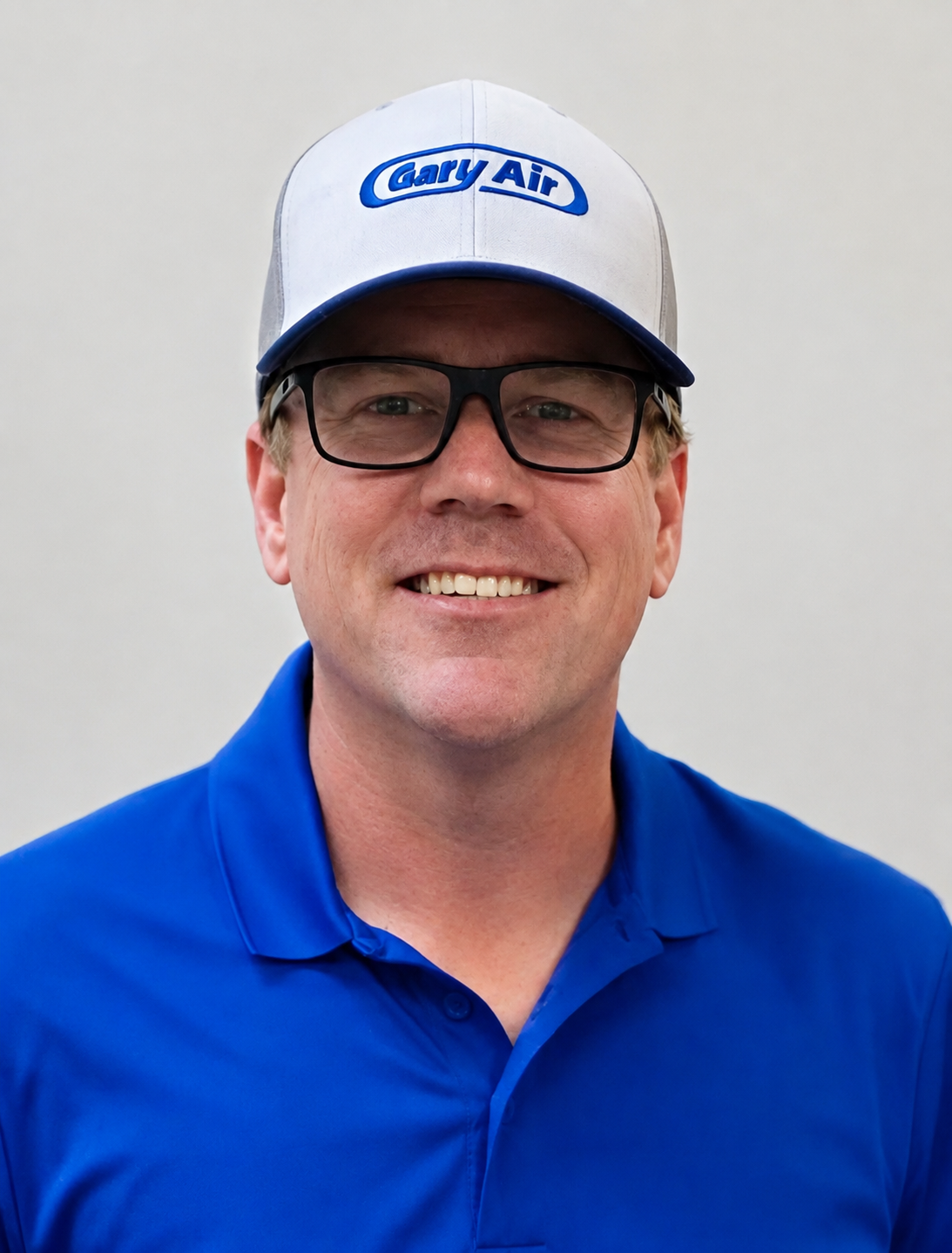
Here is Rob Brooks, owner of Gary Air. For a lot of business buyers, an acquisition is the first time they've ever raised money from investors. You may be plenty comfortable across the table from a seller or an SBA lender by now, but bringing equity partners into a deal is a different negotiation with its own vocabulary, its own economics and its own governance questions. Well, in a webinar this Thursday, attorneys Bill Barlow and James David Williams return for another acquiring minds office hours to break down how equity financing gets structured and where buyers end up negotiating topics to include common investor terms, you need to understand the key economic and governance terms.
You may have to negotiate how the new SBA rules affect investor terms and equity financing options, how equity is structured in SBA deals versus independent sponsor deals and what financing looks like in the muddy middle between SBA and independent sponsor deals. As always with Bill and James David's office hours, bring your questions and the webinar is equity financing from SBA deals to independent sponsors. And it is this Thursday, September 17, November noon Eastern. Link to register is right at the top of this episode's show notes or on the Acquiring Minds homepage.
Acquiringminds Co. Welcome to Acquiring Minds, a podcast about buying businesses. My name is Will Smith. Acquiring an existing business is an awesome opportunity for many entrepreneurs, and on this podcast I talk to the people who do it.
Running payroll, paying your bills, closing your books, and producing financials. These are critical tasks every business owner must do or oversee. But spending time on them distracts you from the leadership in growth work you want to do. So let system 6 do it for you.
Owned and led by a former Searcher, Chris Williams, System 6 is a leading outsourced finance team for hundreds of SMBs, including over 50 searcher acquired businesses. Chris, Tim and the System 6 team understand firsthand the challenges, the opportunities of jumping into a business as its new owner. So whether you own your business already or have one under LOI, talk to System 6 about how they can give you time back and improve your financial operations. Mention Acquiring Minds and they'll provide a free review of your books and financial ops, a $500 value.
Check out system6.com, link in the show notes or email helloystem6. Robert Brooks, welcome to Acquiring Minds.
[00:05:00 - 00:05:04]
Guest A: Thanks, Will. Glad to, glad to be here. Longtime listener.
[00:05:05 - 00:05:29]
Host: Oh, great. Love to hear that, especially somebody of your caliber. You've been chronicling your journey with a small H Vac business acquisition on LinkedIn. You bought the business last year, so you're just a little over a year into it.
You've quadrupled EBITDA since. We're going to learn how you've done this, Rob. I'm really looking forward to it. Let's begin with some background on you, please.
[00:05:29 - 00:10:09]
Guest A: Yeah, perfect. I, I think I have, you know, what I would describe as a diverse background, especially in maybe in comparison to the sort of standard ETA community. You know, I grew up in Michigan and I grew up for, you know, my father was a general contractor, worked in the trades. But my exposure to that was, you know, sort of a challenging, you know, thing.
I didn't look at it as an opportunity for a ton of success. You know, it was very much the standard, you know, 1990s blue collar world. But I at least did, you know, build my first wallet 8 years old. And I remember, you know, growing up in that, in that environment.
And so I did go into trades outside of high school. Shortly I got into residential construction, but then I quickly found myself joining the Marine Corps. Um, So I spent four years in. In the infantry and the Marine Corps.
I joined prior to September 11th, but I was actually in the school of infantry when September 11th happened. And that obviously changed the trajectory of my. My time in the Marine Corps. So I got out in 20 or, sorry, in 2005, and it was very natural for me to jump back into residential construction.
And so I'm a carpenter by trade, let's say. But again, that was pre recession in Mich. And I found myself struggling to keep work. This is back in 2006.
And so I drove down to Florida and decided I wanted to try and find a bit of a different career. So in 2009, I found myself in the staffing industry and that sort of as a recruiter, that was my starting point. But very quickly found myself enjoying that, being very passionate about that, and I think, you know, utilizing my leadership experience from starting in the Marine Corps at, you know, age 19, you know, being put into leadership positions and very quickly in combat situations, leading people, leading teams, dealing with, you know, adversity was something that was very natural. And so my career trajectory and the world of staffing, you know, evolved very quickly from recruiting, you know, as an individual to leading teams, leading programs at a national level over a period of, I guess it'd be 15 years almost, so 2009 to.
Let's call it 2020, you know, give or take 2000 or 2024, I guess. You know, my career changed quite a bit the last five years. I had spent five to seven years, I guess I had spent leading artificial intelligence and data and product development at a global level. So.
And then in 2024, I ended up really just getting burned out. Not really. I didn't have agency. I didn't have kind of ownership of my career.
I thought I had made it. I was technically three levels or four levels from the CEO of a $25 billion company, had teams all over the world leading AI and data for one of the largest HR companies in the world. And I thought I had made it, and I clearly didn't. I was very burned out.
I didn't have much control over, you know, where my life was going or the job that I was doing every day. And I think more importantly, I'd lost connection with the people that worked for me because they worked in various countries around the world, and I didn't have a chance to really make an impact on them anymore. And I felt I kind of found myself disenchanted with that life. I had an opportunity to go to a smaller company SAS company also in the HR business, didn't really enjoy that.
It was a very challenging environment. It wasn't what I thought it was going to be, going from large enterprise to a software as a service company. And so when I had know I'd say had the opportunity, I was, there was organizational restructuring, you know, ended up losing my, my job. I, I said I'm going to take four months off and kind of like reassess what do I want to do with like the second half of my career.
And in that period of time, I started jumping on Twitter. This is when I got into the Twitter world of small business. ETA found Sam Rosati and SM Boot Camp happened to be here locally in Tampa, which is where I live. And I went to the bootcamp in December of 2024 and sort of decided I was going to go down the path of buying a small business.
Right.
[00:10:10 - 00:10:16]
Host: And what was it of the many paths you could have chosen that drew you about, about buying a small business?
[00:10:18 - 00:11:32]
Guest A: Well, I think it, you know, I always felt confident that I could, I could run a business. You know, my 15 years in operations and COR was not the standard. You know, run a call center for 15 years, you know, you know, run, run this department for, for a long time. My, my experience in that environment was very much taking broken teams and turning them around very quickly, you know, kicking off new initiatives, you know, sort of like green fielding, you know, new operations within the company.
I always said I'm not a zero to one right guy. It's, it's not what I'm, I would say I'm not even capable of that, but put me in the seat at one and I'll help grow it. Right. I'll help drive, you know, change.
I'll help, you know, improve operations. And so when I found entrepreneurship through acquisition as a path like, okay, this is something I can actually take ownership. I'm in control of my future. It's, I can mitigate the risk by not going 0 to 1.
And then after spending 15 years in, you know, in the world that I had, you know, my, my wife and I had built up, you know, a financial platform where there was, you know, we had an opportunity to take some risk.
[00:11:33 - 00:12:21]
Host: Yeah. Well, it probably also helped that the nature of the businesses that are often acquired in ETA are trades businesses. So that, that's a big blocker or hurdle for many people who are coming from white collar land. They haven't been in that environment and you come from that environment.
So, so you could, you know, going back to it I imagine was that was not a factor at all. You felt very comfortable there. We're going to get into that more, but I do want to just press you on your. I understand why you kind of became disenchanted in your, in your corporate role and path, but I, I just wonder, was there a catalyst?
Like why that moment versus any of the prior 15 years?
[00:12:21 - 00:15:20]
Guest A: Yeah, there was a very real catalyst. So it would have been, if I'm guessing, without my resume in front of me to remind me of the dates, it would have been maybe in 2018. I was asked to take on, I was asked to move from the business side of staffing, from the recruiting side of staffing, and move into the sort of digital innovation world and taking on data and artificial intelligence product development. And it was, it was an example, it was like, it was amazing what it did for my career.
But it was just the, you know, the whims of the company and the organizational strategy just sort of like pushing me into a direction that I hadn't signed up for. It ended up being a fantastic career move. You know, my first day, you know, three days after getting that job offer was sitting in Mountain View at Google, a co development AI project with them. And my introduction to AI was to sit with, you know, some of the smartest AI, you know, engineers and product leaders in the world.
Fast forward. After spending about five years, like dedicating most of my life, traveling the world, constantly being, you know, gone from home a lot, working, you know, six, seven days a week building, you know, amazing platforms for a company of that size, you know, there was an organizational shift that happened and the new CIO that came from globally, they came from a different company. You know, a large consulting firm came in and said, you know, data is not a strategy. AI is magic, it's not real.
And data is just an outcome of application, you know, and know we're just going to go and cut costs, right? And that was, you know, the, the, the crux of the event that happened. And of course that's how I ended up losing my job at, at that company at the time. And, and I realized I spent years of my life building software and building data platforms and AI for, you know, again at this time, the number one, you know, number one HR company in the world.
And one small shift at the, you know, the, the C level, you know, completely changed that, right? And that was sort of the catalyst. I said, well, okay, now maybe I'll jump into software as a service, go into more of like a smaller company and see If I can, you know, really make an impact. And I found the same politics, the same red tape, the same, you know, differing opinions and the inability to really make change.
And so when that ended up not working out again, classic operational restructuring, about 10 days before my equity vested, I lost my position there and said, yeah, I just don't want to do this again. And so that was the main catalyst. It was a very real catalyst. I don't want to do this again.
What do I do differently now? And I guess I'll go buy an H vac company.
[00:15:23 - 00:17:07]
Host: Buying a small business sounds simple. Find a company, due diligence, get a loan, close. In reality, you wear every hat just to get the deal done. And then the moment you close, you have to throw those deal making skills out the window and learn how to operate.
You shouldn't have to rebuild this infrastructure from scratch and you definitely shouldn't do it alone. That's why Walker Deibel created Acquisition Lab, which started as an accelerator, has expanded into a complete ecosystem for acquisition entrepreneurs. Over six years, the lab's 1200 members have acquired over a billion dollars in businesses. The lab puts everything under one roof.
An active community, deal reviews, post close services, and a dedicated fund helping experienced operators buy larger businesses. If you're serious about buying a business, come see why Lab members have a 40% success rate. Learn more in the show notes or@accentlab.com acquiringminds Just one more question before we get to your search in the business you bought. Rob, you mentioned how your exposure to the trades as a kid, while that kind of influenced your early career path and of course your now career path as a young person, you didn't see that as a very profitable, lucrative career or, or space to build, you know, career.
What has changed?
[00:17:08 - 00:17:44]
Guest A: Well, I think just my, my exposure to it was, you know, really through the lens of my, the way that my father, you know, worked in that space. And it was as an individual, you know, builder. Right. As an individual, you know, kind of never really worked for another company but he, you know, took on jobs, you know, and did them himself.
So you know, fence building and deck building and you know, smaller, you know, smaller construction jobs. But I never saw it as a business. Right. I never saw it, I saw it more as an individual worker.
Right?
[00:17:44 - 00:17:44]
Host: Yeah.
[00:17:44 - 00:17:49]
Guest A: And in that side of it and it wasn't as lucrative and so it was never on my radar.
[00:17:49 - 00:18:02]
Host: So you do Sam Rosati's SM boot camp there in which happens to be in Tampa where you also live, you emerge on the other side of that and what does your buy box look like? What do you want to, what kind of business do you decide to go out and look for?
[00:18:03 - 00:19:27]
Guest A: One of the key things is I was leaving the world of corporate big business. And so I did not want to put myself in a position where I had to sell into corporate or I had to sell into big business. I didn't want that. I didn't want to deal with that environment.
So business to business was not on my list. Business to consumer was, was my main goal. I wanted to provide services and I needed to provide business to consumer services. And my residential construction background and I think maybe cliche, but it is very much part of how I look at the business and my value proposition to the industry is I look at this as a homeowner first.
And so that was the other side of it as well is I as a homeowner. I've remodeled my house, I've dealt with some floods, I've needed service on my H VAC system. And I always find it's really, really difficult to find good companies and get good service. And so I, you know, I always had the thought that if I could get into the world of home services, I can win because I can look at it through the lens of a homeowner with the operational excellence, right.
That I learned in multibillion dollar publicly traded companies, you know, with my residential background in construction and remodeling and everything.
[00:19:27 - 00:19:45]
Host: And rob your size target of kind of typical self funded search, SBA search, high six figures, low seven figures of sde you eventually bought much smaller. That was by design or that's just what you found?
[00:19:46 - 00:21:32]
Guest A: It wasn't just what I found. I think so very early on in the search and my search wasn't very long. So this all evolved very quickly. But I realized that, you know, I was really going to focus on the brokered, you know, brokered deals, you know, not do a proprietary search.
And as simple as is, I spent a lot of time on biz by sell and in the state of Florida, you know, businesses are listed like real estate, you know, in a sort of public market. And so I just really started focusing on the volume of broker deals and a lot of them are smaller. And so I was also very risk adverse as I mentioned earlier. And so if I could get into a deal, you know, get a seat at the table in the industry and start working and do that without a meaningful amount of debt, you know, something that I can, you know, limit that monthly debt payment and mitigate my risk, I was confident in my ability to grow something.
And so I really did lean very quickly into, you know, less than 500k of EBITDA ended up being the area that I started sort of, you know, having conversations and not intentionally like I would have loved I guess to buy a 2 million EBITDA business at a like reasonable multiple, but you'd have to take a, you know, a large debt, you know, to bring a lot of debt into the, into the conversation. And being risk adverse as I am, I was like, I'm not really sure I wanted to do that. I didn't necessarily want to give up 40% of equity. Right.
For a big equity check. And so starting small, you know, made a lot of sense. But I was going to get hands on and operate right. Not, you know, sit back and kind of like, you know, manage the business.
So buying smaller felt okay for me.
[00:21:32 - 00:23:12]
Host: Yeah. And just to underline the fact that you felt confident that you could do that, you were going to feel right at home leading a small team and growing it. You've this decision of yours highlights kind of contradiction or attention or something about the recommendation. The conventional wisdom to buy, buying larger is mitigates your risk.
If the business has a million dollars of sde, that also means that it has some structure, some management. It's been around longer, more customers, it's just a more robust business and therefore less risky. Even though financially it might feel bigger to get your hands around and a little bit more intimidating as a first timer. So that's one argument.
On the other hand, it means a lot more debt and debt is risk. And so you, your take is that actually sure, buy a smaller, more frankly more fragile business. So you're introducing risk there, but your risk, but, but on the other hand, you're minimizing risk in terms of your, the amount of debt you're taking on. And as we're going to find out, spoiler, your debt payments these days are a non issue.
You barely even think about them because you've grown so much. So this is a great case study. Now you are uniquely qualified to excel here as you've kind of already touched on and as we're going to continue to have reinforced over the course of this conversation. But still a great example of what this can look like when it goes well.
Okay, let's hear about the business that you discovered.
[00:23:13 - 00:23:37]
Guest A: Yeah, and I think one of the things as I talk about the business I'll highlight like even though it was small, there was a risk, there was risk mitigation because you know, buying a Small business is risky, but the risk mitigation there was that it was a 31 year old business that had operated consistently in the same fashion for a very long time.
[00:23:38 - 00:23:39]
Host: Great point.
[00:23:39 - 00:23:58]
Guest A: Quite different than buying a small business that's been around for five years. Right. And so I do think that's a really strong thing to think about is like if you are going to go small, pay really, really close attention to the legacy of the company. Longer term operations, not a three year startup that someone decided they didn't want to keep going.
And I know some of those stories haven't worked out in the way that mine has.
[00:23:59 - 00:23:59]
Host: Yeah.
[00:24:00 - 00:26:15]
Guest A: So I bought a company called Gary Air, located in Sarasota, Florida, had been in business since 1995. I did acquire the company from Gary, you know, the founder and name on the name on the door. H Vac only. So not multi trade.
Had just, you know, done H vac residential service. 99% residential, 99% service. Really. You know, no new construction.
Maybe one, one new house a year or if you get into some hurricane damage remodels, where it's arguably pretty close to new construction, maybe that pops up every now and again. But not working with general contractors, not working in large, you know, track home neighborhoods or anything like that. Again, business has been around since 1995. The there's 10 people, 11 people that worked for the company.
The average tenure was probably eight years. Very few new people. Everyone had been there very long time. And so there's risk with that.
But the idea is that of course when I go in there at least the business is running consistently in the way that it is. Right. And that I don't have a massive amount of risk of it shutting down the day after I acquire it because there's no synergies in the team. You know, a big thing that was, it was very valuable to me was that when, you know, Covid happened and sort of the post Covid time, you know, the owner had disconnected from the business quite a bit.
You know, he's very much into retirement age. He still is part of the business in terms of licensing the company. It's fantastic, fantastic seller, the type of seller you want to buy from. He had sort of disconnected from the business quite a bit over, you know, the past four years, you know, prior to acquiring.
And the business still maintained. Right. Didn't grow, you know, but had maintained, had grown, you know, a couple percentage points every year in hindsight.
[00:26:15 - 00:26:17]
Host: So there must have been a real GM in it.
[00:26:18 - 00:27:23]
Guest A: Well, so there was, you know, Bobby, he was Our gm and he still works for us today. He had been there since 1995 as well. Um, his title was GM. He was mainly the sales guy.
So it was one of the really big benefits for me, especially in talking with some other people that have bought similar size companies was I had, you know, Bobby for the first 12 months. I could really count on him to work with me and, and drive, you know, drive sales and respond to customer leads and you know, the, the replacement opportunities that exist. You know, everyone does their part, uh, and everyone helps each other out and they sort of survived every day and they did that without a lot of oversight from, from the owner. And so in my view on that, my thesis is like, well, if this business survived for the past five years and it's been going for 30 years at this size without real direct, you know, owner driving the outcome, all of my time, all of my investment was going to be a multiplier.
And so yeah, of course it all
[00:27:23 - 00:28:14]
Host: at point taken, absolutely. You want to, you definitely want to see that a business that runs itself versus a business where there's a micromanaging owner keeping everything together through willpower. On the other hand, you also then wonder if they're going to go from a absentee owner, that might be a little strong, but an absentee owner to a highly involved owner. There's likely to be some chafing there in the culture.
So not to say again, I think it's a net positive to see that in the business, but also just for the listener, recognize that the change management in such a situation might be something that you have to really contend with. You're going to tell us, Rob, if that's what you found, the numbers of the business, please.
[00:28:16 - 00:29:34]
Guest A: Numbers of the business revenue 1.9 million. Pretty consistently, you know, post or pre Covid, maybe it crossed over 2 million, just barely, and then had a bit of a dip the year of COVID in 2020 and then sort of crawled itself back to 1.9. So a few percentage points every year. Didn't take advantage of the post Covid demand.
Right. Obviously didn't take advantage of inflation, you know, from a pricing perspective. And so to be honest with you, it's one of the things that I'll, I'll caveat. One of the lessons that I in hindsight have, you know, looked at is I saw this as a, you know, a business that it didn't grow, but it actually, you know, it maintained over those four or five years and in reality, arguably it declined.
Right. Because, you know, inflation increased by X percentage over four years and revenue stayed flat. Yeah. And so it wouldn't have changed my, my approach to, to acquiring the company, I don't think.
But it's definitely something that didn't really fit into my mental model of it until after the fact. And I was like, oh, we didn't, we didn't just, we stayed flat, which is actually declining in a post Covid demand inflationary environment. Um, good point.
[00:29:34 - 00:29:35]
Host: Absolutely.
[00:29:35 - 00:29:59]
Guest A: And the SDE on 1.9 SDE technically 340,000. 345,000. Right. Pretty clean.
No real add backs. You know, other than salary and healthcare costs, there wasn't really any, you know, arguable addbacks that we needed to contend with. EBITDA somewhere in the 220k range.
[00:30:00 - 00:30:25]
Host: And how did you think about this in terms of your own take home pay? That the SDE of the business was around probably where you were earning as an executive at a multi billion dollar corporate corporation. So then there's going to be your loan, etc. So the, the cash available to you coming out of the business on day one is going to be a big step down.
How did you think about that?
[00:30:27 - 00:30:29]
Guest A: Grow it really fast, you know,
[00:30:31 - 00:30:31]
Host: grow
[00:30:31 - 00:31:00]
Guest A: it really fast or I'm gonna, you know, this is gonna be a rough couple years. You know, I went into this with a growth mindset, right. That was, you know, if, I don't think it would have made sense to do this if I wasn't confident in very quickly growing the company. Because yeah, the income that I can bring home is substantially lower than, you know, what I had made in the past.
And I wasn't planning on doing anything but taking a, you know, a standard salary, you know, no distributions, everything gets put back into the business. And so yeah, I had to grow it really fast.
[00:31:01 - 00:31:05]
Host: Yeah, great. And then what did the deal structure look like?
[00:31:07 - 00:32:42]
Guest A: So I bought it for 3.2 times. I guess the math is, you know, 1.1 million was the purchase price, 20% seller note, 7% interest, interest only for two years, 10 year amortization with a five year balloon on the seller note side and then standard SBA debt on the rest. Of course we brought a little bit of, little bit of capital down more than, more than 10%. I have two, you know, two small investors, minority investors that, that got engaged with me.
And so we, we brought 175,000 down into the deal. And because the H vac industry specifically in this business had a sizable membership base, about 750 members, there was prepaid memberships that existed where you have what would arguably be a liability of going out and providing maintenance for three years in the future. I was able to get in the negotiation, get quite a bit of cash set aside and left in the business to help cover some of that liability. So it is one of the unique things about a business of my size that I acquired and the deal structure was we ended up at close, we had a fairly sizable amount of cash in the bank without having to really over equitize, you know, the business and give up too much, too much equity.
[00:32:43 - 00:33:45]
Host: Let's unpack a couple of things there just to be clear for the audience. Rob, the memberships basically that amounts to something like an annual payment, kind of like a SAS business. The customer pays an annual fee upfront and so that money is collected. So it's great work from a working capital perspective.
But when you're buying the business, you have to be very careful because seller, previous owner will have collected that money. Money but not delivered on the service yet. And so you will, the customer will still be expecting to you, to you to deliver on that service. So if you're not careful and you, the money that the customer has paid in advance doesn't travel with the business, you then find yourself liable to deliver service that you've never been compensated for.
So it's, you know, a good Q of E provider is going to look closely at this and call it out. But sellers don't always understand this dynamic and so you just need to be very careful. Anything to add there?
[00:33:47 - 00:34:24]
Guest A: No. Yeah, I mean, you nailed it. That's exactly right. And in this specific case it was a bit unique in that they, you know, the company has sold 1, 2 and 3 year long maintenance plans all paid up front.
So a lot of, a lot of companies in this industry will do monthly payments, you know, or shorter term, maybe sell one year maintenance plans paid up front. But to have, you know, have to look out into the Future, you know, three years and know there's 3,500 visits that need to be done for customers that already paid the seller. You know, that was a big component in, in the deal structure. Yeah.
Which didn't become three years.
[00:34:24 - 00:34:31]
Host: Who, who pays for anything for three years? Rob? I don't think there's anything in my own, you know, expenses that I pay for three years in advance.
[00:34:31 - 00:34:48]
Guest A: We probably have, I'm going to guess it's close to 800 customers right now that have prepaid three years in advance, you know, for their maintenance. We've, we've grown the maintenance, the membership quite A bit since I, since I acquired it. And the majority of them are three years paid in advance. Oh, wow.
Yep.
[00:34:48 - 00:34:52]
Host: I guess it's people who like a discount because you, I'm sure there's a, there's quite an inducement.
[00:34:52 - 00:34:53]
Guest A: Yeah, there is.
[00:34:54 - 00:35:13]
Host: And then the 175. Rob, you said 175,000 that you brought to this $1.1 million acquisition. That sounds to me like 15%, if not a little bit more of equity. Is that right?
Or is that, was that basically 10 equity plus deal costs, deal fees?
[00:35:14 - 00:36:26]
Guest A: You know, I, to be honest with you, like going back, it don't, it wasn't, we didn't specifically do it based on anything other than the SBA required a 10, you know, 10% down. But that's not where the conversation landed. It was, you know, I was going to put, you know, I put 75k of my own, you know, cash into the deal. And then I have a really good friend of mine, you know, that I wanted to, wanted him to be involved in this journey in some way.
And you know, he wrote a $50,000 check and then I had another investor write another $50,000 check. And so it wasn't, it actually didn't really have an impact on dcr. You know, it wasn't a cash flow. We need this much, you know, paid, you know, down payment to put us in the right model.
It was, I could actually do this myself and not give up any equity. But I, you know, just opened the door intentionally for two people to sort of join the journey with me and over equitizing a bit, putting some cash on the balance sheet was originally part of the deal. When I realized that we would get cash left in the business for the liability of the maintenance agreements, that was sort of just a bit of a cherry on top of looking to secure
[00:36:26 - 00:37:35]
Host: an SBA loan to buy a business. Meet Pioneer Capital Advisory your go to partner for sophisticated buyers who want deals closed quickly and on the best possible terms. The Pioneer team has closed more than 100 SBA loans, averaging timelines well below industry standards. Founder and owner Matthias Smith and CEO Valerie Stash bring over two decades of SBA lending experience.
Matthias and Valerie have built a team that meticulously works your deal from underwriting to close. You'll have a full bench working on your behalf, sales associates who streamline onboarding, M&A financial analysts who craft investor grade lender decks, and an operations team that manages every step of the closing process with institutional level rigor. Pioneer is not a single person, but Your true deal team. Visit pioneer cap.com or click the link in the notes.
And Rob, can you name the investor?
[00:37:36 - 00:37:47]
Guest A: Grant Hensel is my. Yeah, he's invested in this personally in the deal that, that we're currently on and then I continue to work with him on some of the future plans with his fund.
[00:37:48 - 00:38:10]
Host: Yeah, which we'll probably touch on toward the end. But Grant has been on the podcast and has launched Entrepreneurial Capital, a formal fund that invests in self funded search deals. But this was a personal investment of Grants. He's not, he's not in you via an entrepreneurial capital.
And so you just wanted Grant involved because of the value that he, you perceived he'd bring?
[00:38:11 - 00:39:05]
Guest A: Well, yes, I think I'd actually reached out to a lot of people interested in investing in ETA deals through Sam Rosati's group. And then Grant, if I recall correctly, Grant sent me a message on Twitter because I started publicly posting about my journey of acquiring a company and Grant and I hit it off. We had really great conversations and yeah, I think there's the idea of not quite doing it alone. Like it didn't need the, you know, capital.
I, I knew what Grant was doing and so I didn't want, you know, dumb money, let's say with, you know, I didn't need the capital, but I, I wanted to have someone that I can connect with. I assumed that there would be potential for future acquisitions. And so just starting down the path of having, you know, not just me on the cap table, even at a minority level would be, it would make sense.
[00:39:06 - 00:39:14]
Host: And so for the hundred thousand dollars that between Grant and your friend who are in the deal, how much equity did you retain?
[00:39:15 - 00:40:09]
Guest A: I personally own, I believe it's 86%, give or take. So they're, you know, about seven and seven and a half percent. Seven or seven and a half percent for each of those, you know, $50,000 checks. And that was based on a standard ETA searcher model.
Right. With you know, 10%, you know, prete. On that of which I can choose to pay back or accrue. And I have since paid back all, you know, the investment from them and myself.
So we no longer have that on the, on the, on the balance sheet. And then their, you know, their, their markup was, you know, enough to, where the IRR makes sense and all of that. Again, it was all based on a very simple base case, you know, 0% growth, 5, 10, you know, year over year. But it's just sort of like a standard model.
[00:40:10 - 00:41:00]
Host: Well, that you've Paid them back already. And so everything, all distributions out of the business now you get to enjoy 80, 86% of, and they get their 14 of. So it's all gravy for them going forward. You're probably still reinvesting most of that.
I'm not implying that you are distributing, but. No, you can hear about that so far, no distributions. Okay, well, it's only, it's only month 14 and it seems like you're, you know, your best use of capital is continue to feed the beast here, which is growing like crazy. To which let's turn our attention.
The business was doing a little 300 or so of SDE. And today, as I said at the top, you've quadrupled ebitda. Give us today's numbers, please, and then we'll work backwards and, and to learn how you've done this. Where are things today?
A snapshot. Yeah.
[00:41:00 - 00:41:50]
Guest A: So I just looked at ttm, you know, the other day a few days ago, and so trailing 12 months, we're at like 4.7, 4.8 million in revenue. So we've gone from 1.9 to 4.7. We're kind of in the middle of busy season. I think that puts us at about a run rate of, you know, five and a half to six million for the year.
It's, it's slowing down just a little bit, so we'll see where we land. We still got a long way to go before the end of this year. I'd love to beat 6 million. I'm not sure if that's going to happen, but either way, 1.9 to 5, 5 and a half this year is going to be quite a jump from the EBITDA perspective.
We measure an ebitda now, not SDE, just because of the size. Our trailing 12 months, EBITDA is 1.3 million.
[00:41:51 - 00:42:34]
Host: Okay, so from 300 is to 1.3, which is. Yeah, it's a quadrupling now. And al, also that 1.3 million of EBITDA. Of course, the gotcha with EBITDA is that it is earnings before the ita, namely a loan.
And if it's a capex intensive business, all the capex cost. But in your case, that loan, as we touched on a few minutes ago, is not a heavy expense at all. All to say that your, your EBITDA to actual cash flow ratio is very high. Right.
So, so there's actual, there's that 1.3 million. A lot of that is true cash flow. Yeah, fair.
[00:42:34 - 00:42:58]
Guest A: Yeah. If you take depreciation, which as you know, for tax purposes, off the table. Right? It's, yeah, cash flows were maybe at 90,000 a year in loan payment, something like that to the sba, little bit to the seller.
Note interest only for now. And so, yeah, our cash flow of 1 from 1.3. Our cash flow is probably 1.1. Directly hitting the bank would be my guess.
[00:43:00 - 00:43:38]
Host: So that's, let's just pause for a minute to kind of relish that you bought a Quite small h vac business and in about 14 months you've taken it to the size where most people would love to buy at. But even if they would get even if they could buy at that price, they would have a rather large debt payment for the next 10 years and they'd have to grow from there quite a bit to have room and, and feel pretty comfortable. So how have you done this, Rob? Let, let, let, let's hear how this, how you've worked this magic.
[00:43:38 - 00:45:18]
Guest A: I think it's a great question and the easy answer, it's 1,000 small things, right? Obviously we don't have the time to go through a thousand things. Part of it is not sitting back and trying to manage the business from afar and look at the P and L and make financial decisions to improve the outcome. It's not a knock on anyone, you know, that manages their businesses that way.
But I do like to say, like, I'm not a, you know, I don't run the business on spreadsheets. You know, I pay attention to the P and L. I mean our, our financials are in near real time because of all the, you know, cloud based integrations and everything. I can see gross margin in my financials in near real time other than waiting for payroll to hit the next week.
And so, you know, I pay really, really close attention to the financials, but I don't just sort of like stop there. I think, I think one of the things that I've had a benefit of, and this just comes from my background in leading organizations, taking new teams, you know, taking broken teams and quickly fixing them. You know, it was probably week two where I started making drastic changes in the business, right? The, you know, standard model of, well, just observe for 90 days, do some ride alongs, learn how everyone el, you know, does things and then come up with your great ideas and, you know, execute on those over time.
You know, I made meaningful changes to the business in week two. And of course it's been, you know, 14, 15 months. I can't remember the order of the changes that I made at this Point.
[00:45:18 - 00:45:39]
Host: But, and was that because, Rob, you, you were never going to adhere to the conventional wisdom that you should observe before change, you were never going to do that, or was it because you, you did plan to do that, but you saw things that needed to change so quickly and felt so confident that you were, you threw the conventional wisdom out the window?
[00:45:39 - 00:47:19]
Guest A: Like, yeah, I, I had zero intention of adhering to conventional wisdom of not changing. I said, great, it's a day, you know, day one. Is there something I can identify that I should change? Right, interesting.
And it, it does come from having, I think again, the, the background that I have is helpful. Right. But it's also just, you know, the, a big part of my past success in my corporate career was coming in on day one and changing programs, right, to fix them in two months, three months, you know, going in and breaking things quick. And so of course that's easier because you have, you're backed by a, you know, large global corporate entity and it's not your money and all of that.
But I just, I didn't think I needed to approach it any different way than what I had in the past. At the same time, I was very confident that I could lead the organization through it. But again, I've been in leadership since I was 19, right, going back to the Marine Corps, and it's much easier, it's much more difficult to lead young Marines in combat than to lead a sales, a comfort advisor, to sell a different way. And so I was pretty confident in leading the organization through the change and accepting the risk with that.
And I think the third reason why I'd be comfortable doing that is because I did spend 15 years in the staffing industry and it did start as a recruiter. And so my ability to backfill team members, right, that don't want to go on the journey and accept the change, it's something that I knew I could do on my own, right. And I knew that if I needed to fill a role, I can just go out and recruit it.
[00:47:19 - 00:47:24]
Host: This week, two drastic changes give us a flavor of what one or two of those were.
[00:47:25 - 00:49:22]
Guest A: So I, probably the earliest super meaningful culture changing change that I made was I removed all of the phones off the desk and put everyone on, you know, in the Office, on a VoIP phone system. You know, it, it was, it's something so small, but I knew we would never be able to scale, right. If we're answering the phones on the desk, there's no after hours support, there's no weekend supports. You know, there's no way to utilize any technology to support our customers.
And so I very quickly introduced a, you know, a phone system and, you know, online phone system. And it was such a meaningful thing. When I mentioned to the seller that I was going to be doing this early on prior to acquiring, he actually pushed back on it and say, well, you probably don't want to do that. You know, maybe give that some time before you think about that.
And, yeah, I think it was probably like week three. You know, the phones were gone and. And off the desk, and we were. In order to do that, I had to change out all the computers because the computers were, you know, 13 years old or something like that and couldn't handle, you know, having, you know, phone systems on their computers.
And so a company that had done things with phones, you know, they did have a fax machine in the office. Didn't use it as much, but did use it. You know, 10 file cabinets with 30,000 files in it, you know, all across there. I mean, I literally took the filing cabinets and threw them in the trash.
Right. Like we, you know, which was such a meaningful culture shift. It was emotional for people, right, to see that. And those are something that, you know, it's pretty small, but when your general manager and your office staff are saying, you absolutely can't get rid of these, you know, 10 filing cabinets with 30,000 files.
And I said, I hear you, but we're going to go ahead and get rid of these filing cabinets. And we're going.
[00:49:23 - 00:49:28]
Host: I am uncomfortable listening to this. What. But what about all the records?
[00:49:29 - 00:50:27]
Guest A: Well, you know, we'll figure it out. We'll figure it out. I mean, that's. That's what it was.
I mean, you know, it was. It was. I saw it as a crutch, right? I saw it as a crutch.
Interesting that, you know, a person would need a new system, and we need to do an estimate. You know what? We didn't have to go out to the home to do that estimate because we could go into the file from 23 years ago and go and look at the notes from that file, build the estimate, and then try and sell it over the phone. And I said, no, go out to the house, take pictures, take measurements, engage with the customer.
Right. So it forced the team to change their physical operations and how they do things. But I was just confident that there wasn't enough gold in those files, that it was going to cause a negative impact on the business other than the culture shift and sort of like the emotional connection to it.
[00:50:27 - 00:51:09]
Host: Yeah. Wow. Well, I feel like, I mean, it's just so symbolic, you know, it's like new leadership is here and this is a clean break with how things have been done. And it's also very boat burning because there is risk in that, as you acknowledge.
It's like there might be some stuff in here that we're going to lose. But I am all in on the direction and strategy that I insist we go. And so it's going to be figure it out. Even if it means, you know, that there's some discomfort or we've lost some stuff in here, we're just going to have to figure it out.
That's really bold, kind of inspiring, kind of reckless. Kind of reckless.
[00:51:09 - 00:51:29]
Guest A: There is a little bit of recklessness along the way. Right. But again, I just was confident that I can navigate the team and navigate the company through change. Right.
It is. Well, it was well thought out. It wasn't, you know, but it was very intentional knowing that there's risk, but it forced us to act differently.
[00:51:29 - 00:51:30]
Host: Right.
[00:51:30 - 00:51:46]
Guest A: And so I was willing to accept it. But if you don't have, you know, actual like real measurable leadership experience and a proven history of like managing teams through really aggressive change, like, yeah, that could really go bad.
[00:51:46 - 00:51:46]
Host: Yeah.
[00:51:46 - 00:51:47]
Guest A: Right.
[00:51:47 - 00:51:47]
Host: Yeah.
[00:51:47 - 00:52:32]
Guest A: So like very, very bad. It could have gone bad anyway. Right. Even with the experience.
Right. Of navigating these things. But yeah, it's funny, I haven't talked about that since I did it, but yeah, it was very symbolic to your point. Right.
It is burning. It was burning the boats. And it might be foundationally one of the, you know, the big things. Which, by the way, you know, led to some people leaving, you know, not right away, but that culture shift, the accountability.
Right. The, you know, the digitizing of things. Right. The discomfort that that caused where now I can see into the day to day operations in a better way.
I can see that our permits are not getting filed correctly. I can see that our warranties are not being claimed correctly. I can see all these things because we're not on physical paper anymore
[00:52:34 - 00:52:35]
Host: and
[00:52:35 - 00:52:50]
Guest A: we don't have that as a crutch. Right. I can force the fact that the salesman needs to go out to the home and do the work. Right.
That ended up causing people to say, I'm just not interested in this journey and we departed ways.
[00:52:50 - 00:53:30]
Host: Yeah, yeah. But again, like, there's probably also a little bit of design to that. You, you better. You are going to change things.
And so the sooner the people who don't want to be on the new bus I'm, you know, mixing my business metaphors here, right. People on the bus thing. The sooner the people who don't want to be on the new bus get off the bus, the better. So it's a little bit of a forcing function that, you know that that brings about change.
That's going to happen sooner than later. That's going to happen inevitably. So sooner than later is better. Sooner rather than later.
[00:53:31 - 00:53:31]
Guest A: Yeah.
[00:53:31 - 00:54:05]
Host: Okay. Yeah. As you said, Rob, we could talk about these 500 little things. That was a good one, by the way.
I didn't even know, I didn't even know that one from the pre call. Let's hear about a couple of others. And let's start with the teaching yourself H Vac. This is a big one.
This has total Jack Carr vibes. Listener. If you haven't heard the Jack Carr episode where he loses his entire team after closing on an H VAC business and goes out and does service, calls himself teach himself, teaches himself H Vac. Listen to that one.
Rob, you know, Jack and you did something similar. So tell us about it.
[00:54:06 - 00:57:38]
Guest A: Yeah, I would say first, like I, thankfully I did not have to do what Jack did, which was to actually my whole entire team's gone. I have to learn h vac, learn on YouTube at 3 in the morning and go and actually run service calls. Right. Or I don't bring in any revenue.
It did not get that bad, which is, which is great. And I give him kudos for that. I, you know, when I decided to, you know, buy the company, which was February by the way, you know, going back to that search, it was like a six week search for me before I got under loi on this deal. It happened very fast and I was very committed to making that deal work.
And I just knew that we were going to close on it. So from February to the last day of May, it was a hundred days. While I was going through the process of building or buying the company as much as I could, I learned H Vac. I researched it.
I literally spent three hours at a time on drives talking to ChatGPT, using voice in my truck, you know, talking about H Vac and you know, engaging back and forth around this is how I understand that. Is that correct? Okay, tell me more about this. Let's, let's go down this, you know, this aspect of H Vac systems.
And so by the time I actually landed on day one, you know, it was about a week in or so, you know, I recognized that there was an issue popping up, you know, at a commercial customer Actually, and they had been out there 10 times to try and solve it. I said, let me just go out there with you guys and identified the problem. Right. That they hadn't been able to identify themselves.
And great part about that was that allowed me to get trust from the team very early on that I wasn't just coming in and again, sitting in an office, running it through spreadsheets, that I actually learned enough to have conversations going back to hiring people. I did, in my second week, hire my current service manager, you know, the owner that I bought from, you know, Gary, when I hired him, you know, he said, how did you ever find someone that good? Like, no one's walked through the doors, you know, in 30 years with that type of background. And it was again, my recruiting experience that helped me do that.
It was the vision of where we're going. You know, it's. Recruiting isn't just about qualifying people, it's about attracting them. You know, recruiting is a sales job, right?
And so to recruit is not to screen someone out, right? It's to recruit someone. And so, yeah, yeah, I had this. This amazing, you know, service manager.
He was a technician at the time. Now he's my service manager. And I talked to him. You know, I was lucky.
I was, to be honest, I was like, very lucky in this case. It comes with a foundation of trying to learn. But I also. He'd be willing to have conversations with me while I drove 72 miles back to my house at the end of the day.
And he was driving from, you know, Venice back to his home in Bradenton, you know, an hour drive, you know, from down south in our market. And we would just talk shop, right? We would talk tech, we would talk, you know, service calls. And yeah, I spent a lot of time out, you know, out on jobs, you know, for the first six months, you know, spend a time at 10 o' clock at night at an install, you know, you know, slinging equipment in an attic.
I said, you don't ever want me to be responsible for actually doing the work because I'll probably screw something up. But, you know, I was able to learn and have, like, really meaningful conversations with my senior guys around solving the problems that we couldn't solve. Right. And then I use technology and information that's available to me to help, you know, figure things out.
[00:57:40 - 00:57:52]
Host: Wait, so. But Rob, you were. You learned so much so quickly that you could actually help solve problems that you're more experienced, much more experienced techs could not solve.
[00:57:53 - 00:59:20]
Guest A: Yeah, yeah. And it still happens today, but I'D say, I'll just use that very small example from, you know, week number two. It was just, you know, technicians end up getting laser focused with blinders on. And H Vac is a very complex system that is electrical, it's refrigerant based, it's water, right?
There's a lot of water created in an H Vac system because of the removal of humidity from the air. And so, you know, one of the things that I bring to the table is to not have blinders on, right? And to sort of look at every situation with eyes wide open, not assume that I know the answer and think critically about, like I call it the end to end. And so technicians will get, you know, the first thing that they see is the thing they might get stuck on.
And I can go behind them, talk to them about it, you know, participate in it and look at it broadly and understand how, you know, the different components work together. And just, you really just give them the, the reminders of, hey, yes, you're looking at this one thing, but there's, there are three other additional potential causes to that problem. And so you're, you know, you need to be looking at those as well. Right?
And that's the challenge of H Vac is there usually are two or three potential reasons why something's happening. Right. And so I found the ability to help, help them with that.
[00:59:22 - 01:01:07]
Host: There's a lot here, Rob, first of all, I just want to call out your 3 hour chats with chat GPT. I actually haven't used cloud or chatgpt much verbally like talking to it. I just started actually first time last weekend and it was really in a smooth experience. It's, it's remarkable.
I mean, we're all dazzled by Claude as it is. But try talking to it. It's like you can have a completely personalized, I guess in your case, H Vac tutor riding shotgun with you for three hours a day. Incredible.
But also very clever of you to use your time that way. I think it needs to be said how much you enjoy this. You know, you come from the trades, you are kind of a passionate homeowner. This subject matter here really interests you.
In fact, you had said to me on the pre call that one of the thing, one of the other reasons, a softer reason maybe that you wanted to buy H Vac was, was because it was a trade you didn't really know and you were just intellectually curious about it. You wanted to kind of build out your H Vac skill set just cause. So that's not going to be everybody, clearly. And, and in fact, and so we might say it gives you this incredible advantage.
And I think that's is probably where we'll land that. It is this incredible advantage. It earns you credibility with your team, clearly, also with your, with your customer. But you know, a.
Somebody else might counter that you might get two in the weeds. And you know, the, the goal is to be working on the business, not in the business. And you're putting yourself very in the business. Don't work in the business if that's not really where you want to go ultimately.
So respond to all that, please.
[01:01:07 - 01:03:04]
Guest A: I've always immersed myself in the subject, right? I've immersed myself in the data and AI. I immersed myself in government contracting. I immersed myself in the financial services industry when I was leading recruiting teams for the financial services industry.
It's like for me to lead an organization, I need to be not the subject matter expert, but I need to know enough about the environment to question what other people are saying. Otherwise I have no ability to help them come up with the right answers. I have no ability to like, how can I improve the life of an H Vac technician if I can't coach him on how to diagnose a system? Things to look for and even more importantly because it's the less natural skill for an H Vac technician is how to communicate the intricacies and the opportunities with an H Vac to a homeowner, right?
So if I don't know enough about how the H Vac environment works in a home, you know, how can I coach my team on how to, you know, my, my Tuesday morning, every week training sessions that I do in person with the whole company. Like, how can I coach them how to have conversations with homeowners and drive revenue and drive meaningfully personalized estimates, right. For our customers. If I have no idea what indoor air quality is and zone systems and static pressure and you know, how refrigerant theory works in a sense.
Like if I don't know enough about that, then all I can say to a team of 20 people at this point sitting in front of me on a Tuesday morning is do better. Right? It just doesn't make sense to me, right? I needed to get involved enough to be able to say, let me share with you how you can achieve better things based on my understanding of the
[01:03:04 - 01:03:39]
Host: actual trade and rob some, some people are going to respond, well, your, your better use of time is to find the person that is to hire the very thing that you just explained that you, you know, who stands in front of the team and helps train the team. You're not the chief trainer. Your job is to find those people. Because of, even with your deep dive into learning H vac yourself, there's still going to be stuff as you build this organization that you just can't learn yourself.
And your role will be to find the person who knows that to then teach the team.
[01:03:41 - 01:05:24]
Guest A: Yeah, I mean, I think it's a fair pushback. Right. You know, I, I, I do this this way because this is how I've had success in the past. I think that again, you know, as an example, I'm, I am now working on the business.
I'm working less in the business at this point. There's some really good things that we're doing moving forward. It takes me actually where I really can't go. I can't drive 140 miles round trip to the shop.
You know, it's a waste of three hours a day and I need to spend that time, you know, investing in other things. And so I'm at a point can work on the business. But for me to hire a sales manager to run sales, if I don't understand the process of selling to a customer, I just don't generally know how I can lead them. It is sort of, but again, it's just my own personal way of leading.
Right. I think it comes from, you can't be a team leader in the Marine Corps if you don't know how to shoot a rifle. You know what I'm saying? If you don't know how to do command and control like you, you have to know the role.
Now, am I going to continue staying in tune with the next best, you know, diagnostic tooling and process for high end H vac equipment? No. I have an awesome service manager that can do that now. But like he has a lot of room to grow.
Right. And he wants to achieve great things and he's fantastic. As a service manager for a $5 million company, I want him to be the service manager for a 10, 15, $20 million company. And so for me to help him, I need to foundationally know enough.
It's not know everything, but know enough.
[01:05:25 - 01:05:25]
Host: Yeah.
[01:05:25 - 01:06:12]
Guest A: And it's worth the investment and I think my, my, my results, it's worked out for me. You know, it hasn't worked. It won't work out for everyone, you know, because they maybe don't juggle both sides of it. I did work on the business along the way, but from within the business, if that makes sense.
And it did cost me 90 hour weeks. Right. It cost me, you know, quite a bit right over the first year. But it was about just immersing myself in that world.
And now I can take a step back within more knowledge about the industry, the trade, the how then I think what most you know, eta, you know, owners are of course someone that grew up in the, in the trade is different. But I think I know enough now to now say I can confidently work on the business with a really good understanding of what it means.
[01:06:12 - 01:06:17]
Host: How many employees remain from, from a gary Air version one that you acquired?
[01:06:18 - 01:06:46]
Guest A: 2. So I have a technician that's been there 14 years as of last month. He's, he's still with us and you know, our general manager, he was a general manager, that was his title for a long time. He really focused on, you know, selling, he was the guy that sold the equipment and he's still, he's still with us.
He works part time and kind of focuses on customers that he know and all that and he, he still sticks around. But the company is quite different.
[01:06:46 - 01:07:00]
Host: Now the fact that two employees remain, should we assume that that means that the other nine just weren't into the, the new, the way, the direction you were going to take things and they helped themselves off the bus.
[01:07:02 - 01:08:26]
Guest A: So this comes from a little bit of my background in recruiting and hr, you know, from, from a staffing and consulting perspective is let's say the, you know, the majority of them that are no longer there found their, found that decision themselves. Right. With a little bit of help. You know, there's a handful that was very clearly my decision and I had to make explicit calls based on, you know, risk to the company or you know, service just not being, you know, met.
Probably 60, 70% were. Accountability is hard, right? When you drive clear, non emotional accountability, it's, it's quite help. You know, people can find out very quickly that it's not necessarily a good fit for them, you know, on the journey that we're going on.
And so no surprises, I wouldn't say. And you know that there's anyone that left that were really, you know, it was a, a major loss. Like there's, there were some great people that worked for the company, but they are very, very well suited to work in a $2 million H VAC company. Not the direction that we're going.
And so in many cases we departed amicably, in some cases we didn't. But every time it was a top grade, it was an opportunity to hire, you know and in most cases, I. I knew that it was coming, and so I already had someone, you know, in the pipeline and ready to start, you know, when, when that person would give their notice, you know, because we kind of already saw that, saw that happening.
[01:08:27 - 01:08:29]
Host: You seem very comfortable with turnover.
[01:08:31 - 01:08:55]
Guest A: I am up until this point. Right. So it's not like part of the strategy, like you just keep turning people over and you'll keep getting better people. I mean, it's.
It's not that I do think I'm. I was very comfortable with turnover in the first year, and I'm at a point now where I've, you know, built a great team and have great people and, you know, the majority of people on the team, it's like, I really, really want them to stick it out.
[01:08:56 - 01:09:32]
Host: Rob, I want to hear just two more features of the culture change here, and then I want to hear about demand generation, because all this culture stuff is internal. I'm not sure that immediately translates to just magically more sales, but you do have a lot more sales. So we'll hear about those in turn, and then we're going to start having to wrap up the two culture pieces, craftsmanship and training. Take those in turn, please, and just give us a window into what you're doing with each of those.
[01:09:32 - 01:11:31]
Guest A: Yeah, craftsmanship, it's about, you know, a quality of work that's not just electronic or, you know, mechanical, which a lot of H vac companies look at it from that perspective. And so I hold our team accountable to a much higher level of quality. Not just does this system run, but does it look good? You know, it's a very simple example.
It's very trades oriented. Not everyone will understand this, but, you know, when you attach an H Vac equipment to your ductwork, you know, you have to put a. What's called mastic, and it's. It's like almost like drywall mud.
You have to put that on the. The duct board. Down here in Florida, anywhere where we use duct board. But I have the team painters tape the duck board right before they mastic it so that then they pull the painters tape off and there's clean lines.
Right. And not just, you know, brush lines of, you know, a bunch of mud on the side which would, you know, do the job. It would stop the air leaks because that's what mastic does. But it should look good.
Right. The craftsmanship side also focuses on risk mitigation. So it's a very simple thing. If you look at a good quality installation, has high craftsmanship, you can mitigate Your water damage risk, right?
You understand things being level, things being plumb. You understand things, you know, gravity, you know, understand how gravity works, right? Because you're thinking about the craftsmanship of it. And that's actually very important from an insurance risk mitigation perspective because water damage is based on, you know, mist craftsmanship, not gluing things correctly or not having things level, plumb pointed in the right direction and water goes in the wrong direction and, you know, does lots of home damage.
So there's, there's another side to it as well. Yeah, it does mitigate the risk. So that's craftsmanship.
[01:11:31 - 01:11:37]
Host: And so this feeds into training. What is the training in a typical H VAC company and then. And what is it in yours contrasted for us?
[01:11:38 - 01:13:27]
Guest A: So I think you look at like companies our size, you know, you would, technicians wouldn't really get much training. They would just go out and they'd run their calls. And if they're good at electrical or they're good at refrigerant or they're good at talking to a customer or they're not, you know, you would just maybe say, well, don't send Johnny to that call. Right, because he's probably not good at that.
But I, you know, cliche term, but, you know, rising tide lifts all boats. Right. I kind of use that from a mentality perspective and a culture perspective is I want everyone in my team to be able to go and do the job no matter what the job is. If you tie that to, again, my background in corporate recruiting, agile, scrum, product development, daily standups.
What did we do yesterday? What are we gonna do today? What are our challenges? How do we identify opportunities to improve?
That is a culture thing from my past that, that I've brought into the company. And so we, you know, we do that weekly. Every Tuesday, I have an all hands training session, you know, and I collect topics throughout the week. And mostly I train.
I taught my service manager how to do this as well. You know, not train individuals, but training, you know, a team. And so he has Thursday sessions on training and then I think as we improve and now, hey, it's hard to get everyone in the office. We're a little bit more spread out.
You know, we'll, we'll transition a bit to daily zoom calls in the morning before everyone's first job, where we talk about yesterday's challenges. What is something for us to think about today? We log all of our callbacks so they become training topics of how to not do this next time. And so culturally, home services Blue collar can be very toxic.
And so just toxic culture is very common.
[01:13:28 - 01:13:30]
Host: Really? Well, say more about that. What do you mean?
[01:13:31 - 01:14:35]
Guest A: Infighting, negativity. Customers are frustrated and they yell at you. And so now you take that, you spread that around. You know, it is very well known, you know, especially smaller non sophisticated home services companies, it's can be very toxic.
And so in, in those environments you couldn't say, well you know, Tyler made a mistake at this customer's house and it really caused us problems as a company because he would feel attacked. Right. And that type of culture and for us instead it's hey, let's, you know, everyone logs their mistakes, we know callbacks, we track them and then on Tuesdays I bring them up and we talk about the mistakes that we've made. And so everyone gets a chance to talk about their mistakes.
It doesn't become an attack. No one has to get defensive. It's about, you know, rising tides lift all boats. Right.
We are learning together how to be better. And then everyone's compensation, opportunities, benefits, all of that, you know, takes us in the, the right direction as a result.
[01:14:35 - 01:15:04]
Host: Great stuff here, Rob. Then the, this question about demand generation. So all of the internal improvements we've heard you make sound powerful. How does that then translate into actual new revenue coming in?
And reminder 1.9, you started at and this year you're hoping to get to 6. You might be a little bit shy of 6 or 3x revenue growth in what will be about 18 months.
[01:15:04 - 01:18:53]
Guest A: Yeah. So it is, you know, to be honest with you, it's one of my blind spots. And I know it's one of my blind spots. It's one of the things that I wish I was better at.
But working in the business, taking advantage of all the opportunity, you know, I haven't sat in an office and built a marketing strategy or you know, the, you know, lead generation strategy beyond fairly basic things. And I know it's something I need to actually focus on moving forward. And I say that because again, going back to buying the right business is important. And so a 35 year business or a 30 year old business has a lot of customers versus a 5 year old business may not.
A 4 year old business that has grown based on a marketing platform doesn't have as many customers as the legacy of a 30 year company. And so I benefited from the fact that there's 20,000 customers in our database. Right. We had a pretty good Google business profile.
Horrible website that quickly changed. So we've rebuilt the website very early on. We Invested in search engine optimization from the beginning. So knowing that was an investment I was going to make long term, I didn't wait for cash flow to support it.
I just did it. And then I have to grow to make sure I can afford it because that's a few grand a month. And SEO spend that may or may not bring in a lead. Today is a big choice to make, but I leaned in on business profile and reviews and search engine optimization and new websites from an externally facing demand lever.
And we get probably 60 to 70 leads a month now from our business profile, which has helped us grow quite a bit. Local services ads has helped quite a bit recently. It was a struggle for the first year. I could say, hey, I want to spend $20,000 a week on local service ads.
And no leads would come in and so, or, you know, not many leads would come in. So we are really focusing on every single customer we ask for reviews. And now, as a result of our business profile success, our LSA leads are coming in and I have a sales coordinator in my team that, you know, puts the responses in there and qualifies the leads and really gives feedback to Google that these are good leads. And that seemed to have made quite a bit of impact.
With that said, there's always the, you know, early on I got a software where I could send out, you know, text messages in bulk to my customer base. And so when we had lower demand in August of last year, you know, I went and sent out a text message. It was the first time the company had sent out an SMS blast to a customer base saying, we'll do a clean and tune for cheap. Right.
It's like, it's normally $110. We'll do it, you know, for $75. So you could put 50 jobs on the board, you know, over a month period. You know, you blasted all 20,000.
I did the first time. Yeah, I did. Then the technology understands that's not a cell phone. You can't send a text message to it.
Of course, customers say, I'm not in Florida anymore. And so you sort of like narrow down that list. And so we're probably at very meaningful, clear cell phones, you know, not opted out. We're probably in like the 7500 range.
We still have the, you know, hey, you, you, you might not be our customer, but your house was, you know, that mentality of, of the 20,000 locations that we've done H VAC service on, but we probably are about a 7,500, a list of about 7,500 active, you know, cell phones and engaged customers, or at least customers that have not told us to leave them alone.
[01:18:54 - 01:18:57]
Host: What about emails? Did you send out any, any email blasts?
[01:18:57 - 01:21:39]
Guest A: Yeah, we do. We do send out, when we send out the blast, it's, you know, first day as a text, second day is an email, you know, pretty, you know, using standard, off the shelf, let's say speed to lead, you know, technology. There's a lot out there. Yeah, we'll send out an email and yeah, we get customers that won't respond in the text, but they'll respond in an email saying, yes, let's book the job.
Right? So that has been helpful. But I would say the most important demand generation has been getting the reputation of being radically honest with our customers and treating customers in a way that they're not used to, right? And that's, that's cliche.
You can't do that and turn on demand tomorrow. But the number of customers that call us today, now a year later and say, like, we were referred to you, we saw you, your reviews are amazing. We heard this about you. You know, we've now seen your trucks.
I mean, I spent maybe $25,000 on truck wraps. You know, we, we do get people saying we saw your trucks in our neighborhood. That like never happened before, right? That type of brand work and the reputation that we have because I hold us accountable to a principle of being radically honest.
When we make a $5,000 mistake, we eat it, right? You know, and we inform customers that this was our mistake, right? We screwed up and it's okay. We almost burned a house down.
You know, I'm exaggerating a bit, but literally the system caught on fire outside because our technician installed electrical wrong. And it was a system that was running just fine. And it was a 14 year old system, but it was running fine. And, and the technician calls me and says, hey, if this happened and we were just doing a small repair, now what?
And I said, well, you go into that house and you say It's Friday at 9pm Your system started on fire. It was my fault, I can't fix it tonight. We will have four people at your house tomorrow at 8am to find out what the plan is. We found that we couldn't solve their problem.
It's a 14 year old system. And I just said this is a real example of we screwed up and I can't fix it because you know, I can. But the parts are $5,000. It's a horrible way to spend our time.
Our money for you to, you know, for you to have an old system with some really expensive new parts in it. And she goes, I can't believe how honest you are. What would it cost me to just change out my whole system? You know, and, and we, we changed out her system.
We ended up with like we were going to lose $4,000 and we ended up making $2,000. She gets a new system, she gets a great warranty, we provided her service, but, but it sticks with customers that were willing to walk in the house and say, we screwed up. Yeah, right.
[01:21:39 - 01:22:18]
Host: And you think that that took a year for that reputation to build. Because what I'm getting at is, you know, the, all the, the really positive culture changes that you've made are a leading indicator. You know, it's going to be a while before you see the, the effects of that on demand. And so.
But I'm struck at how quickly you've tripled almost, yeah, very close to tripling demand. But it sounds like, you know, actually you have, you, you will have been at this for a year and a year probably is a long, a long enough time for, you know, the improvements to your reputation or whatever, your new reputation to start reverberating around your market.
[01:22:20 - 01:24:04]
Guest A: Yeah, yeah, it is. I mean, I, I went to the bank because I had to move banks and I went to Chase to go open up a new account and the branch manager's like, Gary, I know you guys, you know, and the, you know, the personal banker I was working with, she's like, you know what? We're working with, you know, cool today, which is a private equity backed company in the market and we're not very happy. Can I get your card?
Because we need a new system and I'd rather, I want to have my mom call you. You know, it's like, so I see your trucks, right? And our trucks don't have cartoon characters on them. You know, it's just Gary Air.
It's very clean, very modern, very simple. We're quite proud of it because our customers have given us great feedb about it. And so, yeah, that took time. I mean, it did take, you know, yeah, we're a year later probably in some of those meaningful changes and it is driving some demand.
And by the, you know, for the record, it's also why our EBITDA is what it is, is I don't spend much money on marketing. Right. That's going to change. Right.
Is now a growth lever. You can only get so much out of the pool. And if you want to really make meaningful Change on the trajectory beyond where we're at today. You got to start building that marketing infrastructure and investing in that.
And so we will. But our marketing spend is less than 2% of revenue and that includes all of our SEO business profile stuff. It's not just lead generation. So we've been able to grow to where we're at today, but to kind of go beyond where we're at and really move.
There's acquisitions on the radar, but, but to grow organically within the core market of Gary, we need to start turning on the marketing, you know, side in a more meaningful way. And now we have a foundation to do that.
[01:24:04 - 01:25:22]
Host: By the way, Rob, you say you're not great at marketing, but it seems like you at least know something about what you're doing. Seems to be working. I could keep you here for another hour. Rob.
We gotta, we gotta wrap up. There are many more topics I wanted to get to. You know, your, you're, you're kind of entering what you call the five million dollar death zone. There's this very hard zone, I guess of 5 to 10 million dollars of revenue and trades businesses that, that is very hard to get through.
You're about to enter that Grant Hensel, your investor. You guys are actually working on sort of an operator boot camp concept. I'm just, I'm just plugging it here. I think it's early.
I don't even know if it's been announced. But I did want to get the plug in even though we don't really have time to talk about it. So, so look into that listener, the back and forth, you know, your, your 144 mile round trip, how this really has had an impact on your. So on your personal life.
Rob. So final question, without being able to get into all these other interesting topics, is just what you think you're building, Are you building toward something in particular? Number of employees, revenue size, an exit, a holdco. None of that.
Just taking it a month at a time.
[01:25:23 - 01:28:24]
Guest A: Great question and great timing. It's actually why I was like, I'm not sure if I wanted to get on here and talk with you yet a couple months ago because I knew some things were going to be changing in the direction and I wanted, you know, it was being a better time to talk. I, you know, when I bought this company, I said, I'm, I'm going to buy this. I'm going to have it for, you know, 15 years and I'm going to grow it organically.
I don't get a ton of energy from The M and A side of this business, let's say, you know, it's not something that comes natural to me. I think some people would debate that because I'm, I usually close a deal when I get with a customer or get with a seller. Right. My LOI to accepted rates something like 80%.
So I, I did get. When we hit a million in EBITDA in our first 12 months and I posted that publicly, I got a lot of people reaching out and it started to highlight the. Our journey is unique, our success is unique. Right.
It's something real. We have a great foundation and I think more importantly, I just really have amazing people that work for my company now that it allows me to do some other things. And so we did pivot, sort of like from I say we, I mean, my strategy has pivoted now to acquiring some other companies. We'll call them tuck ins.
I'll close on a deal and probably by the end of this month will be closed. APA is being finalized. I am under LOI on a company in the local market where Guerriere is, which will add an additional trade. It'll add plumbing into the mix.
The owner of that company wants to keep working for me, which is amazing because that allows me to slowly integrate that into the Guerriere business. And, you know, I can maintain the existing brand and you know, it's a good small operations. We'd call it a tuck in but. But it also adds a second trade.
So it's a little bit more than just a tuck in. And yeah, my partnership with Grant is quite meaningful. And so it's opening a door now where we're, I would say that we're looking to do a platform in the state of Florida. It's been a conversation definitely on the west coast of Florida, not spread out across the country, but in a more meaningful area of our business.
And so I'm having conversations around a couple other acquisitions beyond that and I'm. By the time this gets published, it'll be a little while. But I, you know, I just kind of put it out again. I'm on Twitter a lot.
Very, you know, publicly. My journey is very public and on LinkedIn as well. But I, you know, I just made the decision after talking with my team to go and stand up, you know, business operations in Tampa, where I'm actually going to go and, you know, get some real estate in Tampa and you know, our call center, our back office operations, you know, and build a more meaningful business operations closer to my home. So I Don't have to commute 140 miles, you know, a day, and do that in a way where we can, you know, do some additional acquisitions and we can do some.
Some expansion.
[01:28:24 - 01:28:34]
Host: And so, Rob, what you. You kind of characterized all of this as a pivot or a change. Is it basically that. Is the change that you're now thinking, bigger scale?
[01:28:35 - 01:30:38]
Guest A: Yeah. I think it took me. It took me six months to say, okay, I can do this, because I didn't know. Right.
I didn't know what it was going to be. I had confidence in myself, but it took me a while getting to the one year mark, getting through the seasonality, a full round of seasonality, and getting to that point kind of, I proved to myself that I think this is possible. And then, of course, looking at the market, it's somewhat unique, our success. And so.
So it's a pivot. I think I can confidently say my goal would now to be to go and build a 30 to $50 million home services platform on the west coast of Florida. Right. And we can say that as a goal that, of course, that'll change.
Anytime you have a plan, it'll change. I'm not saying aggressively we have to do that by next year or anything crazy. But I think we have the operations as a foundation to do that. And it would be missing an opportunity to maximize this part of my journey, in a sense, if I didn't give that a shot.
Right. Do it in a way that mitigates the risk. I'm not looking to take on a ton of debt and over leverage myself. And so my deal structure and the value of Gary Air today has been very lucrative, and there's some equity that I can part with to bring on some additional equity partners without taking on a ton of debts.
These acquisitions that I have will bring us pretty close to 2 million in EBITDA, the acquisitions that are on the table in the next couple months. And that puts us to where maybe SBA isn't the only path for some financing. And so it opens up some meaningful opportunities. So call it 20, 30, $50 million platform in today's market.
And H VAC Plumbing multi trade on the west coast of Florida. I probably could write that down on a whiteboard and say, you know, that's our vision. We'll see if that holds. I'm okay with adapting and changing constantly.
Right. So if I say that's what it is today and two months later, it doesn't feel right, like that's okay. Right. But I think it's worth giving that a shot.
[01:30:39 - 01:31:05]
Host: Amazing progress, Rob. Very exciting to hear how quickly somebody can build something from a really small foundation and just your whole leadership style, your unflinching leadership style. It's. It's really something.
Thank you very much for coming on Acquiring Minds and sharing with us. You're a great candidate to have back in in another couple of years to see what you have built. So look forward to it.
[01:31:06 - 01:31:07]
Guest A: Really appreciate it. Thanks for having me.
[01:31:07 - 01:31:55]
Host: Will hope you enjoyed that interview. Don't forget to subscribe to the Acquiring Minds newsletter. We send in email for every episode with an introduction to the interview, a link to the video version on YouTube, and soon key takeaways, numbers and more essentials from the interview. For those of you who don't have time to listen or watch it, subscribe at Acquiring Minds co.
You'll also find all our webinars there on the website, both those we have coming up and recording sessions of past webinars. At this point, There are over 30 webinar recordings, a wealth of information on all the technical nitty gritty of buying a business Acquiring Minds copy.


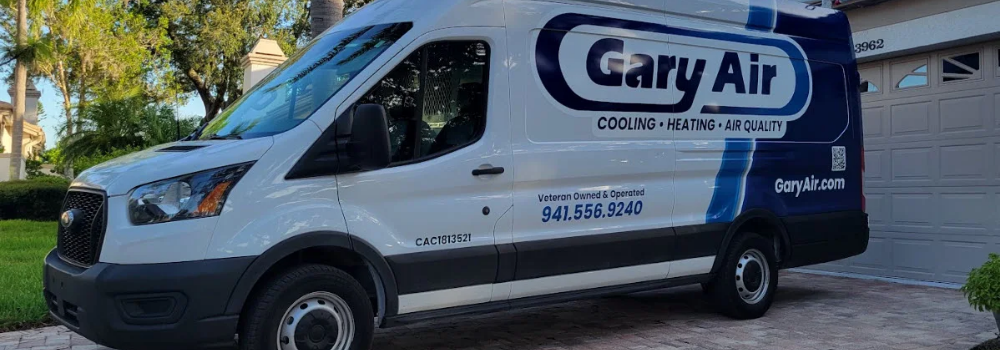









































%20-%20thumbnail.png)





%20-%20thumbnail.png)

%20-%20thumbnail.png)

.png)


%20-%20thumbnail.png)











%20-%20thumbnail.png)