[00:00:00 - 00:04:51]
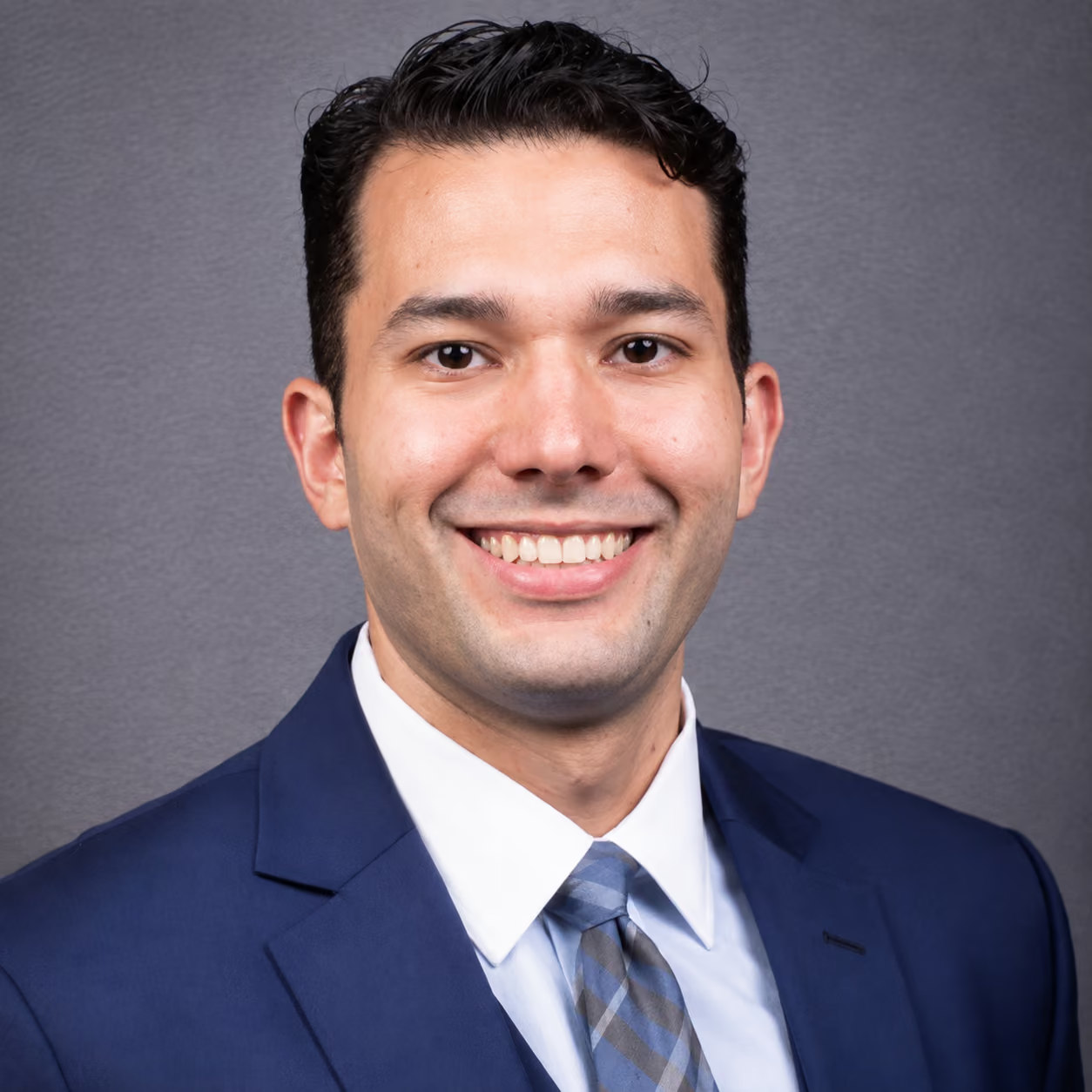
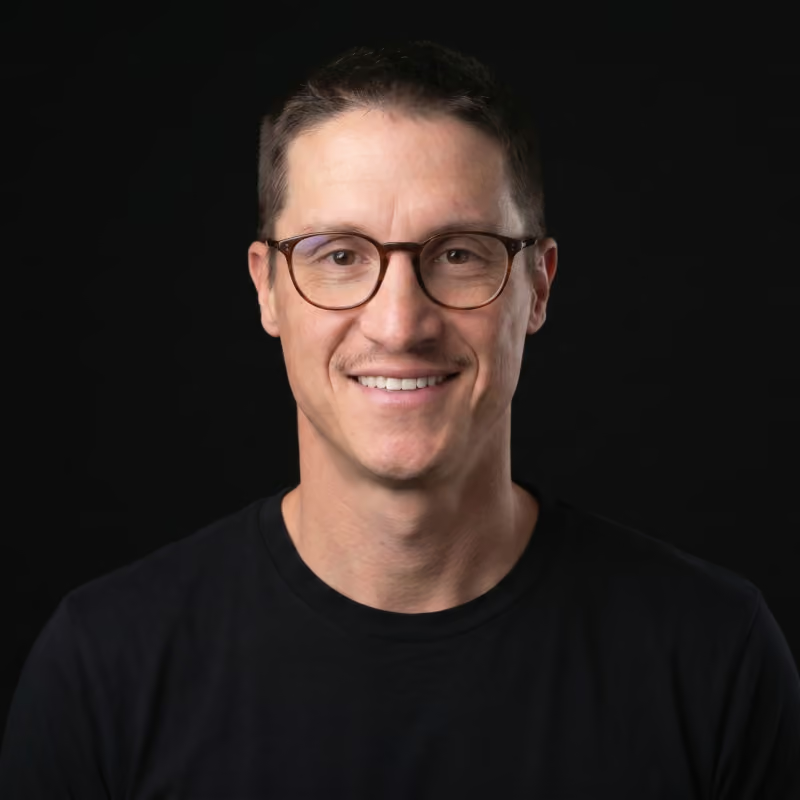
Host: Today's guest could have built his career anywhere. Manolo Diaz Carrada left Puerto Rico after high school and spent 12 years on the mainland, engineering at Carnegie Mellon, Law School at Penn, always intending to bring it all home back to the island. That's rarer than it sounds. More than 900,000 people have left Puerto Rico in the last 25 years and they tend to be the most educated and most mobile ones.
Manolo went the other direction. He bought Bonneville Group, a telecom, electrical and IT contractor founded in 1984, doing 12 and a half million in revenue and on track for 14 million this year. Now that revenue line has a history. Bonneville did around 12 million back in the 2010s and collapsed to 2 million in 2021 when Puerto Rico halted construction for eight months of COVID A peak to trough drop like that should give any buyer pause, especially one signing a personal guarantee.
Manolo and I get into how he got comfortable with it and how he got a lender comfortable too. That took some doing. Traditional search funds wouldn't back a Puerto Rico only search and then 20 some banks passed on his ultimately self funded deal. Listen for how Manolo finally got an SBA approval out of a bank in Tennessee and used that as leverage to get a local Puerto Rican bank to write him a conventional loan instead.
Also listen for how Manolo measures his ambition, not in dollars, but in jobs. A thousand employees over the next 45 years, all of them in Puerto Rico. Here he is, Manolo Diaz Carrada, owner of Bonneville Group. Working Capital can look like an accounting detail right up until it moves the purchase price of the business you seek to acquire in a webinar.
Tomorrow, Tuesday, Derek Pitts and Chris Williamson of Caine Crossing return for their third Acquiring Minds webinar. This time they'll show how working capital goes from a financial concept to a critical part of your deal, from loi to close. Topics to include how working capital can affect enterprise value, setting and negotiating a working capital target, how working capital terms show up in the purchase agreement, the impact of working capital on your cash flow after closing and how the working capital true up works. The webinar is Working Capital what buyers need to know before closing and it is tomorrow, Tuesday, September 22, noon, Eastern.
Link to register is right at the top of this episode's show notes or on the Acquiring Minds homepage acquiringminds Co. Then on Thursday, we're hosting a webinar on a diligence item that rarely tops a buyer's checklist but is absolutely critical. Insurance coverage gaps and unexpected costs can all expose your target and affect the success of your transition. None other than August Felker of Oberly Risk Strategies will host Thursday's webinar.
A two time searcher himself and a longtime supporter of Acquiring Minds, August is immersed in our ecosystem and has delivered insurance solutions for countless acquisition entrepreneurs. Among the topics you'll learn this what insurance due diligence involves and why it matters, the types of insurance you may run into during an acquisition, the biggest lessons Oberle has learned from reviewing so many searcher deals, what coverages you need and which are just nice to have, and new insurance products that acquisition entrepreneurs are buying more often. Like personal guarantee insurance. The webinar is Protect the Business how to Diligence Insurance Pre Close and it is this Thursday, September 24, noon Eastern.
Link to register is right at the top of this episode's show notes or on the Acquiring Minds homepage. Acquiring Minds co. Welcome to Acquiring Minds, a podcast about buying businesses. My name is Will Smith.
Acquiring an existing business is an awesome opportunity for many entrepreneurs and on this
[00:04:51 - 00:04:53]
Guest A: podcast I talk to the people who do it.
[00:04:53 - 00:05:57]
Host: If you ask owners in the ETA and search community which insurance broker provides highest quality work, great outcomes, and has a practice dedicated to searchers and acquisition entrepreneurs, one name comes up again and again. Oberle Oberle Risk Strategies has worked with hundreds of searchers over nearly a decade and is in fact led by a two time successful searcher, August Felker, which makes Oberle a specialty insurance brokerage for searchers by a former searcher. And if you've got a business under loi, Oberly will provide complimentary due diligence on that business's insurance and benefits program, an easy, no risk way to get to know August and the team at Oberle. To take advantage.
Check out oberly risk.com that's o b e r l e-risk.com link in the notes Manolo Diaz Carrada welcome to Acquiring Minds.
[00:05:58 - 00:05:59]
Guest A: Pleasure to be here.
[00:06:00 - 00:06:18]
Host: Manolo. You spent over a decade getting an education and launching a career on the mainland before returning to your native Puerto Rico to buy a business. That is where we find you today and we're eager to hear your story. Start us off please with some background on you.
[00:06:18 - 00:08:36]
Guest A: Manolo okay, first of all, thank you for having me on this podcast. I while I was running through this process, I listened to you almost every other day. So it's happy to be here and happy to share my story. So I was born and raised here in San Juan, Puerto Rico.
My family's been here Generations. And once I finished high school, I went to study electrical and computer engineering at Carnegie Mellon University. During that time I explored different aspects of the electrical computer engineering space from semiconductor design, coding, cybersecurity research, a variety of different roles. And I ended up eventually graduating and moving down to Texas.
There I designed power management modules and charging modules for battery systems. Through there I was able to interact with end customers and different clients in that space and start getting some of the professional experience that I wanted to build. My intention with going to the States and also to Europe and different parts of the world were to really understand the cutting edge of the industry. Technology is a very dynamic ecosystem.
And through these experiences I wanted to learn, grow, and then eventually bring those insights back to Puerto Rico. During that time I was working as an engineer. I also worked for Lenovo as a product manager for laptops and different high performance systems. And then eventually I also worked for industrial computer startup.
During that time I was always looking to augment my skills. I also engaged in a part time master program at the University of Texas at Dallas. During that time I got a systems engineering and management degree while working at Texas Instruments in Dallas. And then eventually I found that I wanted to continue to explore other parts of my professional career.
And I actually ended up applying to law school. During the time I was always looking to see how I could eventually come back to Puerto Rico. And I felt that law being able
[00:08:36 - 00:08:36]
Host: to
[00:08:39 - 00:09:45]
Guest A: merge engineering, business and law were very powerful. And so I ended up working my first year or so as an engineer while also going to law school. And then eventually found it was a little bit too complicated doing both things. So I ended up then the last two years going to law school entirely, in addition to applying to an international business program called the Lauder Institute, wherein I learned Portuguese and understood more of the cultural zeitgeist of Latin America.
With the intention that when I returned back to Puerto Rico, I had a little bit more of a cultural understanding for our neighbors to to our west and to our south. Puerto Rico is a very interesting place in that we're in American territory, but we still remain very, very to the Caribbean into Latin American culture. So I found that through these programs I was able to grow as an engineer, grow as a businessman, and then eventually have the tools in order to succeed into the acquisition that is Bonneville Group, a local telecom, electrical and IT contractor here in Puerto Rico.
[00:09:46 - 00:10:05]
Host: Great, Manolo. So after exploring Latin America, Latin American zeitgeist, as you put it, do you feel that Puerto Rico is more do closer to Latin American or closer to American US because it is kind of caught in the middle.
[00:10:05 - 00:10:06]
Guest A: Yeah, absolutely.
[00:10:06 - 00:10:08]
Host: It's probably a very sensitive question too.
[00:10:08 - 00:11:31]
Guest A: So let's start off hot. Yeah, we'll start off hot. I am somewhat biased if you can, for those that can't see it, I have a 51 star flag behind me. I believe that Puerto Rico should be a state the United States.
I would say it's more 60, 60 more similar to American business. We still have to follow federal regulations, we have to follow US Federal Federal Banking Institute statutes and, and kind of the way formal transactions are typically based on the American legal system at this point. Originally we were following Spanish Spanish civil code. But as the.
We've been under American rule for the last 130 years. And so it's, it's, I'd say more American than not, but it's certainly not the same thing as doing business in Texas or Wyoming or any of the other states of the union. So it definitely has that Latin flair. And you can't do the same things you would do.
First of all because of the scale. I mean we're a small. Importing is difficult. Logistics are more complicated and the talent base is a lot more limited because of our unique situation with Spanish skills.
So that means a lot of the mainland talent is not so well trained to, to execute here in Puerto Rico and then limited population in with technical understanding. So that is.
[00:11:31 - 00:11:32]
Host: And what is the population in Puerto Rico?
[00:11:33 - 00:12:50]
Guest A: Puerto Rico has a population of 3.3 million people. We have, yeah, 3.3 million people. We have an income per capita of around $29,000, depends on how you measure it. And it is less, less wealthy than any of the states.
I believe the. Some of the low poorer states are around like 43,000 or 44,000 if I'm not getting my numbers mixed up. So there is a significant delta. Right.
But there are some advantages in that services here can be relatively cheaper, as in when you're hiring people because of kind of the dynamics of the job market. Labor can be more economic and so many expenses that people on the mainland face, like hiring electricians, hiring plumbers. Wages are lower, so cost of living can be lower. Here you could find an apartment, I'm not going to say the most luxurious one, but for 800 to $1,000, 15 to 20 minutes from the very center of the city, which you'd be hard pressed to find in any of the 50 major metros.
Sure. So, so it's, it's a difficult to exactly compare apples to apples, but certainly we, we are, we have less acquisition power.
[00:12:51 - 00:12:51]
Host: Yeah.
[00:12:52 - 00:12:52]
Guest A: So.
[00:12:52 - 00:14:18]
Host: Well, we're going to hear more about Puerto Rico as the conversation continues. Or maybe right now I want to speak directly to your why I guess Manolo, which you could call. When we talked in our, in our pre call, you laid out your vision for Bonneville and how this is going to help you achieve a larger vision. You have to kind of help Puerto Rico develop, develop further.
But it sounds like from the history that I just heard that going back to when you first went to the mainland to pursue education, etc. You always in fact had a vision that you'd come back to Puerto Rico. So say a little bit more about that and maybe in the context of the fact that in fact Puerto Rico loses a lot of population if you have the education and if the audience missed it, you have an incredible education. You have not only a law degree and master's degrees in engineering and an undergraduate degree in engineering, computer science.
They're from very name brand universities, Penn, Carnegie Mellon. So you'd be the type of person frankly who probably would, you know, settle in one of the, the main US cities as opposed to going back to, to Puerto Rico. And yet sounds like your vision always was to get education, then bring that back home. Say more about that.
[00:14:19 - 00:17:59]
Guest A: Yeah, I mean it is absolutely a phenomenon in Puerto Rico. Puerto Rico had its peak population in 2000 where we had about 4.3 million people or 4.2 million people. And because of economic malaise and political turmoil, there's been a huge Exodus, more than 900,000 left in the last 25 years. And unfortunately these are the highest skilled, most mobile and highest potential Puerto Ricans in general, retired people typically aren't as socially mobile.
And that's why when you see Puerto Rico has an average age of I believe 49 years old. We're in the same leagues as Japan and these rapidly aging economies wherein we have a real, real issue for brain drain. Because Puerto Rico, we're American citizens and all you need is a 250 Spirit Airlines ticket to go to any of city of your choice and start a new life. There's many.
The Puerto Rican diaspora has began since the 1950s and 60s during our first phase of industrialization. And so there's Puerto Rican communities in most major cities, especially in the East Coast. So and that's a common phenomenon even for my generation. When I graduated high school, I'd say about 50% of my class left for the mainland to become educated.
A portion returned certainly, but I would still say the Majority have stayed and built their lives over there. Some people say it's easier, some say there's more opportunities. I was raised with the idea that we have a duty to propel Puerto Rico forward. I was very privileged in that.
My father was also an entrepreneur. He went to study in the mainland back in the, in the 80s, which was a lot less common than it was today. It was more difficult. And so he was able to see the stark difference of Puerto Rico versus the contiguous United States and how much he could learn and bring back.
And he was successful. He was able to bring the CD ROM to Puerto Rico and digitize the first laws of Puerto Rico. So instead of having a whole bookshelf of law books, you just had one CD rom, which was revolutionary at the time. And so that's the, that's what I was raised with, in that you go to, you go to these areas where you can grow and you can become a better engineer, a better professional, but you bring it back.
Because if we don't bring it back, then no one will. We have all the options and we have all the opportunity. And sometimes you have to work harder in order to provide and kind of follow a vision which is for a stronger and better Puerto Rico. So when I left Puerto Rico to train in the United States, I was always firm in my belief that I needed to come back.
I didn't exactly know how. I thought maybe a startup at that time, I didn't know about eta. Maybe it was joining a multinational and they have multinational locations here in Puerto Rico for Texas Instruments and HP and all these different things. Maybe coming in after graduating from bachelor's degree, I knew I wanted to come back.
The way it ended up going is I continued to get more and more credentials. After a certain point I said, okay, we don't need anything else. We need, we need to actually, we need to actually work and we need to actually build and we need to put ourselves on the line. Thankfully, I was raised to be very frugal.
I was able to save a significant amount of money and then also make some lucky investments, which is entirely luck. And that allowed me to have a substantial nest egg of a million dollars to be able to invest in taking an opportunity. With a self funded search, the team
[00:17:59 - 00:19:28]
Host: at Pioneer Capital Advisory has started offering peripassu debt for SBA business buyers. That means they can help unlock up to $3 million of conventional debt on top of the $5 million limit of SBA 7A loans. So Pioneer can structure larger, more complex acquisitions. Listen to our story with Anika John for one of their clients who did just that, buying a $10 million business as a first time self funded searcher, the Pioneer team has closed more than 100 SBA loans averaging timelines well below industry standards.
Founder and owner Matthias Smith and CEO Valerie Stash bring over two decades of SBA lending experience. Matthias and Valerie have a full bench of analysts and associates who work your deals with them. A true deal team. Not just a single point of contact.
Visit pioneercap.com or click the link in the notes. One more question on your background, your why what do you think it is that that makes your family, your fathers, your culture of, you know, you need to reinvest back into Puerto Rico and help Puerto Rico progress. That isn't evident in other families because as you said, most folks go to the mainland or the folks who go to mainland stay.
[00:19:28 - 00:20:32]
Guest A: So I think it's a multifaceted approach. We've been here for a very long time. We've been here for seven generations. There's been ups and downs, bankruptcies and recovery.
We're very proud of our heritage and we're very proud of the work that our forefathers have done. And that speaks to me strongly. There's also the idea that Puerto Rico is something that's worth defending. The idea the culture were a real big mixture of, of American influence, Spanish influence and, and local native influences which Cuba used to be very similar to us and they had the changes in their politics and so but even when I've gone over there I, I see our, our brothers and, and a culture is something you need to fight for.
And that's something I was raised with and feeling pride for what we have. We might. We're not the, we're not the smartest, we're not the biggest, we're never going to be the richest. But we have a very good time.
We have, we have a very good time. We enjoy.
[00:20:32 - 00:20:34]
Host: That's such a stereotype.
[00:20:34 - 00:20:34]
Guest A: Manola.
[00:20:35 - 00:20:36]
Host: Yeah, we know how to party.
[00:20:36 - 00:22:05]
Guest A: Yeah, yeah, yeah. And not just party in more sharing, sharing good times, being an open culture, showing hospitality. And that's something that, that I think is something worth defending. It's something where maybe you're making a little less money.
It is what it is. I'm still earning a very good life. I'm still providing good jobs, quality jobs for my employees. Could they be making more as employee at a multinational up north?
Yeah, absolutely. But you'd be dealing with the cold, you'd be dealing with moving around every other year looking for the next opportunity Here in Puerto Rico, you can live 15 minutes from your entire family, extended family. You can still remain connected. And that's something I really cherish because when I was on the mainland, I lived in 14 different cities over the, over the 12 year period.
And the closest I ever was was to one cousin that lived in the same city, and that was it. I have a relatively large family, but, you know, the states are a very large place. So when you're pursuing, when you're always trying to optimize for economics, it can feel quite lonely. And I can feel now that I finally arrived and that I have permanence that there is no more, it's this, and you make it work.
And I think that's very useful.
[00:22:05 - 00:22:20]
Host: Okay, Manolo, so you just shared with us generously what your net worth was going into this. You had earned well, saved well, made a couple of good and, or lucky investments, and had a million bucks in cash to put toward this project. Tell us about your search.
[00:22:21 - 00:26:54]
Guest A: Yeah, so I had the privilege of being in that joint degree program at the University of Pennsylvania, which is one of the epicenters for the search fund movement. And so I very quickly got integrated in that ecosystem to understand what traditional search was, the tools and kind of players in that space. I joined the ETA club. I had the privilege because of, I was in the law program.
I was there for three years. So I had a good time to ruminate on, on my plan. So I had some conception of what buying a business and buying an ongoing concern. But when I finally got the pen, it got a lot more formalized, a lot more structured, and a lot more methodical.
I originally thought that I would do a traditional search, but the reality was that I wasn't willing to compromise on my geographic focus. And Puerto Rico is a very small market. If companies more than a million in EBITDA, I can tell you maybe 10,000, maybe 20,000 in all of Puerto Rico. And that's being very, very generous.
There's not good structured data. The market is not very mature. It's a lot of family businesses and a lot of closely held owner operators that haven't really professionalized. So when I started, and I was always transparent with my, my, my understanding of the, of the market there, when I started discussing that with traditional funds, they generally said, thank you, you look like a great candidate, but we can't really back you, you know, $500,000 for a solo searcher in a market that you could probably walk on two weeks and not going very fast.
Is, is, is, is, is A is a little limited. And so through that I started you know, after start after the fifth or sixth time saying that the model doesn't sustain that type of search and me being firm and that I wasn't looking to do a search in southern US or or national search. Then I just decided that I needed to reduce my expectations and be able to self fund it. And through that and that's the what I agreed, what I decided in my final, final semester as a law student that you know I was going to work in an M and a law firm to build the skills in order and during, during that time start exploring, start traveling to Puerto Rico in order to build out a very part time search.
So I would generally work the full week then on Thursdays at 8pm I would fly back to Puerto Rico, come back, work remotely on Fridays and then come back on Mondays to the flights were at 4 in the morning. So then I would get in at 8, 8:30 and then, then I would arrive at work and that's how I started my self funded search. I was working full time just like I've always worked full time. I worked full time during my second master's degree and then during law school and, and my other master's.
So I'm just, I'm used to segmenting my time and, and you know, sacrificing a little bit of sleep in order to achieve what, what needs to be done. I found Bonneville through an uncle. An uncle. So I started, I, I did, I did that initial search probably for about a year.
I started this was just me going to cousins, going to uncles. I, I thankfully I've been blessed that my family's in the local business economy. So I started telling them hey and I started explaining to them what search was and they, they thought I was crazy. They were like that's, that's not how it works.
You need to, banks are never going to give you funds. And I was like no, no, no. Once if you get the proper metrics, if you, if you get the right cash flow, you can really finance this and you don't need that much money because the culture here is, is the down payments are quite sizable even for real estate transactions. To secure a single family home residential mortgage could take 90 days, 120 days.
It's quite slow. So there's always a big hesitancy of using traditional banking systems for these businesses. A lot of times it's no go ahead. A lot of the times it's owner finance or it was your uncle where he trusted you.
And, and it's a lot more common where it's family passing to family and not so much a outsider coming in with, with a bank loan, generally speaking.
[00:26:54 - 00:27:00]
Host: And so were you expecting to be able to do the SBA model here when you decided to go self funded or not really?
[00:27:00 - 00:27:02]
Guest A: Yeah, yeah, I was a.
[00:27:02 - 00:27:04]
Host: You were expecting to do it? Okay.
[00:27:04 - 00:29:00]
Guest A: Yeah. So coming from, from, from the mainland where SBA is, is an absolutely stellar program where there's hundreds and hundreds of banks that, that process loans all throughout the, all throughout the 50 states. I. Puerto Rico is part of the U.S.
financial system. So my base case was that I was going to be able to use SBA and I was, I started all of my conversations explaining how I was going to finance it. Because being a self funded search, a large point that I wanted to showcase was that I've been properly educated and I know I could close a deal, which is hard to do when you, when you. I don't really, because this was my first time.
And so I explained the SBA and I showed them kind of the underwriting averages that banks do and how their bank already met these requirements or the SCR ratios and how much the financing would cost me and why I would think that their business would be able to survive with adding this debt on it. And that was one of the first conversations I had with people because they were skeptical. Eventually I was able to meet with Mr. Steven Spears.
He is the owner, majority owner and president of Bonneville Contracting and Technology Group. He was a, he's a mainlander. He was born and raised in Indiana and as a young man he came to the Caribbean working as a telecom engineer, first for the state telephone companies and then eventually starting his own enterprise, which was Bonneville Group in 1984. So he was very, very understanding with me throughout the process.
We were able to meet probably November or we met probably October 2024 and the transaction took all the way up until November 2025. Wow. Throughout the whole process.
[00:29:01 - 00:29:04]
Host: And this gentleman, Steven Spears, you said?
[00:29:04 - 00:29:04]
Guest A: Yep.
[00:29:04 - 00:29:11]
Host: Steven Spears, he stayed, he, he stayed in Puerto Rico. He's been in puerto Rico since 1984.
[00:29:11 - 00:31:08]
Guest A: Yep, yep, yep. He, he's made his life here. He's, he's married and he's, he's a pillar of, of the community. Generally speaking, he's a very well known entity because in Puerto Rico it's a very small place.
My due diligence was generally, hey, have you heard of this guy? Does he do good work? Has his company because not, not many. So we're a Telecom and electrical contractor.
So many times we work as a subcontractor to primes. So it's a small world here in Puerto Rico and thankfully Bonneville Group has never not performed. We may win or lose money on a project, but we never hand in shoddy work. We're always, and that's something that was very clear to me when I started asking around within the industry that Mr.
Spears is a man of his word and that's really what I based most of our relationship on, is that what he's telling me is with my best interest in mind except for, you know, the negotiation for the financials, but everything else wherein when you get to certify these things or know these machines work, et cetera, et cetera. I didn't feel like I needed to have a, a third party mechanic audit. We have a fleet of 125 vehicles, so it'd be a large, a large expense and also a large burden to verify. And so a lot of the areas where, you know, there could have been some doubt, I, I generally sided with no, he, he wants and I, I truly believe that he sold this company to me because he wanted Bonneville to continue for 40 more years.
Yeah, he had offers from larger companies that would have probably made some, some radical changes in order to drive some efficiencies and things like that. And my understanding is that he wanted his company to continue on and, and that's my mission.
[00:31:08 - 00:32:15]
Host: Manolo, it's interesting to hear about. So we have a stereotype about smaller markets that they're more opaque, that the business networks are closed, a little bit less welcoming to outside, so harder to penetrate, harder to, to get in and probably less efficient, you know, less professionalized and so on. But interestingly what I just heard you say about how because they're smaller communities and more almost intimate, you could say that reputation, somebody's reputation counts for more and is a, is a great proxy for diligence. So in some ways your diligence process can be more efficient in a market like this rather than, rather than a, you know, a big traditional professionalized market where nobody trusts each other.
So you got to lean on third, third party Q of E providers to do all the diligence. Now not, I'm not suggesting that people don't do a Q of E, but an interesting wrinkle there that in fact your diligence felt in some ways more efficient rather than less.
[00:32:16 - 00:33:21]
Guest A: Yeah, no, I would agree with that sentiment. And discussing qov, I coming from the Igbarring Minds podcast, you Know, QOV is hammered as a critical point where, where you find that nuclear contract or everything like that. Mine was not very effective. So Puerto Rico has a requirement for audited financial statements for companies that have a gross revenue of more than a million dollars.
So my QV was generally confirming audited financial statements. They didn't really uncover any smoking gun because well, somebody had already gone, a third party had already gone with a fine comb to really find any, anything and bring it up. So my QV was, I'd say could have been more narrow in its scope and, but you live and you learn and for, for, for anyone out here listening sometimes there is no smoking gun.
[00:33:22 - 00:33:37]
Host: But so sorry anybody, any business in Puerto Rico over that does over a million in gross sales a year has to get audited financials. So a third party auditing firm accountancy signs off on the books every year.
[00:33:37 - 00:33:51]
Guest A: Yep. Certified CPAs with certified CPAs with their liability tied to those books. And so yeah, I mean you can always fight about what's an add back and what's not, but at least it's there, the cost is there.
[00:33:51 - 00:33:52]
Host: Yeah.
[00:33:52 - 00:34:15]
Guest A: And, and is that recurring? Is that not recurring? And that, that's, that's a negotiation. But I found my experience and it was a reputable firm obviously is that they were down the middle, you know, and they said hey, these are the expenses.
They're coding them like this. You could code them like that. But that's what we, that's what we spent
[00:34:16 - 00:35:47]
Host: buying a small business. Sounds simple. Find a company, due diligence, get a loan, close. In reality, you wear every hat just to get the deal done.
And then the moment you close, you have to throw those deal making skills out the window and learn how to operate. You shouldn't have to rebuild this infrastructure from scratch and you definitely shouldn't do it alone. That's why Walker Deibel created Acquisition Lab which started as an accelerator, has expanded into a complete ecosystem for acquisition entrepreneurs. Over six years, the lab's 1200 members have acquired over a billion dollars in businesses.
The lab puts everything under one roof. An active community, deal reviews, post close services and a dedicated fund helping experienced operators buy larger businesses. If you're serious about buying a business, come see why lab members have a 40% success rate. Learn more in the show notes or at acquisitionlab.com/acquiring minds.
Okay, Manila, let's hear more about Bonneville, please. We've heard the kind of the origin story of it when you find it. And meet Mr. Spear.
How big is it? Revenue employees give us a Sense of the business.
[00:35:48 - 00:40:15]
Guest A: Yeah. So Bonneville is an interesting company in that it's public infrastructure. Public infrastructure generally depends on the government having funds to invest. Our largest client are government clients.
And another little history about Puerto Rico. Puerto Rico went bankrupt back in 2014. So when you're bankrupt, you generally don't have a lot of money to invest in capital improvement projects. And then a big hurricane came in that destroyed a lot of the infrastructure.
So then federal funds came in. So it's very interesting in that the financial performance for Bonneville is quite erratic. For example, during co. So actually, let me just say Vaudeville Contracting and Technology Group is a telecommunications, electrical and IT contractor.
We started out being the experts in fiber optic cabling, underground cabling, aerial cabling back in the 80s. And we do a lot of beach landings and fiber infrastructure. So that's when you take an intercontinental line, you know, those large cables that come from Europe, from the States, from Latin America, in order to establish the World Wide Web. The World Wide Web is effectively passed through these massive fiber optic lines across the ocean.
So Puerto Rico being an island, we need to have a large variety of these cables. And we're one of the few experts that do that type of work. That's how we started. As we grew, that work is quite, quite limited in that sometimes there's projects, sometimes there's not.
So as we grew, we were able to grow into the electrical side, wherein we started doing low voltage work. So cameras, access controls, fire alarm systems and intrusion detection. So that gives us some more service contracts, gave us some more industrial clients, more varied customer base, and also allowed us to do more for these larger GC projects where they needed somebody to also to do the fiber, but also do the electrical, lighting and interior work. And then the final part of our company is IT services.
So we're already providing you connectivity through the fiber. We're already providing you devices through our low voltage division. So our cameras, our access control systems and everything. And now through our IT services, we provide configuration and support.
So that's kind of the three branches of Bonneville Group. I come from the more computer engineering side. So I'm starting to focus on growing that IT services branch. It's monthly recurring revenue, it's higher margin and it's something that we can export.
A big advantage of Puerto Rico is that there are a significant amount of tax incentives. And any work that is exported from Puerto Rico to a foreign jurisdiction, be that the United States or any other country, you only pay a 4% tax on profits. So that that's a it's a lot easier to export a zoom call than it is to export a, a fiber optic installation. So that's something that we're focusing on.
And so Bonneville, when I purchased the company, well, when I started my conversation, because of that volatility, Bonneville in 2021 was do it 2 million. Then it grew to 6 million. Then it grew to 8 1/2 million. By the time we do our acquisition and set, 12 and a half million.
And you can say, wow, that's spectacular growth. The thing is that back in the 2010s, it was already at around 12 million. So it's quite a volatile industry in that large projects, three to four large projects can make your year. And the reason why I felt comfortable riding such a volatile industry is that our backlog currently is very strong.
When I purchased the company, we have about 15 months worth of work. Right now, we have about 12 months worth of work. And we're constantly booking more work and keeping that backlog very filled. And we're also seeing that in Puerto Rico because we have a huge backlog of federal funds for infrastructure.
We have five to seven years of being under capacity for all the work that needs to be done. So established and strong contractors are going to have their pick of, of work. And, and right now is the time. I think the, the saying is make hay when the sun is shining.
So we're trying, we are trying to make hay at this time.
[00:40:16 - 00:40:22]
Host: And, and, and sorry, Manolo, what was this? All this backlog? What, what, what is the sun that's shining? What?
[00:40:22 - 00:43:01]
Guest A: Yeah, so Puerto Rico goes bankrupt. 2014, infrastructure spending pretty much stops. We're able to work in u. S.
Virgin islands. Through there, we're able to kind of continue our operations. Then Maria and Irma, two very Category 5 hurricanes come and destroy a large amount of infrastructure in Puerto Rico. About six, six months worth of power.
So there was no power for about six months in Puerto Rico. It was, it was a devastating, it was a devastating hurricane. Thousands of people unfortunately passed. But this led to large federal grants.
I believe at its peak reached about $90 billion. Which, to give you some scale, the yearly budget for Puerto Rico is $12 billion. So effectively, federal grants were providing seven times, about seven times eight times of federal funding for infrastructure work. So that really juiced the economy first.
The first two or three years were emergency work. It was very quick. The bids were very, it was rapid turnaround wasn't as bureaucratic because, hey, people were legitimately dying because of lack of infrastructure. So that Injected some adrenaline into the system.
And then they started designing these large infrastructure projects. These dam rebuilds, these distribution line repairs, complete improvements to sections of the grid, improvements to our purification and filtration systems, things that were installed back in the 70s that because of mismanagement or lack of focus weren't maintained. And now we're being either built anew or retrofitted. And so that is through those different projects we get a very small sliver of that.
But that created a huge backlog for projects with a long progress because these are federally funded. So that means very diligent, very diligence heavy, a lot of documentation, a lot of certifications. And so we're on one of these large projects is a five year project. Another one where we've been on it for four years.
Another one we're on your. Yeah, another four years. So these large overarching projects that give a business some stability. And then every time for our camera systems and for these smaller installs, yeah, we can knock them out in two or three months.
So at a higher margin. So that's kind of what's been driving our growth. And that's what took us from 2 million up to 12 and a half. And now we're targeting 14.
14 million.
[00:43:01 - 00:43:18]
Host: And, and so Manolo, when it got down to 2 million from a peak in the 2010s of 12, was that, was that in the wake of the hurricanes? Because. And so every, the macroeconomic climate across Puerto Rico was just shattered.
[00:43:18 - 00:44:04]
Guest A: No, the reason why our logo is a hurricane is because we are. Some are some of the first you call when, when there's, when there's, when there's a hurricane. Because we have the equipment and the skills to rapidly restart the infrastructure. We have 125 vehicles.
Fifteen of those are bucket trucks. We have large dumpster trucks. And we can really clear out a lot of the damage that's done by hurricane. So no, we, we had a normal year.
We lost because all of our other clients went, went down. But we had those emergency repairs. Now the 2 million was because of COVID because the government paused all construction work. We, we could not work eight, I believe eight months of the year.
And so hard, hard to build when you're prohibited from working.
[00:44:05 - 00:45:01]
Host: Yeah, for sure. I'm just, I'm just looking at that number and I hate to pick at the, the worst year, but of course when you're assessing your risk and buying a business, that's precisely the year you focus in on that is a huge peak to trough 12 million to 2 million. And that this business could fall to 2 million is pretty, pretty scary given how high it was. I mean, that it could become less than 20% of it, of, of its, of where it was now.
Covid is a black swan. And so, and so maybe, maybe that's the rationalization. It's like, yeah, if we get another Covid, things are going to get bad and interesting. And you know, it is what it is.
But anyway, I guess the question to you is how did you get comfortable? How did you get comfortable with the fact that the business has the capacity to fall so far? Especially when you're gonna, you're gonna lever it up, you're putting debt on it.
[00:45:01 - 00:47:48]
Guest A: Absolutely. And putting a personal guarantee, which is the most important part. That was the first question that banks, the banks asked me when I sent them my, my financial model. They said, hey, this is ridiculous.
You're pitching me a business that has grown trough to peak 400% effectively. Like, are you not buying at the peak right now and it's about to go back down? Yeah. My argument for that was first, Covid's a black swan.
Second, we have a solid backlog at the time. So we had 15 months average profitability. I would have already been able to pay down roughly quarter, a quarter of the debt at that time. So I could, you know, mitigate to a degree the loan size.
And I just made the political argument that, hey, there's $80 billion worth of infrastructure right now. If I had to tell you the all the large contract, the largest five contractors, which I would say would represent maybe 60% of the economy in this business, maybe are able to build a billion to $2 billion in a year. And so there's just not, there's too much work to go around. There's too much work to go around.
And these are federally allocated funds. They need to be spent and we're going to be the ones to do it. We have the experience, we have the connections and we have the track record. And so that was.
And the backlog shows it right now. I had at the time 15 months worth of backlog. So, hey, I'm going to have 15 months for me to get this shipped straight as a. I'm gonna.
That's because that's already one work. It's all. It was with high quality, high quality contracts with large industrial clients that they weren't going to cancel it or they weren't going to pay. These are multinationals that had more money than my small sliver was.
So the argument that I would make is There's a lot of money that needs to be spent. We are the ones that are, we're top three contractor in our, in our vertical were number three I would argue and in some we beat them in specific niches. And I have 15 months. I, I don't have construction experience.
I come from the engineering and I have that legal experience but I don't have construction experience. But there's a very mature management team, five people with on average 30 years of experience in between them that are bought into the business and that want to continue going. And that's how I was able to convince the bank to finally provide the financing and to convince the owner that I was the proper administrator for the business.
[00:47:49 - 00:47:56]
Host: Great. And then so5, a management team of five. How many employees in total?
[00:47:57 - 00:48:36]
Guest A: So when I purchased the company it was 90, 93 total employees and I've increased our, our headcount up to around 104 with the intention of kind of preparing ourselves to win more business and to expand the organization. Generally the business is quite linear. There's not that much exponential growth. More revenue generally entails more, more headcount just because a construction worker can only swing his hammer so many times, can only, can only pull so much feet of fiber.
So generally we, we increase our headcount to accommodate more business.
[00:48:38 - 00:48:49]
Host: And your five management team members are all now your direct reports. And of course you're coming in here as an owner operator.
[00:48:49 - 00:48:50]
Guest A: You're going to. Yeah.
[00:48:50 - 00:48:51]
Host: You're running this. Yeah.
[00:48:51 - 00:49:26]
Guest A: Yep. I handed in my resignation as an attorney and I have been, been here and I try and come in at six in the morning and I try and leave at eight or nine o' clock trying to learn as much as I can. I need to start so in, in the States being a professional engineer isn't very necessary. I, I am now cracking open books I haven't opened in 12 years to, to relearn some, some of the basics in order to certify myself so I can have the stamp and be able to represent technical, technical drawings and things like that.
So yeah, owner operator.
[00:49:27 - 00:49:50]
Host: And so you are taking it up, taking it upon yourself to learn a lot of the technical aspects of the business. Even though this is a business of 100 people and theoretically there's enough insulation between you have a management layer, there's enough insulation between you and the service delivery that you might not have to learn the technical ins and outs.
[00:49:50 - 00:50:31]
Guest A: Yeah, certainly I could, I, I, the business has been running for 10 months now without me understanding the technical ins and outs. But There's a certain level of respect I want to command from, from the employees that I'm capable of doing the work that they do. I understand what they're doing. The old owner had the benefit that he built the company from four employees.
He was the one that was in the field for the first 10 or 15 years. And so when he spoke, he spoke from experience. And that holds a lot of weight in the organization in that he knows he's not some numbers guy. He, he says, no, no, no, I built this path 25 years ago.
You're going to find a pipe here and you're going to have to go under it.
[00:50:31 - 00:50:31]
Host: Why?
[00:50:31 - 00:51:14]
Guest A: Because I. Yeah, that's amazing. Wow. Yeah.
And so that has, that has a level of respect that sure. I, I want to try and build up and, and, and also in, in our work, we have a lot of certifications that it's hard to depend on a single employee because if they leave, it could jeopardize your project because some of these certifications can take six months to a year to acquire. And there's not enough business to justify two people doing that investment. So a lot of times you have one single point of failure for different, for different certifications.
And so if the point of failure is me, well, I mean, if something happens to me, that's going to be an even bigger problem.
[00:51:15 - 00:51:24]
Host: But, but you're setting yourself up as a, as a second point of failure for some of these certifications that are right now concentrated in a lone person in the organization.
[00:51:25 - 00:51:26]
Guest A: That's, that's the intention. Yeah.
[00:51:27 - 00:51:34]
Host: Okay, so the numbers were. You said 14, you're on track for four. Remind us of the revenue.
[00:51:34 - 00:52:04]
Guest A: Yeah, yeah. So, so right now, so when I was looking at the business, we were around eight and a half. By the time things worked around, it ended up being around 12 and a half. Now we're executing and we're winning some more work.
And so now we're projecting 14. Depends on how, if we can open up some work, if we can get in, into some areas, coordination, because we are a sub. So we need to coordinate with different entities. And so that, that's the target 14
[00:52:04 - 00:52:07]
Host: for calendar year 2026, correct?
[00:52:07 - 00:52:09]
Guest A: Yeah. Wow.
[00:52:09 - 00:52:24]
Host: And you think that there's all of this investment coming from these federal, federally allocated funds that you could continue growing at this pace? I mean, there's, as you put it, there's more business than there is people to do it.
[00:52:25 - 00:53:12]
Guest A: Exactly. No, I mean, if anything, we're a little hesitant with, with bidding on projects because these infrastructure projects can Take six months to a year to be properly awarded. And so this, these projects were in a lot of different conversations. Some of these projects can be 25, $30 million for our section, they might be $500 million projects in total.
And so with a two year execution. So, and we still need to have, and we still have three projects that, that are ongoing. So if we get that project plus these projects, we could even double overnight over, over a year. So, so there's a, there's a lot of room for growth.
I'm targeting, I'm trying to target a 15 to 20% growth, but you know,
[00:53:12 - 00:53:17]
Host: seems conservative given, given how things look and how fast things have grown over the last two years.
[00:53:17 - 00:54:01]
Guest A: Yeah, but the thing is, is that I also don't want to overload the team with work because bringing, bringing in a $50 million project, you need to effectively bring a whole management chain to, to handle. You need a project engineer, you need a supervisor, you need to hire out. Because our current staff is mostly at, at capacity. So we need to, we need to hire in that, that project might require 30 additional heads in between management administrative assistance and, and labor.
So you know that, that's a balancing act that, that will, that we're trying to play. But the ecosystem looks primed for growth and that's what we're targeting.
[00:54:01 - 00:54:18]
Host: Great. Manolo, let's hear how you were able to acquire the business. So what were earnings? I mean there was a lot of movement to the business.
So what was the earnings number you were basing your purchase price on? What was the multiple? How'd you structure the deal, et cetera, please?
[00:54:18 - 00:56:00]
Guest A: Yeah, so this was a cash free, debt free acquisition. Something that's difficult in the construction business is that receivables cash conversion cycle can be difficult. Cash conversion can be 90 days. So you have to have a pretty, pretty large float for handling that kind of spend.
So that's where I relied on owner financing. So the structure was I put in $1 million. The way it worked was 500,000 was injected as equity contribution and 500,000 was used as reserves for cash. Our payroll is about $400,000 a month.
So that wasn't nearly enough. So with that I was able to convince a bank to provide a $600,000 line of credit and then an owner financing a line of credit for two and a half million dollars. So with that is how I was able to build the cash basis. In order to get the operation running, the actual purchase required an owner financing note of a million dollars.
And three, three and A half million dollars from the, from the bank. And also the land which the business sits on, which is three acres, is, is leased with an option which, with a purchase agreement. So total deal size, if you take the lines of credit and the owner financing and everything like that, turns out to be about 10 million, $11 million roughly.
[00:56:00 - 00:56:02]
Host: How did you arrive at that price?
[00:56:03 - 00:58:59]
Guest A: To be completely honest, the, what helped me during that process was finding what was the lowest DSCR banks were willing to tolerate, which is 1.35. And during our negotiation, I just pulled out my financial calculator and said, this is as much money as a bank will give me. The rest has to come from you guys. And if you guys want to sell, if you guys want to sell me the business, I'm willing to take on more debt.
I believe the business is worth it. But there is no way I'm going to be able to convince a bank if the metrics are not at least this. And that created a lot of heartburn during our negotiation. So we, we started negotiating back October 2024.
In November, they, they said, hey, you know, we'd like to reach a number. I told them, hey, I got a million bucks. This is how much I can get from a bank, which is about three and a half million. Everything else has to be financed by you guys.
And they said, well, get some more partners. That's too low. This is a 42 year old business. It's, we have all this, we have all this work, we have all these opportunities.
It's like, hey, I'm sorry, but I, I want to run this myself. I, I want to, I want it to be mine. If it's going to be a failure, it's going to be my failure. If it's a success, I want it to be my success.
And I, I don't have anyone in my life that, that I trusted with, with my life because this is, I'm relatively young, I'm 32, but if this doesn't work out, I'm, I'm losing everything. I'm starting from zero. And, and I, I worked pretty hard to, to build up that nest egg. I emptied out all of my retirement accounts, everything I had in order to take, take this leap.
And I wasn't willing to trust other people initially. They said well, okay, sorry, but we're, we're gonna keep on exploring our options. And I said, well, no problem, I'm here and my, my phone is open. And so they ended up calling me back in March there.
They said, hey, would you be willing to, are you still enter. Are you still interested? And I said, yeah, still interested. Still got the same million dollars.
I think I said I had a million fifty at that point. And, and they said okay, well then, but buy. You got to buy the vehicles separately. And I said can't.
Can't buy the vehicles. You're. You already depreciated all the vehicles down to almost zero. No bank is going to finance that as collateral.
And so I gotta. You gotta. It's gotta be all included. And so they said, okay, well thank you, but no thank you.
Another month passed. And then they said, hey, you still interested? Yes, I'm still interested. They said, okay, are you willing to.
We're willing to finance or willing to give you the financing for. For the line of credit for, for the. For. For the seller finance balance of the purchase price.
Exactly.
[00:58:59 - 00:59:14]
Host: But wait, sorry. And so sorry, this is. I hate to interrupt. This is so much fun listening to.
But Manila. Sorry. So you, you could do three and a half from the bank. A million from you.
So that's four and a half. And they were trying to get you to about 10. The number they were pushing for you is for 10.
[00:59:14 - 00:59:48]
Guest A: Okay, exactly. So the number they were pushing for me was 10 with real estate included. So. Yeah, so.
So the real estate, they said a million and a half. And I said, hey, I'll buy it the moment I can. So we were able to agree. So that's how I got that one out.
It's like, hey, we'll, we'll rent, lease with a purchase to. With an option to purchase. So we got that. Then the two and a half million line of credit because that's how I needed.
That's what I needed to have for operations. Then we had a million in seller.
[00:59:48 - 00:59:54]
Host: I'm sorry, wait. The two. The line of credit is just money. That is just.
How does that factor into the purchase price? That's a different.
[00:59:55 - 01:00:10]
Guest A: Well, maybe, maybe not purchase price in that they're willing to provide me that because the cash conversion was. Cash conversion cycle was so long that I needed that money in order to. In order to survive.
[01:00:10 - 01:00:16]
Host: I see, interesting. So they were willing to provide you. They provided you a line of credit.
[01:00:16 - 01:00:16]
Guest A: Yeah.
[01:00:16 - 01:00:21]
Host: And a line of credit that was effectively you were going to be leaning on a lot as working capital.
[01:00:22 - 01:00:50]
Guest A: Yeah. The first six months, the, the way the numbers worked out that that line of credit was going to be essential for those first six months, eight months of the operation while we started billing, we. So that's gotcha. That's how it got there.
So we had the millionaire, the three and a half million from them, two and a half million from. From the line of credit. Line of credit and then the million and a half from the land. So that's kind of how it worked out.
[01:00:51 - 01:00:59]
Host: Okay. But the two and a half million line of credit is not money into their pocket. That's in fact, that's money that.
[01:00:59 - 01:01:01]
Guest A: Yeah, yeah, yeah, yeah. So it's, it's not.
[01:01:02 - 01:01:08]
Host: Yeah, but how much cash. Cash do they stand to receive at the end of all of this?
[01:01:08 - 01:01:17]
Guest A: They had. So in the business. They had two and a half million in the business at the time of closing. So.
[01:01:17 - 01:01:19]
Host: So which they took with them.
[01:01:19 - 01:01:21]
Guest A: They took with them. Yeah, they took with them.
[01:01:22 - 01:01:36]
Host: Okay. But then that was also happened to be the very number that, that effectively what you thought was the working capital peg, that was the, that was the amount that you need. You felt like you needed to be operating on an ongoing basis because of the, because of the cash conversion cycle.
[01:01:37 - 01:02:04]
Guest A: Yeah, generally because that's how they've always operated it. They, they said they had that, love that baseline for if they needed to buy a large amount of equipment or, or materials. Some projects can require a million dollars worth of upfront purchases which you'll get reimbursed, you get, you, you charge the client. But again, can be 90 days, could be 120 days.
So. And I didn't know what projects might need it. And so that, that's why the number was so high. I didn't end up using the entire amount.
[01:02:05 - 01:02:05]
Host: You did.
[01:02:06 - 01:02:06]
Guest A: Did not.
[01:02:06 - 01:02:14]
Host: Did not, did not, did not. But, but when you say use it, I mean to whatever amount you use, you then is money. You just have to pay right back to them.
[01:02:14 - 01:02:22]
Guest A: Yeah, yeah, yeah. Effectively. Yeah. That's 90, 90 days.
They gave me 90 days. When I pulled it, I had to give it back. So.
[01:02:23 - 01:02:34]
Host: Right, right. Okay. So that's a different, that's a different facility. So you paid them a million dollars plus three and a half with a bank and, and then, and then they seller financed a million million.
[01:02:34 - 01:02:35]
Guest A: A million. And then.
[01:02:36 - 01:02:37]
Host: So that's five and a half.
[01:02:37 - 01:02:39]
Guest A: And then the real estate was one and a half.
[01:02:40 - 01:02:44]
Host: But they held on to that. You may purchase it for another million and a half later.
[01:02:44 - 01:02:46]
Guest A: Yeah, definitely intense purchase.
[01:02:47 - 01:02:49]
Host: Definitely intend to purchase it.
[01:02:49 - 01:02:50]
Guest A: Yeah, yeah.
[01:02:51 - 01:02:53]
Host: So what in case they're listening, is that sort of.
[01:02:54 - 01:03:35]
Guest A: No, no, no. It's a great lot. I've been improving it. We've, we've put some more.
I'm building a gym so that the staff can, can work out after, after Work, build some camaraderie. If we hit our number this year, I told them that we were going to get a pool, pool table in one of the spaces, you know, for we, we try and have celebrations every month when, when we hit our monthly revenue target to just show our appreciation for, for the workers and things like that. So that's, and it's all, it all happens here. We have our Christmas parties here and we provide all the food and all the festivities.
We try, we try and build a collaborative environment here.
[01:03:36 - 01:03:40]
Host: And where are you? The edge of San Juan or San Juan proper.
[01:03:40 - 01:03:59]
Guest A: The edge of San Juan is called Kaguas. It's a 20 minute drive if there's no traffic, unfortunately there's a lot of traffic a lot of times. So it's for 45 minutes if you're in the dead heat of rush hour. But yeah, very close.
Okay. I mean everything, everything in Puerto Rico is close. The farthest you can get is a three hour drive.
[01:04:01 - 01:04:06]
Host: Okay. Okay. Manola. So I count basically a five and a half million dollar purchase price for the business.
[01:04:07 - 01:04:07]
Guest A: Yeah.
[01:04:07 - 01:04:24]
Host: With an intention to buy the real estate for another million and a half. And then they agreed to, to be your, to offer you a line of credit for two and a half million. And then you also had another line of credit from the bank, correct?
[01:04:24 - 01:04:25]
Guest A: Yes.
[01:04:26 - 01:04:32]
Host: And, but, and there was no cash and then. Oh, and was there cash in the balance sheet? No, they come in.
[01:04:32 - 01:04:44]
Guest A: They took all cash. They took all cash and they took. And accounts receivable were netted with accounts payable. So the accounts for two.
[01:04:44 - 01:04:47]
Host: So you came into the business and there was no cash there.
[01:04:47 - 01:04:47]
Guest A: Yeah.
[01:04:49 - 01:04:53]
Host: And, and so when you needed to make that first payroll, you immediately use their line of credit.
[01:04:53 - 01:05:44]
Guest A: I mean the, the first 500k were, were mine, but that got emptied out the first month. But yeah. Right. Yeah, yeah.
So the way the line of credit typically worked is that, hey, the accounts receivable that they were receiving, I kept it and then released it later because I bought the business 90 day cash conversion cycle. I was getting their money. They said, hey, use it for your operations. Pay us, pay us out within 90 days.
And that's, that's kind of how the, the, the cycle went. I would get it and then pass it on after 90 days. And then when I, I started falling behind because the profitability wasn't as high. And with that I pulled from the Oriental bank line of credit in order to make sure I made my 90 day commitments with them.
So that's kind of how it worked out.
[01:05:44 - 01:05:48]
Host: Okay. And so Oriental bank gave you another half a million.
[01:05:48 - 01:05:50]
Guest A: You said 600k?
[01:05:50 - 01:06:00]
Host: Yeah, 600 line of credit. Okay, okay, I think I got it. And then the, and then. So tell us about raising this, this debt from Oriental Bank.
[01:06:00 - 01:09:33]
Guest A: Yeah, no, so like I said at the beginning of this conversation, I originally thought that I'd go with the sba. Everybody in the space talks very highly of the SBA program and how, how as long as you have the cash flows, there's many banks that are willing to, to invest in, in, in younger entrepreneurs that have, that might not be proven. So I started, once I started getting, we had the letter of intent signed, I started reaching out to banks and consistently found that just like traditional search funds weren't interested in Puerto Rico, a lot of these SBA banks were not interested in Puerto Rico. They mentioned that they're uncertain about the Puerto Rico legal environment because it has Spanish civil code.
It's a different jurisdiction that they're not used to. And the business environment is quite volatile. We were just talking about this business going down to 2 million. And so clearly it doesn't show the picture stability.
So a lot I had a huge difficulty. I'd probably say I talked to 20 to 25 different banks and you had this large growth and you had these book business and you had this established company. So that was a big plus. And that would typically get me to the financing committee.
A lot of these banks will be like, yeah, I mean, the, you know, the, the banking representative needs to sell loans. That's, that's what their job is. So a lot of these representatives said, hey, you have a strong business, we're going to send it to committee. And that really was kind of draining because for those that don't know, financing committees can take two or three months to meet on your case, depending on how quick a bank moves from you starting to submit your packet.
Some banks move very quickly, some banks don't, don't move as quickly. And so you would get, you would feel like you had a slam dunk case. And then the committee says, well, no, that's not for a risk profile. It's too much government exposure, too much exposure to Puerto Rico, a lot of different cases.
So I ended up generally having a hard time. I then said, okay, well, mainline banks. I wanted to do mainline banks because of the reputation that it's a faster to close 40, 45 day close and things like that. But I wasn't achieving that.
So then I started reaching out. There's only really three large commercial banks, some would say Four or five. But I reached out to three, which are Banco Popular, first bank, and Oriental bank, and started the process with them. They were slower, but, you know, I mean, they're in Puerto Rico, so they understand the business environment there.
But I also hit a roadblock with the financing committees. So, interestingly enough, I was stuck. I had this experience, excellent business that I felt was very, very viable. And I couldn't get any bank to really sign on the dotted line and say, hey, we're going to finance this deal.
So after spending three months with mainland banks, then three months with Puerto Rican banks, I then went back and kind of continued those threads, and eventually an SBA bank in Tennessee was able to approve me, give me a provisional approval. So with that in hand, it was at prime +2. With that in hand, I then showed it to the Puerto Rican banks is like, hey, I want to do business with you guys. You know, we're right here.
You know me. You believe in me. Come on, take this to your committee and. And advocate for me.
And take.
[01:09:33 - 01:09:44]
Host: Take the. The Tennessee bank's approval, demonstrating that there was appetite for your deal in the mainland. So, therefore, that should give you guys some comfort that, you know, that you should. You should want to do my deal.
[01:09:45 - 01:12:32]
Guest A: Exactly. And that's when, you know, people are seeing their commission slip away, and so they. They kind of foot pressure. They advocate for me.
And finally, Oriental bank comes in and says, actually, you know, what's been killing our underwriting is these SBA requirements where we're running into a lot of roadblocks. We'll actually just do a commercial loan if you're willing to take a shorter amortization and a shorter loan. Loan. Loan period, which you're still able to finance it, but you're just gonna be a lot tighter.
We can handle a commercial loan. Just no SBA guarantee. Just. We'll.
We'll hold it in our books. And during that time, this is October, November, when the Federal Bank, Federal government was shut down. So SBA wasn't going to be able to process any documentation. So I said, and these guys were dropping from prime plus two down to prime.
So it was. It was a cheaper loan with faster expedited processing and, you know, more. More severe debt covenants. My debt covenants are more restrictive, and.
And if I don't perform, they have a lot more optionality, which SBA typically limits. But I was willing to take a risk, effectively that 2% on the loan would pay for my salary. So it was. It was.
I. I took the. Took the option that better to have that bank and that loan where it's very certain, because there was no more underwriting to be done. Because even though a bank might say they want to approve the loan, they still need to propose to sba and sometimes SBA might even veto it or ask for documentation or.
All this time, and our due diligence process was from April all the way to October. And at that time the seller was already burned out. I was burned out too, with the due diligence process and asking for documentation. They were running a business.
And so I felt that if we needed to go through this more time and then go through Puerto Rico shuts down. And for Christmas, from like December 21st to January 12th, no real business really happened. So I thought, hey, if we cross into Christmas time with this, this deal's not getting done because we're going to hold it for two more months. So I took, I took the deal and thankfully went with Oriental.
They've been a great support and close the deal. They were able to meet their underwriting requirements and disperse the loan. The fee was a lot lower. I think it was half.
Half of the, of the quoted fees I was seeing for SBA loans, I think it's because you pay for the SBA guarantee out of that, the disbursement fee. So it was about half because I don't have an SBA guarantee.
[01:12:32 - 01:12:34]
Host: But you do have a personal guarantee.
[01:12:34 - 01:12:38]
Guest A: Oh, yeah, yeah, yeah. No, I am still signing on every dotted line there is.
[01:12:38 - 01:12:45]
Host: And then Manila, the amortization or the loan term was shorter than the sba. Ten years. So seven years.
[01:12:45 - 01:12:48]
Guest A: Seven years. Seven years. Five years fixed.
[01:12:50 - 01:13:00]
Host: And the five years fixed. And then it become, and then it's. The rate is. Wait, I thought it was tied to.
In the. I thought it floated with the.
[01:13:01 - 01:13:19]
Guest A: No, so five years fixed at prime. So when, when the loan gets dispersed. Seven, I think it's seven and a half. Was that was the prime rate at that point.
And that's six or five years. At the end of the five years, I need to refinance or pay off, pay off the debt.
[01:13:19 - 01:13:21]
Host: Ah, so a balloon at 5 years.
[01:13:21 - 01:13:22]
Guest A: Balloon at 5 years.
[01:13:22 - 01:13:28]
Host: 7 year amortization fixed at prime from when you got the loan.
[01:13:28 - 01:13:29]
Guest A: Yeah, exactly.
[01:13:29 - 01:14:26]
Host: Interesting. Okay. Okay, and then what are some of these covenants that, so for the audience, covenants are, you know, what are, are the requirements of performance of your business attached to commercial debt? They're very common and they're a way that, that the lender can protect themselves to make sure that the business is performing in ways other than just whether or not you're paying back the loan.
Sba, one of its idiosyncrasies and benefits to you, the borrower is that once an SBA loan is issued, the SBA lenders are not looking over your shoulder. There are no covenants. They're not checking the performance of your business. As long as your, the check you owe them arrives month in, month out, you're not going to hear from them.
But that's a very different unusual dynamic to typical commercial lending. So with that aside, what is the, what are some of your covenants? Just to give people a flavor of what covenants are and feel like.
[01:14:27 - 01:16:10]
Guest A: Yeah, the most dangerous one is the chance to call the loan if DSCR goes under 135. So that's 1 through 5 is, is that's when servicing the loan starts becoming a question. So that we need to provide them some regular updates on how we're doing on our P and L in our gross profits and net net incomes so that they can calculate that if they, if any of our contracts larger than a certain amount are canceled. That's also because that reflects on the backlog.
That's another something that they need to alert, I need to alert and that I need to be transparent in that this is a significant change to our, to our financial conditions. Let's see, large purchases of equipment. It can't be buying a two million dollar piece of equipment with, with, without them knowing about it just because that can overstretch the company. And some of those are some of the, the largest, most prickly ones.
Some other ones are, or in kind of my personal sense, I can't live an extremely lavish lifestyle. They said keep, keep things moderate for, for a period and don't go crazy because you know, you're handling now a lot of money and you could abscond away with it or some, something like that. You'd be destroying a lot of people's lives and things like that. But anyway, but those are some of the most prevalent in my mind for covenants.
[01:16:10 - 01:16:19]
Host: Yeah. And the DSCR of 1.35 feels, that's not so tight.
[01:16:19 - 01:16:50]
Guest A: Actually. No, no. I mean it's, it's right now we're running at 2, so we're very healthy. That's why I was willing to sign on the dotted line.
So it's, we're in a very safe position right now. But if the business goes down to the 2 million that we were back in 2021, that would, you would hit it or. Yeah. So that, that you would hit it.
Yeah, yeah, yeah. If we go down to 2 million. Yeah. Before that, because there's 4.
4 million.
[01:16:50 - 01:16:54]
Host: I mean, because at 2 million, the business is no longer profitable. So there's no. There's no EBITDA.
[01:16:54 - 01:16:55]
Guest A: Yeah, yeah.
[01:16:55 - 01:17:44]
Host: The 1.35 number, it feels like an SBA number. In fact, there were just new rules released last week, a new SOP from the SBA saying that the new rule for DSCR is 1. It might be 3. 5.
It might be. Or maybe it was 1.25. But. So that's a number.
Or that range of number is one that SBA borrowers will have heard. But. But again, that's a. That's a pretty tight dscr for commercial loans in general, usually they're much higher than that.
So that's cutting it pretty close. And is. Is a demonstration of the fact that the SBA loan is a lot of leverage that. That it gets down to those DSCRs, which are usually not.
Not so tight.
[01:17:44 - 01:17:54]
Guest A: Yeah. And I mean, and the reason why they did it probably is because they were competing with an SBA loan approval. So they had the advantage of speed, but.
[01:17:54 - 01:17:55]
Host: Yes, yes.
[01:17:55 - 01:18:20]
Guest A: So I think that also was to my benefit having. Yes, like I said, that approval. They wanted to be. Because they did cut their.
They are getting the money three years earlier and they have that balloon payment. So they're certainly a less favorable loan in that regard. But the rate and everything and, and the ease to close was certainly a large benefit.
[01:18:21 - 01:18:32]
Host: Fascinating. Okay, Manolo, why don't you give us just a couple minutes on how it's gone since you closed. You said in October, was it? Or November.
[01:18:32 - 01:18:34]
Guest A: November 31st. So I started December 1st.
[01:18:35 - 01:18:49]
Host: December 1st. Oh, right. You needed to do it before Christmas time. And so here we are recording on August 17th.
So you're about eight months, eight and a half. Is that right? Yeah, eight and a half months in. Tell us.
Tell us how it's gone, and then we'll close out with one final question.
[01:18:49 - 01:20:28]
Guest A: Yeah, it's been a lot of growth. It's in understanding a completely new industry, a completely new business culture. Construction is a rough and tumble industry. And so I came from multinational corporations and the legal world.
So it's been some learnings. Right now I come from the tech world, where a lot of computer savviness is given. And that's something that I'm learning that moving right now, I'm in the process of digitizing our HR systems. That creates friction.
There's been some standardizations of process, and there's just trying to build out more tracking that, you know, creates some friction. But I'm extremely satisfied with my management team. They're, they're people that have the best interest of the company in mind. They're, we're generally they, they teach me something every day and I learn and, but I also teach them about this technology usage of AI.
We're trying to see how we can implement more, more of these accelerators for, for our field reports and for our quoting and things like that. There's a lot more to, a lot more to go, but it's been, it's been a great experience. I've been, I, without a doubt I'm the happiest I've ever been in my life. I feel like I finally arrived something that I've been working towards for 13 years and sometimes even more if you consider kind of the ideas and, and everything that, that I'm finally getting to execute, finally getting to test myself.
It's been, it's been a great journey, generally speaking.
[01:20:30 - 01:20:34]
Host: That's so cool. Manoah. You seem like a guy who works his butt off.
[01:20:35 - 01:21:32]
Guest A: I try, I try to keep busy. Now what I tell people is when I set generally a general direction, I say this is where I want to be roughly. And just the more you work, the more paths you're going to be able to try within that funnel. I might have to try three or four different things, but if you have more time on the clock then you can explore, fail and explore again.
And that's, that's been my motto and that's something I'm trying to try not to fail, obviously, especially when other people's livelihood are on the line. But I'm trying to learn, I'm trying to showcase my interest. I don't want to be an absentee owner that just comes in and checks their, their, gets their check every, every end of the month, you know. And I want to grow with this organization and I want Bonneville to be, continue to be a recognized contractor and top tier company here in Puerto Rico.
[01:21:32 - 01:21:46]
Host: I hear you characterize it now twice as a construction company. Even though kind of at first glance it feels like it services, but really it's, it's digging trenches, laying pipe is a lot of it.
[01:21:46 - 01:22:20]
Guest A: Yeah. So generally the physical infrastructure side in that, the underground infrastructure and, and also inside plant lighting, cameras, fire alarm systems is generally about 90% of the business we're trying to diversify into these IT services but generally we're still early in that transition and the idea is to keep the Same or grow the construction side and exponentially grow the IT services is our intention.
[01:22:22 - 01:22:27]
Host: And any stories around the fact that construction is, as you put it, rough and tumble.
[01:22:28 - 01:22:57]
Guest A: Ah, let's see there. There's quite a few to keep it general. The HR department is, is quite a bit more loose here. There's a lot of more choice words given to employees when, when identifying that, that there's some discrepancies in behavior and things along those lines.
There's. Yeah, it's, it's just something that you don't see very often in the, in an office you have.
[01:22:57 - 01:23:17]
Host: Okay, so wait, wait. So in a corporate setting, when somebody isn't whatever showing up on time or didn't or did something wrong in the job site or who knows what, HR gives them a discreet talking to behind a closed door. Whereas here, here F bombs and door open and screaming.
[01:23:17 - 01:23:46]
Guest A: Yeah, and the foreman is going to let you know that you need to, you came here to work and they're going to say you're on your phone, you're get, get out of here. Or there's, there's some more choice words given to, and, and, and, and sometimes choice words are given back and, and we've never had any, at least during my tenure, any physicality. But you know, there, there was threats of it and, and things along those lines, which is something that's new, something that's new to me. Yeah, yeah.
[01:23:46 - 01:23:57]
Host: And you hear that listeners who are thinking about buying a, you know, a trades business coming from corporate America, don't, don't underestimate what that can sometimes mean.
[01:23:58 - 01:23:59]
Guest A: Yeah, yeah, yeah.
[01:24:00 - 01:24:23]
Host: Manolo, your, your big vision here now. So, so maybe not beyond Bonneville, maybe it is for Bonneville. But you talked to me about number of employees. You talked to me about, you know, helping Puerto Rico.
You compared it to Hawaii. I thought that was, I had never heard that before. So why don't you share those two things and then we'll wrap.
[01:24:24 - 01:28:28]
Guest A: Yeah. So there, there is an unfortunate fact that Hawaii was, was a similar territory to Puerto Rico. Small population, mainland Americans came, established businesses and you know, the developed their, their enterprise over there. The consequence of that is that now native Hawaiians roughly own only about 10% of the total wealth of Hawaii.
The rest is hotel chains, dole these large multinational companies. And it's, it's generally understood that Hawaiian culture is generally in danger of, of disappearing because of this disadvantaged economic position. Puerto Rico starting to see something along, something along those lines. We have large tax benefits.
We have a lot of incentives to bring mainland corporations, because we don't have business, our economy has been stagnant. And this is a tactic for the local government to try and reinvigorate local economies. So they're being brought over to reinvigorate something that, that's generally been stagnant. But a consequence of that is that if these multinationals are successful, they're going to be generating wealth and not really reinvesting it.
They reinvest a portion, but not, not entirely. They bring it mostly to their mainland headquarters with additional tax benefits, paying 4% and a variety of other exemptions. And that to me is, is a little bit of a tragedy. I came back to Puerto Rico with the intention of, you know, building and keeping the wealth here and investing in local communities.
My vision for Bonneville in five years is to try and double, you know, if we're doing 15 to 20% a year, we can get to double our size in five years. And I'm young, I'm 32. My, my hope is to be able to work for 45 years and during that time, if we continue with a similar, similar growth trajectory, with headcount being mostly linear in our business, we would be able to reach about a thousand employees by, by 45 year mark. And if I, if I reach, if I reach that goal, I think it'd be a life well lived.
I think it would be great impact for local communities, great impact for my workers. And with a thousand person organization, great room for growth. We're going to be making a lot of money and that money is going to be distributed. I do significant profit sharing with management and that's only going to increase as we grow the pie.
And so that's my vision for Bonneville to grow, to grow our contracting business, to grow our services. The services I think is more scalable. If we can start becoming a medium to large MSP at the national level, we can generate some significant incomes to invest in other verticals, be that software development for IoT devices. There's a variety of different opportunities in Puerto Rico because it's not so developed for digitalization efforts.
Digitalization efforts are generally kind of high risk, high reward because you can have, if you're able to be the successful grubhub or this local, successful application, you can really have a great market. So once I'm able to grow and once I'm able to establish a solid base and I have extra income that I can reinvest in other ventures, I definitely want to grow Bonneville into a multifacetic, a multifaceted conglomerate of different enterprise be that even agricultural, industrial, agriculture. Puerto Rico doesn't have food self sufficiency being able to play a part in investing in an agricultural corporation. That way we can invest in vehicles and equipment to facilitate that and have a native supply chain.
Really my vision is that for the next 45 years I'll be a force for economic development. And Manola, why do you think you
[01:28:28 - 01:28:38]
Host: met you measure your goal in terms of number of employees as opposed to say a revenue number which is the more the typical thing that an entrepreneur would say.
[01:28:38 - 01:29:43]
Guest A: Because I'm here to impact lives. I'm not here to make money. I'm here to make money. Let's, let's, let's let me take that back.
Let me take that back. I'm here to make money. But at the end of the day I don't need a whole lot to to be satisfied in my own living condition. I don't plan to die with hundreds of millions of dollars.
I if I could have more impact and more families, I would take that over an extra million every time. If after we reach a certain you need to have certain baseline capital reserves because up and down so you need to be able to mitigate that. But the intention is not to have a chalet in Switzerland, penthouse in New York and a private island. I want to have my, my nice single family home.
Four bedroom for my family and two cars, one for me and my wife and that's it. Everything else invested in business, invested in growth, invested in driving the economy because we need it.
[01:29:43 - 01:30:01]
Host: Great stuff, Manola. I love to hear such a clear vision and one that is not just about more, more, more, but attached to doing right by his community. Really inspiring stuff. Manolo Diaz Carrada.
Thank you for coming on Acquiring Minds.
[01:30:02 - 01:30:03]
Guest A: It was a pleasure. Thank you for having me.
[01:30:04 - 01:30:51]
Host: Hope you enjoyed that interview. Don't forget to subscribe to the Acquiring Minds newsletter. We send an email for every episode with an introduction to the interview, a link to to the video version on YouTube and soon key takeaways, numbers and more essentials from the interview. For those of you who don't have time to listen or watch it, subscribe at acquiringminds Co.
You'll also find all our webinars there on the website. Both those we have coming up and recordings of past webinars. At this point There are over 30 webinar recordings, a wealth of information on all the technical nitty gritty of buying a business. Acquiringminds copy.