Read MoreStories


Basically where the piece of wood touches dirt - that's where we're buying these companies. It doesn't get any smaller.
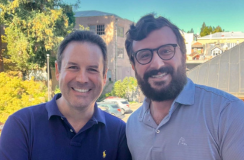
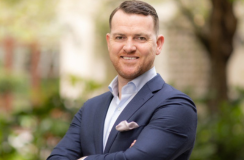
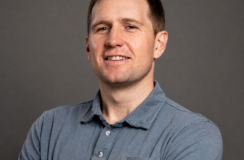
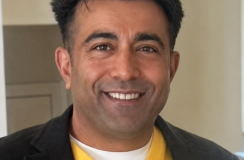
Today I'm speaking with Andrew Pierno.
Andrew's not my typical guest that buys a single business to operate and grow.
Instead, Andrew is working with a few partners to acquire multiple tiny SaaS businesses to build out a portfolio.
So it's more of a micro PE fund.
And when I say tiny businesses, I mean $500 a month, which is what one of his acquisitions was doing.
These businesses are so far down the totem pole, it's where the wood meets the dirt, as Andrew puts it.
But these are early days for his portfolio.
XO Capital is the name of the fund.
So a lot of these tiny acquisitions are really just low-risk experiments and opportunities for Andrew and his partners to learn and prove out their model.
And you will notice how experimental he is.
He's not shy about saying, I don't know, or we made this dumb mistake, or maybe we'll go in this direction, maybe we'll go in the other.
This honesty is not only refreshing, it's also cool because you get to listen to someone really trying to figure out this micro acquisition thing.
So if you're someone who's thought, I should buy a micro SaaS business that generates a couple grand a month and have it pay my rent — well, you'll definitely want to listen to this interview with Andrew.
Here he is, Andrew Pierno of XO Capital.

Andrew Pierno studied economics at UC Berkeley and later earned a computer science degree. Early in his career, he attempted to launch several of his own businesses, none of which panned out, giving him a self-described "shitty hit rate" typical of many entrepreneurs.
He eventually landed a job at a venture studio in Santa Monica, which raised a few million dollars to launch three companies simultaneously, each funded with about a million dollars. One was a consumer application that failed quickly, one had middling results, and one emerged as a clear winner, causing the studio model to collapse into supporting that single company. Pierno became CTO of that surviving company, which went on to raise a total of $8 million. He worked there for several years before it began winding down and selling off its assets, an experience that shaped much of his thinking about the pitfalls of venture-backed models and the dogma of Silicon Valley requiring co-founders, YC acceptance, and venture capital.
After that company's decline, Pierno launched a services business doing cold email as a service, which he grew to six figures in annual revenue before handing it off to a co-founder/CEO. This experience, combined with lessons from the venture studio, led him to found XO Capital.
I felt like the king of the universe the first time we bought a company - you log in and it just charged somebody 30 bucks for a thing I didn't build. This is incredible.
Hard-won lessons about buying micro SaaS businesses from Andrew Pierno, who has acquired 3 and plans to buy many more.
Themes from Andrew's interview:
Reach Andrew at:
Official episode page & full show notes at AcquiringMinds.co:
Host: Foreign. Welcome to Acquiring Minds, a podcast about buying businesses. My name is Will Smith. Acquiring an existing business is an awesome opportunity for many entrepreneurs. And on this podcast I talk to the people who do it. Today I'm speaking with Andrew Pierno.
Guest: Andrew.
Host: Andrew's not my typical guest that buys a single business to operate and grow. Instead, Andrew is working with a few partners to acquire multiple tiny SaaS businesses to build out a portfolio. So it's more of a micro PE fund. And when I say tiny businesses, I mean $500 a month, which is what one of his acquisitions was doing. These businesses are so far down the totem pole, it's where the wood meets the dirt, as Andrew puts it. But these are early days for his portfolio. XO Capital is the name of the fund. So a lot of these tiny acquisitions are really just low risk experiments and opportunities for Andrew and his partners to learn and prove out their model. And you will notice how experimental he is. He's not shy about saying, I don't know or we made this dumb mistake or maybe we'll go in this direction, maybe we'll go in the other. This honesty is not only refreshing, it's also cool because you get to listen to someone really trying to figure out this micro acquisition thing. So if you're someone who's thought I should buy a micro SaaS business that generates a couple grand a month and have it pay my rent, well, you'll definitely want to listen to this interview with Andrew. Here he is, Andrew Pierno of XO Capital. Andrew Pierno, thank you for joining me today on Acquiring Minds.
Guest: Thanks for having me.
Host: Will, you are the founder of XOXO Capital, which is a kind of mini PE fund, acquiring micro SaaS businesses to hold and grow. You've done three acquisitions so far and you actually sold one of those acquisitions the other week and announced it on Twitter and I reached out to you based on that tweet. So we're going to dive into. You can tell us about that acquisition and sale, but also just what you're doing at XOXO Capital. It's really interesting to me and I know to a lot of other people on Twitter at least, and, and you have a great blog that I encourage people to read where your unvarnished thoughts are all there for people to learn from. So I'm really excited to actually speak with you live about some of these thoughts. But why don't we start with your quick history on you, what's your professional background and what led you to start XOXO Capital? Sure.
Guest: So I went to school at Berkeley, studied econ, later got a computer science degree. I tried to start a few businesses that didn't end up working out. But I did land a job at a venture studio here in Santa Monica. The Venture Studio, the idea was that we raised a few million bucks to do three companies. Each company got a million bucks. One was this consumer application that died very quickly. We realized that consumers really difficult and we didn't really have the stomach for it nor the skills. And one was kind of in the middle and then one looked like the clear winner. So the studio itself kind of collapsed into a single company. I ended up becoming CTO, chief technical officer of that company, raised 8 million, did that for a number of years and kind of selling off the assets now. So a lot of the thinking around this micro private equity space comes from the lessons learned at the venture studio. Mostly how not to build a venture studio. Because I don't think we, I don't think we got, I don't think we got it right. Venture studios just broadly are very tricky. And you know, I just think broadly. I like many people have tried to launch many things and I like many people have a really shitty hit rate. It's like two out of like 30. You know what I mean?
[4:06] Host: Yeah, I know what you mean, man. I do know what you mean.
Guest: Painfully so this idea that you could just buy this thing that a couple people slaved away on for a couple years found some kind of foothold in a market and I get to skip that just by buying it and you get to log into Stripe and there's money there. It's like I felt like, I felt like the king of the universe the first time we bought, we bought like. So the first one we bought it was it's a developer tool, take screenshots. It's like, you know, one of those single purpose applications programmatically. So you call an API and it would take a screenshot but you log in and there's like, oh my God, it just charged somebody like 30 bucks for a thing that I didn't build. This is incredible. And so going back, that company that was selling off, that's not a really great story. It's one of those kind of now classic stories. And I think people are being a little bit more vocal about it. But the dogma coming out of Silicon Valley is that if you're going to go start a company, you need a co founder and you need to apply to YC and you need to raise venture capital first. Right? That is step One is like build kind of a crappy little thing, go see if you can raise money for it. And all the milestones are kind of pegged to raising money. It's not based in reality. And us having raised so much for the last company at such a high valuation gave us really no room to falter. So when we missed some of those key milestones you start having really. And I'm not anti vc. VC is amazing. I have a bunch of friends that are VCs. They're great people, value added people, like awesome industry. It is just my opinion that most businesses are not venture scale businesses and should pursue bootstrapping before they pursue some kind of venture angle.
Host: Sure.
Guest: And so that company that kind of shut down, I found myself without a gig. Right. I mean that was the thing I was doing and it was no longer there. So I had started a services company, oddly enough, I mean it was the last company we were doing was like a machine learning company and then me, machine learning engineer started like a pure services business that does like cold email as a service. And so that straight up paid the bills for a while while I was kind of putting XO together. And you know, to be honest with you, it still feels like I'm kind of, I'm kind of piecing it together. Right. I had this, this real kind of big stable, not I mean stable relatively speaking for, for a startup, but it was this, this you know, well funded, venture backed company for a number of years and even there you can get complacent and a bit lazy. So still feels like I'm piecing this all together but that's kind of the longer version of how XO came to be.
[6:47] Host: And so it sounds like you've explained why acquisition, entrepreneurship or buying a product where there's some foothold or some little bit of product market fit, revenue, brand already there is attractive. But what is the thinking around xo, the thesis if you want to use that word around the fund or the vision for XOXO Capital specifically.
Guest: So I have mixed feelings about talking about a thesis. Thesis means either like some bullshitty kind of long winded way of saying like nothing, right? Like that is most. If you just go out and like you know, Google all these whatever. Anyway, so the overarching thing that we're trying to achieve is doing more of these like it is. Could we eventually like go public? Public as a kind of private equity firm. Are some of these classical? Well not super classical but let's say Tiger. I don't know if you read the history of hedge funds and these crossover funds where they dip into private and public markets. That's a cool angle. But the idea is that we're going to scale out and continue buying companies using outside capital. We just did the first three acquisitions with our own cash and just kind of see where it goes from there. I'm not a big planner, to be honest. It just never seems to work out like the Google Doc that I wrote. Right.
Host: Well, why a fund? Why multiple acquisitions instead of the kind of search fund model which you see a lot in meet space in the offline world, in the services world where you make a pretty sizable acquisition and take it to the next level.
Guest: I don't know that we're against that. The reality of. So when we started it, we were, we were no code partners, which is about the most unsexy name you could, you could possibly think of. We were, we were going to buy just no code businesses. So for those that don't know, like no code is kind of this up and coming term, it's all about building things that would normally take a developer to build and you can do it without a developer. And so we went out to market. Yay, no code partners, here we go. And we didn't find a single deal that we could go buy. And so we very quickly took this thesis that we put a bunch of thought into and threw it out the door and just said, let's be a little bit more opportunistic. And so I have seen it work where you acquire something and this kind of echoes some of the venture studio concepts. Right. For us, we had one big company at the venture studio that collapsed the whole studio into a single company. Right. Because at that point it becomes unpalatable to the investors in the individual company for the executive team to be thinking about other companies. That's not acceptable. That is a danger for us too if we get stuck operating these things. We're not a micro private equity company anymore. We're just a company, which is fine. And I've seen that work. I've spoken to a number of people that buy an initial product and I don't know if there's a real term for this, but I call it an anchor product that you can then. Or you know, it's like the mothership. Right. And everything kind of is, I don't know, there's a gravity to that thing. Everything you acquire is supposed to make that, that, I don't know, anchor entity larger. So I don't think about thesis really. I think for each of the funds we may pick a market so we happen to have two remaining developer tools so it makes sense for our market or you know, with a little bit of hand waving. Our thesis would be to acquire more things for developers so each incremental acquisition would more developers into our umbrella. But you could think of us doing another fund that was like sales tools or product management tools or do one around blockchain or all kinds of different funds. But the reality is like, I don't know, we're just, I wouldn't say that we're winging it in the sense that we're taking unnecessary risks, but I think that I'm a little bit, I'm comfortable with being a lot looser with saying frankly I don't know what our thesis is. What if we acquire something and it grows 10 20x? You bet your bottom dollar I'm going to build a team around that and try and scale it as big as it possibly can be, you know.
[11:05] Host: Yeah, well, and even for lacking like a super well defined elevator speech type thesis, you do have kind of an implied. I mean you have some direction which is SAS and small. Although it sounds like you're going out from after micro SaaS is because it's kind of what the money that you have to spend now and you wouldn't be against once you have more funding at your back by making larger acquisitions. But you're not going after sucks.
Guest: Yeah. To be honest, we can get into
Host: that where we are going to get into that, but you're not. There's no mention anywhere on your website of an interest in E commerce, for example, or content or offline businesses. The multiples and the numbers look really good when considering buying a plumbing company or a fencing company like my previous guests have. And obviously there's zero mention of that. So you're in not interested in just anything. You do have an orientation, whether or not it's explicit. Did you like why? Why aren't you for example looking at E commerce?
[12:08] Guest: I don't know anything about E commerce.
Host: Okay. Okay.
Guest: And there are a ton of FBA fulfilled by Amazon roll up companies coming out. They're doing absurd numbers, they're raising absurd numbers. And I see that as unequivocal evidence that we should continue down this path in software. It's what I know, it's what we're good at, it's what our team's good at and whether we branch out in the future. Great. But for now, no E commerce, no content stuff. Our commitment is to buying software companies.
Host: Cool. And let's Tell the people a little bit more exactly what XOXO Capital is. So it's you and three other partners, colleagues, friends, you put in your own cash and you've made three acquisitions. So far, so good.
Guest: Yes.
Host: And they're small acquisitions. And in just two or three sentences tell us what each of those three acquisitions were.
Guest: One was called Toybox, it was a bug reporting tool and it was a YC company, which is most of the reason why we bought that, to be honest. The second one is called Sheet Best. It is a way to turn a Google sheet into a database, again, a developer tool. And the third one is the one I mentioned previously, Screenshot API. So you take programmatic screenshots of websites, a lot of people and use it for like advertising and stuff like that.
Host: Great. And the size that you've gone after was based on the size of these acquisitions was based on the money that you had. And you guys are basically have funded this so far from your own wallets. So it's. They're relatively small acquisitions and that's why.
Guest: Yeah, I didn't initially envision this being a real thing. Right. Like I, you know, put an APB out on the Internet and met a few people and we started wiring money and buying companies together. Right. And like some people worked out, some people didn't. There's been a bit of like a shift on our side, but I think we've locked down who's in the group now. And now it's a thing. Right. Like if I had thought this was going to be a real thing, would I have named it XO Capital. We're dropping the second XO too long. Just XO Capital. I don't know, it's just like I have at any given time five or six of these types of bets going on and one hits and you just step over here, put the XO hat on and be like, I'm Andrew from XO and this other thing no longer exists. Right.
Host: So xo, period, XO is what you're working on in addition to the cold email as a service company and then you have other things going on as well.
Guest: Yes. So cold email, I brought it to six figures annual revenue. I found a co founder, gave him some equity and he's now CEO. So I took myself out of the day to day of that. That also led to a lot of conviction around this model as well. So whether you start something or buy something, it doesn't actually have to be you that goes out and operates it. Right. You can hire an operator and in Cold Email's case. The gentleman who's running it now is better than I am, which is amazing. That is the best of both worlds. I started the thing, I was a hack at it, but I got it to a certain place and I found somebody who's damn good at it and they took it over.
[15:46] Host: Well, I do think that that is part of what when you start learning about acquisition. Part of the magic of it for me was that you can use leverage to acquire a bigger company than maybe you thought you could. Anybody who's been in this world for half a day knows that. But to outsiders, they don't realize they can afford a million dollar company if they can scrape together 50 or $100,000. The other thing that's magical about this is the idea of an operator and putting in an operator. Some people tend to probably oversimplify that. Oh yeah, I'll just buy this company and put in an operator. Like it has challenges. Among them hiring. Hiring is a challenge now up and down the stack. So finding a good operator is probably harder today than it was at other points. But if you can overcome the challenge and do that, it's incredibly powerful because then the business that you put an operator into really does become passive or at least a lot more passive.
Guest: And hence why we're kind of moving up stack the products we bought just for context. So the toy box one. I haven't really ask the guys how transparent I can be, but normally I don't care about sharing numbers. It's like part of the fun. The first thing we bought was doing $500 in MRR. So it was like tiny, right? And we got it for like 25 grand. It was not a big deal and it was purely like it's such little money split between four ways. I don't know for my risk tolerance that we didn't do very much diligence. We didn't really think it through. It was more just like if we're going to go do this, the best way for us to learn is just to go buy something small that we can afford to go to zero and go from there. But yeah, talking about hiring an operator or paying contractors or anybody when you're doing these, we'd have to define what micro SaaS really is. But I don't know anything under 20 grand an MRR I can't afford to pay myself. I live in Santa Monica. There's just no way with payroll and taxes and stuff. And so at the moment we are looking to move a bit up stack so that we can think about hiring great people and paying them well. And that has been a major pain in the ass is figuring out how to run these tiny little things profitably with just such little cash flow coming out each month.
[18:07] Host: So the sale that you had was Toybox. You were vocal on your blog about what a tricky acquisition that was. Did you exit that company because it was such a difficult product in business or because you actually had a strong offer that interested you? Or tell us that story in brief.
Guest: So we were utterly blinded by the idea that they were a YC company, that they went through yc. Because this is what I wanted on the deck. I wanted this on the deck. XO buys YC company that didn't make venture scale, turns it into a profitable business and quadruple revenue and sells it. Right. See, this is a great path for companies that fall off the venture wagon. Oh, and by the way, 99, I don't know, some percentage above 90 fall off and never make it neither go to zero. I mean most go to zero, right? There's this asset class of venture distressed assets, which I'm pretty interested in. But I wanted that on our deck. And if it was going to cost us some low six figures numbers to get it, I was okay with that. And so a part of me is using our experience to make the reading more interesting. Right. I mean, it was a dumpster fire, don't get me wrong. It sucked. The whole thing sucked. But would we do it again? Yes, because now I have that. And I wouldn't say it was a quick win in terms of, of money, although it was like a slightly profitable deal. Like we didn't lose any money on it. And we got this great story out of it and that was definitely worth it. But we didn't do very much due diligence. Not all YC founders are created equal, right? Like, you know, just like not all doctors are created equal. And we got in there and didn't do as much diligence as we normally would have, I think because we just trusted like the YC brand, which is stupid. Like obviously in hindsight a stupid thing to do. And also there was some personnel change on our end. So the way that we had originally done it, just because everyone wanted kind of a turn at the casino, so to speak, each one of us individually sourced a deal and kind of took the lead on it to bring it through to fruition. And then they were also going to be the ones that kind of managed that project. So we were going to appoint each partner to manage one project. And they were kind of the point person on that. I don't really want to call them a CEO, but I mean, effectively that is what it was. And so when that point person left, and again, you're dealing with software, you kind of got to know the technology a little bit. And none of us had the expertise in this particular language nor the interest in attaining it. And so we just made a decision to put some dollars strategically around, kind of fixing the huge gaping holes that we saw, namely that the thing was kind of crashing every couple of hours, which is just how we didn't catch that in diligence, I'll never know.
[21:14] Host: But
Guest: yeah, we just kind of patched it up and kind of turned it into something that was more sellable and found a really great group that's going to take it on and breathe some life into it. And they have the technical expertise to. To execute on that.
Host: And presumably in their due diligence, they saw your posts about how what a technical mess it was. Although maybe it was. I mean, maybe it wasn't a technical mess. This was the one written in php.
Guest: No, that was a different dumpster fire. Well, you got to keep your dumpster fire straight. Now, this was. This was dumpster fire number two. This was in Rails.
Host: Okay. They. But they, I guess, had the Rails expertise in house to not be scared by your blog posts.
Guest: Yeah. And because, I mean, what I'm seeing,
Host: what I'm getting at here is like, you do diligence, you try to find out everything you can about the asset or business you're trying to acquire. And oh, wow, look at this. I found a blog post from the guy who bought this business talking about how terrible it is. Square that circle for me.
Guest: Oh, yeah, yeah. So part of it is. Part of it is a disclosure. Right. I wanted to be overwhelmingly transparent about what this, this next buyer was going to be getting into, because I don't feel like we got that same level of transparency when we bought it. Now, part of that was because us as partners were new to each other relatively, especially at that time, and it was just about, we're going to have to trust each other. So if the guy who's a partner at this new private equity company says that it's a buy and he's going to lead it, awesome. Who are we to say no other than like, oh, if we think it's a really bad idea or something like that. But once it passed our filter process and he checked off on the technical side, then great it was. When he left and we had to dig in there that I started to get pissed off and write things like that.
Host: So one of your partners in XO Capital, one of your original four partners, was the one who brought this deal, recommended this deal and said, hey, guys, the tech is fine. And then he's also the one, the guy who is now no longer involved. And he. And so then you kind of got. You're holding the bag, for lack of a better phrase.
Guest: That's right. And we had gone through several iterations of trying, like his people. It, like the whole thing just. Just sucked. Right? It was weird. You know, we're trying to trust him, we're trying not to get him. I was trying not to get involved. Like, it's very easy for me to just step in and be like, all right, no, this is how we're doing it. Right? Like, I, you know, that's fine. That's. That's leadership sometimes. But I really didn't want to do that. Right. If this was going to work out long term with us, then we needed to learn how to trust each other and see how everyone else works and stuff like that. And that was the mistake.
[24:04] Host: Okay, let's talk about due diligence. You talk about it one of your blog posts. I'm going to read some words back to you. Hope this doesn't make you uncomfortable. Diligence is hard. It's even harder to do technical diligence while looking at random files through a screen share in your third favorite programming language. Great line. Diligence is hard. And anybody who has any kind of knowledge of acquisition knows that. And it's hard. In every business, not just in software, there are firms that you can outsource diligence to, including technical diligence. And in fact, I had somebody on. His name is Ahmed Raza and he has a firm that does diligence called rapid diligence. And one of the services they offer, for example, is to would be SaaS acquirers. And they'll look at your code base that he's got a stable of software engineering folks who will look at the code base for you before you make an acquisition. For somebody who's technical himself and who's now acquired three SaaS companies, what are your thoughts on outsourcing diligence?
Guest: Does he also offer services to fix what he finds in the diligence process? The only reason I'm smiling when I say this is it feels like I haven't looked. So I don't know who this gentleman is in particular, what kind of shop he runs. I'm sure he's great, et cetera. I think there's a slight misalignment there. This is also a slight incentives misalignment. There was also a slight incentives misalignment with the venture studio stuff. So another venture studio model is you have developers who sit at the studio and build back against portfolio companies. And at the beginning they're super valuable, right, because they're your discounted dev team. It's basically like you could hire us people but for, I don't know, remote prices, value, props, insane. But as time goes on and companies build the team, that initial equity becomes way more valuable. But their output or their contribution to your company as time goes on is less and less ultimately to zero. Right. That is their business model. So for these diligence as a service things, I think A, it's something we need to get really good at ourselves. B, there feels like a slight incentives misalignment with somebody that's going to look at the code. But, oh, by the way, we can also fix it for you. It's like reaching out to a dev shop and asking if you need to rebuild the product. You know, you're kind of asking the surgeon if they want to operate.
Host: Yeah, fair point. Although, and I just want to say for clarification, Ahmed, I don't believe does offer. He's not there to fix it for you and he's strictly. His whole thing is strictly diligence. So for a flat fee, he'll look at the code base and tell you, you know, what the possible vulnerabilities or problems are.
Guest: Well, so the second part of that is actually access. If 100% of the IP of the target that we're trying to acquire is in the software, I don't give people access to the code. I just had a buddy that sold his company for a great number. They did great. The acquirer did not ever have direct access to the. Direct unfettered access to the code base. That's just not how this is generally done. So for us to come into a deal and say, okay, hand us your code base for a while, I don't know that we would get as many deals done. I think it's a really uncomfortable position to put somebody in to ask them to say, like, hey, can you just hand over all your stuff? And maybe we learned something from there. Right? It's just like, sure. Obviously there's. I'm not talking about like blatant IP theft. That is, that is obviously wrong. But if it's a space that we are interested in and we find something in there that's like, oh, this is a cool architecture, right? Like a little intangible. I don't know. I don't know. It's just, it's, it's tough generally speaking, people don't hand over the code base. Like I'm, I'm pretty strict about that. I really, really, really don't want to do it. We ended up doing sessions with Toy Box where we gave them like limited access while we were on a call with them and stuff like that. And it was kind of a pain to set up and it's a pain to do, but it's either that or what I described, which is somebody in a screen share opening, you know, random files that like. It's just very difficult to get a full 360 view of especially a larger product on a screen share. It's just, it's just tough. I don't know if there's a good answer.
[28:44] Host: I would have thought that in this day and age with so much being outsourced and, excuse me, open sourced and there being so much less kind of protectionism around the code itself, unless you're doing something where the algorithm really is. There's a lot of IP and some sort of algorithm that people would be cagey about that. I'm not saying you're wrong, I don't know, but I just would have thought that like, like your acquisitions for example. Correct me if I'm wrong, but I don't think that they had any particularly valuable algorithmic ip. I could guess how somebody does a remote screenshot. It's like you could reverse engineer it pretty quickly and easily. So I would think that stuff for many products out there, many SaaS, product particularly small ones, that the developer wouldn't be too territorial about their code.
Guest: I'm territorial about it and I understand people that would be territorial about it. Yeah. And I haven't seen an openness to willingly share code bases. The people aren't just throwing around code bases. You go to Micro Acquire, you can't even find the damn company's name, you know what I mean? Let alone, oh yeah, here's a sample of our code base.
Host: Right. Maybe it's because the developers are just too embarrassed of their code.
Guest: Some of these guys should be, that's for sure. Of course.
[30:02] Host: So you. Okay, so you don't get a chance to look at the code generally you're finding and then you buy it and then out tumble the dead bodies from the closet.
Guest: Here's the caveat that feels like one of those things, that's a one way street, right? Like I don't want to share my stuff, but I want everyone to share their stuff with me. So it might be the case that after this particular experience we may strongly ask to see some supervised code share do like a supervised code sharing session because we got to really, really dig in there.
Host: Well, and so on that point, what I wanted to ask is or present you with is another one of your quotes which was I knew this was going to be a lot of work. I did not anticipate how much. I did not foresee an 11pm Sunday night database migration. I did not foresee rewriting 2/3 of the products from scratch. So this sounds really hard. And so what are you learning from that? Is it basically what you just said, that you're going to lean a little more heavily on being able to get access to the code base in advance? Or do you just accept this as the nature of the beast?
Guest: Part of it is going to be the nature of the beast if you're at the very bottom of the totem pole. Basically where the piece of wood touches dirt, that's where we're buying these companies. It doesn't get any smaller. It's just going to come with the territory. These guys are generally, it's like a weekend project. There's maybe one or two founders, they're generally younger. They don't have experience architecting a system that's going to handle millions of requests. Right. Like that's just not what they built. That's what. They don't know that. But like I do. And so part of our strategy might be, and this goes back to, I don't know, thesis, if you want to call it that, we have two paths. We have the obvious path of moving upstack by million dollar businesses. That's the floor of what we buy because there's cash flow there and you can actually pay people to do good work, which is quite nice. Or we get really good at operations. We get really good at buying these tiny random software companies and turning them into a little bit more stable proper products and holding them or selling them, depending on what we see. I'm not sure. Again, the obvious answer is to go upstack. I think it solves a lot of problems and we're going to do a couple of those. Those are next. But I have not thrown out the idea that there's a massive opportunity for somebody to get really, really good at operating these tiny little companies.
Host: I wonder if one of the options is if you've written about this. I don't think I saw it. Accepting that you're going to rewrite it from scratch. What you're buying is essentially the list of customers and you have developers teed up and they can rewrite it in the language they know. They don't have to refactor somebody else's code in a language that's their third favorite language. You just accept that you're going to rewrite it from scratch. And while that's a big hit up front, you still are buying what you're buying. Buying is still the thing that has value, which is customers. And, and then you don't even have to worry about the due diligence really. I mean, you have to do diligence, due diligence, the financials and lists and stuff. But the code base, you don't have to worry as much about if at all. And then you are able to plan better. And so rather than having this uncertainty of like, oh God, what is this code base going to look like when we actually take ownership? You don't really care. You've already like, you've already basically planned that it's going to take us three months to rebuild this and we're going to do it our way. And then you get to your point about like getting really, really good at. Then you get all these operations gains because it's your code and you're working with your own developers. Yeah, I wonder if there's something there.
[34:03] Guest: The first is if you think about. Nobody wants to think of it like this, but buying and operating at companies can be thought of as an assembly line or just picture an assembly line. Generally what we're seeing or our experience thus far has been initial upfront engineering work is a lot, no matter what. Even if that just means getting up to speed. Right. Because Sunday at 11pm somebody has a support request and you're like, oh shit, what is going on? I actually have no idea what's going on. Great. This is the next four hours of my life. Initial upfront engineering work is a lot. I don't think there's anything we can do about that. Once it's in a spot where we feel like we are comfortable pouring marketing dollars into presumably the channel that we know is already working. That is also part of the value prop, in addition to a list of customers and maybe the cash flow. And then developers get on a maintenance path or the product gets on a maintenance path. So we don't have this huge staff of developers just kind of like waiting around building on an endless Roadmap. And this goes back to my kind of dissonance between moving up stack and getting really good at operating these tiny companies. Because again, going back to the customer expectation of what the product does is smaller with these micro SaaS companies. If I have a company that does screenshots, I do not have an endless product roadmap for a screenshot API. I just don't. We have a bunch of stuff on there that I think would be really cool and beneficial and we're going to go build that. But it's not endless, right? Every three weeks I don't need to integrate with the latest damn startup that comes out to do you know what I mean? Like that shit is endless and it's so expensive. It. So that's kind of the assembly line, right? So like upfront engineering to the point where we can get some ROI on marketing dollars, right? And then incremental features, I'll call it. So those kind of three paths. The other part is what does XO look like at the organization level? Do I have a staff of engineers that work and get paid. Their paychecks are signed by XO and I charge out to the individual companies. What does marketing look like? Is there some centralized marketing stuff? Because again, each of the individual companies, even I guess at a certain point for like a million dollar company, like do we, let's say we bought something for a million bucks. They're making 250arr. Do they need an SEO expert on site all the time if we're doing, I don't know, kind of content play? No. No they don't. So we could either consult or that person could sit at XO full time and we have 10 of those, right? And now that person is, you know, not overworked but has a sufficient workload across those companies. So I'm thinking through both what does that assembly line look like and how true is that, given that we've only done three. And then also just what does XO as an org look like for the 15th company, the 20th company? And you might be right. It might be the case that we take something and we say screw the code. We just want the customers, right? We get what this product is and we just go build it the way we want to build it and it ceases to become an issue. But I mean, the math has to work is really the answer there. And sometimes it will and sometimes it won't. And what kind of additional risk does that bring into the mix? Because right now I don't know how much I want to lean on this. But it is a true statement to say that at a certain level of mrr, let's say monthly recurring revenue, the business is de risked some, I don't know percentage now whether it's de risk a lot at 1000 mrr or whether it's DE risked a lot at 10,000 or 100,000. That part I'm not sure. But I think it's directionally correct to say that companies with some cash flow are less risky than companies without cash flow. That is the premise I'm operating under because I think that part of what I'm thinking through is how our pitch sounds against an investor who is going to be looking at US vs Venture, for example. And the way that I put it is the downside should be capped. We are not capped necessarily, but the risk of us going to zero versus a company starting from zero should be different, should be less on the upside. I just say that venture is great for creating markets. That's kind of like the OG venture world. We're not going to go do a biotech company. That would be unwise for us to go try and create a market somewhere. Our upsides, I think are capped. There's a slight ceiling on it because we're not creating markets. But otherwise it should be, I hope, valued, looked at as kind of a different asset class. Anyways, you asked about organizations and I ended up at what I think about the whole private equity value proposition.
[39:09] Host: Well, and so let's talk about software private equity, because I don't know much about the private equity world, so I'm going to get over my head here real quick. But Vista, this is the company that's the private equity company that's so famous for basically having a fund and private equity model as applied to software. All software tastes like chicken. The founder, right? That's his quote. This is Vista. And so do you. First of all, you probably know more about that than me. So if you could maybe 32nd history on Vista. So for people who don't know and then how do you do you look at a company like that and take learnings from it and apply it to XO or.
Guest: Yeah, so Vista buys software companies at a much higher level than we do. But I mean fundamentally it's the same business model, right? They buy it, they're not looking necessarily to flip it. They may hold something forever or they may take a company public. Right. They may have an exit path. Unlike us who would try to sell upstream. They may exit by going public. That's just like awesome. And just very. This is kind of the North Star, but it's fundamentally the same. Right. So they're buying software companies that famous quote, all software tastes like chicken. It's probably true for companies north of, I don't know, some millions of dollars in revenue. Right. At a certain point, it doesn't matter what the tech stack is because you hire the team around them to go do the tech thing. And every new tech thing they buy, they just have the people that do the tech thing. And so that's why l. Software Tastes like Chicken is because his head is not in the weeds.
Host: Right.
Guest: Dealing with the management or execution of that. But yeah, this is the North Star. I mean, they have had tremendous success. They have a secret playbook. This is cool. That is very. It's almost like the Coca Cola recipe. Apparently it's a highly guarded document, but it outlines kind of their playbook for how they buy scale companies. And, and I think about that a lot. What's our playbook? What's going to be our secret sauce? Yeah, but that is who I look up to is Vista. That is the model we're trying to replicate.
Host: When trying to figure out your model or your thesis or your parameters or whatever we want to call it. And you've been suffering a lot of pain from being at this end of the market, this, this end of the totem pole where the dirt meets the wood. We talked a little bit before about how you were doing this because you were at that end of the market because you're basically financially constrained, you haven't raised a fund, you were doing this out of your own wallet. But it also sounds like you think that there may be an opportunity there because it is painful, it is messy. And maybe if you can develop some sort of playbook about how to integrate these really amateurish businesses, maybe that becomes your moat of sorts. Like Vista has their top secret playbook. Is that the case? Or is it like if I said, hey, Andrew, I want to invest a million dollars tomorrow, you'd be like, awesome, I'm never buying a 500 mrr software company again. I'm going right for a company that does 25k Mrr, are you kind of justifying your interest in this tiny, tiny, tiny market, or do you think there actually could be some real merit there?
[42:42] Guest: No, I think that there could be real merit there. I mean, frankly, the price points that we bought at it wasn't constrained by the capital so much as it was. These are our first few and we're probably going to screw them up and if they go to zero, it was a cheap, I don't know, cheaper than an MBA or whatever. We have the ability to go buy a six figure business or a seven figure business right now with an SBA loan. That fake preapproval thing, which I'm happy to dig into, my thoughts on the sba, sba, Twitter, like all this, there's so much bad advice going around. I'm like, what's real about getting an SBA loan?
Host: Oh, yeah, do tell. But let's put a pin in that. Finish up your first thought because I really want to hear that.
Guest: Yeah, but we could. So we could go out and buy one. So right now, frankly, the decision point, other than do we want to go small or go bigger, is do we want to continue going with our own cash and just using leverage, which, by the way, those SBA loans, it's not like they're risk free. Those are personally guaranteed. So go buy a million dollar business. You're on the hook for a million bucks from the US government, and that ain't never going away. Which is fine. Good for them. The interest rates are great. It's a good deal if you can get it. Or do we want to start playing with outside capital, or is the answer both? We made the mistake last time. Part of the problem was that we bought all of these in a very short time period, which was just stupid. It was stupid. We're never doing that again. We'll do these things like when we buy it. We are anticipating that initial upfront engineering work or just sucks for a couple days, not days, probably weeks, where you're just kind of getting your feet under you. People are pissed off on support and stuff because you don't know how to do anything. And the guys who bought it from are on vacation. All that kind of good stuff. But yeah, so, I mean, we're looking and setting up vehicles now and actively kind of raising for our first fund. I'm calling it a fund, but it's not. We're just going to do it on a deal by deal basis. Actually, structuring a fund like a proper fund is really expensive. So we're just doing it on a deal by deal basis for now. And we may at a certain point too. And the reason why we're doing it on a deal by deal as opposed to doing a fund, is that, that we'll be able to make decisions like do we want to, as a group, separate, with no outside investors, just go do an SBA deal for like a million bucks or 2 million bucks. Or something like that. We have that flexibility with the deal by deal model.
[45:16] Host: Great. Okay, so let's go back to then the sba. It sounds like. I thought you were going to tell me you didn't really like it, but in fact you do see it as a potential option.
Guest: Oh, yeah. No, the SBA is amazing. I mean, I can't think of another country that has a program like that. And it is like the envy of many people elsewhere that there is an SBA and they do things like this. There's also a particular way of doing it as a fund, participating in the sba, like loans as a fund, which is super cool too. We're not there yet, but looking into that as well. But, but yeah, I just.
Host: The.
Guest: So you go on Twitter and you're like, oh, acquisition Twitter. And it's like, go get an SBA loan. Like, you see people that tweet stupid shit. Like, I put zero money down and you know, I bought a million dollar business and now, you know, now and I quit my job and like now I'm on a beach in Florida. Right? Like, that's not how that works. It's like very much on a deal by deal basis. Anybody that says, like, the pre approval thing is like very hand wavy, that's not really from the sba, that's from a broker who sits between you and the SBA and they're looking at you saying, we think we can get you a deal, but the SBA itself will not give you any numbers. Believe me, I've tried to get it out of them many times without a deal. And they look at you, the partners and the deal, and without any of those components, there are no, there's no numbers. They will give back to you and say, this is what the deal looks like. You will have to go to a broker for that to happen, otherwise they're not going to do it. Right. And so all this, all this, like I got pre approved by the sba, like, that's not a thing. They don't do that. You have to go through a broker to get that. And even then it's like, there's not much of a guarantee.
Host: Sure. Okay. And what have you seen for, what do you see in terms of SBA loans for SaaS and software?
Guest: If anything, I mean, the SBA is going to have to come around. But it's a big old dinosaur, right? They want you to be buying hard assets. They want you to buy a storage unit. How many, how much could I sell these washing machines for? If this laundromat goes bankrupt. Right. Like that's what they want to know. They don't want to know like, oh, there's no scrap metal equivalent for software yet. Although I'm thinking about how that could exist. But yeah, so they want to see a little bit older businesses that have at least a couple years of operating history. Like two to three, preferably three. Preferably from their perspective. Yeah. Like five, 10, 15, 20 years would be great for them. But I think that they're coming around and I'll know more once we go through it. I think that we will do one kind of idea for XO broadly is that we will, as individuals, individual partners go first before we do something with somebody else's money. So we will do the first deal through the fund with other investors money and we will use no leverage intentionally. We will then probably go do an SBA loan for low seven figures and we will go learn and make our mistakes on our own cash. And then once we feel like we have enough lay of the land or some experience with that, then we will consider bringing it into the fund and doing that with other people's capital.
[48:38] Host: Blogging all the while, I hope.
Guest: Definitely. Oh, yeah. Oh yeah.
Host: I want to underhit just a couple more things that you blogged that were interesting to me and no particular particular order. At some point, presumably before you sold Toybox, you blog. These are not liquid assets. We ran an experiment last week putting one of the projects up for sale. Lo and behold, there are a bunch of damn tire kickers on the marketplace. I'm sure there are good people in there, but zero people have asked for a meeting. But in fact, you did end up selling toy box. So anyway, just elaborate on that. Do you find that your thought was you could acquire one of these ones and one of these micro businesses, micro SaaS businesses, and then flip it? And you found that not to be the case. Go ahead.
Guest: So, well, okay. Our intent was never to flip. Flip in my head is if you hold anything for less than a year, then I consider it a flip. So Toybox, technically we flipped it, but that was never the intention. Our intention was to kind of see it through. Right. We were going to go rebuild it and do whatever we needed to do. I put a few listings up for sale with no intention of selling, just to see what it's like to be a seller of one of these assets in this particular market. Because a big question I have is, if we 10x one of these things, who buys it from us?
Host: I don't know.
Guest: Is it like a sureswift. I have no idea. Would it be like a tiny capital? That would be amazing, right? Andrew Wilkinson's tiny capital. That would be a dream.
Host: That would be cooler than having the YC logo on your deck. Sales attorney.
Guest: I know, but I don't know who's above us. And so we are looking to some of these marketplaces to sell the things. And so I just threw them on there to see what kind of liquidity there was, what kind of interest there would be. And it was pretty underwhelming. It's like selling my condo last week or two weeks ago, reading the news about how hot the market is, and I put mine out there. I put my little fish or my little pole in the water and I get no bites. And that was the same with selling a toy box. We bought it and that deal went quite quickly, apparently, on the other side. And I question this now, but there was close to 50 other people bidding on it. Now. Was that just like 50 total messages of people on micro acquiring saying, send me your deck? Basically? Probably, probably. And yeah, so on the sell side, we got a ton of people that were asking really dumb questions. One guy, here's a great example, I love this one. One guy asked me to send him the spreadsheet. Can you send me the spreadsheet? Ah, yes, let me send you the spreadsheet with the financials of the company. Anyway, so it's a ton of people like that, right? Like they don't know what the hell they're doing either. This market is so new, it's so small. A lot of these guys are unsophisticated. They read some shit on Twitter and they decided to hop on Microacquire and go, oh, this looks interesting. Let me kick the tires on it. But I found that there were very few serious buyers. And so these things are illiquid in the sense that one of them, like screenshot API, we 5x that thing she best. That'll be 3x by the end of this month. I don't know who buys that from. I. I don't know. We're going to obviously use some of these marketplaces to try, but who knows? We bought it at a 4x all these numbers because the actual revenue is so small. You can't always price things based on SDE or some kind of, I don't know, industry standard, because at a certain point these guys are just going to say, well, I don't want to sell it for less than 50 grand. I don't care how your little formula works. On Google sheets. But I want 50 grand. Do you guys want it or not? That's how a lot of these smaller deals kind of go. I think that's true. Probably up to even a million bucks. You get up to around 8, 900,000 in reasonable valuation and people just want to bump it up to a million because of psychology, frankly. And so again, these are illiquid. Just because I just. I don't have a good pulse on who's above us yet. And I don't know, maybe the answer is that we're above us in the sense that we'll move upstack and be kind of maybe the small model that I was talking about where we buy these kind of tiny things. Maybe that actually we just changed the definition of tiny to under 250 grand but above 100 grand. And that's the move, that's the opportunity. And somebody else can go take them from 25 to 100, which is what we're doing at the moment with just the three that we had.
[53:35] Host: Well, wouldn't a natural place also be to go? A natural place to go would be the brokerages that are not Microacquire, which is kind of self serve brokerage, but the Empire Flippers or the FE Internationals. Those they transact in larger businesses, of course then you're paying them a commission on the sale. But you see larger businesses there and much more serious buyers, I assume. And it's brokered. So there's a process. Is that because there's definitely are buyers out there for half a million and million dollar businesses. I mean there's something between the Microacquire Tire Kicker and Vista or short Swift.
[54:18] Guest: No, no, no, you're absolutely right. It is just about the. I think one great thing that Andrew Gastecki at Microacquire has done is he took the. I don't know in finance, right. He's the Robin Hood. He went first and said zero commission trades. Right. Your trades are now free. And look at what happened to Robinhood and then Charles Schwab Fidelity, all the guys came around and said, oh, free trades here now too. Andrew went first and made that a model. And so it becomes pretty unpalatable to be like, oh well, I'm going to pay 10, 15%. I think that would be a last resort is putting it on those sites where we'd have to pay some big commission because otherwise we may just decide to hold it. Unless there's some immediacy issue with needing to sell it. But you're absolutely right. Yeah, we will go and put it on a bunch of different sites. If we can't immediately get something on Microacquire or the classic you just go to the competitors. So you just go to your biggest competitor and say do you want to do that? Which kind of echoes we were talking about a little bit earlier about different models. Right. So could we take Screenshot API and go buy the other five and just be like Screenshot API fund. Could we do that with Sheep Best and be like the, you know, the no code database company. Right, or whatever? Yeah, absolutely. And some people do that really profitably. I just, I don't know. There's something very sexy about having a kind of anti fragile portfolio of these little SaaS companies because you just never know. You just never know.
Host: You talked about in one of your posts, multiples are going to be driven up. A lot of what's happening in any market in any asset class is driven by the macro environment and inflation and there's a lot of money looking for places to go. But you make a point about regardless of that, you just see SaaS multiples and digital asset multiples going up. Can you expound?
Guest: Yeah, I believe it's a true statement to say that companies with revenue have value. That is a fairly true statement. I think you'd be hard pressed to poke holes in that. So then the question becomes what's the value? And that's I think what the market, if you want to call it that. This tiny little space that I'm playing in, I think that's what's happening. Founders, again, because of the dogma out of Silicon Valley, mostly do a 10x on top line. I make 100 grand a year. It's a million dollar company. That's my number. Doesn't matter that they actually lose 50 grand a year for whatever reason. They don't think about that. They just think, I make 100 grand a year. 10x. I want a 10x. Some of these are 20x. If you go look on Microacquire, some of them are just astronomical, just totally not based in reality. So that's on the high end, right? A strategic acquisition can be 10, 20, 30x. These are not generally strategic acquisitions at this level. And so what is a fair multiple? We have a lot of proxies for hard assets, businesses, storage units, whatever. We don't have a lot of that for SAS yet or micro SaaS because again the model was go raise money and you go to zero or you bootstrap. But even that is relatively new. So yeah, I don't know Somebody go out and build the Zillow of Micro SaaS. That'll be pretty cool. I think the industry needs it. It'll be helpful.
[57:57] Host: That's not what Microacquire is. I mean, that's exactly how Andrew characterizes it. The Zillow of M and A.
Guest: No, I don't think that would be a wise product decision for them to go to. I mean, they have the data, maybe they could do it, but I don't know.
Host: So when you say the Zillow of the micro acquisition space, what do you envision beyond or differently than what Microacquire has or is doing?
Guest: I just, I just mean, like, Andrew's a great guy and he's like, you know, they just raised a bunch of money from a bunch of really smart people. They're going to go build a great thing, but they're going to be a great marketplace. They already are a great marketplace. But the idea that they're going to also be like Zillow too is. I just think, think probably not true. It's like, are they going to be a super app for software acquisitions? I don't know. Maybe there's some non 0% chance that that's true. But will somebody come along and just purely provide almost like Zillow's map interface, something like that, where you have a price history of who bought it, who sold it, how much, what's the appreciation? Right. That should be coming to this world. And I just, just think it would be odd for a marketplace to do that. Airbnb could do that. Have they.
Host: No.
Guest: That data is super valuable. Why would they give that up? They monetize it in different ways. I mean, they monetize directly through the marketplace. I just think that it's unlikely that that one's going to happen, but it's probably great for investor pitch.
Host: So since we've touched on Microacquire a bunch, what do you think of it? Just as a user of Microacquire out there, what are your any additional thoughts on what you've already shared? I mean, do you think it's a good place to go and source a deal? If I'm somebody who has a little bit of money to spend and want to buy a business, or is it. Are the valuations too high or too unrealistic, or the quality is too low, or I should just source proprietary deals, I should look for projects that have been abandoned on product hunt, which was another one of themes that cropped up in your blog post. But what are your thoughts on where to get deals and how Microacquire and Flippa plays in. Did you, did you do so anytime on Flippa. Bunch of questions in there. Take your pick.
[1:00:07] Guest: Yeah, yeah. So you know, you know when you like finish a cup of coffee and there's like the small dregs of like dried crusted coffee that never like, that's what Flippa feels like to me when I go on there. It just feels like really shady content businesses that make money in ways I don't understand and like are very susceptible to going to zero. In fact, Henry, one of the partners at xo, he bought a content site first. And this is like, this is like grade A classic stuff. Stuff. He bought it, he's a private equity guy, but on the real estate side. So he doesn't know shit about the Internet, right? He's whatever. He won't mind me saying that he bought a content site and was like, bought it for like 40 grand and then for like three months. It was amazing, right? People were like reading it, finding it. It had great traffic through Google. He was making money hand over fist. It looked good, looks good. He was going to be profitable in another three months on the deal. Boom. Google Update hits and it literally went to like zero overnight. One of those kinds of stories. And I just think like, God, what a weird, what a tough value proposition to be susceptible to that kind of, I guess you'd call it a platform risk, right? I guess that is platform risk, right? If you're solely dependent on Google for traffic and they change the magic box that says where your stuff lands on the first page. Damn. I don't, I don't want stuff like that. But, but that is because my perspective, even in software, right, like right now one of the really hot acquisition areas is Shopify. So like a Shopify app where you can, I don't know, it like does 101 different things that they have. Stuff, all kinds of stuff. But what if shop. I just, I don't know. I'm uncomfortable with that kind of platform risk. I know that's how a lot of like indie hackers and stuff and small businesses start is like that and they branch out. But, but I don't know, I don't have a comfort level with that. But your question was around Microacquire. The valuations should be separated from Microacquire's marketplace, right? Like the valuation, I don't know, inflation if you want to call it or just, I don't know if people are starry eyed looking at bitcoin prices all day. I don't think that has anything to do with Microacquire itself. Microacquire itself as a marketplace I think is pretty good. It's somewhat of a managed marketplace. So Andrew and team are going through and approving stuff, right? So it needs to be a certain level. He actually does those decks which are really nice. It goes through the financials a little bit and what the value proposition is. So it's kind of nice. I think as a seller, the product needs improvement in certain areas. I think the seller experience where you're just getting kind of spammed by random Joe Schmos or just asking for stuff that you've already already made available. On the listing itself, there's a bit of a. I wouldn't call it a moderation issue. I think it's actually like a UX issue, just kind of a product issue. But broadly it's great. I can't filter for everything. I want to filter, right? If I want to buy a company in a particular tech stack that is pure SaaS, right? And I don't know, it's like if you go on Zillow and you ask it to show you houses in Los Angeles, it sucks at it. It still just shows you a bunch of townhomes and apartments and stuff. It's quite bad. But yeah, I think Microcar is a great place. If you were looking to go buy something, I would just. I don't know if you're comfortable with content, if you're comfortable with E commerce, go, go there. I'm not. So I just. I just look at the SaaS stuff, but there's no reason not to go to go check it out.
[1:03:45] Host: Do you think that you could have done XO without the existence of Microacquire?
Guest: Yeah, we would.
Host: So I have.
Guest: We only bought one on Micro Acquire.
Host: Where did you get the other two? I don't think I caught that.
Guest: It was the Andrew Pierneau special. I just hustled people on Twitter. It's like, hey, I know you probably haven't thought about selling. I'm Andrew. We buy these little things. I know you're probably not ready, but would love to hop on a call with you and just introduce myself for when that time comes. That's the pitch I do.
Host: Proprietary deal sourcing via Twitter.
Guest: That's right. No competition. Indie Hackers is a great place to look for software companies because a lot of times people try at the early stage, much like I'm doing. The transparency is like part of kind of a. It's technically called like Exhaust data, right. So here's kind of data, these numbers or learnings coming out of this thing that I'm doing, you just use it as social media cannon fodder, so to speak. Be, not, not to be sensationalist but, but you know, you just, you just share your numbers and some people really love seeing that stuff. So oftentimes I'm following them or hear about them, they share their numbers like oh, and look it up and say like oh, that would be interesting. And try and have a conversation.
Host: And are people generally receptive?
Guest: Yeah, most people respond, yeah, okay, okay. They're not always like a ready to go. Yeah, yeah, yeah. But it is a much higher hit rate than like for example, I don't know, we do a bunch of cold email campaigns. So I know those rates and those are, it's, I mean cold email is a tough channel, but yeah, the response rate is very high.
Host: In the search fund world where people are looking for larger businesses that are, you know, 30, 20, 30 year old businesses in the physical world, you know, there's this sense now that this part of the search fund model is proprietary deal flow. So you're reaching out to all these business owners who aren't you haven't yet decided to list their business for sale or may or may not retiring soon or what have you. And there's this kind of joke now that all these 65 year old plumbing business owners are just being Bombarded by Kellogg MBAs being like, hey, let's have a business about, let's have a conversation about selling your business. And so that's wearing out that approach really quickly. And so there's the sense that proprietary deal sourcing at a certain level, at this kind of search fund level is just getting harder by the year. So that's why I asked. But it sounds like the micro acquisition space is still so young that you're probably the only email or DM that these developers are getting with an interest in acquiring their business.
[1:06:26] Guest: So that's probably true. I also think it's a bit of, without patting ourselves on the back too much, we're a startup in effect, we chose to buy small companies but. But we're just young guys trying to figure it out too, right? And like that kind of camaraderie from the start about like we're not like I intentionally like wear this T shirt, right? Like I intentionally talk the way I do on the blog, like it is about brand and positioning. It is not random. And so when we hop on the calls with these people and they've like read some stuff. They understand that. It's just like, like this is our startup, this is our big idea. Just like they had their big idea or their side project, this is ours and that's it. And I think that that's a very natural way to start like a non threatening or a weird power dynamic of a conversation. Right? We're not these like, I don't show up in my Lamborghini and be like, yo, I want to buy your company. Like that's not, that's not what this is. Right? This is like, hey, we're just starting out. This is kind of what we do. Really love your product, really want to take it to the next level. Here's what our plans would be for that. That. Does that sound interesting to you? Here's kind of the parameters of the deals that we do. It's between, I usually just say like between like 4 and 6x on like this SDE. And these guys don't know what the hell that is. So I kind of explain what that is and I just say like those are kind of the, you know, the bumpers. If that sounds, if that sounds cool, like, you know, let's, let's figure it out. And some, you know, some people say yes, cool.
Host: Last question. Andrew, we've touched on this already, but I want to understand, given that the SaaS space is difficult, your experience so far has been difficult and Everybody wants a SaaS company actually. And multiples are going higher and higher. Why not an offline business? You answered kind of before you were like, well, SaaS is what I know. I'm a software developer. Software is what I know. Software, while that's true, software development software, SaaS companies, it's a very competitive world. I mean it's, you know, some of the smartest money and smartest minds are active in this space. Yes. You know nothing about plumbing. Just to use my constant stand in for an offline business, plumbing, you know nothing about it. But you could probably learn how to run a plumbing company and apply, you know, and like all of the kind of like iterative learning that you're doing and the experimentation and then kind of like figuring out your direction. And if you apply that in a different context, a less crowded context, fixed, you could probably have a lot more financial success. And maybe this isn't all about money. What are your thoughts there? Any interest in taking all of this energy that you're putting towards SaaS and buying $2 million plumbing companies and probably having a more predictable and bigger financial outcome?
[1:09:13] Guest: The second part you had me up until the second part of that. I don't know that it is true that if I bought a $2 million plumbing company versus a $2 million software company, some kind of growth rate rate, that my financial outcome would be better with a plumbing company. I don't know that that's true. Again, we've 5x top line on one company, 3x it on another, and we haven't even held these things for a year. That's hard to do with a plumbing company. I mean, that is the OG acquisition, growth by acquisition stuff, right? You buy a plumbing company, who are your competitors? Go client. Oh, we need to double. Well, okay. We just got to go buy somebody that's just as big as we are and that. Great. Now we've just doubled the predictability. You might be right there. I think that you're right there. But the financial outcome, I don't know that that's true. So I'm not opposed to it. I think that for us to go out to the market and confuse our messaging with being a PE company that buys stuff, whether it's software or plumbing businesses, I think that's hard to pitch. I don't know that I could go raise against that immediately, but I can go raise against the thing that I know. So I'm not against it at all. I think it's really cool. I know a lot about storage units, oddly, because the last business I was in was we sold to them. I would definitely buy a storage unit. Sounds, you know, doesn't sound like necessarily fun, but it's the right kind of unsexy, I'll put it that way. Way. I would definitely be open to it, but I think for now this is our swim lane and we're just going to stick to it.
Host: Andrew, where can people follow along this blog that I keep referring to? What's the URL and then what's your Twitter?
Guest: So our website is XOXO Capital and my Twitter is Andrew Pierno. P I E R N O.
Host: Great. Highly recommended. As I said throughout this interview, I read the blog. It's highly entertaining and educational. And then I'm also following you on Twitter, which is how we got on this call. Thanks so much for coming on, Andrew, and being so transparent about all this stuff. It's really interesting what y' all are doing with your fun startup.
Guest: Really appreciate it. Will, thanks for throwing some of those quotes back at me. I did not envision that when I wrote them.
Host: All right, Andrew, until next time.
Guest: Sam.


































%20-%20thumbnail.png)



%20-%20thumbnail.png)

%20-%20thumbnail.png)

.png)



%20-%20thumbnail.png)