[00:00:00 - 00:04:56]
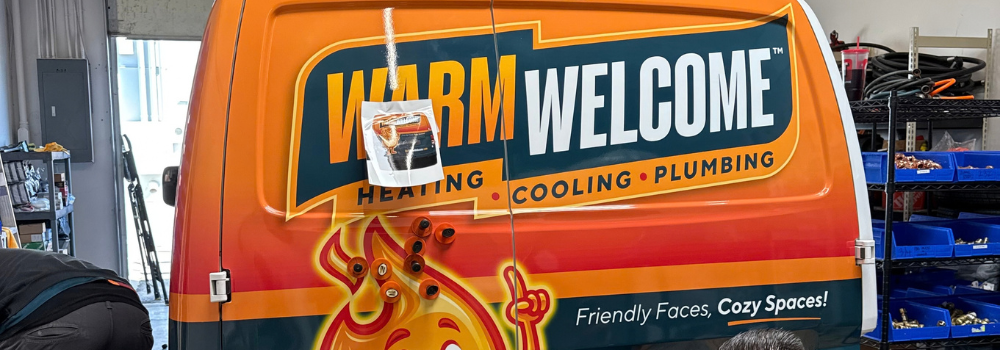
Host: Today's guest took over a business for free. He didn't buy it. Not at first. Elias Yousef came across a Denver water heater company that was losing money.
The owner was more than a million dollars in debt and he'd been putting payroll on credit cards. No bank would lend against that business and Elias himself wasn't willing to put his own money into it. But the business seemed fixable. So Elias pitched the owner on a structure borrowed from real estate.
The lease option. Under a management services agreement, Elias took full operational and financial control of the business along with a three year option to acquire it. Listen for how that very buyer friendly structure works and why the seller agreed to it. Elias ran the business for 16 months and did fix it.
Then he exercised his option to take ownership of what he had turned into a profitable business, now doing between 3 and 4 million dollars in run rate revenue. Between a seller note and a borrowed equity injection, he has essentially none of his own money in the deal. Also listen for how Elias builds his teams with no capital and no track record. He cold called the man who built Arizona's second largest H Vac company and offered him equity in exchange for advice.
That mentor and the credibility he brought has been crucial to Elias's success, landing the deal, then turning it around. Elias has since done the same for a young searcher who used a nearly identical structure to take over a plumbing company. Much to learn in this episode Enjoy the conversation with Elias Youssef, Founder and CEO of Frost and Flow. Just because your seller accepts your offer does not mean your lender will.
Your LOI needs to be acceptable to both seller and bank. So how do you write an offer that's competitive enough to win but realistic enough to close? In a webinar this Thursday, leading SBA loan broker Heather Anderson will walk through exactly that. Among the topics, you'll learn why sellers favorite offers can fail with SBA lenders LOI terms that affect finance ability, how price equity, seller financing and working capital all fit together, making an offer attractive without making it unbankable and keeping flexibility for underwriting, diligence and negotiation.
The webinar is Structuring Competitive enough to win, Bankable enough to close and it is this Thursday, October 22, noon Eastern. Link to register is right at the top of this episode's show notes or or on the Acquiring Minds homepage. AcquiringMinds co. Welcome to Acquiring Minds, a podcast about buying businesses.
My name is Will Smith. Acquiring an existing business is an awesome opportunity for many entrepreneurs and on this podcast I talk to the people who do it the team at Pioneer Capital Advisory has started offering peripassu debt for SBA business buyers. That means they can help unlock up to $3 million of conventional debt on top of the $5 million limit of SBA 7A loans. So Pioneer can structure larger, more complex acquisitions.
Listen to our story with Anika John. For one of their clients who did just that, buying a $10 million business as a first time self funded searcher, the Pioneer team has closed more than 100 SBA loans averaging timelines well below industry standards. Founder and owner Matthias Smith and COO Valerie Stash bring over two decades of SBA lending experience. Matthias and Valerie have a full bench of analysts and associates who who work your deals with them.
A true deal team, not just a single point of contact. Visit pioneercap.com or click the link in the notes. Elias Youssef welcome to Acquiring Minds. Elias, yours is a great story of hustle, true entrepreneurial spirit.
You went from selling appliances to owning a $4 million run rate h vac
[00:04:56 - 00:04:59]
Guest A: business right around that between 4 and 5.
[00:04:59 - 00:05:15]
Host: Currently between 4 and 5. And you did so using your own model, not one of the off the shelf models that we routinely feature here on Acquiring Minds. We're going to learn all about that, but start us off with some background on you, please Elias.
[00:05:16 - 00:07:02]
Guest A: Sure. Yeah. I always just like to say I'm a salesman by trade. Uh, when I was 17 years old, I was a bagger at Kroger.
Um, and I had no clue what I wanted to do with my life and I didn't know how to make money and I was sleeping in the back of class all the time and I was very disengaged. And for some reason I looked up. You know, I remember this was one of my shifts. I was getting out of work and I just looked up what was the highest paid profession in the world and it was sales.
So I immediately went home and told my mother, mom, I want to be a salesman. And only an Arabic mother can. With the look of disgust, she said, I didn't raise a salesman. Luckily, I didn't listen to her.
But my first real job, the way I look at it, was jumping into furniture sales and then from that appliance sales and just absolutely fell in love with it. And then obviously I started to become unfulfilled, working for other people. And you know, I've always been somebody that wanted to run my own business in the future. And you know, when I was 16, 17 years old, I'd read Berkshire Hathaway annual reports and Loved Warren Buffett.
So he was my first kind of virtual hero, if you will. There's actually a bust of him in the. In the background. And so I've always wanted to buy a business, but didn't quite know how to get into it.
I was again, I'm in my 20s, I have no money, so I'm like, how do I do this? And. And basically I had a mentor who kind of got me on the right path and made me realize that even business acquisition is sales. And so I just decided to build a team and start.
I'm giving you the elevator pitch here, but built a team and just went searching and took a little longer than I expected, but eventually bought my first business. And I guess now we're here.
[00:07:02 - 00:07:28]
Host: Great, Elias. Well, I want to fill in just a few of the gaps there, from bagging groceries to furniture sales to appliance sales. And then there's a intermediate business acquisition story. Before we get into your trade business, which you're now in and has really become your thing.
Give us the very brief version of that story. How sort of real estate and then into that.
[00:07:29 - 00:10:25]
Guest A: So when I was selling appliances, which absolutely love that job, I had the privilege of bumping elbows with a ton of home builders, investors, property managers, all that type of stuff. And that was my most of my book of business. I was selling about $3 million a year in appliances. I was 19, 20 years old, and one of the individuals I sold appliances to was a real estate investor who owned a portfolio of residential homes in the Phoenix, Arizona market.
But more specifically, he actually rented out his houses to insurance companies, which is something I never heard of before. So you might have just a standard three, four, five bedroom home that might fetch 2,500 bucks on the open market, but he'd rent these houses out for seven, eight, nine grand a month. And when I found that out, I went like. I mean, I just harassed the heck out of him until we finally actually did a JB together.
So I put up most of the money. I was saving all my money. I was for the longest time still living at home because of my Buffett background. I realized the idea of compounding.
So I would try to hold on to every penny I've ever made. So I had some savings, enough to buy a house, and we ended up buying our first house together over the next couple of years. We ended up buying four of them together. But for example, that was my first taste of a jv.
I saw this guy who had a successful model, and he would do midterm Furnished rentals. So, you know, God forbid your house burned down or flooded or something like that. Part of everybody's home insurance declaration is this thing called additional living expenses. And so if you're misplaced from your home, your insurance company will pay to relocate you.
And that was the niche that we attacked. And it was profitable and we loved it. And that was my first taste of entrepreneurial anything. And quite serendipitously, it actually gave me enough income to be able to augment what I was earning selling appliances.
And so that's actually what gave me the comfort to eventually quit my job a couple years after I started selling appliances and kind of go entirely on my own. Eventually, I sold that real estate portfolio, all four of those homes, and had an opportunity to acquire an assisted living facility. And, you know, I maybe thought, because I'm in real estate now, assisted living, that's maybe kind of real estate. Well, it's not.
I learned that the hard way. It's a very regulated, litigious, you know, you're dealing with people's lives, business. But I learned a tremendous amount through that experience. But I bought a small 10, 10 bed assisted living facility in Surprise, Arizona, and been on that for about a year and a half, and I've since exited that business before jumping into my trade business, where I sit Crowley today.
[00:10:25 - 00:10:38]
Host: Fantastic. Okay, Elias, a few things to underline. First of all, I didn't hear college in there. Did you go right from high school into.
Into selling and, and then your entrepreneurial career?
[00:10:39 - 00:10:46]
Guest A: I technically have a year and a half of community college, but the moment I started making money in sales, I dropped out, much to the chagrin of my mother.
[00:10:47 - 00:11:29]
Host: Yeah, well, I, I hope I don't make you self conscious, but there's just so much pedigree fixation in our world. And so I really relish meeting somebody who's been successful without, you know, checking all the boxes that everyone thinks they need to check. It's such an important detail that you scrappily went out there, didn't follow the conventional path, decided that school wasn't for you, and kind of listened to your gut as to what you were good at and went after that. Also, it means that you have an extra two and a half, four years head start versus most other people.
So you are how old right now?
[00:11:30 - 00:11:32]
Guest A: I just turned 26 five days ago.
[00:11:32 - 00:11:41]
Host: Okay, so you just turned 26. So everything that we've heard now is basically 19, 20, 21 years old. Right. That, that whole saga.
[00:11:41 - 00:11:58]
Guest A: I bought my first house when I was 20. I bought the assisted living facility when I was 23. And then my current business, the H Vac Company, when I was 20. We'll get into this later.
But I took control of it when I was 24. Bought it when I was 25.
[00:11:58 - 00:12:00]
Host: You're getting started early here, Elias.
[00:12:00 - 00:12:01]
Guest A: I feel like an old man.
[00:12:02 - 00:12:31]
Host: Well, you. You are kind of an old soul. I mean, you've got the. You've got the, The.
The vigor of a young man. But I feel like you've got the. In some ways, you also feel like an old soul. The other thing I'll just observe about you is that you sound.
Sounds like you were an unmotivated, undisciplined student. And yet in business, you seem extremely focused and disciplined. Is it just. Was it just a question of finding what lets you up?
[00:12:32 - 00:13:38]
Guest A: I was very lost in school. I mean, I probably spent more time in the principal's office than I did, you know, in class. And if I was learning in anything in class, it was probably through osmosis while I was sleeping, you know, in the back. Just.
I mean, why was I, you know, I was forced, especially in college, I was forced to take Gothic literature classes and all this stuff. I didn't care about any of that stuff. The only classes I did light up in were economics. I absolutely loved economics and civics.
But. But you're certainly right. I was very disinterested, disengaged. I.
I think business is the first domain I think that I've ever stumbled into that I felt any. Any semblance of competence in. And that's been a huge. Maybe if you were my therapist, you'd probably say that's how I drive my self esteem or something.
I can't catch a football to save my life. I have no sports aptitude whatsoever. You know, I joke internally I could flirt with the spreadsheet easier than I can flirt with a girl or something like that. But, you know, business is.
It's just always been something that I've. I've always poured my energy into or at least attempted to. I just. I like it.
[00:13:39 - 00:13:39]
Host: Yeah? Yeah.
[00:13:39 - 00:13:47]
Guest A: You know, Warren talks about it's his canvas, you know, and he's been painting for 60 years, you know, and it's never finished. And. And that's how I view it a lot.
[00:13:48 - 00:14:08]
Host: Okay, Elias. So the assisted living facility venture doesn't go great. Um, give us just kind of the bullet points on that and kind of how what you. What you learned from that experience and, and how you parlayed that into trades.
Sure.
[00:14:09 - 00:18:13]
Guest A: So I had A huge epiphany. When I'm gonna. I'm gonna have to start with this real estate venture that I had first, because I, for you, could imagine I've spent way too much time with analysis paralysis, looking at investment properties, looking at, you know, different investment opportunities online, but never actually pulled the trigger on anything. And it wasn't until I actually interfaced with this guy that I sold appliances to, and I saw that he was successful.
He owned, I don't know, probably eight figures worth of real estate in the Phoenix Valley. Very wealthy man. And I've since developed a really good relationship with him. When I finally warmed down and we did a joint venture together and we bought a property, I was.
And this is all serendipitous. I didn't plan on this happening. I didn't really realize what I did until after the fact, but. But when I did a joint venture with him, and the first deal was 70, 30, I put in 70% of the money, he put in 30%, and he made me do all the legwork.
But what happened was I was able to leverage his expertise, his success, his knowledge, his experience, and our first investment property, the day we closed on it, 13 days later, we had our first tenant move into it, paying $7750 a month, and our mortgage was like 1900amonth. And I only say this because I would have never been able to do it on my own. There's just zero. There's a snowball's chance in hell I would have ever been able to do it.
But because we did a joint venture and he was involved, I was able to leverage his track record and expertise for our business. And the reason I say this is after the fact, I started realizing, holy crap, I just stumbled into something by accident just how impactful the idea of partnering with somebody was. So then eventually, I kind of got disinterested in real estate. I mean, it was a great business, don't get me wrong.
But I've always wanted to own a business. And I kind of realized, well, I live in Arizona. It's a retirement state. There's a ton of old people.
I mean, you know, assisted living. That was the extent of my due diligence, by the way. I didn't really do anything more than that. I just kind of put it in my head, I want to buy an assisted living facility.
So I went out and find people that knew how to operate them. But this time I was intentional about it. So I. I literally Google searched.
I was like, what's the biggest assisted living facility in Arizona. And I went out and found this $300 million luxury assisted living community. And I called, I said, who's the executive director? And I got in touch with the person and took him out to lunch.
And I ended up building a small team of like four or five people. And I gave them all equity in the deal I had. By the time I was done, I owned 65% of it. So I was comfortable.
I said, if I have at least 2/3 of it, I'd be comfortable. And I gave away a third of the company to other people. I didn't sell them equity. I didn't say, if you're a good boy or girl, later on, you know, here it is.
But I figured if I'm going to buy a business, I don't know anything about accounting, I don't know anything about legal or regulatory. I certainly don't know how to run a business. So I found a healthcare attorney, I found a former Deloitte accountant. I found a couple of people that actually have healthcare operations experience.
And I told them all, we all have equity and success. And so I built the team first. And then I started cold calling for acquisition opportunities in it. What I naively thought would take me a few months took me two years to finally nail down my first acquisition.
So I started searching in 2022 and it wasn't until January 1st of 2024 that I closed on the assisted living facility. And then very quickly realized healthcare wasn't for me. So, so I still had to run the business. I had to restructure all the staffing.
And so I certainly learned way more than I ever would have in a business school actually running a business and having to deal with the state department coming in for random inspections and having to manage caregivers and, and all that type of stuff. I, I certainly learned a lot. And you know, God bless everybody in the healthcare industry, it just, it just wasn't for me. And I realized I'm probably a liability owning this thing and if it wasn't for my partners, I would have been way over my head.
So I was very conscious of, literally, I think it was five months into me owning the business, I decided to sell it.
[00:18:13 - 00:18:14]
Host: Wow.
[00:18:14 - 00:18:24]
Guest A: And I ended up wasn't able to sell for probably another year. You know, it takes a while to be able to do it. But, but that, that was my healthcare experience. I like dealing with plumbers a lot more.
[00:18:24 - 00:18:33]
Host: Well, and so you weren't discouraged. You realized that it was just the wrong industry as opposed to the entire prospect of Owning a business not being a fit.
[00:18:33 - 00:18:34]
Guest A: Nobody bets a thousand,
[00:18:36 - 00:19:56]
Host: you know. Enzo Technologies as one of the leading IT managed service providers serving the search community. Led by Nick Akers, an acquiring minds guest who bought the 35 year old business. The team at Enzo regularly works with searchers and their acquisitions.
And one feature of acquired businesses that Enzo is seeing over and over is the need to implement cybersecurity promptly during the transition. So many acquired small businesses either have glaring vulnerabilities, lack security best practices or both. That step one to de risk the deal you just closed should be addressing these issues. Inso is your full service IT MSP for post close stability.
They assess your target surface the biggest risks in plain English and and give you a day one through 30 plan to cut exposure, prevent downtime and even find cost takeouts like bloated telecom bills. Check out enzotechnologies.com in Z O or email Nick directly@nicknzotechnologies.com and so how did you discover the trades or turn your attention to the trades?
[00:19:57 - 00:20:40]
Guest A: May of 2024, I'm in Arizona and this is like right after I swallowed the pill of I need to sell this business and I need to find something else. I was we there's a little orchard on that property and I was getting it trimmed, getting the citrus trees trimmed. And so I called some service provider to come do the trimming. And he did a fantastic job.
So I wanted to schedule him for, for next year. So this was 2024. I wanted him get him on the books for 2025. And this is May.
So I told the gentleman I can't remember his name. I said could you please get me on schedule for next year? And he said, he said the 2025 calendars won't come out until October. So call me then so I can get you scheduled.
And I was stunned.
[00:20:40 - 00:20:42]
Host: Like the paper calendar won't be printed.
[00:20:42 - 00:21:33]
Guest A: He used the paper calendar to do all the scheduling. I was stunned. And I was the, I was like God, maybe the, maybe the service industry, something like this has got to be what I got to do. So I, you know what it was initially lawn care.
Keep in mind this is May of 2024, this summer in Phoenix. It's like 118 degrees outside. It didn't take me long to realize H Vac. So because I was already looking at service businesses.
So you know, initially lawn care was what kind of put the idea in my head or tree trimming I should say. But very quickly I landed on H Vac. I didn't realize that it's like the canonical PE MBA searcher industry. I had no clue.
I didn't think at the time. I probably even know how to spell H Vac. I just. It's hot, it's Arizona, it's 119 degrees.
So there's got to be an opportunity there. So that, That's. That's how I stumbled into the trades.
[00:21:34 - 00:21:43]
Host: Great. And so then pick us up on the plot. How did you get out of. Out of the assisted living and into the.
Into the search or into the actual trades business you bought?
[00:21:44 - 00:23:30]
Guest A: Well, it was a pain trying to sell the business. I had probably three false starts because anybody that wanted to buy the business also wanted to manage it and hang their license on it. So I kind of went through probably two or three different managers. So there's a lot of.
And that's where part of the. Partly I felt like I was letting down the business because there was a lot of managerial turnover. But eventually, luckily, I was able to find an individual who owned, I think, like a dozen or more group homes in the Phoenix market. And she was a very competent operator, better than I could ever been.
And eventually I turned the keys over to her, let her run the business, and I sold it to her. And I made nothing on the sale. I just take it. I just, like, just take it.
I don't. It's a liability with me owning it. Just take it. Maybe, maybe in about a year, there's some funds I left I held back in escrow to fund some potential indemnification claims.
Maybe I might get something out of it in a year. But it was a distraction for me, and so I just wanted to get rid of it more than anything with the H Vac industry. Again, same thing. It kind of worked for me in healthcare in the sense of everything I didn't know.
I was able to call my partners and leverage that. I realized, all right, well, I don't know anything about plumbing. I don't know anything about H Vac or anything like that. So that was at least the.
If there's one thing that if you've picked up on so far, it's at least I'm smart enough to know. I don't know everything. I will never pretend to know anything. But there are people out there that are very competent at their specific businesses.
And so that's. That was my one thing way before I ever started searching for a business. I wanted to make sure I had a team that. That I.
That I could stand behind me.
[00:23:31 - 00:23:34]
Host: And how did you approach that in H Vac in the trades.
[00:23:34 - 00:25:25]
Guest A: Well, luckily almost every state publishes a online registry of every registered contractor in the state. Right. Because to, to work on refrigerant or plumbing, you know, you have to have your state licenses. So Arizona has the registrar of contractors.
And I just pulled the data list from that and started cold calling, you know, and I made a list of the biggest H Vac companies in the state of Arizona. And then I used some online tools to try to get the contact information of the owners. I couldn't get in touch with anyone at the biggest company, come to find out they're owned by private equity. But I was able to get through to the man who built the second largest a track company in the state of Arizona.
And luckily he was receptive to my call. And I basically just pitched him, I said, hey, my name's Elias, I'm looking to acquire some H Vac companies. If I were to give you a healthy equity stake in my company, and I didn't know what that meant at the time, if I were to give you a healthy equity stake in my company, would you be interested in advising me? And rightly or wrongly, he said yeah.
So he invited me over. He probably assumed that I was some wealthy individual, some experienced guy, and you know, but I showed up and I certainly at least had a lot of enthusiasm and, and sold my heart out and, and it, it, you know, had somebody tell me once a blind hog finds an acorn every now and then. It just so happened that he sold his business two years ago. His earnouts was about to expire and he wanted to do it again.
And vicariously through this venture, he's been able to do it again. So it just, it just worked. But I would have never known that if I hadn't called. But this individual obviously ran a very large enterprise and so it would have been negligent for me to not try to find a way to, to, to do a deal with him.
And he's taught me subsequently everything I know.
[00:25:25 - 00:25:51]
Host: And so, okay, just so, so to be totally clear, he grew a business, one of the largest in the state, had a liquidity event. So he's now a high net worth individual, but isn't looking to get out of the industry. In fact, once his earn out, his earnout term is finished, he's looking to get back in. Your call arrives, he takes it, he invites you over.
Does he live in some crazy mansion?
[00:25:51 - 00:26:49]
Guest A: No, I, I actually toward the office, it was a 45,000 square foot office and I saw, I, I saw the infrastructure of what a 250 person home service business looks like. It's like it was a smell the leather experience to me, if you're familiar with the phrase. And, and it was crazy. I mean, just see armies of call center staff and dispatchers and technicians and service managers and a fleet repair department, all that type of stuff.
It was crazy. I think that year they were pushing 60 million in revenue. So it was a fantastic enterprise, Arguably the gold standard of what high levels of execution looks like. So I realized very quickly walking into that meeting and boy was I nervous.
I was like, I got to get this guy. I don't know how, but I got to get this guy. And, and at the time when I called him, I was actually living with my girlfriend at the time in Vegas. And he said, why don't you come by tomorrow for a meeting?
I said, okay. Immediately through the middle of the night, I drove from Vegas to Phoenix, had the meeting, and then went right back up to Vegas.
[00:26:51 - 00:27:03]
Host: And so what was this meeting like, Elias, other than being wowed by actually seeing his operation, was he, do you think he was surprised to see young you roll in? What was that dynamic like?
[00:27:03 - 00:28:30]
Guest A: So at the time, I was 23 when I was in that meeting. But luckily he probably thought I was 33 with the beard or something like that. So luckily with the facial hair, maybe I could give off the impression that I'm older. I was a little vague.
You know, I don't want to give too much information. I don't want him to know. I didn't know anything. But I was convinced that, you know, with a lot of hustle, I knew I didn't really need capital to get a business deal done.
There's plenty of motivated sellers out there that'll, that'll gladly exit their business. So I wasn't, me personally, I wasn't worried about not having a lot of capital. And again, I didn't, I was never approaching. I didn't realize until significantly later that there's a whole universe of people that are MBA searchers that raise capital and then live off the, some of that to go just search for.
I never realized that was a thing. So I never raised capital. I was just doing this all on my own. But, but when I went into this meeting, I just, I was, you know, I just sat there and I said, listen, clearly you know what you're doing.
I have a lot of piss and vinegar in my blood and I'll do everything it takes to, to, to launch the ship, so to speak. I'm not looking for any of Your money. I don't want any personal guarantees, nothing like that. It's, it's a little bit of your wisdom and your expertise and your guidance is all I'm asking for.
And in exchange for that, I'd, you know, I'd love for you to participate in the business that eventually turned into a 15% position in the enterprise, you
[00:28:30 - 00:28:35]
Host: know, but, but that was never formalized. That was never formalized at the outset.
[00:28:35 - 00:28:51]
Guest A: No, it was really just a handshake. You know, I, I always, I think I. Eventually I gave him a range of, said maybe 10 to 15%, and he said, I'm more on the 15% range. I said, absolutely, sir.
But nothing was formally signed until maybe six months later.
[00:28:52 - 00:29:26]
Host: And what about his commitment, his time commitment? I mean, this is a guy who could be spending, first of all, who's still presumably got commitments even if his earnout is about to run out. But he's also now independently wealthy. He can do whatever he wants.
He can start taking on philanthropic ventures or whatever. So, so why, why do you. I mean, he's, he's a guy whose time is scarce, not money. So why do you think that he gave you his time and how much kind of was implied that he would give you?
[00:29:26 - 00:31:26]
Guest A: I think I only asked him for a couple few hours a month. I mean, something, you know, nothing crazy, somebody like that. I value his mentorship more than anything else. And, you know, I'm a pretty resourceful guy.
I could kind of figure things out. I just need to be generally aimed in the right direction. But there's also a personal level to it for me. Everybody's ever heard, you know, the phrase, you are who you associate with.
You become what you think about, you know, your, Your income is the average of the five closest people you associate with. To me, it was simply a privilege even being in his orbit. And, and with that, anything he told me, I took it with tremendous levels of, of, of, of respect. So just even at a personal level, I wanted to associate with the guy, let alone business.
But why would he participate? Well, I mean, look at, look at the inverse. He's a gentleman that was obviously very successful in the industry, and he has this young, energetic kid in front of him. He probably didn't know I was a kid.
I don't know, offering him an equity position in exchange for advice. You know, I mean, that, that, that's a hard thing to maybe say no to. I, I don't know. For better or for worse, he said yes, you know, and I'm very grateful for it.
But I am very mindful of his time and I certainly try not to bug him for crap that doesn't, you know, that's not worthy of his, of his, of his knowledge, you know, but, but that was the cornerstone foundation of everything I've done. Because anything that happened months later, whether it was I dug up some deals and I needed help with the due diligence of it, or well after the fact that we actually closed the business and needed to start to get our hands around the operations, I would have not known how to do any of that stuff. But luckily I had the advice of people that were very successful in this industry and that was able to kind of guide me along and avert the avoidable mistakes. So that I'm very grateful for.
[00:31:26 - 00:32:50]
Host: Well, Elias, when I said at the top that your model is one of your own sort of creation and it's not one of the off the shelf models that we often see here, I think that it's kind of two pronged that. And the first is this mentorship model. Now obviously mentorship itself is nothing new, but the way that you are so proactive about it and are so serious about it, you really, you really ask for mentorship with genuine interest and intention to act upon whatever wisdom is passed to you. I feel like you've really almost codified this mentorship framework and then now you are the mentor for another searcher, Kyle.
And the, and the way we actually found each other was I saw a post on LinkedIn by Kyle, who's a very freshly minted college grad, saw you on another podcast about buying a trades business. He wanted to buy one. He reached out to you and reached out to you and reached out to you and reached out to you and finally got your ear in. You helped him buy his business and in turn you have equity in his business.
So it's, it's. You've been both a mentor and mentee already and with a very similar structure. So I, I'm just kind of struck by that. It seems like a, a framework that is really working.
[00:32:51 - 00:32:54]
Guest A: Yeah, well, I mean, you know, I,
[00:32:54 - 00:32:54]
Host: I've,
[00:32:56 - 00:36:09]
Guest A: to me, that is the biggest shortcut I've. Now again, I don't believe in shortcuts or tips and tricks or anything like that. But you know, to become a leader, you generally begin in the capacity of an intelligent follower. And you know, obviously I believe, I believe very highly in the mentorship idea.
Some people believe in mastermind groups and all this type of stuff and reading 3 million books and all that stuff. But to me, if you be. If you become who you associate with from, like, almost first principle standpoint, okay, how do I get somebody who's where I want to be, in my orbit? How do I get them?
How do I bump elbows with people like this? And. And more specifically, how do you get them invested in your dream? Well, to me, the biggest way to do that is.
Is, you know, people hold on to their equity so much. I've. That. That's probably the only thing I've done that was smart.
I made a ton of, as you can imagine, a ton of stupid managerial decisions. I'm not. I've come to learn I'm not a good manager. I'm.
I'm really not. But I was able to find really competent people and. And have them participate in it. And we all had equity and success.
And I just. By definition, you're almost. You're not guaranteeing your success. There's no such thing as a guarantee on that, but you're significantly improving the odds.
When you have somebody who's partnered with you and has a equitable interest in your business and wants to see you grow, you have a leg up on people with that and with Kyle. He reached out to me on LinkedIn, and I couldn't get rid of him. And I love the kid. He reached out to me when he was 21, and we had a couple calls and stuff, and he was asking me how I did it, and I just laid it out.
I said, listen, I'm not special. I was just willing to hump like hell and followed the advice of people that I've been able to kind of build a team around. And he wasn't the first person that has reached out to me, but he was the first person that actually took it serious and enacted on it. And, you know, 10 months after he first reached out to me, he ended up acquiring a plumbing company.
He's out there slaving away right now, trying to. Trying to turn it around. And he. Presumably why my mentor said yes to me is why I felt like I wanted to help Kyle, because He reminded me 100% of where I was just a couple of years ago.
And so I was just trying to guide him through all the, you know, avert all the stupid mistakes I've done and help him be more efficient with his business. Same thing. I would imagine that some of these people, you know, my chairman and I have a few other partners, too. He's.
He's not the only one, I would imagine. Maybe I struck. Struck a nerve in them of. You remind me When I was young, you know, I mean, when they're young and energetic, I want to see something happen.
And I guess when you get later on in the zenith of your career, being able to pass it on is perhaps rewarding or something like that. So I'm sure there's, there's other personal reasons, but that's certainly the case with, with Kyle. I mean, even if he gave me no equity, I would help them. I just want to see the kid succeed.
You know, it's, it's rare when you find somebody who's truly committed. I mean, truly committed. There's a lot of people who think it's vogue to talk about success and business and all this type of stuff, but in the moment one bad thing happens, they give up. But he met.
[00:36:09 - 00:36:10]
Host: How could you tell Kyle was truly committed?
[00:36:11 - 00:36:24]
Guest A: He wouldn't leave me alone. Anytime I, anytime I told him to go out and do something, you'd come back a week or two later. All right, Elias, you know, I did it. You know, what's next?
And you know, he would just. He impressed me. He impressed me.
[00:36:24 - 00:36:31]
Host: Okay, Elias, so you have recruited this mentor. What does your search look like to find now an H VAC business?
[00:36:33 - 00:38:25]
Guest A: The candid thing that happened is I reached out to a data aggregator, or actually I think I might have responded to a spam email that I had of some guy trying to sell me leads or something because I think from, from the healthcare business. What I did is I bought a leads list from somebody and I guess my data might have been sold or something like that because I literally had this guy reached out to me via email and it was marked as junk, but I responded to it and ended up paying the guy a few hundred bucks to compile this leads list of every registered contractor, of every plumber, a track electrician, all that stuff. And I just went state by state with my search. Initially I was searching in Arizona, but eventually I looked in Iowa, eventually I looked in New York.
And I would just cold call because to me I had a couple of constraints. I'm 23 at the time, very candid. You know, I had some money, but certainly not enough to, to buy a large business. And even then I doubt I was financeable.
I mean, a bank, while they love lending and business acquisitions, are they going to really write a check where the largest shareholder is a child in their eyes, you know, So I realized, okay, I probably can't get financing and I certainly don't have the money to buy these in cash. So I'm going to go have to Find a, I don't want to say ugly duckling, but certainly something off market. And so I've made hundreds of cold calls is really what it was. And it sucks, in all candor, it's not fun, but it was my only choice.
So I searched for, from the idea that I had, I wanted to buy an H VAC company to the day I ended up buying what ended up being a plumbing company. Took about eight months and so, and most of it was just cold calling and searching and starting looking at a deal and it going nowhere and just retrying a lot. But eventually I knew that if you, if you try enough, eventually one will, one will stick.
[00:38:26 - 00:38:40]
Host: And what were you finding kind of broadly in, in the connections that you were able to make with these owners, potential sellers? What was kind of the, what was the observation about the industry or the state of these businesses?
[00:38:41 - 00:39:48]
Guest A: I noticed a very big pattern. The bulk of the people I was talking to were people that were like a master plumber by trade or an H Vac tech by trade and, or electrician by trade. And one day their boss pissed them off and they said, you know, to hell with you, I'm going to start my own company. And so you get this proliferation of tons of these businesses out there and they all end up playing copycat and yet they end up building these businesses that really don't amount to much.
And I'm not trying to say this in a derogatory way, but the reality is, and I, I actually really respect the guy that I bought my plumbing company from because he was self aware enough to tell me one day he said, elias, I'm a master plumber, I'm not a businessman. And, and he just didn't know how to make money with it. He didn't know how to scale a business or to price correctly or to really to do any of that stuff. One of the best plumbers I've ever met, you know, and he could diagnose problems like nobody's business.
But, but the business element I've come to find is a very common sore spot for a lot of these business owners. And I mean almost every P L I looked at, I literally think out of the dozens I looked at, I think only one I saw was profitable.
[00:39:49 - 00:39:52]
Host: So they, these were literally unprofitable businesses.
[00:39:52 - 00:40:15]
Guest A: Yeah. Or break even or. I mean it's, it's crazy. I still have a bunch of old data rooms.
If I popped into them, most of them are cash flow negative now. There's a ton of personal expenses being baked into it. So I got a lot of that story of, well, if you back out my 13 cars and, and this and that and all the meals and there should be money there. So they're just, they just were mismanaged.
[00:40:17 - 00:41:44]
Host: Longtime acquiring mind sponsor Aspen HR is now part of Engage peo. Engage helps acquisition entrepreneurs, business buyers like you take care of their new employees and build trust from day one. Whether it's an asset or stock purchase, Engage provides a turnkey solution for payroll and taxes, hr, admin and technology, employee benefits, retirement plans, workers comp, and more. They're also always a phone call away so you can receive HR guidance from licensed employment attorneys promptly as those inevitable people issues come up.
With Engage managing your people infrastructure, you as new owner of your business can focus on building relationships, operating the business and driving growth. To learn more, contact Jenny thier directly at jthehr j t h e a r@engagepeo.com or click the link in the notes. What is your then then your final takeaway that they were they might have had P Ls that looked like they were unprofitable, but they were actually making good money and just running personal expenses through the business. I mean, were these owners thriving and just had terrible books or were they barely getting by?
[00:41:45 - 00:43:57]
Guest A: No. And also had terrible books? No. Yeah, but there were both.
I mean most of these were genuinely unprofitable. And that's candidly probably why they took my call and said, yeah, I'm interested in selling. Well, obviously you're not making any money, you know, and a lot of these deals, I mean, and I didn't realize that I, when I first approached the business I was like, I want to buy a cash flow positive business. And so I started getting really disheartened because every deal I looked, that was ugly, you know, and I just, I eventually I was getting really demotivated because every time I finally get somebody on the hook to say yes.
You can imagine every hundred cold calls you make, 98% of them are probably going to tell you to go F yourself, you know, and then maybe one says yes. And by the time you actually get financials or something, it's then you see it's not making any money and it's loaded up with debt. It was, it was disheartening. And that was the case with the company I bought, actually.
So I don't know if maybe I should dive into that. I ended up coming across a company in Denver, Colorado and it was what I thought was a plumbing company. I come to learn it was pretty focused Just on water heaters. So it's a very kind of specialized business.
There's, there's a ton of those companies around. Took one look at the P and L was losing money. Responded back to the seller. I said, you know, appreciate your time, but this is.
Doesn't really fit our model. And I passed. And a week later I got another email that said, basically said, hey, Eliza, I want you to take another look at this. I said, okay, there's got to be something's wrong.
Guy's certainly motivated. That's what that told me, you know, because he definitely wants out. So I asked him for access to his QuickBooks account. So he just adds me as an admin on his QuickBooks account.
And I start poking through it and I started getting very curious. I saw every night there was a $200 meal expense at a casino or something like that. There's a $5,000 cruise line expense, and so there's clearly a big spending problem. And then I started kind of looking at, at the P and L in a little greater detail.
And you know, he had like 30. His gross margin was in the 30s. A competent plumbing operation should be able to hit a 60% gross margin. So I'm like, okay, because there's not a lot of parts in plumbing.
A lot of it's just labor.
[00:43:58 - 00:44:00]
Host: So that told you that he was underpricing?
[00:44:00 - 00:46:37]
Guest A: Absolutely. Yeah. So that's definitely an issue. And then I started asking him about his, how he pays his staff and all that stuff.
And I'm like, okay. I don't, I don't really think his compensation structures are the best. And he's paying his guys hourly with no incentive, no commissions, nothing like that. There's certainly no, no performance element to his pay.
So I started looking at this. I'm like. So then I call my mentor and I start asking him, I said, hey, you know, what are your thoughts on this thing? I mean, you know, it just looks like it's just mismanaged.
And ultimately out of that conversation, I had the idea to pitch the seller on something that I've never done before, but it was just kind of a Hail Mary. I called the seller and I said, hey, listen, I, I did a takeaway. I said, listen, I was kind of looking at everything and I understand there's incredible potential with your business, and I really would love for there to be something here, but. But the reality is, is this is a non profitable business and, and you have some debt on the balance sheet.
I just, I can't finance this. I mean, I Just there's only one way I could see this deal happening, but it just might be too much for you. And what is it? I said, well, if you, if you turn the keys over to me and let me run the business, let me grow it and stabilize it and get it back to better health and then I'll buy it off of you.
And he said yes. And I was shocked by that and because the idea that when I was talking to my mentor, he made me realize every problem that this business had was fixable. You raise your prices, you change comp structures, you enact some sales. I mean all the issues that this business was feeling were all managerial issues that could be fixed with strong operations.
So that's what maybe naively gave me the comfort level to pursue something that was unprofitable. And then when he just handed the keys over to me, we ended up signing an agreement that basically turned into contractually, we signed a management services agreement which gave me and my team full operational and financial control of the company with a three year option on the assets. So, and then, and then the licensing agreement where I agreed to pay the seller 60 grand a year to continue holding the plumbing license. So that, that handled the licensing element of it.
He gave me and my team control of the company and then we had an option that we could strike at our behest over the next three years to actually formally buy the company and think about what that structure did. That gave me the keys to the business for free because I was basically being hired on as a manager. So I didn't even, you know, the business even ended up paying my legal fees. So I genuinely had no, no capital into it.
But the corollary to that is I had to put a lot of time into it to turn it around.
[00:46:37 - 00:46:42]
Host: So. Well, and you didn't yet own it, so. So if you were to buy it, you were going to have to come up with capital.
[00:46:44 - 00:47:34]
Guest A: Kind of. Yeah. So there's basically the purchase price on the, the purchase price on the option was equivalent and pegged to the outstanding liabilities on the balance sheet. So as I actually paid down the company's debts, my price actually dropped.
And that, you know, because I didn't want to have that as an open ended question. I didn't want to grow his business and all of a sudden make the price go up on me. But when fast forward a year and a half, when I actually ended up going went to buy the business, I was able to sneak a seller note into the cap table. So that dropped my equity requirement down to 5% and then I borrowed the 5% and you know, so I don't really have any capital into it, so to speak.
So again, my basis is genuinely zero in it. Yeah, I mean, that's okay, Elias.
[00:47:34 - 00:47:43]
Host: So, so let, let's unpack this. Okay, so, so the business is in debt to what at this time? To what degree?
[00:47:43 - 00:47:57]
Guest A: Day one it was like 1.1 million. Had $900,000 SBA loan, EIDL loan, and then the remainder was all credit cards. He was putting his payroll on credit cards. That's how bad it was.
[00:47:57 - 00:48:07]
Host: Okay, okay, so he is a million, over a million dollars in debt and continuing to lose more money every, with
[00:48:07 - 00:48:08]
Guest A: every day that passes.
[00:48:10 - 00:48:26]
Host: So he's in a jam. He's not a seller with a healthy business that's looking, that's looking to monetize his life's work. Instead he's just looking for an out. I mean, even if he shuttered the business the next day, he's still negative a million, he's still going to be, this debt is going to be following him around.
[00:48:26 - 00:48:27]
Guest A: Yeah.
[00:48:27 - 00:48:43]
Host: So from his perspective, if he can just get out, if he can just work with you, this kid with this Hail Mary pitch idea throw, he's got a chance at least of, of getting out from under this million bucks of debt. So that's his incentive.
[00:48:44 - 00:50:13]
Guest A: Yes. And I didn't tell him how old I was by the way. They found out after the fact. But yeah, that's, it sounds like an incredibly one sided deal.
And, and candidly, yes, it's, it was very, very buyer friendly. But the reality was they had no choice who can sell it was unprofitable. And then, you know, even to shut the business like you said, you'd have to write a check for a million bucks. So the only way out was to, to rehabilitate the business and to make it financeable.
And it, it consumed a year and a half of my life, 16 months from day one to when we actually struck the option to actually grow the business and get it to, to where it could be financeable. And, and also serendipitously ended up really helping with the financing because generally, you know, generally when you go to a bank and a million bucks or 2 million bucks to buy a business, there's two things a bank is underwriting. Obviously there's the financial component of it, but there's also this element of could the new buyer perform as good or hopefully better than the previous ownership? And in many cases a bank, even though the deal is financially viable, they don't have confidence in management, so they won't fund the deal.
Well, when I went to my bank, I said, I already ran the damn business for a year and a half. I was the one who turned it around, I'm the one who grew it. And they were able to check that box. And so I ended up what I, I didn't have that box checked in the beginning of.
I had zero management experience, but I had a lot of on the job training and luckily we were able to grow the business. So I was able to check that box. From the bank's perspective, listeners will have
[00:50:13 - 00:50:42]
Host: heard that the GM or some manager in the business, buying the business is, is one of the best profile or a profile that the SBA lenders like the most for precisely this reason. You're already, you already know the business and you're already, you've got a demonstrated track record of being in the business. So. And that was you.
And you had this incredible track record, in fact, because over those 16 months, not only did you just run the business, you turned it around.
[00:50:43 - 00:51:26]
Guest A: Yeah, we, we the trailing six months before I took over the business, the business was only doing like 60 grand a month in revenue and losing money. And the six months prior to me closing the option, we were averaging about 200 grand a month in revenue. And, and so we grew it from, you know, slightly sub one million to call it two and a half million in run rate. And then eventually I was smart enough after I bought the business to, to bring on an actual competent operator.
And eventually I wisened up to the fact that I probably shouldn't be the general manager of this business. And now the business is grown even more since I of competent management in place.
[00:51:27 - 00:51:35]
Host: Well, why are you, why did you doubt that your, your own competence, given that you had successfully turned it around in 16 months, that suggests a lot of competence.
[00:51:37 - 00:53:00]
Guest A: I had no doubt I could do it, but, you know, it took a lot of brute force and a lot of willpower and working seven days a week. And I was, I don't want to, I don't want to admit I was starting to burn out, but that was probably the reality of what it was, you know, and my current partner makes what I struggled with look effortless. And so, you know, eventually I realized, okay, I was able to augment what I didn't know in the beginning and built a, basically I built a deal team. You know, when I got my chairman and built the rest of the board and gave him all equity, I basically built a team that kind of helped Me with the, with buying a company and augmenting what I didn't have in terms of, I didn't have track record, experience or anything like that.
I never thought that I could do the same thing operationally. And you know, I ran the business for the first year and a half and it was good, it cut my teeth. I learned a tremendous amount about operations, grew a lot of my respect for the trades and the men who work it and plus I was able to get the business rehabilitated to the point where we can afford professional management. So it was probably good for me to do it regardless.
But eventually the writing was on the wall that I, I, to grow this thing to the next level, I needed to bring in competent management. Just because I, just because I was able to listen to the advice of my mentors and enact certain things to grow the business didn't mean I was the appropriate person to take it to the next level.
[00:53:00 - 00:53:22]
Host: Great, Elias. Well, one more time give us the, the, the structure of the, the management Services agreement. Just because this is so, this is so key and, and, and referring back to Kyle, again, was it not the exact same structure that Kyle used to, to acquire or potentially acquire his business? So, so this has now been market tested twice, please.
[00:53:23 - 00:53:34]
Guest A: Three times actually I had a failed attempt at it, which I don't know if I told you that in prior conversations, but ah, Are you familiar with in real estate, are you familiar with
[00:53:34 - 00:53:37]
Host: the lease option like rent to own?
[00:53:37 - 00:55:56]
Guest A: Lease to own, yeah, that's basically what it says, but with the business. So in real estate it's very common for a buyer who maybe doesn't qualify for a mortgage or something like that or whatever to rent a property but have an option on the home. And eventually when they buy the home they could credit sometimes all or a portion of the rent they've historically paid towards the equity on the home, which helps them if they don't know how to, if they don't have the financial means to save a bunch of equity for a down payment. And it just, you know, it's a very common structure in real estate, but it's almost unheard of in business.
And I, I suppose necessity is the mother of all invention. I realized I couldn't buy, certainly I didn't want to put my own money in the deal. Right? It's, I didn't want to catch a falling knife and I couldn't finance it and so the only way I could have.
But I did realize all the reasons as to why the business was in its current state were managerial related and they were fixable. And so I basically had to put my best salesman hat on and, and, and pitch him on. Hey, if we could sign this agreement, which again, it's a management services agreement, which basically it was easier for. Easier for me to enumerate his rights than it was to enumerate my rights.
If I wanted to bankrupt the company or shut it down, I needed his consent. But aside from that, I had authority on everything else. Hiring, firing, pricing, cash management, I mean, everything, licensing. So we ended up signing this deal, this management services agreement.
And you know, the day we signed it, we went to the bank, he added me on the bank accounts, all that type of stuff. I mean, he was a real great guy. He was very collaborative, which, which I do appreciate. I would imagine a lot of people would struggle with the structure like that, which actually, yeah, I have my own experience actually with the guys who struggled with that.
But I did this deal and we signed this option. And the only reason I waited a year and a half to strike the option is I started talking to banks and they said, I want you to at least because every tax return for the last few years has been negative. And because SBA lends on tax returns, they said, I want to see at least one year of positive cash flow on a tax return. So if I took over the business In February of 25, I completed 2025 and come March, April, I finally got my tax return for 2025, showed it was profitable, took it to the bank, financed and bought the company.
[00:55:56 - 00:56:16]
Host: And with the. But going back to the manage Management Services Agreement, the msa, it was an option to buy the business within three years of when the agreement was struck. And are you being. And then what is the valuation of the business?
It was in this case tied to whatever the outstanding liability his debt was.
[00:56:16 - 00:56:31]
Guest A: Yeah, there was, there was no valuation per se. It was just what is the absolute minimum that I need to pay to buy the business unencumbered? And I had to take out all his liabilities. So, yeah, that's why that sad.
And, and so when I ended up.
[00:56:31 - 00:56:36]
Host: And were you going to be. Was he going to be paying you or was the business going to be paying you some sort of salary during this time?
[00:56:37 - 00:56:39]
Guest A: The first several months, I was not drawing salary at all.
[00:56:41 - 00:56:47]
Host: I guess it was just this was at your discretion because you were now the executive. You could pay yourself or not. You were making hiring and firing decisions?
[00:56:47 - 00:57:20]
Guest A: No, well, no, actually I. Part of the final nail in the coffin to get him to agree to it. Is I volunteered that I couldn't pay myself during the duration of the msa. So I was actually prohibited from doing it in the beginning.
The only reason I felt comfortable doing that is I owned my healthcare company and I was paying myself out of that as I was trying to sell it. So that, that's how I was paying my bills in the interim. And eventually I negotiated out that clause and so we ended up amending the agreement and then that allowed me to pay myself.
[00:57:21 - 00:58:05]
Host: Okay, that actually makes more sense because I understand Elias, that he's kind of desperate and he's looking for any out, and so therefore he'll accept a very buyer friendly, as you put it, deal. But still, if I'm him, I'm, I'm just not sure I'm gonna be comfortable having a stranger come in and have free rein to just run my business. There's, there's gotta be even worse outcomes to that than my existing situation. I mean, if nothing else, maybe you just, you stranger, just bleed the business in some way that's beneficial to you without even any real intention of trying to buy it or turn it around.
[00:58:06 - 00:59:17]
Guest A: You sound like my lawyer. He, he was absolutely against the transaction or certainly didn't support it because of, he said, Elias, no matter how many times you put in the agreement, there's no. Because we had him big, bold, all caps, no guarantees on performance, all types of stuff. We were very candid about that.
He said that you're still the guy coming in around his business and if you crash it, I mean, you're exposing yourself to a lot of personal liability. So, so I, I believe I had the whole spiel from the lawyers on that. But the reality is, first of all, again, didn't really have a choice. He was headed towards personal financial bankruptcy, right?
So, so he had to do something. And maybe he, maybe he mentally felt pressure to get a deal done. You know, maybe there would have been some, someone out there somehow that might have found a different way to, to take the business off his hands. But keep in mind, I wasn't.
It wasn't Elias, a 24 year old kid going to take over his business. It was Elias who's one of a group of people who are seasoned, competent, proven operators in this industry. So I had, remember, I had the track record of my team that I built. Again, a lot of this.
[00:59:17 - 00:59:23]
Host: And you're not saying their names here publicly, but in your negotiations with the seller, you did say their names.
[00:59:23 - 01:00:11]
Guest A: Yeah, absolutely. And they met too. I mean, I would get the seller on the phone with My partners and stuff. And again, they knew, they knew all the talk tracks.
They knew everything about the business. They knew what they were doing wrong. I'll never forget. Actually, I started laughing like crazy.
We were talking about gross margins on the phone with the seller and telling them how his gross margins were, were terrible. And my partner said to the seller, you're losing a nickel on every job and you're thinking you can make it up with volume. And I just thought, that's terribly funny. I'll never forget that.
But, but yes, I was, I was simply the, the bird dog, if you will. I was the guy who went out to find the deals. I would have not had been able to get it done without my partners. Maybe I can now, but in the beginning I, I really needed the help and, and luckily they were there for me.
[01:00:12 - 01:00:43]
Host: Well, and another reason why this, this, this relationship, this dynamic that you have with the, with the H VAC high net worth guy is mentorship plus. Plus it's not just he's giving you advice and kind of coaching you along. It's also he's representing himself as part of your deal team publicly and to sellers. And so that confers all this credibility on you.
And that's also worth a ton. Do you think that that's the right interpretation?
[01:00:44 - 01:01:54]
Guest A: Yeah, there's an element of truth to that certainly. You know, if I just went in by myself, hey, you know, give me your company, please. I would have gotten kicked out, you know, but yeah, but because I had access to. And the seller even told me this, he said, elias, it's crazy seeing you doing what you're doing.
I mean, the first time we had like a record month or something like that. He's like crazy. I never had access to the support that you have, you know, and, and again, maybe I didn't realize just how impactful what I landed on was up until after the fact. A lot of it was maybe serendipitous, but, but looking back at it now and with, with my experiences, I don't think I'll ever go into a new business without recruiting people and giving away equity.
I mean, why would I want to do anything by myself? So say I sell this business in several years or something and I want to go roll up whatever, it doesn't matter. Cockroach farms, pencil factories, I don't care what it is. I'm going to go out and find people that know how to run those businesses and, and, and do a deal with them.
It just, first of all, it's more fun. But second of all, it's just they allow you to avert a lot of the avoidable mistakes and really accelerate your learning curve. So I just, I, I find it great fun too.
[01:01:54 - 01:02:04]
Host: Okay. Elias. And so just going back to the msa, you could also walk away. So there was no commitment here.
Right. So if it just wasn't working for you.
[01:02:04 - 01:02:34]
Guest A: Yeah. So the way it was is it was irrevocable, one sided. So he couldn't revoke the deal, which made sense because, say I sat there and grew the business for two years and then he decides to revoke it. I mean, so that doesn't make sense.
Yeah, but I needed to be able to revoke it in the sense of say something wasn't working, say something. I just can't get the business to grow or the relationship soured a lot. I needed to be able to step away from it. So yes, mentally I would have never exercised that.
You know, I was committed. But legally it was, it was probably smart to put in the contract. So.
[01:02:35 - 01:02:41]
Host: Yeah. And this, this whole concept, this whole structure, this was a co invention of you and your mentor?
[01:02:42 - 01:03:33]
Guest A: Kind of. Yeah, I mean, he, he told me a story of how he bought a company in years past and where a guy basically was struggling with his. That was a $7 million business. And, and the guy was going to have a stroke, he couldn't manage it.
And, and he basically went to my mentor and said, please run my business. And, and he just gifted my mentor equity in the company in exchange for, for running it. And so not exactly the same structure, but I was like, how could I just get equity in this business? That was like.
I heard his story and I was trying to like reformat it in my situation. And then I realized, okay, well, you can't just give me equity. First of all, that'll violate his loan covenants. Right.
He has an SBA loan on the business. So I can't be an owner, but how do I get control anyway? And that's how the structure was born. It was kind of an idea I had hearing a different acquisition story that he had in years past.
[01:03:34 - 01:04:13]
Host: Okay. And then so you are turning it around and you decide to exercise your option. As you said earlier, you're actually, your cost to buy the business would go down if you paid down the debt of the business. If you had successfully turned it down and things were going in the right direction, you could pay down the debt.
Why not pay down as much of the debt as you could all the way to the very end of your option at the very end of the third year and then exercise the option because then the debt would be that much less or pay, I mean in theory, if you paid off all the debt, could you have gotten the business for free or you know, what, what was the dynamic there?
[01:04:14 - 01:06:16]
Guest A: Sure, no, technically and believe me, I was enamored with that idea. But the reality is I wouldn't have been able to. I didn't have enough Runway to be able to pay off a million dollars worth of debt in a year. Yeah, but in theory, yes, the option could have been zero.
But no, I mean, part of the acquisitions, we were buying all the assets so I bought all the cash that the business had too. So you know, the, you know, during the course of me running the business, we had, you know, a couple hundred grand or something in cash in the bank and I acquired that as part of the acquisition. So I wouldn't have wanted to spend all that cash to pay down the debt and then buy it for a lower price. I was going to acquire the cash anyway.
So it would have been a moot point on that. I just would have been shuffling it from my bank to paying down the debt. I did pay off probably 150 grand of debt, something like that. I paid off all the credit cards rather quickly.
I wasn't going to pay those users interest rates. So I paid off every debt the business had. They were behind on a lot of their vendors, they had a ton of car loans out there, credit cards, all that stuff. All those, all the current liabilities got paid off and I left only the SBA loan and, and even then I increased the monthly payment slightly so that was like the only outstanding debt.
And then I, in the process of growing the business, I, I encumbered the business with my own debt. So I raised 150 grand in working capital from, from friends, fools and family and, and bought a few cars and stuff and financed those. So I also added my own in, in effect really from the day we took it over to the day we, I actually bought it, the debt levels in total were nearly identical because I paid the debt down and then added my own. Yeah, yeah, but, yeah, but the bank, I, I got 1.3 million from my lender and about a million million million.
One of that went to go pay for the business and then I got some extra working capital too. He was very similar to my healthcare deal. I walked away with nothing and he walked away with nothing. But, but the reality is he, his stress levels, I'm sure so much down and stuff because he had a million dollar personal guarantee on that thing and he had no way to pay it.
So now it's gone.
[01:06:16 - 01:06:27]
Host: Exactly. So in some ways, I mean he walked away with a million dollars richer than he was before, which would, which went before he was a million bucks in debt. Now he's got no debt.
[01:06:27 - 01:06:53]
Guest A: So just, just a comment, Will. Maybe I overpaid for the business, maybe I underpaid for it. Maybe the structure was weird, maybe it wasn't. But the reality is what it's done for me is it took me from a kid who didn't have the capital or the facility or ability to buy a business and now put me in a position where I am the owner of a profitable growing home service business.
So it, it, it was my, it was the only entry point I knew how.
[01:06:53 - 01:06:53]
Host: Yeah.
[01:06:53 - 01:06:56]
Guest A: And luckily my circumstances have changed since, so.
[01:06:57 - 01:07:36]
Host: Well, and Elias, I mean I, I, I'm pressing you only to learn, not because, not because I think you should have done it differently. It's just A, in almost 500 episodes, I don't think I've come across this structure. So it's fascinating. And as we start to wrap up here, I want to tie it to what you perceive as lots of opportunity for listeners to go execute like deals.
So thank you for being a good sport here. And so just to level set, where was the business when you bought it in terms of revenue and profitability and employees and you know, snapshot the business for us.
[01:07:36 - 01:08:41]
Guest A: When I bought it, yes, we're doing about 200 grand a month in revenue and I bought it in June. So what is that three, four months ago? It was doing about 200 grand a month in revenue and had call it 15 employees. But between then several months ago and now, well, we're pacing a half a million dollar month this month and I think we have 23 or 24 employees.
But that's not on me. I brought on the competent operator who quickly dismantled the business. I built and rebuilt it better. Yeah, so I was doing again like 200 grand a month.
He took it over, basically turned over the entire workforce, rebuilt the business and now we did 350 last month. We'll do 500 this month. Our goal is to do a million in December. And those are all achievable with him manning the ship.
That wasn't possible with me. He's a real operator. I didn't know what I was doing. I managed to get the business along, but I did with all my might.
It seems like it's effortless for him.
[01:08:42 - 01:08:56]
Host: So, okay, few follow ups there. So you're aiming for a million bucks in revenue in December. Yes, and December being a low, so. But you've added on H Vac, right?
[01:08:56 - 01:08:57]
Guest A: Yeah, yeah, we do.
[01:08:57 - 01:08:58]
Host: So we do.
[01:08:58 - 01:09:07]
Guest A: December is a strong electrical and so December would be a strong heating market. Again, we're in Denver, so I think blizzards and stuff. So it would be a really strong heating market.
[01:09:09 - 01:09:11]
Host: Ah, you're in Denver. The business you bought is in Denver.
[01:09:11 - 01:09:12]
Guest A: Yeah, yeah.
[01:09:12 - 01:09:13]
Host: Okay.
[01:09:13 - 01:09:13]
Guest A: Okay.
[01:09:13 - 01:10:09]
Host: And so this much more, as you say, competent operator that you put in, that really feels like, well, well, gee, maybe I, as listener to this interview should go buy a 2 1/2 million dollar h vac business if I can find one. Which is, which is where Your business was $200,000 a month. When you exercise your option and became formally the owner. Maybe I can buy a 2 1/2 million dollar H vac business and bring in much more competent leadership than me and they'll grow it.
In other words, you, you've bought a business and put in an operator. And that's something that generally on, on the pod, we dissuade people from thinking they can do because it sounds like mailbox money sort of promise and is exceedingly rare to do. Well, maybe you're able to do it because you did live and breathe the business and you know it so well and so you're not. It's not like you're passively at the beach collecting checks.
Respond to all that.
[01:10:10 - 01:11:30]
Guest A: Don't give me credit. I had the opportunity of recruiting this guy through the network that my mentor has, and it wasn't cheap. I gave the guy basically half my equity and a very large salary. So I certainly paid the price for it, but it's been well worth it.
So where I sit now, I own almost 40% of the business and I'm comfortable with that, even though I started it all. The reality is I own 40% of something that not only runs without me, but grows without me. And I'm learning so much. And now the chances of us actually heading towards a successful large exit have jumped dramatically because now not only do I have, you know, very competent board that advises us, but the board also helped me recruit a competent operator who they know through their network who's now leading the ship.
And so he's the president of the business now and it's been great. And now I could kind of just. I get in the way at this point. Now the reality is, Will, I've been able to recruit people to the point where I actually add technically negative value to the team because everybody's more competent than I am.
So I just, sometimes I'm like, I don't even know how I got in this position. And so I just, I'm just going to try not to mess it up.
[01:11:31 - 01:11:36]
Host: And so you own almost, I think, 40%, you said. And he owns the 36, to be
[01:11:36 - 01:11:38]
Guest A: exact, is where, where I sit.
[01:11:38 - 01:11:40]
Host: And that's where he sits as well. 36%?
[01:11:41 - 01:11:41]
Guest A: Yeah.
[01:11:42 - 01:11:46]
Host: And did you, you must have retained some sort of contr. Ultimate control, maybe.
[01:11:46 - 01:12:29]
Guest A: On paper, yeah, but, but the reality is, I mean, my control is probably worthless. I don't know what I'm doing. I, you know, I'm, I'm gonna let. The reality is I get in the way, Will.
I mean, I'm great. I'm the de facto IT guy, you know, in the business and I do a lot of the admin stuff and, and special projects and really what I work on day to day now is I just look for other acquisitions. But the reality is let them run the business, man. Majority equity is majority work.
And, and I, for the longest time I had a majority equity and I, I had majority of the work and it was awful. My quality of life has jumped tremendously ever since bringing them on because not only is the business and better footing, but also my personal life. I can actually step away from the business a bit and breathe and think, think and, and learn and all that stuff.
[01:12:30 - 01:12:46]
Host: Well, I understand your point about operational control being you probably don't want that and are as, what do you keep saying? A negative, negative value there. But, but are you, for example, the one who can ultimately decide when it's time to sell?
[01:12:46 - 01:13:07]
Guest A: Yeah, I, I, you know, from a governance perspective, yes, I am the manager. Exactly. So if I, I have the trump card, if you will. But I, like I told him when I brought him on and I gave him half of my equity, I said, listen, we're going to sign this document, but I'm going to put it in a filing cabinet.
It's going to collect dust until the day we sell the business. And so I'm not, I'm never going to act that way.
[01:13:07 - 01:13:20]
Host: You know, you had a great line in our pre call that, you know, you have your 36%, you gave him 36%, but you have the much better 36% because he's the one who's actually having to run it day to day.
[01:13:20 - 01:14:18]
Guest A: Yeah, well, the reality is he probably enjoys it. I mean, it just, I hated it. I'm a antisocial guy. And so the only reason I own a business is because I, I'm.
I find it fun and fascinating and I, and I like the complexity of it. And the reality is I'm anti authority. I just, I'll just get fired if I, I'm unemployable. I can't listen to somebody.
Right. So I kind of by definition need to be my own business owner. But the correlate to that is I'm antisocial. I got so fed up of all my employees calling me and all this stuff.
I just, I just couldn't take it anymore. Um, I prefer to be able to sit in an office alone and read and think and maybe answer some emails or something like that. That's, that's my version of enjoyment. I come to the office on weekends.
I stay out of the office on weekdays because I'd like to be here when I'm alone. So I joke that I have the better 36%, but it just, it's what's natural to both of us. Let him deal with the operations. That's what it felt like, you know, pushing a boulder up a hill with me running it.
[01:14:19 - 01:14:24]
Host: That's a statue of Sisyphus behind you. Which if people are listening.
[01:14:24 - 01:14:25]
Guest A: Yeah, yeah.
[01:14:25 - 01:15:54]
Host: So the way I want to bring us home is basically as I, as I hinted at here. If you think that what you've done here is a model that could be followed by others. You went out into the market and you found countless trades businesses that were unhealthy, unprofitable, underperforming in ways that I guess are, were very similar to the one that you bought. And there, there are probably, you know, a limited number of levers that are the, that that are pullable in all of these things.
You've touched on them. We don't have time to go into them, but under pricing, the structure that, that techs are paid by performance versus hourly and other stuff. And so, and this is really counterintuitive, I pressed you. We had had two pre calls.
I pressed you in both of them. Like all we hear about is H Vac as the sort of, as you said, the, you know, the, the canonical PE target that it is just white has been white hot is totally picked over. And so why would private equity just devour this category if it. How can there be so much dysfunction and, and lack of profitability in this industry?
What is it then that private equity wanted so much and how can there still be so much opportunity here? What would you tell people listening who are like your story is there. Can they go out and do something like this.
[01:15:55 - 01:18:01]
Guest A: So I'm going to answer in two parts, the first being the PE one. The first thing that jumps to my mind at least, is because there is so much chaos is precisely why there is an opportunity. Because out of chaos comes order. And the people that can create order in the chaos are the ones that bring home the big bucks, you know, so this is a very mature, very fragmented business with literally tens of thousands, if not hundreds of thousands of acquisition opportunities.
The industry is in disarray. You know, there's always refrigerant changes and all this stuff and a lot of, like I told you, operators that have built these businesses but quite frankly generate revenue but no earnings. So there's a tremendous amount of chaos. And so the companies that can come in and aggregate the business businesses and generate scale, scale economies and execute well will make a killing.
And plus there's also economic characteristics that are extremely attractive. It's a need to have business, not a want to have. You know, Brad Jacobs talks about getting the major trend right. So there's a, there's a tailwind where every morning there's a little bit of growth without us doing anything because houses are getting older, things are breaking, all that type of stuff versus a headwind.
So that's probably the PE answer to that. But again, I'm not a PE guy, so I'm sure there's some truth to that. The last part of your question is not saying that people should do it, but it's certainly possible just because of what I stumbled in on, upon the methodology of finding and building a team first and then going out and getting acquisitions, maybe naively or wrongly would give me the confidence to go pursue any business if I could find the right team to augment what I don't have. Again, you know as well as I do, Will, that business ownership's not for everybody.
And I love Kyle to death. He's, he understands what I mean. I told him, I said, kyle, buying it's not going to be the hard part. If you just put in enough reps, you'll, you'll buy a company.
Running it is the effort. I mean, that's the hard part. And maybe he didn't believe me. Now he believes me.
So maybe not. Might not be for everybody, but it's certainly possible. And there's still tremendous opportunity out there.
[01:18:01 - 01:18:21]
Host: And you think there are thousands of businesses like the one that you bought where you could have an owner who really just, you know, there's demand, there's, there's the ingredients of something that can be turned around, but there's an owner who's burned out, maybe in debt and might be amenable to an agreement like the one you structured with your seller.
[01:18:21 - 01:18:49]
Guest A: I, I know there is not. I think I know there is. There's tremendous up like yes, there's a lot of people out there. There's, there's a reason why companies like nexstar and, and other platforms out there.
There's these huge training, coaching and training platforms in this industry where the basics are literally, let's show you how to make money with your business. I mean there's, there's such a dominant training force in this industry precisely because there's a lot of unprofitable contractors.
[01:18:49 - 01:19:04]
Host: Unfortunately, we have to leave it there. Elias As I said, I could keep you for a lot longer. Fascinating story, fascinating model. So thanks for coming on and, and thanks for spending time three times with me.
Where can people reach you? Elias
[01:19:06 - 01:19:18]
Guest A: My email, I mean LinkedIn is probably the best thing. If somebody just goes on my LinkedIn and sends me a message, I'll probably respond. My email, I think is in my LinkedIn description somewhere. So happy to, happy to help anybody.
[01:19:19 - 01:19:24]
Host: Super. We'll put your LinkedIn in the show notes Elias Yousef thanks very much sir.
[01:19:24 - 01:19:26]
Guest A: Thank you. Will appreciate it.
[01:19:26 - 01:20:10]
Host: Hope you enjoyed that interview. Don't forget to subscribe to the Acquiring Minds newsletter. We send an email for every episode with an introduction to the interview, a link to the video version on YouTube and and soon, key takeaways, numbers and more essentials from the interview. For those of you who don't have time to listen or watch it, subscribe at acquiringminds Co.
You'll also find all our webinars there on the website. Both those we have coming up and recordings of past webinars. At this point There are over 30 webinar recordings, a wealth of information on all the technical nitty gritty of buying a business. Acquiringminds Co.