[00:00:00 - 00:04:13]
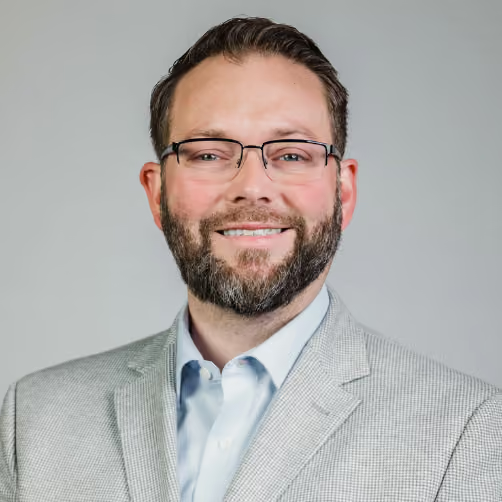
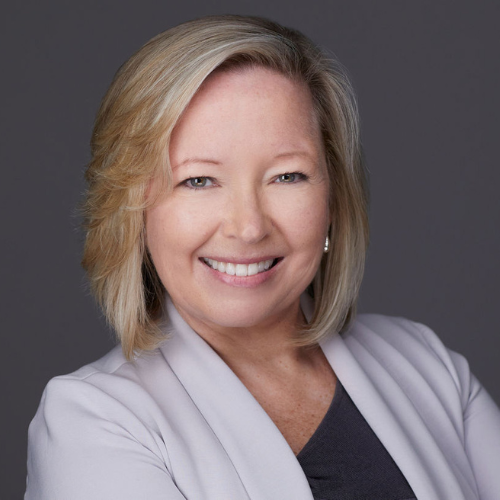
Host: Most buyers have to commit to an acquisition before they really know the business. Diligence helps, but reading about a company is not the same as running it. Well, today's guest got to do the second one first. Jeff Thompson left a corporate career at Honeywell to become general manager of Charter Elevator, a 10 year old elevator servicing company with just under 30 employees that was not operating profitably.
The owners wanted to hire a GM to turn the business around, but Jeff wanted to own it. So they worked out a hire to acquire structure. For six months, Jeff would be the salaried GM with nothing at risk but his time. After that he could buy a third of the business at a pre agreed price and he'd have up to three years to buy the remaining two thirds, half at that same price and half at a pre agreed multiple.
Now if that's hard to follow, listen for Jeff's 113 way of explaining it. Also listen for why the incentives worked for both sides and for what Jeff did in place of due diligence. Nothing. He was running the place.
In August, Jeff closed on the remaining 2/3 with an SBA loan. He now owns a sizable elevator servicing business in an industry private equity loves. Now, you've heard on Acquiring Minds many times that a turnaround is not for rookies. Well, Jeff is the third guest in two months to defy that advice.
Listen to our interviews with Mike Bourgeois and Elias Youssef for the other two links in the show notes. But the takeaway from this episode is not to memorize Jeff's structure. It's to open your mind to the possibilities when you think about how an acquisition can be structured. Here he is.
Jeff Thompson, owner of Charter Elevator. Welcome to Acquiring Minds, a podcast about buying businesses. My name is Will Smith. Acquiring an existing business is an awesome opportunity for many entrepreneurs, and on this podcast I talk to the people who do it.
Running payroll, paying your bills, closing your books, and producing financials. These are critical tasks every business owner must do or oversee. But spending time on them distracts you from the leadership in growth work you want to do. So let system 6 do it for you.
Owned and led by a former Searcher, Chris Williams, System 6 is a leading outsourced finance team for hundreds of SMBs, including over 50 searcher acquired businesses. Chris, Tim and the System 6 team understand firsthand the challenges, the opportunities of jumping into a business as its new owner. So whether you own your business already or have one under LOI, talk to System 6 about how they can give you time back and improve your financial operations. Mention Acquiring Minds.
And they'll provide a free review of your books and financial ops. A $500 value. Check out system6.com, link in the show notes or email helloystems6.com Jeff Thompson, welcome to Acquiring Minds. Great to be here, Jeff.
You acquired an elevator servicing business, which would make for a good story in its own right. Elevator businesses are attractive, but there is a lot more than that, a lot to how you did this. The fact that it was a turnaround that you worked as the GM in the business first and then of course, the deal structure that we're going to unpack. Lots to cover today.
Let's get right to it. Start us off, Jeff, with some background on you, please.
[00:04:14 - 00:06:01]
Guest A: Sure thing. So I started off, grew up in Connecticut, eventually went to Lafayette College in Eastern Pennsylvania. Out of school, I joined a couple different startup organizations, which eventually brought me down south to North Carolina. And while I was in North Carolina, I joined Duke in the Fuqua School of Business.
Really enjoyed my time at Duke and it kind of opened me up to the world of possibilities that are out there for the different things that I could do professionally. After kind of feeling my way through these different startup organizations where I had a lot of experience building and working with teams and particularly small teams, and helped take one of those organizations public and had a really fun time doing a lot of stuff there. But I felt like I needed to get more professional in learning more frameworks for how to be successful. So out of Duke, I felt like I needed to kind of continue essentially my education and went over to Honeywell looking for the kind of biggest corporate that I could find and be a part of to kind of continue to hone my process of learning systems and information about how teams work and testing myself at a bigger stage than at the startup level.
Learned a lot at Honeywell. Started as a product manager, ended up doing pricing for one of our divisions over there. Really liked was a lot of fun, but I felt like it was time to move on to something else and went with the ETA route and got really lucky to find a problem that worked for me in terms of what Charter had going on and was excited to jump at the chance to go operate.
[00:06:01 - 00:06:05]
Host: How were you exposed to eta? Was it at Duke?
[00:06:06 - 00:06:44]
Guest A: So the first time I had heard about eta, I was feeling a little frustrated. At Honeywell, I was advancing pretty fast, but I wanted to do even more because I was greedy. And one of my friends said, hey, by the way, there's this SITA conference coming up on Friday and Saturday and this was, I don't know, the Monday before or Tuesday before. I said, okay, forget it.
I'm in. And so I took the Friday off. I went up to Durham, participated in the conference, and the whole time at the conference, I was thinking, huh, you know, I could actually do this thing. This sounds almost too good to be true.
And that was about three years ago.
[00:06:45 - 00:07:16]
Host: Well, it's also perfectly full circle because you're talking about CEDA, 2023, CETA, Southeastern ETA Conference, rotates through Duke, Georgetown, UVA, Darden. I think those are the three. And it was back at Duke last weekend, and here you are. And we met there.
I was there. You. You were there. Coincidentally.
That's not actually why we're doing this interview. We were going to do it anyway and discovered that we were both. We were be. In Durham.
[00:07:16 - 00:07:17]
Guest A: Yeah.
[00:07:17 - 00:07:25]
Host: And here you, you know, your first CETA at Duke, you learned what it was, and your second, you're now an owner operator. So that must have been gratifying.
[00:07:26 - 00:08:06]
Guest A: Yeah, it was really interesting. And I think that one of the things that's awesome about the ETA community is the. The give back. And so, funnily enough, when I was looking to do my process, I heard an interview of yours with Ben Rizzo, who did an elevator acquisition successfully, and I tapped into him when I was having a conversation.
I was a little bit farther along in my process by the time he and I talked, but it was excellent to be able to touch base with him. And I actually sent him a text a couple of weeks ago letting him know that I was coming on here and trying to go full circle in another way, too, so.
[00:08:06 - 00:08:06]
Host: Nice.
[00:08:06 - 00:08:17]
Guest A: My best to Ben, if he's listening, that I appreciated his advice along the way. And. And I hope to be able to return the favor for the next person who's looking to do either elevators or something else.
[00:08:18 - 00:08:40]
Host: Awesome. Awesome. Well, I appreciate the sentiment, Jeff. And.
And funnily enough, I'll be seeing Ben down here in D.C. in a few weeks. He's gonna. He's gonna be in town, and we have a plan to see each other.
So the world continues to shrink. Okay, how did you go about your search? Or did you go about your search in a traditional way? Let's.
Let's hear how you found Charter.
[00:08:41 - 00:09:34]
Guest A: Whenever somebody hears about my alleged search, they. That has actually done ETA in. And the search process gets. They get frustrated with me, to say the least, because I searched for essentially no time.
I was introduced to Charter elevator by proprietary connection. That is my parents saying, hey, you should meet this guy, he's trying to sell a company. If you're still trying to do this crazy ETA thing. Uh, we had a great conversation, and it turned into my.
My last day at Honeywell was six weeks before we were inked and I started a charter. Um, so I went one for one in my search process. And that. That doesn't really count for me as a.
As a true search that. I know a lot of people who. Who really do searches do a very different thing than what I got lucky and. And fell into.
[00:09:35 - 00:09:52]
Host: Totally. Well, there is a funny detail, though, to that, which is that your parents, you told them you were going to do this buy a business thing, and they actually weren't enthusiastic about it. Right. And were talking to some group of people about how our son wants to do this.
Tell that story.
[00:09:53 - 00:10:51]
Guest A: Yeah. So after going to the SICCA conference, I had to drive back about two hours back here to where I live in Charlotte. And I was calling them and I was telling them about how excited I was and what the process was like, and that I get to go take on a whole bunch of debt to go speculatively run a company and kind of test my mettle against doing this whole thing and what it would take to go find a company that fit me. And so they thought I was kind of taking crazy pills a little bit, and I didn't let that deter me in terms of the way I thought about it and the way it was eating at me in the back of my mind.
And. And six months later, they gave me a call, which was that phone call to say, okay, if you still want to do this crazy thing. We'd been talking to some guy telling him they tell a lot of their friends while they're on a boat trip about, oh, my God, our. Our son is trying to do this thing, and it makes no sense.
And then it turned out one of the people they talked to was an owner at Charter Elevator, and one thing led to the next.
[00:10:52 - 00:11:09]
Host: Actually, it does make sense, Mr. And Mrs. Thompson. And I would like him to buy my business.
Can you connect me? Okay, so. So tell us about Charter. This is not your typical setup to an ETA story.
So. So what did you. What did you find as you met the owner?
[00:11:10 - 00:13:19]
Guest A: So there are a couple things. So there was a primary owner who owned the. The biggest portion of the business, 80%. And there was a secondary owner who owned a smaller portion of the business, 20%.
And a smaller portion of the ownership was by the everyday operator. And the larger portion of the ownership was by somebody who's already retired. And so Bill was already retired and didn't want to get into the day to day operation of the business that had been operating for 10 years. He has a plethora of prior elevator experience and he knew what the problems were of the business and he knew how to solve them, but he didn't want to solve them himself.
And the everyday operator who had done a lot to grow the business to be the size that it was, the problem was they hadn't returned very much or really at all on the capital in the 10 years. And so the ownership hadn't gotten a return on capital and the profitability was really struggling. And so it was kind of in position where they knew they needed new lifeblood into the business. And they were looking for people to basically come in as managers, general managers, to facilitate growth and change and development of this profit on top of the revenue that they already had.
And there were also some stumbles with regard to operations and nothing was particularly clean about the business. When I had that first conversation about joining and they hadn't, they weren't on track to operate at a. In a profitable way as a total. So when I was having these initial conversations, the conversation was initially centered around can we hire you as just an employee?
And I had the conversation to say, well, you could hire me as an employee, but you couldn't afford me. But you can hire me as an employee if I have the right to buy it. And we have to work out a contract that says that. And that kind of led to this deal complexity that we'll get into in a bit.
[00:13:19 - 00:13:25]
Host: Great. So a few follow ups there. So to be clear, the business was not profitable.
[00:13:25 - 00:13:26]
Guest A: That's correct.
[00:13:26 - 00:13:35]
Host: Okay. It was not operating profitably. On the other hand, it was a 10 year old business and it had real revenue. And how many employees did it have?
[00:13:36 - 00:13:38]
Guest A: Right. About just under 30.
[00:13:39 - 00:13:42]
Host: Just under 30. Okay. So it was a sizable real concern.
[00:13:43 - 00:13:43]
Guest A: Oh, for
[00:13:43 - 00:13:53]
Host: sure. It just, it just. And was kind of. Had it always been unprofitable or had it only kind of recently fallen on hard times or what was the kind of narrative?
[00:13:53 - 00:15:26]
Guest A: I would say that the expertise of the operation was winning sales at low prices so they could gain critical mass in an elevator industry, which is one that is overall a very profitable industry to operate in. It's similar to the H Vac business in that you have recurring revenue from your maintenance, you have your repairs, which you go to your maintenance customers, and then there's projects, which is modernizations. And so the model for a lot of elevator companies that start out, including Charter, is to win a core group of maintenance customers and then grow via winning new maintenance customers, but then also grow on the project side of the business to scale yourself up to do more work. And the issue was at Charter, there was some operational excellence that they were missing in terms of really nailing it on their project business.
And then in addition, the core business was not at such a profitable level that it could sustain problems in the project side. And the combination of those factors meant that in some years they'd have a theoretically great year, but it would be countermanded by these other things that were happening in the business. And really, it. If all of those things fired at the same time, it would be going really well, but they weren't able to create that systematic process for doing it repeatedly well and profitably.
[00:15:27 - 00:15:47]
Host: Okay. And the owner who met your parents indicated to them that he, he did want to sell the business, maybe to you. But then it sounds like when you started talking to them, it wasn't let us sell you the business, it was, come help us turn this around. And you, in fact, were the one pushing to buy it.
[00:15:48 - 00:17:13]
Guest A: I think the reason for that was, is they had a price in mind and they had an offer on the table when we started talking from a private equity company. But there was a big earn out attached, and the big earn out enabled them. If they hit the earn out, they would have gotten their number and they probably would have been happy to walk away if they got that. But they didn't believe that the earn out was going to be something that the private equity shop would actually pay.
And so they felt that if they were able to kind of get their price from me, but wait a longer period of time, they'd be willing to do it. And also I had the benefit of an ownership group that really wanted to do right by the employees and by the team. And if they had acquired something or done an acquisition with a private equity company, it would have been more detrimental for the current team. And they, they wanted to invest in the people and they wanted.
They. They saw the vision that if I was able to make it successful in a business that is the, the elevator business is something that success can be had. It's been proven not just by myself, but by many other people in the past, that there was something that they could gain more than just what was on the table with the, the offer from the private equity team. And so I think they were willing to make that bet on somebody they, they believed in if it was the right situation.
And I convinced them that it was the right situation.
[00:17:14 - 00:17:20]
Host: But you did have to convince them, right? Because didn't the owner when, when you said, how about I buy you? He said, you can't afford it.
[00:17:20 - 00:18:15]
Guest A: Basically, he, he was much like many owners unfamiliar with the SBA loan process and unfamiliar with the ability of people like me to go and access debt to buy a business. And as part of the structure that we worked out, I had to put some pretty significant money on the table. And so he wasn't certain that that was going to be something I was going to be able to do and that I would find it worth it to go and do it. And I really believed in myself, I believed in the project and I think that I was able to convincingly show a model that, hey, if we do what I think we can do, we can turn this around and I can afford you to buy this organization out at full price and have everybody be a winner.
[00:18:17 - 00:19:42]
Host: Long time. Acquiring MIND sponsor Aspen HR is now part of Engage PEO Engage helps acquisition entrepreneurs, business buyers like you, take care of their new employees and build trust from day one. Whether it's an asset or stock purchase, Engage provides a turnkey solution for payroll and taxes, hr, admin and technology, employee benefits, retirement plans, workers comp, and more. They're also always a phone call away so you can receive HR guidance from licensed employment attorneys promptly as those inevitable people issues come up.
With Engage managing your people infrastructure, you as new owner of your business can focus on building relationships, operating the business and driving growth. To learn more, contact Jenny Thierno directly at J T H E A r engage p o.com or click the link in the notes. And so just circling back to the fact that there was an offer on the table from a private equity group, though they didn't like it because there was too much earnout or they didn't believe in that they'd ever realized the earn out for whatever reason. It sounds like there actually was real enterprise value here.
[00:19:42 - 00:19:43]
Guest A: Absolutely.
[00:19:44 - 00:20:07]
Host: And, and why was. I mean, obviously, I guess it's because it's in a hot space with real contracts and real customers and real talent to the business who know how to service elevators. All, all precious. But it was losing money.
Is that a testament to how attractive elevator companies are that it was losing money and yet there was private equity capital trying to acquire it.
[00:20:07 - 00:22:18]
Guest A: So a standard contract in elevators is a five year contract and that isn't true across every customer and every place and certainly is not true at charter. But by and large the strong recurring revenue contracts and customers that are believing in you as a team to deliver them great service, create a lot of value. But I think that the other thing that was recognizable about the thing that we're doing was actually delivering really great service to these customers, and that there was opportunity to get credit for the hard work that was already being done if it was framed in the right way. So one of the things that I was able to seize on and understand quickly before I even made the change, was that we could be empowering customers with a lot more choice and education about what it was that Charter was doing for them that would enable them to spend more money with us and have a greater share of wallet and get better service out of it.
And it was clear to me from the outside that this was a thing that could be done. And it was clear to the majority owner that there was fruit on the table because he had done a lot of elevator stuff before, and he really understood and still understands the elevator business, aside from just what was occurring today. Bill, who was the majority owner, was the former president of Otis North America, which is one of the largest elevator companies in the world. And in addition, had, in a prior life, started taking a big growth journey of his own and then eventually sold out to private equity at a prior elevator company.
So he really understood the value of the business, what was going on, what the core fundamentals were at Charter, and that there could be something else underneath. But he didn't know the specifics of what needed to occur in order to get there.
[00:22:19 - 00:22:43]
Host: Okay. Because it sounds like he knew the playbook, and he just didn't have the right guy to implement the playbook. And he needed a young, hungry person that he saw in you to just do what he said, do X, Y and Z and we'll fix things. But maybe it wasn't.
He didn't have the granular knowledge that. Maybe I overstate that. And it also sounds like you came in with a lot of ideas and vision, too.
[00:22:43 - 00:23:52]
Guest A: I think that zero to one is a very different problem than what the business was facing at the time. And that the original ownership and the original leadership gets a huge amount of credit for doing a lot of sales to build up a customer base that gets you to that one. And they were at the point of one, but they weren't at the point of, okay, how do we take one and make it into a sustainable business going forward? And that makes money and does these things and continues to invest in customers along the way and creates a process and.
And the chaos of starting up and the chaos of earning the core business that existed is something I'm not good at. And it's something I was really excited about. The opportunity at Charter because it exactly represented the type of problem that I could tackle. And that also made it a good match is because the core sales that needed to get done to have a recurring customer base, it already existed.
And I could come in with refinement and process oriented thinking to change and make it a wholly successful organization instead of just the one part.
[00:23:52 - 00:24:00]
Host: And so say more about where this business buyer fit that you saw and what skillset you thought you were bringing to the table that could really plug in nicely.
[00:24:01 - 00:28:23]
Guest A: Three areas were a big focus of mine. Number one was operational excellence, number two is team empowerment, and number three is pricing. In the operational excellence area, there was not a lot of process focus, which was a core strength of mine. And that you could see, for example, in our accounts receivable, the people that were doing accounts receivable was everybody.
And it was taking up an undue amount of time. And by implementing a process, we got the same outcomes, which were great outcomes that we were getting before, but, but in a tenth of the time. And that freed up capacity for these otherwise excellent people to go do different things. When I talk about team empowerment, that falls out of operational excellence when you have great people, set them to work not only on the right things, but give them the choice.
So something that I did right of coming on board was to try and tell my team, hey, I don't know anything about elevators, and I don't really plan to know the minutiae and the details of how elevators work. I know enough to talk to our customers in a really smart way. I know enough to give them an education about to make a smart decision. But in terms of technical execution, I'm not going to be the person to do that.
But I need to empower you to be the person to do that, to make a great decision. And an example of this is when I came on board, there was a project that had been chewing up about $100,000 plus of overage every six months. And the project at that point was about 18 months overdue. And so they were significantly overrunning the budget for this project.
And the thing that it turned out needed to be done was just to get the right people in the room from our vendor, from our team, and from the customer, into one room, into a phone call and a conversation, and work out technically all the problems that need to be solved, which was really a project management problem. And I needed to function as a project manager. Now, I knew nothing about anything that was said on that phone call aside from knowing, okay, you, you and you need to be in a room and have a conversation. And that unblocked a project and we were able to close it out in six weeks.
That had previously not really advanced in the prior eight or nine months because it just kept repeating the same problem because there was a fundamental breakdown in communication. And so that empowering the team to do the things that they are really good at and taking over in those places where they're not good facilitates this better teamwork and gets people working on the right things and putting themselves in a position to be successful. And then the last pillar that I knew I was going to be a good fit for was pricing. And this was pretty clear after some kind of basic analysis of the numbers and some of the target things that they were going after in terms of target margin because it turned out Charter was doing excellent work all of the time.
But there were two reasons why they weren't able to capture that value. Number one is they were being overly prescriptive, not giving enough customer choice. So hey customer, you need part A or part B or part C and just telling them exactly, but not giving them the choice to say, hey, you could take this kind of low cost part, but there's also the option to upgrade your whole system which is a bigger capital cost, but is lower cost in long term. And by empowering them with that choice, it gave us the opportunity to have a bigger share of wallet.
And then the second part of that pricing is by giving customers that choice, you are earning the customer's trust and you're earning the ability to charge more. Because we are also not going to put unnecessary billing in front of those customers. And they know that if we're recommending something and we're giving them the choice and we're empowering them to, to make the right decision for themselves, we earn the opportunity to charge higher prices because we're only coming to them with something they actually need. And I would, I'm doing less work overall, but I'm doing it at a better margin.
[00:28:24 - 00:28:57]
Host: One of the things that strikes me about you, Jeff, is that you seem to really relish the challenges of this business, not just the opportunity. Everyone in ETA is likes the opportunity, like likes the napkin math, likes the sound of it. But the sort of cliche is that, you know, getting into the operations is a whole another game and painful etc and you got to make, you got to really know what signing up for and hopefully actually kind of like it. This is the, this is the, the tension that exists and was talked about on stage numerous times at Duke the other week
[00:28:57 - 00:28:58]
Guest A: for sure.
[00:28:59 - 00:29:22]
Host: In your case though, it seems like a, a very authentic. You know, this is your kind of brier patch. You, you seem really at home and drawn to, to. To this, to this world and the actual, the operational complexities and even the people problems.
So is that correct what I'm saying? And if so, I would say that that's its own sort of meta business buyer fit.
[00:29:24 - 00:31:56]
Guest A: I think that it's true that I specifically really like elevators because they're an interesting problem, but I've also found myself drawn to the things that are weird and strange throughout my career as interesting places to go. Try hard. I started my career at a pallet company, shipping pallets. Then I moved into a material science business where we made a startup around raw material made of rock that we melted, basalt fiber.
Then I moved into financial literacy and then PPE and pricing within a group at Honeywell, where you're doing a lot of unsexy stuff. And I think that the interest for me has always been in the veracity and difficulty of a problem versus the, the outcome that you're generating. And I think that the outcome to me is not as important. So I care less about.
I understand the desire to work in say sustainability or healthcare or things that move in terms of those feeling of that type of mission. My type of mission that I have relished and enjoyed more than the average bear is a business problem, a systems problem. Something that is hard work is kind of the differentiator of figuring out how can we do the right thing for our customers, how can we do the right thing for our teams. And I think that one of the things that I see that's common within ETA people is they just like solving interesting problems as ETA people.
And that to me is the biggest thing that resonated. And the aspect that was great about Charter is the. The types of problems were the types of problems that I could solve and I knew how to solve. And I think that if I had recognized, hey, actually this is a marketing problem or this is a sales problem, and that's the first biggest challenge that needs to be tackled versus operations and team and pricing, I would have not been able to do it because I am not fundamentally somebody who can go out and make 100 different sales calls.
And I think that that for me is the thing that I always look to make sure that I'm aligned with is making sure That I am lining myself up to solve the problem that is there to be solved and that I can do it really well instead of this is a great business opportunity and this is really interesting. I'll find a way to do sales. I'm never going to be successful being a full time 100% salesperson.
[00:31:57 - 00:32:27]
Host: Oftentimes in our world, the problems that need fixing aren't really clear until the. Until the entrepreneur is already done the transaction and they're inside the business. It sounds like you had a good grasp of what the problems were. This probably had to do with the deal structure because you got to live in the business before.
Okay. Before signing on the dotted line. Okay, so perfect segue. Let's, let's now hear slowly please.
The deal structure that you agreed to with the owner. I'll let you lead.
[00:32:28 - 00:33:30]
Guest A: Sure. The fundamentals are that prior to joining we inked a contract where after six months of operating in the business, I'd have the right to purchase one third of the business. And then if I executed that first option, I would then have the right to buy the remaining 2/3 of the business. The price that I'd pay would be the first third for price number one.
And the second purchase was divided into halves. For the first half I'd pay the same price as I paid for the first bit and the second half I'd pay a pre agreed multiple. And so that enabled me to have the ability to learn for the first six months what was going on in the business without coming out of pocket. My risk was really my time.
And then the second portion I had up to three years in order to make a decision as to whether or not I'd like to accelerate the rest of the deal.
[00:33:31 - 00:34:29]
Host: Excellent. That was great. Okay. And let's, let's pick it apart a little bit.
Let me first of all repeat back, make sure I got it. So you had, you were. The offer was to be able to buy the business in tranches. The first tranche was a third of the business at a pre agreed price.
Then and you and you had six months of being the GM of the business to decide if you even wanted to do that. So you get to live and breathe and make changes in the business and are basically the gm, the paid gm, you're salaried and then within six months have to decide if you want to buy that first third at a pre agreed price, a price that you guys already had before you even started. Okay. And then so if you do execute that you, you're now own 33% of the business, you then have the right to buy the remaining 66 and 2/3 of the business at some point in the next three years.
[00:34:30 - 00:34:31]
Guest A: Yep.
[00:34:31 - 00:35:03]
Host: And that, so that represents the remaining 2/3 of the business. But, but it's, that is there are two tiers of pricing there. So the, the, the middle third you get to buy at the same price as you did the first third and the final third you buy at a pre agreed multiple. So it's a, you know, a mark to market as you put it.
So if the business has. So you don't know what the actual absolute price will be, but you've already agreed to what the multiple would be.
[00:35:03 - 00:35:03]
Guest A: Correct.
[00:35:03 - 00:35:12]
Host: Okay. And so, but you have to that remaining two third which has two tiers of price to it, you have to do all of it. You can't choose to buy
[00:35:12 - 00:35:13]
Guest A: correct
[00:35:13 - 00:35:16]
Host: the middle tier at the cheaper price. You got to buy the whole thing.
[00:35:16 - 00:35:36]
Guest A: If we made up some numbers and we said the first third cost one, the second third cost one and the third third cost three, that means at the six month mark I'd come out of pocket for $1. At the three year mark later I'd come out of the pocket for $4 for a total of $5 spent one and then four.
[00:35:36 - 00:36:07]
Host: Exactly. Okay, great. That was. I like that.
And I think those 1, 1 and 3 are actually weirdly close to the, the actual, the actual actual numbers. Okay. The now let's walk through why this structure was clever and worked. Your incentives and risk and downside protection in his incentives and downside protection, yours first.
Walk us through why this made sense at the six month point and at the three year point
[00:36:07 - 00:37:27]
Guest A: for sure. So number one, when I was joining I was leaving behind a corporate career and I knew that I could if I wanted to go back. And so the value of my time was I can go Explore this for $100,000 salary annualized for six months. And worst case scenario I'd say wow, I really don't like this situation.
And at the six month mark totally walk away. I've lost the opportunity cost of my time for six months and they have lost me doing my best for six months. And that first six months period is just me doing my very best to make the most out of charter elevator to get it to be the best thing I could possibly make it be. And then in addition making a determination on is it worthwhile for me to go spend this money or not.
And that six month period I could have spent it searching, I could have spent it getting another corporate job and I Kind of made the determination I'm willing to go burn six months doing this for the opportunity to go and make something out of charter. It just seemed like an easy decision at that point.
[00:37:28 - 00:37:37]
Host: And the upside there, this kind of tiered pricing, play that out. Why? Why was that advantageous to you?
[00:37:38 - 00:40:00]
Guest A: So the biggest advantage for me was number one, it was fixed for 2/3 of the acquisition. And so for 2/3 of the acquisition from day one I knew that, okay, I'm going to have to pay exact, I know the dollars and if I can grow the business to be worth way more than that, I'm going to be doing great. And I have this entire first six month period before I even have to come out of pocket with money to earn and make this something that I know is more valuable in six months than it is today. And if I do that on day one, when I come out of pocket for cash at the six month mark, I can already be banking money and it's almost like a free option now they're making more, but that is aligned incentives.
So at the six month mark, because I was able to do a lot of great work, I was able to already prove to myself this is worth more than the option that I'm paying. And so I was happy to make that payment for the first third. And then at the end of the first year of work, which would have been from a deal perspective, I started in October 1st at the end of January of 2025, which would have been about 15 months later, we had already turned a very significant profit in the first year, making it clear to me that not only was my first third purchase well justified, which was nine months prior, but also that it was an excellent opportunity to hit the gas and look to do this second follow on acquisition in 2026, which we're able to execute in August of this year. So the incentives for me in this in between period were still to create a lot of growth because the of the 66% that remained to be acquired, half of that was at the price that I originally paid.
And so I'm still incentivized to grow the heck out of it. And then the last part was really I was just paying market price and market price is for an asset that I control. I'm really just betting on myself. I'm always happy to bet on myself, especially when I see it as something that's continuing to grow.
[00:40:02 - 00:41:23]
Host: Looking to secure an SBA loan to buy a business Meet Pioneer Capital Advisory your go to partner for sophisticated buyers who want deals closed quickly and on the best possible terms. The Pioneer team has closed more than 100 SBA loans, averaging timelines well below industry standards. Founder and owner Matthias Smith and CEO Valerie Stash bring over two decades of SBA lending experience. Matthias and Valerie have built a team that meticulously works your deal from underwriting to close.
You'll have a full bench working on your behalf, sales associates who streamline onboarding M and a financial analysts who craft investor grade lender decks. And an operations team that manages every step of the closing process with institutional level rigor. Pioneer is not a single person but your true deal team. Visit pioneercap.com or click the link in the notes.
It's a really clever, it's a really clever structure. So let me, let me again repeat it back to make sure I got it. So your incentives are, you know, you, you for those first six months you can just walk away. So the only risk is your time.
[00:41:24 - 00:41:24]
Guest A: That
[00:41:24 - 00:42:28]
Host: by itself is pretty amazing. Then you, you strike your option and you own a third of the business because at that point you've already grown the business. You already know that your strike price is below market value. So you're in the money for that first third.
Then you have another three years. You're the boss now you're the GM to continue this momentum and continue growing the business with yet another option to buy the second and second and third thirds. And that second third is, is priced way back at the same as the first third. So any additional value you add creates that much more of a delta between your strike price and the market value.
So, so you're in which is exactly what happens. So you're totally incentivized this whole time as this GM quasi maybe business buyer guy to grow the heck out of the business. So it's, it's great instead of alignment as you said and then, and then that final third is the market price which you know which most searchers buy the whole thing at market price. Well you're only
[00:42:28 - 00:42:29]
Guest A: buying,
[00:42:29 - 00:42:34]
Host: you're only buying a third of it at market price. And you're, you've totally lived in the business for some number of years and de risk.
[00:42:34 - 00:46:46]
Guest A: Here's the other thing that I'll, I'll clarify the first of the business on day one. The price that I agreed to pay was market price at the time. It's just that I got the opportunity to change the price of the market by growing the business in the interim. And so it was still a bet on myself.
Now I had the option which made it more flexible. But I Countered zero on the price of the business at any time. They chose the multiple. They chose the price that worked for them.
And I did not counter because I felt the multiples were something that we tested. We went out and shopped around to make sure we agreed multiples that made sense. And so that was something that I did some research on. I made it.
But the price that. That I agreed to pay up front was not something I countered at all because I knew that it was approximately fair. It wasn't. There was probably a little bit in favor of them or a little in favor of me, but the fact that I didn't counter it and just said, yes, let's go, enabled me to get the deal.
And one of the things that's interesting to me is in a lot of deals in general, there is a huge amount of opportunity to negotiate. And when I was looking at this, I was getting a lot of advice from people to say, okay, well, hey, maybe make sure you trade and get the right price and do all these things. And I kind of disagreed because I felt that there were kind of outcomes here that, okay, if the price is really, really wrong, I'm going to find out in six months that the price is really, really long. And I'll do one of two things.
One, I'll walk away, or two, I'll go back to them and say, hey, the price is really wrong and here's why. And we could tear up the prior contract and then go away, But I had six months to go figure it out. But in the meantime, I had something inked that said, okay, this is what it looks like. And it turned out that I was able to create the price to be very wrong.
But because I grew it and it was wrong in my favor, and it was wrong in my favor, but that enabled. It was only enabled to be wrong in my favor because I grew it because I invested so much time and effort and energy and the team delivered for us and for me to be able to create this growth over the past two years, that has changed the tenor of what Charter was. And then in addition, because I didn't push back on those things, we were able to engender a lot of trust between myself and my sellers because they knew that I was incentivized and they were getting their price that they were really happy with. And they were able to get a lot of cash upfront because they were able to all offload a third of the business at the price they wanted.
And I was able to do a lot of profitability. So we were able to pay a big dividend in 2025 that they hadn't been able to pay in years prior to. And so everybody was winning along the way. And that to me is really what made it for an ideal situation is when everybody's incentives are really, really aligned and everybody's rooting for the rocket ship to take off.
And if it does, sure, I get a great deal, but I also earned it and I made it into a great deal. And that to me is part of what made it really successful. And the other thing that I did, although it was something that was not papered, but it was something that I knew that I wanted to do, was ensure that the day to day team, the staff was able to participate in the profits that we made as well. And instituting profit share with every person in the organization that is contributing to our day to day success and creating a bonus pool at the end of the year in 25 that we're going to continue here in 26.
Spoiler alert for any team members listening that we're going to continue to share out from our profits. So that way the whole team is. Continues to be really incentivized to create the growth.
[00:46:46 - 00:47:16]
Host: Thank you for that, Jeff. And let me just. Before we start leaving this deal structure, let's just underline the deal from the perspective of your sellers. So they basically agree at the outset or they set a price that you agree to and they'll get that.
If assuming it all kind of transacts, they'll get that price for 2/3 of the business and then for that final third, if you grow it like crazy, then that's how. That's where they participate in, in the upside.
[00:47:16 - 00:47:17]
Guest A: Exactly.
[00:47:17 - 00:47:32]
Host: So they're not going to get a ton of upside on the previous 2/3, but they'd basically be happy in, in selling the, the whole business at that price anyway. So if anything they're, they're getting a, a potential kicker here.
[00:47:33 - 00:48:53]
Guest A: That is the only thing that I disagree with that is to say the time value of money is a thing. So the three years and the interim between that initial time and the other time, if I didn't grow it sufficiently, was a risk that they were taking, is that if the business stagnated for a few years in between, that would be unpleasant for both of us. And so the, the way that it really works is when it grows and it generates a lot of profit and if it had just been okay for a while, I think that that's a potential to potentially have more other things go wrong and that was definitely a risk that we both took is that if it just goes okay, it may be much more ambiguous as to who's the winner here. And that's where it was advantageous for us to be in a business like elevators because we essentially always had the option to go sell it to private equity.
Maybe not at the price we all wanted, but there's always the put option to put it to somebody else in the private equity space where if it just wasn't working out, that was always something we could go and do. And I think a lot of service businesses feel that in the market today where, well, I could always go sell it to private equity. It's not the choice I'd want to do, but it's the choice that could be made.
[00:48:56 - 00:49:07]
Host: And what was their risk mitigation for you coming in and just running things into the ground?
[00:49:07 - 00:49:08]
Guest A: Fire me immediately.
[00:49:10 - 00:49:20]
Host: Which is to say that that's going to be the risk for any GM that they put in. A GM could always potentially do that and firing that GM is the answer. So. Same.
Same.
[00:49:20 - 00:49:20]
Guest A: Yep.
[00:49:20 - 00:49:45]
Host: Okay, and then, and then what about the case where. Well, I, I guess the, the most uncomfortable case and maybe this is what you were just saying. You, you strike your option for that first third and then things don't go great and you don't want to buy the remaining 2/3. And now you guys are in bed together and it hasn't gone well.
But you're. We
[00:49:45 - 00:49:45]
Guest A: basically
[00:49:45 - 00:49:46]
Host: with each other.
[00:49:46 - 00:50:41]
Guest A: We had a handshake agreement, wasn't papered handshake to say in the event that this were to happen. The real option is that we go sell it off to a private equity or another elevator organization and we walk away. I didn't think that was going to be the outcome because I really believed in myself, I believed in the organization. But that could have been the other outcome or the other.
If I had gotten hit by a bus after year two or whatever that that would have been the most likely outcome because that the. They didn't want to be in the business of operating charter elevator every day. And we're ready to retire and go do other things in life. And the, the real goal was to, to hand it off to people that could take care of the team and, and go be successful.
And I'm really happy and proud that we were able to, to run on full speed ahead and do that.
[00:50:41 - 00:50:57]
Host: And Jeff, say how, how trust played a role here because we've been talking about this very sort of dispassionately but as clever as the structure Was it still required a ton of kind of stepping off the ledge, both of you
[00:50:57 - 00:55:47]
Guest A: for sure. So I would say that without a huge amount of trust on both sides with all parties, the deal doesn't get done. An example that I would say about this is I am the general manager of the business, right? Operating on a day to day basis, and the multiple is something that we're trading on.
I could theoretically manipulate our earnings in some way and that would make life really frustrating and difficult for sellers who are trying to figure out, hey, what's going on? Is this the true price or not? And from a different perspective, they could have done other things to make my life difficult from an operating perspective by removing a ton of cash from the business or trying to do things in other types of frustrating ways where you, if you own 2/3 of the business or you own the whole business, you could say no to a lot of stuff that I wanted to do to change and make the organization better. And those would be examples of the way we could theoretically have, have done not nice things to each other.
And none of that occurred. And we had a huge amount of trust and faith that it wouldn't occur because from the very outset, I was 100% transparent about what I was good at and not good at. I was 100% transparent about the things that I cared about and wanted to do and where I believe the opportunities were. And, and they came to me with the facts of the numbers and the facts of the team and the situation, what was going on and what the real problems were and where I was likely to find and see opportunity.
And then I mentioned that I didn't negotiate on price, but somebody who did negotiate on price was the seller. And at one point he had done a big calculation of something and he came back to me and he said, oh my God, Jeff, I made a mistake. You shouldn't be paying the price. That I'm telling you, it's a little too high.
And he adjusted it down. And the reason why he adjusted it down is a valid reason. And I may have uncovered it on my own, but the fact that he came to me proactively, had that conversation and said, here's what I want you to take care of. It basically was me being responsible for buying out the phantom equity with the existing employees that drove down the price that I initially paid that thing, he could have said, ooh, Jeff didn't notice this, and he didn't, and I could have done all sorts of stuff and I didn't.
But by coming together and actually Putting faith in each other and saying, we want to do this, we want to make it work. It was the only way that you can really make a creative structure like this one possible. And, and I'm really proud that I was able to deliver something that was really valuable for all parties. And even at the very end, I won't get into the details, but I was able to do something very nice for them in terms of the buyout structure and giving them a little bit of a tax advantage and giving them some extra cash essentially relative to what I could have done, because it was just the nice and right thing to do.
And it didn't cost me too much, it cost me some time value of money. But that give and take was always give and hunting for the thing that enables the other party to be doing really well. And an exercise that I think of often at Duke was something where we did a negotiation. And after we had done the negotiation, my buddy Brett was sitting on the other side of the table.
We had just done this fake negotiation and said, okay, we're going to pause the deal. We could both sign this piece of paper right now and execute the deal. But is there anything that I could give you right now that would make your deal better? And is there anything I can get from you?
And so we went through all the different deal points and we looked at all the different deal points, and it turned out there was one opportunity that we could flip where we both won. And this was a deal structure that is designed to do this. It's like a fake deal in negotiations class. And we both.
We're able to find something that was mutually beneficial that we hadn't previously discovered. And I felt that through the deal process here, both sides were looking for opportunities to make the deal better for the other party, especially if it didn't cost them anything. And that level of trust you don't find often. And I'm really glad that I had it at Charter.
And it made me want to do the right thing for the team and for the employees, which I always wanted to do anyway, but I wanted to do it extra for the sellers because I felt like we both had our best interests in mind.
[00:55:48 - 00:56:06]
Host: We've been speaking in percentages here and, and symbolic numbers. And I know we can't. We can't speak in absolute numbers, but we do have a picture of a business with 30, 35 employees. So, you know there's going to be a material amount of revenue.
Can you share the revenue number?
[00:56:08 - 00:56:14]
Guest A: We're more than 8. More than 8 million revenue in the. In the past couple of years, annually.
[00:56:14 - 00:56:18]
Host: Okay. And so when you were looking at. When you started this process, it would been. Would have been
[00:56:19 - 00:56:19]
Guest A: significantly
[00:56:19 - 00:56:21]
Host: less. Significantly less than
[00:56:21 - 00:56:50]
Guest A: that. Yeah, we. I don't know the exact pinpoint number off the top of my head, but we grew it significantly. And that was part of what turned the business around in year one was driving additional revenue on the back of those operational improvements, that kind of team empowerment and pricing that enabled us to do that and find some big project wins that was pushed up a revenue number above that kind of 8 million figure and facilitated the continual growth that we've had from there.
[00:56:51 - 00:57:14]
Host: Great. Well, but I also still want to hear, or at least give a flavor to the audience for. For what it actually then looked like for you to buy this thing. So that first third, you bought in cash out of pocket.
Yes. Okay. And so can you. Where did that money come from?
Did you just have that money? Did you raise equity from investors?
[00:57:15 - 00:58:16]
Guest A: That came from me. So I had the benefit of two things. One, I'm old. I'm 39, so I've had a long career to earn some capital and be smart with my money and save it over time.
And then the other part of it is my business partner, who was part of the Charter team when I was looking at buying Charter, ended up coming along for a smaller minority percentage. And so Ben, who has been a fantastic operator at Charter and has gotten even better since I've joined, has been somebody who has participated the whole way along and has really helped Charter get where it is, and we've been an excellent team, and I'm excited to be able to continue to grow with Ben. So the. The significant majority, the.
The very large majority came from directly from my pocket. And by. By being an older guy who has had some really successful jobs and enterprises and investments in my past, I had the capital to sit on, to go put it to work,
[00:58:17 - 00:58:24]
Host: and included in those investments were a house. So you had HELOC equity and Bitcoin at 200, right?
[00:58:25 - 00:58:32]
Guest A: Yeah, 200. $200 and no cents, but not 200,000, so.
[00:58:32 - 00:58:33]
Host: Right.
[00:58:33 - 00:59:16]
Guest A: Yeah. It was something that. I was an early investor in bitcoin, thanks to my brother, who was a big cryptocurrency advocate, and I was able to do that along the way. That was certainly not the only contributor to my wealth.
And I wouldn't say that I became a bitcoin multimillionaire or anything even close to it. I wish that I had held longer, and if I had held even longer, it would have been doing great things, but it helped me participate in buying a house. It helped me get through business school, those types of things. But the.
The bigger number really came from my. My savings and investments and house and all those other things that I was able to put to work in buying chart.
[00:59:16 - 00:59:32]
Host: Yeah. So let me just underline that this is not a crypto millionaire. Who could throw crypto money at this? Everyone.
It's just a fun story to meet somebody who bought crypto, who bought Bitcoin at 200 and made a little money along the way from that.
[00:59:32 - 00:59:32]
Guest A: I'll tell you what,
[00:59:32 - 00:59:33]
Host: I wish
[00:59:33 - 00:59:36]
Guest A: I had put even more in back at the. At the time, but what can you
[00:59:36 - 00:59:46]
Host: do? Yeah, great, Jeff. And so then the. The remaining two thirds, which was going to be obviously quite a bit a much larger transaction that was done with an SBA loan.
[00:59:46 - 00:59:47]
Guest A: It was. Yes.
[00:59:48 - 01:00:06]
Host: And so is there anything to say about. Anything to say about the structure there of the SBA loan? Because. Because your SBA lender must have been like, I guess, was this a management buyout?
Because you were already. You were a manager and you were also a partial owner at this point, you owned a third of the company.
[01:00:06 - 01:01:23]
Guest A: So one of the things is many SBA purchases are asset purchases because of the structure of the deal that happened along the way. This is a stock purchase. So the other place that I was taking risk is against the liabilities of all of Charter Elevator prior to my entry and arrival. And so it was a stock purchase and then a management buyout.
And there are several rules that go along with that, which I won't get into. Shout out Mark Pompeo at the Live Oak Team, if you have questions about financing, he's the man I'd recommend. But I would say, overall, it was a deal that was attractive to them. It made a lot of sense because I had put together a really profitable business by that time.
We had four quarters of profitability. And then I waited until quarter one of 2026 to show them five quarters of really excellent historical profitability that we could drive and run with. I guess it would have been 6/4 at the time because Q1 of 25 was also profitable. But the point being that showing that history enabled us to say, okay, yes, I believe in this organization, I have shown it to be growing under my management.
There's material reasons
[01:01:23 - 01:01:24]
Host: why
[01:01:24 - 01:01:38]
Guest A: that change occurred. And then we were able to not just show that we're a flash in the pan, but that it was continuing and that we're projecting and that in 2026, we've continued to do similar great work.
[01:01:39 - 01:02:46]
Host: Well, right, so I feel like I just said this in a. In another episode. The. One of the biggest qualitative indicators that a lender will look at is who's buying the business.
Business buyer fit, of course. And that's one of the things that frankly, we in ETA land struggle with, because often we're outsiders to the industry, coming in cold, buying a business that we may not know much about, they like much, much more. Your case, where somebody who's inside the business, a manager inside, or in your case, the gm, the guy running the business, the guy in fact, who turned the business around. What better buyer than that?
So it just, it, it, it rings all the bells for business buyer fit from the perspective of the SBA lender. And then also you're basically buying it at, at an effective entry multiple that is under market because you're buying this SBA loan would be for two thirds of the business and half of that would be at market price and half would be under market price. It was at that first third price. So there's presumably a ton of.
A ton of DSCR there,
[01:02:46 - 01:02:46]
Guest A: right?
[01:02:46 - 01:02:47]
Host: High dser.
[01:02:47 - 01:03:53]
Guest A: Yeah. Not only that, but as part of the buyout structure, we were able to also preserve a lot of cash in the business. And because it was a stock buyout, I kept the cash in the business, the AR and the ap. So that's unusual as well in a buyout condition.
And so we were in a very strong cash position because we had agreed basically that we will, no matter what, dividend out 25% of earnings at the time of sale from the aggregate of all of the earnings. So we would do at least 25% as a dividend out to the owners. And so that enabled us to earn a lot, but keep a lot of cash in the business. So from a cash perspective and from a risk perspective, if as the bank, because of the other aspects of this kind of unique deal structure, they didn't need to put in a lot of extra operating capital because the business was in a really healthy pace profitably.
And also on the balance sheet, from what was in hand, from a cash perspective,
[01:03:53 - 01:03:56]
Host: you gave a shout out there to. Who was it? Phil.
[01:03:56 - 01:03:57]
Guest A: Mark Pompeo.
[01:03:58 - 01:05:19]
Host: Mark, I also want to shout out Bill Barlow. Bill Barlow and James David Williams, who host monthly webinars, our legal office hours webinars. Bill and James David were the ones who helped you through this process and from the very. Was the one who introduced me.
And in fact, one of the things that one of the reasons that Bill thought we should talk is because of the hire to acquire theme here. So we've spent a lot of time on the, on the, on the mechanics of this actual deal. But another kind of theme that's all wrapped up in this is, is working in the business before you buy it. And, and I think there's probably no conventional way to do this.
There probably isn't a typical way because it's just an atypical approach. But it's a theme that appears to be coming up more and more. Especially is just, you know, there's all this, this eta, interest in ETA and people trying to de Risk their acquisitions and the seller is trying to de risk we, the entrepreneurs. So we, we understand hire to acquire.
But having done this yourself, Jeff, do you have any kind of broad thoughts on. Yeah, the, the. The modality, if you will, of hire to acquire if you can get it?
[01:05:19 - 01:07:13]
Guest A: Yeah. One of the first things that is talked about with any acquisition is you can't add value before you've signed the paper, before you've inked the deal, before you have exchanged the cash. And the hire to acquire model kind of puts that on its head. And it gave me the opportunity from basically the moment I started thinking about Charter.
Of course, we had to ink the deal first for me to start, but I could immediately start putting that work right away. And I could get to a business that was experiencing problems and creating value. I could do that really, really fast. And I think that in the hire to acquire model, the benefit to both seller and buyer can be there quickly because the diligence process can be completely avoided.
I did zero due diligence in buying Charter Elevator because I had six months to operate and do the due diligence. I took all that cash that I would have spent on lawyers and all this other stuff, and I spent. I won't give Bill's number away, but much less money in papering this deal than I would have otherwise if we had gone and done all sorts of due diligence and really walked it a much farther path. And I think that whatever mechanism is able to put strong talent next to hard problems that can really reap great rewards is a mechanism that I'm going to be in favor of because that enables you to do more of this type of thing and create more value for our business, for our team, our customers, and for really the, the.
That's the thing that I want to chase the most after.
[01:07:14 - 01:07:49]
Host: I don't know if the prescription for people listening is to take this, you know, this deal structure off the shelf and start going out there and offering it around to owners? Probably not, but I will ask this. Do, do you think that it needed to be a distressed. Well, I wouldn't call your business distressed, but it wasn't, it wasn't profitable.
So there's that. Do you think that that was, it was a key part of everybody agreeing to this deal structure? Or could you actually have a deal structure like this where it's a perfectly healthy business already?
[01:07:49 - 01:10:15]
Guest A: I think that the reason why this existed for me to be able to go buy was because there was this friction with the seller not being able to get the price that they really wanted the market, what they felt the business was truly worth, and that I was going to be able to unlock not only that, but some extra. And I think that the unique situation that I was in enabled me to have access to the deal. And although it might not have been the first deal structure I would have thought of off the shelf, as it were, as you're talking about, it enables different matches of talent to get to different places in unique ways. And so I think that the, the, the opportunity that exists is to just be more creative and look for more situations that people might be overlooking.
So I think in our space, for example, in elevators, there's an opportunity to do something else different. And I'm going to be looking for general manager like talent, like the type of person that I was, to go and acquire additional elevator businesses alongside of me. Because I know that I'm not a great searcher. And I want somebody to come on board our team and be a searcher by my side, learn from all the great operational things that I've done at Charter, empower them with capital and these other things that, hey, I got really lucky.
I had a bunch of capital to go put to work. Not everybody does, but I can go put capital behind somebody and teach them the operational things and maybe look for a new creative way to go acquire another elevator business in another state or another operating area that I can facilitate additional growth with. And so that type of unique thing may not stop at just this one deal and this one structure, but really it's copy and paste the idea of matching yourself with the problems that you uniquely are able to solve better than anyone else, and convincing a seller or another operator or somebody else that you're the right man for the job to go and put yourself to work and do something fun and exciting and empowering that gets you tremendous rewards, both monetarily and just how much fun it is at the end of the
[01:10:15 - 01:10:42]
Host: day. I do have the impression from talking to you now three times, Jeff, that you are having a blast. You really like this? Well, in case the listener missed it, that was Jeff dangling the possibility of searchers, or would be searchers, you know, talking to him about maybe doing something alongside Charter and in another market.
Sounds like a pretty interesting opportunity to say the least.
[01:10:43 - 01:10:45]
Guest A: Absolutely. Careersarterelevator.com
[01:10:46 - 01:11:36]
Host: okay, careful, you might get bombarded there, Jeff. We're not going to have time to do a deep dive into the elevator business. You've given us kind of. You've gotten that from there.
I was going to say, yeah. If anybody really is interested in this space in, in the nuts and bolts of the space, go listen to the Ben Rizzo interview. Ben bought an elevator business in Pittsburgh and exited it. So it's full, it's a full circle story.
But do Jeff just talk to us about the opportunity in the elevator business for searchers, if any. We kind of have the impression that you would not have gotten your hands on this were it not for it not being profitable in this very creative deal structure. Because private equity is all over this industry. Are there openings, entry points for searchers or maybe not.
[01:11:39 - 01:13:02]
Guest A: I think that there's never, it's never the right thing to say. There is an opportunity because there always is. It's just what shape is it? And I don't know what the shape is.
But I think that the thing that I have seen in general in the elevator space is that there's really large companies, the Otis's, the tkes of the world that are big behemoths and that there's benefit to being a big behemoth. But that in between there's a lot of space of mom and pop shops that grow up, get to a certain level and struggle to go beyond that. And it's the, the willingness to go beyond and know, have the general management know how to take it from one level to the next level. That or change the direction of the organization or bring a couple of them together that create the opportunity for acquisition or transaction transactions at any level.
Whether it's an opportunity that I want to go seize on to acquire myself with Charter, or it's an opportunity that a private equity shop sees. There's usually a reason for that transition. And what is the reason for a transition that enables another searcher to go be successful? I'm not quite sure, but I don't doubt that there is one.
[01:13:02 - 01:13:05]
Host: Anything we didn't touch on, Jeff, that you wanted to. Wanted to.
[01:13:06 - 01:14:20]
Guest A: I think that the biggest thing that I would emphasize that enabled my success is the matching of my skill set with the problem that was available to be solved. And I've, I've talked to that a little bit before, but I think that the importance of that can't be understated because not only does it enable you to be actually successful, it enables you to enjoy it. And the thing that you've talked about, Will, is that it's clear that I like doing this, but it could have gone a different way if there were different problems to be solved. And I'm so excited that I was able to find a great match for me.
And the importance of saying no to stuff and the importance of focus and prioritization to make sure you really know what you're about and what will make you into the best version of you as a searcher, as an operator, I think is something that's valuable to take that extra time to think about it and test it out and try some hats on and realize, oh, this hat's not for me, and go try something else. But it's been a really fun thing and I feel very lucky to be where I am today.
[01:14:20 - 01:14:26]
Host: Great note to end on, Jeff. Thank you for that final thought. Careers@charterelevator.com
[01:14:27 - 01:14:27]
Guest A: that's the place.
[01:14:27 - 01:14:42]
Host: And of course, of course we'll also put just the URL there and your LinkedIn people can get in touch with you that way as well. Jeff Thompson, congratulations on this acquisition and the success so far in the business, and thanks for sharing it with Acquiring Minds.
[01:14:42 - 01:14:44]
Guest A: Thank you. Will appreciate it.
[01:14:44 - 01:15:31]
Host: Hope you enjoyed that interview. Don't forget to subscribe to the Acquiring Minds newsletter. We send an email for every episode with an introduction to the interview, a link to the video version on YouTube, and soon key takeaways, numbers and more essentials from the interview. For those of you who don't have time to listen or watch it, subscribe at acquiringminds Co.
You'll also find all our webinars there on the website, both those we have coming up and recordings of past webinars. At this point, There are over 30 webinar recordings, a wealth of information on all the technical nitty gritty of buying a business acquiringminds copy.