Read MoreStories



On day one, I was the person who knew the least about the business I was in charge of - that's exactly what happens when you do the ETA thing.
Being relatively aggressive, putting in an LOI, with the understanding that that's what it takes to learn more.
Today's guest had spent years running subsidiaries of public companies.
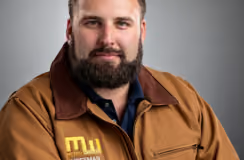
But Chris Rosa eventually decided he wanted a business of his own, where he could lead a team on his own terms, and where his family of six could stay in Denver.
Despite Denver being a market crowded with searchers, Chris found what he was looking for, indeed what every searcher is looking for: a good business at a good price.
He paid just under $4m for Precise Striping, which does pavement markings and signage. That’s 2.6x SDE on the prior year, and 3.1x on a three-year weighted average.
The business sits in a niche between the national players who stripe interstate miles and the one-truck operators who do a single lot.
In his first year as owner, Chris and the team grew EBITDA from $1.4m to $2.6m. Suffice it to say, things are going well.
Coaching and leadership are a major focus for Chris. He's coached youth sports, he loves developing people, and we spend time on how he applies that at work, with a Ted Lasso poster on his office wall.
Finally, listen for the cash crunch that came along with his growth. Chris ended up lending the business money from his own savings — a lesson in post-close liquidity.
Here he is, Chris Rosa, owner of Precise Striping.
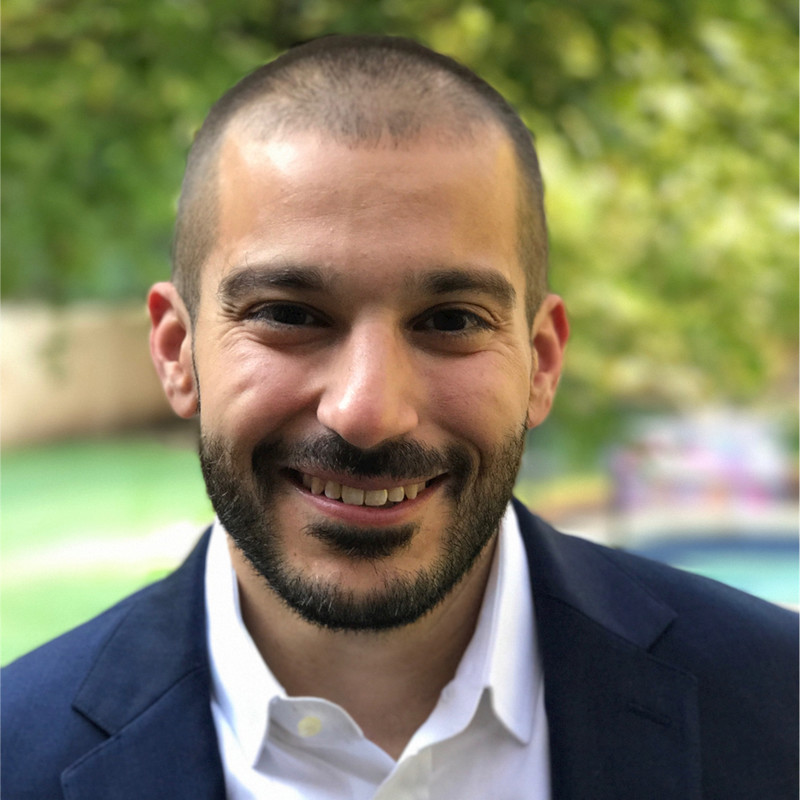
Chris Rosa began his career as an attorney, attending law school at the University of Michigan with the explicit intention of eventually crossing over to the business side — a plan he now admits sounds questionable in hindsight, but which ultimately worked. After practicing at a couple of law firms, he moved in-house to handle mergers and acquisitions, then gradually shifted away from legal work into corporate development and strategy roles at the same company.
That transition eventually earned him the chance to run one of the company's smaller businesses, a software subsidiary of a public parent, which he led for several years through a period of strategic transformation. He was later recruited to lead a second subsidiary of a different public company, a move that took him and his family from Texas to Denver. The first business generated roughly $20 million in revenue, the second about $50 million, and both involved managing sizable global teams.
Outside of work, Chris grew up in New York playing sports, competed at the college level, and has coached at both the youth and high school levels — an interest he returned to after becoming a parent. He and his wife, a high school teacher, have been together since their teens and have four children.
It's not intended to be a quick dollar. We're here for the long haul, for the people we care about, more than just what's our revenue this month.
Chris Rosa bought in crowded Denver and took EBITDA from $1.4m to $2.6m in a year by changing almost nothing at first.
Register for the webinars:
Topics in Chris’s interview:
References and how to contact Chris:
Get a free review of your books & financial ops from System Six (a $500 value):
Contact Jenny to learn how Engage can run people operations in your acquisition:
Get complimentary due diligence on your acquisition's insurance & benefits program:
Connect with Acquiring Minds:
Edited by Anton Rohozov and produced by Pam Cameron
[00:00:00 - 00:05:46]
Host: Today's guest had spent years running subsidiaries of public companies, but Chris Rosa eventually decided he wanted a business of his own, where he could lead a team on his own terms and where his family of six could stay. In Denver, despite Denver being a market crowded with searchers, Chris found what he was looking for, indeed what every searcher is looking for. A good business at a good price. He paid just under $4 million for precise striping, which does pavement markings and signage.
That's a 2.6x on SDE of the prior year or 3.1x on a three year weighted average. The business sits in a niche between the national players who stripe interstate miles and the one truck operators who do a single lot. In his first year as owner, Chris and the team grew EBITDA from 1.4 million to 2.6 million. Suffice it to say, things are going well.
Coaching and leadership are a major focus for Chris. He's coached youth sports, he loves developing people, and we spend time on how he applies that at work with a Ted Lasso poster on his office wall. Finally, listen for the cash crunch that came along with his growth. Chris ended up lending the business money from his own savings.
A lesson in Post Close liquidity Here he is, Chris Rosa, owner of Precise Striping Partnership agreements matter most when the partners no longer agree. So whether you're buying a business with a partner, working with a financial sponsor, or keeping the seller invested post close, your operating agreement decides who controls what and what happens when the relationship changes. In a webinar today Thursday, attorneys Bill Barlow and James David Williams return for another Acquiring Minds legal webinar on this very subject. Among the topics you'll learn today Governance Rights Every buyer should understand when veto rights protect and when they paralyze.
What happens when partners deadlock put and call options as a path to separation, defining a rollover seller's role in authority and what rollover sellers ask for in the operating agreement. The webinar is Partnership Agreements, Governance Breakups and Rollover Sellers. And it is today, Thursday, November 19, noon Eastern. Link to register is right at the top of this episode's show Notes or on the Acquiring Minds homepage acquiringminds Co.
Then this coming Tuesday, imagine your SBA loan has funded and you've closed on your business. Congratulations. Now what happens when the business needs more capital or you're ready for your next move? Leading SBA loan broker Heather Anderson joins us to cover how your existing SBA loan fits into your plans for growth, including adding or expanding a line of credit SBA to SBA refinance rules and limitations, ongoing reporting and communication with your bank, collateral releases, borrowing for new equipment or vehicles, how add on acquisitions interact with your SBA loan and graduating to conventional financing.
The webinar is how to use Debt to Grow after the SBA loan has funded and it is this coming Tuesday, November 24th, 20 noon Eastern. Link to register is right at the top of this episode's show notes or on the Acquiring Minds homepage. Acquiring Minds co. Welcome to Acquiring Minds, a podcast about buying businesses.
My name is Will Smith. Acquiring an existing business is an awesome opportunity for many entrepreneurs and on this podcast I talk to the people who do it. Running payroll, paying your bills, closing your books and producing financials. These are critical tasks every business owner must do or oversee, but spending time on them distracts you from the leadership in growth work you want to do.
So let system 6 do it for you. Owned and led by a former Searcher, Chris Williams, System 6 is a leading outsourced finance team for hundreds of SMBs, including over 50 searcher acquired businesses. Chris, Tim and the System 6 team understand firsthand the challenges, the opportunities of jumping into a business as its new owner. So whether you own your business already or have one under LOI, talk to System 6 about how they can give you time back and improve your financial operations.
Mention Acquiring Minds and they'll provide a free review of your books and Financial Ops, a $500 value. Check out system6.com link in the show notes or email helloystem6. Chris Rosa welcome to Acquiring Minds.
[00:05:46 - 00:05:47]
Guest A: Thanks for having me. Will
[00:05:48 - 00:06:19]
Host: Chris, you acquired an $8 million 30 employee business last year. You're a little bit over a year in now. It is going well, very well. Numbers wise listeners are going to be fired up for you as I was, but maybe more importantly, you are loving your now professional life the dayto day.
So perhaps the biggest victory of all. Let's dive in. Start us off with some background on you please. Chris
[00:06:19 - 00:07:37]
Guest A: yeah, absolutely. So I actually started out as an attorney. I went to law school with the plan of getting over to the business side which in hindsight seems like a terrible plan but ended up working out for me. Went to Michigan for law school, worked at a couple of law firms, eventually went in house doing mergers and acquisitions.
From there, was able to slowly transition off the legal side which was what I wanted to do. Got into some corp devs, some strategy stuff at the company I had gone in house for and eventually got the opportunity to take over and lead one of their smaller businesses. So Software company, subsidiary of a public business. So that, you know, started as an attorney, moved over to the business side.
I led that business for a number of years. Some strategic transformation there and things of that nature. Eventually got tapped to join a different business. Also a subsidiary of a public company, different company.
So actually moved from Texas to Denver, led that company for a couple years and then it was time for something new. And that's kind of when I made the decision, hey, I was going to go look at acquiring something. So I kind of think about this as kind of my third professional life in some ways.
[00:07:39 - 00:07:59]
Host: Well, so you have quite a bit of management experience. Two businesses within larger companies. But, but those businesses each of you know, good size, bigger than the business that you acquired and biggest. Bigger than the businesses of most of my guests.
Say again what the size of those two businesses and P&Ls were.
[00:07:59 - 00:08:56]
Guest A: Yeah, first one was about 20 million in revenue. The second one was about 50 million in revenue. Um, both of them had pretty significant global teams. So as used to having a, having a decent, decent staff kind of around the world to manage.
So yeah, was, was familiar with that side. You know, I think the other thing about that that was really kind of the most helpful was, you know, twice I'd walked into businesses to kind of take them over and change things and lead them. And on the first day was the person who knew the least about the business that I was in charge of. Right.
Know, that's exactly kind of what happens when you go, you know, when you do the ETA thing. Right. You walk into business, you know, you have some general idea, but everybody else who's been there for 20 years knows it better than you do. Right.
So I think actually that was the biggest piece that I was able to bring with me from those previous two experiences to, you know, to precise striping.
[00:08:56 - 00:09:41]
Host: That's a great point. So that's extremely applicable to our world. The fact that you have M and A experience on the legal side also, I guess on the business side as well, also really, really valuable, needless to say. So you had a lot of great qualifications to do this.
I should also say that personality wise, we talked about this on the pre call. You like management or you like coaching people maybe more to be more precise. And so one of the things that challenges new leaders is, is people problems or not having any experience or affinity for that. And that's actually an area of this whole project that you thrive on.
[00:09:41 - 00:11:01]
Guest A: Yeah. And that was bit, you know, as the second business I was leading as that kind of wound down And I was thinking about, hey, you know, what do I want to do next? Do I want to find another similar role? And so forth, you know, and I kind of took a little bit of a internal inventory of, you know, what do I like to do, you know, what's, what's meaningful to me.
Um, and, you know, going from the legal side to the business side, I knew I enjoyed the strategy. I like, I love the competition. You know, think about how, how do we grow things. But, you know, to your point, I, I, I really love the team part.
Right. Uh, I grew up playing sports, played sports in the college. I've coached at the high school level, at the youth level. Um, and I love, I just love building, you know, building a culture, building a team.
You're really taking care of your folks, right? And, and dealing with all of those things that come up through that. Right. You know, some days it's, you know, sunshine, sunshine and rainbows, and some days it's not.
But, you know, I really like, I love that. And that's kind of what I knew about myself. And I said, okay, like, this is what I want to do, you know, and for anyone who's, you know, been part of a big public company, you know, it's, it's a different beast. Right?
And I said, hey, you know, I want to lead a team in a way that's meaningful to me. Right. And that was kind of a big part of what attracted me kind of to the ETA path was even if it was something much smaller, you know, it was going to be mine. It was going to be a place where we could build, you know, what we wanted for the, you know, for our people.
So that was a really big, important piece of it.
[00:11:02 - 00:11:12]
Host: Yeah. Well, then maybe you just answered my next question, which was why, why search? Why did you, why this particular path? And you have given us a big piece of that.
Were there other elements to that decision?
[00:11:13 - 00:11:46]
Guest A: Yeah, you know, I think, I think I kind of, I think we hit on two of the big pieces, which was, you know, both in terms. I love the business side. I loved leading. I loved having a team, and that was a huge chunk of it.
And there were probably two other factors that I'd mentioned. Right. One is you just family. You know, my grandfather was one of my heroes growing up.
The entity I formed to, you know, do the search is actually named after his company. You know, and just seeing him go through that journey and kind of what it meant for him and how it changed his life was a huge, huge driver for me. Right. And so,
[00:11:47 - 00:11:49]
Host: and what was that? What was his journey? What was his business?
[00:11:50 - 00:12:59]
Guest A: He. He was a mechanic who ended up owning his own shop and then eventually a dealership. He was, you know, my grandfather was, you know, kind of son of immigrants, dyslexic, you know, so a lot of challenges that way, but, yeah, incredibly intelligent, you know, just had great business sense. Right.
And so he kind of went on, you know, went on this journey, you know, found a partner, and, you know, it just, it took off and it was life changing for him and his family. And so, yeah, that was, that was a huge inspiration for me. Yeah. The other thing, just really, for being really transparent, you know, I mentioned we had moved when I had gone from the first business I led to the second business.
We had moved from Texas to Denver. And we love Denver. It's a wonderful place. You know, we have four kids and really didn't want to relocate again.
So it's like, hey, if we can, you know, when you think about kind of leadership roles, you know, and I thought about, you know, kind of searching for something new, I was like, hey, that may mean moving again. I said, I'd really love to find something so we can stay here. Right. So it ended up, actually the ETA was kind of a path to that.
We definitely had kind of a geographically limited search. Right. We didn't want to relocate the family again.
[00:13:00 - 00:14:03]
Host: Yeah. Well, I said this in a recent interview. I'll say it again. Often in search, we think that because the roots of this game are in the traditional search fund world, and the expectation in the traditional search fund world is that you'll go anywhere where you can find a good business.
So you need to be geographically, geographically agnostic. In fact, a self funded search where, you know, you're not, you don't have investors with that expectation, it can actually solve just the opposite. It can, it can solve for people when they want to. Ambitious people who want to have a career and want to build something, build wealth, lead something where they already are.
A self funded SBA style search can be a great solve for that because you. It gives you the outlet for your professional ambitions, your entrepreneurial ambitions. So it's actually kind of, you know, the 180 degrees opposite of the traditional search fund expectation.
[00:14:03 - 00:14:15]
Guest A: You hit the nail on the head. You characterize it so much better than I did, but that's exactly right. It allowed me to feel like, hey, I could still take kind of the next step in our career without feeling like we needed to relocate the family again. Yet.
We had four young kids.
[00:14:16 - 00:14:49]
Host: Yeah. Yeah. Well, on the other hand, as I joked to you in the. In the pre call, I can't believe you found a business in Denver and especially wait till the audience hears what you found.
But Denver, to me, other than maybe Dallas or the dfw, is like, is the most. It seems to be. This is totally anecdotal, but the most crowded with searchers of any market that I come across. I feel like Denver, I hear more search stories from there than anywhere.
And they've got a great meetup community there, really thriving, but a lot of people looking to buy businesses in Denver.
[00:14:49 - 00:15:23]
Guest A: Yeah, I think the only. I think the only advantage at all I brought to that piece of it was maybe a willingness to travel a little bit further. I mean, my. I don't think mine is a unreasonable trip, but, you know, my.
I drive about 40 minutes very early in the morning to get there and then just under an hour to come back. Right. You know, my parents both commuted an hour and a half to two hours each way my whole life growing up in New York. And so to me, that's a very reasonable commute.
But I think, you know, and so I think if you kind of get to the edges of Denver, there's maybe a little more opportunity and maybe that's a little bit of what I found.
[00:15:24 - 00:15:42]
Host: Well, whenever I meet somebody with a long commute, I selfishly say it's good podcast listening time there. So it's helped. It's helped my business, these long commutes. All right, what can you tell us about the search itself when you decided to embark on this?
[00:15:43 - 00:17:22]
Guest A: Yeah, you know, I actually took the search down a couple different paths. You know, we. I did kind of, I'd say a traditional brokered search kind of on the B2B side. I felt pretty flexible in terms of, you know, I mentioned we kind of had the geographic limitations and, you know, we had some targets in terms of, you know, what our bucket might be.
And so we kind of went down that path and did kind of all the traditional things from like the Buy Then Build Playbook and the HBR Playbook and all of that at the same time did do. We had one vertical where we were doing proprietary search, actually completely different from where we ended up. Still something we might circle back to. You know, I mentioned I have a coaching background.
My wife's a teacher, so we actually looked at preschools. You know, from my. From my old software brain is a highly recurring revenue. And so, you know, certainly limitations on growth, but I thought a really healthy business.
We. We had One that we chased really hard and then a few others. But so we, that one, we did a proprietary search because we felt like we had a really clear thesis, we had a really clear target area and so forth. And then we at the same time kind of partner that with a standard brokerage search.
And you know, in terms of that, I'd say, you know, the biggest, the biggest thing I did is I think I was pretty aggressive. You know, I looked at as many things as I could every day. You know, kept a pretty wide. Yeah, pretty wide view, you know, really delved deep and was pretty aggressive, I think when I saw things that were interesting.
And so that was kind of, that's how I kind of worked the, at least the initial parts of the search.
[00:17:24 - 00:17:35]
Host: And this childcare daycare thesis, what happened with that? Obviously it didn't pan out that way, but I didn't hear this in the pre call. So did you ever get serious about it,
[00:17:36 - 00:17:36]
Guest A: look
[00:17:36 - 00:17:36]
Host: at any
[00:17:36 - 00:18:19]
Guest A: deals? Oh yeah, we had one that we pursued for literally two or three times over a course of months. I'll just say that one, the sellers were represented by a real estate broker who really struggled to kind of understand what was feasible under sba. And we tried a couple of different paths to get that done and very, and we were very aggressive about it in terms of like our valuation, but just couldn't get it across the finish line.
The other one, you know, we were able to surface at least a couple other opportunities through our kind of proprietary search, but nothing else that felt like, you know, nearly as meaningful or, you know, as that kind of fit the criteria that we were looking for there.
[00:18:21 - 00:19:45]
Host: Longtime acquiring mind sponsor Aspen HR is now part of Engage peo. Engage helps acquisition entrepreneurs. Business buyers like you take care of their new employees and build trust from day one. Whether it's an asset or stock purchase, Engage provides a turnkey solution for payroll and taxes, hr, admin and technology, employee benefits, retirement plans, workers comp, and more.
They're also always a phone call away, so you can receive HR guidance from licensed employment attorneys promptly as those inevitable people issues come up. With Engage managing your people infrastructure, you as new owner of your business can focus on building relationships, operating the business and driving growth. To learn more, contact Jenny thier directly at jthehr j t h e a r@ngagepeo.com or click the link in the notes. At the risk of making this a tangent, but.
So our childcare daycare centers, I don't know what the size was. I'm sure you had a lot of parameters. But broadly, is it an opportunity set that searchers should look at?
[00:19:46 - 00:20:19]
Guest A: I think it depends. Right. I think we had, I think, a very specific background. I think, you know, we talked about, you know, for any, for anybody going down the ETA path.
Right. The desire, the willingness, you know, the, to deal with all of the employee issues and all of that around your team. Right. That you have.
That's so important. Important. Right. And then you kind of 10x that.
Right. When you kind of go to the school environment, because if, you know, you know, the
[00:20:19 - 00:20:20]
Host: parents.
[00:20:20 - 00:21:22]
Guest A: The parents, it's very different from a normal customer environment. From a very normal customer. Right. And so you have the kids there, you have the parents, and, you know, a school is just a different type of employee environment.
Right. Where you have different relationships. Right. So for us, you know, my wife is a teacher.
She's taught, she teaches high school, but she's taught preschool before. And, you know, we felt like, hey, we had a familiarity with this environment. We had, you know, empathy for the folks who work in it. And, you know, we're parents, like, you know, and so we felt, you know, really good about that, you know, you know, from my coaching background, you know, how you talk to parents about development, where you want to get to.
And so for us, we felt like it was, it matched personality wise. But that's, I think, a big piece, I would say, for childcare, for schools. That's a very different type of acquisition. You know, I think a lot of other businesses are some degree interchangeable, more or less.
But I would say school, I would say, is outside of that universe.
[00:21:22 - 00:21:23]
Host: Yeah.
[00:21:23 - 00:21:24]
Guest A: So you just got to do some total.
[00:21:25 - 00:21:48]
Host: Well, well, well put. I mean, I don't have the experience, but as a father with daughters in daycare, I can, I can imagine what you mean. I mean, I've, you know, I wouldn't want me for a customer, so. Great.
Okay. Returning the, the other side of your search, the, the other businesses you were looking at. So how did that evolve?
[00:21:49 - 00:22:15]
Guest A: Yeah, and so, you know, looked at a number of businesses. I think one of the things that I was able to get comfortable with quickly was, you know, putting in an loi, you know, being relatively aggressive, putting an loi, you know, and, and with the understanding that that's what it takes to learn more. Right. I talked to a lot of searchers who, I think that that's a, you know, they think kind of making the offer is like, you know, making the offer on the house like you're going to be there.
It's like, it's Kind step there, right?
[00:22:15 - 00:22:16]
Host: Yeah.
[00:22:16 - 00:24:03]
Guest A: And so I think that, you know, to me I really enjoyed kind of coming from like a, a corp dev background, business background. Like I, I just really enjoyed the whole search process and looking at all these businesses and you know, building models, you know, and I was in, I found that intellectually really interesting on a day to day basis. And you know, I think I have a relatively decent tolerance for risk and so, you know, was able to jump into those. I actually had a couple other years I did get under LOI that ended up falling out for one reason or another.
And one of those ended up actually being how I landed into this deal that I ended up closing. Had a deal under LOI that I really liked and seller started to retrade a couple times and I tried to be a good buyer and kind of roll with the punches a bit. So had come up with, hey, okay, if they want to do that, here's maybe a way we can make this work. And that.
And finally after on about the third pivot, you know, said to the broker, hey, look, I think, you know, I think we're gonna have to let this one go. It seems like they might be, you know, looking to, for something different here. And frankly was kind of expecting the broker to be angry and instead the broker said, hey, I completely get it. And actually, if you recall that striping deal you looked at last year, it's coming back to market.
Do you want to take, do you want to take kind of first look at it? And I remembered it vividly. I remembered writing the, you know, the LOI for that one on a plane when I was going to the east coast with my son. And so, you know, the deal immediately was top line.
I looked at it again and felt really good about it. And I think that relationship that we built with the broker during the first deal ended up being what kind of allowed him to advocate for me as the buyer and so, you know, able to, to get that deal kind of almost before it really got back to market.
[00:24:04 - 00:24:47]
Host: What a great, what a great lesson. You know, you are building reputation whether or not you're doing so intentionally or superconsciously. You, the general, you searchers out there with the brokers, every broker interaction that you have. And so even if you work with a broker and the deal doesn't, doesn't happen if they think that you have handled yourself well, that the benefit of that can, can circle back around as it did in your case.
What a, what a good point. And that's a theme that's come up here and there over the years. A couple things I also want to respond to Chris, on your ability to psychologically, to just send Lois. Not willy nilly, but, you know, to not be, not overthink it.
[00:24:47 - 00:24:48]
Guest A: Right.
[00:24:48 - 00:25:31]
Host: This is a classic psychological hurdle. We hear from searchers that they do feel like there's so much weight in sending an LOI that they never do. And you got to build those reps. And a lot of a real rep is only once you've started kind of engaging a seller, and that will happen with an ally.
So I'm reminded of Elliot Holland of Guardian Due Diligence, who used to say, send the damn LOI because he just seems to see so many searchers get tripped up on that step. You knew better than that. Then also you mentioned, Chris, that you had. You feel like you're somebody who has an appetite for risk or a high risk threshold.
Say a little bit about the fact that you were doing this with four kids. So.
[00:25:31 - 00:25:31]
Guest A: No,
[00:25:31 - 00:25:50]
Host: no. But lots of. Lots of mouths to feed. Of course, like, maybe you, you know, you probably had a balance sheet from years of success in corporate and legal land.
Can you share what that looked like and, like, what you needed to replace here in terms of salary? Just what do we need to understand? What was the kitchen table conversation with your wife on that one
[00:25:50 - 00:25:51]
Guest A: to
[00:25:51 - 00:25:51]
Host: get super personal?
[00:25:52 - 00:27:49]
Guest A: Yeah. No, no. And I think actually the personal side is like, probably the, you know, I have the most supportive wife in history. Right.
I'll give you an example. Kind of outside the search, you know, I mentioned I coached high school. I coached high school before we had kids. And a number of years ago, you know, we had.
We. We were in the midst of. I forget if we just had our third or fourth. And.
Yeah, so we have a bunch of kids in sports. We have a baby at home. My wife had gone back to teaching. And I just, I got the.
I said, vic, I like coaching is calling me again. I just. I need to do it. I want to.
I want to go back and do it. And she kind of took a deep breath and said, okay, yeah. And that's just how she's always been. Right.
I have, like, the most supportive wife in history. And so, you know, I think she knew some of the, you know, the good in terms of, you know, what I loved about kind of the last couple roles and also kind of where some of that pain was in those. In terms of, like, you know, trying to lead a team while managing to, like, public company objectives. And, you know, when I kind of brought this thought back to like, hey, this is something I want to do.
You know, it wasn't, you know, our balance sheet was good, but, you know, not able to support, you know, indefinite searching. But, you know, that I, I knew that, you know, that, that that was going to be her response, you know, go for it, you know, and so she, you know, we, we relied on her teaching salary and our savings and things like that, and she couldn't have been more supportive. Right. And now, you know, the.
Everything else I think kind of figured itself out. But that, I think that would have been the part that was impossible. But, yeah, she was completing the corner. She was bought in on it, you know, and, you know, that that's what allowed me to stop and do it while we had the kids.
[00:27:50 - 00:28:11]
Host: Yeah. Well, lucky you. Shout out to your wife, that's great. That's great.
And, and, and then what about. As you thought about what you needed to earn once you found a business and acquired it? Like, was it like, I need, you know, there must have been some sort of threshold there of like, I have to buy business of a certain size to know I'm going to be able to earn a salary of X.
[00:28:11 - 00:29:00]
Guest A: Yeah, I, I'm g. I don't want to spend the entire time talking about my wife, but, you know, I'll. I'll give her one more shout out, which was, you know, we. My wife and I have been together since we were 16, 17.
We've been through having money and not having money, and I knew kind of her background, which is like, hey, if we need to tighten things up and make some, you know, and, and conserve for a couple years while the business grew, I was confident we were going to be able to do that. So, you know, we certainly had numbers in mind, but it never felt like, hey, you know, we. We can't look at anything else. You know, I kind of kept my mind open to, you know, what the different opportunities would look like because I felt confident that, you know, we would be able to kind of manage through that, even if it meant, you know, changing some of the things that we do and, you know, and things of that nature.
[00:29:01 - 00:29:23]
Host: Yeah. Yeah. Great. Okay.
Okay. So the striping business, this broker that you were working on, the other deal with, deal doesn't happen. Brokers impressed by you, though, knew that you'd been interested in the striping deal before. Whatever deal that was, that was happening there, kicked out.
And so he brings it back to you. What does this striping business look like and what does that mean? Striping?
[00:29:23 - 00:29:31]
Guest A: Yeah. So I always say Striping, really, You know, it's pavement markings and signage. Right. And so that could be any
[00:29:31 - 00:29:33]
Host: pavement markings and signage. Pavement
[00:29:33 - 00:32:50]
Guest A: markings and signage. No, that's it. And so, you know, it lands in a few different buckets, right? It could be, you know, when they're tearing up the water line down the street from your house.
Right. And the. The striping on the road, the double yellow line in the middle and the white lines at the edge, and the stop bars and the crosswalks and all those things need to be replaced. So that's a piece of it.
Kind of those municipal type work. You know, you mentioned kind of how thriving Denver is. So every big new subdivision that goes up has a stop sign and four street blades on every corner. It has crosswalks and stop bars.
You know, the crosswalks and the stop bars and. And all the striping on the road are the pavement markings and obviously the signage. And then also kind of large commercial construction. Right.
So we've done two Amazon facilities in the past few months, Chick Fil, a distribution center, a Pepsi bottling center, and so giant parking lots that need. That need lines. And if you ever actually drive around a really large parking lot and actually notice how many no parking handicap and every other sign there is, we handle all of that through all those. When I acquired the business, we were a little over 20 people, so we had three crews in the field, some project managers, a GM, an office manager.
And it was about 5.4 in revenue, you know, 1.4 in EBITDA, maybe 1.6 in SDE, depending, you know, whichever measure you want to use, but somewhere in that. In that vicinity. So, yeah, it was a really. It was a really strong business.
You know, some of the things that I liked about it in particular, you know, I mentioned the project managers and the GM who were there. The previous owner had done just an incredible job actually building a business, like, with a kind of almost like a management layer. Right. You know, they were custom, you know, customer relationships that sat with these PMs.
They didn't all sit with the owner right now, certainly, like, people knew the owner, but they. People had relationships with these other project managers. And so that was. I thought, yeah, that was tremendous.
The. You know, when I looked at some of kind of the underlying metrics in terms of number, you know, their bidding volume and things like that, I could see it was growing. I could see their pipeline was growing. So I actually felt, you know, maybe some false confidence, but I had some confidence that, okay, this business is actually still on the upswing it had grown pretty considerably the few years before.
Right. So as a buyer, you're trying to figure out, hey, are we at the high water mark or we. Is that trajectory? Right.
And, you know, there were some underlying numbers there that said to me, I think this is trajectory. And, you know, turned out to be right. You know, and the other things, when I got deep and, you know, I started going through the diligence process with the owner was, you know, had built a lot of systems now, you know, as we've grown, some of those systems we've had to rebuild and continue to iterate on. But, you know, on a daily basis, you know, there's a very clear system to how things were done, how the teams operated, you know, how billing and invoicing and everything took place.
Right. And so felt like, hey, this is a really solid business with a good team. And, you know, it gave me the confidence to, to jump in.
[00:32:50 - 00:33:04]
Host: Excellent. Let's pick apart some of this stuff. Chris, that was great. Thank you.
First of all, when I shared the numbers at the, in the introduction, I said 8 million, 30 employees. That's what it is today. So not when you bought it.
[00:33:04 - 00:33:04]
Guest A: Yeah.
[00:33:06 - 00:33:10]
Host: So again, the numbers when you bought it was more around 5 million, you said.
[00:33:10 - 00:33:10]
Guest A: Yeah,
[00:33:10 - 00:33:12]
Host: is what you said. 5.4 in
[00:33:12 - 00:33:14]
Guest A: revenue and somewhere around 1.4 in EBITDA
[00:33:15 - 00:33:16]
Host: and 20 employees.
[00:33:17 - 00:33:17]
Guest A: Yep.
[00:33:18 - 00:33:47]
Host: So those are good margins. Those are, you know, I, I think of this just kind of crudely put it in the bucket of blue, kind of blue collar construction. Ish. We'll talk about that.
And so generally those I feel like are, you know, I tend to think of them as 15 to 20% margins. Of course, it has a lot to do with the supply and demand and, you know, how, how skilled the labor needs to be, et cetera, et cetera. So why, why are margins pretty good here? What is that more than.
Better than 25%?
[00:33:48 - 00:35:36]
Guest A: Yeah, I think with the previous owner found a really, a really good niche for the business. Right. So without going too deep into the, the nuts and bolts of payment markings, you know, there's a handful of big national companies and usually they want to do like mileage, like, you know, your interstate, you know, they want to do 2, 3, 20 miles at a time. And we don't compete in that.
That's not our, that's not where we play. And then on the other end of the spectrum, you have a lot of kind of like, you know, people say pejoratively like Chuck in a truck, right. You have a guy or two guys and, you know, a pickup truck with a. With a striping machine, they want to do a 7 11, right.
There's not a ton of people who compete kind of where we play. I mentioned that the previous owner had built really strong systems, and that, you know, includes on the administrative side. Right. So when you're doing the work with a city, right.
With a municipality, you know, anything like that, or you're doing a work with like a national gc, right. There's pretty significant requirements that, you know, that you have to meet in order to, you know, be competitive for those jobs. Right. And also just kind of logistics and equipment and all of that.
Right. So I think, you know, we've had like, a pretty good niche in terms of. Between those two things, and that's allowed us to, you know, I think, protect our margins. We also tend to be, you know, what I say to people is we tend to not be the cheapest.
But again, you know, going back to what the previous owner built, you know, he built a really excellent team. Right. So, you know, people know that, you know, when they call us, you know, we. Our gm, our project managers do a tremendous job, you know, responding, answering our crews are there when they're supposed to be and.
And so forth. Right. So we really tried to focus on that rather than, you know, then. Then winning on price.
[00:35:37 - 00:35:55]
Host: I mentioned that this is maybe construction business. So is it tied basically to. To new pavement, meaning developments, is really where the brunt of revenue comes from? Or is there a maintenance piece to this?
Or how does that all break down? And. And. And does it.
Does it get lumped into the dreaded construction category?
[00:35:55 - 00:37:32]
Guest A: Yeah. Great question, Will. I think, you know, for us right now, certainly there's a very big piece that, you know, you describe as. Just as a construction business.
Right. You know, I think some of the. One of the things that made me feel better on that side. Right.
Is we have. We don't have reoccurring revenue, but we have highly reoccurring revenue, meaning we have a pretty large customer base and we work for the, you know, we will do projects with them over and over and over again. Right. So.
But it is, you know, big pieces of construction business. One of the, you know, one of the theses that I had going in was, you know, I think that we can continue to grow that maintenance business, which is something we're working on. I'd also say that I think most people would look at, you know, when I mentioned the work we do for municipalities that tends to, I think, generally be lumped separate from a standard construction business. Because if you think about, you know, when a water main race, when there needs to be maintenance on a sewer line, that's not really tied to new constructions.
Right. So new construction goes up or down, but that work still needs to be done. And so that's one of the areas that we have invested and focused on is. Is doing more of that road work, which also for us tends to be, you know, really strong margins.
And so that's where we're trying to, I would say, you know, balance out some of that construction, you know, vulnerability, so to speak. But yeah, no, it's definitely. Yeah, there's a piece. There's a big piece that's kind of new construction based, and then, you know, a piece that's less of that.
[00:37:33 - 00:37:36]
Host: And what is that? What does that pie chart look like? What's the breakdown?
[00:37:38 - 00:37:49]
Guest A: It's still. It's still definitely over 50%, you know, probably closing on 70% new construction. But opportunity for diversification.
[00:37:50 - 00:38:36]
Host: Yeah, yeah, exactly. No, that's the lever to pull you, staring you in the face. The. You mentioned that the, the business had really surged over the last few years, and it was coming off a fantastic year.
And so, of course, you know, the question for every buyer is, as you put it, is this a high watermark for the business and the, you know, the seller's trying to get out while the getting's good, or is there a narrative here that that growth is going to continue? It's kind of a central question. First, that growth that you were seeing historically, before you bought it, was that because of new construction dynamics in Denver, which is a growing, a growing metro or something else?
[00:38:37 - 00:39:50]
Guest A: I think a big piece of. It was actually them starting to build, moving beyond kind of like a. A business where the. The owner was doing everything, doing all the bidding.
Right. They were. That was. It coincided with them staffing up with PMs, you know, and so forth.
Right. And adding to that and adding to their bidding volume. And so you could see pretty closely, you know, the relationship between, you know, their bidding volume and their pipeline and their revenue. Right.
It just, you know, no magic there. Right. And so that by giving themselves the opportunity, the, you know, the wherewithal to bid more jobs, that was, to me, they were. That was the bigger driving factor.
Right. You could see kind of as the PMs came online and, you know, after a few months, as they kind of learned the business and were able to kind of fully, you know, participate in that bidding, that each time you'd see kind of the Jump in the, in the bids in the volume and the pipeline. So that's kind of what I was looking at. There certainly was a connection probably to the, to the, you know, construction in Denver, but when I looked at the, their relationship was not linear to that, if that makes sense.
[00:39:50 - 00:40:00]
Host: Well, that was a very happy discovery then because it basically was a story of the business kind of applying itself to go after bids more systematically, more aggressively and.
[00:40:00 - 00:40:01]
Guest A: Exactly.
[00:40:01 - 00:40:15]
Host: And, and grow accordingly. And then did you have a sense of that growth continuing? Was there, were there more bids to be done or, you know, how do, how did you gauge the sort of total addressable market here?
[00:40:15 - 00:41:08]
Guest A: Yeah, the, the big thing was looking at a couple of the opportunities that we talked about a minute or two ago, which was, you know, it felt like they were bidding a lot of the new construction that was already coming, you know, coming that way. But there was a lot more opportunity both on the road side and on the maintenance side, which were the areas that I wanted to kind of focus on anyway. So that's where, you know, we saw the, you know, that's where we saw that they weren't doing it. There's, yeah, there's definitely more complexity, more challenges when you get to the, you know, when you start doing more of the road work.
But to me, you know, because the quality of that revenue, that felt like kind of a no brainer and, and you know, we've been, actually been able to go after that business really successfully. And so, yeah, that, that was where we saw the opportunity in terms of, you know, additional bid volume. So,
[00:41:10 - 00:41:38]
Host: so returning to the numbers, when of its most recent year, before you bought it, 5.4 revenue, 1.4 earnings SDE. That is of course a great number. That's, that's kind of the size that searchers are looking for. But that was the only, the most recent year.
So the prior two years it had been, I guess significantly less than that. Anyway, what was the offer and ultimate purchase price and structure of your deal?
[00:41:39 - 00:42:17]
Guest A: Yeah, so the price was around 4 million. Just under that actually. That included decent amount of working capital in the form of receivables that came over with it. Structure was, let's see, 85% bank debt, 10% seller note, 5% equity infusion from me and two investors.
I own 90%, have two investors that own 5% each.
[00:42:17 - 00:42:41]
Host: 4 million on 1.4 million of earnings is quick math less than 3x. So that's an incredible multiple for a good sized business that, you know that, as I said that searchers are all looking for on the other hand, of course, that's only the most recent year. So I, if you blended, if you blended those the three years.
[00:42:41 - 00:42:42]
Guest A: Yeah,
[00:42:42 - 00:42:45]
Host: three previous years, what did the multiple end up looking like?
[00:42:45 - 00:42:48]
Guest A: And probably, you know, at that point we were also talking more about SDE, you know, and so,
[00:42:48 - 00:42:49]
Host: yeah,
[00:42:49 - 00:42:57]
Guest A: it was a 2.6 SDE multiple on the previous year was 3.1 on a weighted average of the past three years.
[00:42:58 - 00:43:33]
Host: Okay. Well, still, even, even being conservative and looking at, you know, years T minus 1 and T minus 2, it's still a great multiple for a business of this size. As I said, Denver, Denver is crawling with, with searchers. We've heard that you got this business because the broker impressed with you on that other deal.
But it's still, it still begs the question, like, like, how are you able to, how, how were you able to buy such a sturdy business for such a reasonable price in such a crowded market?
[00:43:34 - 00:43:47]
Guest A: Well, the one thing I take issue with, which you said was that the broker was that impressive. He might have just thought that, you know, that, that I was dumb enough to, to, to go along with whatever they said. So. Right.
You know, giving
[00:43:47 - 00:43:47]
Host: you too much credit
[00:43:47 - 00:46:39]
Guest A: for sure. But, you know, I think a couple of things, right. Like you mentioned, you mentioned the construction piece. Right.
And I think a lot of people just kind of immediately dismiss anything out of hand that, that feels like construction. And you know, when you start to dig and say, okay, hey, there's some opportunities here to continue diversifying. There is a lot of business already that's not new construction. And, you know, so I think I was more comfortable with that.
Right. There were some, you know, like any small business, I mentioned earlier that I feel like I have a little bit, I'm a little bit more aggressive, have a little bit higher risk tolerance than some people. Right. And so, you know, any, any small business like this, there's going to be some hair around it.
Right. And so, you know, and I think about, you know, us as, you know, if you're a searcher, you know, I've heard people say you're kind of like the buyer of last resort in some ways. Right. And so, you know, to me it was, you know, you know, I, I tried to go in, you know, right away kind of at asking, you know, with the offer actually went just slightly above just to, you know, show how serious I was about the business, you know, let, you know, made it pretty clear that we were going to be able to close quickly.
Like, obviously, you know, you mentioned I had a background in M&A felt comfortable would be able to move through it. And so I think demonstrating those things, showing like, hey there, you know, we're not going to get tripped up on small issues. We're not looking for something perfect, right? We're going to get this thing closed.
You know, and having been through once with the broker and him saying, okay, you know, if nothing else, like, Chris might be an idiot, but he's at least a serious idiot, that moves quickly, right? And so I think that was a piece of it. I do want to. I'd be remiss if I didn't shout out.
I think one big advantage I had as I went through the search process. I worked with Matthias and his team at Pioneer and they were really, really great. They did, they did an amazing job and I think gave me a ton of confidence and, and really helped me set up, you know, be able to be confident. You know, we talk about getting, being able to get a deal financed.
You know, I mentioned the structure of the deal and it was pretty aggressive. You know, one of the things that, you know, I'd mentioned to searchers is, you know, banks and I think most people know this, right, but banks have very different boxes, different banks, right. And you know, the one way I've analogized it to searchers I've spoken to since then is like, you kind of think about banks almost like colleges, right? And you know, I'll use Huntington bank as an example.
They're not my lender, but I think generally gen. Generally across the industry, known great, you know, great reputation, get their stuff done, really good terms. And you know, I kind of, what I say to people is like, that's almost like kind of like the Harvard of banks, right? If you get into there, that's great.
Like, you know, if you, if they're interested in your deal, but they're going to have a lower acceptance rate than some other banks,
[00:46:39 - 00:46:39]
Host: right? And
[00:46:39 - 00:47:27]
Guest A: so, and that's the biggest thing, you know, and you go to some other banks and some banks are going to like a deal, some are not, some are, you know, and they're, you know, will like a certain structure or not. And so that was the biggest thing, you know, that, that I didn't quite understand. I think probably before I started working with Matthias and his team and you know, they were able to get me to the right banks who said, hey, these guys are going to like this deal. They're going to be able to manage this structure.
And so, you know, huge shout out to that team, you know, and their assistance. And you Know, that's a big thing. I'd say to other searchers, like, hey, if you have a deal structure, like obviously, you know, there's limitations to what any bank is going to do, but within reason, right? Just because the local bank down the street, you know, it doesn't fit their box, doesn't mean there's not another bank, you know that, you know that that will be very interested in the deal.
[00:47:28 - 00:48:45]
Host: Yeah. Which is also a reason by the way, to work with a loan broke broker. A loan broker in the first place is because their job is having relationships with all of these different quote colleges and knowing people inside those institutions and knowing what their buy boxes are and their preferences and so on and, and just bringing all of that institutional knowledge from day one to help you. They're match, you know, in some ways they're matchmakers and they're, and, and they're your advocate of the deal and they're experts.
I mean they do these all day long. So they're also good counsel and handholders. Matthias Smith, Pioneer Capital Advisory acquiring Mind Sponsor. Lean right into that.
Thank you Matthias. Going back to what you paid. So the listed. So in fact you paid what was asking or actually as you said, you offered a little bit above asking.
So that would suggest that the seller was looking to get out of the business because you know, usually we have the opposite problem that sellers are greedy or have no real sense of what multiples their, you know, businesses like theirs trade for. But this, this raises kind of its own flag. Was there a reason that, you know, seller wanted to get out and was pricing it to move?
[00:48:46 - 00:49:45]
Guest A: You know, I, I dealt with that. I had to kind of wrestle with that question for a while. You know, I had a close friend who, who I lean on for advice and you know, he, he was like, you know, there's a Jewish proverb like why am I so lucky? You know, why, why did I get this right?
And so, you know, you have to, you know, and so that's why, you know, I think deep on understanding kind of the underlying metrics, like looking at the business, you know, understanding like, you know, what hair was there and you know, and you know, what's manageable and, and you know, kind of getting comfortable with it. Right. I actually I, during the diligence process, I went and sat in the office with the owner for a few days just you know, seeing the daily process understanding like, hey, where, you know, where are things going to fall down? You know, what are the challenges?
But you know, ultimately felt like, hey, I think this is a really strong business. I the broker priced it to, you know, to get a deal done and felt good about it.
[00:49:47 - 00:51:13]
Host: If you ask owners in the ETA and search community which insurance broker provides highest quality work, great outcomes and has a practice dedicated to searchers and acquisition entrepreneurs, one name comes up again and again. Oberly. Oberly Risk Strategies has worked with hundreds of searchers over nearly a decade and is in fact led by a two time successful searcher, August Felker, which makes Oberle a specialty insurance brokerage for searchers by a former searcher. And if you've got a business under loi, Oberle will provide complimentary due diligence on that business's insurance and benefits program.
An easy no risk way to get to know August and the team at Oberle. To take advantage. Check out oberly-risk.com that's O B E R L E hyphen risk.com link in the notes. Speaking of good fortune, things have also gone really well which I teased in the intro and I've, I guess I've already shared what the numbers are are today because I those were what I shared in the intro but why don't you restate them for us?
So again, you close last year, June of 25. We're speaking in October of 26. So it's been almost exactly a year and three months because it was June 1st you said in today's October 7th. So there you go.
[00:51:13 - 00:51:49]
Guest A: Yeah, so we, we closed June 1st, 2025. You know, like I mentioned, the final 2024 numbers were about 5.4 and 1.4, 2025. We grew up, we, we grew to about 7.8 million in revenue, about 2.6 in EBITDA right now. Top line, we're up about 20% on last year.
It'll be challenging I think over the line. We had a really huge last three months last year. So I think it'll be challenging to hold that line but you know, maintaining and still growing.
[00:51:51 - 00:52:11]
Host: Well okay, so in case the listeners not listening closely, that's incredible growth in, in one year and three months from I guess 5.4 in when you bought it last calendar year of 2024. 7.8 in 2025 and you. Right. And then you're looking at another 20% this year.
Is that what you said?
[00:52:12 - 00:52:22]
Guest A: Right now we're sitting 20% above 2025. I don't think we'll land the ship there. But yeah, we'll be up on, on 2025 by at least, by at least a good bit. It
[00:52:23 - 00:52:37]
Host: and then earnings from 1.4 to 2.6. In. In. In.
In a year. Wow. So. So, you know, how it was it just more of bidding.
Bidding more aggressively, like you mentioned earlier?
[00:52:38 - 00:55:33]
Guest A: No, you know, like I said, I, I, you know, I think you've kind of hit the right question, like, Chris, like, why. Why did you get so lucky to buy this? And, like, you know, kind of, you know, how did this happen? And I kind of.
I kind of a little bit wonder the same thing. You know, I mentioned my grandfather earlier, and he had a saying. He claimed it was an Italian saying, but I'm not entirely sure it was. He'd say, chris, you got more ass than brains.
Which is basically means, yeah, better to be lucky than good. Right. And so, you know, the business, like, like I mentioned, you know, I felt really strongly about the trajectory they were on. And with, you know, it felt like there were some areas where we could.
Yeah, we can make a few changes and, And. And, you know, be able to kind of just ramp that up a little bit. And so a lot of it has just been that. Right.
You know, continuing to. Yeah. You know, to do the things that they're already doing. And, and, you know, maybe a little more aggressively to lean into some of the road work, you know, which is, you know, more profitable, you know, kind of larger jobs.
And, you know, and then beyond that, it's a big thing just like, hey, can you keep the team together? Can you give people confidence to go out and try things and be aggressive? Right. I think that's maybe one area.
The old owner was incredible, but had also been in the business for a number of years, and I'm not sure in all cases wanted to take risks, wanted to take on things that would be more challenging for the team. And, and, you know, I think I mentioned earlier, one of the advantages I felt like I had coming in was having done this twice before, having come into a business knowing the least about it on day one. And so, you know, you kind of learn, like, you know, how to, you know, how to come in with humility, how to come in and take your time learning the business before you change anything. Right.
And so, you know, I think in a lot of ways it was, you know, come in, do no harm first. You know, try and give the people the resources they need. You know, we really lucky the people I inherited, Right. A number of them, you know, really thoughtful, really wanting, you know, wanting to be successful and grow and saying, hey, like, how do I help you do that?
Right? How do I. How do I stay out of your way and give you what you need to be successful. And so that was, that was really the biggest piece of it.
Right. I think probably I. For the first six months, I don't think I really changed a single thing with the exception of giving people, you know, what they asked for in terms of resources. Starting this year, you know, we've started to, you know, look at opportunities to enhance the business to, you know, to change things, to build.
But for the first six months it was, you know, just trying to be there, be a sponge and, you know, learn. Yeah. And just learn. And that was about it.
I wish I had a better story.
[00:55:34 - 00:56:05]
Host: No. Well, Chris, so it feels like maybe there was pent up energy in the people to, to grow maybe and, and bringing in a pro growth or a growth mindset. Having owner you was kind of a, an unlock and unleashing of. Of that.
That there were. That the organization kind of wanted to grow and. But the old owner had just not maybe or focused on it is. Yeah.
Or not really.
[00:56:05 - 00:57:07]
Guest A: I think that's fair, right. I think, I think the. Yeah. And again, like, I want to be clear, like the old owner was incredible and built a great business and you know, we're kind of like standing on the shoulders of giants, right?
So it's not like, hey, having a new owner, like was all of a sudden this, this big unlock. Right. But I do think, you know, we did have, to your point, had people who, you know, wanted to do more and try things. Right.
And be aggressive. Right. You know, want to, you know, our current GM has done an incredible job, you know, taking on jobs that they wouldn't have done, you know, two years ago. Right.
And building those relationships. And then, you know, as we started to get a foothold in those, you know, growing with more customers say, hey, we do do this work, right. We do, you know, we can, you know, maybe fulfill some areas that we hadn't done before. Right.
And so, you know, giving, you know, giving people the, you know, the green light to do those things and you know, looking at those opportunities and you know, we've made investments back into the business, you know, to that allow us to do those things at the scale that we need to. I think I, I think has been kind of the big unlock there.
[00:57:08 - 00:57:21]
Host: We talked about how you liked coaching, leadership coaching. We, we're both Ted Lasso fans. What describe your, describe your coaching philosophy or your leadership philosophy?
[00:57:21 - 01:00:22]
Guest A: The first thing is, is really humility, right. Like coming in, recognizing what, I don't know, recognizing that, you know, and again this comes, like, from this being the third time I've walked into a situation like this. Right? But, yeah, you look at something, you say, well, this could be done better.
And. But then pausing to understand, like, why is it done a certain way, right? Why is, you know, why. Why has this situ.
You know, and then what is it going to impact when we make those changes? Right? And so, you know, that's, you know, coming in with that, that, that feeling of humility, I think, is a big thing. And then, you know, from there, you know, really making sure that people understand that, you know, for us, you know, it's more than just money, Right.
It's not a. Not intended to be like a quick, you know, a quick dollar. And so, you know, making sure people understand, like, hey, we're here for the long haul. We're here for the people we care about more than just, hey, what's our, you know, what's our revenue or our bottom line this month?
And that takes time, right? I would say the first three months, maybe the first six months, people are kind of, you know, always looking like, okay, like, when's the other shoe gonna fall? When's something gonna change? Right?
And it, you know, again, like, going back to leadership style, I think consistency is a big piece of it coming in and being the, the same person every day, being positive, like, you know, you know, asking those questions of your team every day so they know, hey, like, you actually do care what's going on with, you know, their brother who's. Who's trying to play hockey in college, right. Or whatever it is. Right?
And so, you know, I think that humility, the consistency every day, right? That, that really, that, you know, really caring about the people more than the dollars in some states, like, you know, when we, you know, when we got really busy saying, hey, like, if we need to pass on X or Y or Z and it's going to cost us money, but that's the right thing to do for our team. Yeah. Be willing to do those things.
Right? And I think that, you know, that unlocks a lot of trust, right? That, you know, and, and then, you know, when you, when you kind of show up like that every day and people say, hey, you really are, you know, interested. You.
You. You want to learn, right? Then you get real answers to your questions and it's like, hey, why do we do that that way? Hey, why, you know, how.
How did that come to be? You know, why are we not bidding this work? Why are we, you know, what? All of those things, right?
So I Think. I think that's the biggest thing is just like leading as a person. Right? Yeah.
I mentioned earlier, like, I wish I had some big secret, you know, that, you know, how we've grown the business. I don't think I have one, you know, just. But I do think the way you show up every day empowers people to, you know, to, to. To want to stay.
Right. And we've kept almost the entire team from when I took over, with the exception of probably like one key person. And so, you know, I, I think that's. It's been really successful from that perspective.
[01:00:23 - 01:00:23]
Host: Yeah.
[01:00:23 - 01:01:06]
Guest A: You know, one, maybe just one like, really small anecdote. You know, you mentioned the Ted Lasso thing. You know, Ted Lasso is deep in my heart, on my wall, both at home and at my office. I have a big believe sign.
But, you know, one of the first few weeks I was there, our, our kind of lead foreman who's now our superintendent, you know, he just came over and said, hey, you know, what do you think about like, getting like an ice machine and, and, you know, ordering water to the office? Right. The crews would every day stop on their way and, you know, buy, you know, buy a case of water and, and, you know, and, and a few bags of ice. And so that was like, it was kind of like, you know, if you're familiar with Ted Lasso, like fixing the, the shower pressure.
Right. It's just a little thing,
[01:01:07 - 01:01:07]
Host: right.
[01:01:07 - 01:01:33]
Guest A: But really early on, you know, like, you know, it's, hey, we're willing to spend money like, you know, we're willing to spend money to install like an industrial ice machine, make everybody's morning just a little bit easier. Right? And I think there were a lot of little moments like that, a lot of like, little investments like that where it's like, you know, someone says, hey, this would make my job easier. You know, at one point, you know, someone asked for, you know, just a different drill or post drivers, you know, and just.
You say yes to those things, right? Because,
[01:01:33 - 01:01:33]
Host: you
[01:01:33 - 01:01:55]
Guest A: know, the value is, is in. Is in the kind of the team's belief long term and them feeling like, hey, you know, they care about how this is for me. Right? And so I think for me, that's probably the biggest piece that we've tried to do since we've gotten there.
Right? And you know, say. Say as much as possible.
[01:01:58 - 01:03:16]
Host: Well, a few, few reactions to that. Chris, that was wonderful. Thank you. First of all, I think that the.
Yes. You know, the ice and water and, and kind of those visible symbols of caring about the team are really important. That's something that we've. That's a theme that comes up.
Up. But I also think that there is. People can feel if you. If you really genuinely care about their success.
And that's hard to manufacture. It's a trite thing to say about leaders. Leadership, you know, care about your people and, you know, that's kind of Leadership 101. But.
But probably a lot of leaders are trying to do that or show that, but it maybe doesn't come naturally. And for you, who's just kind of like a natural coach, not unlike Ted Lasso, there's probably a real authenticity to it and you're probably getting uncomfortable because you are a humble guy and I'm pumping your tires. But that is, you know, there's probably. You've.
I mean, you're a natural coach. You like coaching, you like developing people. And so when you're interested in your people, it comes from a place of this is one of your talents. And so you probably lead pretty effectively in that from.
For that reason.
[01:03:16 - 01:03:51]
Guest A: Yeah. I think one thing that I've talked about in terms of coaching, I was talking to some families recently that I co that where I coach their kids, and I said the big thing for me was I changed a lot as a coach from. I mentioned I coached before I had kids and I went back to coaching after I had kids. And that changes you.
It changes kind of what you're trying to get out of that experience, right? Like, I remember, you know, the first time, like, you know, cared about the kids, you always care about your players, but, you know, you have this goal and kind of where you want to get to, right? And then
[01:03:51 - 01:03:52]
Host: coming
[01:03:52 - 01:05:49]
Guest A: back to it now with kids, the. The kids are the objective, right? Like, yeah, like, we want to win, but it's. It's a means to like, hey, what we want to accomplish with the kids and how we want them to feel about the experience.
And, and you know, I kind of think like, leadership in a business is in a lot of ways similar, right. Or so again, like, we want to be successful, we need to make money, right. Like, we can't, you know, but ultimately it's really important to me how people experience working at, you know, at precise striping every day genuinely. And so, you know, and I mentioned earlier, you know, maybe not quite in as much detail, but like, you know, that's one of the challenges working with a public company, right.
At the end of the day, very, you know, your timelines are very short, right. You're you know, you're, you're performing to monthly and quarterly numbers. Right. Rather than, hey, what's, you know, what's long term healthy for this business.
Right. And, and also, you know, hey, the numbers, I hate to say it this way, but, like, public, a lot of times comes above people. Right. And that was part, that was really part of what drove me is like, hey, I want to be able to make decisions that maybe are not, not what you would do if you were, if your main focus was this quarter's numbers.
Right. But that are the right things for the business long term and are. Right. The right things for the people in the business.
Right. And so that's, that's really, I think, a big part of, you know, why we, why I went down this journey. And, and, you know, I, I love it every day. You know, you mentioned it early on.
We talked about it in the pre call. You know, I, I enjoy being there every day. That doesn't mean every day is like, you know, you know, perfect. Right.
There's days where, you know, some, there may be a disagreement in terms of what we should do next. There may be a job that doesn't go well. There may be a customer that, you know, where there's an issue. Right.
But, you know, I think in, you know, kind of recognizing, hey, this is what I wanted to build, this is like where I wanted to be. It's, it's really. I get a ton of satisfaction out of it.
[01:05:50 - 01:06:28]
Host: Yeah. Well, that's great, Chris. Good for you. You know, your point about how your coaching sort of objectives or approach changed pre and post, having your own kids and before it was like, goal, you know, we want to win and kind of figuring out how to coach toward winning.
And then now kind of, of course you still want to win, but, but really it's about the kids themselves. Very Ted Lasso. Because, you know, in the show there's that line where it's kind of like he's like, he wants to help all of his players be better people off the field.
[01:06:28 - 01:06:29]
Guest A: Right.
[01:06:29 - 01:06:31]
Host: I mean, he's like their life coach.
[01:06:31 - 01:06:31]
Guest A: Right.
[01:06:32 - 01:06:39]
Host: And as a consequence, almost as a byproduct of that, the team does better and then of course, goes on to do very well.
[01:06:39 - 01:06:39]
Guest A: Right.
[01:06:40 - 01:06:43]
Host: But. But it's like just like pouring, pouring into the people.
[01:06:43 - 01:06:44]
Guest A: Yeah.
[01:06:45 - 01:06:50]
Host: You know, there's this happy, this happy byproduct of that. Oh, wow, look, the team is also collectively doing better now.
[01:06:51 - 01:07:05]
Guest A: Yeah. And look, I mean, like, there's limits to, you know, there's limits to. In a blue collar environment, how much? You know, you know, it's not all Ted Lasso perfect all the time.
Right. But you still can come in, you
[01:07:05 - 01:07:05]
Host: know,
[01:07:05 - 01:07:33]
Guest A: can still come in. You know, I do feel the same. You know, I'd say that to that at that point, though, for our team, like, you know, our crews who are in the field every day and. And, you know, working their ass off, you know, like, do you have that same feeling, like, hey, how do we.
Like, how do we do right by these guys? Right? It's, you know, it's not. It's more than just, hey, you.
You work this number of hours, we paid this dollar. Like, hey, what? Like, what do people need? And I think.
And, you know, I. I think that gets reflected back, like you said,
[01:07:33 - 01:08:04]
Host: well, Chris, I feel like that's a great. A great point to leave the interview, but I don't. I still a segment or two I want to hit. So now really back into the way, back into the weeds.
Talk about how growing a business led to a cash crunch, which is, you know, for. For people who are experienced. Sounds obvious. For novices, that sounds counterintuitive.
Things are going great. How can you be short on cash? How's that work?
[01:08:04 - 01:11:05]
Guest A: Yeah. And so, you know, I'll start that out by saying, you know, I felt pretty good about, you know, my. My finance background, my, you know, my, you know, my ability to kind of work around a P and l. Basically from my previous, you know, my previous roles.
But certainly, you know, in a public company, like, the. The part of it that you have the least exposure to is kind of the, you know, cash conversion cycle and, you know, and that piece of it. Right. And, you know, and I knew that, and.
And we had spent plenty of time on it kind of leading into this. And so we felt like we had good cash in the business and receivables that came over with the business. And so we felt like we're in a pretty good spot. And my whole hope in this whole thing is like, hey, can we buy and just kind of keep it afloat?
Right? Let's not mess it up. And so I. I modeled through a number of different scenarios, like, okay, what if you get a normal J curve?
You're down 5%, 10%. What if we're down 20%? Like, hey, where does that pain start to come in? And you said, okay, what if we get really lucky and we're up 5%?
But we talked a little bit about how much we grew 20, 25 versus 2024, and had not. We hadn't modeled a Scenario where revenue was up, up 55%. Right. And you know, the situation that you're in there is all of a sudden you're buying significantly more materials.
Your, your, your payroll is a lot higher. And you know, in our business, you know, construction or anything related to that, you know, it takes months to get paid. Right. So we had planned all that out.
We knew that was going to happen. We understood kind of where the cash would, would, would happen, but just hadn't modeled that much growth. Right. And so we're, our outlays were that much higher as we were, you know, as we're waiting for cash to start, you know, getting paid in.
So, you know, cash, you know, got pretty tight. One of the things that was important to me, you know, I mentioned our structure in some ways was, was pretty aggressive. But part of what, you know, the, what I had in my mind was like, okay, well that allows me to keep cash out of the deal and keep cash there. Right.
And so, you know, last year as, you know, as we grew, we had, you know, our vendor invoice and like I said, all positive, right. You know, revenue was there, but it was just going to take a while to collect. And so, you know, know, as we, you know, started to get a little stretch there was able, you know, ended up having to put some money in some cash from my savings. You know, it was kind of, you know, as a short term, you know, short term note and you know, able to turn that around pretty quickly.
You know, we could see where the other side of that trough was. But definitely, you know, was a little bit, you know, nervy at times, you know, with kind of the cash outlay, you know, going significantly higher than we expected. And then, you know, and so our cash being in a worse position than we had projected did. So we have to kind of get through the other side of that.
[01:11:06 - 01:11:40]
Host: Well, post close liquidity is what we call that, meaning still having some of your own personal funds left over after buying a business. And I know that's something that Matthias leans on people, his buyers about. I don't know if you, if that came up in your conversations with him, but I know he's, he recognizes how important that is and pushes people for it. So.
Good, good, good example of, of it, of it being valuable. You're excited about what you're building with AI? What are you building with AI?
[01:11:41 - 01:14:54]
Guest A: I'm excited about a lot of the things we're building this year. You know, I mentioned, you know, last year you grew tremendous amount and really you could feel the business stretch, right, in terms of, like, the people. I could see our office manager, in terms of how much she had on her plate, you know, from billings and collections and all of those. And all of those fronts.
And, you know, on the accounting side, and, you know, I are, you know, we're getting more and more demand for estimates, which is a great thing, right? You know, we had more and more customers who were leaning into us further and further and sending more projects our way. But that meant our project managers were also stretched, right? They had more projects they were managing, they had more estimates that they were putting together.
And so, you know, and you could see that in the numbers last year, right, where we had, you know, a huge. A lot of the new revenue is dropping to the bottom line because we really didn't necessarily increase, you know, OPEX as quickly, right. We wanted to make sure everyone was supported, but it was just only so quickly. You can do that.
And so this year, like, you know, I think we've invested in a number of areas, right? We've actually used. We've. We've added some offshore talent in a couple of different places here, which has been really helpful.
And so, you know, worked with Sagan Passport. We actually, you know, one of the theses I had before was like, hey, our pro. Our project managers are actually really valuable when they're in the field with customers, right? And not when they're sitting at their desk measuring, you know, measuring roadway striping.
And so we actually were able to hire, you know, and growth allowed this, right? It's not, you know, it's not as easy as you make it sound. But, you know, we had grown and said, hey, like, let's start investing in a team. So we, we've built kind of a pre con team in Columbia who does a lot of our takeoffs now, you know, they're all civil engineers.
They're incredibly, incredibly smart, incredibly thoughtful, you know, but we've been able to take some of that work off our place. That's one of the big areas we've invested, you know, on the office side, we. We added a absolutely incredible team member in the Philippines, you know, who's kind of like taken a huge amount of the collections and the billing, you know, and really partnered with our existing. You know, we had two.
We had an office manager and her. Her assistant. And, you know, so now we basically have, you know, added 50% more headcount to that team and. And added much more than that in terms of bandwidth, just because she's.
She's great. So, you Know we've made those investments in the business. Those have been super successful. And then the last, you know what we started to do.
One of we brought in a new project manager. You know, I mentioned there's one departure we, we brought in a new project manager and he incredibly, incredibly smart. We actually hired him from we used to the Uncommon Elite team to find him. He's former Green Beret and not only did he jump into the project management, you know, he was just a process minded person.
Knew this kind of from when the first time I spoke to him and I think he was attracted to the fact of like, hey, like we want to build, we want to grow, we want to be aggressive, we want to try new things. And so you know, he came in and you know, pretty quickly had things that, you know, suggestions and thoughts and hey, how do we build? And, and actually just start building for us, right? We started building, you know, some of our own tools rather than, you know, kind of off the shelf SAS things that didn't quite fit as well for our business building,
[01:14:54 - 01:14:58]
Host: building like cloud code stuff, custom software.
[01:14:58 - 01:17:13]
Guest A: A little bit more complex than that. But yeah, I mean that, that type of idea, right. Building some custom software. And we've kind of kept leaning into that, you know and so we've been, you know, really leaning into some AI tools and like, you know, being able to build our own things.
You know, I mentioned our business is a little bit unique, right. When you think about like other construction businesses, our business operates somewhere between how you would think a construction business would operate and how like a residential services business might operate just because of, you know, we're not at one project for eight months at a time, right. You know, where we, you know, have a number a lot of projects. You know, a crew might be at, you know, a project for two days.
They might be at three projects in the same day. But we have pretty high turnover and so a lot of the kind of the off the shelf tools didn't work. And so we've been building a lot of our own tools. I think the team's gotten really excited about that because you know, they get to give input.
Hey, what would make your job easier? What, you know, what would make you more efficient? What, what do you want to see? And you know, not that there's not hiccups, there definitely are, but that's some have been some of the areas we've been leaning in.
You know, we've leaned into AI. We added a team member to help us with, with this development from India and so you Know, that's, that was I think also a little bit of like my background. Right. You know, one of the things that I, I guess I was able to bring was, you know, I'd had these teams before.
I'd had teams in India, teams in Poland, I'd had teams in UR during my previous stops and you know, knew kind of the quality of people, the, you know, the quality of team members you could get and kind of the passion. And so we've been able to really leverage that, you know, in terms of, so we've added, you know, five team members from overseas at the cost, you know, at a much lower cost and they've really empowered our people. Right. I think, you know, the team there is the first I get who, who is this?
Like, where are we adding them from? What are they going to do? And then they started realizing, hey, these are really, really smart people, people, you know, really bright and you know, who can really contribute to it. And there's been like, I think this really great connection there between our, our remote team members and our, and our team in the office.
And so that's a lot of, you know, what we've been building this year. Some, some AI driven, some not. But yeah, that's, I think a big, some of the areas where we've been investing this year to, you know, to kind of support that growth that we've been seeing and that demand we've been seeing.
[01:17:14 - 01:17:22]
Host: Great stuff, Chris. Firing on all cylinders. I love it. What does a day in the life look for you look like for you?
[01:17:23 - 01:20:21]
Guest A: Yeah, so it starts early. It does start early, but it's good. Right. So alarm is off at 4:30, leaving the house around 5:20.
So I have to throw that out there. Just everyone knows that piece. But yeah, so yeah, in the office at 6 and that's when, you know, when the, the crews are gonna start getting in. We, we stagger them, but we're basically spending some time every morning with each foreman and their crew going through their work from the day before their, you know, and then the work that they have that upcoming day and, and helping them get packed out and, and out to their jobs.
You know, like I mentioned, because we have such high volume of, of jobs, right. They may be going to a different job every day. You know, you kind of have that check in every single day. You know, for me, I probably don't specifically need to be there.
Right. You know, the GM and the project managers really take the lead on that stuff. But you know, for me it's part of, you know, Being there, being seen, being, you know, being part of the team, you know, and that's, you know, some mornings that's, you know, lifting paint buckets onto trucks or thermoplastic or whatever. Right.
But, you know, there with them, you know, while they're there early. Right. So we do that, and probably by about a little after 7, maybe 7:30, we're done with that. The one piece of the business, you know, where we talk about kind of working in versus working on the business, probably the biggest piece where I find myself working in the business is still on the billing side.
I have big piece of that. We're kind of working. We're slowly transitioning that off, changing the process for that more than changing the person. But.
Yeah, so then I'll handle some of that. And then, then from there, it's kind of jumping into different parts of the business. Right. Different opportunities we have.
You know, I spent a lot of this year, you know, really kind of focused on some of those areas that we just talked about, where we've been investing, where we've been adding the team. Hey, how does that process work? How do we update our billing process? How do we, you know, integrate, you know, new resources and things like that?
Right. And thinking about, hey, where should we be investing our time? Where, you know, the next thing. So I'd say probably 75% of my day is working on the business versus in the business.
But sometimes that takes a form of working in the business, right? Like, you know, going deep on billing and collections. Hey, how do we improve that? Right?
It's not that, you know, if it was just, hey, like, let's continue doing it the way we're doing it, wouldn't have to get involved, but because it's like, hey, how do we improve this process? And, you know, you get involved that way. So. And then, you know, depending on the day, you know, we were so busy for so long, it felt like the days were, you know, were pretty long.
And that was, you know, one of, one of the reasons why we, you know, expanded the team. You know, it's not. Not feasible for. For me or anyone else to.
To be working 14 hours a day, you know, at infinitum. So. But, you know, generally, like, hopefully between three and four, we're starting to get everything cleaned up and closed out and out the door, but that's kind of what a general day looks like.
[01:20:21 - 01:20:22]
Host: What time do you get home?
[01:20:24 - 01:20:25]
Guest A: Between four and five.
[01:20:26 - 01:20:28]
Host: And so you're seeing your family at night.
[01:20:28 - 01:21:07]
Guest A: Yep, yep. You know, still involved with, you know, with you know, the kids sports and the kids activities and you know, and the, the 10 different things or the 10 different places they need to get to which, which I love. Right. And that's like, you know, that, that's you know, one of the incredible parts here.
Right. For me is you know, I'm up early, which I don't mind and then I'm back in time. You know, in the evenings I'm back in time for dinner, which is, you know, certainly, you know, when I think back to like, you know, where I started as an attorney and kind of what those hours can look like and other things, I feel like I have pretty incredible work life balance. So.
[01:21:07 - 01:22:38]
Host: And let's just hear a little bit more about the striping business. We, we've heard, we've been talking in and around it for the whole conversation. But, but I feel like there was a Cody Sanchez post or video or at some point. I don't know if you know, Cody Sanchez talking about how everybody should go out there and start a striping business business.
But I've actually, I don't think I've ever had a guest who, who bought a striping business. So here we are. So we've heard what you just said. One characteristic of it is that it, it the.
It's while it's sort of construction, they're short term projects. And so every day or every few days crew might be going somewhere else. You know, you're, there's some, there's some construction, there's some maintenance. You've got a combination of, of.
Of GCs and municipalities in terms of customers. It actually reminds me of concrete cutting which was an episode from a few months ago where short term construction projects basically. So, so the motion. High volume, high volume construction project.
So the motion feels like residential services, but it's not residential services. Anyway, so those are some bullet points that I've observ share and specifically with an orientation toward should searchers, you know, look at this in their local markets as businesses to buy.
[01:22:38 - 01:22:44]
Guest A: Searchers should definitely not look at this. If they see any up for sale, they should just reach out to me and let me
[01:22:44 - 01:22:44]
Host: know
[01:22:45 - 01:24:26]
Guest A: and I'll. And I'll know. It's a great business. It really is.
You know, you mentioned kind of the Cody Sanchez thing and I talked a little bit earlier about the different, different kind of, you know, strata, so to speak. Right. And so I think it is like a really easy business to start for like an individual person. There's someone great guys doing it out in western Colorado really Just starting it from scratch and I think seems like having good success there.
And so there's different kind of types of projects, right? And I think absolutely, you know, for someone to start it out, you know, buying a striking machine, two strike machines, you know, a small trailer and getting after it, like, I think it's a great opportunity in terms of, you know, buying a business similar to the one I did. I do think it's a really good industry. I think, I think that there's probably like any business there, the statistics around how many businesses are started and how few get past a million in revenue.
And so I would guess that this is probably fits really squarely into that story where really easy business start make some money from. I think it's. The challenge is when you start to grow, can you differentiate from, you know, because it's an easy business to start, that means there's low barriers to entry. Right?
So can you differentiate from that new entrant or are you kind of consistently commoditized and battling on, you know, for lowest price, which makes it really hard. And I think we've kind of been able to grow into a different segment that, you know, I, I think is really attractive. But, you know, I think that's. That, that probably is the challenge.
Did that answer your question?
[01:24:27 - 01:24:46]
Host: Yeah. Yeah. And do you feel like there, I mean, you probably only know the Denver market, but if I pressed you, do you feel like there are striping companies of your size to be found, or are you guys kind of a unicorn because it's either really big player GC types or it's shocking to trucks.
[01:24:47 - 01:24:47]
Guest A: I'm hoping to find
[01:24:47 - 01:24:48]
Host: that out.
[01:24:48 - 01:25:45]
Guest A: I'm hoping to find that out over the next few months, whether there's other ones out there like us, you know, certainly, like, you know, expanding, you know, geographically is something that we would love to do. Do I. I think a couple things are. I think like a lot of industries there's been, you know, those nationals have rolled up some of the competitors, Right.
You know, as I started to look at other competitors in the industry, you know, potential targets, you know, certainly could, you know, there were a number that came out like, oh, that one's interesting. And then you find out, okay, that one's already been absorbed into one of these platforms. Right. And so like anything, I think that there's been a fair amount of play.
And so probably it's a little bit. Bit more picked through than maybe it was five years ago. But my, my intuition and, you know, I'm investing some time into that is that, you know, there are some others out there like us and you know, would love to, if there are any owners, I would love to meet them.
[01:25:47 - 01:26:01]
Host: Great. Okay. You're, you mentioned earlier in IT for the long term, not, you know, and prioritize, you know, being able to invest in the business and your people. What is the, what is the, the vision here?
[01:26:01 - 01:28:13]
Guest A: I, you know, I, I wish, I, I wish I had a really clear answer to that question. You know, one of the things, you know, I mentioned kind of my career's had a little bit of like a winding path. Right. And it's always because you try and stay open and, and see what, what interesting opportunities come up.
Right. I really mean that genuinely. Right. And so it's like know, going from the M and A side to the corp dev to strategy, you know, wherever something came up that seemed interesting and you know, there was a decent path, there was, was kind of ready to follow it.
And that's kind of the same thing, you know, that I said to my wife, that I said to, you know, the, the two guys who invested with me in this business, which is, I don't know where it's going to go. You know, I listened to Cost of Dao. Like I love, I love his podcast and, and you know, he talks about, you know, getting into the business and not knowing. Right.
Not necessarily having, you know, is this going to be a five year thing, a 10 year thing or a 20 year thing? And I think I'd say I'm still at that point. Right. I don't, I enjoy what I'm doing.
I don't, you know, I'm not trying to exit quickly, but you know, I don't know what the opportunity will look like. Right. You know, you know, I made a joke about it, but you know, we're certainly going to look at acquisitions and can we, you know, we feel like we've built a really strong platform business here and you know, would love to continue acquiring if that's the case. You know, I think that there's a longer shelf life to it.
Right. And you know, we're, we've already kind of gone down the road of some of our growth opportunities, feel really good about what we're doing on the civil, you know, the road work side. And you know, I think there's a lot of, you know, potential space on the maintenance side, but sometimes you start to go down one of those paths and realize that, you know, maybe it's not quite as, there's not quite as far to go there as, as you Want. Right.
And so, you know, it's possible that in five years and seven years and 10 years, you might say he, I think we've done what we can with this business and you know, it's a good time to exit. But equally, you know, like I mentioned, I'm happy doing it every day and you know, this is what I spend the next 20 years on. That would be more than welcome. So it'll, you know, it's just going to be kind of reacting to what, what shows up in, in front of us.
[01:28:14 - 01:28:24]
Host: Chris, lastly, you, we kind of coaching has been a theme of the conversation and you are disposed to helping out other searchers, looking at their deals, giving them feedback. Feedback. Right.
[01:28:25 - 01:30:08]
Guest A: Absolutely. You know, so I, I mentioned earlier, you know, I, I feel like I've been incredibly lucky here. And so, you know, I guess on the downside it means I don't have a secret to give any other searchers. But on the positive side, you know, I, I feel like definitely want to pay that forward.
Right. And so I love talking to other searchers. I love looking at deals. I mentioned earlier, like, one of my favorite parts of the whole process was know, was the search and looking at different businesses and models and, you know, and thinking about them and you know, what, you know, what are their, you know, what are the fundamentals, what, what makes it go and what are the challenges?
I had a great partner, you know, one of my investors who I'd worked with previously and you know, had kind of investor bank background and you know, we just spent a ton of time looking at businesses, you know, why they worked, you know, what made them interesting or what wouldn't. And that was incredibly valuable to me. You know, he was just a huge key to, you know, what, you know, what we ended up doing gave me a ton of confidence. You know, you asked the question earlier about like, you know, hey, when somebody kind of comes in front of you and it's like, why am I so lucky?
Is there, is there something wrong here that I'm missing? Right? And you know, being able to have someone else who you trust and who is, you know, really, you know, he's really smart, you know, and be able to bring it to him and say, hey, you know, am I missing something? Do you see anything here?
Do we. Like this business was incredible value. And so I just try and pass that forward. So certainly like any searchers who, you know, want someone to bounce ideas off of, want someone to look at a deal, you know, I won't always have the right answers, probably rarely but I love talking about them, I love looking at them, I love thinking about it.
And so I would love to help.
[01:30:10 - 01:30:16]
Host: Great. Well, we will link to you LinkedIn in the show Notes Chris and what's the name of your business?
[01:30:16 - 01:30:17]
Guest A: Precise Striping.
[01:30:18 - 01:30:40]
Host: Precise, of course, Precise Striping. Great Chris. Thank you for coming on and sharing so transparently. What a great story.
Congratulations on your success so far. As much as you don't want to take credit for it, I'm going to congratulate you anyway. It's really, it's really a. You're off to a great start.
Love to see it. And again, thanks for sharing it with all of us. So
[01:30:40 - 01:30:42]
Guest A: thanks Will. I really appreciate it, really enjoyed it.
[01:30:42 - 01:31:30]
Host: Hope you enjoyed that interview. Don't forget to subscribe to to the Acquiring Minds newsletter. We send an email for every episode with an introduction to the interview, a link to the video version on YouTube, and soon key takeaways, numbers and more essentials from the interview. For those of you who don't have time to listen or watch it, subscribe at acquiringminds Co.
You'll also find all our webinars there on the website, both those we have coming up and recordings of past webinars. At this point, There are over 30 webinar recordings, a wealth of information on all the technical nitty gritty of buying a business. Acquiringminds copy.