Read MoreStories



I remember being a little kid in Tesco, and my dad picking up this ham that looked like a teddy bear and saying, I worked in the factory that made this ham.
I only put in an offer when I'm invited to put in an offer.
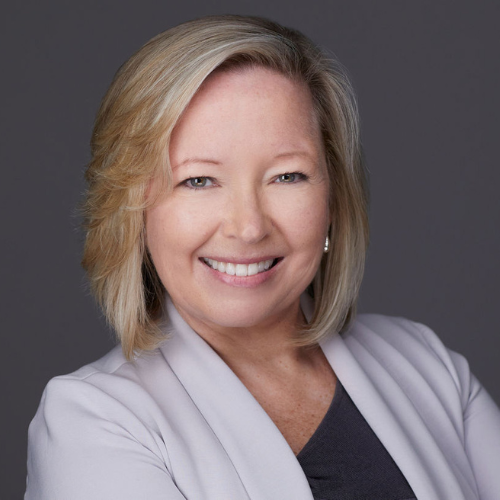
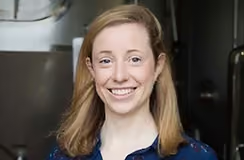
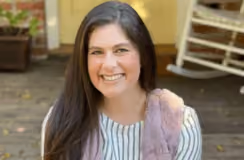
Today’s guest didn’t set out to buy a business. She set out to run a factory.
Leyla Sudbury had been drawn to factories since she was a kid in Manchester, England. An indelible moment of her childhood was when her dad held up a teddy-bear-shaped ham in the supermarket and told her he’d been inside the factory that made it.
Flash forward to adulthood. After a decade at BCG, Leyla quit in 2025 to take her big swing and attempt to lead a factory of her own.
Her search was 50 cups of coffee with anyone who might know someone selling a factory, and the factory tours that resulted.
She landed on BSU Electronics in Austin, which builds complex printed circuit boards and generated $2-3m of EBITDA.
Manufacturing is rare in search, so we discuss how Lelya recruited investors. She also shares how searchers drawn to manufacturing should think about it.
Listen for the "diligence fund". With diligence costs mounting and her own savings on the hook, Leyla raised $200k from investors weeks before close, in exchange for first right to invest in the deal. I hadn’t heard of this structure; we unpack why it cooled things down for her and aligned her investors with the deal.
Listen, too, for what mattered most to her in putting the deal together — it wasn’t how much equity she kept.
It was the investors and advisors she surrounded herself with, because their help would determine whether this project succeeded.
Here is Leyla Sudbury, CEO of BSU Electronics.
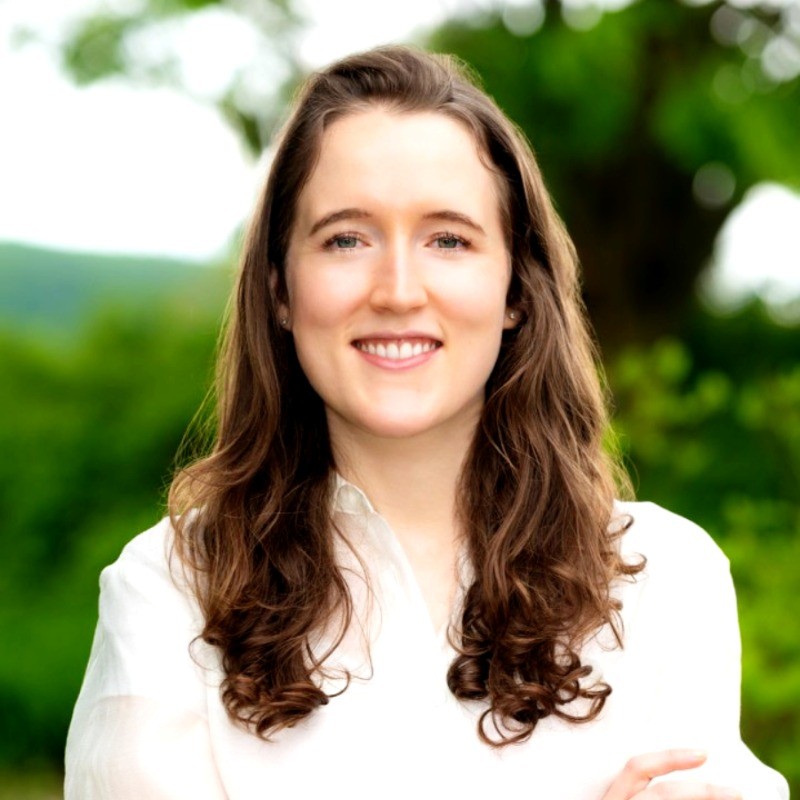
Leyla Sudbury grew up in Manchester, England, a city whose industrial heritage shaped her imagination from an early age. Her father, a gifted storyteller, worked for a time as a traveling salesman selling a waterproofing product for bridges and factory floors, cold-calling factories out of the Yellow Pages. One of her earliest memories is him holding up a teddy-bear-shaped ham in a Tesco supermarket and telling her he'd been inside the factory that made it — a moment that cemented her fascination with how things are made.
A child who took things apart and loved maths and spatial puzzles, she studied engineering at Cambridge, specializing in manufacturing engineering, a hands-on course steeped in the history and future of production. Alongside her studies she spent four years from age 18 at Jaguar Land Rover, working across departments including the Defender production line and durability testing. She also led her student union, discovering a taste for orchestrating and leading teams.
After university she went to China on the Schwarzman Scholarship, partly to understand global supply chains and partly for its leadership training. She then joined BCG in London, deliberately choosing its operations practice so she could keep working inside factories, later relocating to the United States on a BCG case and becoming a manager.
Give me this amount of money and you will get first right of refusal to invest if we choose to close. If we don't close, you lost your money, and I'm sorry.
Leyla Sudbury left BCG after a decade and bought a printed circuit board assembler in Austin with $2–3m of EBITDA.
Register for the webinar:
Topics in Leyla’s interview:
References and how to contact Leyla:
Work with an SBA loan team focused exclusively on helping entrepreneurs buy businesses:
Get complimentary due diligence on your acquisition's insurance & benefits program:
Contact Jenny to learn how Engage can run people operations in your acquisition:
Connect with Acquiring Minds:
Edited by Anton Rohozov and produced by Pam Cameron
[00:00:00 - 00:04:39]
Host: Today's guest didn't set out to buy a business. She set out to run a factory. Layla Sudbury had been drawn to factories since she was a kid in Manchester, England. An indelible moment of her childhood was when her dad held up a teddy bear shaped ham in the supermarket and told her that he'd been inside the factory that made it flash forward to adulthood.
After a decade at BCG, Layla quit in 2025 to take her big swing and attempt to lead a factory of her own. Her search was 50 cups of coffee with anyone who might know someone selling a factory and the factory tours that resulted. She landed on BSU Electronics in Austin, which builds complex printed circuit boards and generated 2 to 3 million of EBITDA. Manufacturing is rare in search, so we discuss how Layla recruited investors.
She also shares how searchers drawn to manufacturing should think about it. Listen for the Diligence Fund with diligence costs mounting in her own savings on the hook, Layla raised $200,000 from investors weeks before close in exchange for first right to invest in the deal. I hadn't heard of this structure. We unpack why it cooled things down for her and aligned her investors with the deal.
Listen too, for what mattered most to Layla in putting the deal together, it was not how much equity she kept, it was the investors and advisors that she surrounded herself with because their help would determine whether this project succeeded. Here is Leila Sudbury Sarah, CEO of BSU Electronics For a lot of would be business buyers, Owning a business stays a someday plan until something forces the question. For Scott Meyer, it took a major life event that kept him out of work for a year. In a webinar this Thursday, Scott, who spent his career in film and TV before becoming CEO of Budsies, the company that turns kids drawings into one of a kind stuffed animals.
We'll share how he went from Someday to Signed. Among the topics, you'll learn how a wake up call reshaped Scott's view of risk, why buying bigger was actually safer when to say no after reviewing hundreds of companies, the warehouse moment that saved the Budsies deal and knowing it's time without a forcing event like Scott had, the webinar is the wake up call from Someday to Signed and it is this Thursday, November 12, noon Eastern. Link to register is right at the top of this episode's show notes or on the Acquiring Minds homepage. AcquiringMinds co.
Welcome to Acquiring Minds, a podcast about buying businesses. My name is Will Smith. Acquiring an existing business is an awesome opportunity for many entrepreneurs and on this podcast I Talk to the people who do it. Looking to secure an SBA loan to buy a business?
Meet Pioneer Capital Advisory your go to partner for sophisticated buyers who want deals closed quickly and on the best possible terms. The Pioneer team has closed more than 100 SBA loans, averaging timelines well below industry standards. Founder and owner Matthias Smith and COO Valerie Stash bring over two decades of SBA lending experience. Matthias and Valerie have built a team that meticulously works your deal from underwriting to close.
You'll have a full bench working on your behalf, sales associates who streamline onboarding M&A financial analysts who craft investor grade lender decks, and an operations team that manages every step of the closing process with institutional level rigor. Pioneer is not a single person, but your true deal team. Visit pioneercap.com or click the link in the notes Layla Sudbury welcome to Acquiring Minds.
[00:04:40 - 00:04:42]
Guest A: Thank you very much. Thanks for having me.
[00:04:43 - 00:05:13]
Host: Layla, what a fun story you have. You were a woman who loved factories and you backed into entrepreneurship through acquisition not because you wanted to buy a business, but because you wanted to run a factory. And so ETA ended up being the way that you accomplish that. And now you not only run, but own a factory.
So let's dive in some background on you please. Leila
[00:05:13 - 00:07:05]
Guest A: of course, and thank you for that intro. So my name is Layla Sudbury. I'm from England, which you can tell from my accent, but I've been stateside for about a decade now and yeah, I've always, for as long as I can remember, been interested in how things are made. That was really how I got into the factory space.
I was that kid that wanted to take things apart and build things and loved maths puzzles and spatial puzzles. And now I'm that friend where you know they're coming and you leave your IKEA furniture unassembled so they can finish it off for you. That's just always been me. So I studied engineering, I did general engineering, so a good mix of electrical, mechanical material.
But then I ended up specializing in manufacturing, which was great because it was a course that allowed me to go and work in a lot of factories. The course that I did had a lot of hands on elements and alongside that I worked at the car company Jaguar Land Rover. So I actually started working there when I was 18 and I spent four years working there in lots of different departments, including the first moving production line I worked on, which was the defender for any car nerds there. But it's the longest running car that's ever been made and I remember my first project was figuring out why the steering wheels were going on.
One key. And just such a perfect example of what's cool about a factory. Because you have to figure out, was this designed poorly? Has it come in incorrectly from the supplier?
Is it being put on incorrectly? If so, like, what is the fix? And so I love doing stuff like that. And, yeah, for as long as I remember, it's what I've been interested in.
I think the way it just brings together so many different threads. I also got to work in durability there, which is basically just braking cars. And I remember driving cars into successively deeper pits of water until an electrical component would fizzle out, and then recording it and thinking, this is just a great job.
[00:07:07 - 00:07:39]
Host: You know, Layla, a lot of people or kids like to describe themselves as being attracted to puzzles. Figuring out how things work so that by itself isn't as unusual, I think is just the factory thing. And. And we, you know, those people grow up to be engineers.
And you did study engineering. But I still feel like there was something maybe about a big, hulking building with a lot of people working inside that had an extra magic for you, or am I wrong?
[00:07:40 - 00:08:59]
Guest A: No, definitely. And I think some of that started with my dad. He's a fantastic storyteller, and he's had a lot of jobs, but one job he had for a while when I was a kid was as a traveling salesman. And so he sold a product that used to waterproof bridges and factory floors.
And so he would show up in a new place and rifle through the yellow pages and call up all the factories in the area and set up sales meetings. And this really clear memory of being a little kid in Tesco, which is a supermarket in England, and him picking up this ham that looked like a teddy bear and saying, I worked in the factory that made this ham, and it must be one of my earliest memories is eating this ham and knowing that it was made in a real place. Like, it wasn't just ham in the factory. It was someone made it into a teddy bear shape.
I still, when I see that ham, think of that. Although it's not a core part of my diet now that I'm a grownup, but definitely the stories he told about all the factories that he and I think growing up in Manchester. Manchester has an incredible industrial base. It was the heart of the Industrial Revolution, so got plenty of exposure to processes.
There's just something about the bringing together of technical and human elements to make something well, and all the things that go wrong and can be fixed and optimized about that that I just find intriguing and keeps me excited to get up in the morning.
[00:09:01 - 00:09:14]
Host: And it was the dream or the, the direction was running a factory, less owning one. Of course, as I have already said, you now do own one, but really, this isn't. This wasn't a drive to own something as much as just to run one.
[00:09:15 - 00:10:20]
Guest A: Yeah, exactly. So when I, when I was at Cambridge studying engineering, that's when I specialized into manufacturing. But I also led our student union, which is something that I think a lot of people would think was quite boring. But I really enjoyed being at the center of pulling the strings on everything that was happening around college and, like that feeling of being the orchestrator.
And so then when I went, I went to China afterwards to the Schwarzman Scholarship, and that program, I partially went because you need to experience China if you're going to run a manufacturing company. It's important in so many global supply chains, including my own now. But it was also a leadership course and I find it very satisfying leading teams. I enjoy being read into all the different things that people are doing and thinking about what are good roles for people, good jobs, how do you develop people?
And so I knew coming out of university that I wanted that feeling again of leading something and that I was really interested in factories. And so my plan was always to. To run one, but I felt that I needed to. To develop some skills first.
I didn't have, at 22, the skill set that I thought I needed to be successful.
[00:10:21 - 00:10:49]
Host: Mm. And at the risk of splitting hairs here, fact again, factories more than maybe manufacturing itself. So, I mean, being competitive in manufacturing and is important if you're going to be in the manufacturing business, needless to say. But it's not, it's not so much that you're a.
A manufacturing nerd, it's you're a factory nerd. Or am I splitting hairs?
[00:10:49 - 00:12:06]
Guest A: I think so. I. I did manufacturing engineering at Cambridge, which is a little bit different to industrial engineering. That's more common here.
But the course that I did was all about what is the history of production? How did we get from craft to moving production? What does a production line look like? What are the elements that you have to optimize from an equipment standpoint, from a people standpoint, and then lots and lots of projects in different factories.
So I worked in a chocolate factory, I worked in a factory making hummus, assembling wraps, washing lettuce, car factory, all these different things. But it was very, very focused on. The whole course was about what is the history and the future and the here and now of manufact and how do you learn how to have an impact in that setting? So for me, that was always what I was interested in.
And then I was quite fortunate. When I came out of college, I went to bcg, the consulting firm. But the reason that I chose them from the consulting options is because I joined their London operations practice area and there's a group there and there still is a fantastic group there that specifically do projects in factories. So I then spent my first bit of consulting, again, just going to lots of different factories and doing lean transformations and network expansions.
But all things where there's a moving production line that is the heart of the business and what you're growing.
[00:12:07 - 00:12:16]
Host: Okay, program in China, bcg and then connect the dots from there to, to your now project.
[00:12:17 - 00:13:43]
Guest A: Yeah. So I, I then moved over to the US actually on a BCG case. And that was really satisfying and kept me busy and learning and I became a manager and all those good things. And then in, I would say mid 2024, I had that moment where I realized I kind of got what I came for in consulting.
I got a lot from it, but it was increasingly feeling like a bit of a safe path and. But, but it wasn't what I always wanted to do. And maybe this is relatable to some other folks, but they also announced that we were going to do a 10 year reunion of grad school and we were all going to go back to this, this leadership program and hang out with all our friends, school. And when we ended the program, we wrote ourselves letters saying what we hoped we were doing 10 years from now.
And of course my letter, much like my application, said I want to be making a product that everyone uses. And I thought about the fact that I just wasn't doing that. And I debated whether I would be happier being a partner at a consulting firm, which does kind of sound impressive, or having taken a stab at what I wrote in the letter, even if it might not work. And I would love to say I just knew that the second option was the right option.
But what I actually did was agonized for 12 months while my very patient husband heard me think through all the options and look into what my options were. And then in mid-2025, I handed in my notice at BCG and started visiting factories,
[00:13:44 - 00:14:02]
Host: started looking for a factory to buy. Okay, a few follow ups here. Layla, that year, 24, 25, where you're talking your husband's ear off about this decision, about going out and doing this project, how did you weigh it? Give us kind of the pros and cons and what finally tipped the scales.
[00:14:02 - 00:14:51]
Guest A: Yeah, the safety and the devil you know of continuing in a job that you do quite like. And there's a lot that I liked about consulting. I liked working on difficult things. I really liked a lot of my clients in particular and a lot of the junior folks that I was managing.
I really enjoyed managing new managers which was becoming a big feature of what I did. And then there's like doing what you always wanted to do when you were a kid, taking a big swing, having the feeling of leading something instead of being a small cog in a big organization, you're a big cog in a small organization. And knowing that that was something I would find more satisfying and confirming for myself that I can do as well as advise because a good consultant gives, gives advice as if they were doing it. But it's very different to actually do it.
[00:14:53 - 00:16:03]
Host: If you ask owners in the ETA and search community which insurance broker provides highest quality work, great outcomes and has a practice dedicated to searchers and acquisition entrepreneurs, one name comes up again and again. Oberle. Oberle Risk Strategies has worked with hundreds of searchers over nearly a decade and is in fact led by a two time successful searcher, August Felker, which makes Oberle a specialty insurance brokerage for searchers by a former searcher. And if you've got a business under loi, Oberle will provide complimentary due diligence on that business's insurance and benefits program.
An easy no risk way to get to know August and the team at Oberle to take advantage. Check out oberle-risk.com that's O B E R L E- risk.com link in the notes and then when you did finally make the decision what, what did you, what did that path look like? How do does one buy a factory? What did you discover?
[00:16:03 - 00:19:17]
Guest A: Yeah, so what I did was I, I had a quiet period around the holidays in 2024 and I put together my thesis and my sense of is you should swim with the tide. I've always wanted to be in manufacturing but a lot of manufacturing in the last couple of decades has been offshoring and a lot of casework is about, is about offshoring work. Now we're finally seeing on shoring right the the balance has tipped and it's no longer folks are just focused on efficiency. I think in particular in a post Covid environment there is a big push towards self sufficiency.
How do we build the ability to make critical things in the US and so I felt that after lots of chatter and bipartisan support for onshoring manufacturing, we were actually at the point where it was going to happen. And so the timing was right. And then within that, picking some industries where I thought I could reasonably run the business, especially something where I thought I had an edge where it would be a little bit too technically complicated for just anyone to buy, but not so technically complicated that I was unqualified in that nice middle ground. So I pit those three options and I started reaching out to brokers and people in my network.
A really influential person in the program I did in China, Amy Sterzberg, always says, you should start a new journey with 50 cups of coffee. And I think that's some of the best advice I've ever had. So I just had coffee with anyone. A friend at BCG whose dad was a.
Is a broker in England and sells small manufacturing businesses. You know, I had coffee with him and asked him if he'd introduced me to anyone else. And he knew this one guy who was selling businesses in America. So I had coffee with him.
And then I met this garlic farmer in Connecticut and this soybean farmer in the Midwest. Just. Just all sorts of people that. That were dabbling in manufacturing adjacent fields.
And so I had those 50 cups of coffee. And then I think it was February or March, I got staffed on a case. And immediately we sold a big piece of work. And I immediately became incredibly busy, and I had no time to work on any of this.
And I suddenly had that feeling of loss. I didn't have time to work on it. I felt I'd made sufficient progress. So then I quit in April so that I could go and visit factories.
Because my feeling is I've been in so many factories at this point in my career, I both know when I walk in the door, if it's running, if it's a facility, I'd be happy to run, and I can demonstrate myself as capable. So I think one of the first trips I made was to a fantastic factory in rural Alabama. And the meeting was just meant to be an hour, but showed up and ended up staying for six or seven hours because it turned into just a working session with the owner. Much like being a consultant, he could tell that I could understand his process, and he wanted to talk about his process and everything that was going well and everything he wanted to improve.
And I ultimately didn't decide to put in an offer on that factory. But he then introduced me to some other people, including a facility that we might explore a partnership with in the future. So what I did during the month of May, so I quit in April. What I did in May was just visit lots of factories and narrowed it down to four across my three theses that I thought were a good fit.
And then in June, we went under LOI with one of those facilities.
[00:19:18 - 00:19:36]
Host: At any point through this process, were you making contact with entrepreneurship through acquisition or ETA or search? Were you approaching this like, like so much of this audience does, where you're going to be buying a business, you know, or how did that, how did that, how did you finally intersect with what we call search?
[00:19:36 - 00:20:36]
Guest A: Yeah, not particularly. My feeling was if I found something that was really worth buying, it wouldn't be hard to persuade other people to go in with me and that that would be an important litmus test anyway. And my interest is really manufacturing, not necessarily ETA more generally. So I didn't spend too much time doing that.
There were one or two folks I got introduced to early on, including, I think Mike, who introduced us, and Kent Weaver, both of whom were really useful. I remember Kent spent a lot of time late at night on the phone helping me think through elements. But I wasn't really looking for investors at that point. I was looking for thought partners, people who had great advice, people that were willing to spend the time.
And then the one thing I did do is I went to the GSB ETA conference and it was there that I met Andrew Cousin, my business partner. That was about four weeks before, a little over four weeks before we closed. And that was really pivotal for me. Really helpful to get to know him.
Yeah.
[00:20:37 - 00:20:58]
Host: So really this search of yours was the 50 cups of coffee, one contact leading to another, factory visits, but all you kind of generating your own conversations and pipeline. And with this assumption that if you found a good factory and a willing seller, you'd be able to then figure out, how are you going to raise the money to do that?
[00:20:59 - 00:22:11]
Guest A: Exactly. And that came out of the 50 cups of coffee. Because early on when I spoke to people that had bought and run businesses, they were clear that in the current market there are fewer searches coming up with good deals than equity. Right.
That's the pinch point. And so I thought, well, then I'm just going to spend all my energy and time on finding a good factory, not chatting to investors. And to kind of underscore that I really believe in color coding my calendar. It's my serial killer trait.
And so I set connecting with sellers as red and connecting with people that might connect me with sellers as orange and then connecting with advisors was next, that was purple and investors was green. And green is not allowed to go over an hour a day. So I thought I'm just going to keep my. Because you're suddenly structuring your own time, right?
You go from running multiple projects, having people, clients, your team call you all day, that's up to the end of April and then the truck just stops and suddenly you're just looking at empty days in your calendar. So that was my thinking, was I'm not just going to start having like of fun chats with miscellaneous potential investors. I'm going to be ruthless about making sure that this is how much time I spend on each of these activities based on how hard they are to accomplish.
[00:22:12 - 00:22:38]
Host: And as these, this, this engine that you were kind of spinning up, bootstrapping started gaining momentum and you were having these introductions to actual factory owners. How, how receptive did it, did they, did you find this whole world, this whole ecosystem to you walking in and kind of being like I'm interested in buying this place, maybe let's talk about that.
[00:22:38 - 00:23:39]
Guest A: Yeah, I don't think that that's the right way to approach the conversation. Maybe I would take that one step further. I only put in an offer when I'm invited to put in an offer. So I want to show up and see a factory and talk about your factory and we both love factories.
So let's have a great conversation. I see you're doing it this way. That's really interesting. What led to that decision?
And then to take the Alabama one for an example. An example afterwards I loved that facility but I wasn't sure I was the right fit to buy it. I only thought about putting in an offer when the seller called me up and said, hey, I was kind of hoping you would put in an offer. What are you thinking here?
I think that's got, it's got to be that way round because someone's selling their hard built business. I don't want to walk in off the street and say I want to buy this. You want to walk in off the street and say I really like what you do too. Let's have a thoughtful conversation and then have them say, you know, you're the kind of person I want to sell this to.
And after all like people are more receptive to ideas when they were their own. Their own. I think
[00:23:39 - 00:23:40]
Host: that's actually
[00:23:40 - 00:23:46]
Guest A: a nugget of advice that my mum told me is, yeah, is people much prefer ideas when it was their own idea? Yeah,
[00:23:46 - 00:24:07]
Host: sure. Well and right and to be clear, I don't think you walk in throwing your weight around saying, I'm gonna. I'd like to buy this place if it suits me. But there still is in searchers approaching business owners.
It's the same dynamic. Just having a general, I'm interested in your business or. Or madam, can I come look at it?
[00:24:07 - 00:24:08]
Guest A: Yeah.
[00:24:08 - 00:24:30]
Host: There's probably a hunch or an understanding or, you know, some sort of sense that it's more than just, you know, there's some agenda there. And so maybe that is what it is, that there's an unspoken sort of agenda or a suspicion that maybe you want to buy them. But you don't have to be explicit about it. You just show gen interest, which is genuine and see what happens, see how it unfolds.
[00:24:30 - 00:25:25]
Guest A: Yeah. Maybe it helps that I do just visit factories in my free time. I mean, I was on holiday in Portugal recently and stopped by a factory that was like making. So because you.
They make a lot of cork in Portugal. It's. It's very important in the Cork manufacturing business industry. And so probably it helped that that is actually something that I find fun and do.
And I still do that now. Right. Like I'm. I'm making a couple of customer visits now next week, and I will stop in at all the competitors in the area and just say, hey, I also run a pcba.
Would love to. To walk your line if you're open to it. And at least half of them will just say yes, like that. You can.
If you're. Once you're in the industry, it's way easier. You can just show up and say, I'm just interested in your factory. And so I think the principle of obliquity applies there, where if you just do stuff that is good, that builds your presence, good things will come.
But also the genuine interest. Right. The fact that it is actually just something I would do with my free time made that a bit easier.
[00:25:26 - 00:25:33]
Host: Yeah, I love that that's how you spend your free time. Okay, Layla, so
[00:25:33 - 00:25:34]
Guest A: all of it.
[00:25:34 - 00:25:34]
Host: You.
[00:25:34 - 00:25:35]
Guest A: Some of
[00:25:35 - 00:25:45]
Host: it. You take us back then to the factories that you put an ally on. Did you say multiple or was it the one? Take us back now to where you started making offers, please.
[00:25:46 - 00:26:35]
Guest A: Yeah. So I found four factories that I was really interested in. Two within one thesis and one within the other two. I really felt I should only progress with one.
So I spent a lot of time weighing up the relative merits and it came down to the fact that within the thesis that I. That I bought in. So the Printed circuit board assembly market. I felt very good about the macro climate and the things that were going to push growth in that industry.
And I had found two factories that I was interested in, which bodes well in a strategy where want to grow partially through acquisition. And I really connected with the seller. We, we got on pretty well. I, I could tell that it was going to be a nice transition working with him.
And so those things together got me interested in that. Plus it was in Austin, Texas, which has direct flights to England. So that's.
[00:26:35 - 00:26:37]
Host: And where were you living at the time?
[00:26:37 - 00:26:38]
Guest A: New York.
[00:26:39 - 00:26:49]
Host: Oh, okay. And so part of this project was also moving to somewhere, to wherever you found the factory. So were you, were you geographically agnostic?
[00:26:49 - 00:27:03]
Guest A: I wanted somewhere with an easy flight path to England because my parents come and visit twice a year and I didn't want to ask them to do something that was too crazy. But honestly, for the right factory, I think I'd have gone anywhere.
[00:27:05 - 00:27:40]
Host: We heard you say that you were, that you were actually thinking of multiple acquisitions even from the outset. And so even though you weren't a searcher and, and you know, inorganic acquisition, inorganic growth via acquisition is something that this audience is very familiar with and is part of the motion of this whole exercise. Often not necessarily somebody like you who just wanted to run and now own a factory. But, but it sounds like somewhere along the lines or maybe always, if, if you're going to buy and own one factory, why not buy and own multiple anyway?
Where did you get the notion that you were going to buy multiple? Why was that? Why was that so early a notion in your mind?
[00:27:40 - 00:29:17]
Guest A: Yeah, so in the printed circuit board assembly space, there's a difference between early development and higher volume work. We, we talked about craft and continuous production earlier on in this conversation. BSU Electronics sits closer to CRAFT on that continuum. It's not that we don't have some, some automation, we have plenty of automation.
But our team heavily skews towards engineers and we have a very broad base of equipment that allows us to do very complicated new product introd work and short, complex runs. I think one of the more complicated boards we do has 34 layers and 4,000 components. And the setup time for that is several hours. And we need all hands on deck to do that.
And it has to be engineers, not just operators, who lean in on that build. And so we're really, really good at that. But a lot of our customers also, particularly in the current climate, want to do higher volume stuff with us and we say yes to that. We do do Higher volume work, but we're not fully optimized for it.
You would make different equipment ch choices and you would have a higher mix of operators versus engineers if you wanted to cost optimize for that kind of work. And so what we'll do in the next couple of months is add a facility. Either we'll build it or we'll buy it that is just optimized to do higher volume stuff at a better price point so that it's easier for us to do those two things. And I wouldn't rule out adding on other facilities that just match our culture, that do great work in the future.
But it's not so much a be, it's not a buy buy as many as we can lay our hands on strategy. It's. It's being able to serve those two bits of demand. Yeah.
[00:29:17 - 00:29:30]
Host: Okay, well, this is probably the moment to hear exactly what the business does, what PCBA is. So, so define it for us and we'll walk slowly through exactly what this, you know, what, what your business makes.
[00:29:31 - 00:30:45]
Guest A: Yeah. So our customers design printed circuit boards and cables and harnesses. And we, we bring them to life, we build them. And so we take you from sourcing everything, sourcing the board, the components, the cables, the harnesses, the box around it, to assembling it and testing it and shipping it out the door.
And the assembly has a lot of different stages from creating a stencil and laying paste and components to baking it, washing, when relevant, putting on hand components that are too delicate to go through the machinery. Testing in lots of different ways, including Flying Probe is one of our more visually pleasing, which looks like a little praying mantis testing everything on the board. Authentic authentication can be quite complex. And then we ship it out to you.
And we serve a lot of different industries. I like to say we make things that go up into space and we make things that go down to the deep ocean bed. We've also made stuff that go onto roller coasters. If you've ridden the MTA in New York or the bar in San Francisco, we've made stuff that go into those products.
And so we've done a whole range of stuff. But it's all electronics, right? We assemble those complex electronics that go into all those different use cases
[00:30:47 - 00:31:29]
Host: and specifically the circuit board. So the green board that we all have seen break open any computer and there are multiple of them there, and everything that's layered on top, you build those. And going back to the continuum you were talking about earlier, you build those. Not at scale, you build lower do low volume type work.
So somebody has a custom, has a, has a need for something where it's going to be a few units, maybe very high complexity. That's where you sit on the continuum versus stamping out whatever, a million of them to appear in some sort of device that's sold to the mass market.
[00:31:29 - 00:32:13]
Guest A: Exactly. So about half of what we do is very low volume, as low as one, and the other half is, is, could be considered mid volume. We go up to about a thousand units a month. But we're not making parts that go into an iPhone.
We're making parts often where you're still designing it and you need to do functional tests or we do functional tests to refine that revision, or you need a small number and you need it made locally and it's complex enough that you don't want to move it to someone else. Like that 34 layer board that I gave an example of. And we have the ability to make extra large boards, boards actually the largest size of board that you can make in the US So sometimes when we do the higher, higher volume for us, it's because it's, to your point, too complex to, to move somewhere else.
[00:32:13 - 00:32:41]
Host: Is this analogous in the printed circuit board world, Layla, to, to what we would call like a, a machine shop or a job shop where they take, where, you know, there, there's custom metal work that happens and you're doing, you're doing custom jobs. Basically it's project work as opposed to cranking out widgets in a factory. So is that kind of the analogous thing here, but in circuit boards?
[00:32:41 - 00:33:37]
Guest A: Well, what you're describing on the one end at job shop is all the way at craft manufacturing and printing out circuit boards like a Foxtron is all the way on continuous. I would say for folks that are watching, I think we're about a third of the way along that continuum. So we have production equipment and we have conveyor belts and automations that we absolutely use. But we spend a lot of time figuring out novel designs and doing that is more like craft.
It's a group of engineers huddled around a design trying one, figuring out how you can, you know, how you can properly scale this. On the phone with the engineer pointing out some things in the design that we might need to agree to adjust for this to be something that can be built and then building it rather than all the way at the other end. Operators at stations just doing the same thing again and again that don't necessarily have the awareness of the whole project, which is what I would. Yeah, what I would describe as continuous manufacturing
[00:33:39 - 00:33:55]
Host: and give us a sense for the, the printed circuit board industry. Is this something that's very, very like, is it a relatively, I mean, give us a sense of how many firms and factories there are in the U.S. for example, that do this.
[00:33:55 - 00:33:55]
Guest A: Yeah.
[00:33:56 - 00:34:02]
Host: I have yet to come across any searcher who's bought such a business. So to me it seems like it's. There's not going to be that many.
[00:34:04 - 00:35:00]
Guest A: Yeah, I mean there is, there's at least a thousand that do roughly, roughly what we do, but very, very few that do it all the way to the low volumes that we do and the complexity that we do. I've probably come across in my travels two other companies that have specialized into the, the niche that we have specialized into. And then in terms of other companies, companies that work in the printed circuit board space, that's much higher. It depends a little bit on your definition of company because there's still a fair few garage setups in this industry.
It's relatively fragmented. But then you're getting into the thousands. I think my sourcing list of companies that I would be interested in buying in probably sits between 1 and 200. And that's when you factor in facilities that have the ability to do exactly what I said of that slightly higher volume with the equipment we're interested in and the size that were interested in.
[00:35:01 - 00:35:05]
Host: And then what. How did you perceive the, the demand or the growth of this industry?
[00:35:06 - 00:36:28]
Guest A: Well, because it's contract manufacturing. To understand the demand you really have to look at the drivers of demand at your different customers and your right to win domestically. And I think both of those are green flags and that has played out this year. So on the demand side, good chunk of our work comes from semiconductors.
Anyone in that industry has seen the number of nodes that have been announced, announced. We're hedged to R D. So not, not the cyclical profits that characterize the industry but, but the R D budget that, that's pretty stable and growing nicely. So that's one source of growth.
Space, aerospace, defense is, is doing really well right now. That's a great place to be in. That's driving lots of demand. Robotics is coming up a lot.
We, we had an event recently and I was overwhelmed by how many folks showed up for a factory tour and a mixer on robotics. So all of that's driving growth. And then in terms of onshoring, that's real. I get cold outreach regularly, at least weekly from someone who says hey, we're thinking about on shoring this demand Is your factory able to do this?
And so I think we're starting to see to my point that trade off between efficiency and self sufficiency. I think people are more interested in bringing stuff to the US and you can manufacture more efficiently now in the US with AI and other automations that are coming through. And so I think we're starting to win more relative to international players as well.
[00:36:28 - 00:36:43]
Host: I heard you use the word AI only with respect to your own efficiencies, but I guess the backdrop of all of the other demand you talked about, or at least the semiconductor demand, is of course also the AI megatrend. I mean that's just going to pull through demand for you presumably as well.
[00:36:44 - 00:37:20]
Guest A: Absolutely, yeah. And I think AI is allowing more people to innovate more quickly on their boards and AI designs a great board, but it can't tell you if a person can make that board on equipment. And so that's then where we fit in. Right.
So we'll have robotic startups send us a really good design that's 80% done and we will run it through our design for manufacturability software, which obviously is AI enabled now and point out some things, make some edits, do a dev board, check if it's functional. And so the fact that AI has made it easier for people to push out new designs is also generating more demand in our industry. Industry.
[00:37:21 - 00:37:39]
Host: Okay, great, Layla, back to the deal and actually acquiring this factory. So give us a sense of the size of the, the, the one factory that you ended up going with and pursuing in any way you can. Employees, square footage revenue. What, what can you share?
[00:37:40 - 00:38:13]
Guest A: Yeah, so we were at about 30 something employees when I took over and somewhere between 2 and 3mil EBITDA, we're at about 35 employees now and a handful of AI agents and we're a little above 3.3mil EBITDAR at this point. So double digits revenue and yeah, the team is growing and our production space is growing. We're adding some extra square footage to our facility to expand our cable area actually. Yeah,
[00:38:14 - 00:38:26]
Host: and so the 2 to 3 million dollars of EBITDA that I had when you discovered the business, this is a business like this sold in the same way that any business would be some multiple of that ebitda.
[00:38:26 - 00:38:50]
Guest A: Yeah, exactly. We did it as a multiple of ebitda. It was a stock sale because we're itar, so we have some government accreditations and we have ISO standards and so you need to do a stock sale for that to port over. But perhaps unlike some other businesses.
It also has some real assets. Right. Our equipment has evaluation so we, we, we, we sold the equipment as part of it and then the stock was the rest of the purchase price.
[00:38:51 - 00:39:05]
Host: Well I, I want to return to that in a second. But once you have you, you find that your target and then as the plan I guess originally was you were going to then go out and find people to invest in you. So what did that process look like?
[00:39:05 - 00:41:04]
Guest A: Yeah, I really wanted to surround myself with people that were going to make me successful. And a decade in consulting also gave me a firm sense of who I like working with and I like working with people who are pretty hardworking and mission driven and interested and curious in the way that I am about making stuff. And so I wanted to surround myself with folks like that. I had lots of great conversations with people in family offices in the search community and some traditional PE folks and it was a hard decision decision.
There are lots of nice people on offer to work with. I ended up going with a mix of private individuals and I guess what you would describe as traditional search folks, although obviously they were willing to invest in something that didn't look and feel like a search fund in the same way that they perhaps ordinarily invest just because I liked working with them and I do think that was one of the best decisions I made was to wait until the last minute to pick investors such that you have had as long as possible demoing what it's like to work with them. And I remember during the diligence sending an essentially a newsletter like a weekly update to everyone that was interested in possibly coming in as an investor or a debt provider with like here is everything we've done this week. Here are all the questions that we've bottomed out.
Here are all the things that we still need to feel good about to progress with this deal and being really clear like there are some things that we we don't yet feel good about that we need to feel good about to go ahead and here's how you can help and starting to tag people in including investors on I know you have a background in sales. I would love you to help me diligence my ability to grow the business through sales for example. And then I just ended up how helpful people were correlated directly to the size of check that was on offer at close and the folks that I picked to be on the board.
[00:41:06 - 00:42:49]
Host: Longtime acquiring mind sponsor Aspen HR is now part of Engage peo. Engage helps acquisition entrepreneurs. Business buyers like you take care of their new employees and build Trust from day one. Whether it's an asset or stock purchase, Engage provides a turnkey solution for payroll and taxes, hr, admin and technology, employee benefits, retirement plans, workers comp, and more.
They're also always a phone call away, so you can receive HR guidance from licensed employment attorneys promptly as those inevitable people issues come up. With Engage managing your people infrastructure, you, as new owner of your business, can focus on building relationships, operating the business and driving growth. To learn more, contact Jenny thier directly at jthe j t h e a r@engagepeo.com or click the link in the notes. Well, it's interesting, Layla, because I'm hearing you talk about a very qualitative decision that you want to surround yourself with people who are going to be engaged and who are, as you put it, going to make you successful.
I'm not hearing about the economics and the terms and so forth. And you didn't come to this via private equity or even via ETA or search or finance. Did you kind of just accept the terms that were industry standard? What did it look like to actually negotiate the structure of this and that whole learning process for you, which it must have been?
[00:42:49 - 00:45:05]
Guest A: Yeah, it certainly was a learning process. I asked people for as many examples of term sheets as possible. I reviewed them all. I crunched the numbers.
I ran down different scenarios of business outcomes with different types of term sheets, including long term, hold, traditional search and PE terms so that I could get smart on the numbers. And I certainly didn't accept a standard sheet. Or at least I wanted the fact that I had funded my own search and that I was uniquely suited to run the business to be reflected in the term sheet. That said, it wasn't really about the term sheet.
I don't think you should sign up to a bad deal. Like, you should do your homework and know what is reasonable to expect. But this is the first factory I've ever bought, so I was really interested in how do I make this really successful and how do I have a really good experience running it. And so now, like, fast forward a year.
Andrew, my business partner, he's bought and sold 17 factories and he says only one of them was a mistake. So having Andrew on board is great. Splitting a bit of my equity with Andrew is wonderful. Like, that's a great decision.
Dylan at Trilogy, who's my lead investor and sits on the board, he is willing to take a call on a Sunday evening if your head is just spinning about some stuff and your team aren't working that day and you just really need to sound Something out with someone and his background's in consulting who, like, understands how you've been trained to think and will help you. That is invaluable. And it's not just invaluable in that it helps me grow the business, but it also meaningfully changes my experience. Right.
It makes my experience better. My debt provider, Karen, I don't think there's any other debt provider like her in the world. She is, yeah, she also. I just think that she really, really wants to see me succeed.
Every time I speak to Karen, I think Karen would like to see me succeed. And I think if the business were going south, I haven't tested this yet, Touchwood, hopefully I don't, but I think she would roll up her sleeves and come and help. And I know she's done that for other search businesses that have gone south. So, I mean, not to be too naive about it, and I certainly did negotiate on my term sheet.
I really, really wanted to surround myself with people that were going to make it a good experience and more likely to be successful.
[00:45:06 - 00:45:25]
Host: There must have been, though, some mystery on your part of, like, how much of this factory, if I can get, you know, rally these investors and, and make this deal happen, how much am I going to end up owning? I mean, is this something where I own, you know, 80% in my investors, own 20 or vice versa, or what was there. Was there a learning there or.
[00:45:25 - 00:45:27]
Guest A: Yeah, absolutely. And I mean that because
[00:45:27 - 00:45:35]
Host: there's a very clear answer to that question. And I'm just wondering as a total outsider, did you expect it to be in the, the range that it, that the market determines that it is?
[00:45:36 - 00:46:51]
Guest A: I honestly, I came in and I thought, I really want to run a factory. How do I run a factory? And buying it kind of only occurred to me after the fact. And I had managed a lot of people that had done business school degrees.
And so I did call up some people I'd managed at BCG who'd just graduated from HBS or gsb, and they kind of gave me the lowdown. And thanks to them for the summary and for sending me materials from the courses that they were doing. So I did educate myself on that piece. But it wasn't like at the outset I was thinking, should I take a massive SBA loan and own 90 plus percent of the business?
That was all Greek to me and not really what I was interested in. I kind of viewed all of that as a necessary evil. What was great about partnering with Andrew, Andrew was search fund, I think, number seven. He raised his search fund in 1993, which is not a year that I remember well.
And so the minute he came on board and we were partners, we're not 50, 50 partners. He works two days a week. But the minute we were partners took some of the pressure off because I knew that Andrew wasn't going to sign up to something that was kind of quote, stupid. You know, he, he had a sense of what was reasonable and, and helped get a lot of the operating agreement and all of that over the line.
[00:46:53 - 00:47:10]
Host: Well, back to your motivations here, which you've just said. You know, the, any, any of the ownership probably felt like gravy to you because your goal here was just, was just running, not necessarily owning. So if it turns out you can run and own 25% or whatever, it's going be to be hopefully
[00:47:10 - 00:48:06]
Guest A: a bit more than that. But, but we'll, we'll see. Ask me and ask me in five years. Yeah, but now I would, I mean if, I don't know if I'll ever choose to step back from bsu, I'm sure at some point we'll have some change out in the investors.
At least half will probably change out on a traditional search timeline. But I would now feel comfortable going out and buying a business with my own dollar or, or setting something up from scratch. But you learn so much in your first year of running a business. I am bold enough to make the leap into running a factory, but I'm not sure I was bold enough to just think off the bat that I wanted to on my own buy and run a business.
But hats off to people that do have that level of confidence or maybe a background that suits you to that. But I wasn't looking for that kind of me alone feeling. I wanted the feeling of being surrounded by, by people that were going to teach me stuff.
[00:48:07 - 00:48:25]
Host: Well, what a good job you did. I mean we've, we've heard you mention some names, but Andrew in particular, search fund number seven going back to the early 90s. So he knows everything about search or at least he's certainly been exposed to it. And then how many factories has he acquired over his years?
[00:48:25 - 00:49:55]
Guest A: 17. So that's Andrew Cousin. Anyone that's listening is a fantastic person. I was introduced to him by Kent Weaver and yeah, he's been in the search community for a really long time.
He has had lots of people on his board that were the greats and many people like Andrew would either just sit back and retire or sit on a couple of boards and behave as an advisor. And that was what he initially proposed when we first got connected, but I was really clear. I wanted to find a partner. I wanted someone that was going to be in the trenches with me.
And he loves what he does enough. He loves buying factories, he loves running them. He's an operator through and through. And so, yeah, he works two days a week, I work six days a week.
That's kind of how we've split it up. And it's just a joy to work with someone with that drive. And I think it comes back to when we were talking about the kind of people that I like working with. I'm someone that just likes to do stuff.
I fundamentally quite like working, and I like working with other people that are like that. And so I think there are some people in the investor world, perhaps in the family offices I spoke to, who are investing money, but they're not looking to work that hard. And that's reasonable. I respect those people.
But Andrew Cousins, not like that. Dylan at Trilogy's not like that. These are people that work hard, that take calls from me at any time and do stuff themselves. And that's something that I find.
I find it really fulfilling to work with people like that.
[00:49:55 - 00:50:11]
Host: What does a conversation look like, Layla, where he says, I'll be your advisor and you try to, you do persuade him to actually come on as a partner and give two days out of his busy. His busy weeks to join you. I'm just curious how you, how you persuaded him.
[00:50:11 - 00:50:18]
Guest A: Just reminding him how fun it is to run a factory. Do you really just want to sit on a board, Andrew? Come run the factory. It'd be way more fun.
[00:50:19 - 00:50:21]
Host: And. But is he. Where is he based?
[00:50:21 - 00:50:33]
Guest A: He's in Colorado and he manages finance at the moment. And he gets involved in contract negotiations for sales and M and A. And then I do ops day to day and day to day sales.
[00:50:34 - 00:50:36]
Host: Okay. And so how often does he fly down?
[00:50:36 - 00:51:00]
Guest A: At least once a quarter. But I would say we speak. Well, at the beginning, we spoke daily. I think now we probably spend like a good four or five hours on the phone.
And then there's just some things that he takes care of and that I take care of of. And we've popped over to Colorado to hang out with them a bit as well. Who knows? Maybe we'll buy a factory in Colorado.
If you run a PCBA in Colorado with aerospace standards, shoot me a note. I would love to chat.
[00:51:01 - 00:51:08]
Host: Okay. All right. You've got the acquisition bug. Or not.
Maybe you're just looking to fill out that continuum. I guess
[00:51:08 - 00:51:10]
Guest A: that's just good life management. Yeah.
[00:51:10 - 00:51:26]
Host: Let's go back to the deal structure. You said a phrase to me that I had not heard in our pre call a diligence fund. Take us through the the building, the terms of your deal and what the diligence fund was and how that played out.
[00:51:26 - 00:53:46]
Guest A: Yeah. So I did a self funded search. I was. BCG has this wonderful program where they pay you when you quit for a period of time to find a new job.
So I was being paid. I therefore had the luxury of not needing to raise a search fund and as a result I, I found the factory and started diligence without having signed up to a group of investors. But increasingly you have to sign to say you will pay for various things. Right.
You're going to pay for a QOE whether or not you close. You're going to pay for your environmental inspection report. And as an individual who's not from a wealthy background. Right.
You're looking at the amount that you're on the hook for and the amount that's in your savings. I think the risk there is that you end up paying it out of pocket or worse, that you make a bad decision, that you close on something you shouldn't have closed on because you want to pay for all those costs with investor money and then you end up running something that's a dud. So I felt the pressure rising as we got closer to close and in parallel, you need your investors and your debt provider to, but particularly your investors to put in effort to decide if they want to close. And they haven't had an indication from you that you're going with them, especially not me because I deliberated and left the decision very late in a way that I believe annoyed various investors.
And I'm sorry, but. So you have to give the investors that you intend to go with a signal that it's worth them putting in the time. So the way I did that is I raised a diligence fund a couple of weeks before close and I basically said give me X amount of money and you will get first right of refusal to invest if we choose to close. And if we don't choose to close, you lost your money and I'm sorry.
And what's good about that is then suddenly they're on the same page as you. I'm going to lose a bit if we don't close. You're going to lose a bit if we do close, if we don't close. But then if we do, you know that you have the right to take this chunk of the deal.
And I did that. I committed 90%. I wanted to keep the last 10%, which was, I'm really glad because Andrew agreed to be a partner maybe four weeks before. And then there were just some private individuals that he's friends with that he wanted to be in on the deal.
It's nice to, nice to let some folks in at the last minute that you think are going to be really helpful. But I had kind of committed away 90% of the equity check, check through the diligence fund about six to eight weeks before we closed.
[00:53:47 - 00:53:53]
Host: Okay. So to be clear, you've started diligence, you're getting close to close. So you have a lot of the information at this point.
[00:53:53 - 00:53:54]
Guest A: Yeah.
[00:53:54 - 00:54:33]
Host: And it's almost at a phase where it's like it would have to be a very unfortunate but surprising red flag to kill the deal. I mean it's, it's kind of that mature, this deal. Okay. But kind of the risk for you is going, is getting hotter by the moment because you're just, just pouring all this money into, into diligence out of your own pocket.
So you go to investors and you say, here's my situation. I, I need some help with these expenses. And what you're buying is a right of first refusal when this deal does, you know, assuming this deal goes ahead. And, and like, so how big was this diligence fund?
Like what kind of sums are we talking?
[00:54:34 - 00:54:45]
Guest A: I think at the point I raised it, I was, was a just shy of 100k out of pocket and I raised 200k and I didn't end up spending all of it. Some of it just went into the dealer's cash.
[00:54:45 - 00:54:59]
Host: Okay, so you raised $200,000 and that ends up being the, the folks who participate in this diligence fund then will in total represent 90% of the cap table, actually.
[00:54:59 - 00:55:00]
Guest A: Yeah.
[00:55:00 - 00:55:42]
Host: And what they're doing is buying access to the, to the deal. And, and, and, and unlike a traditional search fund where the investors are basically giving a searcher half a million dollars with no information, they're just investing in this person. Essentially. This is, they have the jockey, you, they have the horse, the business.
It's a very baked deal. It's just a few weeks from close. So they can do a lot of the diligence already really. So I'm just trying to get, get through what their incentives are and why they would, why they would think this is a good idea.
Did you come up with this or is this something that I should be aware of and already exists out there? This Diligence fund concept,
[00:55:42 - 00:56:57]
Guest A: I didn't come up with it. Romero, Romero. Alfaro suggested it. So shout out to Romero.
He suggested it to me. And I think if you're considering it, the main sell is does it take down the temperature and improve your decision making? Because I think the main thing you should be focused on is six weeks before close is that you are doing all the right things to ensure that you are going to be leading something that you can successfully lead. And so if you, like me, are feeling the temperature rise too much, it takes the temperature down.
And also by that point, to, to your point Will, you've had an opportunity to get to know the folks that you're thinking about bringing in and prove to them that you are a good, a good person to back and because at the moment when they come in on the diligence fund, they want to know what the term sheet is. So you want to time it at the point where you think you have optimal leverage to agree a term sheet that reflects what you're bringing to the table. The other thing that's quite nice about it is people. It's simple enough that you can explain it to people outside the search world.
So if you have friends, family, private individuals that want to come in, it's a chance for them to come in in a way that they might not for a traditional search fund.
[00:56:57 - 00:57:21]
Host: And I just want to make sure that it does, that the risk is, it's properly risk adjusted. So if somebody, particularly friends and family came in and gave me $50,000 in my $200,000 diligence fund and the deal does die, they're not going to feel like, they're still going to feel like it was, it was a fair risk adjusted investment.
[00:57:22 - 00:58:07]
Guest A: And to adjust for that, I rolled in specifically the diligence fund at a 1.5, so that 200k became 300k, which is a small thank you. But yeah, I elected not to do a friends and family. I don't have any family that could come in on something like this. But I certainly had folks from my time at BCG and my time at Schwarzman that wanted to come in and I didn't do that because I wanted to keep a separation between work and home when I was taking a big professional swing.
Sometimes I regret that slightly because I certainly love to go in on my friends deals and I never, I would never begrudge them if it went south. But for me, going back to the point of taking down the temperature for the first time I buy a factory, I didn't want to do a friends and family round.
[00:58:10 - 00:58:20]
Host: The first of many. And what did you have to give up with the diligence fund? How much of an equity dilution did this represent for you?
[00:58:20 - 00:58:35]
Guest A: Well, we had the term sheet negotiated at that point. Point. So it just meant that I was no longer able to go and pull in some different investors with a different term sheet. I basically sent out the documents and I said, this is my term sheet.
By that point, I'd done all my
[00:58:35 - 00:58:35]
Host: homework to
[00:58:35 - 00:58:57]
Guest A: pressure test what I thought was reasonable. If you want to come in, it's on these terms. We didn't have the detailed operating agreement at that point and Andrew hadn't come on as a partner. So we did have a change at that point to reflect the fact that he was there.
That grew the amount of that we took and changed a couple of the finer details. But that's really the point is you have to know what
[00:58:57 - 00:58:57]
Host: you're offering at
[00:58:57 - 00:58:58]
Guest A: that point.
[00:58:59 - 00:59:10]
Host: I see. Okay. Okay. So it wasn't just about the.
The $200,000 with a 1.5 step up for your diligence fees. It was the entire. What they would be investing at should they choose to invest as well.
[00:59:11 - 00:59:11]
Guest A: Exactly. So
[00:59:11 - 00:59:51]
Host: it really, it really does. It really starts to feel like a traditional search fund model where you're agreeing at some earlier time than consummation of the deal what the deal is going to look like and what everyone's going to have access to if they. If they choose to participate. It was just in your case and people are giving some money up front and that might be lost in a traditional search fund.
The $500,000 that go to the traditional search funder might be completely lost if that entrepreneur never finds a business or never closes on a business. And in your case, as we heard, they could also lose their 300. But it's all. But the deal is essentially the terms of the deal are fully baked at that point.
[00:59:52 - 01:01:07]
Guest A: Yeah. And I would say the advantage relative to a traditional search fund, if you have the luxury of doing this, is the investor is also saying, based on everything I know right now, I would invest. And so it's a really. It's a costly signal to some extent that they're giving you that.
That we're pretty serious about this deal. And so I knew at that point, from that point on, I didn't really worry about whether I had equity. It's not really something I worried about particularly much at any point because I was very focused on if this is a good deal, people will come in. But at that point you already know who the players are and what all the roles are.
And you've already said in my case to trilogy, I'd love you to be the largest check and that's what this looks like and would love you to participate in the board. And then they've come in for that amount on the diligence fund which is them saying barring anything bad happening in the next six weeks, we were on the same page as you. So it's kind of just putting pen to paper and wires flying that give you that high level of confidence on both sides that this is something that's worth investing in. And my investors were always very generous with their time but from then onwards you're a priority for them.
They're going to make time to help you get the last bit of diligence done. So you're also subscribing a lot of, of supporters at that point.
[01:01:07 - 01:01:11]
Host: Great. Well thank you. Ramiro. Ramiro in Guatemala, right?
[01:01:11 - 01:01:13]
Guest A: Exactly. Yeah.
[01:01:13 - 01:01:23]
Host: Yeah, great. Okay. And then the final terms that you did agree to, can you share what, what those were and what kind of carry or however you structured this is?
[01:01:24 - 01:01:43]
Guest A: They're private but it was a little bit of a step up from traditional search to reflect the fact that I'd self funded and the deal match and that Andrew was involved. But it was in, it was in the search search format largely. Right. Most of it is in the three search buckets rather than the long term hold model.
[01:01:44 - 01:02:04]
Host: Okay, three, the three buckets being you earn some carry for closing the deal, you earn another tranche of carry for time in deal. In traditional search that's four years, it's essentially investing and then you earn your final third tranche for performance and how, how well the deal does.
[01:02:05 - 01:02:17]
Guest A: Right. And then the diligence fund rolled in at a 1.5x and I, I'm in the diligence fund and there's something in there to account for my time as well as the, the money that, that I put in personally to get us to that point.
[01:02:18 - 01:02:52]
Host: The fact that you are buying and manufacturing Leila is also a little bit unusual I should say in search. You know the, the, the conventional criteria for search loudly excludes manufacturing because it's namely the, mostly because of that capex hard assets. But here you are so, so react to that. Did investors push back on, on the category at all or were you just finding the investors who were already open minded about getting in manufacturing deals or what?
[01:02:52 - 01:04:43]
Guest A: Yeah, more the latter. I mean early on a couple of folks did say you should Consider pivoting because search doesn't usually invest in manufacturing. But that was easy for me to address because I was buying a factory. So if you were interested then that, that was great.
But if you weren't interested then there wasn't a good fit. And, and then you find your people. Right. I think a lot of people find their way to Andrew's door.
There's a couple of folks in the search for search world that have invested in manufacturing. You have to do some education, right. You're, you're pulling in investors that largely haven't invested in a manufacturing. But you can make a pretty good argument for why it diversifies their risk portfolio.
And clearly it does represent a diversification. I think I benefited a little bit from banding around the term SaaS pocalypse before it was in such frequent use. Apologies to my good friends that run SaaS companies. So that all helps capex wise.
This industry isn't that capex intensive. But you do have to kind of explain that you can go through all the tax benefits at the moment as well when you buy buy real assets and how you can depreciate them. That's nice. Plus the fact that, you know, if everything really went south, you, you could have a great fire sale, which is wonderful.
There were a couple of traditional search folks that specifically didn't want to buy a PCBA because there was one in the 90s that went south and didn't return equity. And those investors connected me with the CEO of that deal who they'd remained on friendly terms with, with which I think speaks volumes to the community. And he became a really important mentor. I spoke to him regularly in the run up to close and he gave me lots of advice on what went wrong and what to look out for and ultimately advised me that under no circumstances would he ever buy a PCBA again.
But he wished me well.
[01:04:44 - 01:04:50]
Host: And what were the things that went wrong in his case, I mean, or what were the lessons learned that you can apply into your own practice project?
[01:04:50 - 01:06:30]
Guest A: Yeah, yeah. So technically he didn't have a firm manufacturing background and the business as he bought it didn't have the technical prowess that he perhaps thought it did. And so when things started to go wrong, he wasn't sure how to, how to help. And I'm fortunate that I've got a bit more of a background in this space and my team are technically excellent.
That was a big thing that attracted me to BSU Electronics and that I know attracts our customers is that we have a deep bench of very talented Engineers that truly understand what they're building and how to solve the technical issues. And then sales. He spoke to how incredibly hard it was to be both on top of ops and sales. And that that's true.
I, I'm constantly doing sales stuff. I probably spend about four hours a day doing sales, but I know that's something I enjoy. I really like chatting to my customers. I like going and visiting their factories.
You won't be surprised, but I spent a lot of time doing that. Right. I'm in Rochester and Pittsburgh next week. I'm going to squeeze in probably seven or eight tours around customer factories, figuring out like, what is it that you're making?
Where does our product fit in? And then the sales kind of falls out of that. But he didn't, I don't think he enjoyed that. And it's, it's tough to keep on top of the ops and the sales, and I find that tough.
I, I'm, I'm so busy all the time. The thing that helps me is having a partner. He didn't have a partner and he was clear that, that he wished he had. And so that really, for me, his advice doubled down my focus on finding the right partner.
And so although I do lean ops and sales and I do feel stretched thin, Andrew provides a lot of air cover and takes care of a whole bunch of stuff that would have bogged me down in my first year. That means that I get to spend a lot more time doing those two things.
[01:06:31 - 01:07:17]
Host: Layla, you had said to me that you're starting to field inbound from people in the search community who are curious or interested actually in buying a factory or getting into manufacturing as you have have. Despite the fact that, that we just. How we just said that ETA and manufacturing historically haven't mixed much. What, what do you say to them?
What do you think about manufacturing for searchers? Keeping in mind that you have this very, very deep experience in manufacturing, even for such a young person. And many people who do search are buying into industries that they don't know. So some of these people that are, are expressing interest to you might not have a manufacturing background.
So how do you, how do you think about manufacturing for searchers broadly? If you could generalize,
[01:07:18 - 01:09:10]
Guest A: I think it's great to see rising interest. I would encourage people to proceed with caution. When you buy a manufacturing business, you are taking responsibility for a lot of people's livelihoods. It employs a lot of people relative to a lot of businesses that you buy and sell search, and it often makes products that go into safety Critical uses, right.
Whether it be rockets or underwater vessels or whatever it is. So I think you do have a duty to properly diligence whether you have or can wrap around you, what you need to run it. And what you need to run it is you need to know that you can manage hourly and salaried staff at scale in a thoughtful way, which if you've managed a lot of people, you might have that skill set. You need to, to be able to understand or very quickly learn the complexities of supply chain, because messing up supply chain will sink a manufacturing company real fast.
You have to be confident making thoughtful but measured investments in technology and staying up to date with technological changes. And you have to be able to really understand the product that you're making well enough to walk around with customers that live and breathe it every day and have a conversation that leaves them with the confidence that they should keep buying from you. And then inevitably, you have to replace roles. It's a very competitive talent market in manufacturing, and so I spend a ton of time hiring.
So you have to also be able to deeply understand what are the different roles in a production environment. And how do you test both the softer and the harder skills? How do you design tests to get the right people into those seats to replace people and to grow? And so I would say make sure that you can do, learn or gather the ability to do all of those things, because those are some hard skills that take a bit of time to learn.
[01:09:11 - 01:09:27]
Host: How have you found your team respond to you? You have all this manufacturing experience, but I assume you don't have much PCBA experience. Does the manufacturing experience that you have give the credibility that you, you that you hoped that it would?
[01:09:27 - 01:10:31]
Guest A: Yeah, it does. I'm certainly glad that I did a good amount of electrical engineering in university, because for electrical engineering in particular, there are just some things that you need to know. But they've been great. I mean, to take a really tactical example, we recently hired a senior engineer to oversee our ITAR programs.
And for that we. The interview involved testing how he would think through structuring, debugging a board and then finding some specific bugs in the board. And so what I have is I can sit down with our head of ops and another engineer on the team and say, let's break the interview into those two parts. Here is what the right structure looks like.
Do we agree that that's how we think he should structure solving this problem? And then here are some category examples of bugs. But then my engineers are the folks that are saying this is A great board that we could use. Right.
They've got the detail there and that's okay. But I think you have to able to speak the language enough that you're clearly an ad when you're in the room. Otherwise you do just lose credibility. Engineers can be a tough crowd.
[01:10:32 - 01:10:40]
Host: Exactly. Layla, anything that we didn't get to that you wanted to make sure you had a chance to mention?
[01:10:40 - 01:11:01]
Guest A: No, I think we've covered it all. I talked about how hard it is at points to run a manufacturing business, but I would say it is far and away the most satisfying thing I've ever done. And so if you have always wanted to run a a factory, if you have got to the point in your career where you've gathered the requisite skills and the people around you, then I just wholeheartedly encourage you to take the leap of faith.
[01:11:02 - 01:11:16]
Host: You may have answered the question with what you just said, but going Back to your 20, 24, 25 soul searching, should I, shouldn't I moment and deciding to take the big swing, I'll assume that you're glad you did.
[01:11:17 - 01:12:00]
Guest A: Yeah, I'm so glad. And I'm so glad that I have a husband that repeats phrases like just keep putting one step in front of the other. And it's all for fun at key moments because without that I think it would have been a lot harder. But yeah, it's among the best decisions I've ever made.
Incredibly fulfilling. And I think you really can't lose if you have properly done the soul searching of what do you like doing? What are you good at? Then even in the worst case scenario that another Covid hits and all manufacturing is shut down, you've still just done something that you've really enjoyed and learned a bunch of stuff.
So I think if you get that fit right, then you can feel confident making the leap of faith. It can't really go wrong.
[01:12:00 - 01:12:19]
Host: Well put. Layla Sudbury, Congratulations on the realization of really a dream that you've had for when did the fascination begin? I mean, I know the story of the being in the Tesco with your father, but when did it really crystallize that you would run a factory and in your adolescence?
[01:12:19 - 01:12:51]
Guest A: Probably when I was about 21, 22, when I was coming out of university and you're kind of asked to decide what you want to do. And I thought, I think this is where I want to end up. That's when it really set. Yeah, I think when I was 4 and 5 and eating ham, I just thought it was cool that my dad had sold something to a factory that made ham.
I'm not sure I was thinking much harder than that. I'm pretty sure I wanted to be a firefighter when I was was that age. But yeah, we've and I kind of am a firefighter, honestly. I mean that that is a large part of what I do, if you'll allow me a terrible pun.
So yeah.
[01:12:53 - 01:12:56]
Host: Layla Sudbury, thank you for coming on Acquiring Minds. What a story.
[01:12:56 - 01:12:57]
Guest A: Thanks for having me. Will.
[01:12:58 - 01:13:45]
Host: Hope you enjoyed that interview. Don't forget to subscribe to the Acquiring Minds newsletter. We send an email for every episode with an introduction to the interview, a link link to the video version on YouTube, and soon key takeaways, numbers and more essentials from the interview. For those of you who don't have time to listen or watch it, subscribe at acquiringminds Co.
You'll also find all our webinars there on the website, both those we have coming up and recordings of past webinars. At this point, There are over 30 webinar records, recordings, a wealth of information on all the technical nitty gritty of buying a business. Acquiringminds copy.