Read MoreStories


If you buy an asset light business that you PG to the tune of 2 to 3 million dollars, there's a lot of risk there.
No lender that I've ever met loves seizing your personal assets. It's just not a great experience for their customer.
For many of you, the personal guarantee is the biggest deterrent to buying a business with an SBA loan.
If the business fails, the bank can come after your savings, your house, all of it.
You’ve heard stories on Acquiring Minds where that actually happened.
Well in the last year, a new product category has emerged to take on that risk: personal guarantee insurance, or PGI.
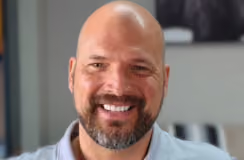
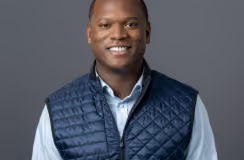
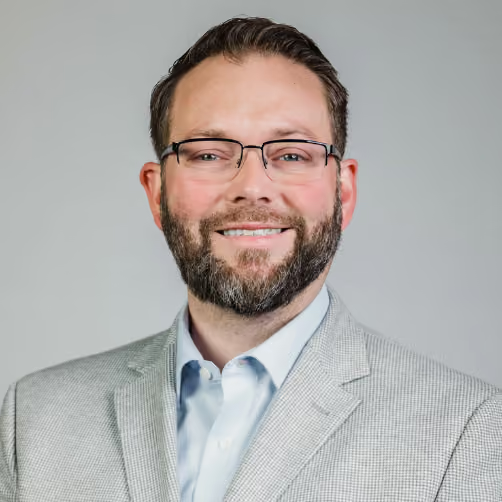
Today’s guest, Jason Hunt, founded Ink, one of the companies offering PGI.
Jason started his career in restructuring during the financial crisis. He later bought and sold a business of his own, then decided against a second acquisition precisely because the PG put too much of his family’s assets at risk.
In this interview Jason and I walk through how PGI works, including:
After listening, if you have more questions about how PGI might help you in your SBA acquisition, Jason is joining us for an Acquiring Minds webinar on this coming Tuesday, November 17th, at noon Eastern. Register at the link in the show notes or at the Acquiring Minds homepage, acquiringminds.co.
Here is Jason Hunt, founder of Ink.
We cover if the personal guarantee was called and we step in before you have to pay out those personal assets.
Jason Hunt unpacks PGI, the new product category built for SBA buyers deterred by the risk of losing everything.
Topics in Jason’s interview:
References and how to contact Jason:
Connect with Acquiring Minds:
Edited by Anton Rohozov and produced by Pam Cameron
[00:00:00 - 00:04:40]
Host: For many of you, the personal guarantee is the biggest deterrent to buying a business with an SBA loan. If the business fails, the bank can come after your savings, your house, all of it. You've heard stories on Acquiring Minds where that actually happened. Well, in the last year, a new product category has emerged to take on that risk, personal guarantee insurance, or pgi.
Today's guest, Jason Hunt founded Inc. One of the companies offering pgi. Jason started his career in restructuring during the financial crisis. He later bought and sold a business of his own, then decided against a second acquisition precisely because the PG put too much of his family's assets at risk.
In this interview, Jason and I walk through how PGI works, including how it's priced and what it covers, how much skin in the game a business buyer needs, how it works when an acquisition goes sideways, how lenders are reacting to PGI and other uses for pgi, including serial acquisitions and sellers who roll equity. After listening, if you have more questions about how PGI might help you in your SBA acquisition, Jason is joining us for an Acquiring Minds webinar this coming Tuesday, November 17th at noon Eastern. Register at the link in the show notes or on the Acquiring Minds homepage. Acquiringminds Co.
Here is Jason Hunt, founder of Inc. For a lot of would be business buyers, owning a business stays a someday plan until something forces the question For Scott Meyer, it took a major life event that kept him out of work for a year. In a webinar today, Thursday, Scott, who spent his career in film and TV before becoming CEO of Budsies, the company that turns kids drawings into one of a kind stuffed animals, will share how he went from Someday to Signed. Among the topics you'll learn how a wake up call reshaped Scott's view of risk, why buying bigger was actually safer when to say no?
After reviewing hundreds of companies, the warehouse moment that saved the Budsies deal and knowing its time without a forcing event like Scott had, the webinar is the wake up call from Someday to Signed and it is today, Thursday, November 12, noon Eastern. Link to register is right at the top of this episode's show notes or on the Acquiring Minds homepage. Acquiring Minds co. Welcome to Acquiring Minds, a podcast about buying businesses.
My name is Will Smith. Acquiring an existing business is an awesome opportunity for many entrepreneurs and on this podcast I talk to the people who do it. Buying a small business sounds simple. Find a company due diligence, get a loan close.
In reality, you wear every hat just to get the deal done. And then the moment you close you have to throw those deal making skills out the window and learn how to operate. You shouldn't have to rebuild this infrastructure from scratch and you definitely shouldn't do it alone. That's why Walker Deibel created Acquisition Lab, which started as an accelerator, has expanded into a complete ecosystem for acquisition entrepreneurs.
Over six years, the lab's 1200 members have acquired over a billion dollars in businesses. The Lab puts everything under one roof, an active community, deal reviews, post close services, and a dedicated fund helping experienced operators buy larger businesses. If you're serious about buying a business, come see why Lab members have a full 40% success rate. Learn more in the show notes or@accentlab.com acquiringminds Jason Hunt welcome to Acquiring Minds.
[00:04:40 - 00:04:42]
Guest A: Will, thanks for having me. It's great to be here.
[00:04:42 - 00:05:38]
Host: Jason, you are the founder of Inc. A new company providing personal guarantee insurance to the SBA business buyer market. Not surprisingly, there is a lot of interest in this concept in the product. For some people the personal guarantee represents so much downside that it keeps them from pursuing this path at all.
So if personal guarantee insurance PGI takes off, it could open this path for more people. And then of course, the people who would have bought a business with an SBA loan anyway are going to have a new opportunity to protect themselves from the nightmare scenario. So it's very intriguing. There's a lot of buzz around pgi.
We're going to learn about the concept and inc's own solution in our conversation now. Great to have you Jason. Let's begin with some background on you, please.
[00:05:39 - 00:08:16]
Guest A: Happy to. So my background's a little bit eclectic, but I feel like all these pieces brought together the right foundation for building this product. So I started my career in 2008 and I went into finance and it was the height of the global financial crisis, so I went into turnaround and restructuring. We typically helped larger companies that had taken on too much debt figure out what they were going to do next.
A lot of times that was restructuring the debt with their lenders. We could be operationally trying to turn around the business, we could be raising fresh capital or if none of that worked out in the best path, we would sometimes liquidate the business. So really kind of foundational experience for understanding what happens when you take too much debt and that doesn't work out helpful for pgi. Then after that I wanted to be an entrepreneur and I went and bought a small business in 2013.
Back then I don't think the word ETA existed. It was really early days in the ecosystem and we bought an education company. So it had contracts with local schools and a private lesson business. And we really focused on the private lesson business is the way that we can scale this to multiple cities.
So you know, kind of thinking back to those days, a lot of people talk about AI back then it was like, hey, let's build a website and find some customers online. And that's basically what we did. We built an online marketplace, we grew it city by city and we ended up selling the company. We did that.
That got me into tech. I worked for the choir for a bit. They were called Reverb. Then I worked at Amazon, then I worked at a company called Quicknode, really in growth roles.
So I learned a lot about building products, iterating quickly and driving revenue growth. And so after I went back and got more experience, I wanted to go be an entrepreneur again. And I started looking at buying a business and as I got into that, my financial profile change would think a lot of that was good because it was like, hey, we have more assets and I have more experience and frankly I was way better equipped to go run a company than I was at 25. But you know, that's where the personal guarantee became a lot harder for us.
We had some real estate assets and not only that, my wife managed those and would do renovations and things like that. So if things didn't work out with going to buy a business, it wouldn't just wipe out the assets, it would wipe out her nine to five. And so we decided not to do that as a family. As I was going through that process, I chatted with a lot of searchers and got their feedback on how they handled the personal guarantee.
And I just got this feeling that there needed to be a product out there to help folks and there was just that really strong demand signal from the market. So I teamed up with my partner Devin, we started building this product. It's taking a bit to get live, but we just got in the hands of customers and we're super excited about it.
[00:08:16 - 00:08:54]
Host: Did you have the awareness that PGI personal guarantee insurance exists in other places? So namely there's a big provider of personal guarantee insurance in the UK and I've heard that cited as sort of a precedent for what could happen here. And the reason I ask that is because I'm not sure that I would have had the insight otherwise or the insight that you did. I just took sort of personal guarantee as a law of physics in SBA land, in lender land, and that it's, it's there precisely to not and that there are no workarounds and that's the way the banks
[00:08:54 - 00:10:01]
Guest A: like. Yeah, well, I would say some of this came from building software products over the last 10 years. Is like, you really listen closely to demand signals from customers. And I was fortunate.
I had a WhatsApp group of searchers and anytime you mentioned something about the personal guarantee, there was just a lot of demand signals. And I said, okay, there's something really here. And then I did start doing the research about what has existed in the past. So there was actually a company in 2010 called *Financial that did it in the US they ran for a couple years.
They ended up selling the business to a company in the uk. I'm not totally sure if that's the same one that's existed in the UK for the last 15 years, but the one that you're talking about has been around for a while and has a lot of history and the product works. And I think one of the main things is in the uk they have higher PG prevalence. So most con.
Most business loans actually have a pg. So even though their debt market is a lot smaller, you know, it's more kind of in your face like it is with sba, you know, and you see it every day and everyone's talking about it. And so I think that's one of the reasons that it got started up there first.
[00:10:02 - 00:10:31]
Host: You're actually not the only provider or really startup who is pursuing this solution for the market. I've had another on and there are there. There's chatter of, of even others. So maybe there's two of you definitely who are going to market and there may be others.
Is that a coincidence or is there something in the air or what? What's that about that all of a sudden there, there appear to be a number of competitors in this space.
[00:10:31 - 00:11:33]
Guest A: Man. I like to joke that chat GPT is responsible. Everyone kind of typed in and said, hey, is this a good business? And it's like it's a huge T.
Go after it and build that business. I don't know if that's actually true. You know, my person, my experience was so personal, right? Like I have bought in businesses and signed the personal guarantee and like my assets were in the exact wrong places and we had no homestead protection.
And it was like, you know, I had been through it. So that was kind of my experience and it was really built from the bottoms up. I do think that the growth of the SBA ecosystem and ETA is a big deal because, you know, think about your podcast. Will you've had maybe 15 horror stories on there.
Right. And, you know, most of them are success stories. But word is getting out that, hey, if you buy an asset light business that you PG to the tune of 2 to 3 million dollars, there's a lot of risk there. And so as that ecosystem has grown, I think the need for this product has also grown and the awareness has to.
[00:11:33 - 00:12:26]
Host: Yeah, I'll just cite a, I think my most recent guest who had the courage to come on here and tell her horror story. Morally, Desai, an E commerce business that very quickly went to zero after her acquisition, but it was a $4 million enterprise value acquisition, so a sizable business. And she now is, I, if I recall, it's $200,000 a year for a number of years. Yes, she's, she's under this burden, not to mention destroyed credit.
So it is, it is a nightmare scenario. Now she, she has emerged on the other side and is philosophical about it, is moving on with her life and has landed on her feet and she didn't lose her house. So there is a silver lining there. But it is, this can be seriously devastating.
And, and that's only the most recent example on Acquiring minds.
[00:12:26 - 00:12:27]
Guest A: Right.
[00:12:27 - 00:12:45]
Host: People should go back and listen to that. I've, I've, I've teased, gotten, gotten us a little bit ahead here, Jason, but let's talk directly about the problem that it, that it solves. Kind of define the personal guarantee and then the personal. And then personal guarantee insurance.
[00:12:45 - 00:14:59]
Guest A: Yeah, I think at a high level, what the personal guarantee is saying is that, hey, if the business, the business takes out the loan and if the business can't repay the loan, then I'm personally going to backstop that. So if you think about that a little bit, you're kind of repealing the concept of limited liability. Capitalism is built on the concept of limited liability, where it's like, hey, what happens with this business won't come home with you now. It serves a real purpose.
Otherwise lenders might not lend in this ecosystem. That's what the SBA is doing. That's what the personal guarantees are helping with, is that the lenders know that there's enough collateral that they can go after and make this loan. So it's helpful.
But the downside risk that you talked about is real. As we think about what we do, we really focus on trying to figure out what that personal guarantee amount is. We size that and we cover it. So in different businesses, it really depends.
You might have a lot of business collateral or a little business collateral, and we'll help you size that and then figure out coverage for it. So think about if you're buying a services company, you might just have computers and people, right? So your PG amount, you're basically on the hook for the entire loan. And say you took out 2 million, sell the computers for a couple thousand, maybe you have some ar, but there's not really a lot of business collateral.
Now there's other companies where maybe you buy the real estate. You buy, you have a ton of inventory and you can sell that off. You take out a $2 million loan, the PG amount could be 500,000 or a million, because you have a million in collateral. So that's step number one is trying to figure out, put a number on, hey, how much is this PG that I'm signing up for?
Then we cover that amount, and we are there for you if the personal guarantee gets called. So I think it's an important distinction. We don't cover the business assets. We cover if the personal guarantee was called and we step in before you have to pay out those personal assets, and we help protect you with that.
We do have some shared coverage. We typically target about 80% coverage. We can go higher and lower than that. We have a lot of flexibility on it, but that's generally what it's focused on is like if your personal personal guarantee gets called, we can be, we can help you pay that off so you don't face personal wipeout with this deal.
[00:15:00 - 00:15:12]
Host: Can we walk through just some napkin math of an example business acquisition? Call it a $3 million business acquisition with an SBA loan. Just, just walk us through some, some very loose, loose numbers on, on that.
[00:15:12 - 00:16:16]
Guest A: Yeah. I would say at a high level, there's probably a couple numbers you need to know what's loan amount, how much business assets you have, and then, you know, you also want to know how much personal assets you have exposed. But if we take that $3 million example and we say, hey, the business has a million in assets, you would get coverage for the 2 million, which is what you're backstopping on the personal guarantee side. So in that scenario, let's say we cover 80% and we can, we have some flexibility on that number.
We'd be covering 1 6, and you would retain 400,000 on your side of risk. Our whole goal is that people can afford that deductible, but it doesn't wipe them out. Hopefully they don't have to sell their house. They don't have to, you know, sign up for a payment plan of $200,000 a year for, you know, five to 10 years and they can really pay off the loan in full.
And that's what we're hoping for. So in that scenario, the business assets would go first, that would be the first million that would go pay back the loan. We would pay next for our 80% and then the person would also pay their deductible.
[00:16:17 - 00:16:50]
Host: And so when you talk about 80% coverage, the remaining 20% is what, what we'll call the deductible. Okay, so in this example, as you said, it was $400,000. And so what the, your customer is asking themselves, the business buyer, as they set out to, to, to consider a policy is will the deductible, the deductible might be so large that it wipes them out anyway. Right.
If I'm, if I'm somebody with less than $400,000 in assets in that example, I'm going to be wiped out anyway. Am I thinking about this the right way?
[00:16:50 - 00:18:02]
Guest A: Well, I would say high level. A lot of times people's assets exposed are related to the loan value. So I don't see a ton of scenarios where someone with maybe $50,000 assets exposed takes out a $5 million loan generally if they're a self funded searcher. So I would say those things are pretty proportional.
Typically the loan value is a little higher than the assets, but we check to make sure that the deductible makes sense for this particular individual. And if it doesn't, that could be a reason that we could go higher than 80% on the coverage. Because when you think about what people, what we're trying to optimize for is we still want some skin in the game, the lender still wants some skin in the game. And that is not really as a percentage of the coverage, it's as a percentage of their assets exposed.
So we take that into account when we size the deal of like, okay, this person has, you know, a million dollars assets exposed, maybe it's home equity, whatever it is, what is the percent, what is the deductibles percentage of their assets exposed and does that make sense from a risk transfer perspective and also skin in the game. And we look at both of those things,
[00:18:04 - 00:19:02]
Host: you know, Enzo Technologies as one of the leading IT managed service providers serving the search community, led by Nick akers, an Acquiring Minds guest who bought the 35 year old business. The team at Enzo regularly works with searchers and their acquisitions. And one feature of acquired businesses that Enzo is seeing over and over is the need to implement cybersecurity promptly during the transition. So many acquired small businesses either have glaring vulnerabilities, lack security best practices or both.
That step one to de risk the deal you just closed should be addressing these issues. INSO is your full service IT MSP for post close stability. They assess your target surface the biggest risks in place plain English and give you a day one through 30 plan to cut exposure, prevent
[00:19:02 - 00:19:03]
Guest A: downtime
[00:19:03 - 00:19:07]
Host: and even find cost takeouts like bloated telecom bills.
[00:19:08 - 00:19:08]
Guest A: Check
[00:19:08 - 00:19:12]
Host: out enzotechnologies.com I N Z O
[00:19:12 - 00:19:13]
Guest A: or
[00:19:13 - 00:19:13]
Host: email
[00:19:13 - 00:19:13]
Guest A: Nick
[00:19:13 - 00:19:14]
Host: directly
[00:19:14 - 00:19:14]
Guest A: at
[00:19:14 - 00:19:48]
Host: nicknzotechnologies.com the key variables are going to be my own assets then basically all the characteristics of the business, the size of the business that I'm buying and the the cash flow that it has and the multiple that I'm paying. Basically all the typical factors. But the one other that you look at closely is my own post transaction liquidity the assets that I'm looking to protect. And that's a, that's a key question because obviously that's what when the PG hits that's what it comes down to how much of my assets are really at risk.
[00:19:48 - 00:20:11]
Guest A: Right. And I would say a lot of people probably don't spend enough time on what collaterals in the business and what could you actually sell that for? Granted a lot of SBA deals tend to be asset acquisitions, but some aren't. Some have inventory that they could sell, some have the option to buy the real estate and kind of putting a fine number on that helps you size the personal guarantee and that part is really important too.
[00:20:13 - 00:20:58]
Host: It is kind of an interesting point isn't it that that asset light businesses are what are preferred in our world and yet it's precisely those that leave you most exposed in a bad situation because there's nothing, there's, there's that much less to liquid and to pay the bank back with. And in fact I've, I there has been a searcher or two, a business buyer or two on the podcast who said I actually wanted a business. I wanted to buy a manufacturing business because I wanted it to have assets because I wanted. I saw that as some downside protection in the event of the underperformance where I could I would have something to liquidate and it wouldn't be a so called airball.
The business isn't just good, all good, almost all goodwill.
[00:20:59 - 00:21:31]
Guest A: That is totally true and I wouldn't say it's the norm but I have chatted with some customers who intentionally tried to buy the real estate, you know, make sure that they had a ton of assets so that they were mostly covered. And, you know, there's a lot of things to think about when buying a business. It's not just that, but I think you got to look at both. You got to say, okay, what's the upside here?
Can I run this business? Do I like the seller? Is there growth? Can I keep this stable?
But then in a downside scenario, what does that look like? And you got to run that scenario too, and really take a hard look at it. And we help people do that.
[00:21:32 - 00:21:52]
Host: Yeah. It's very easy to focus in the downside scenario on the money piece, how much money somebody is going to their, their assets at risk. But there's also the destruction of their credit, at least for what, seven years. Talk about the sort of qualitative damage that can be done.
[00:21:52 - 00:22:42]
Guest A: Yeah, well, at a high level, if we can help you avoid personal bankruptcy, we want to. Right. Like, that's typically what would happen if you don't have enough money to pay it back. And so if you kind of step back to that example we were talking about where we covered 1.6 million, big number, and then they covered 400,000, our hope is that you'd be able to pay off this loan in full.
And so even if you have a default, but you're able to pay off the loan in full, you actually might be able to go get another SBA loan and go do it again, you know, so it's really, you, you didn't have a charge off. You paid off everything to the penny. And that is helpful for your credit and it's also helpful for your future, too. And so that's really what we're going for with insurance, is to help people, you know, not be wiped out.
Obviously, there's still some pain there on the deductible, but they can still get a fresh start after going through this whole situation.
[00:22:43 - 00:23:12]
Host: We're talking a lot about the SBA business buyer as the kind of core icp, the core Persona here for Inc. And for, for PGI in general. But there are a couple of other profiles that you think about other potential customers of this product. This.
Let's talk about those. This what you call the Stackers. Multiple acquisitions. Let's hear about that.
And then second sellers, which is an interesting one. First the Stackers, please.
[00:23:13 - 00:24:50]
Guest A: Yeah, at a high level, there's a sub cohort of people that are trying to buy multiple businesses. Some will call them the roll ups, but they, they're going to buy one, they're going to get in the industry and they're going to go buy another one because the insurance wasn't around for that first one. They might have gotten really comfortable with that first one. Maybe they paid off a lot of the loan.
It's done well. It has enough earnings. They're not super worried about that first one, but they're going to go buy another business. And if you buy another business, you can actually use more leverage.
You could use 100% leverage on that deal. So suddenly they've gone from very comfortable with their debt structure to taking on a lot more leverage. And for that new deal, they want to get the personal guarantee insurance. So that's, that's one Persona, and then this is another one that we didn't build this with it in mind, but it's kind of come to us is that with the rule changes in the sop, if the seller stays on and rolls their equity, they have to sign the PG for two years.
And that is a really hard thing to get sellers comfortable with. Like, very hard, because they're like, okay, this new person's coming to run my company. I have to sign the personal guarantee to the tune of $2 million based off how they run it, even though I'm going to help them. But it is common in the trades or anything with a license.
Think medical field, things like that. So I would say, by and large, a lot of sellers still don't want to do that, but personal guarantee can be a solution for them where they know they have downside protection for the deal and that could help them get comfortable with it. So I've been chatting with brokers and folks that really specialize in those categories, and they're really excited about it.
[00:24:50 - 00:25:41]
Host: It's a pretty interesting use case. We'll see if it takes. Because that SOP change really kind of just eliminated the ability for sell SBA in an SBA business loan context for sellers to roll equity, which, as you said in the trades in license scenarios was, was, was an important feature of many deals. And this kind of killed it.
So that would be. That's pretty interesting. You mentioned lenders earlier. You've been very, very in touch with the lender community.
One obvious question about PGI to ask is how do, do lenders like it or do lenders feel like it's kind of a workaround? You know, they, they want that personal guarantee there. That. That's
[00:25:41 - 00:25:41]
Guest A: right.
[00:25:41 - 00:25:46]
Host: That's. Those teeth is what makes sure that they get paid. So how has the lender community?
[00:25:48 - 00:28:20]
Guest A: Well, I would say it's early days, but generally the feedback has been really positive. We got to build this product, make sure that people are happy with it and build that trust over time with lenders. But if you think about it from first principles, from their perspective, I would say on the front end we could bring new really qualified buyers to market. I was held back.
There's folks that are held back and they tend to be mid career, they tend to have more assets, they tend to have more experience, they could be really good people to go run a small business and grow it and create jobs. And those tend to be the folks that we see really interested in personal guarantee insurance. So from a high level it could bring new folks into the market for the lender that could be really good risks and customers for the lender. On the downside scenario we, you know, if you kind of go through the whole process, could help them get paid back faster and more whole.
And the truth is, no lender that I've ever met loves seizing your personal assets. It's just like it's not a great experience for their customer. You know, sometimes you sign confidentiality stuff because it's kind of like not a great look. And so if there's a solution that can be cleaner for them to recoup their money, which is really what they're looking to do, I think that's an exciting solution for them.
When it gets to skin in the game, we really designed the product around, you know, that shared retention because we want people to have skin in the game. And so when I think about that right now our system is like, hey, for you to act the right way, we have to take 100% of what you own, unlimited, you know, until it goes. And I think you and I know running businesses that that's not true. Like you are going to try and run your business really well even if there wasn't that most people do, right?
When you have a venture backed startup, people are trying to run it, they don't have debt on the company, all that kind of stuff. But you know, it's really kind of like, I like to call it fight when distress. You know what people really want is to know that this business owner will fight to save the business when it's not doing great. And so we think we have the right balance of that.
Where the first deductible really is their down payment. It is running this business for multiple years, it is taking an under market salary and then we have a second deductible which is, it's just one deductible for our product but it's that's sort of a second deductible which is their 20% that they retain. And we think that's enough to get the incentive that we want for someone to run this business to the best of their ability.
[00:28:21 - 00:28:51]
Host: It's an interesting point Jason. We, we talk so much about personal guarantee as being skin in the game, but it does, it's a, it's a great question to ask. Well maybe it's more skin in the game than necessary. It's so onerous.
You know, maybe we can get a business buyer, an SBA business buyer who is hits upon rough, a rough patch just as motivated without going, you know, holding a knife to their knife to their
[00:28:51 - 00:28:52]
Guest A: throat.
[00:28:52 - 00:29:15]
Host: These are, these are generally motivated people anyway, so it's a good question. Is, is the PG almost outsized in its and how devastating it can be? And so you're arguing that you don't need that much. You don't, it doesn't need to be that onerous to still have these entrepreneurs form to their best of their, the best of their abilities.
[00:29:16 - 00:29:29]
Guest A: Would would losing additional 20% of your net worth make you still want to fight to save the business and everything you put in so far? It's still a lot of incentive to try and make things work if it's possible.
[00:29:29 - 00:30:44]
Host: The other thing that I want to react to is this point that there's a correlation between someone's assets and how experienced they are. Obviously the further they get in their career, the more kind of mid career experience they've accumulated, probably the more assets they've accumulated and yet that they're there and therefore they're what they have exposed in the case of a downside is that much more. And so in some there's sort of this perverse dynamic where the as, as you started, as you kind of said, the very people who might be best qualified to go buy and operate a small business are the ones who have the most on the line and are therefore disincentivized to do it because the, you know, the personal guarantee is most threatening to the guy or gal with a family and three kids and a mortgage and yet that person probably has all of that is probably 20 years into their career and is, is really quite experienced anyway. So in some ways the personal guarantee incentivize.
Incentivizes you know, the youngest 25 year old who's really got nothing on the line to go out to take the biggest swing they can and yet they're also the least experienced of the cohort. So
[00:30:44 - 00:31:21]
Guest A: I say that from personal Experience, because that was me when I bought a business. The first time I used my 401k, I rented. I didn't have a family. You know, I was not worried about it.
And the second time around, I was almost 40. And, you know, we had rental properties, we had my wife's business, and we had built up assets. Assets over time. But I was way better equipped to run a business.
I mean, like, I had no idea what I was doing. I mean, I was excited about it, and I worked really, really hard, and, you know, we made it a success. But the second time around, there's no question about it, at least speaking for me personally, I was way better equipped to run a business.
[00:31:22 - 00:31:47]
Host: Yeah, this 80% number, Jason, so some of the other products in the market have. Have different coverages that they're talking about. 50% is a number that you'll hear. How did you decide on 80%?
Is that a magic number? Just talk about the differentiation in your product based on that particular number, that coverage percentage that you've landed on.
[00:31:47 - 00:33:15]
Guest A: Well, at a high level, it kind of steps back to a lot of the stuff we've already talked about where it's like, okay, how many people does this provide enough risk transfer for? And so we actually did research with our customers or before we had the product, it was like early interest people to be like, how much assets do you have and how much coverage are you going to get at 50, 60, 70, 80, 90? And will this product work for you? Because if you think about the example, let's say that you have 50% coverage.
You had a million assets, which are still a lot, but you took out a $2 million loan and you only get 50% covered. You're still wiped out. And that's scenario. So that's not everybody.
There are some people that have a ton of assets. Let's say you have $4 million. You take out a $2 million loan. 50% is truly helpful in that scenario.
And so we just wanted to talk with customers, collect that data, and then make an informed decision. And what we found is that most people get a loan that's around double the size of their assets exposed. You know, so we had to think about, okay, how does that deductible fit with their assets exposed? Is that enough skating the gain, and does it stay still, make sense to purchase this product?
And that's where we landed on that. And I will say it's not just 80%. We don't do the same for everybody. Each situation is different and we have some flexibility.
So We've had people say, hey, I want 60% and some other people say, I want 85. And we've been able to work with both of those folks to help them get the coverage they need.
[00:33:15 - 00:33:25]
Host: Great. And on the actual policies, can we hear more about how they're structured and priced? So how to think about this as a potential customer of pgi?
[00:33:26 - 00:35:22]
Guest A: Yeah, at a high level they are typically annual policies. And when we think about that, we have a couple different options. So this is one of the recent changes that we had to the product that I think is really exciting for folks is you can do a one year option, a two year option and a three year option. And for each of those, really what you're buying is a guaranteed renewal for the next year and a rate lock.
So one of the concerns we heard early on is that, hey, if I do the one year, what happens at the end of that one year if things go with the company or the economy or anything like that and people are really buying peace of mind. And so we went back and we made an update to the product to allow people to go up to three years where they really truly do have that peace of mind. Now it does cost a little bit more in premium to lock it in for a second or third year, but really the headline for us is we wanted to give customers choice. I think the one year product is great for things that could happen within the year that could be totally beyond your control.
Like talk about customer concentration or like the team walking out and starting a competitor. That can certainly happen in the first year and there are defaults in the first year where that happens. But if you're having kind of more of a slow decline and you're like, hey, I want to protect against that, that is for sure more than three year product. Right.
And you're going to lock in that rate. So for us, we, we have what we call our base rate, which is kind of, I guess, I would say our starting average price at about 1.5%. So if you kind of take. We'll just use an easy example.
Let's say you've got a million in coverage. Assume no business assets. We're covering 800,000. That would be about 12,000 in the first year, one and a half percent.
Now it could be higher and lower than that and it does vary a lot. So I would encourage folks, if they're listening, to get estimates from us because it really depends on the deal. It could be a lot cheaper, it could be a lot more expensive. And then typically, as you Go longer out and lock in that coverage.
It does go a little bit up each year that you lock in.
[00:35:23 - 00:35:59]
Host: Great. And just to be clear on the one year option versus the three year option, the concern that you were reacting to in the market was that I buy a business and I get PGI and it's an annual policy. And I'm worried that things, you know, if things aren't going well in month 11 or 12 of my ownership, you're simply going to drop me as a customer, as a, as an insured. And so this is a reaction to that concern.
And essentially I can sign up for three years out of the gate and so I don't have to worry that I'm going to be dropped anytime during those three years no matter how bad things get
[00:36:00 - 00:37:18]
Guest A: right. And I would say, you know, it's not our intent to cancel people. It's, it's more, you know, there's part around the business, but it's really also about the economy and things like that. Right.
You know, when you kind of think about these big macro events, you know, insurers can get a little bit more guarded in those times and that's exactly when you want the coverage. And so this within the policy locks you in for those years where you know what your rate's going to be and you know you're going to get renewed. And that's a really big thing for folks. And one of the cool parts about it is we kept the annual policy even though we have those guaranteed renewals and rate locks.
And so the, the insured actually has a lot of flexibility. They don't even have to go to year two or three if they don't want to. They can stop the coverage when they feel comfortable with the business, which is really nice. And then we also take into account the benefit of amortization.
So in year two, you've maybe paid down a little bit of the principal on your loan. We lock the percentage rate. So let's say that's 1.5. And in year two you only need 900,000 in coverage versus a million.
We will apply that percentage. So that's your premiums will actually come down over time. It's pretty unique. You know, I really don't know a lot of insurance products where your premiums could get cheaper.
But it makes sense, you know, as you de risk the, the business and you pay off the loan that that will happen with those that multi year comfort share.
[00:37:18 - 00:37:29]
Host: And so walk us through the mechanics of getting PGI here, Jason. Like what, what would it look like where, where does it fit into the, the whole long transaction process?
[00:37:30 - 00:38:24]
Guest A: Yeah, at a high level, we're happy to chat with folks at any time. It's a brand new product. We want to get education out there and just kind of share how it works. Where we can start to give you pricing is typically when you get a term sheet from your lender and you're under loi, we have enough of kind of like the core ingredients, what's the business, you know, what does the loan look like, all that kind of stuff where we can give you, just basically let you know, are you likely to be approved and what's your rate going to be.
And then we just follow along through closing and typically close with you or within 30 days. So we're really kind of focused on originations for loans. We can go outside of that. We can go up to six months.
But those are kind of more exceptions than our core rule. We really like to close with you. I think it's easier for the borrower. They have all their docs ready to go with their acquisition and it makes it really easy for underwriting too.
[00:38:25 - 00:38:36]
Host: And then in the downside case that this is meant to protect against, what does the sequence look like then? When do they start interacting with you? A borrower who's hit hard times?
[00:38:37 - 00:40:20]
Guest A: Yeah, I would say at the highest level, hopefully you don't need the insurance and the business goes great. If it doesn't, you know, there could be a turnaround scenario. So let's say, you know, revenue or profits came down a little bit and you have too much debt on the business, but it's really a good underlying business and you want to hold on to it. That would be probably something that you would work out with your lender where you're like, hey, we need to extend the terms or we need to adjust, you know, the rate or whatever it is, help me try and keep the business.
That's what I used to do in turnaround and restructuring. Those are, if you can make that happen, that's great because you can hold on to the business. Where we really come in is where there's really not those moves to make anymore. You're kind of like, hey, I've done all those moves.
We're, you know, we can't make this a going concern anymore. And so when you had a default notice with your lender, that's part one of our claims trigger that gets your claim in on time. And then we follow along with you and the lender as they liquidate those business assets. So back to that conversation we were having before where it's like, what amount are you going to get for that?
We want to try and size that and know ahead of time that goes back to pay the loan. And then the lender tells us, hey, they had a million outstanding. They got 200,000 in business recoveries, and there's 800,000 in the gap. And that tells us the number that we need to go pay for the claim.
So we allow for time to happen with that. Automatically you get 24 months of like, hey, we got to go through the business recoveries and figure out that amount. You can extend that over time. We know that some liquidations can take time, some don't take a lot of time.
Some are just like laptops and, you know, not much. So we try to be build the process so that it's flexible based off all those different scenarios
[00:40:20 - 00:40:35]
Host: and tell us where Inc itself is in terms of availability of the product, where it's available. There are certain states that, you know, I know you're not available in. So talk to us about actual contact with the marketplace here. Where are you?
[00:40:35 - 00:41:16]
Guest A: Yeah, so a lot of insurance is state by state. We are live in 43 states plus DC some big ones that we're not live in now are California, Florida and New York. I think we have about 71% coverage of SBA volume in those other states. We do plan to get to them.
You know, I originally grew up in California, I've lived in New York. They're great ecosystems, they're high volume, but they have a different way that they treat this line of business. And we have to file to get admitted in that state. That process does take a bit of time.
So we're probably estimating about 12 months to be in those markets. And in the meantime, you know, we're serving customers in other 43 states.
[00:41:17 - 00:41:20]
Host: But you predict being having 100% coverage across the
[00:41:20 - 00:41:23]
Guest A: U.S. yeah. Yes. Over time,
[00:41:24 - 00:42:41]
Host: running payroll, paying your bills, closing your books, and producing financials. These are critical tasks every business owner must do or oversee. But spending time on them distracts you from the leadership in growth work you want to do. So let system 6 do it for you.
Owned and led by a former Searcher, Chris Williams, System 6 is a leading outsourced finance team for hundreds of SMBs, including over 50 searcher acquired businesses. Chris, Tim and the System 6 team understand firsthand the challenges, the opportunities of jumping into a business as its new owner. So whether you own your business already or have one under LOI, talk to System 6 about how they can give you time back and improve your financial operations. Mention Acquiring Minds and they'll provide a free review of your books and financial ops.
A $500 value. Check out system6.com, link in the show notes or email helloystems6.com and are you actually writing policies? Is the market available today? I mean, is the product available today?
[00:42:41 - 00:43:07]
Guest A: Yeah, we have our first cohort of customers which has been really exciting, really across industries, some accounting, some excavation, some home services businesses, medical, things like that. So it really does kind of fit probably the same types of business that you're seeing through your podcast. And we just got this new product live two weeks ago with the guaranteed renewal and the rate lock and the demand for that has been really strong.
[00:43:08 - 00:43:18]
Host: It sounds like that. So that was one adjustment to the product offering that you made. Were there any other things that you built into the product then learned quickly from the market that needed tweaking?
[00:43:19 - 00:44:58]
Guest A: Yeah, I would say that there was two. One was just the whole customer experience. We built kind of our flow from application to quote to bind from scratch. So we really tried to make that a forward thinking, easy to use, great UX customer experience for people so that they're excited about this.
It's easy to do. It's a lot of work. Going through a closing and SBA package is a crazy amount of documents if you've seen it. So the more that we can just kind of hook into that process, we have the ability to extract those documents, pre fill your application, things like that.
That's been one of them. And then we built a lot of tooling on our site. You know, when I think about our goal in the ecosystem, we want to help people buy businesses that are successful and don't fail. We're really aligned on that with this individual.
Right? Like if they don't fail, that's great for us, it's great for them and they can continue growing this business and drop the coverage when they need it. And so we built some tooling on our site to help people do that. We launched a default rate tool where we are sharing some of the information that we have on different industries and how they default over time.
And that data is pretty insightful and it's something that you all know. You might see a home services category that's really hot, that's like spiking this year and be like, okay, what, what's going on there? And so we want to get that out to our customers so that they have the information on what we're seeing on our Side, if it's early enough, maybe that can help them pick a different type of business that has really low default rates. And if not, at least they know and they can think about what are some of the risks that happen with other businesses and how can I mitigate against that?
[00:44:59 - 00:45:16]
Host: Yeah, well, maybe not your intention and what you shared with us, but I can't, I, I can't let you tease that you have some special market intelligence about which business categories are seeing a spike in defaults and not tell us what those are, who's what, what categories are having a hard time right now.
[00:45:16 - 00:46:25]
Guest A: Yeah, I would say on one of them that's having a hard time right now. Well, one, overall defaults are up in general. If you look at the chart, you know, and I don't think that would surprise anyone, but things got kind of looser in, you know, 21, 22, 23. And you're seeing that default rate go up.
So almost all categories are up. One that is spiking, that is a popular category is roofing. And I didn't know that until, you know, we had a customer apply and I was like, why did this not go through? And I looked at the data and that was part of the reason.
Great person look like great on paper and I didn't know that about this particular category and it was true in the data. So we wanted to open source that, get that information out to people. So there's no surprises on that kind of stuff. And then on the good businesses, I think this is really interesting too.
Vet clinics tend to be, I think they're the lowest default rate of categories that have volume. Car washes with convenience stores, another one really kind of the whole dental, medical has been really strong, so that's on there too. And you can kind of go pick your targets.
[00:46:25 - 00:46:27]
Host: Great. And so that's available on the website.
[00:46:27 - 00:46:28]
Guest A: Yeah.
[00:46:28 - 00:46:30]
Host: What's the URL? What's the
[00:46:30 - 00:46:37]
Guest A: URL? Incinsurance.com and then it's default rates. But there's a button on the top menu. Yeah.
[00:46:38 - 00:46:49]
Host: How many of these policies do you have to write, Jason, for your own business, for this startup of yours to become viable? It, you know, I know nothing about insurance, but there's obviously
[00:46:49 - 00:46:50]
Guest A: kind of a
[00:46:50 - 00:46:58]
Host: threshold number, a critical mass number, you know, what roughly I mean, are you, do you have to, do you have to underwrite thousands of policies or less or what? Give us a direction.
[00:46:58 - 00:48:23]
Guest A: I think we'll be, I think for things to be viable will be in like the low hundreds and I think we can get there pretty Pretty easily, as you get larger. It's better though, because the. What they call it in insurance is the law of large numbers, right? Like, the more policies you have, you can rely more on the statistics, right?
So you can say, okay, you know, the data that we pulled from overall with the SBA is actually true. The more that you have smaller, the more random it gets. And so that's something to think about with this, with this category, though. I really think that over time, this will become pretty standard.
It'll be looked at as a little crazy that back in the day you could, you know, buy a business for $3 million with no business collateral and pg, the entire thing, I think insurance will kind of be built into that. If you think about private mortgage insurance, right? It's like if you have leverage over X amount, then you get insurance to cover that because you're using a lot of leverage on this deal and that you even have the collateral. At least you have the house.
You know, like, you have the house, you have something that you can sell. Here we're saying no collateral. I'm backstopping the whole thing. And I think it's, it.
It'll make sense. And so as this gets bigger, we'll fine tune the pricing. We'll get that nailed in over time. And, you know, I think it'll really be built into the ecosystem and helpful for folks
[00:48:23 - 00:48:36]
Host: circling back to this point that you're not the only one doing this. There's, you know, there's been another provider on the pod, and then there, there's talk of other providers still. How do you react to that? Is it like, hey,
[00:48:36 - 00:48:36]
Guest A: yeah,
[00:48:36 - 00:48:51]
Host: I don't want competition, or is it. Or is it like a more experienced entrepreneur, you recognize that actually having some competition validates the entire category. And so in some, it's a, it's a strong signal to the consumers that this, this product concept is here to stay.
[00:48:51 - 00:49:56]
Guest A: Yeah, I do think it's helpful for the consumers. Like, if we were the only person in the category, I think that would be a little bit scary. And more people coming to the market is a positive thing for validating the industry overall. So I think that's positive.
And then on the particular competitors, I have a lot of respect for them. I know how hard it is to build this product and how long it's taken to get to market that, you know, anyone that actually has a product live, like, huge, hats off to them for sure. So I think that's true. And then for us, we just try and focus on differentiation.
Like any business and what are we doing that is unique to us? And how can we stand out and how can we iterate on the product quickly? And what can we offer customers that they don't get elsewhere so that people pick us? And so we're really focused on that.
It is kind of funny because it does feel like a lot of competitors came quickly, but at the same time, you know, any business category that is large or growing or is nascent, but is growing really fast, they're going to have multiple entrants. So it's pretty expected, I think. Think.
[00:49:56 - 00:49:57]
Host: Yeah, yeah.
[00:49:57 - 00:49:57]
Guest A: Yeah.
[00:49:57 - 00:50:19]
Host: Well, as you, as you put it at the top, the, the pain point here is just screaming. I mean, the, the PG gets so much attention justifiably in our, in our world that if you had the insight that there could be a product that could address that, once you have that insight, it's like, yeah, this is, this, there will be demand here. No question. The demand signals, as you, as you put it.
[00:50:19 - 00:50:19]
Guest A: Yeah.
[00:50:20 - 00:51:07]
Host: Okay, Jason. Well, if the listener is interested in learning yet more or asking you questions directly, you'll be hosting a webinar with Acquiring minds on Tuesday, November 17th. So we're going to get more into the weeds there. You will deliver a presentation and then of course, there will be Q and A.
So people, any questions that somebody's listening now and screaming at me to ask, that I'm forgetting to ask, they can come to that webinar and ask. And there will be a link in the show notes of this episode to register for that. And of course, we'll promote it in all of our usual channels and people can go to incinsurance.com you mentioned the digital tool, the, the tooling that you've provided. There's, there's a lot of tool tooling on the website, right?
Not just, not just the one thing you mentioned. To tell people what they can find it at your URL.
[00:51:07 - 00:51:44]
Guest A: Yeah, yeah. Check out our website. At incinsurance.com we have the default rate tool, which has been really popular. You can see that about your industry.
We also help you size the personal guarantee so you can put in the type of deal, the business collateral, what state you're in, your personal assets, and it'll help you figure out how much of that is exposed. We have a quick estimator, so if you don't want to go through the application yet, you can put in a couple pieces of information about the deal and then we'll get back to you quickly on whether it's likely to be approved and what the pricing is going to be. So we're building new tools all the time and definitely go to our website to check it out.
[00:51:45 - 00:52:24]
Host: Super. That was inc.insurance.com and again everyone come to the webinar on November 17th, Tuesday, noon Eastern, our usual time, and to learn more about Inc. And Personal Guarantee Insurance. It's an exciting moment for the SBA business buyer world because of this product and this whole category which seems to have kind of sprung sprung up in the last call it 12 months or less.
So we appreciate all of your entrepreneurial, you know, energy that you're putting into this, Jason, and we all hope that it as you know, that your vision comes to fruition, that this basically just becomes a standard in our world. That would be a helpful thing for buyers. So thank you.
[00:52:24 - 00:52:26]
Guest A: Awesome. Thank you Will.
[00:52:26 - 00:53:13]
Host: Hope you enjoyed that interview. Don't forget to subscribe to the Acquiring Minds newsletter. We send an email for every episode with an introduction to the interview, a link to the video version on YouTube, and soon, key takeaways, numbers and more essentials from the interview. For those of you who don't have time to listen or watch it, subscribe at acquiringminds Co.
You'll also find all our webinars there on the website, both those we have coming up and recordings of past webinars. At this point, There are over 30 webinar recordings, a wealth of information on all the technical nitty gritty of buying a business. Acquiringminds copy.