Read MoreStories



What I acquired is a knowledge base on how to build extremely strong docks and a phenomenal reputation built over 20 years. Those two things are worth their weight in gold.
Behind every great entrepreneur is a wife with an excellent benefits package. It's a huge benefit to have something steady while you make nothing for a year or two.
Conventional wisdom says don’t buy a business this small.
Today’s guest did, and he got a lot for his money.
Trey Lomel bought a freshwater dock builder in Tampa: $500K in revenue, about $170K of SDE, and a seller so burned out that Trey calls his the worst of the 200 seller calls he took.
But the price was $325,000, under 2x earnings.
And for that, Trey got 20 years of reputation, a crew that knows how to build docks that last, and a foundation to build on. (Two hurricanes hit Tampa right after closing, and on one lake, nearly every dock that survived was one this company had built.)
Listen for the deal terms: $100K down, a 6% seller note, and no personal guarantee.
We also talk about what doesn’t show up in the spreadsheet: Trey’s enthusiasm for the business, and his wife, who encouraged him to take another look at this listing after he'd rejected it months earlier.
Revenue is on track to have doubled to a million in the two years he's owned it, and he sees a clear path to doubling again in the near term to $2 million.
Trey also sees a path to the business mostly running itself one day, counterintuitive for a construction company. Listen for why he thinks it’s possible.
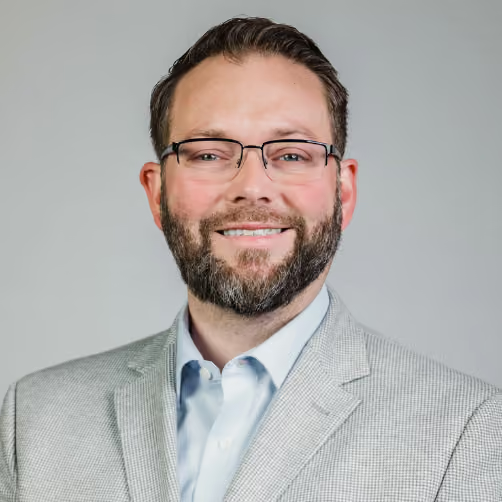
Here is Trey Lomel, owner of Old Florida Docks.

Trey Lomel is a Tampa-based entrepreneur whose path to business ownership began in high school, when his parents refused to buy him a boat. Told by his father to earn one himself, he mowed lawns, bought a $200 boat, and flipped it for $400 — then kept trading up until he eventually sold a boat for $30,000. The experience of buying something undervalued, improving it modestly, and marketing it better sparked a lasting interest in acquiring and building businesses.
He studied finance and went straight into corporate finance at a large distributor in Clearwater, Florida, where he worked on sizable acquisitions and ultimately the sale of the company. Wanting exposure to the integration side of M&A, he jumped to a consulting firm, preparing companies for post-close integration and building diligence checklists. He also bought a house out of college after a year of living with his parents and saving his salary, though rising prices soon dampened his real estate ambitions.
Growing complacent in finance and wary of AI's effect on desk-based work, he grew drawn to the trades, aided by a family background in carpentry. With encouragement and financial support from his then-fiancée, now wife, Mallie, he left his job for a six-month, self-funded search, newly married and uninsured.
It was the worst seller call I had out of all of them. He actively tried to steer me clear of his own business.
Trey Lomel bought 20 years of reputation for under 2x with no personal guarantee, and revenue is on pace to double.
Register for the webinar:
Topics in Trey’s interview:
References and how to contact Trey:
Contact Jenny to learn how Engage can run people operations in your acquisition:
Work with an SBA loan team focused exclusively on helping entrepreneurs buy businesses:
The ecosystem for serious acquisition entrepreneurs—education, capital, community, and post-close support to buy and grow a business:
Connect with Acquiring Minds:
Edited by Anton Rohozov and produced by Pam Cameron
[00:00:00 - 00:04:32]
Host: Conventional wisdom says don't buy a business this small. Well, today's guest did, and he got a lot for his money. Trey Lomel bought a freshwater dock builder in Tampa just half a million dollars in revenue, about 170 of SDE, and a seller so burned out that Trey calls his the worst of the 200 seller calls he took. But the price was $325,000 under 2x earnings.
And for that Trey got 20 years of reputation, a crew that knows how to build docks that last, and a foundation to build upon. Two hurricanes hit Tampa right after closing, and on one lake, nearly every dock that survived the storms was one that this company had built. Listen for the deal terms $100,000 down 6% seller note and no personal guarantee. We also talk about what does not show up in the spreadsheet, Trey's enthusiasm for the business and his wife, who encouraged him to take another look at this listing after he had rejected it months earlier.
Revenue is on track to have doubled to a million in the two years he's owned it, and he sees a clear path to doubling again in the near term to 2 million. Trey also sees a path to the business mostly running itself one day counterintuitive for a construction company. Listen for why he thinks it's possible. Here is Trey Lomel, owner of Old Florida Docs Most of the talk around SBA loans, including on acquiring mines, is about getting one funded.
But closing is only step one. What happens when your SBA financed business needs more capital or you're ready to make your next move? Well, in a webinar tomorrow Tuesday, leading SBA loan broker Heather Anderson will walk through your debt options after closing and how your existing SBA loan fits into your plans for growth. Among the topics you'll learn Adding or expanding a line of credit, borrowing for new equipment or vehicles how add on acquisitions affect your existing SBA loan SBA to SBA refinance rules and limits and what it takes to graduate to conventional financing.
The webinar is how to use debt to grow after the SBA loan has funded and it is tomorrow, Tuesday, November 24, noon Eastern. Link to register is right at the top of this episode's show notes or on the Acquiring Minds homepage. AcquiringMinds co. Welcome to Acquiring Minds, a podcast about buying businesses.
My name is Will Smith. Acquiring an existing business is an awesome opportunity for many entrepreneurs and on this podcast I talk to the people who do it. Longtime Acquiring Mind sponsor Aspen HR is now part of Engage peo. Engage helps acquisition entrepreneurs, business buyers like you Take care of their new employees and build trust from day one.
Whether it's an asset or stock purchase, Engage provides a turnkey solution for payroll and taxes, hr, admin and technology, employee benefits, retirement plans, workers comp, and more. They're also always a phone call away so you can receive HR guidance from licensed employment attorneys promptly as those inevitable people issues come up. With Engage managing your people infrastructure, you as new owner of your business can focus on building relationships, operating the business and driving growth. To learn more, contact Jenny Thier directly at jtheair J T H E a r@ngagepeo.com or click the link in the notes.
Trey Lomel welcome to Acquiring minds.
[00:04:33 - 00:04:34]
Guest A: Thanks Will. Happy to be here.
[00:04:36 - 00:04:53]
Host: Trey, you bought a dock building business in Florida which sounds like a niche construction business. In fact, your business is a niche within that niche. Freshwater docks only. We're going to get into it, but start us off with some background on you please Trey.
[00:04:54 - 00:06:42]
Guest A: Yeah, so quick background. My background's in finance. I kind of bounced around throughout my career but but all geared towards running a business. I wanted to learn every aspect of the M and A process and what to look for when acquiring so that one day I know what to what I needed to build when selling.
So started my career in corporate finance working for a large distributor and Clearwater, Florida. We did a lot of large acquisitions which was incredible experience straight out of college including selling the company. So after that I wanted to do kind of integration side of things and and see what that was like for acquisitions. And I had a friend working for a consulting firm.
His wife actually worked with me over at the distributor and he called me after the acquisition closed and asked if I wanted to jump ship and go work in consulting. So I took him up. We did a lot of acquisitions there and worked on the pre sites. We prepped the companies for integration on what they needed to do, create a checklist on what to look for during diligence that once they closed it'd be kind of seamless on switching over all the, all the tech and the CRM system and everything like that.
So that was beneficial to learn for me. And then after that I was getting a little complacent. I was itching to do something different. That's where I decided I wanted to jump into the trades.
And it was a valuable learning experience. But at the same time it was, it just kind of pushed me to see that the trades was somewhere I wanted to be. And I know it's a popular move right now for a lot of people in Finance. But I, I decided to spend six months just doing a self funded search after that.
[00:06:42 - 00:06:56]
Host: Let me stop you there, Trey. First of all, what strikes me about your background is that you wanted to learn how to buy businesses from college. It sounds like.
[00:06:56 - 00:08:14]
Guest A: So it kind of sparked from my parents not buying me a boat, as weird as that sounds. My friends in college all had boats. We'd go out every weekend and go fishing and go to the sandbar and hang out and stuff like that. And I begged and begged and begged for a boat.
My dad said no, it's just not in the budget. He's like, here's a plan if you want to go get a boat, he's like, go buy a small one and start flipping. So I started mowing lawns out of or in high school and saved up. I mean at the time it, it was a lot of money for a high schooler, but not, not me.
Now it's $200. I bought a boat for $200 and I started flipping. I sold it for 400, bought a boat for 450, sold that for 700 and I just kept on going and climbing until I got to my latest boat, which I sold for 30 grand. So I, that was kind of the whole movement in my life that sparked the wanting to acquire a business because I, I love the aspect of buying something that was kind of ugly, didn't take good pictures, they didn't sell it well, and just adding little things here and there that, that made it more valuable and then selling it better, just taking better pictures and like it.
It was simple to me that I could make money in the boat market. When everyone else thinks boat stands for breakout, another thousand because no one else makes money selling boats break
[00:08:14 - 00:08:37]
Host: out. Well, Trey, that, but that would, I feel like naturally lead somebody to be to a real estate investing career. Buying a hard asset and fixing it up and flipping it. That's the classic, you know, entree into real estate for so many people.
But instead you had your eye on actual businesses. Buying businesses, what's up with that?
[00:08:38 - 00:09:41]
Guest A: I wanted to do both. So real estate, I, I want to do that as well. I bought a house right out of college and I saved up. I lived with my parents for the first year out of school, saved my entire salary and bought a house.
And then Covid happened. The housing market shot up. My house appreciated, but at the same time I couldn't go scoop up the same price range. Everything else in my neighborhood was doubled in price.
So that kind of killed that dream of real estate. I didn't think it was the best market and businesses. I started reading about just buying and selling businesses and the process and then obviously my career thus far kind of led to, to that kind of knowledge base. So it sounded like there would be more, more fun for me buying and selling businesses than it would be buying and selling real estate.
More moving. It was more people involved. I'm very extroverted. So if I was just to buy and sell houses, I think I'd go crazy just by myself.
Um, it's more fun having people around.
[00:09:41 - 00:09:53]
Host: Now circling back to where we were in the plot. Just before you decide to go out on your own search to buy business. You say you fell for the trades. You, you decided you liked the trades.
What is say more why?
[00:09:55 - 00:11:24]
Guest A: I liked it because I started to see AI and its capabilities and I started to think about the businesses that one day might not exist anymore. The, the industries that I think might get wiped out or might get kind of recessed by AI a little bit. And what I was doing in finance and a lot of the positions that I've had, It was creating PowerPoint slides and creating Excel models and doing that till 10am every night and just thinking about AI and its capabilities. Like it's going to be able to do that eventually, if not already.
So I wanted a way out. And the trades is something that, I mean my dad loved doing woodwork and he kind of learned that from his dad. His dad had a three car garage that was just dedicated to carpentry. And it, it was something that I somewhat learned growing up.
Not too strong, but I, I knew enough with, I was handy enough with tools to be dangerous. So I kind of just wanted to take those skills and, and bring them somewhere. And the trades to me was an industry that wasn't going anywhere. Nothing was going to take it out.
And there was a small trend that started when I acquired the business that people were starting to buy H Vac companies and private equity was starting to look at certain industries and I was trying to follow private equity in reality. So I was looking at industries that they haven't touched yet. And marine construction was one of them where I just didn't see PE dollars going yet. So I wanted to get in before that started.
[00:11:24 - 00:11:37]
Host: And then what was the actual decision to go buy a business? Why then in. And I guess it was inevitable. You were always working toward doing that and so you just decided you were finally ready.
[00:11:37 - 00:12:53]
Guest A: It was inevitable. It was time. My, my fiance at the time, wife now was, she was pushing for it a little bit she, she agreed. She saw that I was like looking at companies every day and she's like, why don't you just spend your full time looking for companies and go find one?
She's like, I'll support us for the time being. We got married right during the act, like in that six month period. So there was like three months where I was obviously uninsured, but that was a big part of it. And I love saying that behind every great entrepreneur is a wife with an excellent benefits package because it's a huge benefit to have something steady that can help you kind of make nothing for a year or two because that's what it's going to be.
So having Mali help out and be that kind of financial rock was huge. In my decision beforehand, the risk was a lot higher. Just doing it on my own if I had no way to support myself, there was just massive risk and I love risk, but it was a little too much for me to swallow. So I think it was a timing aspect of I'm getting married.
Now's a good time to go and do it. And I wouldn't recommend doing it your first year of marriage, but made it a little bit stronger.
[00:12:55 - 00:14:09]
Host: Looking to secure an SBA loan to buy a business? Meet Pioneer Capital Advisory your go to partner for sophisticated buyers who want deals closed quickly and on the best possible terms. The Pioneer team has closed more than 100 SBA loans, averaging timelines well below industry standards. Founder and owner Matthias Smith and COO Valerie Stash bring over two decades of SBA lending experience.
Matthias and Valerie have built a team that meticulously works your deal from underwriting to close. You'll have a full bench working on your behalf, sales associates who streamline onboarding, M and A financial analysts who craft investor grade lender decks and an operations team that manages every step of the closing process. With institutional level rigor. Pioneer is not a single person, but your true deal team.
Visit pioneercap.com or click the link in the notes. So the shape of your search, what did it look like? What were you looking for? Tell us a little bit about that.
That chapter.
[00:14:09 - 00:16:09]
Guest A: Yeah. So that obviously changed every couple months what I was exactly looking for. But my initial search criteria was within my budget. I wanted a smaller business, but occasionally I would look bigger and consider raising funds.
So I did talk to several investors when I started telling them I was doing a self funded search and was looking to raise some capital in order to buy a larger company. And I had some slight commitments but decided at the end of the day that I'd rather own 100% of my first one and, and kind of prove the model that I was chasing before I started raising capital. So a couple months in I decided to do it on my own. So that was, that was a criteria that changed immediately.
But I was looking at home service businesses. I wanted something that didn't have a lot of marketing. I was looking something without a website. Ideally I wanted something that was more of a luxury item.
So a business that wasn't like a. Necessarily a need, more like a luxury item because I, I figured that that kind of criteria would just limit us to higher end clients that weren't going anywhere. So somewhat recession proof in my mind if, if I was chasing luxury rather than chasing needs because that was just. It doesn't make a lot of sense.
But to me that made a ton of sense at the time just to chase those kind of clients. And I ended up finding one obviously but. And then I wanted also to be a business that was fun. I wanted something that was fun to sell.
Clients were happy to see you. No one was sad to see you. I didn't want to be a plumber or work in H vac or anything like that where it was kind of like a. And a need that wasn't exciting.
So it was a pretty niche criteria. But what I basically did was I sent, I sent my list of criteria. I just wanted home service in my budget. I wanted a.
[00:16:09 - 00:16:10]
Host: What was the budget?
[00:16:10 - 00:17:45]
Guest A: My budget was I think a million dollars or less. So million dollar budget. I wanted under three times multiple and then I wanted above 200k seller discretionary earnings. That was my criteria that I sent every broker in the state of Florida and told them just to send me anything they had that popped up in that realm.
So every, every week I'd go through the list they'd send me and I'd call every single seller. And I ended up Talking to probably 200 different businesses, business owners and almost went through with a couple of them. Had one go all the way to the finish line that was in painting. That was an interesting one.
And there's a lot of lessons learned along the process, especially the painting business that I almost acquired because they, they took a lot of cash that they just pocketed and weren't reporting it. So I was able to. The acquisition and you'll see this a lot. I saw this several times but the multiple was on reported income.
So it was extremely favorable in that regard because it's maybe 3 extra ported income. But then you go look at how much cash they're pulling out of the business every year and not reporting. And it's a lot lower of a multiple if you consider that. But it's also not proven cash.
You have no idea that they're actually making that. That could all be hearsay. So that was a, that was a lesson learned there that I almost acquired a business that was pulling out a lot of cash and I was obviously going to report it myself because I wanted to sell someday and that helps with the acquisition. But I was able to get a discount on the deal because of it.
But you can't trust if someone's doing that. It's kind of hard to trust that person regardless. So.
[00:17:45 - 00:17:46]
Host: Yep. Yep.
[00:17:46 - 00:17:50]
Guest A: I think that was probably the biggest takeaway I had during, during the whole process
[00:17:50 - 00:18:30]
Host: going back to the numbers. A million dollars you said of enterprise value. So if in below a 3x or below multiple you said as well. Right.
So that means 333 of SDE max I guess. Well I mean you could get more but you're probably, if it was a lower multiple but so, but call it 333 and then your floor was 200 of earnings. So somewhere between 200 and 350 of SDE is likely where this was going to fall. The million dollars.
So you had a hundred grand to put into this. I'll assume for your 10% equity injection you were going to use SBA. What did, what was your plan on deal structure?
[00:18:30 - 00:18:41]
Guest A: I was going to use SBA. And yeah, we had, we had over 100 grand that we were budgeting to spend. Hopefully not spending all of it, but that was kind of the, the max we were looking at.
[00:18:42 - 00:18:47]
Host: And did you say you had tons of, how many conversations did you say you had?
[00:18:47 - 00:18:51]
Guest A: I think the number ended up being around like 200 something. It was, it was low.
[00:18:51 - 00:18:55]
Host: Actual conversations? Yes. With, with sellers or just with the broker?
[00:18:57 - 00:19:12]
Guest A: Brokers was probably higher. So I, I Talked to probably 200 sellers I think was the end of the. Wow. So I, I went through a lot of them and, and just picked a lot of brains and it was my full time job for six months.
So
[00:19:12 - 00:19:24]
Host: yeah. And the, and this was all brokered. So these, this was deal flow, Florida based deal flow from brokers. So you weren't doing anything proprietary?
You weren't doing cold outreach?
[00:19:25 - 00:19:25]
Guest A: No.
[00:19:27 - 00:20:27]
Host: Well, I have to say that's, that's quite a, that's quite a lot of deal flow for one state over six months. Now obviously you're looking at, you're looking at smaller businesses, you're looking at at that size, that's going to be smaller than you know, the self funded searcher ideally, you know, kind of textbook wants, which is 750 to a million more of earnings. There are many, many, many more small businesses, smaller businesses than, than doing 200 and 300 and 400 of SDE than there are ones doing a million of SDG. So that's part of the answer.
But still I'm surprised that you were able to have that. Enough of them were interest in fact, because that's 200 that you actually had calls with with sellers. So there were probably, there was probably a multiple of that more that you looked at and dismissed out of hand because they just weren't at all interesting. I just react to that.
Am I. Did it feel like you had more deal flow than you expected? Because that. Yeah, seems like a lot.
[00:20:27 - 00:20:34]
Guest A: It felt like a lot. And that number was somewhat depressing because I filtered through 200 companies that I didn't end up buying. So it was.
[00:20:34 - 00:20:35]
Host: Yeah, yeah,
[00:20:35 - 00:21:02]
Guest A: it was a lot. I originally planned for the, the process to take three months and obviously you can't plan for that because that's just not going to happen. But yeah, it went on and on and I, I talked to a lot of people and I met with. So those were all like just initiation calls.
And then I probably only met with like five of them. So a lot of them just kind of got thrown off the list immediately.
[00:21:03 - 00:21:05]
Host: Not in person with five.
[00:21:05 - 00:21:19]
Guest A: Yeah. And of those there was a lot of franchises as well. So the franchises were obviously not calls with the owners. Some of them were in calls of the franchisee.
But a lot of it was just calls with like a company that manage franchises.
[00:21:19 - 00:21:29]
Host: Ah, okay. So they were trying to sell you a de novo franchise license to start up a franchise. Okay, well that explains some of it. And then, and where are you based, Trey?
Where in Florida?
[00:21:29 - 00:21:30]
Guest A: Tampa.
[00:21:30 - 00:21:35]
Host: Okay, and then your discovery of the deal of from these 200 that you did buy. Tell us about that.
[00:21:35 - 00:22:14]
Guest A: So in the first probably two months I found the company I ended up acquiring and it made it on my list because I just love the industry and I told my wife I love the industry. But it wasn't something I was taking seriously because one of my criteria was actually to not have a license. I wanted a business that didn't require a license, so it stayed on my list. But it was backburner just because I didn't have a marine contractor's license and I didn't, I didn't want to get one.
I thought that was that was a risk having to qualify the business and what, what, something happens to the seller and all sudden it's not qualified. I've got to go find someone else or the business crumbles because of it. So.
[00:22:15 - 00:22:17]
Host: And what was the business? Say? Say more about what it was.
[00:22:17 - 00:24:02]
Guest A: Yeah, so it's a marine construction business. We build docks and seawalls in North Tampa on the lakes. So you needed a marine contractor's license to do that. And that was just a big fear of mine that I thought there was massive risk in.
So I didn't want to undertake that challenge at the time. So I made it to the back of my list. And then kind of at the five month point my, my wife was like, what about that dock building company? She's like, I think that'd be a, that'd be a great one.
You could fund it yourself. It'd be, you could get a good value because it's been sitting on the market for I think eight months at the time and it'd be fun to sell. She was, she was the one who pushed me towards it. She, she loved it.
She grew up going to a lake house in Orlando with some family friends of hers and grew up on that dock every single weekend. And, and I did the same. We've got a lake house up near Gainesville, Florida and I spent every ounce of time there on the dock. So it's something we both kind of love and it's, it's something we both just are passionate about.
So we thought it'd be fun to sell and clients are happy to call you. And she, she made all these points and told me to look at it again. So I looked at it again and it was actually the worst seller call that I had out of all of them. And I told him that he actively tried to steer me clear of his business.
Almost like he and the, the brokers warned me, they told me beforehand, like, hey, just to let you know, this is not going to be a good call. Like he, he is going to actively talk about how he hates it and he wants to get out and he's not, he's not the best salesman. So that kind
[00:24:02 - 00:24:03]
Host: of like he wasn't.
[00:24:03 - 00:24:29]
Guest A: Yes, that scared me a little bit. But at the same time it checked a bunch of boxes he, he had the company for. It ran for 20 years successfully. And if you can, if you can do that as not the best salesman and you go in and, and you're slightly better than him, in my mind that, that means I can grow the company.
So, so yeah, it was not a great call. It was, it turned me off immediately. And. And again,
[00:24:29 - 00:24:30]
Host: that was at month. That was at month two.
[00:24:31 - 00:24:31]
Guest A: That was.
[00:24:31 - 00:24:33]
Host: So you had that call at month.
[00:24:33 - 00:24:37]
Guest A: That was a month five. So I never actually talked to him. Month two, I found the business, threw it
[00:24:37 - 00:24:37]
Host: on my
[00:24:37 - 00:24:40]
Guest A: list, but I never reached out because of the license scenario, so.
[00:24:41 - 00:24:55]
Host: Ah, yes, yes. By the way, on that licensing point though, Trey, that you were looking at home services, a lot of the home service businesses, I mean, you were gonna, if you were interested in the trades, a lot of trades are gonna have that particular hurdle. No.
[00:24:55 - 00:25:33]
Guest A: Yes, a lot of them do. Um, that's why that criteria changed pretty quick. So month two, that was still my criteria and that's why I found this company and put on the back burner. But I think around month three, I, I started getting comfortable with the idea of getting a license because I loved the barrier to entry that it created.
So. So yes, that, that changed and that kind of dramatically opened up what I was looking for, because before that it was small little repair companies and, and a lot of landscaping and stuff like that that didn't require a license. But that was a smaller list of trades. So I can broaden it a lot by chasing licenses.
[00:25:33 - 00:26:55]
Host: The other thing to say here, Trey, is you perfectly, you and your wife together perfectly demonstrate what I call the X factor. Not the most creative thing in the world, but this concept that we try to make this a science of buying businesses, you know, what, you know, recurring revenue, etc. Perfect. You know, the right size, you know, all the things that we talk about on the podcast, ad nauseam, all valid.
The one that doesn't show up in the spreadsheet or one of the big ones that doesn't show up in the spreadsheet is your own enthusiasm for the business, the entrepreneur's enthusiasm for the business. And that, that goes a long way and can overcome a lot of otherwise considered weaknesses of, of the project of the business. And, and interestingly, you had that from the get go. You wanted it to be kind of a business that was fun, that you could, you could have enjoy doing.
And, and so anyway, you, you and your wife both, it sounds like, saw that in this business, and I think that there's a lot of value to that. And it just, it doesn't get, it doesn't get covered by the, you know, by the models and the strict education. And so I like to underline it whenever I encounter it. So carry on.
[00:26:56 - 00:27:38]
Guest A: I agree. Yeah, and that's, that's the fun part about it is. I mean, we get to create merch for our friends that we like giving to them. And if I were owning a painting company, I don't think friends would want to wear just a shirt that says whatever the painting company was like.
I didn't think I could come up with a name that was cool enough. And in old Florida Docs, the brand that we created, because we did change the name, that was one thing that we made sure to do. But the brand we created has been received very well by everyone. And everyone, even our clients want hats and shirts and we put a license plate on the end of their docs that have their logo on it.
So it's all just fun. That stuff's like
[00:27:38 - 00:27:39]
Host: totally
[00:27:39 - 00:27:49]
Guest A: fun. And, and it's easier to do on a day to day than if I were to go buy a company just for the, the quantitative, like metrics. I think the, the qualitative part of it makes it a little more exciting to me.
[00:27:49 - 00:28:00]
Host: And so why was the seller so unhappy in his business just too long. Give us a little bit on. On him? Yeah, on him.
And why he hated your word, the business.
[00:28:00 - 00:30:12]
Guest A: So he's been doing it for a long time. He. I don't think he had the same passion for docs. He lived on a lake in North Tampa.
Beautiful house, awesome backyard. But then the dock is like scraps from every job that he's ever done. Like, he's got 10 different colors of decking on his dock and it's just a straight shot little 6x30 rectangle, like nothing to it. And if I were to own the, like if I were to have a, a house on the water, I think I'd have the coolest dock on that lake because I can.
And I don't think he had the same passion. So I think that was a big factor to it. The other factors I think were him just being exhausted. So the business was scaled down from its peak.
So two years before he selled, he sold the company. He was, he was doing very well and had a crew of five guys and, and they were, they were doing lots of commercial jobs like restaurants and apartment complexes, doing boardwalks through the swamps and stuff like that. And he was doing extremely well. And then the last two years he just scaled down to a size that he was comfortable with, which was three people doing 500k in revenue a year.
He was making 170, close to 200 a year if you count a little bit of cash. And he was just kind of coasting. And the. I think he probably spent maybe 10 hours a week on the business at that point.
But the team he had, I don't want to badmouth anyone, but they. They weren't the easiest to manage. There was a lot of complaining. The culture was.
The culture was very negative. So I could see why at his point in life and in the business, he was a little fed up with it. So. But he was very honest.
He wasn't holding anything back during the first call and he kind of let. Let everything out. So it was a good example of. Of like the stress that the business creates just watching him talk.
But it was a bad example of how to sell a company.
[00:30:12 - 00:30:33]
Host: But it also must have given you some. Some comfort because what I'm hearing is mostly just burnout. He's just tired of it. But nothing necessarily structural to the business itself.
That it's a. That it's a business that would drive anybody crazy necessarily. It sounds like it was sort of idiosyncratic to him.
[00:30:34 - 00:30:50]
Guest A: Agreed it was. He was just strictly burnt out. It was a good business, though. Everything that he said about the business was great.
About the industry himself, but about just the business that he created, I think it was. It was tearing him down. So which.
[00:30:50 - 00:31:01]
Host: And to your point about him not being passionate, he also didn't come from construction. Right. And that too would give you comfort because you don't come from construction. Say more about
[00:31:01 - 00:31:50]
Guest A: that. Exactly. Yeah. So he bought a house on a lake in Land o Lakes when Land Lakes was nothing.
There was no one up there. It was a dirt road to his house. It was all woods. He was one of like three houses on the lake when he bought there.
And he started to see. He was working at Anheuser Busch at the time, started to see that everyone was starting to buy houses on the lakes up there and, and they wanted docks. And that's. That's why I started the business.
He saw a need in the market and decided to. To fill that void and start a marine construction company. And back then you didn't need a license, you didn't need permits. You could just build a dock.
So he didn't need to go through the whole licensing process and work in it for a year like you do now. So it was just a different. It was a different game. And he was able to hop in without any experience.
But if he could do that, then I figured I could as well. So that did add some reassurance to me.
[00:31:50 - 00:32:11]
Host: And how did you think. And anything more to say about how you thought about buying a construction business? Not having construction experience, A marine Construction business, which we assume means that it's even more complex than normal construction. How did you think about business buyer fit here or the lack of it?
You don't have, you don't come from that industry.
[00:32:12 - 00:32:44]
Guest A: Yeah, I mean, I knew nothing about it. I went in completely blind. And my plan was to spend the first three months of owning the company working with the crew every single day. So I went from sitting at a desk wearing a button down to wearing a Carhartt shirt and ripped jeans out there every single day working with the crew so I could learn what I was selling.
I did a bunch of research, obviously watched a lot of YouTube videos, but it was nothing compared to actually being there in the field and learning what I was doing firsthand.
[00:32:45 - 00:32:52]
Host: And so that was your approach to whether or not you should buy the business is. I'm just going to learn it. I don't know it and I'll learn. I
[00:32:52 - 00:32:54]
Guest A: had zero choice but to make it work, so I had to learn it.
[00:32:54 - 00:33:02]
Host: I want to hear the deal structure, but anything more to say about your decision to go forward with this business of all the 200 that you looked at?
[00:33:04 - 00:34:10]
Guest A: I think the main, the main attraction to me was the opportunity. I think there, there was a ton of opportunity. If you can have a business that survives 20 years, which is also one of my criteria, I forgot to mention earlier, I wanted something that was 20 years old. If you could find a business that was 20 years old, did not have a website, had zero marketing whatsoever, and has survived through several recessions, I think that's a very attractive opportunity to me.
Um, so that's, that's where this business really stood out. And even with the, the initial phone call with the seller, even his like, his demeanor, his behavior towards the business grew my attraction. Because if he, if he's that way trying to sell to me, then how is he selling to these customers of his? Because he's working at $5 million houses in their backyards.
So the word of mouth must be just incredible for his reputation. And I want that. So that, that was, that was one of the opportunities that I saw and I just, I don't know, it made a lot of sense to me.
[00:34:11 - 00:34:18]
Host: This is, this is what we call a business succeeding in spite of itself and what a great filter that can be.
[00:34:18 - 00:34:18]
Guest A: Exactly
[00:34:18 - 00:35:01]
Host: when. So the. Let me press on a couple things here or your. How you thought about them going back to your thing that you actually wanted.
Not a need, but a discretionary purchase. You wanted, you wanted a luxury slash discretionary service to sell this is definitely that. You know, construction is notoriously cyclical. I would imagine dock construction is very susceptible to economic trends.
So in a recession, I assume people aren't splurging on a dock. No, am I, is my instinct wrong there or not? And you were, but you were just willing to deal with that and suck it up.
[00:35:01 - 00:36:52]
Guest A: So I thought the same thing. They're definitely, it's definitely cyclical yearly with the calls that I get. But we're, we book out, we're booked out like six months right now. So as long as I can stay with that kind of backlog, I'm not worried about having a month with no phone calls.
So we do get phone calls like an influx during certain times of the year. But it's, it's still, as long as we stay booked out, I'm not, I'm not too worried about cyclicality of it. As far as recession proof, in my mind we have, we had 50,000 people move down here during COVID all from New York. So all these people are coming down here, a fair amount of them are wealthy and they're coming to a state that's a lot less expensive than New York and they're buying on the water.
So in my mind I don't think the people on the water are going to lose the money. I think that it's going to keep on coming and if they can't afford to live on the water, it's going to be replaced by someone who can. There seems to be a wait list for these houses and they, they sell extremely fast and on the lakes that we operated like you can't even find a house for sale. And if you do, it's, it's north of 10 million.
So in my mind that kind of wealth is not going to leave and it's going to always want docs, they're going to always want to improve their house. So I see it as somewhat recession proof, obviously not extreme, like not perfect. But if he, he survived 2008, he survived that with, with zero effort. So he, he basically told me that 2008 was one of their better years.
And because people just started flipping houses like the people that couldn't afford to live on the water anymore would leave and people would scoop up a house for cheaper and go put in a really nice dock. So in my mind it was somewhat recession proof
[00:36:54 - 00:37:17]
Host: and how expensive is a dock and maybe kind of give me the sort of average cost of a dock and what that is compared to the value of the house. I heard you say $5 million houses. So I imagine the CO for somebody who can afford a $5 million house, adding a dock is a pretty trivial expense. Correct me how to think about that.
[00:37:18 - 00:38:04]
Guest A: The average project right now is probably around 50,050. We've got some that are way more, some that are way less. So It's, I'd say 50 is kind of our average. Um, yeah, it's, it's a significant amount of money.
Um, but it keeps out a lot of people and invites a lot of people. So a lot of people that they do own one and can't afford one want the nicest dock they can get and the rest of them just kind of want makeup thr on a pig and, and we'll, we'll go help them clean up their dock, make it look nicer. But I think most of our jobs right now, just because of the way that I've kind of marketed and, and helped kind of gear, the, the look and shape of our company have been higher end. So hopefully that answers your question.
[00:38:04 - 00:38:07]
Host: I didn't ask you what your working capital cycle looks like.
[00:38:07 - 00:38:44]
Guest A: So we get paid immediately. So I structure each job so we'll take like five to $15,000 down when we start or when we book the job. So as soon as we sign the contract to do their work, they'll pay us 5 to 15,000, depending on how big the job is. And that just covers permitting and then a little bit that I just throw into savings.
And then once we start, we take 50, 50% of the project value on day one to cover materials, which we don't pay for materials until 30 days out because we have terms with our suppliers. So 50% down and then we get the rest upon completion.
[00:38:45 - 00:38:51]
Host: So wait, does that make you net working capital? Net negative working capital cycle, meaning.
[00:38:51 - 00:38:51]
Guest A: Yeah,
[00:38:52 - 00:38:53]
Host: you get paid first
[00:38:53 - 00:39:04]
Guest A: because we're not dealing with businesses, we're dealing with homeowners so that they're used to paying upfront. And our suppliers are generous enough to give us 30 day terms, sometimes 60 on certain things.
[00:39:05 - 00:39:09]
Host: What would you say the average home value of one of your customers is?
[00:39:12 - 00:39:14]
Guest A: Probably a million, I'd say is the average.
[00:39:15 - 00:39:20]
Host: Oh, okay. Okay. And a million on a lake in maybe
[00:39:20 - 00:39:21]
Guest A: more
[00:39:21 - 00:39:31]
Host: North Tampa is how, how nice a house is that? I mean, I'm just trying to gauge, like, are you selling to super rich, kind of rich, upper middle class. Middle class.
[00:39:32 - 00:40:17]
Guest A: So it depends on the lake. Some lakes, I'd say the average is probably around three. Some lakes, the average is around 700,000. So it depends on the lake.
The, the $3 million houses. Those ones are large, they're, there are many mansions. So it's, it's a hard answer question because every, every job's a little different. Like we'll build houses, we'll build docks for houses that are maybe half a million dollars and, and they'll build a really nice dock in the back because they saved up and they, that's why they bought the houses to be on the water and to utilize it.
But sometimes the people that have the nicer houses, they don't care. They don't want a dock, they don't want the view, they're not going to use it. They, they just like having the view. They don't really care about using the water.
[00:40:19 - 00:42:12]
Host: Buying a small business sounds simple. Find a company, due diligence, get a loan, close. In reality you wear every hat just to get the deal done. And then the moment you close, you have to throw those deal making skills out the window and learn how to operate you.
You shouldn't have to rebuild this infrastructure from scratch and you definitely shouldn't do it alone. That's why Walker Deibel created Acquisition Lab which started as an accelerator, has expanded into a complete ecosystem for acquisition entrepreneurs. Over six years the lab's 1200 members have acquired over a billion dollars in businesses. The lab puts everything under one roof.
An active community, deal reviews, post close services and a dedicated fund helping experienced operators buy larger businesses. If you're serious about buying a business, come see why Lab members have a 40% success rate. Learn more in the show notes or at acquisitionlab.com/aciring minds the size of the business. So we heard you say earlier that you know what your size criteria was.
This fits that. In fact this is maybe a little bit shy of that because if his ste was about 170, you said your floor was 200. But close enough I assume is where you landed. But how did you think about again, one of the, one of the, the classic filters for a self funded searcher is more is better.
Closer to a million if you can find it. So this is, this is a, a quite a small business. How did you think about that? Your ability to like what this could possibly be?
[00:42:12 - 00:43:52]
Guest A: Yeah. So one of the items I uncovered during diligence was what he's been charging the clients. So he, he kind of bills them and quotes them based on square footage. And he has not changed that number in several years.
It's gone up slightly in the past five years but he said it was pretty much the same number that he was charging five years Ago and since COVID material cost has almost doubled. So he needed to raise his prices and he was. So that was an opportunity that I saw immediately to raise the revenue and the profit was just to increase our prices. And we have, we've raised them about 20%, if not a little bit more on some jobs just because that's what the competitors are charging these days.
And needed to stay competitive and to, to be able to afford to produce the, the quality that we do, I needed to charge more. So increasing the price helped a lot. I mean, we, we grew the company about 25% the first year. So that was the, that was the first one.
After that, it was kind of expanding our territory, which we still haven't done fully yet. We're, we're. We're only in the same kind of zip codes that we originally operating. But I wanted to eventually grow it throughout the whole state and think, and this is a kind of a newer trend in my mind of wanting to stick to freshwater and grow within the state instead of going to saltwater.
But when I acquired saltwater was the, the biggest opportunity that I saw was to expand at the coast. So that was a. One of the growth plans that I had was to expand with a second crew and start going in the coast.
[00:43:52 - 00:44:18]
Host: I am going to want to spend some time on this whole freshwater versus saltwater thing and how you've grown. But the point is that you just saw a guy who hated his business, so it was smaller than it needed to be, and you just saw a lot of growth. Essentially you thought that you could take this, this $500,000 revenue business in your fantasies. What could this be?
A $5 million business?
[00:44:18 - 00:44:19]
Guest A: Definitely.
[00:44:20 - 00:44:24]
Host: Definitely. Okay, so this is, this is an opportunity you could 10x you, you thought.
[00:44:25 - 00:44:25]
Guest A: Yes.
[00:44:25 - 00:44:28]
Host: You still think, you think even more maybe now?
[00:44:28 - 00:44:29]
Guest A: Yeah, I think even more.
[00:44:30 - 00:44:37]
Host: Great. Okay, well, I want, I want to hear everything that you've done since. But first, how did you buy it? What was the structure of the deal, please?
[00:44:38 - 00:45:22]
Guest A: So the dealer is seller financed. So I, he had it listed for 525, which was about 1x revenue. About a little over 3x. No, I guess 3x.
A little less than 3x multiple. And then he ended up dropping the price a little bit as he was, as it took eight months. But when I met him, I, I came in with a pretty low ball offer. I was a little, I don't know, I was skeptical of the business and I knew I could probably get it for less.
And even the brokers told me like, hey, you can you can buy this thing for less. He's itching to get out of it and he doesn't know how to so.
[00:45:25 - 00:45:29]
Host: And he hates the business and it's been sitting on the market. Yeah.
[00:45:29 - 00:45:30]
Guest A: Talk about
[00:45:31 - 00:45:32]
Host: negotiating leverage. Yeah.
[00:45:32 - 00:47:05]
Guest A: Yes, they gave me leverage. I asked them if they, if they think he'd be open to seller financing. They said maybe, but they weren't certain. So I did a ride along with him and kind of got to see the day to day operations.
And at the end of the day I pulled him aside and I was like, hey, I'd like to offer to buy the business. I want to offer 325 and I want to do seller financing. I was like, I'll put down 50 grand and we will sell or finance the rest. And he countered, he's like let me think about that.
And, and a couple days later he got with his attorney. I think it's in like a formal counter to me. And the counter was 3:25 for, with a hundred thousand down, a seven year note with the year three balloon at 6% rate. So I thought that was an incredible deal in my mind because in three years I'd own the company outright instead of going with an SBA loan.
SBA would have been like a 12% rate at the time and I was getting 6% and I was getting a business for 1.8 times earnings. So it was a very good deal in my mind. And I don't know how it worked out that way but I think it was the best case scenario because he hasn't been paid off for the business yet. So he is still involved and if I have any questions he's readily available to answer and he has motivation to help me with the business because his payout still depends on it.
It's basically an earn out.
[00:47:05 - 00:47:05]
Host: That's
[00:47:05 - 00:47:10]
Guest A: what seller financing is. It's basically an earn out. And it's just, it makes sense.
[00:47:10 - 00:47:44]
Host: It doesn't depend on, it doesn't depend on performance. You owe him that no matter what. So if the business tanked you'd still owe him that. But it's still a great structure.
So again it was 325 purchase price, top line purchase price. So that's less than 2x because the SDE was 170, 175M, 100 down. And so then you were going to owe another 225. And what, and then seller note interest was only a six.
Six percent was the interest rate and what, what was the amortization in balloon Again
[00:47:44 - 00:47:47]
Guest A: it was a seven year Amortization with a year three balloon.
[00:47:48 - 00:47:51]
Host: A year three balloon, great. And personal guarantee.
[00:47:53 - 00:48:04]
Guest A: So we didn't collateralize anything. So with sba, I know my house would have been up for grabs, everything would have been up for grabs in my life. So, yeah, there's no personal guarantees,
[00:48:06 - 00:49:20]
Host: man. This is just, I mean, this is, this is just these great opportunities. A great opportunity for you. It's a very small business.
It's a very fragile business. I understand that. You know, some people I'm sure are listening to this like saying that's way too small, way too risky, way too fragile, don't touch it. But I just, I, and certain, you know, everybody has a different kind of entrepreneurial profile, risk, appetite, preference.
But you want to, you want to build a business and you're not trying to, you know, be a arm's length operator. You're happy to get in there and build this thing and this accelerates you by countless years. The business is 20 years old. It's got all this pent up demand.
I just think it's a phenomenal way to go about eta if you're somebody who is really not trying to play private equity, but is, is ready to get their hands dirty and build and is more kind of entrepreneurial. So anyway, I'm, I'm excited by the, by this, even though it kind of, it violates the conventional wisdom. Good for.
[00:49:20 - 00:49:23]
Guest A: Yeah, no, it's terrifying. Absolutely
[00:49:23 - 00:49:28]
Host: terrifying. Yeah. And it was terrifying, despite how good, how good a deal you got.
[00:49:29 - 00:49:30]
Guest A: Yeah, it was terrifying.
[00:49:32 - 00:49:38]
Host: What if your crew quits? I mean, what, what, what are the risks? What, what, what terrified you? What was your kind of nightmare scenario or two?
[00:49:39 - 00:50:02]
Guest A: So day one, we're, we sign everything. I'm dressed with, I'm wearing a suit and tie and the seller shows up in a dirty T shirt wearing a ball cap and we change hands. I get the company and then I ask him where the guys are and what we're doing this week and he goes, I don't know, that's up to you. He's like, it's your company
[00:50:02 - 00:50:02]
Host: now.
[00:50:02 - 00:51:55]
Guest A: So from my understanding, during my diligence, there was a four month backlog and he had shown me every project they had lined up. And then it was pretty far from the truth. He had four months of possible jobs, so he had a list of possible clients that were maybe interested in getting a dock built. And I had to go call on all those and see if they were interested and if we could get anything lined up immediately because we had no work.
So I was somewhat just Cold calling the first couple weeks trying to get us some work and, and we ended up doing fairly well. We got a couple good jobs going. But yeah, the first month was probably the worst month of my life. Just realizing, and I say it was an earn out because the risk is the company failing.
It being that small. I think the major risk, yeah, it's not performance driven, but there's still risk in him seller financing and knowing that, yeah, they've got no work. What if this company doesn't make it? What if he does fail?
Then I'm only getting paid 100k for my life's work. So I think he saw that risk as well and he started helping out a little bit. And we ended up getting very blessed with hurricanes. So about three months after I acquired the business, Tampa got hit with two very large storms that destroyed a lot of docks.
And on one of the most prominent lakes in town, just about every dock got destroyed besides the ones that the previous owner had built. So he puts a little sign on the end of each dock and that number, which was now my phone number, was ringing off the hook because everyone wanted our construction because their dock that was maybe 10, 5 years old collapsed under the hurricane. And then you look next door and you see our tag on that dock and it was solid.
[00:51:56 - 00:51:56]
Host: Wow.
[00:51:57 - 00:52:27]
Guest A: We got lucky. And that's where reputation came in and that's where his quality of work came in. And, and that's, that's kind of why I bought the business honestly. And I, I got lucky with it coming true so quickly because we immediately after two months of scrapping together small jobs just so I could pay the guys for the week and I have to pull it out of my bank account, which I had to do several times.
We were all sudden booked out six months. So yeah, those first couple months were, were terrifying enough to. Yeah.
[00:52:28 - 00:52:50]
Host: Well, Trey, I have to say having a business that flourishes in the aftermath of a brutal hurricane isn't exactly the customers are excited to see you situation. They're probably devastated. They want their dock back, but it's not a happy dock building exercise. It's a.
I just got hammered by a hurricane dock building exercise.
[00:52:51 - 00:53:34]
Guest A: Yeah, that's a great point. And we had plenty of those phone calls where they weren't happy, but they had no reason to be mad at us and they wanted. They were able to get. It was more of an excuse for some of the older docs that didn't make it, that wanted to upgrade anyway, and it just kind of expedited that timeline.
So the Docs that were maybe usable but ugly. Those are the ones we ended up redoing. And they got a brand new doc out of it. So they were very happy.
It was, it was still received well. And I didn't have anyone calling us angry. They were calling us like, time to get on your dock. We're ready.
My dock's floating across the lake right now.
[00:53:35 - 00:54:07]
Host: And going back to pre hurricane Trey, this, this kind of panic and all of a sudden the pipeline that this guy says he has, he kind of doesn't really. On the other hand, you had been excited by the fact that he was probably a terrible salesman. He'd been a terrible salesman of selling his business to you. Part of your thesis was that you were going to get in there and just be able to sell the pants off this business because he must be a terrible salesman.
So even without much pipeline actually materializing, do you think that you could have pulled it off, pulled it out without the hurricane?
[00:54:07 - 00:55:44]
Guest A: I think so. So another aspect of the business that I really liked and I found this out during diligence, was that once you're on a lake. So saltwater is different because it's all open water. You can reach every canal.
You can reach anything on saltwater via saltwater. It's all navigable. But the lakes, you have a monopoly on it. So once we have our barge and our equipment on a lake, there's not another marine contractor out there.
We've, we've never been the second one on the lake. It's always just us. So the selling per portion. And the seller told me this, he's like, he's like, once you're on a lake, they see the barge and they'll come over and knock and ask you to, to quote them.
He's like, it happens every time. He's like, most of the time we'll say, I don't actively sell because it's like I like getting on a project. And then we stay on that lake for, for five months, knocking out every other dock on that lake and then we'll go to the next one. So that was, that held very true that first couple months we, we got on a lake in Tampa for a job that I sold and, and we stayed on it for, for months because we ended up selling three of the other neighbors.
And then after the hurricane, the hurricane just made it even more so where we, we got on a job that we would have gotten. We, we actually got this job pre hurricane. But then when we started working on it, all the neighbors had hurricane damage. So we Ended up doing six on that lake, all on the same street.
So that was a huge benefit to. It is just kind of. We have many monopoly almost once we're on a project. So the selling portion there is fairly easy.
[00:55:47 - 00:55:52]
Host: So you probably would have been okay even without the boon of the hurricane.
[00:55:53 - 00:55:55]
Guest A: I think so. I like to think so,
[00:55:56 - 00:56:01]
Host: yeah. And say a little bit about the crew. I mean, who's working in this business?
[00:56:03 - 00:57:40]
Guest A: So the crew has changed a lot from when I acquired. When I acquired the business, there was. The project manager had been there for 20 years. And he was a great guy, but didn't fit the culture I was trying to create.
He was very negative, and it was affecting the crew. And there were days where he was happy and they do great work and they'd be fast as can be. And there were days where he was just in a bad mood and would take it into to work and. And you'd see nothing get done and everyone kind of leave annoyed.
So that was something I had to change. I had to create a culture in this business. So I've been. I've been hiring a lot.
There's been a lot of people coming and going until we find the perfect crew. And we're still not there yet, obviously, but right now it's all younger guys. We've got. I think the oldest person on the Crew is maybe 35, but majority of guys are under 25.
And we actually have two college grads that are 22 and 21, who. I actually just started a second crew, and those two guys are running that crew. And they just. They just blew a job out of the park.
And it was their first one together. And they're both young, learning, don't know everything yet. And they did an incredible job. So it's surprising the people that are wanting to go into the trades these days.
I think the push is not just in entrepreneurs and buyers and private equity. I think it's also in college kids that can't get jobs elsewhere and want to do something with their hands that's tangible.
[00:57:43 - 00:58:08]
Host: Interesting. That's good insight. And talk to us a little bit about the skills that are required here. So one of the classic trends in trades now is that there's more demand and supply.
And so hiring people is really challenging for a business owner. And typically, generally, the more specialized the skill, the harder it is. How does that play out in your business?
[00:58:09 - 00:59:06]
Guest A: Yeah, so the only specialized part of our job is setting pilings. Everything else anyone that has a construction framing background can do. So we primarily look for someone who's done like remodeling or any kind of house framing, anything like that even we've had a couple roofers come through that that knew how to build roofs. So like a lot of it's transferable to most of what we do.
And then the piling aspect is the only difficult part. That is it's hard to find someone that has that background, but it's also very teachable. So I prefer to hire someone without any marine construction experience and then teach them how we do it because it's just, it's easier, there's less pushback, less, oh, this is how we used to do it. It's more so like, oh, how do you guys do it?
And then they learn and then we have a complete product where everyone kind of knows exactly how we do our process. And it's not someone does something a little differently. They all do the same things. So.
[00:59:06 - 00:59:19]
Host: Yeah. Do you think that deck building for those of us who live on land or are not next to the water, that that's probably a very analogous business, right?
[00:59:19 - 00:59:48]
Guest A: It is that. That's a move I'd love to make into deck building because you're just not dealing with water. It's the same exact thing that we're doing, but easier and we could do it faster and people pay similar amounts for it, but deck building. So what's weird is with my license I can build docs and I can build decks at houses that are on the water, but I cannot build decks of houses that aren't on the water, which makes no sense.
[00:59:49 - 00:59:54]
Host: Well, I, but I assume to, to, to fix that, all you'd have to do is get a GC license. Yes. If I
[00:59:54 - 00:59:56]
Guest A: get my GC license, I can go build decks. Yeah.
[00:59:56 - 01:00:04]
Host: And is getting the GC license as easy as getting, you know, 70% on an open book test or is it, is it a more difficult test?
[01:00:05 - 01:00:10]
Guest A: I think it's a little more difficult, but I haven't actually looked into it fully.
[01:00:10 - 01:00:31]
Host: And then going back to the licensing, we haven't now addressed that post acquisition. So. So how are you once you got comfortable with it? And that was going to be something you were going to just power through with, you know, with the trades business that you bought, how did it play out here?
Do you have a license? Do you. You're going to need a license. What's that look like?
[01:00:31 - 01:01:14]
Guest A: So the agreement when I acquired was that the previous owner would qualify the business with his license for the first two years. So for me, I needed one year of working in the Field or being a oversight foreman, project supervisor, something like that. I needed a year of leading a crew in order to get the license myself. So the first year I paid him $1,000 a month and he qualified the business while I learned the trade.
And then after one year I was allowed to sit for my exam. So in January this year I passed my second test and got my own license. So now I'm not paying a thousand dollars a month anymore and I have my own license.
[01:01:15 - 01:01:28]
Host: Okay, easy enough. And you negotiated with him or he negotiated with you that you'd pay him extra for his license as opposed to just that seller note being enough motivation for him to let you use his license.
[01:01:28 - 01:01:36]
Guest A: Yeah. Thousand dollars a month is pretty standard across trades on what you pay to qualify business. So that was something that I budgeted for.
[01:01:36 - 01:01:58]
Host: And the license is not just a general GC license. No, it's a, it's a, it's a marine construction license. Say a little bit about it and how hard because, because ultimately you, you not only did you just decide that you were going to have to deal with that, but you actually leaned into it. You, you now see it as an asset because it's, it's something of a moat.
Right? Right.
[01:01:58 - 01:03:59]
Guest A: Yeah. So it was, I prepared for it to be very difficult and it wasn't. The business and finance, there's two portions of the exams. So there's business and finance exam you have to take and then there's a trades exam.
They're both open book. They're Both I think 90 questions. And the business and finance one I over prepared for and I got a 90. And I didn't answer the last 10 questions because I had to go to the bathroom.
I didn't know there was a bathroom in the exam room. So I, I just left because I, I had to go so bad. Cause I've been sitting there for 90 minutes taking this exam. But I was confident that I passed and I just needed.
You needed like 70% to pass. So. So that one I over prepared. And it was.
The questions were extremely simple. It was like here's revenue, here's profit. What's the profit margin? And I've been in finance for five years at that point.
So it, the business and finance portion was. That's not something to be afraid of. The trades portion was custom to marine construction because it's a specialty license. So gc, I think you have to take another test from what I've taken.
And I could go take that test and get my GC's license, but this One's just one trades exam which I did not prepare for. I forgot I had and my wife reminded me the day before and it was too late to reschedule. So I Woke up at 5am, drove to Gainesville where I had scheduled the test, took the test at 7am and got a 71% which is what I needed to pass. So it's all open book, which helps a lot.
And then. Yeah, I mean I just sat there and you slipped through the pages and figure out the answers. And a lot of them I knew from just working in the field for a year. But there was still a lot of stuff that was specialty.
And for building docks where it like freezes and stuff and stuff, that's not relative to Florida. So it's not. I wouldn't say it's the most targeted exam for Florida marine contractors, but because it's so general. But all of it's in the book.
It's open book.
[01:03:59 - 01:04:27]
Host: Okay. We've heard you now talk about fresh water versus saltwater. I teased it at the top. So when we non Floridians think about Florida, we think about the coast, the ocean, the Gulf and the ocean.
We don't actually think about inland water, lakes. I don't at least. But as you put it to me in the pre call, the whole state is basically a swamp. So.
Yeah, there's a lot of inland water. The Everglades for example.
[01:04:27 - 01:04:28]
Guest A: Yeah.
[01:04:28 - 01:04:40]
Host: So. So say more about this opportunity for. Which is. Which is, you know, counterintuitive that you would focus on lakes in Florida as opposed to ocean or Gulf.
[01:04:41 - 01:04:54]
Guest A: Yeah. So couple points. There's. There is more freshwater waterfront in Florida than there is saltwater, which is hard to believe, but if you zoom in anywhere in Florida, there's lakes everywhere.
[01:04:54 - 01:04:55]
Host: Yeah.
[01:04:55 - 01:06:11]
Guest A: So. And the other aspect to it is on saltwater, majority of your houses are going to be on canals. Not a lot of them are open water. And if they are open water, you still have a channel right there.
So you can only build to one third of a canal. So you can only build a fairly small dock, most of saltwater. But on freshwater we can build out to a thousand square feet. That's our limit.
So we can build fairly large docks, which means higher revenue, which means more profit. And I think there's a lot more opportunity in freshwater. The difficult part of it and why a lot of the saltwater guys stay clear of it is because we have to move our barge from lake to lake so they get to keep their barge on one body of water and it stays there the rest of its life. Whereas we have to find a trailerable barge where we can move it from lake to lake.
And the barge is basically used for setting pilings. So it's holding up a 2,000 pound piling while we hammer it into the ground 7ft to 10ft deep, which is necessary. So we have to move our barge every time we get a new job. And that's, that's where staying on the same lake comes in handy.
[01:06:12 - 01:06:12]
Host: Yeah,
[01:06:13 - 01:06:45]
Guest A: but, yeah, I, I love freshwater. I think it's, it's an opportunity that's, there's a lot of, there's companies that do it, but we don't have a lot of competition as far as like, compared to saltwater. If anytime we go help out a client on saltwater, we end up seeing another barge somewhere. There's always competitors around.
You always see them. But in freshwater, we never see other competitors on the lakes. It's, it's us on the lake and that's it. So I like it in that aspect and I also like the fact that our tools aren't getting rusted out by saltwater.
Fresh water's a
[01:06:45 - 01:06:45]
Host: little
[01:06:45 - 01:06:46]
Guest A: lighter on our equipment.
[01:06:47 - 01:07:07]
Host: And I imagine that that dynamic where you're on the lake, you're the only one on the lake and all the neighbors call probably doesn't happen quite as much on saltwater because it, just because, you know, everybody in their saltwater house is looking out of the ocean. They're not. Oh, I guess if it's a canal. Not necessarily.
[01:07:07 - 01:07:07]
Guest A: Yeah,
[01:07:07 - 01:07:15]
Host: it just, it just feels like people would. You'd be more visible on a lake and therefore get more calls from neighbors than in saltwater. I don't know. Maybe not.
[01:07:16 - 01:07:54]
Guest A: Yeah, I'd say that's, that's probably mostly true. It's not necessarily being visible, it's being audible like it's a very noisy job. So, you know, if you're, if you're on a canal, you definitely hear the neighbors getting work done. And I like to compare it to a tree company.
So every time I've had a tree that I want taken down to my house and I see a neighbor's getting their tree down, I'll go talk to that guy because they're going to quote me less because they're not mobilizing. They're not, they're taking out that mobilization cost of actually coming there if they're already there. So if you see a marine construction company down the canal from you, you're going to go talk to them because they're already there. You think it's going to.
[01:07:54 - 01:08:14]
Host: What about Trey? You, you have a pipeline, you have scheduled jobs. So if you're, you know, you're doing somebody's dock on a lake and then you got to be at another lake next week and then all the neighbors come up to you and say they want you to do work, you can't just punch your, the, the customer on the other lake and push them out. Or do you.
[01:08:15 - 01:08:58]
Guest A: We leave a buffer for it. And I like leaving like a two to three week buffer for that. And because it benefits us in both ways, if no one comes and speaks to us, then I can do my backlogs jobs quicker and they're happier because they're all sudden shocked that we're there faster. And if we do get hit up by a neighbor, then we can go do their job as well.
Cause we have buffer for it. But we also, we, we started a second crew a couple weeks ago and that's kind of to offset that because we've been losing some work to our backlog because people find out how booked out we are and then they want their doc a lot sooner. So we started a second crew to start shortening that list and hopefully doubling our revenue.
[01:08:59 - 01:09:06]
Host: Well, perfect segue. So let's hear what pipeline looks like, what revenue looks like, what improvements you've made.
[01:09:07 - 01:09:37]
Guest A: Yeah, so we're booked out around six to seven months right now. Um, we have a job coming up, for example, in two weeks that we sold in January. So that was ten months ago. Um, and I told him, I told him six months, but I did not foresee that it would take this long to get there.
So we're booked out a while and that's where the second crew is really going to come in handy just to, to help out and start knocking out other jobs. And they did one last week.
[01:09:39 - 01:09:47]
Host: Is six to seven months of backlog. As much as it sounds. That sounds like a huge amount of jobs.
[01:09:48 - 01:10:09]
Guest A: It's not. That could be maybe 10 jobs just because they do take a while. If we're building a big custom dock, sometimes they'll take two months to three months. So a lot of those are small, but a lot of them are also very big.
And we, they, we just budget it appropriately for em because they do take a long time to do a big doc.
[01:10:11 - 01:10:15]
Host: And then. Okay, then what about revenue? Where, where is revenue? Or what's your run rate?
[01:10:16 - 01:10:16]
Guest A: So last
[01:10:16 - 01:10:20]
Host: year, reminding the audience that you started at 500 when you bought it, right? He was at 500.
[01:10:21 - 01:10:30]
Guest A: Yep. Last year we did around 750 this year we should be close to a million, if not a little bit over, if we can do everything that I want to do this year.
[01:10:32 - 01:10:34]
Host: And when did you close? I didn't get your close date.
[01:10:35 - 01:10:38]
Guest A: It was August of 2024.
[01:10:39 - 01:10:50]
Host: Okay, so 2025 last year was your first full year in the business. This will be your second full year in the business. You grew at 50% last year. You said 750.
Did you say was revenue last year?
[01:10:50 - 01:10:51]
Guest A: Yes,
[01:10:51 - 01:10:56]
Host: 2025. And then you'll get to a million or more this year. So you've doubled it in two years.
[01:10:56 - 01:11:02]
Guest A: Yeah, I think we. Yeah, I think that's right. I should. That's right.
[01:11:04 - 01:11:24]
Host: And you've said that part of the reason was just increasing prices. He had not done that for a number of years. So that answers part of the revenue growth question. What else has done the trick?
I guess the surge of demand from the hurricane. What else?
[01:11:25 - 01:12:33]
Guest A: I think professionalizing ourselves did a lot previously. The guys just wore whatever they had to work and there was no real branding anywhere. So I think professionalizing our crew made a huge difference. The guys now wear custom shirts with our logo on the front, big logo on the back with phone number and everything.
We fly a flag on our barge with our company name, and we've got stickers on our bars with our company name. And we just, we look, we look more professional. So I think we're doing a lot higher quality jobs because of that. I think our projects have increased in quality, which increases our profit margin and revenue.
So I think that's been a huge aspect to it. And it's unlike traditional construction. Like if you're a GC and you're building houses, you're dealing with subs constantly and you've got all these other different companies that are playing in. Whereas for me, we do everything.
So we, once we start the process, we're the ones finishing it out. So we're not dealing with subs, we're not dealing with anyone else. It's just our crew that's out there, which makes it a lot more seamless.
[01:12:33 - 01:12:37]
Host: What an important point. That makes it all different.
[01:12:38 - 01:13:09]
Guest A: Marketing has been a big one too. I've been able to create a pretty successful website as far as SEO goes. If you go to ChatGPT and type in best stock building company in Tampa, I should be in the top three right now. Which, which I found out weirdly enough, is due to LinkedIn.
So LinkedIn posting does a lot with SEO. They usually feed off of it. And if the owner of the company is posting a lot on LinkedIn. It directly feeds into chat, so.
Which is weird. I
[01:13:09 - 01:13:11]
Host: had not heard that before. That's interesting.
[01:13:11 - 01:14:26]
Guest A: Someone told me that a couple weeks ago and. Cause I had no idea why I was ranking so high on AI. But he was like, yeah, it's because of your LinkedIn post, so keep it up. So.
So I think that's helped a lot. Cause I think a lot of folks are looking on there now for the best company. I think, I think Google presence as well being having an actual location. Whereas previously the.
Obviously he didn't have a website, but he did have a business listing online. But it wasn't like a location. Like you didn't know where he was, you didn't know how close he was to you. So previously his warehouse and everything that he kept was kind of in his.
It was in his mother in law's backyard was where he kept everything. And it was. It was weird back there. There were cats everywhere.
He didn't have an actual location of where he was located. And I've recently, I guess in the past year moved everything to a warehouse. We have a nice. It's a nice looking warehouse.
We have a door with our sticker on it and an address on Google and a lot of people in that area because it's right in the heart of where all the lakes are we work. So we've been getting a lot of calls I think because people are looking it up and seeing how close we are, which I think has made a huge difference. And I think that that's mainly. That's mainly it.
[01:14:27 - 01:14:30]
Host: Didn't you say that you rebranded?
[01:14:30 - 01:15:12]
Guest A: Yes. So previously the company was Steffens Marine Construction. That was the previous owner's last name and I just wanted to change it because it wasn't my last name. So.
And he didn't have any marketing or anything like that. So I didn't think it'd be a huge deal to rebrand. And I say the first year it was difficult transition for some clients. I think a lot of them called me asking if it was if I was Stefan or Steven and I had to correct them and say no.
I recently acquired the business, but two years out and it's been old for the Docs ever since. Everyone, everyone kind of understands that now, which is shocking that it was that quick that everyone just knows the new company. We already have a new reputation, almost
[01:15:13 - 01:16:02]
Host: old Florida Docs, what a great brand. And you've got the symbol in the. In the logo is. What do you even call one of those where you Tie the rope is a cleat.
Yeah. You know, it does. Despite my enthusiasm for your deal, it does beg the question of what you bought. Because the brand you got rid of and his pipeline proved to be illusory.
The crews. There wasn't actually a lot of institutional knowledge in the cruise because. Because building docks turns out not to be that technical. The.
The pilings, as you said, is somewhat. How do you respond?
[01:16:03 - 01:16:26]
Guest A: So there was a large amount of knowledge that the crew had and they still do. One of the guys that's still with our. It's leading our crews now was with the original company. He just fit the culture a lot better and needed to kind of be set free on his own instead of being underneath someone else.
So there's a lot of knowledge that came with it. And to my point earlier, about our docks being the ones lasting on the lakes after the hurricanes.
[01:16:27 - 01:16:27]
Host: Yeah,
[01:16:27 - 01:16:59]
Guest A: we. We do build a superior product, in my opinion. And that's because of the way that we do it. So in my mind, because I've thought about this a lot, this is a great question.
I've. What I acquired is a knowledge base on how to build extremely strong docs. And I built a phenomenal reputation that's been built over 20 years in the area. Those are the two things.
Everything else is. Yeah, not. Not worth as much. But those two things, I think are worth their weight in gold.
And it was. It was basically a jump start into the business.
[01:17:00 - 01:17:08]
Host: Yeah. And even though you changed the brand name, you feel like the reputation of the business somehow carried across.
[01:17:08 - 01:17:27]
Guest A: It definitely did because we're still getting calls. And because the company is 20 years old, there's docs that he built 20 years ago that are starting to age and people wanting new ones and they're going to call the number on the end of their dock. And we're starting to get a lot of those people that are just because of the timeline. So it's a problem.
[01:17:27 - 01:17:28]
Host: So this is one of these
[01:17:28 - 01:17:29]
Guest A: 20, 25 years.
[01:17:30 - 01:17:58]
Host: This is one of these where the brand matters maybe less than that phone number. That phone number being slapped on the side of all these docks. This is the old H VAC thing that, you know, the magnet on the side of the. Of the.
The water heater in the basement means that that's the first number somebody's going to call when. When the unit needs to be replaced sort of thing. And so that phone number is actually. There's a lot of value in that phone number.
More than the brand itself, probably.
[01:17:58 - 01:18:30]
Guest A: Yeah. And I think the timing is Right for it too. Because as he started building, those docs are all starting to get a little decrepit. But the people that we built them for, they still speak highly of our company.
And every meeting I've gone to of a doc that we, we build at some point, they all say the same thing, like, I've been very happy with this stock. It's just time for a refresh. So they call the same number and we do the same thing. So I think timing wise, it, it lined up fairly perfectly where we're starting to get a lot of those.
And I think that's going to keep on coming for the rest of the life of the company.
[01:18:32 - 01:18:50]
Host: That's great. The price elasticity, to use a fancy economic term, is, is you. You got a good insight about that from another guy in your industry who works in saltwater.
[01:18:51 - 01:21:03]
Guest A: Yeah. So his, his main competition, same with mine, is someone who used to work in the field. So it was a dock builder who did a great job. They're the ones talking to the homeowners more than I am usually just because they're on site every day and I can't be.
So somehow along the way, they convinced someone to invest in them to buy them a barge to start their business because they build a great doc and they don't need the owner. And that's our main competition is those guys that came from the field and now they're, they're running a company. And the way that they sell is, is different than, than how I would sell. So they, they approach these homeowners with the mindset of how can I save them money?
And a lot of them will go to the homeowner and the homeowner wants, they want a new boat lift, they want a new everything. And they'll be like, hey, I've got a boat lift in my garage. That's that I took off an old dock. It works perfectly fine.
I can sell you that for discounted cost. And the guy who just spent $5 million in a house doesn't want to use boat lift. He wants a brand new one. He wants it shiny.
He wants it working perfectly. He doesn't want to worry about having to fix it up when it breaks because he got a good deal on it. So that's my main competition. And they're selling, they're underselling everyone.
And I think we talked about this word. I don't know if underselling is the right word, but another great example of this is the previous owner of my company, when I asked him about his sales process. And he told me, he was like, yeah, I show up to the job site or to the client's house wearing a dirty shirt on my truck to be dirty. I want my hat to be dirty.
He's like, because that proves that I work hard and they'll know I work hard on their job. And in my mind, I just, I don't agree with that. It worked for him for 20 years, but for me, I've been showing up wearing the same shirt and, and dress nice and clean so I can actually walk in their house. Because a lot of times they won't invite tradesmen to walk through their house because they just associate someone who owns a dockblowing company with muddy boots and being filthy.
So they'll have to walk around the backyard. But getting invited in their house and shaking their hand and being clean and professional goes a long way. And when they see my quote, they're not shell shocked by the price because it looks like we can charge that. It looks like our product is worth that much.
[01:21:04 - 01:21:05]
Host: Yeah,
[01:21:05 - 01:21:12]
Guest A: so that's just the difference between me and my, and the competition. Some of it at least is just the professionalism of it.
[01:21:13 - 01:22:27]
Host: Well, and I, and I think also the thing that struck me about that was that in fact, the customers you're targeting, they don't want to save money. They're not actually looking to cut corners and, you know, recycle some other clients, you know, boat lift or whatever. And so this guy, this Chuck in a truck type dock builder, who to his credit is trying to do right by his customers, he's trying to get them a deal, but is actually inadvertently signaling something to them that they don't want. They, they want new, pristine, shiny, highest quality.
Their, their price is not how they're making their decision. And he doesn't perceive that. And so it just, it's, it's just such a good lesson of price communicates value. And so if you price higher, you're also signaling higher quality product.
And for the people for whom this isn't, you know, they're not. Price is, is less important to them. They just want the best. That's a, an indirect way of telling them that they're, that you're the best and they'll want you over.
The, the, the scrappier guy.
[01:22:28 - 01:23:19]
Guest A: Exactly. In a recent example, actually happened a couple weeks ago, I had a potential client I met with, they told me that they had a Chuck in a truck show up and give them a quote for their job. And he, I guess, doesn't do docs Full time, but does them occasionally. And his quote, like they, they sent me his quote.
They said, hey, this is his quote. I just want you to be aware this is what you're up against. And I ran my numbers and I was 50% higher than his, which was a significant amount. It was 20 grand versus 30 grand.
So I sent my quote because I, I'm not going to compete with his numbers. And I told him that I was like, hey, I can't compete with these. This is where I'm at. But I can promise you that we're going to build a stronger product than he would and it is going to be well worth your, your cost to go with us.
And within seconds they approved of it. So I think it, it goes a long ways. It. It does,
[01:23:19 - 01:23:19]
Host: yeah,
[01:23:19 - 01:23:27]
Guest A: yeah. It holds true that just having a better product is. And charging more people. Associate that with a higher product.
So.
[01:23:27 - 01:23:46]
Host: Yeah, yeah. And, and just to underline a qualification there, when you're targeting people with more to spend with more discretionary income, if you. It. I think that this phenomenon is relevant there maybe less so for people who are more driven by price, obviously, and they're going to be make a price led decision.
Yeah.
[01:23:46 - 01:23:47]
Guest A: Yes, the audience.
[01:23:47 - 01:23:57]
Host: Okay, Trey, just two more questions for you. First, what is your vision here? Are you, is this what you're going to do for. First of all, how old are you?
[01:23:57 - 01:23:58]
Guest A: I'm 30.
[01:23:59 - 01:24:11]
Host: Okay, you're 30, so you've got 30 or 40 years left of your career. Is this what you're going to do for that next 30 or 40 years or you don't know or what? How are you thinking about this project?
[01:24:12 - 01:24:56]
Guest A: Yeah, that's an actively moving target. When, when I acquired the business, it was to buy, fix and sell at year three. But I think that's changed a lot from some folks I've talked to and, and just being in the business, I think it's something that, that I can hold forever and I can get to the point where this business is taking very little bits of my time and runs itself. So I think the goal will be to grow it to a certain point that I'm comfortable with handing off the reins to someone and just holding it.
And I'm the type of guy to get kind of bored with certain things. So I think I'll end up buying some other businesses and other fields that are adjacent and, and just kind of creating a holding company that this one falls into, but everything's built around. That's kind of the goal.
[01:24:58 - 01:25:22]
Host: Why do you think it will be so trivial to build this business to, to one that can run itself. Construction is very hands on, lots of moving parts, notoriously difficult business, cyclical, et cetera. All the things we've, many things we've touched on already. So I'm struck that this business of all businesses is one that you think could kind of just throw off cash without many hours of your time a week.
[01:25:23 - 01:26:11]
Guest A: I think because we've created the process flows that we have. It's, we're on the verge of being able to do that right now. I think it's like, for example, I went to Europe for two weeks this summer and didn't pick up my phone once. There's times now where we can run this company with very little input from the top because all the materials get delivered.
The guys have a plan when they start a job. Everything's already there. Like it's, it's very simple to run from the outside looking in rather than being in the field every day. So to me it's, it wouldn't be too difficult to, to have someone trained up and do exactly what I do every day.
And I think the business could get to a certain size where that's economically feasible to do. And I, I think it's, it's very doable in my opinion.
[01:26:11 - 01:26:15]
Host: Fantastic. Are you using AI for anything?
[01:26:15 - 01:26:17]
Guest A: Yeah, it's my CEO. What
[01:26:17 - 01:26:17]
Host: do you
[01:26:17 - 01:27:28]
Guest A: mean everything I use it for, not really for bidding, but for a lot of like renderings of docs that it does a really good job of just throwing off pictures so I can put in the measurements of a doc we're, we're planning and it'll create a beautiful picture in their backyard with a finished doc and it, it helps us go across the finish line as far as sales go and then a lot of building. A lot of stuff we do is something we've never done before. We're, we're constantly getting new tasks for projects or people want something custom and, and we got to use AI to figure out exactly how to do that. Like even right now the guys are working on a roof and it's a metal type that we've never used.
We're, we're using fasteners that we're not comfortable with. So the guys are constantly on their phones using ChatGPT or Claude or whatever it is to figure out how exactly to install stuff. So we use it a lot in that regard. And then a lot of my planning too comes through chat.
I throw a lot of ideas back and forth and I feel like it's a really good sounding board for decision making when you're the only one in the business, which I am right now. So I use it as somewhat of a business partner and just my sounding board.
[01:27:28 - 01:27:32]
Host: Doesn't sound like you've used it to build software yet to, like, run operations.
[01:27:32 - 01:27:42]
Guest A: Not fully yet. We were talking about that last night in my small business group, and I. I think. I think that's the next step is to.
To use Claude code and try to create a custom CRM system.
[01:27:43 - 01:27:52]
Host: Great. Close us out here, Trey. Just talking about Dirt to Docs, the name of your podcast. Why did you launch a podcast?
How did it go?
[01:27:53 - 01:28:29]
Guest A: Yeah, so my friend Matt Cohn and I created a podcast about a year ago to the date, just because Matt and I call each other every day anyways and tell each other what's going on in our businesses. So we said multiple times that our phone calls should have been recorded because we. We talked about so many issues and so many things that we solved and helped each other so much that it's like, why isn't this recorded? And like, this could add a lot of value to someone someday.
So we. We've got. We're in similar industries as far as the trades go, and we have similar challenges as far as people go. So we're constantly going through the same headaches and talking to each other about it.
[01:28:29 - 01:28:31]
Host: But you also had a goal here of recruiting, didn't you?
[01:28:32 - 01:29:39]
Guest A: Yeah. So the. One of the main goals of the podcast was to. To kind of show off our companies and.
And give an inside look into our businesses in order to create momentum as far as recruiting goes. And. And it worked a little bit. I had my whole company listening to it.
They listened to it every week when we came out, which was. Which was awesome because they got like, they're inside the company. They. They know everything going on, but they don't know everything going on in my brain and the plans I have for the business and where I see us going, and that's sometimes hard to communicate.
So listening to the podcast for them, they got an inside look into it, which added a ton of value. And I even. I've got. I think one of the people on my crew right now, I got from the podcast, I think he.
He was an active listener and decided he wanted to come work for us. So it's been. It's been very beneficial in that regard. And that's.
That was my goal. Matt's was a little different. Matt wasn't aiming to recruit, but I saw the value in just having complete transparency into our business and what it could do as far as recruiting goes because we're only good as people that work for us.
[01:29:40 - 01:29:42]
Host: And have you kept it up?
[01:29:42 - 01:29:57]
Guest A: No, we. Matt had unfortunately had some health issues and we had to stop and then we just haven't picked it up since. It was hats off to you, Will. It's a lot of work and we don't have the.
We just didn't have the time.
[01:29:57 - 01:30:07]
Host: And for the listener who's considering buying a business or maybe already has, how should they think about launching a podcast? Should they launch a podcast?
[01:30:08 - 01:30:52]
Guest A: I think it was. I think it's beneficial in just kind of securing your niche. I think a podcast is if you're buying a business in a certain industry that's it's not too popular, not too common. I think there's a ton of value in that because there's not really too many inside.
Looks like there's no one I can think of in the marine construction industry that is actively posting on LinkedIn or as a podcast or doing anything like I was doing. There's one guy with the YouTube that I know is, is doing very well in his YouTube, but I saw a lot of opportunity in that and I think, I think there's opportunity in the niches to, to create something that will have kind of a cult following in that field because you're speaking to that field directly.
[01:30:52 - 01:31:02]
Host: And that was called Dirt to Docs if people want to look up your your back episodes. Trey Lamel, thanks for joining us on Acquiring Minds.
[01:31:02 - 01:31:03]
Guest A: I appreciate it, Will. Thanks for having me.
[01:31:04 - 01:31:48]
Host: Hope you enjoyed that interview. Don't forget to subscribe to the Acquiring Minds newsletter. We send an email for every episode with an introduction to the interview, a link to the video version on YouTube, and soon key takeaways, numbers and more essentials from the interview. For those of you who don't have time to listen or watch it, subscribe at Acquiring Minds Co.
You'll also find all our webinars there on the website, both those we have coming up and recordings of past webinars. At this point, There are over 30 webinar recordings, a wealth of information on all the technical nitty gritty of buying a business. Acquiring Minds Co.